


GLP-1 Studio Podcast
Subscribed: 19Played: 502
Subscribe


© GLP-1 Studio LLC
Description
Honest conversations with relatable patient stories, expert insights that won’t make your eyes glaze over, and advocacy for affordable access.
Hosted by obesity rights advocate advocate Amanda Bonello, the GLP-1 Studio Podcast is where science, lived experience, and a little bit of “I cannot believe we have to fight this hard for healthcare” energy all come together. We cover the wins, the setbacks, the weird side effects, the policy drama, the insurance plot twists — plus the moments of hope that remind you you’re not doing this alone.
It’s smart, it’s human, and it’s the kind of honest talk you wish existed in your doctor’s office.
glp1studio.substack.com
Hosted by obesity rights advocate advocate Amanda Bonello, the GLP-1 Studio Podcast is where science, lived experience, and a little bit of “I cannot believe we have to fight this hard for healthcare” energy all come together. We cover the wins, the setbacks, the weird side effects, the policy drama, the insurance plot twists — plus the moments of hope that remind you you’re not doing this alone.
It’s smart, it’s human, and it’s the kind of honest talk you wish existed in your doctor’s office.
glp1studio.substack.com
35 Episodes
Reverse
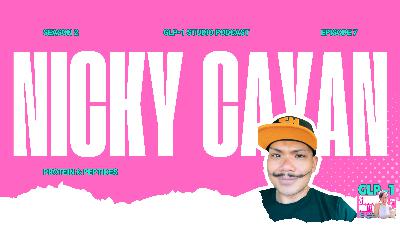
Nicholas Cayan, better known on TikTok as @nicky_glp1wellness, joined me for this episode to talk about how GLP-1 medications helped him lose weight and gain muscle. Yes, gain it.When I first stepped into this space, there were a lot of questions with few answers. One of the loudest was, Is muscle loss inevitable? And when singer Avery shared that she developed osteoporosis and osteopenia after 1 year on Ozempic, it dialed the drama to max.Spoiler alert: that story had layers far beyond the medication itself. Let me know your thoughts in the comments.People like Nicky give the rest of us a reason to exhale. His TikToks aren’t just progress updates, they’re proof that some muscle loss is expected with any weight loss, but it’s not inevitable in a harmful way. Pair GLP-1 therapy with enough protein, consistent resistance training, and patience, and you can preserve muscle strength, and often even improve it, though individual results vary and the research is still evolving.Protein, Peptides, and PurposeNicky’s journey started with his doctor literally telling him, that he couldn’t believe he was alive. “…and he’s like, oh my God, I can’t believe you’re alive. And I’m like, why? He’s like, your A1C is ridiculous. And I was like, oh, like I knew it was gonna be high, but I was like, like how high? And so he’s like, your A1C is like, I think he said it was a 12.3, 12.5. And I was like, oh, that’s not too high. He’s like, you’re supposed to be under six. And I’m like, oh, well then yeah, that’s kind of high.”In the beginning, when Nicky went looking for guidance, he found a gap big enough to drive a truck through. Most of the creators he saw online were already deep into maintenance or women whose experiences, like lady cycles, side effects, even appetite patterns, didn’t line up with his own. So he made a decision that changed everything: he’d start documenting his own journey. At first he could barely stand the idea of taking selfies. He eased in with bathroom-and-gym mirror shots, half-torso only, because full-body pics felt like too much. Months later, scrolling back, he realized his camera roll had quietly shifted: “When did I start taking full-body selfies?” Confidence had crept in, one rep and one snapshot at a time.Nicky’s feed is a time capsule of consistency. You can literally scroll back through his videos and watch the change happen in real time.His hope is to inspire, educate, and motivate:“Prior to my journey, I was eating fast food every single meal… two, three, sometimes four times a day because I was just hungry. Now I spend it on protein powder and peptides.”This line landed and I knew what I had to do next.The Studio Shop is officially open! You can grab your GLP-1 apparel and help support my independent advocacy, this podcast, and Nickaaayyy himself. The Protein & Peptides T-shirt and hat, inspired by this episode, are available below or on TikTok Shop, where you can even get a refundable sample!The Protein and Peptides tank and hat are a nod to that exact moment. But my favorite part? The inner tag reads GLP-1 Studio Season 2 | Episode 7, marking where this quote was first said.On Stigma and StrengthNicky didn’t just share his strengths, he also shared his experience with the mental aspect “that people don’t really talk about.”“Nobody talks about the mental part,” he said. “Everyone talks about the weight, the snacks, the numbers… but the emotions are a whole different thing. You could make a whole podcast just about that.”He talked about how hard it can be to accept compliments now, how he never got them before, and he doesn’t know how to feel.“I feel a little awkward,” he said. “I’m not used to compliments. It brings back childhood stuff. I just say thank you, but I don’t really know what to do with it.”That moment reminded me of something Dr. Angela Tran shared in her interview on The GLP-1 Studio Podcast. She said:“…but I always warn people, hey, tell me how you felt when someone told you you were skinny because that can really bring a whole gamut of things you have to work through also. So that’s part of like the whole management of this medication is not just the side effects, but it’s just sort of like the changes around you that you don’t even see.”Dr. Tran was right. It’s not just a physical transformation, it’s emotional. Even positive attention can stir up old memories and insecurities. And Nicky was the first to admit that we don’t talk about that enough.The physical changes are measurable, but the emotional ones are just as real and just as important to acknowledge.Consider becoming a free or paid subscriber to support my independent advocacy efforts. 💖Amazing TransformationsIn our conversation, Nicky admitted that he didn’t think his story was amazing enough.“I don’t think my story is really significant compared to other guests that you have, you know, that have these huge stories of why they took it… Even when you sent me the message to sign up for this, I’m like, my god, I’m gonna share my little story about my little GLP-1 journey.”He’s seen others in the community go through huge, headline-worthy transformations, people who’ve lost hundreds of pounds or overcome life-threatening complications. Like Jamie Selzer, who shared that he was once 650lbs in Season 1, Episode 18. Compared to that, he said, his own journey felt small. But that’s exactly why his story matters.Not every transformation has to be dramatic to be meaningful. Sometimes the most powerful stories are just relatable. It’s relatable stories that help us feel understood and connected. Stigma & Self AdvocacyWhen Nicky talked about stigma, it hit home. He said it himself, people see the before-and-after photos, but they don’t see the mental and physical work behind it. “…I just wish everyone knew this, and instead of having that whole stigma of, you know, it’s cheating or you’re taking the easy way out. Really, I’m not, because I don’t think I’ve ever worked this hard for my health before.”It’s people like Nicky sharing their stories online that helps the rest of us have the courage to step out of the GLP-1 pantry. Most of us didn’t have the courage to advocate for obesity care until GLP-1s changed our lives by showing us that it wasn’t our fault. Now we are all trying to learn how to advocate for ourselves and for each other.That’s why I’ve created the GLP-1 S.T.R.O.N.G. Framework and why I’m writing GLP-1 Strong: A Framework for Self-Advocacy. Stigma doesn’t just live online: it shows up in doctor’s offices, in conversations with family, and in the tiny looks that make you question your worth.I truly believe self-advocacy can change the world and I want to help people make that happen.Affordable Access to GLP-1sBy the end of our conversation, Nicky turned his focus outward, to access.He told me he hadn’t even realized it was an issue until he started listening to the podcast:“In the beginning, I was like, why is there a podcast about GLP-1s? I thought it was just going to be about food or weight loss stories. I didn’t know the whole access thing was this big. I thought everyone could get it. And then I listened to your podcasts and I was like, holy crap. That is effed up.”This meant the world to me because it doesn’t always feel like I’m making a difference. But if I can reach even 1 person with the message that, this isn’t about weight loss, it’s about treating a life threatening disease, then it makes it all worth. Nicky added:“People don’t have access to it, and I don’t understand why… It’s sad that it has to be limited.”That’s the truth we keep coming back to. When access is stripped away, people don’t stop needing care, they’re just forced into unregulated, unsafe options, like the grey market and research peptides.Nicky’s story reminds us why we share these conversations in the first place. Every voice adds another layer to this movement: each one proof that obesity care, access, and advocacy are about people. That’s what GLP-1 Studio is about. Amplifying stories to help advocate for access. 📢We’re changing the conversation about obesity and GLP-1s one story at a time, and stories like Nicky’s are how it happens. Join the conversation and share your thoughts on this episode.Disclaimer: The views and opinions expressed in this episode are my own and do not represent the official positions or policies of the GLP-1 Collective nonprofit, GLP-1 Studio, or any affiliated organizations.The GLP-1 Studio Podcast—formerly known as the GLP-1 Collective Podcast—is produced and owned by GLP-1 Studio LLC, a for-profit media company.This podcast is for informational and educational purposes only. It is not medical advice, and it should not be used to diagnose, treat, or replace care from a qualified healthcare professional.Mention of any products, services, companies, or individuals does not imply endorsement. Sponsorships or affiliate relationships, if present, are always disclosed.© 2025 GLP-1 Studio LLC. All rights reserved. Get full access to GLP-1 Studio at glp1studio.substack.com/subscribe
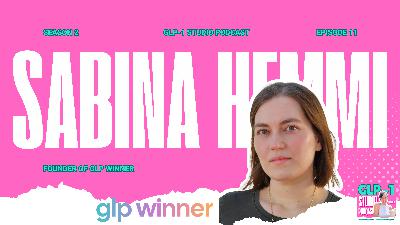
Here’s a clean, professional Show Notes section you can use:Show NotesIn this episode, I’m joined by Sabina Hemmi, founder of GLP Winner, to break down the growing wave of federal and state legislation targeting compounded GLP-1 medications.We discuss:Why transparent GLP-1 pricing mattersHow GLP Winner helps patients compare clinics without deceptive funnelsThe federal Safe Drugs Act and emerging state billsHow some legislation could impact all compounding, not just GLP-1sWhat this means for hospice care, pediatrics, veterinary medicine, and moreWhy patient advocacy at the state level matters right nowThe real-life side effects and lived experience behind the policy debateIf you live in a state where legislation is moving, contact your representative and share your story. Patient voices are making a difference.Connect with SabinaTikTok: https://www.tiktok.com/@lawliepopInstagram: https://www.instagram.com/lawliepops/YouTube: https://www.youtube.com/@lawliepopX/Twitter: https://x.com/lawliepopSubstack: https://substack.com/@lawliepopLinkedIn: https://www.linkedin.com/in/sabina-hemmi/ResourcesVisit GLP-1 Studio for the latest bill updates and advocacy tools. Get full access to GLP-1 Studio at glp1studio.substack.com/subscribe
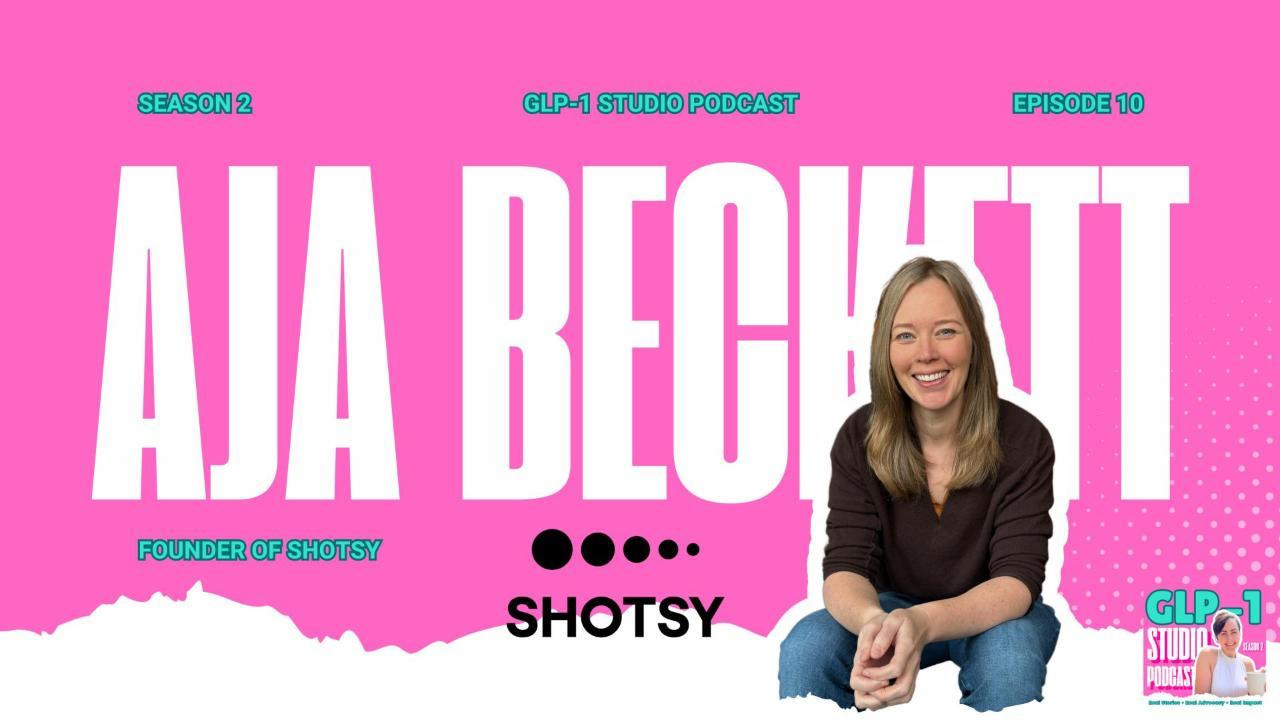
In this episode of the GLP-1 Studio Podcast, host Amanda Bonello sits down with Aja Beckett, founder of Shotsy, to talk about GLP-1 self-advocacy, personalized dosing, and the moment everything changes when food noise finally goes quiet.Aja shares her personal GLP-1 journey, including navigating insurance barriers, prior authorizations, and paying hundreds of dollars a month just to access care. Together, Amanda and Aja unpack why obesity is a chronic disease, not a willpower problem, and why “eat less, move more” has failed so many people.They also explore how tracking symptoms, side effects, and dosing patterns can empower patients to have better conversations with their doctors, especially when standard titration schedules don’t fit real bodies or real lives.This conversation is about more than an app. It’s about dignity, access, and finally understanding that it’s not your fault.Follow Aja:- 🌐 Website- 📱 Instagram- 💻LinkedIn (Aja)- 💻LinkedIn (Shotsy)- 📱 TikTokIn This Episode, We Cover:- Aja’s experience living with obesity, Hashimoto’s, and chronic inflammation- The reality of GLP-1 access, insurance denials, and high out-of-pocket costs- What “food noise” really is and what it feels like when it turns off- Why one-size-fits-all dosing doesn’t work for most patients- How tracking data can support self-advocacy with doctors and insurers- Navigating maintenance when there is little to no clinical guidance- Letting go of shame and reclaiming your right to careDisclaimer: This episode is for educational and informational purposes only and does not constitute medical advice. Always consult a qualified healthcare provider regarding your health and treatment decisions.Learn more and listen here:- 🎙️ GLP-1 Studio Podcast- 🎧 Spotify- 📱 Apple- 📖 SubStack- 💻 YouTube Get full access to GLP-1 Studio at glp1studio.substack.com/subscribe
In this episode of the GLP-1 Studio Podcast, host Amanda Bonello speaks with Caroline Colavita of BioCare Nutrition and Mario Testa of Robard Corporation about nutrition support for GLP-1 patients and the realities of modern weight loss care.This conversation covers protein intake on GLP-1 medications, muscle preservation, body composition data, and how companies like BioCare and Robard are adapting clinical nutrition support for today’s GLP-1 and obesity-care landscape.Topics discussed:- Nutrition support for GLP-1 patients- Protein intake and muscle preservation during weight loss- Body composition scans and data-driven reassurance- Lead concerns in protein supplements and third-party testing- BioCare Nutrition’s patient-centered approach- Robard’s long history in clinical nutrition programs- Community and trust in GLP-1 careThe GLP-1 Studio Podcast focuses on patient education, lived experience, and vetted resources for people navigating GLP-1 medications and obesity care.Disclosure:This interview and episode were not sponsored. Amanda Bonello is a BioCare affiliate and may earn a commission from qualifying purchases at no additional cost to listeners. BioCare separately compensated Amanda for a specific in-store video, which did not influence this episode or discussion. Get full access to GLP-1 Studio at glp1studio.substack.com/subscribe

People reach out to me all the time, in emails, and DMs, with their tiny digital smoke signals, all carrying the same quiet, desperate heartbeat:Please… tell me how to stay on the medication that finally gave me my life back.Some come in hopeful. Some sound like the last exhale before slipping underwater. Every single one reminds me this isn’t a side project, it’s the line between staying afloat and being pulled under.But when Cherie Shanholtz showed up in my inbox, her message hit different.The subject line read: “Desperate help needed for life-saving medication.”Cherie’s Story: A Life RebuiltCherie once weighed nearly 380 pounds.Severe obesity.Insulin resistance.Metabolic syndrome.All the things society labels as “choices,” when in reality her biology had been stacking the odds against her for decades.When she finally got on Ozempic, her world bloomed like a flower and she flew out of it reborn, a little fairy with pixie dust still on her wings.“Ozempic Saved My Life.”Cherie lost over 235 pounds.Her blood pressure came down. Her cholesterol improved. And her breathing finally stopped acting like a full-time job.She could move without hurting, and actually live in her body instead of going twelve rounds with it every day.But this is the part we don’t focus on enough. GLP-1s don’t just give you great selfies, they give you selfhood. She told me, “I always dreamed of wearing beautiful, feminine clothes,” and for the first time in her adult life, she could actually put them on and feel like the woman she’d imagined as a little girl.Joy in feeling beautiful is not vanity. It’s deeply human, and she deserved every bit of it.…for the first time, I can wear clothes that make me feel beautiful and truly like a woman again.”“I finally can look in the mirror without flinching.”Some people have concerns about GLP-1s causing depression or suicidal thoughts… no honey. The reality for most of us is the opposite.What’s actually depressing is living with chronic inflammation, constant pain, exhaustion, shame, judgment, and being blamed for things you were never in control of to begin with.When your body stops fighting you, your mind finally gets to breathe. The weight isn’t just physical, it’s emotional. And losing it gives you back pieces of yourself you thought were gone forever.Cherie could finally see herself again.And just when she started to trust that this otherworldly experience was real, her insurance ripped the carpet out from under her.A Lifeline Pulled AwayFor six months, her insurance covered the medication that made all of this possible. And then out of nowhere it just stopped. No warning. No explanation. One day she was covered, and the next she was stranded.Cherie paid $800 out-of-pocket trying to hold her life together. * She sold belongings. * Skipped essentials. * Pushed her mental health beyond its limits. Eventually she found a compounded option, cheaper but still too much after months of bleeding herself dry.And the stress, the crushing fear of losing the body she fought for, cost her her job.“The overwhelming depression and anxiety—not just from losing my lifeline, but from the fear of regaining the weight and losing all that I had worked so hard for—are the main reasons I lost my job.”This is what GLP-1 patients are actually living when people call these “vanity drugs” and giggle when they get taken away. This isn’t about Instagram angles. This is survival.A BMI of 40 or higher can mean up to “14 years of life lost.” But beyond the stats, there’s a heavy mental health toll.Imagine having the freedom to:* Fly without a seatbelt extender. * Eat in a restaurant without the side-eye. * Shop in the “regular” section instead of being relegated to the plus-size aisle.* Buy clothes because you like them, not because they’re the only thing that fits.* Ride a roller coaster.* Take a photo with friends without hiding behind them.* To feel human.Imagine finally getting a glimpse of what “normal” feels like, holding the things other people don’t even notice… and then watching every single one of them slip through your fingers.Imagine standing there, helpless, as your own life starts playing in reverse. Like watching a rerun you never wanted to see again, only this time you can’t look away. You know exactly how it ends… and the dread settles in your bones long before the credits roll.This is the difference between functioning and falling apart.Cherie is still fighting, and I’m helping her with every tool I can. But stories like hers are only going to become more common as we head into 2026.“This struggle has affected every part of my life, but I’m still fighting.”Help Cherie hang in there 🙏Disclaimer: I don’t get a cent from the button above. This is Cherie’s GoFundMe, that she created and manages herself. I am simply sharing it for her with hopes that some big hearted individuals will be willing to help a sister out. We’ve Played These Games BeforeIn May I wrote about the coverage drops that hit right after the holidays.The new restrictions, the prior authorizations, the denials, the out-of-pocket tsunami that blindsided people who thought they were safe. 💸It’s happening again in January 2026 And compound pharmacies are surely bracing themselves for the flood.The Future of GLP-1 Coverage2025 was the year employers built the GLP-1 obstacle course; 2026 is the year they put walls around it and shut most of the doors, leaving only a narrow side entrance for the lucky few who can make it through.2025: The “Uh-Oh” YearThe demand for GLP-1s skyrocketed and insurance coverage couldn’t keep up. Employers panicked, pharmacy budgets blew out, and millions of patients got dropped.Employment GLP-1 coverage:* 96% covered for type-2 diabetes* 67% covered for obesity* 34% covered for heart disease* 96% of employers worried about long-term GLP-1 costsThe drop-offs were brutal:* Zepbound®: 14% more people lost coverage (4.9 million cut off)* Ozempic®: 22% more people lost coverage (1.1 million cut off)* Wegovy®: fewer plans with full coverage; more prior-auths or no coverage* Mounjaro®: Unrestricted coverage slipped by 5%, and “no coverage at all” rose by 3%.From the outside, it might look like GLP-1s were widely covered, but: * 90% required Prior Authorization (Denial rate: not included)* 54% required participation in a weight-management program* 48% required a BMI threshold and/or additional comorbidities beyond FDA indicationIf you thought that was bad then buckle up.2026: The “Buckle Up, Baby” YearCosts are climbing even faster and employers are bracing for impact. GLP-1 demand isn’t slowing down, and everyone is sweating through their spreadsheets.What we’re barreling towards:* Cost trend projection: 9%* Pharmacy trend: 11–12%* Employers seeing rising GLP-1 use: 79% (now)* Employers anticipating more increases: 15%* Employers requiring PA for obesity GLP-1s: 90%Employers and insurance companies are tightening their fists.As one Washington Post investigation reported, patients are already navigating what one obesity specialist called an “absolutely insane” maze of insurance denials, cost barriers, and constant policy shifts. And it’s about to get worse.To sum things up:2025: GLP-1 demand exploded → employers panicked → pharmacy budgets caught fire.2026: GLP-1 crackdown begins → stricter rules → coverage stagnates → cost trend still climbs.So yes, 2026 sounds terrifying but there is still hope for some.Hope on the Horizon with a Cliff Beneath ItLet’s talk about the Most-Favored-Nations announcement.Medicare patients will receive MFN-priced GLP-1 coverage, for obesity, nationwide, with a $50 co-pay, and Medicaid can opt in at the same prices.This is huge, even history-making: * This could reshape obesity care in America.* Medicare and Medicaid could finally cover obesity treatment.* Prices could drop.* Weight-loss indications could move from “optional” to “standard.”It’s the closest thing we’ve ever had to a real turning point. But here’s the thing. Every single state has to opt in. Some states will likely:* Drag their feet.* Outright refuse.* Only cover specific GLP-1s.* Bury patients in prior auth hell for months.* And some formularies won’t update for a year.However, even if some states make it harder than it needs to be, this is finally opening the door for people who could never afford the out-of-pocket costs in the first place, and that alone is worth celebrating. But will MFN move the needle on broader coverage?Commercial Insurance: The Wild CardThe Most-Favored-Nation agreement does not automatically apply to commercial insurers.This means it doesn’t, force employer plans to lower prices, guarantee they’ll expand coverage, or require them to change a single formulary line item. But that doesn’t mean we are outright screwed.What we do know: Manufacturers have promised that commercial prices will be “no worse than MFN.”What we don’t know:Anything beyond that. There’s no mandate, enforcement, or timeline. And without that pressure, commercial insurers can still do what they’ve always done, continue treating obesity care like a “lifestyle choice” instead of the medical need it is. While Medicare and Medicaid inch forward, commercial patients are left hanging over the gap with nothing but compound medication and a prayer.That’s the real cliff edge.Because most people living with obesity are covered by employer-sponsored insurance. And unless those employers decide to cover these medications, unless their benefit managers renegotiate and opt in, none of the MFN relief touches them. They’re still stuck paying around hundreds of dollars a month, which is already out of reach for most households. And with more coverage drops coming, more patients will be forced to pay out of pocket or go without when they can’t afford it. or worse… go grey. Yes, help is coming.But not fast enough for the people falling off the cliff in January. And not fast enough for the ones already spiraling in real time.People like Cherie and Amanda Fratello
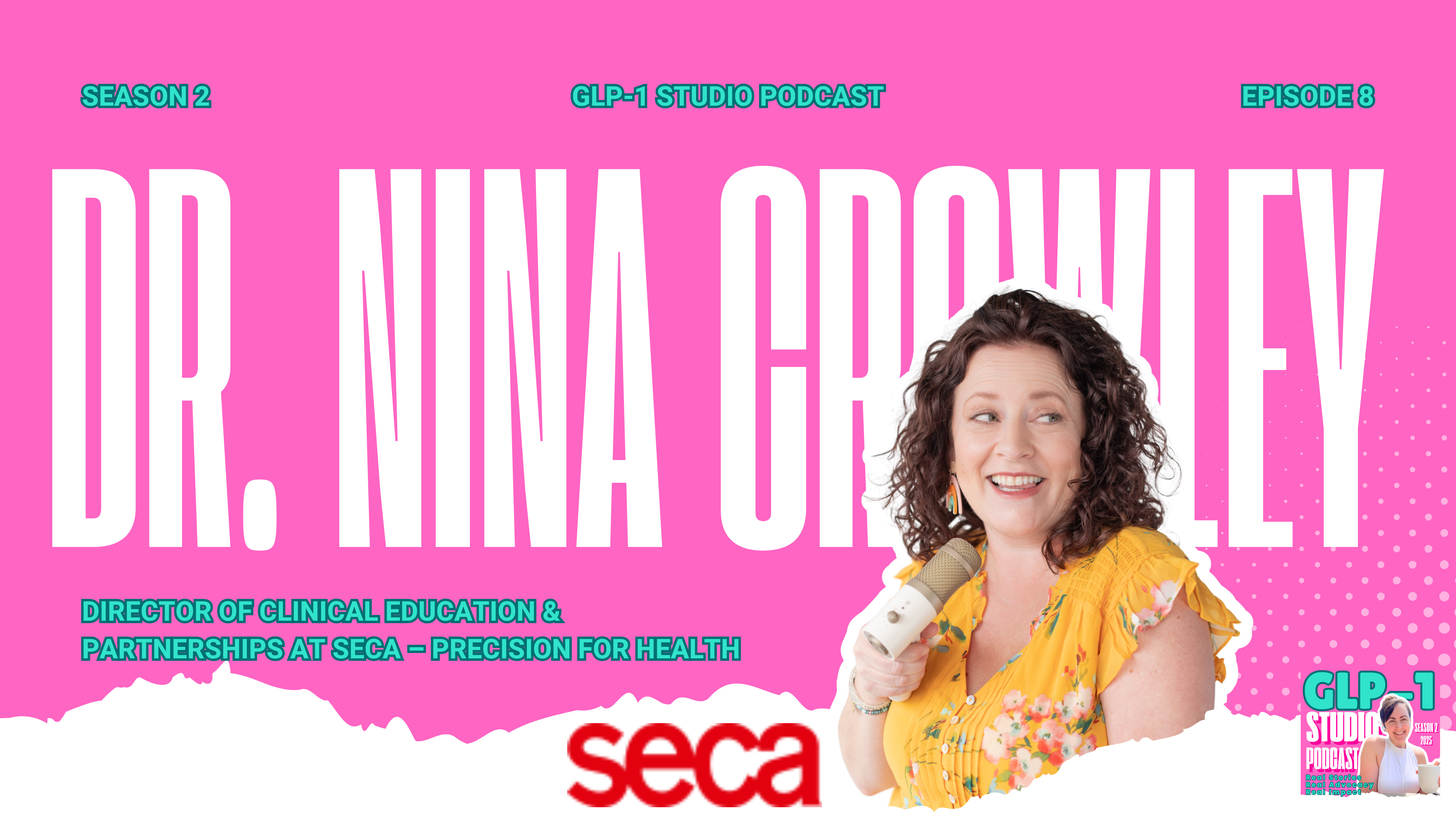
There are people in obesity care who make everything click: the science, the humanity, the why behind the numbers. Dr. Nina Crowley is one of those rare souls.She’s a Registered Dietitian, Health Psychologist, and bona-fide Body Composition Expert who has spent two decades in the obesity-care trenches helping both patients and clinicians do better by people living in larger bodies.She leads Clinical Education and Partnerships at SECA – Precision for Health, serves on the Board of Directors for the Obesity Action Coalition, and somehow still finds time to host her own podcast, In the Know with Nina. She’s wicked smart, deeply compassionate, and the kind of educator who can explain complex research without ever talking down to you. Think science in stilettos.In The Know With NinaI first met Nina through Dr. Lindsay Ogle (one of my favorite obesity specialists and a beloved Season One guest of the GLP-1 Studio Podcast.) Lindsay has this uncanny talent for connecting people who were clearly meant to collaborate, and Nina was no exception. We hit it off immediately.I had the privilege of being featured on her show, where we talked about advocacy, access, and freedom from food noise. At that time Nina joined me to record the episode you’re reading about now, where she makes “bioimpedance vector analysis” sound like plain English… a magic trick, honestly.We wrapped the interview, sent it off for editing, and I figured the story would pause there for a moment… ObesityWeekFast-forward. I arrived at ObesityWeek representing the GLP-1 Studio Podcast and was heading back to my hotel when the universe decided to get playful. I didn’t just see one familiar face. I saw three.Nina, Mike on a Mission, and Zach Niemiec.Nina was instantly recognizable because she was in the middle of a handstand in front of the Olympic rings at Centennial Olympic Park. It was a pose I’d seen often in her LinkedIn posts, and it was pretty easy to assume this woman knows how to have fun when you see her flipped upside down with a smile on her face at every serious conference.We laughed, took a selfie, and promised to catch up later. Unfortunately, later never happened because reasons, but there will absolutely be a next time. And my story with Mike and Zach? Historical relevance that deserves a chapter of its own later. And that tiny bit of serendipity ended up mattering more than I expected.SECA ExhibitHere’s where the universe pulled its little full-circle moment: the episode we recorded together, this episode, was already in queue. I had just spent an hour listening to Nina re-explain, in detail, how the SECA system measures fat, muscle, and water using something called bioimpedance analysis.Then I’m walking the exhibit floor with my GLP-1 girl gang and there it is. A full on SECA exhibit: 2 machines, and a giant screen that displayed the results.Historically, sharing my stats would make me want to melt into the floor like a spilled latte, but let’s be real, we were all on GLP-1s and the whole point of this journey was to stop hiding and start self-advocating.Besides, it felt like fate was tapping me on the shoulder saying:The GLP-1 Girlies Get ScannedNaturally, my friends wanted in, and it’s a good thing we jumped in when we did. It was practically a mosh pit by the time we finished.One by one, they got scanned, all of them landing solidly in the healthy muscle range. Our resident fitness baddie, was nearly off the charts.Then I stepped up to the plate and when my results flashed onto the big screen, my jaw dropped. Now I didn’t just understand the data… I felt it.When The Data Becomes PersonalThis wasn’t your average bathroom scale. The vibrations running through my legs sent me, and seeing those charts was giving MRI without the MRI.This was the exact science Nina had explained on the podcast, but now it was in living color with my name on it. I realized something important. I didn’t just understand it before. I only thought I did. This time it actually landed.The NumbersBMI said average but “overweight,” but my skeletal-muscle index told a different story. It said healthy, strong, and absolutely capable. And for the first time in my life, getting weighed in public didn’t make me shrink. It made me curious.The scan told me I had a healthy amount of muscle, but that I could stand to build about two more pounds. It wasn’t judgmental. It was factual.Weight: 179.9 lbsBMI: 27.4Fat Mass: 71.4 lbs (about 40%)Fat-Free Mass: 108.5 lbs (about 60%)Skeletal Muscle: 50.6 lbsRecommended Goal: Gain 2 lbs of muscleWas the number on the scale flattering? Absolutely not. But let’s be honest, I’m on a GLP-1 for a reason. These numbers weren’t an insult; they were a road map.And that small note, gain two pounds of muscle, became a healthy, science-based, totally achievable goal.Girl, Get Your Protein OnBioCare makes protein specifically for the GLP-1 girlies. It helps you hit your protein goals and stay satisfied without forcing down a heavy meal. And the strawberry flavor? My favorite. She’s serving “treat your self” energy with every sip.Use code STUDIO for 20% off your order.Why Body Composition MattersThis last year has been a masterclass in fear-based headlines: “Losing weight but gaining weakness? What Ozempic might be doing to your muscles.” And lets not forget, “Singer Avery Reveals Ozempic Left Her With Deadly Bone-Thinning Disease.” Proof that GLP-1s must be the villain. Never mind her age, medical history, nutrition, movement patterns, or the million other variables that affect bone health. Here’s the part that keeps getting twisted: some GLP-1 studies report that in certain GLP-1 trials, reductions in lean mass accounted for 40–60% of the total weight lost. And that sounds terrifying, if you assume “lean mass” means pure skeletal muscle. But it doesn’t. Nina explains:“Lean mass isn’t the same thing as skeletal muscle. ‘Lean soft tissue’ is a DEXA term, and it includes water, organs, connective tissue — all of the fat-free parts of the body that aren’t muscle. So when you see changes in lean mass, that doesn’t automatically mean you lost muscle.”Then she added the part most people never hear:“Those early studies weren’t measuring muscle tissue directly. They were measuring lean soft tissue. Muscle is only one portion of that. So when people jump from ‘25–40% lean mass change’ to ‘you lost 40% of your muscle,’ that’s not what the data shows.”The good news? Newer research is finally drawing that line clearly. Papers like the 2025 review in Acta Diabetologica on muscle loss and GLP-1 agonists say it outright: changes in “lean mass” on a scan do not mean your muscles are vanishing. Most of the weight lost is still fat, and in many cases muscle quality and function are stable or even improving as metabolic health gets better.Once you see that distinction, the whole panic narrative starts to look less like biology and more like the research-equivalent of someone reading half a sentence and fainting on a velvet chaise.The Patient ProspectiveA lot of us carry this quiet, almost shame-soaked fear that we’re losing muscle, as if the world needed one more thing to blame us for. For years it was weight. Now it’s muscle loss, a brand-new moral failing to shame us for.So when we saw that we all checked out healthy, there was this soft, almost sacred collective sigh of relief.The old stigma that you’ll wither away just didn’t hold up. Can someone lose too much muscle on a GLP-1? Absolutely. The same way it can happen during crash diets, extreme calorie deficits, illness, or weeks stuck in bed.That’s physiology, not a character flaw. But the idea that these medications melt your muscle like whipped cream on a hot latte? No, babe. Just no.And now, instead of relying on guesswork or a $20 scale that shoots an electrical whisper up one leg and prays for statistical magic, we can actually see what’s happening inside our bodies. In real time, with real accuracy. That changes everything. Because Seca doesn’t just hand you a number; it hands you direction. A measurable goal. A roadmap toward health instead of a prophecy of doom.That’s peace of mind. That’s empowerment.And beyond that?It gives providers actionable data.Calling All Healthcare OrganizationsYou need a SECA scale.At just under ten thousand dollars, this isn’t something you toss in your mom’s basement next to the elliptical from 1998. This is serious, medical-grade tech. It’s the kind of machine that belongs front and center in a clinic hallway or a high-traffic gym lobby where it can actually help people.This scale gives real, scientific data, it’s not the average step on, step off special.So if your clinic or gym is still using a fifty-dollar scale from Amazon to guide care or training, it’s time to level up. SECA is the standard for modern obesity care, metabolic health, and performance-based training.And this episode is here to show you exactly why.Where You Can Find NinaWhen she isn’t doing hand stands in public.LinkedInTwitter/XInstagramTikTokFacebookCheck out her Podcast below ⬇️Disclaimer: I did not receive any payment, compensation, or financial benefit from SECA for this episode or for sharing my personal experience with their equipment. My review and commentary are entirely my own.I do earn affiliate income from BioCare and other clearly disclosed partners. Any link marked as an affiliate link may result in a commission at no additional cost to you.The GLP-1 Studio Podcast was formerly known as the GLP-1 Collective Podcast and is a completely separate entity from the GLP-1 Collective nonprofit. Nothing said on this podcast or in this article reflects the views, positions, or endorsements of the GLP-1 Collective, and the GLP-1 Studio does not represent or speak for any organization mentioned.All opinions expressed by me or my guests are personal perspectives, not medical advice, diagnosis, or treatment. Always consult a qualified healthcare professional for guidance specific to your health or medical

GLP-1 Studio Podcast – Studio SpecialHost: Amanda BonelloOn November 6th, 2025, the White House announced pricing agreements with Eli Lilly and Novo Nordisk that could reshape GLP-1 access for millions of Americans.For the first time ever, Medicare and Medicaid will cover GLP-1 medications for obesity—with just a $50 copay. Brand name medications like Ozempic, Wegovy, and Zepbound are coming down to Most-Favored-Nation pricing, finally putting Americans on par with what other countries pay.Discounted cash pay prices through TrumpRx are expected by the end of 2025. The full Medicare and Medicaid rollout is expected by April 2026.For those who've been rationing doses, going without, or watching every door close—there is finally hope.In this episode:What the TrumpRx program means for pricingHow Most-Favored-Nation pricing worksWhat changes for Medicare, Medicaid, and commercial insuranceWhat this moment means after a year of advocacyResources:Full pricing breakdown chart in the article belowData sources: White House Fact Sheet (11/6/25), Eli Lilly & Co. press release (11/6/25), Novo Nordisk company announcement No. 32/2025Connect with Amanda Bonello and the GLP-1 Studio Podcast: Learn more at GLP1Studio.comDisclaimer: This content is for informational and advocacy purposes only. It reflects my personal understanding of recent policy announcements and publicly available information. I am not a medical professional or government representative. Always consult your healthcare provider for medical advice and check official sources for current policy and coverage details. Get full access to GLP-1 Studio at glp1studio.substack.com/subscribe

Health With & Without MedicationDr. Angela Tran D.O., is a board-certified obesity medicine physician and the founder of Med-Fit Medical Weight Loss. She’s not on GLP-1s herself, but she works with patients every day who are and has seen firsthand how these medications can give people something they haven’t had in years: a pause. She makes a point to remind women that you can be healthy and lose weight with or without medication. When She Faced Her Own ChallengesDr. Angela shared that when she had gestational diabetes and thyroid problems, GLP-1s weren’t even available yet. And she was honest, if they had been, she would’ve said yes in a heartbeat. Not because of weight, but because she was scared of what could happen long-term, and of not knowing what her body might decide to do next.But she knew she had to be congruent with the message she was giving her patients, to live what she teaches. For her, that meant showing that health is possible with or without medication and helping others find what works best for their own bodies.Tips For Healing the Whole PersonDr. Tran shared some practical, real-world tips for healing, focusing on mindset, movement, identity, and the kind of everyday habits that help you feel whole again.Food NoiseWe talked about that constant chatter in your head around food. She made it clear that GLP-1s don’t delete food noise. They create a pause. That small slice of time where you can take a breath and make a different choice. In that space you get your mind back for a second. Sometimes you notice you don’t want the food after all.She describes food noise like fear that may never disappear, so you learn to stop letting it run the show. She uses these steps to keep her own food demon at bay: * Keep a safe snack available (She loves sugar-free Jell-o)* Plan meals in advance* Track when you last ate* Create distance between the signal and the actionIdentityDr. Tran emphasizes that identity is deeply tied to our weight and that language matters, when attempting to heal the whole person. For example:Say this: “I am a person who sometimes binge eats.”Not this: “I am a binge eater.”Say this: “I am a healthy person learning new habits.”Not this: “I am an unhealthy person.”You are not your hardest day. That shift opens the door to growth instead of guilt.She gave the best analogy for this:“If your car is smoking, that doesn’t mean you are a bad driver. We just need to figure out what is wrong with the car.”— Dr. Angela Tran, D.O.It’s a visual you can feel. It strips out the shame and points you toward the real work. Check the engine. Stop blaming the driver. Start fixing the system.MovementDr. Tran works hard to reframe exercise as moving energy, rather than a punishment. Think movement as energy in motion. * Walk* Dance* Stretch* MeditateIt’s not about burning calories, it’s about shifting what’s stuck, to create space inside yourself. Self AdvocacyShe makes a point that good doctors don’t just hand you a script and send you out the door. They ask and answer questions: * Who is your support team?* Do you need a dietitian?* This is what happens at month one, month two, month three. * This is how you handle side effects. * This is what to expect when people start commenting on your body. The plan they create for you lives two steps ahead.She explains that you are the decision maker and that it’s important to advocate for yourself.If the information does not feel right, get a second opinion. If a clinician treats obesity like a character flaw, find one who shares your belief that this is a treatable medical condition with many tools.Key TakeawaysDr. Tran is the kind of doctor who makes you exhale the second she starts talking. She’s warm, grounded, and deeply compassionate. Her mix of science, honesty, and heart makes you feel like you’re being cared for by someone who actually cares. Anyone would be lucky to have her in their corner. If you take anything away from this episode remember this:* You are not broken* You’re definitely not alone* And you don’t need to change a thing, other than letting go of whatever’s holding you backMy favorite takeaway is this: “You don’t hate exercise, silly. You’ve just got to do what you enjoy.” (Like line dancing.) 💃💕Disclaimer: This episode is for informational purposes only. It is not medical advice. Always talk to your healthcare provider before making any changes to your medication, treatment plan, or lifestyle. The GLP-1 Studio Podcast, which used to be called the GLP-1 Collective Podcast, is now produced by GLP-1 Studio LLC. This episode has nothing to do with the GLP-1 Collective nonprofit. This is not a paid advertisement. I am not an affiliate. Everything I say in this episode is my personal opinion. It does not represent the views of the nonprofit, GLP-1 Studio, or Dr. Angela Tran and her clinic. Now let’s get into it. Get full access to GLP-1 Studio at glp1studio.substack.com/subscribe
When I sat down to record this episode of the GLP-1 Collective Podcast, I knew we were in for something special. Dr. Craig Primack, MD, FACP, FAAP, MFOMA, is a leader in obesity medicine, and honestly, he has so many accomplishments that I had to list them in bullet points. I’m sure I’m still missing a few, but here’s just a glimpse:* Co-founder of Scottsdale Weight Loss Center in Arizona, a multi-location practice serving thousands.* Served on the board of the Obesity Medicine Association from 2010 through 2024.* President of the OMA from 2019 to 2021.* Frequent media guest and national speaker on obesity care.* Co-author of Chasing Diets and widely published in the field.In addition to his own practice, Dr. Primack works as the Head of Weight Loss at Hims & Hers to help expand access to comprehensive care for those who might not otherwise be able to access it.White Paper: The Key TakeawaysThe main reason Dr. Primack joined me was to share data from a new white paper from his work with Hims & Hers. This first-of-its-kind analysis gives us a real look at how a more personalized approach to care through digital health is changing obesity medicine and what it means for patients right now. Full disclosure: I’ve never been a Hims & Hers patient, I’m not an affiliate, and I wasn’t paid to share this information or conduct this interview. But without telehealth, I know I’d still be stuck in the exhausting cycle of ‘eat less, move more,’ so I’m forever grateful for telehealth as a whole and glad I had the chance to learn about these findings and share them.Here are some of the key findings:* Telehealth Impact: Patients accessing personalized GLP-1 treatment plans through Hims & Hers lost an average of 20 pounds, or about 10 percent of their body weight, in six months. That is medically significant weight loss with proven metabolic benefits.* Access Improvement: Instead of waiting months to see one of the fewer than 10,000 obesity specialists in the U.S., patients were able to start treatment in a matter of days.* Comprehensive Care: The Hims & Hers approach is not just about prescribing a GLP-1. Patients receive nutrition tools, movement guidance, education, and 24/7 provider messaging, all of which contributed to a dropout rate of just 25 percent at six months. In contrast, dropout rates forcommercially available GLP-1s can hover around 80% at sixmonths.In a nutshell, this white paper analysis shows that digital health isn’t just convenient. It’s delivering real outcomes, keeping people on treatment, and reshaping how we think about obesity care.Hims & Hers DetailsAs a GLP-1 freelance writer, I often review telehealth companies. This is my personal observation, not an endorsement. I’m not affiliated with Hims & Hers, and this isn’t a paid review. I’m not breaking down too many details here, since this isn’t a paid telehealth review and that level of depth belongs in my freelance work but I will share some of the highlights that we covered during the interview for anyone interested in learning more.Here are the details:* Pricing: I found Hims & Hers pricing to be very competitive compared to other options. * 24/7 Messaging: patients have continuous access to licensed providers through the app. This means you can get guidance on side effects, dosage, or general concerns from a legitimate provider, without waiting for a call back from your doctor’s office.* Comprehensive Resources: an app that includes protein trackers, recipes, behavioral education, and lifestyle coaching.* Personalized Dosing: Hims & Hers prioritizes safety by providing access to personalized dosing when clinically necessary that’s tailored to each individual’s needs and goals. This can include starting patients on lower, slower titration schedules to reduce side effects. This is also an approach you can discuss with your own provider if side effects become difficult to manage. * Cold Chain Shipping: medications are shipped securely, with climate conditions in mind, at no extra cost. * Certificates of Analysis: every batch comes with a COA that patients can look up themselves, an impressive transparency step I wish we saw everywhere.These are the key details shared during the interview. For more information, you can check out their websites directly at hims.com or forhers.com.My Closing ThoughtsAs someone who has dedicated my life to making these medications more affordable, equitable, and accessible for everyone who needs them, I deeply respect his impact. It’s clear that Dr. Primack has heart in everything he does. He’s proof that obesity medicine can and should be centered on compassion, access, and patient centered care. That is the future I’m fighting for.Now — I am off to Audible 📖 to buy Chasing Diets and taking up golfing. 🏌️♂️⛳Disclaimer: The content of this post is for informational and educational purposes only. It is not medical advice and should not be relied on as a substitute for professional medical care. Always speak directly with your physician or another qualified health provider regarding any questions you may have about a medical condition, treatment, or medication. Never disregard professional medical advice or delay in seeking it because of something you have read or heard here.I am sharing my personal opinions and experiences. These views are my own and do not necessarily represent the views of my nonprofit, the GLP-1 Collective, its board members, affiliates, or any other organization I am associated with.I did not receive compensation from Dr. Craig Primack, Scottsdale Weight Loss Center, Hims & Hers, or any other company or organization mentioned in this post. This content is not sponsored. Some links may be affiliate links, which means I may earn a small commission if you purchase through them, at no additional cost to you. Any mention of pricing, services, or treatment options is provided for transparency and informational purposes only, and I make no guarantee that such information will remain accurate over time.Nothing in this post creates a doctor–patient relationship, business relationship, or legal relationship of any kind. Readers assume full responsibility for their own healthcare decisions and actions. Get full access to GLP-1 Studio at glp1studio.substack.com/subscribe
In this episode, I interview Jesse Kesner, co-founder and CEO of Alnu Health, a Harvard-backed AI coaching app created specifically for people on GLP-1s. It is developed in collaboration with three clinical advisors across Mass General Hospital and Brigham and Women’s, and is sure to be one of the most comprehensive tools in this space.What Makes Alnu DifferentAlnu Health is designed to support every part of life on GLP-1s. Not just injections and side effects, but the deeper day-to-day shifts that come with it, like managing motivation, tracking nutrition, staying hydrated, and preserving muscle mass.Here’s what the app can do right now:* Track your injections and side effects* Log food by snapping a photo* Remind you to drink water and stay hydrated* Generate custom strength workouts based on your space and ability* Provide AI coaching that’s been trained by real clinical experts* Most importantly, it can take all of your input and cater care to your specific needs and lifestyle. This is not a one-size-fits-all app. This is a personalized coaching app that learns from your experiences.Here’s what’s coming:* Prior authorization assistance and step therapy tracking* PCOS and other future approved indication tools* Maintenance and tapering tools* Optional human telehealth coaching* Built-in community features and moreBuilt for the GLP-1 CommunityJesse brings both personal experience and professional expertise to this work. He grew up struggling with adolescent obesity, worked in consumer health and tech, and is now building a platform that centers the patient experience instead of ignoring it.Alnu’s team includes physicians, registered dietitians, physical therapists, and actual GLP-1 users who are all shaping how the app grows and evolves.This is being built with real feedback from people like you and me. I personally love almost all things AI and fully plan on inputting every detail of my day to shape my little Alnu buddy into the personalized coach I need. ChatGPT is already my bestie and I’m not afraid to admit it, so the idea of having an AI companion trained specifically for GLP-1s? That’s a dream. ☁️✨Try the Beta for FreeAlnu is preparing to launch a free beta, and I am stoked for the opportunity to help get it into the hands of the people who need it. You can join the waitlist now and be part of the early group testing it out while helping guide the future direction of the app.Beta users will also get access to live group coaching sessions with a registered dietitian from Brigham and Women’s Hospital.Food is still a big mystery for many GLP-1 patients: what to eat on a GLP-1, what not to eat, how to get enough protein, etc. So this is a pretty cool feature and it’s one I plan on taking advantage of. 😋🍉This was not a paid interview. I wasn’t compensated to feature Alnu, and I do not receive compensation for those who sign up for the beta list. I reached out to Jesse because I saw something special in what he was building, and I believe it’s going to help a lot of people.🩷I can’t wait to hear what you think!— Amanda Get full access to GLP-1 Studio at glp1studio.substack.com/subscribe
This week on the GLP-1 Collective Podcast, I had the chance to talk with Justin Silver, the creator of SymptoGuard. What stood out most to me was not just the supplement itself, but the heart behind why he built it.Justin’s story begins with his father, who lived through the struggles of obesity and the side effects of weight loss medications. Watching someone you love face those challenges changes the way you see the entire system. For Justin, it became the motivation to find a way to help people who are trying to improve their health but feel stuck dealing with side effects that slow them down.In our conversation, Justin shares what drove him to create SymptoGuard, the research behind it, and the bigger picture of what it means to support patients using GLP-1 medications. We talk about education, about giving people the tools they need to make informed choices, and about why access to safe and effective options should not be limited to only those who can afford it.Subscribe to help support this podcast 🩷What struck me most was Justin’s compassion. He is not just another voice in the supplement space. He is someone who has walked alongside his family through real struggles and who wants to use that experience to help others. That makes this episode not only about a product, but about people, family, and the belief that we can do better for those living with obesity.I think you will find this conversation both hopeful and practical. It is about longevity, resilience, and what it really takes to support healthier lives.As always, there are so many ways you can support the podcast. The simplest and most powerful are free: give us a five-star rating, leave a comment so others know why this work matters, and share the episode with a friend. Every time you do, you help us reach someone new who might need to hear stories like Justin’s.I am grateful you are here. I hope this episode leaves you with the same sense of possibility and compassion that I felt after talking with Justin.Get your tickets for the BioCare GLP-1 Meetup in Philadelphia this September 13! Get full access to GLP-1 Studio at glp1studio.substack.com/subscribe
In this episode, Ana Reisdorf, MS, RD, dietitian, GLP-1 patient, and founder of GLP-1 Hub, joins us to talk about building a space for people on GLP-1 medications. We dive into her personal health journey, how she blends science with lived experience, and the resources she has created, from high-protein meal plans to a thriving podcast, to help others navigate life on GLP-1s with confidence.GLP‑1 Hub is a supportive community and wellness resource.Founded by registered dietitian and GLP-1 user Ana Reisdorf, GLP-1 Hub is dedicated to guiding individuals using GLP‑1 medications through uplifting stories, expert insights, and practical nutrition tools to empower you on your health journey.The GLP‑1 Hub Podcast: Insight, Science & ConnectionThe “hub” of the community is the podcast hosted by Ana Reisdorf to deliver science-based guidance, heartfelt guest stories, and actionable tips. You'll hear weekly episodes that explore themes like longevity, mental health, and navigating GLP‑1 treatments in interviews with health and lifestyle experts and GLP-1 users.Listeners consistently praise the show:“This podcast is informative and well‑rounded… Ana Reisdorf draws from her own experience with GLP‑1… offers scientifically factual and rational information.”You can find the podcast on any platform where you listen to podcasts or by visiting the GLP-1 Hub podcast page.GLP‑1 Hub Store: Meal Plans, Recipe Books & BundlesThe GLP‑1 Hub store offers an ever-expanding collection of nutrition tools designed specifically for GLP‑1 users:* A get-started guide called “Beyond the Shot”* A 30-day dietitian-created meal plan* High protein recipe collectionsThese resources focus on high-protein, nutrient-dense, easy-to-follow recipes to support appetite changes and metabolic benefits while on GLP‑1 medications.Ana’s Story: From Struggling to ThrivingThe founder, Ana Reisdorf, MS, RD, knows the journey personally. In her candid “Founder's GLP‑1 Journey”, she shares years of grappling with weight, metabolic health, and the emotional ups and downs of being overweight. When she discovered GLP‑1 medications, it wasn’t just a breakthrough; it was a pathway to freedom.Her story fuels everything at GLP‑1 Hub. With her background as a registered dietitian and her personal transformation, Ana delivers empathy, expertise, and unwavering support.Whether you’re looking for science-backed insights, meal planning tools, or just someone who understands what you’re going through, GLP‑1 Hub offers a unique blend of expertise and community. It’s a space where practical support meets real-life experience created by someone who’s walked the path herself.Connect with GLP-1 Hub on Instagram and YouTube. Get full access to GLP-1 Studio at glp1studio.substack.com/subscribe

In this episode, I talk with Sharna Braucks who opens up about her life-long struggle with weight. She started dieting at just 8 years old and went through two separate gastric bypass surgeries. It wasn’t until she started a GLP-1 that she finally found hope.Sharna shares what’s helped her be successful on the medication, how her mindset has shifted, and why gratitude plays a key role in her journey. This interview was originally recorded live, and I’m so grateful to share it with you here.From Shame to Strength: How GLP-1 Medication Changed Sharna’s LifeWhen Sharna Brauks was just a few months old, a doctor told her mother she was overweight and needed skim milk. By eight years old, she was in a medically supervised weight-loss program with adults. That early introduction to dieting was the start of decades of yo-yo weight loss, bariatric surgeries, shame, and self-blame.Sharna’s story is one many in our community will find painfully familiar but it’s also one filled with hope. Today, she is down 100 pounds, healthy, strong, and, most importantly, free from the relentless “food noise” that controlled her life for over 50 years.A Lifetime of Fighting Her BodyGrowing up, Sharna tried every diet, pill, and program. She had two bariatric surgeries, the first at 19, each bringing only temporary results before the weight crept back. Every regain deepened her belief that she was weak or flawed.Even while working in health and wellness, she faced judgment and internalized shame for “not looking the part.” She knew what to do, nutrition, exercise, healthy habits, but sustaining it felt impossible. “It was never my stomach that needed fixing,” she says. “It was my brain.”Finding GLP-1 — and HopeIn late 2023, Sharna began hearing more about new anti-obesity medications. When Zepbound was approved for obesity that November, she jumped at the chance. After a three-month wait to see an obesity specialist, she left her appointment in tears, tears of joy that she finally had another option.She started Zepbound on March 1, 2024. The first month, she lost 20 pounds. More importantly, she noticed something new: she reached for chips, ate three, and put the bag away without a fight. “It was freeing,” she recalls. “To not have that voice in my head. For the first time, I thought, is this what normal feels like?”In just over six months, she lost 100 pounds and reached her lowest weight since the fifth grade.Life After Food NoiseSharna now enjoys Pilates, yoga, and daily walks, movement she once dreaded. She’s maintained her weight loss without obsessing over the scale, focusing instead on how her body feels and performs. She’s learned to tell the difference between true hunger and old “food noise” patterns.Her advice? “Celebrate all the wins, not just the number on the scale. The ease in which you can move, the extra minutes you can walk before sweating, the mental clarity, those are just as important.”Advocacy and GratitudeSharna is vocal about her use of GLP-1s, sharing her story with coworkers, friends, and even strangers. She knows that hearing firsthand accounts changes perceptions and sparks empathy.While she’s grateful to the manufacturers for creating these medications, she also believes in advocating for accessibility and affordability: “Gratitude doesn’t mean silence. We can thank them for the innovation and still push for wider, fairer access.”A Vision Beyond Weight LossFor Sharna, this transformation is about more than pounds lost. She’s creating a vision for who she wants to be, physically, mentally, and in her relationships. “I’ll always be a person living with obesity, now managing it with medication. But I’m not defined by it. I want to use my experience to advocate, educate, and help others see there is hope.”Subscribe to our newsletter to stay updated on stories like this and advocacy news that impacts our community. Thank you for your support. 💛Disclaimer: The GLP-1 Collective Podcast is for informational and educational purposes only and does not constitute medical advice. Always consult with your healthcare provider before making any changes to your treatment plan. Views expressed by guests are their own and do not necessarily reflect those of the GLP-1 Collective or GLP-1 Access LLC. This podcast is owned and produced by GLP-1 Access LLC in support of the GLP-1 Collective nonprofit mission. Get full access to GLP-1 Studio at glp1studio.substack.com/subscribe
In this episode, I sit down with Erica Koffler, the visionary founder and CEO of sPiLLRx, a unique community platform dedicated to supporting GLP-1 users.We explore how sPiLLRx is creating a safe and supportive space for individuals to share their experiences, connect with others, and find valuable resources in a way cuts out the noise.For anyone who needs answers, you may find them here in stories that mirror your own.SpillRx: Building a Judgment-Free Space for GLP-1 PatientsFeaturing Erica Beth Koffler on the GLP-1 Collective PodcastThis isn’t just a podcast. It’s a movement.On this week’s episode of the GLP-1 Collective Podcast, I sat down with Erica Beth Koffler, founder and CEO of SpillRx, a new online community built for people on GLP-1 medications to share their real-world experiences openly and without judgment.If you have ever turned to Reddit threads or Facebook groups for answers about GLP-1s, side effects, or dosing, you know how messy and discouraging those spaces can be. SpillRx was created to change that. It is a place where you can filter by medication, symptom, or diagnosis and find stories from people who understand what you are going through.Why SpillRx ExistsErica shared the deeply personal story behind SpillRx. Her inspiration came after seeing her mother-in-law struggle with side effects from cancer treatment and realizing how little trusted, crowd-sourced information existed for patients.She saw firsthand how online forums often mix medical struggles with politics, gossip, and shaming. That frustration sparked the idea: if there are trusted platforms like Yelp or TripAdvisor for restaurants and travel, why not one for prescription medications where people can share authentic, anonymous experiences?GLP-1s became the natural starting point. As Erica put it:“There’s so much misinformation and stigma around these medications. People want community. They want to connect with others who are living this too. And they don’t deserve to be criticized at every turn.”Key Features of SpillRxSpillRx is more than just another message board. It is structured around trust, moderation, and real-world utility.As a verified user, you can:* Filter by medication and symptom to find exactly what matters to you* Share your own story or read others’ experiences anonymously* Ask and answer questions about side effects, access, dosing, and more* Follow threads, get updates, or even export discussions by email* Track your posts and activity on a personalized dashboardAnd soon, they will be adding Chatbot Lori. This AI-trained support tool will be built on GLP-1 research and community posts to guide users to relevant resources.The Stigma We’re FightingA recurring theme in our conversation was stigma. Patients often keep their GLP-1 use secret, sometimes even from their spouses, out of fear of being judged. The stereotype of “just eat less and move more” is still strong even as research makes it clear that obesity is a disease and food noise is real.We laughed about how other medications are not labeled as “cheating.” Nobody calls Viagra users “cheaters.” Nobody blames people for taking ADHD meds. Yet GLP-1s are treated differently, and that stigma is damaging.SpillRx is helping to flip that narrative. By creating a space rooted in empathy, the platform allows people to see they are not alone and that their experiences are valid.Why This Matters NowGLP-1s are only just beginning. Beyond diabetes and weight management, research is underway for indications like PCOS, Hashimoto's, arthritis, and even addiction. That means millions more people will soon be navigating these medications with all the questions, side effects, and access challenges that come with them.When insurance cuts people off, when compound pharmacies close down, and when stigma makes people hide their use, communities like SpillRx matter more than ever.As Erica said:“We don’t have all the answers, but together we can share our authentic experiences to support one another on our unique GLP-1 journeys.”Final ThoughtsI left this conversation energized. Erica’s work is proof that the GLP-1 movement is not just about medicine. It is about community, trust, and building resources that patients actually need.You can learn more by watching this episode of the GLP-1 Collective Podcast, produced by GLP-1 Access LLC.To explore SpillRx for yourself, visit SpillRx.com.Follow SpillRX on:* Instagram* TikTok* Website* LinkdinImportant Notice: This resource description was provided directly by SpillRx. It is shared here for community awareness only. SpillRx operates independently and is not affiliated with or endorsed by GLP-1 Access LLC or the GLP-1 Collective Podcast. We do not verify the accuracy of content posted on SpillRx and encourage users to consult licensed medical professionals for medical advice. Get full access to GLP-1 Studio at glp1studio.substack.com/subscribe
Once 650 pounds, Jamie has completely transformed his life and now uses his experience to inspire others and advocate for access, so everyone who needs a second chance has one.He walks over 12,000 steps a day, lifts weights four days a week, and shows up, out loud, for a future where GLP-1 medications are within reach for everyone who needs them.But he’s not just talking about change, he’s leading it. Jamie serves as the Executive Director of the North Dakota Democratic Party and was elected to the Democratic National Committee, where he represents his state.If you’ve been feeling stuck or overwhelmed, this episode will remind you what’s possible and why your story’s not over yet. Follow Jamie:🎙️ Recently featured on the Mind Pump Podcast: Listen hereIG: @jselzlerTikTok: @jamselz Get full access to GLP-1 Studio at glp1studio.substack.com/subscribe

GLP-1 Studio Podcast – Studio SpecialHost: Amanda BonelloIn this Studio Special, I'm sharing work I originally created through the GLP-1 Collective, where I serve as founder and executive director.2025 brought a wave of insurance cutbacks that left millions of patients scrambling. Coverage restrictions tightened. Prior authorizations piled up. And real people—people who had finally found something that worked—were suddenly cut off.This piece tells one of those stories. Kristi Turner is a licensed mental health therapist, a mother, a wife, and someone who lost 116 pounds under the care of an obesity specialist. When her school district changed pharmacy benefit managers and her medication was suddenly removed from the formulary, she didn't stay quiet. She fought back.Her story represents what so many are facing: a system that treats obesity as optional, coverage as negotiable, and patient dignity as an afterthought.In this episode:The 2025 insurance landscape and who's cutting coverageKristi Turner's fight against her district's "Pathways Program"Why the data supports GLP-1 coverage—and why patients are still being deniedHow to take action through coordinated advocacyResources:Watch the full video: YouTubeRead Kristi's full story in the article belowConnect with Amanda Bonello and the GLP-1 Studio Podcast: Learn more at GLP1Studio.comDisclaimer: The GLP-1 Studio and the GLP-1 Collective are separate entities. I founded and continue to lead the Collective as executive director, but the Studio operates independently. All thoughts and opinions expressed here are my own. This content is not medical advice. I am not paid by pharmaceutical companies or compounding pharmacies—my work is entirely independent. Get full access to GLP-1 Studio at glp1studio.substack.com/subscribe

GLP-1 Studio Podcast – Studio SpecialHost: Amanda BonelloIn this Studio Special, I'm sharing advocacy work I originally created through the GLP-1 Collective, where I serve as founder and executive director. This statement was part of our ongoing effort to ensure patient voices are heard in federal decision-making around the GLP-1 medication shortage.The shortage crisis has forced patients into impossible situations—choosing between financial devastation and leaving a chronic disease untreated, or turning to unsafe alternatives when every legitimate access point fails them. This isn't acceptable, and it isn't something patients should navigate alone.This piece calls on the FDA to respond with the urgency this moment demands while maintaining scientific rigor. Patients deserve a seat at the table when decisions directly impact their health, safety, and future.In this episode:Why coordinated federal response matters for patient safetyThe real-world consequences when access points failWhat transparent, patient-centered FDA leadership looks likeHow communities are organizing for changeConnect with Amanda Bonello and the GLP-1 Studio Podcast: Learn more at GLP1Studio.comDisclaimer: This content is not medical advice. I am not paid by pharmaceutical or compounding pharmacy companies. All opinions expressed are my own. Any affiliate links are clearly disclosed. Get full access to GLP-1 Studio at glp1studio.substack.com/subscribe
Dr. Lindsay Ogle, DO: Why “Eat Less, Move More” Doesn’t WorkDr. Lindsay Ogle joins Amanda Bonello on the GLP-1 Studio Podcast to break down the biology of obesity, explain set point theory, and talk about why shame-based advice like “eat less, move more” has never worked.They cover how GLP-1 medications like Ozempic and Wegovy are changing what care can look like for people living with obesity, and why real, sustainable treatment goes beyond willpower.Dr. Ogle is a board-certified obesity medicine physician and the host of the Modern Metabolic Health podcast. She also shares how she brings this science back to her patients with compassion, not judgment.What We Talk About:- Why "eat less, move more" doesn't address biology- How set point theory explains weight regain- What GLP-1 medications actually do in the body- Why so many diets fail long-term- The science of insulin resistance and hunger hormones- Why obesity is a chronic disease, not a personal failureQuotes“When we cut back on calories, our body thinks it’s starving. It slows our metabolism, increases our hunger hormones, and tries to protect us.” — Dr. Lindsay Ogle“It’s not a lack of willpower. Most people with obesity have already tried everything.” — Dr. Lindsay OgleResources and Links:If you want to hear more of Lindsay’s compassion-first approach, you can find her using the links below:🌐 Website📸 Instagram🎵 TikTok🎙️ Podcast💻 YouTubeListen to This Episode:🎙️ GLP-1 Studio Podcast🎧 Spotify📱 Apple📖 SubStack💻 YouTube Get full access to GLP-1 Studio at glp1studio.substack.com/subscribe
In this first episode of the GLP-1 Studio Podcast, we introduce the mission behind the show and how it began.What started as a petition to protect affordable access to GLP-1 medications grew into the GLP-1 Collective nonprofit and a movement powered by patients, advocates, and community voices who refused to stay quiet.This podcast is produced by GLP-1 Studio and centers real people, real stories, and the life-changing impact of GLP-1 care through education, advocacy, and lived experience.Thank you for listening and for supporting the fight for affordable access to GLP-1 medications. Together, we can make real change happen.Click here to sign and share the petition Get full access to GLP-1 Studio at glp1studio.substack.com/subscribe
In this episode of The Plus Sidez Podcast, I had the privilege of guest hosting a conversation with Tahir Amin, co-founder of I-MAK.Tahir’s work is changing lives. He’s leading the fight to break pharma monopolies and make essential medications, including GLP-1s, more affordable for everyone.I’m deeply grateful for the chance to be part of this conversation.Here’s our recent article on I-MAK’s work: How I-MAK Is Fighting for Affordable Access to GLP-1s Get full access to GLP-1 Studio at glp1studio.substack.com/subscribe

Comments

Download from Google Play

Download from App Store
 United States