


 Claim Ownership
Jewish Policy Center (Webinar Recordings – Audio Only)
Subscribed: 8Played: 10
Subscribe

© Jewish Policy Center
Description
The Jewish Policy Center, a 501c(3) non-profit organization, provides timely perspectives and analysis of foreign and domestic policies by leading scholars, academics, and commentators.
95 Episodes
Reverse
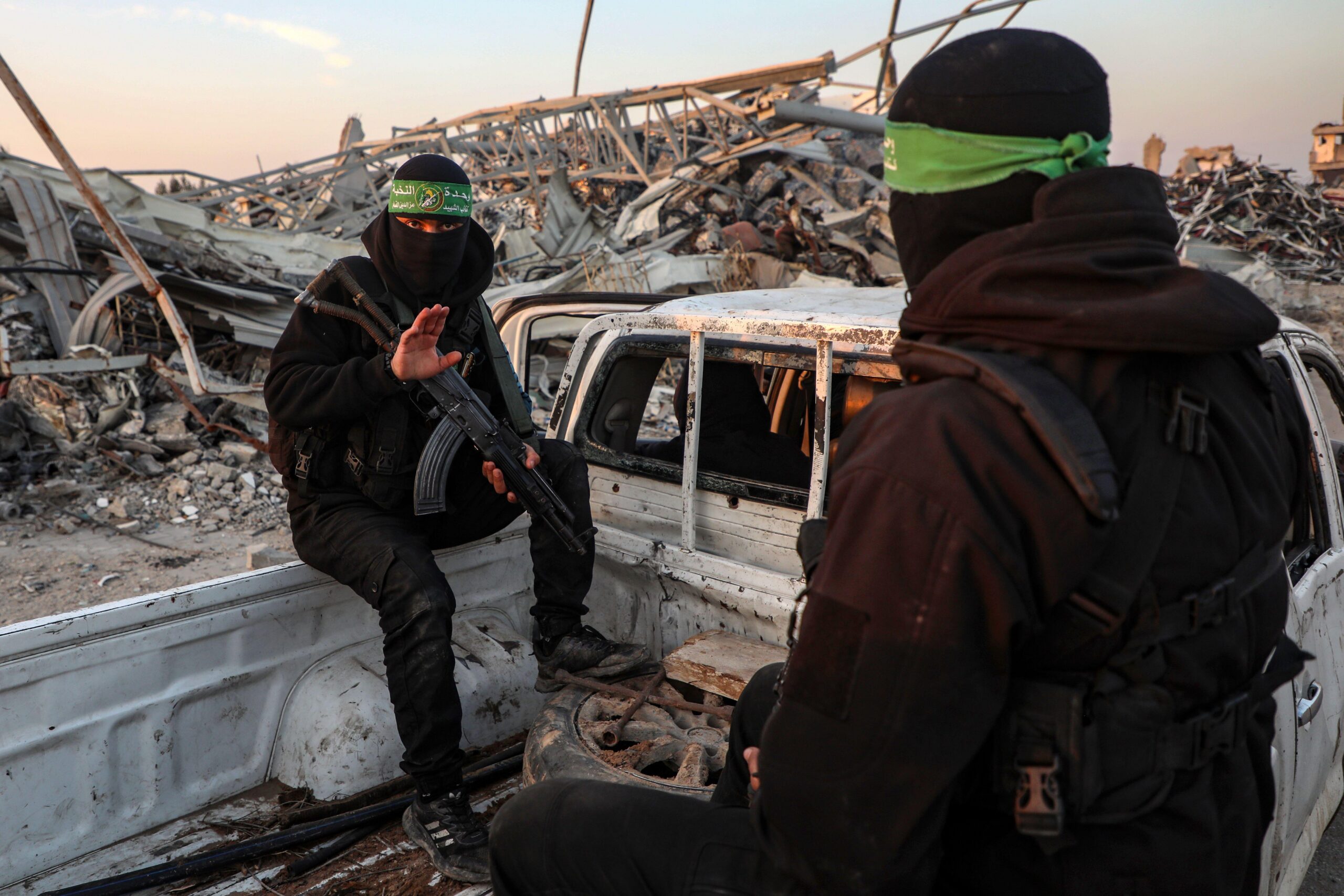
International law involving armed conflict has been “dead” in public perception since before the first shots were fired on October 7th. A community of humanitarian activists, academics, and NGOs has long presented a version of the law that “doesn’t connect with and doesn’t align with the doctrinal version of the law that we apply in practice,” Professor Brian Cox told a Jewish Policy Center webinar on Feb. 26. Truth may be the well-known first casualty of war, but law precedes it — distorted before conflicts even begin.
Cox, an adjunct professor at Cornell University Law School and a 22-year U.S. Army veteran, served seven years as a judge advocate with combat deployments to Iraq and Afghanistan. His roles included military prosecutor, federal prosecutor, brigade judge advocate, and military magistrate. That background, he said, reveals a stark “divergence” between the law as military practitioners apply it and the version the humanitarian community generates in public discourse. Military lawyers advise commanders and train soldiers — “it’s not really our job to get thoroughly involved with public discourse.” The humanitarian community fills that vacuum.
He pointed to United Nations General Assembly resolutions as a prime example. While the General Assembly offers “absolutely virtuous qualities” as a diplomatic forum, it “cannot create international law” and its resolutions carry “no legal consequence.” Yet those pursuing an anti-Israel agenda exploit resolutions accumulated since the early 1970s to “create the perception as though the United Nations has said this is law and every country now has to follow.”
On the genocide charge, Cox was direct: “The focus always has to be intent. Intent is decisive.” From Raphael Lemkin’s original formulation through the 1948 Genocide Convention to the 1998 Rome Statute, intent has remained the linchpin. “It’s not like there’s a lot of destruction, but we’re not sure about the intent, but it’s still genocide. Intent is decisive.”
Israel’s expressed strategic objective has been consistent throughout: ensure Hamas no longer poses a threat and repatriate all hostages. To establish genocide, one would have to prove the actual intent is to destroy the Palestinian Arab population — not Hamas. Those advancing the allegation, he said, use a methodology “like clockwork”:
Cherry-pick statements from select Israeli political leaders and impute genocidal intent
Point to battlefield effects as confirmation
Downplay or ignore evidence of mitigation measures taken to protect civilians
He cited a concrete example. When the Israel Defense Forces (IDF) identified an underground Hamas command node beneath a hospital, they “deliberately delayed the fuses of these munitions so that the munitions would penetrate through the ground and explode underneath” rather than destroy the hospital above. “If the intent were to destroy the Palestinian population in whole or in part as such, there would be no need” for such measures.
On disproportionate force, Cox provided the doctrinal standard: “An attack is prohibited if the expected incidental damage is going to be excessive in relation to the concrete and direct military advantage expected.” Key points:
The assessment must be made per attack — each individual act of violence
It requires knowledge of what the responsible personnel expected at the time
Without that evidence, “we don’t have enough information to make a proportionality assessment”
In 22 years of service, he said, “I can’t think of a single scenario where a commander said, I expect incidental damage that’s going to be excessive, and I’m going to launch the attack anyways.” He criticized Amnesty International and Human Rights Watch for a “flawed methodology” — visiting attack sites after the fact, finding no visible evidence of military objectives, and concluding disproportionality without access to decision-makers’ intent or intelligence.
The volume of misinformation, he acknowledged, amounts to a “flood” that overwhelms the few voices committed to doctrinal accuracy. Those who understand military doctrine “are too few and far between.” The best approach: “Keep chipping away at it to create an anchor for other folks who are interested in the truth to grab onto.”
Looking ahead, there is no legal obligation to rebuild Gaza before the conflict is resolved — and sound policy argues against it. The administration’s peace plan, including the proposed International Stabilization Force (ISF), represents “a generational opportunity to completely change the nature of this conflict that has been dragging out since the late 1940s.” But the international community “is going to have to put their troops where their mouths are” and use armed force against Hamas if necessary. “If that commitment isn’t there,” Cox cautioned, “my assessment is this won’t work. It’s just going to be a piece of paper.”
This summary was created with the help of AI, it may contain errors.
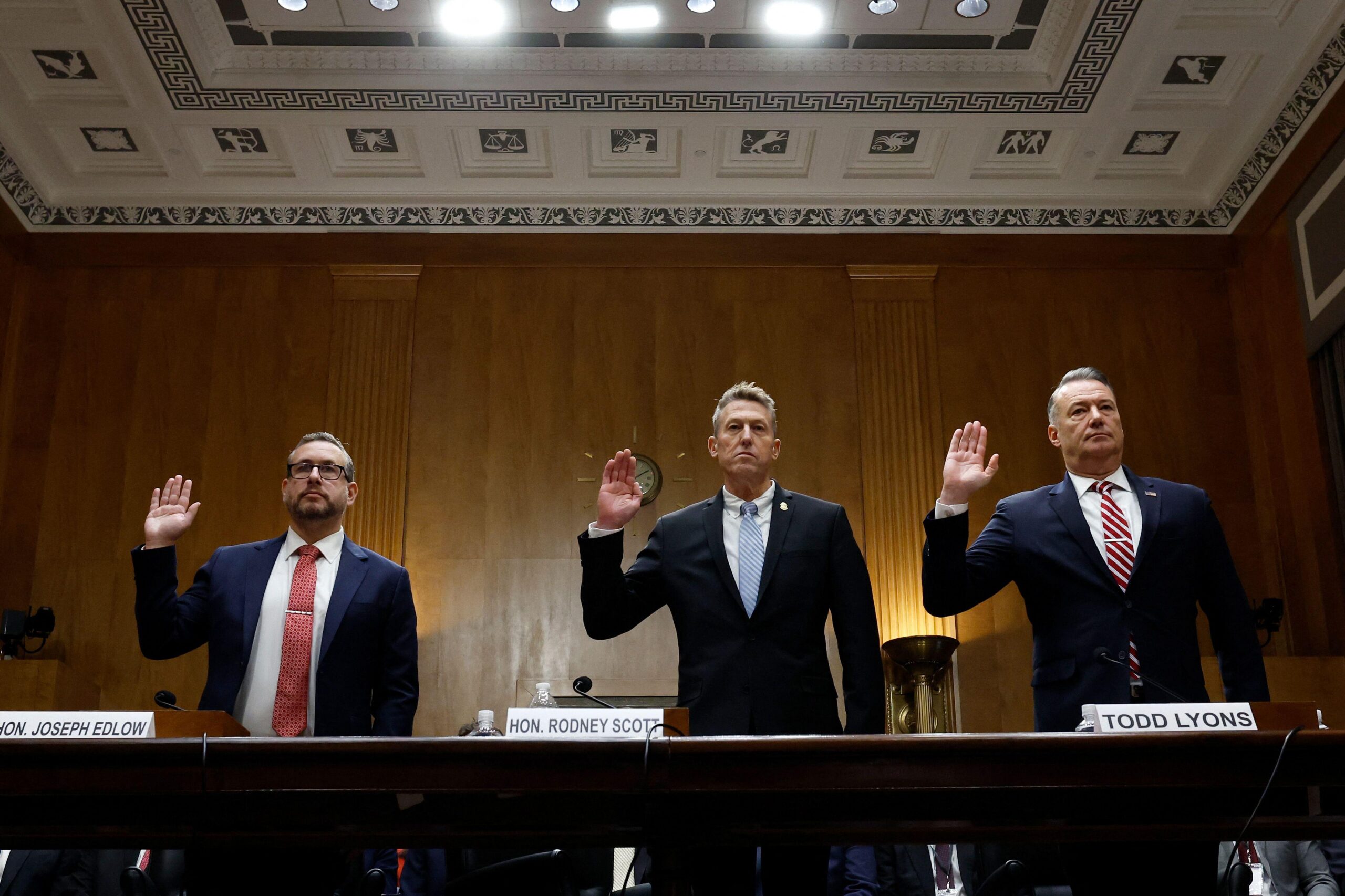
Immigration policy and law enforcement sit at the center of today’s most contentious national debates—often generating more heat than clarity.
Steven Pomerantz, Assistant Director of the FBI (ret.), a veteran of federal counterterrorism and criminal investigations, joins us to provide a structured look at the issue:
How we got here – the statutory foundation of U.S. immigration law
Where we stand now – enforcement challenges, federal–state dynamics, and judicial bottlenecks
What comes next – practical approaches that uphold civil rights and public safety.
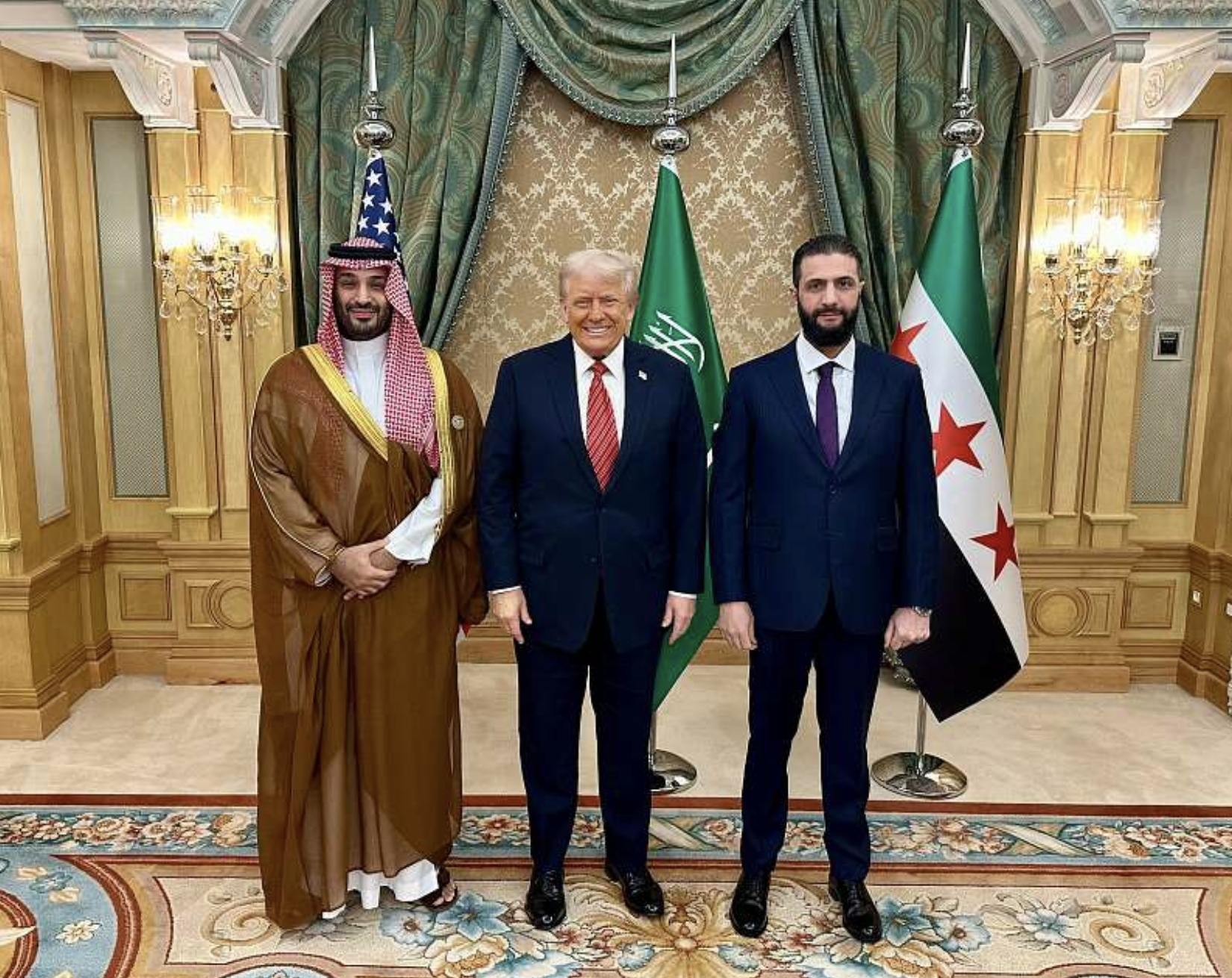
In this webinar, Middle East analyst Hussain Abdul-Hussain argues that Saudi Arabia’s recent retreat from normalization with Israel reflects a deeper strategic reversal driven by economic strain and geopolitical recalculation. What once appeared to be a reformist trajectory under Crown Prince Mohammed bin Salman has, in his assessment, stalled—and the response has been a return to populism and state-managed Islamism.
Hussain grounds his analysis in economic reality. Saudi Arabia’s oil-based model, he explains, can no longer sustain a rapidly growing population amid global oversupply and depressed prices. The kingdom requires far higher oil prices to balance its budget, yet the market has not delivered. Meanwhile, high-profile diversification projects have failed to generate meaningful returns. As fiscal pressure increases, Saudi leadership has reverted to familiar political tools. As Hussain puts it, “When governments realize they cannot fix problems structurally, they revert to populism. And populism needs enemies.”
That shift, he argues, explains the resurgence of anti-American and antisemitic rhetoric across Saudi media, religious sermons, and social platforms—channels he emphasizes are tightly controlled and reflect official policy rather than rogue opinion. This rhetoric marks a sharp departure from the language of reform and regional cooperation that characterized Saudi messaging only a short time ago.
On Israel, Hussain contends that the strategic logic has changed. After Israel’s conflict with Iran weakened Tehran’s regional position, Saudi Arabia no longer views Israel as a necessary counterweight to Iranian power. That reduced threat perception weakened one of the main incentives for normalization. At the same time, he argues that Saudi leadership continues to misunderstand the nature of peace with Israel, treating it as a concession rather than a mutually beneficial economic decision. Saudi Arabia still thinks peace with Israel is a reward to Israel, they don’t understand that it’s a reward to themselves.
Several themes recur throughout the discussion:
Economic stress as the primary driver: Oil revenues are no longer sufficient, diversification has underperformed, and fiscal pressure is growing.
Populism as a fallback strategy: With reform stalled, leadership has turned to ideological mobilization to deflect attention from domestic constraints.
Eroding trust in the United States: Inconsistent U.S. policy and abandoned regional partners have pushed Saudi Arabia to hedge rather than align.
A stark contrast with the UAE: The UAE’s diversification strategy and peace with Israel are presented as a durable, working model Saudi Arabia has not replicated.
Realignment toward Turkey and Qatar: Hussain argues that U.S. tolerance of Islamist regimes has encouraged Saudi Arabia’s ideological drift.
Throughout the webinar, Hussain repeatedly returns to the same conclusion: Saudi Arabia’s central vulnerability is economic, not military. Israel does not threaten the kingdom’s security—but stagnation does. As he summarizes, what should keep MBS awake at night is not Israel or Iran—it’s the Saudi economy.
Until Saudi leadership internalizes that reality—and recognizes normalization with Israel as an economic necessity rather than a political favor—Hussain sees little reason to expect a near-term course correction.
This summary was written with AI and could contain errors.
Note: The body of Ran Gvili, the last hostage held in Gaza, was found by the soldiers of the IDF this morning while we were recording. It was with great relief that I took off my hostage pin. May HaShem bless the memory of Ran Gvili. Here, I believe, is the most poignant portrayal of the unwavering faith and loyalty that inspires Israel’s soldiers. https://x.com/i/status/2015787812155457931
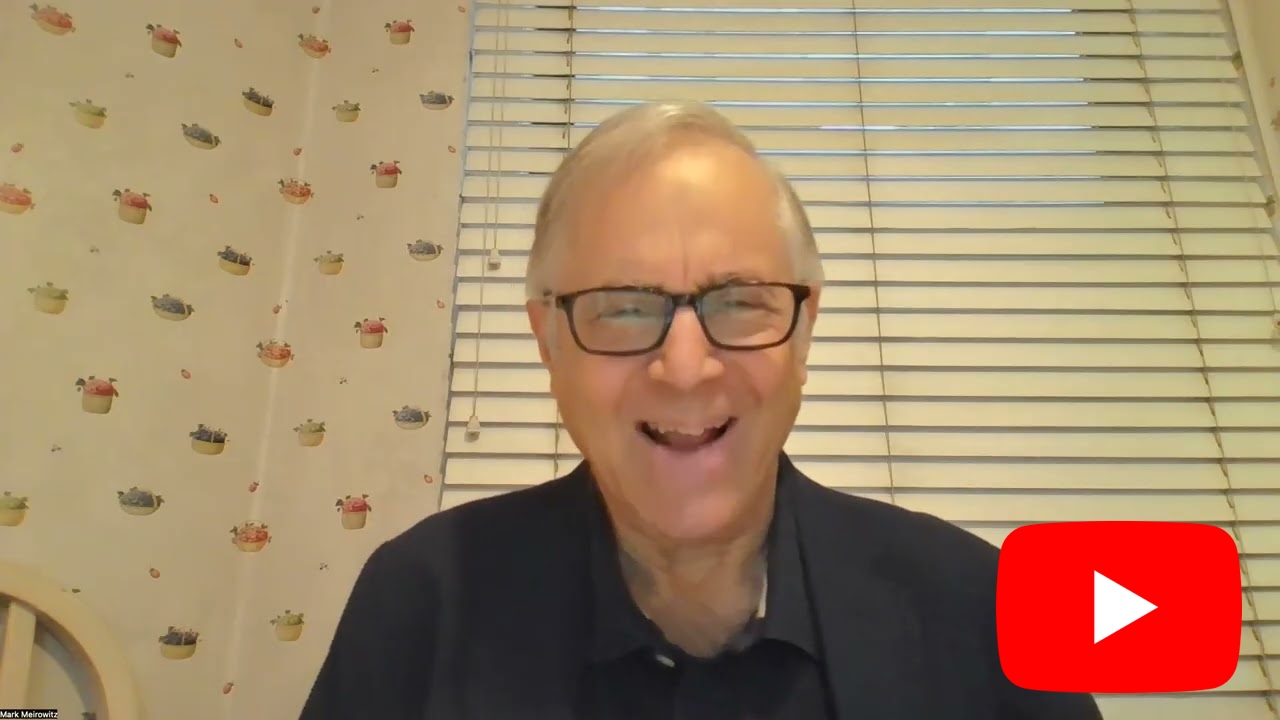
While we were snowed in, we recorded this week’s JPC webinar and, assuming you are still snowed in as well, we are sending it to you today. Our guest was Dr. Mark Meirowitz, Professor of Humanities at SUNY Maritime College. As an expert on Turkey and Turkish foreign policy, he discussed Ankara’s role in Syria and its broader geopolitical implications. The conversation included historical and current regional power dynamics, including Turkey’s relationships with Israel (and Gaza), Cyprus, and other Middle Eastern countries.
Grab a cup of coffee and don’t even think about shoveling for a while.
Best, Shoshana

We at the JPC focus primarily on the security of countries and regions; Israel, of course, as well as Iran, Syria, Ukraine, and Taiwan. Threats, however, are not only to national or regional borders, but also to individuals and institutions within those borders. Europe has seen ever-increasing numbers of attacks on houses of worship – as we have in the United States.
There are two questions: First, do Americans take these threats as seriously as we should? Second, what can we do to protect ourselves and our families in our synagogues and churches?
Our guest is Dr. Stephen Bryen, a former Pentagon official and the author of Security Planning for Holy Places, a primer for keeping your community house of worship safe in increasingly difficult times.
Note: We are not going wholly domestic, however. Dr. Bryen has written extensively on the war in Ukraine, which will enter its 5th year next month, and the upheaval in Iran.

WE’RE BACK. And we admit to being caught off guard by President Trump’s announcement of the capture of Venezuela’s strongman Nicolás Maduro and his wife Cilia Flores. We were also amazed and awed by the skill of the US military in his capture.
No one thinks Maduro was a good guy, but to understand both the nature of the threat he posed to free countries and the legality of American action against him, we are calling on Dr. Evan Ellis, of the US Army War College Strategic Studies Institute. Dr. Ellis has written for inFOCUS Quarterly, focusing on Latin American countries and their relationships with China and other non-Western Hemisphere actors, as well as transnational organized crime and populism in the region.
Please join us for what promises to be an exceptional program.

There was a time in American history when judges were considered neutral arbiters. They studied the law, applied it to cases, and instructed juries. What the judge believed, where the judge learned, and – most important – who appointed the judge were not part of the courtroom proceedings. That is changing. To understand the changes and what they portend for American justice, join us for a conversation with JPC Fellow Ilya Shapiro, director of constitutional studies at the Manhattan Institute.
The rise of antisemitism on the right of the American political spectrum is alarming. But it is important to note that the discussion and the argument are taking place in public; there is no hiding.
Join us for a discussion with Ken Timmerman, author, political analyst, and Christian Zionist, about the split in the Christian community and why, in fact, Zionism and pro-Israel advocacy are pro-American positions.
https://www.jewishpolicycenter.org/podcast-player/27639/event-us-central-asian-relations-in-the-era-of-abraham-accords.mp3
The Jewish Policy Center joined with the Energy, Growth, and Security Program of the International Tax and Investment Center (ITIC) for a panel to examine US strategy in Central Asia. JPC Senior Director Shoshana Bryen moderated the group of regional specialists who emphasized a growing and often overlooked dimension in the region’s diplomacy: its deepening relationships with Israel and new openings created by the Abraham Accords.
The panel included:
Ariel Cohen, Ph.D. of ITIC
Stephen Blank, Ph.D. of the American Foreign Policy Institute
Margarita Assenova, Senior Fellow at The Jamestown Foundation, and
Kamran Bokhari, Senior Director at the New Lines Institute
During a wide-ranging discussion of security, economics, and emerging geopolitical alignments, panelists noted that Central Asia’s five republics—Kazakhstan, Uzbekistan, Kyrgyzstan, Tajikistan, and Turkmenistan—have maintained stable diplomatic ties with Israel for more than three decades.
Cohen described the five as “culturally moderate Sunni Muslim countries” whose longstanding channels with Israel have quietly expanded since their independence. He argued that this moment offers the first serious possibility of extending the Abraham Accords beyond the Middle East into the Eurasian space. Cohen pointed to Azerbaijan’s increasingly open interest in joining the Accords and suggested that Central Asian states could follow, describing such a development as a potential “force field for prosperity, investment, and American security.”
Bokhari tied policy shifts to a “new US geo-strategy,” one that connects the Middle East, the Caucasus, and Central Asia into a single emerging architecture, with Israel playing an increasingly important role in energy, security cooperation, and technological exchange across the broader Eurasian corridor. October 7, he said, had not derailed the Accords but only delayed and reshaped the path forward. And Kazakhstan’s recent move toward joining the Abraham Accords—something many analysts believed was years away—signaled accelerating diplomatic realignment.
Assenova tied the changes as well to the countries’ realization that they were “between the Russian bear and the Chinese dragon” after Russia’s 2014 invasion of Ukraine and China’s decreased investments in its Belt and Road initiative. Determined that the way forward was to become politically and economically important, in 2015 the C-5 was established to coordinate and advance the capabilities and resources of the five countries together.
The discussion framed Israel not only as a political partner for Central Asia but also as a technological and environmental one. Cohen highlighted US–Israel leadership on water technology—an area of growing urgency as Central Asia faces shrinking glaciers, reduced inflows to the Caspian Sea, and long-term water stress. He noted that Israeli and American expertise in desalination, water recycling, and efficient irrigation fills a critical gap in regional capabilities.
Blank, emphasizing that increasing water shortages and our understanding of the dislocation and political upheaval that drought has brought to Africa, argued for “sustained bureaucratic support” from the US, including the creation of assistant secretaries for Central Asia in the Departments of Energy, State, and Treasury – as well as in the Pentagon – and close cooperation with the Environmental Protection Agency (EPA). Energy is another major driver in Central Asian planning, as European countries are increasingly turning to the region to supplant Russian energy.
This evolving alignment, panelists agreed, places countries like Azerbaijan and Kazakhstan at the crossroads of Israel–Gulf–Central Asia relations. Assenova underscored that Azerbaijan in particular has “organic” links to the Middle East and is strengthening ties that connect the South Caucasus with Central Asia through energy corridors, trade routes, and now diplomatic channels shaped by the Accords.
As the forum closed, participants emphasized that new links between Israel and Central Asia are not a sideshow but a key part of a broader reordering of Eurasia—driven by regional integration, shifting great-power balances, and US efforts to cultivate stable partners across the continent. They argued that this moment marks the most promising opening in decades for deeper cooperation involving Washington, Central Asia, and Israel.
And indeed, Kazakhstan did announce its accession to the Accords while the program was underway – serendipity for the panel and for the audience.
We were pleased to record a session with Jonathan Schanzer, Executive Director of the Foundation for Defense of Democracies, and we are pleased to share the podcast with you.
Jonathan wrote recently, “Israel stood unwavering in the face of withering assaults, one more punishing than the next. And with help from the American president, it emerged from the fighting bruised but intact.”
The situation is not perfect, and may never be, but his assessment offers reason for optimism and suggests a path forward.
The Gaza “ceasefire” lasted only until Hamas refused to return the bodies of the deceased Israeli hostages. Since then, Hamas sent civilians to violate the IDF lines, has forsworn disarmament, and has been murdering Palestinians in the streets of Gaza. Some people – including in Saudi Arabia and Bahrain – are becoming nervous. As they should. And the US position appears to need modification.
Join us for a conversation with Or Yissachar, Executive Director of the David Institute for Policy and Strategy, an arm of the Israel Defense and Security Forum (IDSF-Habithonistim).
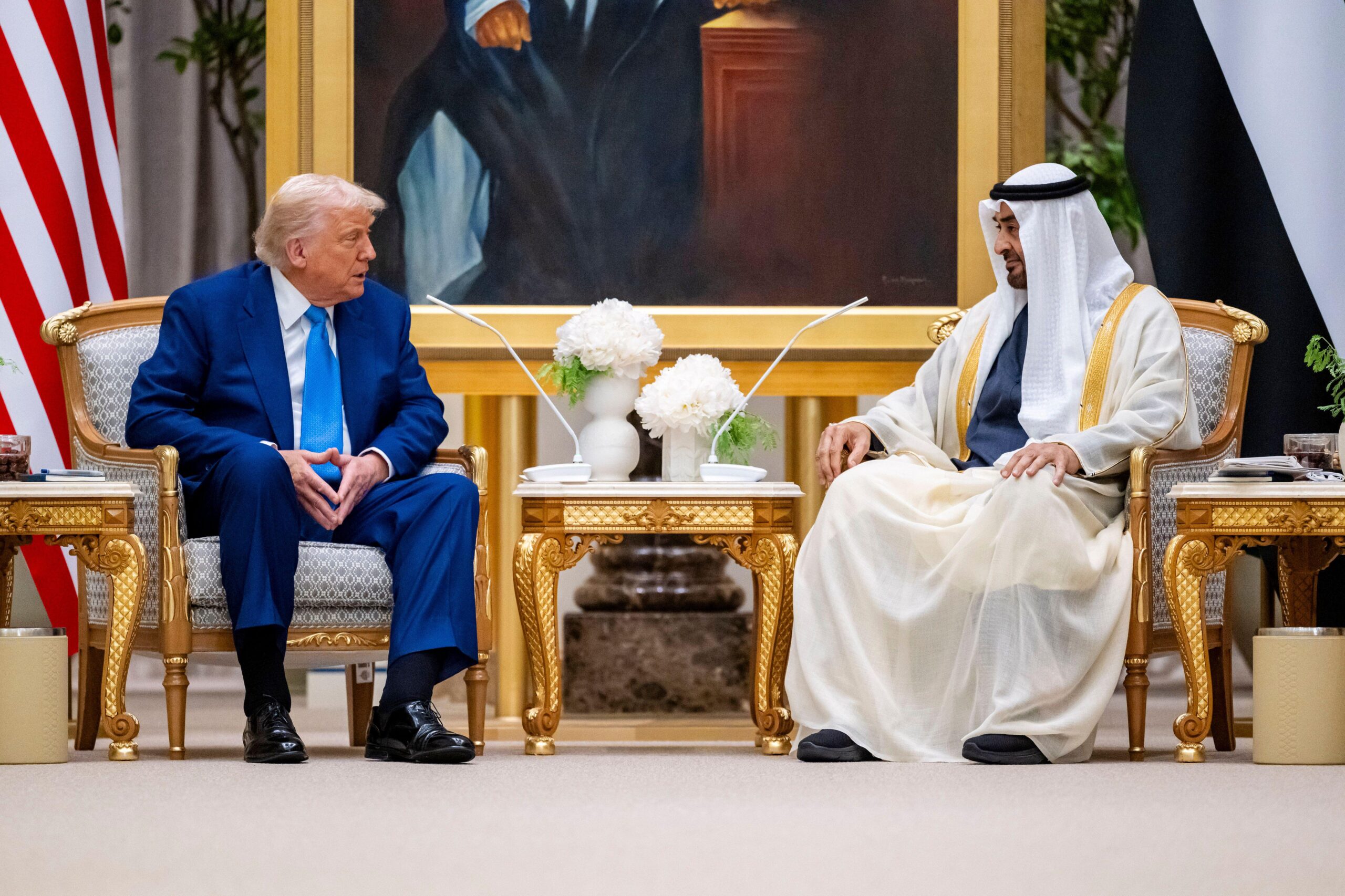
Many people have been holding their breath for the past two years, unsure that the Abraham Accords – the brilliant accomplishment of the first Trump administration – could withstand the pressures of the war in Gaza. We admit to being among them. But not only have the Accords survived, it now seems that they are ripe for expansion as parts of the Arab and Muslim world reject the vicious terrorist philosophy of Hamas, Hezbollah, and their sponsor, Iran.
Join us as David Schenker, Taube Senior Fellow at The Washington Institute and former US diplomat, takes us through the region to understand the resilience of the Accords and the political winds blowing through the Arab world and beyond.
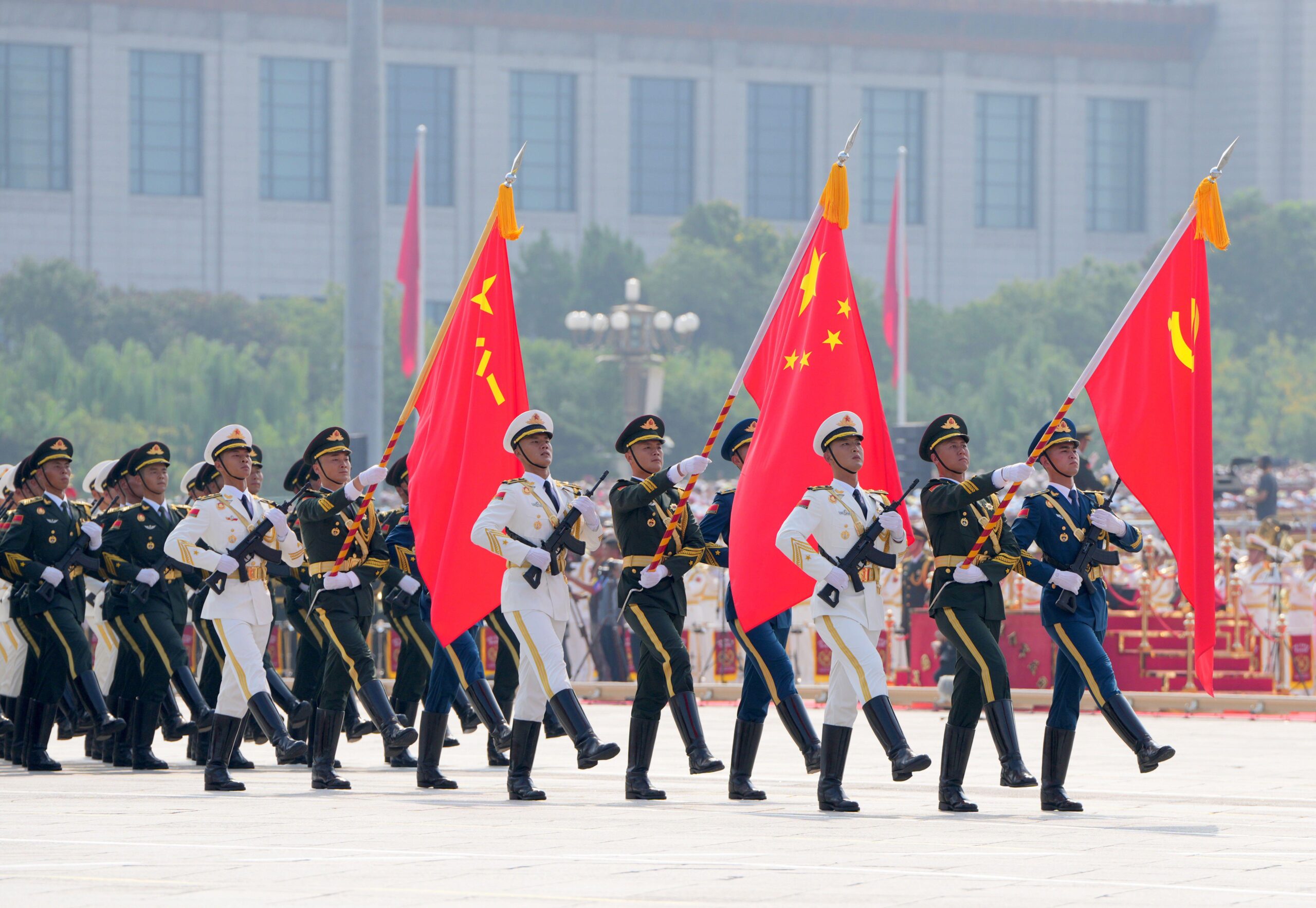
While our attention has been taken up largely with events in the Middle East, China has been pursuing its own long-term regional goals – some of which are inimical to American interests and the interests of America’s allies. What has China been doing? How does Washington understand China’s increasing military confidence? Is the US assessment evolving – and have US capabilities kept pace?
Join us as former Pentagon official and security specialist Stephen Bryen brings us an analysis of China’s growing military capabilities and the geopolitical challenges Beijing presents in the Indo-Pacific region.
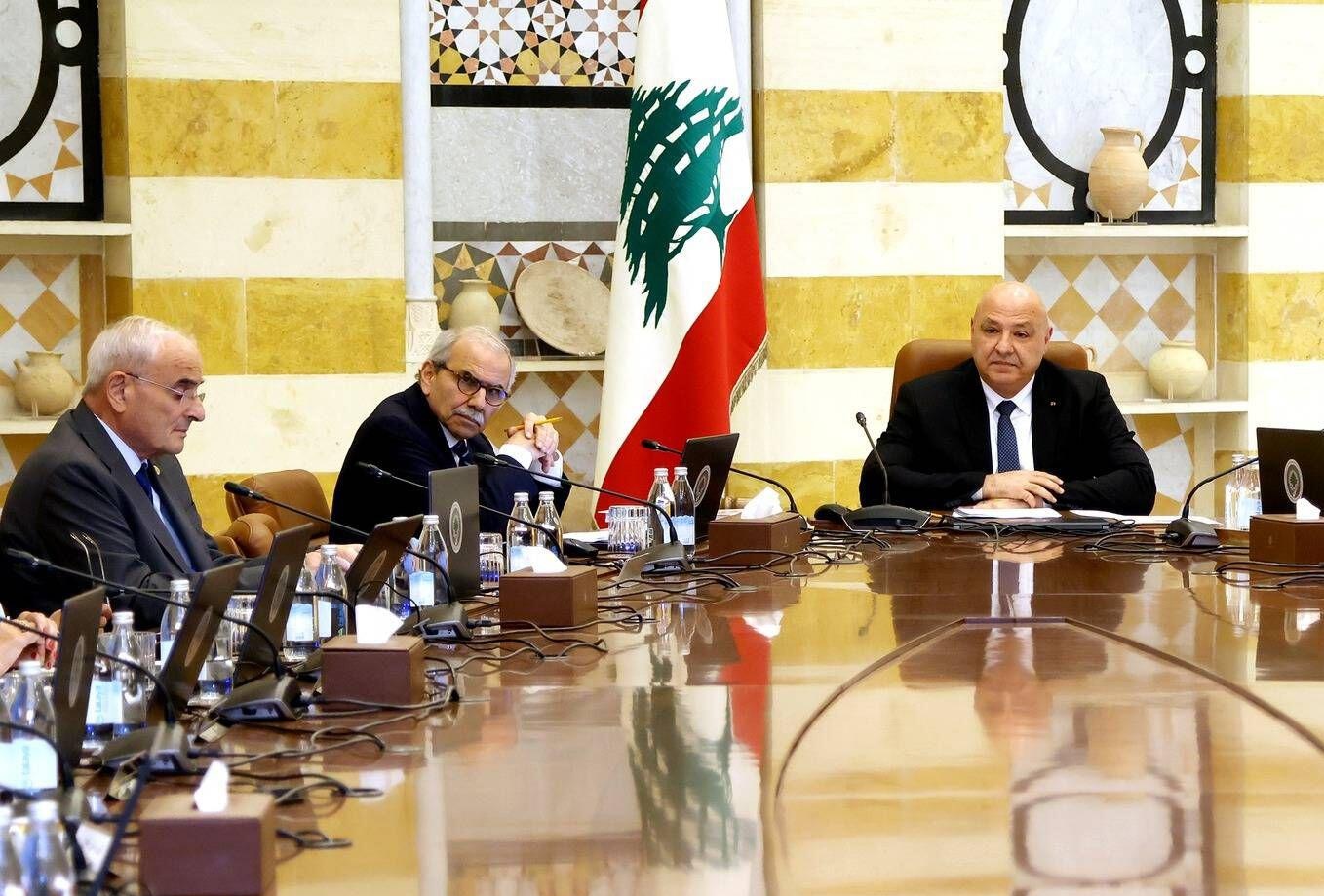
Reports coming from Lebanon are, in many ways, encouraging – the Lebanese government, it seems, is done with Hezbollah and the wreckage of a once-beautiful and prosperous country. The question is, can the government carry out the mandate to remove Hezbollah, its weapons and its influence and create peaceful relations with Israel?
Hussain Abdul-Hussain, research fellow at the Foundation for Defense of Democracies, walks us through the disparate threads of Lebanese politics – from the comforting and hopeful to the skeptical, cynical, and despairing.
A Crumbling but Shifting Status Quo
Hussein Abdel-Hussain cautiously celebrated what he called one of the most consequential developments in Lebanon’s modern history: the weakening of Hezbollah following the reported assassination of its leader, Hassan Nasrallah, and what he described as Israel’s “crushing” of Hezbollah’s operational capabilities. This surprising turn of events has opened what he characterizes as a “window of opportunity” for the Lebanese state to reclaim sovereignty and redefine itself as more neutral and nationally focused.
Although Hezbollah and its Shia political partner Amal initially agreed to a cessation of hostilities in late November 2024, they have since moved the goalposts. Specifically, Hezbollah now demands Israeli withdrawal from strategic hilltops before it will even consider discussions on disarmament, thus reverting back to old patterns of negotiation delay and defiance—strategies previously employed by figures like Yasser Arafat.
Legal and Political Breakthroughs
Despite Hezbollah’s resistance, the Lebanese government has achieved a historic milestone. For the first time since 1969, the Cabinet passed a resolution asserting that only state institutions are authorized to bear arms inside Lebanon. This directly challenges Hezbollah’s decades-long extralegal military presence. Even more remarkably, the decision was made with Hezbollah-affiliated ministers still in the temporary caretaker government, giving the resolution additional political weight.
The Lebanese Armed Forces (LAF) have been officially tasked with drafting a plan to disarm Hezbollah—a move that underscores a shift from rhetorical opposition to potential enforcement. A meeting to review the military’s disarmament plan is set, though the LAF has indicated that a full disarmament could take 15 months, well beyond the end-of-the-year deadline set by the Cabinet.
The Struggle of the Lebanese Armed Forces
The Lebanese military, although increasingly seen as the backbone of national unity and sovereignty, faces severe logistical, operational, and financial challenges. Salaries have plunged to poverty levels due to the economic collapse, and the rank-and-file soldiers struggle with basic needs—including fuel and clean drinking water. Many soldiers hold second jobs to survive, and troop numbers are insufficient to handle complex disarmament tasks.
While the United States once provided $144 million annually to support the LAF, this aid has intermittently lapsed due to political friction and has recently been replaced by funding from Qatar, which raises concerns about foreign influence.
Qatar and Turkey: External Influences and Islamist Ambitions
Abdel-Hussain expressed discomfort with growing Qatari—and increasingly Turkish—influence in Lebanon, particularly within the Sunni community in the north and in Beirut. These nations, he warned, are promoting Islamist factions aligned with the Muslim Brotherhood. This power vacuum, created by Saudi Arabia’s retreat from Lebanon since 2017, has allowed pro-Qatar and pro-Turkey candidates to gain municipal influence.
Worse yet, Turkey is replicating strategies previously demonstrated by Iran—investing in loyalist
Jewish Policy Center Senior Director Shoshana Bryen hosted Professor Mark Meirowitz, a foreign policy and Turkey expert from SUNY Maritime College, for a deep dive into Ankara’s growing regional role, its involvement in Syria’s evolution, and its increasingly fraught relationship with Israel. With characteristic clarity and urgency, Prof. Meirowitz broke down the labyrinth of regional alliances and rivalries, calling the situation “literally mind-boggling” and comparing Syria to a “petri dish for chaos.”
HTS, Al-Shara, and the Shake-up in Syria
The ousting of Bashar Assad by the jihadist group Hay’at Tahrir al-Sham (HTS), led by Ahmed al-Shara (also known as al-Jolani), marks a significant shift in Syria’s power structure—and possibly the region’s. Once associated with al-Qaeda and ISIS, al-Jolani now wears suits and promotes a veneer of moderation. “Maybe the Turks provided him with some of these outfits,” Meirowitz quipped, questioning the authenticity of his transformation.
Al-Jolani was “boosted by” Turkish support, Meirowitz explained, calling him a Turkish client rather than an independent actor. HTS’s limited control—bolstered by foreign fighters like Uyghurs—has led to violent, sectarian repression, particularly against Alawites, Druze, Christians, and Kurds. “We’re with al-Shara, and a lot of people are depending on him,” Meirowitz said ominously.
Turkey’s Interests: Stabilizing Syria to Serve Domestic Needs
Turkey’s involvement, Meirowitz stressed, is strategic. With over 3 million Syrian refugees inside its borders, Ankara is pressuring Damascus to stabilize and repatriate them. “The Turks want them back to Syria,” he said, noting the domestic strain and political sensitivity of the refugee crisis.
Turkey has walked a fine line—signing infrastructure and defense agreements with HTS-controlled Syria while avoiding giving it full military autonomy. “Turkey’s position is that Al-Shara is the go-to person… Let al-Shara unify the country,” Meirowitz explained. But internal Kurdish dynamics—particularly involving PKK, now in peace talks with Erdogan’s government—make full alignment with HTS and Syrian Kurds tenuous.
Will Turkey’s NATO Membership Complicate It All?
One of the more sobering insights from Meirowitz was the hypothetical scenario of Turkey, a NATO power, declaring a no-fly zone over Syria—potentially triggering Article 5 protections if hostilities break out with Israel. “That, to me, is the number one worry… that Israel and Turkey would come to conflict,” he warned.
He emphasized the ongoing “deconfliction meetings” between Israel and Turkey, and Israel and Syria—possibly triangulating with al-Jolani himself. But of all the moving parts, Meirowitz emphasized Turkey’s NATO status remains a critical leverage point: “Let’s be realistic here. If there was a skirmish…Article 5 could be on the table.”
Humanitarian Crises and Jihadi Control: Who is Really Running Syria?
The ongoing massacres of minorities, particularly the Druze in Suweida, raise urgent questions about al-Jolani’s power. “Has he lost control over the jihadis in his own ranks?” Meirowitz pondered, highlighting the grim possibility of Syria spiraling toward becoming a full-blown jihadi state.
“The optics are totally opposed to [the idea of moderation],” he said, noting public executions and forced beard-shaving of Druze men as disturbing parallels to Nazi visual propaganda. “Clearly, this is reprehensible. The United States isn’t going to stand for it,” he added, referring to conditional American Congressional support for lifting sanctions on Syria.
Erdogan’s Domestic Calculations: Kurds, Elections, and Power
Turning inward, Turkey’s President Erdoğan is eyeing
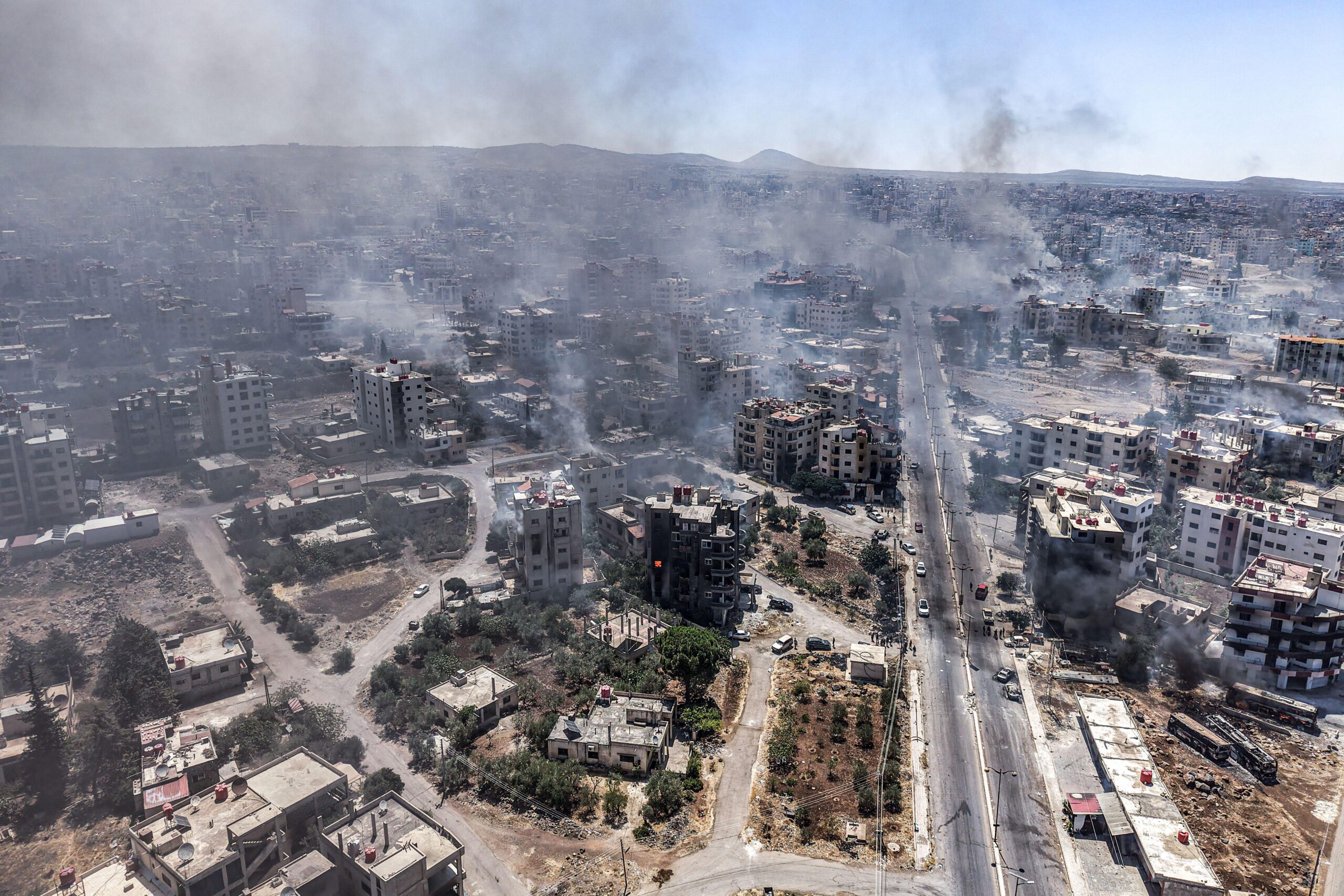
Hussein Abdel Hussein, a distinguished research fellow at the Foundation for Defense of Democracies, joined us today to share his expertise on Middle Eastern politics, particularly focusing on the Druze community and regional dynamics. As a leading authority on the subject, Hussein brings extensive knowledge about the complexities of Syrian politics, inter-community relations, and the broader geopolitical landscape of the Middle East. His insights have been particularly valuable in understanding the current situation facing the Druze community, their defensive mindset, and the intricate relationships between various regional powers. Hussein’s deep understanding of Middle Eastern sovereignty challenges and his experience in analyzing regional conflicts makes him uniquely qualified to address the complex issues facing Syria and its minority communities.
Druze Community and Israeli Intervention
The meeting focused on the situation in Syria, particularly the Druze community and Israel’s intervention to protect them. Hussein Abdel Hussein, a research fellow at the Foundation for Defense of Democracies, explained the unique characteristics of the Druze, including their defensive mindset and loyalty to their host countries. He emphasized that the recent violence in Syria was not initiated by the Druze, who were instead defending themselves against invaders. The discussion highlighted the complexities of Middle Eastern politics and the challenges of prioritizing democratic elections and individual rights in a region with a different cultural and societal focus.
Druze Plight and Shara’s Leadership
Hussain discussed the situation in Syria, focusing on the Druze community’s plight and the actions of the new leader, Ahmad Shara, who previously had ties to Al-Qaeda. He criticized the approach of giving Islamists financial support, citing past failures, and emphasized the need for conditions to be set for Shara to gain trust. Hussain praised Israel’s intervention to protect the Druze and expressed frustration with Western countries, particularly the UK and France, for not supporting the Druze and for their previous role in backing Shara. He also highlighted the importance of shared power and concessions from Shara to ensure the safety of minority groups in Syria.
Syria Post-Assad Governance Strategy
Hussain and Shoshana discussed the situation in Syria, emphasizing the lack of a concrete plan for post-Assad governance. Hussain argued that the U.S. and its allies could support non-Islamist factions like the Druze, Kurds, and Christians without direct military involvement, focusing on diplomatic and economic support. They highlighted the roles of Turkey, Qatar, and Iran in supporting Sunni Islamists and the need to exclude these countries from any reconstruction plan. Hussain proposed aligning with allies like the UAE, Kuwait, Morocco, Israel, and Cyprus to create a stable, inclusive Syria under Assad’s presidency, with concessions made to him in exchange for cooperation.
Druze Attacks: Turkish-Israeli Proxy War
Hussain discussed the brutal attacks on the Druze in Syria, highlighting the involvement of two major clans from the northeast, Gaddat and Naim, which he believes were orchestrated by Syrian intelligence and Turkish interests, rather than being a simple tribal revenge. Shoshana raised questions about whether Al-Shara was directing these attacks and expressed skepticism about the possibility of a lasting peace if the attackers are true Islamists. Hussain explained that the main driver of the conflict in Syria is the competition between Turkey and Israel, and he suggested that the attack on the Druze was part of Turkey’s strategy to establish a foothold on the border with Israel.
US-Turkey-Qatar Relations: Strategic Challenges
Shoshana and Hussain discussed the complex dynamics between the US, Turkey, a
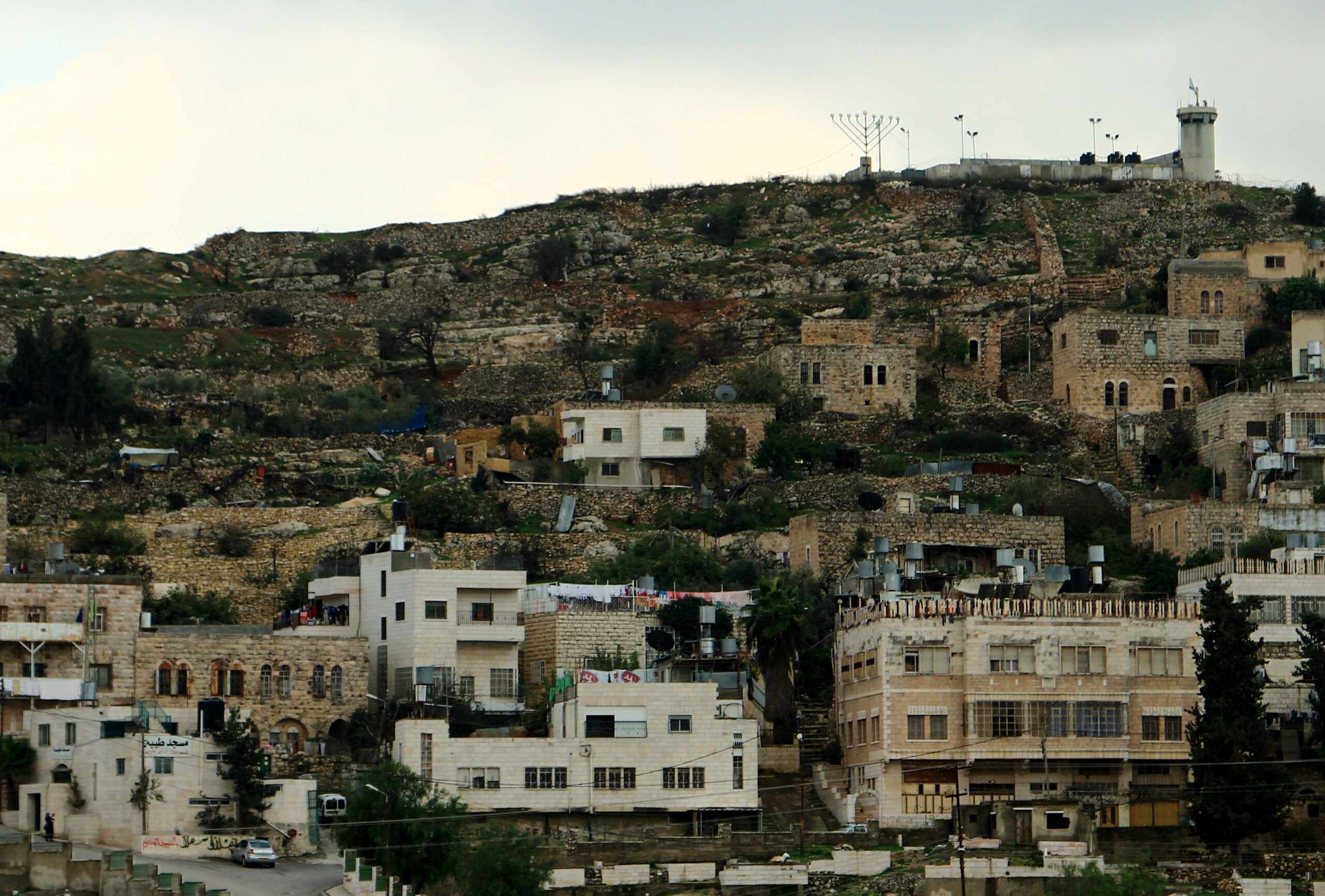
The Jewish Policy Center hosted a webinar featuring Professor Harold Rhode, an expert in Middle Eastern history and culture, to discuss the recent developments involving the Hebron sheikhs, tribal dynamics in the West Bank, and the broader Middle Eastern context, including Syria and the Druze.
Key points from the discussion include:
Hebron Sheikhs and Tribal Dynamics
In Middle Eastern society, loyalty is to family, clan, and tribe, not nationality or land.
The Hebron sheikhs, representing local clans, have proposed creating an autonomous “Hebron Emirate” in cooperation with Israel, recognizing it as a Jewish state.
These sheikhs view the Palestinian Authority (PA) as foreign and illegitimate, imposed on them by outsiders through the Oslo Accords.
The PA is perceived as weak in Hebron, and the sheikhs have governed themselves effectively for generations.
Clan structures dictate marriage, loyalty, and governance, making Western political models like individual rights hard to apply.
Implications for the Palestinian Authority
The PA has dismissed the Hebron initiative as Israeli propaganda.
However, the reality on the ground suggests strong opposition to PA rule from local clans.
Efforts to crush or dismiss these tribal leaders could backfire, weakening the PA further.
Broader Regional Dynamics and Gaza
Similar clan-based governance could be applied in Gaza, provided Israel supports and protects cooperative families.
Past Israeli failures to protect allies (e.g., during withdrawal from southern Lebanon or early Gaza operations) undercut potential partnerships.
To succeed, Israel must demonstrate strength and reliability, which are critical virtues in the Middle East.
Violence and Power in the Region
Peace, as understood in the West, doesn’t exist in Middle Eastern political culture. The best outcome is enforced calm through strength.
Groups like Hamas and PA operate as power players, and only decisive action garners respect and compliance.
Syria, the Druze, and Israel’s Strategic Posture
Recent attacks on Syria’s Druze drew a strong Israeli response, cementing Israel’s role as a protector of Druze communities.
Israel’s reaction contrasted with its silence on atrocities against the Alawites, underscoring its selective engagement based on alliances and strategic interests.
The conversation also referenced differences between various Muslim sects and longstanding historical grievances.
Western Misunderstandings
U.S. and Western policy tends to prioritize democratic elections and individual rights, which do not align with the group-based logic of Middle Eastern societies.
Examples include the unintended consequences of forcing elections in Gaza (leading to Hamas’s rise) and undermining allies through misplaced idealism (Jimmy Carter and the Shah of Iran).
American notions of goodwill are seen as weakness in the region.
Solution Framework
Peace in the region comes through strength, respect for local power structures, and enforcing order rather than imposing Western democratic ideals.
Israel can work with tribal structures to create security and economic cooperation, as long as it respects their methods and provides firm support.
Recommendations for Further Reading
Professor Rhode highly recommends Bernard Lewis’s work, especially “The Return of Islam” (Commentary, 1976), for understanding the deeper cultural and ideological foundations of Middle Eastern thinking.
He also wrote a short book, “Modern Islamic Warfare,” available for free at harold-rode.com.
The webinar underscored the need for nuanced understanding of local structures, the power of triba

Kurdish people span a broad area in the Middle East – across parts of Turkey, Syria, Iraq, and Iran. They constitute one of the largest ethnic groups without a state of their own, but have worked with the US – and with Israel – to create stability and security in the places they live. A longtime supporter of the Kurdish people, BG Audino recently spent time traveling in the region.
Join us as he explains how American interests can be enhanced by cooperative relations.
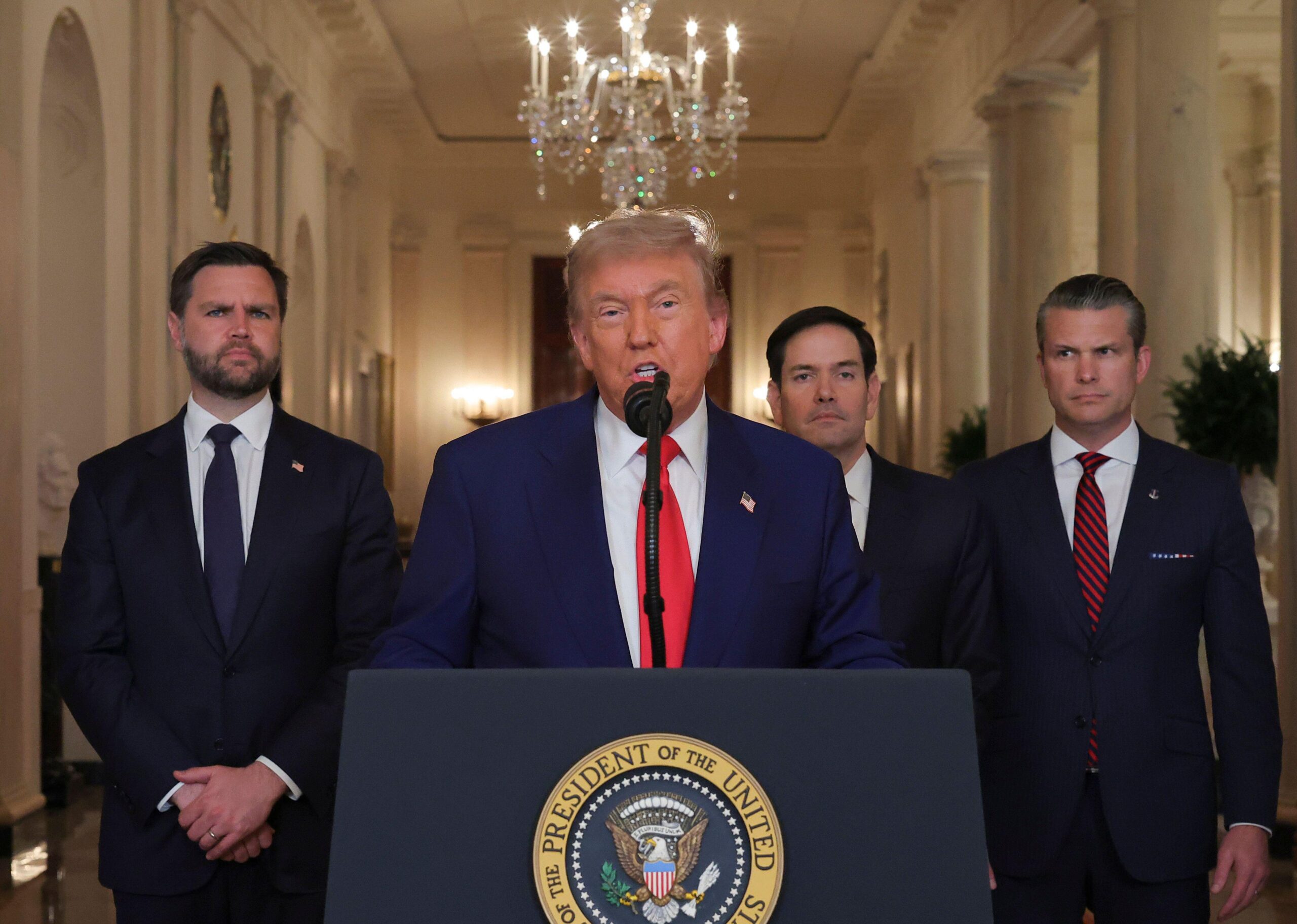
The American attack on Iran’s nuclear facilities, coordinated with Israel, has changed the trajectory of the Middle East.
What happened?
Why now?
What is next?
Winners and losers
We will have two programs this week – and that probably is not enough.
Join us Monday for a conversation with Dr. Stephen Bryen, former Deputy Under Secretary of Defense and an expert in security strategy and technology.
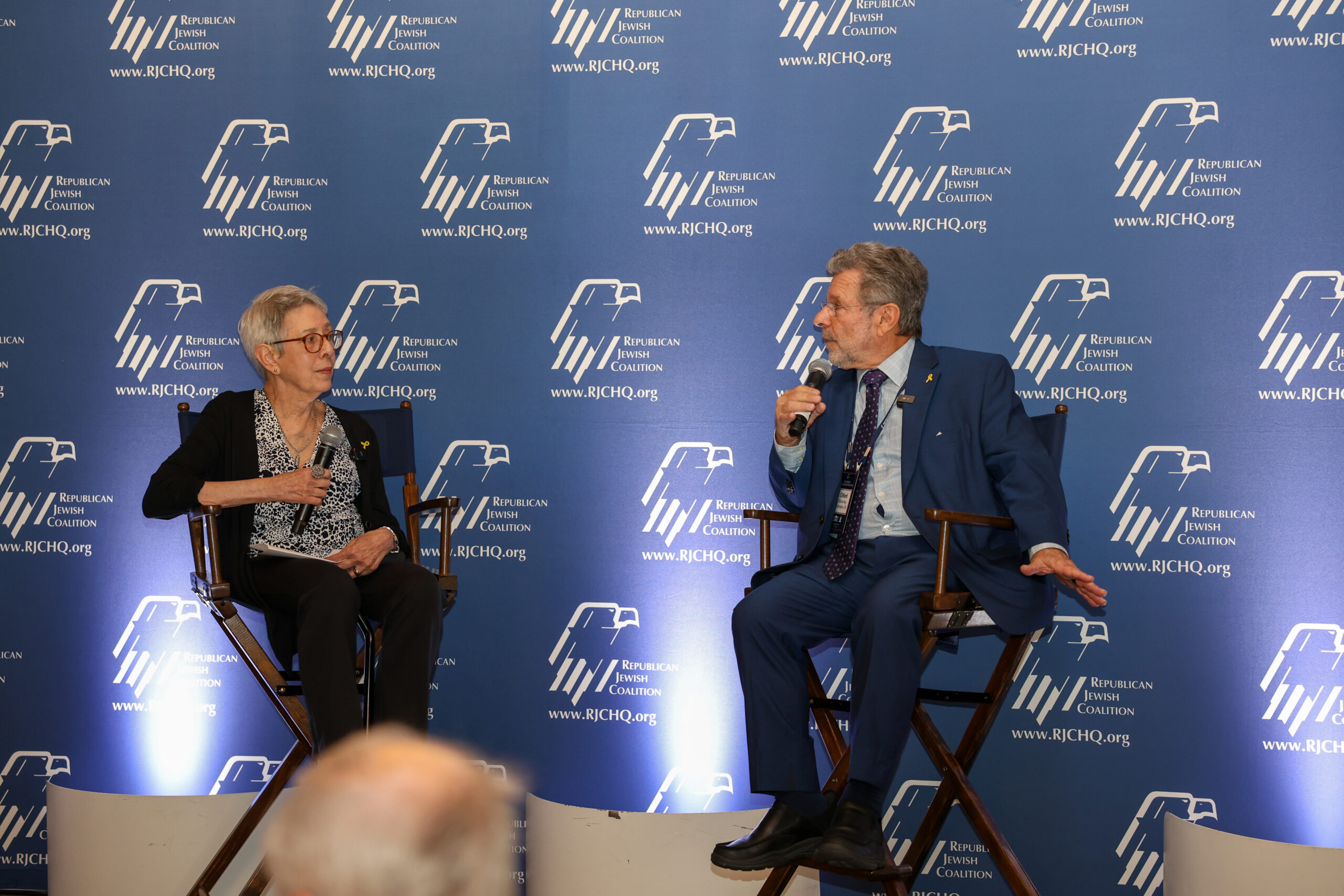
JPC Senior Director Shoshana Bryen was pleased to be invited to interview FDD President Clifford May at the Republican Jewish Coalition leadership meeting in Washington, DC on June 12, 2025. Because it preempted our usual podcast, we’re happy to bring you a video of their conversation..

Comments

Download from Google Play

Download from App Store
 United States