


 Claim Ownership
State of Play
Subscribed: 1Played: 6
Subscribe

© 2026 Enjoyers Media
Description
Conversations with designers, founders, and builders behind some of the best work
13 Episodes
Reverse
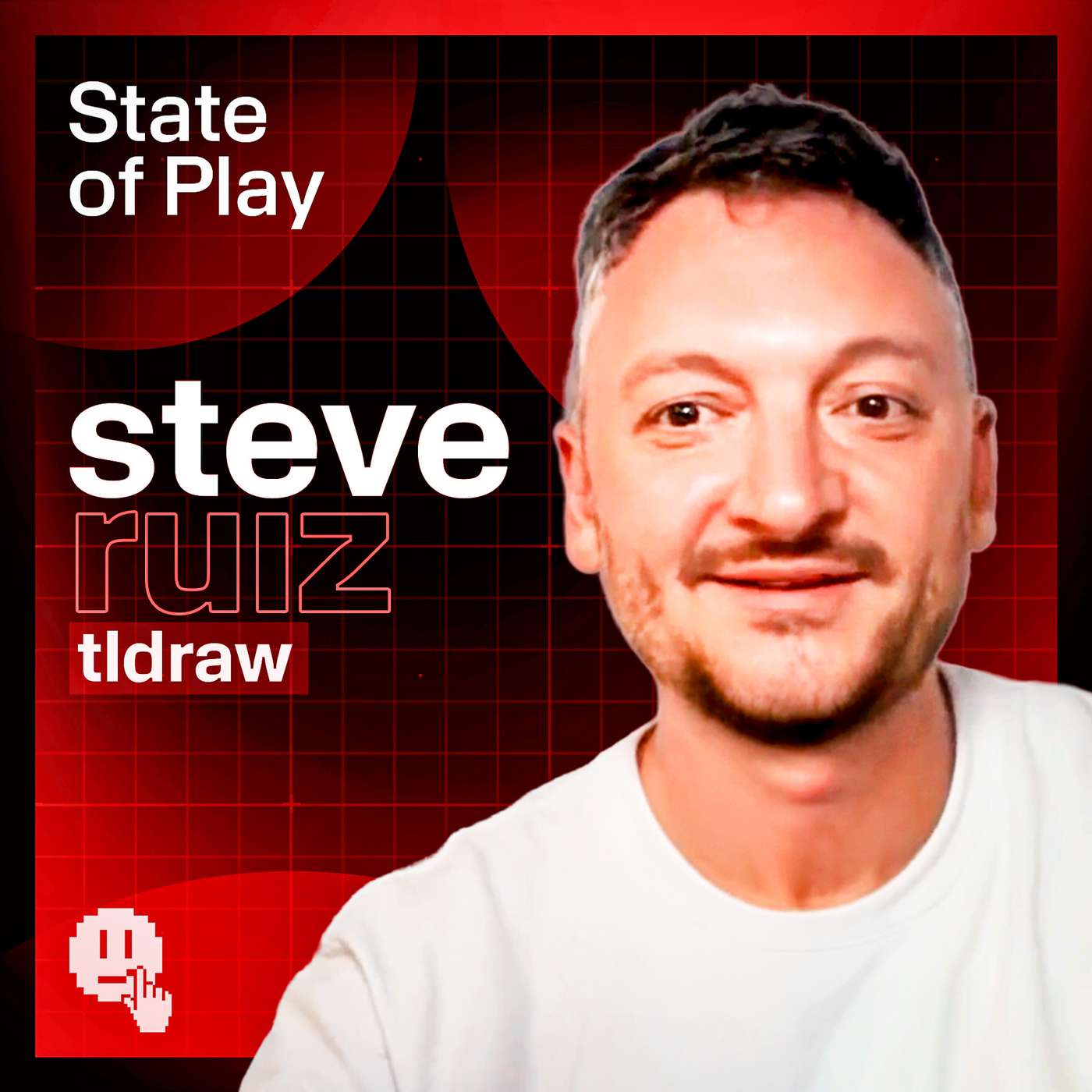
Steve Ruiz was about to start at Adobe. Bags packed. Job accepted. Start date: Monday.Then he looked at what was happening with his side project — an open-source canvas tool he'd been building — and 200,000 people were using it every month. Hundreds of sponsors had put up 00,000. Two major companies wanted to build on it. He called Adobe and said he wasn't coming.That project became TLDraw.Steve's background isn't in software — it's in fine art. He has a masters in it. He spent thousands of hours studying ink on paper — how it moves, how it bleeds, how it dries. And when he later wrote the algorithms for digital ink, he had this deep physical knowledge that most engineers just don't have.We talk about why he killed his own SaaS product to focus on the SDK, why he thinks craft only matters when you're building for high-agency users, and his surprisingly simple answer to the question every open-source founder faces — how do you actually make money?Get the UX Tools NewsletterJoin 100,000+ designers for weekly insights on creative software and the people shaping it: https://uxtools.coCHAPTERS:00:00 - Cold open01:30 - Art school to open source04:32 - 10,000 hours of unmotivated work06:08 - Finding ideas without external validation08:22 - The content-first experimentation loop11:30 - Why software is easier than art14:42 - Most software experiences haven't been discovered yet17:10 - Prototyping obsession and the infinite canvas17:47 - 200,000 users before you could even log in19:14 - Make Real: the first vibe code tool21:13 - Optimize for the points of contact23:51 - Killing the SaaS to ship the SDK29:19 - The open source money problem30:03 - "Just charge for it" — beating React Flow32:12 - When craft actually matters (high-agency users)35:57 - What's most fulfilling about building TLDrawABOUT TOMMY GEOCOI spent 15+ years in tech and design. Former military. Father of five. Now building a weird little media + product studio rediscovering soul in creative tech.ABOUT STATE OF PLAYA narrative podcast about building things that matter told through deep conversations with designers and builders.LINKS:UX Tools Newsletter: https://uxtools.coTLDraw: https://tldraw.comFollow Steve: https://x.com/steveruizokFOLLOW ME:YouTube: https://youtube.com/@designertomInstagram: https://instagram.com/itsdesignertomX / Twitter: https://x.com/designertomLinkedIn: https://linkedin.com/in/tommygeoco
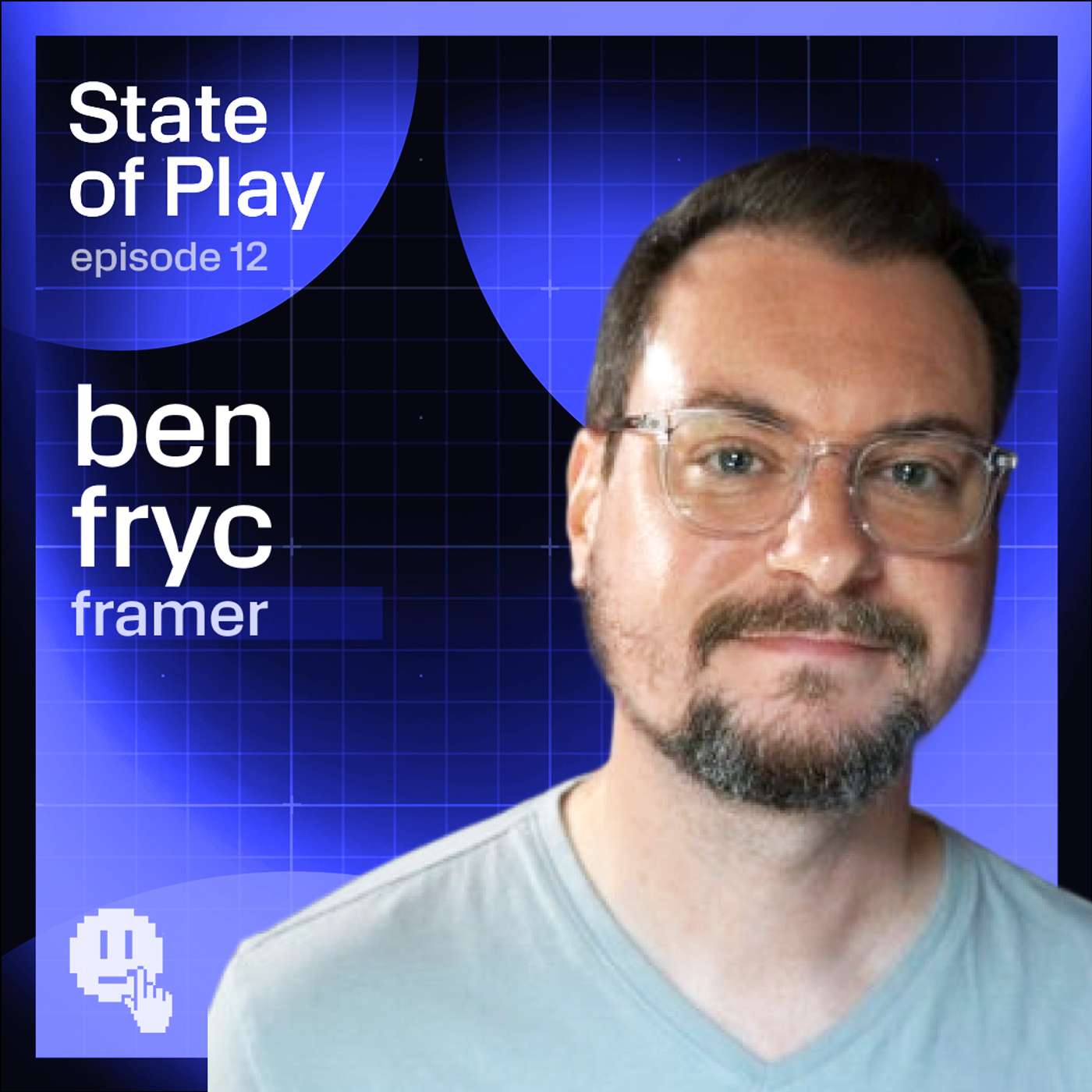
Ben Fryc doubled his freelance salary in a year. Then his wife told him, on vacation in San Francisco, that he was working too hard. He quit freelancing and never went back.Ben taught himself Cinema 4D during COVID and started designing a physical keyboard in Figma. Now he's a household name in motion design, works at Framer, and takes on all manner of passion projects.We get into the experimentation crash loop of learning 3D tools, why he treats passion projects like hobbies, and what he tells the young creative who wants to do it all.Get our newsletter: https://uxtools.coCHAPTERS00:00 — Intro01:45 — Comic books, GeoCities, and why Ben wanted to make video games04:40 — Five years at Mango Languages and the 3D pivot during COVID07:20 — "You don't need to know everything about a tool"09:26 — The Polygon Runway course and finding your people12:51 — The Knob: fantastical devices that probably can't exist15:33 — Commerce vs. passion and treating creativity like a hobby17:59 — Photoshop muscle memory and tools that refuse to die19:47 — Storyboarding as the bridge between static and motion21:36 — What motion tools still hide behind right-clicks24:28 — From Figma mockups to firmware in C29:45 — Moments of delight: what makes motion design captivating34:20 — The Play-Doh people nobody liked35:25 — Where AI actually helps creative work37:32 — Advice for the young creative who wants to do it all40:38 — "I doubled my salary freelancing. Then my wife said stop."43:53 — OutroLINKSBen Fryc — https://x.com/benfrycFramer — https://framer.comFOLLOW METwitter/X — https://x.com/designertomLinkedIn — https://linkedin.com/in/tommygeocoNewsletter — https://uxtools.co

Andy Allen raised 5 million, built a hardware-software company, had a decent exit, and then walked away from all of it. Most founders would double down and scale. Andy did the opposite. He started Not Boring Software — fully bootstrapped, no investors, making apps that feel like nothing else on your phone. What Andy is doing isn't just different, it's proof that there's another path most designers don't even know exists. You don't have to raise money, scale fast or break things. You can just make something beautiful with a point of view where people can feel you in the work.A refreshing conversation for those tired of the ambient noise lately.Get the UX Tools Newsletter (written by me)Join 100,000+ designers for weekly insights on creative software and the people shaping it: https://uxtools.coCHAPTERS:00:00 - Walking away from 5 million02:27 - Camera app becomes biggest launch yet04:04 - Why speed is overrated for quality work07:25 - Fully bootstrapped vs VC funding pressure09:17 - Physical prototypes and 3D printing process13:09 - Avoiding AI hype, focusing on interface innovation15:45 - Game design principles in everyday apps18:36 - The "kid in the cockpit" design philosophy20:49 - Creative recovery and exploration process22:49 - Leaving VC startup world for sustainable business25:19 - Defining "enough" as a company and creator28:44 - Being a beacon for other designers32:11 - What's missing in design storytelling36:51 - Hands in the clay vs management rolesLINKS:Not Boring Software: https://notbor.ingAndy Allen: https://x.com/asallenNot Boring Camera App (iOS): https://apps.apple.com/us/app/not-boring-camera/id6737783441FOLLOW ME:X / Twitter: https://x.com/designertomInstagram: https://instagram.com/itsdesignertomLinkedIn: https://linkedin.com/in/tommygeoco
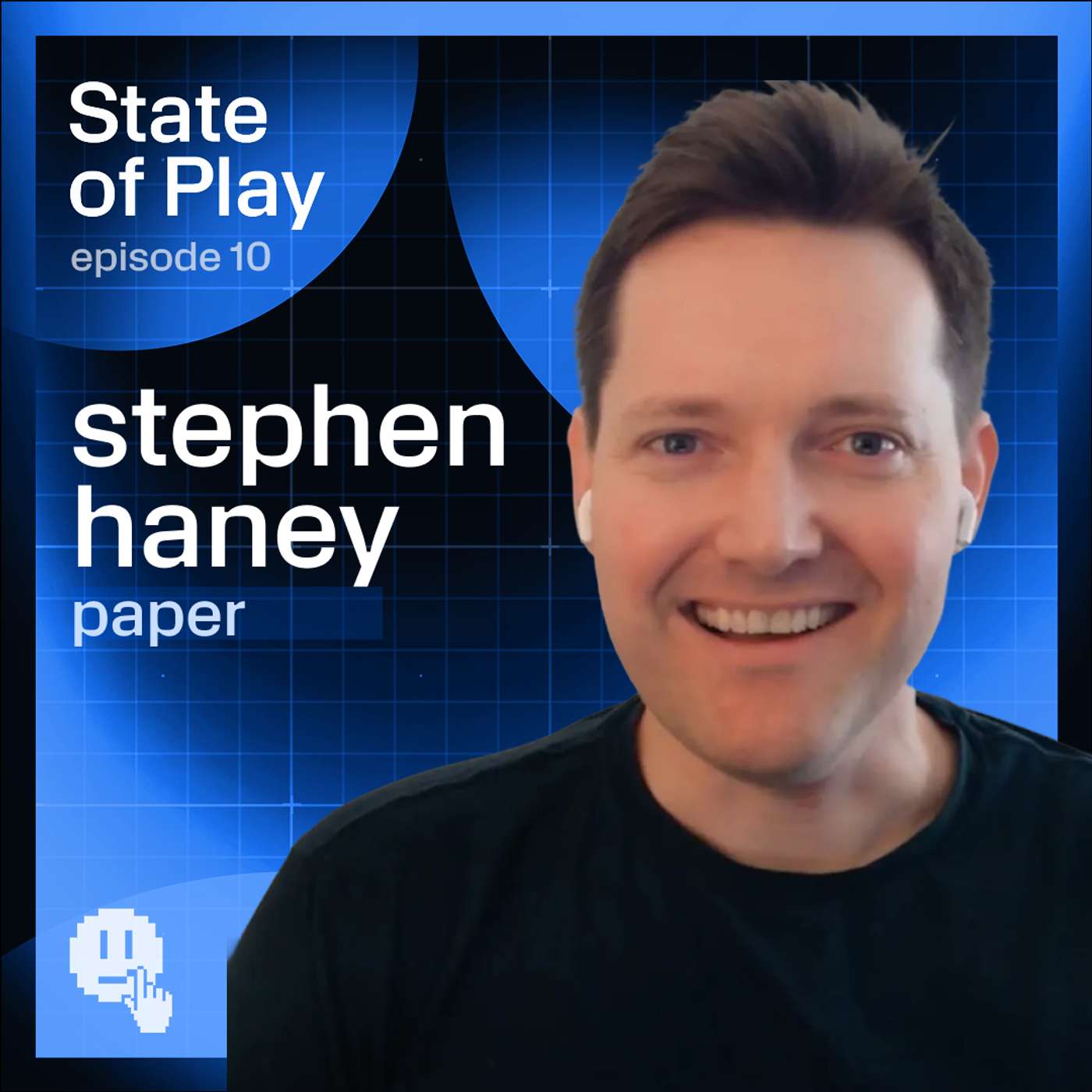
Stephen Haney has been quietly building design tools for years. Now he's betting that the canvas wants to talk to your agents.Paper just shipped MCP support. I've been playing with it. It's wild.We talked about why he thinks the future stack is just three tools, why his team canceled Figma four months ago, and what happens when your production site becomes your source of truth for design.Get the UX Tools Newsletter (written by me)Join 100,000+ designers for weekly insights on creative software and the people shaping it: https://uxtools.coCHAPTERS:00:00 - Everything changed in nine months03:57 - Where the puck is going05:08 - Figma's walled garden problem06:18 - Agent + Code Review + Canvas11:42 - Did agents kill collaboration?15:18 - They canceled Figma 4 months ago17:27 - What MCP actually means21:03 - Live demo: production → canvas → codeLINKS:Paper: https://paper.designStephen: https://x.com/stephenhaneyFOLLOW ME:X / Twitter: https://x.com/designertomInstagram: / itsdesignertomLinkedIn: / tommygeoco

Weber Wong was supposed to be a venture capitalist. Then he realized he wouldn't back himself, so he quit, moved to New York, and got a job at a coffee shop.Now he's building Flora, one of the most uniquely-positioned AI tools for creative teams.We talked about why node-based tools have such a bad reputation (and how Flora's fixing it), what "anti-slop" actually means when you're building AI creative tools, and the moment Pentagram reached out and he realized he'd accidentally built something useful.Get the UX Tools Newsletter (written by me)Join 100,000+ designers for weekly insights on creative software and the people shaping it: https://uxtools.coCHAPTERS:00:00 - "They've been cooking"02:11 - From VC to coffee shop to Flora05:37 - The pain cave vs. Plato's cave08:38 - Poetry as the entry point11:34 - First time using an LLM13:26 - "The world's most powerful creative operating system"16:21 - Commerce vs. art — does it have to be at odds?19:12 - A Berkeley professor and Cat's Cradle20:25 - Fine-tuning GPT-2 on his own poetry25:42 - Why node-based?28:50 - The iceberg: low barrier, high ceiling32:56 - What "anti-slop" actually means40:48 - When Pentagram reached out44:51 - Advice for the next generation of creativesLINKS:Flora: https://flora.aiWeber Wong: https://x.com/weberwongwongFOLLOW ME:X / Twitter: https://x.com/designertomInstagram: https://instagram.com/itsdesignertomLinkedIn: https://linkedin.com/in/tommygeoco
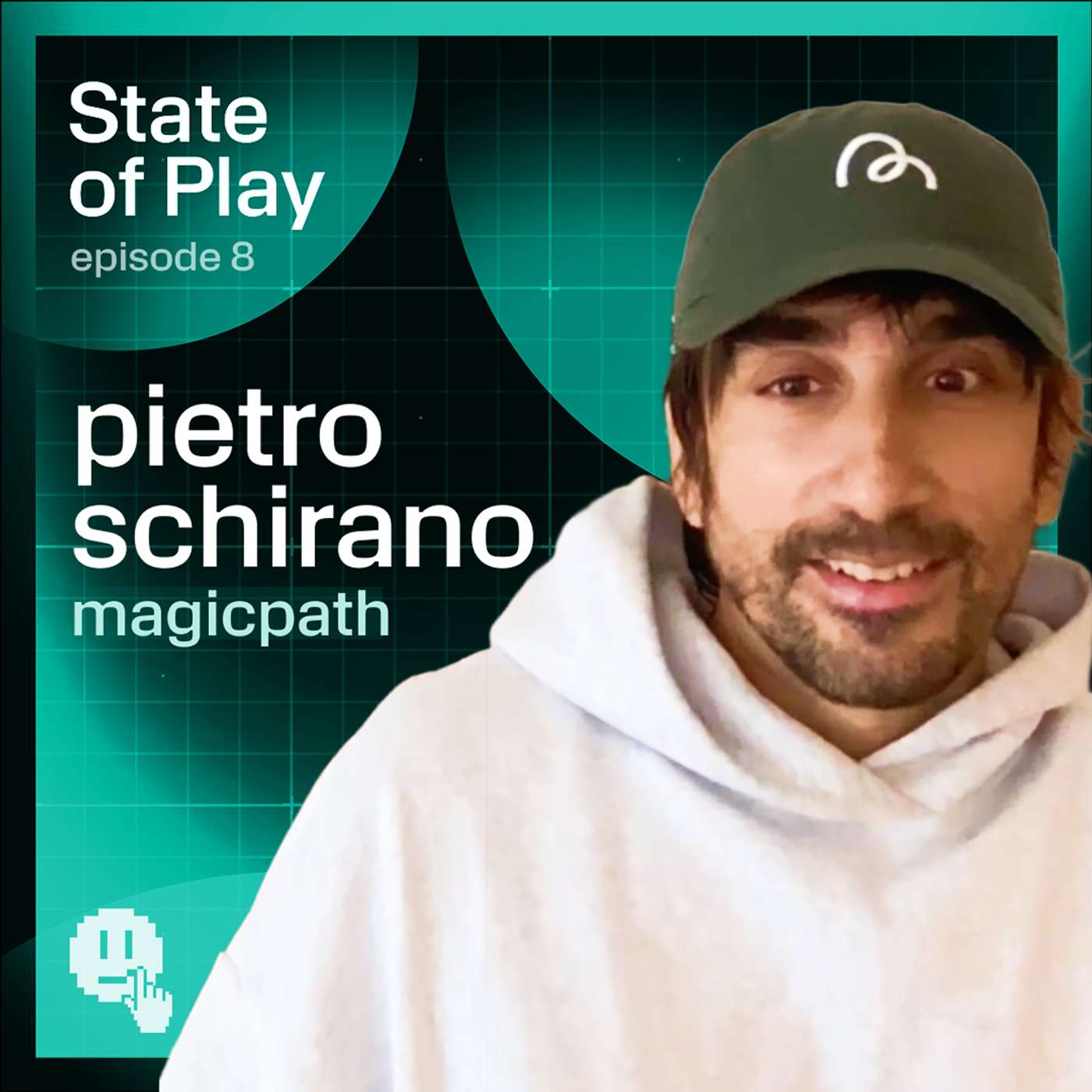
Pietro Schirano built one of the first AI search engines before Perplexity existed. He created Cloud Engineer, an open source tool with 11,000+ GitHub stars that got him hired at Anthropic. Now he's building @magicpathai (check it out at https://magicpath.ai). We talked about their Figma Connect feature that went viral last week, why he thinks vibe coding is "fast food" (and when you need slow food instead), and there's this moment where he describes two AI plugins combining to do something he never programmed — and how it changed how he thinks about what these models can do.Get the UX Tools Newsletter (written by me)Join 100,000+ designers for weekly insights on creative software and the people shaping it: https://uxtools.coCHAPTERS:00:00 - "This thing seems like it understands"02:03 - Designer to engineer pipeline02:29 - The urge to create05:17 - Before Designer GPT08:35 - The moment two plugins combined on their own10:40 - "I shipped four apps in 14 days"11:52 - Bell Labs reached out about Cloud Engineer13:41 - Will everyone build their own software?18:41 - Where prototyping fits now20:01 - How enterprise teams use MagicPath24:51 - Vibe coding is fast food. This is slow food.27:13 - Figma Connect and the viral reception30:49 - What makes a good canvas editor35:05 - Live demo: Figma to working code39:48 - Extracting design systems automatically50:32 - "You're living in the future"52:47 - Advice for overwhelmed designers55:09 - "If we remove the love people have for their work, we fail"ABOUT TOMMY GEOCOI spent 15+ years in tech and design. Former military. Father of five. Now building Internet Enjoyers, a weird little media + product studio rediscovering soul in creative tech.ABOUT STATE OF PLAYHost Tommy Geoco discovers what fuels the internet's most interesting designers and builders.LINKS:UX Tools Newsletter: https://uxtools.coMagicPath: https://magicpath.aiFollow Pietro: https://x.com/skiranoFOLLOW ME:X / Twitter: https://x.com/designertomInstagram: https://instagram.com/itsdesignertomLinkedIn: https://linkedin.com/in/tommygeoco

Sara Vienna is the Chief Design Officer at Metalab. Slack, Uber, Coinbase... the list of products that came out of that shop is GOAT'd.We talked about how they actually ship that work, their Tarantino process, why measuring velocity is "absolute bullshit," and a culture rule called "kind not nice" that changed how I think about feedback.Get the UX Tools Newsletter (written by me)Join 100,000+ designers for weekly insights on creative software and the people shaping it: https://uxtools.coCHAPTERS:00:00 - "Designers are at a huge advantage"01:58 - Learning Photoshop because tobacco companies lost a lawsuit04:54 - "I was a really shitty designer first"08:45 - Speed vs quality: earning space for the work you're proud of12:05 - How MetaLab ships consistently15:21 - The Tarantino process explained17:16 - Building a culture of candid feedback19:45 - "Kind not nice"20:26 - Making space for play26:45 - Burnout and what actually helps30:05 - How MetaLab uses AI35:07 - Designers marry the head and the heart38:47 - Team structures: smaller but mightier41:59 - T-shaped designers and specialists44:34 - Why leaders need to stay in the work48:00 - Advice for first-time design leadersABOUT TOMMY GEOCOI spent 15+ years in tech and design. Former military. Father of five. Now building Internet Enjoyers, a weird little media + product studio rediscovering soul in creative tech.ABOUT STATE OF PLAYHost Tommy Geoco discovers what fuels the internet's most interesting designers and builders.LINKS:UX Tools Newsletter: https://uxtools.coFollow Sara Vienna: https://www.linkedin.com/in/saravienna/MetaLab: https://metalab.comFOLLOW ME:X / Twitter: https://x.com/designertomInstagram: https://instagram.com/itsdesignertomLinkedIn: https://linkedin.com/in/tommygeoco

Lee Black has been designing for 25 years. He made those Figma pills with goldfish swimming inside. He also ran an app company that nearly broke him.We talked about chasing money that never made him happy, why his tool stack hasn't really changed in a decade, and what happens when you master your tools so deeply that the rules start to bend.Get the UX Tools Newsletter (written by me)Join 100,000+ designers for weekly insights on creative software and the people shaping it: https://uxtools.coCHAPTERS:00:00 - "It's not about learning everything"01:59 - Taking apart toys to understand how they work04:35 - Speed vs. quality07:19 - Music came first09:29 - His tool stack (it's simpler than you think)11:03 - "It hasn't really changed that much"12:44 - ChatGPT as an ideas buddy14:40 - How Midlife Engineering was born16:10 - What "polish" means to him18:17 - The Matrix scene that started the pills20:36 - "I want to put a fucking goldfish in there"21:09 - Designing with restraint23:27 - Dieter Rams as jazz, not gospel26:03 - Protecting taste when you scale31:05 - The app company that broke him48:16 - Advice for designers struggling right now51:57 - If nothing mattered, what would you work on?ABOUT TOMMY GEOCOI spent 15+ years in tech and design. Former military. Father of five. Now building Internet Enjoyers, a weird little media + product studio rediscovering soul in creative tech.ABOUT STATE OF PLAYHost Tommy Geoco discovers what fuels the internet's most interesting designers and builders.LINKS:UX Tools Newsletter: https://uxtools.coFollow Lee Black: https://x.com/mrblackstudio1042 Studio: https://1042.studioMidlife Engineering: https://midlife.engineeringFOLLOW ME:X / Twitter: https://x.com/designertomInstagram: https://instagram.com/itsdesignertomLinkedIn: https://linkedin.com/in/tommygeoco

Escha Vera got death threats for posting AI art. She kept posting anyway.Perplexity's designer runs a record label, trained her own LoRAs, and built the Comet invitations that broke the internet — each one unique, generated at scale, but deeply intentional.We talk about the hate, the ethics, and why prompting isn't a gimmick skill, but communication.Get the UX Tools Newsletter (written by me)Join 100,000+ designers for weekly insights on creative software and the people shaping it: [https://uxtools.co](https://uxtools.co/)CHAPTERS:00:00 - "I can't post anything without death threats"01:48 - How I found Escha's work02:46 - Myspace and Neopets taught her to code04:39 - Losing self-expression in client work06:54 - "I call myself a designer and don't elaborate"08:05 - Perplexity's culture: high trust, high autonomy09:13 - "There's no roadmap, just do it"11:53 - How the Comet invitations actually got made14:51 - Scaling unique outputs to 10K+ generations17:44 - Evaluating AI tools as inputs vs outputs20:16 - Pushing Midjourney to break terms of service21:35 - "Being a good designer is about communication"24:22 - Trial and error prompting with Comet26:22 - Prompting as a second-class citizen to features30:48 - "Can you be pro AI and pro self-expression?"36:13 - The ethics question that kept her at Descript38:35 - The hate and vitriol from sharing AI work40:51 - "Ask how it was made before throwing hate"43:31 - The blurred line: how much of it is AI?45:31 - Should we disclose AI in our work?48:40 - Daily driving tools at Perplexity50:37 - The spinning planet she shipped in 5 minutesABOUT TOMMY GEOCOI spent 15+ years in tech and design. Former military. Father of five. Now building Internet Enjoyers, a weird little media + product studio rediscovering soul in creative tech. This show is how I'm rediscovering my love for the game.ABOUT STATE OF PLAYHost Tommy Geoco discovers what fuels the internet's most interesting designers and builders.LINKS:UX Tools Newsletter: [https://uxtools.co](https://uxtools.co/)Follow Escha: https://x.com/eschadiolPerplexity: [https://perplexity.com](https://perplexity.com/)Comet: https://www.perplexity.ai/cometFOLLOW ME:X / Twitter: https://x.com/designertomInstagram: https://instagram.com/itsdesignertomLinkedIn: https://linkedin.com/in/tommygeoco
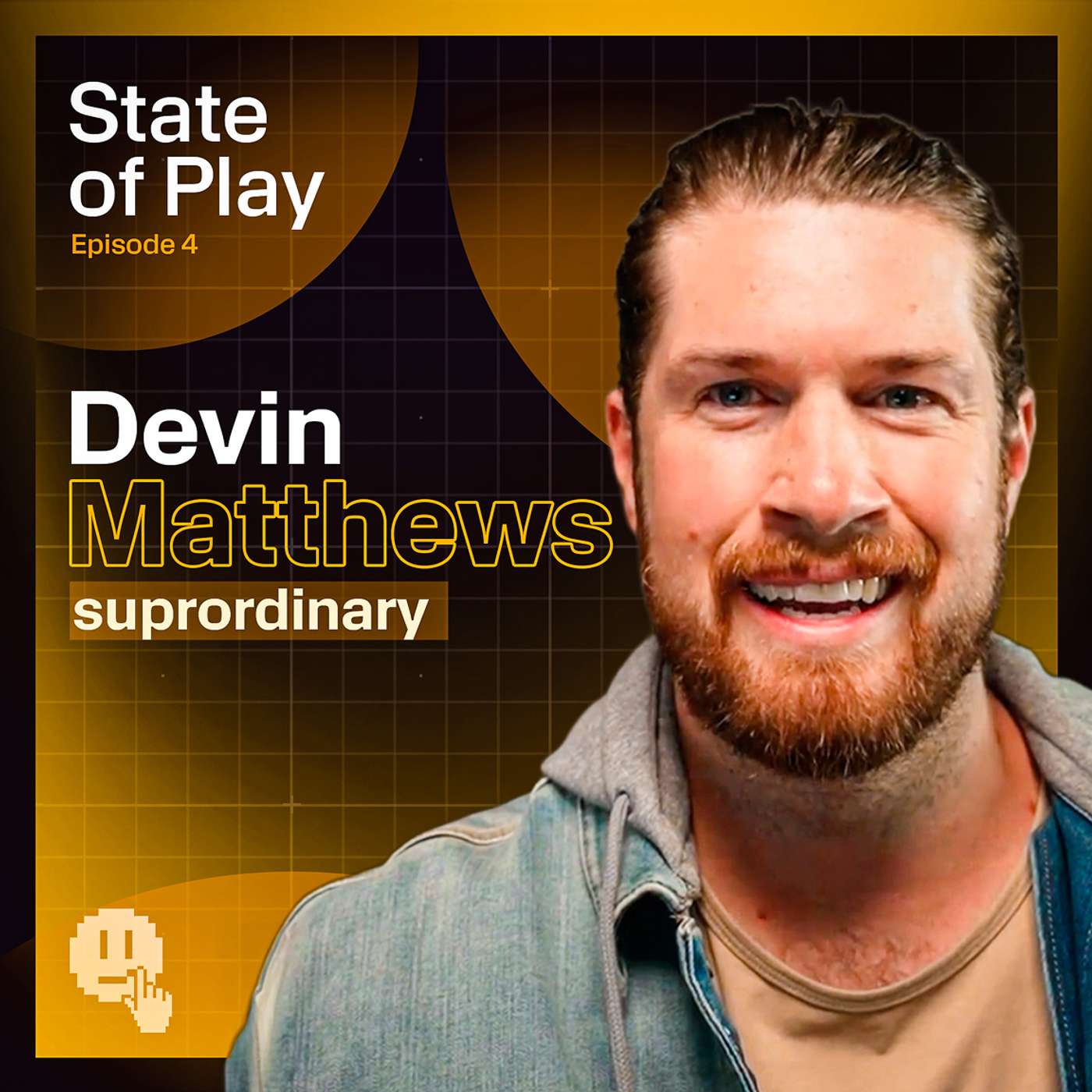
Devin Matthews rebranded his favorite sandwich shop in an effort to rediscover his love for the game. For free. He made a documentary ab out it called @SuprOrdinary.Then his YouTube channel exploded.Buck's Art Director reveals why SuprOrdinary almost started as a way to sell his feces for passive income (seriously), and how his cousin's death made him ask: "If I passed away tomorrow, would I feel like I did my best work?"We talk the stress of medical bills, creative identity crises, and why making something you'd actually enjoy might be the only strategy that works.Get the UX Tools Newsletter (written by me)Join 100,000+ designers for weekly insights on creative software and the people shaping it: https://uxtools.coCHAPTERS:00:00 - "Make something you'd enjoy"02:02 - Devin became my favorite creator05:22 - The not-so-romantic origin of Super Ordinary06:30 - Passive income research gone wrong07:52 - From teaching courses to creative entertainment10:12 - Being a one-man band (then accepting help)12:32 - The brainstorm meeting problem14:09 - How to keep creative people around21:08 - Balancing money and creative fulfillment22:10 - "Life is short. Am I doing what I want?"34:28 - The anxiety of going viral39:14 - Playing the YouTube algorithm game40:10 - TikTok gave me permission to experiment43:39 - The aversion to being sold to46:16 - Do you call yourself an influencer?50:02 - Labels: designer, art director, filmmaker?53:48 - "I still don't feel like a filmmaker"57:59 - Who are we even making this for?01:06:29 - Presenting designs as storytelling01:13:32 - AI and the human side of creativityABOUT TOMMY GEOCOI spent 15+ years in tech and design. Former military. Father of five. Now building Internet Enjoyers, a weird little media + product studio rediscovering soul in creative tech. This show is how I'm rediscovering my love for the game.ABOUT STATE OF PLAYHost Tommy Geoco discovers what fuels the internet's most interesting designers and builders.LINKS:UX Tools Newsletter: https://uxtools.coFollow Devin: https://www.instagram.com/suprordinarySuprOrdinary: @SuprOrdinary Buck: https://buck.coFOLLOW ME:X / Twitter: https://x.com/designertomInstagram: https://instagram.com/itsdesignertomLinkedIn: https://linkedin.com/in/tommygeoco
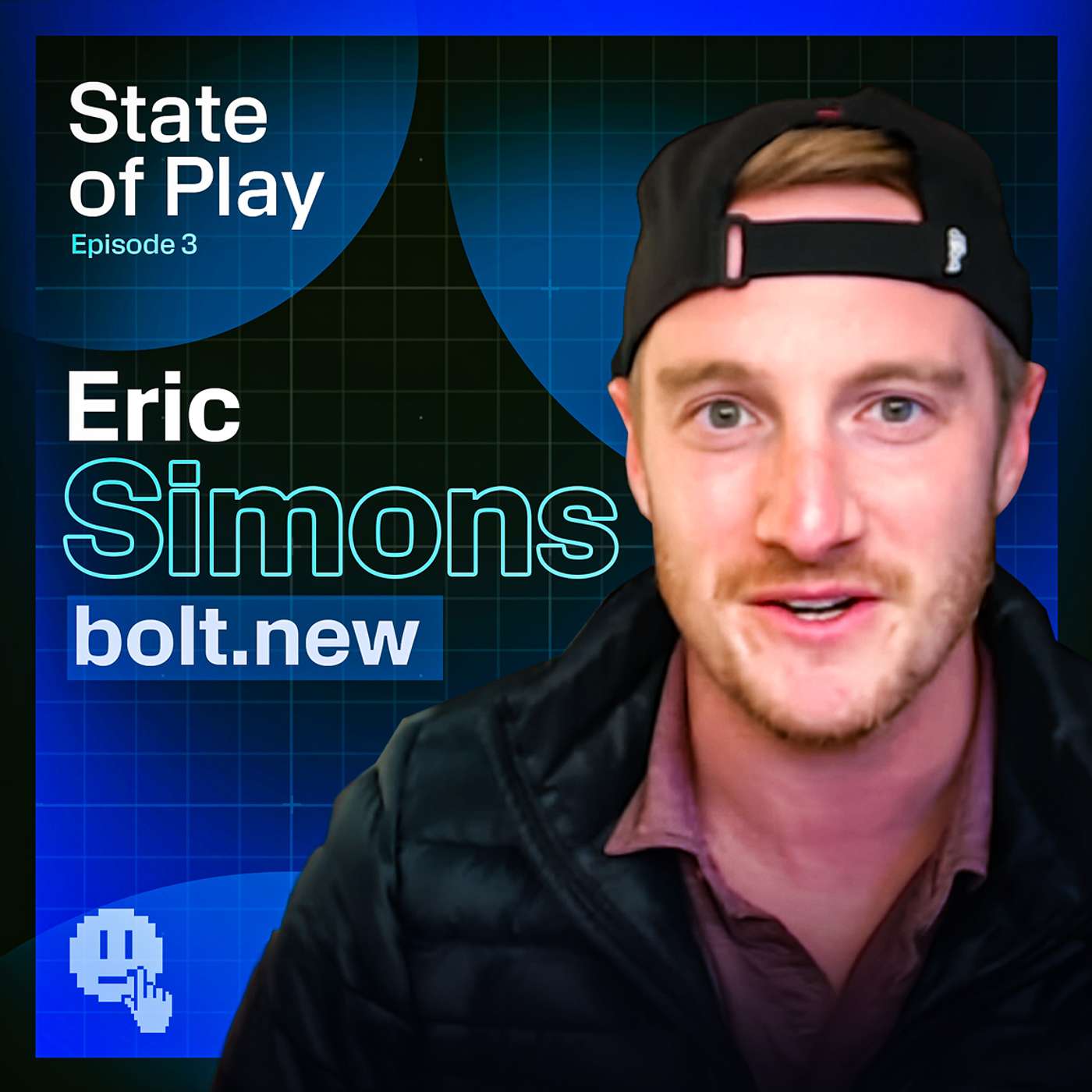
This founder set an expiration ate for his company… and then hit 0M ARR.Eric Simons (the builder behind Bolt.new) turned “we’re shutting down” into the world’s largest hackathon. In this episode, we break down Eric’s probability playbook and how I’m applying it on my 60‑day clock to keep State of Play alive beyond October 1st. We talk last bets, 100 swings, hackathons that print customers, and the automations I'm using to help me keep swinging.WHAT YOU'LL LEARN:- How an "end date” forces focus (and why it worked for Eric Simons)- The 100‑swing probability game for finding PMF again- Turning ideas into sales leads (not “projects”)- A real automation stack: Polar → n8n → Notion → email for code fulfillment- Why designers are becoming builders and what that unlocksSUPPORT THE SHOW:UX Tools Newsletter (written by me): Join 100,000+ designers for weekly insights → https://uxtools.coCHAPTERS00:00 – “In 60 days, it’s over” (cold open)00:16 – Meet Eric Simons + the 0M ARR plot twist00:30 – The decade everyone ignores (failure before the hockey stick)02:30 – The Dropout DNA (living in an office, working 6am–3am)03:30 – The 0,000 reality check vs a 00 Bolt build05:00 – The Probability Playbook: take 100 swings07:00 – The office‑squatter strategy (desperation, channeled)09:00 – The competitor’s funeral + picking a death date11:00 – The builder uprising11:45 – The million‑dollar tweet (how the hackathon started)13:00 – Meet the 100,000 (designers → builders)15:00 – The only title I wear16:00 – The last swing (countdown to Oct 1, 2025)LINKS:UX Tools Newsletter: https://uxtools.coFollow Eric: https://x.com/EricSimonsTry Bolt: https://bolt.newFOLLOW ME:YouTube: https://youtube.com/@designertomInstagram: https://instagram.com/itsdesignertomX / Twitter: https://x.com/designertomLinkedIn: https://linkedin.com/in/tommygeoco

Ryo Lu went from Notion's founding designer to cloning himself with AI at Cursor. This is the full conversation.From building anime fansites at 11 to architecting Notion's core systems to creating his own OS in a browser - Ryo reveals why the best designers are actually tool makers in disguise. We dig into creative burnout, why he stopped asking permission, and how AI is turning designers into parallel processors of their own brains.Get the UX Tools Newsletter (written by me): https://uxtools.coCHAPTERS:00:00 - Building websites at 11 years old02:00 - The Chinese Apple fanboy community03:50 - Failed startups and depression07:00 - Creating "Chinese Stripe" in Shanghai09:00 - How payment friction created China's internet boom11:00 - Ivan's daily 4:30pm design critiques at Notion14:00 - "I was not wrong either" - handling creative friction17:00 - Becoming a sponge for information20:00 - The fog of war problem in design24:00 - "There is one ultimate solution"27:00 - Why all SaaS tools are the same underneath30:00 - From Figma to code - killing the abstraction layer35:00 - Building prototyping environments38:00 - Why Notion and Cursor solve the same problem42:00 - What is RyoOS really?45:00 - "Constant flow state" - rediscovering creative joy48:00 - Designer burnout and serving too many masters50:00 - 16-year-olds will out-build senior engineers52:00 - "We're just builders and makers"LINKS:UX Tools Newsletter: https://uxtools.coFollow Ryo: https://x.com/ryolu_Try Cursor: https://cursor.aiFOLLOW ME:YouTube: https://youtube.com/@designertomInstagram: https://instagram.com/itsdesignertomX / Twitter: https://x.com/designertomLinkedIn: https://linkedin.com/in/tommygeoco
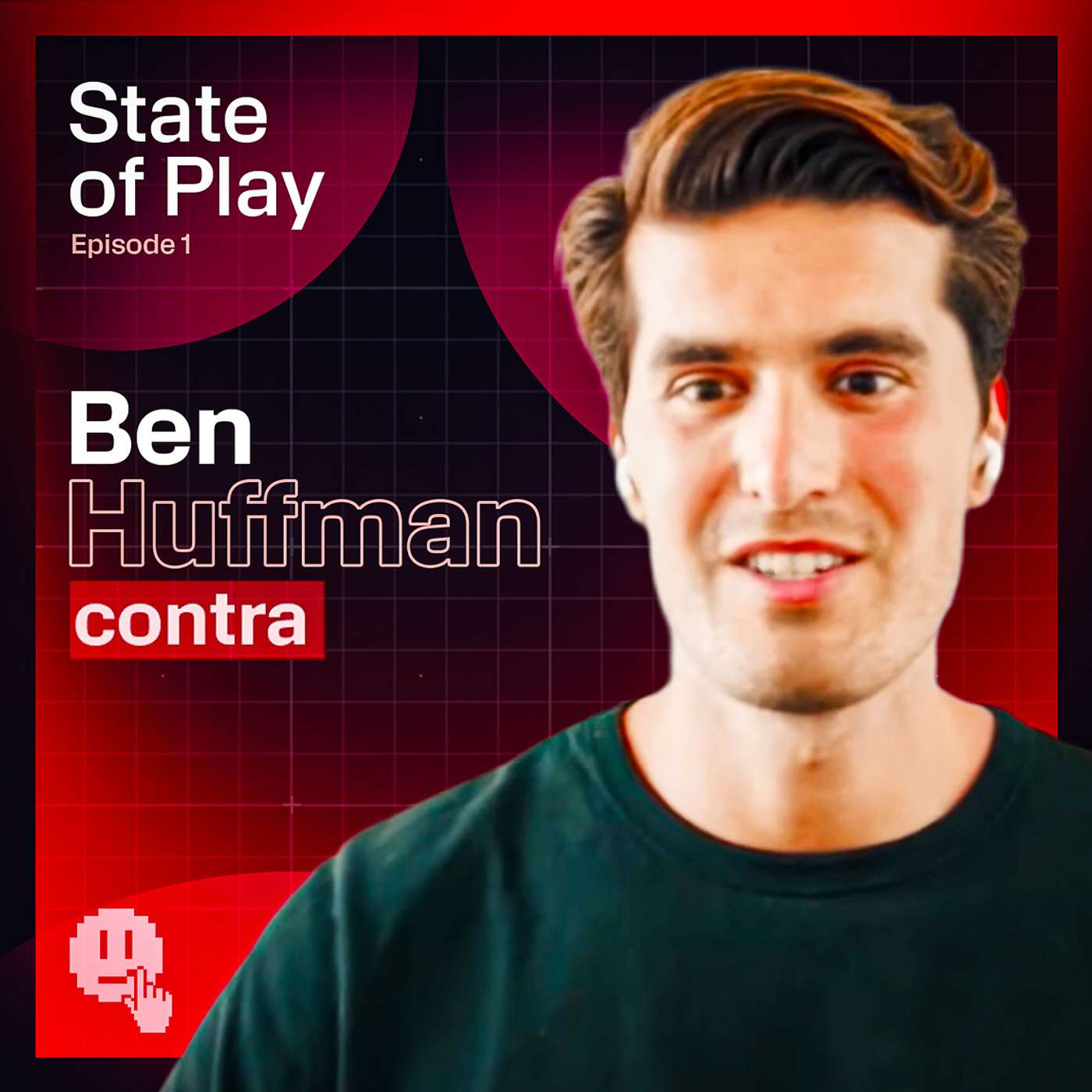
Ben Huffman built a freelance platform with NO fees. Every investor told him it was the stupidest idea they’d ever heard.Now Contra has 1M users and a $120M run rate.We talk about living in the pain cave (the place your ideas live before anyone believes in them), building mission-driven companies, avoiding the “marketplace commodity problem,” and why community-led growth might be the future of creative work.Get the UX Tools Newsletter (written by me)https://uxtools.coCHAPTERS:00:00 – The “pain cave” explained01:12 – Investors called it the “worst idea ever”04:51 – Why rejection always feels personal07:32 – Building for the younger version of yourself10:47 – The humanity problem with commission fees13:41 – Early internet communities (Themeforest, torrent sites, Newegg)15:30 – Solving the marketplace commodity problem18:44 – Going “feed first” to foster authentic connections20:28 – Becoming an independent discovery engine24:08 – Partnering with creative tools like Framer27:26 – Why open networks might win over closed platforms30:28 – Building leverage as an independent creative33:53 – The “Hollywood model” for creative projects37:55 – Resumes are dead, project-based identity is the future40:39 – Small core teams + specialist networks43:17 – How indie communities share work and clients46:05 – Branding yourself to get discovered48:01 – The story of a 19-year-old making $50K/month from design50:31 – How Contra makes money without fees52:21 – Almost out of the pain caveLINKS:UX Tools Newsletter: https://uxtools.coFollow Ben: https://x.com/_BenHQTry Contra: https://contra.comFOLLOW ME:Instagram: https://instagram.com/itsdesignertomX / Twitter: https://x.com/designertomLinkedIn: https://linkedin.com/in/tommygeoco
Comments


Download from Google Play

Download from App Store
 United States