


 Claim Ownership
SpeakUp Talks
Subscribed: 0Played: 0
Subscribe

© 2025
Description
Conversations that strengthen compliance knowledge and shape ethical workplaces.
13 Episodes
Reverse

This episode digs into the operational reality of large compliance program implementations: timelines slip, requirements change, and test environments don’t behave like production. By sharing her lessons learned, Ariza shares how to plan for that messiness early so you don’t pay for it later.
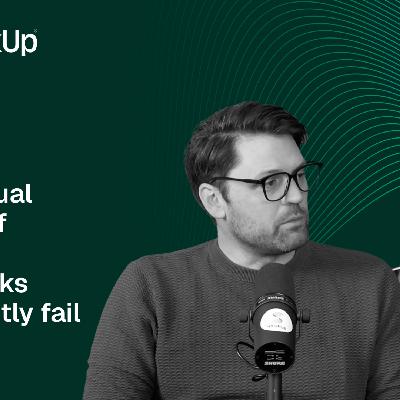
In this episode, we are joined by SpeakUp Account Executive, Claire Dossett, to unpack why conflict of interest frameworks consistently fail in practice. Using a real world case study, we discuss how manual, siloed programs create “high compliance” optics while missing systemic risk signals.

In this episode of SpeakUp Talks, host Travis interviews Claire Dossett, an account executive at SpeakUp, about the challenges compliance and HR teams face during the holiday season regarding gifts and entertainment disclosures. Claire discusses how employees often forget their earlier compliance training when the holiday season arrives, leading to potential issues with gift acceptance and entertainment invitations from clients and prospects. She emphasizes the importance of gentle reminders and clear communication channels during this busy period. The conversation covers the risks of improper disclosure, the value of ethical business practices, and how compliance teams can partner with sales teams to ensure proper procedures. Claire also highlights the limitations of manual processes like Excel spreadsheets and advocates for technology solutions that can streamline disclosure processes, improve data collection, and provide better reporting capabilities. The discussion concludes with practical tips for successful compliance campaigns, including keeping communication open, involving local managers in approvals, and providing easily accessible FAQ channels for employee questions.

Phone reporting is declining as expectations on compliance teams rise. Drawing on over a decade supporting global programs across major providers, Dan Ball pinpoints where call centers fall short and shows how AI streamlines intake, translation, and triage, helping leaders spot risk sooner and act faster.

Aviation shows why ethics and compliance must reinforce each other—because shortcuts risk lives, reputations, and long-term value. This episode shares real cases and the practical habits that turn early signals into safer operations.

We chat with Emily Minor, Director of Data & Services at Ethisphere, to unpack new research on ethical culture, benchmarking, and the “Ethics Premium” that links robust ethics and compliance programs to stronger performance. We explore how compliance is evolving into business-aligned ethics, practical ways to measure culture, and how leaders can partner with the board to drive value.
What does it take to build trust in a compliance program, especially when pressure is high and risks are real?
In this episode of SpeakUp Talks, Tim Morss sits down with Andrew McBride, founder of Integrity Bridge and former Chief Compliance Officer at Albemarle, to explore the realities of leading compliance in high-stakes environments. The discussion focuses on how to build credibility as a compliance leader, what truly drives trust in speak-up culture, and why AI is shifting the way teams handle misconduct reports - from intake to investigation.
The SpeakUp Talks podcast episode celebrates National Whistleblower Appreciation Day in the United States, highlighting the importance of whistleblowers in fostering ethical workplaces. The day commemorates the US whistleblowing protection law established in 1778, following the courageous actions of two navy officers who reported abuse. Despite the progress made, retaliation against whistleblowers remains a significant issue, and misconduct in powerful positions continues to pose challenges. The discussion emphasizes the financial and morale impacts of unaddressed misconduct, urging companies to cultivate a culture that supports whistleblowing. Leadership plays a crucial role in promoting transparency and accessibility in reporting processes.
In this episode of SpeakUp Talks, the discussion centers around the often-overlooked topic of conflicts of interest in the workplace. We highlight the complexity of identifying conflicts, as employees may not even realize their actions could be problematic. Emphasizing the importance of education and structured reporting mechanisms, the conversation suggests that many organizations still rely on outdated methods like annual disclosures. The potential of technology, particularly AI, is explored as a means to enhance transparency and streamline the management of conflicts. Ultimately, the episode advocates for a more proactive and informed approach to handling conflicts of interest.
In this episode of SpeakUp Talks, the importance of psychological safety in fostering a SpeakUp culture is explored. The discussion highlights how psychological safety, though challenging to measure, is crucial for encouraging open communication and trust within organizations. Active steps are necessary to build this safety, including top management support and effective training for compliance officers. The episode emphasizes that silence does not equate to safety and that maintaining confidentiality while promoting dialogue is essential. Ultimately, creating an environment of psychological safety leads to improved team performance and employee retention.
AI is transforming the world—but with great power comes great responsibility.In this episode of the SpeakUp podcast, Robert (Legal Director) and Arun (CTO & Tech Expert) break down the upcoming EU AI Act, ethical responsibilities and what it means for companies, compliance, and the future of AI.Topics covered:What are the regulations to keep in mind?Key legal takeaways for companiesEthical implications of AI in compliance toolsHow businesses can leverage AI while staying compliantThe future of AI regulation and innovationIf your company operates in the EU—or anywhere AI is used—you won’t want to miss this discussion!
Continuing our podcast series to talk all things whistleblowing, compliance innovation and speak up culture! This episode is about why traditional call centre doesn't work for voice intake report. Tim Morss and Martijn Boone talks us through the main reasons why traditional call centres don't work for leaving voice reports.
In 2025, compliance officers face significant challenges, including supply chain management and data collection for reporting, exacerbated by local delays in data entry. The rise of ESG activities and new regulations, such as DORA compliance, adds to their workload without additional resources. While AI presents opportunities to streamline processes and enhance data management, it also raises concerns about safety and compliance that must be addressed. Effective communication and training are essential for fostering a safe reporting environment, as many employees remain unaware of reporting channels. Overall, collaboration and adaptability are crucial for compliance officers to navigate the evolving landscape.
Comments

Download from Google Play

Download from App Store
 United States