


 Claim Ownership
The Mystery Of...
Subscribed: 14Played: 124
Subscribe

© (C) BBC 2026
Description
True crime stories.
42 Episodes
Reverse
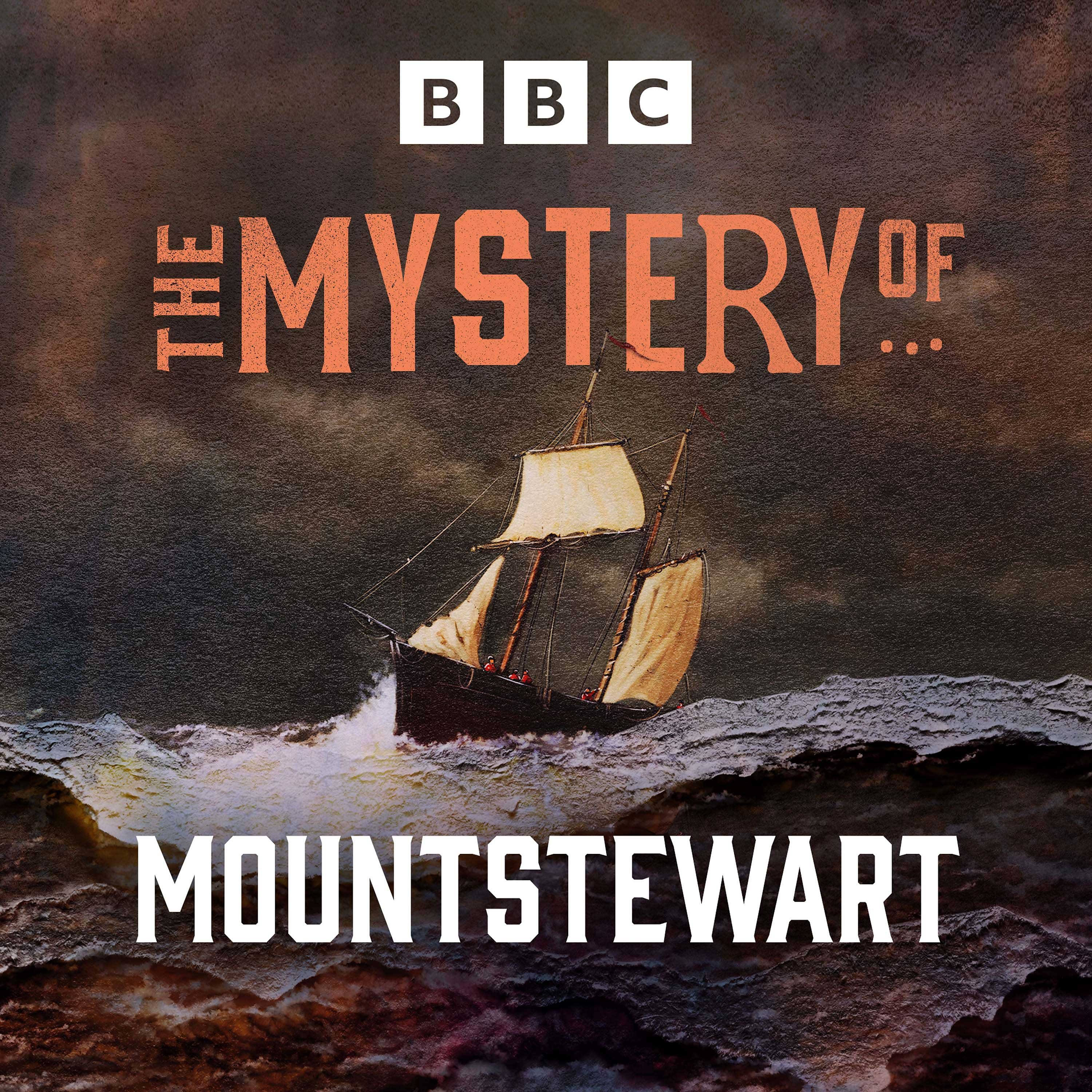
April 1895. Lady Theresa Londonderry is the foremost political influencer of her day, holding court for part of the year at Mount Stewart house on the shores of Strangford Lough in County Down. While she brings her powerful personal influence to bear on the aristocracy and politicians of the day, her servants create dazzling social events to entrance her guests. Then, as a treat for the most senior servants of her household, she lends out her personal sailing boat for a picnic on one of the islands in the lough. But the boat is never seen again and eight people are missing – presumed drowned.
They are people who have struggled hard to ascend the Victorian social ladder. Head cook, Eliza Taunt, comes from difficult family circumstances but works her way up from kitchen maid to be Theresa’s right hand woman when it comes to entertaining. House steward, Joseph Grainge, grew up in poverty but has ended up being in charge of all the Londonderry properties. These people and others on the boat show the talent and tenacity of the servants of the high Victorian era. They have come from humble origins to make it to the top of their professions.
On the 11th of April, Theresa and family go to Belfast where she opens an exhibition showcasing the city’s industrial achievements. Meanwhile, the servants set off in her twenty foot long boat, helmed by a local boatman. For Theresa, this carefully assembled team behind her success is soon gone for ever.
April 1895. Lady Theresa Londonderry is the foremost political influencer of her day, holding court for part of the year at Mount Stewart house on the shores of Strangford Lough in County Down. While she brings her powerful personal influence to bear on the aristocracy and politicians of the day, her servants create dazzling social events to entrance her guests. Then, as a treat for the most senior servants of her household, she lends out her personal sailing boat for a picnic on one of the islands in the Lough. But the boat is never seen again and eight people are missing – presumed drowned.
To try and unravel this mystery, we retrace the route of the boat that day in 1895, giving us a real sense of the experiences of those onboard. They are people who have struggled hard to ascend the Victorian social ladder. Working for Theresa gives status to boatman William Hagan who, assisted by his 17 year old son, is the most respected skipper on the lough. Housekeeper, Elizabeth Dougal, has switched jobs many times to improve her prospects – now she has landed a forever job with the Londonderrys. William Rowe was born in rural Somerset but went to London in his teens to seek his fortune before becoming valet to Lord Londonderry. These people and others on the boat have come from humble origins to make it to the top of their professions.
After the boat is lost, Theresa and her husband refer to these servants as “friends”. But can this really be possible in an age marked so deeply by social inequality? Incredibly, Theresa organises another boat trip for herself out on the lough to “break the ice” after the disaster. Is she heartless? Or is this evidence of how driven she is as a person to let nothing stop her pursuing her political career?
April 1895. Lady Theresa Londonderry is the foremost political influencer of her day, holding court for part of the year at Mount Stewart house on the shores of Strangford Lough in County Down. While she brings her powerful personal influence to bear on the aristocracy and politicians of the day, her servants create dazzling social events to entrance her guests. Then, as a treat for the most senior servants of her household, she lends out her personal sailing boat for a picnic on one of the islands in the Lough. But the boat is never seen again and eight people are missing – presumed drowned.
Bodies begin to be washed up. First Theresa’s house steward, Joseph Grainge, then local boatman, William Hagan. Next, is Jane Cheshire, lady’s maid to Lady Kathleen Cole, daughter of Lord Enniskillen. Jane’s parents are both dead and no one comes to collect her body – yet the people of Portaferry rally round when she is buried. Finally, William Start, valet to Lord Enniskillen, is found leaving four bodies unrecovered.
Personal tragedy does not derail someone as driven as Theresa for long – not even the death of her youngest son in 1899. Then, in 1903 Mount Stewart enjoys its finest hour with a royal visit. However, the world is changing and despite all Theresa’s efforts, Home Rule in Ireland is inevitable. Like the servants lost on Strangford Lough, she cannot escape her fate and when her husband dies, her title, grand houses and her servants pass to her son and his wife.
But what causes the loss of her boat in 1895? A survey of the lough with state of the art technology fails to find the wreck. A consideration of the different factors at work that day is inconclusive but raises a question: did the strict social hierarchies of the day seal the fate of all onboard?
April 1881. The west of Ireland is steeped in poverty and caught in the middle of a Land War. Local herds, father and son John and Martin Lydon, are dragged from their beds in Letterfrack, Co Galway, beaten and shot. John dies immediately, but Martin survives long enough to identify one of his assailants, Patrick Walsh, later convicted and hanged. But is all as it seems?At a time when all of Ireland is under British Rule and Westminster is keen to quash the resistance of the Land League agitators, is this a case of the hanging of an innocent man as a warning to others, or are secret societies living by their own set of rules? Justice James Lawson – Caolan Byrne
Solicitor General – Benny Redmond
Pat Walsh – Eoin O Dubhgaill
Martin Lydon – Joshua Duffy
Nappy Lydon – Maggie Cronin
Margaret Lydon – Charlotte McCurry
Court Officer – Brian TynanOther parts played by the cast.
April 1881. The west of Ireland is steeped in poverty and caught in the middle of a Land War. Local herds, father and son John and Martin Lydon, are dragged from their beds in Letterfrack, Co Galway, beaten and shot. John dies immediately, but Martin survives long enough to identify one of his assailants, Patrick Walsh, later convicted and hanged. But is all as it seems?At a time when all of Ireland is under British Rule and Westminster is keen to quash the resistance of the Land League agitators, is this a case of the hanging of an innocent man as a warning to others, or are secret societies living by their own set of rules? Justice James Lawson – Caolan Byrne
Solicitor General – Benny Redmond
Pat Walsh – Eoin O DubhgaillOther parts played by the series cast.
April 1881. The west of Ireland is steeped in poverty and caught in the middle of a Land War. Local herds, father and son John and Martin Lydon, are dragged from their beds in Letterfrack, Co Galway, beaten and shot. John dies immediately, but Martin survives long enough to identify one of his assailants, Patrick Walsh, later convicted and hanged. But is all as it seems?
At a time when all of Ireland is under British Rule and Westminster is keen to quash the resistance of the Land League agitators, is this a case of the hanging of an innocent man as a warning to others, or are secret societies living by their own set of rules? Justice James Lawson – Caolan Byrne
Solicitor General – Benny Redmond
Michael Walsh – Joshua Duffy
Honor Walsh – Maggie Cronin
Constable – Brian TynanOther parts played by the series cast.
April 1881. The west of Ireland is steeped in poverty and caught in the middle of a Land War. Local herds, father and son John and Martin Lydon, are dragged from their beds in Letterfrack, Co Galway, beaten and shot. John dies immediately, but Martin survives long enough to identify one of his assailants, Patrick Walsh, later convicted and hanged. But is all as it seems?
At a time when all of Ireland is under British Rule and Westminster is keen to quash the resistance of the Land League agitators, is this a case of the hanging of an innocent man as a warning to others, or are secret societies living by their own set of rules? James Mannion – Peter Heenan
James Gavin – Joshua Duffy
Martin Faherty – Eoin O Dubhgaill
Michael Davitt – Brian TynanOther parts played by the series cast
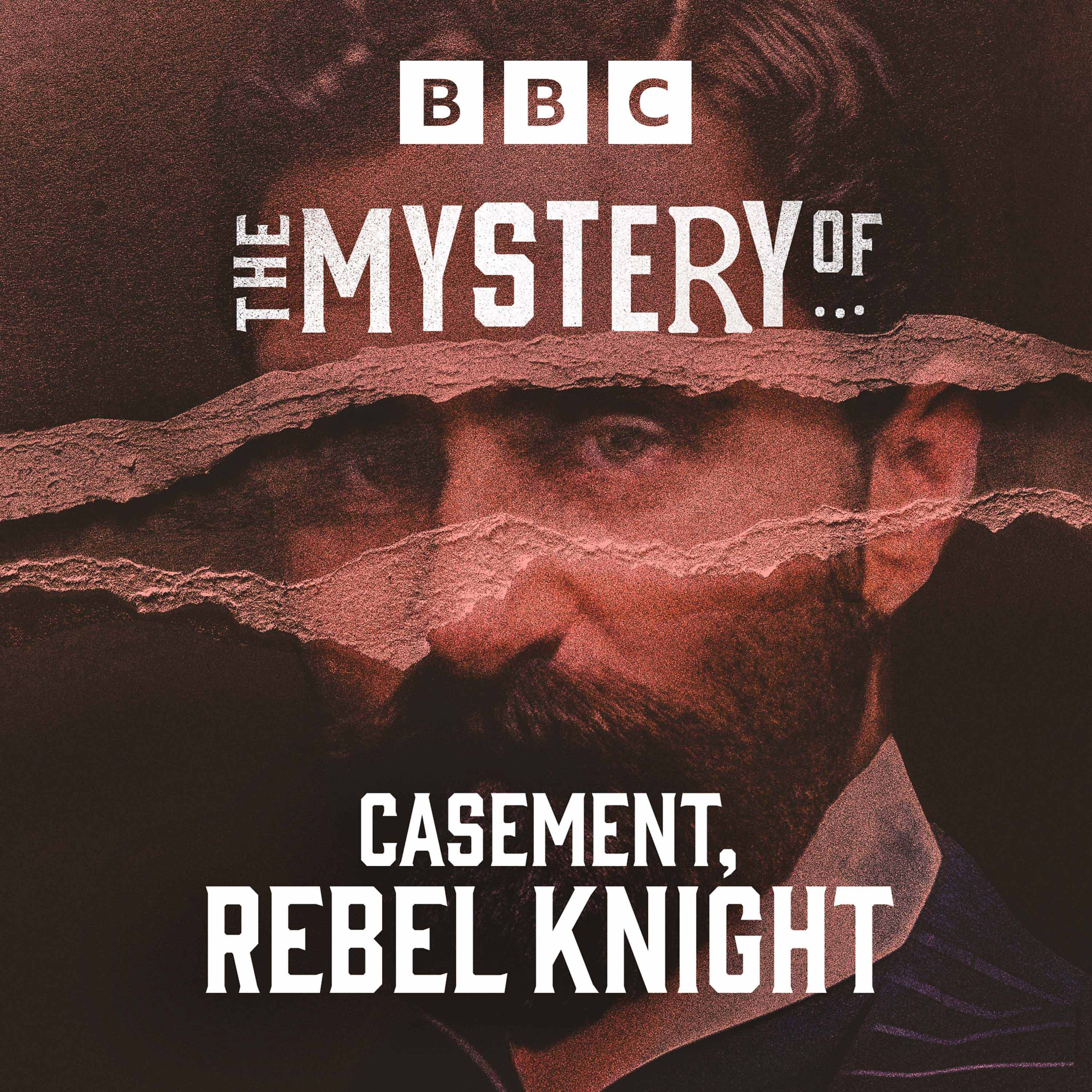
Roger Casement became a household name in Britain and Ireland in the early 20th century. But his childhood gives no hint of what is to come.
Born in Dublin on 1st September 1864, his early life is a hand to mouth existence. His father is a retired army Captain which qualifies him to be seen as a ‘gentleman’ - but he has little income and the family move many times to avoid creditors.
After the death of his parents when he is 12, Roger is taken in by his Uncle John and Aunt Charlotte in Magherintemple, near Ballycastle, County Antrim. This is a stable and supportive home but he knows he must go out into the world to make something of himself. Roger leaves school at 15 and is soon working in the office of a shipping line in Liverpool, then as a purser on one of their ships transporting goods to and from the Congo River in West Africa. He has found a place where he can advance himself and, over the next ten years, moves through a succession of jobs in the region with both commercial companies and missionary groups. In 1892, a job with the British government’s Consular Service (part of the Foreign Office) signals that he has indeed made something of himself.
Yet, Casement cannot ignore the terrible treatment of local people in the Congo by the Europeans who have come to exploit the rich resources there. In 1903, he is asked to produce a report into atrocities committed against local people by the rubber industry in a region controlled by the Belgian king, Leopold II. His Congo report breaks new ground in giving a voice to those people in the corridors of power in London and he is still revered today as a pioneering humanitarian campaigner.
But for Roger Casement, this is just the beginning of his political activism.
By the early years of the twentieth century, Roger Casement has become known for his humanitarian work exposing the atrocities of the rubber industry in the Congo. But other causes he supports are much closer to home.
In 1904 he helps organise the Feis na nGleann in Cushendall – part of a resurgence of gaelic culture at the time. It re-awakens Roger’s Irish identity dating from his youth spent on the north coast of County Antrim.
However, he is soon called back to his work in the British Consular Service and is appointed consul-general in Rio de Janeiro. Just as in the Congo, the rubber industry in the Amazon region uses indigenous people to gather the raw material it needs – with similarly catastrophic results.
But the company behind abuses of local people is British and Roger is made part of an official Commission of Enquiry to investigate its activities in the remote Putumayo region. The scale of the abuse and murder of local people he uncovers is greater even than that in the Congo. But this time he is more politically savvy. He knows the government cannot ignore a commission is has set up and he systematically puts witness testimony before the other members. What is happening in Putumayo becomes undeniable and the report he writes finally forces the government to act. Roger is awarded a knighthood and Arthur Conan-Doyle even bases one of the characters in The Lost World on him.
But Roger’s political aims in Ireland are coming to the fore. He addresses a public meeting in Ballymoney, County Antrim, arguing passionately against the Unionist leader, Edward Carson and his Ulster Volunteer Force. As Britain and Ireland slide inexorably towards World War One, Roger is being drawn into actions which will change his life for ever.
Roger Casement plays a central role in the formation of the Irish Volunteers in 1913. One of the public faces, he travels around Ireland to raise support for this nationalist organisation. As his political commitment grows, he also masterminds the importing of guns for the Volunteers into Howth outside Dublin.World War One breaks out and nationalism is split in two and Roger leaves Ireland. Throughout this time, he is assisted by his lover, Adler Christensen but his mental health is going downhill.Hearing of plans for the Easter Rising in 1916, he returns to Ireland on a German submarine. But the British authorities are on his trail.
Roger Casement is sent to the Tower of London and then put on trial at the Old Bailey. Things go from bad to worse as his infamous Black Diaries are brought to light by the British government. As defence and prosecution teams battle it out, the odds seem stacked against him. The jury delivers its devastating verdict and Casement bravely faces his enemies in court with a speech that is still remembered in the legal world today. A few days later, the Battle of the Somme begins and with the world in turmoil Casement faces his inescapable future. But the Ireland he imagined has in many ways come to pass. Today, Casement is remembered at his burial plot in the Irish national cemetery at Glasnevin in Dublin. Why are we still fascinated by this man who set out to change the world? Some would point to his undeniable flaws – but others would say he succeeded in so much of what he set to do. Roger Casement’s legacy is with us today.
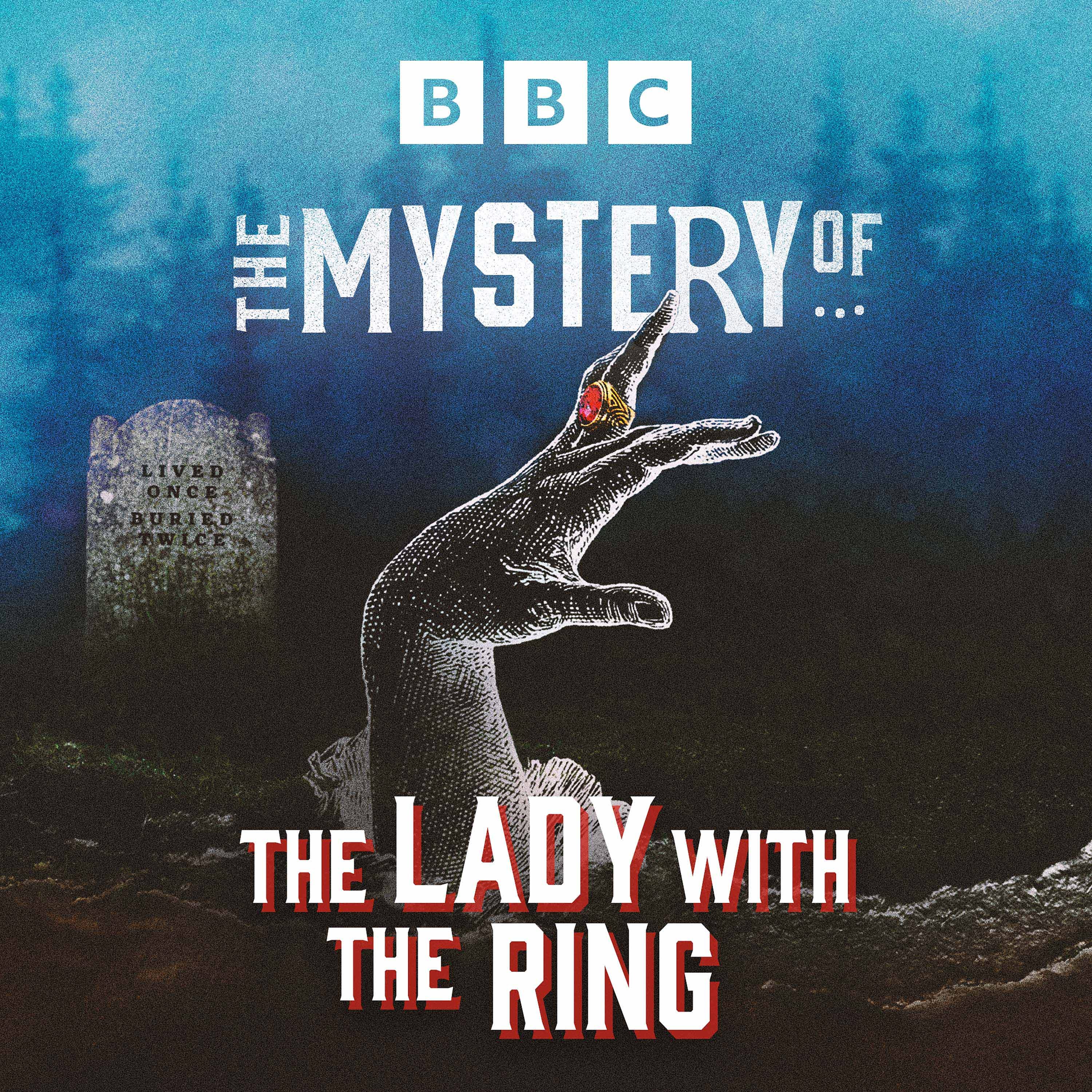
European folklore is full of crossover. Stories with the same themes, heroes and villains told across the continent for centuries. Are they myth? Legends? Or do some have an aspect of historical credibility?The Lady with the Ring is one of these stories, told in Germany, Scandinavia and more, each with a slight change in detail. Each claiming to be the country of the tale's true origin. What if they're wrong? What if the real inspiration is actually from a small town called Lurgan in County Armagh more than 300 years ago?

‘Peter Bergmann’ isn’t his real name. The Vienna address he gives at the hotel doesn’t exist. Bags seen on CCTV are never found, including a purple plastic bag he is seen with 13 times over three days. What was in it? Where did he empty it? And why all the secrecy? Irish Times journalist Rosita Boland spent years investigating this case. She spoke to every witness she could think of, visited the hotel and the beach, determined to find out who this man really was. But 16 years later the mystery is yet to be solved.Rosita joins Sarah McGlinchey over two episodes to guide her through that investigation. Could she, and the Gardaí, have missed something? Or is this a case that will never be solved? And what was in the plastic bag?
‘Peter Bergmann’ isn’t his real name. The Vienna address he gives at the hotel doesn’t exist. Bags seen on CCTV are never found, including a purple plastic bag he is seen with 13 times over three days. What was in it? Where did he empty it? And why all the secrecy? Irish Times journalist Rosita Boland spent years investigating this case. She spoke to every witness she could think of, visited the hotel and the beach, determined to find out who this man really was. But 16 years later the mystery is yet to be solved.Rosita joins Sarah McGlinchey over two episodes to guide her through that investigation. Could she, and the Gardaí, have missed something? Or is this a case that will never be solved? And what was in the plastic bag?
Does every urban myth contain a kernel of truth? Rumours have been rife for years that a network of tunnels stacked with barrels of whiskey worth millions of pounds exist under Holywood in County Down. Local journalist Jordan Dunbar is on a mission to distil the truth of it all with the promise of commandeering some precious liquid gold.
In this four-part escapade, Jordan learns about the celebrated Dunville family, whose wealth was built on their whiskey brand that became globally famous during the 19th century. It allowed the family to indulge in acts of opulence and eccentricity well into the 20th century. So, might that just include stacking tunnels full of whiskey barrels that have now been left unopened for decades?
In a caper that features hot air balloons, private zoos and whiskey tours, Jordan discovers how the fate of the Dunvilles mirrored the fate of the Irish whiskey industry itself. Historian Robin Masefield give pause for thought on why the rumours of the whiskey in tunnels might just have to be taken seriously after all. But as Jordan increasingly gets into the ‘spirit’ of it all, can he get any closer to the elusive ‘uisce beatha?’
Does every urban myth contain a kernel of truth? Rumours have been rife for years that a network of tunnels stacked with barrels of whiskey worth millions of pounds exist under Holywood in County Down. Local journalist Jordan Dunbar is on a mission to distil the truth of it all with the promise of commandeering some precious liquid gold.In this four-part escapade, Jordan learns about the celebrated Dunville family, whose wealth was built on their whiskey brand that became globally famous during the 19th century. It allowed the family to indulge in acts of opulence and eccentricity well into the 20th century. So, might that just include stacking tunnels full of whiskey barrels that have now been left unopened for decades?
In a caper that features hot air balloons, private zoos and whiskey tours, Jordan discovers how the fate of the Dunvilles mirrored the fate of the Irish whiskey industry itself. Historians Jason Burke and Robin Masefield give pause for thought on why the rumours of the whiskey in tunnels might just have to be taken seriously after all. But as Jordan increasingly gets into the ‘spirit’ of it all, can he get any closer to the elusive ‘uisce beatha?’ In this episode, Jordan goes to the site of what was Redburn House built by Robert Grimshaw Dunville in the hills above Holywood to a design by celebrated architect of the day, Charles Lanyon. Here, the family enjoyed a life of incredible luxury with more than 60 rooms, a stable full of horses and an ornate garden. Servants catered for every need and now the Dunvilles have truly arrived.
Does every urban myth contain a kernel of truth? Rumours have been rife for years that a network of tunnels stacked with barrels of whiskey worth millions of pounds exist under Holywood in County Down. Local journalist Jordan Dunbar is on a mission to distil the truth of it all with the promise of commandeering some precious liquid gold.In this four-part escapade, Jordan learns about the celebrated Dunville family, whose wealth was built on their whiskey brand that became globally famous during the 19th century. It allowed the family to indulge in acts of opulence and eccentricity well into the 20th century. So, might that just include stacking tunnels full of whiskey barrels that have now been left unopened for decades?
In a caper that features hot air balloons, private zoos and whiskey tours, Jordan discovers how the fate of the Dunvilles mirrored the fate of the Irish whiskey industry itself. Historians Jason Burke and Robin Masefield give pause for thought on why the rumours of the whiskey in tunnels might just have to be taken seriously after all. But as Jordan increasingly gets into the ‘spirit’ of it all, can he get any closer to the elusive ‘uisce beatha?’ In this episode, Jordan uncovers what life was like for the the Dunvilles at their peak as the 19th century turned into the twentieth. With a stunning new headquarters in central Belfast and John Dunville marrying into aristocracy, he and his wife Violet became celebrity pioneers of ballooning. But would these extravagant balloonists be the type of people to build tunnels under their mansion? Jordan seeks answers with Alastair Ruffell with a ground-penEtrating radar survey of the White City estate. Jordan has another lead to pursue when a local woman gets into touch with news that she may know where the tunnels are.
Does every urban myth contain a kernel of truth? Rumours have been rife for years that a network of tunnels stacked with barrels of whiskey worth millions of pounds exist under Holywood in County Down. Local journalist Jordan Dunbar is on a mission to distil the truth of it all with the promise of commandeering some precious liquid gold.In this four-part escapade, Jordan learns about the celebrated Dunville family, whose wealth was built on their whiskey brand that became globally famous during the 19th century. It allowed the family to indulge in acts of opulence and eccentricity well into the 20th century. So, might that just include stacking tunnels full of whiskey barrels that have now been left unopened for decades?
In a caper that features hot air balloons, private zoos and whiskey tours, Jordan discovers how the fate of the Dunvilles mirrored the fate of the Irish whiskey industry itself. Historians Jason Burke and Robin Masefield give pause for thought on why the rumours of the whiskey in tunnels might just have to be taken seriously after all. But as Jordan increasingly gets into the ‘spirit’ of it all, can he get any closer to the elusive ‘uisce beatha?’ In this final episode, Jordan discovers how a world war and prohibition in the US affected the fate of the Dunville family. Can the mystery of the Dunvilles’ demise really ever be discovered? Back in the present day, the search for tunnels under Holywood reaches a conclusion with tantalising and surprising results.
Have you ever heard a sound and not quite known what it is? It can be irritating and even unsettling. Now, imagine a lot of people in the same town begin to hear that sound. It is a hum – one that merits further investigation. Enter self-professed slacker and Omagh-native, Phil Taggart, to get to the bottom of it all. A hard-nosed investigative journalist he is not, but there is no better man to examine the characters and quirks of the county Tyrone town where the strange sounds have been emanating.
Across three episodes, Phil meets shopkeepers, scientist, comedians, councillors and musicians, all with a view to uncovering the source of the hum.
In Episode One, Phil turns to the people of Omagh to gather their theories on the hum. Ideas range from the mundane to the outlandish, while some locals claim it is nothing more than a figment of the town’s imagination. But when an actual recording of the sound finds its way to Phil, the hum begins to create more of a buzz.
Have you ever heard a sound and not quite known what it is? It can be irritating and even unsettling. Now, imagine a lot of people in the same town begin to hear that sound? A hum – one that certainly merits further investigation. Enter self-professed slacker and Omagh-native, Phil Taggart, to get to the bottom of it all. A hard-nosed investigative journalist he is not, but there is no better man to examine the characters and quirks of the county Tyrone town where the strange sounds have been emanating.
Across three episodes, Phil meets shopkeepers, scientist, comedians, councillors and musicians, all with a view to uncovering the source of the hum.
In Episode Two, things take a turn for the weird. The people of Omagh’s imagination runs wild as aliens, wind turbines and secret army activity are all cited as sources of the hum. Phil and his side-kick Muck, turn to man-of-science, Dr Glen MacPherson, for a more grounded answer but are literally left with a headache by what the World Hum expert has to tell them.

Comments

Download from Google Play

Download from App Store
 United States