


 Claim Ownership
Sharp Strategies Sweet Success
Subscribed: 0Played: 0
Subscribe

© Tifiny Swedensky
Description
Sharp Strategies Sweet Success is a podcast for small law firm owners and their marketers. On the show, we interview legal marketing experts, attorneys growing their business, and law firm marketers.
sharpcookiedev.substack.com
sharpcookiedev.substack.com
85 Episodes
Reverse

In this episode of Sharp Strategies Sweet Success, I’m joined by Daniel Steinberg, CEO and Founder of Law Broker, to talk about one of the most overlooked areas of law firm marketing: digital intake. Daniel shares how his background in legal tech and partnerships at Clio led him to build a platform focused on improving how law firms capture and convert online leads. At the core of the conversation is a simple but important idea: most law firm websites are still relying on static contact forms that don’t match how modern consumers prefer to engage. We dig into what happens when you replace those forms with more interactive, guided experiences. Daniel explains how conversational workflows, designed around consumer psychology, can increase conversion rates, improve lead quality, and create a more structured intake process. Instead of incomplete submissions and vague inquiries, firms can collect standardized, high-intent data that helps intake teams move faster and make better decisions. We also talk through the operational side, including how tools like Law Broker integrate with CRMs, marketing platforms, and ad channels like Google and Meta to push conversion data back into your campaigns. If you’re running paid media or trying to better understand where your cases are coming from, this level of attribution can change how you allocate budget and evaluate performance. Another key theme in this episode is simplicity. Implementing new technology in a law firm can be disruptive, so Daniel emphasizes the importance of tools that fit into your existing systems and are easy for teams to adopt. At the same time, we discuss the broader gap in the legal industry, where many firms are still slow to adopt tools that other industries have used for years to improve customer experience and speed to lead. If you’ve ever wondered why website visitors don’t convert, or how to make your intake process more efficient without adding complexity, this episode will give you a practical framework to rethink how potential clients engage with your firm. This is a public episode. If you'd like to discuss this with other subscribers or get access to bonus episodes, visit sharpcookiedev.substack.com/subscribe
In this episode of Sharp Strategies Sweet Success, I’m joined by Josh Schmerling, co-founder of Law Pro AI and a personal injury attorney, to talk about what actually happens when AI is implemented inside a law firm, and where the real value shows up. Josh shares how a major operational bottleneck, medical records and billing review, led him to build a tool that transforms how firms organize and analyze case data. We discuss what separates true AI systems from simple “wrappers,” why implementation is more complex than it seems, and how data quality directly impacts results. A key focus of this episode is what firms do with the efficiency AI creates. Josh explains how shortening time on desk and increasing case value gave his firm the ability to significantly expand its marketing budget across channels like Google Ads, LSA, and YouTube, while also improving client experience through more consistent communication. We also touch on vendor strategy, team structure, and how to think about AI as part of a broader growth system, not just a standalone tool. If you’re considering AI or looking for ways to turn operational efficiency into real marketing growth, this episode offers a practical, experience-driven perspective. This is a public episode. If you'd like to discuss this with other subscribers or get access to bonus episodes, visit sharpcookiedev.substack.com/subscribe

This is a free preview of a paid episode. To hear more, visit sharpcookiedev.substack.comIn our March Sharp Marketing Mastermind meeting, we discussed marketing data and why it matters so much for law firms. Good marketing decisions depend on having accurate, organized data that shows where leads come from, how campaigns are performing, and what trends actually matter. We also talked about the importance of data integrity, because even the best reports are only useful if the information behind them is reliable.In this meeting, we discussed:* The different ways law firms gather marketing data, including website forms, chat tools, call tracking, and direct lead generation campaigns* Why Google Business, Google Search, paid ads, and referrals should be tracked separately whenever possible* How tracking numbers, UTM parameters, and CRM integrations help improve marketing attribution* Why user-reported data like “Google” is often incomplete or inaccurate on its own* How to think about data integrity and make sure your intake dashboard is receiving the right information* The importance of configuring tools like Lead Docket to store and organize marketing data correctly* Why marketers need to take the lead on data setup instead of assuming vendors will handle it fully* How to identify which metrics are statistically meaningful and which numbers may be too small to draw conclusions from* The difference between looking at one number in isolation versus analyzing trends over time* How Sharp Cookie uses weekly and monthly KPI tracking to interpret performance and make better marketing decisionsA big thanks to everyone for attending and participating! Below are the resources for our Sharp Marketing Mastermind members:
In this episode of Sharp Strategies Sweet Success, I’m joined by David Vicknair of Scott Vicknair Injury Lawyers to talk about what it takes to build a marketing program that actually supports firm growth. We discuss how his team approaches list-building through giveaways and community initiatives, why consistent content production works better than sporadic campaigns, and how Scott Vicknair has grown its review portfolio by making hospitality and client experience part of the firm’s culture. David also shares insights on structuring a marketing team, protecting marketing from unnecessary interference, and how law firm owners should think about investing in marketing as their firms grow. If you’re thinking about how to grow your firm’s marketing without losing the client experience—or wondering what it takes to build a team that can actually execute—this episode is packed with practical perspective. This is a public episode. If you'd like to discuss this with other subscribers or get access to bonus episodes, visit sharpcookiedev.substack.com/subscribe
In this episode of Sharp Strategies Sweet Sucess, I’m joined by Gyi Tsakalakis of Attorneys, Inc. (and the voice behind Legal Marketing Lunch Hour) to talk about what law firms should actually be paying attention to in SEO right now. We start with a question I hear all the time from multi-location firms: should each Google Business Profile link to the homepage, or to a dedicated location page? Gyi’s take is refreshingly practical—location pages are usually the better starting point for relevance, but you still need to test because authority, competition, and site structure can change the outcome. He also addresses a claim I recently heard from a vendor: that UTM parameters can hurt SEO. Spoiler: he’s skeptical, and so am I. From there, we zoom out to the bigger shift happening in search. With AI-powered results becoming more unpredictable, “rankings” and keyword reports don’t mean what they used to. Gyi makes the case for measuring SEO like a business owner: cost per wanted lead and cost per case, using rankings and traffic only as supporting indicators, not the definition of success. If you’ve felt pressure to chase quick SEO wins or crank out long-tail blogs with AI, this conversation will help you reset your approach, focus on outcomes, and build a marketing mix that isn’t dangerously dependent on one channel. This is a public episode. If you'd like to discuss this with other subscribers or get access to bonus episodes, visit sharpcookiedev.substack.com/subscribe
What if some of your best referral opportunities are already calling your office, but you’re treating them like dead ends? In this episode of Sharp Strategies Sweet Success, I’m joined by Delisi Friday, founder of First Call Friday, to break down a practical, relationship-first approach to referral marketing. With two decades in the legal industry—starting on intake at her father’s firm—Delisi shares how law firms can turn rejected leads into warm referral relationships, follow up in ways that generate Google reviews, and build systems that actually nurture former clients instead of forgetting them. We also talk about hiring for referral growth (hint: prioritize people skills over technical skills), why AI can’t replace real connection, and how to evaluate whether your networking efforts are producing real ROI—or just activity. If you’re looking to maximize the marketing you’re already doing and build a stronger referral engine without adding more ad spend, this episode will give you clear, actionable starting points. This is a public episode. If you'd like to discuss this with other subscribers or get access to bonus episodes, visit sharpcookiedev.substack.com/subscribe
What does it look like when a law firm grows because people actually feel like they know you, before they ever need a lawyer? In this episode of Sharp Strategies Sweet Success, I’m joined by Joshua Hodges of The Hometown Lawyer, a personal injury firm based in Southwest Ohio, to break down how he built a recognizable brand on TikTok without relying on scripted legal lectures or a rigid content calendar. Josh shares how his approach evolved from “trying to sound like a serious attorney” to making content that reflects who he is: a working-class background, deep roots in his community, and the kind of everyday personality that makes people stop scrolling and pay attention. We talk about why entertainment and authenticity outperform FAQ-style content, how he uses simple content “series” to stay consistent without feeling boxed in, and why interacting in the comments (and on other people’s posts) is an overlooked growth lever for law firm owners. Josh also explains why organic audiences often become the best clients—because they’re already bought in—plus how he’s thinking about platform risk, Google volatility, and the long game of building an email list and even a printed newsletter. If you’re a law firm owner or marketer trying to grow beyond algorithms and ads, this episode is a practical reminder that brand trust is a growth strategy, and it’s built one authentic post at a time. This is a public episode. If you'd like to discuss this with other subscribers or get access to bonus episodes, visit sharpcookiedev.substack.com/subscribe
Email marketing is one of the most misunderstood areas of legal marketing.In this live session, we take a look at what the federal rules actually say about commercial email and marketing outreach. Instead of relying on assumptions or industry folklore, we review the official FTC guidance and explain how it applies in practice to law firms.The discussion centers on a simple but important distinction. There is a difference between what the law requires, what email platforms prefer, and what makes for effective marketing. Those three standards are often lumped together, leading firms to overcorrect and hold themselves back.At its core, this session is about clarity of the rules so you understand how to be an effective marketer.When you understand the baseline rules, you can stop operating from fear and start operating from strategy. You can focus on content quality, audience experience, and long-term performance rather than unnecessary gatekeeping and friction.For the federal guidance referenced in this conversation, review:FTC CAN-SPAM Act Compliance Guide for BusinessesFTC Blog: Candid Answers to CAN-SPAM QuestionsFCC Guidance on Telemarketing and RobocallsIt is a reminder that strong marketing starts with understanding the rules, not overcomplicating them. This is a public episode. If you'd like to discuss this with other subscribers or get access to bonus episodes, visit sharpcookiedev.substack.com/subscribe
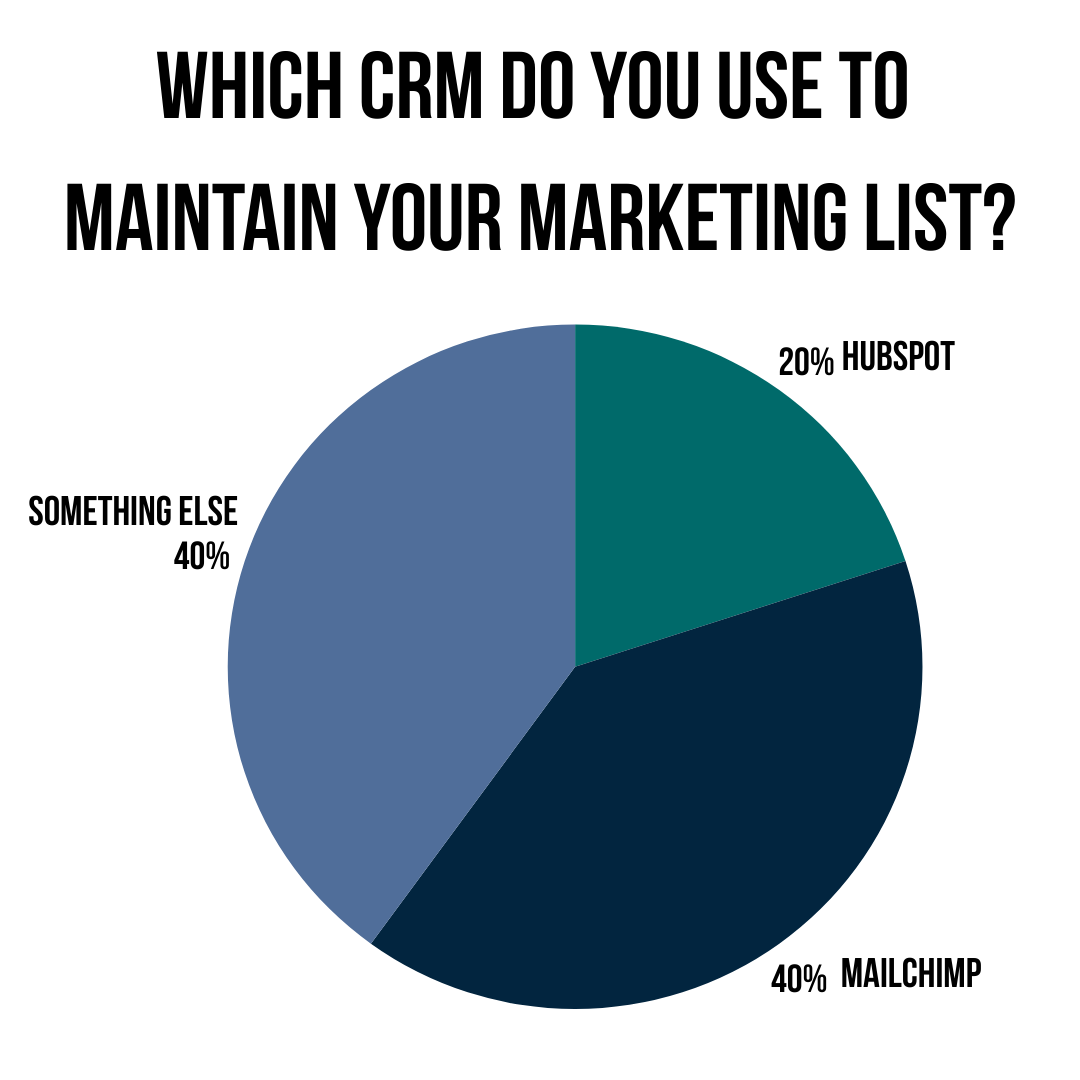
This is a free preview of a paid episode. To hear more, visit sharpcookiedev.substack.comIn our February 2026 Sharp Marketing Mastermind meeting, we discussed list building as a long-term driver of community marketing and referral growth. Instead of treating list building like a one-time funnel tactic, we reframed it as relationship-building at scale—collecting the right contacts and consistently nurturing them with content that feels real and relevant. Done well, this helps law firms stay top-of-mind and generate more referrals from past leads, clients, attorneys, and local partners.In this meeting, we discussed:* What “list building” actually means for law firms beyond a traditional funnel or lead magnet* Why referrals increase when firms consistently grow and engage their marketing list* Treating every inbound call as an opt-in and a natural way law firms build lists* The two missing pieces most firms struggle with: capturing contacts and nurturing them consistently* The importance of a realistic content plan and holding contributors accountable to a schedule* Why “ChatGPT is the baseline” and how to avoid generic, low-effort content that gets ignored* Using engagement tactics like polls, surveys, and user-generated content to spark replies and interaction* CRM setup basics: one source of truth, integrations, tags/segments, and regular automation checks* Segmentation strategies (clients vs leads vs referral sources) and tailoring content by audience depth* Practical considerations like avoiding contact hoarding and maintaining list health over timeA big thanks to everyone for attending and participating! Below are the resources for our Sharp Marketing Mastermind members:
This is a public episode. If you'd like to discuss this with other subscribers or get access to bonus episodes, visit sharpcookiedev.substack.com/subscribe
What really changes when you leave an in-house law firm role and go fractional? In this episode of Sharp Strategies Sweet Success, I sit down with Jason Williams, former marketing director at Miley Law Group, to reflect on what it’s like to spend over a decade building marketing systems inside one firm, and how different it feels to suddenly work with firms at every level of marketing maturity. We dig into the gap that shows up fast when you move from larger firms to solos and small practices: jumping to advanced tactics before the basics are in place. From LSAs and SEO to vendor churn and shiny object syndrome, we talk about why constantly switching tools and providers often hurts long-term growth, and why foundational work like intake, reviews, websites, and content still does the heavy lifting. We also get real about AI. Not the hype, but how it’s actually showing up in law firm marketing today—from speeding up routine production to raising new questions about trust, intake, and human connection. If you’re a law firm owner or marketer trying to decide what’s worth your time, budget, and attention right now, this episode brings the conversation back to what actually moves the needle. This is a public episode. If you'd like to discuss this with other subscribers or get access to bonus episodes, visit sharpcookiedev.substack.com/subscribe
Charley Mann introduced me to the world of legal marketing, and I pay it forward by having him be a guest on the show! We fall back into our old ways of talking about everything except marketing (or are we discussing marketing the whole time!?), and debating the finer points of our favorite TV shows. This is a public episode. If you'd like to discuss this with other subscribers or get access to bonus episodes, visit sharpcookiedev.substack.com/subscribe
In this episode of Sharp Strategies Sweet Success, I chat with Julia Hensel, who leads both Lexigate (a legal SEO agency) and RepSpert (a review removal company), about the evolving world of search and reputation for law firms. We talk about how firms can show up in both Google and AI tools like ChatGPT by doubling down on localized content, branded mentions, and directory consistency. Julia explains why the old-school SEO basics still matter—and how strategies like “linkless” branded mentions and AI-friendly site structure are shaping the next era of legal marketing. We also dig into the review side of the equation: why so many law firms get hit with unfair 1-star reviews, how RepSpert helps get them removed, and what it actually takes to build a sustainable review process inside your firm. If you’re an owner or in-house marketer trying to boost visibility and credibility in an increasingly AI-influenced landscape, this one’s packed with insights you can apply right away. This is a public episode. If you'd like to discuss this with other subscribers or get access to bonus episodes, visit sharpcookiedev.substack.com/subscribe
This is a free preview of a paid episode. To hear more, visit sharpcookiedev.substack.comI was very honored when Ken Hardison asked me to speak at PILMMA’s AI for PI Expo. I had a great time at the event, and I’d love to share what I learned and which tools the attorneys should check out.When Ken asked me to speak, I already knew how I would frame and focus my presentation. I knew that any AI event would feature plenty of vendors selling their AI solutions and plenty of law firms talking about how they use AI, but there probably wouldn’t be many speakers talking to marketers about how they can leverage AI.Going into the presentation, my goal was to “give my audience practical ways to use AI to enhance their marketing.”You can watch the first 5 minutes of the presentation in this article.If you are interested in watching the full presentation, I have made it available to members of the Sharp Marketing Mastermind. Click the button below if you’d like to join and see all our resources!Enjoying this insight? I post tactical legal marketing breakdowns like this regularly, including the tools, workflows, and real-firm examples you won’t find anywhere else.Quick Recap of My AI for PI Expo PresentationThere are so many ways to dissect AI. We could talk about how to rank in AI search, or how to best leverage AI inside your law practice.My talk primarily focused on how marketers (and anyone, really) can use AI to enhance themselves.I only had 30 minutes to speak, so I had to limited time to make some key points.* Humans have strengths and weaknesses; AI has strengths and weaknesses. If we want to use AI effectively, we must find the “sweet spot” where it fits into our workflows and enhances output.* The best use of a marketer’s time is learning and growing their own skills (not just their “AI” skills). Everyone has access to or is using these tools, and AI only raises the floor, not the ceiling of good marketing. We can enhance the outputs we get from AI by upgrading ourselves.* We can use AI in many automated processes. The example I used is how I leverage multiple AI tools to automatically generate project cards from my meeting transcripts. This enables me to be fully present in meetings and simply assign and delegate the pre-made tasks to my team.* Modern AI is like Computer in the Enterprise (yes, I shoehorned a Star Trek reference into my presentation – plus some). It’s a system that records everything and can synthesize answers to complex questions, but the crew still makes the decisions and uses their skills.That summary covers the first quarter of the presentation. If that list sounds intriguing, watch the full video and let me know what you think in the comments (yes, you can leave comments on my newsletter!)What I Learned at the AI for PI ExpoI was a presenter on day 3, but for the first two days, I was an attendee. I spoke to the vendors, speakers, and many of the attendees. Honestly, there wasn’t enough time to connect with everyone, so I did my best to talk to as many people as I could each day.I was speaking with Josh Schmerling about his AI tool (LawPro.AI), and I was a little awestruck. Their tool does things with demand letters and medical records that I really don’t understand because that’s not my lane, but what he showed me seemed incredibly useful.I asked him, “What did law firm do in the 90’s?”I asked another vendor a similar question when they showed me their AI solution, and curiously, both Josh and this other vendor had the same response.“Not even the 90’s, what do law firms do today!?”There’s a huge technology gap developing at law firms, and I don’t think the solos or small attorneys realize how much more advanced the tools are becoming.
In this episode of Sharp Strategies Sweet Success, I’m joined by Robert Hartmann, a California criminal defense attorney and soon-to-be author of Making It Rain: The Art of Building a Successful Law Firm. We unpack what most law schools and firms never teach: how to actually get clients. Robert shares how getting laid off early in his career forced him to build a practice from scratch. Relationships, not advertising, kept it thriving for decades. We talk about why empathy is his number one marketing strategy, why young attorneys should stop fearing solo practice, and how AI is collapsing the old law firm hierarchy by eliminating the need for junior associates. We also dig into the real barriers that stop lawyers from networking, and how to overcome them with consistent habits, low-pressure conversations, and small follow-ups that build trust over time. Robert explains why he believes in weekly and monthly networking groups, how he personalizes referrals, and why your best clients probably won’t come from billboards or SEO. They’ll come from people who know you. If you’re tired of the grind, feeling stuck in someone else’s firm, or just want a clearer path to sustainable growth, this conversation will shift how you think about business development in 2026. This is a public episode. If you'd like to discuss this with other subscribers or get access to bonus episodes, visit sharpcookiedev.substack.com/subscribe

This is a free preview of a paid episode. To hear more, visit sharpcookiedev.substack.comIn our January Sharp Marketing Mastermind meeting, we focused on how law firms can improve performance and accountability across Google Ads and Local Service Ads. We were joined by Thomas Glasgow of 1122 Marketing, who shared deep insights into how Local Service Ads actually work and what Google prioritizes today. Together, we covered where firms commonly lose money and how better intake handling and tracking directly impact results.In this meeting, we discussed:* How Local Service Ads differ from traditional Google Ads and why call handling matters so much.* Best practices for intake teams, including keeping LSA calls neutral and using lead feedback correctly.* The importance of consistent Google review activity for LSA performance.* How to audit Google Ads accounts, including search terms, negative keywords, and ad strength.* What conversion goals should be tracked, and why phone calls should carry more weight than form fills.* How to spot data issues between Google Ads, LSAs, and your CRM or lead tracking system.* Common pitfalls with vendors, automation, and AI tools, and what to approach with caution.A big thanks to everyone for attending and participating! Here’s Thomas’s information for anyone who’d me interested in contacting him: Email: thomas@1122management.comWebsite: www.1122marketing.comSchedule a meeting hereBelow are the resources for our Sharp Marketing Mastermind members:
In this episode of Sharp Strategies Sweet Success, I’m joined by Will McCreight of Blue Shark Digital to break down what law firm SEO actually looks like in 2026—and why it still matters. Will explains why “unqualified leads” are often a sign that your SEO is gaining traction, not failing. But to make that visibility useful, firms need better tracking—moving beyond the generic “organic” label to identify which sources (Google Business, directories, AI search) are truly delivering. We also dig into legal directories: which ones might be worth paying for, how to evaluate their real impact, and why they’re becoming more relevant again with the rise of AI-driven search. A key insight: SEO doesn’t work in a vacuum. Without solid intake systems and phone support, even the best search rankings can lead to lost opportunities. Will shares how marketing and operations need to align to turn leads into actual cases. This episode is a must-listen if you’re reevaluating your digital strategy, feeling stuck with low-quality leads, or just wondering how to make SEO work smarter—not harder—for your firm. This is a public episode. If you'd like to discuss this with other subscribers or get access to bonus episodes, visit sharpcookiedev.substack.com/subscribe
In this end-of-year episode of Sharp Strategies Sweet Success, I’m joined by Conrad Saam of Mockingbird for a wide-ranging conversation about what law firms should actually be planning for in 2026. We dig into why the industry’s obsession with AI rankings risks pulling attention away from fundamentals that still drive real case volume, and how firms should think more strategically about choosing the right marketing “chess pieces” instead of trying to play every channel. Conrad breaks down why LSAs, intake performance, location strategy, and operational discipline matter more than ever as larger firms expand into smaller markets, and how competitive pressure is forcing law firms to level up across marketing, intake, and case value optimization. We also talk candidly about why intake is no longer just an operations issue, how Google is quietly shaping incentives through data collection, and why many firms are losing opportunities long before marketing ever gets blamed. If you’re heading into 2026 feeling overwhelmed by AI noise, increased competition, or shifting market dynamics, this episode offers a grounded, practical way to refocus on what actually moves the needle. This is a public episode. If you'd like to discuss this with other subscribers or get access to bonus episodes, visit sharpcookiedev.substack.com/subscribe
In this episode of Sharp Strategies Sweet Success I'm joined by Adam Rossen, who opens up about a year that tested everything — leadership, culture, and the systems behind a multimillion-dollar law firm. After losing team members, facing resistance to change, and stepping back into legal work for the first time in four years, Adam shares why he dismantled attorney-led sales, rewired his intake process, and began building a team around accountability and role clarity. We talk about how EOS fits into that evolution, where it falls short, and what it really takes to shift from personality-driven to process-driven growth. If you’ve outgrown your early team structure or feel stuck in the messy middle, tune in, this episode offers clarity from someone who’s deep in the work. This is a public episode. If you'd like to discuss this with other subscribers or get access to bonus episodes, visit sharpcookiedev.substack.com/subscribe
In this episode of Sharp Strategies Sweet Success, Kevin Daisey, co‑founder of Array Digital, joins me to unpack why digital PR, SEO, reviews, and PPC only work when your law firm is committed to brand consistency. We talked about why digital PR is becoming a smarter, more brand-aligned replacement for link buying, and how the best firms build processes that make five-star reviews feel personal, not transactional. We also got into PPC myths (including why Performance Max is usually a red flag) and the power of pairing lead generation with genuine brand familiarity. Tune in if you’re in the weeds of legal marketing, this one will get you thinking bigger. This is a public episode. If you'd like to discuss this with other subscribers or get access to bonus episodes, visit sharpcookiedev.substack.com/subscribe

Comments

Download from Google Play

Download from App Store
 United States