


 The Cigar & Whiskey Guide
The Cigar & Whiskey GuideSubscribed: 0Played: 0
Subscribe

© Bo Kauffmann of Smoke Signals
Description
The Cigar & Whiskey Guide Podcast is your companion for cigars, whiskey, and slow living — a short, flavorful escape into pairings, stories, and the art of savouring life.
www.smoke-signals.life
www.smoke-signals.life
27 Episodes
Reverse
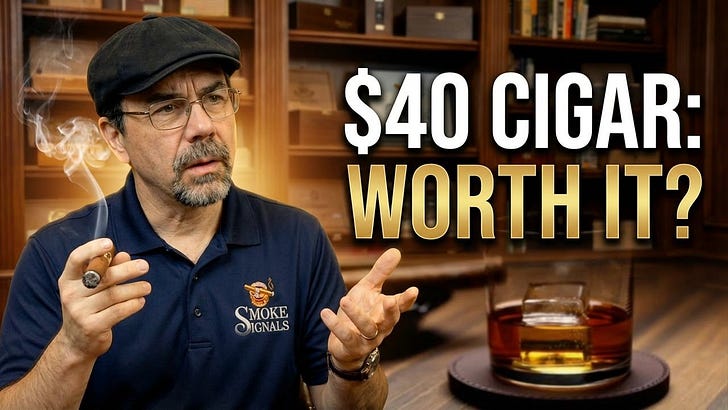
Show Notes: Expensive Cigars Taste BetterChaptersIntroduction: The Pricey Cigar Paradox [00:00:00]Welcome & Setting the Stage [00:00:18]The First Luxury Cigar Experience [00:00:34]The Psychology of Expectation [00:02:18]What Drives the Price Tag? [00:04:37]Construction vs. Prestige [00:07:09]Mechanics Over Marketing [00:08:43]The Power of Confidence and Personal Taste [00:09:49]Your Takeaway & Next Steps [00:11:23]Closing Thoughts & Where to Connect [00:11:53]Introduction: The Pricey Cigar Paradox [00:00:00]The episode kicks off with a relatable question for cigar aficionados: can a $40 cigar ever truly feel "worth it"? This opening instantly hooks listeners by exploring the internal negotiation that happens when luxury doesn’t equate to an awe-inspiring experience. The host frames the discussion with a hint of humor and curiosity, setting up the deep dive into psychology, expectations, and enjoyment to follow.Welcome & Setting the Stage [00:00:18]Listeners are welcomed to the podcast’s world of cigars and whiskey, an environment that encourages savoring both the conversation and the ritual. The invitation to “pour a glass, light a stick, and settle in” sets the mood—a signal that this episode is as much about atmosphere as it is about analysis. This chapter orients new and regular listeners alike, reminding everyone of the show's warm, inclusive vibe.The First Luxury Cigar Experience [00:00:34]Personal anecdotes ground the discussion in real experience. The host describes the anticipation and ceremony of smoking a highly recommended, premium-priced cigar—and the very human tendency to adjust expectations and perceptions to justify a steep investment. The segment highlights the emotional stakes around "luxury" cigars and opens the topic up to listener stories.The Psychology of Expectation [00:02:18]This chapter explores how expectations—shaped by price, branding, and reputation—can actually alter our enjoyment on a neurological level. Drawing on studies where higher prices led participants to perceive (and physically experience) greater pleasure, the host investigates how context and mindset filter every puff. Blind tastings and the impact of a cigar's story are discussed, revealing how heavily our brains influence our palates, often before the first draw is even taken.What Drives the Price Tag? [00:04:37]Here, the nuts and bolts behind cigar pricing are unpacked. Topics include aging tobacco, limited editions, labor-intensive craftsmanship, taxes, import duties, distribution, and the often-overlooked costs of branding and packaging. The host distinguishes between costs tied to actual improvements in quality and those that come from prestige and marketing, reminding listeners that price and personal enjoyment are not always linked.Construction vs. Prestige [00:07:09]With the discussion shifting to the nuts and bolts of cigar quality, the host examines the practical aspects that separate an outstanding cigar from an average one. Focus is placed on draw, burn, consistency, and wrapper quality, arguing that perfect mechanics invariably enhance enjoyment—often more so than hype or brand reputation. Real-world experiences with both affordable and expensive cigars reinforce the core message: performance is physical, not just perceived.Mechanics Over Marketing [00:08:43]This chapter drives home the point that objective qualities like construction often matter more than the band or backstory. Listeners are encouraged to notice the difference between frustration stemming from performance issues versus disappointment from unmet flavor expectations. It's a call to evaluate cigars with honesty and to trust one’s senses over prestige or groupthink.The Power of Confidence and Personal Taste [00:09:49]Moving toward an empowering conclusion, the host emphasizes building confidence in your own palate. Recognizing how psychological factors and market forces can sway opinions, the episode reframes the hobby: the “best” cigar isn’t defined by price or critic ratings, but by individual experience and satisfaction.Your Takeaway & Next Steps [00:11:23]Practical advice anchors this section as listeners are challenged to approach their next smoke with fresh eyes (and taste buds), ignoring the label and trusting their own impressions. The invitation to share personal surprises and discoveries keeps the conversation interactive, reinforcing the idea that everyone’s cigar journey is uniquely valid.Closing Thoughts & Where to Connect [00:11:53]The show wraps with a warm thank you, an invitation to subscribe and share, and a reminder to continue the adventure at the Cigar and Whiskey Guide blog—a resource for more stories, reviews, and pairing inspiration.Ready for more stories, tips, and deep dives into your favorite cigars and whiskeys? Explore the Cigar and Whiskey Guide blog at cigarandwhiskeyguide.com for articles, reviews, and everything you need to elevate your smoking and sipping experience! This is a public episode. If you would like to discuss this with other subscribers or get access to bonus episodes, visit www.smoke-signals.life

Show Notes: Smoke Signals – Are Cubans The Best. PodcastChaptersThe Cuban Cigar Myth –00:00Why Cuba Became the Gold Standard –03:01Taste vs. Tradition: Breaking Down Flavor –06:04The Consistency Challenge –08:59Price, Prestige, and Psychology –12:23Has the World Caught Up? –15:01The Real Answer: What Makes a Cigar “Better”? –16:28Wrap-Up & Takeaways –17:29Chapter SummariesThe Cuban Cigar Myth – [00:00:00]The episode opens by confronting the age-old belief that Cuban cigars are automatically the best. The hosts challenge listeners to rethink inherited opinions and recognize how some preferences in the cigar community have been treated almost as fundamental truths. The conversation sets the stage for a frank exploration of the origins and persistence of the Cuban cigar mystique.Why Cuba Became the Gold Standard – [00:03:01]This chapter dives deep into cigar history, tracing Cuba’s rise to the top. The discussion highlights how, in the late 19th and early 20th centuries, Cuban tobacco earned its reputation through genuine quality – not hype or marketing. The combination of exceptional soil, ideal climate, and generational craftsmanship made Cuba the benchmark, especially in an era with little global competition. The episode also touches on the impact of the US embargo, which turned Cuban cigars into forbidden treasures and fueled their myth, even as many talented blenders migrated and started world-class production elsewhere.Taste vs. Tradition: Breaking Down Flavor – [00:06:04]Here, the hosts tackle the sensory side of the debate. Rather than discussing legacy or politics, they analyze the unique flavor profile of Cuban cigars, often characterized by a tangy, earthy “Cuban twang.” The conversation unpacks how expectation and exclusivity can influence the perceived taste, and reveals that Cuban cigars typically offer nuanced, medium-bodied experiences rather than overpowering strength. This chapter underscores that what counts as “better” is deeply personal, varying based on palate preference and smoking style.The Consistency Challenge – [00:08:59]This segment shines a light on the less glamorous side of iconic cigars: construction and reliability. The hosts acknowledge that Cuban cigars can be inconsistent, with issues like tight draws and burn problems, especially during times of high demand and strained resources. Non-Cuban cigars from Nicaragua and the Dominican Republic are praised for modern quality control and consistency. The discussion makes clear that reliability is key, particularly for newer smokers, and a premium price only heightens expectations.Price, Prestige, and Psychology – [00:12:23]Money enters the conversation, with a look at how price, scarcity, and psychology all shape the Cuban cigar experience. The chapter examines the allure of exclusivity and how holding a rare Cuban elevates the ritual, even before the first draw. The hosts relate similar dynamics to other luxury items, noting that perception powerfully influences enjoyment. They point out that in countries where Cubans are widely available, the mystique softens and people judge mostly by taste.Has the World Caught Up? – [00:15:01]The discussion turns to the present-day market, asking if Cuban cigars still represent an essential experience for smokers unable to access them. It’s revealed that the premium cigar industry globally is stronger and more diverse than ever. Nicaragua, the Dominican Republic, and Honduras are all producing outstanding cigars with Cuban seed tobacco, proving excellence is no longer limited to one country. The chapter reassures listeners that a humidor filled with non-Cubans is not a compromise, but a testament to a world-class market.The Real Answer: What Makes a Cigar "Better"? – [00:16:28]Pressured for a yes-or-no response, the hosts settle the debate with nuance: Cuban cigars can be special for their tradition and exclusivity, but are not automatically superior for consistency or flavor. What’s “better” is entirely dependent on the smoker’s values—whether they prioritize history, reliability, rarity, or personal palate satisfaction. The world has caught up, making the competition closer than ever.Wrap-Up & Takeaways – [00:17:29]The episode closes with a call for open-mindedness. Listeners are encouraged to smoke what they love, respect global craftsmanship, and not let mythology guide their choices. The hosts invite feedback and tease future debates, reinforcing the idea that the best cigar is ultimately a personal discovery.Want to dive deeper into the world of cigars and spirits? Visit the Cigar and Whiskey Guide blog at cigarandwhiskeyguide.com for expert articles, reviews, and pairing tips. Keep your journey going and explore everything this vibrant culture has to offer! This is a public episode. If you would like to discuss this with other subscribers or get access to bonus episodes, visit www.smoke-signals.life
Show Notes: Smoke Signals – Cigars Go Out: Studio PodcastChaptersThe Embarrassment Every Cigar Smoker Knows [00:00]Cigar Culture & Perfection—The Unspoken Pressure [00:32]Rhythm: The Secret to a Consistent Burn [02:10]Environmental Factors & Cadence Explained [03:10]Mechanics—Humidity, Draw, and Lighting [06:22]The Myth of Flawless Smoking [09:05]Perfection vs. Participation: Rethinking Expectations [11:41]Practical Takeaways & Mindful Smoking [13:48]Closing Thoughts & Community Invitation [14:48]In-Depth Chapter SummariesThe Embarrassment Every Cigar Smoker Knows [00:00]The episode opens with a universally relatable moment: the unique embarrassment when your cigar repeatedly goes out in a lounge full of fellow smokers. It sets the mood for the episode, exploring not just the mechanics, but also the psychology behind moments of self-doubt. The introduction establishes that every cigar smoker, regardless of experience, has faced this quiet anxiety, highlighting the camaraderie and shared struggle in the community.Cigar Culture & Perfection—The Unspoken Pressure [00:32]The show delves into the cultural expectations surrounding cigars. There's an unspoken ideal: the flawless burn line, never needing a relight, slow cadence. The episode unpacks how this image is absorbed, creating undue personal pressure. Instead of curiosity about the cause, the first reaction is often embarrassment and assumption of personal failure. The narrative encourages listeners to reconsider these automatic judgments, separating the psychology from the reality.Rhythm: The Secret to a Consistent Burn [02:10]The discussion shifts to rhythm, emphasizing that cigars are about cadence, not performance. It’s not about puffing continuously or neglecting the cigar, but finding a gentle draw every 30–40 seconds. The episode details how both over-puffing and leaving the cigar idle can disrupt the burn, and introduces the idea that each cigar has its own rhythm, depending on its body and ring gauge.Environmental Factors & Cadence Explained [03:10]Here, the show explores how location, conditions, and cigar size affect the burn. Wind, especially when smoking outdoors, cools the cigar and demands a more attentive cadence. Longer cigars also require careful pacing in the first third. By exposing these nuances, the episode reassures listeners that burn issues are often environmental and not inherent failures.Mechanics—Humidity, Draw, and Lighting [06:22]A deep dive into the technical aspects: humidity levels, draw resistance, and proper lighting technique. The episode reveals how cigars stored too wet resist clean burning, while dry cigars burn too fast. It explains the importance of balanced humidity, the impact of a tight draw, and the necessity of a thorough lighting process. Environmental factors and cadence reappear as essentials for maintaining a stable burn.The Myth of Flawless Smoking [09:05]This chapter dismantles the belief that “real” smokers never relight. It emphasizes that every smoker, even the most experienced, faces relights but doesn’t attach any significance to them. The conversation explores how the myth of perfection creates unnecessary tension, and encourages a shift to acceptance and enjoyment, rather than constant self-assessment.Perfection vs. Participation: Rethinking Expectations [11:41]Listeners are invited to zoom out and rethink what makes a good cigar experience. Rather than seeking flawless performance, the show advocates for mindful participation—tending, rotating, and caring for the cigar as part of the ritual. This reframing highlights that presence, not perfection, is the true goal, and that cigars demand attention rather than obsession.Practical Takeaways & Mindful Smoking [13:48]Clear advice is given: keep humidity reasonable, pay attention to draw and construction, take time lighting, find a steady rhythm, and adjust for wind. Most burn issues can be resolved with simple adjustments. The episode closes out this section by advising listeners to let go of the narrative that relights are failures, and embrace cigars as a way to slow down and be present.Closing Thoughts & Community Invitation [14:48]The episode concludes with a warm invitation to join the ongoing conversation about cigar culture, psychology, and ritual. Listeners are encouraged to subscribe and stay engaged, finding community in shared experiences and insights, and to remember that enjoyment matters more than technical mastery.Ready for more cigar wisdom and culture? Visit the Cigar and Whiskey Guide blog at cigarandwhiskeyguide.com for articles, reviews, and pairing tips—where every puff and pour has a story. This is a public episode. If you would like to discuss this with other subscribers or get access to bonus episodes, visit www.smoke-signals.life
Show Notes: Smoke Signals – Cigar and Empty StomachChaptersThe Unexpected Effect of a Respectable Cigar [00:00:00]Searching for the Cause: Is It the Cigar or You? [00:00:33]Understanding Nicotine's Role [00:01:06]Common Mistakes When Smoking [00:01:49]How to Avoid "Nic Sick" [00:02:16]Beginner Insights and Realizations [00:02:41]Listener Engagement and Closing Thoughts [00:02:57]Chapter Summaries1. The Unexpected Effect of a Respectable Cigar [00:00:00]This chapter sets the stage with a personal story about smoking a well-made, reputable cigar. Despite all the right conditions—proper storage, careful selection—the experience takes a turn for the worse as a wave of nausea creeps in. The symptoms build: dizziness, cold sweat, and a strong sense that something isn't right. This serves as an entry point to explore why a seemingly innocuous cigar can provoke such a reaction.2. Searching for the Cause: Is It the Cigar or You? [00:00:33]Here, the narrative wrestles with possible explanations: Is the cigar too strong? Is something wrong with the blend, or has tolerance changed? Eventually, the focus settles not on the cigar, but on personal habits—specifically, the choice to smoke without having eaten. This realization shifts responsibility from the cigar to the body's preparation for nicotine intake.3. Understanding Nicotine's Role [00:01:06]The discussion deepens into the science of nicotine absorption, noting that even without inhaling, nicotine passes through the lining of the mouth. The effects—stimulation of the nervous system, increased heart rate—are amplified if blood sugar is low. The analogy of "low fuel in the tank" illustrates how introducing nicotine when the body is depleted can result in classic symptoms of "nic sick" such as dizziness and sweating.4. Common Mistakes When Smoking [00:01:49]It's revealed that even mild cigars contain enough nicotine to disrupt the body's balance. Mistakes like smoking too quickly, choosing larger cigars (prolonged exposure), or being dehydrated can exacerbate the effects. This chapter emphasizes that flavor and strength are not equivalent, and a smooth cigar can still deliver a potent dose.5. How to Avoid "Nic Sick" [00:02:16]Simple, practical tips are laid out to prevent nicotine-related sickness: eat a real meal with protein, stay hydrated, and avoid rapid puffing. The advice suggests stopping immediately if symptoms occur, hydrating, and possibly consuming something sweet to re-stabilize. Prevention is highlighted as easy and accessible for all smokers.6. Beginner Insights and Realizations [00:02:41]The narrative clarifies that most instances of nausea or discomfort aren’t caused by poor-quality cigars, but by timing—specifically, smoking without having eaten or while dehydrated. The chapter invites listeners to reflect on their own experiences and consider context before blaming the cigar.7. Listener Engagement and Closing Thoughts [00:02:57]Concluding the episode, listeners are encouraged to share their stories of unexpectedly strong reactions to cigars. The host reassures that enjoyment is possible when simple precautions are taken and signals ongoing support and expertise through future episodes.CTA:Enjoyed this episode? Want to dive deeper into cigar rituals, avoid rookie mistakes, and discover perfect pairings? Head over to the Cigar and Whiskey Guide blog at cigarandwhiskeyguide.com for more tips, reviews, and expert advice! This is a public episode. If you would like to discuss this with other subscribers or get access to bonus episodes, visit www.smoke-signals.life

Show Notes: Smoke Signals – “The Cigar Lounge Experience: Finding Comfort Beyond the Drink”ChaptersThe Invitation: Anticipation & Anxiety ([00:00:00])The Comparison Trap ([00:00:12])Navigating the Drink Menu ([00:00:24])Balancing Relaxation and Responsibility ([00:00:40])The Real Point of a Herf ([00:01:19])Ordering for Yourself, Not for Show ([00:01:38])Sparkling Water: The Unsung Hero ([00:01:42])The Palate’s Journey ([00:02:09])Financial Wisdom: Value in the Experience ([00:02:30])Revelations: Nobody Was Keeping Score ([00:02:55])The Ultimate Takeaway ([00:03:16])Invitation to Community ([00:03:39])Chapter Summaries1. The Invitation: Anticipation & Anxiety ([00:00:00])The episode opens with the relatable scenario of joining friends at a cigar lounge—excitement mixed with apprehension. There’s a subconscious tallying of costs before even lighting a cigar. The simple plan to unwind evolves into a moment of careful calculation, setting the stage for the deeper discussion about feeling out of place and what drives that anxiety.2. The Comparison Trap ([00:00:12])Here, the internal struggle to fit in becomes apparent. Choosing the “right” cigar turns into a social comparison game. The speaker wonders whether they have missed out on crucial insider knowledge, adding a layer of quiet insecurity to the experience. The episode highlights how easily enjoyment can become overshadowed by second-guessing and social anxiety that rarely gets verbalized.3. Navigating the Drink Menu ([00:00:24])When the drink menu arrives, the pressure mounts. High prices and confident orders by others amplify the sense of “should I be ordering this?” It’s a moment of financial awareness, as the cost of drinks is quietly weighed against the desire to blend in and enjoy the night.4. Balancing Relaxation and Responsibility ([00:00:40])The reality of needing to drive home means that the evening is not just about pleasure—it involves responsibility and decision-making. There’s an internal dialogue about what counts as responsible, which further complicates the quest for relaxation. The speaker reflects on how these decisions—financial and safety-related—can quietly shape the night.5. The Real Point of a Herf ([00:01:19])This chapter breaks down myths: the focus isn’t alcohol, but cigars, conversation, and unhurried connection. The speaker points out that a Herf is about spending time together, not about impressing anyone or justifying each minute with pricey choices. True enjoyment is found in the slower, more meaningful moments.6. Ordering for Yourself, Not for Show ([00:01:38])The speaker shares a personal breakthrough—choosing sparkling water instead of an expensive drink. The order was met without judgment, and no one seemed to notice or care. The focus shifts to making choices that make the night better for oneself, free from others’ expectations.7. Sparkling Water: The Unsung Hero ([00:01:42])Sparkling water is framed as a practical and palate-friendly option, elevating the cigar experience rather than competing with it. Its ability to cleanse the mouth between draws helps highlight the cigar’s flavors and transitions—details that can fade when alcohol is involved.8. The Palate’s Journey ([00:02:09])With sparkling water, the cigar becomes the centerpiece again. Enhanced flavor detection leads to a deeper appreciation of the cigar’s blend and transitions. The speaker emphasizes pursuing new experiences and growing one’s palate by focusing on the cigar itself rather than imitating others’ choices.9. Financial Wisdom: Value in the Experience ([00:02:30])Choosing less expensive drinks frees up the budget for higher-quality cigars or new blends, fueling exploration and genuine enjoyment. The episode stresses the importance of investing in the experience, not the image, and how this approach leads to greater satisfaction and discovery.10. Revelations: Nobody Was Keeping Score ([00:02:55])The speaker shares their surprise at how insignificant their drink choice was to the group. The atmosphere remains welcoming, conversation flows, and the sense of belonging never wavers. It’s a powerful reminder that perceived judgment is usually just that—an internal worry rather than a real threat.11. The Ultimate Takeaway ([00:03:16])Listeners are encouraged to remember that neither alcohol nor overspending is required to belong or enjoy the lounge experience. The true value lies in the cigar and the company; anything else is simply unnecessary background noise.12. Invitation to Community ([00:03:39])The episode closes with an invitation for listeners to share their own experiences and questions, emphasizing openness and continued conversation.Curious about deepening your palate and pairing experiences? Check out the Cigar and Whiskey Guide blog at cigarandwhiskeyguide.com for expert tips, reviews, and community stories! This is a public episode. If you would like to discuss this with other subscribers or get access to bonus episodes, visit www.smoke-signals.life
Chapter SummariesThe Truth Behind Premium Cigar Lists[00:00:00]This opening segment calls out a familiar frustration among cigar enthusiasts: the most hyped cigars are either impossible to find, outrageously priced, or part of vanished limited releases. The episode pivots away from glorifying rare unicorns and focuses on real-world options—premium cigars that you can actually buy, enjoy regularly, and fit a fair price-to-experience ratio. Listeners are reassured that this is a practical guide, not an elitist chase.Setting Criteria: Price, Availability, Consistency[00:00:55]Here, the approach is laid out: cigars are evaluated on far more than flavor and critic scores. Availability in stores, affordability, and consistent quality are the primary filters. The session stresses that a great cigar should be both accessible and replaceable—no limited runs or rare allocations needed to enjoy excellence.Alec Bradley Chunk Maduro XL: Efficient Flavor in a Short Format[00:01:21]The list begins with the Chunk Maduro XL, a short, fat cigar that turns the notion of “compact” on its head. Wrapped in robust Mexican San Andrés tobacco with a Nicaraguan core, it delivers complex notes of dark chocolate, espresso, and black pepper. It’s praised for both its flavor density and its status as a widely available, affordable humidor staple—perfect for those short on time but unwilling to sacrifice depth.La Aroma de Cuba Reserva: A Modern Classic[00:02:54]This chapter spotlights a perennial favorite, crafted at Nicaragua’s renowned My Father factory. It’s lauded for its dark, San Andrés Oscuro wrapper and a flavor journey from hickory and leather to cocoa and cedar, finishing with subtle earthiness. With broad availability and a price that matches its consistent performance, this cigar is described as both special and accessible—a “weekend warrior” suit for regular enjoyment.Aganorsa Rare Leaf Reserve Maduro: Evolving Tradition[00:04:14]Standing out as a “rare” cigar that’s actually found in shops, this blend incorporates Aganorsa’s trademark Nicaraguan tobaccos under a Mexican wrapper. The flavor starts with a burst of dark cherry sweetness, evolves into savory umami, and finishes with charred wood and cream. It’s for smokers who love observing transitions and value blends that balance sweet, savory, and spice—all in a boutique-feeling, attainable package.Foundation Olmec Claro: For the Analytical Palate[00:05:34]This entry honors the Olmec civilization in both name and careful tobacco work. Utilizing a San Andrés Claro wrapper and well-aged Nicaraguan fillers, it opens with creamy cedar and almond, then reveals layers of caramel and white pepper before settling into a refined earthiness. It’s recommended for those who savor nuance and wish to analyze how fermentation and aging impact premium cigars.My Father No. 1: Benchmark of Consistency[00:06:50]The top spot is reserved for a cigar that has earned its reputation on consistent excellence, not marketing. Built on an Ecuadorian Habano Rosado wrapper and Nicaraguan interior, its signature blend of spice, creamy coffee, and leather transitions to a warm, toasty finish. Ubiquitous in humidors and always dependable, it’s positioned as a benchmark for traditionalists and new smokers alike.Takeaways & Practical Advice for Smokers[00:08:02]The episode concludes with a call to value education over hype. Instead of chasing fleeting limited editions, listeners are encouraged to understand what makes a cigar consistently excellent and how to find satisfaction in regular production greats. Lasting recommendations underscore a smarter, more rewarding approach to cigar appreciation.Curious to dive deeper into the world of cigars?Check out the latest reviews, guides, and pairings at the Cigar and Whiskey Guide blog: cigarandwhiskeyguide.com This is a public episode. If you would like to discuss this with other subscribers or get access to bonus episodes, visit www.smoke-signals.life
Unlocking Cigar Flavor: It’s More than Just Country of OriginWhen we pick a cigar, so many of us ask, “Cuban or Nicaraguan?” But, as Bo breaks down in this episode of Smoke Signals, what you’re really tasting isn’t about borders—it’s about terroir. That’s the symphony of soil, climate, and elevation working together long before a cigar ever hits your humidor.What Is Terroir & Why Does It Matter? 🌱Terroir is a wine-world term, but it belongs here just as much. It’s everything the tobacco plant “can’t escape”:* The ground it grows in* The weather it faces* The altitude that shapes itBo reveals: Each puff of your cigar is a direct message from the earth beneath the plant’s roots.Cuban Elegance vs. Nicaraguan PowerCuban Terroir – Smooth & Mineral-Driven 🌴* Region: Vuelta Abajo* Soil: Iron-rich, sandy loam over limestone* Result: Tobacco is elegant, layered, with a clean, mineral edge* Climate: Stable, humid, sea-level growth means even, refined flavor developmentNicaraguan Terroir – Bold & Volcanic 🌋* Regions: Estelí, Condega, Jalapa* Soil: Dark, volcanic, rich with potassium and minerals* Result: Thicker, oilier leaves create intense, peppery, deeply flavoured cigars* Climate: Higher altitudes, temperature swings, lots of sunlight—plants adapt, and flavors intensifyHow Can You Taste the Difference? 👅* Cuban cigars: Smoke feels smooth, layered, sometimes with mineral or salty hints. The finish is clean and elegant.* Nicaraguan cigars: Expect boldness, black pepper, cocoa, and a rich and lingering mouthfeel.Tip: Next time you smoke, don’t just focus on the country. Ask yourself—does this taste like limestone elegance or volcanic intensity?The Ultimate Takeaway 🎯Cuban vs. Nicaraguan isn’t just a label battle—it’s a terroir story. 🍃 You’re tasting years of weather, rock, and care in every draw.So when you’re in the humidor, listen to the land beneath your cigar. That’s where the real flavor lives.Craving more cigar wisdom? Listen to Bo on this episode of Smoke Signals and discover your ideal flavor profile… from the ground up! This is a public episode. If you would like to discuss this with other subscribers or get access to bonus episodes, visit www.smoke-signals.life

Show Notes: Mild Cigars and Rum – Discovering the Beauty in Subtle PairingsChaptersThe Art of Subtle Pairings (00:00:00)What Makes Mild Cigars Special (00:01:08)Finding the Right Rum: Beyond Sweetness (00:02:29)Rum and Cigar Pairing Profiles (00:06:10)Five Rums That Shine with Mild Cigars (00:06:20)Humidor Notes: Keeping Mild Cigars Fresh (00:11:10)The Philosophy of Balance (00:13:25)What’s Next: Medium-Bodied Adventures (00:14:03)Chapter Summaries1. The Art of Subtle Pairings (00:00:00)The episode opens with reflections on the “glory” of bold pairings in the cigar and spirits world, but quickly pivots to embrace subtlety as true mastery. The concept is introduced that pairing mild cigars with smooth rum can quietly steal the spotlight, offering a refined experience that demands skill and attention. Listeners are invited to settle in and explore this nuanced territory where balance, rather than intensity, reigns supreme.2. What Makes Mild Cigars Special (00:01:08)Here, the discussion moves into what sets mild cigars apart: their gentle energy and capacity to reveal every shift in flavor. Connecticut shade wrappers are featured for their pale, silky appearance and delicate oils. Enjoyers of light cigars are encouraged to “listen” to the smoke, noticing nuanced notes like cream, cedar, vanilla, and toasted nuts. Mild cigars don’t shout—they whisper, making them perfect for careful exploration and pairing with equally smooth spirits.3. Finding the Right Rum: Beyond Sweetness (00:02:29)The conversation turns to rum selection, debunking the myth that darker means better or sweeter means ideal. Instead, the hosts explain the importance of texture in rum, recommending column still varieties for their clarity and refinement. Pairing is described as an exercise in matching smoothness, allowing the rum to showcase—and not overshadow—the cigar’s profile. Techniques are shared for testing pairings, focusing on whether the flavors “melt together” without the rum overwhelming the cigar.4. Rum and Cigar Pairing Profiles (00:06:10)With cigars burning and rums lined up, listeners are introduced to the five featured bottles. Each rum is described in detail, highlighting origin, flavor profile, and why it works with mild cigars. The goal is to help both newcomers and seasoned enthusiasts understand that mild cigars can be as versatile and enchanting as their bolder counterparts, and that the right rum brings out their best attributes.5. Five Rums That Shine with Mild Cigars (00:06:20)The episode dives deep into the personalities of five accessible, affordable rums: Flor de Cana 4 Year Extra Seco, Bacardi Anejo Cuatro, Appleton Estate Signature Blend, Dorley's 5 Year Barbados Rum, and Plantation Three Stars White Rum. Each pairing is dissected—listeners learn how Flor de Cana resets the palate with dryness, Bacardi Quattro brings comfort, Appleton Estate adds tropical complexity, Dorley's offers soft elegance, and Plantation Three Stars delivers a fresh, morning-friendly option. The segment underscores the diversity mild cigars can accommodate.6. Humidor Notes: Keeping Mild Cigars Fresh (00:11:10)Practical advice comes to the forefront with tips for humidor management specific to mild cigars. Recommendations include keeping stable temperature and humidity, avoiding over-humidification due to delicate Connecticut wrappers, rotating cigars for even aging, allowing new cigars time to acclimate, and storing mild sticks away from infused varieties to prevent flavor contamination. Listeners are reminded that caring for mild cigars enhances the smoking and pairing experience.7. The Philosophy of Balance (00:13:25)Pulling the episode’s themes together, the discussion centers on the philosophy of balance—why the best pairings complement rather than compete. Each rum and cigar combination showcases a different dimension of mild tobacco, training the palate to notice details and appreciate subtlety. The lingering, harmonious flavors are positioned as the soul of a great pairing, emphasizing quiet confidence over showy intensity.8. What’s Next: Medium-Bodied Adventures (00:14:03)The episode closes with a teaser for the next installment, promising an exploration of medium-bodied cigars that bridge the gap between mild comfort and robust adventure. Listeners are encouraged to anticipate a new journey into flavor and pairing dynamics, highlighting the ongoing discovery that defines cigar and spirits culture.Want more cigar and rum insights?Visit the Cigar and Whiskey Guide blog at cigarandwhiskeyguide.com for in-depth articles, reviews, and pairing tips that keep your journey flavorful and informed! This is a public episode. If you would like to discuss this with other subscribers or get access to bonus episodes, visit www.smoke-signals.life
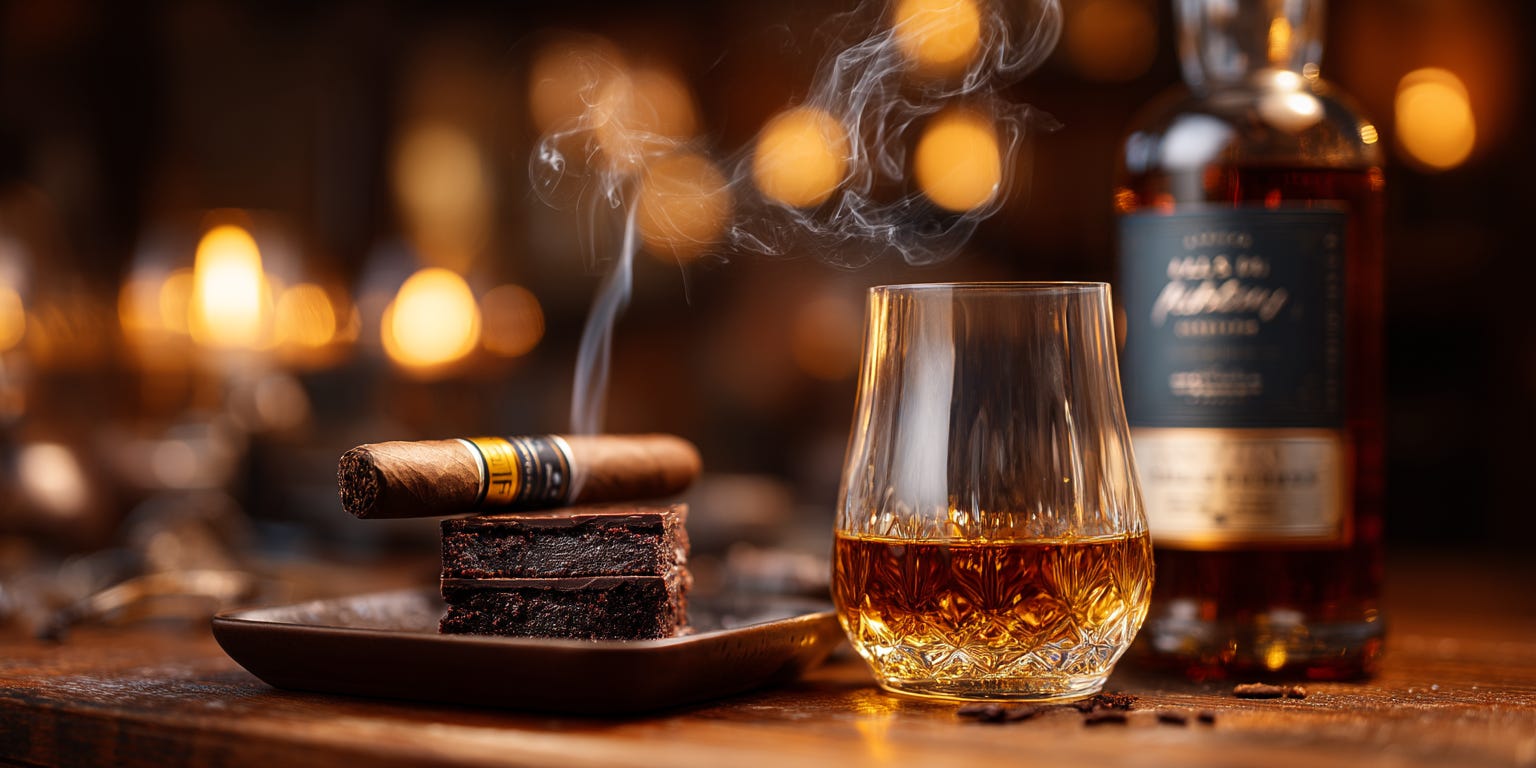
Show Notes: Smoke Signals – The Whiskeys of IslayChapter List00:00:00 – Prologue: Chasing the Smoke of Islay00:00:32 – Peat: Islay’s Secret Ingredient Unveiled00:04:43 – Distillery Walk: The Southern Legends00:10:31 – Into the Pairing Room: Balancing Fire and Flavor00:13:19 – The Ritual of Islay: Memory in a Glass00:14:00 – Closing Toast: From Bog to Barrel, Spirit to StoryPrologue: Chasing the Smoke of Islay (00:00:00)The episode opens with a hauntingly beautiful description of Islay’s dramatic setting—a stark, windswept island off Scotland’s west coast, where the smell of burning peat drifts in the salt-laden air. Listeners are invited to "chase the smoke" and discover how this elemental combination of earth, sea, and fire transforms not only the landscape but the character of its famed whiskeys. The mood immerses the audience in the romance of an ancient tradition and promises to uncover flavors that are anything but ordinary.Peat: Islay’s Secret Ingredient Unveiled (00:00:32)This chapter delves deeply into what sets Islay apart: its abundance of peat. The history and science behind peat's creation are explored—centuries-old plant matter, including moss, heather, and seaweed, slowly decaying in waterlogged bogs, forming a dense, aromatic fuel. The narrative weaves in the history of how peat was an everyday necessity for the islanders, fueling homes and kitchens and, eventually, revolutionizing whiskey-making when barley was malted over peat fires. The transition from illegal, hidden production to a proud, open tradition is illustrated, showing how smoky flavors—once born of necessity and secrecy—became Islay's calling card. The chapter also introduces the importance of phenols (the compounds responsible for smokiness), and how everything from peat content to the natural, peat-laden water plays a crucial role in flavor.Distillery Walk: The Southern Legends (00:04:43)Embark on a sensory journey along Islay’s southern coast and visit five world-renowned distilleries that each put their unique stamp on the island’s smoky legacy:Laphroaig: Known for its bold, medicinal peatiness, iodine notes, and sea-sprayed brine, matured in ex-bourbon casks—dividing whiskey lovers with its intensity.Lagavulin: Famed for slow distillation, creating a rich, dense whiskey that balances smoke with subtle dried fruit and maritime notes; its 16-year-old is an icon.Ardbeg: A legend among peat enthusiasts for its power (around 50–55 ppm phenols), revived in the ‘90s; citrus and espresso notes dance amid the smoke, thanks to innovative still design.Bowmore: Islay’s oldest licensed distillery, offering a more balanced, approachable peat with tropical fruit and sherry sweetness, matured in both bourbon and Oloroso casks.Kilchoman: The modern maverick, operating as a farm-to-bottle distillery, marrying tradition and innovation with vibrant, on-site-grown barley and peating.Despite sharing the same raw elements—peat, sea, soil—each distillery expresses a unique "accent,” turning the same landscape into wildly different liquid personalities. This chapter underscores how place, process, and people combine to create such enduring variety and pride.Into the Pairing Room: Balancing Fire and Flavor (00:10:31)The listener is guided into the finer points of pairing Islay’s mighty whiskies with cigars and food. Advice is both practical and poetic: let the big flavors lead, and choose pairings that can hold their own. Each signature malt gets a tailored match:Laphroaig 10: Pair its briny, medicinal smoke with a creamy Connecticut broadleaf or bold maduro cigar; foods like blue cheese and dark honey enhance and mellow the dramatic coastal flavors.Lagavulin 16: Its refined, elegant peat harmonizes with spicy, woody cigars and seared meats—where char and fat echo and amplify the whiskey's complexity.Ardbeg 10: Full-on peat needs a strong partner—go for a powerhouse cigar, richly flavoured chocolate, or smoked brisket for a “fire meets fire” experience.Unexpectedly, espresso and coffee drinks are suggested as revelatory companions, drawing out the whiskey's hidden sweetness. The pairing room becomes a sanctuary for exploring how boldness and subtlety play off each other, turning every dram and bite into a new discovery.The Ritual of Islay: Memory in a Glass (00:13:19)This chapter shifts from taste to meaning, reflecting on how drinking Islay whiskey is more than consumption—it's an immersion in history and place. The ritual is explored: from savouring the aroma before the sip, to letting smoky flavors unfurl in the mouth and savouring the long, evolving finish. Each dram is painted as a living story, connecting the drinker to generations of peat cutters, distillers, and island life. Islay doesn’t just shape the whiskey—it is Islay, a living, smoky memory that lingers as a badge of hard-fought pride and community.Closing Toast: From Bog to Barrel, Spirit to Story (00:14:00)The journey draws to a close by celebrating Islay’s lasting influence and inviting listeners to carry the story forward with every sip and shared glass. The episode urges the audience to savour their favourite dram, pair it with soulful company, and remember that from muddy bogs comes an unmatched legacy. The philosophy is clear: the richest soul often comes from the hardest ground, and each bottle is a vessel for that tale.Ready for more smoky tales, pairing wisdom, and deep dives into the world of whiskey and cigars? Visit the Cigar and Whiskey Guide blog at cigarandwhiskeyguide.com for articles, reviews, tips, and fresh inspiration—because every puff and pour truly does have a story. This is a public episode. If you would like to discuss this with other subscribers or get access to bonus episodes, visit www.smoke-signals.life
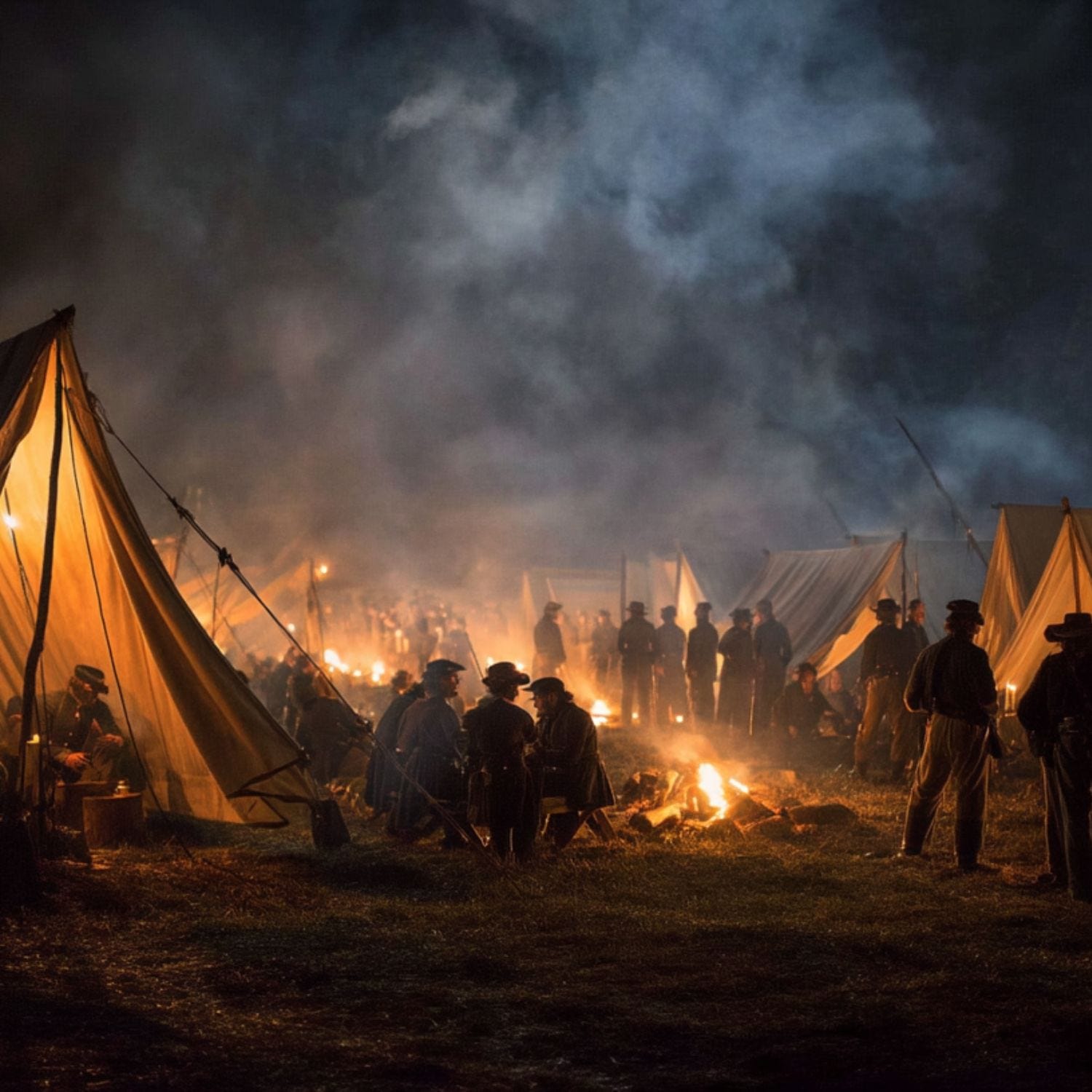
Cigars That Brought Comfort, Currency, and ChangeThe Civil War was fought with muskets and cannons, but it was survived through small rituals. For soldiers in blue and grey, cigars became a rare luxury — a pause from hunger, mud, and fear. They were passed around campfires, traded across enemy lines, and sometimes saved for the quiet moments after battle when survival itself deserved a smoke.In Confederate camps, tobacco was close at hand, but a good cigar was still a prize worth savouring. For Union soldiers, scarcity made every cigar feel like treasure, often more valued than food. Some smoked rough “camp rolls” made from scraps and newspaper; others begged their families to tuck cigars into care packages.The Cigar That Changed HistoryPerhaps the most remarkable story came in 1862, when three cigars were found in a Maryland field — wrapped in General Robert E. Lee’s Special Order 191. That forgotten bundle handed the Union an advantage at Antietam, the bloodiest single day of the war, and gave Abraham Lincoln the confidence to issue the Emancipation Proclamation.Listen to the Full StoryThese are just glimpses of how cigars shaped life, and even history, in the Civil War. The full podcast episode takes you deeper — from pickets swapping coffee for tobacco under moonlight to soldiers lighting cigars beside the graves of their comrades.Thanks for reading Smoke Signals! Subscribe for free to receive new posts and support my work. This is a public episode. If you would like to discuss this with other subscribers or get access to bonus episodes, visit www.smoke-signals.life

The Whiskey Rebellion of 1794 wasn’t just about taxes — it was a dramatic test of America’s young government and a turning point in bourbon history. On the Appalachian frontier, whiskey wasn’t just a drink. It was currency, survival, and pride. When Alexander Hamilton’s excise tax threatened that lifeline, farmers rose in defiance. From Bower Hill to Braddock’s Field, their protests shook the republic and drew the attention of none other than George Washington himself.In this week’s Smoke Signals podcast, we dive deep into the rebellion that forever tied whiskey — and later bourbon — to the idea of independence and rebellion.Episode Highlights* 🥃 Why whiskey was more than a drink — it was currency for frontier farmers.* ⚔️ The violent clash at Bower Hill, where the first blood was shed.* 👑 How President George Washington marched 13,000 troops west to put down the rebellion.* 🔥 The legacy: how bourbon became America’s spirit, rooted in defiance.* 🚩 Modern connections — from bottles like Wild Turkey 101 and Maker’s Mark Cask Strength to cigar pairings that capture that rebellious energy.Listen & SubscribeHit play below to listen to the full episode and immerse yourself in this fiery chapter of whiskey history. Then subscribe to Smoke Signals to explore more stories where cigars, whiskey, and culture meet.Raise a glass, light a cigar, and let’s revisit the rebellion that shaped America’s spirit. This is a public episode. If you would like to discuss this with other subscribers or get access to bonus episodes, visit www.smoke-signals.life
IntroductionSome moments deserve more than champagne or a toast — they deserve a cigar. In this podcast episode, we explore the best cigars for special occasions: from weddings and promotions to birthdays, anniversaries, and retirements.What You’ll Learn in This Episode💍 Wedding Cigars* Premium picks for the groom and his inner circle* Affordable handouts for wedding guests🥃 Promotion Cigars* Bold, ambitious smokes that match career milestones* The best pairings with bourbon or Scotch⏳ Retirement Cigars* Reflective, slow-burning cigars to mark new beginnings* Drinks that complement the pace of retirement evenings🎂 Birthday & Anniversary Cigars* Sweet and approachable smokes for family milestones* Pairings with champagne, rum, and dessert wines🔥 Pro Tips & How to Choose* How to balance premium vs affordable cigars* Why mild cigars are best for larger groups* Drink pairings that elevate the experienceWhy Cigars Make Celebrations MemorableCigars aren’t just tobacco wrapped in leaf — they’re part of the ritual of slowing down, savoring the moment, and making memories last. Whether it’s a wedding toast, a career milestone, or a retirement sunset, the right cigar ties the celebration to a lasting story. This is a public episode. If you would like to discuss this with other subscribers or get access to bonus episodes, visit www.smoke-signals.life
Tasting whiskey is more than taking a sip — it’s about slowing down and discovering the layers hidden in every glass. In this episode of Smoke Signals Audio, we break down the step-by-step process of how to taste whiskey like a pro.From choosing the right glassware to nosing properly, from the first acclimating sip to the second sip that unlocks real flavor, you’ll learn how to approach whiskey with confidence. We’ll also talk about why adding a few drops of water can reveal surprising aromas, how to evaluate the finish, and simple ways to sharpen your palate over time.If you’ve ever wondered why enthusiasts talk about notes of fruit, spice, or oak, this episode will give you the framework to start recognizing them for yourself. Whiskey tasting isn’t complicated — it’s mindful. And once you know the steps, every pour becomes more rewarding.When you’re ready to take it further, visit CigarAndWhiskeyGuide.com for the full written guide, plus articles on cigar pairings, whiskey reviews, and lifestyle tips for enjoying the leaf and the dram.Thanks for reading Smoke Signals! Subscribe for free to receive new posts and support my work. This is a public episode. If you would like to discuss this with other subscribers or get access to bonus episodes, visit www.smoke-signals.life

Mark Twain’s 300-Cigar HabitMark Twain was more than a writer and humorist — he was one of history’s most notorious cigar smokers. His lifelong love of cigars became a defining part of his personality, and the anecdotes around his habit are as legendary as his novels.Twain’s Early Start with CigarsTwain often joked, “I never smoked cigars until I was nine.” That line, part humour and part truth, reflected how early his love affair with tobacco began. By his thirties, he claimed to be smoking around 300 cigars a month. On heavy writing days, he admitted to lighting as many as fifteen cigars in just a few hours at his desk.Cheap Smokes over LuxuryUnlike today’s cigar enthusiasts who seek out rare and premium blends, Twain was happiest with cheap, strong cigars. He famously turned down expensive Havanas, saying they “tasted terrible” to him. When offered a fine cigar, Twain told him, “I can’t smoke this. It’s too good. Send me something cheap and nasty.”This preference wasn’t about status — for Twain, cigars were companions, not collectibles.The Many Quitting AttemptsTwain’s wife, Olivia (Livy), once persuaded him to cut back. For a time, he reduced his intake from dozens of cigars a day to just four. But the moment she left on a trip, Twain returned to his usual pace. He immortalized the experience in one of his best one-liners:Twain on Quitting“Giving up smoking is the easiest thing in the world. I know because I’ve done it thousands of times.”Cigars as Creative FuelCigars weren’t just a pastime — they were part of Twain’s creative process. Friends recalled his study filled with smoke, a fresh cigar always in hand. Twain admitted cigars kept him company during long writing hours, helping shape both his mood and his imagination.Twain’s Cigar LegacyDespite doctors’ warnings, Twain lived to 74. When asked if cigars might shorten his life, he replied with another unforgettable line: “If smoking is not allowed in heaven, I shall not go.”His cigar habit may sound excessive today, but it reflected an unapologetic approach to living. For Twain, cigars weren’t luxuries to be savoured — they were everyday companions that fueled creativity, humour, and resilience.Thanks for reading Smoke Signals! Subscribe for free to receive new posts and support my work. This is a public episode. If you would like to discuss this with other subscribers or get access to bonus episodes, visit www.smoke-signals.life
🎙️ Podcast Episode: The 6 Types of Cigar SmokersWhich Cigar Personality Are You?Every cigar smoker has a story — and a style that’s uniquely their own. In this episode of Smoke Signals, we dive into the six cigar personalities that bring flavor and character to the lounge.From Tommy the Traditionalist 🥃 with his love for ritual and fine Scotch, to Wally the Weekender 🍔 who lights up with a cold drink and a laugh, each personality offers a fresh way to see the world of cigars. You’ll meet Calvin the Collector, Sabrina the Sophisticate, Max the Minimalist, and Nico the Newbie — each with their own vibe, preferences, and perfect smokes.This episode is a fun, insightful look at cigar culture — the quirks, the rituals, and the people behind the smoke. Which personality are you?👉 Hit play, find your match, and discover why there’s no one “right” way to enjoy a cigar.https://www.smoke-signals.life/p/6-types-of-cigar-smokers This is a public episode. If you would like to discuss this with other subscribers or get access to bonus episodes, visit www.smoke-signals.life
Podcast Episode: How to Review Cigars Like a ProWant to take your cigar game to the next level? Whether you’re just getting started or have years of smoking under your belt, knowing how to review a cigar is a skill that transforms every session into a richer experience.In this episode of Smoke Signals Audio, we dive into the art of cigar tasting — from appreciating the wrapper and aroma to understanding how flavor evolves across the first, second, and final thirds. You’ll learn why descriptive reviews matter more than numbers, how to hone your palate, and how to pair cigars with drinks like coffee ☕, whiskey 🥃, or craft beer for an unforgettable smoke.What You’ll Discover in This Episode:* The essential steps for reviewing cigars like a pro* How to identify and describe cigar flavor profiles* Common mistakes to avoid when smoking and pairing* Why lifestyle-driven reviews matter more than scores🎧 Hit play to explore the ritual, the flavors, and the art of enjoying cigars.Want more? Read the full article “How to Review Cigars Like a Pro” on Smoke Signals and subscribe for fresh stories, pairings, and cigar wisdom delivered straight to your inbox. This is a public episode. If you would like to discuss this with other subscribers or get access to bonus episodes, visit www.smoke-signals.life
Welcome to Smoke Signals: The Cigar & Whiskey PodcastWelcome to Smoke Signals, the Cigar and Whiskey Podcast. In this first episode, Bo Kauffmann introduces the spirit of the show — a place for cigar lovers, whiskey enthusiasts, and anyone who values the art of slow living. Discover what to expect in upcoming episodes, from premium cigar reviews to whiskey pairings and the rituals that make every moment worth savoring. This is a public episode. If you would like to discuss this with other subscribers or get access to bonus episodes, visit www.smoke-signals.life
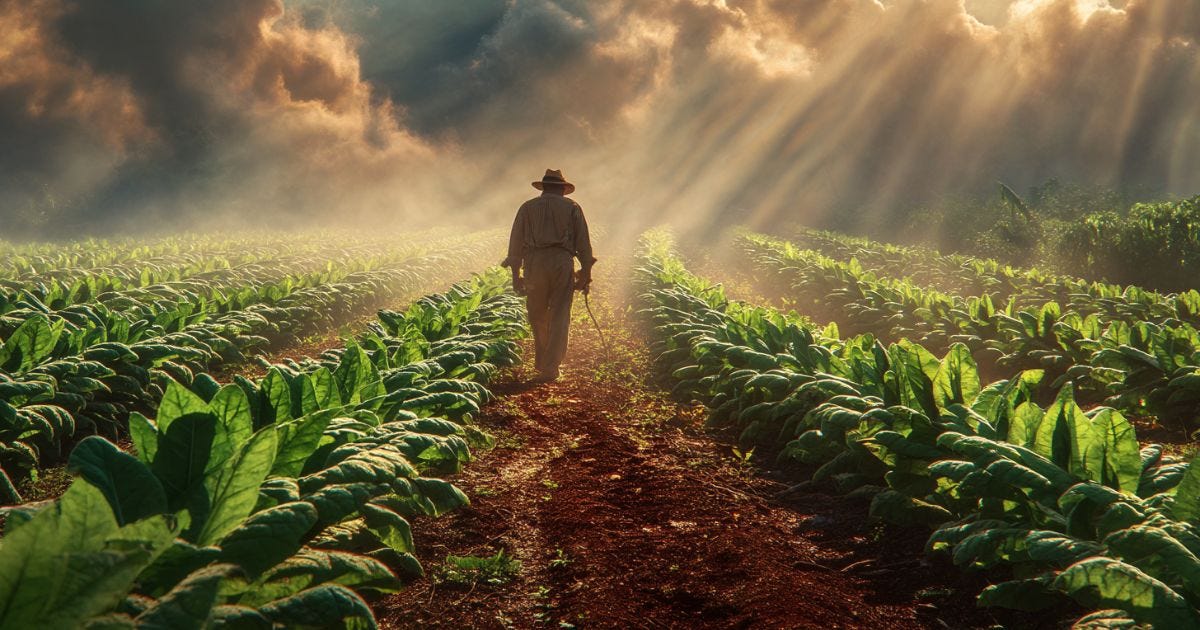
Show Notes: Smoke Signals – The Story of CorojoChapters:The Obsession That Changed Cigars Forever [00:00:00]Welcome to Smoke Signals [00:00:12]A Madman’s Quest for Perfection [00:00:28]Triumph in Cuba: The Birth of Corojo [00:01:30]The Gold Standard and its Fragility [00:02:30]Revolution and the Loss of Corojo [00:03:15]Corojo’s Genetic Legacy: Hybridization & Renaissance [00:04:15]The Flavor That Endured—Modern Corojo in Cigars [00:05:50]The Farmer’s Legacy: Stubbornness & Love for the Leaf [00:07:12]Closing Thoughts and Ways to Connect [00:07:38]In-Depth Chapter SummariesThe Obsession That Changed Cigars Forever [00:00:00]Listeners are immediately transported to the fertile red clay of Cuba’s famed Vuelta Abajo region. The episode opens with a vivid portrait of one farmer’s relentless obsession with tobacco leaf perfection—a quest that would eventually redefine the flavor profile of cigars worldwide. This introductory moment sets the stage for a tale that’s as much about human passion as it is about agricultural innovation.Welcome to Smoke Signals [00:00:12]The podcast welcomes aficionados and curious listeners alike, inviting them to immerse themselves in the rich tapestry of cigar and whiskey culture. It’s a call to savor both the flavors and the stories behind the world’s finest cigars and spirits. The inclusive tone urges listeners to settle in with a good drink and a great smoke—a prelude to the deep-dive storytelling ahead.A Madman’s Quest for Perfection [00:00:28]Listeners meet Diego Rodriguez, the enigmatic Cuban farmer affectionately called “el loco del Tabaco.” The narrative details his years of tireless experimentation under lantern-lit nights, blending plants in pursuit of the ultimate wrapper leaf. Despite repeated failures and ridicule from neighbors, Diego’s stubborn determination leads him to innovate in both cultivation techniques and breeding—a testament to obsession and ingenuity.Triumph in Cuba: The Birth of Corojo [00:01:30]One breakthrough season, Rodriguez’s experiment succeeds. A new strain emerges: taller, healthier, and more aromatic than any before. The name Corojo is born from Diego’s modest farm near San Luis, and soon, the leaf’s unique qualities—supple texture, rich aroma, and burn quality—capture the imagination of Havana’s elite cigar houses. Corojo quickly becomes the coveted wrapper for iconic Cuban brands, symbolizing excellence and status.The Gold Standard and its Fragility [00:02:30]Corojo’s legendary status solidifies, but its delicate nature becomes apparent. Though prized for beauty and flavor, the leaf is notoriously difficult to cultivate—susceptible to sunburn, mold, and bitterness with minor lapses in care. The fragility prompts anecdotes from cigar rollers and underscores a paradox: Corojo is both highly sought after and challenging to produce, foreshadowing its eventual decline.Revolution and the Loss of Corojo [00:03:15]Political upheaval arrives when Cuba’s tobacco industry is nationalized after Castro’s revolution. The upheaval leads to the exodus of many skilled growers—Corojo’s original cultivar can no longer meet the demands of mass production. Seeds are smuggled out, but the true, original Corojo is quietly retired. This chapter highlights the intersection of political history and agricultural legacy, with Corojo’s fate tied to broader social change.Corojo’s Genetic Legacy: Hybridization & Renaissance [00:04:15]Moving beyond Cuba, the story shifts to the scientific innovations spurred by Corojo’s reputation. From the 1970s onward, agronomists crossbreed Corojo with heartier strains like Criollo, aiming for disease resistance and mass viability. The creation of Habano 2000 and further hybrids in Honduras and Nicaragua—such as Corojo 99 and Criollo 98—preserve the signature flavor while ensuring the leaf’s survival. Corojo’s DNA travels the globe, driving the cigar renaissance of the 1990s and beyond.The Flavor That Endured—Modern Corojo in Cigars [00:05:50]The chapter explores how Corojo continues to influence modern cigar making. Authentic Corojo crops in places like Estelí, Honduras, and Ecuador carry the genetic legacy of Diego's creation. The narrative delves into tasting notes—earthy, peppery, and sweet—that have become the benchmark for aficionados. Corojo’s unmistakable flavor profile sets it apart, making it a marker of authenticity in today’s premium cigars.The Farmer’s Legacy: Stubbornness & Love for the Leaf [00:07:12]This reflective chapter pays tribute to Diego Rodriguez, whose “stubbornness, obsession, and patience” echoes in every Corojo-wrapped cigar. The story highlights the poetic justice: Diego’s selfless pursuit wasn’t for fame or fortune, but for the love of the leaf. The human element—his care, conversations with plants, and unwavering belief—are celebrated as the true spirit behind great cigars.Closing Thoughts and Ways to Connect [00:07:38]The episode closes with an invitation to share the podcast and continue learning about cigar culture. Listeners are encouraged to connect further for articles, reviews, and pairing tips.Enjoyed the episode? Dive deeper into cigar and whiskey culture at cigarandwhiskeyguide.com for expert articles, reviews, and tips to elevate every puff and pour. This is a public episode. If you would like to discuss this with other subscribers or get access to bonus episodes, visit www.smoke-signals.life

JFK’s 1,200 Cigars and the Embargo That Changed HistoryWhen people talk about John F. Kennedy’s presidency, they remember the Cuban Missile Crisis, the Bay of Pigs, and the dream of Camelot. But cigar lovers remember something a little different: the night before the United States embargo on Cuban goods went into effect, JFK quietly sent his press secretary out on a mission that would become cigar legend.The Night Before the EmbargoIn early 1962, as tensions with Cuba escalated, Kennedy decided to impose a full trade embargo. Cigars would not be spared. But before signing the order, he asked Pierre Salinger to gather as many of his beloved H. Upmann Petit Coronas as possible.Salinger scoured Washington tobacconists, returning the next morning with over 1,200 cigars. Only then, Kennedy is said to have pulled out the paperwork and signed the embargo that would make Cuban cigars off-limits to Americans for decades.The Irony That EnduresThe man who loved Cuban cigars became the president who banned them. The embargo reshaped the global cigar industry, pushing production into the Dominican Republic, Honduras, and Nicaragua, while Cuban smokes became the stuff of legend in the U.S.The story of JFK’s private stash is part fact, part myth, but it captures the human side of power: even as world events swirled, Kennedy made time to protect his own small ritual.🎙️ Listen to the full story in this week’s episode of Smoke Signals. You’ll hear how cigars became woven into Cold War history, from White House rituals to CIA plots, and why Kennedy’s 1,200 cigars remain one of the most unforgettable footnotes in presidential history.Thanks for reading Smoke Signals! Subscribe for free to receive new posts and support my work. This is a public episode. If you would like to discuss this with other subscribers or get access to bonus episodes, visit www.smoke-signals.life

Show Notes: Discovering Flavor Beyond the Pour – The Art of Non-Alcoholic Cigar PairingsChapters:The Unquestioned Ritual [00:00:00]A Quiet Shift: The Coffee Experiment [00:00:41]Complexity vs. Clarity [00:01:23]The Double-Hit Factor: Body and Mind [00:03:46]Mental Sharpness and the Social Side [00:05:13]Practical Benefits: Cost, Convenience, and Flexibility [00:06:59]Breaking the Tradition: Rethinking Cigar Culture [00:07:59]Making the Leaf the Star [00:08:55]The Power of Simplicity and Intention [00:09:44]The Final Takeaway: Try It Yourself [00:10:20]Chapter Summaries1. The Unquestioned Ritual [00:00:00]The episode opens with a reflection on the long-standing tradition of pairing cigars with bourbon or whiskey. For years, this ritual was never questioned—it was just assumed to be part of cigar culture. But the show challenges this idea, hinting that there might be more to discover beyond the expected pairing.2. A Quiet Shift: The Coffee Experiment [00:00:41]A spontaneous decision to swap whiskey for coffee one evening leads to an unexpected aha moment. With a simple black coffee alongside a medium-bodied cigar, individual tasting notes come alive—cocoa, cedar, subtle sweetness—without being overshadowed by alcohol. This moment marks the beginning of a new perspective on pairing cigars.3. Complexity vs. Clarity [00:01:23]Delving deeper, the episode explores how cigars are already complex on their own, with layers of sweetness, spice, bitterness, and texture. Adding alcohol stacks another set of flavors on top, which sometimes enhances the experience, but often just adds noise and density, masking the cigar’s unique profile.4. The Double-Hit Factor: Body and Mind [00:03:46]This chapter tackles the physiological impact of coupling cigars (a stimulant) with alcohol (a depressant). Combining both can lead to unpredictable body reactions—like feeling lightheaded. Removing alcohol brings steadiness and control, allowing for a more comfortable and focused cigar session.5. Mental Sharpness and the Social Side [00:05:13]The discussion shifts to how alcohol softens cognitive sharpness, even in small doses. For those who value deep conversation, business clarity, or flavor precision, swapping spirits for coffee or tea keeps the mind alert. Plus, it simplifies situations where driving home or staying sharp is needed.6. Practical Benefits: Cost, Convenience, and Flexibility [00:06:59]Non-alcoholic pairings also make cigar enjoyment more accessible and economical. Premium cigars and top-shelf spirits can quickly add up in cost. Simpler drinks like coffee, tea, or sparkling water lower expenses while highlighting the cigar itself, creating a more intentional experience.7. Breaking the Tradition: Rethinking Cigar Culture [00:07:59]Here, the show questions the deep-rooted assumption that alcohol is essential to cigars. This tradition, while enjoyable for many, can unintentionally alienate those who don’t drink. The podcast urges listeners to recognize that real cigar enjoyment doesn’t require sticking to an unwritten pairing rule.8. Making the Leaf the Star [00:08:55]Allowing the cigar to stand on its own shifts focus to its craftsmanship: burn, draw, ash, subtle sweetness, and natural transitions become more noticeable. The cigar doesn’t need “reinforcement”—it shines when given space to be fully experienced.9. The Power of Simplicity and Intention [00:09:44]When the pairing is simplified—coffee in the morning, tea in the afternoon, or just water—the cigar’s unique qualities are amplified. The episode encourages listeners to pair out of intention, not obligation, and to savor the nuances of the leaf on its own terms.10. The Final Takeaway: Try It Yourself [00:10:20]The episode wraps up with a call to action: next time you reach for a cigar, try skipping the alcohol. Brew some coffee, pour a tea, and see how the experience changes. It’s a reminder that true enjoyment comes from being present and intentional with each cigar session.For more deep dives into cigars, whiskey, and purposeful pairings, check out the Cigar and Whiskey Guide blog at cigarandwhiskeyguide.com! This is a public episode. If you would like to discuss this with other subscribers or get access to bonus episodes, visit www.smoke-signals.life

Comments

Download from Google Play

Download from App Store
 United States