


 Claim Ownership
Tâi-gí Made Easy
Subscribed: 1Played: 35
Subscribe

© Copyright 2018-2026 Rti - For Personal Use Only
Description
"Tâi-gí Made Easy" is your quick guide to mastering all things Tâi-gí! Each episode clocks in at just 8 minutes, packed with language lessons and fascinating insights. In every episode, you'll not only pick up the language but also delve into unique cultural phenomena specific to Tâi-gí.
"Tâi-gí Made Easy" was created by Ching-en Chiou in 2024.
97 Episodes
Reverse
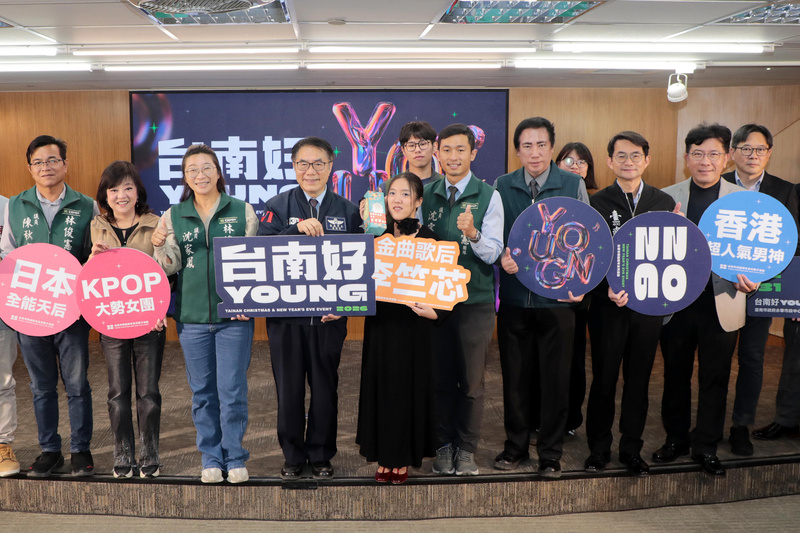
This year, I spent New Year’s Eve watching live broadcasts of celebration concerts all over Taiwan on TV with my family. There was one song that caught my attention — 台灣查某囝 (The Daughter of Taiwan) by 李竺芯 Siri Lee.
The previous host of Tâi-gí Made Easy, Ching-en, has introduced this talented young singer, who performs in Tâi-gí. This week, we’ll focus on this particular song and learn a few lines from the lyrics, so that you can sing along to this beautiful tune.
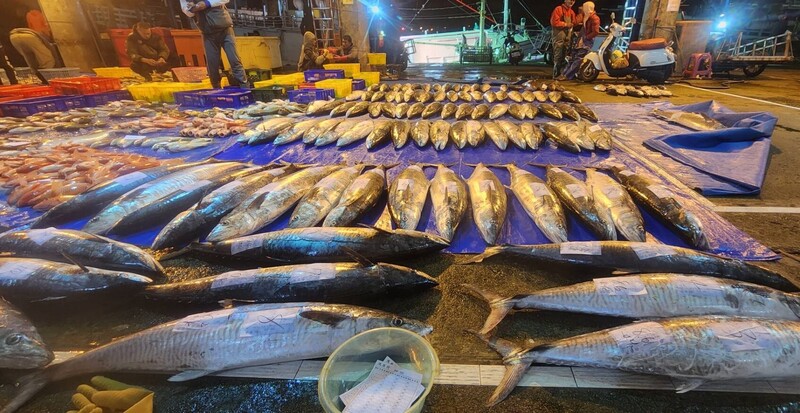
Morning markets are the best places to experience Taiwan’s vibrant food culture - and people there usually speak Tâi-gí. We’ll continue learning some useful words to help you navigate the Taiwanese market. This week, we're joined by Allen to explore how to describe seafood.
●Words to Know:
1. 海產 hái-sán (n.) seafood
2. 魚 hî (n.) fish
3. 蝦 hê (n.) shrimp
4. 小管仔 sió-kńg-á (n.) Baby Squid
5. 蚶仔 ham-á (n.) clam
●Idiom of the week:
一日討海,三日曝網。
Tsi̍t ji̍t thó-hái, sann ji̍t pha̍k bāng.
(Catching fish for one day, but spending three days drying the fishing nets.)

Are you ready for 2026? In Taiwan, people love doing the New Year countdown on December 31. The most famous countdown event takes place at Taipei 101, featuring a fireworks display and a concert. This week, we’ll learn some vocabulary about the New Year, so you can count down with your friends in Taiwan!
●Words to Know:
1. 跨年 khuà-nî (phr.) to celebrate New Year’s Eve
2. 2026 jī-khòng-jī-la̍k (n.) 2026
3. 煙火 ian-hué (v.) fireworks
4. 相挨相𤲍 sio-e-sio-kheh (idiom) very crowded
5. 平安順序 pîng-an sūn-sī (phr.) safe and smooth
●Song of the week:
詹雅雯 Chan Ya-Wen - 今年一定會好過
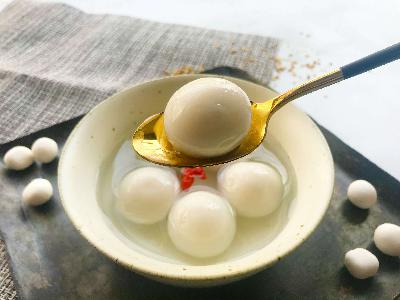
In Taiwanese culture, Dongzhi, or the Winter Solstice, is not just the shortest day of the year. In the past, people believed that after Dongzhi, everyone officially became one year older.
One of the most important Dongzhi customs in Taiwan is eating tangyuan (glutinous rice balls). Their round shape symbolises wholeness, reunion, and harmony within the family.
This week, we'll learn some vocabulary about Dongzhi, so that you can celebrate the day with your friends in Taiwan!
●Words to Know:
1. 冬節 tang-tseh (n.) Dongzhi
2. 挲圓仔 so înn-á (phr.) making tangyuan
3. 團圓 (v.) reunion
4. 烏麻仔 oo-muâ-á (n.) sesame
5. 塗豆 thôo-tāu (n.) peanut
●Idiom of the week:
冬節圓仔食落加一歲。Tang-tseh înn-á tsia̍h lo̍h ke tsi̍t huè.
Eating tangyuan (glutinous rice balls) on Dongzhi means you've turned one year older.
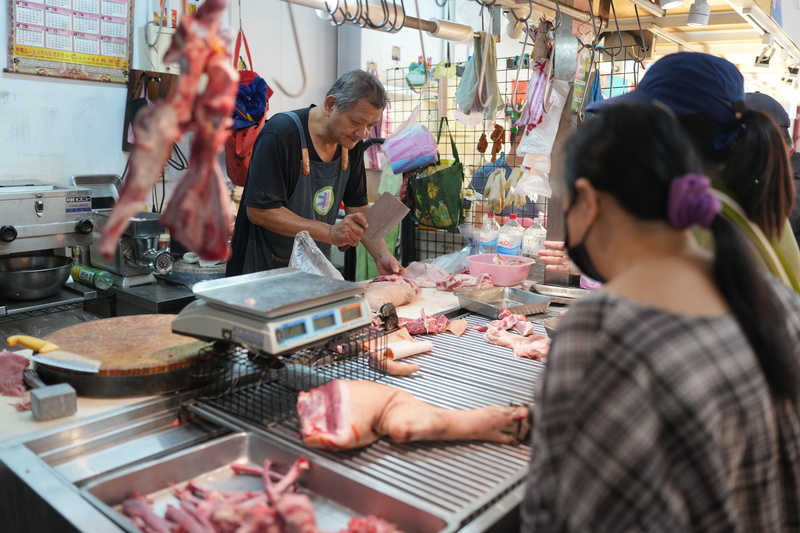
Morning markets are the best places to experience Taiwan’s vibrant food culture. From meat and vegetables to seafood, these ingredients represent the flavours of Taiwan. And, people there usually speak Tâi-gí. We’ll continue learning some useful words to help you go shopping in a Taiwanese market. This week, let’s focus on meat.
●Words to Know:
1. 豬肉 ti-bah (n.) pork
2. 排骨 pâi-kut (n.) pork ribs
3. 雞肉 ke-bah (n.) chicken
4. 牛肉 gû-bah (n.) beef
5. 羊肉 iûnn-bah (n.) lamb
6. 鴨肉 ah-bah (n.) duck
●Idiom of the week:
看人食肉,毋通看人相拍。Khuànn lâng tsia̍h bah, m̄-thang khuànn lâng sio-phah.
(It's better to watch others eat meat than to watch them fight.)
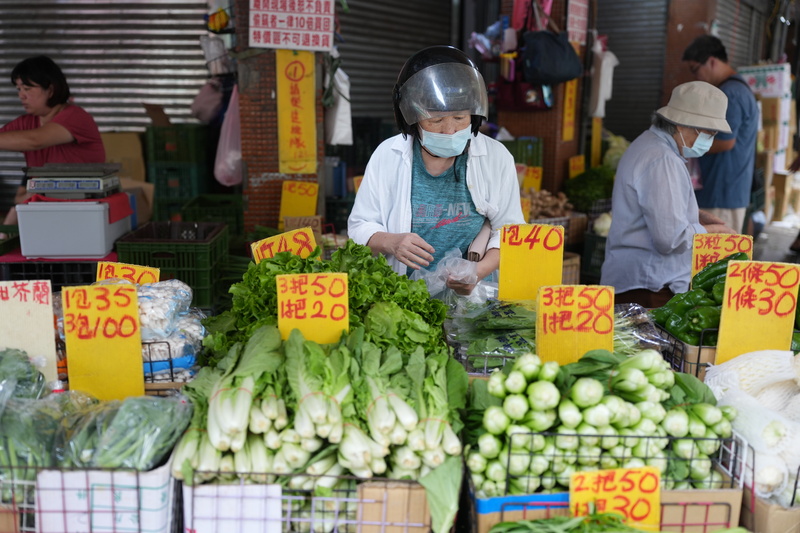
Morning markets are the best places to experience Taiwan’s vibrant food culture, where all the ingredients represent part of Taiwan's flavours. This week, we’ll continue to learn some useful words, specifically vegetables, to help you go shopping in a Taiwanese market.
●Words to Know:
1. 蔥仔 tshang-á (n.) scallion
2. 紅菜頭 âng-tshài-thâu (n.) carrots
3. 莧菜 hīng-tshài (n.) Amaranth Leaves / Chinese spinach
4. 香菇 hiunn-koo (n.) shintake mushrooms
5. 高麗菜 ko-lê-tshài (n.) cabbage
●Idiom of the week:
食魚食肉,也著菜佮。Tsia̍h hî tsia̍h bah, iā tio̍h tshài kah.
(Eating fish and meat is important, but it's also essential to eat vegetables.)
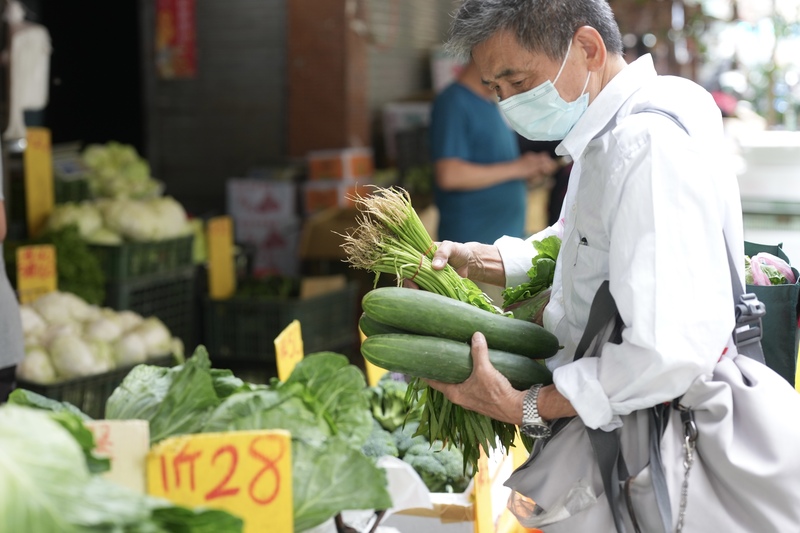
Morning markets are the best places to experience Taiwan’s vibrant food culture. From meat and vegetables to seafood, these ingredients represent the flavours of Taiwan. And, people there usually speak Tâi-gí. This week, we’ll learn some useful words to help you go shopping in a Taiwanese market.
●Words to Know:
1. 菜市仔 tshài-tshī-á (n.) market
2. 頭家 thâu-ke (n.) boss / shop owner
3. 俗 sio̍k (adj.) cheap
4. 貴 kuì (adj.) expensive
5. 鮮 tshinn (adj.) fresh
●Idiom of the week:
無魚,蝦嘛好 Bô hî, hê mā hó.
(If you can’t get fish, buying shrimp is fine too.)
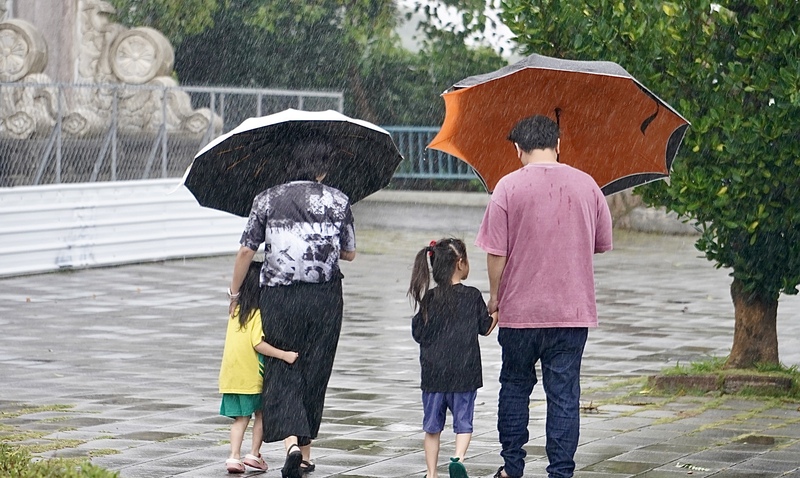
Tropical Storm Fung-Wong reached southern Taiwan last week, becoming the first typhoon to make landfall in the past 58 years. With Taiwan’s weather changing so dramatically lately, let’s learn a few words to describe it.
●Words to Know:
1. 落雨 lo̍h-hōo (v.) raining
2. 好天 hó-thinn (n.) a sunny and comfortable day
3. 風真透 hong tsin thàu (phr.) really windy
4. 寒 kuânn (adj.) cold
5. 熱 lua̍h (adj.) hot
●PHRASE of the week:
鳳凰風颱 hòng-hông hong-thai
Fung-Wong (Phoenix) typhoon

Today, we’re listening to one of the most beloved Tâi-gí songs in Taiwan of all time — Ke-āu (家後) by Jody Chiang (江蕙).
As the most popular song of the most popular modern Tâi-gí singer, this song tells the story of a woman who has spent her life caring for her husband and family with deep love and devotion.
Let’s learn a few lines from the lyrics, so that you can sing along and get to know the meaning of the song.
As the weather turns cooler in November, Taiwan’s markets is filled with the flavours of early winter. On this week’s Tâi-gí Made Easy, we’ll learn how to say these seasonal foods in Tâi-gí. Let s explore how these foods show the rhythm of Taiwan’s vibrant food scene.
●Words to Know:
1. 菜頭 tshài-thâu (n.) radish
2. 椪柑 phòng-kam (n.) Ponkan
3. 弓蕉 king-tsio (n.) banana
4. 烏魚 oo-hî (n.) mullet
5. 白帶魚 pe̍h-tuà-hî (n.) silverfish
●Idiom of the week:
弓蕉吐囝為囝死 King-tsio thòo kiánn uī kiánn sí.
(The banana gives birth to its child, and dies for its child.)
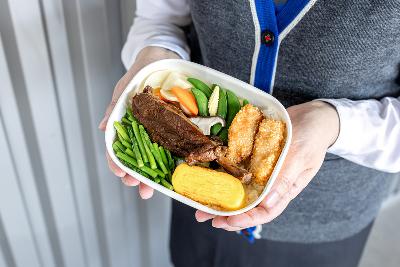
With the diverse cultures that have influenced Taiwan, there are many Tâi-gí words that originate from other languages! This week, we will continue to learn some new words and explore the influence of English, Japanese, and more on the Taiwanese language.
●Words to Know:
1. ùn-tsiàng (n.) driver
2. mài-kù (n.) microphone
3. 便當 piān-tong (n.) bento / boxed lunch
4. gá-suh (n.) gas stove / gas
5. 磅空 pōng-khang (n.) tunnel / bunker
●Idiom of the week:
Pha-lih-pha-lih.
(Someone is very fashionable.)
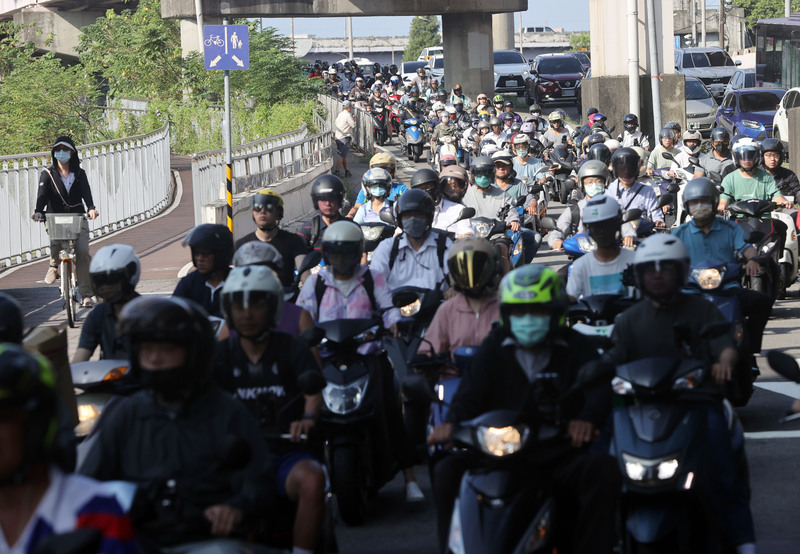
With the diverse cultures that have influenced Taiwan, there are many Tâi-gí words that originate from other languages! This week, let’s learn some new words and explore the influence of English, Japanese, French, and more on the Taiwanese language.
●Words to Know:
1. oo-tóo-bái (n.) scooter / motorcycle
2. 雪文 sap-bûn (n.) soap
3. 麭 pháng (n.) bread
4. bì-lù (n.) beer
5. lài-tah (n.) lighter
●Idiom of the week:
A-ta-mah khōng-ku-lí.
(Someone is so stupid that their brain is full of concrete.)
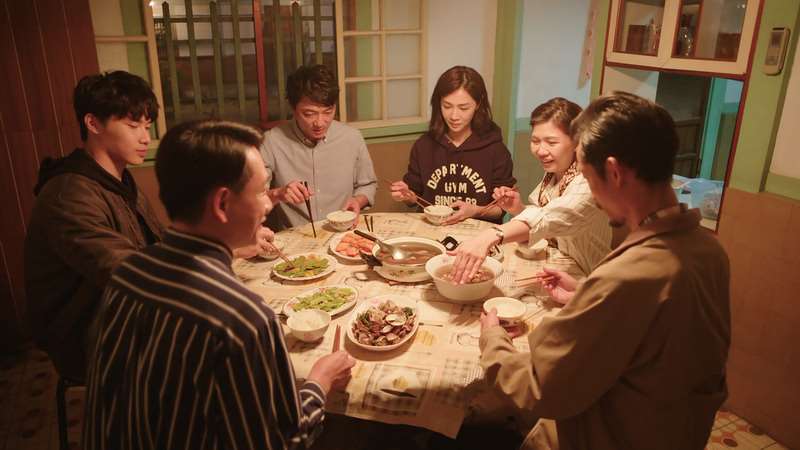
Have you met anyone whom you’d like to spend your life with? Today, we are listening to a song in Tâi-gí that touches on the relationship between you and your significant other – 一人一半 You Complete Me by 旺福 Won Fu.
This track is the theme song of the Taiwanese TV drama The Making of an Ordinary Woman. The lyrics are simple yet powerful. People follow different life paths: some succeed, others don’t. But deep down, we all share the same hope to find someone who will always stay by our side.

On 10 October, also known as Double Tenth Day, people in Taiwan celebrate our National Day! Historically, 10 October 1911 marked the day of the Xinhai Revolution, which led to the termination of the Qing Dynasty in China and ultimately resulted in the establishment of the Republic of China, the official name of the ruling government in Taiwan.
As people in Taiwan celebrate our National Day, there will be flag-raising ceremonies all over the country on 10 October. Plus, you can participate in the fireworks display in Nantou this year. Moreover, there is an exceptional projection mapping show illuminating the facade of the Presidential Office.
This week, we’ll explore some words related to the National Day!
●Words to Know:
1. 國慶 kok-khìng (n.) National Day
2. 國旗 kok-kî (n.) the national flag
3. 煙火 ian-hué (n.) fireworks
4. 鬧熱 lāu-jia̍t (adj.) lively, with lots of activities
5. 放假 pàng-ká (phr.) to have a day off
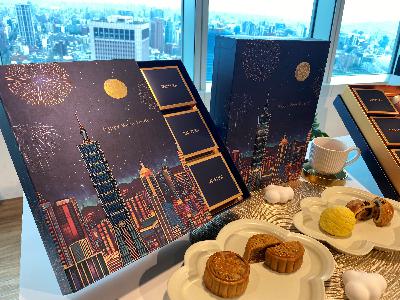
The Moon Festival is one of Taiwan’s most important holidays when families gather. The festival is on the 15th day of the 8th lunar month, when the moon is at its fullest. This year, it falls on 6 October. In Taiwan, families and friends gather to watch the moon, eat mooncakes and pomelos, and enjoy outdoor barbecues. This week, we’ll explore some words and idioms related to the festival!
●Words to Know:
1. 中秋節 Tiong-tshiu-tseh (n.) the Moon Festival
2. 月娘 gue̍h-niû (n.) the Moon
3. 月餅 gue̍h-piánn (n.) mooncake
4. 柚仔 iū-á (n.) pomelo
5. 烘肉 hang-bah (v.) to barbecue
●Idiom of the week:
年驚中秋,月驚十九。Nî kiann tiong-tshiu, gue̍h kiann si̍p-kiú.
(People are afraid of Mid-Autumn in a year, and are afraid of the 19th day in a month.)
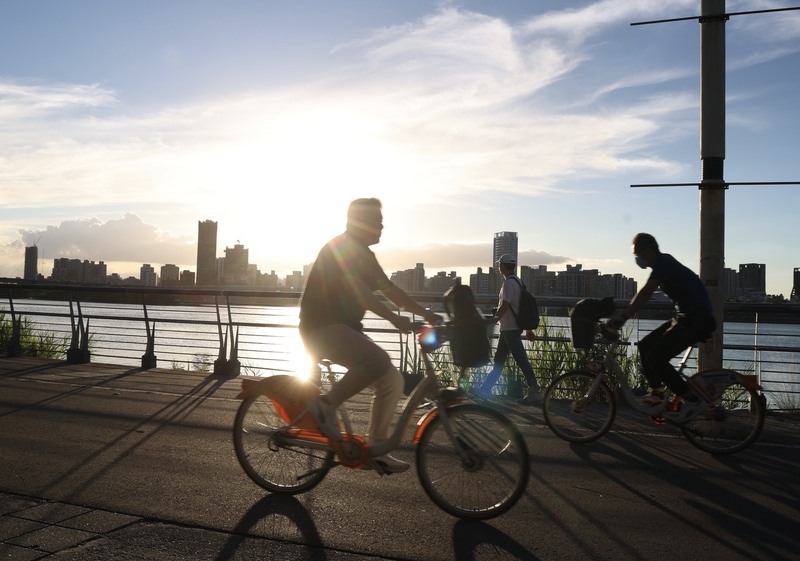
This week, we’ll be listening to a song that brings back a lot of memories for many people in Taiwan: Bike (腳踏車) by Jason Wang (王識賢). This song is all about riding a bike and waiting for the lover. Let’s ride along together with this song.
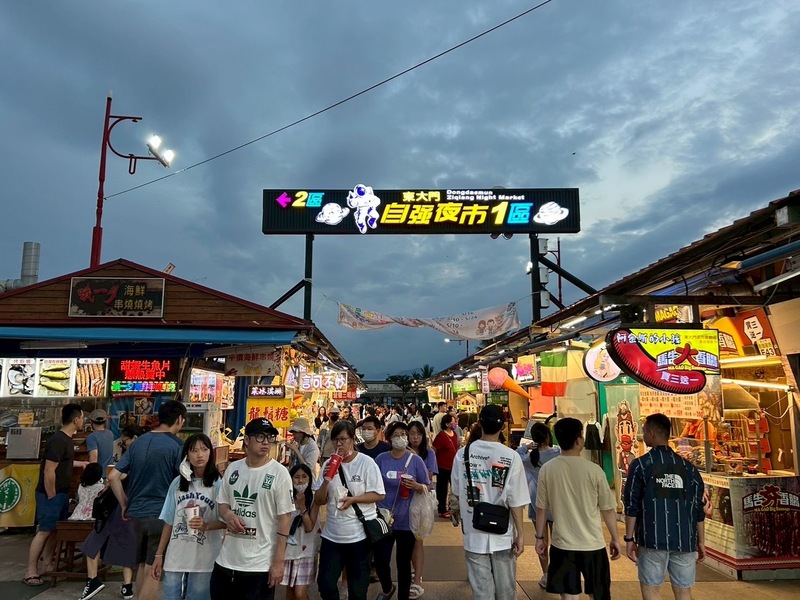
Night markets are one of the most important parts of Taiwanese culture!Whether it is a weekday or a weekend evening, people enjoy strolling through these lively spots where so many food stalls and vendors gather. This week, we’ll learn some essential words related to the night market.
●Words to Know:
1. 踅夜市 se̍h iā-tshī (phr.) to go to the night market
2. 鹹酥雞 kiâm-soo-ke (n.) Taiwanese fried chicken
3. 煙腸 ian-tshiâng (n.) sausage
4. 擔 tànn (n.) a stall
5. 拍珠仔 phah tsu-á (phr.) play pinball
●Idiom of the week:
三跤步一坎店。Sann kha-pōo tsi̍t khám tiàm.
(Every three steps, there’s a small shop.)

If you’re a student — welcome back to school! The semester has just started in Taiwan in September. In today’s episode, we’ll get to know some fun and useful Taiwanese phrases related to campus life and learning. Whether you’re meeting new friends or talking about homework, these expressions will help you get ready for the new semester.
●Words to Know:
1. 開學 khai-ha̍k (n.) the start of school
2. 讀冊 tha̍k-tsheh (v.) to study
3. 老師 lāu-su (n.) teacher
4. 同學 tông-o̍h (n.) classmate
5. 智識 tì-sik (n.) knowledge
●Idiom of the week:
讀冊,讀佇尻脊骿。Tha̍k-tsheh, tha̍k tī kha-tsiah-phiann.
(Studying mechanically without real understanding.)
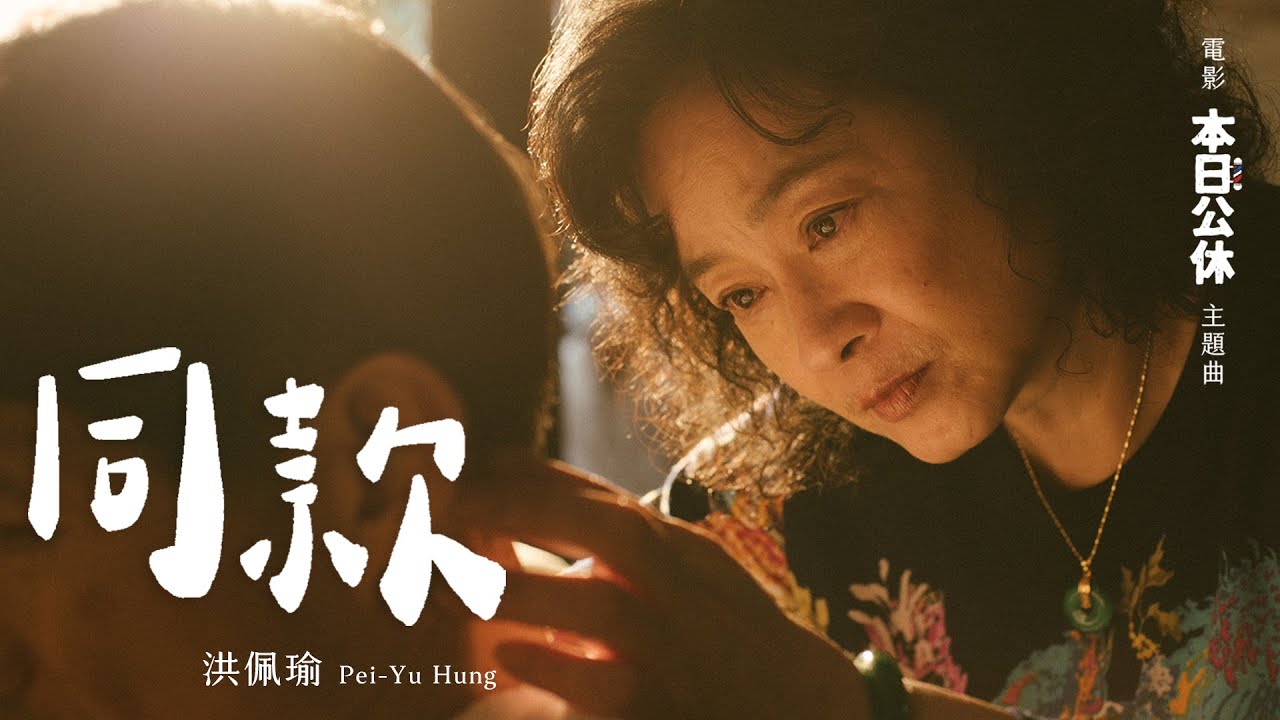
This week, we'll learn some poetic lines in Tâi-gí from the lyrics of The Usual (同款) by Pei-Yu Hung (洪佩瑜). The track is the theme song of the movie "Day Off," which tells the touching story of a barber and her client. Let's sing a long to the lines together!
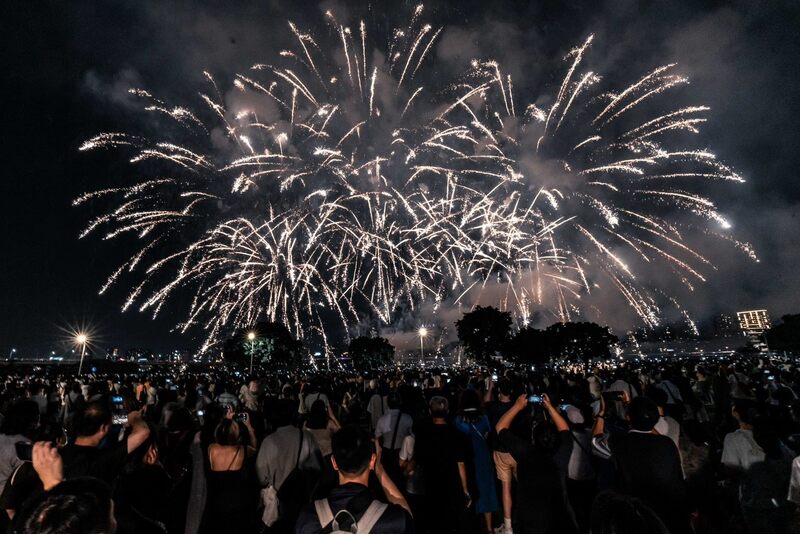
The Qixi Festival, also known as Chinese Valentine’s Day, celebrates the legend of the Weaver Girl (織女) and the Cowherd (牛郎). According to the lunar calendar, the festival falls on 29 August this year. This week, we’ll explore some words and an idiom related to the festival!
●Words to Know:
1. 情人節 tsîng-jîn-tseh (n.) Valentine’s Day
2. 織女 Tsit-lú (n.) Weaver Girl
3. 牛郎 Gû-nn̂g (n.) the Cowherd
4. 河溪 hô-khe (n.) Milky Way
5. 客鳥 kheh-tsiáu (n.) magpie
●Idiom of the week:
愛著較慘死 Ài--tio̍h khah tshám sí.
(Once you fall in love, it's more miserable than death.)

Comments

Download from Google Play

Download from App Store
 United States