


 Claim Ownership
The Scaling CEO
Subscribed: 1Played: 6
Subscribe

© Glenn Gow
Description
The Scaling CEO is where fast-growth CEOs reveal the strategies behind scaling their companies—and themselves. Hosted by Glenn Gow, The Scaling CEO Coach, this podcast gives you direct access to the minds of top-performing CEOs as they share real-world lessons, breakthroughs, and leadership habits. If you're a CEO looking to think bigger, lead better, and grow faster, this is your edge.
112 Episodes
Reverse
Brett Carlson, CEO of ServiceUp, explains why borrowing proven playbooks speeds growth and how DoorDash’s model informed their marketplace strategy in this episode of Scaling CEO Podcast with Glenn Gow. He covers spending discipline after big raises, a near-fatal Patagonia expedition that shaped his grit, and practical ways AI and automation will scale the auto-repair ecosystem without losing the human element.
Glenn talks with Lindsay Johnson, CEO of FitPros, about scaling a wellness company without outside funding and the mistake many CEOs make—forgetting their people. She shares hiring lessons, how to prove ROI using claims data, and why empathy and authenticity help companies scale. She also touches on using AI tools inside the business while staying human-first.
Elias Berlinger, CEO of MyMusic Workshop, shares a 16-year journey of patient growth and a pandemic pivot from in-person classes to an online platform. He explains the marathon mindset for scaling, how constraint sparked creativity, and how he uses AI to support the brand’s personality rather than replace it. He’s now seeking the right partner to reach more families.
In this episode, I sit down with Joseph Antoun to explore how to build a company in a completely new category while still attracting top talent. We discuss his journey from medicine to leading a global nutrition company, the concept of food as medicine, and the challenges of scaling without clear market benchmarks. Joseph explains why great people are drawn to vision and purpose, not just compensation, and how storytelling becomes a CEO’s most powerful hiring tool. We also dive into leadership growth, building mission-driven teams, and how AI is being used to drive smarter decisions across the company.
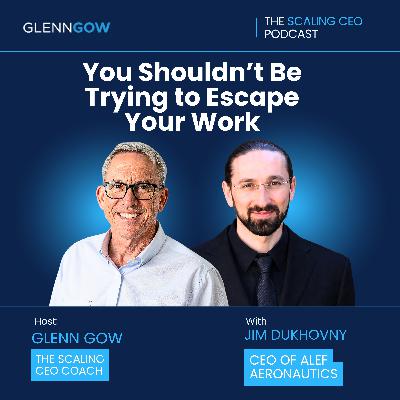
In this episode, I talk with Jim Dukhovny about what it really feels like to build something at an extreme scale, including leading a company developing a flying car. We discuss how passion removes the line between work and life, how to manage overwhelming demand with limited resources, and why leadership can look more like partnership than hierarchy. Jim also shares his thinking on decision-making, building from vision to reality, and where AI should, and should not, be used, especially in high-stakes environments where safety is critical.
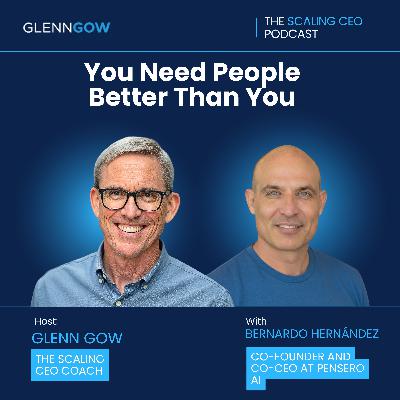
In this episode, I sit down with Bernardo Hernández to break down what really changes as you scale a company, from doing everything yourself to building a team that can outperform you. We talk about why execution is the real challenge in business, how to hire the right people for each stage of growth, and why transparency through metrics is critical, especially in areas like engineering. We also explore how CEOs should think about boards, leadership evolution, and how AI is reshaping companies faster than most organizations are ready to adapt.
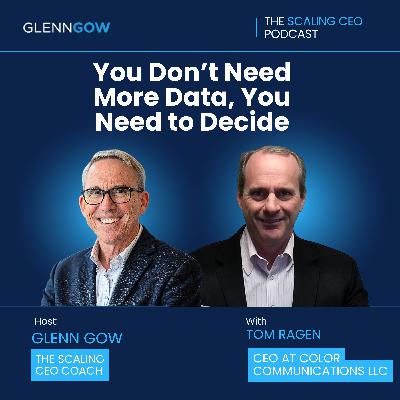
In this episode, I speak with Tom Ragen about one of the biggest bottlenecks for CEOs, which is waiting for perfect information before making decisions. We explore how this mindset slows down execution, how Tom learned to operate with just enough data, and why speed and adaptability matter more than certainty when scaling a company. We also discuss leadership growth, building teams that can solve problems without you, navigating acquisitions, and how to start using AI inside operations even if you’re not fully ready yet.
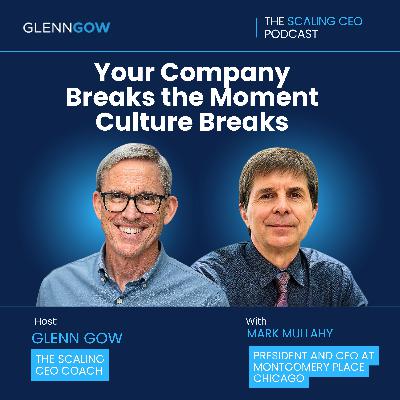
In this episode, I sit down with Mark Mullahy, CEO of Montgomery Place Chicago, to explore why culture is the foundation of any successful turnaround. We discuss how organizations fail when employees disconnect from the mission, why silos and lack of clarity break performance, and how leaders can rebuild alignment and trust. Mark also shares how to lead across multiple locations, adapt your leadership style, and maintain strong culture while scaling operations.
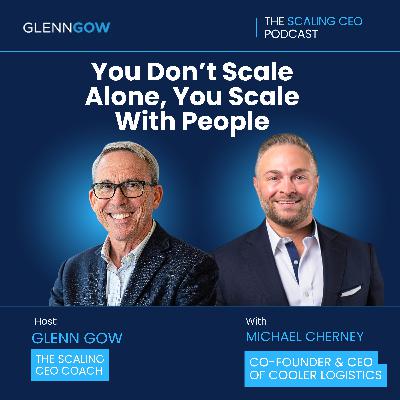
In this episode, I sit down with Michael Cherney, co-founder and CEO of Cooler Logistics, to talk about what it really takes to scale as a leader. We discuss the mistake of trying to do everything alone, why asking for help is a turning point for growth, and how building a team that challenges and supports you unlocks scale. Michael also shares insights on balancing process and flexibility, maintaining culture while growing, and using AI to improve efficiency without losing the human element.
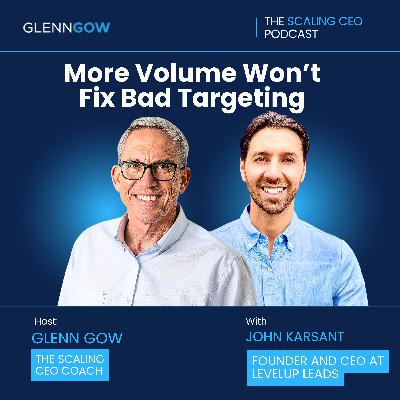
In this episode, I sit down with John Karsant, founder of LevelUp Leads, to break down a common mistake CEOs make when scaling sales. We talk about why increasing volume without clarity leads to poor results, how most companies misunderstand their ideal customer profile, and why traction should come before scale. John also shares how to refine messaging, delegate effectively, and free up your time so you can focus on growth instead of getting stuck in operations.
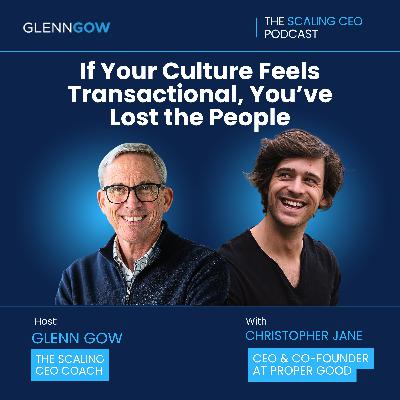
In this episode, I sit down with Christopher Jane, CEO of Proper Good, to talk about what really drives scale beyond strategy and execution. We unpack why business is fundamentally about people and how many teams become too transactional through Slack and email. Christopher shares how to build culture intentionally in a remote environment, why small teams can outperform when there is real connection, and how constraints like COVID forced sharper focus and better decisions while scaling a consumer brand.
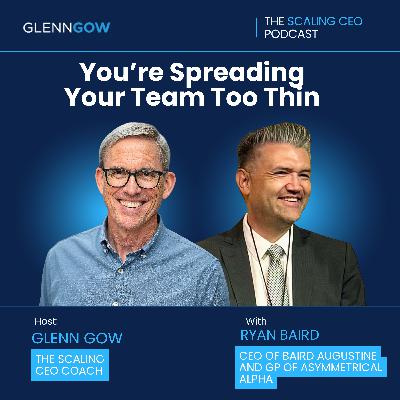
In this episode, I speak with Ryan Baird, CEO of Baird Augustine, about why resource allocation is one of the biggest challenges CEOs face. We break down how founders should think about capital, time, and people to drive growth. Ryan shares why spreading your team too thin can slow everything down. We also talk about risk, global expansion, and thinking like an investor as a CEO. We close with how AI is helping automate operations and improve efficiency.
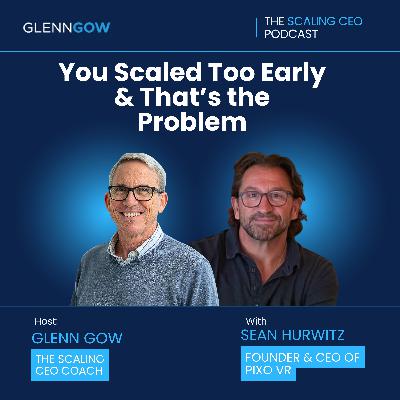
In this episode, I sit down with Sean Hurwitz, CEO of PIXO VR, to talk about why timing is everything when it comes to scaling. We discuss the risks of raising too much capital too early and why that can hurt long term growth. Sean explains what real product market fit looks like and why many founders get it wrong. We also talk about understanding market signals and evolving as a leader over time. We wrap up with how AI is changing the way companies build and scale products.
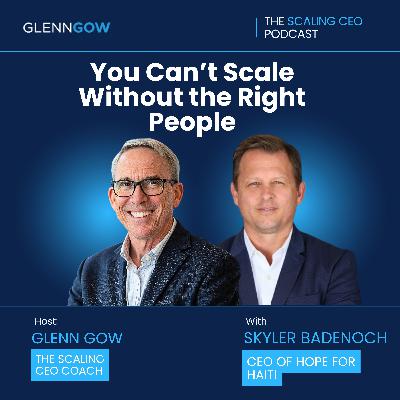
In this episode, I speak with Skyler Badenoch, CEO of Hope for Haiti, about what it really takes to scale an organization. We break down why hiring the right people and building an aligned team is critical for growth. He shares how partnerships and funding play a key role in scaling sustainably. We also talk about leadership, culture, and creating an environment where people can do their best work. We close with how he uses AI to improve efficiency and decision making.
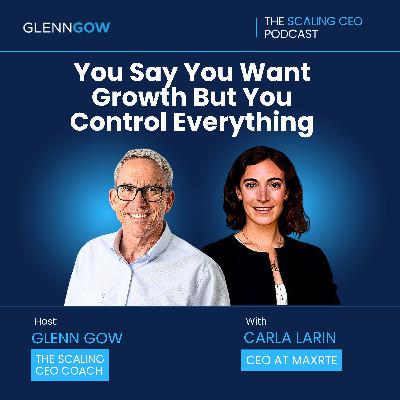
In this episode, I sit down with Carla Larin, CEO of maxRTE, to talk about why CEOs often become the bottleneck in their own growth. We discuss the shift from strategy to execution and what it really means to let go as a leader. Carla shares how hiring the right people and aligning incentives can unlock growth. We also get into building a sales function from zero and making better decisions over time. We close with how she is thinking about AI and staying focused on real customer problems.
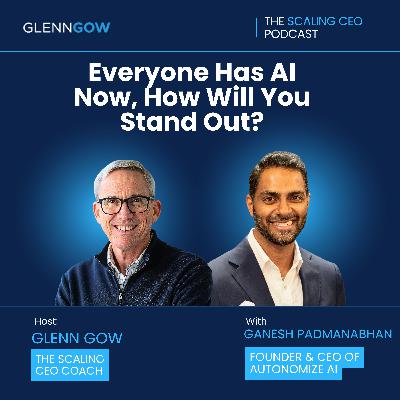
In this episode, I sit down with Ganesh Padmanabhan, CEO of Autonomize AI, to talk about how AI is changing the way companies scale and compete. We discuss why having access to the same tools is no longer an advantage, and why human agency and creativity are becoming the real differentiators. Ganesh also shares lessons from scaling inside large enterprises and startups, how to think about evolving product-market fit in the age of AI, and how leaders can use AI to improve both operations and decision-making.
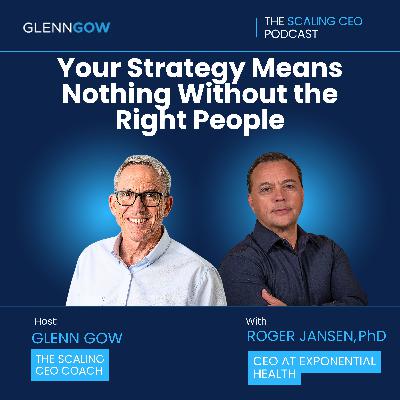
In this episode, I sit down with Roger Jansen, CEO of Exponential Health, to explore what really determines whether a company can execute and scale. We talk about why strategy alone is not enough, how talent is the true driver of execution, and why hiring the right people is more important than having the perfect plan. Roger also shares insights on leadership, building high-performing teams, avoiding hiring mistakes, and how CEOs can create a culture that drives performance and growth.
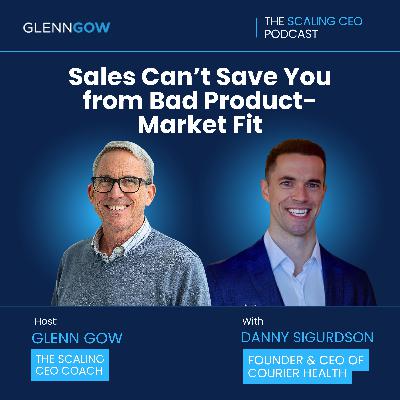
In this episode, I sit down with Danny Sigurdson, founder and CEO of Courier Health, to talk about what really drives successful scaling. We break down why product-market fit is the foundation of everything, how sales can sometimes hide deeper problems, and why founders need to be brutally honest about what they’re building and who it’s for. Danny also shares lessons from moving from sales leader to CEO, how to think about process at different stages, and why clarity, alignment, and communication are critical as your company grows.
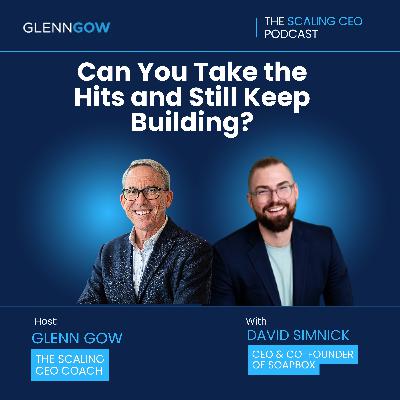
In this episode, I sit down with David Simnick, CEO of Soapbox, to break down what it really takes to build and scale a company over time. We talk about why grit matters more than talent, how founders fail when they can’t take pressure, and how to build a strong team instead of trying to do everything yourself. David also shares how he evaluates entrepreneurs as an investor, the importance of humility in leadership, and how to stay focused while growing a mission-driven business in a highly competitive market.
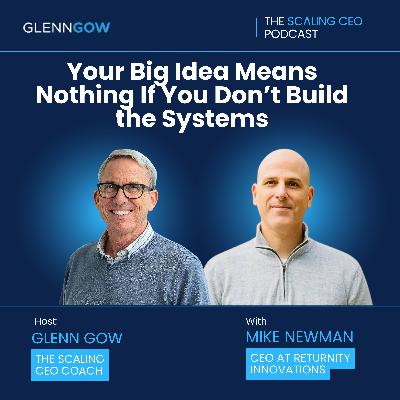
In this episode, I speak with Mike Newman, CEO of Returnity Innovations, about the realities of turning a big idea into a scalable business. Mike explains why many CEOs fall in love with their vision but underestimate the operational discipline required to build real growth. We discuss infrastructure, partnerships with large enterprises, simplifying your business model to scale faster, and how leaders must balance innovation with operational execution.

Comments

Download from Google Play

Download from App Store
 United States