


 Claim Ownership
The Diabetes Podcast®
Subscribed: 20Played: 205
Subscribe

© 2025 Empowered Diabetes
Description
Welcome to The Diabetes Podcast®, where we cut through the noise and bring you real talk about Type 2 diabetes, prediabetes, and the path to remission. Each week, we share expert insights, inspiring stories, and practical strategies to help you lower blood sugar, lose weight, regain energy, and reduce or even eliminate medications.
While our focus is on Type 2 diabetes, we also explore Type 1, chronic disease, and overall health; because managing diabetes is about more than numbers, it’s about reclaiming your life and thriving.
If you’re ready to move past myths, take control of your health, and find freedom on your diabetes journey, this podcast is for you.
While our focus is on Type 2 diabetes, we also explore Type 1, chronic disease, and overall health; because managing diabetes is about more than numbers, it’s about reclaiming your life and thriving.
If you’re ready to move past myths, take control of your health, and find freedom on your diabetes journey, this podcast is for you.
50 Episodes
Reverse
Love the podcast but hate taking notes? The Diabetes Podcast Blog compresses every episode into a bulleted, 10 minute read AND has the podcast embedded so you can listen as you read along! Check it out at https://empowereddiabetes.com/diabetes-podcast-blog
Today we open the Insulin Playbook. We skip “what is insulin” and show how it works as a medication. We explain the two jobs of insulin—basal (background) and bolus (mealtime and corrections). We unpack Total Daily Insulin (TDI) and how it powers your Insulin Calculator, the 1700 Rule (correction factor) and 450 Rule (carb ratio). We show why sliding scale keeps you chasing highs, how to spot over-basalization, and how carb ratios and correction factors help flatten spikes and lower A1C. We cover weight-based starts, timing before meals, and why a 50/50 split often works best. We talk pumps and automated insulin delivery, plus real-world cost tips (Regular and NPH at Walmart) and assistance programs.
Disclaimer:The information in this podcast is for educational and informational purposes only. It is not medical advice, diagnosis, or treatment, and it does not replace a one-on-one relationship with your physician or qualified healthcare professional. Always talk with your doctor, pharmacist, or care team before starting, stopping, or changing any medication, supplement, exercise plan, or nutrition plan—especially if you have diabetes, prediabetes, heart, liver, or kidney conditions, or take prescription drugs like metformin or insulin.Results vary from person to person. Examples, statistics, or studies are shared to educate, not to promise outcomes. Any discussion of medications, dosing, or side effects is general in nature and may not be appropriate for your specific situation. Do not ignore professional medical advice or delay seeking it because of something you read or heard here. If you think you are experiencing an emergency or severe side effects (such as persistent vomiting, severe diarrhea, signs of dehydration, allergic reaction, or symptoms of lactic acidosis), call your local emergency number or seek urgent care right away.We strive for accuracy, but health information changes over time. We make no guarantees regarding completeness, timeliness, or suitability of the content and assume no liability for actions taken or not taken based on this material. Use of this content is at your own risk.Links or references to third-party resources are provided for convenience and do not constitute endorsement. By reading, listening, or using this information, you agree to these terms and understand that you are responsible for your own health decisions in partnership with your licensed healthcare provider.

Love the podcast but hate taking notes? The Diabetes Podcast Blog compresses every episode into a bulleted, 10 minute read AND has the podcast embedded so you can listen as you read along! Check it out at https://empowereddiabetes.com/diabetes-podcast-blog
In this episode, we talk with Dr. Marshall Runge, CEO of Michigan Medicine and Dean of the University of Michigan Medical School. He shares his own weight story, two hip replacements, and how a GLP‑1 helped him lose 40+ pounds and keep it off. We explain how GLP‑1 and GIP drugs work on appetite and reward pathways, why they lower A1C, and how they cut heart attacks and strokes. We also cover why compounded GLP‑1s are not the same as FDA‑approved meds. Dr. Marshall Runge talks muscle health, strength training, and protein. We dig into prevention, food environments, PBMs, drug costs, and why a trusted primary care provider matters. Clear, candid, and full of hope.
Books: The Great Healthcare Distruption and Coded to Kill
LinkedIn: https://www.linkedin.com/in/marschallsrunge/
Disclaimer:The information in this podcast is for educational and informational purposes only. It is not medical advice, diagnosis, or treatment, and it does not replace a one-on-one relationship with your physician or qualified healthcare professional. Always talk with your doctor, pharmacist, or care team before starting, stopping, or changing any medication, supplement, exercise plan, or nutrition plan—especially if you have diabetes, prediabetes, heart, liver, or kidney conditions, or take prescription drugs like metformin or insulin.Results vary from person to person. Examples, statistics, or studies are shared to educate, not to promise outcomes. Any discussion of medications, dosing, or side effects is general in nature and may not be appropriate for your specific situation. Do not ignore professional medical advice or delay seeking it because of something you read or heard here. If you think you are experiencing an emergency or severe side effects (such as persistent vomiting, severe diarrhea, signs of dehydration, allergic reaction, or symptoms of lactic acidosis), call your local emergency number or seek urgent care right away.We strive for accuracy, but health information changes over time. We make no guarantees regarding completeness, timeliness, or suitability of the content and assume no liability for actions taken or not taken based on this material. Use of this content is at your own risk.Links or references to third-party resources are provided for convenience and do not constitute endorsement. By reading, listening, or using this information, you agree to these terms and understand that you are responsible for your own health decisions in partnership with your licensed healthcare provider.

Love the podcast but hate taking notes? The Diabetes Podcast Blog compresses every episode into a bulleted, 10 minute read AND has the podcast embedded so you can listen as you read along! Check it out at https://empowereddiabetes.com/diabetes-podcast-blog
In this episode, we say it plain: pre diabetes is diabetes. It’s the same process, just earlier. We explain what A1C 5.7–6.4 means, why waiting a year is risky, and how insulin resistance starts before diagnosis. You’ll hear the key labs to ask for (A1C, fasting glucose, fasting insulin), why muscle is your “glucose sponge,” and how 150 minutes of brisk movement plus two strength days can change your numbers. We share simple food wins: more fiber (25–35g), beans, whole fruits, intact grains, and fewer ultra‑processed foods. We cover sleep, realistic weight loss (5–10%), and a 7‑day action plan you can start now. This is your most reversible stage. Small steps, done often, lead to remission. Share this with someone who needs hope and a clear plan.
Disclaimer:The information in this podcast is for educational and informational purposes only. It is not medical advice, diagnosis, or treatment, and it does not replace a one-on-one relationship with your physician or qualified healthcare professional. Always talk with your doctor, pharmacist, or care team before starting, stopping, or changing any medication, supplement, exercise plan, or nutrition plan—especially if you have diabetes, prediabetes, heart, liver, or kidney conditions, or take prescription drugs like metformin or insulin.Results vary from person to person. Examples, statistics, or studies are shared to educate, not to promise outcomes. Any discussion of medications, dosing, or side effects is general in nature and may not be appropriate for your specific situation. Do not ignore professional medical advice or delay seeking it because of something you read or heard here. If you think you are experiencing an emergency or severe side effects (such as persistent vomiting, severe diarrhea, signs of dehydration, allergic reaction, or symptoms of lactic acidosis), call your local emergency number or seek urgent care right away.We strive for accuracy, but health information changes over time. We make no guarantees regarding completeness, timeliness, or suitability of the content and assume no liability for actions taken or not taken based on this material. Use of this content is at your own risk.Links or references to third-party resources are provided for convenience and do not constitute endorsement. By reading, listening, or using this information, you agree to these terms and understand that you are responsible for your own health decisions in partnership with your licensed healthcare provider.

Love the podcast but hate taking notes? The Diabetes Podcast Blog compresses every episode into a bulleted, 10 minute read AND has the podcast embedded so you can listen as you read along! Check it out at https://empowereddiabetes.com/diabetes-podcast-blogIn this episode, we talk with Dave Jeter, PT, about physical therapy and diabetes. We bust the myth that pain always means damage. Dave explains why a good physical exam often beats an MRI. We dig into knee pain and why hips and ankles matter. We cover frozen shoulder in diabetes and why flexibility is key. Dave shares a simple plan: train mobility, strength, endurance, and balance—especially balance after 60. We discuss neuropathy, why gadgets don’t cure it, and how cardio can help. You’ll learn when to try PT first, when surgery may help, and how small steps now protect your future. Action tips: add a balance snack, plan a weekly flexibility session, and walk most days. PT can help you move better, hurt less, and stay independent.You can find more information about Dave's clinics at https://accelerationphysicaltherapy.com and on Facebook at https://www.facebook.com/StartwithPT/
Disclaimer:The information in this podcast is for educational and informational purposes only. It is not medical advice, diagnosis, or treatment, and it does not replace a one-on-one relationship with your physician or qualified healthcare professional. Always talk with your doctor, pharmacist, or care team before starting, stopping, or changing any medication, supplement, exercise plan, or nutrition plan—especially if you have diabetes, prediabetes, heart, liver, or kidney conditions, or take prescription drugs like metformin or insulin.Results vary from person to person. Examples, statistics, or studies are shared to educate, not to promise outcomes. Any discussion of medications, dosing, or side effects is general in nature and may not be appropriate for your specific situation. Do not ignore professional medical advice or delay seeking it because of something you read or heard here. If you think you are experiencing an emergency or severe side effects (such as persistent vomiting, severe diarrhea, signs of dehydration, allergic reaction, or symptoms of lactic acidosis), call your local emergency number or seek urgent care right away.We strive for accuracy, but health information changes over time. We make no guarantees regarding completeness, timeliness, or suitability of the content and assume no liability for actions taken or not taken based on this material. Use of this content is at your own risk.Links or references to third-party resources are provided for convenience and do not constitute endorsement. By reading, listening, or using this information, you agree to these terms and understand that you are responsible for your own health decisions in partnership with your licensed healthcare provider.

Love the podcast but hate taking notes? The Diabetes Podcast Blog compresses every episode into a bulleted, 10 minute read AND has the podcast embedded so you can listen as you read along! Check it out at https://empowereddiabetes.com/diabetes-podcast-blogWe talk straight about erectile dysfunction and sexual changes in diabetes. This is not about desire. It’s about circulation. ED and reduced arousal/lubrication are often the first sign of endothelial dysfunction—sometimes years before other problems. We cover how nitric oxide works, why diabetes turns that signal down, and why PDE5 drugs help but don’t repair vessels. Good news: blood vessels are living tissue and respond fast. In days to weeks, movement and better glucose habits improve function. We share real steps: a 2–10 minute walk after meals, steady “zone 2” cardio, simple resistance work, and foods that boost nitric oxide (arugula, spinach, beets, berries, olive oil, omega‑3s, seeds). We cover men’s and women’s symptoms, the shame spiral, and why open talk matters.
Disclaimer:The information in this podcast is for educational and informational purposes only. It is not medical advice, diagnosis, or treatment, and it does not replace a one-on-one relationship with your physician or qualified healthcare professional. Always talk with your doctor, pharmacist, or care team before starting, stopping, or changing any medication, supplement, exercise plan, or nutrition plan—especially if you have diabetes, prediabetes, heart, liver, or kidney conditions, or take prescription drugs like metformin or insulin.Results vary from person to person. Examples, statistics, or studies are shared to educate, not to promise outcomes. Any discussion of medications, dosing, or side effects is general in nature and may not be appropriate for your specific situation. Do not ignore professional medical advice or delay seeking it because of something you read or heard here. If you think you are experiencing an emergency or severe side effects (such as persistent vomiting, severe diarrhea, signs of dehydration, allergic reaction, or symptoms of lactic acidosis), call your local emergency number or seek urgent care right away.We strive for accuracy, but health information changes over time. We make no guarantees regarding completeness, timeliness, or suitability of the content and assume no liability for actions taken or not taken based on this material. Use of this content is at your own risk.Links or references to third-party resources are provided for convenience and do not constitute endorsement. By reading, listening, or using this information, you agree to these terms and understand that you are responsible for your own health decisions in partnership with your licensed healthcare provider.

Love the podcast but hate taking notes? The Diabetes Podcast Blog compresses every episode into a bulleted, 10 minute read AND has the podcast embedded so you can listen as you read along! Check it out at https://empowereddiabetes.com/diabetes-podcast-blogIn this episode, Richie and Amber talk with diabetes doctor Dr. Cheri Ogwo. She shares a simple, strong plan: listen first, act fast, and tailor care to you. We go beyond A1C to look at urine protein, creatinine, GFR, cholesterol, and after-meal spikes. We dig into insulin resistance, inflammation, and how low-carb steps can help without going extreme. We cover CGMs (Dexcom, Libre), pump pros and cons, alarm anxiety, and real costs. We talk stress, sleep, and morning highs. We discuss metformin facts, prior authorizations, and how to handle insurance hurdles. Dr. Ogwo explains why two people with the same A1C can have very different risks, and why time-in-range matters. You’ll hear clear wins you can start today: one food swap, one 10-minute walk, and using your data to guide change. Diabetes is not a death sentence. With the right plan and team, you can feel better fast.You can find Dr. Ogwo on TikTok @cheri.o.mdor her practice at SugarPros.com
Disclaimer:The information in this podcast is for educational and informational purposes only. It is not medical advice, diagnosis, or treatment, and it does not replace a one-on-one relationship with your physician or qualified healthcare professional. Always talk with your doctor, pharmacist, or care team before starting, stopping, or changing any medication, supplement, exercise plan, or nutrition plan—especially if you have diabetes, prediabetes, heart, liver, or kidney conditions, or take prescription drugs like metformin or insulin.Results vary from person to person. Examples, statistics, or studies are shared to educate, not to promise outcomes. Any discussion of medications, dosing, or side effects is general in nature and may not be appropriate for your specific situation. Do not ignore professional medical advice or delay seeking it because of something you read or heard here. If you think you are experiencing an emergency or severe side effects (such as persistent vomiting, severe diarrhea, signs of dehydration, allergic reaction, or symptoms of lactic acidosis), call your local emergency number or seek urgent care right away.We strive for accuracy, but health information changes over time. We make no guarantees regarding completeness, timeliness, or suitability of the content and assume no liability for actions taken or not taken based on this material. Use of this content is at your own risk.Links or references to third-party resources are provided for convenience and do not constitute endorsement. By reading, listening, or using this information, you agree to these terms and understand that you are responsible for your own health decisions in partnership with your licensed healthcare provider.
Love the podcast but hate taking notes? The Diabetes Podcast Blog compresses every episode into a bulleted, 10 minute read AND has the podcast embedded so you can listen as you read along! Check it out at https://empowereddiabetes.com/diabetes-podcast-blogIn this episode of The Diabetes Podcast®, we focus on healing when life is loud and stressful. Amber opens up about feeling shaken by the world and how chronic stress impacts blood sugar, insulin resistance, cravings, sleep, and mood. We share simple anchors to protect focus: shrink the frame (one meal, one walk, one early bedtime), remove decision fatigue (same breakfast, same grocery list, same movement window), regulate before you learn (protein and fiber first meal, morning light, gentle movement, slow breathing), and treat focus as an act of resistance. We also use the Eisenhower Matrix to redirect time from “urgent but not important” to what truly heals. Whether you’re aiming for type 2 diabetes remission or managing type 1 or other diabetes, you are not alone. Healing is possible—one day at a time.
Disclaimer:The information in this podcast is for educational and informational purposes only. It is not medical advice, diagnosis, or treatment, and it does not replace a one-on-one relationship with your physician or qualified healthcare professional. Always talk with your doctor, pharmacist, or care team before starting, stopping, or changing any medication, supplement, exercise plan, or nutrition plan—especially if you have diabetes, prediabetes, heart, liver, or kidney conditions, or take prescription drugs like metformin or insulin.Results vary from person to person. Examples, statistics, or studies are shared to educate, not to promise outcomes. Any discussion of medications, dosing, or side effects is general in nature and may not be appropriate for your specific situation. Do not ignore professional medical advice or delay seeking it because of something you read or heard here. If you think you are experiencing an emergency or severe side effects (such as persistent vomiting, severe diarrhea, signs of dehydration, allergic reaction, or symptoms of lactic acidosis), call your local emergency number or seek urgent care right away.We strive for accuracy, but health information changes over time. We make no guarantees regarding completeness, timeliness, or suitability of the content and assume no liability for actions taken or not taken based on this material. Use of this content is at your own risk.Links or references to third-party resources are provided for convenience and do not constitute endorsement. By reading, listening, or using this information, you agree to these terms and understand that you are responsible for your own health decisions in partnership with your licensed healthcare provider.

Love the podcast but hate taking notes? The Diabetes Podcast Blog compresses every episode into a bulleted, 10 minute read AND has the podcast embedded so you can listen as you read along! Check it out at https://empowereddiabetes.com/diabetes-podcast-blogIn this episode, we talk with Philip Pape of the Wits and Weights podcast about diabetes strength training and how muscle changes blood sugar. We cover why lifting boosts insulin sensitivity for up to 72 hours, how walking after meals lowers spikes, and how to start safely with chair squats, goblet squats, and deadlifts. We dig into reps in reserve, progressive overload, and bracing. We talk pain, past injuries, and why movement is medicine. We unpack carbs, protein, GLUT4, CGMs, and why context matters. We share our simple system: one big lever at a time and three plans—optimal, minimum, and bailout—so you never hit zero. Sleep and stress? Huge. Results come faster when you stack walking, lifting, and sleep.Listen to the Wits and Weights Podcast hereThe Diabetes Podcast® listeners can get 20% off the Wits and Weights App here
Disclaimer:The information in this podcast is for educational and informational purposes only. It is not medical advice, diagnosis, or treatment, and it does not replace a one-on-one relationship with your physician or qualified healthcare professional. Always talk with your doctor, pharmacist, or care team before starting, stopping, or changing any medication, supplement, exercise plan, or nutrition plan—especially if you have diabetes, prediabetes, heart, liver, or kidney conditions, or take prescription drugs like metformin or insulin.Results vary from person to person. Examples, statistics, or studies are shared to educate, not to promise outcomes. Any discussion of medications, dosing, or side effects is general in nature and may not be appropriate for your specific situation. Do not ignore professional medical advice or delay seeking it because of something you read or heard here. If you think you are experiencing an emergency or severe side effects (such as persistent vomiting, severe diarrhea, signs of dehydration, allergic reaction, or symptoms of lactic acidosis), call your local emergency number or seek urgent care right away.We strive for accuracy, but health information changes over time. We make no guarantees regarding completeness, timeliness, or suitability of the content and assume no liability for actions taken or not taken based on this material. Use of this content is at your own risk.Links or references to third-party resources are provided for convenience and do not constitute endorsement. By reading, listening, or using this information, you agree to these terms and understand that you are responsible for your own health decisions in partnership with your licensed healthcare provider.

Love the podcast but hate taking notes? The Diabetes Podcast Blog compresses every episode into a bulleted, 10 minute read AND has the podcast embedded so you can listen as you read along! Check it out at https://empowereddiabetes.com/diabetes-podcast-blogIn this episode, we unpack lymphatic system function and why it matters for diabetes. Lymph moves when you move. We cover how calves act like a second heart, why posture and deep breathing boost flow, and how post-meal walks lower glucose and clear inflammation. No pill or detox can replace daily movement.What you’ll learn:Why the lymphatic system is your “third heart”How lymph, blood vessels, and lymph nodes work togetherCalves as a pump to move fluid against gravityThe river vs. pond analogy: movement vs. stagnationHow lymph flow helps insulin resistance and glucose controlThe impact of visceral fat and high glucose on lymph vesselsSimple habits: hydrate, break up sitting, walk after meals, breathe deeper, do toe raisesAction plan:Move every 30–60 minutesWalk 10–15 minutes after mealsUse your calves dailyPractice slow, full rib breathsAim for a movement-rich day, not just one workout
Disclaimer:The information in this podcast is for educational and informational purposes only. It is not medical advice, diagnosis, or treatment, and it does not replace a one-on-one relationship with your physician or qualified healthcare professional. Always talk with your doctor, pharmacist, or care team before starting, stopping, or changing any medication, supplement, exercise plan, or nutrition plan—especially if you have diabetes, prediabetes, heart, liver, or kidney conditions, or take prescription drugs like metformin or insulin.Results vary from person to person. Examples, statistics, or studies are shared to educate, not to promise outcomes. Any discussion of medications, dosing, or side effects is general in nature and may not be appropriate for your specific situation. Do not ignore professional medical advice or delay seeking it because of something you read or heard here. If you think you are experiencing an emergency or severe side effects (such as persistent vomiting, severe diarrhea, signs of dehydration, allergic reaction, or symptoms of lactic acidosis), call your local emergency number or seek urgent care right away.We strive for accuracy, but health information changes over time. We make no guarantees regarding completeness, timeliness, or suitability of the content and assume no liability for actions taken or not taken based on this material. Use of this content is at your own risk.Links or references to third-party resources are provided for convenience and do not constitute endorsement. By reading, listening, or using this information, you agree to these terms and understand that you are responsible for your own health decisions in partnership with your licensed healthcare provider.
Love the podcast but hate taking notes? The Diabetes Podcast Blog compresses every episode into a bulleted, 10 minute read AND has the podcast embedded so you can listen as you read along! Check it out at https://empowereddiabetes.com/diabetes-podcast-blogIn this episode, we dig into the weight loss mindset with Dr. Pavi Kundhal, author of “Shift Your Mind to Shift Your Weight.” We talk about bariatric surgery and GLP‑1s as tools—not magic—and why habits, mindfulness, and environment design drive long-term results. Learn simple steps: protein first, veggies next, carbs last; cut liquid calories; start with 5–10 minute walks; and collect small, daily wins. We cover weight gain enablers (delivery apps, screens, ultra‑processed foods), how to handle plateaus, and building trust with your care team. We also share non‑scale victories and a 7‑day starter plan. If you’ve ever said “I know what to do, I just can’t do it,” this talk gives you clear, simple actions to get unstuck and support type 2 or prediabetes goals.Website: https://www.peelweightlossclinic.comBook: Amazon Barnes and NobleInstagram: https://www.instagram.com/peelweightlossclinic/
Disclaimer:The information in this podcast is for educational and informational purposes only. It is not medical advice, diagnosis, or treatment, and it does not replace a one-on-one relationship with your physician or qualified healthcare professional. Always talk with your doctor, pharmacist, or care team before starting, stopping, or changing any medication, supplement, exercise plan, or nutrition plan—especially if you have diabetes, prediabetes, heart, liver, or kidney conditions, or take prescription drugs like metformin or insulin.Results vary from person to person. Examples, statistics, or studies are shared to educate, not to promise outcomes. Any discussion of medications, dosing, or side effects is general in nature and may not be appropriate for your specific situation. Do not ignore professional medical advice or delay seeking it because of something you read or heard here. If you think you are experiencing an emergency or severe side effects (such as persistent vomiting, severe diarrhea, signs of dehydration, allergic reaction, or symptoms of lactic acidosis), call your local emergency number or seek urgent care right away.We strive for accuracy, but health information changes over time. We make no guarantees regarding completeness, timeliness, or suitability of the content and assume no liability for actions taken or not taken based on this material. Use of this content is at your own risk.Links or references to third-party resources are provided for convenience and do not constitute endorsement. By reading, listening, or using this information, you agree to these terms and understand that you are responsible for your own health decisions in partnership with your licensed healthcare provider.

Love the podcast but hate taking notes? The Diabetes Podcast Blog compresses every episode into a bulleted, 10 minute read AND has the podcast embedded so you can listen as you read along! Check it out at https://empowereddiabetes.com/diabetes-podcast-blogWhat produces high cholesterol? In this episode, we break down the real drivers: insulin resistance, fatty liver, visceral fat, stress, poor sleep, and ultra-processed foods. We explain why your liver makes most cholesterol, how LDL, HDL, VLDL, and ApoB shape risk, and why triglycerides and a high TG:HDL ratio are early warning lights—often years before diabetes. We share family stories, why low HDL is a red flag, and how stress can tip stable plaque into a heart attack. We also clear up myths about eggs and seed oils. Tools that work: fiber (25–50g/day), daily movement, strength training, weight loss when needed, better sleep, stress care, and meds when needed (statins, ezetimibe, PCSK9s, bempedoic acid). Meds are scaffolding—lifestyle builds the house.
Disclaimer:The information in this podcast is for educational and informational purposes only. It is not medical advice, diagnosis, or treatment, and it does not replace a one-on-one relationship with your physician or qualified healthcare professional. Always talk with your doctor, pharmacist, or care team before starting, stopping, or changing any medication, supplement, exercise plan, or nutrition plan—especially if you have diabetes, prediabetes, heart, liver, or kidney conditions, or take prescription drugs like metformin or insulin.Results vary from person to person. Examples, statistics, or studies are shared to educate, not to promise outcomes. Any discussion of medications, dosing, or side effects is general in nature and may not be appropriate for your specific situation. Do not ignore professional medical advice or delay seeking it because of something you read or heard here. If you think you are experiencing an emergency or severe side effects (such as persistent vomiting, severe diarrhea, signs of dehydration, allergic reaction, or symptoms of lactic acidosis), call your local emergency number or seek urgent care right away.We strive for accuracy, but health information changes over time. We make no guarantees regarding completeness, timeliness, or suitability of the content and assume no liability for actions taken or not taken based on this material. Use of this content is at your own risk.Links or references to third-party resources are provided for convenience and do not constitute endorsement. By reading, listening, or using this information, you agree to these terms and understand that you are responsible for your own health decisions in partnership with your licensed healthcare provider.

Love the podcast but hate taking notes? The Diabetes Podcast Blog compresses every episode into a bulleted, 10 minute read AND has the podcast embedded so you can listen as you read along! Check it out at https://empowereddiabetes.com/diabetes-podcast-blogHigh-energy episode with Fitz Koehler, author of You – Supercharged. We dig into simple fitness for diabetes: strength, cardio, flexibility, and balance—done your way, starting today. Fitz calls out diet scams, explains why muscle is “free medicine,” and shows how 1% daily gains beat every crash plan. We talk Morning Mile in 400+ schools, GLP‑1 pros/cons, starting from a chair or bed, and how races welcome walkers too. Plus: sleep, mindset, and why intramural sports can change schools and lives.What you’ll learn:Four pillars: strength, cardio, flexibility, balanceWhy muscle boosts metabolism and protects bonesThe truth about diets, supplements, and GLP‑1 side effectsHow to start: chair/bed moves, walking, simple strengthMorning Mile impact and how to bring it to your schoolCommunity wins: walk a 1‑mile or 5K at your paceMinimum system: nutrition, exercise, sleepLinks:Book: You. Supercharged! at fitzness.com (autographed) or AmazonMorning Mile: morningmile.com
Disclaimer:The information in this podcast is for educational and informational purposes only. It is not medical advice, diagnosis, or treatment, and it does not replace a one-on-one relationship with your physician or qualified healthcare professional. Always talk with your doctor, pharmacist, or care team before starting, stopping, or changing any medication, supplement, exercise plan, or nutrition plan—especially if you have diabetes, prediabetes, heart, liver, or kidney conditions, or take prescription drugs like metformin or insulin.Results vary from person to person. Examples, statistics, or studies are shared to educate, not to promise outcomes. Any discussion of medications, dosing, or side effects is general in nature and may not be appropriate for your specific situation. Do not ignore professional medical advice or delay seeking it because of something you read or heard here. If you think you are experiencing an emergency or severe side effects (such as persistent vomiting, severe diarrhea, signs of dehydration, allergic reaction, or symptoms of lactic acidosis), call your local emergency number or seek urgent care right away.We strive for accuracy, but health information changes over time. We make no guarantees regarding completeness, timeliness, or suitability of the content and assume no liability for actions taken or not taken based on this material. Use of this content is at your own risk.Links or references to third-party resources are provided for convenience and do not constitute endorsement. By reading, listening, or using this information, you agree to these terms and understand that you are responsible for your own health decisions in partnership with your licensed healthcare provider.

Love the podcast but hate taking notes? The Diabetes Podcast Blog compresses every episode into a bulleted, 10 minute read AND has the podcast embedded so you can listen as you read along! Check it out at https://empowereddiabetes.com/diabetes-podcast-blogIn this episode, we break down lipids function in diabetes in plain language. We explain the “boats” (lipoproteins) that carry fat: chylomicrons, VLDL, IDL, LDL, and HDL. We share why LDL can look “okay” while risk stays high, and why ApoB particle number matters more than LDL-C. We cover the triglyceride-to-HDL ratio as a simple insulin resistance marker, fatty liver without alcohol, and how insulin resistance rewires lipid metabolism. We talk about ceramides as “danger signals,” adiponectin, and diabetes dyslipidemia. Then we give practical steps: move daily, eat more fiber, choose a Mediterranean-style pattern, reduce saturated fat and simple sugars, sleep better, and consider testing ApoB and Lp(a). Small changes can lower VLDL, remnants, ApoB, and raise HDL. Lipid overload is reversible.
Disclaimer:The information in this podcast is for educational and informational purposes only. It is not medical advice, diagnosis, or treatment, and it does not replace a one-on-one relationship with your physician or qualified healthcare professional. Always talk with your doctor, pharmacist, or care team before starting, stopping, or changing any medication, supplement, exercise plan, or nutrition plan—especially if you have diabetes, prediabetes, heart, liver, or kidney conditions, or take prescription drugs like metformin or insulin.Results vary from person to person. Examples, statistics, or studies are shared to educate, not to promise outcomes. Any discussion of medications, dosing, or side effects is general in nature and may not be appropriate for your specific situation. Do not ignore professional medical advice or delay seeking it because of something you read or heard here. If you think you are experiencing an emergency or severe side effects (such as persistent vomiting, severe diarrhea, signs of dehydration, allergic reaction, or symptoms of lactic acidosis), call your local emergency number or seek urgent care right away.We strive for accuracy, but health information changes over time. We make no guarantees regarding completeness, timeliness, or suitability of the content and assume no liability for actions taken or not taken based on this material. Use of this content is at your own risk.Links or references to third-party resources are provided for convenience and do not constitute endorsement. By reading, listening, or using this information, you agree to these terms and understand that you are responsible for your own health decisions in partnership with your licensed healthcare provider.

Love the podcast but hate taking notes? The Diabetes Podcast Blog compresses every episode into a bulleted, 10 minute read AND has the podcast embedded so you can listen as you read along! Check it out at https://empowereddiabetes.com/diabetes-podcast-blogDr. Evan Nadler:Website: https://www.obesityexplained.com https://www.procaretelehealth.comYouTube: https://www.youtube.com/@obesityexplainedInstagram: https://www.instagram.com/obesity_explainedChildhood obesity levels are rising, but there is hope. In this episode, Dr. Evan P. Nadler, a pioneer in pediatric obesity care, explains why words matter (“child with obesity”), how genetics and epigenetics shape risk, and why two teens at the same BMI can have very different health. We cover people-first language, type 1 vs. type 2 diabetes in kids, monogenic vs. polygenic obesity, and the power of removing sugar-sweetened drinks at home. Learn how to build an “in‑home biodome,” why family support beats blame, when medicines or surgery help, and how schools, SNAP policy, and walkable spaces fit in. Dr. Nadler shares clear, practical steps for parents, pediatricians, and young adults planning a family.
Disclaimer:The information in this podcast is for educational and informational purposes only. It is not medical advice, diagnosis, or treatment, and it does not replace a one-on-one relationship with your physician or qualified healthcare professional. Always talk with your doctor, pharmacist, or care team before starting, stopping, or changing any medication, supplement, exercise plan, or nutrition plan—especially if you have diabetes, prediabetes, heart, liver, or kidney conditions, or take prescription drugs like metformin or insulin.Results vary from person to person. Examples, statistics, or studies are shared to educate, not to promise outcomes. Any discussion of medications, dosing, or side effects is general in nature and may not be appropriate for your specific situation. Do not ignore professional medical advice or delay seeking it because of something you read or heard here. If you think you are experiencing an emergency or severe side effects (such as persistent vomiting, severe diarrhea, signs of dehydration, allergic reaction, or symptoms of lactic acidosis), call your local emergency number or seek urgent care right away.We strive for accuracy, but health information changes over time. We make no guarantees regarding completeness, timeliness, or suitability of the content and assume no liability for actions taken or not taken based on this material. Use of this content is at your own risk.Links or references to third-party resources are provided for convenience and do not constitute endorsement. By reading, listening, or using this information, you agree to these terms and understand that you are responsible for your own health decisions in partnership with your licensed healthcare provider.

Love the podcast but hate taking notes? The Diabetes Podcast Blog compresses every episode into a bulleted, 10 minute read AND has the podcast embedded so you can listen as you read along! Check it out at https://empowereddiabetes.com/diabetes-podcast-blogIn this episode, we break down neuropathies in diabetes in clear, real-life terms. We cover what nerves need to stay healthy, why high and unstable blood sugar hurts nerves, and the four types: peripheral, autonomic, proximal, and focal. We talk real symptoms—burning feet, numb toes, pins and needles—and the emotional side, too.You’ll learn simple, proven steps to slow nerve damage: daily foot checks, shoes that fit, high fiber meals (yes, beans!), Mediterranean-style eating, plant omega-3s, and short walks after meals. We explain how movement snacks, strength training, and good sleep help nerves heal. We also discuss meds that reduce pain and meds that improve metabolism, and how to pair them with lifestyle for better results.Takeaway: smoother glucose curves = calmer nerves. Early action can improve symptoms. Later stages can be slowed. You’re not alone—and there is real hope.How to Row Video: https://youtu.be/4zWu1yuJ0_g?si=xkVQeZ7RwN45w2Zo
Disclaimer:The information in this podcast is for educational and informational purposes only. It is not medical advice, diagnosis, or treatment, and it does not replace a one-on-one relationship with your physician or qualified healthcare professional. Always talk with your doctor, pharmacist, or care team before starting, stopping, or changing any medication, supplement, exercise plan, or nutrition plan—especially if you have diabetes, prediabetes, heart, liver, or kidney conditions, or take prescription drugs like metformin or insulin.Results vary from person to person. Examples, statistics, or studies are shared to educate, not to promise outcomes. Any discussion of medications, dosing, or side effects is general in nature and may not be appropriate for your specific situation. Do not ignore professional medical advice or delay seeking it because of something you read or heard here. If you think you are experiencing an emergency or severe side effects (such as persistent vomiting, severe diarrhea, signs of dehydration, allergic reaction, or symptoms of lactic acidosis), call your local emergency number or seek urgent care right away.We strive for accuracy, but health information changes over time. We make no guarantees regarding completeness, timeliness, or suitability of the content and assume no liability for actions taken or not taken based on this material. Use of this content is at your own risk.Links or references to third-party resources are provided for convenience and do not constitute endorsement. By reading, listening, or using this information, you agree to these terms and understand that you are responsible for your own health decisions in partnership with your licensed healthcare provider.
Love the podcast but hate taking notes? The Diabetes Podcast Blog compresses every episode into a bulleted, 10 minute read AND has the podcast embedded so you can listen as you read along! Check it out at https://empowereddiabetes.com/diabetes-podcast-blogLooking for diabetes dessert recipes easy enough for busy nights? In this episode, we talk with Lynne Bowman, author of Brownies for Breakfast. Lynne shares her journey from gestational diabetes to joyful habits that last. We cover greens three times a day, simple swaps to cut sugar, and why allulose shines for pies and brownies. Learn Lynne’s Genius Soup method to clean your fridge and feed your family all week, a 2‑ingredient tahini balsamic dressing, and “popcorn of the gods” with truffle salt and nutritional yeast. We talk inflammation, ultra‑processed foods, metformin and longevity, and why strong muscles protect aging bones. Plus, holiday help: silken tofu pumpkin pie and sugar‑free apple pie the whole family will love. No separate “diabetic” meals—eat together and make it fun.
Disclaimer:The information in this podcast is for educational and informational purposes only. It is not medical advice, diagnosis, or treatment, and it does not replace a one-on-one relationship with your physician or qualified healthcare professional. Always talk with your doctor, pharmacist, or care team before starting, stopping, or changing any medication, supplement, exercise plan, or nutrition plan—especially if you have diabetes, prediabetes, heart, liver, or kidney conditions, or take prescription drugs like metformin or insulin.Results vary from person to person. Examples, statistics, or studies are shared to educate, not to promise outcomes. Any discussion of medications, dosing, or side effects is general in nature and may not be appropriate for your specific situation. Do not ignore professional medical advice or delay seeking it because of something you read or heard here. If you think you are experiencing an emergency or severe side effects (such as persistent vomiting, severe diarrhea, signs of dehydration, allergic reaction, or symptoms of lactic acidosis), call your local emergency number or seek urgent care right away.We strive for accuracy, but health information changes over time. We make no guarantees regarding completeness, timeliness, or suitability of the content and assume no liability for actions taken or not taken based on this material. Use of this content is at your own risk.Links or references to third-party resources are provided for convenience and do not constitute endorsement. By reading, listening, or using this information, you agree to these terms and understand that you are responsible for your own health decisions in partnership with your licensed healthcare provider.
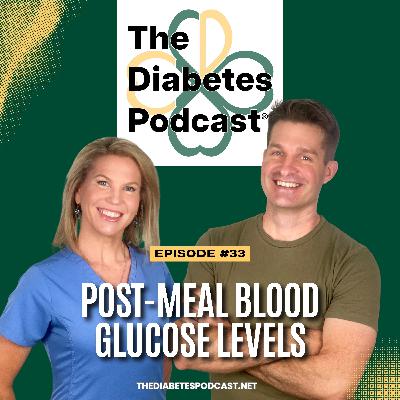
Love the podcast but hate taking notes? The Diabetes Podcast Blog compresses every episode into a bulleted, 10 minute read AND has the podcast embedded so you can listen as you read along! Check it out at https://empowereddiabetes.com/diabetes-podcast-blogWe dig into diabetes after meal blood glucose levels and what “normal” looks like on a CGM. Learn why a healthy peak is usually under 140 mg/dL and back down by 2 hours, and why repeated 160–200 spikes point to early insulin resistance or a meal–metabolism mismatch. We break down the big levers: muscle mass (your #1 glucose sink), mixed meals (protein, fiber, healthy fats), non-starchy veggies first, and simple walks after eating. We also cover sleep, stress, hormones, and genetics, plus the waist-to-hip ratio to spot hidden visceral fat. Get clear, simple steps to flatten spikes fast: pair carbs with protein, add fiber, choose intact whole grains, walk 10 minutes after meals, strength train 2–3x/week, sleep 7+ hours, and limit refined carbs. Real talk, real science—take action now to lower postprandial glucose and protect your health.
Disclaimer:The information in this podcast is for educational and informational purposes only. It is not medical advice, diagnosis, or treatment, and it does not replace a one-on-one relationship with your physician or qualified healthcare professional. Always talk with your doctor, pharmacist, or care team before starting, stopping, or changing any medication, supplement, exercise plan, or nutrition plan—especially if you have diabetes, prediabetes, heart, liver, or kidney conditions, or take prescription drugs like metformin or insulin.Results vary from person to person. Examples, statistics, or studies are shared to educate, not to promise outcomes. Any discussion of medications, dosing, or side effects is general in nature and may not be appropriate for your specific situation. Do not ignore professional medical advice or delay seeking it because of something you read or heard here. If you think you are experiencing an emergency or severe side effects (such as persistent vomiting, severe diarrhea, signs of dehydration, allergic reaction, or symptoms of lactic acidosis), call your local emergency number or seek urgent care right away.We strive for accuracy, but health information changes over time. We make no guarantees regarding completeness, timeliness, or suitability of the content and assume no liability for actions taken or not taken based on this material. Use of this content is at your own risk.Links or references to third-party resources are provided for convenience and do not constitute endorsement. By reading, listening, or using this information, you agree to these terms and understand that you are responsible for your own health decisions in partnership with your licensed healthcare provider.

Love the podcast but hate taking notes? The Diabetes Podcast Blog compresses every episode into a bulleted, 10 minute read AND has the podcast embedded so you can listen as you read along! Check it out at https://empowereddiabetes.com/diabetes-podcast-blogIn this episode, we talk with Dr. Sajid Khan about insulin therapy for type 2 diabetes and why tech matters. We cover automated insulin delivery, tubeless pumps like Omnipod, and CGMs that turn numbers into daily choices. Dr. Khan shares why many patients are moving from multiple daily shots to pumps, how to talk about insulin without shame, and what truly prevents complications in the heart, kidneys, eyes, and feet.We dig into GLP-1s and SGLT2s for cardiorenal protection, when insulin is the right move, and how pumps cut dosing errors and stress. We also discuss remission—what helps, what gets in the way, and how motivation and environment play a role. Plus: inhaled insulin options, ADA guidance on AID for insulin users, and practical tips for access and referrals.
Disclaimer:The information in this podcast is for educational and informational purposes only. It is not medical advice, diagnosis, or treatment, and it does not replace a one-on-one relationship with your physician or qualified healthcare professional. Always talk with your doctor, pharmacist, or care team before starting, stopping, or changing any medication, supplement, exercise plan, or nutrition plan—especially if you have diabetes, prediabetes, heart, liver, or kidney conditions, or take prescription drugs like metformin or insulin.Results vary from person to person. Examples, statistics, or studies are shared to educate, not to promise outcomes. Any discussion of medications, dosing, or side effects is general in nature and may not be appropriate for your specific situation. Do not ignore professional medical advice or delay seeking it because of something you read or heard here. If you think you are experiencing an emergency or severe side effects (such as persistent vomiting, severe diarrhea, signs of dehydration, allergic reaction, or symptoms of lactic acidosis), call your local emergency number or seek urgent care right away.We strive for accuracy, but health information changes over time. We make no guarantees regarding completeness, timeliness, or suitability of the content and assume no liability for actions taken or not taken based on this material. Use of this content is at your own risk.Links or references to third-party resources are provided for convenience and do not constitute endorsement. By reading, listening, or using this information, you agree to these terms and understand that you are responsible for your own health decisions in partnership with your licensed healthcare provider.

Love the podcast but hate taking notes? The Diabetes Podcast Blog compresses every episode into a bulleted, 10 minute read AND has the podcast embedded so you can listen as you read along! Check it out at https://empowereddiabetes.com/diabetes-podcast-blogMost people do diabetes backwards. They pour energy into tiny things that don’t matter. In this episode, we break down the law of 80/20 (Pareto principle) for type 2 diabetes remission. We call out common traps—organic hype, cutting all fruit, berberine over metformin, seed oils, and fancy salts. Then we show the real 20%: balanced meals built on protein, fiber, color, and smart carbs; walking after meals; lifting when you can; better sleep; and simple stress tools. We explain refined vs whole grains, why fruit helps (hello, fiber and phytonutrients), and why walking is a daily superpower. No detox. No miracle pill. Just proven habits you can repeat. Start small: a 10–20 minute walk after dinner, one more veggie and bean serving, or 30 minutes more sleep. Consistency beats intensity. That’s how you lower A1C, steady blood sugar, and build real health that lasts.
Disclaimer:The information in this podcast is for educational and informational purposes only. It is not medical advice, diagnosis, or treatment, and it does not replace a one-on-one relationship with your physician or qualified healthcare professional. Always talk with your doctor, pharmacist, or care team before starting, stopping, or changing any medication, supplement, exercise plan, or nutrition plan—especially if you have diabetes, prediabetes, heart, liver, or kidney conditions, or take prescription drugs like metformin or insulin.Results vary from person to person. Examples, statistics, or studies are shared to educate, not to promise outcomes. Any discussion of medications, dosing, or side effects is general in nature and may not be appropriate for your specific situation. Do not ignore professional medical advice or delay seeking it because of something you read or heard here. If you think you are experiencing an emergency or severe side effects (such as persistent vomiting, severe diarrhea, signs of dehydration, allergic reaction, or symptoms of lactic acidosis), call your local emergency number or seek urgent care right away.We strive for accuracy, but health information changes over time. We make no guarantees regarding completeness, timeliness, or suitability of the content and assume no liability for actions taken or not taken based on this material. Use of this content is at your own risk.Links or references to third-party resources are provided for convenience and do not constitute endorsement. By reading, listening, or using this information, you agree to these terms and understand that you are responsible for your own health decisions in partnership with your licensed healthcare provider.

Love the podcast but hate taking notes? The Diabetes Podcast Blog compresses every episode into a bulleted, 10 minute read AND has the podcast embedded so you can listen as you read along! Check it out at https://empowereddiabetes.com/diabetes-podcast-blogIn this episode, we talk with Danielle Batiste—mom, veteran, and author of the book on diabetes, Diabetes Made Better. Danielle opens up about fear, denial, and the moment her hands shook and she said, “Not me. Not today.” She shares how walking daily, reading labels, and tracking labs helped her lose 40+ pounds and lower her A1C—from 8.6 down to 4.0, and now at a strong 5.7. We cover real tools: understanding highs and lows, foot care (get a monofilament test), not putting lotion between toes, and why follow-up visits should be more than numbers. We talk family risk, stress, and how schools and doctors can teach earlier and better. Danielle’s workbook and planner make care simple and doable. Her message: diabetes is not a death sentence. With the right plan—and a good book on diabetes—you can take control.Links:Danielle’s website and books can be found at https://www.daniellebatiste.comFollow her on Instagram: @DiabetesMadeBetter
Disclaimer:The information in this podcast is for educational and informational purposes only. It is not medical advice, diagnosis, or treatment, and it does not replace a one-on-one relationship with your physician or qualified healthcare professional. Always talk with your doctor, pharmacist, or care team before starting, stopping, or changing any medication, supplement, exercise plan, or nutrition plan—especially if you have diabetes, prediabetes, heart, liver, or kidney conditions, or take prescription drugs like metformin or insulin.Results vary from person to person. Examples, statistics, or studies are shared to educate, not to promise outcomes. Any discussion of medications, dosing, or side effects is general in nature and may not be appropriate for your specific situation. Do not ignore professional medical advice or delay seeking it because of something you read or heard here. If you think you are experiencing an emergency or severe side effects (such as persistent vomiting, severe diarrhea, signs of dehydration, allergic reaction, or symptoms of lactic acidosis), call your local emergency number or seek urgent care right away.We strive for accuracy, but health information changes over time. We make no guarantees regarding completeness, timeliness, or suitability of the content and assume no liability for actions taken or not taken based on this material. Use of this content is at your own risk.Links or references to third-party resources are provided for convenience and do not constitute endorsement. By reading, listening, or using this information, you agree to these terms and understand that you are responsible for your own health decisions in partnership with your licensed healthcare provider.

Comments

Download from Google Play

Download from App Store
 United States