DiscoverDigesting Food Studies
Digesting Food Studies
Claim Ownership

Digesting Food Studies

Author: Canadian Food Studies/La Revue canadienne des études sur l'alimentation

Subscribed: 3Played: 7
Share

Description

Digesting Food Studies is a podcast that helps break down research on food systems into manageable portions. It’s for listeners who are learning and teaching about food studies, for those working in fields and factories, and for people in policy and politics, making the rules that govern and guide us. From food justice to sustainability to intercultural identity, from the technologies of agriculture to the relationships embedded in Indigenous foodways, each episode helps digest one big idea. As a tool for teaching, a guide for new researchers, or inspiration for practitioners and activists, Digesting Food Studies bridges the gap between academese and everyday eating.

This podcast is supported in part by the Social Sciences and Humanities Research Council of Canada, Lakehead University, and the Canadian Association for Food Studies.

Concentré d’études sur l’alimentation est un podcast qui vous aide à absorber la recherche sur les systèmes alimentaires une bouchée à la fois. Il s'adresse aux personnes qui apprennent et enseignent les études sur l'alimentation, à celles qui travaillent dans les champs et les usines, ainsi qu'aux personnes qui travaillent dans le domaine de la politique. De la justice alimentaire à la durabilité en passant par l'identité interculturelle, les technologies agricoles et la relationalité inhérente dans la connaissance autochtone, chaque épisode vous aidera à intégrer une grande idée. Outil d'enseignement, guide pour les nouveaux chercheurs ou source d'inspiration pour les praticiens et les activistes, Concentré d’études sur l’alimentation comble l’écart entre le monde universitaire et l’acte de manger.

Pour accéder aux notes sur les émissions ainsi que les transcriptions des épisodes traduites en français, visitez le site web de l’Association canadienne des études sur l’alimentation.

Ce podcast est soutenu en partie par le Conseil de recherches en sciences humaines du Canada, l'Université Lakehead, et l'Association canadienne des études sur l'alimentation.

19 Episodes
Reverse
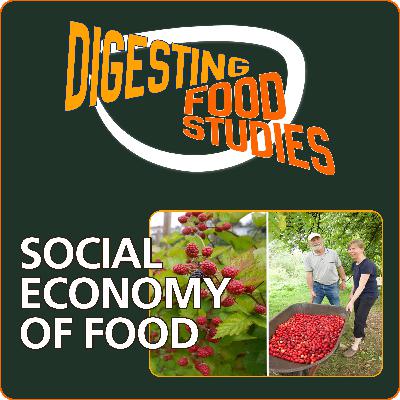
Social Economy of Food

Social Economy of Food

2026-03-0532:28

This episode explores how the economies of food systems might be re-thought and reoriented towards creating integrated value exchanges beyond just the financial kind. Sharing, gifting, and informal economies have been around forever, and they might be seeing a new resurgence that offers promise for the long-term. Alexia Moyer starts things off with gifts from Sandro Botticelli and Catherine Parr Traill, followed up by a conversation with Irena Knezevic, one of the guest editors of the themed issue of Canadian Food Studies, “The social and informal economy of food” (Vol. 6, No. 3), published in November 2019. Finally, Christophe Dubois shares his thoughts on social gastronomy and Mary Anne Martin’s use of feminist theory to explore urban agriculture.Guests:Alexia Moyer is co-Managing Editor of Canadian Food Studies and a founding member of the editorial collective, red line-ligne rouge, based in Montreal.Irena Knezevic is an Associate Professor in the School of Journalism and Communication at Carleton University. She studies communication, culture, and health, including such themes as food labelling, health communications and advertising, and health equity.Christophe Dubois is a recent graduate of the master’s program in social work at l’Université du Québec à Montréal. A former restaurant cook, he currently devotes his time to the practice of social gastronomy, helping young people develop skills and work experience in food. Mentioned in this episode:- La Gastronomie sociale, documentary series- “Venus and the Three Graces Presenting Gifts to a Young Woman” by Sandro Boticelli- The Female Emigrant’s Guide by Catherine Parr Traill Credits:Host/Producer: David SzantoExecutive Producers: Rachel Engler-Stringer, Laurence Godin, Charles Levkoe, Phil Loring, Kristen LowittAudio consultant: Zélie ScherrerMusic: Alex Guz and Evgeny Bardyuzha on PixabaySound Effects: Aviana_Phoenix and BenKirb and freesound_community on PixabayPhoto: anonymous #DigestingFoodStudiesDigesting Food Studies is funded in part by the Social Sciences and Humanities Research Council of Canada, Lakehead University, and the Canadian Association for Food Studies.
Certain foods are named for the places they come from, but many foods acquire place-based names for quite different reasons. This episode peels back the layers of that oh-so-Canadian treat, the Nanaimo Bar. Lenore Newman fills us in on his history and heritage, while also commenting on the quasi-luxury that the dessert represented in past, and maybe still does. Sandwiching this exploration, Alexia Moyer tells us about the iconic French pastry, the Paris-Brest, and Julia Mitchell responds to Lenore’s article, “Notes from the Nanaimo Bar Trail.”Guests:Alexia Moyer is co-Managing Editor of Canadian Food Studies and a founding member of the editorial collective, red line-ligne rouge, based in Montreal.Lenore Newman is a professor in the department of Planning, Geography, and Environmental Studies at the University of the Fraser Valley, as well as Director of its Food and Agriculture Institute.Julia Mitchell is a master student in arts and communication at Carleton University, exploring the use of French terminology on English-language menus.Mentioned in this episode:- Speaking in Cod Tongues by Lenore Newman- La Poutine by Geneviève Sicotte- Paris-Brest (pastry)- “But is it Authentic?” by Lisa HeldkeCredits:Host/Producer: David SzantoExecutive Producers: Rachel Engler-Stringer, Laurence Godin, Charles Levkoe, Phil Loring, Kristen LowittAudio consultant: Zélie ScherrerMusic: Alex Guz and Evgeny Bardyuzha on PixabaySound Effects: Aviana_Phoenix and BenKirb and freesound_community on PixabayPhoto: Joy (CC-BY 2.0, no changes made) #DigestingFoodStudiesDigesting Food Studies is funded in part by the Social Sciences and Humanities Research Council of Canada, Lakehead University, and the Canadian Association for Food Studies.
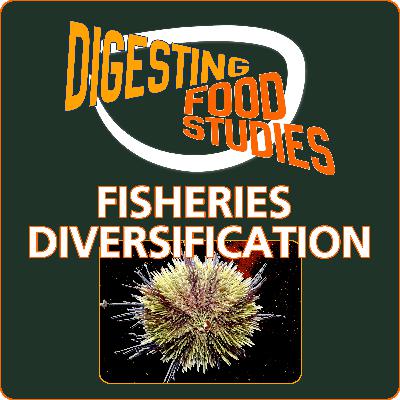
Diversification is a survival strategy that applies to many aspects of food systems, from biomes to economies to cuisine. This episode is about many of those things, including green sea urchins and the Wolastoqiyik Wahsipekuk First Nation’s approach to fisheries and food-making. The Canadian Food Studies publication in focus is Charlotte Gagnon-Lewis’s “Fishing amongst industrial ghosts: The challenges of green sea urchin diversification in Eastern Canada,” from Vol. 12, No. 1 (2025). Alexia Moyer shares a story of the Gulf of St-Lawrence and master student Adelle D’Urzo Paugh responds to Charlotte’s article with reflections on participatory co-learning and the Capitalocene.Guests:Alexia Moyer is co-Managing Editor of Canadian Food Studies and a founding member of the editorial collective, red line-ligne rouge, based in Montreal.Charlotte Gagnon-Lewis is a PhD candidate in Anthropology at the University of Ottawa, where she takes a political ecology lens to the socio-ecological entanglements of food systems.Adelle D’Urzo Paugh is a master’s student in Environmental Studies at Queen's University, examining the use of participatory research and survey tools in small-scale fisheries networks.Mentioned in this episode:- The Montreal Biodome- Wolastoqiyik Wahsipekuk First Nation- Maqahamok, a Wolastoqey pub in Cacouna, QCCredits:Host/Producer: David SzantoExecutive Producers: Rachel Engler-Stringer, Laurence Godin, Charles Levkoe, Phil Loring, Kristen LowittMusic: Alex Guz and Evgeny Bardyuzha on PixabaySound Effects: Aviana_Phoenix and BenKirb and freesound_community on PixabayPhoto: Hannah Robinson#DigestingFoodStudiesDigesting Food Studies is funded in part by the Social Sciences and Humanities Research Council of Canada, Lakehead University, and the Canadian Association for Food Studies.
Flexitarianism

Flexitarianism

2026-01-2224:16

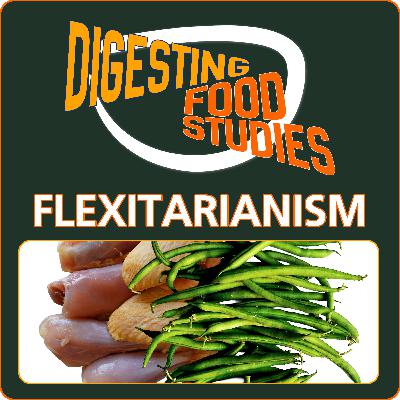
Are you a carnivore? A vegan? A frugivore? Or do you fall in between categories of eater, identifying more as a flexitarian? As we learn from this episode’s guest author, Kelsey Speakman, flexitarianism is a complex space of food making, ethical and multispecies relationships, and marketing rhetoric. Her article on the subject, “Beef, Beans, or Byproducts? Following Flexitarianism’s Finances,” comes from Vol. 11, No. 4 of Canadian Food Studies. Sandwiching this meat-alternatives theme are Alexia Moyer on a powerful kitchen implement, and Milka Milicevic on the power of true alternatives in eating.Guests:Alexia Moyer is co-Managing Editor of Canadian Food Studies and a founding member of the editorial collective, red line-ligne rouge, based in Montreal.Kelsey Speakman is a lecturer at the University of Toronto and spends her research energies looking at multispecies interactions in consumer culture and ethical relationships in food provisioning.Milka Milicevic is in her fourth year in the Honors Bachelor of Food Studies program at George Brown College, with previous professional experience in nutrition and market research.Mentioned in this episode:- George Brown Polytechnic’s Honours Bachelor of Food Studies- The Space Merchants by Frederik Pohl and Cyril KornbluthCredits:Host/Producer: David SzantoExecutive Producers: Rachel Engler-Stringer, Laurence Godin, Charles Levkoe, Phil Loring, Kristen LowittMusic: Alex Guz and Evgeny Bardyuzha on PixabaySound Effects: Aviana_Phoenix and BenKirb and freesound_community on PixabayPhotos: Alexia Moyer#DigestingFoodStudiesDigesting Food Studies is funded in part by the Social Sciences and Humanities Research Council of Canada, Lakehead University, and the Canadian Association for Food Studies.
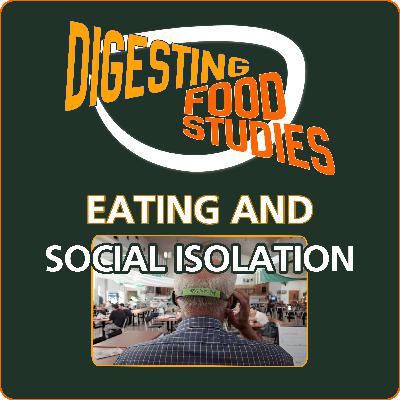
Eating and togetherness go hand in hand, or at least, that’s what our socioculture tells us. Yet many people, particularly seniors, live and dine alone. Even outside the home, eating can be an isolating experience. This episode probes how sound and space can encourage sociability and sharing, though it always takes an effort for that to happen. The Canadian Food Studies publication in focus is Melanie Binette’s “Invisible guests: A sound installation in a Montréal community restaurant,” from Vol. 4, No. 2 (2017). Alexia Moyer shares two very different soundscapes, and Art History master student, Samphe Ballamingie, responds to the sound installation at the centre of Melanie’s text.Guests:Alexia Moyer is co-Managing Editor of Canadian Food Studies and a founding member of the editorial collective, red line-ligne rouge, based in Montreal.Melanie Binette is an interdisciplinary artist, performer, and researcher who co-founded Milieu de Nulle Part, a performance collective dedicated to in situ and in socius performance.Samphe Ballamingie is a filmmaker, video editor, writer, and podcaster who is currently doing a master’s degree in Art History at Concordia University in Montreal.Mentioned in this episode:- Milieu de Nulle Part- Natalie Doonan – Le Sensorium- Le Chic Resto Pop- Stats Canada – single-person householdsCredits:Host/Producer: David SzantoExecutive Producers: Rachel Engler-Stringer, Laurence Godin, Charles Levkoe, Phil Loring, Kristen LowittMusic: Alex Guz and Evgeny Bardyuzha on PixabaySound Effects: Aviana_Phoenix and BenKirb and freesound_community on PixabaySoundscapes: Rotterdam Library—Library 03 090724.wav by LG—Attribution 4.0; Montreal restaurant—restaurant.wav by rivernile7—Attribution 3.0Image: Patrick Ma#DigestingFoodStudiesDigesting Food Studies is funded in part by the Social Sciences and Humanities Research Council of Canada, Lakehead University, and the Canadian Association for Food Studies.
Toward 2026

Toward 2026

2025-12-2408:01

As we slide into 2026, Digesting Food Studies is taking a break for a couple of weeks. But never fear, we have some other food and food-related shows to share! Listen on, or follow the links below to hear from some of the many other voices in food studies and socio-environmental podcasting.Mentioned in this episode:- The Ecopolitics Podcast- The Ground Up?- Second Transition Podcast- Eat Your Heartland Out- Handpicked: Stories from the Field- Making a Meal of It- bluedotstudio (video series)- La Gastronomie sociale (video series)Credits:Host/Producer: David SzantoExecutive Producers: Rachel Engler-Stringer, Laurence Godin, Charles Levkoe, Phil Loring, Kristen LowittMusic: Alex Guz and Evgeny Bardyuzha and freesound_community on PixabayAdditional music: BLACKBOX on PixabaySound Effects: Aviana_Phoenix and BenKirb on PixabayImage: Nikin on Pixabay #DigestingFoodStudiesDigesting Food Studies is funded in part by the Social Sciences and Humanities Research Council of Canada, Lakehead University, and the Canadian Association for Food Studies.
There’s a lot of power in food and food systems. This episode explores the centralization of that power, particularly the ways in which corporations and governments operate and control spaces of production and transformation. The issue of Canadian Food Studies in focus is Vol. 2, No. 2 (2015), including its subsection, “Financialization in the Food System,” which our guest, Jennifer Clapp, co–guest edited. Alexia Moyer shares learnings from Brian Brett’s book, Trauma Farm, and PhD student Heidi Janes responds to a selection of CFS articles about corporate power.Guests:Alexia Moyer is co-Managing Editor of Canadian Food Studies and a founding member of the editorial collective, red line-ligne rouge, based in Montreal.Jennifer Clapp is a Canada Research Chair in Global Food Security and Sustainability at the University of Waterloo. She is a member of the International Panel of Experts on Sustainable Food Systems as well as the Scientific Advisory Committee of the UN Food Systems Coordination Hub.Heidi Janes is a PhD student in Political Science at the University of Victoria, where she researches corporate power in the food system and how philanthropic and humanitarian logics play roles in the political economy.Mentioned in this episode:Food by Jennifer ClappTitans of Industrial Agriculture by Jennifer ClappIPES-Food "Land Squeeze" Report“Watt” on WikipediaCredits:Host/Producer: David SzantoExecutive Producers: Rachel Engler-Stringer, Laurence Godin, Charles Levkoe, Phil Loring, Kristen LowittMusic: Alex Guz and Evgeny Bardyuzha and freesound_community on PixabaySound Effects: Aviana_Phoenix and BenKirb on PixabayImage: Johnson Martin on Pixabay#DigestingFoodStudiesDigesting Food Studies is funded in part by the Social Sciences and Humanities Research Council of Canada, Lakehead University, and the Canadian Association for Food Studies.
Lunch Box Identities

Lunch Box Identities

2025-11-2728:22

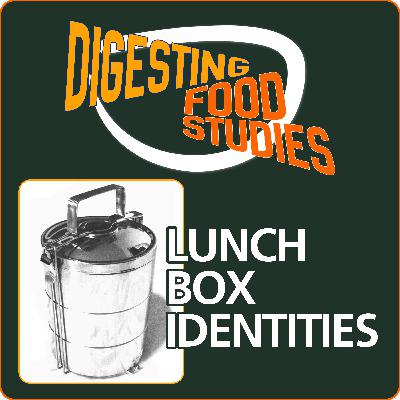
Bringing food to school from home implicates a lot of issues: logistics, taste, temperature control, shame, pride, and carrying devices. This episode unpacks the packed lunch, in particular those that the kids of first-generation immigrants bring to school. Two articles from Canadian Food Studies are covered, both co-written by Yukari Seko, “Unboxing the bento box” (Vol. 8, No. 3) and “Feeding children while Asian” (Vol. 12, No. 2). In response, PhD student Shay Quinn offers perspectives on arts-informed research.Guests:Alexia Moyer is co-Managing Editor of Canadian Food Studies and a founding member of the editorial collective, red line-ligne rouge, based in Montreal.Yukari Seko is an Associate Professor in the School of Professional Communication at Toronto Metropolitan University, and Director of TMU’s Centre for Studies in Food Security.Shay Quinn is a PhD student in Community and Population Health Sciences at the University of Saskatchewan who examines how Indigenous youth express ideas about traditional foodways.Mentioned in this episode:- The Lunchbox (film written and directed by Ritesh Batra)- Canada’s School Food Program- The Miner’s Lunchbox, designed by Leo MayCredits:Host/Producer: David SzantoExecutive Producers: Rachel Engler-Stringer, Laurence Godin, Charles Levkoe, Phil Loring, Kristen LowittMusic: Alex Guz and Evgeny Bardyuzha from PixabayAdditional music: Saseendran VV on PixabaySound Effects: Aviana_Phoenix and BenKirb on PixabayImage: David Szanto#DigestingFoodStudiesDigesting Food Studies is funded in part by the Social Sciences and Humanities Research Council of Canada, Lakehead University, and the Canadian Association for Food Studies.
Feminist Food Studies

Feminist Food Studies

2025-11-1338:51

Feminist studies and food studies have a fascinating history of difference, alignment, and emergence. This episode covers some of that span, from rice pudding (without eggs) to an issue of Canadian Food Studies (Vol. 5 No. 1) that is dedicated to feminist food studies. Lots of voices this week, including two different student reading responses!Guests:Alexia Moyer is co-Managing Editor of Canadian Food Studies and a founding member of the editorial collective, red line-ligne rouge, based in Montreal.Jennifer Brady is an Associate Professor at Acadia University, cross-appointed to Women's and Gender Studies and the School of Nutrition and Dietetics.Barbara Parker is an Associate Professor in the Department of Sociology at Lakehead University, researching food and gender, critical dietetics, food pedagogy, and the school food environment.Elaine Power is a Professor in the School of Kinesiology and Health Studies at Queen’s University and is currently researching arts-based knowledge mobilization in relation to food insecurity.Liz Lovell is a Community Food Systems Coordinator with the Food Action Network of Northwestern Ontario, and a recent master’s graduate from Lakehead University.Steph Chartrand is a PhD student in Adult Education and Community Development at OISE, at the University of Toronto.Mentioned in this episode:- “Waste management as foodwork” by Carly Fraser and Kate Parizeau- “Finding Formula” by Lesley Frank- From Betty Crocker to Feminist Food Studies edited by Arlene Avakian and Barbara Haber- The Home Cookbook (1877)- Baking as Biography by Diane Tye- The Practice of Everyday Life: Living and CookingCredits:Host/Producer: David SzantoExecutive Producers: Rachel Engler-Stringer, Laurence Godin, Charles Levkoe, Phil Loring, Kristen LowittMusic: Alex Guz and Evgeny Bardyuzha on PixabaySound Effects: Aviana_Phoenix, BenKirb, and freesound_community on PixabayImage: OpenClipart-Vectors on Pixabay#DigestingFoodStudiesDigesting Food Studies is funded in part by the Social Sciences and Humanities Research Council of Canada, Lakehead University, and the Canadian Association for Food Studies.
Food Waste

Food Waste

2025-10-3028:57

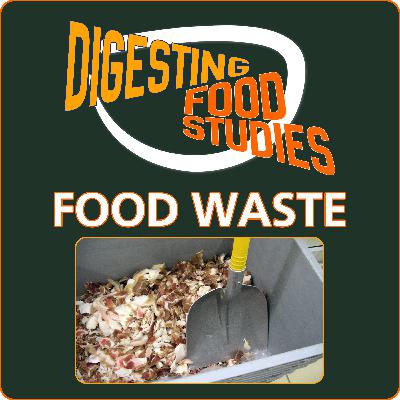
Tackling food waste is a big issue, particularly in wealthy countries. It emerges from all aspects of the food production-consumption web, implicating individual, municipal, regional, and global actors. This episode starts off with Alexia Moyer’s Amuse Bouche segment on historic approaches to waste in the home, leading into a discussion with Tammara Soma about her article, “Critical food guidance for tackling food waste in Canada” from Vol. 9 No. 1 of Canadian Food Studies, and a response to the article from PhD student, Dante Gbejewoh.Guests:Dr. Alexia Moyer is co-Managing Editor of Canadian Food Studies and a founding member of the editorial collective, red line-ligne rouge, based in Montreal.Tammara Soma is an Associate Professor at the School of Resource and Environmental Management at Simon Fraser University. Her research includes food systems planning, food loss and waste, and circular food economies.Dante Gbejewoh is a PhD Candidate in Environmental Studies at Queen’s University and a member of the Food Policy Council for Kingston Frontenac Lennox & Addington. His research examines on-farm conservation activities and agroecological transformation. Mentioned in this episode:“Waste management as foodwork: A feminist food studies approach to household food waste” by Carly Fraser and Kate ParizeauCredits:Host/Producer: David SzantoExecutive Producers: Rachel Engler-Stringer, Laurence Godin, Charles Levkoe, Phil Loring, Kristen LowittMusic: Alex Guz and Evgeny Bardyuzha on PixabaySound Effects: Aviana_Phoenix, BenKirb, and freesound_community on PixabayPhoto: David Szanto #DigestingFoodStudiesDigesting Food Studies is funded in part by the Social Sciences and Humanities Research Council of Canada, Lakehead University, and the Canadian Association for Food Studies.
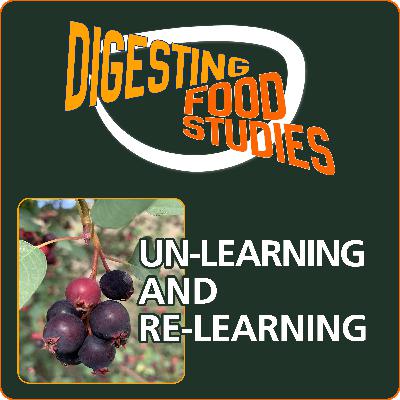
How academics know and learn things is dependent on a myriad of conventions, many of which are coupled to a history of extractivism and colonialist structures. Coming to grips with that—and re-learning relational and reciprocal methods and habits can be challenging. This episode dives into un-learning, starting off with Alexia Moyer’s Amuse Bouche segment on the partial sharing of traditional knowledges. The focus article is Alissa Overend’s and Ronak Rai’s “Un-learning and re-learning: Reflections on relationality, urban berry foraging, and settler research uncertainties” from Vol. 11 No. 2 of Canadian Food Studies.Guests:Dr. Alexia Moyer is co-Managing Editor of Canadian Food Studies and a founding member of the editorial collective, red line-ligne rouge, based in Montreal.Alissa Overend is an associate professor at MacEwan University in Edmonton, learning and teaching about food and nutrition, health and illness, critical disability studies, and intersectional inequality.Ronak Rai is a PhD student at the University of Alberta did her master’s studies on the challenges and opportunities that first-generation immigrant therapists face in the context of working with Indigenous clients.Annika Walsh is a transdisciplinary food artist and researcher who recently completed a master of science degree in Integrated Studies in Land and Food Systems at UBC. Mentioned in this episode:- Monkey Beach by Eden Robinson- Elements of Indigenous Style- Shifting Food Facts by Alissa Overend- The Ground Up? podcast- AnnikaWalsh.comCredits:Host/Producer: David SzantoExecutive Producers: Rachel Engler-Stringer, Laurence Godin, Charles Levkoe, Phil Loring, Kristen LowittMusic: Alex Guz and Evgeny Bardyuzha on PixabaySound Effects: Aviana_Phoenix, BenKirb, and freesound_community on PixabayCover art photo: Bonnie McDonald on Pixabay#DigestingFoodStudiesDigesting Food Studies is funded in part by the Social Sciences and Humanities Research Council of Canada, Lakehead University, and the Canadian Association for Food Studies.
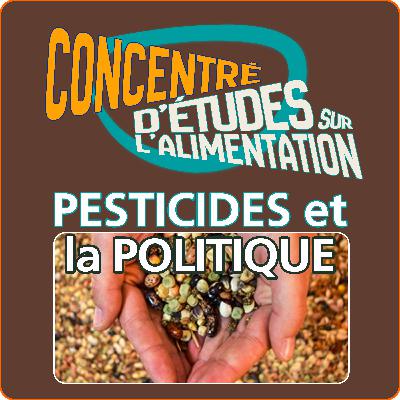
(show notes in English)Alors que la contestation mondiale contre les herbicides à base de glyphosate s'intensifie et que les politiciens et les entreprises chimiques ajoutent leurs propres pressions concernant l'utilisation des pesticides, il est temps que tout le monde se penche davantage sur notre (sur)utilisation des intrants agricoles. Le terrain est toutefois complexe, comme nous l'expliquent Marie-Hélène Bacon et Laure Gosselin, invitées de cet épisode. Et ça l'est depuis des siècles, comme nous l'aide à comprendre Alexia Moyer dans son segment Amuse-Bouche, qui fait référence à une ressource historique assez révélateur. L'article phare de ce numéro est « Pesticides : Le Talon d'Achille des politiques alimentaires canadiennes et québécoises », tiré du vol. 5, n° 3 de La Revue canadienne des études sur l’alimentation.Invités :Dr Alexia Moyer est co-administratrice de La Revue canadienne des études sur l’alimentation et membre fondatrice du collectif éditorial red line-ligne rouge, basé à Montréal.Marie-Hélène Bacon est chercheuse et coordinatrice au Collectif de recherche écosanté sur les pesticides, les politiques et les alternatives, un groupe interdisciplinaire de chercheurs à l'Université du Québec à Montréal.Laure Gosselin est doctorante en sciences politiques à l'Université Laval (au Québec) et à la Technische Universität Dresden (en Allemagne), et chercheuse en systèmes alimentaires au sein du groupe Forum Recherche-Action Alimentaire Montréal au Collège Dawson.Mentionné dans cet épisode :- CREPPA- The Monsanto PapersCrédits :Animateur/producteur : David SzantoProducteurs exécutifs : Rachel Engler-Stringer, Laurence Godin, Charles Levkoe, Phil Loring, Kristen LowittMusique : Alex Guz et Evgeny Bardyuzha sur PixabayEffets sonores : Aviana_Phoenix, BenKirb, u_jd81cxyq22 et NickyPe sur PixabayPhoto : Kath Clark/USC Canada#DigestingFoodStudiesConcentré d’études sur l’alimentation est financé en partie par le Conseil de recherches en sciences humaines du Canada, l'Université Lakehead et l'Association canadienne des études sur l'alimentation.
School Food Programs

School Food Programs

2025-09-1131:14

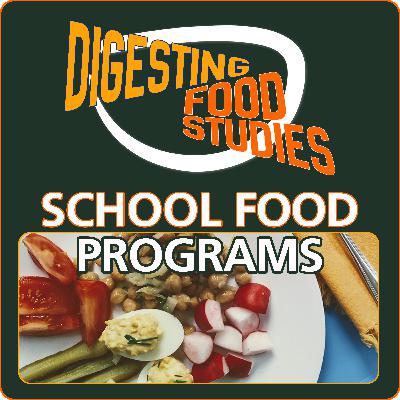
Well-conceived and collectively enacted school food programs can bring numerous, cascading benefits to students, communities, and food environments more broadly. As Federal legislation brings into being such programs across Canada and Indigenous territories, ongoing research and reflection will be needed, as Rachel Engler-Stringer tells us in this episode. Starting things off, though, Alexia Moyer’s Amuse Bouche segment reveals a number of lessons—some more useful than others—from Saskatchewan’s early 1900s school food planning. And in the After Taste, Penelope Stam responds to the focus article, “The case for a Canadian national school food program” from Vol. 5 No. 3 of Canadian Food Studies.Guests:Dr. Alexia Moyer is co-Managing Editor of Canadian Food Studies and a founding member of the editorial collective, red line-ligne rouge, based in Montreal.Rachel Engler-Stringer a professor in Community Health and Epidemiology at the University of Saskatchewan, and a leading expert in school food programs.Penelope Stam is an undergraduate student at Western University and a food systems researcher with Food Research-Action Montreal at Dawson College.Mentioned in this episode:- The Rural School Luncheon by Fannie Twiss (Saskatchewan Department of Education)- Canada’s National School Food ProgramCredits:Host/Producer: David SzantoExecutive Producers: Rachel Engler-Stringer, Laurence Godin, Charles Levkoe, Phil Loring, Kristen LowittMusic: Alex Guz and Evgeny Bardyuzha from PixabaySound Effects: Aviana_Phoenix, BenKirb, and freesound_community from Pixabay; applehillstudios on Pond5Cover art photo: Alexia Moyer#digestingfoodstudiesDigesting Food Studies is funded in part by the Social Sciences and Humanities Research Council of Canada, Lakehead University, and the Canadian Association for Food Studies.
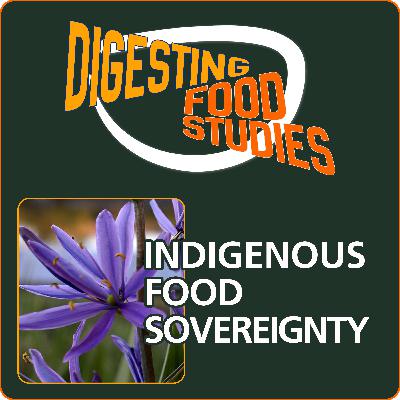
Indigenous food sovereignty—and the lack thereof—is intimately linked to histories of colonial oppression and present-day exploitative capitalism and extractivism. Nonetheless, as this episode’s guest Kaylee Michnik shows us, rebuilding sovereignty can happen through intergenerational learning, land-based practices, and relationality. During the Amuse Bouche segment, Alexia Moyer tells host David Szanto about the tasty and tenuous history of camas cultivation by Coast Salish peoples. And in the After Taste, Courtney Vaughan responds to Kaylee’s article, “Moving Your Body, Soul, and Heart to Share and Harvest Food” from Vol. 8 No. 2 of Canadian Food Studies.Guests:Dr. Alexia Moyer is co-Managing Editor of Canadian Food Studies and a founding member of the editorial collective, red line-ligne rouge, based in Montreal.Kaylee Michnik is a registered dietician and is finishing her PhD at the University of Saskatchewan, where she has been researching and contributing to school food program and policy development.Courtney Vaughan is a researcher, writer, and community organizer who completed a master degree at Carleton University in 2019 in Indigenous and Canadian Studies. She is currently doing her PhD at Lakehead University.Mentioned in this episode:OCAP® protocol: the First Nations principles of ownership, control, access, and possession (in research)photovoice methodologyillustration of Camas plants by Bryony PennPlants, People, and Places, edited by Nancy J. TurnerCredits:Host/Producer: David SzantoExecutive Producers: Rachel Engler-Stringer, Laurence Godin, Charles Levkoe, Phil Loring, Kristen LowittMusic: Alex Guz and Evgeny Bardyuzha from PixabaySound Effects: Aviana_Phoenix, BenKirb, and royalty_free_music from PixabayCover photo: Jacques Gaimard on Pixabay#digestingfoodstudiesDigesting Food Studies is funded in part by the Social Sciences and Humanities Research Council of Canada, Lakehead University, and the Canadian Association for Food Studies.
Infant Food Insecurity

Infant Food Insecurity

2025-09-0432:43

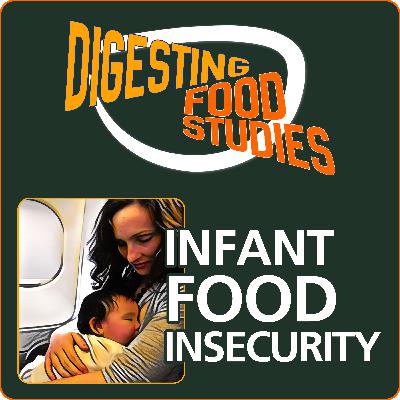
Whether you breastfeed, formula feed, or do both, securing sustenance for infants can be both fundamental and fraught. Lesley Frank has been doing research on first food systems and infant-and-caregiver food insecurity for numerous years, and shares her perspectives about sourcing infant formula in the past, present, and future. During the Amuse Bouche segment, Alexia Moyer talks with host David Szanto about the history of milk, including its price, positioning, and propaganda. And in the After Taste, Natalia Alaniz-Salinas responds to Lesley’s article, “Finding Formula,” from the Feminist Food Studies issue of Canadian Food Studies, Vol. 5 No. 1.Guests:Dr. Alexia Moyer is co-Managing Editor of Canadian Food Studies and a founding member of the editorial collective, red line-ligne rouge, based in Montreal.Dr. Lesley Frank a Canada Research Chair in Food, Health, and Social Justice at Acadia University in Nova Scotia. There, she runs the Fed Family Lab, which focuses on the study of family and childhood food insecurity.Natalia Alaniz-Salinas a PhD Candidate at the University of Saskatchewan, working in Community and Population Health Sciences and addressing school food programs. She previously worked as a nutritionist in Chile.Mentioned in this episode:Edible Histories/Cultural Politics: Towards a Canadian Food History, edited by Franca Iacovetta, Valerie J. Korinek, and Marlene Epp“Drink Milk” promotional image – Libraries & Archives CanadaCredits:Host/Producer: David SzantoExecutive Producers: Rachel Engler-Stringer, Laurence Godin, Charles Levkoe, Phil Loring, Kristen LowittMusic: Alex Guz and Evgeny Bardyuzha from PixabaySound Effects: Aviana_Phoenix, BenKirb, and freesound_community from Pixabay#digestingfoodstudiesDigesting Food Studies is funded in part by the Social Sciences and Humanities Research Council of Canada, Lakehead University, and the Canadian Association for Food Studies.
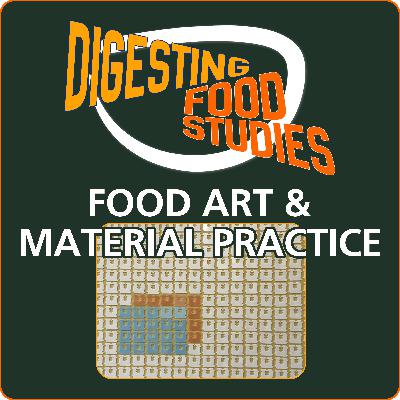
How can food art—collaborative or individual—show what is both special and ordinary about food, domestic labour, and systemic relationships? Susan Goldberg gives her thoughts on the subject as she discusses her art piece, “Milk & Bread” from Volume 12, Issue 1 of Canadian Food Studies. During the Amuse Bouche segment, Alexia Moyer talks with host David Szanto about the parallels between gender and in different types of cutlery and tableware. And in the After Taste, Caylie Warkentin responds to Susan’s piece with her own take on where material practice can take us as food thinkers and doers.Guests:Dr. Alexia Moyer is co-Managing Editor of Canadian Food Studies and a founding member of the editorial collective, red line-ligne rouge, based in Montreal.Susan Goldberg is a writer, artist, and psychotherapist, living and working in Thunder Bay, Ontario.Caylie Warkentin recently completed a master’s degree in Communication with a Specialization in Climate Change at Carleton University’s School of Journalism and Communication.Mentioned in this episode:Spork by Kyo Maclear, illustrated by Isabelle ArsenaultSusan Goldberg’s writing on Mediumthe Holotypic Occlupanid Research GroupCredits:Host/Producer: David SzantoExecutive Producers: Rachel Engler-Stringer, Laurence Godin, Charles Levkoe, Phil Loring, Kristen LowittMusic: Alex Guz and Evgeny Bardyuzha from PixabaySound Effects: Aviana_Phoenix, BenKirb, and freesound_community from Pixabay#digestingfoodstudiesDigesting Food Studies is funded in part by the Social Sciences and Humanities Research Council of Canada, Lakehead University, and the Canadian Association for Food Studies.
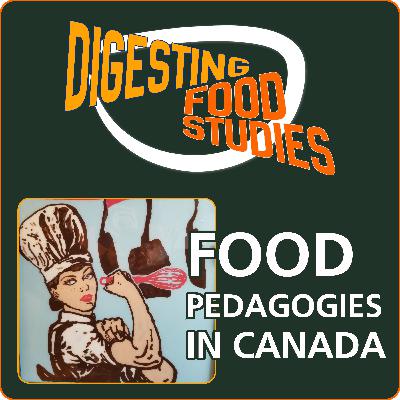
How do we best learn about the complexities of food systems, particularly within the constraints of university-level courses? Jennifer Sumner and Michael Classens, the guest editors of the "Food Pedagogies in Canada" issue of Canadian Food Studies (Vol. 8 No. 4), respond to this chewy question, among others. During the Amuse Bouche segment, Alexia Moyer talks with host David Szanto about the kinds of school environments that support food learning before post-secondary education. And then, in the After Taste, Eric Schofield responds to “Toward a Common Understanding of Food Literacy,” by Kimberley Hernandez, Doris Gillis, Kathleen Kevany, and Sara Kirk.Guests:Dr. Alexia Moyer is co-Managing Editor of Canadian Food Studies and a founding member of the editorial collective, red line-ligne rouge, based in Montreal.Dr. Jennifer Sumner is an Associate Professor in the Department of Leadership, Higher and Adult Education, at OISE/University of Toronto, and a founder of critical food pedagogy in Canada.Dr. Michael Classens is an Assistant Professor in the School of the Environment at the University of Toronto, teaching and writing on sustainability, racial justice, and critical food pedagogy.Eric Schofield is a master’s student at Lakehead University and a culinary arts instructor at Stelly’s Secondary on Vancouver Island.Mentioned in this episode:Linking Architecture and Education by Anne TaylorCity of Montreal’s Financial Contributions Program for Ecological TransitionLucy Godoy’s “We Can Do It” cover image in chocolateCredits:Host/Producer: David SzantoExecutive Producers: Rachel Engler-Stringer, Laurence Godin, Charles Levkoe, Phil Loring, Kristen Lowitt Music: Alex Guz and Evgeny Bardyuzha from PixabaySound Effects: Aviana_Phoenix, BenKirb, and AudioPapkin from Pixabay#digestingfoodstudiesDigesting Food Studies is funded in part by the Social Sciences and Humanities Research Council of Canada, Lakehead University, and the Canadian Association for Food Studies.
Is meat a product, a process, or both? And what about plant-based “meat” and other meat-like foods? Élisabeth Abergel and Ryan Phillips, the guest editors of the Meat Studies themed section in Vol. 11 No. 1 of Canadian Food Studies, offer take on this chewy subject. During the Amuse Bouche segment, Alexia Moyer talks with host David Szanto about the tools we use when eating meat, and how they have evolved over the years. Then, in the After Taste, Emma Paisley responds to Emily Kennedy, Shyon Baumann, and Josée Johnston’s article, “Meat politics at the dinner table.”Guests:Dr. Alexia Moyer is co-Managing Editor of Canadian Food Studies and a founding member of the editorial collective, red line-ligne rouge, based in Montreal.Dr. Elisabeth Abergel is a professor in the Département de sociologie at l’Université du Québec à Montréal and is an interdisciplinary researcher in health, society, and environmental issues.Dr. Ryan Phillips a sessional lecturer in Politics and Public Administration at Toronto Metropolitan University who researches advertising and promotional cultures, particularly with regard to plant-based meat and sports broadcasting in Canada.Emma Paisley is a PhD student in the Interdisciplinary Social Research Program at at Trent University, researching the ecologies of food learning in university campus foodscapes.Mentioned in this episode:The Rituals of Dinner by Margaret VisserEmpire of Signs by Roland BarthesDead Meat by Élisabeth AbergelCredits:Host/Producer: David SzantoExecutive Producers: Rachel Engler-Stringer, Laurence Godin, Charles Levkoe, Phil Loring, Kristen Lowitt Music: Alex Guz and Evgeny Bardyuzha from PixabaySound Effects: Aviana_Phoenix, BenKirb, and freesound_community from Pixabay#digestingfoodstudiesDigesting Food Studies is funded in part by the Social Sciences and Humanities Research Council of Canada, Lakehead University, and the Canadian Association for Food Studies.
In this preview episode, we introduce how this podcast will help unpack research on food systems in a variety of ways. Host David Szanto talks with Alexia Moyer—the co-Managing Editor of the academic journal, Canadian Food Studies—about her regular Amuse Bouche segment, which serves as an intro to the theme of each episode. Then he chats with Ellen Desjardins, the founding Editor-in-Chief of the journal, who set the journal in motion back in 2013. It’s all in preparation for a season of 20 more episodes, each one featuring an author from the journal, a tempting Amuse Bouche segment, and a reflective After Taste segment, featuring a student response to the article in question.Guests:Dr. Alexia Moyer is co-Managing Editor of the scholarly journal, Canadian Food Studies/La Revue canadienne des études sur l’alimentation. She is a Canadian food and literature scholar and, in addition to her time with CFS/RCÉA, works as a writer, photographer, translator, and editor. She is a founding member of the editorial collective, red line-ligne rouge, based in a Montreal, Québec.Dr. Ellen Desjardins is a former food studies scholar who transitioned over the years from public-health nutrition to sustainable food systems work in Ontario, to research in human geography. She was part of the team that brought forth Canadian Food Studies in 2013, serving as its editor-in-chief for the following six years. Today, she is retired from academia and lives on the southern end of Vancouver Island, focusing on pottery, gardening, and fishing.Mentioned in this episode:“Warning: When I am an Old Woman I Shall Wear Purple” by Jenny JosephCredits:Host/Producer: David SzantoExecutive Producers: Rachel Engler-Stringer, Laurence Godin, Charles Levkoe, Phil Loring, Kristen LowittMusic: Alex Guz and Evgeny Bardyuzha from PixabaySound Effects: Aviana_Phoenix, BenKirb, and freesound_community from Pixabay#digestingfoodstudiesfoodstudies.ca/podcastDigesting Food Studies is funded in part by the Social Sciences and Humanities Research Council of Canada, Lakehead University, and the Canadian Association for Food Studies.
Comments