DiscoverDiabesity Decodified - Is Food the root cause of Type 2 Diabetes Mellitus pandemic?
Diabesity Decodified - Is Food the root cause of Type 2 Diabetes Mellitus pandemic?
Claim Ownership

Diabesity Decodified - Is Food the root cause of Type 2 Diabetes Mellitus pandemic?

Author: Pandiyan Natarajan

Subscribed: 0Played: 1
Share

Description

This is is not medical advice. This is food for thought. Please discuss with your doctor before making any change in your food and lifestyle.

The escalating global incidence of Type 2 Diabetes Mellitus (T2DM) over the past five decades directly correlates with the parallel rise in overweight and obesity, forming an intertwined epidemic termed "diabesity." This podcast argues that the primary driver of this crisis is the pervasive consumption of "inappropriate food," particularly refined carbohydrates and ultra-processed foods, which disrupt metabolic homeostasis and promote weight gain. We propose that "appropriate food"—defined as whole, fresh, local, plant-based, minimally processed, or unprocessed foods, consumed in appropriate amounts and at appropriate times, and complemented by age-specific exercise—constitutes the fundamental and most effective intervention for T2DM prevention, management, and even remission. This lifestyle-centric approach, supported by emerging insights into the gut microbiome and personalized monitoring via continuous glucose monitors, often renders long-term pharmacotherapy unnecessary and potentially harmful. We critically examine the conventional reliance on chronic drug therapy, highlighting its significant side effects and questionable long-term morbidity/mortality benefits, advocating instead for its judicious use primarily in acute medical emergencies. This podcast calls for a paradigm shift in T2DM management, prioritizing sustainable, food-based lifestyle interventions over a drug-centric model.

Disclaimer: This is an opinion podcast for educational purposes only and does not constitute medical advice.

Listeners should consult their healthcare providers before making any decisions about diagnosis or treatment.


22 Episodes
Reverse
Is the Male Fertility Crisis Real — or Just a Numbers Game?You have read headlines warning of a crisis in male fertility, with reports of sperm counts halving over last few decades. But does this mean men are actually less fertile today, or are we simply getting lost in a “numbers game?”Sperm Counts: What Do They Really Tell Us?The main way to check male fertility is by semen analysis — a test that counts & measures sperm. Strangely experts have been arguing for 100+ years about how useful these counts really are. Even now, sperm counts are quoted to support the idea of a global fertility decline. But the truth is more complicated.Why the Numbers Keep ChangingWhat counts as a “normal” sperm count? That depends on which expert — & which year — you ask. Over decades, World Health Organization (WHO) has changed its definition of normal sperm counts repeatedly. One example: in the 1940s, a healthy count was 60 million sperm per milliliter. By 2010, “normal” was only 15 million! Every time these numbers drop, many men suddenly shift from abnormal to normal without any biological change.Can We Trust the Test?Semen analysis is far from perfect. It is not just about one test — results can swing wildly from day to day, like stock market. Some men have counts that vary by more than 300% over time. Even experts looking at the same sample often disagree due to the test’s complexity and subjectivity.For instance, sperm described as “immotile” (not moving) may simply be “resting.” In one study, 20% started moving again after just a few minutes. Likewise, sperm shape assessment can vary a lot between different lab workers, making results hard to interpret.Are Men Really Becoming Less Fertile?Research does show that sperm concentrations have dropped in some places, with some studies reporting a 50% decrease since the 1970s. But here is the surprising finding: despite the decline in numbers, actual pregnancy rates have not changed much. Many men with low sperm count still become fathers, and plenty with high counts struggle.Experts say that sperm count alone cannot predict your chance of having children. Fertility is a team effort — it depends on both partners, not just the numbers from a man’s test result.What’s Really Going On?So why do sperm counts seem to be falling? Possible reasons include:Changes in lifestyle, like poor diet, obesity, smoking, and stress.More exposure to environmental toxins, such as pesticides and heavy metals.Differences in how, where, and by whom tests are performed.But there is no unmistakable evidence these changes are causing an actual fertility crisis. The truth is that semen analysis is not as reliable or meaningful as other medical tests. There is no universal “good” or “bad” number to guarantee or rule out pregnancy. That is why experts urge caution about dramatic headlines.So, What Should You Do?If you are concerned about fertility, remember:One semen analysis is not the whole story. Results can change.Lifestyle matters — healthy habits help.Fertility is about both partners, not just one person’s lab results.Doctors recommend using modern testing, focusing on overall health, &, when needed, working with specialists who look at the big picture, not just one number.The real story is not about fertility crisis — it is about measurement uncertainty. Instead of worrying about arbitrary numbers, experts now call for better research & more context, including population-based studies & tests tailored to diverse backgrounds. Male fertility is more complex than a single laboratory result, & it deserves a broader, more thoughtful look.
Daylight Saving Time — A Futile Exercise Against Nature and Logic“Time and tide wait for no one,” goes the old saying. Yet, human beings have repeatedly tried to defy both — and in the process, have made time itself a victim of our misplaced ingenuity.Press enter or click to view image in full sizeA Century-Old RelicDaylight Saving Time was introduced over a century ago, first in Europe and then in the United States, as a wartime measure to save fuel and optimize daylight hours. During the First World War, it was believed that adjusting clocks could conserve coal used for lighting and heating. Though the war ended, this practice stubbornly survived — spreading across continents and calendars, long after its original purpose had faded into history. Even today, countries across Europe and North America continue to “spring forward” and “fall back,” changing the clock twice a year — a ritual with no rational, scientific, cultural, religious or economic justification in the modern era. The irony is profound: in an age that values precision, data, and evidence, we continue to alter time itself without a shred of scientific support.Neither Science nor SenseNumerous studies have examined the supposed benefits of DST — reduced energy use, improved productivity, and better public safety. The results are, at best, inconclusive, and often outright negative. Modern electricity consumption patterns differ vastly from those in 1916; energy saved on lighting is often lost to heating or air-conditioning. More concerning are the health effects. Disruptions to the body’s circadian rhythm — our natural biological clock — are well documented. Sleep researchers have associated DST transitions with increased risks of heart attacks, depression, workplace injuries, and road accidents. In truth, what we gain in one hour of light, we lose in well-being and mental balance.A Global Patchwork of ConfusionThere is not even global uniformity in this exercise. Some countries observe it; others do not. Even within countries, regions differ — a logistical nightmare for business, travel, broadcasting, and global communication. In an era of digital synchronization and atomic precision, forcing millions to adjust their clocks twice a year borders on absurdity.A Futile Habit That Refuses to DieI have been intrigued by this practice for over forty years, ever since I first encountered it in England. Over the decades, I have discussed it with innumerable individuals — scientists, citizens, and administrators alike. Not one has provided a convincing explanation as to why this practice began and why it continues. In my quest for clarity, I even wrote to the past Presidents of the United States, and to the Prime Ministers of the United Kingdom, Canada, New Zealand, and Australia — seeking a rationale. I also wrote to Science and The New York Times, hoping that someone, somewhere, might illuminate the reasoning. None did. Perhaps that silence speaks louder than any justification.A Call for Common SenseDaylight Saving Time is not merely outdated; it is a relic of wartime anxiety that has outlived its purpose. It offers no measurable benefit — only confusion, inconvenience, and subtle harm to public health. In a world that prides itself on evidence-based policy and scientific progress, it is astonishing that such a non-productive, disruptive, and irrational practice endures. Surely, in nations that have produced countless Nobel laureates, we can find the wisdom to let nature — and time — take their own course. I hope that this year marks the end of this antiquated ritual. Let us stop turning the clock back and forth in the name of tradition and instead move forward — with one standard time throughout the year. After all, time belongs to nature, not to human legislation.
For centuries, the timeline of motherhood was largely dictated by nature. Today, it’s a landscape of conflicting pressures.The human body has not changed with changing socio-cultural milieu. A woman’s fertility, peaks in her twenties, faces a significant decline by her mid-30s. This is an unyielding biological fact. Yet, simultaneously, the age of marriage & childbearing has progressively increased due to education, career ambitions, & economic shifts.This creates a painful paradox: women are building their lives in ways society encourages, only to find their biological capacity diminished when they are ready for motherhood. The result, is an “epidemic of infertility,” where age is a primary factor.The “Older Mother”: Two Profiles, One Deep DesireThe term “older mother” often conjures a single image, but in clinical practice, we see two distinct, powerful narratives:1. The Woman Chasing a Basic Biological Instinct: These are women in their late 30s & 40s who, aware of their “diminishing fertility,” still seek to fulfill a “highly cherished desire.” They face not just medical challenges but also huge “peer pressure on women to achieve motherhood, sometimes, almost at any cost.” 2. The Post-Menopausal Woman: Altruism or Last Chance: This group includes women using donor eggs or acting as surrogates. To condemn them, we argue, is cruel. “Grandmothers do not reproduce for fun… they do it to help others or to attend to their basic biological need.” , The Unassailable Right to ReproduceThe 1994 International Conference on Population and Development in Cairo stated: “To be able to reproduce & raise a family is one of the fundamental rights of every individual.”This is not just a medical issue; it is an ethical one. Should the criteria for motherhood be age alone, or physical fitness, or a combination? Is it just to deny a fit & healthy 50-year-old woman the chance to be a mother, when an unfit 30-year-old faces no such barriers?The argument that an older mother may not live to see her child into adulthood is, as we called it, a “specious argument.” Even a decade of a mother’s love is a profound gift. “Many women who were denied motherhood for medical reasons are now going through successful pregnancies and deliveries… The advancement in medical management has offered motherhood for these women.” Why should a healthy old women be excluded from this progress?Where Do We Draw the Line? The Problem with LegislationThe urge to legislate an age limit is understandable but ultimately flawed. As we stated, “To legislate on these issues would be futile,” often leading to a public backlash and drives desperate couples to “falsify their age to seek treatment elsewhere.”The responsibility, therefore, cannot rest with the community or a rigid law. It must be a shared decision between the individual, their family, and their doctor. “The ultimate responsibility should be that of the individual centre/doctors and the patient.”A Final Thought: Recalibrating Our PrioritiesMost poignant insight is a societal one: “There is a confusion & conflict between education, career & childbearing.” We must recognize that for many women, “the first & most important career… is childbearing; education & career are secondary… but childbearing must be done at the right time for optimal results.”Yet, for those for whom the “right time” comes later in life, our role is not to judge but to support. The question is not “How old is too old?” but “Is this individual, with her unique circumstances, physical health, & profound desire, prepared for the journey of motherhood?”Denying her that chance based on a number alone is to ignore the very purpose she holds dear: that “we all live to reproduce; reproduce & continue to live through our children.”
The Unforgiving Clock: A Biological Perspective on Age, Reproduction, and Modern DilemmasWe are in a race against our own biology, and understanding the science is the first step to making informed choices. Let us begin with a few fundamental truths, as seen through the lens of biology.All life is connected. Life begets life. We, Homo sapiens, are but one branch on the vast, intricate tree of evolution — a tree that grew by default, not by design. And on this one-way street of evolution, one thing seems inevitable: aging. It may be delayed, but it cannot be denied.This immutable truth lies at the very heart of human reproduction.The Law of Life in a Modern WorldReproduction is the law of life and a fundamental biological right. Yet, in a few short decades, we have witnessed a profound shift. The global fertility rate has plummeted — from 6.1 children per woman in the 1950s to 2.6 today. In India, the decline is equally stark.This is not happening in a vacuum. The delinking of sex from reproduction, driven by contraception and assisted reproductive technologies (ART), has granted us unprecedented freedom. But this freedom comes with a complex biological catch.The Female Biological Timeline: A Story of Ovarian ReserveFor women, the relationship between age and fertility is not a gentle slope; it is a steep and irreversible decline. The reason is ovarian reserve.A female is born with her lifetime supply of eggs — a staggering 6–7 million at 20 weeks of gestation. This number is her biological fortune, and it can only be spent, not earned.· At birth: 1–2 million· At puberty: 300,000–400,000· At menopause: Merely 1,000This process of follicular atresia (natural degeneration) is continuous and unrelenting. Age is the single most crucial factor influencing this reserve. While genetics and ethnicity play a role in the rate of depletion, the overall trajectory is universal.The Data Doesn’t Lie:· Early 20s: 1–2% incidence of infertility· Late 20s: 16%· Mid-late 30s: 25%· Early 40s: Over 50%Fertility is highest for women under 25. After 35, the decline accelerates, and by 45, natural conception becomes a biological rarity.Why Are We Having Children Later?The reasons are social, not biological:· Prioritizing education and career.· Financial instability.· The shift to nuclear families and the pursuit of self-fulfillment.As the data shows, there is a strong correlation: as women’s education increases to match men’s, the fertility rate declines from six children to two. We are making rational choices for our lives, but they often run counter to our biological reality.The Illusion of a Safety Net: ART and “Social Oocyte Banking”This is where modern medicine enters the picture, offering what seems like a solution: egg freezing and In Vitro Fertilization (IVF). Pregnancies in older women are rising, leading some to ask: Is age no longer a barrier?The data from clinics like Chettinad Fertility Services provides a sobering answer:Maternal Age and Pregnancy Rate via Assisted ReproductionUnder 35 — 30.4%35 and Above — 18.6%The hard truth is that ART cannot overcome the decline in age-related fecundity. The goal is not just achieving a pregnancy; it is achieving a live birth. With advanced maternal age comes a cascade of increased risks:· Prolonged time to pregnancy (TTP) and infertility.· Increased miscarriages and ectopic pregnancies.· Higher risk of pregnancy complications (diabetes, pre-eclampsia).· Increased chance of chromosomal abnormalities like Down Syndrome.· Preterm births and stillbirths.A patient who passed away after childbirth remarked: “No regrets,”
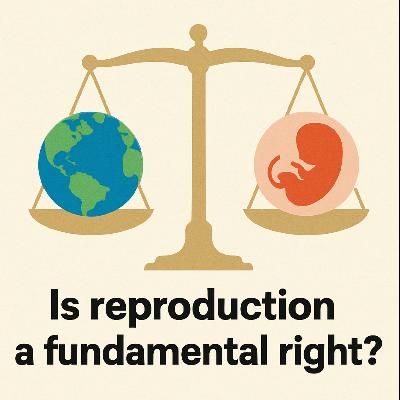
ReproductionFor decades, public health discussions centered on controlling fertility — contraception, family planning, and population policies. But there’s another, quieter side of reproduction — infertility. While millions try not to conceive, millions of others struggle because they can’t.The World Health Organization defines infertility as a disease of the reproductive system. It is often treated as a private sorrow, not a public concern. Couples spend years & savings “chasing a phantom pregnancy,” moving from one clinic to another, often in silence & shame.1. Health and Human RightsThe WHO defines health as “a state of complete physical, mental, and social well-being — not merely the absence of disease.”Infertility threatens health on all fronts. If health is a right, & reproduction is essential to health, then shouldn’t reproduction itself be a right?Reproductive rights don’t stop at contraception; they include the right to have children, Infertility care remains inaccessible or unaffordable in much of the world.2. The Ethical Crossroads of Modern ScienceIVF, ICSI, surrogacy, egg freezing, and even mitochondrial replacement therapy have given hope where once there was none.New technologies raise profound questions:Should reproduction be considered a right, regardless of cost or circumstance?Do these rights extend to same-sex couples, single individuals, or post-menopausal women?How do we balance reproductive freedom with ecological and population concerns?These are not just scientific issues — they are moral and social ones. Rights come with responsibilities. Science must serve compassion, not commerce.3. Infertility Care as a Matter of JusticeIf society funds contraception and abortion services, shouldn’t it also support infertility care?Recognizing infertility as a public health issue means:Making diagnosis and basic treatment available through public hospitals.Offering insurance coverage or subsidies.Providing counseling to handle the emotional toll.Ensuring ethical regulation of assisted reproduction.The goal isn’t to promise everyone a child — but to ensure that no one is abandoned in their desire to become a parent.4. A Right with BoundariesReproduction unlike most other rights, affects not just the individual, but future generations and the planet.Some nations face declining birth rates, while others struggle with overpopulation. The right to reproduce must therefore be balanced with social and ecological responsibility.5. The Human and Emotional SideInfertility isn’t just a medical diagnosis — it’s a deep emotional wound. In many cultures, childlessness carries stigma, especially for women. It can lead to depression, isolation, or marital breakdown.Empathy, counseling, and public awareness are as important as medical treatment.Societies must stop viewing infertility as a failure and recognize it as a shared human challenge.6. The Way ForwardInfertility is a health issue that affects millions across all economic & cultural boundaries.Public policy must evolve — to make infertility care accessible, ethical, & humane. Laws must protect the rights of parents, donors, surrogates, and children born through these technologies.Reproduction is more than biology. It is an affirmation of life, continuity, & belonging. Denying infertility care is not just denying treatment — it is denying people their wholeness.Reproduction is indeed a fundamental right — but one guided by responsibility & compassion. The desire to create life is not a luxury — it is part of what makes us human.
Success is a journey, not the destination. The path continues beyond the peak.We are all taught how to handle failure. We learn to rise when we fall, to correct mistakes, to be resilient. Entire volumes are devoted to grit, perseverance, and recovery. Yet very few ever teach us how to handle success. And paradoxically, success can be harder to manage than failure.Success brings light — recognition, joy, new opportunities. But it also casts shadows: complacency, envy, the pressure to repeat achievements, and the danger of losing perspective. Shakespeare captured it perfectly in Henry IV: “Uneasy lies the head that wears the crown.”To thrive, we must remember that success is a journey, not the destination. Even more, we must accept that success and failure are conjoint twins, two sides of the same coin. One inevitably follows the other, eventually.Success and Failure: Conjoint TwinsIn clinical practice, a new treatment or surgical technique often feels like a triumph. A patient recovers, families rejoice, colleagues congratulate. Yet every doctor knows that early success demands vigilance. Complications may arise. Long-term outcomes must be tracked. In medical research, too, a published paper brings recognition, but it also brings scrutiny. Others will try replication. Critics will probe your methods. A celebrated finding becomes the foundation for the next round of questions, not the end of inquiry.History echoes this truth. Thomas Edison, often hailed for inventing the light bulb, reframed his countless failed attempts as essential steps: “I have not failed. I have just found 10,000 ways that will not work.” Lesson: Success and failure are not enemies but twins. Each success carries within it the seeds of future setbacks, and each failure holds the lessons that make future victories possible.Success Is a Beginning, Not a DestinationOne of the greatest conquerors in history, Alexander the Great, wept in his twenties because there were “no more worlds left to conquer.” His victories came so swiftly that success itself became a burden. What he thought was the end turned into a void.The truth is, every success is a starting point, not a finish line. Winning a gold medal, publishing a landmark paper, or launching a popular product may feel conclusive. But the world keeps moving, and the journey continues.In modern times, companies like Kodak and Blockbuster remind us of the danger of resting too long on your laurels. They mistook their market dominance for permanence, not adapting when the next chapter arrived. Their success blinded them to change.Lesson: Treat every victory as a milestone on a continuing road. Celebrate it — but then ask, what comes next?Humility: The Anchor of AchievementSuccess often brings applause, and applause can intoxicate. The antidote is humility.Humility does not mean pretending achievements do not matter. It means recognizing that they were never achieved alone. Behind every success lies a team..Consider Marie Curie, the first person ever to win Nobel Prizes in two sciences. Despite her unprecedented recognition, she lived modestly, devoted to her laboratory, and never patented her process for isolating radium, believing that science should serve humanity. Her humility kept her achievements in perspective.In medicine, too, success is rarely solitary. A successful surgery depends on anesthetists, nurses, and technicians. A research breakthrough relies on data collectors, statisticians, and peer reviewers. Acknowledging this network keeps arrogance at bay and preserves the human ties that make future success possible.Guard Against ComplacencyFailure naturally drives us to work harder. Success, ironically, tempts us to relax. Complacency is the most dangerous shadow cast by achievement.
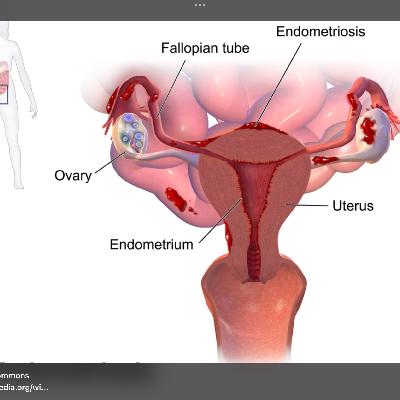
Disclaimer: This is an opinion podcast for educational purposes only and does not constitute medical advice. Readers should consult their healthcare providers before making any decisions about diagnosis or treatment.What is Endometriosis? Endometriosis happens when tissue like the lining of the womb (uterus) grows in places it does not belong — like on the ovaries, the fallopian tubes, or other parts of the pelvis. In rare cases, it can even show up in places far from the womb, like the lungs or surgical scars.This tissue behaves like it would inside the womb — it reacts to monthly hormonal changes, swells, and bleeds during periods. But because it is trapped outside the womb, it can cause pain, swelling, and sometimes scar tissue.Why Does It Happen? Doctors are not completely sure why endometriosis develops. One main theory is retrograde menstruation — where some menstrual blood flows backward into the pelvis instead of out of the body. These cells then stick to other tissues and grow.We also know that: — It mostly affects women who are having regular periods and have working ovaries. — Pregnancy and breastfeeding often ease symptoms because periods stop for a while. Endometriosis usually goes away after menopause when periods stop permanently.How Common is It? We do not know the exact number because many women have no symptoms.But it is estimated that: — Around 1 in 3 women with endometriosis have trouble getting pregnant. Around 1 in 3 women with fertility problems have endometriosis. — In India alone, over 40 million women may have it.What Are the Symptoms? Some women have no symptoms at all. For others, endometriosis can cause: — Very painful periods — Pain during or after sex — Difficulty getting pregnant — Pain when passing stools or urine (especially during periods) — Ongoing pelvic painDoes It Cause Infertility? This is still debated. In some cases, scar tissue or adhesions from endometriosis can block the fallopian tubes or affect the ovaries, making pregnancy harder. But in many women, the link between endometriosis and infertility is unclear. Some experts even suggest infertility can sometimes lead to endometriosis rather than the other way around.How is it Diagnosed? The only sure way to confirm endometriosis is through a small surgical procedure called laparoscopy — where a tiny camera is inserted into the abdomen. Even then, samples are taken and usually checked under a microscope to be sure.Scans like ultrasound can detect endometriomas (a type of cyst caused by endometriosis), but they can miss smaller or hidden spots.Treatment Options: Treatment depends on whether the main problem is pain, infertility, or both.1. Hormonal treatments (such as birth control pills, progestins, or hormone-blocking injections) can relieve pain but usually prevent ovulation, making them unsuitable for those trying to conceive. — Surgery can remove endometriosis patches, but symptoms can return. Surgery is advised when there’s severe pain, bowel or urinary blockage, or suspicion of cancer.2. For infertility, mild cases may be addressed with fertility treatments such as ovulation stimulation and intrauterine insemination (IUI). — For more severe cases or if other treatments fail, IVF is usually the best choice. — Removing endometriomas before IVF does not usually improve success rates and may reduce egg numbers, so it is often avoided unless necessary.Living with Endometriosis: Endometriosis can be frustrating & unpredictable — symptoms can be mild, severe, or even disappear on their own. The key is to tailor treatment to the woman’s main concerns — pain, fertility, or both — and avoid unnecessary delays in trying for pregnancy when that is the goal.
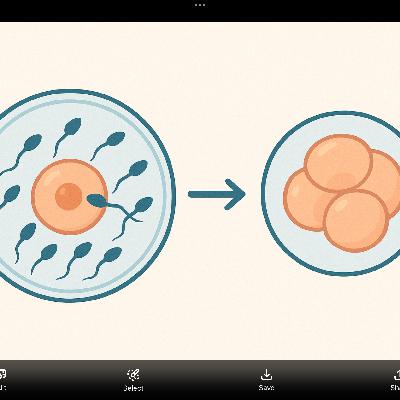
Disclaimer: This is an opinion podcast for educational purposes only and does not constitute medical advice. Listeners should consult their healthcare providers before making any decisions about diagnosis or treatment.Fertility Add-Ons: Hope, Hype, and Hard TruthsQuick Look:Add-ons are optional extras in IVF promising better success. Most lack strong evidence for improving live birth rates and often add only cost, risk, and complexity.What Are Add-Ons?Add-ons are drugs, procedures, or lab techniques added to standard IVF hoping to improve outcomes. Examples include additional drugs (DHEA, growth hormone), lab innovations (time-lapse imaging, embryo glue), and procedures (endometrial scratching). Today's routine (like ICSI) was often yesterday's add-on, reminding us that today's fashion may be tomorrow's history.The Vulnerability of PatientsThe emotional burden of infertility makes patients vulnerable and willing to try anything. History shows the dangers of untested interventions (e.g., Thalidomide, DES). Embryos are highly sensitive, and add-ons may carry hidden long-term risks.Do Add-Ons Really Work?Most fail to improve live birth rates:· Androgens/Growth Hormone: May increase eggs retrieved but not proven to improve live births.· Antioxidants: Can improve sperm quality, but link to live birth is weak.· Aspirin/Heparin: Evidence does not support routine use.· Metformin: Useful for PCOS to reduce risk but doesn’t clearly raise live births.· Endometrial Scratching/Assisted Hatching/ERA: Strong trials show little to no benefit for most.The Herd Effect & Problem with "Evidence"Medicine is not immune to fashion. Unproven add-ons become mainstream as patients request them and clinics offer them to stay competitive. Supporters often cite weak evidence like meta-analyses of small studies or statistically significant but clinically meaningless p-values. Fertility treatment demands the strongest evidence.What This Means for Patients· Ask: “Is it proven to help someone like me achieve a live birth?”· Weigh the significant financial costs.· Understand potential side effects and unknown long-term risks.The Hard TruthMost add-ons do not increase your chance of a baby. They reliably add cost, confusion, and complexity. Innovation must continue but with caution, protecting patients.Final TakeawayUntil solid evidence proves they increase live births without harm, add-ons remain optional extras—not essentials.
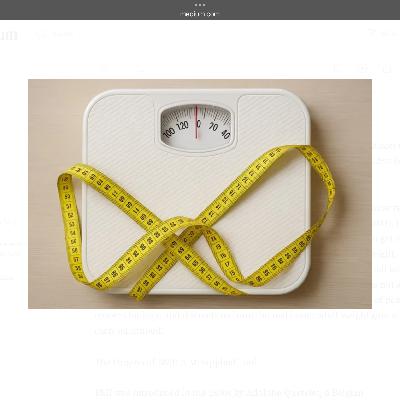
Disclaimer: This is an opinion article for educational purposes only and does not constitute medical advice. Readers should consult their healthcare providers before making any decisions about diagnosis or treatment.Introduction. For decades, doctors, policymakers, & the public have relied on one simple calculation to assess health: the Body Mass Index (BMI).. But does this number really tell us anything about health? The answer is increasingly clear: NO. BMI is not a health parameter. It is a statistical relic that misclassifies millions of people, ignores biology, & distracts us from the real issue: adult weight gain after early adulthood.Origins of BMI: A Misapplied Tool BMI was introduced in the 1830s by Adolphe Quetelet, a Belgian mathematician and statistician. Quetelet was not a doctor, nor was he interested in diagnosing individuals. His goal was to describe the “average man” for population studies. It was never meant to be a medical tool, much less the gold standard for health. Yet today, BMI dominates everything from insurance policies to public health campaigns, despite its glaring flaws.Fundamental Flaws of BMI 1. Oversimplification BMI uses only weight and height. It makes no distinction between muscle, fat, bone, or water. A muscular athlete may be classified as “obese,” while someone with low muscle but excess abdominal fat may fall into the “normal” category.2. No insight into fat distribution Abdominal fat is far more harmful than fat in the hips and thighs. Waist circumference and waist-to-height ratio are much stronger predictors of diabetes and heart disease than BMI.3. Ethnic and gender differences South Asians, for example, develop diabetes at lower BMIs than Europeans. Women and men carry fat differently. One-size-fits-all cutoffs simply do not work.4. Metabolic disconnect A “normal” BMI does not guarantee metabolic health. Many with so-called normal BMI have insulin resistance, fatty liver, or hypertension. Conversely, some in the “overweight” range are metabolically healthy.5. Psychological & social harm.By labeling people “obese” or “overweight,” BMI stigmatizes without nuance. It fails to address the real determinants of health: diet quality, physical activity, stress, sleep, and metabolic fitness. The Biology of Adult Body Weight If BMI is not the answer, then what is?Adult body weight is not random. It is shaped by a complex interplay of: Genetics: Heritable traits that influence body shape, metabolism, and fat storage. Epigenetics: Early life programming that determines how genes are expressed. Intrauterine life: Nutrition & growth in the womb affect lifelong metabolism. Early childhood: Growth, diet, and environment influence the body’s weight trajectory. Puberty: Hormonal changes fix height & weight patterns. By the time an individual reaches early adulthood — roughly 20 years of age, when height (the Y-axis growth) has stopped — the body’s natural baseline weight is established. This is the weight an individual is biologically designed to carry.The Critical Point: Weight Gain After Early Adulthood.Any significant weight gain after puberty & early adulthood is abnormal. Unlike childhood & adolescence, when growth is natural & expected, adult weight gain represents a deviation from the biological blueprint. Pregnancy is an exception — temporary, physiological, & necessary. Bodybuilding or deliberate increase in lean muscle mass is another. But outside of these contexts, weight gain in adulthood has consequences — even if BMI still labels it “normal.”https://medium.com/@pandiyan1_39083/bmi-a-number-that-misleads-more-than-it-measures-665a2d0375d8
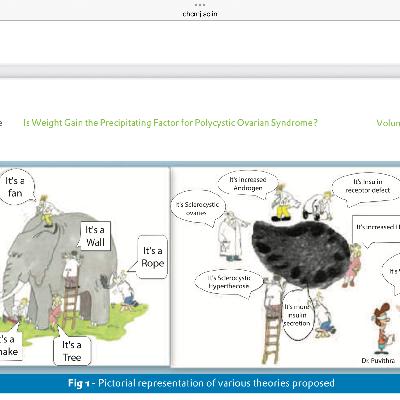
PCOS is an Epiphenomenon Polycystic Ovary Syndrome (PCOS), the commonest endocrine disorder in women, affects fertility, metabolism, & quality of life. It is portrayed as a primary disease of the ovaries, where follicles do not mature, ovulation becomes irregular, & multiple cysts appear on ultrasound. Is this the full story?Our research over the past decade challenges this traditional view. We asked a simple question: Is PCOS the problem, or is it a downstream effect — an epiphenomenon — of something deeper?Weight Gain Comes FirstIn our retrospective study of over 170 women with infertility, we noticed that more than 97% of women with PCOS had gained at least 4-5% of their body weight after adolescence before developing PCOS symptoms.This weight gain was not limited to women who were overweight or obese. Even women with normal BMI developed PCOS when their weight crept up. Absolute number on the scale mattered less than shift in weight.Why is this important? This suggests that weight gain may be the precipitating factor for PCOS. The ovaries, are not inherently diseased. Rather, they are responding to metabolic signals from rest of the body.The Domino Effect: From Weight to Hormones to OvariesBiology supports this. Here is what happens when weight gain accumulates:• More fat tissue increases leptin, which alters hypothalamic-pituitary-ovarian (HPO) axis.• Rising blood sugar triggers insulin release & compensatory hyperinsulinemia.• High insulin lowers sex hormone–binding globulin (SHBG), increasing the amount of free testosterone.• Elevated free testosterone disrupts follicle development, leading to anovulation.A Protective Checkpoint?In a Perspective, we proposed that PCOS might serve as a biological checkpoint. By halting ovulation in a hormonally hostile environment, body may be protecting itself from high-risk pregnancies.This reframes PCOS not just as a disorder, but as an adaptive response gone awry in the modern context of rapid weight gain & lifestyle change.Pregnancy Complications: Blaming PCOS or BMI?It is believed that women with PCOS are at higher risk for complications during pregnancy. Our 2017 study examined over 100 PCOS pregnancies compared to controls. The results were revealing:• The only significant complication was gestational diabetes mellitus (GDM).• Risk of GDM rose not because of PCOS itself, but in proportion to BMI.• PCOS women with normal BMI had similar outcomes to non-PCOS controls.Conclusion: PCOS is not an independent culprit. It is weight gain & metabolic status that drive both PCOS & its associated pregnancy risks.Rethinking PCOS ManagementIf PCOS is an epiphenomenon of weight gain & metabolic dysfunction, then treatment strategies should shift focus:• Instead of forcing ovulation through medications, we should address the root causes — weight management, insulin sensitivity,& lifestyle modification.• By correcting upstream imbalance, downstream reproductive effects may resolve naturally..Take-Home MessagePCOS may not be a disease of the ovaries. It may be the body’s way of signaling that something is off balance — a metabolic alarm bell ringing through the reproductive system.When we ask, “Is PCOS an Epiphenomenon?” the evidence increasingly points to Yes. The shift in perspective could change the way we diagnose, counsel, & treat millions of women worldwideDisclaimer: This opinion article is for educational purposes only & does not constitute medical advice. Readers should consult their healthcare providers before making any decisions about diagnosis or treatment.

The Anti Burnout Prescription The Name Test: My First Battle as a Commonwealth Scholar with the General Medical Council UKThe grand door of London's General Medical Council (GMC) was my final gate on October 1, 1985. After a chaotic departure from Chennai and a disorienting journey, I was 15 minutes early, my folder holding all my hard-won credentials. I needed only the GMC's stamp to begin my Commonwealth Scholarship.Communication was through a small, shuttered window. A clerk handed me a form. In Tamil Nadu, we had shed caste surnames in a social revolution, using our father's first name as an initial. My given name is Pandiyan; my father's is Natarajan. In all my records, I was N Pandiyan. I filled the form faithfully.She returned, polite but final. "Not acceptable."I showed her my certificates, our months of correspondence. "But all my records use this name."Her logic was rigid. "If your first name is Pandiyan and surname is Natarajan, you should be Pandiyan Natarajan. You cannot be N. Pandiyan."I explained the cultural context. She was unmoved. "I cannot register you."The shutter, metaphorically, slammed shut. It was 11 a.m. My entire future hit an immovable wall.I rushed back to my lifeline, the British Council. A Good Samaritan there understood instantly. "The GMC is bureaucratic. The only way is an affidavit." I needed to swear I, N Pandiyan, was the same as Pandiyan Natarajan.The urgency had a sharp sting: it cost 110 pounds, a colossal sum from my meager foreign exchange. It felt like a penalty for my identity.With the sworn affidavit, I returned. It was the magic key. No more questions. Registration was granted.I walked out transformed. The battle for my profession began not in a lecture hall, but at a clerical window, fighting for my name. My advice to every Tamil Nadu doctor bound for the UK became: "Get the affidavit done at home. It will save you money, panic, and a profound lesson in disorientation."My journey began with a stark lecture on identity, validation, and the price of crossing borders.
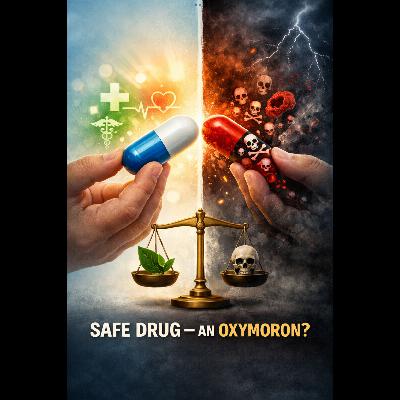
Safe Drug – An Oxymoron?Why fewer medicines may sometimes be the best medicine of allWe often use the phrase “safe drug” casually — to reassure patients, doctors, and even ourselves. But pause and reflect:Is a safe drug truly possible? Or is the phrase itself an oxymoron?A drug, by definition, alters physiology. If it did not change normal biological function, it would have no therapeutic value. And if it alters physiology, it cannot be entirely free of consequences.A drug without side effects is a drug without effects.Side Effects Are Extensions, Not AccidentsSide effects are often treated as unfortunate mishaps. In reality, they are extensions of the same pharmacological action, expressed in tissues or pathways we did not intend to target.Lower blood pressure excessively, and organs may suffer.Suppress inflammation too much, and immunity may weaken.Alter neurotransmitters, and mood or cognition may change.The problem is not that drugs have side effects.The problem is when we forget that they inevitably will.Even Placebos Are Not Always HarmlessBiology responds not only to molecules, but also to beliefs and expectations.A placebo can heal.A nocebo can harm.Fear, excessive warnings, or negative expectations can produce real symptoms — even in the absence of an active drug. This alone should remind us how powerful any intervention can be.The Hidden Toll of Adverse Drug EffectsEvery year, tens of thousands of people in the United States alone die due to adverse drug reactions — not overdoses, but drugs taken as prescribed. If global data were fully captured, the number would likely run into millions.This is not an argument against medicine.It is an argument against complacency.Less Can Truly Be MoreModern medicine has achieved extraordinary successes. But wisdom lies not in how many drugs we prescribe, but in how few we can safely use.Do we always need a drug — or do we sometimes need time, lifestyle correction, reassurance, or watchful waiting?Every prescription should quietly ask:Is this absolutely necessary, and is this the minimum required?What Enters Us — and Leaves Us — MattersAnything that goes into our mouth — food, fluids, supplements, and drugs — can affect us.Equally important is what comes out of our mouth:Words, diagnoses, warnings, and written thoughts. These too can heal or harm.Medicine is not only molecular — it is human.A Call for Caution, Not FearThis is not a call to reject drugs, but to respect them — their power, their limits, and their inevitability of unintended effects.In an age of polypharmacy and pill-for-every-ill thinking, perhaps the most radical act is simple:Prescribe less.Take less.Think more.Because when it comes to drugs, safe is never absolute — only relative, contextual, and temporary.
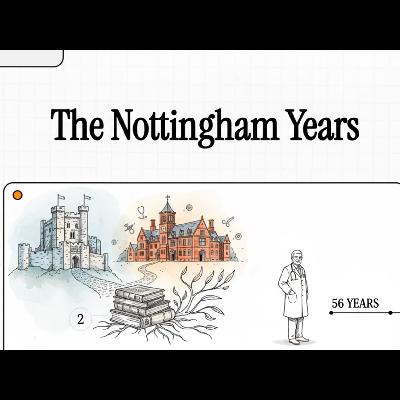
I left Chennai on September 29, 1985, for a Commonwealth Scholarship in Reproductive Medicine at Nottingham. My departure was a chaotic race to the airport against political rallies, severing me from my pregnant wife and young son with a hurried, incomplete goodbye.The journey was a trial. A packed, smoke-filled flight magnified my isolation, anchored by my veganism and teetotalism. London’s first gift was a thick fog, diverting us to Manchester. In 1985’s silent world—no phone, no email—I travelled by bus through strange countryside, guarding my meager foreign exchange, too anxious to eat. I arrived at my friend’s London house not as a scholar, but as a drained refugee from my own life.My first anchor was the efficient British Council the next day. They directed me to the General Medical Council (GMC) for registration—the next step to Nottingham. On a London street, autumn air sharp, I held my folder of hard-won credentials: my MBBS, MD, certifications from Chennai and Delhi. I had navigated fog and fatigue. Now, armed only with my papers and the resilience forged in 21-hour hospital duties, I faced the gatekeepers of my profession.Little did I know, the greatest shock awaited not in the sky or on the road, but behind an official door, ready to question the very foundations I carried in that folder.
The Anti-Burnout Prescription: 56 Years in Medicine — Part 2Burnout is often seen as a slow leak. But what if immense pressure leaves no room for the leak to start? My first five faculty years tested every fibre and launched my global career.The 21-Hour Crucible (Chennai, 1980–1985)I joined a globally busy maternity hospital. Life was extremes: morning duties, then a 21-hour weekly labour room shift (1 PM to 7 AM). We saw every complication. The physical and emotional strain was absolute. Yet, we didn't break. We created an anti-burnout triad:1. Shared Purpose: Our singular mission — “for the patient” — obliterated petty grievances.2. The Tribe: We were a unit. Teaching at 3 AM wasn't a burden; it reinforced our collective strength.3. Mastery as Enjoyment: Profound satisfaction came from our skills meeting immense demand.In this fire, my focus crystallised: I chose to subspecialise in infertility, seeking to understand the beginnings I was managing.The Newspaper Clipping That Changed EverythingA path to UK training opened via karma. I never charged fellow doctors. One, whose wife I helped conceive, sent a faded clipping: the Commonwealth Scholarship. The official circular was lost in bureaucracy.I applied, but the rule was clear: the application must also come through official channels. My hospital copy was lost. Shortlisted for an interview, I needed a fresh application signed by the Chief Minister immediately.What followed was a breathless race. Here, a life of integrity paid off: a patient's father, contacts, and fortune guided the file. I got the signature hours before my train to Delhi.At the interview, before giants of Indian medicine, I succeeded. I was selected as the only Indian candidate in my field that year. After a deferred placement, I left for the UK in September 1985.The Lesson in the StormSustainable endurance isn't about avoiding storms, but finding the right vessel and crew. Burnout fears the individual adrift in a meaningless grind. It cannot easily touch someone who is:· Deeply anchored in purpose,· Fortified by a trusted tribe,· And whose daily work builds bridges through integrity.The greatest opportunities don't always come officially. Sometimes, they arrive as a clipping from a grateful colleague, proving the good you put into work has a mysterious way of circling back.(The UK journey and its integration into a lifetime of service is a story for another day.)*
The Unjustified Hype Around “Designer Babies”The phrase designer baby evokes powerful images — parents selecting intelligence, beauty, athletic prowess, or musical genius as if choosing from a catalogue. Popular media, science fiction, and sensational headlines have fueled this belief.The reality is far less dramatic — and far more grounded. Despite the hype, designer babies, in the true sense of deliberate human enhancement, do not exist today. What exists is careful, ethical medical practice aimed at preventing serious genetic disease, not creating custom-made humans. The gap between public perception and scientific reality has never been wider.What Science Can Actually Do Today: Preventing Serious Genetic DiseaseModern reproductive genetics has made one remarkable and humane advance: preventing the transmission of devastating inherited disorders. Through IVF combined with Preimplantation Genetic Testing for Monogenic disorders (PGT-M), embryos can be screened for known lethal or severe conditions before implantation.Conditions such as Fanconi anaemia, β-thalassemia major, spinal muscular atrophy, and certain metabolic disorders can now be avoided, sparing families immense suffering. In rare cases, this has enabled the birth of a “savior sibling,” whose cord blood or bone marrow can treat an affected sibling. Even here, no genes are engineered — nature creates the embryos; medicine selects the healthy one. This is disease avoidance, not human design.What Science Cannot Do: Intelligence, Talent, and AthleticismA persistent myth is that we are close to producing children with superior intelligence or talent through genetics. Reality check: intelligence, creativity, and athletic performance are shaped far more by environment, education, nutrition, mentoring, and effort than by genes alone. No embryo test can predict curiosity, resilience, discipline, or passion. A genetically “ideal” child raised in deprivation will not outperform an average child nurtured with care and opportunity.Why Genes Are Rarely DestinyMost desirable human traits are polygenic, involving hundreds or thousands of genes. One gene may influence multiple traits, behave differently in different environments, or be modified by epigenetic factors across a lifetime. Genes set possibilities, not guarantees. They define a range, not a destiny.When “Design” Goes Wrong: An Ethical LandmineEven if deeper genetic intervention becomes possible, a troubling question remains: what happens when design goes wrong? Genetic errors are irreversible and heritable. Who is responsible for unforeseen harm? Can a child consent to permanent alteration? These concerns explain why most scientific and ethical bodies firmly oppose germline enhancement.The Bottom LineWe are not designing babies.We are preventing suffering.Medicine has wisely drawn a line between avoiding serious disease and engineering perfection. Human potential still depends far more on love, learning, effort, and environment than on laboratory manipulation. Designer babies remain a compelling idea — but for now, and perhaps wisely, they remain a myth.
We banned smoking in public places after accepting an uncomfortable truth: what an individual chooses to inhale does not remain a purely personal choice when it harms others. Science forced our hand, and society complied — slowly, reluctantly, but decisively.Alcohol now stands at the same crossroads.And yet, we hesitate.Alcohol: A Carcinogen, Not a Lifestyle ChoiceThere is no longer room for ambiguity. Alcohol is a declared carcinogen, with no safe level of consumption. This is not a moral opinion or cultural critique — it is scientific consensus.Alcohol affects almost every system in the body: the liver, brain, heart, pancreas, immune and endocrine systems, reproductive health, and mental well-being. It damages DNA, disrupts hormonal balance, and increases the risk of cancers of the breast, liver, esophagus, colon, and oral cavity.Most tragically, alcohol does not spare the unborn.A fetus has no agency or defense. Prenatal alcohol exposure can cause fetal alcohol spectrum disorders, permanent neurodevelopmental impairment, and lifelong disability. Few substances leave such irreversible harm.If alcohol were a newly discovered chemical today, stripped of tradition and marketing, it would never be approved for routine consumption — let alone served in public spaces or on aircraft.Wisdom We Have ForgottenLong before modern science, Indian civilization recognized alcohol’s corrosive effects on judgment and social harmony. Thiruvalluvar devotes an entire chapter of the Thirukkural (Kallunnamai) to condemning intoxication, warning that even learned men lose discernment once intoxicated.This is not moral policing. It is behavioral science articulated two millennia ago.Alcohol dismantles inhibition, distorts perception, and weakens responsibility — a dangerous combination in shared public environments.Shakespeare’s Clarity“It provokes the desire, but it takes away the performance.”Alcohol inflames impulse while sabotaging execution. In public spaces — airports, airplanes, stations, and streets — this is not poetic; it is perilous.Public Health, Not Private MoralityCalls for alcohol regulation are often dismissed as moralism. This is a distraction.The argument is not about banning alcohol everywhere, but about recognizing where alcohol does not belong.We accepted that smoking has no place in airplanes, hospitals, offices, or public transport because second-hand harm is real. Alcohol too produces second-hand consequences — violence, accidents, abuse, impaired judgment, and unsafe environments.Airlines reveal the contradiction clearly. We would never allow a mildly intoxicated individual to perform safety-critical tasks, yet alcohol consumption is normalized inside sealed aircraft carrying hundreds of passengers.ConclusionThe debate is no longer about whether alcohol is harmful.The real question is why we permit its use in shared public spaces when safer precedents already exist.• Smoking is banned in public places• Drunk driving is criminalized• Yet alcohol consumption in public venues, including airlines, remains socially endorsedThis inconsistency is indefensible.When ancient wisdom, classical literature, and modern science converge, ignoring them is not liberty — it is denial.Thiruvalluvar warned us.Shakespeare observed us.Science has confirmed it.Perhaps the most dangerous intoxication today is not alcohol itself, but our reluctance to confront its true cost.
The Anti-Burnout Prescription: 56 Years in Medicine Without a Single Burnout or Dropout By Professor Dr Pandiyan NatarajanBurnout is often seen as an unavoidable outcome of ambition. We seek balance, escapes, and digital detoxes as if survival requires stepping away from our work.My story is different.Across 56 years in medicine, in some of the busiest hospitals in India, I have not experienced burnout — not because of luck alone, but because of a mindset shaped by reality. Here is the unwritten rulebook that sustained me.Lesson 1: Passion Over PressureMadras Medical College, 1970At 17, entering a system with a 50% failure rate, anxiety was real — but burnout never surfaced. The difference was seeing learning not as a rigid syllabus but as an exploration of the human body.Work infused with passion becomes nourishment, not strain. Burnout arises when work feels meaningless, not when it is demanding.Lesson 2: Stress as Fuel, Not an EnemyCompulsory Rotatory Resident Intern-CRRI → Residency in Chandigarh, 1977Internship at Government General Hospital was intense, yet meaningful work left no room for resentment.In Chandigarh, facing cold weather, language barriers, and isolation, I reframed stress as a challenge. I built friendships, grew professionally, and thrived.Eustress elevates; distress drains. Resilience comes from learning to operate in difficult environments.Lesson 3: Demand Can Be EnjoyableSpecialization in Obstetrics & GynecologyReturning to Madras, I trained in a maternity hospital with 16,000 deliveries a year. The pace was relentless, but every shift deepened competence.Purpose transforms pressure into exhilaration.The Turning PointIn 1980, after securing first rank in the University, I returned to my alma mater as Assistant Professor. The early crucible years had taught me:Passion is the foundationStress can be fuelImmersion brings joyThe next challenge was learning how to sustain these principles over a lifetime — a story to be continued.
The Mess Around Menopausal Hormone TherapyProfessor Dr. Pandiyan NatarajanProfessor of Andrology and Reproductive Sciences(Disclaimer: This podcast is for informational purposes only and is based on a synthesis of current medical evidence and expert opinion. It is not a substitute for professional medical advice. Please discuss your health care plan and any concerns with your qualified healthcare provider.)Menopause is a universal biological milestone — a normal physiological transition, not a disease. For many, this transition is smooth, but for others, it brings disruptive symptoms. The field of menopausal hormone therapy (MHT), a highly effective treatment, has spent two decades swinging between hype and fear.From "Feminine Forever" to Global PanicIn the 1990s, MHT was glorified as "Feminine Forever," believed to prevent heart disease and preserve youth. This changed with the 2002 Women’s Health Initiative (WHI) study. Its headlines were catastrophic: "Hormones cause breast cancer and heart attacks!" Prescriptions collapsed overnight.However, the study's design was flawed. The average participant was 63 years old and 12 years past menopause. The alarming results were applied to younger, healthier women for whom they were not relevant.Revisiting the Data: A Dramatic ShiftReanalysis revealed a different story for healthy women under 60 or within 10 years of menopause:· Benefits: Reduced overall mortality, lower risk of heart disease, type 2 diabetes, and fractures.· Risks: A slightly increased risk of breast cancer with combined estrogen-progestin, and increased risk of VTE and stroke in older women using oral estrogen.The study that caused panic actually showed benefits for the women most likely to seek treatment.A Balanced, Evidence-Based ApproachMHT is safe and effective when used correctly. Major medical societies agree on a "therapeutic window" for women under 60 or within 10 years of menopause. Outside this window, risks rise.Key Principles for a Rational Path:1. Menopause is Physiology, Not Pathology: Not every woman needs MHT. Symptoms vary globally, and many adapt well with lifestyle and cultural support.2. Individualize Treatment: There is no one-size-fits-all rule for duration. It depends on symptom severity, bone health, and patient preference, requiring regular review.3. Avoid the New Hype: MHT is not an anti-aging therapy, cognitive enhancer, or weight-loss tool. It treats menopausal symptoms, not aging itself.4. Follow a Sensible Middle Path:· Start with lifestyle measures (diet, exercise, Cognitive Behavioral Therapy ).· Use MHT only for significant, persistent symptoms.· Use the lowest effective dose, favoring safer options like transdermal estrogen and micronized progesterone.· Ensure the woman makes a fully informed decision.The goal is a calm, evidence-based perspective—neither glorifying MHT as a cure-all nor demonizing it as dangerous.
The Electronic Fetal Monitoring Paradox — Why It’s Time to Rethink the Routine(Disclaimer: This is for informational purposes only and not a substitute for professional medical advice. Please discuss your birth plan with your healthcare provider.)For decades, the rhythmic sound of a baby’s heartbeat on an electronic fetal monitor (EFM) has been the soundtrack of modern childbirth. Most parents and many clinicians assume continuous EFM is essential for safety. Yet a large body of high-quality evidence reveals a troubling paradox: routine EFM in low-risk pregnancies causes more harm than good.The Promise Introduced in the 1960s–70s, continuous EFM was expected to detect fetal oxygen deprivation early and dramatically reduce cerebral palsy, perinatal death, and brain injury.The Evidence After 50+ Years Multiple large randomised trials and Cochrane systematic reviews (the highest level of evidence) show:• No reduction in perinatal death or cerebral palsy in low-risk pregnancies.• Slight reduction in rare neonatal seizures (usually no long-term harm).• Significantly increased caesarean sections and instrumental vaginal births (nearly double in some studies).The core problem: EFM has a very high false-positive rate. “Non-reassuring” tracings are common even in perfectly healthy babies, triggering a cascade of interventions that often prove unnecessary.Proven Harms of Routine EFM1. Higher surgical delivery rates → increased maternal infection, haemorrhage, longer recovery, placenta accreta in future pregnancies.2. Restriction of movement → slower labour, more pain, higher use of oxytocin and epidurals (which further distort heart-rate patterns).3. Psychological distress when traces are labelled “abnormal”.A Better, Evidence-Based Alternative For low-risk women, intermittent auscultation (listening with a Doppler or Pinard stethoscope every 15–30 minutes in active labour) is just as safe as continuous EFM and avoids all the above harms. It allows:• Freedom of movement• Better labour progress• Lower intervention rates• More personalised, one-to-one midwifery care (itself proven to improve outcomes)Major obstetric organisations (ACOG, RCOG, WHO, NICE) already state that intermittent auscultation is the preferred method for low-risk labours, yet continuous EFM remains the default in many hospitals—largely due to habit, medico-legal fears, and staffing issues.Time for Change EFM is a valuable tool in genuinely high-risk situations (pre-eclampsia, growth restriction, preterm labour, etc.). But for the majority of healthy mothers and babies, routine continuous monitoring is an outdated intervention that interferes more than it helps.We should make intermittent auscultation supported by continuous midwifery care the new standard for low-risk birth, reserving EFM for cases where clear risk factors justify it. This simple shift would reduce unnecessary caesareans, support physiological birth, and put the focus back on the labouring woman rather than the machine.
Testosterone therapy for peri menopausal women — Is it a cause for celebration or a cause for concern?Subheading — Testosterone for Women: A Medical Miracle or a Slippery Slope?Disclaimer: The information provided in this podcast is for educational and informational purposes only and is not intended as a substitute for professional medical advice, diagnosis, or treatment. Always seek the advice of your physician or another qualified health provider with any questions you may have regarding a medical condition or before starting any new treatment. The views expressed herein are the author’s own and are based on a synthesis of available research and expert opinions. Never disregard professional medical advice or delay in seeking it because of something you have read in this article.IntroductionFor too long, we have lived with a simple hormonal binary: estrogen is the “female” hormone and testosterone is the “male” one. But biology is far more nuanced. The truth is, both men and women produce both these crucial hormones. In women, the ovaries and adrenal glands produce testosterone, and it plays a vital role in maintaining energy, muscle strength, bone density, and, most famously, the libido.At menopause, it is not just estrogen that declines. Testosterone levels also take a significant dip. This dual decline is often behind the constellation of symptoms many women face: not just hot flashes, but also a crushing fatigue, mental fog, a loss of muscle tone, and a dwindling interest in sex. In the quest for solutions, Testosterone Therapy (TT) has emerged from the shadows, promising to rekindle the fire. But is this a cause for celebration, or a cause for concern?The Alluring Promise: The “Pros” of Testosterone Therapy (TT)There is a reason TT is gaining traction. For some women, the benefits can feel life-changing:· Revitalized Libido: This is the most cited and researched benefit. Testosterone can significantly boost sexual desire, arousal, and satisfaction, helping women reconnect with a part of themselves they thought was lost.· Enhanced Energy and Well-being: Many users report a welcome return of their get-up-and-go, combating the profound fatigue that can accompany menopause.· Sharper Mind: Some studies suggest a positive effect on cognitive function, helping to clear the notorious “brain fog.”· Stronger Body: Testosterone helps build and maintain muscle mass and bone density, offering protection against osteoporosis and frailty.For women suffering from genuine clinical deficiency, these benefits can be profound. However, this “medical miracle” comes with a significant & often under-discussed list of caveats.The Sobering Reality: The “Cons” and The IrreversibleLike any powerful hormone treatment, testosterone is not a free pass. The side effects can be troubling,& some are permanent.Common side effects include:· Acne & oily skin· Facial hair growth (hirsutism)· Scalp hair thinning· Mood swings or increased aggression. Weight gainBut the most concerning, irreversible, side effect is the deepening of the voice. Acne can be treated & hair can be removed, a fundamental change in one’s voice — a core part of our identity & communication — is permanent. This is not temporary hoarseness; it is a structural change to the vocal cords that does not revert, even after stopping the therapy. It is a risk that demands serious thought and is often minimized in promotional materials.Less common side effects include:. Cardiovascular, issues. Liver toxicity . Blood clots. Lipid profile changesPlease listen
loading
Comments