


 Claim Ownership
Alchemy & Ayurveda with Chitra
Subscribed: 0Played: 0
Subscribe

© Ayurveda With Chitra LLC
Description
16 Episodes
Reverse

Where Ayurvedic wisdom meets neuroaromatherapy — Chitra, Doctor of Ayurveda and Tammy Davis of Aromagenomics™️ explore allergies, the senses & the healing power of aromatics. This is a public episode. If you'd like to discuss this with other subscribers or get access to bonus episodes, visit chitraji.substack.com/subscribe

Hello Alchemist,Its been another of those weeks where I needed to focus on charting a new course for this newsletter and website.My continued prayers to all who are in need of healing and soothing.As winter in the northern hemisphere continues to deepen you may find vata and in specific the qualities of dryness and cold setting in.The skin and hair are particularly susceptible to dryness.In this recording, Clarissa and I delve into the multifaceted topic of hair changes during menopause.You don’t have to be in menopause or female for your hair to change, go gray or fall out. These tips concepts are for everyone who has a scalp.We explore how traditional practices in Chinese medicine and Ayurveda can support healthy hair through dietary choices, herbal remedies, and scalp care.The conversation covers personal anecdotes, the cultural significance of hair, and the impact of emotional well-being on hair health. We emphasizes the importance of nutrition, the benefits of oiling, and other preventive measures to maintain vibrant and healthy hair during menopause.00:00 Introduction and Welcome03:22 The Impact of Marketing on Holistic Health05:17 The Importance of Authentic Conversations08:12 Today's Topic: Hair and Its Significance09:25 Understanding Hair Changes During Menopause12:10 Ayurvedic and Chinese Perspectives on Hair24:19 Factors Contributing to Hair Loss33:50 Preventative Measures and Hair Care Tips39:28 Introduction to Ayurveda and Oil40:16 Weekly Hair Oil Routine41:23 Choosing the Right Oil for Your Dosha42:55 Tips for Washing Oily Hair44:01 Herbs for Hair Health45:21 Chinese Medicine and Hair Growth47:18 Cultural Perspectives on Aging and Hair49:41 Castor Oil: Benefits and Cautions53:18 Nutrition for Healthy Hair01:00:32 Herbs and Spices for Hair Health01:06:03 Personal Hair Stories and ExperiencesTil next time.Peace, Chitra This is a public episode. If you'd like to discuss this with other subscribers or get access to bonus episodes, visit chitraji.substack.com/subscribe
Dear Alchemist in TrainingIn the early ‘90s I visited my cousin from the Bronx who was studying with a chinese medicine doctor in China Town NYC. I was living the lifestyle that you see on TV and in movies of a single woman in the city. My cousin, took one look at me and said, show me your tongue and proceeded to tell me all about my sleep habits, what food I was eating and what I was ignoring when it came to my health.My jaw dropped, I thought I was hiding my lifestyle so well, not just from friends and family but from myself.That’s when I first became fascinated by the tongue as a diagnostic tool.While you regularly check your eyes, ears, and nose, when’s the last time you examined your tongue? This overlooked organ is actually an immediate diagnostic tool, showing what’s happening inside your body before you even feel symptoms.Both Ayurveda and Chinese medicine have used tongue diagnosis for centuries. Why? Because your tongue is a map of your organs and systems. That coating you see in the morning? It’s showing you what your body couldn’t break down properly overnight.The problem: modern medicine has abandoned the practice of checking the throat let alone the tongue. Doctors don’t even use tongue depressors anymore. But learning to read your own tongue can save you money on doctor’s visits, supplements, and medications by catching issues early. And most importantly it gives you a heads up on your health.00:00 Introduction and Purpose of the Video00:59 The Overlooked Importance of the Tongue02:30 Ayurveda and Chinese Medicine Perspectives03:29 The Tongue’s Role in Digestion07:17 The Tongue as a Diagnostic Tool10:48 Practical Tips for Tongue Health12:13 Upcoming Class and Q&A15:05 Daily Rituals for Better Health16:22 Q&A Session22:41 Conclusion and Final ThoughtsThis is the first of 6 Daily Sacred Rituals for 2026 where you will receive support in making the most important dinacharya rituals a habit for long term health.Friday January 30th, you’ll learn:* How to read your tongue’s health indicators* Proper tongue scraping technique (and why brushing isn’t enough)* Which signs warn of upcoming colds, flu, or allergies* When to see a doctorThe class is free as a benefit to all paid subscribers.Everyone is invited even if you don’t subscribe and are just curious* Cost: $35* When Friday January 30th 12pm EST, 9am PST 1 hour.There will be laughter because sticking out your tongue is just funny.This class is designed people who take personal responsibility for their long term health through daily observation and simple rituals, not for those wanting a quick fix.Stop guessing about your health. Start reading the map your body shows you every morning.If you want to know more before signing up for class. This is a previous post I wrote earlier this year.Til next time.Peace,PS This class is not a replacement for medical advice or diagnosis. This is a public episode. If you'd like to discuss this with other subscribers or get access to bonus episodes, visit chitraji.substack.com/subscribe
![[RECORDING] Exploring Acne in Menopause: Insights from Ayurveda and Chinese Medicine](https://substackcdn.com/feed/podcast/2871475/post/174637990/66aa4850ec961f53c35b9dfef88f7713.jpg "[RECORDING] Exploring Acne in Menopause: Insights from Ayurveda and Chinese Medicine")
In this episode of ‘Art and Heart of Menopause,’ hosts Chitra and Clarissa delve into the issue of acne, particularly in relation to menopause.We discuss how acne is perceived and treated differently in Western medicine compared to Eastern traditions like Ayurveda and Chinese Medicine.Exploring root causes such as diet, digestion, and emotional stress and explain various holistic remedies, including specific herbs, facial masks, and dietary adjustments.We emphasize the importance of early detection of imbalances to prevent acne and other menopausal symptoms.This episode is an exploration of natural ways to manage acne during menopause, offering practical advice for overall health and well-being.00:00 Introduction and Today’s Topic: Acne00:55 The Role of Skin in Eastern and Western Medicine02:19 Personal Experiences with Skin Conditions04:30 Introducing the Hosts 06:34 Understanding Menopause and Its Symptoms08:26 Ayurveda and Chinese Medicine Perspectives on Acne17:30 Facial Mapping and Diagnostic Techniques27:20 Diet and Lifestyle Factors in Acne36:48 Yogurt and Sour Fruit: A Digestive Dilemma37:47 Irregular Sleep and Suppression of Urges39:46 Environmental Toxins and Emotional Stress2:51 Pathogenesis of Acne in Ayurveda and Chinese Medicine49:08 Natural Remedies and Dietary Recommendations54:04 Herbal Treatments for Acne01:00:22 Practical Tips for Skincare and Lifestyle01:10:11 Concluding ThoughtsThanks for watching Art and Heart of Menopause. Conversations women should be having in midlife and beyond. This is a public episode. If you'd like to discuss this with other subscribers or get access to bonus episodes, visit chitraji.substack.com/subscribe
Navigating Menopausal Skin: Holistic Insights from Chinese Medicine and Ayurveda In this episode of ‘Art and Heart of Menopause,’ hosts Clarissa, a Chinese medicine practitioner, and Chitra, an Ayurvedic doctor, explore the intersection of traditional Chinese medicine and Ayurveda in managing menopausal skin changes.Join Clarissa (Chinese Medicine Practitioner) and Dr. Chitra (Ayurvedic Doctor) as they explore holistic approaches to skin health during perimenopause and menopause. This episode dives deep into how Traditional Chinese Medicine and Ayurveda view skin changes during midlife, offering natural alternatives to conventional anti-aging treatments. Learn why your skin is the body's largest organ and how it reflects your internal health, from digestion to bone tissue. The hosts discuss practical daily rituals including oil massage, dry brushing, lymphatic stimulation, and the importance of gentle steaming practices.Discover the constitutional differences that determine your skin type and needs according to both medical traditions. From Vata's dry, thin skin prone to early aging, to Pitta's inflammatory rosacea and acne, to Kapha's thicker, oily complexion - understand your unique skin constitution for targeted care. The episode covers specific foods and herbs that support skin health, including goji berries, tremella snow fungus, turmeric pastes, and the golden rule: "if you can eat it, you can put it on your skin." Learn why harsh chemical peels and excessive cleansing damage your skin's protective microbiome.Both practitioners emphasize that healthy skin requires consistent daily practices, not occasional treatments. From ancient Tibetan wisdom to modern skincare mistakes, this conversation bridges 10,000 years of traditional knowledge with practical applications for today's menopausal women. The hosts stress personalized medicine approaches over one-size-fits-all solutions, explaining why what works for your friend may not work for you. Next week's episode will focus on hair health during menopause - another external reflection of internal changes that affects how women navigate this life transition.Key Quotes from the Episode"I'm really passionate that women can be given the power and the knowledge to navigate what can seem a very overwhelming period of their lives. So much better to know that it isn't all just, uh, you are failing, take hormones, take meds, and that's the only route." - Clarissa"The skin is always going to be a reflection of the digestive system... and the skin is going to show everything. It's going to show how you care for yourself. It shows whether or not you're exercising and breathing and hydrating all of these things." - Dr. Chitra"If you can eat it, you can put it on the body, you know, so don't put anything on the body that you can't eat... These practices are not occasional. They are rituals. And there are... they don't have to be elaborate practices, but they can be rituals." - Dr. Chitra & ClarissaKeywords: menopause skincare, perimenopause skin changes, Traditional Chinese Medicine, Ayurvedic skincare, natural anti-aging, rosacea menopause, dry skin menopause, holistic skincare, constitutional medicine, skin microbiome, facial gua sha, oil massage, lymphatic drainage This is a public episode. If you'd like to discuss this with other subscribers or get access to bonus episodes, visit chitraji.substack.com/subscribe

Weight & Healthy Living During Perimenopause & MenopauseEpisode OverviewJoin Ayurveda practitioner Dr. Chitra and Chinese medicine specialist Clarissa as they discuss the complex topic of weight management during perimenopause and menopause. The discussion explores how ancient wisdom from Ayurveda and Traditional Chinese Medicine offers practical solutions for understanding weight redistribution, healthy digestion, and maintaining balance during hormonal transitions. The hosts emphasize that weight gain during menopause. They talk about constitutional body types, digestive health, emotional processing, and the sacred role of adipose tissue in supporting women's health.Key Topics & Practical SolutionsThe episode covers essential strategies for healthy weight management including the importance of eating dinner before sunset, incorporating all six tastes (sweet, sour, salty, pungent, bitter, astringent) into daily meals, and using warming spices like cumin, cinnamon, and cardamom to support digestion. The hosts discuss why cold foods and drinks can impair digestion, leading to dampness and weight accumulation, and recommend warm, cooked foods over raw salads and smoothies. They also address the overemphasis on protein in modern diets, explaining how excess protein without adequate exercise converts to fat, and advocate for a balanced plate: 50% vegetables, 25% quality carbohydrates, and 25% protein.Mindful Eating & Holistic ApproachBeyond dietary changes, the discussion emphasizes mindful eating practices such as tongue scraping to assess digestive health, eating with gratitude and full sensory awareness, and stopping at 80% fullness. The hosts stress that weight management during menopause requires addressing emotional health, stress management, adequate sleep, and appropriate movement. They encourage women to view their changing bodies with compassion, understanding that fat redistribution is a natural part of the menopausal transition that serves important protective and hormonal functions. The episode concludes with a call to make food sacred again—from mindful preparation to grateful consumption—as part of a holistic approach to health during life's transitions. This is a public episode. If you'd like to discuss this with other subscribers or get access to bonus episodes, visit chitraji.substack.com/subscribe

Navigating Grief and Menopause: Insights from Traditional Medicine Episode 15 Art & Heart of MenopauseIn this episode, Clarissa, a TCM practitioner, and Chitra, a doctor of Ayurveda, explore the complex landscape of grief that often accompanies perimenopause, menopause, and midlife transitions.Marking the 9/11 anniversary, they discuss how grief manifests in both global and personal contexts.They emphasize the importance of acknowledging grief and offer insights from traditional Chinese medicine and Ayurveda to manage it.Topics include breath work, acupressure points, the significance of food and spices, and the role of ancient wisdom in modern life. They also highlight the need for compassion, support systems, and reflective practices like journaling and decluttering.Episode Overview: Navigating the Hidden Grief of Menopause and Midlife TransitionsWe discuss how grief manifests not just from external losses, but from internal changes - the subtle mourning for who we once were, dreams deferred, relationships evolved, and bodies transformed.Ancient Wisdom Meets Modern Challenges: TCM and Ayurvedic Approaches to GriefDrawing from thousands of years of traditional healing knowledge, we explain how both Chinese Medicine and Ayurveda understand grief as a condition affecting breath, movement, and digestion. In Traditional Chinese Medicine, grief lives in the lungs and belongs to the metal element - the autumn of our lives - while Ayurveda sees it as a vata (air/space) imbalance that constantly shifts and changes.We share practical tools including specific acupressure points (like the easily accessible web point between thumb and forefinger), breathing exercises such as bhastrika and bee breath, and dietary approaches using warming spices and white seasonal foods like pears and leeks.The episode emphasizes how our culture lacks adequate space for processing this transitional grief, often dismissing women's experiences or expecting them to "get over it" quickly.Practical Healing Tools: From Breath Work to DeclutteringThe conversation provides actionable strategies for supporting yourself through grief, emphasizing that there's no single "right" way to process these emotions since they manifest differently for everyone.00:00 Introduction and Acknowledgment of 9/1100:26 Personal Reflections on Grief02:54 Welcome to Art and Heart of Menopause03:24 Meet the Hosts: Clarissa and Chitra07:03 Understanding Grief in Midlife10:50 Grief and Hormonal Changes11:58 Ayurveda and Chinese Medicine Perspectives on Grief17:05 Managing Grief: Practical Tips22:09 Cultural Perspectives on Grief30:55 Acupressure Points for Grief Relief35:01 Balancing Prana and Chi35:18 Calming vs. Stimulating Elements36:14 Warm Oil Massage and Digestive Foods37:05 Herbs for Grief39:04 The Story of Ashoka Tree42:12 Breathing Techniques for Healing52:16 The Power of Decluttering53:24 Seasonal and White Foods01:03:27 Compassion and GriefFresh unconventional conversations from the world of Ayurveda and TCM. Discover ageless wisdom about natural perimenopause.Join us for the next Art & Heart of Menopause live salon on Thursdays.Thanks for listening to Art and Heart of Menopause. Feel free to share this audio Conversations women should be having. This is a public episode. If you'd like to discuss this with other subscribers or get access to bonus episodes, visit chitraji.substack.com/subscribe
Embracing Aging: Wisdom and Wellness in Postmenopausal LifeIn this discussion, hosts Clarissa Christensen and Chitra delve into the often-overlooked topic of post-menopause.They explore how societal concepts around aging, such as 'aging gracefully,' can undervalue the profound wisdom and spiritual depth that comes with age.Clarissa and Chitra draw on Chinese medicine and Ayurveda to advocate for nurturing the body's energy systems and microbiome. Stressing the importance of movement, diverse nutrition, and emotional self-acceptance.The conversation also touches on the transition from outward-focused living to a more introspective existence, emphasizing the value of lifelong learning, service, and relational growth.The hosts offer insights into how postmenopausal women can live fulfilling, dynamic, and meaningful lives by embracing these holistic principles.We discuss why terms like "second puberty" infantilize women and diminish accumulated experience and wisdom. We advocate for viewing this life stage as a time of harvest and deep spiritual connection rather than decline."What woman would want to go back to being 16 or 20 or revert to that time? I prefer that we look at it from more of a harvesting perspective, a late summer perspective where things are in bloom. There's plenty of warmth and knowledge and all of that growing pain stuff is done. And now we can harvest the juiciness of life." - Dr. ChitraThe conversation delves into the physiological changes that occur after menopause, focusing on joint health, digestive wellness, and the crucial role of the microbiome in maintaining vitality. Clarissa explains how Chinese medicine emphasizes nurturing the spleen system for optimal energy extraction from food, while Chitra explores Ayurvedic concepts of taste, diversity, and preventing the "drying up" (Vata increase) that can lead to physical and mental stagnation. Both stress the importance of movement, diverse nutrition, and maintaining curiosity to support healthy aging at the cellular level."We are dropping the illusion of youth that's coming away and we are applying all this wisdom that we have gained and more that we will gain for ourselves, but also for the greater good. We are so, it's so different. It's not the service we had as a younger woman, there's something different about that." - Clarissa ChristensenMoving beyond the physical, the we explore the deeper spiritual and emotional aspects of post-menopause, introducing concepts of dharma (life purpose) and the natural evolution toward inner wisdom and service. We discuss how this life stage offers freedom from external expectations and the opportunity to develop authentic relationships with oneself and community.This is a time of spiritual deepening, where women can embrace their role as wisdom keepers and guides, contributing meaningfully to society through their accumulated knowledge and inner strength."Dharma is your relationship within the world. It's the relationship to yourself. It's your purpose. But that doesn't mean it's your job. It doesn't mean that it's extraordinary. It means that you've established healthy relationships within self and with others. And that in and of itself is your purpose in this life." - Dr. Chitra00:00 Introduction and Technical Issues00:30 Changes in Media and Menopause02:54 Introducing the Hosts05:46 Personal Experiences with Aging11:01 Movement and Physical Health18:51 Cultural Perspectives on Aging25:35 Philosophical Insights on Aging38:12 Understanding Vata and Its Impact on the Body40:04 The Role of the Spleen in Chinese Medicine44:57 The Importance of Taste and the Microbiome47:48 Cravings and the Sweet Taste in Aging51:34 Diversity in Diet and Its Impact on Health55:02 Exploring Dharma and Purpose in Life 57:15The Journey of Post-Menopause and Inner Growth01:04:59 Embracing Elderhood and Living Your TruthFresh unconventional conversations from the world of Ayurveda and TCM. Discover what’s really happening during perimenopause beyond hormones.Join us for the next Art & Heart of Menopause live salon on Thursdays.Thanks for listening to Art and Heart of Menopause. This post is public so feel free to share it. Conversations women should be having in midlife and beyond. This is a public episode. If you'd like to discuss this with other subscribers or get access to bonus episodes, visit chitraji.substack.com/subscribe
Episode Overview: Breaking Down Premenstrual SyndromeIn this episode, Dr. Chitra (Ayurveda specialist) and Clarissa (Chinese Medicine practitioner) tackle the complex topic of premenstrual syndrome (PMS), exploring why this condition has become increasingly prevalent in modern times. Re-imagine ayurveda and menopause. Art of Menopausing is a reader-supported publication. Consider becoming a free or paid subscriber.Art and Heart of Menopause: Understanding PMS Through Traditional MedicinePMS affects potentially more than 50% of menstruating women, representing a significant portion of their monthly experience - sometimes up to half the month when combined with menstruation. They discuss how environmental factors, including microplastics, processed foods, hormonal disruptions from xenoestrogens, and chronic stress from modern lifestyle demands, contribute to the severity of contemporary PMS symptoms. The conversation emphasizes that while Western medicine labels PMS as a "syndrome" (indicating unknown causes), both Ayurvedic and Chinese medicine traditions offer clear frameworks for understanding and addressing the root causes of menstrual imbalances."The biggest takeaway is to bring discussions about PMS to the forefront. Not from necessarily a complaint place, but from an honoring place." Traditional Medicine Solutions: Ayurvedic and Chinese Medicine ApproachesWe go into practical solutions from both medical traditions, focusing on addressing stagnation and deficiency patterns that underlie PMS symptoms. From the Chinese medicine perspective, PMS involves blood and chi stagnation combined with spleen deficiency, leading to symptoms like bloating, fatigue, breast tenderness, and emotional volatility. Ayurvedic medicine views PMS through the lens of the three doshas (Vata, Pitta, Kapha), with treatments tailored to individual constitution and specific symptom patterns. Both Clarissa and Chitra emphasize the sacred nature of menstruation, explaining how menstrual blood serves as emotional and physical detoxification. Key therapeutic approaches include castor oil packs for warming and circulation, specific acupressure points for emotional release and pain relief, warming foods and soups instead of cold/raw foods, and gentle movement practices that support downward energy flow rather than inversions or intense exercise during menstruation.Lifestyle Integration and Long-term Wellness StrategyThe discussion concludes with practical lifestyle modifications that women can implement immediately, emphasizing the connection between PMS management and smoother perimenopause transitions. We recommend establishing consistent daily routines (dinacharya in Ayurveda) that include proper elimination, mindful eating with all six tastes, and moon cycle awareness practices. The importance of emotional expression and release during menstruation, viewing this time as sacred rather than inconvenient is stressed. Environmental toxin reduction, particularly avoiding synthetic feminine products and microplastics, plays a crucial role in hormonal balance. The episode encourages women to track their symptoms and responses to treatments, building body awareness and self-sufficiency rather than delegating health decisions to others. We must emphasize that while individual approaches vary based on constitution, the fundamental principles of supporting flow, reducing stagnation, and honoring the body's natural rhythms apply universally to all women seeking PMS relief.To help understand your Ayurvedic Constitution Chitra offer’s a Women’s Doṣha Quiz. Which focuses on which doṣha is in need of support right now. It comes with a 15 min voice recording helping you focus your efforts in reducing PMS or perimenopausal symptoms. More information can be found here: Please help others discover these conversations. On the top or bottom of this post, please click on the “❤️” to let us know you like this and want more, click on the recycle like arrows ♻️ to restack this means sharing in the Substack app.If this video made you pause and question, click on the speech bubble “💬” and leave a comment or question.Reading in your email? Want to have nothing to do with the app (I get it) use the button below to share on any other app you are on or via email.Feeling super generous and use the app? Please use the share button to share on your social media.Sending you BIG HUGS 😻 and thanks in advance 🥰.Thanks for watching Art and Heart of Menopause. This post is public so feel free to share it. Conversations women should be having in midlife and beyond.Fresh unconventional conversations from the world of Ayurveda and TCM. Discover what’s really happening during perimenopause beyond hormones. Join us for the next Art & Heart of Menopause live salon on Thursdays. This is a public episode. If you'd like to discuss this with other subscribers or get access to bonus episodes, visit chitraji.substack.com/subscribe

Joint Pain in Menopause: Holistic Approaches to ReliefEpisode DescriptionJoin Clarissa, a Chinese medicine practitioner and mindfulness-based pain management expert, and Dr. Chitra, an Ayurvedic doctor, as they explore the often-overlooked topic of joint pain during perimenopause and menopause. This comprehensive discussion reveals why nearly half of women experience chronic pain during this transition and provides practical, holistic solutions from both Traditional Chinese Medicine and Ayurvedic perspectives. Learn about the root causes of joint pain beyond simple estrogen decline, including kidney yin deficiency, liver blood stagnation, and the Ayurvedic understanding of Vata imbalances.Key Topics CoveredThe hosts delve deep into pain management strategies that go far beyond conventional NSAIDs and opioid treatments. They discuss the importance of gentle movement practices like Qigong, proper body alignment, and the "motion is lotion" principle for joint health. The conversation covers specific herbal remedies including turmeric, ginger, Vitex, and the renowned Maha Narayana oil from Ayurveda, plus Traditional Chinese Medicine approaches like Gou Pi plasters. They emphasize the critical role of magnesium supplementation, explaining the differences between various forms (citrate, glycinate, malate) and their specific therapeutic applications for muscle relaxation and pain relief.Practical TakeawaysWomen experiencing joint pain are encouraged to track their symptoms through detailed pain journals, noting location, timing, quality (sharp, dull, moving), and triggers to better understand patterns. The hosts stress the importance of self-advocacy when working with healthcare providers, as women often face disbelief about their pain symptoms. Simple daily practices like morning joint stretches, self-hugging for nervous system regulation, and temperature therapy (hot/cold compresses based on inflammation type) can provide significant relief. The episode concludes with a reminder that pain is the body's communication system requesting attention, not something to simply mask, and that compassionate self-care is essential for healing chronic pain conditions during menopause.Fresh unconventional conversations from the world of Ayurveda and TCM. Discover what’s really happening during perimenopause beyond hormones. This is a public episode. If you'd like to discuss this with other subscribers or get access to bonus episodes, visit chitraji.substack.com/subscribe
Alcohol and Coffee While MenopausingArt and Heart of Menopause: Ancient Wisdom for Modern Beverages - Alcohol & Coffee During MenopauseEpisode SummaryJoin Dr. Chitra (Ayurvedic specialist) and Clarissa (Chinese Medicine practitioner) as they explore how alcohol and coffee affect women during perimenopause and menopause. Drawing from 5,000 years of Ayurvedic wisdom and Traditional Chinese Medicine, they reveal why context matters more than blanket restrictions when it comes to beverages during this life transition. Learn how your constitutional type, seasonal factors, and timing influence whether that glass of wine or morning coffee helps or hinders your menopausal journey.Key Topics & TakeawaysThe hosts debunk the all-or-nothing approach to alcohol and coffee consumption during menopause, emphasizing that both Ayurveda and TCM focus on individual constitution, timing, and moderation rather than complete elimination. For alcohol, they discuss how different types affect the three Ayurvedic doshas (Vata, Pitta, Kapha) and Chinese medicine's five elements differently - from wine being better for hot-natured Pitta types when consumed with sweet, cooling foods, to how beer can benefit chi and blood but may cause dampness in our over-fed modern context. Coffee emerges as a complex ally that provides essential bitter taste often missing from Western diets, supporting liver health while potentially depleting yin energy that menopausal women desperately need to preserve.Practical Ancient Wisdom for Modern LifeBoth practitioners emphasize the importance of mindful, sacred consumption rather than habitual dependency. They share specific modifications like adding cardamom to coffee to reduce acidity, choosing pomegranate or watermelon mixers for summer cocktails, and timing consumption based on seasonal heat and personal constitution. The episode addresses the social pressures women face around drinking, offering alternatives like herbal wines for cold constitutions and guidance on when these beverages can actually be therapeutically beneficial. Their message is clear: listen to your body, understand your constitution, and transform daily habits into conscious rituals that support rather than deplete your energy during this transformative life stage.Hosts: Dr. Chitra (Art of Menopause Substack) & Clarissa (Heart of Menopause Substack) Topics: #Menopause #Perimenopause #Ayurveda #ChineseMedicine #WomensHealth #AlcoholAndMenopause #CoffeeAndMenopause #HolisticHealth #MindfulDrinking This is a public episode. If you'd like to discuss this with other subscribers or get access to bonus episodes, visit chitraji.substack.com/subscribe

Episode Overview: Ayurvedic Movement for Perimenopause and MenopauseIn this episode of The Art and Heart of Menopause, Chitra, an Ayurvedic Doctor explores the differences between modern exercise culture and ancient wisdom approaches to movement during perimenopause and menopause.Learn why the "no pain, no gain" mentality can be particularly harmful for women navigating hormonal changes, and discover the Ayurvedic principle of exercising at only 50% of your capacity for optimal health benefits.This episode delves into natural movement patterns, functional exercise, and mindful movement practices that support bone density, cardiovascular health, and lymphatic drainage during the menopausal transition.Key Topics: TCM, Ayurveda, and Holistic Movement PracticesThe episode features insights from both Ayurvedic medicine and Traditional Chinese Medicine (TCM) perspectives on movement, including the role of Qigong as energy mastery and the importance of meridian work.How ancient cultures viewed exercise as whole-body health practices rather than isolated muscle building, and learn about the connection between doshas (Vata, Pitta, Kapha) and appropriate movement choices. The discussion covers lymphatic massage techniques, the benefits of inversions for drainage, seasonal considerations for exercise timing, and why strength training should be natural and functional rather than repetitive and unnatural during menopause."No pain, no gain has never served women at all. It doesn't serve anyone really because all it does is damage. Pain is a signal that there's damage happening to the body."Practical Tips: Natural Movement and Lymphatic Health for Menopausal WomenActionable advice on incorporating walking, inversions (legs up the wall), and mindful movement into your daily routine.Learn specific techniques for lymphatic massage using oils, understand why holding inversions for no more than 5 minutes is recommended for beginners, and discover how weight fluctuations affect skin integrity during menopause.The episode also addresses muscle maintenance during hormonal changes, the importance of core strength for aging, and how movement practices can support mental health and combat depression commonly associated with Kapha imbalances in menopausal women.The conversation touches on managing cardiovascular health, bone density, and maintaining muscle integrity. Practical advice on using mindful movement, lymphatic drainage techniques, and seasonal variations in exercise routines are provided to help women navigate menopause naturally and effectively.00:00 Introduction to the Art and Heart of Menopause00:18 Holistic Perspectives on Menopause04:59 The Importance of Movement During Menopause07:05 Ayurveda's Approach to Movement and Exercise09:33 Challenges and Solutions in Modern Movement17:41 Mindful Movement and Internal Energy21:29 Practical Tips for Maintaining Strength and Flexibility27:44 Q&A and Interactive Discussion56:54 Upcoming Events and Final ThoughtsThanks for listening to Art and Heart of Menopause. This post is public so feel free to share it. Conversations women should be having in midlife and beyond.Fresh unconventional conversations from the world of Ayurveda and TCM. Discover what’s really happening during perimenopause beyond hormones. Join us for the next Art & Heart of Menopause live salon on Thursdays. This is a public episode. If you'd like to discuss this with other subscribers or get access to bonus episodes, visit chitraji.substack.com/subscribe

Circadian Rhythms and Biorhythms are having their day in current health culture and hype. Biorhythms were part of the lingo during the early ‘new age’ health movement. It classified three types of rhythms, physical, mental and emotional rhythms. The ‘science’ of the day discounted biorhythms as woo. However tools of biological measurement got better and the more ‘scientific’ Circadian Rhythm was born. Interestingly biorhythm theory is still considered woo while Circadian Rhythm theory is legitimate in certain circles. Circadian rhythm bu definition is your body's natural internal clock, regulating sleep-wake cycles and various other bodily functions, including hormone release, body temperature, and digestion, over a 24-hour period. Re-imagine ayurveda and menopause. Art of Menopausing is a reader-supported publication. Consider becoming a free or paid subscriber.Did you know that both Ayurveda and Chinese Medicine observed and created daily clocks based on the movement of subtle energy in the body and in the world?Our main conversation for Episode 03 of Art and Heart of Menopause (unless we go off on a tangent which is always fun.) * The tyranny of our unnatural rhythms in a world created by patriarchy and extractive economics harms our relationship to biological time. * Similarities and differences between the Ayurvedic and TCM versions of the body clock. * How living more aligned to diurnal rhythms supports us during menopause. * Challenges of living in today’s world with a more aligned body clock with simple steps to overcome themWe explored how traditional Chinese Medicine (TCM) and Ayurveda interpret daily clocks and circadian rhythms, emphasizing the importance of aligning daily activities with natural cycles to promote health and well-being. We discussed modern disruptions caused by industrialization and technology, leading to lifestyle imbalances such as poor digestion, anxiety, and sleep issues. Both emphasize the importance of eating the largest meal at midday, resting in the evening, and respecting natural signals of hunger and thirst. The conversation aims to help busy women integrate these ancient principles into their modern lives for better health, focusing on the quality of life and longevity.Show NotesIn this episode, Clarissa Kristjansson and I delved into the intricacies of circadian rhythms and how they impact menopausal health. We introduced the concept of daily clocks in Traditional Chinese Medicine (TCM) and Ayurveda, highlighting the role of clocks and time perception throughout history and how modern life disrupts natural rhythms. The discussion covers organ systems, energy flow, and the importance of aligning daily activities with natural cycles for optimal health. We emphasized practical tips for synchronizing with natural rhythms, particularly focusing on proper meal timings and simplifying daily routines to enhance overall well-being.00:00 Introduction and Greetings00:43 Meet Clarissa and Chitra02:27 Understanding Circadian Rhythms in TCM and Ayurveda02:39 The Impact of Modern Life on Natural Rhythms09:58 The Daily Clock in Chinese Medicine15:03 The Daily Clock in Ayurveda22:00 Comparing TCM Organ Systems and Ayurveda Tissues and Srotas Systems33:41 The Importance of Meal Timing and Digestion37:00 Balancing External and Internal Worlds37:13 Impact of Work on Daily Routines37:45 Nutritional Challenges and Sleep Issues38:28 Psychological and Emotional Effects39:10 Women's Work-Life Balance Struggles40:11 Corporate World and Physical Activity40:49 Service Jobs and Solo Entrepreneurs41:38 Perimenopause and Menopause Challenges45:25 Ayurveda and Emotional Imbalances47:37 Daily Rhythms and Ayurvedic Principles49:07 Practical Tips for Better Health56:44 Adapting Ancient Systems to Modern Life59:30 Intermittent Fasting and Natural Timings01:01:11 Listening to Your Body's Signals01:07:01 Concluding Thoughts and Future TopicsPlease help others discover these conversations. On the top or bottom of this post, please click on the “❤️” to let me know that like this and want more, click on the recycle like arrows ♻️ to restack this means sharing in the Substack app.If this video made you pause and question, click on the speech bubble “💬” and leave a comment or question.What do you struggle with most when harmonizing your day with your natural daily clock? Reading in your email and want to have nothing to do with the app? (I get it) Use the button below to share on any other app you are on or via email.Feeling super generous and use the app? Please use the share button to share on your social media. Thanks for watching in Art and Heart of Menopause. This post is public so feel free to share it. Conversations women should be having in midlife and beyond.Sending you BIG HUGS 😻 and thanks in advance 🥰.Fresh unconventional conversations from the world of Ayurveda and TCM. Discover what’s really happening during perimenopause beyond hormones. Join us for the next Art & Heart of Menopause live salon on Thursdays. This is a public episode. If you'd like to discuss this with other subscribers or get access to bonus episodes, visit chitraji.substack.com/subscribe
Ayurvedic and Chinese Medicine Women’s Health WisdomNavigating Perimenopause Through Summer Season: Ancient Wisdom for Modern WomenIn this episode, Dr. Chitra (Ayurveda specialist) and Clarissa (Chinese Medicine practitioner) explore how women in perimenopause can navigate the challenging transition from spring to summer while managing hormonal changes. They discuss the intersection of seasonal energy shifts with menopausal symptoms, explaining how traditional Chinese medicine views this as a time when yang energy peaks while women typically need more cooling yin energy. The conversation covers the six seasons in Ayurveda versus the five elements in Chinese medicine, and how both systems recognize menopause as a natural life transition requiring specific dietary and lifestyle adjustments during warmer months.Key Topics & Practical Advice for Perimenopause Summer ManagementThe practitioners share actionable strategies for staying balanced during hot weather while experiencing perimenopause symptoms. They recommend avoiding cold foods like ice cream and raw salads, instead focusing on lightly cooked, steamed vegetables that provide moisture without shocking the digestive system. Both experts emphasize the importance of warm, cooked foods even in summer, explaining how steaming introduces beneficial moisture while maintaining digestive fire. They discuss movement practices including Qigong's five-element system and gentle walking after meals, plus breathing techniques and color visualization exercises that can help balance the heart and kidney systems during this challenging seasonal transition.Modern Challenges & Ancient Solutions for Women's HealthThe episode addresses how contemporary lifestyle factors - including climate control, artificial lighting, processed foods, and increased alcohol consumption - have intensified menopausal symptoms compared to previous generations. Both practitioners stress that reproductive health is the last system to receive nourishment in the body, making early intervention through diet, lifestyle, and stress management crucial. They explain how their individualized approaches differ from conventional medicine's symptom-focused treatment, offering holistic strategies that work with natural body rhythms rather than against them. The discussion includes upcoming community programs and membership offerings for women seeking support through perimenopause and menopause transitions.00:00 Introduction to Summer and Perimenopause02:07 Meet: Chitra and Clarissa04:04 Understanding Ayurveda and Menopause07:30 Chinese Medicine and Qigong Explained13:09 The Interplay of Seasons and Health27:40 Navigating Perimenopause in Spring and Summer45:06 Understanding Digestive Irregularities45:46 The Importance of Warm Foods in Chinese Medicine47:09 Qigong and Meditation Practices47:37 Engaging with the Audience48:46 Women's Health and Menopause51:06 Seasonal Dietary Adjustments52:36 Exercise and Movement in Ayurveda56:47 Balancing the Elements through Movement01:00:41 Adapting Ancient Practices to Modern Life01:04:45 Managing Menopausal Symptoms01:11:12 Final Thoughts and FarewellHave you considered the affect of seasonal changes on your menopausal symptoms?Fresh unconventional conversations from the world of Ayurveda and TCM.Discover what’s really happening during perimenopause beyond hormones. Join us for the next Art & Heart of Menopause live salon on Thursdays. This is a public episode. If you'd like to discuss this with other subscribers or get access to bonus episodes, visit chitraji.substack.com/subscribe
Forgotten history and never taught to women in our cultureIn this first of hopefully many Art & Heart of Menopause Salons, Chitra, an Ayurvedic Doctor, and Clarissa, a practitioner in Oriental Medicine, explore their diverse approaches to women's health with a focus on perimenopause and menopause.Both come from traditions that emphasize the body's holistic balance, longevity, and the importance of preparing for menopause early.We discussed our personal backgrounds, the philosophies of Ayurveda and Chinese medicine, and how these systems address women's health, particularly the transition through menopause.Re-imagine ayurveda and menopause. Art of Menopausing is a reader-supported publication. Consider becoming a free or paid subscriber.Key topics include the significance of rejuvenation practices, the impact of lifestyle choices, and the emotional aspects of significant life changes such as postpartum recovery and surgical menopause.We both stressed the interplay between the mind, body, and soul and advocate for practices that support overall health and well-being.The discussion also touched on the importance of individualized herbal treatments and the cultural and historical ties between Ayurveda and Chinese medicine.The Art and Heart of Menopause - Episode 1: The Importance of Preparing for MenopauseHosts: Dr. Chitra (Ayurveda specialist) and Clarissa (Chinese Medicine practitioner)Episode OverviewJoin Chitra, a doctor of Ayurveda specializing in women's health, and Clarissa, an Oriental Medicine practitioner focused on Qigong and Chinese dietary therapy, as they explore the critical importance of preparing for menopause through ancient wisdom traditions. This introductory episode reveals why preparation for perimenopause should begin decades earlier than most women realize, with Chinese Medicine dedicating 21 years to the preparing, experiencing, and recuperating phases of this life transition. We discuss how both Ayurveda and Chinese Medicine view menopause not as a sudden arrival, but as part of a natural progression that can be supported through proper lifestyle practices, herbal medicine, and understanding of constitutional imbalances.Key Topics DiscussedThe episode covers the fundamental concept that women aren't "parachuted into perimenopause" but should begin preparation as early as their thirties, or even from their first menstruation.Dr. Chitra explains the Ayurvedic perspective on tissue formation, the importance of postpartum care, and how every major hormonal transition creates opportunities for either depletion or renewal.Clarissa shares Chinese Medicine's understanding of Jing (essential life force), the seven-year cycles of women's health, and how factors like overworking, overthinking, inconsistent nutrition, and excessive caffeine or alcohol consumption can severely impact the menopausal transition. The discussion includes practical insights for women who have undergone hysterectomies, addressing surgical menopause and the importance of supporting the body's healing process through rest, specific herbs, and acknowledging the emotional and spiritual aspects of this transition.Ancient Wisdom for Modern WomenBoth practitioners emphasize that menopause represents a "second spring" rather than decline, drawing from thousands of years of traditional knowledge that views this transition as a journey toward wisdom and inner strength. The episode highlights how modern Western approaches often medicalize menopause while missing the mind-body-soul connection that both Ayurveda and Chinese Medicine consider essential.Listeners learn about the importance of individualized treatment approaches rather than generic supplementation, the role of constitutional assessment in determining appropriate therapies, and why working with qualified practitioners is crucial for navigating this transition successfully.Both Clarissa and Chitra stress that preparation involves not just physical practices but also boundary-setting, stress reduction, and honoring the body's need for rest during this transformative period.Fresh unconventional conversations from the world of Ayurveda and TCM. Discover what’s really happening during perimenopause beyond hormones. Join us for the next Art & Heart of Menopause live salon on Thursdays. This is a public episode. If you'd like to discuss this with other subscribers or get access to bonus episodes, visit chitraji.substack.com/subscribe
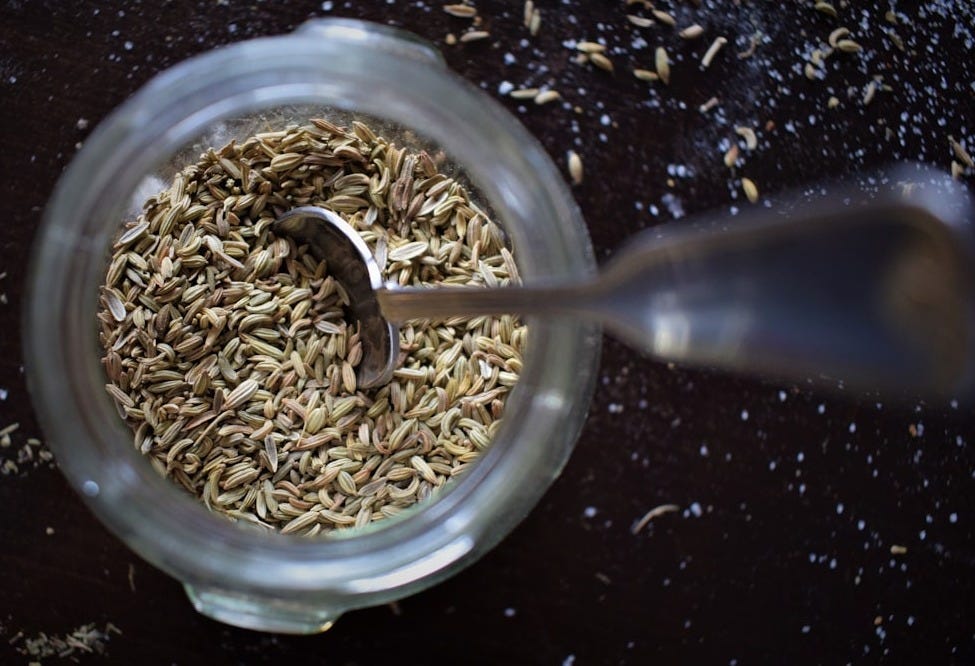
Dr. Robert Svoboda, the first western male Ayurvedically trained in India, Ayurvedic Doctor, says, If vāta is high, then sit down, have a cup of tea.Actually, Dr Svoboda. says that sitting down to a cup of tea is good for everything, and I have to agree.Join the next Ayurvedic Tea for WTF Times Live on the appSitting down to a cup of tea for a calming moment is especially important right now because all the doṣha are aggravated during WTF times.Every day some unprecedented, negative, painful news hits our consciousness creating more stress and fright flight freeze reactions in our nervous system.* Stress, anxiety is heightened for everyone and no one feels safe.* I don't feel safe. * The unknowns of tomorrow feels particularly frightening.* It feels like we are are living in the dystopian worlds of sci-fi movies.The other day I was wondering, what can I do to help? What can I do to release some steam? Reduce the pressure? Not add more stuff onto our plates?This is an auspicious time of year. We recorded the video are on the Equinox. It is only auspicious if we guide ourselves through the transition in a thoughtful way.The return of light is keenly evident as the daylight overtakes the night. We receive bursts of energy as spring emerges. If we aren’t careful we can burn out by doing too much or become too spontaneous. When we are young its easy to handle but as we age being measured is more appropriate. Do the extra things but don’t go over your energetic budget. Taking care to usher in the spring appropriately.The timings of these Ayurvedic Tea for WTF Times Lives are very specific and can be very auspicious. Our tea pause takes place at 2 o'clock in the afternoon my time, which can be any time between 1pm and 4 pm in the Americas. This is a daily liminal time for the shift from pitta to vāta time.It is also the time when: * many of us reach for a cup of coffee because we're exhausted* realize that the day is almost done without finishing our too-do list * Maybe we haven't had lunch yet and are starvingThis is exactly the time to pause to slow down for a bit. If not, we create an anxious, exhausted, stress snowball effect as we barrel into the end of the day.These are the inevitable creations of the daily stress snowball* The evening meal is hurried * The evening routine gets sidetracked. * Hurry up and relax activities occur * Try to finish work without much energy* Sleep hygiene gets pushed aside* You don’t wake up refreshed. * Your morning routine loses its resolve.Rinse, Repeat, Rinse and Repeat Day after Day after Day.The shift between pitta and vata hours is the perfect time to pause and reverse the cycle.🙏🏽 In order to serve, I’m opening a water cooler space on Substack, to pause.CCF Tea (Cumin, Coriander and Fennel)CCF Tea is a classic, balanced, tridoshic, meaning it's good for all doshas,tea for this time of day as it also supports your digestion. Directions Option 1: I usually take equal portions of about ¼ tsp each of Cumin, Coriander and Fennel seeds, place into a pot add about 3 cups of water. Let it boil until you get a lovely yellow color. This will give you at least 2 cups of tea. As you get used to making this you can change the proportions. You must boil the water and not just let it steep because when using seeds and bark to make tea, or a tisane the official name of these types of teas, you need to let it boil to extract the water soluble nutrients.Directions Option 2: Another way to make this tea, if you don’t have time to let the tea boil. Is to prep the seeds so all you have to do is add boiling water.* Dry roast the seeds, I would put the Coriander seed in your skillet first then add the Cumin and Fennel. * Roast the seeds until the mixture has a great aroma.* Allow to cool off. * Grind the cool seeds to a powder in a coffee grinder. * Store the powder in a jar.When you are ready to have your tea, boil water and put ¼ tsp to 1 tsp of the mixture in your cup to taste. Enjoy your CCF Tea. Sweeten your CCF Tea to taste but I find that the Coriander is sweet enough. If you are going to sweeten it, I recommend jaggery or coconut sugar.Cumin BenefitsCumin is one of the great kitchen spices that helps the digestion and just gives food a great earthy taste. I often recommend cumin tea to my clients if they have slow digestion or sluggish digestion to have some cumin tea after meals or throughout the day depending. Cumin Tea is simple to make. It’s the same process as making CCF Tea just without the Coriander and Fennel.Ayurvedic TastesAccording to Ayurveda Cumin is a little pungent and bitter. The pungent taste will help ignite and increase digestive fire. The bitter taste supports liver function.Ayurvedic QualitiesCumin is light, which is why it can burn easily if dry roasting or sauteing. The light quality can often mean it is easy to digest.The Tissues Cumin SupportsPlasma (lymph), Red Blood and MuscleIt has been known to assist in reducing inflammatory conditions but there are some cautions. If there is an active high inflammatory condition in process then abstain from taking therapeutic doses. **You can still use Cumin in food.**My teacher Dr. Bharat Vaidya mentioned that it could be used in uterine inflammatory conditions, but consult a knowledgable practitioner before using for this purpose. I would say drink Cumin Tea if you are experiencing PMS but not if you are having migraines along with your PMS.Cumin for Heartburn* 1 cup of Buttermilk * ¼ tsp - ½ tsp cuminAllow to warm to at close to room temperature. Drink! You will discover how quickly the heartburn disappears. No need for Tums or antacids.I'm hope that these 15 minute Ayurvedic Tea for WTF Times inspire you to pause between Pitta and Vāta time (approx 1:30 - 2:30pm) throughout the week.Lives are open to everyone, but to be notified of the next live please subscribeMake New Moon Ghee is Saturday March 29th 9am Pacific Noon Eastern if you’ve made ghee before or a total newbie join usThe next of the series stars Coriander! Read and watch here. This is a public episode. If you'd like to discuss this with other subscribers or get access to bonus episodes, visit chitraji.substack.com/subscribe
Comments

Download from Google Play

Download from App Store
 United States