


 Claim Ownership
Neurodivergence, Family and Faith
Subscribed: 12Played: 170
Subscribe

© Copyright 2026 Kate Morris and David Whittingham
Description
Neurodivergence, Family and Faith is a podcast for Christian parents raising neurodivergent kids, and for the churches and friends who walk alongside them. Each episode offers practical tools, grounded in research and shaped by the wisdom of the Bible.
Hosts Kate Morris and Dave Whittingham draw on their backgrounds in theology, education, and ministry, as well as the experiences of their families. Both are parents of neurodivergent kids, and Dave is neurodivergent himself. Kate has completed further study in neurodivergence, and is an Honorary Research Fellow with Mary Andrews College (Australian University of Theology). Together, they bring both understanding and expertise as they explore topics like managing energy, navigating sensory differences, and finding joy and belonging in church and family life.
Whether you’re doing the dishes, chasing the kids, or catching a quiet moment, this podcast offers comfort, encouragement, and guidance to help your family thrive for God’s glory.
Hosts Kate Morris and Dave Whittingham draw on their backgrounds in theology, education, and ministry, as well as the experiences of their families. Both are parents of neurodivergent kids, and Dave is neurodivergent himself. Kate has completed further study in neurodivergence, and is an Honorary Research Fellow with Mary Andrews College (Australian University of Theology). Together, they bring both understanding and expertise as they explore topics like managing energy, navigating sensory differences, and finding joy and belonging in church and family life.
Whether you’re doing the dishes, chasing the kids, or catching a quiet moment, this podcast offers comfort, encouragement, and guidance to help your family thrive for God’s glory.
16 Episodes
Reverse

When the breathing slows and things settle down, what happens next? Kate and Dave delve into the critical aftermath of a meltdown, emphasizing the importance of recovery and communication with loved ones. They explore how to recognize the signs that indicate a person is transitioning out of a meltdown and the significance of being supportive during this vulnerable time. They stress the need for open conversations with children about their feelings and the events leading up to the meltdown, fostering a sense of teamwork and understanding. They return to the theme of God's faithfulness, remembering that God is with us in every moment.To financially support this podcast, please donate at our GoFundMe page here.To read helpful articles from Kate, head to her Substack page, An Extraordinary NormalDave's Bible story podcasts are called Stories of a Faithful God and Stories of a Faithful God for Kids and can be found wherever you get your podcasts.This podcast is a part of the Faithful God Network. Discover more great podcasts at faithfulgod.net

What is a meltdown and what can we do when someone we love experiences them? It is important to understand what is happening for the person so those around them can show appropriate love and grace. In the next episode, we will explore what to do after a meltdown and how to find helpful ways forward.Article by Kate: Parents of Neurodivergent Children Need Support ToTo financially support this podcast, please donate at our GoFundMe page here.To read helpful articles from Kate, head to her Substack page, An Extraordinary NormalDave's Bible story podcasts are called Stories of a Faithful God and Stories of a Faithful God for Kids and can be found wherever you get your podcasts.This podcast is a part of the Faithful God Network. Discover more great podcasts at faithfulgod.netCitations:To read the article by Mary Doherty: Doherty, M. (2025). My autistic meltdown: The impact of autistic sensory needs. The Lancet, 405(10487), 1332–1333.Attwood, T. (2022, February 19). Ask Dr Tony – February 2022 [Video]. YouTube. Autism Hangout.Attwood, T., & Garnett, M. (n.d.). Managing an autistic meltdown. Attwood and Garnett Events. https://attwoodandgarnettevents.com/managing-an-autistic-meltdown-by-prof-tony-attwood-and-dr-michelle-garnett/Attwood, T., & Garnett, M. (2023, July 17). Autism for parents and carers [Video]. Attwood and Garnett EventsGaventa, W. C. (2018). Disability and spirituality: Recovering wholeness. Baylor University Press.Grant, R. J., Barboa, L., Luck, J., & Obrey, E. (2021). The complete guide to becoming an autism friendly professional: Working with individuals, groups, and organizations (1st ed.). Routledge.Hallowell, E. (2022, April 15). Anger management for children with ADHD. ADDitude Magazine.Hallowell, E. M., & Ratey, J. J. (2021). ADHD 2.0: New science and essential strategies for thriving with distraction—from childhood through adulthood (1st ed.). Ballantine BooksHull, L., Mandy, W., Lai, M. C., Baron-Cohen, S., Allison, C., Smith, P., & Petrides, K. V. (2019). Development and validation of the camouflaging autistic traits questionnaire (CAT-Q). Journal of Autism and Developmental Disorders, 49(3), 819–833.Knight, J., & Steward, R. (2020, April 23). Meltdowns and shutdowns [Podcast episode]. In 1800 seconds on autism. BBC.Larkey, S. (n.d.). Making it a success: Teaching and behaviour support strategies for students with an autism spectrum disorder [Online course]. Sue Larkey eLearning. https://elearning.suelarkey.com.au/wp-content/uploads/2016/06/Sue-Larkey-Online-Course-Handouts.pdfO’Nions, E., Happé, F., Evers, K., Boonen, H., & Noens, I. (2018). How do parents manage irritability, challenging behaviour, non-compliance and anxiety in children with autism spectrum disorders? A meta-synthesis. Journal of Autism and Developmental Disorders, 48(4), 1272–1286.Pearson, A., & Rose, K. (2021). A conceptual analysis of autistic masking: Understanding the narrative of stigma and the illusion of choice. Autism in Adulthood, 3(1), 52–60.Phung, J., Penner, M., Pirlot, C., & Welch, C. (2021). What I wish you knew: Insights on burnout, inertia, meltdown, and shutdown from autistic youth. Frontiers in Psychology, 12, 741421. https://doi.org/10.3389/fpsyg.2021.741421Reframing Autism. (n.d.). All about autistic meltdowns: A guide for allies. Retrieved September 2024, from https://reframingautism.org.au/all-about-autistic-meltdowns-a-guide-for-alliesRudy, L. J. (2024). How autistic meltdowns differ from ordinary temper tantrums. Verywell Health. https://www.verywellhealth.com/what-is-an-autistic-meltdown-260154Soden, P. A., Bhat, A., Anderson, A. K., & Friston, K. (2025). The meltdown pathway: A multidisciplinary account of autistic meltdowns. Psychological Review, 132(5), 1209–1240. https://doi.org/10.1037/rev0000543Webster, A. A., Saggers, B., & Carrington, S. (2021). Inclusive teaching for students on the autism spectrum. In S. Carrington, B. Saggers, K. Harper-Hill, & M. Whelan (Eds.), Supporting students on the autism spectrum in inclusive schools: A practical guide to implementing evidence-based approaches (pp. 47–57). Routledge.
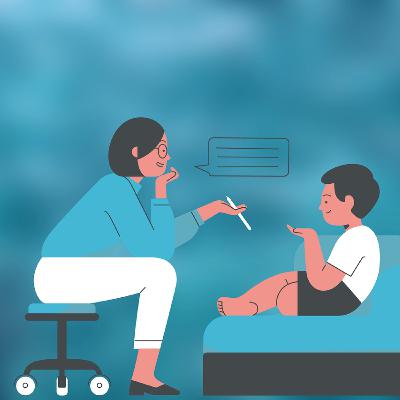
Dr. Kim Hoa Rogers joins the show to dive into the complexities of supporting the medical needs of neurodivergent children. With her unique perspective as both a medical practitioner and a parent of neurodivergent kids, she shares invaluable insights on how to navigate the often-challenging experience of medical appointments. The conversation centers on practical strategies parents can employ to ease their children's anxiety before and during doctor visits, emphasizing the importance of preparation and communication. Dr. Rogers also shares how the gospel impacts their family and the way she parents.The links Kim refers to in can be found here:https://www.rch.org.au/be-positive/Jazz_and_Rocco/A_child_s_guide_to_hospital/https://www.starlight.org.au/about-us/our-stories/guide-to-visiting-the-doctor/https://pch.health.wa.gov.au/For-patients-and-visitors/Social-storieshttps://raisingchildren.net.au/autism/therapies-guide/social-storieshttps://www.health.gov.au/topics/physical-activity-and-exercise/physical-activity-and-exercise-guidelines-for-all-australians/for-children-and-young-people-5-to-17-years?language=enTo financially support this podcast, please donate at our GoFundMe page here.To read helpful articles from Kate, head to her Substack page, An Extraordinary NormalDave's Bible story podcasts are called Stories of a Faithful God and Stories of a Faithful God for Kids and can be found wherever you get your podcasts.This podcast is a part of the Faithful God Network. Discover more great podcasts at faithfulgod.net
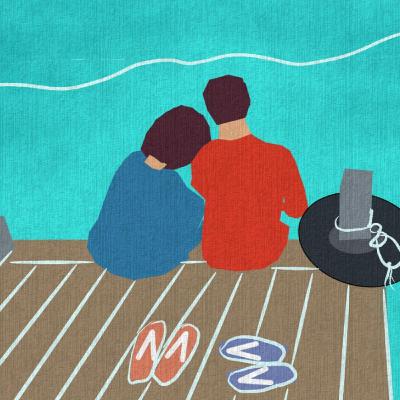
How can marriages flourish when there is a mix of neurotypes in the couple? In this episode, Mairi Girgis, a couples counsellor with years of experience in this area, joins Kate and Dave to discuss some of the complexities of marriage and parenting within neurodivergent families. With her extensive background in counseling and research into neurodivergence in the Christian community, Mairi sheds light on the unique challenges couples face when their experiences and communication styles differ significantly.To financially support this podcast, donate at our GoFundMe page here.To read helpful articles from Kate, head to her Substack page, An Extraordinary NormalDave's Bible story podcasts are called Stories of a Faithful God and Stories of a Faithful God for Kids and can be found wherever you get your podcasts.This podcast is a part of the Faithful God Network. Discover more great podcasts at faithfulgod.net

 1
1When our neurodivergent kids find comfort in everything staying the same, how do we help them navigate the inevitable big changes in life? In this episode, Kate and Dave discuss the challenges of facing major moments like moving house, changing school or church, or even leaving a country. They talk through practical tips for how to help kids through each stage of the change, as well as how to keep the God who never changes central to all we do. Join our growing community for this first episode of season 2.To financially support this podcast, donate at our GoFundMe page here.To read helpful articles from Kate, head to her Substack page, An Extraordinary NormalDave's Bible story podcasts are called Stories of a Faithful God and Stories of a Faithful God for Kids and can be found wherever you get your podcasts.This podcast is a part of the Faithful God Network. Discover more great podcasts at faithfulgod.netCitationsDeci, E. L., & Ryan, R. M. (2000). The “what” and “why” of goal pursuits: Human needs and the self-determination of behavior. Psychological Inquiry, 11(4), 227–268.Lerner, M. D., Gurba, A. N., & Gassner, D. L. (2023). A framework for neurodiversity-affirming interventions for autistic individuals. Journal of Consulting and Clinical Psychology, 91(9), 503–504.Niemiec, C. P., & Ryan, R. M. (2009). Autonomy, competence, and relatedness in the classroom: Applying self-determination theory to educational practice. Theory and Research in Education, 7(2), 133–144.Nuske, H. J., McGhee Hassrick, E., Bronstein, B., Hauptman, L., Aponte, C., Levato, L., Stahmer, A., D. S., Mundy, P., Kasari, C., & Smith, T. (2019). Broken bridges—New school transitions for students with autism spectrum disorder: A systematic review on difficulties and strategies for success. Autism: The International Journal of Research and Practice, 23(2), 306–325.Prochaska, J. O., & DiClemente, C. C. (1986). Towards a comprehensive model of change. In W. R. Miller & N. Heather (Eds.), Treating addictive behaviours: Processes of change. Plenum Press.Quill, K. A., & Stansberry Brusnahan, L. L. (2017). Do-watch-listen-say: Social and communication intervention for autism spectrum disorder (2nd ed.). Paul H. Brookes Publishing Co.Ryan, R. M., & Deci, E. L. (2000). Self-determination theory and the facilitation of intrinsic motivation, social development, and well-being. American Psychologist, 55(1), 68–78.Steinbrenner, J. R., Hume, K., Odom, S. L., Morin, K. L., Nowell, S. W., Tomaszewski, B., Szendrey, S., McIntyre, N. S., Yücesoy-Özkan, S., & Savage, M. N. (2020). Evidence-based practices for children, youth, and young adults with autism. FPG Child Development Institute.Wehmeyer, M. L. (2020). The importance of self-determination to the quality of life of people with intellectual and developmental disabilities. Inclusion, 8(2), 89–98.Webster, A., Bruck, S., & Saggers, B. (2022). Supporting self-determination of autistic students in transitions. Research in Developmental Disabilities, 128, Article 104301. https://doi.org/10.1016/j.ridd.2022.104301

Christmas is a time to celebrate the birth of our saviour Jesus and the true joy that comes from knowing him. Yet the way we celebrate can be hard for our children, with the busyness, decorations, special events, and unfamiliar food. Kate and Dave dive into this special time of year, highlighting the importance of keeping Jesus at the centre while balancing traditions with the unique needs of each family member.They explore how families can navigate the overwhelming and unpredictable nature of the holiday season, discussing personal traditions and the various ways they celebrate. They emphasize the significance of intentionality in creating a joyful Christmas atmosphere, while also recognising that not everyone experiences the holidays in the same way.The Advent devotions written by Janice Whittingham can be found here.To financially support this podcast, donate at our GoFundMe page here.To read helpful articles from Kate, head to her Substack page, An Extraordinary NormalDave's Bible story podcasts are called Stories of a Faithful God and Stories of a Faithful God for Kids and can be found wherever you get your podcasts.This podcast is a part of the Faithful God Network. Discover more great podcasts at faithfulgod.net

Should we adapt our homes for our neurodivergent children, or does that just make them unable to cope with life outside the home? Dave and Kate delve into this crucial topic, arguing that such adaptations can actually enhance resilience rather than weaken it. They explore the delicate balance parents must strike between reducing triggers at home and preparing children for the realities of the outside world. With insights from research, they emphasize that an adapted environment can significantly lower anxiety levels, allowing children to develop emotional awareness and coping skills.To financially support this podcast, donate at our GoFundMe page here.To read helpful articles from Kate, head to her Substack page, An Extraordinary NormalDave's Bible story podcasts are called Stories of a Faithful God and Stories of a Faithful God for Kids and can be found wherever you get your podcasts.This podcast is a part of the Faithful God Network. Discover more great podcasts at faithfulgod.netCitationsAttwood, T. (n.d.). The impact of anxiety on daily life. Attwood & Garnett Events. https://www.attwoodandgarnettevents.com/blogs/news/autism-the-impact-of-anxiety-on-daily-lifeBaiden, K. M., Williams, Z. J., Schuck, R. K., et al. (2025). The social validity of behavioral interventions: Seeking input from autistic adults. Journal of Autism and Developmental Disorders, 55, 1172– 1186. Chellappa, S. L., & Aeschbach, D. (2022). Sleep and anxiety: From mechanisms to interventions. Sleep Medicine Reviews, 61, 101583. Fountain, C., Winter, A. S., Cheslack-Postava, K., & Bearman, P. S. (2023). Developmental Trajectories of Autism. Pediatrics (Evanston), 152(3), 1Dundon, R. (2024). A therapist’s guide to neurodiversity affirming practice with children and young people. Jessica Kingsley Publishers.Grant, R. J., et al. (2021). The complete guide to becoming an autism friendly professional: Working with individuals, groups, and organizations. Taylor & Francis Group.Hull, L., Mandy, W., Lai, M. C., Baron-Cohen, S., Allison, C., Smith, P., & Petrides, K. V. (2019). Development and validation of the Camouflaging Autistic Traits Questionnaire (CAT-Q). Journal of Autism and Developmental Disorders, 49(3), 819–833. Mouton-Odum, S., & Golomb, R. G. (2021). Helping your child with sensory regulation: Skills to manage the emotional and behavioral components of your child’s sensory processing challenges. New Harbinger Publications.Raymaker, D. M., Teo, A. R., Steckler, N. A., Lentz, B., Scharer, M., Delos Santos, A., & Nicolaidis, C. (2020). “Having all of your internal resources exhausted beyond measure and being left with no clean-up crew”: Defining autistic burnout. Autism in Adulthood, 2(2), 1–12. Ryan, R. M., & Deci, E. L. (2000). Self-determination theory and the facilitation of intrinsic motivation, social development, and well-being. American Psychologist, 55(1), 68–78.Vasa, R. A., Keefer, A., McDonald, R. G., Hunsche, M. C., & Kerns, C. M. (2020). A scoping review of anxiety in young children with autism spectrum disorder. Autism Research, 13(11), 2038–2057. Wehmeyer, M. L., Bersani, H., & Gagne, R. (2000). Riding the third wave: Self-determination and self- advocacy in the 21st century. Focus on Autism and Other Developmental Disabilities, 15, 106–115. Wehmeyer, M. L., & Smith, T. E. C. (2012). Promoting self-determination and social inclusion: A review of research-based practices. In D. Zager, M. Wehmeyer, & R. L. Simpson (Eds.), Educating students with autism spectrum disorders (pp. 246–261). Routledge.
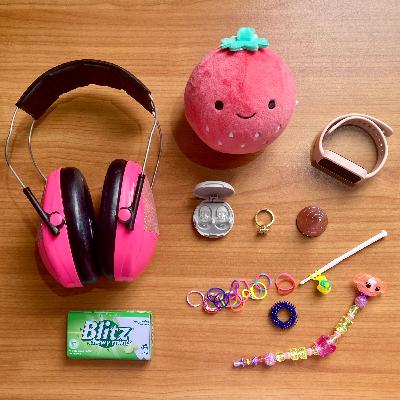
In today's episode. Kate and Dave discuss how to support children in navigating overwhelming environments, focusing on strategies to help them regain a sense of control. They consider the importance of training children for the future by involving them in the planning and discussion. They also consider a number of ways to use the senses to help mitigate triggers and regulate when the environment is hard.To financially support this podcast, donate at our GoFundMe page here.To read helpful articles from Kate, head to her Substack page, An Extraordinary NormalDave's Bible story podcasts are called Stories of a Faithful God and Stories of a Faithful God for Kids and can be found wherever you get your podcasts.This podcast is a part of the Faithful God Network. Discover more great podcasts at faithfulgod.netSee also Kate’s articles on sensory kits here: https://anextraordinarynormal.substack.com/p/sensory-kitshttps://anextraordinarynormal.substack.com/p/the-invisible-sensory-kit For a free download of the Invisible Sensory Kit, visit our Resource Page here - https://www.faithfulgod.net/show/neurodivergence-family-and-faith/p/resources/A note on EARPLUGS from Kate: Earplugs can come in a range of strengths:Flare Calmer Kids have soft earplugs that flatten soundwaves somewhat and block just 10dB of sound. This can reduce buzzing in the ears without blocking sounds they want to hear. Loops earplugs have a range of strengths, they come with several sizes to adjust to fit the ears, these are also useful for sleeping in. Curvd have a range of strengths and also come with multiple sizes. Extra Small heads must be purchased separately, unfortunately. These are also designed for sleep. Quies wax plugs can be shaped to fit the ear, which takes some practice, but ends up giving the highest dB rating, though they need replacing often. These are better for older kids who can adjust them themselves.We’ve found that many cheaper brands hurt delicate ears fairly quickly, so these are the brands we prefer. (We’re not sponsored by any.)For the study Dr Katy Unwin: Unwin refers to: Unwin, K., & van Ommen, A. L. (2024). Autistic and Non-Autistic Experience of the Sensory Aspects of the Church Service. Journal of Psychology and Theology, 52(4), 410-425. https://doi.org/10.1177/00916471241266810CitationsAttwood, T., & Garnett, M. (2023). Autistic girls and women [Webcast]. Attwood and Garnett Events. https://www.attwoodandgarnettevents.comAttwood, T. (n.d.). The impact of anxiety on daily life. Attwood and Garnett Events. https://www.attwoodandgarnettevents.com/blogs/news/autism-the-impact-of-anxiety-on-daily-lifeBaiden, K. M. P., Williams, Z. J., Schuck, R. K., Dwyer, P., & Wang, M. (2025). The social validity of behavioral interventions: Seeking input from autistic adults. Journal of Autism and Developmental Disorders, 55(4), 1172–1186. https://doi.org/10.1007/s10803-024-06297-3 There is a lot of research into this, but this paper is great because it consults autistic adults on the matter.Citkowska-Kisielewska, A., Rutkowski, K., Sobański, J. A., Dembińska, E., & Mielimąka, M. (2019). Anxiety symptoms in obsessive-compulsive disorder and generalized anxiety disorder. Psychiatria Polska, 53(4), 845–864. https://doi.org/10.12740/PP/105378Grant, R. J., Barboa, L., Luck, J., & Obrey, E. (n.d.). The complete guide to becoming an autism friendly professional: Working with individuals, groups, and communities.Vasa, R. A., Keefer, A., McDonald, R. G., Hunsche, M. C., & Kerns, C. M. (2020). A scoping review of anxiety in young children with autism spectrum disorder. Autism Research, 13(11), 2038–2057. https://doi.org/10.1002/aur.2393Webster, A., Saggers, B., & Carrington, S. (2021). Inclusive teaching for students on the autism spectrum. In S. Carrington, B. Saggers, K. Harper-Hill, & M. Whelan (Eds.), Supporting students on the autism spectrum in inclusive schools: A practical guide to implementing evidence-based approaches (pp. 47–57). Routledge.Wolfberg, P., & Buron, K. D. (Eds.). (2024). Learners on the autism spectrum: Preparing educators and related practitioners (3rd ed., pp. 82–84). Routledge.
Have you ever found church hard? Kate and Dave delve into the vital topic of how churches can more effectively love and support families with additional needs. They explore practical strategies that can create an inclusive environment, particularly for neurodivergent individuals, and emphasize the importance of understanding and compassion within church communities. Both Kate and Dave highlight the necessity of flexibility and listening, rather than imposing rigid expectations on families. They share poignant stories that illustrate the impact of love and community support, underscoring that everyone should feel like they belong. This episode serves as a heartfelt call to action for churches to embrace diversity and foster a welcoming atmosphere for all families, ensuring that love remains at the core of their mission.Takeaways: Kate and Dave emphasize the importance of churches being aware of, and responsive to, the unique needs of families with additional needs, particularly neurodivergent individuals. They discuss how churches often unintentionally cater to typical experiences, which can alienate those who do not fit that mold. The speakers share personal stories illustrating the impact of showing love and understanding in church settings, which can make a significant difference for families. Dave reflects on the balance between maintaining church traditions and being flexible enough to accommodate diverse needs within the congregation. Both speakers advocate for ongoing conversations about supporting individuals with additional needs, stressing that love and understanding should be at the core of church interactions. Visit our website hereTo financially support this podcast, donate at our GoFundMe page here.To read helpful articles from Kate, head to her Substack page, An Extraordinary NormalDave's Bible story podcasts are called Stories of a Faithful God and Stories of a Faithful God for Kids and can be found wherever you get your podcasts.This podcast is a part of the Faithful God Network. Discover more great podcasts at faithfulgod.net
Dr. Katy Unwin joins Kate Morris and Dave Whittingham to explore vital strategies for supporting families with neurodivergent members within the context of church. The discussion focuses on the sensory barriers that often hinder autistic individuals from engaging in church activities, highlighting the significant findings from Katy's recent research on this topic. She emphasizes that understanding these challenges is essential for fostering an inclusive community where all members can thrive. The trio delves into practical solutions, such as helping neurodivergent people to have some level of control, creating sensory roadmaps and encouraging flexibility within church settings to meet diverse needs. They tackle the complexity of accommodating differing sensory preferences, ultimately advocating for a church environment that welcomes everyone.Takeaways: In this episode, Dr. Katy Unwin discusses both the sensory barriers and sensory enjoyment that autistic individuals may experience when engaging with church, emphasizing the positive impacts of awareness and accommodation. The conversation highlights the importance of control over sensory environments for autistic people, as it can significantly enhance their engagement and sense of community. Katy’s findings suggest that both autistic and neurotypical individuals appreciate certain sensory aspects of church services, indicating a shared enjoyment that can be leveraged to create inclusive environments. The podcast encourages parents to advocate for their neurodivergent children in church settings, offering practical strategies to communicate sensory needs to church leaders effectively. Throughout their discussion, the importance of creating sensory roadmaps for church services is emphasized, allowing families to prepare for the sensory experiences they may encounter. Finally, the speakers stress the need for churches to foster a culture of understanding and acceptance, enabling all members to participate without feeling overwhelmed or excluded. Links referenced in this episode:autismchurch.comVisit our website hereTo financially support this podcast, donate at our GoFundMe page here.To read helpful articles from Kate, head to her Substack page, An Extraordinary NormalThis podcast is a part of the Faithful God Network. Discover more great podcasts at faithfulgod.net
Kate and Dave dive into the complexities surrounding anxiety in neurodivergent children, particularly focusing on the role of the amygdala in their emotional responses. They discuss how neurodivergent people may experience heightened anxiety due to their brain interpreting everyday stimuli as threats, triggering a fight, flight, or freeze response. Kate and Dave offer insights into how parents and carers can support children by collaboratively reducing or mitigating triggers and incorporating strategies to regulate through the stress response.Ultimately, they highlight the importance of compassion and understanding as parents equip their neurodivergent children with strategies to face the world with confidence.Takeaways:· Neurodivergent children often experience heightened anxiety due to their unique brain processing, impacting their daily lives. · The amygdala plays a key role in interpreting stimuli, more often naming stimuli as threats in many neurodivergent people. · Ongoing exposure to triggers can raise baseline anxiety levels in neurodivergent people, making it vital for parents and carers to understand their experiences.· Reducing and mitigating triggers can reduce the frequency of the threat response.· Developing strategies for emotional regulation is vital for helping neurodivergent children navigate daily challenges and reduce anxiety. Visit our website hereTo financially support this podcast, donate at our GoFundMe page here.To read helpful articles from Kate, head to her Substack page, An Extraordinary NormalThis podcast is a part of the Faithful God Network. Discover more great podcasts at faithfulgod.netTo continue thinking about meltdowns, see Kate's 3-part series of articles here: https://anextraordinarynormal.substack.com/p/neurodivergent-meltdowns-part-1CitationsAndrews, D. S., Aksman, L., Kerns, C. M., Lee, J. K., Winder-Patel, B. M., Harvey, D. J., Waizbard-Bartov, E., Heath, B., Solomon, M., Rogers, S. J., Altmann, A., Nordahl, C. W., & Amaral, D. G. (2022). Association of Amygdala Development With Different Forms of Anxiety in Autism Spectrum Disorder. Biological Psychiatry (1969), 91(11), 977–987. https://doi.org/10.1016/j.biopsych.2022.01.016 - This study shows that in autism, differences in amygdala development are linked to higher anxiety.Attwood, T. (n.d.). The impact of anxiety on daily life. Attwood and Garnett Events. https://www.attwoodandgarnettevents.com/blogs/news/autism-the-impact-of-anxiety-on-daily-lifeCitkowska-Kisielewska, A., Rutkowski, K., Sobański, J. A., Dembińska, E., & Mielimąka, M. (2019). Anxiety symptoms in obsessive-compulsive disorder and generalized anxiety disorder. Psychiatria Polska, 53(4), 845–864. https://doi.org/10.12740/PP/105378Vasa, R. A., Keefer, A., McDonald, R. G., Hunsche, M. C., & Kerns, C. M. (2020). A scoping review of anxiety in young children with autism spectrum disorder. Autism Research, 13, 2038–2057. https://doi.org/10.1002/aur.2358Tottenham, N., Hertzig, M. E., Gillespie-Lynch, K., Gilhooly, T., Millner, A. J., & Casey, B. J. (2014). Elevated amygdala response to faces and gaze aversion in autism spectrum disorder. Social Cognitive and Affective Neuroscience, 9(1), Article nst050. https://doi.org/10.1093/scan/nst050 – This study found that autistic participants often had heightened amygdala responses to faces, especially neutral ones, and tended to avoid eye contact as a way of managing that over-arousal.
Kate and Dave dive into the complexities of life that can be both stressful and rejuvenating, focusing particularly on the experiences of neurodivergent children. They discuss how the love of God drives us to work hard on understanding and caring for our children. They highlight the importance of understanding attention differences, social experiences, and the need for predictability in daily routines. Throughout the discussion, they emphasize that while some aspects can be draining, others can provide energy and comfort. By the end, they reiterate the significance of curiosity and adaptability in parenting, encouraging listeners to tailor their approaches to meet the unique needs of their children.Takeaways: The discussion emphasized the importance of understanding sensory processing differences to help neurodivergent children manage their environments effectively. Kate and Dave highlighted how attention differences can manifest in both rejuvenating and draining ways for neurodivergent individuals, impacting their daily experiences. They stressed the significance of predictability in routines for neurodivergent children, as it provides comfort and reduces anxiety about unexpected events. The speakers shared insights into the social experiences of neurodivergent children, particularly how they may appear fine outwardly while struggling internally during social interactions. Visit our website hereTo financially support this podcast, donate at our GoFundMe page here.To read helpful articles from Kate, head to her Substack page, An Extraordinary NormalThis podcast is a part of the Faithful God Network. Discover more great podcasts at faithfulgod.netCitations:Attwood, T., & Garnett, M. (2023, July 17). Exploring friendship in high school [Video]. Attwood and Garnett Events. https://www.attwoodandgarnettevents.comKunchulia, M., Tatishvili, T., Parkosadze, K., Lomidze, N., & Thomaschke, R. (2020). Children with autism spectrum disorder show increased sensitivity to time-based predictability. International Journal of Developmental Disabilities, 66(3), 214–221. https://doi.org/10.1080/20473869.2018.1564447Raymaker, D. M., Teo, A. R., Steckler, N. A., Lentz, B., Scharer, M., Delos Santos, A., & Nicolaidis, C. (2020). “Having all of your internal resources exhausted beyond measure and being left with no clean-up crew”: Defining autistic burnout. Autism in Adulthood, 2(2), 1–12. https://doi.org/10.1089/aut.2019.0079Wolfberg, P., & Buron, K. D. (Eds.). (2024). Learners on the autism spectrum : preparing educators and related practitioners (Third edition.). Routledge.

Today’s discussion revolves around the intricate world of sensory processing differences, an essential topic for families with neurodivergent children. Kate and Dave dive into how sensory experiences can significantly affect children's ability to enjoy outings, such as trips to the zoo or playgrounds, often leading to unexpected meltdowns. They emphasize the importance of understanding how children process sensory information differently, which can help parents provide better support and foster loving environments. The conversation highlights practical strategies for parents to identify and accommodate their children's sensory needs, ultimately promoting resilience and well-being. By exploring these differences, they aim to empower families to navigate the complexities of sensory experiences with curiosity and creativity.Takeaways: Understanding sensory processing differences is crucial for supporting neurodivergent children effectively. Parents often misinterpret sensory overload as misbehavior, leading to confusion and frustration. Sensory experiences are unique to each child, highlighting the need for personalized approaches and adaptations. Creating a supportive home environment helps children recharge, preparing them for the outside world. Being curious and collaborative with children about their sensory experiences can lead to better communication and understanding. Parents should observe their children's reactions to various sensory inputs to identify both draining and energizing stimuli.Visit our website at https://www.faithfulgod.net/show/neurodivergence-family-and-faith/To read helpful articles from Kate, head to her Substack page, An Extraordinary NormalThis podcast is a part of the Faithful God Network. Discover more great podcasts at faithfulgod.netFind the chart/table we mentioned in the podcast here: https://anextraordinarynormal.substack.com/p/sensory-sensitivities-in-our-neurodivergentFor more information on sensory processing differences, see Kate's article here: https://anextraordinarynormal.substack.com/p/sensory-sensitivities-in-our-neurodivergentTo keep thinking about resilience and adapted homes, read Kate's article here: https://anextraordinarynormal.substack.com/p/creating-an-adapted-homeCitations:Attwood, T. (n.d.). The impact of anxiety on daily life. Attwood and Garnett Events. https://www.attwoodandgarnettevents.com/blogs/news/autism-the-impact-of-anxiety-on-daily-lifeAttwood, T., & Garnett, M. (2023). Autistic girls and women [Webcast event]. Attwood and Garnett Events. https://www.attwoodandgarnettevents.comAccessed August 2023: attwoodandgarnettevents.comBeardon, L. (2023). Demystifying autism and overstimulation [Video]. BBC. https://youtu.be/-1aTVfKstrs (This video is a helpful look at depleting and replenishing stimuli.)Chellappa, S. L., & Aeschbach, D. (2022). Sleep and anxiety: From mechanisms to interventions. Sleep Medicine Reviews, 61, 101583. https://doi.org/10.1016/j.smrv.2021.101583Citkowska-A, K., Rutkowski, K., Sobański, J. A., Dembińska, E., & Mielimąka, M. (2019). Anxiety symptoms in obsessive-compulsive disorder and generalized anxiety disorder. Psychiatria Polska, 53(4), 845–864. https://doi.org/10.12740/PP/105378Grant, R. J., et al. (2021). The complete guide to becoming an autism friendly professional: Working with individuals, groups, and organizations (pp. 104–107). Taylor & Francis Group.Vasa, R. A., Keefer, A., McDonald, R. G., Hunsche, M. C., & Kerns, C. M. (2020). A scoping review of anxiety in young children with autism spectrum disorder. Autism Research, 13(11), 2038–2057. https://doi.org/10.1002/aur.2412Webster, A. A., Saggers, B., & Carrington, S. (2021). Inclusive teaching for students on the autism spectrum. In S. Carrington, B. Saggers, K. Harper-Hill, & M. Whelan (Eds.), Supporting students on the autism spectrum in inclusive schools: A practical guide to implementing evidence-based approaches (pp. 47–57). Routledge. (To assess any given environment, the Webster framework can be a useful guideline but should be adapted according to categories that are impactful for the individual neurodivergent child.)

Kate Morris and Dave Whittingham delve into the concept of the energy bank in this enlightening episode, exploring what fuels children's energy and what depletes it. They introduce the spoon theory, a metaphor illustrating how individuals have varying amounts of energy represented by spoons, which can be spent throughout the day on various activities. Kate shares insights about this system from her research and many interviews, highlighting how understanding energy levels can help parents support their neurodivergent children more effectively. The duo discusses the importance of recognizing the unique energy expenditures of each child, emphasizing that tasks that restore energy for one may drain it for another. With practical tips and relatable anecdotes, they encourage parents to observe and engage with their children, fostering a collaborative environment that honors each child’s needs and energy levels.Takeaways: In this episode, they discuss the concept of energy management for neurodivergent children, emphasizing how understanding energy input and output can improve their daily life. They introduce the spoon theory as a metaphor for measuring energy levels, explaining that everyone has a different number of spoons to spend each day based on various factors. Kate and Dave highlight the importance of recognizing what activities drain energy and which ones replenish it, fostering a better understanding among parents and children. They encourage parents to have conversations with their children about their energy levels, helping them identify what costs spoons and what can help refill them effectively. The episode stresses that neurodivergent individuals may experience energy depletion differently than neurotypical individuals, making it crucial to tailor support to each child's unique needs. Finally, they suggest practical strategies for replenishing energy, such as physical activities and sensory experiences, to help children manage their energy better throughout the day.Visit our website at https://www.faithfulgod.net/show/neurodivergence-family-and-faith/To read helpful articles from Kate, head to her Substack page, An Extraordinary NormalThis podcast is a part of the Faithful God Network. Discover more great podcasts at faithfulgod.netThe idea of energy accounting was pioneered by Maya Toudal and Professor Tony Attwood. It's a valuable concept that delves deeper than the Spoon Theory. In this video, Prof. Attwood dives into a detailed method of keeping track of energy. Look up on Youtube ‘Ask Dr Tony – February 2022’ (from 27 minutes for energy accounting).For the perspectives of two adults on the usefulness of Spoon Theory, see Podcast 1800 Seconds on Autism, Episode “Turn Down the Studio Lights”, BBC, November 2018.Exhaustion for neurodivergent people: L Hull, W Mandy, MC Lai, S Baron-Cohen, C Allison, P Smith and KV Petrides, ‘Development and validation of the Camouflaging Autistic Traits Questionnaire (CAT-Q)’, Journal of Autism and Developmental Disorders, 2019, 49(3):819–833, doi:10.1007/s10803-018-3792-6.Energy and energy expenditure: Raymaker, D. M., Teo, A. R., Steckler, N. A., Lentz, B., Scharer, M., Delos Santos, A., Nicolaidis, C. (2020). ‘“Having all of your internal resources exhausted beyond measure and being left with no clean-up crew”: defining autistic burnout’, Autism in Adulthood, 2(2), 1-12, doi: 10.1089/aut.2019.0079For understanding the realities of the energy bank for many neurodivergent people, see: T Attwood and M Garnett, ‘Exploring Friendship in High School’ [video], Attwood and Garnett Events, Attwood and Garnett Events website, 17 July 2023, accessed 22 June 2024.
Today, we’re diving into wonderful world of God’s comfort for parents of neurodivergent kids. We’ve all felt that overwhelming mix of joy and challenge that comes with raising children who see the world a bit differently, and we’re here to explore how faith plays a huge role in that journey. Kate and Dave will share their insights on how God knows and loves our kids and us, meaning we're never alone as we navigate this path.Takeaways: In our first episode, we explore how God's comfort can guide parents of neurodivergent kids, offering reassurance and support. We discuss the importance of community and how neurodivergence can enrich our understanding of God's creation, enjoying the benefits of differences. Kate and Dave share their personal journeys as parents of neurodivergent children, emphasizing the need for practical tips and biblical perspectives in navigating challenges. The episode highlights Psalm 139 to remind us that God knows our children intimately, which brings comfort in our parenting journey. We also look at 1 Corinthians 12 to discover that difference is at the core of how Christ is building his church. We dive into the significance of language in discussing neurodivergence, acknowledging that terms evolve and it's crucial to show grace as we speak and listen. Next week, we’ll tackle ‘Spoon Theory’ and how understanding energy management is vital for supporting neurodivergent children and maintaining our own well-being.Visit our website at https://www.faithfulgod.net/show/neurodivergence-family-and-faith/To read helpful articles from Kate, head to her Substack page, An Extraordinary NormalThis podcast is a part of the Faithful God Network. Discover more great podcasts at faithfulgod.netThe Christian Standard Bible. Copyright © 2017 by Holman Bible Publishers. Used by permission. Christian Standard Bible®, and CSB® are federally registered trademarks of Holman Bible Publishers, all rights reserved.
Neurodivergence, Family and Faith is a podcast for Christian parents raising neurodivergent kids, and for the churches and friends who walk alongside them. Each episode offers practical tools, grounded in research and shaped by the wisdom of the Bible.Hosts Kate Morris and Dave Whittingham draw on their backgrounds in theology, education, and ministry, as well as the experiences of their families. Both are parents of neurodivergent kids; Dave is neurodivergent himself, and Kate has completed further study in neurodivergence. Together, they bring both understanding and expertise as they explore topics like managing energy, navigating sensory differences, and finding joy and belonging in church and family life.Whether you’re doing the dishes, chasing the kids, or catching a quiet moment, this podcast offers comfort, encouragement, and guidance to help your family thrive for God’s glory.
Comments


Download from Google Play

Download from App Store
 United States