


 Claim Ownership
History of the Caribbeans | Exploring Resilience and Culture
Subscribed: 20Played: 690
Subscribe

© 10X Pod Group
Description
Join Caribbean history experts Joe & Kevin as they uncover the #1 Caribbean History & Culture Podcast powerful stories, cultural legacies, and untold truths that shaped the region in History of the Caribbeans: Tales of Resilience and Culture — a podcast for listeners passionate about Caribbean history, heritage, and the enduring spirit of a people who’ve shaped the world.
467 Episodes
Reverse
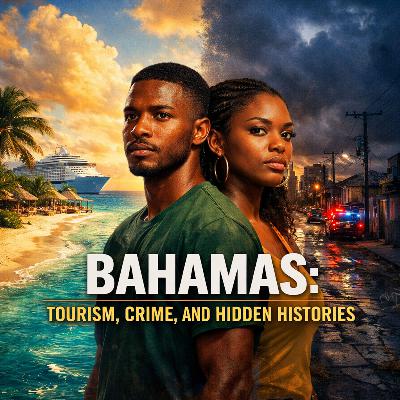
This episode examines how the Bahamas was engineered to look like paradise and what that image concealed over time. From the rise of mass tourism in the early twentieth century to the pressures of independence, drug trafficking routes, offshore finance, and modern crime fears, the story follows how illusion became infrastructure. Tourism created jobs but fixed power in place. Secrecy protected profit while communities absorbed the cost. The episode centers lived reality over marketing, showing how a nation learned to survive inside a mirage built for outsiders and how that mirage continues to shape policy, safety, and identity today.
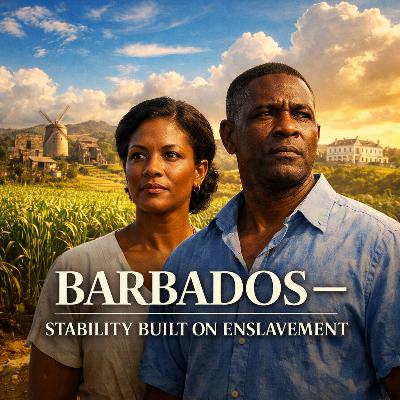
This episode examines how Barbados became one of the most stable societies in the Caribbean by perfecting systems of control during slavery and preserving them long after emancipation. It traces the island’s transformation into a plantation laboratory, where law, land, and labor were engineered to prevent rupture rather than deliver justice. The narrative follows the transition from slavery to freedom without power, showing how calm replaced confrontation and reform replaced redistribution. Barbados emerges not as an accident of order, but as a deliberate construction where stability became the highest value and equity was continually deferred.
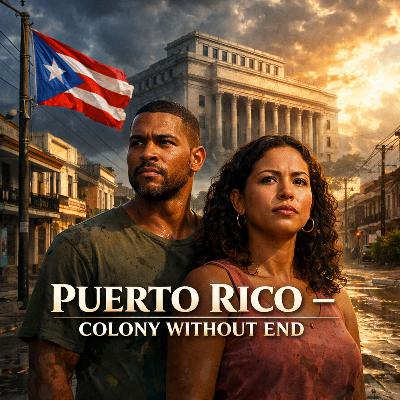
Puerto Rico – Colony Without End examines more than a century of unresolved power. Beginning with the transfer of the island in eighteen ninety eight, this episode traces how colonial control evolved rather than disappeared. It follows the imposition of rule without consent, citizenship without full rights, and governance without final authority. Through political shifts, economic pressure, and modern crises, the story shows how powerlessness became structural, normalized, and enduring. This is a country history about control that never fully loosened and a people still waiting to decide their own future.
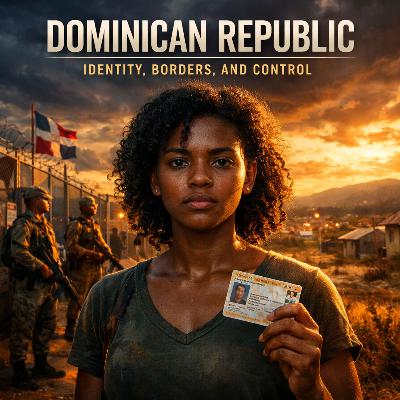
This episode examines how the Dominican Republic built national identity through division, beginning with independence in eighteen forty four and continuing into the present. It traces how borders, race, language, and law were used as tools of control rather than cohesion. Through the rise of dictatorship, state violence, and modern legal exclusion, the episode shows how anti Haitian ideology became embedded in institutions, not just attitudes. The story centers border communities, laborers, and families whose lives were shaped by policies that questioned their right to belong. This is a history of how identity became power, and how unresolved fear continues to shape citizenship today.
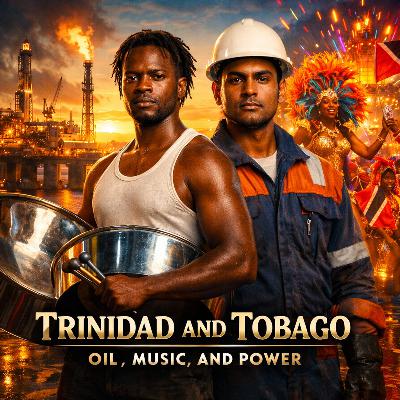
This episode examines the modern history of Trinidad and Tobago through the collision of oil wealth, cultural power, and political control. From the rise of the oil industry under colonial rule to independence and beyond, the story traces how extraction shaped the economy while music and Carnival shaped identity. It follows labor unrest, cultural resistance, state authority, and the long struggle to turn natural and cultural wealth into shared national benefit. The episode centers contradiction as the defining condition of the nation. Prosperity alongside inequality. Celebration alongside pressure. Voice alongside limited power.
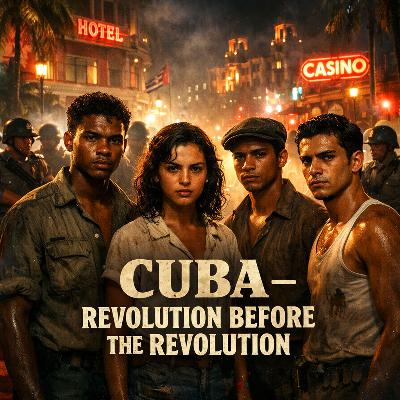
This episode traces the long build of pressure that shaped modern Cuba before the moment the world remembers. From the end of Spanish rule to the fall of Batista, the story follows how limited sovereignty, economic control, political violence, and blocked reform created a system that could not release tension peacefully. Independence existed, but it was conditional. Elections existed, but power lived elsewhere. As legal paths narrowed, force replaced trust, and stability became an excuse rather than a solution. This is the history beneath the headline revolution. The one that formed it.
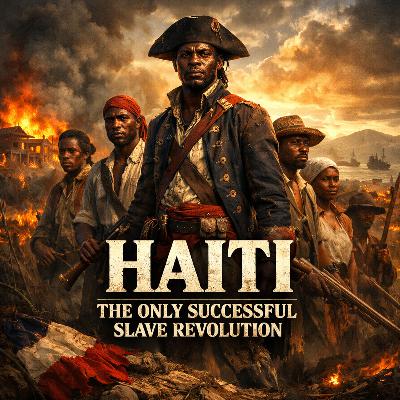
This episode examines Haiti’s revolution from uprising to aftermath, and the price imposed for winning it. It traces how the world’s richest slave colony collapsed under an organized revolt, how independence was achieved against global powers, and how that victory triggered isolation, debt, and intervention. The story follows Haiti beyond eighteen zero four, showing how punishment replaced chains, and how freedom itself became something the world demanded Haiti pay for. This is a country history focused on systems, consequences, and endurance, not myth or celebration.
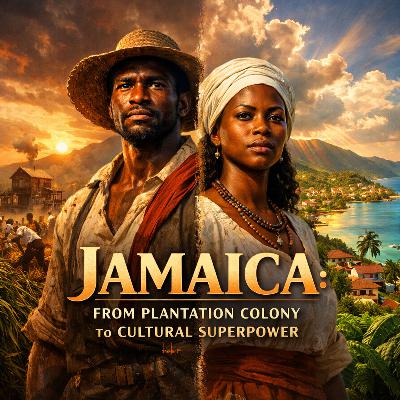
This episode traces Jamaica’s transformation from a violently engineered plantation colony into one of the most influential cultural forces on the planet. It examines how sugar, slavery, and colonial control shaped the island’s foundations, how resistance and survival strategies emerged under constant pressure, and how freedom arrived without power. Moving through rebellion, emancipation, crown rule, independence, and global migration, the episode shows how Jamaicans turned endurance into identity. This is not a celebration piece. It is a grounded examination of how a small island, built to be exploited, learned to speak back to the world and reshape global culture while still wrestling with the unfinished consequences of its past.
Why the Caribbean Still Matters Globally challenges the idea that the region is small, peripheral, or finished with history. From the nineteen hundreds to the present, this episode traces how Caribbean identity, labor, culture, and political experience have shaped global systems far beyond the islands themselves. It examines how the region moved from plantation economies into migration pipelines, cultural influence, and strategic relevance, often without gaining equal power or protection. This is not a celebration piece. It is a clear-eyed examination of why the Caribbean remains central to global politics, economics, culture, and crisis, and why that relevance continues to be contested rather than respected.
This episode examines the moment after celebration, when independence moved from promise to practice. Focusing on Jamaica, Trinidad, and Barbados between the nineteen fifties and nineteen seventies, it traces how political freedom arrived without economic control. Through governance choices, inherited systems, and rising public pressure, the episode exposes why hope faded so quickly and how early failures reshaped trust between citizens and the state. This is not a story of lost independence, but of expectations colliding with reality, and the long shadow that collision cast over Caribbean political life.
This episode traces the Caribbean’s entry into the twentieth century as a period of awakening rather than arrival. Between nineteen hundred and nineteen thirty nine, the region remains under colonial rule, but belief in the permanence of that rule begins to fracture. Old plantation systems adapt instead of disappearing. New industries rise without shifting power. Education expands without liberation. War, migration, economic collapse, and labor unrest combine to force awareness across islands once kept separate. The episode examines how pressure builds, how voices emerge, and how the nineteen thirties labor rebellions mark a turning point in regional consciousness. This is the story of a people who do not yet win freedom, but who learn they are not powerless.
Colonial Borders and Manufactured Nations examines how the Caribbean was divided by imperial design and forced to inherit those divisions at independence. This episode traces how European empires drew borders for control, not community, then shows how those lines hardened into political identities that reshaped movement, culture, and power. It explores how administration became identity, how fragmentation was normalized, and how independence arrived inside systems never meant to serve Caribbean unity. This is a grounded examination of how borders outlived empire and continue to shape vulnerability, rivalry, and weakened collective strength across the region.
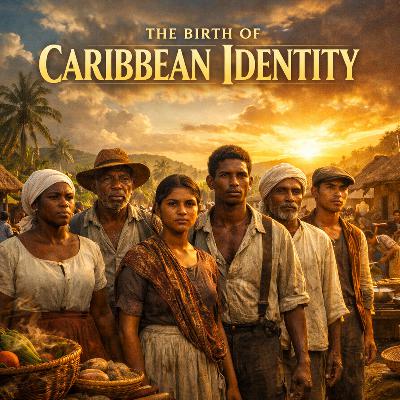
This episode examines how Caribbean identity formed in the century after emancipation, not through celebration or declaration, but through survival. It traces how formerly enslaved people and indentured communities navigated economic control, racial division, and constant surveillance while quietly building shared ways of living. Language, food, family structure, faith, and daily practice become the focus, showing how identity emerged outside official approval. The episode treats culture as a survival system shaped by pressure, adaptation, and memory, revealing how a distinctly Caribbean way of being took form before nations, flags, or independence movements existed.
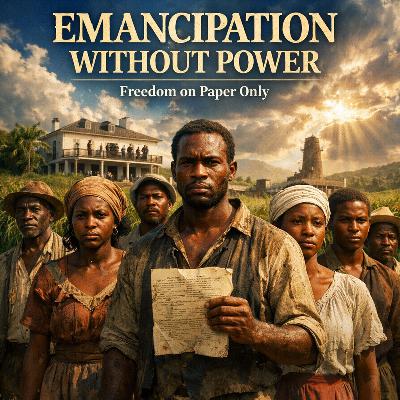
This episode examines emancipation in the British Caribbean after eighteen thirty four and exposes the gap between freedom declared and power denied. Slavery ended on paper, but control over land, labor, law, and wealth remained firmly in colonial hands. Through apprenticeship, wage suppression, land restriction, and imported indentured labor, the empire preserved plantation dominance while presenting emancipation as moral progress. The episode traces how freedom was managed, delayed, and reshaped to protect imperial interests, leaving generations legally free but structurally trapped. This is a story of betrayal built into law, economy, and governance, and of how that betrayal became the foundation of modern Caribbean inequality.
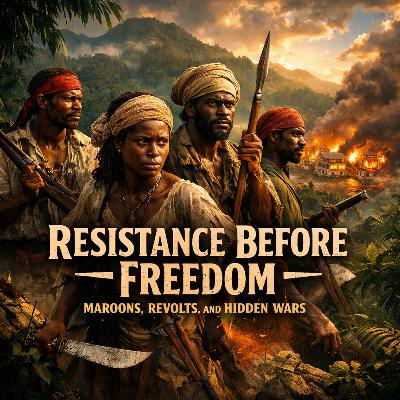
This episode examines the hidden wars that came before emancipation in the Caribbean. Long before abolition laws or imperial reforms, enslaved Africans resisted through escape, strategy, and sustained warfare. Across Jamaica, Suriname, and Haiti, Maroons and rebel communities built independent societies, fought colonial forces, and forced empires into retreat, negotiation, or collapse. This is the story of freedom taken under fire, not granted by decree.
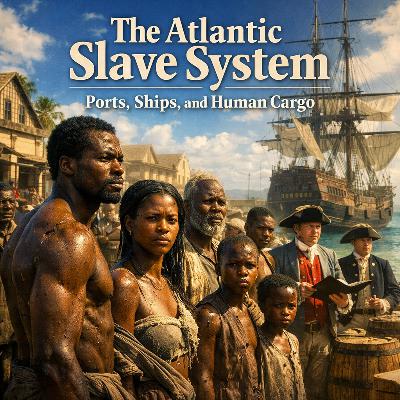
This episode examines the Atlantic slave system as an organized machine that reshaped the Caribbean. It follows the path from port to ship to sale yard, showing how European empires turned human beings into inventory through bureaucracy, law, and routine violence. Rather than focusing on plantations alone, the episode exposes the earlier stages where identity was stripped, survival was calculated, and dehumanization became normal practice. Told with a documentary base and a restrained host presence, the story centers structure over spectacle and reveals how cruelty hid behind order, paperwork, and profit. The episode confronts how this system did not merely use the Caribbean, but built it, leaving consequences that still shape the region today.
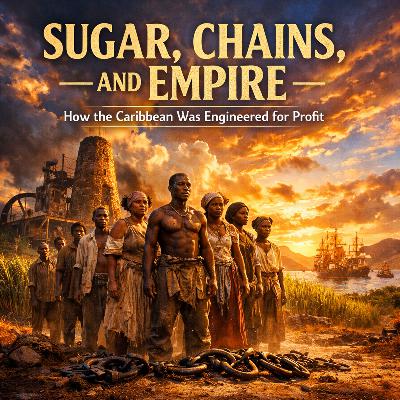
This episode traces how the Caribbean was deliberately engineered into the engine room of empire through sugar. From the early plantation experiments in Barbados to the brutal expansion across Jamaica, Saint Domingue, and Cuba, the story shows how land, law, labor, and violence were organized into a single profit machine. Sugar is treated not as a crop, but as an industrial system that reshaped societies, erased communities, and financed European power. The episode follows the rise of this system, its escalation into total exploitation, and the aftermath left behind once the wealth was extracted. This is a history of design, not accident, and of consequences that did not end with abolition.
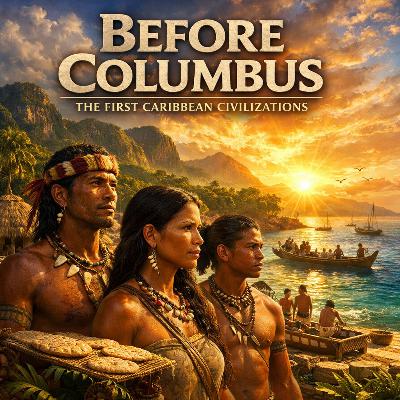
Before Columbus – The First Caribbean Civilizations confronts the oldest and most ignored chapter of Caribbean history. Long before European arrival, the islands were home to complex societies with systems of governance, agriculture, navigation, spirituality, and trade. This episode strips away the myth of an empty or undeveloped region and replaces it with evidence of a living world that functioned, adapted, and endured for thousands of years.
Told with a gritty documentary voice, the episode explores how these civilizations lived, how their knowledge was passed down without written scripts, and how erasure began even before violence through distortion, renaming, and silencing. It traces how loss was engineered and how fragments of Indigenous survival still shape Caribbean identity today. This is not folklore. It is foundational history.
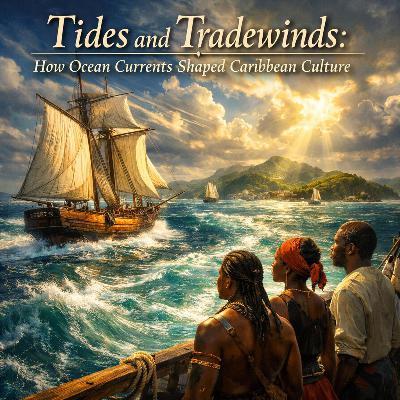
This three chapter documentary series examines how ocean currents and trade winds quietly directed the course of Caribbean history. Long before modern maps or engines, wind and water decided where people could go, who arrived first, and which islands became crossroads of culture and power. The story traces how natural forces shaped navigation, settlement, forced migration, trade routes, and lasting cultural patterns. It presents the Caribbean not as a passive backdrop, but as a region formed under constant pressure from the sea itself.
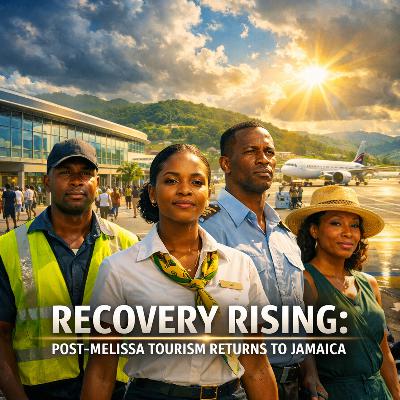
Set in the tense weeks following Hurricane Melissa, this investigative, journalistic three-chapter series tracks how Jamaica reopens its tourism engine under pressure. As airports resume flights and hotels restore operations, the country faces a narrow window to protect its economic lifeline without overstating recovery. Through verified data, on-the-ground reporting, and measured analysis, the story documents how more than three hundred thousand visitors return even as infrastructure, workers, and communities absorb lingering damage. The series avoids celebration and focuses instead on resilience tested by reality, exposing the costs, risks, and unresolved questions beneath the rebound.

Comments

Download from Google Play

Download from App Store
 United States