


 Claim Ownership
Srimad Narayaneeyam
Subscribed: 0Played: 0
Subscribe

© Santana Dharma The Life
Description
Narayaneeyam is a celebrated Sanskrit devotional hymn composed by Melpathur Narayana Bhattathiri in 1586 AD. It condenses the 18,000 verses of the Bhagavata Purana into 1,036 verses, praising Lord Narayana (Vishnu) and his avatars. Bhattathiri wrote it while suffering from severe rheumatism, after praying to transfer the illness from his guru to himself. Composing Narayaneeyam at the Guruvayur temple, he chanted one chapter daily, seeking divine healing. On completing the hundredth chapter, he is said to have been cured by Lord Krishna’s grace.
103 Episodes
Reverse
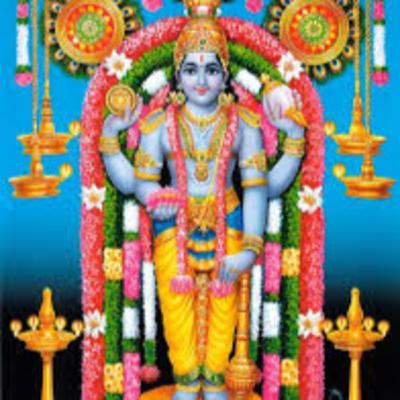
Dashakam 100 of Narayaneeyam is the grand culmination of the entire work, offering a vivid, detailed, and sublime description of Lord Narayana from head to foot. This concluding Dasakam captures the divine vision that Bhattathiri experienced on the hundredth day, following his intense devotional journey through the previous 99 Dasakams. The Lord is portrayed as a youthful, radiant being surrounded by sages like Narada and a group of beautiful maidens symbolizing the Upanishads.The description begins with the Lord's head, adorned with lustrous, thick, curly hair decorated with emerald-studded peacock feathers and garlands of hibiscus flowers. His broad, moon-like forehead is marked with sandal paste, and his compassionate eyebrows resemble ocean waves. His long, lotus-petal-shaped eyes are dark and mesmerizing. The Lord's form is radiant and youthful, inspiring awe and deep surrender in the devotee.This Dasakam progresses meticulously down the Lord's form, highlighting the beauty, majesty, and divine symbolism of every feature, leading finally to the devotee’s ultimate refuge at the Lord’s feet. Bhattathiri humbly seeks forgiveness for any shortcomings in his praise and prays for the Lord’s blessings of long life, health, and happiness to all who recite or hear the Narayaneeyam.In essence, Dashakam 100 represents the peak of devotional ecstasy and detailed divine vision, embodying the essence of Bhakti and the ultimate fulfillment of the poet’s spiritual quest through a glorious, head-to-foot portrait of Lord Narayana.Namaskarams and Dhanyavadaha to Smt Savithri Ramesh and Smt Asha Murarka for their help.
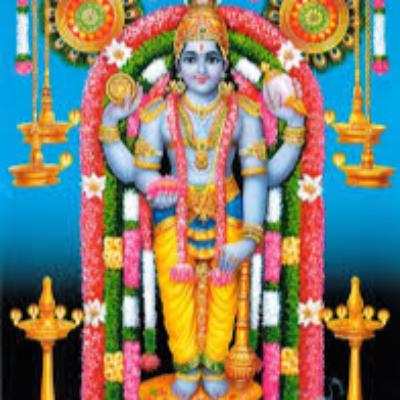
Dashakam 99 of Narayaneeyam is a powerful hymn in praise of the Lord's glory, incorporating the mantras of the Rig Veda. It extols the supreme energy, majesty, and omnipresence of Lord Vishnu as the creator, sustainer, and ruler of the entire universe. This Dasakam describes the Lord as the ever-new, eternal, and all-encompassing being who is beyond time, pervades everything, and holds all beings in His cosmic form.The verses highlight the divine acts of the Lord, such as His cosmic strides that measure the three worlds and the primordial cosmic lotus emerging from His navel, symbolizing all creation. Despite being vast and multi-faceted, He also dwells inside the heart of every living being as the innermost self, transcending the body and senses and enjoying blissful liberation.The hymn closes with a plea for the Lord's protection from illnesses and sorrows while praising both His formless (Nirguna) and manifested (Saguna) aspects. It teaches that even though the formless aspect is difficult to apprehend, the manifested form of the Lord with attributes is clear, loving, and the refuge for devotees.In summary, Dasakam 99 is a Vedic-style praise that celebrates the infinite glory of the Lord in both His cosmic and intimate forms, inspiring devotion and surrender to the supreme divine.RelatedWhat specific mantras from the Rig Veda are included in Dasakam 99 and their meaningsHow does Dasakam 99 depict Lord Vishnu’s role in creation and preservationWhat explanations are given in Dasakam 99 about Lord Vishnu’s infinite gloriesWhy do the verses in Dasakam 99 emphasize Lord Vishnu’s transcendental natureHow can I meditate on the Vishnu mantras from Dasakam 99 effectively to deepen devotionNamaskarams and Dhanyavadaha to Smt Savithri Ramesh and Smt Asha Murarka for their help.
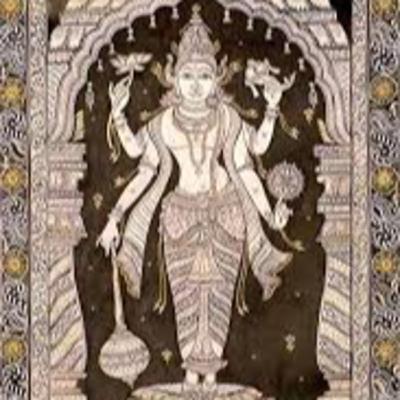
Dashakam 98 of Narayaneeyam is titled "Nishkala Brahma," which means the attribute-less, formless Supreme Brahman. This Dasakam focuses on meditating upon the Supreme Being who is the substratum of the entire universe—He is the origin from which the universe arises and into which it dissolves. This Brahman is beyond all description, beyond the grasp of words, mind, or even the knowledge of gods and sages.The stanzas emphasize that the Supreme Being is beyond any physical form, gender, species, or qualities such as actions, birth, and dualities of existence and non-existence. The Lord is what remains after negation of everything—beyond matter, action, attributes, and mind. The universe is seen as projected by the Lord's Maya (illusion) and is like a dream, where the divine power manifests all creation and eventually withdraws it with the power of time, like a tortoise drawing its limbs inside.Despite the vast cosmic processes, the Lord shines in supreme bliss and remains unaffected. Bhattathiri offers respectful salutations to this attribute-less Brahman, acknowledging the difficulty of comprehending this ultimate reality but recognizing it as the ultimate source of all joy and liberation.In summary, Dashakam 98 highlights meditation on the formless, attributeless Brahman as the highest spiritual practice, recognizing the world as a transient projection of Maya and saluting the divine timeless reality beyond all attributes.Namaskarams and Dhanyavadaha to Smt Savithri Ramesh and Smt Asha Murarka for their help.
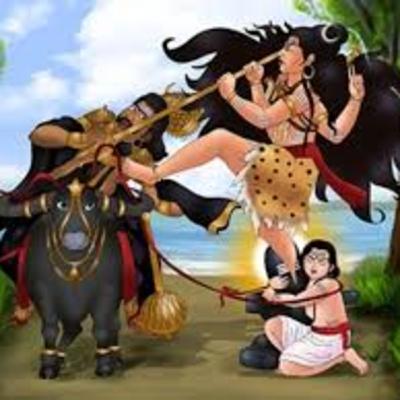
The story of Markandeya as presented in Narayaneeyam, particularly in Dasakam 97, highlights the supreme devotion of the sage Markandeya and his intimate relationship with Lord Narayana. Markandeya was a pure devotee who experienced deep spiritual joy on beholding the wondrous form of the Lord. Despite being offered many boons by the Lord, Markandeya humbly refused all except the wish to see the Lord’s Maya (divine illusion), out of innocent curiosity since he had never experienced it due to his constant absorption in supreme consciousness.The story recounts how Markandeya witnessed the Lord's divine form lying on a banyan leaf, and in a moment of divine play, was drawn into the Lord’s body and shown the fourteen lokas (worlds). After this mystical experience, Markandeya tried to embrace the Lord, but the vision disappeared, and he found himself back in his hermitage. The story ends with Lord Shiva and Parvati coming to bless Markandeya with immortality and eternal youth because of his steadfast devotion.This episode signifies the height of Bhakti (devotion) where the devotee transcends worldly concerns and the illusions of Maya, gaining the Lord’s direct grace and eternal protection. It serves as an inspiration for devotees aspiring for Moksha (liberation) through unwavering devotion and surrender to the divine.Namaskarams and Dhanyavadaha to Smt Savithri Ramesh and Smt Asha Murarka for their help.
Dashakam 96 of Narayaneeyam highlights the integration and importance of the three classical paths to the divine: Gnana (knowledge), Bhakti (devotion), and Karma (action). It explains that these three paths are the main ways by which a devotee can reach the Supreme Lord.The Dasakam states that for those who are completely free from worldly desires and attachments, the path of knowledge is appropriate. For people engaged in worldly life but wishing to progress spiritually, the path of selfless action (karma yoga) dedicated to the Lord is prescribed. For those who have moderate detachment but take joy in remembering and worshipping the Lord, the path of devotion (bhakti) is recommended.It further suggests that knowledge, action, and devotion all lead to the Supreme, but Bhakti Yoga is the quickest and sweetest path in the current age. The devotee seeks the Lord’s grace to strengthen this devotion, which can destroy attachments and lead to ultimate liberation. The Dasakam also highlights the power centers (vibhutis) of the Lord manifesting in the universe and emphasizes surrender to the Guru and Lord for spiritual progress.Thus, Narayaneeyam Dashakam 96 underscores the complementary nature of knowledge, devotion, and action, with special emphasis on bhakti as the most accessible and effective path to attain God and liberation in this age.Namaskarams and Dhanyavadaha to Smt Savithri Ramesh and Smt Asha Murarka for their help.
Dashakam 95 of Narayaneeyam focuses on the method and significance of meditation (Dhyana Yoga) on the Lord. It begins by describing the Lord as the origin of the universe, initially manifesting in the form of Hiranyagarbha. The devotee seeks to rise above the influence of the three Gunas (Sattva, Rajas, and Tamas) through devotion, ultimately transcending even the Sattva quality to realize a state of Nirguna (beyond qualities) and pure consciousness.The Dasakam instructs the practitioner to sit erect in a comfortable posture, concentrate the gaze at the tip of the nose, and regulate the breath through pranayama as part of the meditation technique. The meditator is guided to visualize the heart as an inverted lotus and imagine the sun, moon, and fire above it, meditating on the form of the Lord, described as dark and gentle like a water-laden cloud.It also highlights the mental benefits of this focused devotion—where the mind attains joy, loses desire for worldly pleasures, and steadies itself in non-dual bliss. The Dasakam cautions against being distracted by supernatural powers (siddhis), encouraging the devotee to seek only the blissful presence of the Lord. Ultimately, this meditation leads to a deep communion with the divine and liberation from suffering.In summary, Dashakam 95 underscores meditation as a disciplined practice of devotion that leads the seeker beyond material qualities and desires to steady the mind in the blissful presence of Lord Krishna, fostering spiritual progress and liberationNamaskarams and Dhanyavadaha to Smt Savithri Ramesh and Smt Asha Murarka for their help.
The "Generation of Wisdom" in Narayaneeyam is beautifully explained in Dasakam 94. This chapter describes how a wise person attains philosophical wisdom through the grace of a great Guru and by performing pure actions without attachment to their fruits. It speaks about recognizing the self (Atman) as distinct from the body and the sense organs, understanding the illusory nature of bodily attributes like stoutness or thinness, which arise due to association with the body, much like fire appearing in different forms.The wisdom generated leads to the understanding that the supreme Self (Brahman) is all-pervading and pure, untouched by the various changes and dualities of the material world. This wisdom helps one attain detachment from the body and its qualities and reach a state of equanimity and higher spiritual realization.Thus, Narayaneeyam presents this generation of wisdom as the essential knowledge for spiritual liberation, fostered by the Guru’s teachings and selfless actions, enabling the seeker to transcend the illusions of the physical existence and realize their true nature as the supreme Self.Namaskarams and Dhanyavadaha to Smt Savithri Ramesh and Smt Asha Murarka for their help.
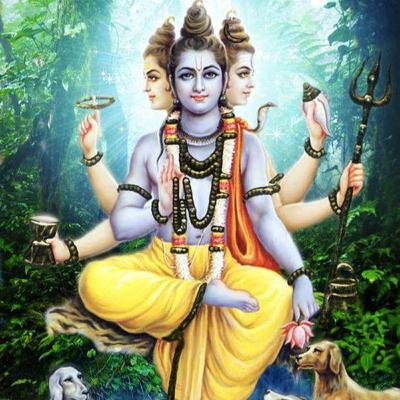
Dashakam 93 of Narayaneeyam is significant as it presents the concept of the "24 Gurus" (twenty-four teachers) through whom the humble devotee learns valuable spiritual lessons. This Dasakam emphasizes that everything and everyone in the world, including nature, the elements, and various life experiences, can act as a teacher (guru) guiding the seeker on the path of wisdom and devotion.The Dasakam teaches the importance of humility and surrender to the Lord, recognizing that the grace of the Lord enables one to renounce attachments, see the world as an illusion (Maya), and transcend dualities such as good and bad. It extols learning virtues such as patience from the earth, non-attachment from the air, purity like water, and equanimity like the vast sky. The reflective contemplations underscore that by observing and learning from the world and its phenomena, devotees can cultivate the qualities needed for spiritual progress.In essence, Dashakam 93 highlights that spiritual enlightenment and transformation arise from embracing all experiences and entities as teachers by the Lord’s grace, leading to detachment, equanimity, and devotion.Namaskarams and Dhanyavadaha to Smt Savithri Ramesh and Smt Asha Murarka for their help.
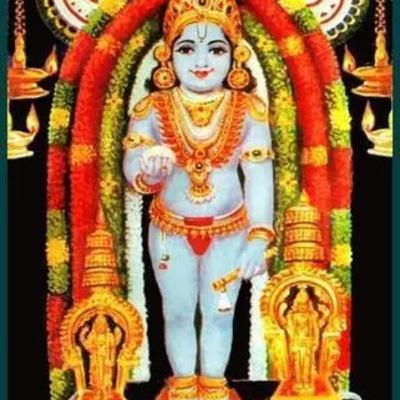
Dasakam 92 of Narayaneeyam highlights the integration of devotion (bhakti) with action (karma). It teaches that all prescribed actions and rituals mentioned in the Vedas should be performed with a mindset free from attachment to the results, and these actions should be offered wholly to the Lord. Such selfless action, dedicated to God, helps attain the state of "naishkarmya" (freedom from the bondage of karma) where one acts without expectation and is spiritually liberated.The Dasakam also expresses compassion for those who do not have the opportunity to hear or practice devotion and laments those who, despite their knowledge and means, neglect devotion due to pride or worldly distractions. It reassures that one who surrenders completely to the Lord, abandoning all other duties for refuge, is free from debts to gods, sages, and ancestors and that even past misdeeds are cleansed by the Lord residing in the heart.In essence, Dashakam 92 extols the practice of devotion combined with detached action as the superior spiritual path in the Kali Yuga, leading to liberation and divine grace.Namaskarams and Dhanyavadaha to Smt Savithri Ramesh and Smt Asha Murarka for their help.
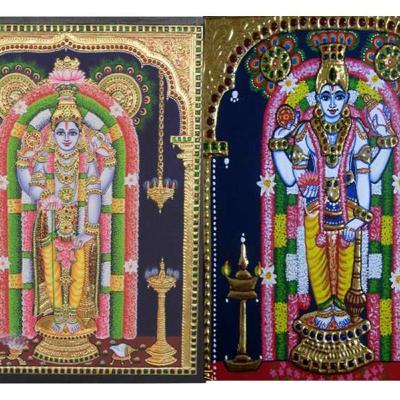
Dashakam 91 of Narayaneeyam emphasizes the greatness and supremacy of devotion (bhakti) to God as the ultimate and surest method to attain Him and realize liberation (moksha). It teaches that surrendering to the lotus feet of Lord Krishna, the soul of all beings and the supreme God, dispels the fear and illusions associated with worldly attachments and material existence. Devotion, even if practiced by a person born in a lower social order, purifies and sanctifies completely, while mere external rituals without devotion do not bring true spiritual benefit.This Dashakam highlights that the fears of death and sorrow arise due to ignorance and attachment to the illusory material world. True devotion leads to the destruction of these fears by realizing the oneness of the individual soul (jivatma) with the supreme soul (paramatma). The poem stresses that through hearing, telling, and remembering the stories of the Lord, one can strengthen devotion and overcome illusion. The great sage Bhattathiri surrenders his body, speech, mind, and actions at the Lord's feet, showing the path for all devotees to follow.In summary, Narayaneeyam's Dashakam 91 underscores devotion as the most effective and direct path to spiritual liberation, peace from fear and suffering, and eternal bliss at the divine feet of Lord Krishna,Namaskarams and Dhanyavadaha to Smt Savithri Ramesh and Smt Asha Murarka for their help.
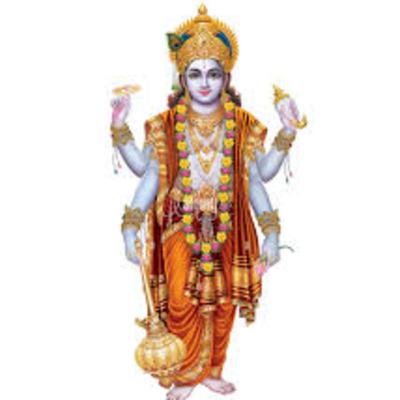
Narayaneeyam richly details the greatness of Lord Vishnu through its devotional verses, especially emphasizing His supreme and all-encompassing nature as the source and sustainer of the universe. It describes Vishnu as the embodiment of pure sattva (purity and goodness), transcending all other forms including Shiva and Brahma, and remaining the ultimate Supreme Being (Para Brahman) who manifests in many forms while being one and indivisible.The text highlights Vishnu’s majestic qualities such as his infinite strength, boundless compassion, and supreme wisdom. It praises His divine form adorned with lotus-like eyes, the Kaustubha gem, and the conch and discus — symbols of cosmic order and protection. Vishnu’s greatness is extolled as the controller of all moving and non-moving beings, the preserver of dharma, and the granter of liberation (moksha).Narayaneeyam further establishes Vishnu's superiority by recounting episodes like the Mohini avatar, the story of Sage Bhrigu, and His rulership over Vaikuntha, which is described as higher than the abodes of the holy trinity. The Lord is portrayed as the ultimate refuge and protector of devotees, whose grace eradicates suffering and bestows eternal bliss and liberation.Overall, Narayaneeyam celebrates Lord Vishnu as the source of all creation, the cosmic protector, and the embodiment of infinite qualities and divine attributes who dwells eternally in the hearts of devotees and the cosmic order itself[
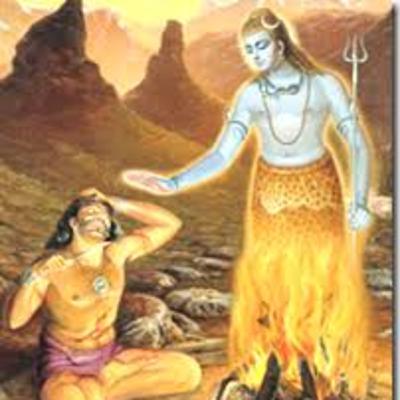
The story of Krishna and Vrukasura is referenced in Narayaneeyam, though the detailed episode is less prominently highlighted compared to other demons. Vrukasura was a demon who caused havoc and terrorized the forests and people. Krishna, known for protecting dharma, confronted and defeated Vrukasura, restoring peace and safety.This victory is part of Krishna's various exploits killing demons and protecting the innocent, which are praised in Narayaneeyam's devotional verses. While Narayaneeyam extensively details many of Krishna's battles, like those against Narakasura, Paundraka, and others, the mention of Vrukasura aligns with Krishna's role as a divine protector who eradicates evil forces threatening cosmic order.Krishna’s defeat of Vrukasura underscores his power over demonic forces and his compassionate role as the guardian of the virtuous, symbolizing the triumph of good over evil in his divine pastimesNamaskarams and Dhanyavadaha to Smt Savithri Ramesh and Smt Asha Murarka for their help.
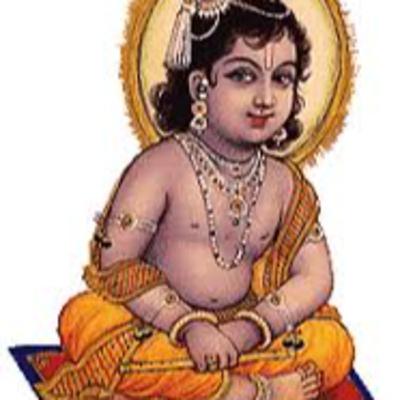
Santana Gopalan, featured in Dasakam 88 of Narayaneeyam, refers to a heartfelt episode involving the sorrow of a Brahmin couple who repeatedly lost their children shortly after birth. This poignant section portrays the anguish and deep yearning of the parents for offspring, which is a significant theme in the text as the couple prays fervently to Lord Krishna for the blessing of progeny.The narrative highlights Krishna's compassionate and miraculous intervention to bless the couple with children, reflecting the Lord’s role as Santana Gopala — the protector and benefactor of progeny. This Dasakam not only emphasizes the divine grace that overcomes human suffering and despair but also illustrates the emotional and devotional bond between the devotee and the deity.The poetic verses celebrate the miracle of life and the fulfillment of parental desires through devotion to Krishna, blending philosophical depth with emotive storytelling. Santana Gopalan is revered in devotional literature for bestowing the boon of children and ensuring their well-being under Krishna’s divine protection.Namaskarams and Dhanyavadaha to Smt Savithri Ramesh and Smt Asha Murarka for their help.
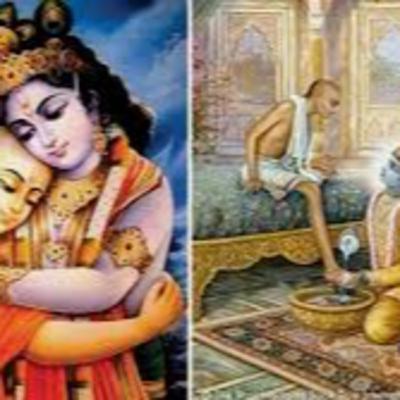
The story of Krishna and Kuchela (also known as Sudama) is narrated beautifully in Dasakam 87 of Narayaneeyam. Kuchela was a poor Brahmin and childhood friend of Krishna who studied with him under the guru Sandipani Maharshi. Despite their friendship, Kuchela lived a life of extreme poverty while Krishna became the king of Dwaraka.At the urging of his wife, Kuchela decided to visit Krishna to seek help for his family's hardships. He carried a humble gift for Krishna—a small quantity of beaten rice (poha) tied in a cloth. When Kuchela reached Krishna’s palace, Krishna warmly welcomed him with great affection and honor, treating him like a cherished friend. Krishna took and ate the beaten rice with delight, showing deep love and respect for Kuchela’s humble offering.Despite Kuchela’s embarrassment and not asking for any help, Krishna’s divine grace manifested abundantly. Kuchela returned home to find his poverty replaced by immense wealth and prosperity, blessings showered by Krishna’s mercy. Over time, Kuchela’s devotion grew even stronger, and he eventually attained liberation (moksha) through his unwavering love for Krishna.This episode emphasizes Krishna’s boundless compassion for his devotees and illustrates that true friendship and devotion surpass worldly possessions. It is one of the touching stories of Krishna’s pastimes described in Narayaneeyam, inspiring devotees on love, humility, and divine grace.Namaskarams and Dhanyavadaha to Smt Savithri Ramesh and Smt Asha Murarka for their help.
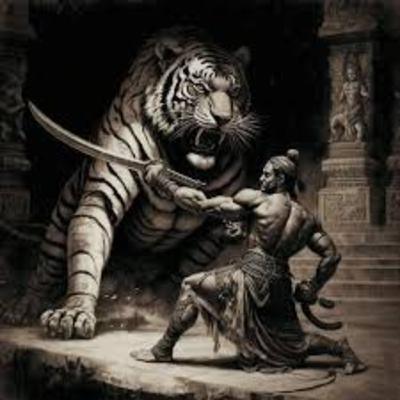
In Narayaneeyam, the story of the killing of Sala and others is found in Dasakam 86. Sala was a king who had obtained magical powers through severe penance and was an enemy to Lord Krishna and the Yadava clan. During the events surrounding Rukmini's marriage and subsequent conflicts, Sala and his followers attacked Krishna and the Yadavas.Krishna, with the support of the Yadavas and other allies, defeated Sala and his army. Sala had also been granted a divine flying vehicle by Lord Shiva as a boon due to his penance, which increased the threat he posed. However, Krishna’s divine power prevailed, and Sala was slain, along with his powerful associates.The chapter proceeds to describe other significant events, including Krishna’s participation in the Maha Bharata War, where he played a crucial role as the charioteer and guide of the Pandava prince Arjuna.This episode marks an important phase in Krishna's earthly pastimes, demonstrating his role as the protector of dharma by defeating those who threatened peace and righteousness through their demonic or hostile actionsIn Narayaneeyam, the story of the killing of Sala and others is found in Dasakam 86. Sala was a king who had obtained magical powers through severe penance and was an enemy to Lord Krishna and the Yadava clan. During the events surrounding Rukmini's marriage and subsequent conflicts, Sala and his followers attacked Krishna and the Yadavas.Krishna, with the support of the Yadavas and other allies, defeated Sala and his army. Sala had also been granted a divine flying vehicle by Lord Shiva as a boon due to his penance, which increased the threat he posed. However, Krishna’s divine power prevailed, and Sala was slain, along with his powerful associates.The chapter proceeds to describe other significant events, including Krishna’s participation in the Maha Bharata War, where he played a crucial role as the charioteer and guide of the Pandava prince Arjuna.This episode marks an important phase in Krishna's earthly pastimes, demonstrating his role as the protector of dharma by defeating those who threatened peace and righteousness through their demonic or hostile actionsNamaskarams and Dhanyavadaha to Smt Savithri Ramesh and Smt Asha Murarka for their help.
In Narayaneeyam, specifically in Dasakam 85, the story of Shishupala is vividly narrated. During the Rajasuya Yagna conducted by Yudhishthira, it was decided on the advice of Sahadeva that Lord Krishna should receive the primary worship. This decision angered Shishupala, the King of Chedi, who could not tolerate Krishna being honored as the foremost among great sages and kings. He insulted Krishna bitterly before the assembly and challenged the worship being offered to a mere cowherd boy despite his divine stature.Shishupala then violently attacked the kings supporting Krishna. Though the Pandavas rushed to defend Krishna, it was Lord Krishna himself who intervened and decisively beheaded Shishupala with his Sudarshana Chakra—a divine discus typically used to destroy enemies of dharma like demons. Krishna had previously promised to forgive up to a hundred sins of Shishupala, but with this final act, Shishupala exceeded that limit and met his end.Interestingly, even in death, Shishupala’s intense, focused thoughts of Krishna throughout his three past births (as Hiranyakashipu, Ravana, and Shishupala himself) purified him and led to his ultimate liberation or Moksha—a union with the Lord that few attain, even among the greatest yogis. The story reflects both Shishupala's intense hostility and his eventual salvation through Krishna’s grace.The episode also describes the continuation of the Yagna, the victorious celebrations, and Krishna's role as a divine protector and supporter of dharma during this great eventNamaskarams and Dhanyavadaha to Smt Savithri Ramesh and Smt Asha Murarka for their help.
The story of Samanthakapanchaka in Narayaneeyam is elaborately described in Dasakam 84. It describes a sacred place called Samanthakapanchaka, a pilgrimage spot where Lord Krishna went along with the Yadavas and their womenfolk during a solar eclipse. There, Krishna performed holy ablutions and sanctified the sacred waters for the benefit of countless people. He also gave gifts to Brahmins and mingled with his friends, including the Pandavas and Kauravas.At this place, Krishna met many Gopis, including Radha, and spent some months in their company, offering them advice and consolation. The narrative highlights Krishna’s connection with the divine feminine and his role in upholding dharma through such spiritual visits.The chapter evokes the devotion and the deep social and cosmic ties Lord Krishna nurtured through his interactions at Samanthakapanchaka, symbolizing a space of spiritual sanctity and divine presence in Narayaneeyam.This episode follows the previous events of Krishna’s life and divine deeds and continues the devotional recounting of his pastimes by Bhattathiri in Narayaneeyam, focusing on Krishna's divine activities and interactions with his devotees at this sacred pilgrimage siteNamaskarams and Dhanyavadaha to Smt Savithri Ramesh and Smt Asha Murarka for their help.
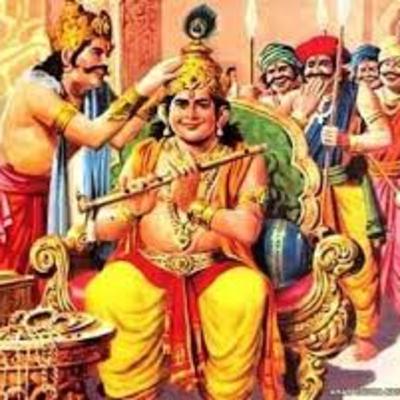
Poundrika Vadam, also called Paundraka Vadh, is described in Narayaneeyam Dasakam 83. In this section, Paundraka was a king who foolishly considered himself as Vasudeva (Krishna) due to flattery by his supporters. He sent a messenger to Krishna claiming the divine symbols like the conch and discus belonged to him and commanded Krishna to surrender them.Krishna responded by confronting Paundraka with his Yadava army. Paundraka, boasting divine ornaments and carrying a false Sudarshana Chakra made of iron, challenged Krishna. In battle, Krishna used his true Sudarshana Chakra and killed Paundraka, destroying his army. The episode is a lesson that Paundraka was deluded but attained Moksha (liberation) because he thought of the true Vasudeva throughout his life.This episode reflects a clash between true divine power and false ego claiming the divine identity, and it is narrated poignantly in the Sanskrit verses of Narayaneeyam emphasizing the grace and victory of Lord Krishna over the impostor Paundraka. The story also includes the involvement of Balarama at Gokula and the war with Paundraka at Kashi (Varanasi) region.The detailed Sanskrit verses of Dasakam 83 from Narayaneeyam provide a devotional and poetic narrative of this incident involving Poundrika Vadam (Paundraka Vadh) and Krishna's victorious retribution against the false claimant to divine statusNamaskarams and Dhanyavadaha to Smt Savithri Ramesh and Smt Asha Murarka for their help.
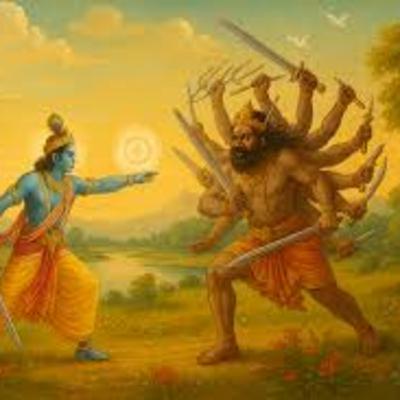
The war with Banasura is vividly described in Dasakam 82 of the Narayaneeyam. Banasura, the thousand-armed demon and a great devotee of Lord Shiva, is the son of Mahabali. His daughter Usha falls in love with Aniruddha, the grandson of Lord Krishna. Using her yogic powers, Usha abducts Aniruddha to her palace in Sonitapura. Banasura captures Aniruddha and keeps him imprisoned.Upon hearing this news through Narada, Krishna leads the Yadava army to Sonitapura to rescue his grandson. The battle that ensues is fierce and intense, with Shiva coming to protect his devotee Banasura. The fight involves many divine warriors, including Skanda and Balarama. Krishna skillfully counters all the weapons Shiva uses. Ultimately, Krishna defeats Banasura by cutting off all but two of his arms. Shiva, pleased with Krishna’s mercy and valor, prays to him and requests that Banasura be spared from death. Krishna grants this, restoring two arms to Banasura and offering him mercy.Following his defeat, Banasura surrenders, gives his daughter Usha and wealth to Krishna, and returns to his kingdom. This event highlights Krishna’s supreme power, mercy, and respect even towards fellow divine devotees, reflecting deeply on themes of devotion, conflict, and divine resolution.This story is a major highlight in the Narayaneeyam, showing Krishna’s role as a protector of his family and devotees, his prowess in battle, and the cosmic balance between different divine entitiesNamaskarams and Dhanyavadaha to Smt Savithri Ramesh and Smt Asha Murarka for their help.
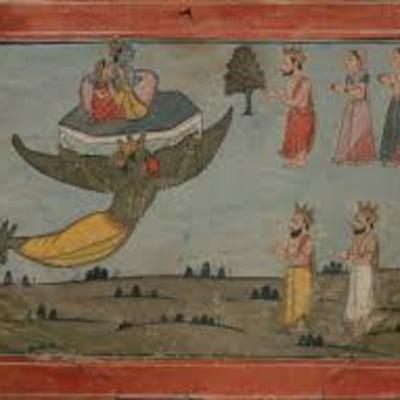
Dashakam 81 of Narayaneeyam is significant as it describes several important events in the life of Lord Krishna, focusing on his marriages, heroic deeds, and divine interventions. In this Dashakam, Krishna marries several more women, including Kalindi (the personification of the Yamuna river), Mitravinda, and Bhadra in different circumstances. Krishna also kills the demon Narakasura in Pragjyotishpura, liberating 16,000 imprisoned women who become his devotees.Following these events, Krishna accompanies his wife Satyabhama to Indra Loka, where he fights with the god Indra over the Parijata tree, a divine flower tree. Krishna wins the battle and brings the Parijata tree back to his city Dwaraka, planting it in Satyabhama's courtyard, symbolizing his supremacy and teaching the lesson that material prosperity can lead to arrogance and conflict.Additionally, Krishna arranges the marriage of his sister Subhadra to Arjuna, his close friend and a key Pandava prince, resolving the conflict with Balarama who initially opposed this match.Finally, the Dashakam recounts how Krishna accepted and cared for the sixteen thousand maidens he freed from Narakasura, exhibiting his divine yogic powers by taking multiple forms to live harmoniously with all of them. This portrayal emphasizes Krishna's role as a loving protector and caretaker of his devotees and family.Thus, Dashakam 81 encapsulates the blend of Krishna's familial love, divine power, and dharma through marriages, battles, and divine acts.Namaskarams and Dhanyavadaha to Smt Savithri Ramesh and Smt Asha Murarka for their help.

Comments

Download from Google Play

Download from App Store
 United States