


 Claim Ownership
Forest of Thought
Subscribed: 22Played: 781
Subscribe

© Ingrid M. Rieser
Description
Conversations that explore the ideas we live by – re-examining the familiar and catching glimpses of the new.
forestofthought.substack.com
forestofthought.substack.com
41 Episodes
Reverse
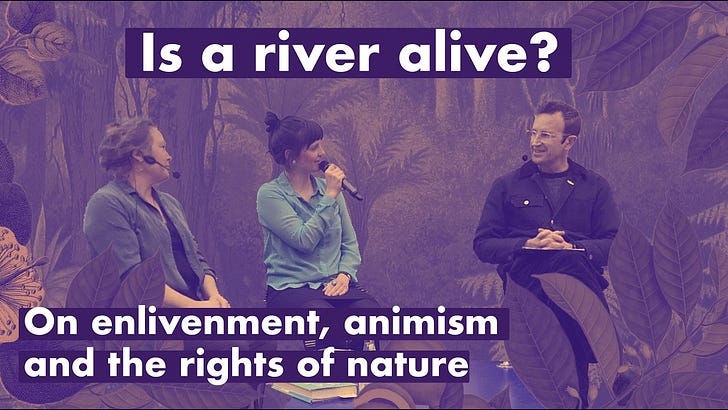
What does it mean to say that a river is alive? And if a river is alive, could it have legal rights that protect it from abuse and exploitation? What kinds of practices could affirm our interconnectedness with the rest of the living world? Do our Western ideals of enlightenment need to be complemented by ideas of enlivenment?In this live podcast, writer Robert Macfarlane presents his book “Is a River Alive?” and is joined by ecologist Pella Thiel and podcast host Ingrid M. Rieser. This special episode is a collaboration between the Forest of Thought, the KTH Environmental Humanities Laboratory and the On the Rights of Nature podcast.Robert Macfarlane is internationally renowned for his writing on nature, people and place. His books include Underland, Landmarks, The Old Ways, The Wild Places and Mountains of the Mind . His work has been translated into more than thirty languages, won prizes around the world, and been widely adapted for film, music, theatre, radio and dance. He has also written operas, plays and films and collaborated closely with artists including Olafur Eliasson and Stanley Donwood. He is a Professor of Literature and the Environmental Humanities at the Faculty of English in Cambridge and is a Fellow of Emmanuel College, Cambridge.Pella Thiel is a maverick ecologist, farmer, author and educator. She has co-founded Swedish hubs of international networks, including the Transition Sweden, End Ecocide Sweden and Save the Rainforest Sweden. Her current mission is to support the establishment of an Embassy of the Baltic Sea. She and Henrik Hallgren have written the book “Naturlagen: Om naturens rättigheter och människans möjligheter” (2022, Volante).A big thank you to Robert Macfarlane’s Swedish publisher Ocean Books for making this event possible.LINKS:Video version of this talkRobert Macfarlane’s booksPella Thiel’s websiteOn the Rights of Nature Podcast with Pella ThielKTH Environmental Humanities LaboratoryOcean Books currently releasing “Is a River Alive?” in SwedishSHARE AND SUBSCRIBE🎙️ The FoT Substack is now live! Become a free or paid subscriber and receive newsletters direct to your inbox.🎧 All episodes and more at forestofthought.substack.com.💜 Support us on Patreon or Substack.🎵 Our theme music is by Christian Holtsteen. This is a public episode. If you'd like to discuss this with other subscribers or get access to bonus episodes, visit forestofthought.substack.com/subscribe
Birth can be difficult to talk about, because it's so complex and paradoxical. It can be beautiful and traumatic, often at the same time; it’s intensely personal and highly political; it’s something extraordinary that is also entirely ordinary. You give birth to a baby and you also birth yourself as a mother.Another paradox is how birth has become much safer because of the advancements of modern medicine, and yet that very medicalisation has created new risks. Women who give birth in hospitals are more likely to have complications; the amount of women who have births without any interventions is rapidly declining.Is it possible to build a culture of birth that takes the best parts of modern medicine and combines them with a deep respect for the wisdom of women’s bodies? Instead of seeing birth as a medical event, how do we honor it as a rite of passage?In this episode, Ingrid shares some of her personal journey of pregnancy and birth, in conversation with author and birth activist Kristina Turner. They discuss how the view of birth has changed in the past centuries, and what ingredients are needed for a healthier birth culture to take root.Kristina Turner is a writer, birth activist, and women’s circle facilitator with over 25 years experience. She is the author of Natural Birth – A Holistic Guide to Pregnancy, Childbirth, and Breastfeeding and Revolution i BB-fabriken (Revolution in the Birth Factory). Across her work, Kristina returns to one central thread: the sovereignty of the woman’s body — its intelligence, rhythms, rites of passage, and its ability to transform consciousness. Kristina lives between Sweden and the UK and works internationally as a writer, birth educator, and Compassionate Inquiry practitioner supporting women healing from traumatic births.LINKS:Kristina’s SubstackKristina’s book Natural Birth – A Holistic Guide to Pregnancy, Childbirth, and BreastfeedingKristina’s book (in Swedish) written with Maria Bengtsson Revolution i BB-fabrikenMeta-study finding that births in hospitals gave more complications as compared to home births (in low-risk pregnancies)Meta-study showing that risks for babies are not higher in home-births (for low-risk pregnancies) This is a public episode. If you'd like to discuss this with other subscribers or get access to bonus episodes, visit forestofthought.substack.com/subscribe
What healing could be made possible if we began to work in ways that honoured our nervous systems? How could pleasure be a pathway to health? How can we have more true intimacy and eroticism in our lives?Kimberly Ann Johnson is a Sexological Bodyworker, Somatic Experiencing practitioner, yoga teacher, postpartum advocate, and single mom. Working hands-on in integrative women’s health and trauma recovery for more than a decade, she helps women heal from birth injuries, gynecological surgeries, and sexual boundary violations. Kimberly is the author of the Call of the Wild: How We Heal Trauma, Awaken Our Own Power, and Use It for Good, as well as the early mothering classic The Fourth Trimester, and is the host of the Sex Birth Trauma podcast.LINKS:Kimberly’s website.Kimberly’s Sex Birth Trauma PodcastTo read more about the sympathetic, parasympathetic and social nervous systems, you can download the first chapter of Kimberly’s book for free here.Somatic Experiencing (Peter Levine)Organic Intelligence by Steve HoskinsonThe Erotic Mind by Jack MorinThe Wheel of Consent by Betty MartinSUBSCRIBE AND FOLLOW🎙️ The FoT Substack is now live! Become a free or paid subscriber and receive newsletters direct to your inbox.🎧 All episodes and more at forestofthought.com.💜 Support us on Patreon (per episode) or Substack (per month/year).🎵 Our theme music is by Christian Holtsteen. This is a public episode. If you'd like to discuss this with other subscribers or get access to bonus episodes, visit forestofthought.substack.com/subscribe
![37. Embracing our cyclical nature // JENNY KOOS [Blood Mysteries pt. 1]](https://s3.castbox.fm/e4/af/87/24804822a30c2d3e90ab3109b6bd06360b_scaled_v1_400.jpg "37. Embracing our cyclical nature // JENNY KOOS [Blood Mysteries pt. 1]")
From menarche until menopause, women have a rhythmical companion, whose presence or absence tells us something about our bodies. The menstrual cycle is considered by many medical professionals to be the fifth vital sign, and just like our pulse or our blood pressure, it tells us something important about our health.And yet the general knowledge about the menstrual cycle, both in the medical community and society at large, is very poor. Many women struggle with pains, mood swings, and infertility without understanding the underlying cause of these.Why isn’t the cycle considered more important? Could the disregard for women’s bodies be tied to the disregard for nature? What new possibilities emerge if we lean into the cyclical nature of bodies?Even if you're not a woman – actually, especially then - you may find this episode illuminating.Jenny Koos is an author and Holistic Reproductive Health practitioner. She has championed fertility awareness and women’s empowerment through body literacy in countless debates, lectures, client sessions and social media for 15 years. Her first book on fertility awareness was published in 2022.LINKS:Vulverine - Jenny's websiteMenstrual cycle as fifth vital signJustisse College This is the first episode of the 🩸 Blood mysteries🩸 mini-series here on the podcast. Follow us in your podcast app or sign up for our Substack newsletter so you never miss an episode!SHARE AND SUBSCRIBE🎙️ The FoT Substack is now live! Become a free or paid subscriber and receive newsletters direct to your inbox.🎧 All episodes and more at forestofthought.substack.com.💜 Support us on Patreon or Substack.🎵 Our theme music is by Christian Holtsteen. This is a public episode. If you'd like to discuss this with other subscribers or get access to bonus episodes, visit forestofthought.substack.com/subscribe
A favorite conversation from the archives, with particular relevance for upcoming episodes! When our societies are faced with challenges we often call on science to provide us with the best course of action; we strive to make evidence-based decisions. But what assumptions are hiding behind this recipe for decision-making? And how can taking control of a situation reduce our capacity for responding with care? We delve back into the Forest of Thought today with Andy Stirling, Professor of Science and Technology Policy at the STEPS Centre, UK.Andy Stirling is Professor of Science and Technology Policy at the University of Sussex. He co-directs the STEPS Centre, which looks at social, technological and environmental pathways to sustainability. Andy’s research focusses on understanding science and technology in relation to issues of power, uncertainty and diversity.LINKS:A video talk and blog post by Andy on modernity, the pandemic and the futilities of control: https://steps-centre.org/news/andy-stirling-on-covid-19-modernity-and-control-video/Andy’s 4-part blog series on responding to climate disruption with caring struggle rather than technocratic control: https://steps-centre.org/blog/is-the-naming-of-climate-change-a-dangerous-self-defeat/A lecture by Andy on uncertainty and power in science: https://www.youtube.com/watch?v=PDfQ3fIKygQSHARE AND SUBSCRIBE🎙️ The FoT Substack is now live! Become a free or paid subscriber and receive newsletters direct to your inbox.🎧 All episodes and more at forestofthought.substack.com.💜 Support us on Patreon or Substack.🎵 Our theme music is by Christian Holtsteen. This is a public episode. If you'd like to discuss this with other subscribers or get access to bonus episodes, visit forestofthought.substack.com/subscribe
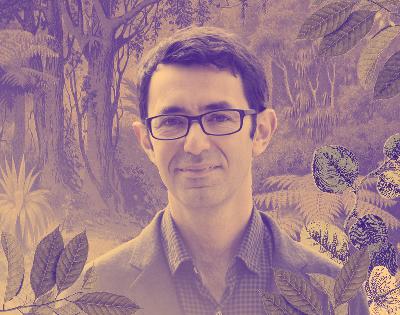
What can we learn from plants? In Western thinking, plants have usually been seen as the most lowly beings, fixed in one place and without capacity for thinking. But many cultures have known – and modern science is confirming – that plants carry their own kind of vibrant intelligence. They communicate, interpret and elaborate – could it be that we humans are more plant-like than we tend to believe? In the 12th century, the mystic Hildegard of Bingen wrote about viriditas, a kind of capacity for self-renewal and vitality expressed most clearly in the vegetal realm. In today’s episode I speak to philosopher Michael Marder about Hildegard’s ecological theology and what we might learn from plants. Michael Marder is Ikerbasque Research Professor of Philosophy at University of the Basque Country, and his work spans the fields of environmental philosophy and ecological thought, political theory, and phenomenology. LINKSMichael Marder website (free articles, book overviews)Green Mass: The Ecological Theology of St. Hildegard of Bingen Pyropolitics: Fire and the political Michael’s SubstackSHARE AND SUBSCRIBE🎙️ The FoT Substack is now live! Become a free or paid subscriber and receive newsletters direct to your inbox.🎧 All episodes and more at forestofthought.substack.com.💜 Support us on Patreon or Substack.🎵 Our theme music is by Christian Holtsteen. This is a public episode. If you'd like to discuss this with other subscribers or get access to bonus episodes, visit forestofthought.substack.com/subscribe
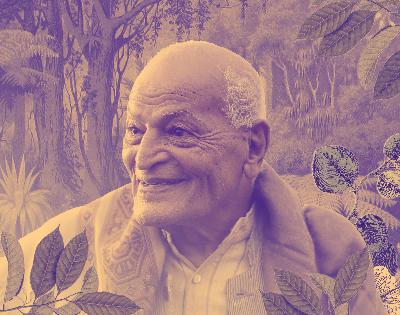
If you’d prefer to watch the episode, it is available here on Youtube. In 1962 , a young man named Satish Kumar set out with his friend Prabakhar Menon on a pilgrimage for peace that would take him around the world, forever changing the course of his life. Later on, Satish dedicated himself to the work of making peace with nature, as the editor of the ecological magazine Resurgence, and in helping to found Schumacher College, a school for transformative learning. We first met when I did my master’s at that college more than a decade ago. In this conversation we talk about the power of walking and of pilgrimage, about the kind of education we are in need of today, and about whether working for peace means the same thing today as when Satish was young. Peace-pilgrim, life-long activist, and former monk, Satish Kumar has been inspiring global change for over 50 years. He undertook a pilgrimage for peace, walking for two years without money from India to America for the cause of nuclear disarmament. Now in his 80s, Satish has devoted his life to campaigning for ecological regeneration and social justice. He is a world-renown author and international speaker, founder of The Resurgence Trust and Editor Emeritus of Resurgence & Ecologist – a change-making magazine he edited for over 40 years. LINKS TO THINGS WE TALKED ABOUT:Satish Kumar’s autobiography No Destination – autobiography of a pilgrim.Satish's mentor Vinoba BhaveSatish’s peace pilgrimage – if you’d like to hear more details about his trip, I can recommend this episode of Follow your Blissters. Schumacher College – support the college here.Resurgence magazineSHARE AND SUBSCRIBE🎙️ The FoT Substack is now live! Become a free or paid subscriber and receive newsletters direct to your inbox.🎧 All episodes and more at forestofthought.substack.com.💜 Support us on Patreon or Substack.🎵 Our theme music is by Christian Holtsteen. This is a public episode. If you'd like to discuss this with other subscribers or get access to bonus episodes, visit forestofthought.substack.com/subscribe
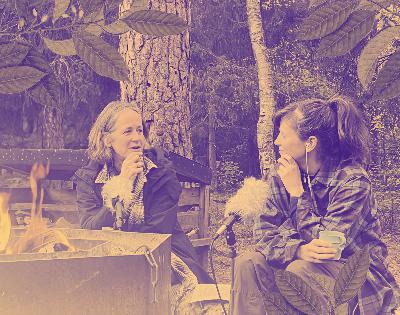
As we are faced with multiplying crises, we often rush into trying to fix the world through words and busy action. What if an adequate response is to simply listen? What new worlds can be made, what wounds can be healed, through listening deeply? In this episode, Keri Facer returns to the podcast to explore the subtle art of listening.Keri is Professor of Educational and Social Futures at the University of Bristol, and co-founder of the Society for Transformative conversations at the Swedish Agricultural university. LINKS TO THINGS WE TALKED ABOUT: My previous conversation with KeriKeri’s paper “Beyond voice: Listening and silence in climate change education”Momo by Michael EndeLisbet LipariSand Talk by Tyson YunkaportaTim Ingold - the pause as the moment of thoughtWays of Council and Keri’s mentor Pip Bondy SHARE AND SUBSCRIBE🎙️ The FoT Substack is now live! Become a free or paid subscriber and receive newsletters direct to your inbox.🎧 All episodes and more at forestofthought.substack.com.💜 Support us on Patreon or Substack.🎵 Our theme music is by Christian Holtsteen. This is a public episode. If you'd like to discuss this with other subscribers or get access to bonus episodes, visit forestofthought.substack.com/subscribe
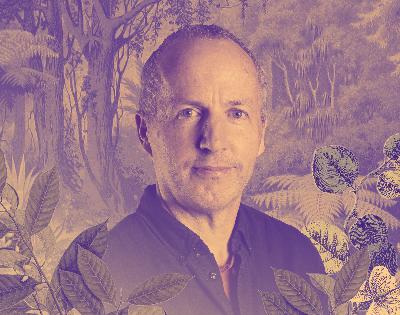
What could art making and aesthetics mean to us in these difficult times? Can we justify going off to paint or to spend time in nature when there is so much destruction going on in the world? Aesthetics is about opening up our senses to the world - but do we even want to stay sensitive when there is so much pain? How do we deal with that paradox? Today’s episode is with artist and educator Jan van Boeckel. Jan’s work brings together art, education and ecology. He has been Professor in Art & Sustainability at Hanze University in the Netherlands and is now a Senior Research Associate there. He is also an avid painter, and hosts wild painting courses throughout Europe. LINKS TO THINGS WE TALKED ABOUTJan’s websiteJan’s Wild painting coursesActive Facebook group on arts-based environmental education“Call of the mountain” – a film on Arne Næss and deep ecologyEveryone is an artist - Joseph BeuysEnabling constraintsJames Hillman: Our crisis is an aesthetic crisisGregory Bateson writes about “the pattern that connects” in Mind and NatureDavid Abram (who talks about Eros)Robert Jay Lifton and psychic numbingRenée Lertzman’s book Environmental MelancholiaBayo Akomolafe: the times are urgent, let’s slow down.F. Scott Fitzgerald : Superior intelligence is the ability to embrace two completely contrary ideas, and still retain the ability to functionBill Wahpepah of the American Indian MovementSHARE AND SUBSCRIBE🎙️ The FoT Substack is now live! Become a free or paid subscriber and receive newsletters direct to your inbox.🎧 All episodes and more at forestofthought.substack.com.💜 Support us on Patreon or Substack.🎵 Our theme music is by Christian Holtsteen. This is a public episode. If you'd like to discuss this with other subscribers or get access to bonus episodes, visit forestofthought.substack.com/subscribe
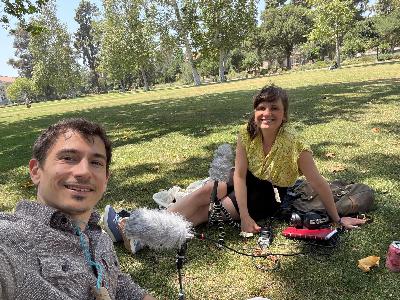
I was born into a world where many of the things that are most important to me, like art, beauty, relationships, embodied experience, love, and the sacred, are not really considered very important to our understanding of the cosmos. They are thought of as ‘extra fluff’ rather than being at the core of our existence and reality.One of the thinkers who has tried to create a science more attuned to these philosophical questions was mathematician turned philosopher Alfred North Whitehead. In the early 20th century, this really radical time when quantum and relativity theory had begun to undermine the old mechanistic view of physics, Whitehead developed his process philosophy, which focused on the co-creative processes of the world’s becoming, and where lived experience, creativity and a poetic God took centre stage. Matthew David Segall, PhD, is a transdisciplinary philosopher and Associate Professor at California Institute of Integral Studies in San Francisco. His scholarship challenges dualistic and mechanistic paradigms and bridges process philosophy with contemporary science and spirituality. LINKSMatthew David Segall’s website and SubstackCalifornia Institute of Integral StudiesCentre for Process StudiesSHARE AND SUBSCRIBE🎙️ The FoT Substack is now live! Become a free or paid subscriber and receive newsletters direct to your inbox.🎧 All episodes and more at forestofthought.substack.com.💜 Support us on Patreon or Substack.🎵 Our theme music is by Christian Holtsteen. This is a public episode. If you'd like to discuss this with other subscribers or get access to bonus episodes, visit forestofthought.substack.com/subscribe
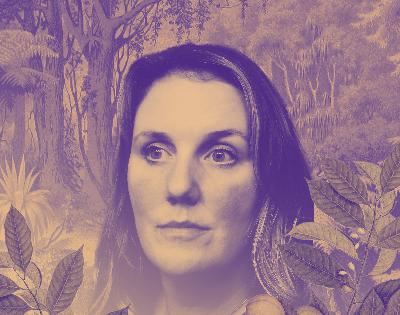
Is it possible to look clear-eyed at the enormous challenges we’re facing today, and still do something practical and creative in the face of that? What happens when we engage with nature and people in an embodied way, rather than through their representations in statistics and media? And how do we stand up for what we believe in without falling into the dehumanising tribalism of us versus them?Ashley Fitzgerald holds a PhD in environmental sociology, is the creator of the Rizoma Field School and a host of the Doomer Optimism podcast. She also organises Doomer optimism events, bringing together constellations of writers, thinkers, farmers, and practitioners, from all sides of the political spectrum. We met on a hot day in downtown Chicago, among the tall skyscrapers facing the river.LINKS: * Doomer Optimism Podcast* Ashley’s Rizoma Field school* Perception gap studySHARE AND SUBSCRIBE🎙️ The FoT Substack is now live! Become a free or paid subscriber and receive newsletters direct to your inbox.🎧 All episodes and more at forestofthought.substack.com.💜 Support us on Patreon or Substack.🎵 Our theme music is by Christian Holtsteen. This is a public episode. If you'd like to discuss this with other subscribers or get access to bonus episodes, visit forestofthought.substack.com/subscribe
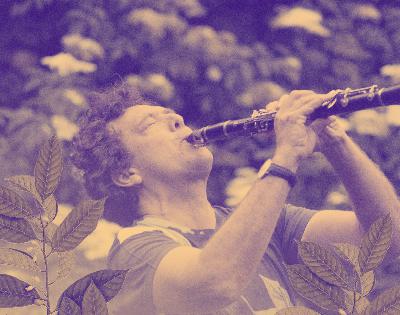
Why is there so much beauty in the natural world? What can we learn from jamming with the more-than-human? Join interspecies musician David Rothenberg and myself as we explore these questions and experience some bird-bug-clarinet collaboration, perched on a hillside outside of LA.David Rothenberg is a musician, composer and professor of philosophy and music, with a longtime interest in understanding other species by making music with them. In this conversation we follow his journey from being a young environmentalist collaborating with deep ecology founder Arne Næss to his current work as interspecies musician and philosopher, playing music with bugs, birds, whales, ponds and more.* David’s website* Documentary (free) Why Birds Sing:* Pond music* Arne Næss and deep ecologySHARE AND SUBSCRIBE🎙️ The FoT Substack is now live! Become a free or paid subscriber and receive newsletters direct to your inbox.🎧 All episodes and more at forestofthought.com.💜 Support us on Patreon or Substack.🎵 Our theme music is by Christian Holtsteen. This is a public episode. If you'd like to discuss this with other subscribers or get access to bonus episodes, visit forestofthought.substack.com/subscribe
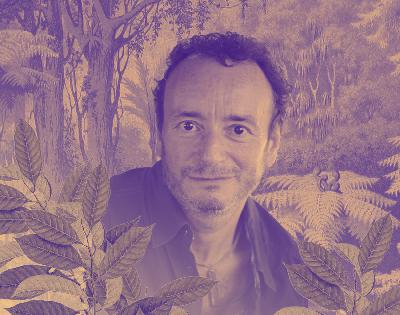
What are the underlying patterns of thought that have led our civilization into its current crises? And how might we begin to tell a different story, one that would allow both humans and the more-than-human to thrive?In this episode, I speak to author Jeremy Lent. In his wide-ranging book The Patterning Instinct, Jeremy identifies the root metaphors that different cultures have used to construct meaning in their universe, also tracing the deep historical foundations of our modern worldview. In his latest book, The Web of Meaning, he integrates science with traditional wisdom to tell a new story, one that is both scientifically rigorous and intrinsically meaningful.Jeremy Lent is an author exploring the patterns of thought that have led to our crisis of sustainability. He is founder of the nonprofit Liology Institute, dedicated to fostering an integrated worldview that could enable humanity to thrive sustainably on the earth.Special thank you to the Centre for Process Studies for helping to make this interview happen in conjunction with their Ecological Civilization conference. LINKS TO THINGS WE TALKED ABOUT: * Jeremy’s website and books* Freya Matthews* Centre for Process StudiesSHARE AND SUBSCRIBE🎙️ The FoT Substack is now live! Become a free or paid subscriber and receive newsletters direct to your inbox.🎧 All episodes and more at forestofthought.com.💜 Support us on Patreon or Substack.🎵 Our theme music is by Christian Holtsteen at stoneproduction.no. This is a public episode. If you'd like to discuss this with other subscribers or get access to bonus episodes, visit forestofthought.substack.com/subscribe
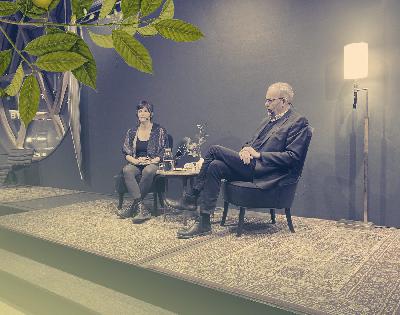
Many cultures maintain that we are not born human but that we may become fully human through cultivation and care. Could it be that our destructive tendencies are not because of our human-ness, but rather due to a lack of it? If so: where and how can we cultivate our humanity? All species play their part in the living web – what role might we humans have to play in this unfolding drama? Mikael Kurkiala is a cultural anthropologist and author. He spent many years living and working with the Oglala Lakota people of South Dakota, and is currently a researcher at the Swedish Church Office. His most recent books are "When the Soul Goes into Exile: Modernity, Technology & the Sacred“ and “Where the Pendulum has its Base: On the Eternal in Humans”.This conversation was recorded with a lovely audience at the Uppsala Public Library in Sweden, December 2024. It's one of three public conversations we hosted 2023-2024 as part of a series of events exploring the concept of ‘life-force’. You’ll find all three episodes (26, 27 & 28) at forestofthought.com or on your podcast listening platform. Support us on Patreon: patreon.com/forestofthoughtShare and subscribe. Find all available platforms here.Our theme music is by Christian Holtsteen at stoneproduction.no. This is a public episode. If you'd like to discuss this with other subscribers or get access to bonus episodes, visit forestofthought.substack.com/subscribe
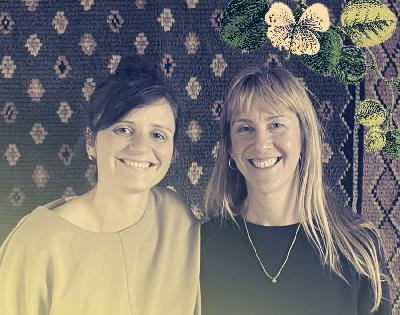
Caroline Ross has spent decades being immersed in Daoism, art, crafting and foraging (and spent 10 years touring with her rock band). Today, her practice weaves these diverse threads together into a philosophy of life centred on embodied living, exploring the Way (in the Daoist sense of the word) and making art as if the Earth mattered. Caroline Ross is an artist, craftswoman, writer and T’ai Chi teacher. You’ll find her sharing her passion for foraging and crafting via @foundandground on IG, and she writes weekly on themes of embodied life, art and the Way as Uncivil Savant on Substack. This is one of three public conversations that were recorded 2023-2024 as part of a series of events exploring the concept of ‘life-force’. The final and last episode will arrive in a few weeks’ time! This episode was recorded at and produced in collaboration with CEMUS at Uppsala University, and supported by the Viriditas foundation. LINKS TO THINGS WE TALKED ABOUT:Caroline’s booksCaroline’s substack, The Uncivil SavantLink to Caroline’s text about the Spruce Tree CroneDougald Hine's Substack The Dark Mountain Project Support us on Patreon: patreon.com/forestofthoughtShare and subscribe. Find all available platforms here.Our theme music is by Christian Holtsteen at stoneproduction.no. This is a public episode. If you'd like to discuss this with other subscribers or get access to bonus episodes, visit forestofthought.substack.com/subscribe
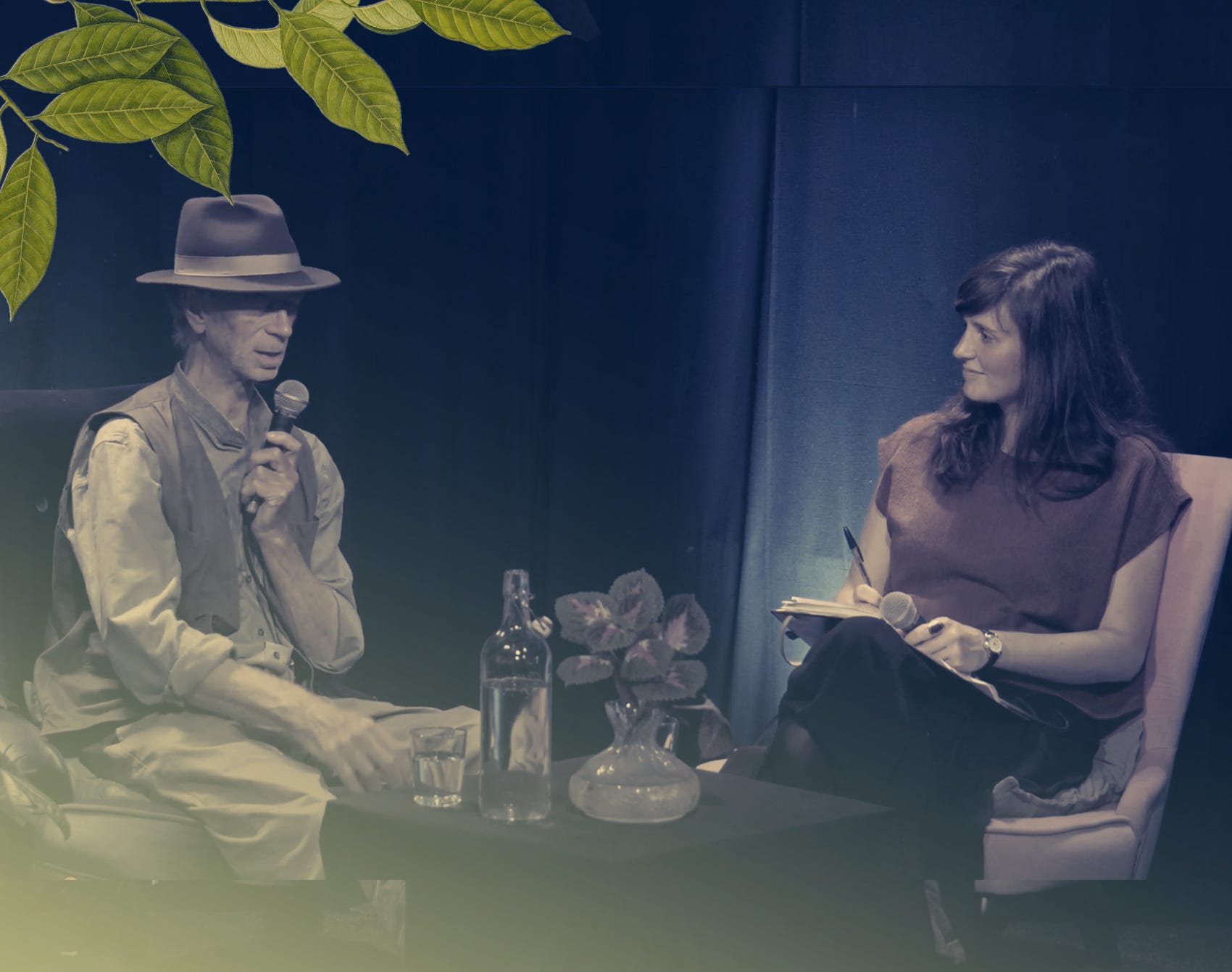
Forest of Thought episodes are back! And over the next few weeks I’ll be sharing three public conversations that were recorded 2023-2024 as part of a series of events exploring the concept of ‘life-force’. We begin with philosopher Jeremy Naydler, delving into the question of how we may cultivate the human in a time of intelligent machines: “Advanced technologies and artificial intelligence are rapidly growing more enmeshed in our lives. How does this affect the deeper realms of consciousness, spirituality and our relation to the living world? What are the unfolding human qualities that machines cannot acquire and how might we cultivate them?”Jeremy Naydler is a gardener and philosopher based in Oxford, England. He has written several books on the experience of the sacred in ancient cultures. In his newer work he focuses on the fraught relationship between humans and technology as it has developed from ancient times until today, and explores how we cultivate the human in an era of intelligent machines. We recorded this with a wonderful audience at NAV Sweden, Stockholm, in September 2023 with support from the Viriditas foundation. LINKS TO THINGS WE TALKED ABOUT:Jeremy’s books on the sacred in ancient traditions (e.g. The Future of the Ancient World, The and Temple of the Cosmos).Jeremy’s books on technology in relation to the human (In the Shadow of the Machine and The Struggle for a Human Future).We would love your support! Find us on Patreon.Share and subscribe. Find all available platforms here.Our wonderful theme music is by Christian Holtsteen at stoneproduction.no. This is a public episode. If you'd like to discuss this with other subscribers or get access to bonus episodes, visit forestofthought.substack.com/subscribe

In this episode I speak to writer and filmmaker Sarah Thomas. Her memoir, The Raven’s Nest, is a meditation on her time spent in Iceland, and explores how identity and language are interwoven with landscape and ecology. What does it mean to fall in love with a place, with its human and non-human inhabitants? And how may we each do our little part in mending the world? Sarah Thomas is a writer, documentary filmmaker, and traveller with a PhD in Interdisciplinary Studies. She is committed to work that explores, evokes and honours our entanglements with the living world. She has lived and journeyed from the Equator to the Arctic Circle finding stories in the everyday. Her films have been screened internationally. In 2020 she was nominated for the Arts Foundation Environmental Writing Award. She was longlisted for the inaugural Nan Shepherd Prize for nature writing and shortlisted for the 2021 Fitzcarraldo Essay Prize. Her ecological memoir, The Raven’s Nest (Atlantic Books 2022), is her debut. ICELANDIC WORDS FROM THE EPISODE: Óvissuferð – a journey where you don’t know what will happen Kvöldvaka – an evening gathering, traditionally to mend or do crafts while listening to someone reading aloud. Bergmál – echo (literally: language of the mountains) Tölva – computer (literally: number oracle)LINKS: Sarah’s website: https://sarahthomas.net The Raven’s Nest: https://sarahthomas.net/the-ravens-nest/ Book by David Abram on language and ecology: Spell of the sensuous: https://www.penguinrandomhouse.com/books/319/the-spell-of-the-sensuous-by-david-abram/ Ursula LeGuin’s The carrier bag theory of fiction: https://otherfutures.nl/uploads/documents/le-guin-the-carrier-bag-theory-of-fiction.pdfMORE INFO: All episodes and more at forestofthought.com Support us on Patreon: patreon.com/forestofthought Share and subscribe. Find all available platforms here: https://podcasters.spotify.com/pod/show/forestofthought Our theme music is by Christian Holtsteen at stoneproduction.no. This is a public episode. If you'd like to discuss this with other subscribers or get access to bonus episodes, visit forestofthought.substack.com/subscribe
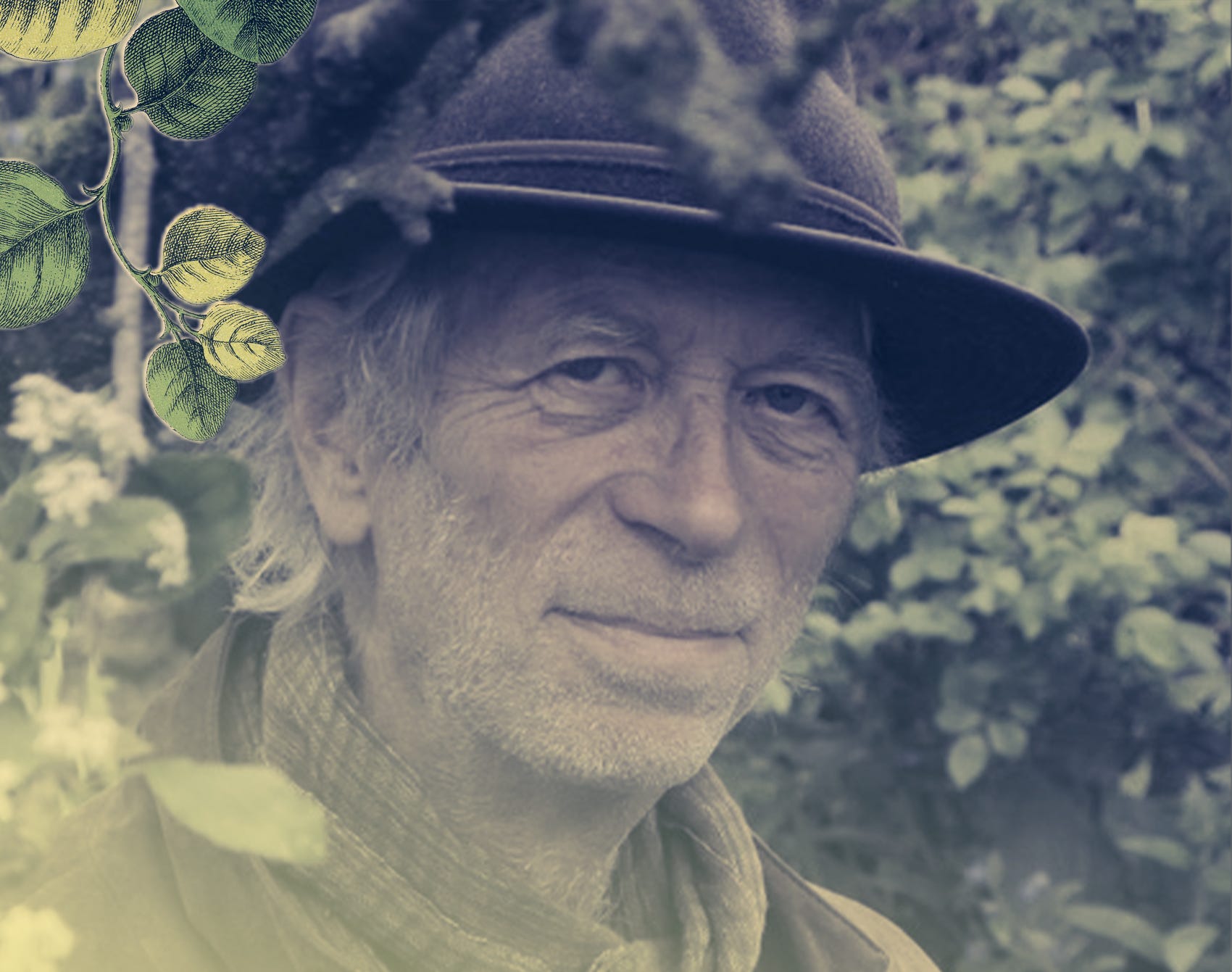
How are our modern ways of thinking and being different from those of ancient peoples? When did logic and rational thinking become ‘common sense’, instead of just one of the many ways we may contemplate life’s important questions? And how is our consciousness and presence in the world altered as we become evermore enmeshed in advanced technologies?Ingrid speaks to philosopher-gardener Jeremy Naydler. Jeremy has written several books on the experience of the sacred in ancient cultures. In his newer work he focuses on the fraught relationship between humans and technology as it has developed from ancient times until today, and explores how the acceleration of modern technologies forces us to examine how we cultivate the human in an era of machines. Jeremy Naydler, Ph.D., is a philosopher who specializes in the religious life of ancient cultures. He is a Fellow of the Temenos Academy and author of Temple of the Cosmos, Shamanic Wisdom in the Pyramid Texts, The Future of the Ancient World, and Goethe on Science. He lives in Oxford, England.LINKS TO THINGS WE TALKED ABOUT: Jeremy’s books on the sacred in ancient traditions (e.g. The Future of the Ancient World, The and Temple of the Cosmos): https://www.innertraditions.com/author/jeremy-naydler Jeremy’s books on technology in relation to the human (In the Shadow of the Machine and The Struggle for a Human Future): https://www.templelodge.com/viewauthor.php?auth_id=109 Egyptian Book of the Dead: https://en.wikipedia.org/wiki/Book_of_the_Dead Heidegger on “The question concerning technology”: https://monoskop.org/images/4/44/Heidegger_Martin_The_Question_Concerning_Technology_and_Other_Essays.pdf The Philokalia: https://www.holybooks.com/wp-content/uploads/Philokalia.pdfAll episodes and more at forestofthought.comSupport us on Patreon: patreon.com/forestofthoughtShare and subscribe. Find all available platforms here: https://anchor.fm/forestofthoughtOur theme music is by Christian Holtsteen at stoneproduction.no. This is a public episode. If you'd like to discuss this with other subscribers or get access to bonus episodes, visit forestofthought.substack.com/subscribe
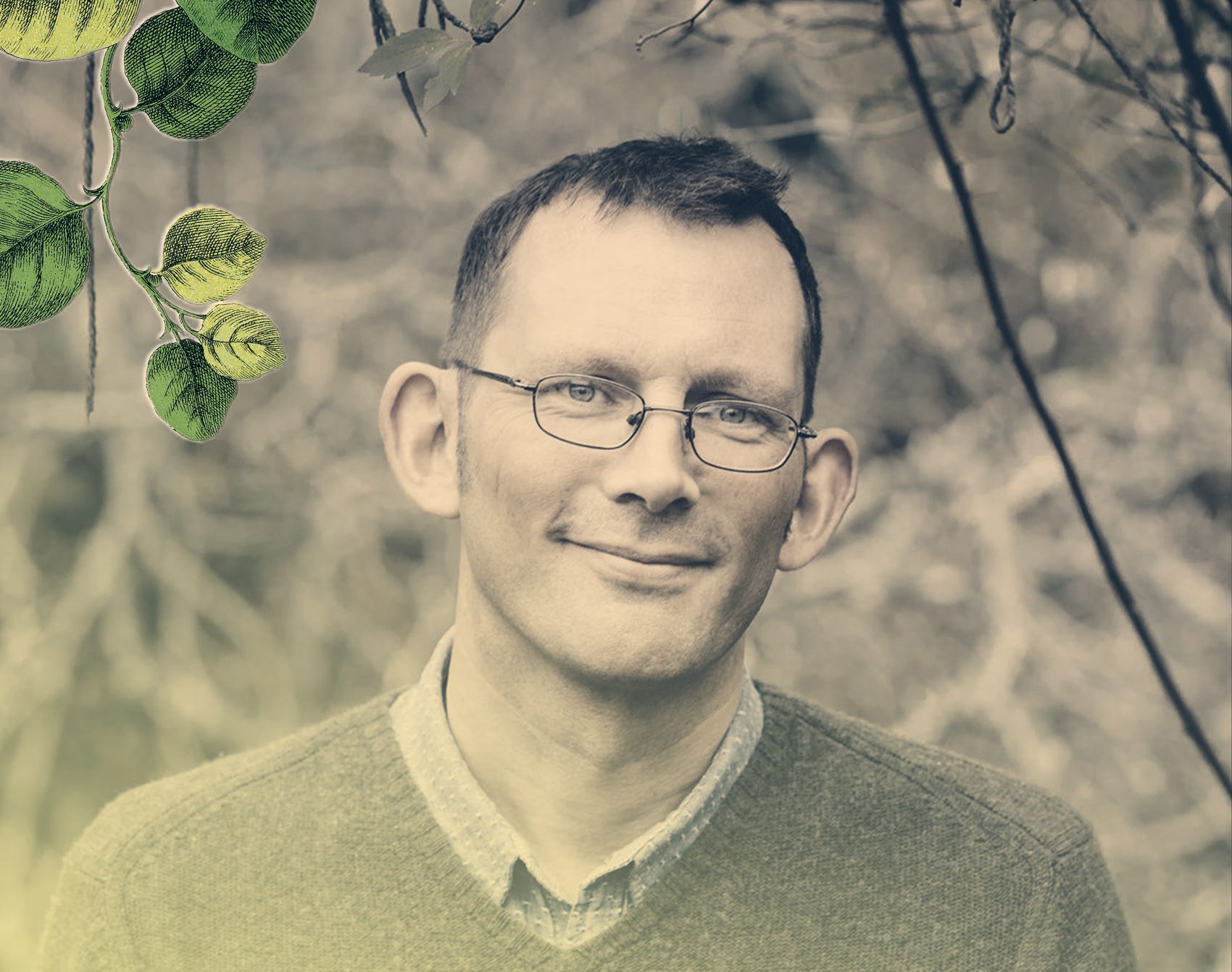
It’s been said that it’s easier to imagine the end of the world than the end of capitalism and our modern way of life. Why is it so hard for us to cultivate our imagination and to imagine that things might be different? What becomes possible if communities harness the power of imagination in building a more beautiful world? In this episode I speak to Rob Hopkins, writer and co-founder of the Transition movement. I visit him in the Buttercup Field and we discuss what might be possible if we moved from ‘What is’ to ‘What if?’Rob Hopkins is the co-founder of Transition Network and of Transition Town Totnes, and author of several books including ‘The Transition Handbook‘ and most recently, ‘From What Is to What If: unleashing the power of imagination to create the future we want’. He is a Director of Totnes Community Development Society and of New Lion Brewery, and hosts the podcast ‘From What If to What Next‘.LINKS: Rob’s website: https://www.robhopkins.net Rob’s podcast: https://www.robhopkins.net/podcast/ Transition Towns: https://transitionnetwork.org Joanna Macy & ‘The work that reconnects’ : https://www.joannamacy.net Jane McGonigal on the things that can change in 10 years: https://janemcgonigal.com Civic imagination office in Bologna: https://www.resilience.org/stories/2019-03-07/bologna-the-city-with-a-civic-imagination-office/ Antanas Mockus, ex-mayor of Bogota: https://www.nytimes.com/2015/07/17/opinion/the-art-of-changing-a-city.html New Lion Brewery in Totnes: https://www.newlionbrewery.co.ukAll episodes and more at forestofthought.comSupport us on Patreon: patreon.com/forestofthoughtShare and subscribe. Find all available platforms here: https://anchor.fm/forestofthoughtOur theme music is by Christian Holtsteen at stoneproduction.no. This is a public episode. If you'd like to discuss this with other subscribers or get access to bonus episodes, visit forestofthought.substack.com/subscribe
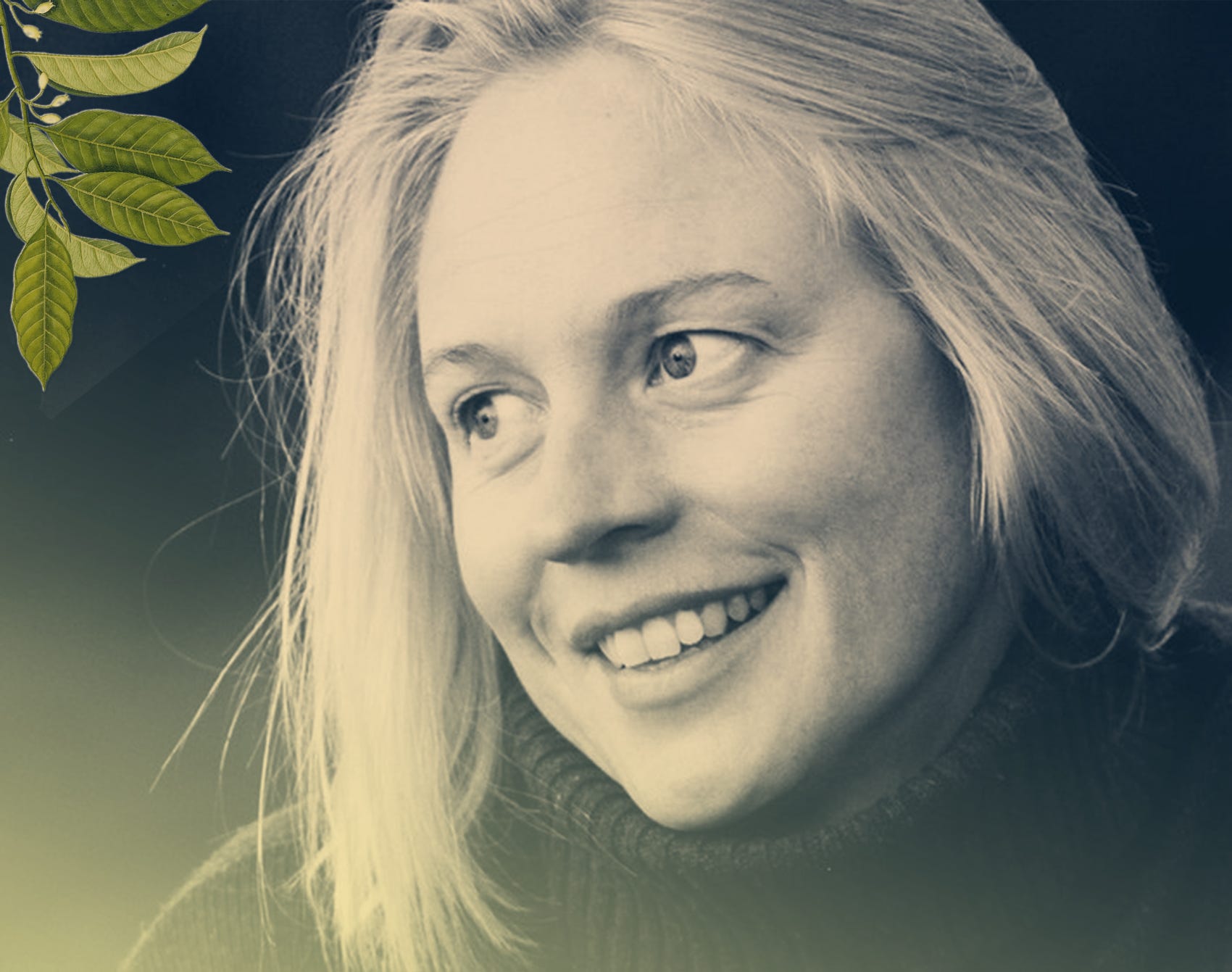
How might the use of voice and song be an unexpectedly powerful way to access our deeper selves? In this episode I speak to Briony Greenhill, an incredible musician who uses collaborative improvisation as a way to connect and heal. Briony also generously shares her personal experiences and the philosophy of life that she has come to through her work. Briony Greenhill is an artist, teacher and changemaker, with a special focus on improvisation, described as "one of the world's leading proponents of Collaborative Vocal Improvisation (CVI)" by the Guardian, and as "Marvin Gaye crossed with a funky earth mother" by Mojo. She finds her music and lyrics through improvising, often together with others. Her lyrics focus on themes of human depth, paradigm shift, the intimacy and bigger picture of our times. As a teacher she helps people bring out their full voices, develop their musicianship, express themselves, connect and heal.LINKS Briony’s website – find all info and music there: https://www.brionygreenhill.com/ Call off the Thought and Sing – conversations hosted by Briony (past convos available on Youtube): https://www.facebook.com/CallofftheThoughtandSing Pat MacCabe : https://www.patmccabe.net Kimberley Hare – The Edge https://www.heartofthriving.com/conversations/ Happy Thank you More Please: https://www.youtube.com/watch?v=Ls_SKFeJxEg Robert MacFarlane’s book Mountains of the Mind: https://www.theguardian.com/books/2003/nov/13/guardianfirstbookaward2003.gurardianfirstbookawardDid you enjoy? Please consider supporting the podcast at patreon.com/forestofthought. Thank you for sharing and subscribing!Our theme music is by Christian Holtsteen at stoneproduction.no. This is a public episode. If you'd like to discuss this with other subscribers or get access to bonus episodes, visit forestofthought.substack.com/subscribe

Comments

Download from Google Play

Download from App Store
 United States