


 Claim Ownership
Put the Guidebook Down
Subscribed: 0Played: 10
Subscribe

© Kultura Travel
Description
The cultural travel podcast for people who want to experience the world, not just consume it, through real stories, local perspectives, and meaningful conversations that help turn tourists into true travelers.
kulturatravel.substack.com
kulturatravel.substack.com
26 Episodes
Reverse
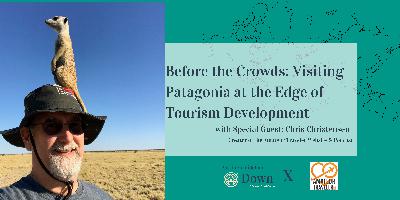
(0:00–0:47)Patagonia as we imagine it vs. Patagonia as it exists today — a destination still forming its tourism identity.(0:47–1:00)Introducing the episode’s core question: what does it mean to visit a place before it’s fully developed for tourism?(1:00–2:42)Meet Chris Christensen, founder of the Amateur Traveler podcast and early podcasting pioneer.(2:42–3:07)Setting the theme: Patagonia before mass tourism — and the pace of development.(3:07–5:22)Understanding Patagonia’s geography: Tierra del Fuego, Cape Horn, and why some regions remain rarely visited.(5:22–6:12)Who maintains trails and infrastructure when there are no park rangers — and what that says about tourism responsibility.(6:12–7:26)Tour guides trained in environmental research and specimen collection — tourism meeting science.(7:26–9:39)Penguins, Zodiacs, and respecting wildlife boundaries in fragile habitats.(9:39–11:18)Glaciers, climate change, and watching landscapes actively transform.(11:18–13:31)Why this kind of travel requires intellectual curiosity — not entertainment-driven tourism.(13:31–15:42)Indigenous history in Patagonia: the Yamana people and the importance of cultural context.(15:42–16:16)Ethical travel in destinations not yet overrun — how travelers can avoid accelerating harm.(16:16–18:24)Practical conservation measures: disinfecting boots, respecting landing rules, and minimizing impact.(18:24–19:57)The beaver introduction in Patagonia — a cautionary tale of environmental mismanagement.(19:57–21:51)How to evaluate whether an operator is practicing genuine ecotourism or greenwashing.(21:51–23:07)Small but meaningful sustainability signals: reusable bottles, waste systems, and hiring locally.(23:07–25:16)Why adventurous, small-group travel attracts more adaptable and respectful travelers.(25:16–26:50)Flexibility in ethical travel: weather, wildlife, and accepting what nature allows.(26:50–27:48)Final advice: expanding your comfort zone through intentional travel.(27:48–28:47)Closing reflection: when tourism is built alongside conservation and research, travel becomes a tool for protection — not overtourism. This is a public episode. If you would like to discuss this with other subscribers or get access to bonus episodes, visit kulturatravel.substack.com
The Big Shift: Meaning Over MomentsTravel in 2026 is evolving from checklist tourism toward intentional, immersive experiences. With international arrivals increasing more than 4% beyond 2025 and industry revenue continuing to grow, demand is not declining — it’s deepening.Travelers are moving away from overcrowded tourist attractions and toward experiences that create connection, memory, and personal growth.Experiential Travel Is SurgingSearch interest in experiential travel has increased by over 2,600% in the past two years. Travelers are seeking:Local-led food classesGuided hiking routesAnimal watching experiencesCultural dance workshopsCommunity craft traditionsPlatforms like Airbnb Experiences and even Booking.com have adapted to highlight immersive, community-based offerings.Trend 1: Slow & Immersive TravelInstead of visiting five cities in seven days, travelers are booking longer stays in one place.Benefits include:Reduced travel fatigueDeeper cultural integrationStronger human connectionsBetter budget managementIncreased confidence for newer travelersSlow travel allows visitors to understand daily rhythms rather than just landmarks.Trend 2: Community-Centered TourismCommunity-focused travel is moving from niche to mainstream. This includes:Learning traditional crafts directly from artisansParticipating in agricultural harvestingSupporting locally owned guesthousesPurchasing locally produced souvenirsThis model keeps tourism revenue within local economies and supports cultural preservation.Trend 3: Skillcations & Growth TravelSkill-based vacations — or “skillcations” — reflect the broader cultural shift toward upskilling and self-development.Examples include:Falconry experiences in MongoliaHorseback trekking in Central AsiaLearning traditional cooking techniquesCraft and artisan workshopsTravel is becoming less about escape and more about growth.Trend 4: Technology & PersonalizationAI and digital tools are increasingly shaping travel planning. Beyond booking flights and hotels, travelers now use tech to:Personalize itinerariesDiscover niche community experiencesAlign travel with personal growth goalsHowever, algorithm-driven travel also risks pushing homogenized recommendations. Intentional research remains essential.Practical Ways to Travel IntentionallyEven short trips can be meaningful.Suggestions include:Seek out local community calendars and eventsAttend cultural festivalsChoose public transportation when possibleVenture beyond English-only menusPut your phone down and initiate conversationsResearch beyond AI-generated listsExample: Planning travel around Moldova’s National Wine Day — where over 100 wine producers gather annually in Chișinău — offers immersive cultural participation beyond sightseeing.Reflection PromptWhen was the first time you traveled intentionally?What mindset shift changed how you experience destinations?Join the discussion on Substack or YouTube. This is a public episode. If you would like to discuss this with other subscribers or get access to bonus episodes, visit kulturatravel.substack.com
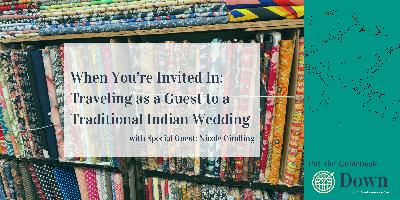
Nicole shares how she was invited to attend a traditional Indian wedding in Goa.The importance of preparation, etiquette, and asking questions before arrival.Navigating uncertainty and culture shock through observation.Why relying solely on Google falls short for cultural understanding.Small moments, clothing advice, ceremonies, and dances made the experience meaningful.How this invitation reshaped Nicole’s approach to travel long-term.Reframing cultural travel as humility, gratitude, and awareness. This is a public episode. If you would like to discuss this with other subscribers or get access to bonus episodes, visit kulturatravel.substack.com
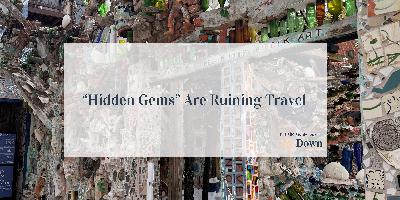
(0:00–1:09)Why “hidden gems” are ruining travel from overcrowded destinations to places that don’t even exist anymore.(1:09–3:06)How the term evolved from genuine discovery into SEO-driven clickbait used to increase visibility and tourism demand.(3:06–4:50)Why travelers crave novelty over understanding, the psychology behind discovery, exclusivity, and feeling “in the know.”(4:50–6:37)Social media virality, algorithms, and how genuinely quiet places can go from zero to overwhelmed overnight.(6:37–8:11)What happens after a place is labeled a hidden gem: unsafe conditions, damaged sites, and unmanageable visitor volumes.(8:11–10:15)Infrastructure strain, environmental damage, and why destinations can’t scale overnight, no matter how beautiful they are.(10:15–12:04)Cultural impacts: displacement, loss of daily access for locals, and communities that never consented to virality.(12:04–14:12)What to say instead of “hidden gem”: community-recommended, culturally significant, under-visited with local stewardship.(14:12–16:32)Why context, education, and cultural understanding lead to more respectful and meaningful travel experiences.(16:32–18:10)How social media language, comments, and travel FOMO shape decision-making and destination popularity.(18:10–20:32)Rethinking travel success: slow tourism, long-term memory, emotional recall, and personal growth.(20:32–22:14)Final reflection: changing how we talk about travel and who that language truly serves. This is a public episode. If you would like to discuss this with other subscribers or get access to bonus episodes, visit kulturatravel.substack.com
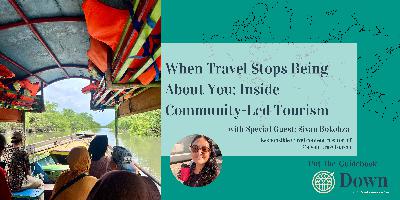
We talk a lot about traveling differently on Put the Guidebook Down, but this episode asks a deeper question: what happens when travel stops centering the traveler at all? Kiara is joined by Sivan of Sivan Travels Green, a responsible travel content creator, where they unpack what community-led tourism actually means, how to spot greenwashing, and why intention matters more than perfection when it comes to ethical, culturally respectful travel.What You’ll Hear in This Episode* Why community-led tourism is more than a buzzword* The difference between eco-tourism and truly community-owned experiences* How to tell when “giving back” is real and when it’s performative* What slow, intentional travel teaches you about power, privilege, and presence* How content creators and travelers can center local voices instead of using culture as a backdropKey Takeaways* Community-led tourism prioritizes local ownership, decision-making, and long-term benefit, not traveler convenience* Ethical travel isn’t about being perfect. It’s about being intentional* If an experience feels performative, your intuition is often right* Slow travel creates deeper cultural understanding and a more positive local impact* Travelers are guests in someone else’s home, not the center of the storyLearn more about Sivan and her mission to show travelers how to travel more responsibly, focusing on community-led travel on Instagram @Sivan_TravelsGreen. How to Engage with Kultura TravelIf this episode shifted the way you think about travel, keep the conversation going.* Follow @kulturatravel and @puttheguidebookdown* Subscribe to the Put the Guidebook Down Substack for cultural travel essays, reflections, and behind-the-scenes conversations* Explore Kultura Travel’s growing network of community-led and culturally rooted travel partnersBecause the goal isn’t perfect travel. It’s conscious travel. This is a public episode. If you would like to discuss this with other subscribers or get access to bonus episodes, visit kulturatravel.substack.com
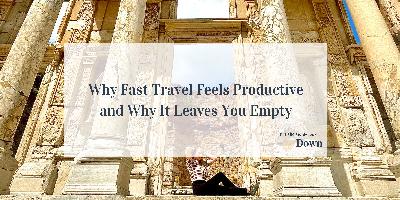
We’ve turned travel into a productivity contest: counting countries, optimizing itineraries, and rushing from place to place as if vacation were another item on a to-do list. In this solo episode of Put the Guidebook Down, Kiara challenges the idea that “more” equals better. She unpacks how fast, checklist-style travel contributes to burnout, emotional numbness, and overtourism, and why slowing down leads to deeper memory, stronger connection, and more responsible travel. This episode is a call to rethink what successful travel really means.Why we started measuring travel success through productivity and country countHow social media rewards quantity over depth in travel contentThe connection between checklist itineraries and overtourismGuided tours and time-compressed travel: what gets lost along the wayPersonal reflections on fast travel across seven countriesWhat travelers lose when rushing: routines, nuance, and emotional processingResearch on slow tourism and its impact on memory, fulfillment, and stressThe power of unplanned moments and local recommendationsWhy longer stays lead to better cultural understanding and recallLiving abroad as a form of slow travel and immersionHow habits and identity shift through deeper cultural engagementRedefining successful travel beyond destinations and accomplishmentsThe environmental and economic benefits of slower, more distributed tourismA final reflection: what would you gain if you planned fewer destinations? This is a public episode. If you would like to discuss this with other subscribers or get access to bonus episodes, visit kulturatravel.substack.com
What happens when your first international trip isn’t Europe, but to Taiwan during Chinese New Year, to meet your partner’s family for the first time? In this episode of Put the Guidebook Down, Kiara talks with Taylor about traveling to her fiancé’s home country, navigating language barriers, meeting family across cultures, and how cultural immersion reshapes not just how you travel, but how you see yourself.Listen on: Spotify | Apple Podcasts | Substack | YouTubeWhat You’ll Hear in This Episode* Navigating meeting your partner’s family internationally for the first time* What it’s really like going “zero to 100” with international travel* Experiencing Taiwan through family dinners, holidays, and daily life* How visiting a partner’s culture deepens empathy, confidence, and connection* The moment travel stops feeling scary and starts feeling expansiveKey Takeaways* Cultural immersion doesn’t require fluency, just openness and observation* Staying with locals reveals daily rhythms you’ll never find in a guidebook* Being the outsider can teach patience, humility, and deeper listening* Travel can quietly transform your confidence far beyond the trip itself* Visiting a partner’s home country is both personal and profoundly culturalHow to Engage with Kultura TravelIf this episode resonated with you:* Subscribe to the Kultura Travel Substack for cultural travel essays, reflections, and behind-the-scenes podcast insights* Share this episode with someone navigating cross-cultural relationships or first-time international travel* Comment on Substack or DM us with your own experience visiting a partner’s home country* Explore more episodes of Put the Guidebook Down wherever you listen to podcasts This is a public episode. If you would like to discuss this with other subscribers or get access to bonus episodes, visit kulturatravel.substack.com
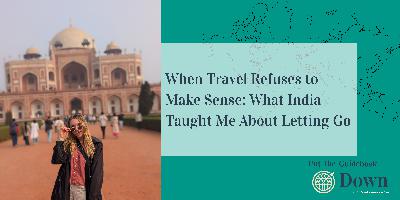
This is not a guide to India. It’s a reflection on what happens when travel resists explanation. In this solo episode, Kiara unpacks how her trip to India challenged her need for control, disrupted familiar travel frameworks, and forced her to sit with discomfort, humility, and curiosity rather than translation or optimization. Through chaos, overstimulation, privilege awareness, and moments of deep presence, this episode explores what cultural travel looks like when you stop trying to explain everything and start learning how to observe.What You’ll Hear in This Episode* Why some destinations can’t, and shouldn’t, be “digestible.”* How India disrupted Western ideas of order, efficiency, and control* The danger of over-explaining places that you don’t fully understand* How privilege quietly shapes every travel experience* Why responsible cultural travel sometimes means observing without consuming* When to put the phone down and let moments remain undocumented* Why repeat visits and partial understanding are part of ethical travelKey Takeaways* Travel isn’t meant to feel legible. Discomfort often signals growth, not failure.* Trying to translate everything can become a form of control. Observation creates space for humility.* Local voices matter more than outsider explanations. Cultural travel requires listening, not narrating.* Privilege doesn’t disappear when you’re aware of it, but responsibility begins there.* Some places demand repeat visits, patience, and lifelong learning.Listen on Spotify | Apple Music | YouTubeHow to Engage With Kultura TravelIf this episode resonated, continue the conversation with us on Substack, where we unpack cultural travel beyond highlights and hot takes. Follow along on social media for reflections, questions, and community discussions, and explore Kultura Travel to learn how we’re building tools that support ethical, immersive, and locally grounded travel experiences. This is a public episode. If you would like to discuss this with other subscribers or get access to bonus episodes, visit kulturatravel.substack.com
What does it actually mean to build a business while living across borders? In this episode of Put the Guidebook Down, Kiara is joined by Niv from Niv Travels, founder of Supercharged Studio, and Nomad Wildheart, to unpack the realities of global nomadism, ethical travel, and entrepreneurship beyond the Instagram highlight reel. From creative inspiration drawn from culture to the responsibilities that come with mobility, this conversation explores what it means to live and work intentionally across the world.What You’ll Hear in This Episode→What “global nomadism” looks like beyond the influencer stereotype→How Niv structures work, creativity, and travel in real life→The ethics of digital nomadism in lower-cost-of-living countries→How culture directly shapes creative and business decisions→Why spontaneity, public transportation, and curiosity still matterKey TakeawaysBeing a global nomad is less about constant movement and more about intentional designEthical travel requires awareness of local economies, housing, and cultural strainCreativity deepens when you pay attention to how culture functions, not just how it looksTravel challenges your assumptions about safety, productivity, and communityYou can build meaningful work and a grounded identity across bordersAvailable on Spotify | YouTube | Apple MusicEngage with Kultura TravelIf this episode resonated with you, subscribe to Put the Guidebook Down on Substack for behind-the-scenes reflections, cultural travel essays, and conversations that go deeper than itineraries.👉 Join the community at Kultura Travel on Substack and be part of a movement that travels with intention, curiosity, and care.You can learn more about Kultura Travel at www.kulturatravel.com, and Put the Guidebook Down at www.puttheguidebookdown.com. Engage and follow along Niv's adventures and his work at www.niv.travel, www.nomadwildheart.com, www.supercharged.studio, or onInstagram / TikTok: @nivtravels @nomadwildheart This is a public episode. If you would like to discuss this with other subscribers or get access to bonus episodes, visit kulturatravel.substack.com
Cultural travel is becoming more prevalent, but accountability is often lacking. In this solo episode, Kiara breaks down what responsible cultural travel actually demands of us, unpacking the difference between consuming culture and genuinely participating in it through preparation, presence, and participation.What You’ll Hear in This Episode* Why “cultural” and “authentic” travel have become performative buzzwords* The hidden cost of treating places and people as content backdrops* The three pillars of responsible cultural travel: Preparation, Presence, Participation* Why discomfort isn’t a failure of travel, but the point of it* How to move through the world as a guest, not the center of attentionKey Takeaways* Cultural travel isn’t about aesthetics. It’s about responsibility* Preparation before a trip is a form of respect, not homework* Being present means putting the phone down and engaging your senses* Participation doesn’t always mean involvement; sometimes observation is more respectful* Discomfort, unpredictability, and not being “special” are essential parts of meaningful travel* Travel should expand curiosity and understanding, not just produce contentListen on Spotify | Apple Music | YouTubeHow to Engage with Kultura TravelIf this episode made you pause or rethink how you travel, continue the conversation on Kultura Travel’s Substack, where we unpack cultural travel beyond highlights and aesthetics. You can also connect with us on social media or explore our work at Kultura Travel because intentional travel doesn’t end when the trip does. This is a public episode. If you would like to discuss this with other subscribers or get access to bonus episodes, visit kulturatravel.substack.com
In this episode of Put the Guidebook Down, Kiara sits down with her friend and colleague Hari, a Boren Scholar, Gilman Research Scholar, and a student at the University of Alabama, to unpack what really happens when you step outside the traditional university-career pipeline and choose intentional time abroad instead.From navigating skepticism at home to building new identities across Indonesia and Germany, Hari shares how immersive experiences can challenge who you think you are, expand your worldview, and reshape your professional direction. This is a conversation for anyone who has ever wondered what could happen if they said “yes” to a study abroad offer.Listen on:Spotify | Apple Podcasts | Substack | YouTubeWhat You’ll Hear in This Episode* What inspires someone to choose a gap year or full-immersion study abroad experience* How peers and family react when you leave a traditional academic path* The difference between living abroad as a scholar vs. traveling as a tourist* The reality of intensive immersive programs like the Boren Flagship* How cultural immersion sparks unexpected personal and professional growth* The moment you realize you’re no longer “just a visitor.”* Indonesian café culture and the quirks of language immersion (like overly formal Indonesian!)Key Takeaways* Immersion is transformative; mentally, culturally, and professionally in ways no syllabus can prepare you for.* Non-linear paths are valid paths. They often lead to richer careers, more resilience, and deeper global awareness.* Being a “scholar abroad” is radically different from being a tourist. You gain depth, not just memories.* Community and day-to-day life matter more than itineraries. That’s where identity shifts happen.* Programs like Boren allow you to design your own experience, leading to more intentional cultural and field-specific growth.How to Engage with Kultura TravelIf you love conversations about cultural immersion, slow travel, and rediscovering the world through learning, here’s how to stay connected:* Subscribe to the Kultura Travel Substack for deep-dive essays, immersive travel guides, and new podcast episodes.* Join the Kultura Travel community! We’re building tools and spaces for travelers who want more than algorithms and tourist traps.* Share the episode with a friend who’s thinking about studying or working abroad.* Leave a comment on Substack: What’s one moment when you realized you weren’t just a tourist anymore? This is a public episode. If you would like to discuss this with other subscribers or get access to bonus episodes, visit kulturatravel.substack.com
In this solo episode of Put The Guidebook Down, Kiara dives into one of the most underrated skills that meaningful travel teaches us: the ability to pay attention. Beyond photo ops and bucket lists, cultural travel sharpens your awareness, expands your emotional intelligence, and trains you to notice the stories happening all around you. From a grandmother bargaining at a market to a stranger showing you how to pronounce a word you keep butchering. This episode explores how slowing down and truly observing can shift your entire travel experience, reshape how you understand people, and ultimately change the way you move through the world. It’s part reflection, part travel pep talk, and part cultural mindset guide… all wrapped in that honest, a little sassy Kultura Travel tone.What You’ll Hear in This Episode* Why most people “see” but don’t actually notice when they travel* How cultural immersion forces you to observe the small things* The surprising ways living abroad sharpens your awareness* How attention changes your relationships with local people* Stories from Kiara’s time in Moldova, Indonesia, and beyond* Tips to build your “cultural attention muscle” on your next tripKey TakeawaysTravel isn’t about where you go. It’s about how you pay attention. Learning to notice cultural cues, gestures, habits, and social rhythms is the real gateway to meaningful experiences. Observation slows you down. And slowing down opens you up to kindness, discomfort, connection, and growth. Cultural travel rewires your internal compass. You start noticing things at home you would’ve ignored before. You don’t need a guidebook to learn. You need curiosity, humility, and a willingness to watch and listen more than you speak. Attention is respect. When you observe with intention, you show genuine care for the people and places hosting you.How to Engage with Kultura TravelKultura Travel is here to help you deepen your cultural curiosity, not just plan your next trip. Check out cultural travel experiences at www.kulturatravel.com! Follow us on Instagram and TikTok for travel insights, language tips, and deep-dive cultural content. Share this episode with a friend who’s ready to travel with more intention. Leave a comment on Substack: What’s a moment in travel where paying attention changed everything? This is a public episode. If you would like to discuss this with other subscribers or get access to bonus episodes, visit kulturatravel.substack.com
In this deeply personal episode of Put The Guidebook Down, Kiara opens up about something many travelers feel but rarely discuss: the version of yourself who returns home after living abroad. Through stories from Moldova, Indonesia, and the transition between three drastically different cultures, we explore how travel subtly rewires your instincts, identity, communication style, and worldview.This episode dives into adaptability, language, culture shock, reverse culture shock, and why so many travelers eventually find themselves living in “the middle,” no longer who they were before, not fully belonging to the places they’ve lived, but shaped by all of them.What You’ll Hear in This Episode* Kiara’s first-time-living-abroad stories from Moldova (including getting into a car with coworkers she barely understood… sorry mom)* The moment adaptability and flexibility became her personal travel philosophy* What Javanese culture taught her about conflict, respect, and communication* How switching between Moldova → U.S. → Indonesia created cultural whiplash* How language learning literally shifts how you think, feel, and express emotions* Why “culture shock” is often subtle and why reverse culture shock hits harder* The idea of “the middle,” a space many long-term travelers eventually exist within* How to navigate the emotional disconnect of coming home as a different person* Why travel changes you even when you don’t notice it happeningKey Takeaways* You will change abroad, and that change is not something to resist.Travel broadens your instincts, your emotional landscape, and your openness to uncertainty.* Adaptability is not just a skill; it becomes a default instinct.Living in unpredictable systems teaches you how to think ahead, react calmly, and create multiple backup plans without panic.* Language learning reshapes your identity.New words give you access to new emotions, perspectives, and versions of yourself you didn’t know existed.* Culture shock is often subtle. Reverse culture shock is even more so.Realizing home no longer fits is one of the hardest but most universal experiences among long-term travelers.* You may never fully “belong” anywhere again, and that’s okay.Many travelers exist in “the middle,” and the goal becomes finding others who also live in that space.How to Engage With Kultura TravelIf this episode resonated with you, especially the parts about identity, belonging, cultural shifts, and the emotional side of travel, you’re exactly the kind of traveler Kultura Travel was built for.Here’s how to connect with us:* Subscribe on Substack for cultural travel essays, podcast episodes, behind-the-scenes stories, and guides that go deeper than typical itineraries.* Join the Kultura Travel Beta Tester list to help shape an app designed for travelers who crave authenticity, language, and meaningful experiences.* Follow us on Instagram @kultura.travel for micro-lessons, cultural insights, and community conversations.* Send in a message about your “middle,” your own story of coming home changed. It may be featured in a future episode.Listen on:Spotify | Apple Podcasts | Substack | YouTube This is a public episode. If you would like to discuss this with other subscribers or get access to bonus episodes, visit kulturatravel.substack.com
Host: Kiara Kolaczyk, host of Put the Guidebook Down and founder of Kultura TravelGuest: Santi Losada, Fulbright alumnus, multilingual professional, and global citizen currently based in Zagreb, CroatiaTopics Covered:(00:00) Intro: From Moldova to Luxembourg to Croatia—meet Sandy(01:22) The complexity of “Where are you from?”(02:24) Home as memory, emotion, and community—not just location(04:07) Living between cultures and embracing dual identities(05:43) The dream of “home” in Spain—and what home feels like emotionally(08:28) Speaking multiple languages and how they reveal different sides of ourselves(10:57) Why Sandy loves culturally blended countries like Moldova and Croatia(13:39) Lessons Moldova taught about seeing the gray areas in life and travel(16:07) The difference between living in a country vs. living within its culture(17:47) Tourists vs. travelers: why depth matters(20:24) The biggest misconceptions about expat life (hint: it’s not all luxury)(22:28) Integrating respectfully into local communities(23:17) Learning to be fearless and self-reliant abroadMentioned Places:🇲🇩 Moldova — especially Comrat and Gagauzia🇪🇸 Vigo, Spain — Sandy’s “happy place” by the beach🇭🇷 Zagreb, Croatia — where Sandy calls home today🇱🇺 Luxembourg — where expat life first took root This is a public episode. If you would like to discuss this with other subscribers or get access to bonus episodes, visit kulturatravel.substack.com
I00:36) Visiting Paris just before the 2024 Olympics(01:23) The city under construction — fences, metal grates, and blocked-off Eiffel Tower lawns(01:45) Locals’ thoughts on the Seine cleanup and Olympic prep(02:42) How Parisians really feel about the incoming tourist surge(03:43) Seeing Olympic mascots, merchandise, and new infrastructure before the Games(04:29) The city’s “pre-beautification” phase and the unseen work behind global events(06:00) The performance of culture—what cities show the world vs. what daily life looks like(08:00) Comparing global events like the Olympics and local cultural festivals(09:13) Accessibility, prices, and how travel changes as a city prepares for global attention(10:16) Why visiting early can be unexpectedly rewarding(11:35) Navigating closures and detours during large-scale city prep(13:04) Tips for deciding when to visit a city hosting a major event(16:08) Understanding the importance of local calendars and cultural context(17:38) The challenge of distinguishing authenticity from cultural performance(20:08) How tourism boosts (and pressures) local economies(21:07) Christine’s lasting takeaway: the power of art to define and preserve culture(22:50) Final reflections — experiencing cities before the spotlight reveals the unseen side of culture This is a public episode. If you would like to discuss this with other subscribers or get access to bonus episodes, visit kulturatravel.substack.com
In this episode of Put the Guidebook Down, Kiara sits down with one of her best friends, Christine, to unpack what it means to build confidence as a traveler. From guided tours in Ireland to planning her own Paris getaway, Christine reflects on what it’s like to grow from an occasional traveler to someone ready to embrace more spontaneous, meaningful cultural experiences.Together, they explore the fears that come with international travel, like language barriers and uncertainty, and how even small steps like learning local phrases, using Duolingo, or starting with an all-inclusive resort can help you gain confidence before taking that first big leap into cultural travel.What You’ll Hear in This Episode* Christine’s honest look at being a “baby traveler” and what’s helped her feel more secure abroad* The pros and cons of tour groups, independent trips, and all-inclusive resorts* How learning a few local phrases can completely change your travel experience* The difference between cookie-cutter travel and cultural travel and where tour groups can surprise you* Kiara’s stories from learning Indonesian and navigating language “glitches” abroad* Why meaningful travel is for everyone, no matter your age, budget, or experienceKey Takeaways* Confidence grows through experience. Start small and build from there.* Language matters. Even an imperfect effort in local languages builds trust and connection.* There’s no one-size-fits-all trip. Whether you plan every detail or join a tour, the key is finding what fits your comfort level.* Cultural travel isn’t just for the bold. It’s for anyone willing to engage with people, traditions, and daily life beyond their own.* Ask yourself: What’s one thing that would make you more confident to take your first big cultural trip?How to Engage with Kultura TravelWe’d love to hear your spontaneous travel stories!Share your “off-script” moments on Instagram @kultura.travel or reply directly to this Substack with your story. Follow the journey as Kultura Travel launches its first phase of the app, designed to help you travel deeper, not just farther.Subscribe to Put the Guidebook Down for new episodes, reflections, and cultural travel insights every week.Where to listen:👉 Spotify | Apple Podcasts | Google Podcasts This is a public episode. If you would like to discuss this with other subscribers or get access to bonus episodes, visit kulturatravel.substack.com
Episode: Putting the Guidebook Down: The Power of Spontaneous TravelHost: Kiara Kolaczyk, Founder of Kultura TravelLength: ~18 minutesTimestamps & Highlights:(0:00–1:20) – Opening reflections. Kiara asks: When was the last time you took a trip without a plan? She introduces the episode’s theme — finding balance between planning and spontaneity — and links it to the previous conversation on travel burnout.(1:20–2:10) – Personal story: Belgrade, Serbia. When all her planned excursions were canceled, Kiara met locals who showed her a new side of the city — a moment that reshaped her approach to travel.(2:10–4:10) – The problem with overplanning. Social media “perfect itineraries” and FOMO-driven lists have made travel more performative and less present. Kiara challenges listeners to rethink the idea that a “complete trip” means hitting every trending spot.(4:10–6:30) – What we lose when we stop leaving room for surprise. Structure helps, but rigid planning can stifle curiosity and connection. Kiara reflects on how she used to overplan — and how that led to stress, not joy.(6:30–7:14) – The joy of letting go. Spontaneous moments often lead to real, human connections — not just photos. “If everyone’s posting about it, it’s not really hidden anymore.”(7:14–10:00) – Story: The Romanian side quest. A journey across Romania with no concrete plan turns into one of her most meaningful experiences — reconnecting with friends, meeting new people, and learning the value of saying “yes.”(10:00–12:30) – Spontaneity and emotional growth. Kiara shares how being in Moldova helped her become comfortable with uncertainty and how this led to authentic relationships and cultural immersion.(12:30–14:13) – Practical tips for building spontaneity into your travels.Leave gaps in your itinerary for discovery.Talk to locals for recommendations not found on Google Maps.Tune into your senses — follow smells, sounds, and crowds.Learn a few words in the local language to invite real connections.(14:13–15:40) – A mindset shift. Spontaneity isn’t chaos — it’s a skill. It takes practice, curiosity, and letting go of perfectionism.(15:40–17:09) – Reflection and takeaway. Kiara asks: “How will you put the guidebook down?” Travel isn’t a checklist — it’s a conversation.(17:09–18:30) – Closing thoughts. Kiara thanks listeners, shares updates on Kultura Travel’s app development and upcoming custom itineraries, and invites stories about listeners’ own spontaneous adventures. This is a public episode. If you would like to discuss this with other subscribers or get access to bonus episodes, visit kulturatravel.substack.com
Ever felt like you have lost your excitement for travel, even while exploring an incredible destination? You are not alone. In this episode, explore the realities of travel burnout, what it looks like, why it happens, and how to bring joy, meaning, and presence back into your journeys. Through personal stories from my time abroad and practical ways to reconnect with purpose, I explore how slow and cultural travel can help you fall back in love with the world again.What You’ll Hear in This Episode* The truth behind travel burnout and why it’s more common than you think.* Kiara’s personal story of losing excitement mid-trip and how it shifted her travel style.* How social media, over-scheduling, and external pressures contribute to burnout.* Why “slow travel” is more than just moving slowly. It’s about intentionality, reflection, and presence.* Reset tips you can use right now to rediscover joy while on the road.Key Takeaways* Burnout doesn’t mean you’re ungrateful. It means you’ve hit your limit, and that’s human.* Slow travel = intentional travel. It’s about taking the time to connect, reflect, and immerse.* External validation fuels exhaustion. Internal purpose restores balance.* Rest is part of the journey. You don’t have to see it all. Just be there for the part that makes you feel alive.* Reconnection starts with awareness. Recognize the signs, take a pause, and give yourself space to feel inspired again.How to Engage with Kultura TravelIf this episode resonated with you:* Visit kulturatravel.com for slow and cultural travel guides, itineraries, and reflections.* Follow @Kultura.Travel on Instagram, TikTok, and YouTube for cultural insights and destination features.* Subscribe to Kultura Travel’s newsletter on Substack for more stories and travel reflections.Where to listen:👉 Spotify | Apple Podcasts | Google Podcasts This is a public episode. If you would like to discuss this with other subscribers or get access to bonus episodes, visit kulturatravel.substack.com
In this episode of Put the Guidebook Down, host Kiara, the Creator of Kultura Travel, sits down again with Mike Dilluvio, a former Fulbright English Teaching Assistant in Morocco, to explore how Moroccan tea culture, hospitality, and the rhythm of daily life transformed his understanding of travel. From learning to pour atay the proper way to embracing the art of slowing down, Mike shares how Morocco reshaped his mindset on patience, language learning, and authentic connection. Together, they dive into what “authentic travel” truly means in a fast-paced, tech-driven world and how travelers can rediscover presence through cultural immersion.What You’ll Hear in This Episode* How Moroccan atay (tea) brings people together and what it taught Mike about connection.* The culture shock of slowing down after life in New York City.* A firsthand look at Moroccan hospitality and how it fosters belonging.* Using AI tools like ChatGPT to learn local languages and break down barriers.* Why “authentic travel” isn’t about checklists. It’s about curiosity, courage, and conversation.* How Morocco inspired introspection and lasting change beyond travel.Key Takeaways* Slow down to connect: Travel isn’t a race. It’s an opportunity to observe, savor, and be present.* Hospitality is a universal language: Genuine human warmth can bridge any cultural or linguistic gap.* AI can enhance, not replace, connection: Technology can support cultural learning when used mindfully.* Authenticity starts with intention: Choosing local over touristy, curiosity over comfort, changes everything.* Travel teaches introspection: New environments mirror who we are and help us grow in ways we never expect.Engage with Kultura TravelIf you loved this conversation, stay connected with Kultura Travel for more stories on cultural immersion, authentic experiences, and meaningful travel.* Visit: www.kulturatravel.com* Subscribe to our Substack: Put the Guidebook Down* Follow on Instagram: @kultura.travel* Share your thoughts and tag us. What’s a moment from your travels that taught you patience or connection?Where to listen:👉 Spotify | Apple Podcasts | Google Podcasts This is a public episode. If you would like to discuss this with other subscribers or get access to bonus episodes, visit kulturatravel.substack.com
Segment 1: From the Classroom to the CommunityTheme: How teaching English abroad changes the way you see culture.Michael reflects on his time teaching in Morocco and the subtle differences between learning about a culture and living within it.Discussion of classroom language — including why everyone seems to learn the swear words first — and how humor bridges cultural gaps.How Michael’s students helped him understand Moroccan customs, modesty, and local norms around dress and behavior.Kiara connects this to her time teaching in Moldova, discussing how both experiences taught deep cultural respect and perspective.Notable Moment:“Tours tend to come to countries and dress as if they’re still in their own — but true cultural respect means adapting, not imposing.” — KiaraSegment 2: Lessons Beyond LanguageTheme: How everyday interactions teach deeper cultural truths.Michael shares how his students taught him about local politics, work struggles, and daily life beyond the classroom.Reflection on humility — realizing that even after a year abroad, an outsider can never fully experience life as a local.Kiara parallels this with her students’ experiences in Moldova, exploring how shared humanity bridges cultures despite vastly different circumstances.Notable Moment:“My students’ stories gave me perspective on what’s not shown in the media — what real life looks like behind the postcard.” — MichaelSegment 3: Fasting, Friendship, and Finding MeaningTheme: Cultural participation through shared experience.Michael recalls fasting during Ramadan alongside his Muslim students and peers — a gesture that built profound mutual respect.Discussion of shared iftars (breaking fasts) with local families, and the sense of belonging that comes from shared rituals.Kiara reflects on joining one of those iftars during her visit — highlighting how slowing down and being present transforms travel.Notable Moment:“We were sitting around that table — people from Morocco, Turkey, Italy, Spain — and somehow, every language made sense. That’s cultural travel.” — KiaraSegment 4: Advice for Travelers and TeachersTheme: Respectful connection across cultures.Michael shares his best advice: take it one day at a time.Reflects on his Fulbright director’s wisdom: “If you accomplish one thing a day, it’s a success.”Encourages curiosity and humility — to ask questions even when you’re shy, because connection starts with conversation.Kiara closes by tying this lesson back to Kultura Travel’s mission: ditching the checklist, embracing the culture.Notable Moment:“Humility is the passport you don’t need to stamp. It’s what opens every door.” — KiaraClosingKiara thanks Michael for joining the show, reminds listeners that Put the Guidebook Down is all about uncovering the world beyond the brochure, and teases the next episode — a conversation on “Cultural Sustainability and the Future of Authentic Travel.” This is a public episode. If you would like to discuss this with other subscribers or get access to bonus episodes, visit kulturatravel.substack.com

Comments

Download from Google Play

Download from App Store
 United States