


Para Bellum History
Subscribed: 9Played: 130
Subscribe


© Para Bellum History
Description
Para Bellum History is a history podcast that explores the epic battles, legendary leaders, and defining moments that shaped civilizations. From ancient history to civilizations lost, each episode dives into military history, powerful empires, and the lives of great historical figures.
Whether you’re fascinated by Rome, Greece, or ancient Mesopotamia, this podcast brings the past to life with engaging storytelling and rich historical detail.
Perfect for history buffs, students, and curious minds, Para Bellum History makes the complex moments of our past both accessible and unforgettable.
Whether you’re fascinated by Rome, Greece, or ancient Mesopotamia, this podcast brings the past to life with engaging storytelling and rich historical detail.
Perfect for history buffs, students, and curious minds, Para Bellum History makes the complex moments of our past both accessible and unforgettable.
37 Episodes
Reverse
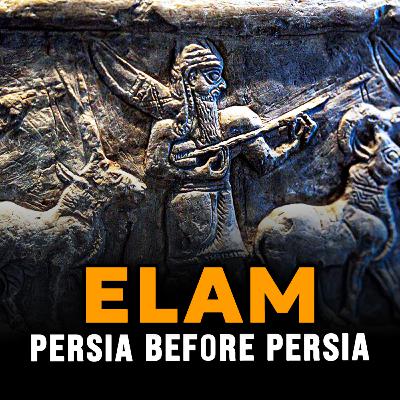
Elam existed for nearly three thousand years — alongside Sumer, Babylon, and Egypt — yet it remains one of the least known civilizations of the ancient world. This video brings Elam back into the story of history: from the rise of Susa and Anshan and the mystery of Proto-Elamite writing, to the golden age of Chogha Zanbil, the campaigns of Shutruk-Nahhunte, and the height of Elamite power. We then follow the dramatic decline — the dark centuries, fragmentation, and the fatal clash with Assyria that ended with Ashurbanipal’s destruction of Susa. But the story does not end there. Elamite traditions, language, and administration lived on within the Achaemenid Persian Empire, in the archives of Persepolis, the Behistun inscription, and a cultural legacy that survived into the Roman era. This is the history of a civilization that shaped the ancient Near East for centuries — and left monuments and texts that still stand and speak today.🔔 Subscribe to the podcast so you don’t miss other stories from the ancient world, where the truth is often more dramatic than fiction.This Episode on Youtube: https://youtu.be/pcYg1Tm2HtgVisit our website: https://parabellumhistory.comOur merchandise store: https://parabellumstore.creator-spring.com/Music from our podcast: https://share.epidemicsound.com/xk7k44/?playlist=kgati2pa4pi3mz2hsib867syv6zjdzqhListen early & support the channel on Patreon: https://patreon.com/ParaBellumHistoryChannel🎤 Voiceover by: Nick BanasInstagram: https://www.instagram.com/nickbanas
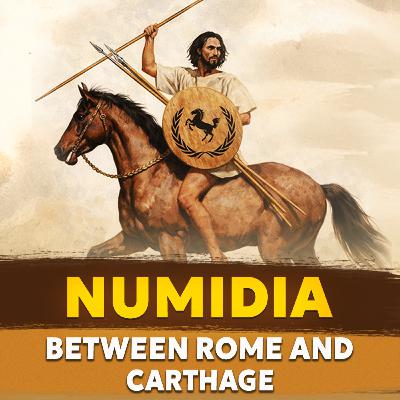
Numidia was one of the most influential yet overlooked powers of the ancient Mediterranean. Rising from the Berber highlands of North Africa, it helped decide the outcome of the Punic Wars, shaped the fate of Rome and Carthage, and transformed the region into the grain heartland that fed the empire. This episode explores Numidia’s origins, its famous light cavalry, the reign of Masinissa, the transformation of a pastoral society into an agricultural powerhouse, the Jugurthine War, and the kingdom’s final downfall during the Roman civil wars.Featuring Polybius, Sallust, Cassius Dio and other ancient sources alongside modern scholarship, this episode of our podcast traces how Numidia turned neglected lands into a breadbasket, fielded cavalry that dominated the battlefield at Cannae and Zama, and produced figures such as Masinissa, Sophonisba, Jugurtha, and Juba. It also examines Numidia’s cultural synthesis — Berber, Punic, Greek, and Roman — its cities, religion, trade networks, and long-term legacy in North Africa.Topics include: Numidian origins; Massylii and Masaesyli; Second Punic War; Hannibal and Scipio Africanus; Numidian light cavalry tactics; Masinissa’s agricultural reforms; Numidian grain exports; urbanization and trade; Punic and indigenous cults; Jugurthine War; Sallust’s account of corruption; Sulla and Marius; Bocchus of Mauretania; fall of Numidian independence; Roman Africa Nova; Africa Proconsularis; Berber identity; legacy in modern Algeria.For anyone interested in: ancient history, Carthage, Rome, Berbers, North Africa, Punic Wars, military history, cavalry tactics, Mediterranean history, agrarian economies, classical antiquity, forgotten kingdoms, documentary history, and historical archaeology.🔔 Subscribe to the podcast so you don’t miss other stories from the ancient world, where the truth is often more dramatic than fiction.This Episode on Youtube: https://youtu.be/pcYg1Tm2HtgVisit our website: https://parabellumhistory.comOur merchandise store: https://parabellumstore.creator-spring.com/Music from our podcast: https://share.epidemicsound.com/xk7k44/?playlist=kgati2pa4pi3mz2hsib867syv6zjdzqhListen early & support the channel on Patreon: https://patreon.com/ParaBellumHistoryChannel🎤 Voiceover by: Nick BanasInstagram: https://www.instagram.com/nickbanas
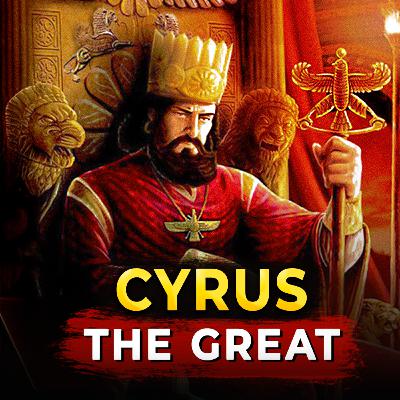
Cyrus the Great was one of the most influential rulers in ancient history — founder of the Achaemenid Empire and the man who created the largest empire the world had ever seen up to that point. In this documentary-style history episode, we explore the full life of Cyrus the Great, from his mysterious origins in Persia to his rise against the Median Empire, his legendary conquests of Lydia and Babylon, and his final campaign against the Massagetae. Drawing on ancient sources such as Herodotus, Xenophon, and Ctesias, the episode examines how Cyrus combined military brilliance with an unusually tolerant and pragmatic style of rule. We look at his treatment of conquered peoples, his policy of religious freedom, the Cyrus Cylinder, and why the Jewish tradition uniquely remembers him as a messiah. This episode also explains how the Persian Empire was governed through satrapies, how the Immortals functioned as an elite fighting force, and why Cyrus’s administrative system outlived him by centuries. Finally, we reconstruct the dramatic accounts of his death and legacy, including the famous story of Queen Tomyris. This is the complete story of Cyrus the Great — king of kings, liberator of nations, and one of the most remarkable figures of the ancient world.🔔 Subscribe to the podcast so you don’t miss other stories from the ancient world, where the truth is often more dramatic than fiction.This Episode on Youtube: https://youtu.be/pcYg1Tm2HtgVisit our website: https://parabellumhistory.comOur merchandise store: https://parabellumstore.creator-spring.com/Music from our podcast: https://share.epidemicsound.com/xk7k44/?playlist=kgati2pa4pi3mz2hsib867syv6zjdzqhListen early & support the channel on Patreon: https://patreon.com/ParaBellumHistoryChannel🎤 Voiceover by: Nick BanasInstagram: https://www.instagram.com/nickbanas
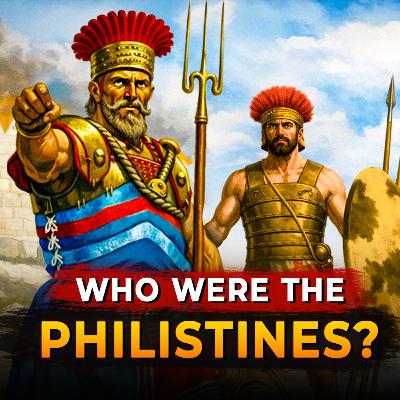
This documentary explores the real history of the Philistines — one of the most misunderstood peoples of the ancient world. Known today mainly as the biblical enemies of Israel, the Philistines were in fact a powerful Iron Age civilization whose cities ranked among the largest and richest in the eastern Mediterranean.The episode traces their origins in the chaos of the Late Bronze Age collapse, when drought, famine, and mass migrations reshaped the ancient world. Drawing on Egyptian inscriptions, archaeology, and modern DNA studies, it explains how the Sea Peoples — identified in Egyptian sources as the Peleset — were defeated by Ramesses III and resettled in southern Canaan, where they merged with the local population and formed what later sources call the Philistines.You will learn how the Philistine Pentapolis — Gaza, Ashkelon, Ashdod, Ekron, and Gath — functioned as a unique political confederation, why their material culture points to Aegean origins, and how their early use of iron technology gave them a decisive military edge over their neighbors. The video also examines their religion, language, and rapid cultural assimilation into the Semitic world, including the worship of deities such as Dagon and Baal-Zebub.A major focus is the long conflict between the Philistines and the Israelites, including the historical background behind figures like Saul, David, and Goliath, as well as archaeological finds from Gath that shed light on biblical traditions. The story then follows Philistia under Assyrian domination, its transformation into an industrial powerhouse producing olive oil on a massive scale, and its eventual destruction by the Neo-Babylonian Empire under Nebuchadnezzar II.Finally, the documentary explains how the Philistines disappeared as a distinct people through deportation and assimilation, yet left behind one of the most enduring names in history. From Peleset and Pelištim came the term Palestine, later used by Greek authors such as Herodotus and ultimately adopted by Rome when Emperor Hadrian renamed the province Syria Palaestina.This episode is based on primary sources, archaeology, and modern scholarship, offering a full historical reconstruction of who the Philistines really were — beyond myth, polemic, and later tradition.🔔 Subscribe to the podcast so you don’t miss other stories from the ancient world, where the truth is often more dramatic than fiction.This Episode on Youtube: https://youtu.be/pcYg1Tm2HtgVisit our website: https://parabellumhistory.comOur merchandise store: https://parabellumstore.creator-spring.com/Music from our podcast: https://share.epidemicsound.com/xk7k44/?playlist=kgati2pa4pi3mz2hsib867syv6zjdzqhListen early & support the channel on Patreon: https://patreon.com/ParaBellumHistoryChannel🎤 Voiceover by: Nick BanasInstagram: https://www.instagram.com/nickbanas
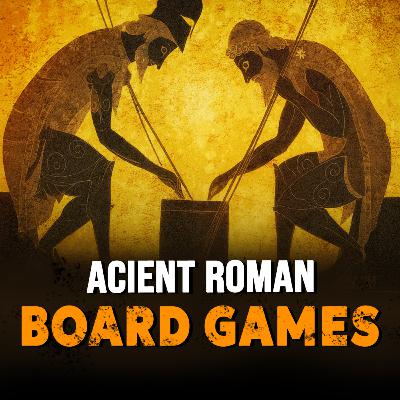
What games did the ancient Romans actually play — before chess, playing cards, or modern board games even existed? In this episode, we explore the real games of ancient Rome, reconstructed from archaeological finds, ancient texts, and surviving game boards scratched into stone floors across the empire.You’ll learn how Romans played mill (nine men’s morris), one of the oldest board games in the world, found carved into temples, palaces, gladiator schools, and even brothels. We examine how the rules worked, how they differed in antiquity, and why this simple game became so widespread. We then turn to latrunculi, the most mysterious Roman strategy game — frequently mentioned by ancient authors, yet still only partially understood today. Using evidence like the famous Colchester burial, we explore how scholars attempt to reconstruct its board, pieces, and possible rules.The video also covers Roman dice and gambling games played with astragali — real animal bones that gave us the modern term “dice.” You’ll learn how Romans gambled, how cheating was prevented, and which combinations were considered lucky or powerful. We examine “twelve lines,” the Roman ancestor of backgammon, along with simple alignment games like terni lapilli, the ancient version of tic-tac-toe.Beyond adult games, we look at children’s play in ancient Rome — including walnut games that involved building and destroying miniature fortresses. Finally, we explore one of the strangest finds in Roman archaeology: tesserae lusoriae, ivory tablets that may point to a lost Roman word game — or perhaps something else entirely.This is a journey into Roman everyday life, showing how play, strategy, luck, and competition shaped leisure across the ancient world — and how some Roman games may still be influencing what we play today.🔔 Subscribe to the podcast so you don’t miss other stories from the ancient world, where the truth is often more dramatic than fiction.This Episode on Youtube: https://youtu.be/pcYg1Tm2HtgVisit our website: https://parabellumhistory.comOur merchandise store: https://parabellumstore.creator-spring.com/Music from our podcast: https://share.epidemicsound.com/xk7k44/?playlist=kgati2pa4pi3mz2hsib867syv6zjdzqhListen early & support the channel on Patreon: https://patreon.com/ParaBellumHistoryChannel🎤 Voiceover by: Nick BanasInstagram: https://www.instagram.com/nickbanas
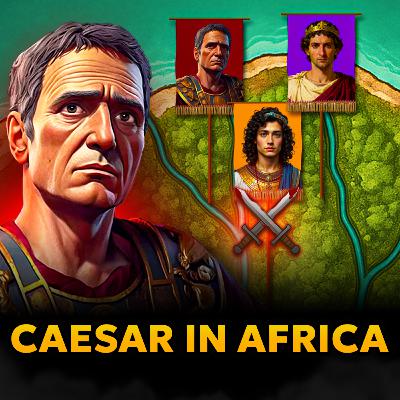
Journey into one of the most dramatic episodes of Julius Caesar’s life — the brutal Alexandrian War, his alliance with Cleopatra, the battle for the Pharos lighthouse, and the campaign that ended with the immortal words *Veni, vidi, vici*.This episode follows Caesar after the Battle of Pharsalus as he arrives in Egypt with only a small force, expecting diplomacy but finding himself trapped in a hostile capital, outnumbered six to one. Inside Alexandria, a deadly dynastic conflict unfolds between Cleopatra, her brother Ptolemy XIII, and the powerful courtiers who control the young king. From Cleopatra’s legendary secret entrance into the palace to the burning of the Egyptian fleet and the fighting around the Great Library, the story reveals how close Caesar came to defeat — even death.You’ll hear how the Alexandrian War reshaped the ancient world: the rise of Cleopatra as ruler of Egypt, the fall of Ptolemy XIII and Arsinoë’s capture, and Rome’s growing control over the Nile. The podcast also covers Caesar’s lightning campaign against Pharnaces, culminating in his swift victory at Zela, as well as the political turmoil awaiting him back in Rome — including the shocking mutiny of his own veterans.Perfect for listeners interested in ancient history, Caesar’s military genius, the Ptolemaic dynasty, and the real events behind the legend.If you enjoy deep-dive historical storytelling, 🔔 Subscribe to the podcast so you don’t miss other stories from the ancient world, where the truth is often more dramatic than fiction.This Episode on Youtube: https://youtu.be/yLcPbmDxBQkVisit our website: https://parabellumhistory.comOur merchandise store: https://parabellumstore.creator-spring.com/Music from our podcast: https://share.epidemicsound.com/xk7k44/?playlist=kgati2pa4pi3mz2hsib867syv6zjdzqhListen early & support the channel on Patreon: https://patreon.com/ParaBellumHistoryChannel🎤 Voiceover by: Nick BanasInstagram: https://www.instagram.com/nickbanas
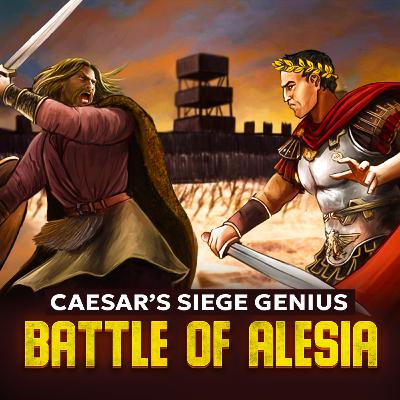
Travel back to 52 BC, when Julius Caesar faced the greatest challenge of his Gallic campaign. After years of conquest, Gaul erupted in a massive rebellion led by Vercingetorix — a charismatic war leader who united nearly all Gallic tribes against Rome. What followed was a chain of battles, scorched-earth tactics, desperate marches, and relentless cavalry clashes that pushed Caesar’s army to the brink.This episode tells the full story of the road to Alesia: the disaster at Gergovia, the rise of Gallic resistance, the dramatic cavalry battle that changed Caesar’s strategy, and the rebel leader’s decision to make his stand at the fortress city of Alesia.Here you’ll see how Caesar responded with one of the most extraordinary engineering feats of the ancient world — building two vast rings of fortifications stretching more than 35 kilometers. Inside Alesia, famine spread. Outside, a massive relief army gathered to break the siege. Between these two forces stood Caesar’s legions, surrounded, outnumbered, and fighting for survival.Watch the dramatic final assault unfold: the simultaneous attacks from inside and outside, the collapse of Roman lines, the desperate counterattack, and Caesar’s personal charge that broke the Gauls and decided the fate of an entire land.The surrender of Alesia ended the last great Gallic rebellion. Vercingetorix was captured, paraded through Rome, and executed — while Caesar’s victory paved his path to absolute power.🔔 Subscribe to the podcast so you don’t miss other stories from the ancient world, where the truth is often more dramatic than fiction.This Episode on Youtube: https://youtu.be/VXhRUyqj4yMVisit our website: https://parabellumhistory.comOur merchandise store: https://parabellumstore.creator-spring.com/Music from our podcast: https://share.epidemicsound.com/xk7k44/?playlist=kgati2pa4pi3mz2hsib867syv6zjdzqhListen early & support the channel on Patreon: https://patreon.com/ParaBellumHistoryChannel🎤 Voiceover by: Nick BanasInstagram: https://www.instagram.com/nickbanas
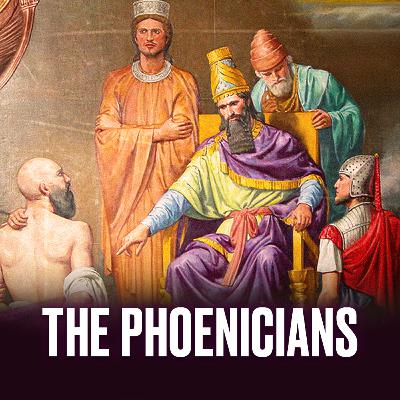
The Phoenicians — the legendary sailors of the ancient Mediterranean — transformed the world not through conquest, but through trade, innovation, and one invention that changed human history forever: the alphabet.This episode explores the rise of the Phoenician city-states of Tyre, Sidon, Byblos, and others; their mastery of shipbuilding and navigation; the collapse of the Minoans and the birth of Phoenician maritime dominance; their global trade networks stretching from the Levant to Spain and even Britain; and the creation of Tyrian purple, the most valuable dye of the ancient world.Discover how these independent coastal cities built colonies across the Mediterranean, culminating in the great powerhouse of Carthage. Learn how the Late Bronze Age Collapse opened the door for Phoenician independence, how Assyria, Babylon, and Persia reshaped their fate, and how Alexander the Great ended their era of autonomy with the destruction of Tyre.Most importantly, see how a simple system of 22 letters — the first true alphabet — spread from Phoenicia to Greece, Rome, and far beyond, becoming the foundation of nearly every writing system used today.If you enjoy deep dives into ancient civilizations, maritime history, and forgotten cultures that shaped our world, this episode is for you. 🔔 Subscribe to the podcast so you don’t miss other stories from the ancient world, where the truth is often more dramatic than fiction.This Episode on Youtube: https://youtu.be/qCUVuKenP0gVisit our website: https://parabellumhistory.comOur merchandise store: https://parabellumstore.creator-spring.com/Music from our podcast: https://share.epidemicsound.com/xk7k44/?playlist=kgati2pa4pi3mz2hsib867syv6zjdzqhListen early & support the channel on Patreon: https://patreon.com/ParaBellumHistoryChannel🎤 Voiceover by: Nick BanasInstagram: https://www.instagram.com/nickbanas
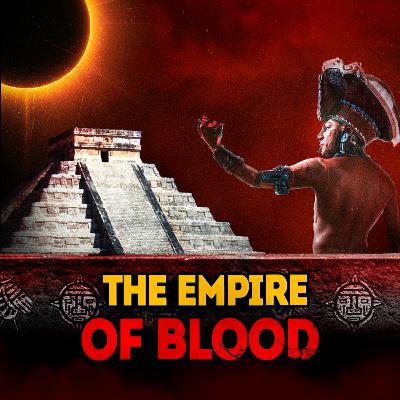
Who were the Aztecs — and how did they go from nomadic outsiders to rulers of a mighty empire in just two centuries? This full-length documentary explores the incredible rise, complex society, and dramatic fall of the Aztec civilization, from their legendary migration out of Aztlan to the Spanish conquest that ended their reign in 1521.The Aztecs, or Mexica, built one of the most advanced and powerful civilizations in pre-Columbian America. Without the use of iron, wheels, or draft animals, they engineered the stunning city of Tenochtitlan atop a lake, developed sophisticated systems of agriculture using floating gardens (chinampas), and organized a complex political structure centered around the tlatoani — the “Great Speaker”.In this video, we dive into their society, where families were grouped into calpulli, artisans held honored status, and even slavery followed a surprisingly nuanced set of laws. You’ll learn how their class structure worked, how rulers were chosen, and how military service gave commoners a chance to rise through the ranks — provided they could capture enemies fit for sacrifice.We also take an unflinching look at Aztec religion and cosmology. Far from being a side note, human sacrifice was central to Aztec ideology. The Aztecs believed the universe was in a constant battle against chaos, and only through ritual bloodshed could the sun continue to rise. The gods Huitzilopochtli, Tezcatlipoca, Quetzalcoatl, and others played key roles in shaping their worldview, myths, and rituals.But the empire’s glory would not last. When Hernán Cortés landed in 1519, he encountered not just a wealthy empire, but deep internal divisions and resentful subject peoples. Through diplomacy, manipulation, and overwhelming native alliances, the Spanish and their allies brought down the Aztecs in less than two years. 🔔 Subscribe to the podcast so you don’t miss other stories from the ancient world, where the truth is often more dramatic than fiction.This Episode on Youtube: https://youtu.be/1hlL9yEYGL4Visit our website: https://parabellumhistory.comOur merchandise store: https://parabellumstore.creator-spring.com/Music from our podcast: https://share.epidemicsound.com/xk7k44/?playlist=kgati2pa4pi3mz2hsib867syv6zjdzqhListen early & support the channel on Patreon: https://patreon.com/ParaBellumHistoryChannel🎤 Voiceover by: Nick BanasInstagram: https://www.instagram.com/nickbanas
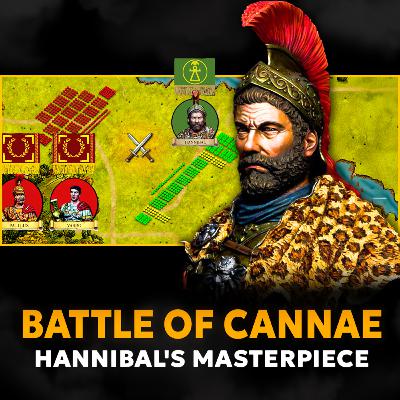
On August 2nd, 216 BC, Rome faced its darkest day. At the small town of Cannae, the Carthaginian general Hannibal achieved one of the most astonishing victories in the history of warfare. Outnumbered and deep in enemy territory, he used strategy, deception, and flawless timing to surround and annihilate a Roman army of nearly 90,000 men. By nightfall, more than 50,000 Romans were dead, thousands more were captured, and the Republic itself trembled on the brink of collapse.This video tells the full story of the road to Cannae — from the end of the First Punic War and Carthage’s revival, to Hannibal’s oath of hatred against Rome, his daring march across the Alps, and his string of early victories at the Trebbia, Lake Trasimene, and beyond. We’ll explore how Rome tried to adapt with the Fabian strategy, why the Republic abandoned caution, and how Hannibal prepared the perfect trap on the dusty plains of Apulia.The Battle of Cannae remains one of the most studied military engagements in history. Generals from Napoleon to Schlieffen saw it as the pinnacle of tactical genius, and it continues to be a classic example of how brilliant leadership can overcome even overwhelming odds. Yet for all its glory, Cannae was also a turning point — the last great triumph of Hannibal, and the moment when Rome learned the hard way that survival depended not only on soldiers, but on the unity of it's allies and the resilience of its state.🔔 Subscribe to the podcast so you don’t miss other stories from the ancient world, where the truth is often more dramatic than fiction.This Episode on Youtube: https://youtu.be/ERU5ltxaANkVisit our website: https://parabellumhistory.comOur merchandise store: https://parabellumstore.creator-spring.com/Music from our podcast: https://share.epidemicsound.com/xk7k44/?playlist=kgati2pa4pi3mz2hsib867syv6zjdzqhListen early & support the channel on Patreon: https://patreon.com/ParaBellumHistoryChannel🎤 Voiceover by: Nick BanasInstagram: https://www.instagram.com/nickbanas
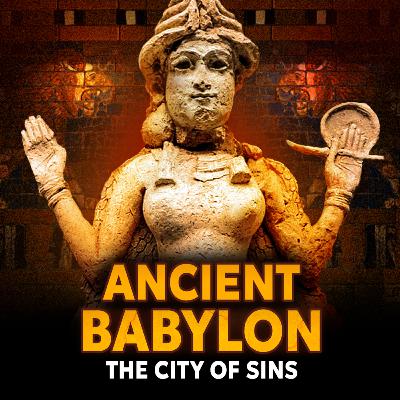
Step into the lost world of Babylon — one of the most iconic cities in human history. From the Tower of Babel to the Whore of Babylon, the city has been immortalized in the Bible, mythology, and ancient records as a place of immense power, wealth, and vice. But what’s the real story behind the legends?In this in-depth historical documentary, we trace the epic rise and catastrophic fall of Babylon over two thousand years — from a small Mesopotamian outpost to the glittering capital of empires, and ultimately to its final ruin and disappearance beneath the sands of time.You’ll discover the true origins of Babylon, how it emerged after the fall of the Akkadian and Ur dynasties, and how it rose to prominence under kings like Sumu-abum and Hammurabi, whose famous Code of Laws laid the foundation for one of the most sophisticated legal systems in the ancient world.We explore the complex social hierarchy of Babylonian society — from free landowners (awilum) and dependent workers (mushkenum) to slaves (wardum) — and take a closer look at the religious traditions, the cult of Marduk, and the controversial myth of temple prostitution associated with Ishtar.The documentary follows Babylon through the Kassite era, Assyrian domination, and into its stunning revival under Nebuchadnezzar II, whose military campaigns shaped the fate of the Kingdom of Judah, leading to the Babylonian Exile and the destruction of Solomon’s Temple in Jerusalem.We examine the architectural marvels of Babylon — the Etemenanki ziggurat (believed by many to be the inspiration for the Tower of Babel), the Ishtar Gate, the Processional Way, and the legendary Hanging Gardens of Babylon.Finally, we cover the dramatic collapse of the Neo-Babylonian Empire under Nabonidus and Belshazzar, the arrival of Cyrus the Great and the Persian conquest, and the slow decline of the city during the Hellenistic, Parthian, and Islamic periods.🔔 Subscribe to the podcast so you don’t miss other stories from the ancient world, where the truth is often more dramatic than fiction.This Episode on Youtube: https://youtu.be/iuWwIH6ib-kVisit our website: https://parabellumhistory.comOur merchandise store: https://parabellumstore.creator-spring.com/Music from our podcast: https://share.epidemicsound.com/xk7k44/?playlist=kgati2pa4pi3mz2hsib867syv6zjdzqhListen early & support the channel on Patreon: https://patreon.com/ParaBellumHistoryChannel🎤 Voiceover by: Nick BanasInstagram: https://www.instagram.com/nickbanas
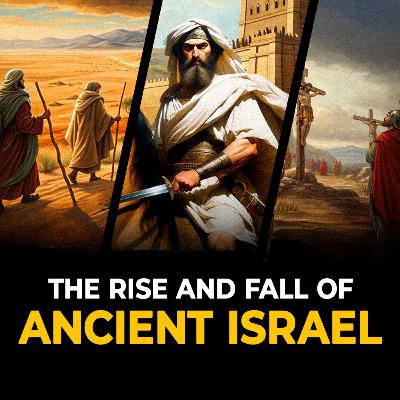
Journey through a thousand years of history — from the arrival of the Hebrews in Canaan to the destruction of the Second Temple — in this complete documentary on the history of ancient Israel.This comprehensive film brings together all three parts of our acclaimed series, tracing the origins, rise, fall, and transformation of the ancient Israelites through archaeology, historical records, and the Hebrew Bible.Witness the emergence of Israel from its Canaanite roots, the rise of kings like David and Solomon, and the split into the kingdoms of Israel and Judah. Follow the Assyrian conquest, the Babylonian exile, and the birth of Judaism amid displacement and reform.See how Persian rule allowed the Jews to return and rebuild Jerusalem, how Greek domination brought cultural tension and the heroic Maccabean revolt, and how Roman conquest reshaped Judea under Herod the Great and the governors who followed him.The story culminates in the Jewish War, the destruction of the Second Temple in 70 AD, and the dawn of the Jewish diaspora — one of history’s most defining transformations.🔔 Subscribe to the podcast so you don’t miss other stories from the ancient world, where the truth is often more dramatic than fiction.This Episode on Youtube: https://youtu.be/j7LtviUPv-EVisit our website: https://parabellumhistory.comOur merchandise store: https://parabellumstore.creator-spring.com/Music from our podcast: https://share.epidemicsound.com/xk7k44/?playlist=kgati2pa4pi3mz2hsib867syv6zjdzqhListen early & support the channel on Patreon: https://patreon.com/ParaBellumHistoryChannel🎤 Voiceover by: Nick BanasInstagram: https://www.instagram.com/nickbanas
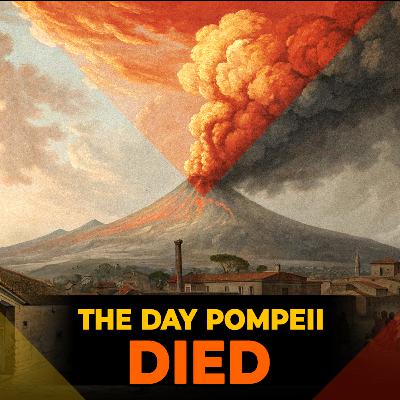
What really happened in 79 AD when Mount Vesuvius erupted and buried Pompeii, Herculaneum, Stabiae, and Oplontis? This episode tells the dramatic true story of one of the most infamous ancient disasters in Roman history — the eruption of Vesuvius that turned thriving Roman cities into time capsules under volcanic ash.Explore the daily life in Pompeii before the catastrophe: from bustling markets, luxurious villas, and Roman entertainment to gladiatorial games and bathhouses. Discover why wealthy Roman citizens chose to live near an active volcano and how fertile volcanic soil made the region economically vital to the empire.We trace the story through eyewitness accounts, including the famous letters of Pliny the Younger, who described the eruption in detail to the historian Tacitus. Follow Pliny the Elder’s heroic attempt to rescue victims trapped by the ash clouds near Herculaneum — and learn how both Roman mythology and science tried to explain the catastrophe.Understand the devastating impact of pyroclastic flows — the fast-moving waves of superheated gas and ash that obliterated cities in moments. Learn how thousands, including children, slaves, and the elderly, perished from extreme heat and suffocation.Archaeological discoveries, from carbonized pomegranates to warm clothing and wall inscriptions, suggest the eruption may have occurred in autumn — possibly October or November, not August as once thought. These findings help experts build a clearer Pompeii timeline and reconstruct the final moments of life in these ancient Roman cities.Whether you're interested in the history of Pompeii, the archaeology of Mount Vesuvius, or how ancient civilizations responded to natural disasters, this in-depth episode delivers powerful insight into a historical tragedy that still fascinates researchers today.🔔 Subscribe to the podcast so you don’t miss other stories from the ancient world, where the truth is often more dramatic than fiction.This Episode on Youtube: https://youtu.be/TNvg49RH2CYVisit our website: https://parabellumhistory.comOur merchandise store: https://parabellumstore.creator-spring.com/Music from our podcast: https://share.epidemicsound.com/xk7k44/?playlist=kgati2pa4pi3mz2hsib867syv6zjdzqhListen early & support the channel on Patreon: https://patreon.com/ParaBellumHistoryChannel🎤 Voiceover by: Nick BanasInstagram: https://www.instagram.com/nickbanas
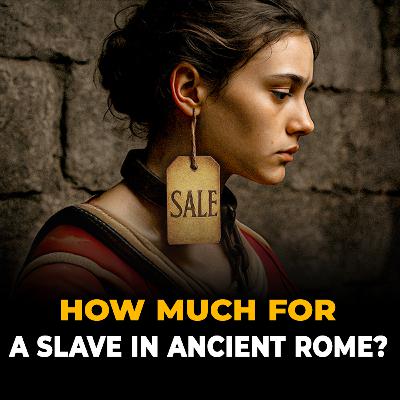
This episode takes you inside the slave markets of the Roman Empire, where human lives were bought and sold as casually as goods at a marketplace. From young Greek boys trained in reading and writing to Thracian farmhands and Syrian women valued for their beauty, every person had a price — and those prices tell us a lot about Roman society, economy, and culture.In this episode, you’ll learn:-- How Roman slave markets worked and why the Forum Boarium in Rome became the heart of the trade-- Real examples of slave prices preserved in historical records and contracts-- Why certain groups — like educated Greek slaves, skilled craftsmen, and entertainers — were worth far more than unskilled laborers-- The shocking differences between the cost of children, women, and men on the auction block-- How Roman buyers evaluated slaves: age, origin, skills, health, and even physical appearance-- The paperwork behind every sale, including contracts, receipts, and guarantees-- How historians calculate what Roman prices (measured in denarii and sesterces) would mean in modern money-- The economic and social impact of slavery on Rome — from agriculture and construction to households and entertainmentSlavery was not just a feature of Rome — it was the backbone of its empire. Millions of men, women, and children were enslaved, powering the economy and shaping daily life. Understanding how slaves were valued and traded opens a window into one of the darkest but most essential aspects of Roman civilization.By the end of this episode, you’ll know not only the average cost of a slave in Ancient Rome, but also how these transactions reveal the harsh realities of human exploitation in the ancient world.🔔 Subscribe to the podcast so you don’t miss other stories from the ancient world, where the truth is often more dramatic than fiction.This Episode on Youtube: https://youtu.be/g0A_OxIX338Visit our website: https://parabellumhistory.comOur merchandise store: https://parabellumstore.creator-spring.com/Music from our podcast: https://share.epidemicsound.com/xk7k44/?playlist=kgati2pa4pi3mz2hsib867syv6zjdzqhListen early & support the channel on Patreon: https://patreon.com/ParaBellumHistoryChannel🎤 Voiceover by: Nick BanasInstagram: https://www.instagram.com/nickbanas
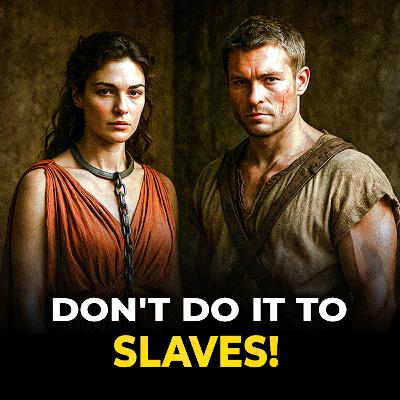
What legal rights—if any—did slaves have in Ancient Rome? Popular depictions often show Roman masters wielding absolute power over their slaves, able to punish, torture, or even kill them without consequence. And for much of Roman history, that image isn’t far from the truth. Under Roman law, slaves were considered *res*, or property—often described as “speaking tools,” with no inherent legal personhood.But the real picture is more nuanced. This video takes a deep, critical look at the *limits of a Roman master’s power* and the rare, often symbolic legal protections that slaves could sometimes rely on. Spanning over twelve centuries of Roman history, from the monarchy through the Republic and into the Empire, we explore how slavery evolved, how laws were applied (or ignored), and how power, politics, and social control shaped the legal status of the enslaved.We examine:* The origins of slavery in early Rome and how it functioned in small, agrarian households* Why early Roman masters sometimes treated slaves with leniency — and how escape was once a viable option* How territorial expansion, mass enslavement, and economic dependence hardened attitudes toward slaves* The rise of legal mechanisms designed to *appear* protective while preserving the master’s dominance* The role of *Roman censors* — powerful officials with the theoretical right to intervene in cases of slave abuse — and why they almost never did* *Case studies involving emperors* like Augustus and Hadrian stepping in to prevent slave cruelty, not out of compassion, but because the violence was too public to ignore* The introduction of laws under emperors like Claudius, Domitian, Antoninus Pius, and Constantine that placed minimal, often symbolic limits on cruelty* The *Lex Petronia*, which prohibited masters from sending slaves to be executed by wild animals without judicial approval* The legal concept of **manumission** and restrictions introduced by laws like the *Lex Aelia Sentia* and *Lex Fufia Caninia** *Contract clauses* that attached conditions to the sale of slaves — such as *ne manumittatur* (no manumission allowed), *ut manumittatur* (manumission required after a set period), *ut exportetur* (forced relocation), and *ne serva prostituatur* (ban on forcing female slaves into prostitution)* The surprising legal consequences for breaking these clauses, including automatic freedom and legal protections for freedwomenDespite these laws and clauses, Roman slaves were never treated as full human beings under the law. Even when protections existed, they were often designed to avoid public outrage, prevent rebellion, or maintain social order—not to ensure dignity or justice. Most slaves had no legal voice, no right to appeal, and no consistent protection from violence. Even the most progressive Roman laws treated slaves as valuable assets, not people.🔔 Subscribe to the podcast so you don’t miss other stories from the ancient world, where the truth is often more dramatic than fiction.This Episode on Youtube: https://youtu.be/cmzNAi6v-sMVisit our website: https://parabellumhistory.comOur merchandise store: https://parabellumstore.creator-spring.com/Music from our podcast: https://share.epidemicsound.com/xk7k44/?playlist=kgati2pa4pi3mz2hsib867syv6zjdzqhListen early & support the channel on Patreon: https://patreon.com/ParaBellumHistoryChannel🎤 Voiceover by: Nick BanasInstagram: https://www.instagram.com/nickbanas
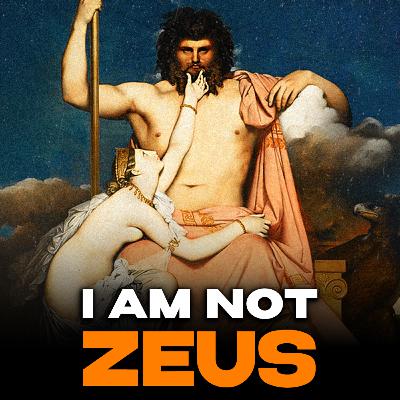
Did Ancient Rome really copy its religion from Greece — or is that just a modern myth? In this video, we uncover the true origins of Roman religion and show how it developed into a unique and complex system of beliefs unlike anything in Greece.We begin with the earliest Italic tribes of the Tiber Valley, whose worldview was shaped by animism (the belief that nature itself is alive with spirit), totemism (sacred tribal animals like wolves, woodpeckers, and boars), and fetishism — the idea that certain objects held divine power. You’ll discover the “pledges of Rome’s eternity,” seven sacred relics believed to guarantee the survival of the Roman state.From there, we trace how Etruscan and Greek religion influenced Rome. The Etruscans gave Roman gods human form, while the Greeks provided myths to explain their origins — pairing Jupiter with Zeus, Venus with Aphrodite, Mars with Ares, and so on. But this blending was never perfect. Roman gods had different roles, personalities, and meanings. We also explore gods the Greeks never had: Janus, god of beginnings and endings; Quirinus, protector of the Roman people; the household Lares and personal Genius; Pomona, Vertumnus, Terminus, Mefitis, and many others. Roman religion also worshipped abstract values like Virtus (Valor), Pax (Peace), Fides (Loyalty), and Disciplina (Discipline), building entire temples to ideas rather than personalities.Unlike Greek religion, which emphasized myth, emotion, art, and beauty, Roman religion was about duty, tradition, and exact ritual. The Romans believed the gods cared less about faith and more about whether rituals were performed flawlessly. Every sacrifice, prayer, and gesture had to be precise — or repeated from the beginning. Divination was another core part of Roman religion. Inherited from the Etruscans, practices like haruspicy (reading the entrails of sacrificed animals) and auspicy (interpreting bird signs) guided political decisions, wars, and daily life. We uncover stories like Publius Claudius Pulcher at the Battle of Drepana, who mocked the sacred chickens — and lost an entire fleet.Roman priests were not a separate religious class. Priesthoods were held by politicians and generals — Julius Caesar, Cicero, Sulla, Augustus, and Scipio Africanus all served as priests while leading the state, proving how religion and politics were inseparable in Rome.In the end, Roman religion wasn’t a copy of Greek religion — it was a fusion of Italic, Etruscan, and Greek beliefs shaped by Roman values: duty, order, family, and the power of the state. This podcast uncovers how it worked, what the Romans truly believed, and why their religious system helped build one of the greatest empires in history.🔔 Subscribe to the podcast so you don’t miss other stories from the ancient world, where the truth is often more dramatic than fiction.This Episode on Youtube: https://youtu.be/PMnPxF0okxQVisit our website: https://parabellumhistory.comOur merchandise store: https://parabellumstore.creator-spring.com/Music from our podcast: https://share.epidemicsound.com/xk7k44/?playlist=kgati2pa4pi3mz2hsib867syv6zjdzqhListen early & support the channel on Patreon: https://patreon.com/ParaBellumHistoryChannel🎤 Voiceover by: Nick BanasInstagram: https://www.instagram.com/nickbanas
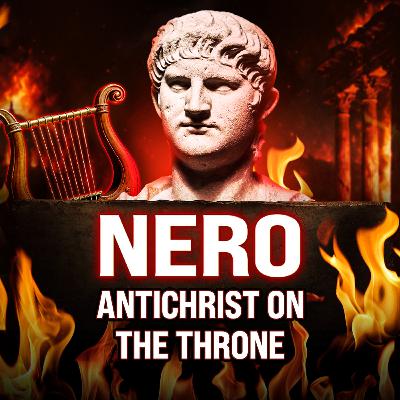
Who was Nero, really? Was he the deranged tyrant who fiddled while Rome burned, a brutal killer who murdered his own mother and wives? Or was he a gifted artist and visionary, vilified by senatorial elites and early Christian chroniclers? This comprehensive historical podcast explores the life, reign, and legacy of Emperor Nero, one of the most controversial figures in the history of ancient Rome.Born Lucius Domitius Ahenobarbus in 37 AD, Nero was connected by blood to some of the greatest names in Roman history — Germanicus, Mark Antony, and Augustus. Adopted by Emperor Claudius and groomed for leadership by the philosopher Seneca, he seemed destined for greatness. And indeed, the first years of his reign were marked by stability, reform, and popularity. But beneath the surface, tensions brewed — with his ambitious mother Agrippina, with Rome’s conservative elites, and within Nero himself.In this in-depth podcast, we trace Nero’s journey from promising young emperor to feared autocrat. We unpack the complex power plays that shaped his early reign, the dramatic fall of Agrippina, and the internal court dynamics that drove a wedge between Nero and his former mentors. We explore Nero’s artistic passions — his love of music, poetry, drama, and chariot racing — and how these pursuits scandalized Rome’s upper class.One of the most infamous chapters of Nero’s reign — the Great Fire of Rome in 64 AD — is examined with fresh eyes. We separate fact from fiction, comparing ancient accounts by Tacitus and Suetonius with modern archaeological and historiographical perspectives. Did Nero really start the fire, or did he become a convenient scapegoat?We also explore the savage persecution of early Christians in the wake of the fire — a campaign of terror that led to the martyrdom of the apostles Peter and Paul.Finally, we cover Nero’s downfall: his loss of support among the Senate, the betrayal of the Praetorian Guard, and the rebellion of Galba.What you'll learn in this episode:- Why Nero was seen as a breath of fresh air in the early years of his reign- How Roman society viewed artists, performers, and public entertainers — and why Nero’s passions caused outrage- The influence of women in Roman imperial politics, especially Agrippina and Poppaea- The brutal mechanisms of imperial control: poisonings, show trials, and forced suicides- The origins of the Nero-as-Antichrist legend and its impact on early Christian thought- Why modern historians are reassessing Nero’s legacy — and what still makes him so fascinating today🔔 Subscribe to the podcast so you don’t miss other stories from the ancient world, where the truth is often more dramatic than fiction.This Episode on Youtube: https://youtu.be/yAkmyw0byQMVisit our website: https://parabellumhistory.comOur merchandise store: https://parabellumstore.creator-spring.com/Music from our podcast: https://share.epidemicsound.com/xk7k44/?playlist=kgati2pa4pi3mz2hsib867syv6zjdzqhListen early & support the channel on Patreon: https://patreon.com/ParaBellumHistoryChannel🎤 Voiceover by: Nick BanasInstagram: https://www.instagram.com/nickbanas
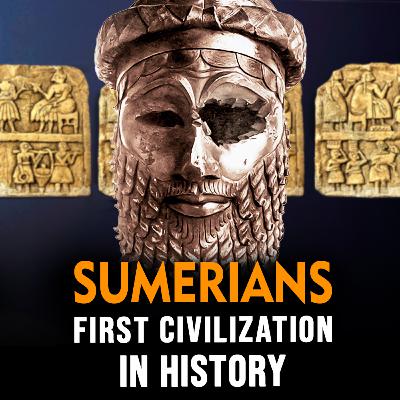
Who were the Sumerians? Where did they come from — and what happened to them?In this in-depth podcast, we explore the rise and fall of Sumerian civilization, one of the most influential cultures in human history. From the first cities in the world to the invention of writing, the wheel, beer, and even the seven-day week, the Sumerians shaped the foundations of our modern world.This episode covers the history of ancient Sumer, including the Ubaid and Uruk periods, the invention of cuneiform, Sumerian mathematics and astronomy, the reign of Sargon of Akkad, the Gutian invasion, and the fall of Ur. Learn how early Mesopotamian city-states like Uruk, Ur, Kish, and Lagash competed for power and influenced civilizations that followed — from Babylonians to Assyrians.🔍 What you’ll learn:– Who the Sumerians were and where they came from– How the Sumerians built the first complex cities– How cuneiform writing developed from clay tokens– The role of ziggurats, temples, and religion in city life– Sumerian advances in law, science, technology, and math– Why base-60 math still shapes how we tell time– How the Sumerians influenced Akkadians, Babylonians, and beyond If you're interested in ancient Mesopotamia, the origins of civilization, or the real story behind the Tower of Babel, this video is for you.🔔 Subscribe to the podcast so you don’t miss other stories from the ancient world, where the truth is often more dramatic than fiction.This Episode on Youtube: https://youtu.be/ygbPGogGdz8Visit our website: https://parabellumhistory.comOur merchandise store: https://parabellumstore.creator-spring.com/Music from our podcast: https://share.epidemicsound.com/xk7k44/?playlist=kgati2pa4pi3mz2hsib867syv6zjdzqhListen early & support the channel on Patreon: https://patreon.com/ParaBellumHistoryChannel🎤 Voiceover by: Nick BanasInstagram: https://www.instagram.com/nickbanas

Did Jesus of Nazareth really exist? In this episode, we explore what historians and scholars say about the historical Jesus — not the religious figure of the Gospels, but the man who may have lived in first-century Judea.We examine non-Christian sources that mention Jesus, including ancient writers like Josephus, Tacitus, Suetonius, Pliny the Younger, Lucian, and Mara bar Serapion. What did these authors say about Jesus? Are their accounts authentic? And what can we learn from them about the origins of Christianity?We also discuss the famous Testimonium Flavianum, the controversial passage in Josephus’ Antiquities of the Jews, and analyze whether it was altered by later Christian scribes. You’ll learn how scholars separate authentic references from forgeries, and why the lack of archaeological evidence isn’t unusual for figures of that time.📚 Topics Covered:-The historical context of Jesus and early Christianity-What non-Christian sources say about Jesus-Josephus and the Testimonium Flavianum-Tacitus and the fire of Rome-Suetonius and the Claudius expulsion-Pliny the Younger’s letter to Trajan-Lucian and Mara bar Serapion on the crucified “wise king”-Why Jesus might not have been famous during his lifetime-Lost sources, Christian forgeries, and Middle Ages censorshipWhether you're religious, skeptical, or just curious, this episode breaks down the historical evidence for Jesus — clearly, critically, and based on academic research.🔔 Subscribe to the podcast so you don’t miss other stories from the ancient world, where the truth is often more dramatic than fiction.This Episode on Youtube: https://youtu.be/IQPhfuanqHgVisit our website: https://parabellumhistory.comOur merchandise store: https://parabellumstore.creator-spring.com/Music from our podcast: https://share.epidemicsound.com/xk7k44/?playlist=kgati2pa4pi3mz2hsib867syv6zjdzqhListen early & support the channel on Patreon: https://patreon.com/ParaBellumHistoryChannel🎤 Voiceover by: Nick BanasInstagram: https://www.instagram.com/nickbanas
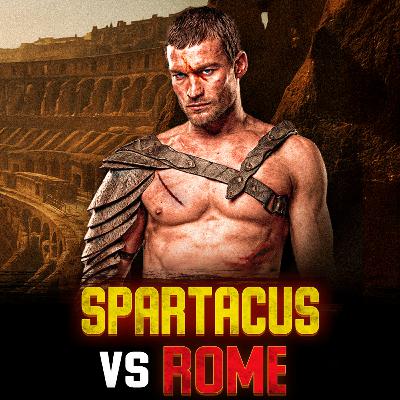
Spartacus — a name that has transcended history to become a symbol of freedom, rebellion, and defiance against tyranny. But behind the legend was a real man — a Thracian soldier turned gladiator, whose courage and leadership would shake the foundations of the Roman Republic.In the early 1st century BC, Rome stood at the height of its power. Its legions ruled over vast territories, and its economy thrived on the labor of millions of enslaved people. Yet beneath this facade of glory lay tension, cruelty, and despair. When Spartacus and his fellow gladiators escaped from a training school in Capua, no one could have imagined that this small uprising would ignite one of the most dangerous wars Rome had ever faced.Over the next three years, Spartacus’s army of slaves and gladiators defeated one Roman army after another, humiliated consuls, and spread panic across Italy. From the slopes of Mount Vesuvius to the plains of Lucania, his forces fought with unmatched discipline and ferocity — proving that even those born in chains could challenge the might of an empire.This podcast retraces the incredible journey of Spartacus: his possible Thracian origins, his capture and enslavement, his life as a gladiator under Lentulus Batiatus, and his transformation into the leader of the largest slave revolt in history. We follow his victories against Glaber, Varinius, Lentulus, and Gellius; his complex relationship with his allies Crixus and Oenomaus; and his final confrontation with Marcus Licinius Crassus, the richest man in Rome.You’ll also discover how the rebellion evolved from a desperate escape into a disciplined military campaign, how Spartacus’s tactics baffled Rome’s generals, and why his dream ultimately came to a tragic end. Drawing on the accounts of Plutarch, Appian, Florus, and Sallust, we explore both the myth and the man — separating historical truth from centuries of legend.Spartacus’s story did not end on the battlefield. His name lived on, inspiring countless generations — from Roman slaves dreaming of freedom to modern revolutionaries fighting for justice.Watch the full story of Spartacus — the gladiator who defied Rome, the rebel who became a legend, and the man whose spirit still burns as a timeless symbol of resistance.🔔 Subscribe to the podcast so you don’t miss other stories from the ancient world, where the truth is often more dramatic than fiction.This Episode on Youtube: https://youtu.be/IQPhfuanqHgVisit our website: https://parabellumhistory.comOur merchandise store: https://parabellumstore.creator-spring.com/Music from our podcast: https://share.epidemicsound.com/xk7k44/?playlist=kgati2pa4pi3mz2hsib867syv6zjdzqhListen early & support the channel on Patreon: https://patreon.com/ParaBellumHistoryChannel🎤 Voiceover by: Nick BanasInstagram: https://www.instagram.com/nickbanas

Comments

Download from Google Play

Download from App Store
 United States