


 Claim Ownership
The Root Cause - Business of Medicine Podcast
Subscribed: 3Played: 15
Subscribe
©2025 The Root Cause - Business of Medicine Podcast
Description
The U.S. healthcare system is at a breaking point—soaring costs, worsening outcomes, and widespread physician burnout. The Root Cause – Business of Medicine podcast, hosted by brothers Dr. Erik Lundquist and Dr. Davin Lundquist, charts a different path: one where healing, fulfillment, and business thrive together.
Each episode shares powerful stories of medical professionals who stepped away from the traditional grind to embrace integrative, functional, and alternative approaches to care. Through candid conversations with practitioners who have redefined success, listeners gain insight into navigating their own transitions, reclaiming a sense of purpose, and reshaping the way they practice medicine.
Each episode shares powerful stories of medical professionals who stepped away from the traditional grind to embrace integrative, functional, and alternative approaches to care. Through candid conversations with practitioners who have redefined success, listeners gain insight into navigating their own transitions, reclaiming a sense of purpose, and reshaping the way they practice medicine.
13 Episodes
Reverse
In this episode of the Root Cause Business of Medicine podcast, Brothers and hosts, Dr. Erik and Dr. Davin Lundquist interview Dr. Tieraona Low Dog, a pioneer in integrative medicine. Dr. Low Dog shares her unconventional path — leaving high school early, training in martial arts, becoming a midwife, herbalist, and massage therapist before going to medical school — and how those experiences shaped her philosophy that healing is fundamentally relational, not transactional.She emphasizes the power of presence and stillness in clinical care, arguing that being fully attentive with patients sharpens diagnosis more than extended appointment times alone. A deeply personal story about a dying AIDS patient who hadn't been touched in months crystallized her belief in the healing power of human connection.On the business side, she reflects candidly on the challenges of running one of Albuquerque's first integrative clinics — overloading on Medicaid/Medicare patients, lacking a common clinical language across disciplines, and learning to charge appropriately for her time. She advocates for micro-practices, sliding-scale cash models, and an entrepreneurial mindset — being flexible, iterating on your model, and not waiting for perfection before starting.She closes with a hopeful vision for the future: integrating functional and lifestyle medicine into all medical training, nurturing clinician wellbeing to combat burnout, and empowering patients and communities to demand better care.
Kristin Oja, DNP and founder of Stat Wellness, joins hosts Dr. Erik Lundquist and Dr. Davin Lundquist to share how she went from personal trainer to building a multi-location functional medicine practice with 55 employees, five offices across Georgia, Nashville, and South Carolina, and roughly 10,000 patients. She launched in 2019 with one employee, an $8,000/month lease, no formal business plan, and didn't pay herself for two and a half years — driven entirely by passion and an unwavering belief that she wouldn't stop until it succeeded.Kristin walks through the origins of her cash-based membership model, which bundles provider visits with health coaching and dietitian access to keep patients engaged and avoid the "excitement and drop-off" cycle she saw at other practices. She explains why she built a brand around the mission rather than herself, invested early in scalable systems, and prioritized patient retention as her number-one marketing strategy. She's candid about the emotional toll of scaling — the loneliness of entrepreneurship, the whiplash between feeling like everything is thriving and everything is falling apart — and how joining an entrepreneurial peer group helped her feel less alone. She shares her leadership mantras ("find peace in the chaos," "let the fires burn," "delegate and elevate") and encourages practitioners to focus on one priority at a time, hire people better than themselves, and cast a wide net for mentors outside their immediate field. Looking ahead, she sees functional medicine moving fast toward AI and genetics-driven personalization but hopes brick-and-mortar care will remain central to the patient experience.Note from TRC-BOM Podcast - Kristin mentions using a 3rd Party software for her clinics for taking calls etc. That software is "Weave"Here is a link to their site. https://www.getweave.com/
In this episode of The Root Cause Business of Medicine, Brothers Dr. Erik Lundquist and Dr. Davin Lundquist interview naturopathic physician Michelle Leary about how naturopathic training overlaps with—and differs from—MD/DO pathways, especially its outpatient focus and deeper emphasis on nutrition, lifestyle, supplements, and (in some states) pharmaceuticals. Michelle explains key challenges in the ND profession, including limited post-grad residency funding and variable scope of practice by state, while arguing for more collaboration between conventional and naturopathic clinicians to address chronic disease and access gaps. She then details how she helped grow Vita’s functional medicine arm—from an insurance-based model through COVID-driven demand—into a tiered membership program launched in 2023 to reduce burnout, improve access, and fund higher-touch care. The discussion closes with her vision of functional medicine converging with precision/P4 and “Medicine 3.0” prevention—using objective metrics (e.g., VO₂ max, DEXA/body composition) plus better data synthesis (including AI) to prevent the major chronic disease “four horsemen.”
In this episode of the Root Cause Business of Medicine podcast, Dr. Erik Lundquist and brother Dr. Davin Lundquist interview Nicole Fox, co-founder of the Temecula Center for Integrated Medicine, about how to build and run a clinic that is “healthy” as a business and as a healing environment. Nicole explains how a practice’s outcomes often mirror the wellbeing and alignment of the practitioner—stressed clinicians, chaotic systems, and overextended staff tend to produce poor experiences for everyone, including patients. She emphasizes starting with clear mission and vision, designing a clinic model that fits the practitioner’s authentic strengths (rather than copying trends), and using expert support or planning to avoid expensive “shortcuts” that create unsustainable financial models. A key practical takeaway is their 3-tier decision filter for new initiatives (e.g., adding peptides or choosing software): patient impact first, then staff/practitioner impact, and financial impact third—so growth stays aligned with values while remaining viable.
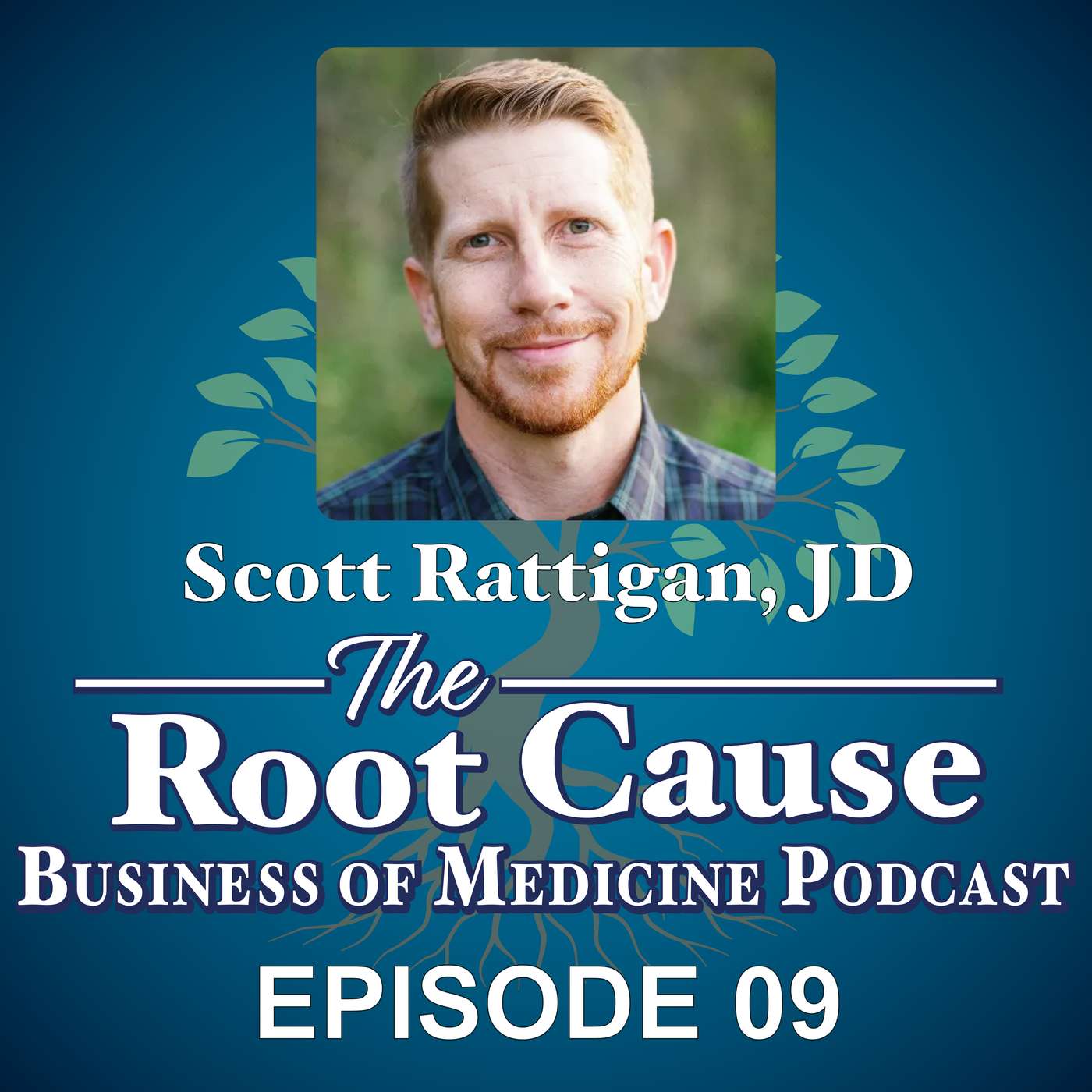
In this episode, brothers Dr. Erik and Dr. Davin Lundquist interview attorney Scott Radigan (“The Functional Lawyer”) about the legal landmines and best practices for running integrative/functional medicine and concierge-style clinics. Scott emphasizes that re-labeling clinical care as “coaching” does not avoid medical practice laws—especially for telemedicine across state lines—and can also jeopardize malpractice coverage if something goes wrong. The conversation also clarifies “scope of practice” versus “standard of care,” arguing that additional training and documentation (clear consents, clear patient agreements, and expectation-setting) materially reduces risk and disputes. Finally, they cover Medicare realities (including that opt-out is effectively all-in or all-out), plus practical guidance like remaining “ordering/certifying” so patients can still have Medicare cover tests and prescriptions through third parties.Scott's BookThe Practice of Telemedicine: A Complete Legal Guide for Licensed Healthcare Professionals
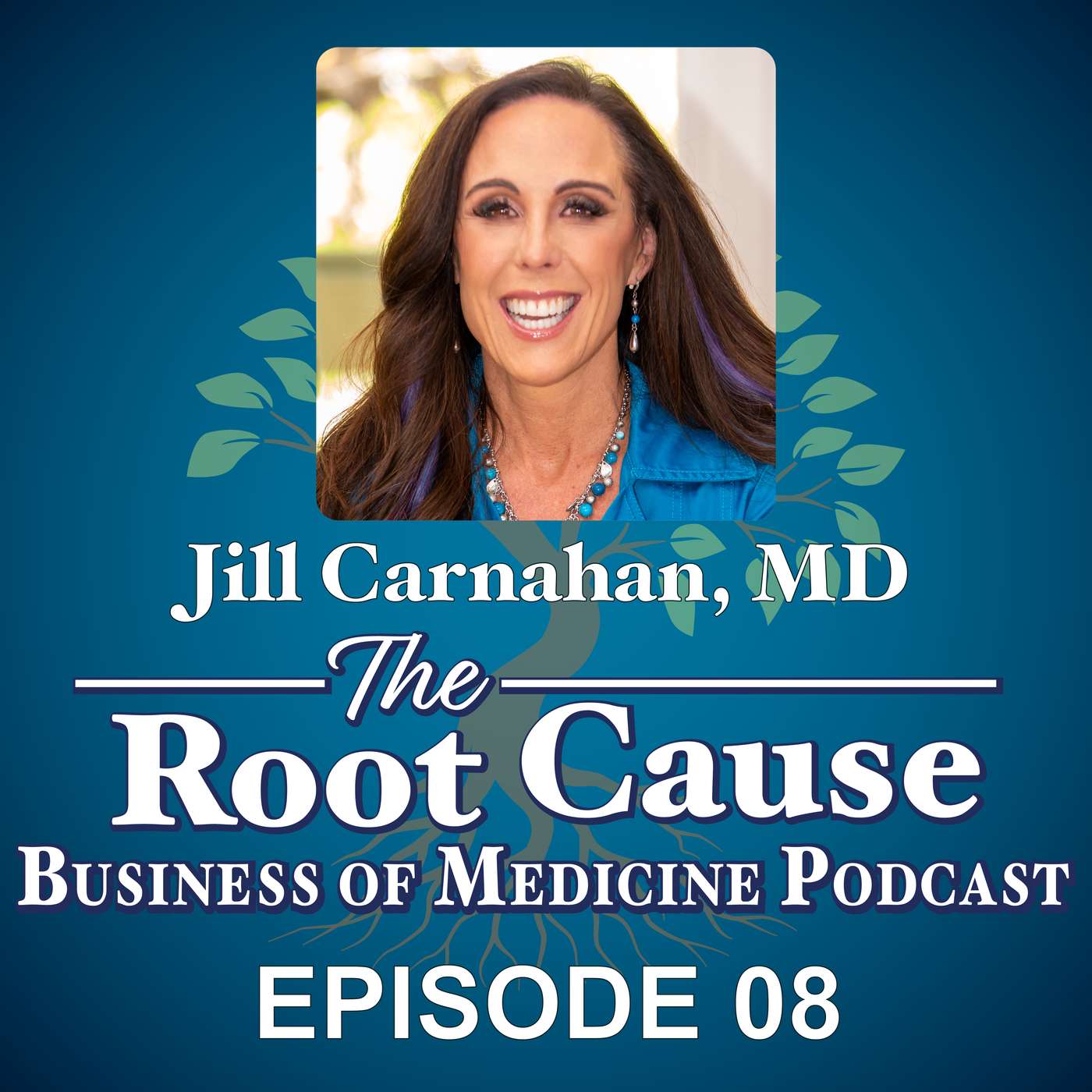
In this episode of the Root Cause Business of Medicine podcast, Dr. Erik Lundquist, with his brother Dr. Davin Lundquist interview Dr. Jill Carnahan, who shares her deeply personal and professional journey into functional medicine and the business lessons learned along the way. Jill reflects on how early health struggles shaped her mission as a healer and how vision, intuition, and alignment—not traditional business rules—guided her entrepreneurial decisions.She describes launching an ambitious hospital-backed integrative clinic early in her career, the overwhelming overhead it created, and the misalignment she felt working inside a system driven by metrics opposed to her healing philosophy. This led her to restart her career in Boulder with low overhead and a deep sense of autonomy, eventually partnering with functional medicine leader Dr. Bob Rountree.Jill explains how authenticity, storytelling, and spiritual alignment helped her grow her brand, become a national speaker, write her book, and create a documentary. She encourages clinicians to trust intuition, embrace imperfection, and take courageous first steps—even before feeling “ready.” With AI poised to shift medical practice, she believes the future of functional medicine lies in deep human connection, community building, and purpose-driven care—things no technology can replace.
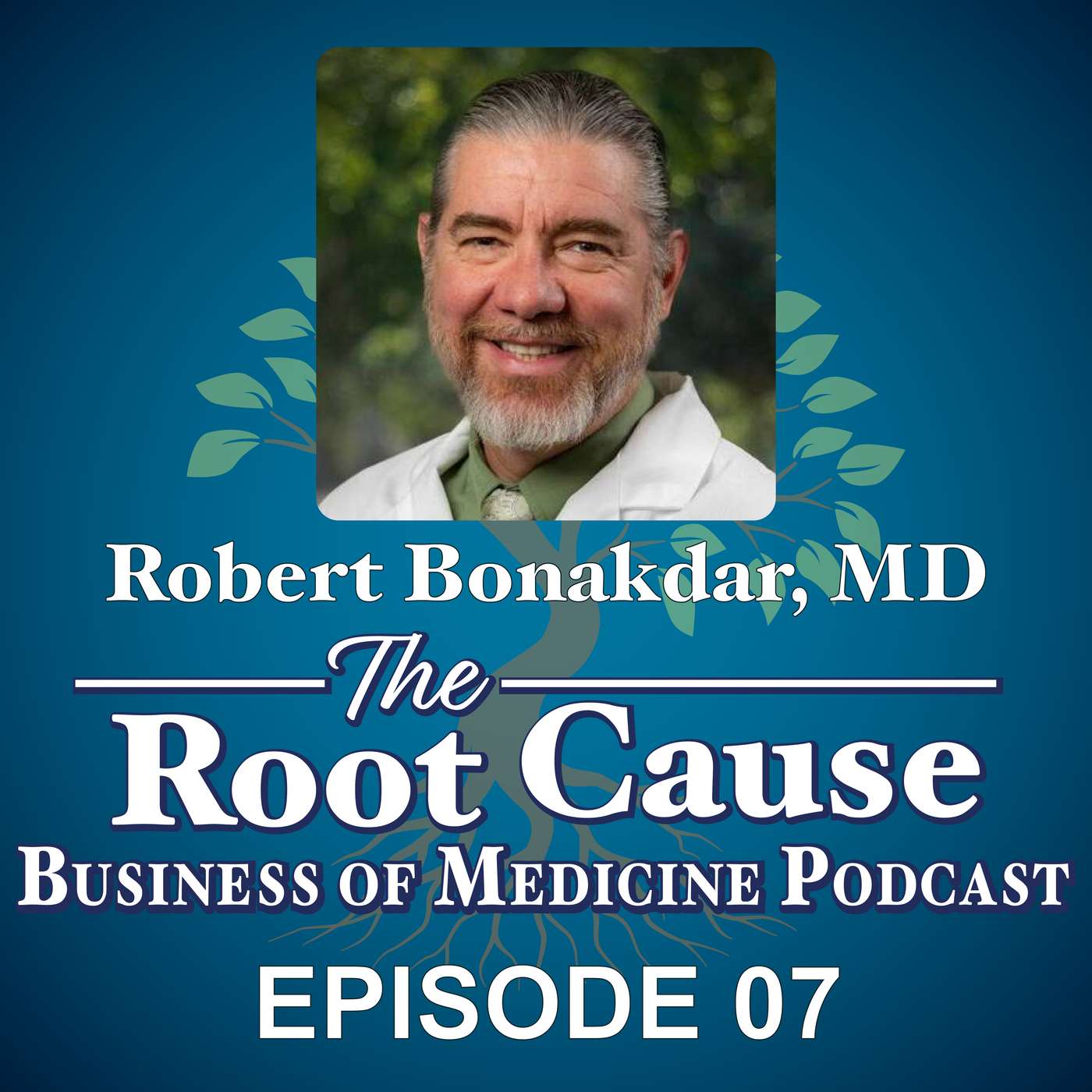
In this episode of the Root Cause Business of Medicine Podcast, Dr. Erik Lundquist with his brother Dr. Davin Lundquist interview longtime friend and integrative medicine leader Dr. Robert Bonakdar, Director of Pain Medicine at Scripps Center for Integrative Medicine. Robert shares his journey from early inspiration in Iran to a formative fellowship in Asia, where exposure to Eastern healing practices—such as acupuncture, Tai Chi, and meditation—deeply shaped his medical philosophy.He describes the challenges of maintaining integrative ideals during traditional medical training, and the importance of mentors who helped him blend functional, conventional, and Eastern approaches. Robert discusses building an integrative pain program within a major health system, navigating reimbursement obstacles, and using team-based care to stay financially viable in insurance-based medicine.The conversation also explores burnout, the power of teaching, the value of lifestyle medicine, and how personal practices like Tai Chi and writing sustain his well-being. They touch on the future of integrative medicine and how AI could complement clinicians by handling complexity and freeing physicians to focus on human connection.NSCC brings together a world-class faculty to translate emerging science spanning botanicals, chronic disease, neurodivergence, environmental toxins, and AI-enhanced nutrition into actionable clinical practice. Through immersive sessions and hands-on learning, you’ll sharpen your skills in assessing supplement quality, dosing, safety, and efficacy. Elevate your integrative care approach and earn AMA PRA Category 1 Credits™ while doing it.Register at the link belowNutrition & Supplementation in Clinical Care Conference 2026
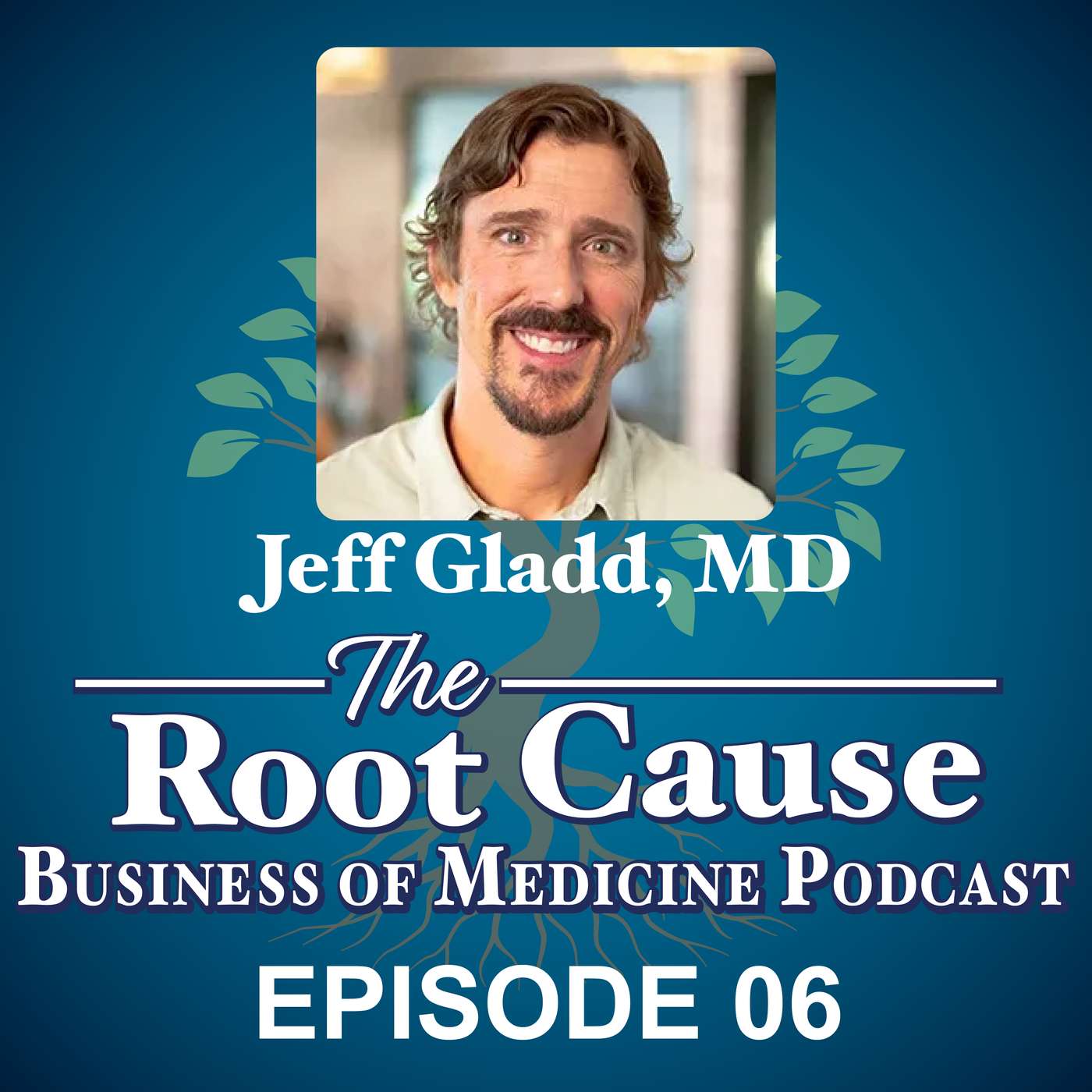
In this episode, Dr. Jeff Gladd shares his journey from burnout in traditional family medicine to becoming a leader in integrative and functional medicine. After transforming his own health through nutrition and lifestyle changes, Jeff shifted into whole-person care and eventually built GladdMD, a thriving cash-based consultative practice that emphasizes longer visits, transparency, affordable labs, and strong patient relationships.His entrepreneurial path—from early digital health ventures to developing clinical tools—led him to his current role as Chief Medical Officer at Fullscript, where he now helps scale integrative care for clinicians nationwide while still maintaining a small patient panel. Jeffery discusses the challenges of leaving insurance-based practice, the ethics of selling supplements, the importance of honest communication, and how clinicians can take actionable steps toward independence.He also predicts continued rapid growth in integrative medicine as patients become more informed, influencers expand direct-to-consumer health content, and AI tools reshape expectations—all increasing the need for skilled practitioners who can offer deeper expertise and relationship-centered care.
In this episode of The Root Cause: Business of Medicine, Dr. Erik Lundquist and Dr. Davin Lundquist talk with Dr. Aaron Wenzel, founder and CEO of Brentwood MD in Nashville. Dr. Wenzel shares his journey from family and emergency medicine to building a thriving concierge practice focused on restoring the sacred doctor-patient relationship. He discusses the risks, lessons, and rewards of creating a membership-based model free from insurance constraints—and why clarity, excellence, and focus are key to practicing medicine with purpose.
In this episode of The Root Cause Business of Medicine, Drs. Erik and Davin Lundquist interview Dr. Linda Matteoli, who shares her inspiring journey from conventional family medicine to founding a thriving cash-based membership practice and the Origins Incubator, a mentorship program for clinicians. Linda discusses how burnout led her to embrace functional medicine, build patient-centered systems based on trust and empathy, and grow through community outreach and feedback. She now helps other practitioners design practices that align with their values—restoring balance, purpose, and authentic healing to both doctors and patients.
This episode of The Root Cause - Business of Medicine features pediatrician Dr. Chris Magryta, who shares how he integrated functional medicine into a traditional pediatrics practice serving many Medicaid patients. He shifted focus after observing rising chronic illnesses in children and applied “five pillars of health” principles (stress, nutrition, movement, sleep/sun, toxins) in affordable, practical ways. Despite longer, less profitable visits, his egalitarian group model and Medicaid-funded care management make the approach sustainable. The episode highlights how culture, leadership, and a child-centered ethos enable better outcomes in underserved populations.
In this episode, Davin recounts his transition from a successful yet unfulfilling career in conventional medicine and healthcare technology to practicing functional and direct primary care. He explains how personal challenges, systemic pressures, and the pandemic prompted him to rethink his approach to medicine, ultimately leading him to create a low-overhead, cash-based practice centered on holistic, patient-focused care. Erik and Davin also discuss the legal considerations of moving from insurance-based to cash practices and explore how AI can help clinicians practice more meaningfully. Davin closes by sharing his “why” in medicine: empowering people to feel their best so they can pursue their dreams.
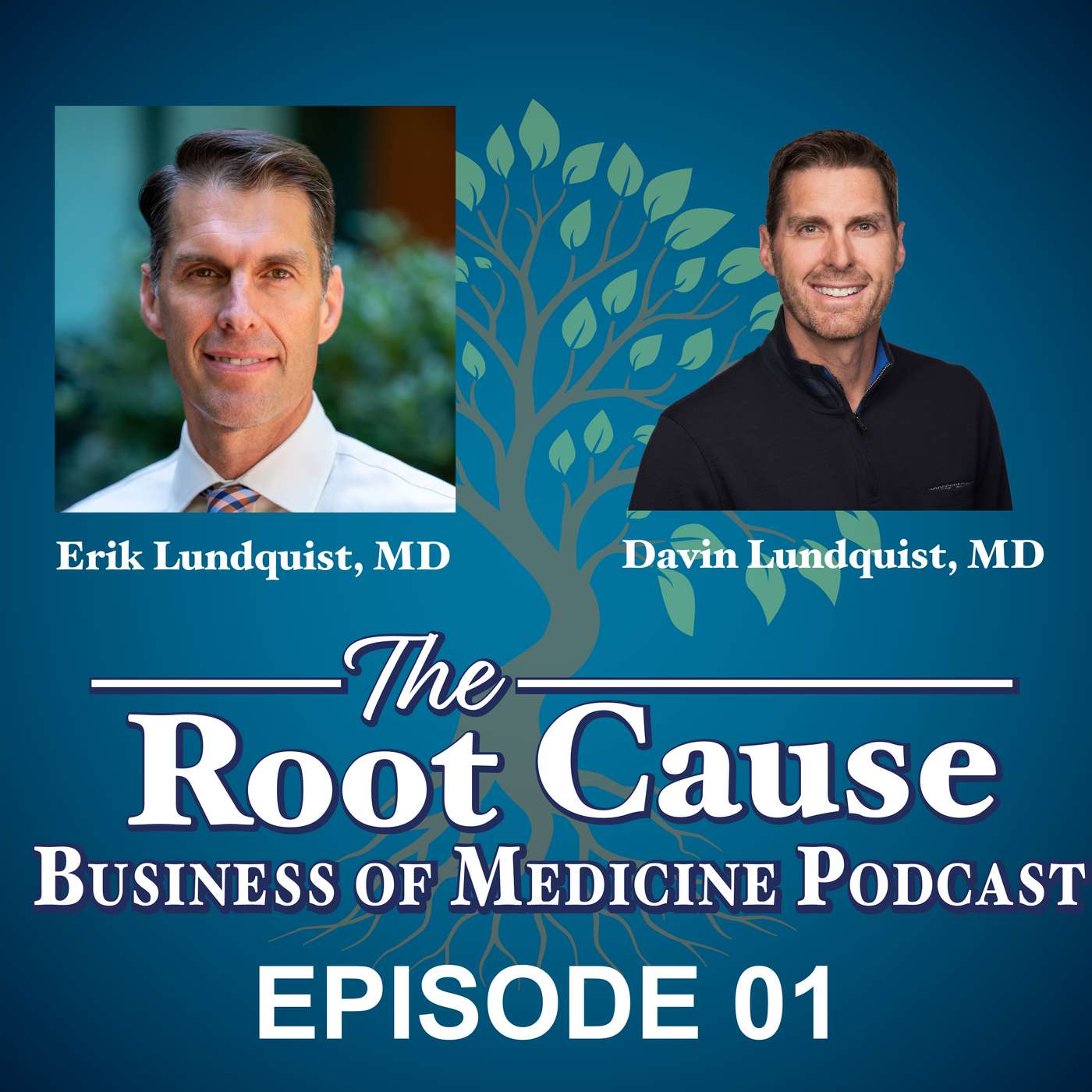
Erik shares his long journey from traditional family medicine to founding the Temecula Center for Integrative Medicine, shaped by dissatisfaction with conventional approaches, inspiration from mentors, and pivotal patient experiences. Davin, newer to functional medicine, reflects on his own career in traditional systems, physician burnout from technology and regulations, and his desire to practice more holistically. Together, they discuss the differences between functional and integrative medicine, the importance of aligning practice with authentic values, the role of collaboration and vision, and the challenges of building a sustainable clinic. Their goal is to inspire clinicians, students, and patients by sharing real stories of practitioners who found fulfillment and effectiveness outside the conventional system.
Comments


Download from Google Play

Download from App Store
 United States