


 Claim Ownership
Scrub Life Studies
Subscribed: 3Played: 3
Subscribe

© Kelsey
Description
This is a podcast I have made to help myself and my fellow classmates on our journeys to becoming RN's. The days are long but the weeks are short. I would love for these short podcasts to help others as well! Please share with anyone you know who is also trying to achieve this exhausting but rewarding dream of ours. You can do this. Keep pushing and don't quit. You are capable, you are smart, and you WILL become a nurse.
89 Episodes
Reverse
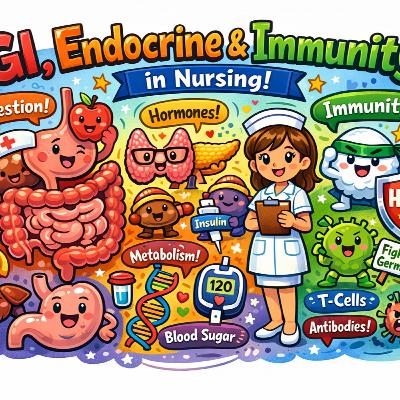
he provided text outlines the clinical management of various upper gastrointestinal disorders, with a focus on both pharmacological and practical interventions. It details the use of acid-suppressing medications, highlighting specific timing for administration and potential toxicities related to renal and hepatic health. For infant reflux, the material emphasizes specialized nursing management, such as upright positioning, frequent burping, and the avoidance of certain seating devices. The text also covers structural and pathological issues like hiatal hernias and upper GI cancers affecting the mouth, esophagus, and stomach. Finally, it illustrates different methods of nutritional support, including various feeding tubes and intravenous alimentation used when normal digestion is compromised.
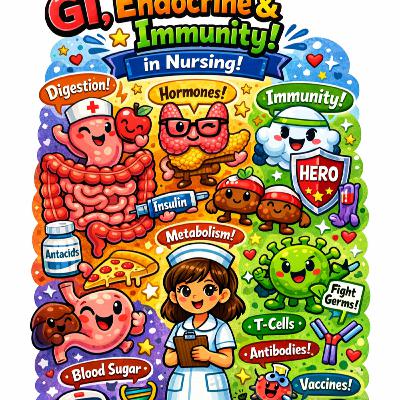
This educational material outlines the fundamental components of a gastrointestinal system assessment, focusing on both physical and lifestyle factors. It emphasizes the large intestine’s role in waste removal while noting that specialized lectures will later cover the liver and pancreas. A significant challenge highlighted is distinguishing between natural aging and detrimental lifestyle choices, such as poor diet or substance use, which contribute to issues like reflux and malnutrition. To ensure a thorough evaluation, healthcare providers are encouraged to perform subjective interviews regarding a patient’s medical history, daily habits, and stress levels. Finally, the source introduces objective physical examinations, involving the inspection and palpation of the oral and abdominal cavities. This comprehensive approach helps clinicians identify potential GI dysfunctions by mapping symptoms to specific anatomical regions.
This educational presentation outlines the clinical management of malnutrition, which encompasses both undernutrition and obesity. The slides detail the physical signs of nutrient deficiencies, such as muscle wasting and skin changes, alongside diagnostic methods like laboratory studies and anthropometric measurements. Treatment strategies for severely depleted patients are discussed, ranging from enteral feedings to parenteral nutrition. The source also examines obesity as a complex disease influenced by genetics and environment, requiring holistic interventions like lifestyle changes or medications. Finally, it addresses surgical weight-loss options and essential nursing considerations, such as managing potential complications like dumping syndrome.

This educational material focuses on the clinical management of pancreatic and biliary disorders, with a primary emphasis on acute and chronic pancreatitis. The sources outline how precipitating factors like alcohol abuse and gallstones trigger autodigestion, leading to severe inflammation, potential tissue necrosis, and life-threatening systemic complications. Readers are guided through diagnostic markers, such as elevated amylase and lipase levels, and physical indicators like Cullen’s sign or pseudocysts. Treatment strategies prioritize pain control, resting the organ through NPO status, and maintaining fluid balance to prevent shock. Finally, the text addresses long-term care, including the necessity of pancreatic enzyme replacement and strict alcohol abstinence for chronic patients.

This educational presentation provides a comprehensive study of the biliary system, focusing specifically on the anatomy and physiological roles of the liver, pancreas, and gallbladder. It details how the liver performs essential tasks such as bile synthesis, nutrient storage, and the filtration of toxins and old blood cells. The text also explains the endocrine and exocrine functions of the pancreas, highlighting its importance in insulin secretion and digestion. Furthermore, the material outlines various diagnostic procedures, including HIDA scans and ERCP, used to identify conditions like gallstones or biliary obstructions. Finally, it reviews critical laboratory values and hepatic function tests that clinicians use to evaluate the health of these vital organs.
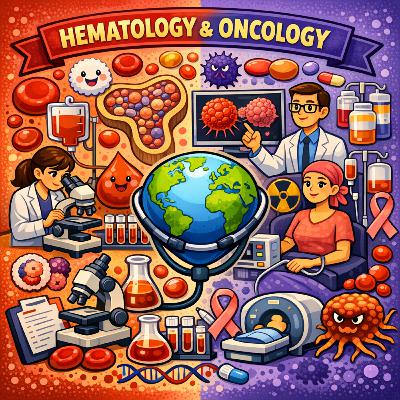
Understanding Cancer and Caring for the Client with CancerThis educational presentation outlines the comprehensive management of cancer through diverse medical interventions. It highlights multi-faceted treatment strategies, including surgery, biological therapies, and the historical evolution of chemotherapy alongside its various administration methods. A significant portion of the material focuses on radiation therapy, distinguishing between external beam and internal brachytherapy while detailing necessary safety precautions for healthcare workers. The slides also address the physiological impact of these treatments, specifically how they target rapidly dividing cells and cause side effects like fatigue and bone marrow suppression. Ultimately, the source serves as a guide for understanding clinical protocols and maintaining safety standards when caring for oncology patients.
Getting to Know Oncologic EmergenciesThis educational article provides a comprehensive guide for healthcare professionals on identifying and managing oncologic emergencies. The text categorizes these crises into metabolic, structural, and hematologic issues, specifically covering conditions like tumor lysis syndrome, hypercalcemia, and superior vena cava syndrome. Each section utilizes detailed case studies to illustrate patient symptoms, underlying pathologies, and essential nursing interventions. Readers are taught how to recognize life-threatening signs, such as spinal cord compression or pericardial effusion, to prevent permanent injury or death. Additionally, the source includes diagnostic criteria, treatment protocols, and a final assessment for continuing education credits. Ultimately, the material serves as a practical resource for improving patient survival and quality of life through prompt clinical action.
Understanding Cancer: Pathophysiology, Detection, and Clinical Care
Clinical Perspectives on Hematology and Iron Deficiency Anemia
Hematology: Blood Cells and Blood Loss Anemia
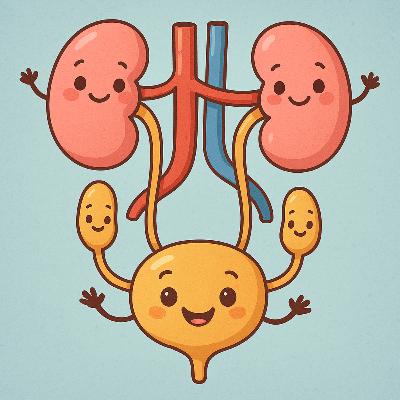
Nursing Care of the Client With Genitourinary Disorders
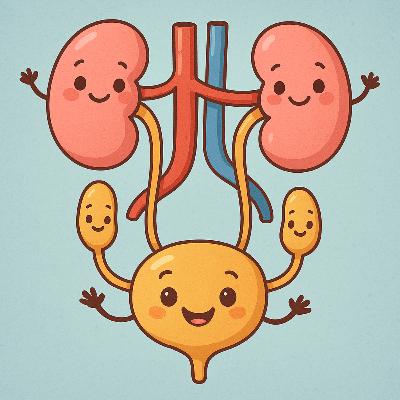
Nursing Care for Genitourinary Infections and Urinary Parameters
Nursing Care for Renal Disorders and Acute Kidney Injury
Functions of the Kidneys

Nursing Care for Survivors of Sexual Assault
Clinical Management of Delirium and Alzheimer’s Disease
Neurodevelopmental and Behavioral Mental Health Disorders
Trauma Stress and Dissociative Disorders Mental Health Guide
Psychological Expression Through Physical Somatic Manifestations
Understanding and Managing Stress, Anger, and Aggression

Comments

Download from Google Play

Download from App Store
 United States