


 Claim Ownership
Sustainability Stories with Scott Poynton | Inspiring Change for Our Planet
Subscribed: 0Played: 21
Subscribe

© 2019 Scott Poynton
Description
Welcome to Sustainability Stories with Scott Poynton | Inspiring Change for Our Planet. Each episode brings authentic storytelling from business leaders, climate champions, and humanitarian innovators working at the frontlines of change. Join Scott, a pioneer in sustainability and responsible business, as he explores the intersection of business, climate action, and social impact. Through powerful stories of resilience and innovation, discover how values-driven leadership and collaboration can create a more sustainable and compassionate future for people and planet.
85 Episodes
Reverse
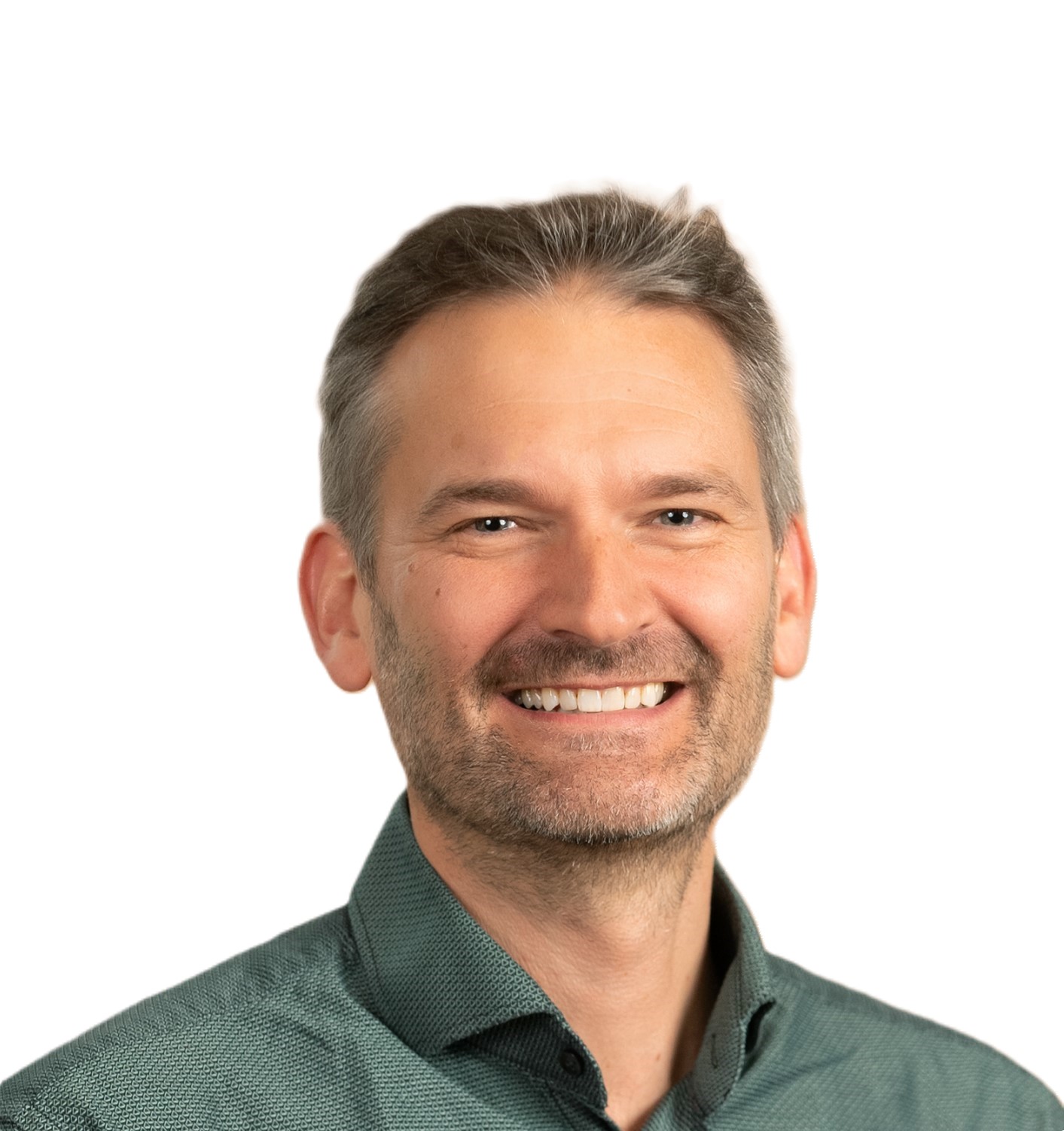
Ecological literacy, ecosystem restoration, and why humans belong in nature Scott Poynton speaks with Tim Christopherson, author of Generation Restoration, about why ecological literacy is now a survival skill and why humans must rediscover that we are part of nature, not separate from it. From shifting baselines and EU policy to regenerative farming, restoration case studies, and the spiritual practice of reciprocity, this is a hopeful, grounded conversation about the choices that shape our future. Topics include: ecosystem restoration, ecological literacy, sustainability leadership, regenerative agriculture, climate and nature policy, stewardship, spirituality and nature. Episode Summary (Long) In this episode, Scott Poynton is joined by Tim Christopherson - UN and Salesforce sustainability leader and author of Generation Restoration - for a wide-ranging conversation on what it will take to repair our "relationship crisis" with nature. Tim shares the personal roots of his restoration journey (including a childhood pond restoration) and traces a career spanning the IUCN, the Convention on Biological Diversity, UNEP, and now the private sector—helping build nature strategies inside a major technology company. Together, Scott and Tim explore the core thesis of the book: that ecological literacy is now essential for a functioning civilisation. They unpack the "shifting baseline syndrome" that blinds us to what's been lost, challenge the deeply embedded Western assumption that humans are separate from nature, and argue for a more grounded view: humans as responsible ecosystem engineers capable of stewardship and reciprocity. The conversation moves from philosophy to practice - regenerative agriculture, farmer-managed natural regeneration, the emerging scale of restoration efforts (including examples from the Amazon and the Andes), and the crucial role of policy in setting enabling conditions, such as the EU Nature Restoration Law. Finally, they touch on the inner dimension: quiet attention, spirituality (distinct from religion), and the everyday choices that shape whether we continue an extractive path or step into "generation restoration." Core Themes Generation Restoration: a hopeful, action-oriented frame for ecosystem restoration as a cross-generational task. Ecological literacy: why it matters for a functioning civilisation; shifting baselines and remembering abundance. Humans as part of nature: challenging the Western/Enlightenment separation; stewardship and reciprocity. Restoration in practice: nature's rapid response; agriculture as the key sector; FMNR and scalable examples. Policy & markets: EU Nature Restoration Law; enabling conditions; incentives and externalities. Hope without denial: focusing attention on what works; "pages 5–7" good news mindset. Spiritual dimension: quiet, listening to nature, reciprocity; spirituality distinct from organised religion. Key Quotable Lines "We are ecosystem engineers - far more powerful than beavers or elephants - and we're barely aware of the responsibility." "Shifting baseline syndrome means we forget how rich nature once was… and we stop imagining what we could restore." "Read pages five to seven of your newspaper - good news is rarely on the front page." "Nature isn't saved by removing people. The best protected landscapes are often Indigenous-managed territories." "This is less about nature's survival and more about the quality of life our civilisation can afford." "Restoration is reciprocity: moving from an abusive relationship with nature to a caring one."
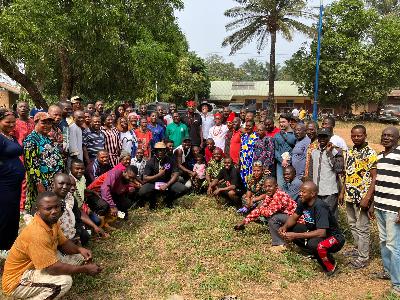
In this episode, Scott reflects on the European Union Deforestation Regulation (EUDR) through the lens of three decades of work on forest protection and responsible sourcing. Drawing on his direct involvement in pioneering the world's first corporate No Deforestation, Explotiation and Peatland Clearance (NDPE) commitments with companies such as Nestlé, Golden Agri-Resources, Asia Pulp & Paper and Wilmar, Scott situates the EUDR as both a continuation of — and a departure from — earlier, more collaborative approaches to stopping deforestation. While welcoming the ambition of the EUDR, Scott raises serious concerns about its implementation. Based on recent fieldwork in cocoa-growing communities in Cross River State, Nigeria, he describes a troubling disconnect: smallholder farmers have little or no awareness of the regulation, are continuing to clear forest to expand production, and risk losing access to European markets without receiving the support needed to improve yields on existing land. Scott argues that, as a blunt legal instrument, the EUDR risks producing perverse outcomes — including displacement of deforestation to non-EU markets, worsening farmer livelihoods, and potentially accelerating forest loss. He questions whether the regulation sufficiently accounts for land-use realities, customary tenure systems, and the ethical implications of restricting land-use decisions in developing countries. The episode concludes with a call to learn from the NDPE experience of the early 2010s: bringing companies, NGOs, governments and farmers into structured dialogue, replacing accusation with cooperation, and recognising that forest conservation is ultimately about people as much as trees. Keywords deforestation, EUDR, environmental regulation, sustainable sourcing, smallholder farmers, corporate responsibility, traceability, forest conservation, agricultural practices, NGO involvement Takeaways The EUDR aims to prevent deforestation linked to various commodities. There is significant pushback against the EUDR from industries. Smallholder farmers are often unaware of regulations affecting their livelihoods. Traceability systems are crucial for compliance with the EUDR. Past commitments have shown the importance of engaging all stakeholders. The EUDR's implementation has been delayed multiple times. Companies are concerned about the lack of guidance on EUDR enforcement. The regulation could inadvertently lead to increased deforestation in some areas. Collaboration between NGOs and companies is essential for effective solutions. The EUDR must consider the rights and needs of local farmers. Sound Bites "Did anyone ever talk to those farmers?" "It's about people, not just trees." "The EUDR has very rocky ground ahead." Chapters 00:00 Introduction to Deforestation Regulation 04:57 The European Deforestation Regulation (EUDR) Overview 09:33 Challenges in Implementing EUDR 14:05 Impact on Smallholder Farmers 19:04 Lessons from Past Commitments 24:46 The Need for Collaboration and Compromise
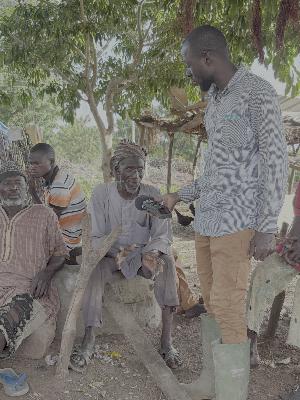
Summary In this episode of Sustainability Stories, Scott Poynton shares his experiences in Nakpatua, Ghana, where he introduces biochar to local farmers. The conversation explores the farmers' initial understanding of biochar, their observations during trials, and the potential benefits of using biochar in agriculture. The episode highlights the community's engagement and the promising future of biochar in enhancing soil health and resilience against climate change. Takeaways The farmers in Nakpatua had little knowledge of biochar before its introduction. Biochar is made from agricultural waste and helps retain water in soil. Farmers are eager to learn and observe the effects of biochar on their crops. Mixing biochar with manure is a favored method among farmers. Farmers are not nervous about using biochar due to positive past experiences with charcoal. Biochar can increase crop yields by 20-30%. The longevity of biochar in soil is a significant advantage over chemical fertilizers. Farmers are encouraged to experiment with biochar in their gardens and fields. The community's trust in Scott Poynton's initiatives is strong due to past successes. The future of biochar in Nakpatua looks promising as farmers continue to learn and adapt. Sound Bites "You do get benefits just with biochar." "They have no doubt at all." "I think it's going to be great."
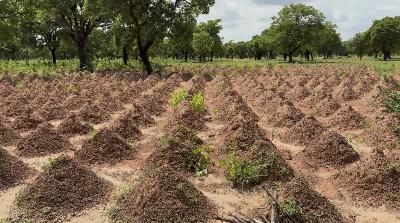
When Full Stomachs Still Mean Starvation Come to the field with me to explore food insecurity in northern Ghana's dry season: yams, cassava, and the struggle for nutrition, resilience, and how biochar and protein crops like Bambara create hope for farming families.
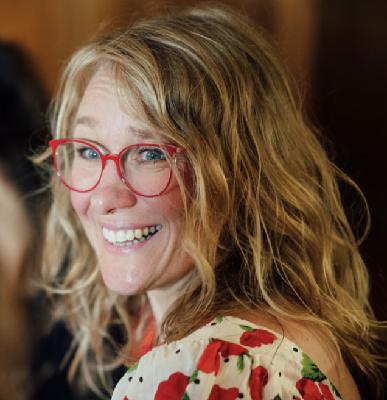
From M&S Plan A to Nature Metrics and beyond, Katie shares lessons on building businesses that value nature, drive systemic change, and create hope for a living planet. In this wide-ranging conversation, sustainability leader Katie Critchlow joins Scott Poynton to share her journey from pioneering Plan A at Marks & Spencer to leading Nature Metrics and now co-founding Re-genus, a fungi-based regenerative agriculture startup. Katie reflects on the successes and frustrations of corporate sustainability, the limits of data and impact investing, and why reconnecting people with nature is more powerful than reports or metrics. She also speaks candidly about values, trust, feminine energy in leadership, and the urgent need for systemic change in capitalism to secure a thriving planet. Inspiring and hopeful, Katie's story blends hard-won lessons with a clear call to action for anyone who cares about sustainability, biodiversity, and the future of humanity. Episode Highlights & Themes Katie's journey: from M&S Plan A sustainability pioneer, to WWF Indonesia, Nature Metrics CEO, and now co-founder of Regenerate (fungi-based regenerative agriculture). Corporate sustainability: moving from "doing less harm" to systemic change; frustrations with compliance, reporting, and greenwashing. Valuing nature: the limits of economics vs. the infinite value of biodiversity; the importance of reconnecting people emotionally and spiritually to nature. Impact investment: tensions between financial return expectations and genuine regenerative impact. Hope vs. collapse: social cohesion, trust, and the "one scenario" where humanity can thrive. Feminine energy & diversity in leadership and boardrooms. Regenerative agriculture: fungi compost innovation to reduce synthetic fertilizer use, cut emissions, and restore soils. Values: being human-first, truth-telling, compassion, trust, and connection.
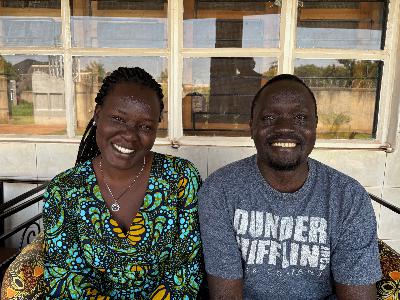
Meet Denis and Harriet, humanitarian leaders from Uganda's community empowerment initiative, Anyim Wa.
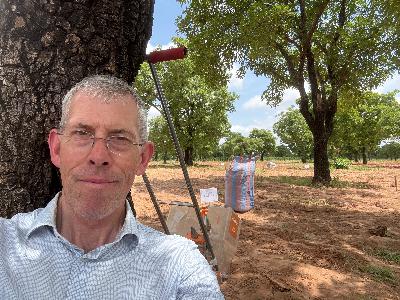
Explore the transformative potential of biochar for smallholder farmers in Ghana as I share my firsthand experiences.'
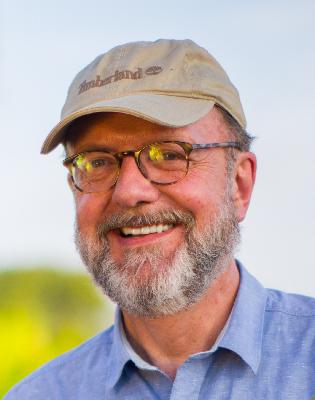
Hugh Locke shares stories of his journey as a spiritual warrior and advocate for sustainability, focusing on empowering farmers worldwide.
Learn how One Tree Planted is revolutionizing sustainability by restoring forest landscapes worldwide.
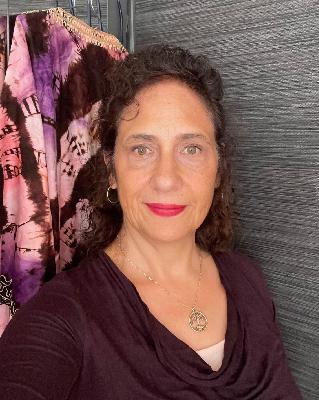
Nadene Canning is a facilitator, learning designer, coach, mentor and a very fine human being. She cares about others and has deep experience supporting people to travel their journeys. I had the privilege of meeting Nadene online in January 2024 and in person a month or so later. We got along like a house on fire. We're both fascinated by this notion of regeneration; yes, of soils and Nature, but in our case, most particularly the regeneration of the human spirit. We have committed to exploring the topic in a series of short (around 10 min) podcasts. This is our first episode and we look forward to diving deeper into this exploration with you. If you have comments or questions, do post them and we'll aim to explore as many as we can in future episodes.
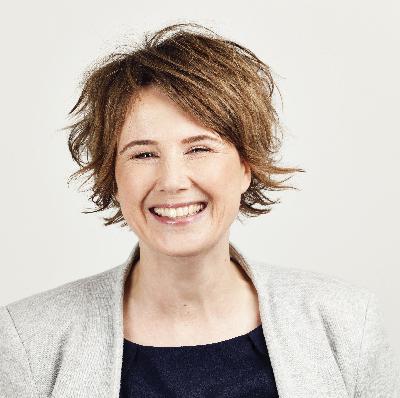
Gretha Oost is inspiring. An inventor, an entrepreneur, a community member and a true believer that together, we can make the world a better place. Gretha has built a beautiful initiative called "1million mini missions" to help people to come together to do what they each can do. All on their own, these mini missions are beautiful, but together, they represent a catalyst to inspire social change from the ground up, by focusing on what's possible, that which binds us together, not what divides us. https://www.1mmm.org/

Mark Bjornsgaard is the Founder and CEO of Deep Green which decarbonises commercial and domestic heating. He invests in projects that help make the world a better place. Mark shares some of the lessons he's learned along the way to help new impact entrepreneurs make their impact.
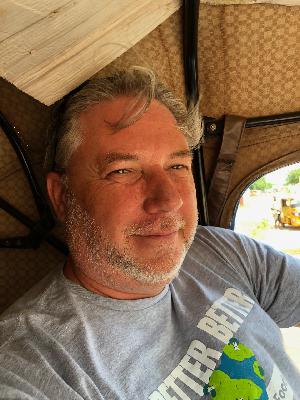
Andrew Reeves is Commercial Director of WhatIF Foods. WhatIF Foods is a 'planet-based' food company and a Pond Foundation member. Andrew discusses the development of WhatIF Foods as a company, centred around solving the world's 'Nutritional Paradox', where global food systems are far too reliant on very few crops, and food inequality is extremely widespread.
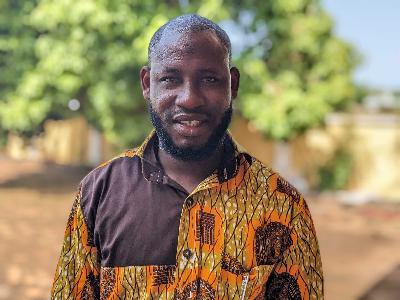
Abdulai Abdul-Razak (Razak) is the Kasima Ghana Operations Manager for the regenerative Bambara bean agricultural project in the Northern Region of Ghana. Razak shares the story of his humble upbringing and his journey to his current position, and shares how a regenerative agricultural project can unfold for the project and the people involved.

Elizabeth Bashiru (Lizzy) leads Pond Foundation's Hilary's Kids initiative in northern Ghana which supports communities and particularly children with learning materials, safe drinking water, community health equipment and opportunities for women entrepreneurship. Lizzy discusses her family, background, and experience which led to her journey to this position.

In this episode, I discuss the process of bringing change in some of the world's largest industries, and within the hearts of the people involved. I share something of my career and experience finding a path to change, and my understanding of what it means to change. Change happens deep within the human heart, not in the mind. Logical arguments and criticism often have little impact on industry leaders, but impactful change often came from being guided to approach things with their heart and their values.

I share more about the work I've been doing in Ghana to set up a Bambara bean regenerative agricultural supply chain with Pond Foundation members WhatIF Foods and Kasima Ghana. I discuss the project's progress going into the second growing season, the problems we came across, and the achievements of the pilot season. Listen to the earlier episode, "Reflections on Ghana", for an introduction to the project.

In this solo podcast, I discuss climate change and climate action. In the midst of some of the worst European heatwaves on record, I hope to help answer the question: What can I do to address climate change?
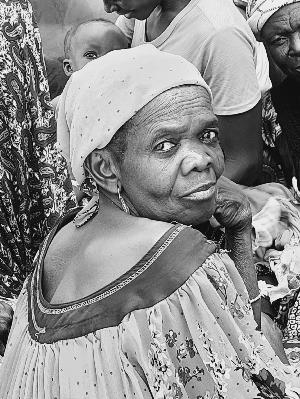
In this solo podcast, I share my experiences over the first months of 2022 working in Tamale, northern Ghana. Since Feb 2022, I have been working with a Singaporean-based food company called WhatIF Foods to build a regenerative supply chain for the Bambara groundnut. Here I reflect on what I saw of the lives of the farmers and the way we need to work to improve things, to do things a different way.
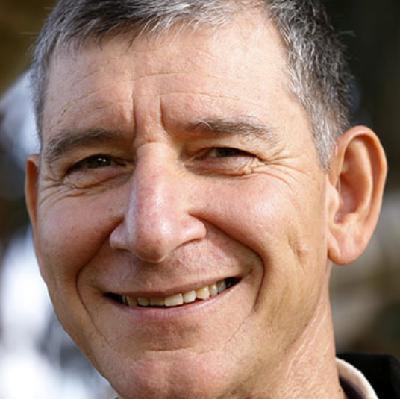
Being human brings change and hope. A chat with Tony Rinaudo, The Forest Maker. In this episode, Tony Rinaudo and Scott discuss hope, humanity, and forest regeneration as they describe their experiences in conservation.

Comments

Download from Google Play

Download from App Store
 United States