DiscoverThe Sensitivity Doctor
The Sensitivity Doctor
Claim Ownership

The Sensitivity Doctor

Author: Dr. Amelia Kelley

Subscribed: 16Played: 361
Share

Description

Ever been told you’re too sensitive, too emotional, or just too much? Good. You’re exactly who this podcast is for.

Hosted by Dr. Amelia Kelley—TEDx speaker, author, and trauma-informed therapist—The Sensitivity Doctor explores what it really means to live, love, and lead with sensitivity in a world that often misunderstands it.

Each week, Dr. Kelley dives into the science and soul of being highly sensitive, from trauma healing and ADHD to boundaries, relationships, and nervous system balance. Through honest conversations and practical insights, you’ll learn how to transform what once felt like “too much” into your greatest source of strength.

This isn’t just a podcast—it’s a movement toward living authentically, embracing your emotions, and using your sensitivity as your superpower.

166 Episodes
Reverse
In this powerful and deeply validating episode, Dr. Amelia Kelley sits down with transformational leader and highly sensitive person (HSP) Debbie Lynn Grace to explore what it truly means to protect your energy in a world that often feels overwhelming. Debbie shares her journey from feeling “too sensitive” to discovering that sensitivity is actually a profound strength.Drawing from decades of experience in energy work and intuitive development, Debbie explains why highly sensitive individuals often absorb other people’s emotions and how this impacts their relationships and wellbeing. Together, they unpack what it really looks like to stay grounded, centred, and empowered even in the presence of negativity.Debbie also shares practical, actionable tools you can begin using right away, including grounding techniques, expanding your energy field, and her powerful “mine, not mine” practice. This episode is a must-listen for anyone ready to reclaim their energy, strengthen their boundaries, and step into their power.Key Takeaways:Sensitivity is a gift that offers intuition, empathy, and deep awarenessAbsorbing others’ emotions often comes from a contracted energy stateExpanding your energy field reduces emotional overwhelm and reactivityGrounding your body is essential to staying calm and presentStrong boundaries come from inner power, not control over othersSimple practices can help you release energy that is not yoursAbout the guest:Debbie Lynn Grace is a transformational leader, international speaker, and intuitive energy expert who helps highly sensitive people protect their energy and step into their power. With over 30 years of experience, she blends practical strategy with intuitive insight to support personal and professional growth.As an HSP and empath herself, Debbie has guided tens of thousands through her courses and workshops. She is also the creator of Sensitive Living Magazine, a platform dedicated to empowering highly sensitive individuals. Connect with Debbie Lynn Grace: Visit her website: debbielynngrace.comLearn more about Debbie here: Sensitive Living MagazineFollow her on Instagram: @debbielynngraceConnect with her on LinkedInConnect with Dr. Amelia Kelley: About | Dr. Kelley's Books | InstagramSupport this podcast at — https://redcircle.com/the-sensitivity-doctor/exclusive-content
In this insightful and refreshingly honest conversation, Dr. Amelia Kelley is joined by therapist, author, and host of The Dude Therapist Podcast, Eli Weinstein. Together, they explore the realities of navigating marriage during the parenting years, especially for highly sensitive and neurodivergent individuals.Eli shares powerful, practical tools from his new book From I Do to We Do, offering a roadmap for couples who feel overwhelmed, disconnected, or stuck in reactive patterns. From managing overstimulation and emotional reactivity to redefining teamwork in relationships, this episode dives deep into what it actually takes to build a supportive, resilient partnership while raising children.Through relatable stories, humor, and real-life strategies, this conversation highlights how couples can shift from blame and burnout to connection and collaboration, creating a home environment that supports both partners and their children.Key Takeaways:Strong partnerships require shifting from “me vs. you” to “us vs. the problem.”Overstimulation and reactivity can be managed with intentional communication tools.Humor can be a powerful regulator during parenting stress and chaos.Highly sensitive individuals benefit from separating empathy from over-identification.Small daily check-ins can prevent resentment and strengthen emotional connection.Creating a shared relationship bubble protects couples from external stressors. About the guest:Eli Weinstein is a licensed clinical social worker, therapist, and the host of The Dude Therapist Podcast. Known for his direct, relatable, and no-nonsense approach, Eli helps individuals and couples navigate relationships, parenting, and emotional wellbeing with practical, real-world tools. He is the author of From I Do to We Do: Navigating Marriage in the Parenting Years, where he combines his professional expertise and personal experience as a husband and father to support couples in building stronger, more connected partnerships.Connect with Eli WeinsteinListen to his Podcast – The Dude TherapistVisit his Website – https://eliweinsteinlcsw.comFollow him on Instagram – @eliweinstein_lcswConnect with Dr. Amelia Kelley: About | Dr. Kelley's Books | InstagramSupport this podcast at — https://redcircle.com/the-sensitivity-doctor/exclusive-content
In this episode, I sit down with professional organizer Maria Butler, founder of Clearly Organized, to talk about something so many of us quietly struggle with: the overwhelm of our living spaces. If you’ve ever felt like your home is closing in on you, or that no matter how hard you try, you just can’t stay organized, this conversation is for you.Maria brings a refreshing and compassionate perspective to organization, especially for those navigating ADHD, mental load, and busy family life. We explore why traditional “Pinterest-perfect” systems often fail and how creating personalized, flexible systems can make your home feel supportive instead of stressful. From the “Monica closet effect” to the reality of junk drawers, we normalize what so many people feel ashamed of and offer practical, doable shifts.We also dive into the emotional side of clutter, including perfectionism, anxiety, and the pressure to do things the “right way.” This episode is a reminder that organization isn’t about perfection, it’s about creating a space that works for your brain, your lifestyle, and your nervous system.Key takeaways:Too much stuff creates overwhelm, not safety or controlOrganization must match your habits, not fight against themVisibility matters, but can either help or overwhelmPerfectionism often blocks progress more than clutterSystems should support your real life, not an ideal versionCompassion, not shame, is what creates lasting change Connect with Maria ButlerWebsite: https://www.clearlyorganizednc.com Instagram: https://www.instagram.com/clearlyorganizedncFacebook: https://www.facebook.com/clearlyorganizednc TikTok: https://www.tiktok.com/@clearlyorganizednc Connect with Dr. Amelia Kelley: About | Dr. Kelley's Books | InstagramSupport this podcast at — https://redcircle.com/the-sensitivity-doctor/exclusive-content
In this episode, Dr. Amelia Kelley sits down with consciousness researcher, psychotherapist, and founder of the Baca Institute, Laurie Seymour, for a grounding and deeply thoughtful conversation about how we can learn to trust ourselves. From navigating decision fatigue and analysis paralysis to understanding what your body is really telling you, this episode explores the quiet wisdom that lives inside all of us.Together they explore what it means to develop true discernment, not judgment, but a heart-centered capacity to know what is true for you. Laurie introduces her concept of the Creative Dreamer archetype, the challenge of being flooded with ideas, and why highly sensitive and neurodivergent individuals may be especially prone to decision overload.Laurie also opens up about her own journey, losing her father at age six, feeling separate from source for much of her early life, and the profound energetic experience that shifted everything. Through her work, her book, and her Baca Institute meditations, she has spent decades helping people reconnect with their inner guidance system and step into their full potential.Key takeaways:Discernment is not judgment it is the body’s ability to sense what is true.Sensitivity is a superpower, not a flaw, when you learn to work with it.Ideas that flood you may not all be meant for you some are meant to pass through.Perfectionism robs others of seeing what is possible through your imperfect attempts.Disconnection from source creates a scarcity mindset and fear of others.Just five minutes of quiet each day can begin to develop your inner language.Your breath has its own intelligence conscious breathing activates that wisdom.About the guest:Laurie Seymour is a consciousness researcher, psychotherapist, author, and the founder and CEO of the Baca Institute. She is the host of Wisdom Talk Radio and creator of the Quantum Connection Process, a system for helping individuals reconnect with their inner guidance and live from a place of discernment rather than default. Her book, Unconditional Remembrance: Connection to Source, explores the energetic truth of who we are and how to return to it. Laurie offers monthly meditation subscriptions, group sessions, and personal consultations through the Baca Institute.Connect with Laurie SeymourLinkedIn: Laurie SeymourInstagram: @laurie.seymourWebsite: thebacainstitute.comPodcast: Wisdom Talk RadioSupport this podcast at — https://redcircle.com/the-sensitivity-doctor/exclusive-content
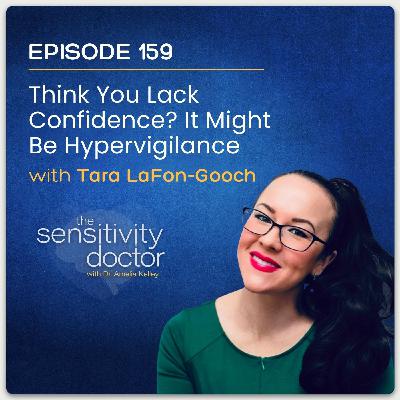
In this episode, Dr. Amelia Kelley sits down with CEO, TEDx speaker, and confidence coach Tara Lafon Gooch for a thoughtful conversation about what confidence actually is and why so many of us struggle to feel it. Instead of the usual “just believe in yourself” advice, Tara shares a deeper approach rooted in gratitude, authenticity, and the courage to show up as you truly are.Together, they explore how sensitivity, trauma, and life experiences can shape our sense of self and our willingness to take risks. Amelia brings in the therapeutic lens, discussing how nervous system patterns, perfectionism, and fear of judgment can hold people back, especially for highly sensitive or neurodivergent individuals.Throughout the episode, Tara introduces her powerful three-layer gratitude practice: gratitude for who you were, who you are, and who you are becoming. Through stories, metaphors, and practical insights, this conversation invites listeners to rethink failure, embrace growth, and begin building confidence from the inside out.Key takeaways:Confidence is authentic courage, not perfection or proficiency.Your identity should not be tied to what you produce.Gratitude rewires your brain and builds lasting confidence.Your environment either grows you or holds you back.Self-esteem and confidence are not the same thing.Writing gratitude down makes it real and tangible.Courage comes first. You don’t have to feel ready.About the guest:Tara LaFon Gooch is a CEO, TEDx speaker, author, and confidence coach specializing in helping entrepreneurs, leaders, and high achievers unlock their authentic confidence through gratitude and mindset transformation. Her TEDx talk, Gratitude, the Foundation of Confidence, explores the science and practice behind her signature three-layer gratitude method. Tara also coaches TEDx speakers and works with clients to help them step courageously into the next version of themselves.Connect with Tara LaFon GoochInstagram: @taralafongoochWebsite: taralafongooch.comBusiness Website: Best Branding SolutionsConnect with Dr. Amelia Kelley: About | Dr. Kelley's Books | InstagramSupport this podcast at — https://redcircle.com/the-sensitivity-doctor/exclusive-content
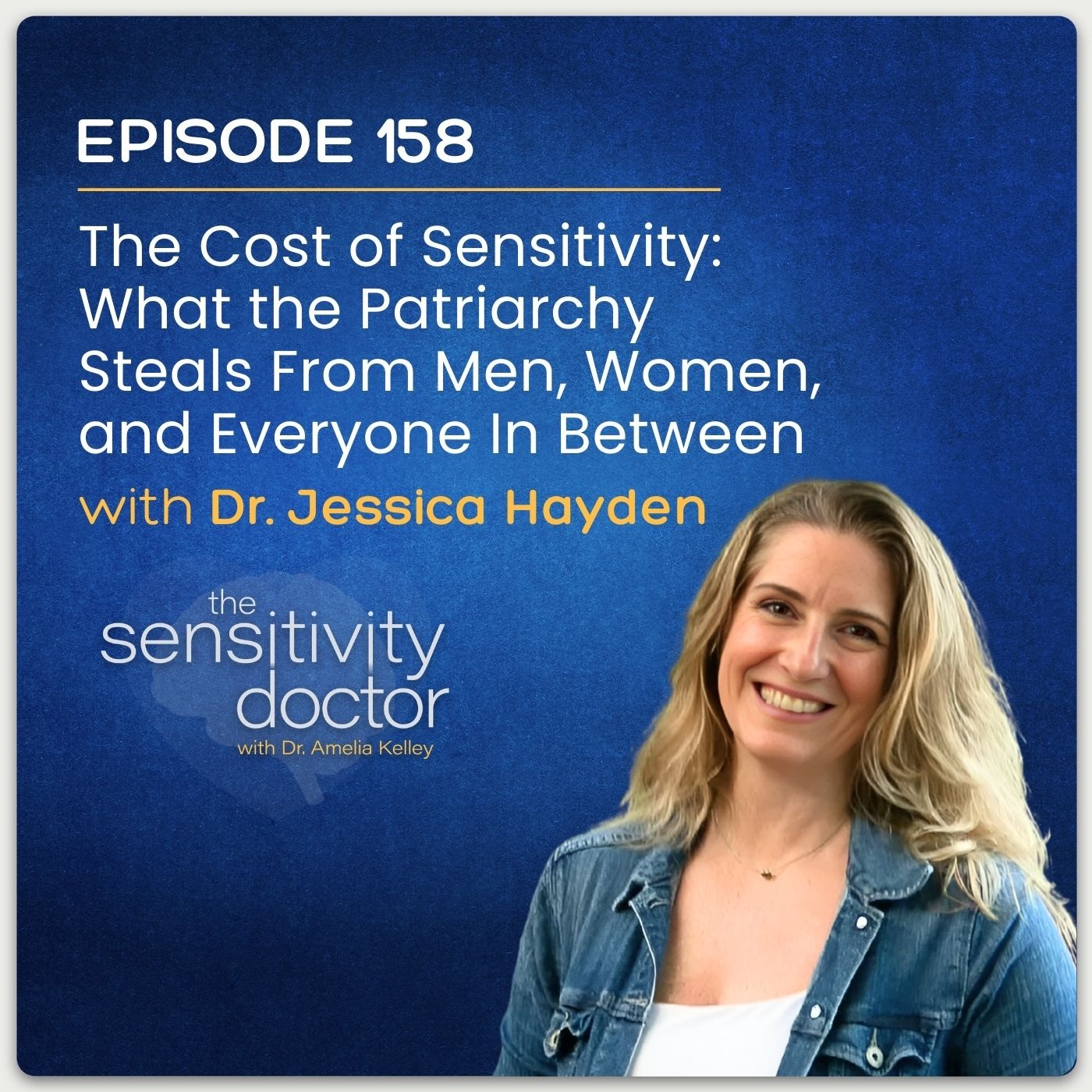
In this episode, Dr. Amelia Kelley sits down with one of her real-life circle-one friends, Dr. Jess Hayden, psychologist, school psychology veteran, fellow HSP, and rugby teammate turned kindred spirit. What unfolds feels less like a podcast and more like one of those kitchen table conversations you think about for days afterward.Together they dive deep into a topic Dr. Jess has been on a mission to unpack: the patriarchy, what it actually is, what it isn't, and why so many of us, men and women alike, have been swimming in it without even realizing. And before you scroll past thinking this isn't for you, this conversation is not about man-hating or pointing fingers. It's about understanding a system that has quietly shaped all of us, how we love, how we parent, how we feel safe, and how we show up in our relationships.They explore what shows up in the therapy room, the subtle moments that happen in our own homes, how consent was never modeled for most of us as children, and why emotionally suppressed men are actually one of the greatest casualties of this system. The conversation also ventures into scarcity mindset, community, longevity, and what it means to be a highly sensitive person navigating a world that was never really built for sensitivity, in any gender.This is an episode worth sharing, not to start a debate, but because awareness is where healing begins.Key takeaways:The patriarchy isn't about hating men, it's a system that harms everyone.Boys are punished for tenderness from a very young age.We were never taught consent, and that shaped how we understand power.Scarcity mindset is the engine that keeps control patterns running.You don't have to start a movement, just stay open.About the guest:Dr. Jessica Hayden is a licensed psychologist and the founder of Simply Centered Psychological Services in Raleigh, North Carolina. Specializing in Dialectical Behavior Therapy (DBT), Jess helps individuals and families find balance between acceptance and change. She’s also the creator and host of Simply Heard: The Space Between, a podcast where psychology meets the heart, exploring the tender, transformative spaces between love and fear, control and surrender, healing and being human.Connect with Dr. Jess HaydenInstagram: @dr.jesshaydenPodcast: Simply Heard: The Space BetweenConnect with Dr. Amelia Kelley: About | Dr. Kelley's Books | InstagramSupport this podcast at — https://redcircle.com/the-sensitivity-doctor/exclusive-content
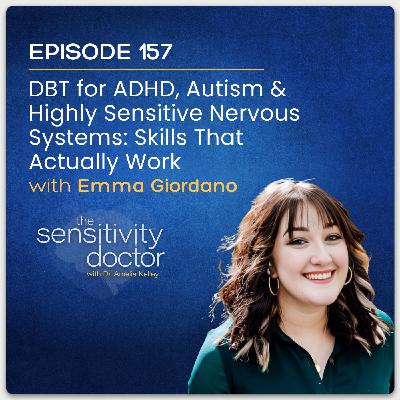
In this episode of The Sensitivity Doctor Podcast, Dr. Amelia Kelley sits down with Emma Giordano, LMHC, to explore how Dialectical Behavior Therapy, or DBT, can support neurodivergent and highly sensitive individuals struggling with emotional dysregulation, rumination, and even suicidal ideation.Originally developed to treat high risk behaviors, DBT has evolved into a powerful framework for building resilience, strengthening communication, and aligning life with personal values. Emma explains how skills like DEAR MAN, Coping Ahead, and the TIP skill can be adapted in neurodivergent friendly ways, including modifying expectations around eye contact and emphasizing somatic regulation.This conversation bridges empowerment and nervous system science. It offers practical tools for managing overwhelming emotions while reinforcing a core truth of Amelia’s work: sensitivity is not weakness. With the right skills, it becomes strength.Key Takeaways:Why emotional dysregulation can feel involuntary and what that means for shame and self compassion.What Dialectical Behavior Therapy actually teaches and how holding two truths at once reduces suffering.How the TIP skill can regulate acute distress and interrupt suicidal urges through nervous system reset.Why adapting DBT for neurodivergent individuals requires flexibility rather than forcing neurotypical standards.How aligning daily actions with personal values builds a life worth living and protects against hopelessness.About the guest:Emma Giordano, LMHC, is a person centered therapist who believes empowerment begins with uncovering the strengths that already exist within you. Her work is grounded in the belief that every individual holds the capacity for meaningful change, and her role is to help clients access and direct that inner power toward a more fulfilling life. Blending unconditional support with a strong Dialectical Behavior Therapy approach, Emma tailors each session to the unique needs of the person in front of her. She focuses on building self awareness, strengthening coping skills, and helping clients find balance between accepting what is outside their control and taking intentional action where they can. Above all, she creates a safe, nonjudgmental space where vulnerability is honored and growth feels possible.Connect with Emma Giordano, LMHCWebsite: https://eymtherapy.com/about/emma-giordano/Practice: Empower Your Mind TherapyConnect with Dr. Amelia Kelley: About | Dr. Kelley's Books | InstagramSupport this podcast at — https://redcircle.com/the-sensitivity-doctor/exclusive-content
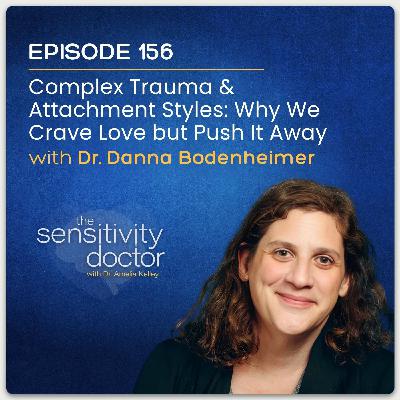
Complex trauma is often reduced to repeated exposure to trauma. But that definition misses something essential.In this powerful and nuanced conversation, I’m joined by Dr. Danna Bodenheimer, therapist and practice owner, to explore what complex PTSD really is and what the mental health field may be misunderstanding about it.We dive into how early, ongoing trauma can fuse with identity, shaping attachment patterns, self-doubt, shame, and the difficulty of knowing who you are outside of your trauma story. We talk about insecure and avoidant attachment dynamics, repetition in relationships, and why the idea of “healing” from trauma may be more aspirational than realistic.Instead of focusing on curing or fixing, we explore something far more compassionate. Creating ease.This episode is for anyone navigating complex PTSD, insecure attachment, relational trauma, or the exhausting pressure to be “healed.”Key TakeawaysComplex trauma is not just repeated events. It is trauma that infiltrates identity.Insecure attachment and shame often develop to preserve early caregiver bonds.Avoidant and anxious attachment styles often regulate each other through projection.Therapy for C-PTSD is relational and often long-term, not a quick intervention.Healing may not mean erasing trauma, but building tools to live alongside it with more ease.Discomfort is part of growth. It is not something to eliminate entirely.You are not your trauma, even if it has shaped you deeply.Connect with Dr. Danna BodenheimerInstagram – Link in bio for her neurodivergence training and workbookWebsite – Visit for additional resources and offeringsConnect with Dr. Amelia Kelley: About | Dr. Kelley's Books | Instagram Support this podcast at — https://redcircle.com/the-sensitivity-doctor/exclusive-content
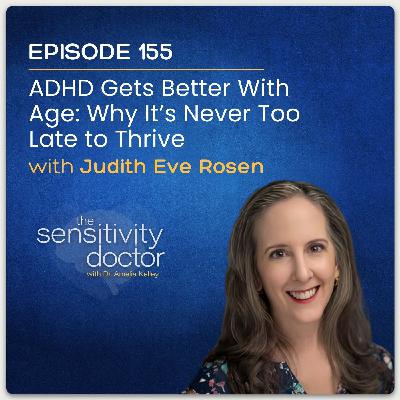
In this episode of The Sensitivity Doctor, Dr. Amelia Kelley sits down with Judith Eve Rosen to explore a hopeful truth about ADHD: it is never too late to understand your brain, change direction, or find your calling. Together, they discuss late diagnosis, career reinvention, and how maturity and life experience can actually make ADHD more manageable over time.Judith shares how being diagnosed in adulthood reframed her struggles, reduced shame, and helped her build a career that truly fits her nervous system. This conversation challenges the idea that success must happen early and instead offers a powerful reframe: with ADHD, growth often accelerates once self-trust and strategy catch up to experience.Key Takeaways:ADHD is not a moral failing — it is a neurological difference that can be understood and supportedLate diagnosis can bring relief, clarity, and self-compassionADHD often becomes easier to manage with age due to experience and strategyMaturity can increase emotional regulation and self-trustIt is never too late to pivot, return to school, change careers, or follow your calling🔗 Resources & Links Mentioned🎓 Veterinary Social Work ProgramsUniversity of Tennessee at Knoxville (Veterinary Social Work Certificate Program)https://vetsocialwork.utk.eduThe Ohio State University (Veterinary Social Work Program)https://vet.osu.eduNew York University (NYU) – Veterinary Social Work initiativeshttps://socialwork.nyu.edu🐾 Pet Loss Support & AdvocacyAssociation for Pet Loss and Bereavement (APLB)https://www.aplb.org(Offers chat rooms, support groups, and resources)The Link (National Link Coalition) – Animal Abuse & Domestic Violence Advocacyhttps://nationallinkcoalition.org📚 Book by the GuestLife After Pet Loss: Daily Reflections for Working Through Grief👩‍⚕️ Connect with JudithWebsite: http://juditheverosen.comInstagram: https://www.instagram.com/mypetlosstherapistFacebook: https://www.facebook.com/JudithEveRosenLCSWSupport this podcast at — https://redcircle.com/the-sensitivity-doctor/exclusive-content
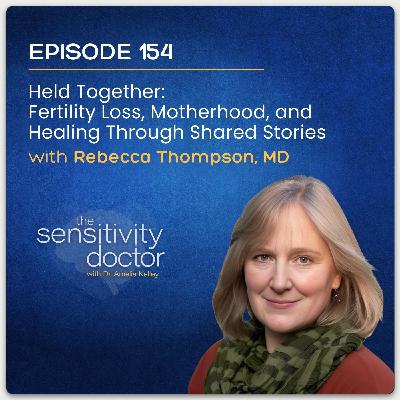
In this deeply moving episode of The Sensitivity Doctor, Dr. Amelia Kelley sits down with physician and author Rebecca N. Thompson, MD, to explore the often-unspoken realities of fertility loss, complicated motherhood journeys, and the healing power of shared stories. Rebecca shares the inspiration behind her book Held Together, a collaborative memoir weaving her own experiences with those of 21 women navigating pregnancy loss, molar pregnancy, adoption, infertility, and nontraditional paths to family.Together, Amelia and Rebecca discuss how expectations around motherhood collide with lived experience, why ambiguous and disenfranchised grief can be so isolating, and how community, curiosity, and emotional expression support both nervous system regulation and long-term resilience. This conversation offers validation, language, and hope for anyone whose family-building journey didn’t follow a linear or socially recognized path.Key takeaways:Fertility loss, including molar pregnancy and infertility, often creates ambiguous grief that the nervous system struggles to resolve without shared understanding.Motherhood and family are not defined by biology alone; chosen family, adoption, teaching, caregiving, and community all carry profound maternal meaning.Holding grief in isolation can intensify emotional and physical distress, while storytelling helps reduce shame and restore connection.Persistence, rather than perfection or “resilience,” allows people to move forward even while feeling broken or uncertain.Healing happens through being witnessed, supported, and held together in community, not through fixing or minimizing pain.Connect with Rebecca N. Thompson, MDWebsite: rebeccanthompson.comInstagram: https://www.instagram.com/rebecca.n.thompson/Book: Held Together: A Shared Memoir of Motherhood, Medicine, and Imperfect LoveConnect with Dr. Amelia Kelley: About | Dr. Kelley's Books | Instagram Support this podcast at — https://redcircle.com/the-sensitivity-doctor/exclusive-content
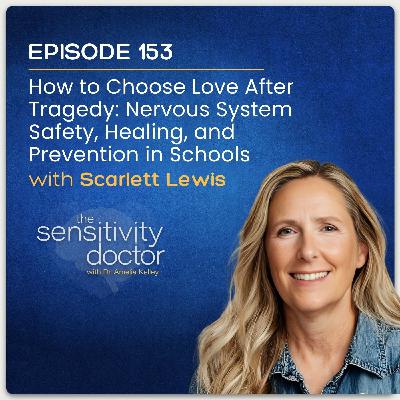
Have you ever wondered why punishment and crisis response alone fail to keep children safe?In this episode of The Sensitivity Doctor, Dr. Amelia Kelley is joined by Scarlett Lewis, the mother of six-year-old Jesse Lewis, who was killed in the Sandy Hook Elementary School tragedy. Scarlett shares how the message her son left behind, “nurturing, healing, love,” became the foundation of a global trauma-informed movement focused on prevention, nervous system regulation, and relational healing.Grounded in neuroscience and lived experience, this conversation explores how invisibility, hopelessness, and chronic nervous system threat contribute to violence and distress, and how trauma-informed education can support sensitive and neurodivergent children before crisis occurs.Key takeaways:Trauma-informed education helps prevent violence by addressing nervous system dysregulation early.Feeling unseen or unsafe at school increases risk for emotional distress and aggression.Nervous system regulation skills reduce bullying, reactivity, and chronic stress in children.Post-traumatic growth shows healing is possible after profound loss.School safety improves when prevention focuses on belonging, not punishment.Links and Resources:Choose Love Movement: https://chooselovemovement.orgHow We Can Finally Stop School Tragedies: A Critical Conversation with Mark HulsewéConnect with Dr. Amelia Kelley: About | Dr. Kelley's Books | Instagram Support this podcast at — https://redcircle.com/the-sensitivity-doctor/exclusive-content
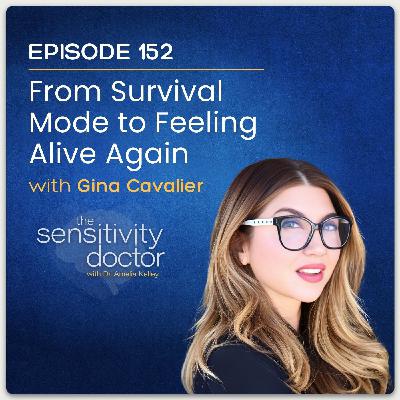
Have you ever felt disconnected from life, emotionally exhausted, or like you don’t quite belong anywhere? In this episode of The Sensitivity Doctor, Dr. Amelia Kelley is joined by Gina Cavalier to explore how trauma, chronic isolation, and prolonged survival mode impact the nervous system, physical health, and emotional regulation, sometimes contributing to suicidal ideation.Blending neuroscience, lived experience, and embodied healing, this conversation offers grounding and hope for highly sensitive and neurodivergent listeners who feel worn down by life. The episode closes with a gentle colour-based meditation designed to support nervous system regulation, restore energy, and reconnect you to a felt sense of safety and belonging.Content note: This episode includes discussion of suicidal ideation. While some themes are heavy, the focus is on healing, support, and hope.Key takeaways:Belonging is a biological nervous system need, and prolonged disconnection signals threat rather than personal failure.Suicidal ideation often emerges from chronic survival stress and thwarted belonging, not weakness or impulsivity.Trauma healing requires regulating the nervous system through embodied and relational safety, not insight alone.High sensitivity and neurodiversity can intensify the effects of relational trauma, especially when emotional needs are repeatedly dismissed.With safety, connection, and compassionate support, it is possible to move from survival mode into a life that feels meaningful and alive.Connect with Gina CavalierWebsite: https://ginacavalier.comInstagram: @gina_cavalierBook: Planet Walking: A Handbook for the LivingConnect with Dr. Amelia Kelley: About | Dr. Kelley's Books | Instagram Support this podcast at — https://redcircle.com/the-sensitivity-doctor/exclusive-content
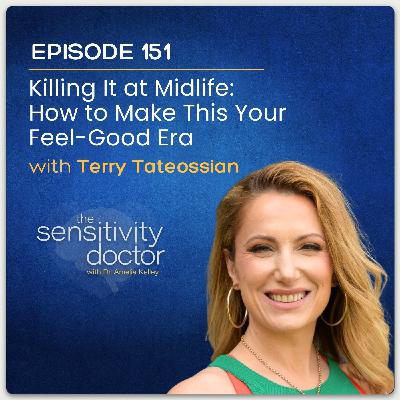
In this powerful episode of The Sensitivity Doctor, Dr. Amelia Kelley sits down with Terry Tateossian to explore how early trauma, immigration stress, and chronic survival mode can shape women’s hormonal health, emotional regulation, and midlife well-being. Terry shares her deeply personal story of escaping a communist country, navigating puberty in a refugee camp, and later reclaiming her body through mindful movement, nutrition, and self-compassion, offering hope and practical insight for anyone healing from trauma across the lifespan. Key takeaways:A trauma therapist’s lens helps explain how early survival stress can disrupt hormonal development and long-term nervous system regulation.Gaslighting recovery begins when women learn to trust their bodies instead of dismissing emotional or physical symptoms.Working with an HSP therapist can support sensitive nervous systems overwhelmed by chronic stress and hormonal shifts.An ADHD therapist for adults can help distinguish natural energy and curiosity from trauma-driven overworking patterns.Somatic therapy for trauma reconnects the body and emotions, allowing healing beyond willpower or logic.Connect with Terry TateossianWebsite: thehouseofrose.comInstagram @how.good.can.it.getMidlife Bestie: YouTube | TikTokConnect with Dr. Amelia Kelley: About | Dr. Kelley's Books | Instagram Support this podcast at — https://redcircle.com/the-sensitivity-doctor/exclusive-content
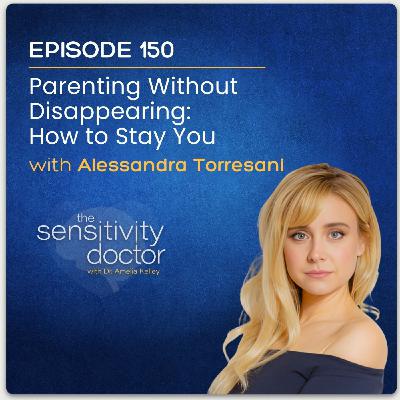
In this powerful and deeply human conversation, Dr. Amelia Kelley is joined by actress, podcaster, and mental health advocate Alessandra Torresani for an honest exploration of motherhood, identity, and healing after birth trauma.Together, they unpack what it means to parent without disappearing. This includes caring deeply for your child while still staying connected to who you are. Alessandra shares her experience of traumatic postpartum complications, medical gaslighting, and the emotional toll of losing trust in her body. She opens up about how returning to dance, her first love, became a vital part of her healing. This was not as exercise or performance, but as a way to reconnect with her body and nervous system.This episode also dives into mom guilt, self care, community building, body image, screen time, and the powerful impact parents have when they model self respect, strength, and emotional regulation for their children.Whether you are a parent feeling stretched thin, someone healing from birth or medical trauma, or simply navigating how to stay connected to yourself while caring for others, this conversation offers validation, insight, and permission to take up space again.Key TakeawaysYou do not have to disappear to be a good parentTrauma lives in the body and healing often requires movement, not just talkingListening to your intuition with medical providers mattersModeling self care helps children feel safer, not abandonedThere is no timeline for reclaiming yourself and readiness is personalCommunity can be created, even when it is not inheritedConnect with Alessandra TorresaniPodcast: Emotional Support PodInstagram: @alessandratorresaniConnect with Dr. Amelia Kelley: About | Dr. Kelley's Books | Instagram Support this podcast at — https://redcircle.com/the-sensitivity-doctor/exclusive-content
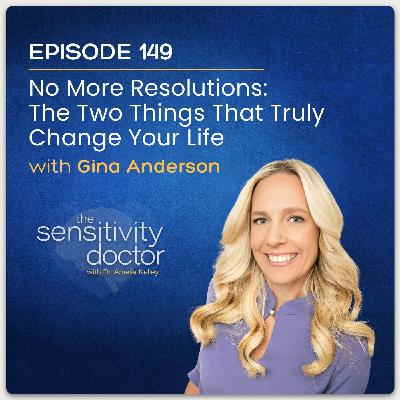
As we step into a new year, I’m joined by Dr. Gina Anderson, learning scientist, TEDx speaker, and founder of Luma Brighter Learning, for a conversation that will help you rethink everything you have ever believed about resolutions, self growth, and connection.Instead of chasing perfection or pressuring ourselves with rigid goals, Gina invites us into a gentler and scientifically grounded approach to change: one daily connection and one daily moment of learning.Together, we explore what connection actually looks like (and why it often needs to start with yourself), how to access your “true self” through quiet reflection, and why the brain lights up differently when we learn or feel seen in community. Gina also shares powerful insights on neuroplasticity, internal warmth as a signal of emotional safety, and why your breath is the one thing you can always return to.If you have ever struggled with resolutions, self esteem, nervous system regulation, or feeling disconnected after trauma, this episode offers a compassionate roadmap for rebuilding your inner world one small moment at a time.Key Takeaways:• Resolutions often set us up for self judgment. Replacing them with learning and connection creates sustainable growth.• Connection does not always require other people. One of the most powerful forms is connecting with your own mind.• Emotional “warmth” can be a real physiological signal that you are tapping into your true self.• Neuroplasticity shows that your brain can change, even after trauma, through intentional practice and connection.• Three simple practices can transform your year: connect with one person, get your body moving, and give yourself a daily “sunshine message.”Connect with Dr. Gina Anderson: TEDx Talk: The power of being presentWebsite: lumabrighterlearning.com Personal Website: learningwithgina.comSunshine Project: ripplesofsunshine.comInstagram: gina.anderson.ceoLinkedIn: Dr. Gina AndersonConnect with Dr. Amelia Kelley: About | Dr. Kelley's Books | Instagram Support this podcast at — https://redcircle.com/the-sensitivity-doctor/exclusive-content
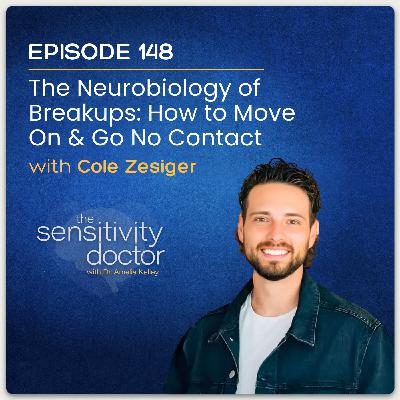
In this compassionate and eye-opening episode, Amelia sits down with breakup and relationship coach Cole Zesiger, who has helped millions online learn how to navigate heartbreak with clarity, emotional safety, and self-respect. Cole shares the deeply personal story of his early divorce, the patterns of anxious attachment that shaped his relationships, and the unexpected journey that led him to rebuild his life and help thousands do the same.Together, Amelia and Cole break down why breakups feel neurologically like withdrawal, what “euphoric recall” has to do with your ex, why the holidays intensify loneliness, and how to make the no-contact rule actually work without feeling like you are losing your mind. Cole also explains the biggest mistakes people make right after a breakup, the surprising science behind why your brain becomes obsessed with your ex, and how to rebuild a life that feels bigger, safer, and more meaningful than the one you are grieving.Whether you are in the early shock, the confusing in-between, or trying to stop the cycle of “one more text,” this episode offers compassionate insight, grounded strategies, and the hope you might not realize you need right now.Key Takeaways:Why your brain treats heartbreak like survival mode and how evolutionary wiring makes you want to chase your ex even when you logically know better.The real reason no-contact is so hard and how to create a plan that protects your emotional and neurological energy.What euphoric recall is and why your brain only replays the good memories plus how to ground yourself in the full truth of the relationship.How to rebuild your life after a breakup by focusing on the pillars that shape your sense of identity, connection, and purpose.Why the holidays intensify heartbreak and practical ways to lean on safe relationships, structure, and self-compassion to get through the season.Connect with Cole Zesiger:Website: coachcolezesiger.comInstagram: @coachcolezesigerTikTok: @colezesigerYouTube: Cole ZesigerBook: Exes & No’s - available for pre-order (bonus course included)Connect with Dr. Amelia Kelley: About | Dr. Kelley's Books | Instagram Support this podcast at — https://redcircle.com/the-sensitivity-doctor/exclusive-content
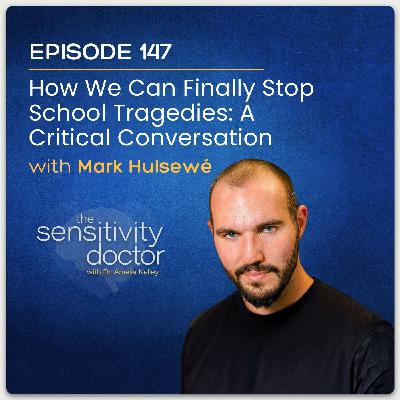
This week on The Sensitivity Doctor, Dr. Amelia Kelley sits down with TEDx speaker and filmmaker Mark Hulsewé for a courageous and necessary conversation about the root causes of school shootings and what must change if we want to protect our children.Mark’s work focuses on the emotional, social, and systemic breakdowns happening inside our schools, and how our long-standing “kids will be kids” mindset is allowing cycles of humiliation, abuse, and violence to escalate into tragedy. Together, Amelia and Mark dive into the uncomfortable realities of bullying, the unspoken social hierarchy within schools, and why traditional approaches to school safety completely miss the heart of the problem.This episode offers a rare blend of honesty, hope, and actionable solutions. Amelia challenges Mark’s ideas, Mark challenges the system, and both reveal complementary paths that can truly change the future. Whether you're a parent, educator, mental-health professional, or someone who cares deeply about the wellbeing of children, this conversation will reshape the way you think about school safety and mental health.Key Takeaways:Why “child on child abuse” is a more accurate term than bullying.How the unspoken social hierarchy inside schools fuels violence and despair.What alternative education models like Montessori, Waldorf, and RULER get right.How early emotional intelligence education can prevent long-term harm.Why simple, low-cost wellness screeners can identify struggling students before crisis.Connect with Mark Hulsewé:TEDx Talk: “Ending School Shootings”Connect with Dr. Amelia Kelley: About | Dr. Kelley's Books | Instagram Support this podcast at — https://redcircle.com/the-sensitivity-doctor/exclusive-content
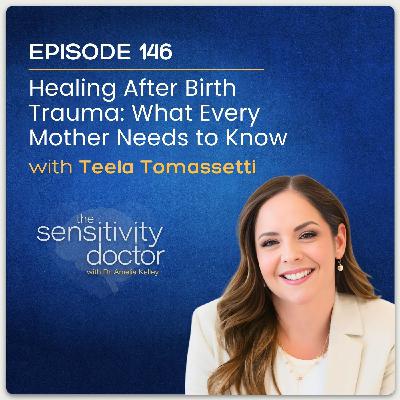
In this deeply validating and eye-opening episode, Dr. Amelia Kelley sits down with psychologist and birth trauma specialist Teela Tomassetti, founder of the Reproductive and Perinatal Trauma Center in Canada. Together, they bring long-overdue attention to an experience far more common than most people realize: birth trauma, which affects up to 45 percent of birthing parents.Teela shares her personal and professional journey into this work, including her own traumatic childbirth experience and the years-long process that followed. She breaks down what birth trauma really is, how to recognize it, and why so many women dismiss or minimize their own symptoms. Amelia also shares her own powerful birth stories, offering a rare, vulnerable look at how trauma can stay alive in the body long after delivery.Whether your childbirth was traumatic, complicated, confusing, or simply not what you expected, this episode gives you the language, validation, and tools to begin understanding and healing your story.This conversation is for mothers, partners, birth workers, medical professionals, and anyone who wants to better support the postpartum experience with compassion and truth.Key Takeaways:Birth trauma does not only happen during delivery. It can occur before, during, or long after childbirth.Trauma is subjective. Only you get to define whether your birth felt traumatic, regardless of medical outcomes or others’ opinions.Highly sensitive and neurodivergent mothers may experience birth environments more intensely, making compassionate care essential.The golden hour is a myth that pressures mothers. Bonding is not a moment. It is a relationship that forms over time.Postpartum is not six weeks. For many mothers, recovery emotional and physical can take one to two years.Birth debriefing is a powerful way to heal: through understanding, story sharing, and validation from supportive people or professionals.Birth trauma impacts the nervous system, identity, and attachment. But healing is absolutely possible.Connect with Teela Tomassetti: Instagram: @theteaonbirthtraumaPractice: Reproductive and Perinatal Trauma CenterInstagram Practice: @perinataltraumapracticeConnect with Dr. Amelia Kelley: About | Dr. Kelley's Books | Instagram Support this podcast at — https://redcircle.com/the-sensitivity-doctor/exclusive-content
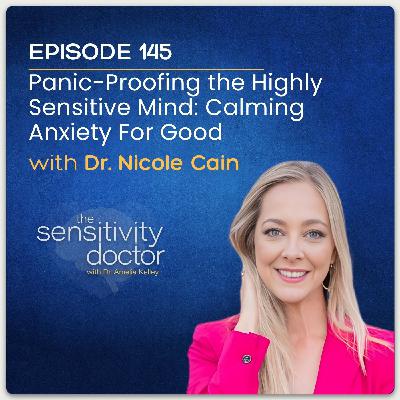
In this deeply grounding and eye-opening conversation, Dr. Amelia Kelley sits down with clinical psychologist, naturopathic physician, and author Dr. Nicole Cain, whose new book Panic Proof is helping thousands reframe anxiety as a source of wisdom rather than a flaw.Together, they explore the emotional world of highly sensitive people, why anxiety often shows up as a messenger, and the unexpected ways our childhood experiences shape our adult nervous system responses. Dr. Nicole guides Amelia through powerful somatic exercises, including havening and a body awareness practice, giving listeners a real-time experience of calming the mind and reconnecting with the body.Listeners will learn how to recognize early signs of activation, how to avoid jumping from “I am fine” to “I am in danger,” and how to rewire the brain through practical, accessible tools. This episode is an invitation to rethink panic, reclaim your sensitivity, and finally understand what your nervous system has been trying to tell you.Key Takeaways:Anxiety is not a malfunction. It is your body’s attempt to communicate what needs healing.Highly sensitive people often receive messages early in life that their emotions are “too much,” which shapes lifelong patterns of reactivity.Simple grounding exercises and havening can help create new pathways between emotional and logical parts of the brain.Panic proofing requires a four step approach that blends somatic grounding, cognitive engagement, body awareness, and intentional activation.Noticing subtle cues before they escalate is essential to preventing full blown panic and reconnecting with personal power.Connect with Dr. Nicole Cain:Website: https://drnicolecain.comInstagram: https://instagram.com/drnicolecainYouTube: https://www.youtube.com/@DrNicoleCainNDMABook: Panic ProofConnect with Dr. Amelia Kelley: About | Dr. Kelley's Books | Instagram Support this podcast at — https://redcircle.com/the-sensitivity-doctor/exclusive-content
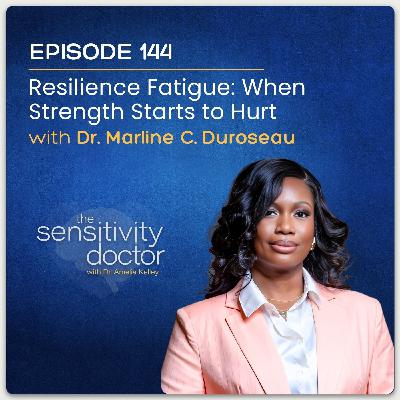
What happens when “being strong” starts to hurt?In this deeply honest conversation, Dr. Amelia Kelley sits down with Dr. Marline C. Duroseau, resilience expert, author, TEDx speaker, and leadership executive, to explore a powerful and often overlooked concept: resilience fatigue.Together, they unpack how resilience can sometimes be weaponized when pushing through challenges becomes a mask we wear to survive rather than a tool for growth. Dr. Marline opens up about how to recognize when your strength is no longer serving you, how to take that mask off safely, and why learning to accept help can be the most radical act of resilience.This conversation is a reminder that resilience isn’t about perfection or constant productivity. It’s about knowing when to rest, receive support, and show up as your authentic self.Key Takeaways:Resilience fatigue happens when pushing through becomes a default mode, leading to exhaustion, tension, and emotional shutdown.You can’t heal behind a mask. True resilience requires authenticity and the courage to take off your “strong” face.Accepting help is a skill, and it can be one of the most powerful ways to recover from burnout.Perfectionism and people-pleasing often disguise themselves as strength. Your best is enough.Building healthy boundaries with yourself, including rest, is essential to sustainable resilience.Connect with Dr. Marline C. DuroseauWebsite: www.mcdbe.comInstagram: @mcdbeLinkedIn: Dr. Marline C. DuroseauConnect with Dr. Amelia Kelley: About | Dr. Kelley's Books | Instagram Support this podcast at — https://redcircle.com/the-sensitivity-doctor/exclusive-content
loading
Comments 
loading