


 Claim Ownership
Threat Level Red: Warfare, Espionage, Intelligence
Subscribed: 4Played: 42
Subscribe

© Charles Denyer
Description
Deadly threats, Secret missions, Covert operations, Shadowy conspiracies, Baffling mysteries. Threat Level Red is a critically acclaimed intelligence briefing hosted by national security and cybersecurity authority Charles Denyer. With decades of frontline experience advising U.S. government leaders and top intelligence officials, each episode pulls back the curtain on the dark reality behind modern power struggles: cyberattacks, espionage, corruption, and global instability.
Explore more intel: www.threatlevelredpodcast.com
Subscribe on Youtube: @ThreatLevelRedPodcast
Explore more intel: www.threatlevelredpodcast.com
Subscribe on Youtube: @ThreatLevelRedPodcast
29 Episodes
Reverse
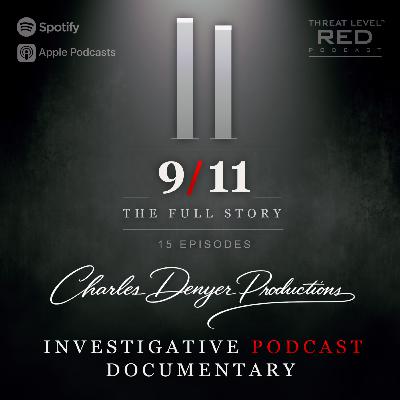
September 11, 2001: The intelligence failures that reshaped modern national security. This episode examines how missed signals, fragmented analysis, and critical decision failures created vulnerabilities that threat actors exploited. It highlights systemic breakdown across the intelligence community, the role of classified information and incomplete investigations, and the long-term consequences for national security, cyber posture, and global geopolitical risk. Executive Takeaways:- Intelligence gaps create risk: Fragmented data and poor coordination expose critical vulnerabilities- Decision latency is a threat vector: Delayed leadership action amplifies impact- Incomplete intelligence drives flawed response: Partial or managed information increases long-term riskThings You Will Learn:- How intelligence failures translate into operational and enterprise risk- What missed signals reveal about systemic vulnerabilities- Why decision-making under pressure determines crisis outcomes 3 Tools / Frameworks:- Intelligence Gap Analysis: Identify where critical signals are missed- Decision Breakdown Audit: Evaluate leadership response under pressure- Systemic Failure Mapping: Trace how small failures escalate into major threats Timestamps:00:00 9/11 Intelligence Failures Overview03:30 Insider Intelligence Perspective06:00 Missed Signals and Coordination Failures09:30 Classified Information and Gaps in Analysis12:30 National Security Impact and Ongoing RiskClosing Thought:September 11 showed how missed signals, poor coordination, and delayed decisions can create large-scale risk. For CISOs, boards, and senior leaders, the lesson is clear: threats grow when intelligence is incomplete and action is slow. These same vulnerabilities exist today in cyber operations and critical infrastructure. The priority is to identify gaps early, act on intelligence quickly, and avoid decisions based on partial information, because the cost of inaction can be severe and long-lasting.Threat Level Red CTAsTHIS IS NOT A DRILL. This is THREAT LEVEL RED. Your briefing begins now. Subscribe on YouTube: https://www.youtube.com/@ThreatLevelRedPodcast Explore more intelligence briefings: https://www.threatlevelredpodcast.com/ LinkedIn: https://www.linkedin.com/company/threat-level-red X: https://x.com/ThreatLVLredThis podcast is for news reporting, commentary, and criticism. We use excerpts, clips, and quotations under the fair use doctrine (17 U.S.C. § 107). All rights remain with their respective owners. Views expressed are solely those of the host.Threat Level Red CTAsTHIS IS NOT A DRILL. This is THREAT LEVEL RED. Your briefing begins now.👉 Subscribe on YouTube: https://www.youtube.com/@ThreatLevelRedPodcast👉 Explore more intelligence briefings: https://www.threatlevelredpodcast.com/👉 LinkedIn: https://www.linkedin.com/company/threat-level-red👉 X: https://x.com/ThreatLVLredThis podcast is for news reporting, commentary, and criticism. We use excerpts, clips, and quotations under the fair use doctrine (17 U.S.C. § 107). All rights remain with their respective owners. Views expressed are solely those of the host.

Peer reviewed research has confirmed plastic particles circulating in human blood, placental tissue, and arterial plaque. A 2024 study in the New England Journal of Medicine linked microplastics in arteries to increased risk of heart attack, stroke, and death. What began as environmental pollution has become a measurable human contamination event, unfolding alongside rising global plastic production and fragmented regulatory oversight. This is a systemic governance failure with long-term public health and national security implications. Executive Takeaways:- Treat environmental exposure as enterprise risk. Workforce health and chronic disease trends impact operational resilience.- Anticipate regulatory acceleration. Delayed oversight often precedes abrupt compliance shifts.- Assess supply chain exposure. Plastic production and chemical additives create embedded liability and compliance risk. Things You Will Learn:- How plastic moved from ocean waste to human bloodstreams.Why it matters: This is no longer environmental theory. It is a confirmed biological breach with implications for workforce health and long-term resilience.- What the regulatory failure signals about systemic vulnerability.Why it matters: Years of accumulating scientific warnings met fragmented oversight, increasing the risk of abrupt policy shifts and compliance exposure.- What decision-makers must evaluate now.Why it matters: Boards and CISOs must treat environmental contamination as enterprise risk, mapping supply chain exposure and strengthening governance before systemic costs escalate. 3 Tools / Frameworks:1. Exposure Risk MappingIdentify where plastic production and supply chains intersect with your operations.Why it matters: Strengthens threat modeling and critical infrastructure protection.2. Regulatory Failure AuditExamine how oversight gaps allowed systemic risk to expand.Why it matters: Anticipates compliance shifts and reduces blind spots.3. Executive Risk IntegrationAdd environmental exposure to board-level risk frameworks alongside cyber threat and AI governance.Why it matters: Contamination is now an enterprise and national security concern. Timestamps:00:16 Microplastics Detected in Human Blood01:43 How Microplastics Enter the Body04:10 Timeline of Scientific Discovery06:34 Cardiovascular Risk Linked to Arterial Plaque09:22 Regulatory Breakdown and Global Production Risk Closing Thought:Microplastics in human blood confirm that environmental exposure has become a measurable enterprise risk. Scientific warnings accumulated for years while regulatory action remained fragmented. For CISOs, boards, and federal contractors, the lesson is clear: systemic risk builds quietly. Leaders who integrate environmental exposure into governance, compliance, and long-term risk models will be better positioned than those who treat it as a peripheral issue. Threat Level Red CTAsTHIS IS NOT A DRILL. This is THREAT LEVEL RED. Your briefing begins now.👉 Subscribe on YouTube: https://www.youtube.com/@ThreatLevelRedPodcast👉 Explore more intelligence briefings: https://www.threatlevelredpodcast.com/👉 LinkedIn: https://www.linkedin.com/company/threat-level-red👉 X: https://x.com/ThreatLVLredThis podcast is for news reporting, commentary, and criticism. We use excerpts, clips, and quotations under the fair use doctrine (17 U.S.C. § 107). All rights remain with their respective owners. Views expressed are solely those of the host.

The Great Pacific Garbage Patch: a 1.6 million square kilometer debris zone in the North Pacific gyre containing an estimated 1.8 trillion plastic fragments and roughly 80,000 metric tons of waste. First identified in 1997 and mapped in detail in 2018, it is not a visible island but a dispersed field of microplastics, nearly half of it abandoned fishing gear. These fragments absorb toxic pollutants, enter the marine food chain, and are now detected in human tissue. This is a systemic failure. Scientists warned of ocean accumulation zones years before discovery. Yet weak enforcement in international waters, compliance failures, and continued plastic production allowed the threat to scale. Executive Takeaways:- Intelligence Signals Ignored Enable Long-Term Strategic ExposureScientific warnings were documented years before discovery, yet policy action lagged. This reflects intelligence failures in turning early warning into enforceable governance. Similar gaps in cyber or AI oversight allow enterprise risk to compound before mitigation.- Externalized Costs Reenter the SystemShort term efficiency in plastic production produced long term systemic damage. The same pattern applies to unmitigated cyber threat and supply chain risk.- Prevention Outperforms CleanupRemoval systems address only a fraction of accumulated debris. Risk mitigation must focus on upstream control, not reactive remediation.Things You Will Learn:How early warnings were ignored and risk escalatedWhy it matters: Boards must act on predictive intelligence before exposure grows beyond control.How small, repeated actions compound into global consequencesWhy it matters: Routine operational decisions at scale can create geopolitical and economic risk.Why weak international enforcement limits effective responseWhy it matters: Leaders must assess exposure in jurisdictions where compliance authority is weak or unenforced. 3 Tools / Frameworks:1. Strategic Vulnerability AuditIdentify domains where small inputs compound into systemic risk.Keywords: strategic vulnerabilities, executive risk checklist, intelligence analysis.2. Regulatory Exposure MappingAssess operational dependence on weak enforcement environments.Keywords: national security, compliance failures, critical infrastructure protection.3. Source Control Prioritization ModelDistinguish between reactive mitigation and root cause elimination.Keywords: systemic failure audit, governance reform, long horizon risk modeling. Timestamps:00:05 A Discovery in the North Pacific Gyre01:40 How Ocean Currents Trap and Multiply Plastic06:56 2018 Findings Expose Ocean Ecosystem Damage08:49 Cleanup Limits and Microplastics in the Food Chain11:10 The Systemic Failure Behind the Garbage PatchClosing Thought:The Great Pacific Garbage Patch is a systemic governance failure, not an isolated environmental event. Early warnings were known, yet enforcement gaps and compliance failures allowed accumulation to scale across international waters. For CISOs, boards, and federal contractors, the lesson is direct: slow moving threats in unregulated domains become long term strategic vulnerabilities. Executive awareness must focus on upstream control, enforceable accountability, and operationalizing intelligence before exposure compounds beyond containment.Threat Level Red CTAsTHIS IS NOT A DRILL. This is THREAT LEVEL RED. Your briefing begins now.👉 Subscribe on YouTube: https://www.youtube.com/@ThreatLevelRedPodcast👉 Explore more intelligence briefings: https://www.threatlevelredpodcast.com/👉 LinkedIn: https://www.linkedin.com/company/threat-level-red👉 X: https://x.com/ThreatLVLredThis podcast is for news reporting, commentary, and criticism. We use excerpts, clips, and quotations under the fair use doctrine (17 U.S.C. § 107). All rights remain with their respective owners. Views expressed are solely those of the host.
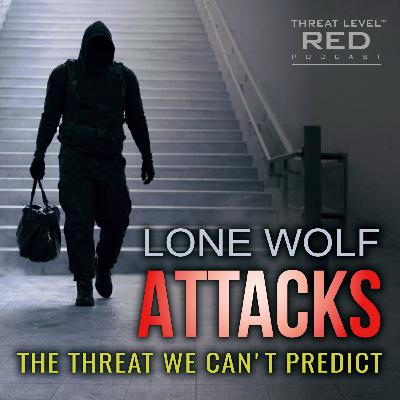
Orlando Pulse Nightclub Attack was a 2016 mass casualty event that exposed a critical intelligence gap in preventing lone actor terrorism despite clear warning signs.Omar Mateen was investigated twice by the FBI. Coworkers reported him. He broadcast intent and consumed extremist content, yet no prosecutable evidence emerged. This was not a covert operations breakdown; it was a structural vulnerability. Lone actors bypass traditional counterterrorism detection models: no network chatter, no foreign command link, only digital radicalization, social isolation, and behavioral escalation. Executive Takeaways:1. Formalize Early-Signal Reporting.Most lone actors broadcast intent before acting. Without clear reporting and escalation mechanisms, preventable threats become crisis events.2. Close the Suspicion-to-Evidence Gap.The highest risk sits between concerning behavior and prosecutable proof. Leaders need structured escalation protocols for credible but ambiguous threats.3. Recognize Digital Broadcasting as a Detection Signal.Online posts, messages, and shared content often precede attacks. These behavioral signals must be treated as early warning indicators, not dismissed as venting or exaggeration.4. Prioritize Early Intervention Over Expanded Surveillance.Traditional counterterrorism tools do not stop isolated actors. Community awareness, clear reporting channels, and coordinated intervention reduce systemic vulnerability. Things You Will Learn:How missed warning signs become systemic failures.The signals often exist. The breakdown occurs in reporting and escalation.Why lone actors bypass traditional detection models.Without networks or operational chatter, they evade conventional intelligence frameworks.Why governance discipline determines prevention.Closing the gap between suspicion and action requires clear protocols, defined thresholds, and structured crisis response. 3 Tools / Frameworks:- Behavioral Escalation Risk ModelA structured method to identify grievance buildup, digital radicalization, and intent broadcasting before crisis response is required, reducing intelligence failures and strategic vulnerabilities.- Early-Signal Reporting ProtocolA governance framework that defines when suspicious behavior triggers compliance review or security escalation, closing gaps between suspicion and evidence.- Digital Radicalization Risk AuditA cybersecurity and AI governance assessment that evaluates exposure to online extremist ecosystems and decentralized threat formation. Timestamps:01:47 Lone Actor Threat Escalation03:54 The Orlando Attack & FBI Investigations06:26 Lone Actor Reporting Failure Exposed08:33 Pre-Attack Digital Warning Signs Ignored10:40 The Gap Between Warning Signs and Action Closing Thought:The Orlando attack exposed a structural failure in escalation, not a lack of intelligence. The warning signs were visible. The signals existed. The system did not act.For CISOs, boards, and federal contractors, the lesson is operational: risk concentrates between suspicion and evidence. Decentralized threats exploit reporting gaps, compliance ambiguity, and weak escalation protocols.Actionable intelligence only protects institutions when governance frameworks are prepared to respond before a crisis becomes irreversible.Threat Level Red CTAsTHIS IS NOT A DRILL. This is THREAT LEVEL RED. Your briefing begins now.👉 Subscribe on YouTube: https://www.youtube.com/@ThreatLevelRedPodcast👉 Explore more intelligence briefings: https://www.threatlevelredpodcast.com/👉 LinkedIn: https://www.linkedin.com/company/threat-level-red👉 X: https://x.com/ThreatLVLredThis podcast is for news reporting, commentary, and criticism. We use excerpts, clips, and quotations under the fair use doctrine (17 U.S.C. § 107). All rights remain with their respective owners. Views expressed are solely those of the host.
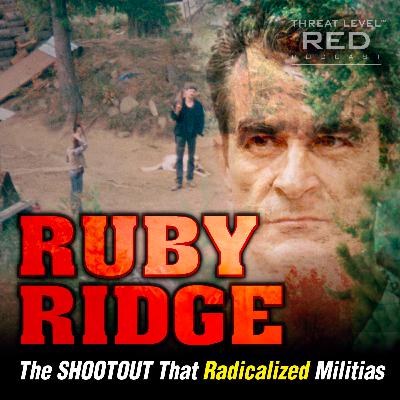
Ruby Ridge: The 1992 Idaho standoff that exposed intelligence failures, flawed rules of engagement, and the long-term national security consequences of operational overreach. A minor weapons charge escalated into an 11-day federal operation that resulted in three deaths and a constitutional crisis. Revised deadly force policies and misjudged threat assessments transformed a law enforcement incident into a rallying point for militia movements and future domestic terrorism, including the Oklahoma City bombing. Executive Takeaways:- Escalation policy is a strategic policy. Deviations in rules of engagement can create lasting legitimacy and radicalization risks.- Intelligence must be verified before action. Flawed assumptions increase operational and reputational exposure.- Crisis response must account for narrative impact. Media amplification can convert incidents into recruitment tools for extremist threat actors. Things You Will Learn:- How intelligence failures escalate into strategic riskRuby Ridge shows how flawed assumptions and incomplete intelligence analysis can transform a routine enforcement action into a national security crisis.- How escalation policy determines long-term legitimacyRevised rules of engagement shifted the incident from law enforcement to constitutional controversy.- How operational overreach fuels radicalizationThe incident became a rallying point for extremist networks and influenced future domestic terrorism- How crisis response shapes narrative controlMedia amplification turned Ruby Ridge into a symbol of government overreach. 3 Tools / Frameworks- Escalation Control ReviewValidate rules of engagement and legal thresholds before high-risk action to prevent operational overreach and compliance failures.- Intelligence Verification ProtocolRequire cross-checked intelligence analysis before execution to reduce strategic vulnerabilities driven by flawed assumptions.- Second-Order Risk CheckAssess how decisions could trigger radicalization, reputational damage, or hybrid threat escalation. Timestamps:01:50 Catalyst Event and Intelligence Failure04:06 Sniper Engagement and Constitutional Breach08:59 Militia Expansion and Radicalization10:58 Intelligence Failures and Escalation Overreach Closing Thought:Ruby Ridge remains a case study in how intelligence failures, flawed rules of engagement, and operational overreach can create long-term national security consequences. A contained enforcement action escalated into radicalization, militia expansion, and downstream domestic terrorism.For CISOs, boards, and federal contractors, the lesson is direct: validated intelligence analysis, disciplined escalation policy, and structured crisis governance are essential to protecting cyber posture, compliance integrity, and institutional legitimacy. Tactical decisions, if misjudged, can generate strategic vulnerabilities that endure for decades.Threat Level Red CTAsTHIS IS NOT A DRILL. This is THREAT LEVEL RED. Your briefing begins now.👉 Subscribe on YouTube: https://www.youtube.com/@ThreatLevelRedPodcast👉 Explore more intelligence briefings: https://www.threatlevelredpodcast.com/👉 LinkedIn: https://www.linkedin.com/company/threat-level-red👉 X: https://x.com/ThreatLVLredThis podcast is for news reporting, commentary, and criticism. We use excerpts, clips, and quotations under the fair use doctrine (17 U.S.C. § 107). All rights remain with their respective owners. Views expressed are solely those of the host.
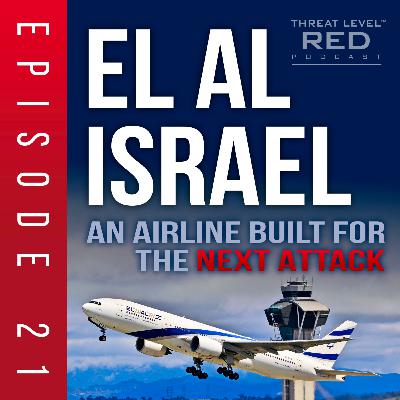
El Al’s Zero-Trust Security Model: El Al has prevented successful terrorist attacks on its flights for decades by operating under a simple assumption: threats already exist. While most aviation systems prioritize compliance, speed, and uniformity, El Al focuses on intelligence, human judgment, and prevention. This episode explains why compliance-based security repeatedly fails under adversarial pressure and what El Al’s approach reveals about risk management in aviation, cybersecurity, and national security. The lessons are directly relevant to executives responsible for protecting high-consequence systems.Executive Takeaways:- Compliance does not equal security.Meeting standards does not prevent intelligent, adaptive threats.- Threat-driven models outperform standardized controls.Security must evolve with adversary behavior, not fixed checklists.- Human judgment is a critical control.Technology cannot detect intent without trained decision-makers.- Friction is sometimes necessary.Inconvenience can be the cost of prevention. Things You Will Learn:- Why intelligence failures create executive riskWhen systems ignore intent, leaders inherit hidden vulnerabilities.- What compliance-driven security missesStandardized screening detects objects, not hostile behavior.- How leaders can reduce exposure immediatelyBy integrating intelligence, oversight, and human verification. 3 Tools / Frameworks:- Human Zero TrustAssume breach and continuously verify intent through people, not just systems.- Threat-Driven Risk AssessmentBase security decisions on adversary behavior, not minimum standards.- System Weak-Point ReviewIdentify where convenience or scale overrides real protection. Timestamps:01:36 Why The World Didn’t Copy El AL Model05:27 Ben Gurion’s Security Model08:13 Why El Al Never Outsources Trust12:01 What El Al Teaches About Security and Risk Closing Thought:El Al’s security model shows that effective protection is not comfortable, uniform, or purely technical. For executives responsible for critical systems, the lesson is clear: real security requires judgment, intelligence, and early intervention—long before failure becomes visible. Threat Level Red CTAsTHIS IS NOT A DRILL. This is THREAT LEVEL RED. Your briefing begins now.👉 Subscribe on YouTube: https://www.youtube.com/@ThreatLevelRedPodcast👉 Explore more intelligence briefings: https://www.threatlevelredpodcast.com/👉 LinkedIn: https://www.linkedin.com/company/threat-level-red👉 X: https://x.com/ThreatLVLredThis podcast is for news reporting, commentary, and criticism. We use excerpts, clips, and quotations under the fair use doctrine (17 U.S.C. § 107). All rights remain with their respective owners. Views expressed are solely those of the host.

Israel’s national carrier became the world’s most secure airline by treating aviation terrorism as a permanent condition, not a temporary crisis. Shaped by hijackings, covert operations by groups such as the PFLP, missile threats, and decades of intelligence warnings, El Al built a security doctrine centered on behavioral profiling, armed sky marshals, reinforced cockpits, and tightly integrated intelligence layers. The result is a system designed to detect intent, not just prohibited items, and to stop attacks well before they reach a checkpoint. This episode examines how El Al’s approach exposes intelligence failures in civilian aviation, reveals the limits of technology-only security, and reframes airline protection as a national security and executive risk issue rather than a matter of convenience. Executive Takeaways:- Design for persistent threat, not compliance.Risk frameworks that assume episodic danger fail under sustained targeting. - Prioritize human judgment alongside technology.Behavioral intelligence and trained operators remain critical where cyber and physical threat vectors adapt faster than automated controls.- Accept friction as a risk mitigation tool.Effective prevention often requires visible enforcement and deliberate delay.- Measure success by what does not happen.For boards and CISOs, the absence of incidents is not luck but the outcome of intelligence-led doctrine, disciplined execution, and accountability for prevention.Things You Will Learn:- How treating security as episodic creates intelligence failures.Executives who assume threats are rare leave repeatable gaps adversaries exploit.- Why technology alone cannot stop human threat actors.Compliance tools and automation miss intent, deception, and adaptive behavior.- How behavioral intelligence strengthens prevention.Human judgment remains critical for detecting anomalies and insider risk.- Why effective security requires accepting friction.Prioritizing convenience over enforcement increases enterprise exposure.3 Tools / Frameworks:- Intent-Based Threat AssessmentUses behavioral indicators and contextual intelligence to detect human threat actors beyond automated controls.- Layered Defense Integration ModelCombines human screening, physical security, and intelligence coordination to disrupt attack vectors early in the threat lifecycle.- Outcome-Driven Risk GovernanceMeasures security by incidents prevented, aligning executive risk decisions with real-world threats.Timestamps01:20 El Al’s security doctrine under persistent threat03:10 Hijackings and intelligence failures in civilian aviation06:39 Behavioral profiling and human judgment in threat detection11:44 El Al doctrine tested in real-world attacks15:27 Behavioral profiling vs civil liberties tradeoffClosing Thought:El Al’s security success is the result of executive decisions that assume persistent threat, enforce doctrine, and prioritize intelligence over convenience. The lesson is straightforward: systems built for normal conditions fail under adversarial pressure. In high-stakes environments, prevention is not optional. It is an executive responsibility.🚨 THIS IS NOT A DRILL, This is THREAT LEVEL RED. Your briefing begins now.👉 Subscribe on YouTube: https://www.youtube.com/@ThreatLevelRedPodcast👉 Explore more intel: https://www.threatlevelredpodcast.com/👉 LinkedIn: https://www.linkedin.com/company/threat-level-red👉 X: https://x.com/ThreatLVLredThis podcast is for news reporting, commentary, and criticism. We use excerpts, clips, and quotations from political events and other copyrighted works under the fair use doctrine (17 U.S.C. § 107). All rights in those works remain with their respective owners. The views expressed are our own and do not represent any other entity.
The Lockerbie bombing was not only an act of terrorism, but a case study in how intelligence warnings can fail to drive action. This episode examines how fragmented signals, institutional silos, and geopolitical pressures shaped the investigation and its outcome. Drawing on verified findings and contested intelligence narratives, Charles Denyer reframes Lockerbie as a failure of decision-making rather than a lack of information. The episode connects terrorism analysis and covert operations to a modern executive lesson: catastrophic risk emerges when known warnings are delayed or deprioritized.Executive Takeaways:- Warnings without action create systemic risk.Lockerbie shows how intelligence can exist without producing decisive leadership response.- Fragmented information weakens accountability.Disconnected agencies and unclear ownership allowed risk to persist across borders and institutions.- Institutions often reform only after catastrophe.Aviation security improvements followed loss of life, not early warnings.- Executive responsibility extends beyond verdicts.Legal closure does not resolve operational failure or restore trust.Things You Will Learn:- How intelligence failures become executive failures.Why boards and CISOs must treat warnings as governance issues.- Which operational gaps were exploited.How weak security controls and baggage handling enabled the attack.- Why geopolitics distorts threat response.How alliances and strategic priorities shape intelligence decisions.- What leaders must change today.How to prevent risk normalization before consequences escalate.3 Tools / Frameworks- Intelligence-to-ActionReviewIdentifies where warnings stall between detection and executive decision-making.- Systemic Risk AuditEvaluates policy, compliance, and operational controls for hidden vulnerabilities.- Risk Acceptance Governance ModelForces leadership to document and regularly reassess which risks are being tolerated and why.Timestamps01:01 The Bomb Hidden in Plain Sight03:08 Iran Air 655 and Retaliation Risk05:48 Ignored Intelligence Warnings08:56 Risk Acceptance and Security Blind Spots12:13 Lockerbie’s Legacy and Executive Risk LessonsClosing Thought:Lockerbie matters because it shows where intelligence systems truly fail: not at detection, but at decision. For executives, boards, CISOs, and federal contractors, the lesson is direct. Known risks become catastrophic when warnings are fragmented, ownership is unclear, and action is deferred for strategic or political convenience. Effective governance requires forcing intelligence to drive decisions, not simply inform them. The cost of delay is not theoretical. Lockerbie demonstrates that when institutions normalize risk, the consequences are measured in lives, trust, and long-term strategic exposure.🚨 THIS IS NOT A DRILL, This is THREAT LEVEL RED. Your briefing begins now.👉 Subscribe on YouTube: https://www.youtube.com/@ThreatLevelRedPodcast👉 Explore more intel: https://www.threatlevelredpodcast.com/👉 LinkedIn: https://www.linkedin.com/company/threat-level-red👉 Facebook: https://www.facebook.com/ThreatLevelRedPodcast👉 Instagram: https://www.instagram.com/threatlevelredpodcast👉 X: https://x.com/ThreatLVLredThis podcast is for news reporting, commentary, and criticism. We use excerpts, clips, and quotations from political events and other copyrighted works under the fair use doctrine (17 U.S.C. § 107). All rights in those works remain with their respective owners. The views expressed are our own and do not represent any other entity.
Pan Am Flight 103 exposed how intelligence failures, weak aviation controls, and geopolitical escalation can converge into catastrophic risk. The Lockerbie bombing was not the result of a single lapse, but of warnings that failed to translate into action, fragmented accountability across agencies, and security systems that allowed an attack vector to remain open.This episode examines the attack through terrorism analysis, intelligence assessment, and systemic failure. Drawing on forensic reconstruction, documented threat warnings, and the contested investigation that followed, Charles Denyer shows how unchecked baggage handling, intelligence blind spots, and political pressure shaped both the attack and its aftermath. Lockerbie remains a case study in executive risk when intelligence exists but governance and enforcement fail.Executive Takeaways:- Warnings without operational ownership create exposure. Intelligence assessments identified aviation risk, but enforcement mechanisms failed.- Diffuse accountability enables attack vectors. No single authority closed known security gaps.- Evidence integrity is a strategic risk. Chain-of-custody and witness credibility issues undermined trust and outcomes.- Geopolitics influence threat prioritization. Retaliation dynamics shaped decisions before and after the attack.Things You Will Learn:- How intelligence failures escalate into enterprise and national security risk.- Which aviation security weaknesses enabled the Lockerbie attack.- Why evidence handling and oversight failures matter to boards and regulators.- How geopolitical context shapes threat modeling and response.3 Tools / Frameworks:- Intelligence-to-Action Gap ReviewEvaluates how threat intelligence is escalated, owned, and enforced.- Systemic Vulnerability AuditIdentifies operational handoff points where accountability breaks down.- Evidence and Compliance Integrity ModelEnsures documentation, chain-of-custody, and audit readiness under scrutiny.Timestamps:01:49 Forensic Evidence Confirms Bomb Attack03:56 Terrorism Escalation and Aviation Security Weaknesses09:36 The Night Pan Am Flight 103 Was Destroyed12:24 Forensic Reconstruction and Contested Evidence18:01 Geopolitical Fallout and Unresolved AccountabilityClosing Thought:Pan Am Flight 103 shows what happens when actionable intelligence fails to translate into action. The Lockerbie bombing grew out of known aviation vulnerabilities, documented warnings, and fragmented accountability. For CISOs, boards, senior executives, and federal contractors, the lesson is clear: risk emerges when ownership is unclear and controls go unenforced. Intelligence only reduces exposure when it drives decisions, accountability, and operational change before warnings become consequences.🚨 THIS IS NOT A DRILL, This is THREAT LEVEL RED. Your briefing begins now.👉 Subscribe on YouTube: https://www.youtube.com/@ThreatLevelRedPodcast👉 Explore more intel: https://www.threatlevelredpodcast.com/👉 LinkedIn: https://www.linkedin.com/company/threat-level-red👉 Facebook: https://www.facebook.com/ThreatLevelRedPodcast👉 Instagram: https://www.instagram.com/threatlevelredpodcast👉 X: https://x.com/ThreatLVLredThis podcast is for news reporting, commentary, and criticism. We use excerpts, clips, and quotations from political events and other copyrighted works under the fair use doctrine (17 U.S.C. § 107). All rights in those works remain with their respective owners. The views expressed are our own and do not represent any other entity.

MI6 built one of the world’s most powerful intelligence organizations, then watched it unravel from the inside.This episode exposes how insider betrayal, intelligence failures, and pressured decision-making left leaders blind at critical moments, from the Cold War to the War on Terror. Charles Denyer connects MI6’s hidden crises to modern executive risk, showing why trust breakdowns, information distortion, and early misjudgments continue to trigger systemic failure across national security, cyber governance, and enterprise leadership. Executive Takeaways:- The biggest failures start when trusted insiders are never questioned- Most intelligence and cyber breakdowns come from overconfidence, not missing information- Leadership pressure often bends analysis and shuts down dissent- Early decisions made in uncertainty usually shape the outcome long after the crisis ends Things You Will Learn:- How insider betrayal inside MI6 quietly undermined operations and put leaders at risk- Why flawed intelligence before the Iraq War shows how analysis can drift under pressure- How breakdowns in trust inside intelligence agencies mirror cyber and compliance failures in organizations- What MI6’s shift into cyber and hybrid warfare reveals about modern threat environments- Why leaders need decision frameworks in place before a crisis begins, not after3 Tools / Frameworks:- Insider Threat Exposure FrameworkA way to identify where trusted access, unchecked loyalty, and cultural blind spots quietly create the highest risk.- Intelligence Confidence Calibration ModelA method for separating evidence from assumptions so leadership does not act on overstated certainty.- Hybrid Risk Convergence MappingA tool for understanding how human error, cyber operations, and geopolitical pressure combine into a single, systemic risk. Closing Thought:MI6’s history demonstrates a permanent truth for modern leaders: intelligence failures rarely come from lack of data, but from trust breakdowns, overstated certainty, and decisions made under pressure. Whether in national security or enterprise cyber defense, the organizations that survive are those that prepare for uncertainty, question their assumptions, and act decisively before crises announce themselves.In intelligence, every missed signal becomes tomorrow’s crisis.The same is true for your organization.🚨 THIS IS NOT A DRILL, This is THREAT LEVEL RED. Your briefing begins now.👉 Subscribe on YouTube: https://www.youtube.com/@ThreatLevelRedPodcast👉 Explore more intel: https://www.threatlevelredpodcast.com/👉 LinkedIn: https://www.linkedin.com/company/threat-level-red👉 Facebook: https://www.facebook.com/ThreatLevelRedPodcast👉 Instagram: https://www.instagram.com/threatlevelredpodcast👉 X: https://x.com/ThreatLVLredThis podcast is for news reporting, commentary, and criticism. We use excerpts, clips, and quotations from political events and other copyrighted works under the fair use doctrine (17 U.S.C. § 107). All rights in those works remain with their respective owners. The views expressed are our own and do not represent any other entity.
The President’s Daily Brief: the classified intelligence file that has guided U.S. presidents through the Cold War, terrorism, cyber threats, and geopolitical crises. From its origins in Cold War intelligence failures to its evolution across presidential administrations, the PDB reveals how leaders receive, interpret, and act on sensitive threat intelligence. This episode breaks down how the brief works, how inconsistent presidential use creates risk, and why it still shapes intelligence, cyber readiness, and executive decision-making today. Executive Takeaways:Intelligence processes create risk. Variations in how presidents consume the PDB show how inconsistent workflows weaken decision-making.Filtering beats volume. The PDB exists to prevent intelligence overload, an identical challenge for modern cyber teams.Format shapes outcomes. Delivery method influences comprehension, speed, and accuracy at the executive level.Trend signals matter more than headlines. The PDB’s purpose is pattern detection, a core discipline for cyber and geopolitical readiness. Things You Will Learn:How intelligence failures emerge from poor filtering and unclear reporting.Why presidential intelligence habits mirror enterprise risk challenges.How the PDB demonstrates the need for a consistent executive intelligence rhythm.How trend analysis strengthens cyber posture and national security awareness. Tools / Frameworks:Intelligence Prioritization FrameworkA method for reducing data overload by elevating only high-risk signals, modeled on ODNI’s PDB filtering processExecutive Risk Consumption ModelA guide for shaping how leaders receive and absorb critical intelligence, based on differing presidential briefing styles.Continuous Threat Integration PipelineA structured way to merge cyber, geopolitical, and operational signals into a unified executive view, mirroring the ecosystem behind the PDB. Timestamps:00:56 How the President Receives the Most Sensitive Intelligence03:33 The Intelligence Failure That Triggered the PDB’s Creation05:25 Inside the Multi-Agency Intelligence Engine Behind the PDB09:16 How Presidential Habits Shape the Daily Brief13:06 What Declassified PDBs Reveal About Systemic Failures The President’s Daily Brief is more than a document, it is a reminder that leadership depends on disciplined intelligence, stable processes, and consistent engagement. For CISOs, boards, and senior executives, the lesson is clear: risk multiplies when critical information is filtered inconsistently, ignored, or delivered without structure. Whether in the White House or the enterprise, organizational resilience depends on maintaining a reliable intelligence rhythm that exposes vulnerabilities before they shape outcomes.🚨 THIS IS NOT A DRILL, This is THREAT LEVEL RED. Your briefing begins now.👉 Subscribe on YouTube: https://www.youtube.com/@ThreatLevelRedPodcast👉 Explore more intel: https://www.threatlevelredpodcast.com/👉 LinkedIn: https://www.linkedin.com/company/threat-level-red👉 Facebook: https://www.facebook.com/ThreatLevelRedPodcast👉 Instagram: https://www.instagram.com/threatlevelredpodcast👉 X: https://x.com/ThreatLVLredThis podcast is for news reporting, commentary, and criticism. We use excerpts, clips, and quotations from political events and other copyrighted works under the fair use doctrine (17 U.S.C. § 107). All rights in those works remain with their respective owners. The views expressed are our own and do not represent any other entity.
Edward Snowden, a highly trusted NSA contractor, exposed one of the most expansive global surveillance systems in history. From his early life in North Carolina to CIA and NSA contracting roles, Snowden’s meticulous technical expertise combined with a moral imperative to act. In June 2013, he transmitted top-secret documents revealing programs like PRISM, XKeyscore, and Tempora, sparking global debates on privacy, government oversight, and digital freedom.This episode traces Snowden’s journey through Hong Kong, his tense transit in a Moscow airport, and eventual life in long-term exile, while analyzing the operational, legal, and geopolitical ramifications of his disclosures. We also examine myths versus facts surrounding his motives and explore how his actions reshaped organizational security, public awareness, and regulatory frameworks.Executives, CISOs, and senior leaders will gain actionable insights on insider threats, data governance, and cyber risk management in a world defined by constant surveillance.What You’ll Learn:How programs like PRISM, XKeyscore, and Tempora functioned and the scope of global surveillanceWhy Snowden’s insider access made his disclosures possibleGeopolitical, legal, and cultural consequences of the 2013 revelationsHow the leaks influenced adoption of encryption, privacy tools, and public digital awarenessFrameworks modern organizations use to manage insider threats, access control, and data securityTools, Frameworks, and Concepts Mentioned:Insider Threat Management Models – Treat internal access with the same rigor as external attacksZero-Trust Architecture – “Trust no one by default” security philosophy accelerated by Snowden’s revelationsLeast Privilege & Access Control Frameworks – Limiting system access to only necessary personnelData Governance & Auditability Practices – Ensuring accountability for digital actionsGlobal Privacy Regulations – GDPR, CCPA, and other legislation influenced by Snowden’s disclosuresEncrypted Communication Tools – Technologies widely adopted to safeguard digital privacyChapters00:00 – The night Snowden changed global surveillance01:38 – Early life, intelligence training and access to secrets04:32 – Inside PRISM, XKeyscore and the NSA’s digital dragnet08:17 – The escape from Hong Kong and the Moscow airport standoff10:40 – Espionage charges, political blowback and public debate13:13 – How the leaks reshaped public thinking on privacy15:09 – Breaking down the myths and media narratives16:32 – Post-Snowden cybersecurity frameworks and global reforms21:43 – Snowden’s life in exile and the lasting impact on digital freedomSnowden’s story shows how easily power can grow without oversight and how important it is to question the systems that shape our digital lives. Strong security, ethical responsibility and transparent data practices are not optional. They are essential for protecting privacy and trust in a connected world.🚨 THIS IS NOT A DRILL, This is THREAT LEVEL RED. Your briefing begins now.👉 Subscribe on YouTube: https://www.youtube.com/@ThreatLevelRedPodcast👉 Explore more intel: https://www.threatlevelredpodcast.com/👉 LinkedIn: https://www.linkedin.com/company/threat-level-red👉 Facebook: https://www.facebook.com/ThreatLevelRedPodcast👉 Instagram: https://www.instagram.com/threatlevelredpodcast👉 X: https://x.com/ThreatLVLredThis podcast is for news reporting, commentary, and criticism. We use excerpts, clips, and quotations from political events and other copyrighted works under the fair use doctrine (17 U.S.C. § 107). All rights in those works remain with their respective owners. The views expressed are our own and do not represent any other entity.
On April 25, 1986, in a control room in northern Ukraine, a small group of exhausted operators tried to complete a test no one wanted to delay, and no one felt empowered to stop.Inside reactor four, warning lights flickered, readings made no sense, and yet the system kept pushing forward. Minutes later, the reactor would rip itself apart with a force that stunned even its own designers.But Chernobyl is not just a story of a blast. It’s a story of pressure. Of silence.Of decisions made in rooms where honesty was dangerous and hesitation was costly.In this episode of Threat Level Red, Charles Denyer traces the crucial hours before the explosion, the first chaotic moments after it, and the global reckoning that followed. This is a closer look at the disaster that rewrote the world’s understanding of nuclear safety and human vulnerability.What You’ll LearnThe test that triggered the meltdown: how a routine drill inside reactor four spiraled into a catastrophic chain reaction.The fatal design flaws: why RBMK reactors carried inherent dangers, and how Soviet engineering and safety culture created the perfect storm.The human cost: the firefighters, plant workers, and residents of Pripyat who faced radiation without warning, and the long-term impact.The myth vs. reality: what the world got wrong about Chernobyl, from the “dead zone” narrative to the contested death toll.The global shift: how Chernobyl reshaped nuclear policy, emergency preparedness, and international safety standards.The modern lesson: why transparency, training, and crisis communication remain as critical today as they were on April 26, 1986.Episode Highlights 00:05 — Inside Reactor Four: the setup, tension, and the test that set everything in motion02:00 — The origins of Chernobyl04:10 — The safety test, the missteps, and the moment the reactor exploded06:52 — Radiation exposure, secrecy, and delayed evacuation09:18 — Global misinformation, myths, and the controversial death toll12:06 — Environmental and human aftermath14:26 — Lessons learned16:58 — Modern crisis preparednessTools, Frameworks, or Strategies MentionedEmergency Preparedness Protocols – Protecting people, infrastructure, and operations when systems fail.Safety Culture Models – Frameworks emphasizing communication, training, risk awareness, and transparency.Crisis Communication Principles – Rapid, accurate, and accountable information flow during high-impact events.International Nuclear Safety Standards – Guidelines and oversight driven by global agencies following Chernobyl.Continuity and Contingency Planning – Strategic approaches organizations use to remain resilient amid disaster.Closing InsightChernobyl was the result of many small truths left unspoken. It showed how fragile a system becomes when people are afraid to question it, and how quickly disaster unfolds when pressure replaces transparency.🚨 THIS IS NOT A DRILL, This is THREAT LEVEL RED. Your briefing begins now.👉 Subscribe on YouTube: https://www.youtube.com/@ThreatLevelRedPodcast👉 Explore more intel: https://www.threatlevelredpodcast.com/👉 LinkedIn: https://www.linkedin.com/company/threat-level-red👉 Facebook: https://www.facebook.com/ThreatLevelRedPodcast👉 Instagram: https://www.instagram.com/threatlevelredpodcast👉 X: https://x.com/ThreatLVLredThis podcast is for news reporting, commentary, and criticism. We use excerpts, clips, and quotations from political events and other copyrighted works under the fair use doctrine (17 U.S.C. § 107). All rights in those works remain with their respective owners. The views expressed are our own and do not represent any other entity.
In the quiet hours of May 7, 2021, while most of America slept, a digital strike hit one of the nation’s most critical lifelines: the Colonial Pipeline. A 5,500-mile artery carrying nearly half of the East Coast’s fuel. Gasoline. Jet fuel. Diesel. The unseen engine of daily life.And with one stolen password, that engine stopped.What followed exposed a brutal truth about America’s digital backbone. Our pipelines, power grids, water systems, and hospitals are not the hardened fortresses we imagine. They are fragile, interconnected, and far more vulnerable than the public realizes.In this episode of Threat Level Red, Charles Denyer breaks down how one forgotten account, one reused password, and one missing layer of authentication ignited the first cyberattack to cause a visible, physical infrastructure emergency on U.S. soil.What You’ll LearnThe silent breach - How a leaked VPN password with no multi-factor authentication opened the door for DarkSide.Ransomware as a business model - How DarkSide built an organized criminal enterprise selling ransomware “as a service” and why affiliates turned cyber extortion into an industrial economy.The leadership gap - How neglected accounts, outdated systems, and untested incident response plans paved the way for disaster.The geopolitical shadow - Why many inside the intelligence community believe the attack may have been more than economic extortion.The modern lesson - How the Colonial breach reshaped the conversation around critical infrastructure, and the growing divide between innovation and security.Episode Highlights00:05 - A quiet Friday morning. A single cyber strike halts 5,500 miles of fuel supply.02:04 - Colonial discovers the breach.03:23 - A forgotten VPN account with no multi-factor authentication becomes the entry point.04:55 - Was this just a crime or a proxy test backed by hostile state actors?05:42 - The uncomfortable truth. The breach was neglect.06:57 - Charles lays out six hard lessons every board, and every CEO must internalize.09:22 - Ransomware proves it can spark widespread panic without firing a single weapon.10:17 - The real battleground: forgotten servers, aging infrastructure, and untested plans.10:58 - A challenge to leaders: resilience is built before the breach, not after.Tools, Frameworks, or Strategies MentionedMulti-Factor Authentication (MFA): The essential second barrier preventing credential-based intrusions.Ransomware-as-a-Service (RaaS): A decentralized cybercrime economy that enables affiliates to deploy ransomware at scale.Zero Trust Architecture: A modern framework enforcing “never trust, always verify” across networks.Incident Response Plans: Operational playbooks that turn policy into action when minutes matter.Critical Infrastructure Frameworks: NIST CSF, CIS Controls, SOC 2, CMMC, and other standards guiding secure operations across industrial environments.Closing InsightCybersecurity is a culture, a mindset, a leadership imperative. Because in today’s world, the difference between normalcy and nationwide chaos can be one login away.🚨 THIS IS NOT A DRILL, This is THREAT LEVEL RED. Your briefing begins now.👉 Subscribe on YouTube: https://www.youtube.com/@ThreatLevelRedPodcast👉 Explore more intel: https://www.threatlevelredpodcast.com/👉 LinkedIn: https://www.linkedin.com/company/threat-level-red👉 Facebook: https://www.facebook.com/ThreatLevelRedPodcast👉 Instagram: https://www.instagram.com/threatlevelredpodcast👉 X: https://x.com/ThreatLVLredThis podcast is for news reporting, commentary, and criticism. We use excerpts, clips, and quotations from political events and other copyrighted works under the fair use doctrine (17 U.S.C. § 107). All rights in those works remain with their respective owners. The views expressed are our own and do not represent any other entity.
It began with a single email.John Podesta, chairman of Hillary Clinton’s presidential campaign, received what looked like a harmless Google security alert: “Someone has your password.”It wasn’t.The email was a trap. A precisely crafted phishing attempt by Russian intelligence. Within hours, Podesta’s Gmail account was compromised. Within days, tens of thousands of private campaign emails were stolen. And within months, the world was reading them.What followed wasn’t just a cyber breach, it was an attack on the democratic process itself. A digital operation designed to divide, destabilize, and reshape public trust.In this episode of Threat Level Red, Charles Denyer dissects the 2016 DNC hack. How one typo, one click, and one moment of human error exposed the vulnerabilities of an entire political system.What You’ll Learn- The breach begins - How a single phishing email sent to John Podesta opened the door to Russian intelligence and changed cybersecurity history.- The fatal typo - How one mistaken word, “legitimate,” turned a warning into an invitation and gave hackers unrestricted access.- How “Fancy Bear” and “Cozy Bear,” two Russian intelligence units, coordinated a multi-layered assault on the DNC.- Information as a weapon - How the stolen emails were leaked through “Guccifer 2.0” and WikiLeaks to manipulate public opinion and destabilize trust.- The modern lesson - Why cybersecurity awareness, multi-factor authentication, and a culture of vigilance remain the strongest defenses against invisible warfare.Episode Highlights00:04 - A quiet Saturday morning. A fake Google alert lands in John Podesta’s inbox.03:02 - One typo, one click, full compromise. The moment the breach began.03:30 - “Fancy Bear” and “Cozy Bear” enter the scene. Russian intelligence on a mission.04:40 - “Guccifer 2.0” appears online. The birth of a digital smokescreen05:44 - WikiLeaks publishes 20,000 internal DNC emails.06:34 - The anatomy of failure. Human error, trust, and the illusion of security.07:06 - Lessons for every organization: why cybersecurity must become part of every organization’s DNA.08:08 - The closing challenge: would your people recognize the next phishing email before it’s too late?Tools, Frameworks, or Strategies Mentioned:- Multi-Factor Authentication (MFA): Secondary verification safeguard preventing unauthorized access.- Phishing Awareness Training: Organizational education to detect and report deceptive emails.- Threat Monitoring Systems: Continuous network surveillance for intrusion detection and anomaly response.- Compliance Frameworks: SOC 2, NIST, RMF, CMMC, and ISO 2700. Standards guiding secure information management.Closing InsightThe 2016 DNC hack didn’t start with a zero-day exploit. It started with trust.One email, one click, one wrong word, and the digital gates of democracy swung open.Cybersecurity isn’t about firewalls or encryption alone. It’s about awareness, culture, and vigilance. Because in the modern age, every inbox is a potential battlefield.Listen now to understand how one phishing email reshaped the course of an election, and revealed the true cost of human error in a connected world.🚨 THIS IS NOT A DRILL, This is THREAT LEVEL RED. Your briefing begins now.👉 Subscribe on YouTube: https://www.youtube.com/@ThreatLevelRedPodcast👉 Explore more intel: https://www.threatlevelredpodcast.com/👉 LinkedIn: https://www.linkedin.com/company/threat-level-red👉 Facebook: https://www.facebook.com/ThreatLevelRedPodcast👉 Instagram: https://www.instagram.com/threatlevelredpodcast👉 X: https://x.com/ThreatLVLredThis podcast is for news reporting, commentary, and criticism. We use excerpts, clips, and quotations from political events and other copyrighted works under the fair use doctrine (17 U.S.C. § 107). All rights in those works remain with their respective owners. The views expressed are our own and do not represent any other entity.
What happens when the world’s most powerful man loses the keys to end civilization?On March 30, 1981, as shots tore through the air outside the Washington Hilton, the world saw an assassination attempt. What the public never saw was the far more dangerous crisis unfolding behind closed doors. In the frantic rush to save President Ronald Reagan’s life, the small card holding America’s nuclear launch codes; the “biscuit” fell to the ground and vanished from the chain of command. For a brief and chilling window, the safeguards designed to prevent nuclear war simply failed.In this episode of Threat Level Red, Charles Denyer takes you inside that moment. The confusion, the security breakdown, and the uncomfortable truth every president lives with: one briefcase, one card, one human decision stands between calm and catastrophe.What You'll Learn:- Origins: How the Presidential Emergency Satchel became the “Football” to ensure continuity during nuclear crises.- Human Errors: The 1981 Reagan shooting and how mishandled codes nearly jeopardized national security.- Presidential Handling: What JFK, Carter, and Clinton’s experiences reveal about systemic vulnerabilities.- Redundancy: Why the Vice President carries a backup and how it preserves the chain of command.- Modern Threats: The risks of cyberattacks, AI, and misinformation in today’s nuclear command system.Episode Highlights:00:00 - The chaos at the Washington Hilton. Six gunshots, a wounded President, and a lost nuclear authentication card.02:54 - The birth of the black bag. Eisenhower’s Cold War fears led to the first portable nuclear command system.04:50 - What’s inside the football. Classified contents, myths, and the truth behind the most dangerous briefcase on earth.06:17 - The backup briefcase. Why the Vice President always carries an identical duplicate.07:46 - The Reagan incident. How the biscuit fell to a hospital floor and sparked a tense national security standoff.10:03 - Other close calls. Clinton’s misplaced codes, Carter’s dry-cleaning mishap, and the unsettling reality of human error.11:03 - The question of power. One person, the President, has sole authority to order nuclear strikes. No overrides, no vetoes.14:27 - The moral weight of “The football”. It’s less a weapon and more a mirror of humanity’s fear, faith, and fragile trust.Tools, Frameworks or Strategies Mentioned:- Presidential Emergency Satchel (“Football”) – Nuclear command and control system.- Biscuit Authentication Card – Verifies presidential launch authority.- SIOP (Single Integrated Operational Plan) – Framework for U.S. nuclear strike options.- Two-Person Verification – Dual confirmation safeguard for launch orders.- NMCC (National Military Command Center) – Communication hub linking the President to strategic command.Closing Insight:“One misplaced card. One dropped briefcase. One human mistake, and the fate of millions could change forever.”The Nuclear Football is more than a symbol of deterrence. It’s a fragile bridge between authority and annihilation, a stark reminder that ultimate power rests not in machines or weapons, but in human hands.Listen now to find out how a single briefcase can become the most dangerous object on Earth.🚨 THIS IS NOT A DRILL, This is THREAT LEVEL RED. Your briefing begins now.👉 Subscribe on YouTube: https://www.youtube.com/@ThreatLevelRedPodcast👉 Explore more intel: https://www.threatlevelredpodcast.com/👉 LinkedIn: https://www.linkedin.com/company/threat-level-red👉 Facebook: https://www.facebook.com/ThreatLevelRedPodcast👉 Instagram: https://www.instagram.com/threatlevelredpodcast👉 X: https://x.com/ThreatLVLred
What happens when the world’s most powerful man loses the keys to end civilization?On March 30, 1981, as shots tore through the air outside the Washington Hilton, the world saw an assassination attempt. What the public never saw was the far more dangerous crisis unfolding behind closed doors. In the frantic rush to save President Ronald Reagan’s life, the small card holding America’s nuclear launch codes; the “biscuit” fell to the ground and vanished from the chain of command. For a brief and chilling window, the safeguards designed to prevent nuclear war simply failed.In this episode of Threat Level Red, Charles Denyer takes you inside that moment. The confusion, the security breakdown, and the uncomfortable truth every president lives with: one briefcase, one card, one human decision stands between calm and catastrophe.What You'll Learn:- Origins: How the Presidential Emergency Satchel became the “Football” to ensure continuity during nuclear crises.- Human Errors: The 1981 Reagan shooting and how mishandled codes nearly jeopardized national security.- Presidential Handling: What JFK, Carter, and Clinton’s experiences reveal about systemic vulnerabilities.- Redundancy: Why the Vice President carries a backup and how it preserves the chain of command.- Modern Threats: The risks of cyberattacks, AI, and misinformation in today’s nuclear command system.Episode Highlights:00:00 - The chaos at the Washington Hilton. Six gunshots, a wounded President, and a lost nuclear authentication card.02:54 - The birth of the black bag. Eisenhower’s Cold War fears led to the first portable nuclear command system.04:50 - What’s inside the football. Classified contents, myths, and the truth behind the most dangerous briefcase on earth.06:17 - The backup briefcase. Why the Vice President always carries an identical duplicate.07:46 - The Reagan incident. How the biscuit fell to a hospital floor and sparked a tense national security standoff.10:03 - Other close calls. Clinton’s misplaced codes, Carter’s dry-cleaning mishap, and the unsettling reality of human error.11:03 - The question of power. One person, the President, has sole authority to order nuclear strikes. No overrides, no vetoes.14:27 - The moral weight of “The football”. It’s less a weapon and more a mirror of humanity’s fear, faith, and fragile trust.Tools, Frameworks or Strategies Mentioned:- Presidential Emergency Satchel (“Football”) – Nuclear command and control system.- Biscuit Authentication Card – Verifies presidential launch authority.- SIOP (Single Integrated Operational Plan) – Framework for U.S. nuclear strike options.- Two-Person Verification – Dual confirmation safeguard for launch orders.- NMCC (National Military Command Center) – Communication hub linking the President to strategic command.Closing Insight:“One misplaced card. One dropped briefcase. One human mistake, and the fate of millions could change forever.”The Nuclear Football is more than a symbol of deterrence. It’s a fragile bridge between authority and annihilation, a stark reminder that ultimate power rests not in machines or weapons, but in human hands.Listen now to find out how a single briefcase can become the most dangerous object on Earth.🚨 THIS IS NOT A DRILL, This is THREAT LEVEL RED. Your briefing begins now.👉 Subscribe on YouTube: https://www.youtube.com/@ThreatLevelRedPodcast👉 Explore more intel: https://www.threatlevelredpodcast.com/👉 LinkedIn: https://www.linkedin.com/company/threat-level-red👉 Facebook: https://www.facebook.com/ThreatLevelRedPodcast👉 Instagram: https://www.instagram.com/threatlevelredpodcast👉 X: https://x.com/ThreatLVLred
Paris’s nightlife was in full swing when a series of coordinated ISIS attacks turned the City of Light into a battlefield. In this chilling episode of Threat Level Red, host Charles Denyer takes you inside the November 13, 2015 Paris attacks, a night of explosions, gunfire, and hostage crises that left 130 dead and over 400 wounded.Discover how a small network of European-born militants trained by ISIS carried out one of the deadliest terror operations in modern European history, and why its lessons remain urgent today. What You’ll Learn: - Inside the Paris Attacks – How three ISIS strike teams executed simultaneous shootings and bombings across cafés, restaurants, and the Bataclan concert hall. - The Rise of ISIS – From Al-Qaeda’s offshoot to a billion-dollar caliphate with 30,000 fighters, and how it weaponized social media to recruit globally. - Radicalization in Europe – How alienation, discrimination, and social exclusion created fertile ground for jihadist recruitment. - Returnees and Security Gaps – Why European fighters trained in Syria slipped back through porous borders and reshaped the terror threat. - The Aftermath – How the attacks fueled political division, anti-immigrant rhetoric, and a surge in far-right populism across Europe. Episode Highlights: 01:15 – The first explosion at the Stade de France shakes a packed soccer stadium 05:38 – ISIS’s origins and its declaration of a global caliphate 09:42 – How the Syrian civil war became a recruiting ground for European fighters 14:16 – Step-by-step breakdown of the coordinated Paris shootings and bombings 18:33 – The Bataclan concert hall siege and the harrowing police raid 22:07 – France’s immediate state of emergency and continent-wide crackdowns 24:39 – Why ISIS’s ideology still thrives online despite the collapse of its caliphateTools, Frameworks, or Strategies Mentioned: - Caliphate Model – ISIS’s claim to religious and political authority over all Muslims. - Encrypted Recruitment Networks – Social media, messaging apps, and propaganda videos used to radicalize disaffected youth. - European Counterterror Policies – State of emergency measures and intelligence-sharing programs implemented after the attacks. Closing Insight: “The caliphate has fallen, but its shadow still hunts the disillusioned and the angry.” The Paris attacks exposed not just a terrorist network, but the social fractures that extremists continue to exploit. Listen now to uncover how ideology, alienation, and geopolitical chaos combined to unleash one of Europe’s darkest nights, and why the threat of homegrown terrorism is far from over. About The Host: Charles Denyer is a nationally recognized expert in cybersecurity, national security, and global risk. He has advised U.S. vice presidents, cabinet officials, senior military leaders, and Fortune-class organizations, bringing field-tested analysis and cinematic storytelling to today’s most urgent threats. 🚨 THIS IS NOT A DRILL, This is THREAT LEVEL RED. Your briefing begins now.👉 Subscribe on YouTube: https://www.youtube.com/@ThreatLevelRedPodcast👉 Explore more intel: https://www.threatlevelredpodcast.com/👉 LinkedIn: https://www.linkedin.com/company/threat-level-red👉 Facebook: https://www.facebook.com/ThreatLevelRedPodcast👉 Instagram: https://www.instagram.com/threatlevelredpodcast👉 X: https://x.com/ThreatLVLredThis podcast is for news reporting, commentary, and criticism. We use excerpts, clips, and quotations from political events and other copyrighted works under the fair use doctrine (17 U.S.C. § 107). All rights in those works remain with their respective owners. The views expressed are our own and do not represent any other entity.
What if a single maintenance error nearly erased an entire U.S. state, and key national leaders, in seconds? In this gripping episode of Threat Level Red, host Charles Denyer reveals the untold story of the 1980 Damascus Titan II missile explosion, when an eight-pound socket slipped from a wrench and pierced the fuel tank of a nuclear missile armed with a nine-megaton warhead. The incident exposed chilling flaws in America’s Cold War nuclear safeguards and left Arkansas only moments from annihilation.What You’ll Learn: - The Night of the Near-Apocalypse – How a dropped socket inside a Titan II silo unleashed toxic fuel, a massive explosion, and the ejection of a live nuclear warhead - Cold War Fragility – Why America’s most powerful ICBM, capable of destroying entire cities, depended on human maintenance and split-second decision making. - Government Secrecy and Panic – How Vice President Walter Mondale, Governor Bill Clinton, and other leaders were kept in the dark as the Pentagon refused to confirm whether the warhead was live. - Health Fallout – Lasting respiratory illnesses in nearby towns and decades of unanswered questions about toxic exposure. - Lessons for Today – What the Damascus accident teaches about modern nuclear risks, cyber threats, and AI-driven defense systems.Episode Highlights: 01:12 – A quiet Arkansas night and a Titan II missile armed with a nine-megaton warhead 04:25 – The dropped socket that punctured the missile’s fuel tank and set disaster in motion 08:03 – Overnight rescue attempts as toxic Aerozine 50 fuel filled the silo 12:29 – The 3:00 a.m. explosion that hurled the warhead 100 feet from the silo gate 15:44 – Vice President Mondale demands answers as the Pentagon withholds critical information 18:09 – Long-term health effects and government denial in nearby Guy, Arkansas Tools, Frameworks, or Strategies Mentioned - Mutually Assured Destruction (MAD) – The Cold War doctrine that kept missiles on hair-trigger alert. - Aerozine 50 – The volatile rocket fuel whose leak nearly triggered a nuclear catastrophe. - Titan II Safety Protocols – Emergency procedures revised after the Damascus explosion. Closing Insight: “One dropped socket came within a breath of erasing an entire state from the map.” The Damascus missile explosion wasn’t a Cold War standoff—it was an internal failure that nearly triggered a nuclear nightmare. Listen now to understand how a single human mistake exposed the terrifying fragility of America’s nuclear defenses. About The Host: Charles Denyer is a nationally recognized expert in cybersecurity, national security, and global risk. He has advised U.S. vice presidents, cabinet officials, senior military leaders, and Fortune-class organizations, bringing field-tested analysis and cinematic storytelling to today’s most urgent threats.🚨 THIS IS NOT A DRILL, This is THREAT LEVEL RED. Your briefing begins now.👉 Subscribe on YouTube: https://www.youtube.com/@ThreatLevelRedPodcast👉 Explore more intel: https://www.threatlevelredpodcast.com/👉 LinkedIn: https://www.linkedin.com/company/threat-level-red👉 Facebook: https://www.facebook.com/ThreatLevelRedPodcast👉 Instagram: https://www.instagram.com/threatlevelredpodcast👉 X: https://x.com/ThreatLVLredThis podcast is for news reporting, commentary, and criticism. We use excerpts, clips, and quotations from political events and other copyrighted works under the fair use doctrine (17 U.S.C. § 107). All rights in those works remain with their respective owners. The views expressed are our own and do not represent any other entity.
What if a single maintenance error nearly erased an entire U.S. state, and key national leaders, in seconds? In this gripping episode of Threat Level Red, host Charles Denyer reveals the untold story of the 1980 Damascus Titan II missile explosion, when an eight-pound socket slipped from a wrench and pierced the fuel tank of a nuclear missile armed with a nine-megaton warhead. The incident exposed chilling flaws in America’s Cold War nuclear safeguards and left Arkansas only moments from annihilation.What You’ll Learn: - The Night of the Near-Apocalypse – How a dropped socket inside a Titan II silo unleashed toxic fuel, a massive explosion, and the ejection of a live nuclear warhead - Cold War Fragility – Why America’s most powerful ICBM, capable of destroying entire cities, depended on human maintenance and split-second decision making. - Government Secrecy and Panic – How Vice President Walter Mondale, Governor Bill Clinton, and other leaders were kept in the dark as the Pentagon refused to confirm whether the warhead was live. - Health Fallout – Lasting respiratory illnesses in nearby towns and decades of unanswered questions about toxic exposure. - Lessons for Today – What the Damascus accident teaches about modern nuclear risks, cyber threats, and AI-driven defense systems.Episode Highlights: 01:12 – A quiet Arkansas night and a Titan II missile armed with a nine-megaton warhead 04:25 – The dropped socket that punctured the missile’s fuel tank and set disaster in motion 08:03 – Overnight rescue attempts as toxic Aerozine 50 fuel filled the silo 12:29 – The 3:00 a.m. explosion that hurled the warhead 100 feet from the silo gate 15:44 – Vice President Mondale demands answers as the Pentagon withholds critical information 18:09 – Long-term health effects and government denial in nearby Guy, Arkansas Tools, Frameworks, or Strategies Mentioned - Mutually Assured Destruction (MAD) – The Cold War doctrine that kept missiles on hair-trigger alert. - Aerozine 50 – The volatile rocket fuel whose leak nearly triggered a nuclear catastrophe. - Titan II Safety Protocols – Emergency procedures revised after the Damascus explosion. Closing Insight: “One dropped socket came within a breath of erasing an entire state from the map.” The Damascus missile explosion wasn’t a Cold War standoff—it was an internal failure that nearly triggered a nuclear nightmare. Listen now to understand how a single human mistake exposed the terrifying fragility of America’s nuclear defenses. About The Host: Charles Denyer is a nationally recognized expert in cybersecurity, national security, and global risk. He has advised U.S. vice presidents, cabinet officials, senior military leaders, and Fortune-class organizations, bringing field-tested analysis and cinematic storytelling to today’s most urgent threats.🚨 THIS IS NOT A DRILL, This is THREAT LEVEL RED. Your briefing begins now.👉 Subscribe on YouTube: https://www.youtube.com/@ThreatLevelRedPodcast👉 Explore more intel: https://www.threatlevelredpodcast.com/👉 LinkedIn: https://www.linkedin.com/company/threat-level-red👉 Facebook: https://www.facebook.com/ThreatLevelRedPodcast👉 Instagram: https://www.instagram.com/threatlevelredpodcast👉 X: https://x.com/ThreatLVLredThis podcast is for news reporting, commentary, and criticism. We use excerpts, clips, and quotations from political events and other copyrighted works under the fair use doctrine (17 U.S.C. § 107). All rights in those works remain with their respective owners. The views expressed are our own and do not represent any other entity.

Comments

Download from Google Play

Download from App Store
 United States