


 Claim Ownership
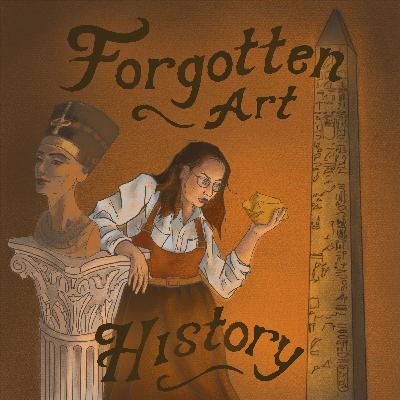
Forgotten Art History
Subscribed: 3Played: 3
Subscribe

© Accessible Art History
Description
Forgotten Art History uncovers the overlooked stories, objects, and cultures that rarely make it into traditional textbooks. Each episode shines a light on the hidden corners of the art world, making history engaging and accessible for everyone.
accessiblearthistory.substack.com
accessiblearthistory.substack.com
5 Episodes
Reverse
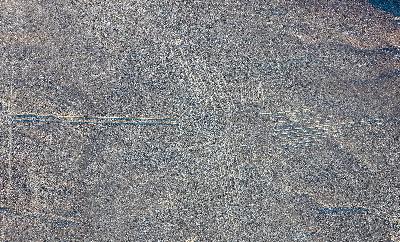
Long before the Inca Empire, and centuries before European contact, ancient cultures along the coast and highlands of Peru were creating some of the most sophisticated art and ritual landscapes in the ancient world. In this episode, we explore Chavín, Nazca, and the Moche, three cultures whose monuments, ceramics, and sacred spaces reveal complex belief systems, political power, and deep connections to the environment. Often pushed to the margins of history by colonial narratives, these civilizations tell a very different story of South America. It is one of innovation, resilience, and artistic brilliance. This episode is an invitation to look beyond conquest and rediscover the cultures that shaped the region long before it was renamed by outsiders.Sourceshttps://smarthistory.org/intro-andes/https://smarthistory.org/chavin-de-huantar/https://smarthistory.org/period-culture-style/native-andean/chavin/https://smarthistory.org/period-culture-style/native-andean/chavin/Contreras, Daniel A. “Not Just a Pyramid Scheme?: Diversity in Ritual Architecture at Chavín de Huántar.” In Rituals of the Past: Prehispanic and Colonial Case Studies in Andean Archaeology, edited by SILVANA A. ROSENFELD and STEFANIE L. BAUTISTA, 51–78. University Press of Colorado, 2017. http://www.jstor.org/stable/j.ctt1mtz7j7.7.Onuki, Yoshio. “From Ritual to Ideology: Ritual Activity and Artistic Representations in the Northern Highlands of Peru in the Formative Period.” In Rituals of the Past: Prehispanic and Colonial Case Studies in Andean Archaeology, edited by SILVANA A. ROSENFELD and STEFANIE L. BAUTISTA, 79–102. University Press of Colorado, 2017. http://www.jstor.org/stable/j.ctt1mtz7j7.8.https://smarthistory.org/nazca-nasca-art-sacred-linearity-bold-designs/https://en.wikipedia.org/wiki/Nazca_lineshttps://www.smithsonianmag.com/smart-news/see-newly-discovered-nazca-drawings-depict-llamas-human-sacrifices-more-180985133/https://www.cambridge.org/core/journals/antiquity/article/abs/new-evidence-for-the-date-of-the-nazca-lines/2643441F81DED2947A0E61DB2730B185https://en.wikipedia.org/wiki/Moche_culture#Archaeological_discoverieshttps://www.metmuseum.org/essays/moche-decorated-ceramicshttps://www.doaks.org/resources/moche-iconographyhttps://link.springer.com/article/10.1023/A:1019933420233 This is a public episode. If you'd like to discuss this with other subscribers or get access to bonus episodes, visit accessiblearthistory.substack.com/subscribe
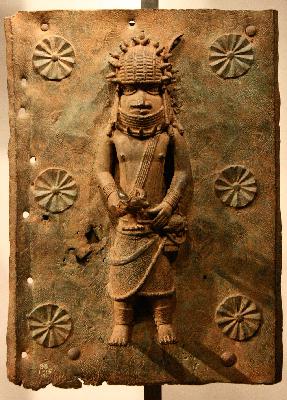
In this episode of Forgotten Art History, we journey into the Kingdom of Benin to uncover the artistry, symbolism, and political power behind these masterpieces. We explore how the bronzes were created, what they meant to the people who crafted and cherished them, and how a brutal 1897 British invasion scattered them across museums around the globe.Today, the Benin Bronzes stand at the center of a global conversation about restitution, identity, and who gets to own the past. Join us as we trace their path from royal treasures to contested museum artifacts and consider what their legacy means in our ongoing efforts to confront and repair the histories empire left behind.Sourceshttps://www.metmuseum.org/essays/recovering-benin-bronzehttps://www.nationalgeographic.com/travel/article/nigeria-stolen-benin-bronzes-london-museumhttps://www.theguardian.com/news/ng-interactive/2025/oct/12/restitution-row-how-nigerias-new-home-for-the-benin-bronzes-ended-up-with-clay-replicashttps://education.nationalgeographic.org/resource/kingdom-benin/https://en.wikipedia.org/wiki/Kingdom_of_Beninhttps://www.dw.com/en/how-is-nigerias-new-arts-museum-tied-to-the-benin-bronzes/a-74749589https://www.britannica.com/biography/Ewuare-the-Greathttps://www.britishmuseum.org/about-us/british-museum-story/contested-objects-collection/benin-bronzes This is a public episode. If you'd like to discuss this with other subscribers or get access to bonus episodes, visit accessiblearthistory.substack.com/subscribe
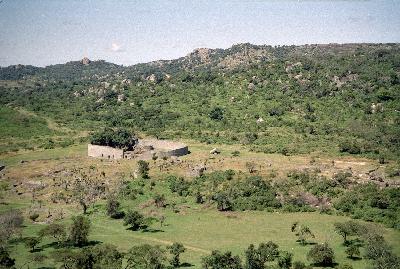
Stone and Story — The Legacy of Great ZimbabweDescription:For centuries, the towering stone walls of Great Zimbabwe have stood as silent witnesses to one of Africa’s greatest civilizations. Built by the ancestors of the Shona people between the 11th and 15th centuries, this remarkable city was a center of trade, religion, and royal power. It is also an architectural masterpiece long misrepresented by colonial myths.In this episode of Forgotten Art History, we uncover the true story of Great Zimbabwe:Its awe-inspiring architecture and engineering brilliance.The spiritual symbolism of the famous Zimbabwe Birds.How colonial narratives tried to erase its African origins and how modern scholarship reclaimed the truth.Why Great Zimbabwe belongs in the global art historical canon, alongside the Parthenon, Machu Picchu, and Angkor Wat.Join Forgotten Art History as we explore how stone, art, and identity intertwine in this enduring symbol of African creativity and resilience, a masterpiece that demands to be remembered.Perfect for listeners who enjoy:Art history, archaeology, world heritage, African history, cultural storytelling, decolonization, and global art narratives.Follow Forgotten Art History:Subscribe wherever you listen to podcasts, and connect on social media for more stories of the art the world forgot and the people who made it unforgettable. This is a public episode. If you'd like to discuss this with other subscribers or get access to bonus episodes, visit accessiblearthistory.substack.com/subscribe
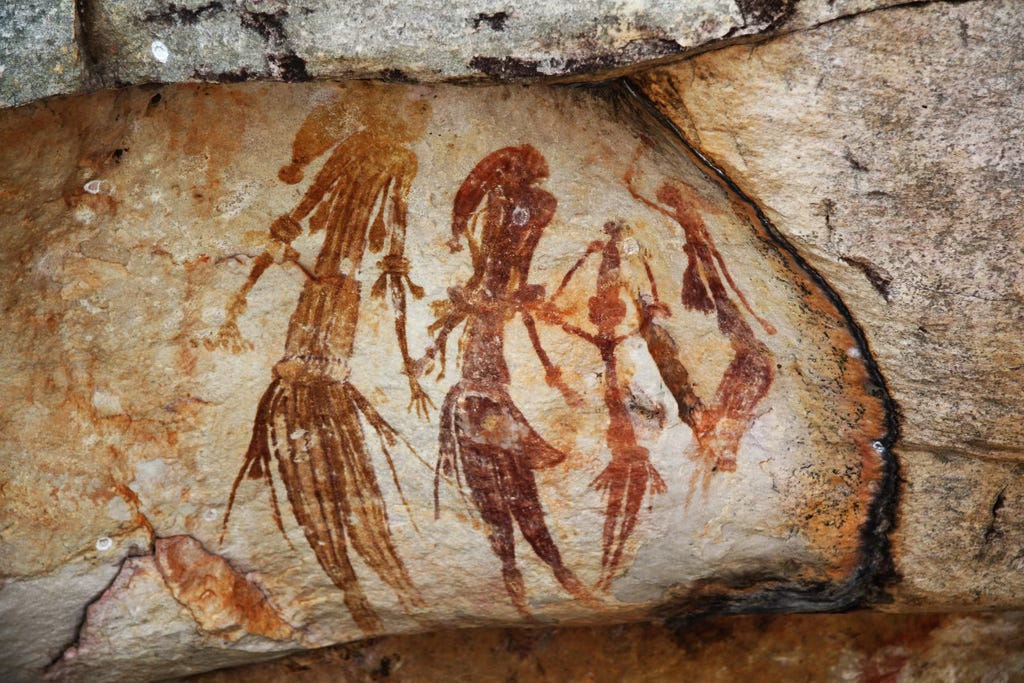
Indigenous Australians have been creating art for over 40,000 years, making their rock art the world’s oldest continuous artistic tradition. But these works aren’t just beautiful images on stone. They’re sacred, living connections to land, ancestors, and community.In this episode of Forgotten Art History, we explore:* What Indigenous Australian rock art is and how it’s created* The deep symbolism behind motifs like hand stencils, animals, and ancestral beings* How layers of paintings across thousands of years show cultural continuity* Famous sites like Kakadu nad Gwion Gwion and what makes them unique* The ongoing spiritual importance of rock art todayBy the end of this episode, you’ll see why Indigenous Australian rock art isn’t just ancient history, it’s a vibrant, living tradition that continues to inspire and connect people today.🎧 Tune in and discover how the world’s oldest art is still alive and thriving.Sourceshttps://www.researchgate.net/publication/352273049_Australian_Indigenous_Ochres_Use_Sourcing_and_Exchangehttps://japingkaaboriginalart.com/articles/australian-aboriginal-ochre-painting/https://www.britannica.com/topic/the-Dreaming-Australian-Aboriginal-mythologyhttps://en.wikipedia.org/wiki/Indigenous_Australian_arthttps://en.wikipedia.org/wiki/Gabarnmunghttps://pursuit.unimelb.edu.au/articles/australia-s-oldest-known-aboriginal-rock-paintingshttps://www.nma.gov.au/defining-moments/resources/first-rock-artThe Academy, the Market and the Art Museums in the Repositioning of AustralianAboriginal ArtAuthor(s): David DolanCategories of ‘Old’ and ‘New’ in Western Arnhem Land Bark PaintingChapter Author(s): Luke TaylorBook Title: Long History, Deep TimeBook Subtitle: Deepening Histories of PlaceBook Author(s): Ann McGrath and Mary Anne Jebb This is a public episode. If you'd like to discuss this with other subscribers or get access to bonus episodes, visit accessiblearthistory.substack.com/subscribe
Welcome to the very first episode of Forgotten Art History, a podcast that explores the stories, subjects, and ideas in art history that often get left behind.In this episode, we’re tackling one of the most important—and debated—concepts in the field: the art historical canon. What does it mean for a work of art to be considered “canonical”? Who gets to decide? And how has Western dominance, shaped by imperialism and colonization, influenced which artists and cultures are remembered, and which are left out?By the end, you’ll see how the canon isn’t fixed—it’s constantly shifting and shaped by power, culture, and critical voices. And more importantly, you’ll understand why art history should be a story about all of us, not just some of us.Don't forget to follow Accessible Art History on Instagram, @accessible.art.history for all updates on the show and a ton of other art history content!Sources:https://smarthistory.org/world-art-history/https://arthistoriography.wordpress.com/wp-content/uploads/2018/11/langfeld.pdfhttps://framerframed.nl/en/blog/symposium-in-the-wake-of-the-global-turn-propositions-for-an-exploded-art-history-without-borders/https://docs.lib.purdue.edu/artlas/vol6/iss1/5/https://jameselkins.com/wp-content/uploads/2009/12/globalism-art-seminar.pdf This is a public episode. If you'd like to discuss this with other subscribers or get access to bonus episodes, visit accessiblearthistory.substack.com/subscribe
Comments

Download from Google Play

Download from App Store
 United States