


 Claim Ownership
Sorry I Missed You
Subscribed: 0Played: 0
Subscribe

© Megan Dalessandro
Description
Rallying curious minds who love heartfelt storytelling, playful thinking, and a little marketing magic. These short (slightly nerdy) voicemails explore what makes stories, brands, and ideas unforgettable in a noisy world.
sorryimissedyou.substack.com
sorryimissedyou.substack.com
31 Episodes
Reverse
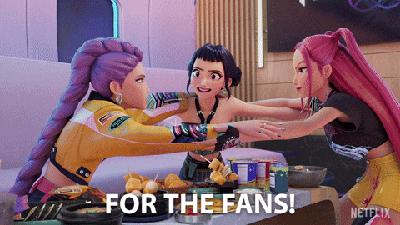

Amy Poehler recently said, “Enthusiasm is a risk.” This voicemail explores why that risk is worth taking — from the professor who told me I had too much enthusiasm to the creator behind K-Pop Demon Hunters, whose joy made the world’s most-watched movie. In this voicemail we talk about how excitement turns nerves into connection, why joy is a creative advantage, and how protecting our spark makes our work (and our lives) way more watch-worthy. This is a public episode. If you would like to discuss this with other subscribers or get access to bonus episodes, visit sorryimissedyou.substack.com

If you’ve ever felt “included” but still not fully at home, this voicemail is for you. I’m unpacking the difference between being welcomed and being expected, and why that subtle shift can change how we show up in friendships, rooms, and even the experiences we build through marketing. We’ll talk about belonging as something you can practice (not something you accidentally earn), how to stop auditioning for a role nobody’s hiring for, and what it looks like to create moments people actually want to return to. This is a public episode. If you would like to discuss this with other subscribers or get access to bonus episodes, visit sorryimissedyou.substack.com

What makes tiny wins so addictive? I’ve been thinking about how low-effort side quests create momentum, fulfillment, and repeatable joy. From conveyor belt sushi and surprise capsule toys to habit streaks and everyday rituals, this voicemail explores why small wins work—and how a little progress, story, and reward turns ordinary moments into something we actually want to return to. This is a public episode. If you would like to discuss this with other subscribers or get access to bonus episodes, visit sorryimissedyou.substack.com
Why does your brain love things you don’t have to choose? In this voicemail, I get into why background TV, old cartoons, and even the Macy’s Thanksgiving Day Parade feel so comforting right now. We talk about algorithm fatigue, shared attention, curiosity, and how everything somehow started feeling like homework.From Pretty Little Liars nights in high school to texting my mom during Santa’s big entrance, this is a soft little rant about connection, low-stakes discovery, and the quiet joy of unoptimized fun.If this reminds you of your own comfort-watch rituals, tell me!! I love hearing what everyone’s version of unoptimized fun looks like. This is a public episode. If you would like to discuss this with other subscribers or get access to bonus episodes, visit sorryimissedyou.substack.com
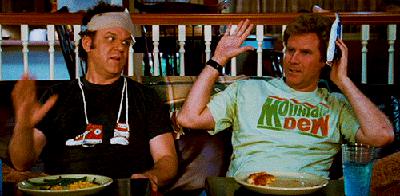
The smartest people I know are also the dumbest—on purpose. This voicemail reveals how low-stakes humor builds trust, sparks belonging, and makes ideas unforgettable. From spontaneous party bits and Step Brothers quotes to playful B2B campaigns, you’ll see how embracing silliness fuels creativity, strengthens your brand, and drives results that last. This is a public episode. If you would like to discuss this with other subscribers or get access to bonus episodes, visit sorryimissedyou.substack.com
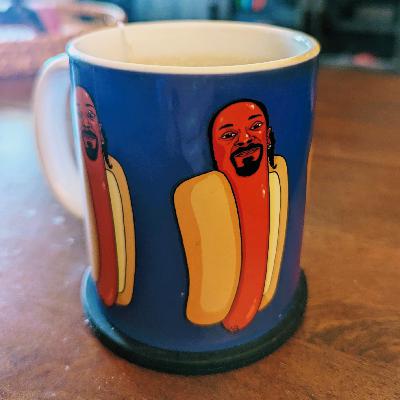
What do Snoop Dogg mugs, velvet track suits, and brand strategy have in common? A weirdly specific point of view. In this voicemail, we talk about how to make your voice so you it’s instantly recognizable and why that’s the secret to trust, connection, and creative work that sticks. This is a public episode. If you would like to discuss this with other subscribers or get access to bonus episodes, visit sorryimissedyou.substack.com
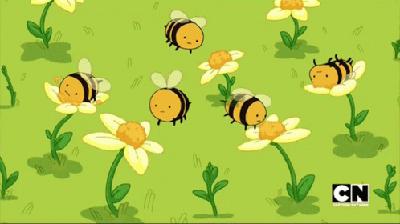
Did you know bees play for fun? We explore what those little wooden-ball-rolling bees can teach us about perfectionism, creativity, and the power of play. Talk about why bad ideas matter (and why we should collect them), how daydreaming fuels insight, and what Amy Poehler’s Good Hang gets right about collaboration and curiosity.Play isn’t just a reward—it’s a requirement. So if you’re feeling stuck, burnt out, or waiting for permission to have fun again, this one’s your wooden ball. This is a public episode. If you would like to discuss this with other subscribers or get access to bonus episodes, visit sorryimissedyou.substack.com

TL;DL: Your audience’s brain is following a script. If your content doesn’t break that pattern in a memorable way, it gets forgotten. Here's how to make them remember you—and want to share it with a friend.I’m digging into the neuroscience behind why some content sticks and some slides into the void. We’ll talk about “event scripts”—the mental templates our brains use to process stories—and how to break them in the best possible way.We'll think about how to turn bland webinars, emails, and videos into content worth quoting in the group chat. With examples and a 4-step scripting checklist, this one’s a quick hit of creative strategy and marketing science you can use right away.📌 Highlights:🧠 How our brains use “event scripts” to process content💡 Ways to break the expected script in your brand storytelling✅ A checklist for scripting memorable moments💬 Try this today:Grab one piece of content—past or future—and ask yourself⭕ What’s the expected script for this?⭕ How can I thoughtfully break it?⭕ What’s the one moment I want people to remember three days later?Then just rewrite your opening line and your takeaway. That’s it! Let me know how it goes. This is a public episode. If you would like to discuss this with other subscribers or get access to bonus episodes, visit sorryimissedyou.substack.com
Ever wondered why your brain loves filling in song lyrics more than remembering your own to-do list? In this voicemail we dive into the neuroscience behind our love for filling in blanks, what marketers can learn from Spotify Wrapped (and Netflix’s autoplay fails), and why our content should empower our audience instead of instructing them. Also included: catchy songs, psychic friends, questionable horror movies, and cats disguised as chicken drumsticks. This is a public episode. If you would like to discuss this with other subscribers or get access to bonus episodes, visit sorryimissedyou.substack.com

Does more actually mean better? Or does it just feel that way?Jerry Springer’s show ran for 27 seasons, thriving on shock, chaos, and controversy—until it all collapsed under the weight of too much. And honestly? The same thing happens in content marketing.Everyone’s obsessed with more—more posts, more videos, more channels. But just like in cooking, more butter doesn’t always make the dish better.In this episode, we’re talking about:🎬 What The Jerry Springer Show teaches us about content overload📉 When “more” actually hurts your brand (and what to do instead)🍽️ How to butter up your content without drowning in it🚀 Why choosing where to show up is more important than showing up everywhereBefore you hit publish, ask yourself: Are you creating value—or just creating more?📩 Subscribe for more creative chaos This is a public episode. If you would like to discuss this with other subscribers or get access to bonus episodes, visit sorryimissedyou.substack.com

One second, I’m enjoying a normal shower. The next? A mysterious man’s voice is coming from my living room, and I’m mentally preparing to defend myself with a bottle of shampoo.Turns out, the culprit wasn’t an intruder—it was my possessed alarm clock radio. A clock radio I’ve had since 2008, you know, the last time you used a radio. A clock I suddenly realized I was way too loyal to.And that got me thinking: Why do we stay loyal to brands long after they’ve stopped serving us?In this voicemail:💡 How businesses build (or break) brand affinity🛒 Why customers don’t just buy products—they buy belonging⏳ The lifecycle of brand loyalty & what keeps people coming back🚩 Signs a brand is losing trust (and how to fix it)The best brands don’t just sell—they make people want to belong. So how do we build trust without forcing it?📩 Subscribe for more creative chaos This is a public episode. If you would like to discuss this with other subscribers or get access to bonus episodes, visit sorryimissedyou.substack.com
Ever almost not done something—then realized you’d regret it forever?That was me in Tennessee, debating whether to ride a mechanical bull as our Uber got closer. My friend looked me in the eye and said:“CORE MEMORY.”It got me thinking—how do we actually make memories? And why do some moments stick forever while others fade (or even change)?In this episode:🎬 Why “flashbulb memories” aren’t as accurate as we think🔁 How remembering actually rewrites memories🧠 Social media’s impact on what we remember💡 Why making more memories beats chasing one big oneWhat’s a small moment that became a core memory for you? Tell me!📩 Subscribe for more This is a public episode. If you would like to discuss this with other subscribers or get access to bonus episodes, visit sorryimissedyou.substack.com

Ever been vibing to a happy song and thought, "This would be perfect for a horror movie"? No? Just me?In this episode, I’m diving into the power of contrast—in horror, in creativity, in work, and in life. From Us and Devil’s Rejects to satire writing and Six Flags free-fall rides, contrast makes things memorable.🎬 Why upbeat songs in horror movies feel so unsettling (and why it works)💡 How contrast fuels great storytelling, comedy, and creativity📉 Why failure is necessary for success (and why winning all the time holds you back)🎨 How balancing work and life makes both more powerfulContrast keeps things interesting. So where do you see contrast working best? Let me know!📩 Subscribe for more creative chaos This is a public episode. If you would like to discuss this with other subscribers or get access to bonus episodes, visit sorryimissedyou.substack.com
Seven months after absolutely exploding my ankle (yes, that’s the technical term), I finally got the all-clear to skate again. But...What if I wasn’t ready? What if I wiped out in front of an entire park full of strangers? What if Brad, my physical therapist, was secretly testing me and I failed spectacularly??But here’s the thing: Play always comes with a little risk. And not just in roller skating—marketing, relationships, life… it’s all a game of curiosity, trust, and hoping you don’t eat pavement.In this voicemail:🛼 Why risk and play go hand in hand (and why that’s a good thing)⚡ How brands can invite people to play without making them the punchline🎯 What it actually takes to get someone to take a leap (or stand up on eight wheels)And yes, I did stand up. And yes, it blew my f*****g mind.Whether it’s launching a campaign, trying something new, or just putting on your skates—it's almost always worth it.Hit play, and let’s roll.Subscribe for more creative chaos. This is a public episode. If you would like to discuss this with other subscribers or get access to bonus episodes, visit sorryimissedyou.substack.com

Some memories stick with us forever—but what if we had the power to reshape them?In this episode, I share a story from my friend Mariya Delano about a day that could have been the saddest of her childhood… but wasn’t. Thanks to a caring father and a little imagination, what started as a painful moment transformed into a lifelong core memory of wonder, adventure, and dinosaurs.We talk about how our perception of the past shapes us, why memory is more flexible than we think, and how we all have the power to redirect tough moments into something meaningful.What’s a memory that’s stuck with you? Have you ever intentionally rewritten a moment for yourself or someone else? This is a public episode. If you would like to discuss this with other subscribers or get access to bonus episodes, visit sorryimissedyou.substack.com
After getting contacts for the first time, I had a full-blown existential crisis over my eyebrows (shoutout to my glasses for shielding me from this for years). But this got me thinking… what actually makes something belong?Connection and belonging aren’t the same thing—just because something fits doesn’t mean it feels right. That applies to eyebrows, friendships, brands, and communities alike.In this voicemail:👀 Why my math teacher’s missing eyebrows live rent-free in my head📌 The key difference between connection vs. belonging in marketing (and life)🎯 How to create something people want to be part of—not just something they stumble intoAlso, promise I won’t shave my eyebrows off. Probably. This is a public episode. If you would like to discuss this with other subscribers or get access to bonus episodes, visit sorryimissedyou.substack.com

Getting laid off? 0/10, would not recommend. But if life has taught me anything, it’s that the best moments usually come after the absolute worst ones. High peaks don’t exist without deep valleys, and right now, I’m somewhere in between—figuring it out as I go.Turns out, our brains hate ambiguity (like, full-on existential crisis mode). They crave patterns, predictability, and knowing what’s next. But what if not knowing is actually a good thing?In this voicemail:🧠 Why uncertainty makes my brain short-circuit (and probably yours too)🏔️ How contrast makes life richer—even when it sucks in the moment🛒 Why I’m fully embracing my post-layoff era… and justifying the fancy butterIf you’ve ever felt lost, jobless, or just like you’re wandering the aisles of life looking for direction (or cereal), this one’s for you. This is a public episode. If you would like to discuss this with other subscribers or get access to bonus episodes, visit sorryimissedyou.substack.com

Marketing has a trust problem. And the solution? It’s not more ads, more content, or more lead gen forms. It’s play.Think about it—when was the last time you really connected with someone? It probably wasn’t during a forced networking event or while filling out a 7-field gated form. It was during a shared moment, a laugh, an inside joke, a game.Play is the fastest way to build trust. It’s the difference between “This brand gets me” and “Ugh, another generic CTA.” And right now, most B2B marketing feels like the opposite of play:❌ BUY NOW!❌ DOWNLOAD OUR EBOOK!❌ NEED HELP?(Side note: why do so many CTAs sound vaguely threatening?)In this voicemail:🍳 Why play is the missing ingredient in most marketing strategies, 🎢 How different types of play build trust in different ways (slides vs. swings vs. seesaws, stay with me), 💓 How brands can use play to create connections that actually last.Because at the end of the day, people don’t trust logos. They trust people. And people connect through play.Okay, that’s enough marketing philosophy for one day. Byeeee! This is a public episode. If you would like to discuss this with other subscribers or get access to bonus episodes, visit sorryimissedyou.substack.com
Look, I wasn’t sure I wanted to call you today. Nothing personal, just been in a mood. One of those ugh-everything-is-terrible-but-also-I-should-probably-fold-my-laundry kinda moods.Lately, I’ve been thinking a lot about what makes something (or someone) memorable. And my brain keeps circling back to the day I shattered my ankle—a day that started off suspiciously too perfect before everything flipped upside down.At first, I thought my entire world was over. (Dramatic? Maybe. Accurate? Also yes.) But now, months later, I realize something: that moment changed me in ways I never saw coming. It forced me to redefine what "productivity" even means, to stop overloading myself, and to actually appreciate the little things—like taking a damn shower.So, here’s what I want to figure out: How do we make moments worth remembering? And what does that mean for how we tell stories, build relationships, or hell, just make it through the day?This one’s personal. This is a public episode. If you would like to discuss this with other subscribers or get access to bonus episodes, visit sorryimissedyou.substack.com
I’ve been a loser my entire life. And honestly? I’m proud of it.Winning has never been my motivator—give me failure, feedback, and a good underdog story any day. In this episode, I’m diving into why losers actually have the advantage (especially in marketing), how getting comfortable with failure breeds innovation, and why the best connections aren’t built from a pedestal.Also, did I once cheerlead for a football team that never won a single game? Absolutely. Did that make me the perfect person to talk about embracing the L? 1000%.Oh, and stick around for the time I actually did win something—because even losers have their moments.Okay, later loser. 😉 This is a public episode. If you would like to discuss this with other subscribers or get access to bonus episodes, visit sorryimissedyou.substack.com

Comments

Download from Google Play

Download from App Store
 United States