DiscoverPDA Society Podcast
PDA Society Podcast
Claim Ownership

PDA Society Podcast

Author: PDA Society

Subscribed: 71Played: 401
Share

Description

Welcome to the PDA Society’s podcast, where we explore all things PDA to help make life easier for PDAers, their families, and everyone affected by demand avoidance. Research suggests PDA (Pathological Demand Avoidance) is a profile of autism, meaning individuals share similar strengths and challenges. A key feature of PDA is extreme demand avoidance – finding it hard or impossible to complete everyday tasks, even those they want to do. PDAers often use social strategies to manage demands, form deep connections with safe people, and experience strong emotions. Join us as we dive into PDA together!

If any of the issues in today’s podcast affected you or you’d like to learn more, please visit our website for help and information on: www.pdasociety.org.uk

10 Episodes
Reverse
As a special bonus episode for the festive period, Dawn from Milestone Coaching joins us on the podcast to talk through relaxation and breathwork techniques to help you when times are stressful. We'll also be releasing a ten-minute body scan meditation session on all our podcast platforms, as well as a Soundbath episode from Forgotten Forest, available for free to subscribers on our website. You can find more details here: PDA Podcasts - PDA Society [https://training.pdasociety.org.uk/pda-podcasts/] About our guest: I'm Dawn, the coach and trainer at Milestone Training & Coaching Company. For me, there is nothing more rewarding than watching the incredible transformations in my clients - seeing adults and teenagers break free from self-doubt, shift their mindset, and step into their true potential drives me and is the reason I get up in the morning. I live in Axford, North Hampshire, with my husband, two sons, and two springer spaniels. I am often out running or walking in the woodlands nearby with my two Spaniels, my husband, or my few close running friends. I love nature, and staying active, healthy, and fit is very important for me. Socialising and connecting with my family and friends keeps my mental health strong, and my hunger for constantly learning new approaches in my life, and for the clients I work with, keeps me fulfilled, fresh, and very busy. Qualifications and Training * Life Coaching Diploma with the Life Coaching Academy, Europe's Leading Coaching Organisation * NLP Practitioner (Neuro-Linguistic Programming) * Bachelor of Science Degree in Psychology * Counselling Skills & CBT Trained * Acceptance Commitment Therapy (ACT) - Level 2 * Samaritan Volunteer Listener Disclaimer The views and opinions expressed by guest speakers in this podcast are their own and do not necessarily reflect those of the PDA Society. While we aim to provide balanced and inclusive discussions, individual experiences and perspectives may vary. The PDA Society is committed to using language and terminology that reflects the preferences of PDA and autistic people, but sometimes our guests may use language and terminology which differs. Appearance on our podcast is not an endorsement of an individual, and not all of our guests will align with our position on the issues discussed. Further sources of support and information: * PDA Society Training Hub: https://training.pdasociety.org.uk/pda-podcasts/ * PDA Society Website: https://www.pdasociety.org.uk/ * PDA Society Training: https://www.pdasociety.org.uk/support-and-training/training/ * PDA Society Support Service: https://www.pdasociety.org.uk/support-and-training/support/
As a special bonus episode for the festive period, the PDA Society invites you to join us for 10 minutes to pause, rest and relax with our guided ten-minute meditation. We've also be released an episode on Relaxation and Breathwork all our podcast platforms, as well as a Soundbath episode from Forgotten Forest, available for free to subscribers on our website. You can find more details here: PDA Podcasts - PDA Society [https://training.pdasociety.org.uk/pda-podcasts/] Disclaimer The views and opinions expressed by guest speakers in this podcast are their own and do not necessarily reflect those of the PDA Society. While we aim to provide balanced and inclusive discussions, individual experiences and perspectives may vary. The PDA Society is committed to using language and terminology that reflects the preferences of PDA and autistic people, but sometimes our guests may use language and terminology which differs. Appearance on our podcast is not an endorsement of an individual, and not all of our guests will align with our position on the issues discussed. Further sources of support and information * PDA Society Training Hub: https://training.pdasociety.org.uk/pda-podcasts/ * PDA Society Website: https://www.pdasociety.org.uk/ * PDA Society Training: https://www.pdasociety.org.uk/support-and-training/training/ * PDA Society Support Service: https://www.pdasociety.org.uk/support-and-training/support/
In this episode, Rachel and Sarah from the PDA Society begins a timely conversation about Christmas, and how the build-up can feel exciting, intense, and sometimes overwhelming for PDA children, young people, and their families. We explore why this season can bring extra demands, changes in routine, sensory overload and social expectations, all of which can increase anxiety for PDAers. We'll talk through the early signs that Christmas is starting to feel "too much", and how planning ahead with a low demand, relationship-led approach can help. This first part focuses on understanding what makes Christmas challenging in the first place, and how shifting expectations, simplifying plans and prioritising emotional safety can lay the groundwork for a calmer festive period. Key Themes * Why Christmas can feel overwhelming for PDA learners and families * The impact of increased demands, uncertainty and sensory load * Noticing early signs of anxiety and overload * Reducing pressure through flexible planning * Prioritising emotional safety and connection over tradition Deep Diver Subscriber Episode For those who would like to go further, Part 2, an exclusive "Deep Diver" subscriber episode, is available through our Training Hub. You can access it here: https://training.pdasociety.org.uk/pda-podcasts/ Disclaimer The views and opinions expressed by guest speakers in this podcast are their own and do not necessarily reflect those of the PDA Society. While we aim to provide balanced and inclusive discussions, individual experiences and perspectives may vary. The PDA Society is committed to using language and terminology that reflects the preferences of PDA and autistic people, but sometimes our guests may use language and terminology which differs. Appearance on our podcast is not an endorsement of an individual, and not all of our guests will align with our position on the issues discussed. Further sources of support and information * PDA Society Training Hub: https://training.pdasociety.org.uk/pda-podcasts/ * PDA Society Website: https://www.pdasociety.org.uk/ * PDA Society Training: https://www.pdasociety.org.uk/support-and-training/training/ * PDA Society Support Service: https://www.pdasociety.org.uk/support-and-training/support/
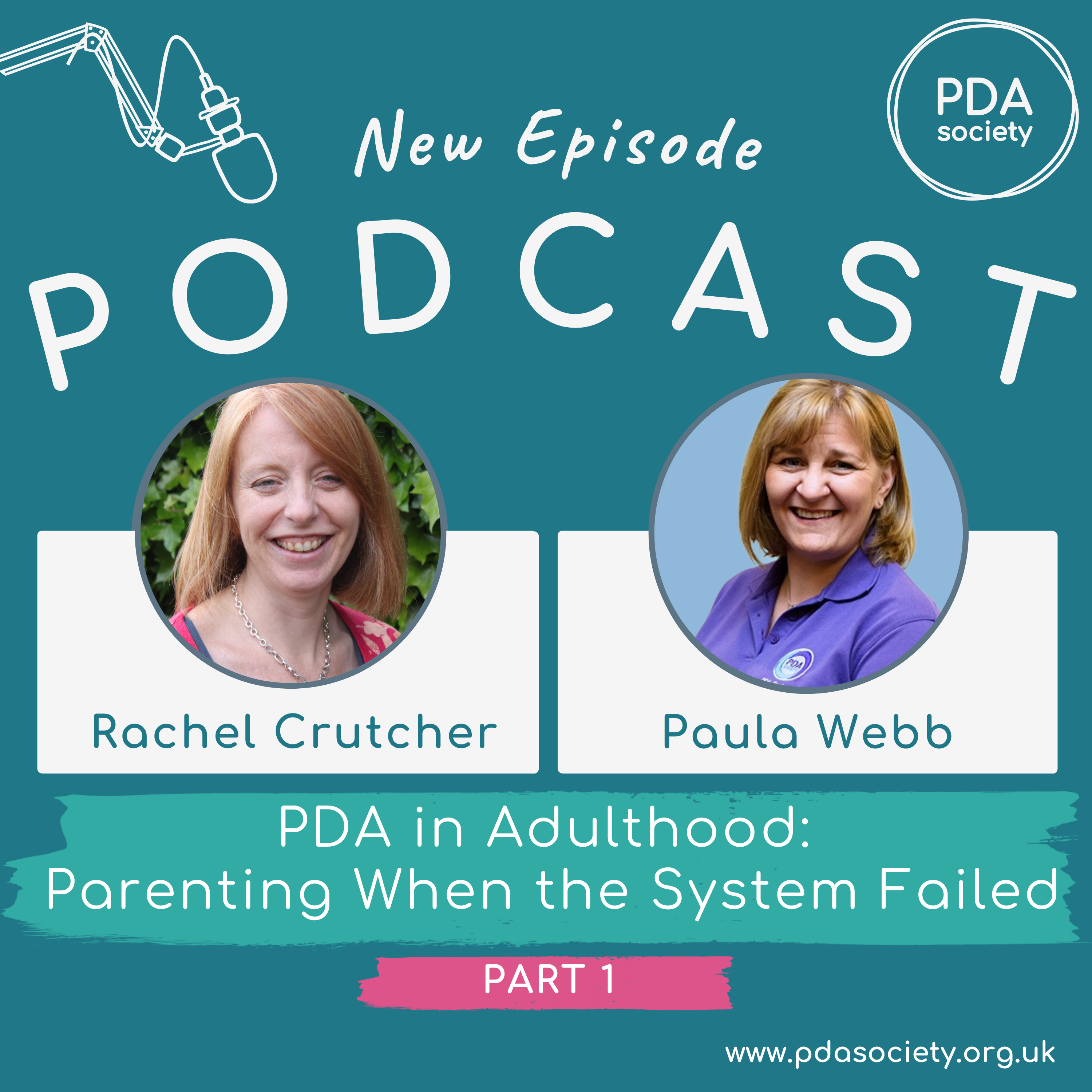
In this episode, PDA Society's Rachel speaks with Paula Webb, the parent of an adult PDAer, about what happens when PDA goes unrecognised through childhood and beyond. Together they explore how the lack of understanding and support in earlier years can have lasting effects on both the individual and their family.  Through honest and heartfelt conversation, Paula shares their family's journey – from the confusion and distress of unmet needs to the eventual realisation that PDA lay at the heart of it all. They discuss how late understanding reshaped their relationship with their now-adult child, and the process of rebuilding communication, trust and mutual understanding. This episode shines a compassionate light on the challenges faced by PDA adults whose needs were missed in childhood, and the emotional toll carried by both parents and children. It's a powerful reminder that it's never too late to learn, understand and reconnect. Key Themes: * Growing up without recognition or diagnosis * The long term impact of unmet needs * The parent child relationship through adulthood * Finding understanding and healing later in life * Building trust after years of misunderstanding Deep Diver Subscriber Episode For those who would like to go further, Part 2 – an exclusive "Deep Diver" subscriber episode – is available through our Training Hub. You can access it here: https://training.pdasociety.org.uk/pda-podcasts/ Disclaimer The views and opinions expressed by guest speakers in this podcast are their own and do not necessarily reflect those of the PDA Society. While we aim to provide balanced and inclusive discussions, individual experiences and perspectives may vary. The PDA Society is committed to using language and terminology that reflects the preferences of PDA and autistic people, but sometimes our guests may use language and terminology which differs. Appearance on our podcast is not an endorsement of an individual, and not all of our guests will align with our position on the issues discussed. Further sources of support and information PDA Society Training Hub: https://training.pdasociety.org.uk/pda-podcasts/ PDA Society Website: https://www.pdasociety.org.uk/ PDA Society Training: https://www.pdasociety.org.uk/support-and-training/training/ PDA Society Support Service: https://www.pdasociety.org.uk/support-and-training/support/
In this episode, we hear from Dr Rachel Worthington, a forensic psychologist, chartered scientist and senior lecturer at Manchester Metropolitan University. Rachel has spent years working with autistic people in forensic settings and recently led two ground breaking studies into the experiences of autistic people with a PDA profile within the criminal justice system. Rachel shares why she carried out this research, what she discovered, and what changes are needed to make criminal justice environments safer and more supportive. We explore the barriers autistic PDAers face in courts, prisons, youth justice and forensic hospitals, as well as the misunderstandings that can escalate situations and lead to further trauma. With honesty and clarity, Rachel explains the study findings - from the heightened fear response PDAers experience when demands are enforced, to the lack of training among professionals - and offers recommendations for trauma-informed practice, better understanding, and multidisciplinary support. As noted by participants in this study, aggression or violence is never acceptable and no single factor (such as Autism/PDA) causes an individual to engage in aggression or violence. Rather multiple biopsychosocial factors may contribute towards this and any assessment of the causes or contributing factors for violence and/or aggression in legal and forensic settings should be undertaken by registered health professionals with extensive training and experience of supporting both AuPDA individuals and forensic clients. Deep Diver Subscriber Episodes - For those who'd like to go further, a exclusive "Deep Diver" subscriber episodes are available through our Training Hub. You can access them here: https://training.pdasociety.org.uk/pda-podcasts/ Trigger warning: This episode discusses experiences of trauma and contact with the criminal justice system, which some listeners may find distressing. If you are affected by any of the issues raised, you can reach out to our Support Service for information and guidance. Disclaimer The views and opinions expressed by guest speakers in this podcast are their own and do not necessarily reflect those of the PDA Society. While we aim to provide balanced and inclusive discussions, individual experiences and perspectives may vary. The PDA Society is committed to using language and terminology that reflects the preferences of PDA/autistic people, but sometimes our guests may use language and terminology which differs. Appearance on our podcast is not an endorsement of an individual, and not all of our guests will align with our position on the issues discussed. Further sources of support and information: PDA Society training hub: https://training.pdasociety.org.uk/pda-podcasts/ PDA Society Website: https://www.pdasociety.org.uk/ PDA Society Training: https://www.pdasociety.org.uk/support-and-training/training/ PDA Society Support Service: https://www.pdasociety.org.uk/support-and-training/support/
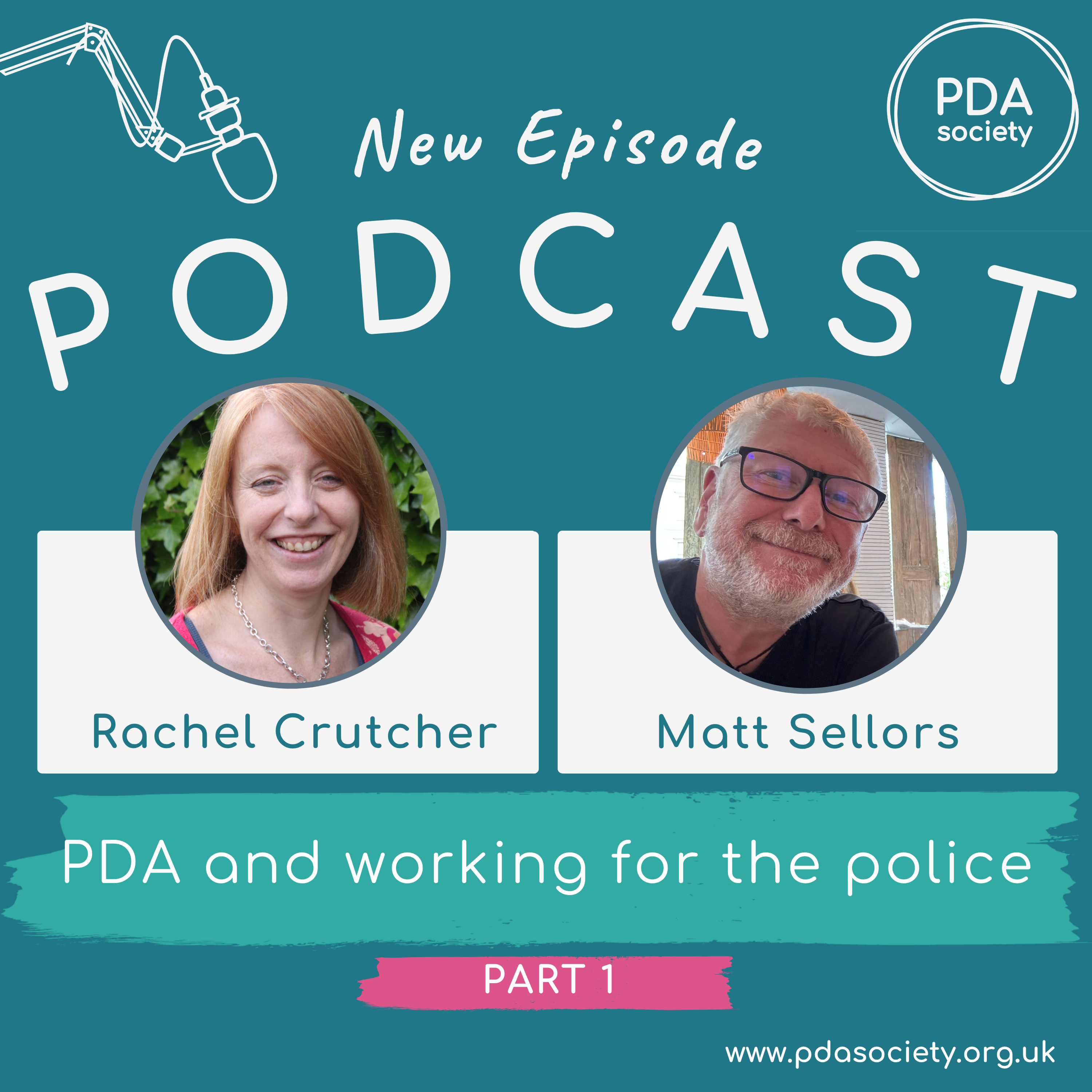
In this episode, our host, Rachel, speaks with Matt, a PDA adult working for the police, about navigating life and work through the lens of Pathological Demand Avoidance. From recognising his PDA traits later in life to finding strategies that make a demanding job sustainable, Matt shares what it's really like balancing public service with a neurodivergent profile. With honesty, humour and insight, Matt reflects on the challenges of masking, managing authority, and meeting the expectations of both himself and others. He talks about the importance of self-awareness, the moments of burnout, and the adjustments that have helped him thrive within – and sometimes in spite of – the structure of policing. This episode offers a rare glimpse into PDA in the workplace and the everyday realities of working in high-pressure environments. Whether you're PDA yourself, love someone who is, or work in a setting with strict rules and routines, this conversation will leave you with a deeper understanding of how flexibility, empathy and self-acceptance can make all the difference. Deep Diver Subscriber Episodes - For those who'd like to go further, a exclusive "Deep Diver" subscriber episodes are available through our Training Hub. You can access them here: https://training.pdasociety.org.uk/pda-podcasts/ Disclaimer The views and opinions expressed by guest speakers in this podcast are their own and do not necessarily reflect those of the PDA Society. While we aim to provide balanced and inclusive discussions, individual experiences and perspectives may vary. The PDA Society is committed to using language and terminology that reflects the preferences of PDA/autistic people, but sometimes our guests may use language and terminology which differs. Appearance on our podcast is not an endorsement of an individual, and not all of our guests will align with our position on the issues discussed. Further sources of support and information * PDA Society Training Hub: https://training.pdasociety.org.uk/pda-podcasts/ * PDA Society Website: https://www.pdasociety.org.uk/ * PDA Society Training: https://www.pdasociety.org.uk/support-and-training/training/ * PDA Society Support Service: https://www.pdasociety.org.uk/support-and-training/support/
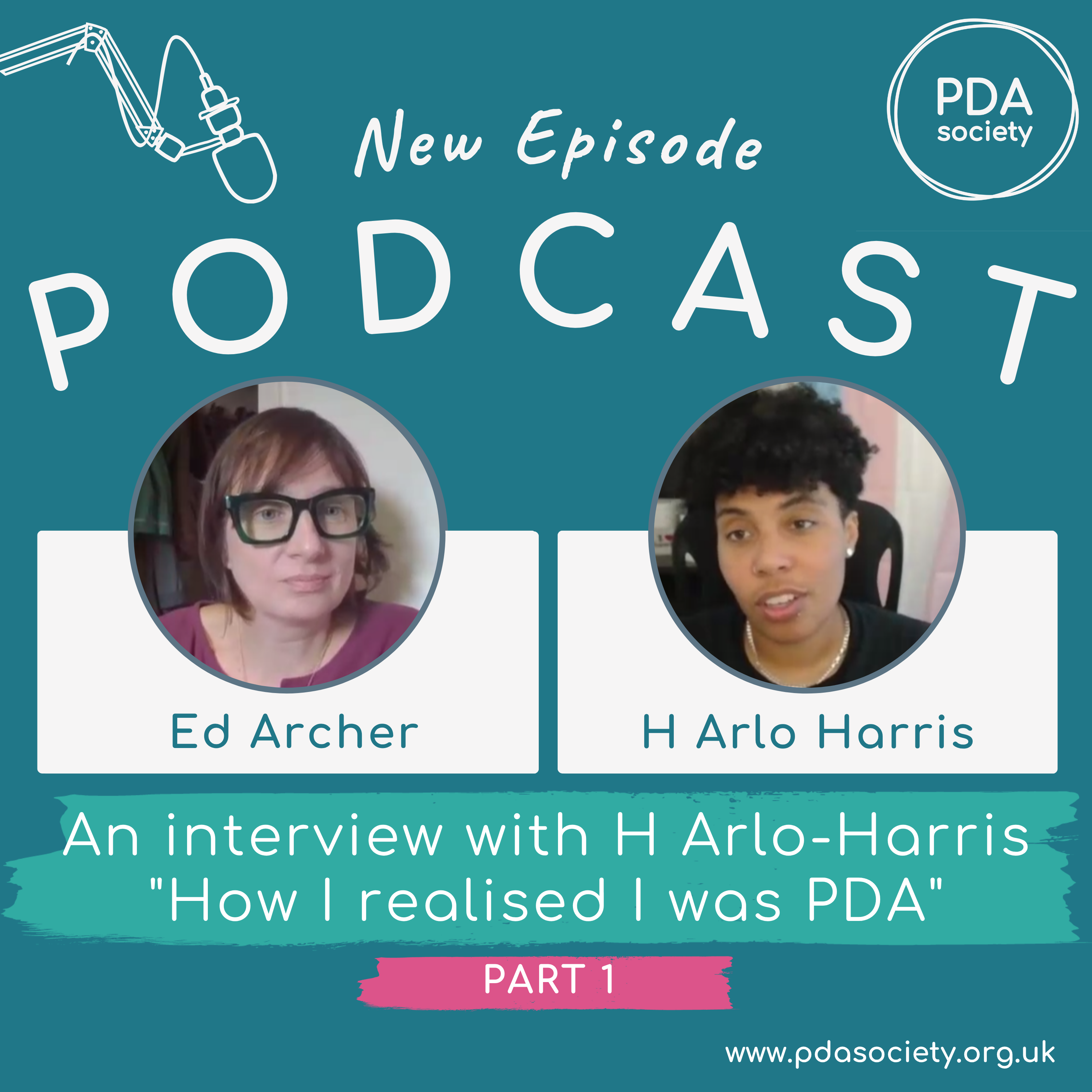
In this episode, PDA Society CEO Ed speaks with H Arlo-Harris – teacher, trainer and PDA adult – about what life is really like when you're PDA. From discovering PDA through a word cloud on our website, to navigating internal demands, sensory overwhelm and social communication, H takes us beyond labels and into lived experience. With warmth, humour and clarity, H shares how PDA impacts their daily life, relationships and work, and how they've shaped a life that allows them to thrive. Whether you're PDA yourself, love someone who is, or work with PDAers, this conversation offers practical insight and compassionate understanding. Deeper Dive Subscriber Episode For those who'd like to go further, Part 2, an exclusive "Deeper Dive" subscriber episode is available through our Training Hub. You can access it here: https://training.pdasociety.org.uk/pda-podcasts/ Disclaimer The views and opinions expressed by guest speakers in this podcast are their own and do not necessarily reflect those of the PDA Society. While we aim to provide balanced and inclusive discussions, individual experiences and perspectives may vary. The PDA Society is committed to using language and terminology that reflects the preferences of PDA/autistic people, but sometimes our guests may use language and terminology which differs. Appearance on our podcast is not an endorsement of an individual, and not all of our guests will align with our position on the issues discussed. Further sources of support and information: PDA Society training hub: https://training.pdasociety.org.uk/pda-podcasts/ PDA Society Website: https://www.pdasociety.org.uk/ PDA Society Training: https://www.pdasociety.org.uk/support-and-training/training/ PDA Society Support Service: https://www.pdasociety.org.uk/support-and-training/support/
Podcast Show Notes – Managing PDA in a mainstream classroom In this episode, host Rachel talks with guest speaker Kelly Evans about the challenges PDA children face in mainstream education. We explore why schools can be overwhelming, the importance of trust, how strong links between families and schools make a difference, and what adjustments can help PDA learners feel safe and supported. Kelly shares practical strategies around softening transitions, supporting unstructured times like playtime and lunchtime, and accommodating sensory needs in the classroom. Together, Rachel and Kelly discuss ways to promote engagement when children appear resistant to learning, and highlight what can make school a more positive experience. Deeper Dive Subscriber Episode For those who'd like to go further, Part 2, an exclusive "Deeper Dive" subscriber episode is available through our Training Hub. You can access it here: https://training.pdasociety.org.uk/pda-podcasts/ Deep Diver Subscriber Episode For those who'd like to go further, an exclusive "Deep Diver" subscriber episode is available through our Training Hub. You can access it here: https://training.pdasociety.org.uk/pda-podcasts/ Disclaimer The views and opinions expressed by guest speakers in this podcast are their own and do not necessarily reflect those of the PDA Society. While we aim to provide balanced and inclusive discussions, individual experiences and perspectives may vary. The PDA Society is committed to using language and terminology that reflects the preferences of PDA/autistic people, but sometimes our guests may use language and terminology which differs. Appearance on our podcast is not an endorsement of an individual, and not all of our guests will align with our position on the issues discussed. Further sources of support and information: PDA Society training hub: https://training.pdasociety.org.uk/pda-podcasts/ PDA Society Website: https://www.pdasociety.org.uk/ PDA Society Training: https://www.pdasociety.org.uk/support-and-training/training/ PDA Society Support Service: https://www.pdasociety.org.uk/support-and-training/support/
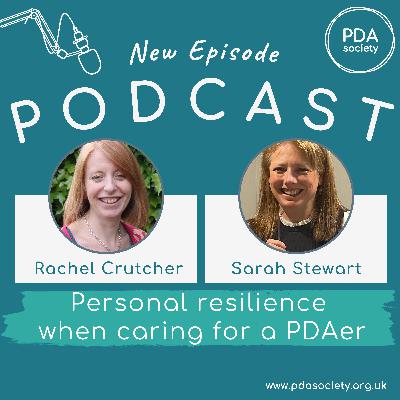
In this episode, Rachel Crutcher shares her experience of parenting a PDA child and how she has developed resilience along the way. We explore what resilience means, some of the research behind it, and the qualities that help it grow over time. Rachel talks about how she copes during particularly difficult moments, and how she has stayed resilient while navigating her child's journey through healthcare and education. Deeper Dive Subscriber Episode For those who'd like to go further, Part 2, an exclusive "Deeper Dive" subscriber episode is available through our Training Hub. You can access it here: https://training.pdasociety.org.uk/pda-podcasts/ Disclaimer The views and opinions expressed by guest speakers in this podcast are their own and do not necessarily reflect those of the PDA Society. While we aim to provide balanced and inclusive discussions, individual experiences and perspectives may vary. The PDA Society is committed to using language and terminology that reflects the preferences of PDA/autistic people, but sometimes our guests may use language and terminology which differs. Appearance on our podcast is not an endorsement of an individual, and not all of our guests will align with our position on the issues discussed. Further sources of support and information: PDA Society training hub: https://training.pdasociety.org.uk/pda-podcasts/ PDA Society Website: https://www.pdasociety.org.uk/ PDA Society Training: https://www.pdasociety.org.uk/support-and-training/training/ PDA Society Support Service: https://www.pdasociety.org.uk/support-and-training/support/
Welcome to the PDA Society's podcast, where we explore all things PDA to help make life easier for PDAers, their families, and everyone affected by demand avoidance. Research suggests PDA (Pathological Demand Avoidance) is a profile of autism, meaning individuals share similar strengths and challenges. A key feature of PDA is extreme demand avoidance -finding it hard or impossible to complete everyday tasks, even those they want to do. PDAers often use social strategies to manage demands, form deep connections with safe people, and experience strong emotions. Join us as we dive into PDA together! If you'd like to learn more, please visit our website for help and information on: www.pdasociety.org.uk [https://www.pdasociety.org.uk/]
Comments