DiscoverDecoding Women's Health with Dr. Elizabeth Poynor
Decoding Women's Health with Dr. Elizabeth Poynor
Claim Ownership

Decoding Women's Health with Dr. Elizabeth Poynor

Author: Pushkin Industries

Subscribed: 124Played: 1,052
Share

Description

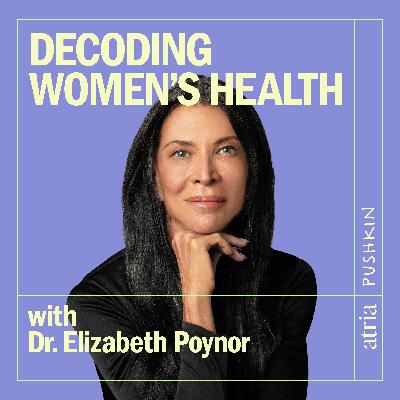
Why is it still so hard for women to find reliable, modern health information about their own bodies? On Decoding Women's Health, Dr. Elizabeth Poynor, chair of women’s health & gynecology at the Atria Health Institute, shares expert insights on women’s health, hormones, and longevity science to help you thrive at any stage of midlife and beyond.


Dr. Poynor, a world-renowned gynecologic oncologist and advanced pelvic surgeon, speaks with leading physicians, researchers, and educators to share the latest science on women’s wellness, disease prevention, and what it really means to age on your own terms. Each episode explores a different aspect of how to improve your health during midlife—from heart disease and genetic risks to metabolism, hormones nutrition, cognitive health, and beyond.


Whether you're in perimenopause, postmenopause, or simply looking for tools to prepare for the next chapter, take charge of your health—now and for the future—with expert guidance and practical advice to help you thrive. 
13 Episodes
Reverse
Leading preventive neurologist Dr. David Dodick joins the show to unpack what alcohol is really doing inside the body. We dive into how it affects the brain, why it’s linked to an increased cancer risk, how it influences the immune system, and what makes alcohol especially impactful for women navigating perimenopause and menopause. If you’ve ever wondered what alcohol use might mean for your long-term health, this conversation is for you. Special thanks to Antonia Lyons Links to resources mentioned in this episode: Office of the Surgeon General: Alcohol and Cancer Risk  Dementia prevention, intervention, and care: 2024 report of the Lancet standing Commission  Women's alcohol use in mid-life: Identifying associations between menopause symptoms, drinking behavior, and mental health  Note: In this show, we use “women” as shorthand for people with XX chromosomes. We understand sex and gender are more complex, and acknowledge the experiences we describe reach beyond that word.See omnystudio.com/listener for privacy information.
We’ve talked a lot on this show about health issues midlife women face. But what about the other people who often have a front-row seat to these changes, and can play a key supporting role? This week, a conversation about supporting a partner who’s going through menopause—with none other than Elizabeth’s own partner: Dr. Richard Shapiro (who also happens to be a pioneering breast cancer and melanoma researcher and surgeon). They talk about the ways they’ve navigated midlife changes in their relationship, common misconceptions about taking hormones, and impacts menopause can have on relationships, as well as give advice for how both partners and clinicians can better support women experiencing menopause.  Links to resources mentioned in this episode:  (00:01:38) Dr. Elizabeth Poynor on Rich Roll’s podcast Menopausal Hormone Therapy and the Risk of Breast Cancer in Women with a Pathogenic Variant in BRCA1 or BRCA2 The Menopause Society 8 facts about divorce in the United States Note: In this show, we use “women” as shorthand for people with XX chromosomes. We understand sex and gender are more complex, and acknowledge the experiences we describe reach beyond that word.See omnystudio.com/listener for privacy information.
What if psychedelics could transform the way we treat trauma, chronic pain, and insomnia? This week, neuroscientist and psychedelic researcher Grace Blest-Hopley joins the show to break down the research on psychedelics and female biology. She discusses how psychedelics work in the brain, and the ways that psychedelic-assisted therapies might be beneficial for women in midlife. Links to resources mentioned in this episode: Hystelica’s resources on psychedelic retreats The Heroic Hearts Project Psychedelics and Neuroplasticity: A Systematic Review Unraveling the Biological Underpinnings of Psychedelics Exploring the Therapeutic Effects of Psychedelics Administered to Military Veterans in Naturalistic Retreat Settings The acute effects of classic psychedelics on memory in humans Psilocybin with psychological support for treatment-resistant depression: six-month follow-up Single-Dose Psilocybin for a Treatment-Resistant Episode of Major Depression Psilocybin produces substantial and sustained decreases in depression and anxiety in patients with life-threatening cancer: A randomized double-blind trial Johns Hopkins study on psychedelics and Alzheimer’s Note: In this show, we use “women” as shorthand for people with XX chromosomes. We understand sex and gender are more complex, and acknowledge the experiences we describe reach beyond that word.See omnystudio.com/listener for privacy information.
What if we reframed the way we approach exercise? On today’s show, Dr. Elizabeth Poynor is joined by Robert Brace - founder of Brace Life Studios. He’s also Elizabeth’s trainer. They discuss how he tailors his workouts to women in midlife, the benefits of exercising in a group and how movement and exercise connect to our mental and spiritual well-being. Robert also gives advice about how to approach training at different hormonal cycle phases, and ways to get started, even when it feels tough.  Links to resources mentioned in this episode: Robert Brace’s Studio Martial arts increase oxytocin production Systematic review: pain, cognition, and cardioprotection—unpacking oxytocin’s contributions in a sport context Bidirectional Association between Physical Activity and Dopamine Across Adulthood—A Systematic Review Embodied mood regulation: the impact of body posture on mood recovery, negative thoughts, and mood-congruent recall Bone mineral density loss in relation to the final menstrual period in a multiethnic cohort: results from the Study of Women's Health Across the Nation (SWAN) American College of Sports Medicine position stand. Quantity and quality of exercise for developing and maintaining cardiorespiratory, musculoskeletal, and neuromotor fitness in apparently healthy adults: guidance for prescribing exercise Menstrual cycle tracker apps – Natural Cycles, Flo and Apple Health  Exercise platforms/apps – Nike Training, TheBraceLife.com  Note: In this show, we use “women” as shorthand for people with XX chromosomes. We understand sex and gender are more complex, and acknowledge the experiences we describe reach beyond that word.See omnystudio.com/listener for privacy information.
Midlife can be a period of immense change and, sometimes, challenging emotions. But it’s also an opportunity to cultivate deeper, more lasting happiness. In today’s episode, Dr. Laurie Santos — renowned psychologist, happiness expert, and host of The Happiness Lab — shares insights on how midlife women can thrive. She breaks down the components of happiness, explains why we’re often mistaken about what makes us happy, and provides practical tools and habits to boost wellbeing, manage negative emotions, and navigate burnout. Links to resources mentioned in this episode: World Happiness Report University of Michigan’s Healthy Minds Study Is happiness U-shaped everywhere? Age and subjective well-being in 145 countries A Global Flourishing Study Finds That Young Adults, Well, Aren’t Signature Strengths Test RAIN: Recognize, Allow, Investigate, Nurture The Happiness Lab with Dr. Laurie Santos Note: In this show, we use “women” as shorthand for people with XX chromosomes. We understand sex and gender are more complex, and acknowledge the experiences we describe reach beyond that word.See omnystudio.com/listener for privacy information.
GLP-1s are everywhere. But are they the only medical weight loss intervention worth considering? On today’s episode, Dr. George Fielding - a pioneer of laparoscopic adjustable band surgery and a patient of the procedure himself - offers an insider’s look at the world of weight loss surgeries. How do these surgeries work? Who are they really for? And how should we think about them alongside the surge of GLP-1 medications? We also dig into the stigmas people face when trying to lose weight with medical support, and the biggest misconceptions around obesity. Links to resources mentioned in this episode: Genomics reveals eleven obesity endotypes with distinct biological and phenotypic signatures Obesity Drugs May Drop to as Little as $149 a Month The lung is a site of platelet biogenesis and a reservoir for haematopoietic progenitors Associations of Hysterectomy, Oophorectomy, and Hormone Replacement Therapy With the Risk of Type 2 Diabetes Mellitus in Postmenopausal Women Note: In this show, we use “women” as shorthand for people with XX chromosomes. We understand sex and gender are more complex, and acknowledge the experiences we describe reach beyond that word.See omnystudio.com/listener for privacy information.
Almost two-thirds of people diagnosed with Alzheimer’s are women. Shifting hormones make us especially vulnerable. But what if there were ways to lower your risk? Preventive neurologist Dr. Richard Isaacson believes nearly half of dementia cases can be avoided. He shares how to know if you’re at risk for Alzheimer’s and what steps to take for better long-term brain health. Links to resources mentioned in this episode: Individualized clinical management of patients at risk for Alzheimer’s dementia Structured vs Self-Guided Multidomain Lifestyle Interventions for Global Cognitive Function A 2 year multidomain intervention of diet, exercise, cognitive training, and vascular risk monitoring versus control to prevent cognitive decline in at-risk elderly people (FINGER): a randomised controlled trial Dementia prevention, intervention, and care: 2024 report of the Lancet standing Commission Clinical Application of APOE in Alzheimer's Prevention: A Precision Medicine Approach Menopause impacts human brain structure, connectivity, energy metabolism, and amyloid-beta deposition Association of Reproductive History With Brain MRI Biomarkers of Dementia Risk in Midlife Effect of Intensive vs Standard Blood Pressure Control on Probable Dementia: A Randomized Clinical Trial evoke and evoke+: design of two large-scale, double-blind, placebo-controlled, phase 3 studies evaluating efficacy, safety, and tolerability of semaglutide in early-stage symptomatic Alzheimer's disease Sex-Driven Differences in the Effectiveness of Individualized Clinical Management of Alzheimer's Disease Risk Sex-driven modifiers of Alzheimer risk: A multimodality brain imaging study The Institute for Neurodegenerative Diseases (IND) Retain Your Brain Note: In this show, we use “women” as shorthand for people with XX chromosomes. We understand sex and gender are more complex, and acknowledge the experiences we describe reach beyond that word.See omnystudio.com/listener for privacy information.
Why does your body start “shape shifting” in midlife, even if you’re doing everything “right”? And what’s really behind all the GLP-1 buzz? Endocrinologist and weight-management specialist Dr. Beverly Tchang explains the science behind midlife metabolism, why BMI alone doesn’t tell the full story, what GLP-1s actually do in the body, and what women should know before considering these treatments. Links to resources mentioned in this episode: Dr. Beverly Tchang’s Professional Disclosures SWAN Study (Study of Women’s Health Across the Nation) HOMA-IR Calculator (for assessing insulin resistance) STEP 1 Trial – Semaglutide for weight management SURMOUNT-1 Trial – Tirzepatide for weight management Note: In this show, we use “women” as shorthand for people with XX chromosomes. We understand sex and gender are more complex, and acknowledge the experiences we describe reach beyond that word.See omnystudio.com/listener for privacy information.
Can cannabis really improve your sleep, help regulate your mood, and treat chronic pain? Neuroscientist Dr. Staci Gruber explains how cannabis works in the brain, what the latest research reveals about its therapeutic potential, and how different cannabinoids and delivery methods can make all the difference.Links to resources mentioned in this episode: Women’s Health Initiative at Mind (WHIM) Check out Sex Ed with DB on Apple Podcasts, Spotify or wherever you get your podcasts. Note: In this show, we use “women” as shorthand for people with XX chromosomes. We understand sex and gender are more complex, and acknowledge the experiences we describe reach beyond that word.  See omnystudio.com/listener for privacy information.
For Breast Cancer Awareness Month, Dr. Susan Domchek joins the show to talk about the importance of knowing your genetic history, using genetic testing to understand cancer risk, and what you can do if you learn that you have BRCA gene mutation. Links to resources mentioned in this episode: Basser Center for BRCA National Society of Genetic Counselors National Comprehensive Cancer Network Note: In this show, we use “women” as shorthand for people with XX chromosomes. We understand sex and gender are more complex, and acknowledge the experiences we describe reach beyond that word.See omnystudio.com/listener for privacy information.
Many women experience brain fog, forgetfulness, and sudden mood changes during midlife. Are these symptoms signs of dementia, ADHD, or are they simply our hormones at work? Dr. Elizabeth Poynor is joined by neuropsychologist Dr. Caroline Gurvich to unpack what’s really happening in the brain during perimenopause and menopause. They explore why more than 60% of women experience cognitive shifts, how estrogen impacts memory and focus, and the roles hormone therapy, lifestyle choices, and even cognitive training can play in keeping your brain sharp.See omnystudio.com/listener for privacy information.
On Decoding Women’s Health, Dr. Elizabeth Poynor—world-renowned gynecologic oncologist and Chair of Women’s Health at the Atria Health Institute—cuts through the noise to bring you the latest science on midlife women’s health. Whether you're in perimenopause, postmenopause, or simply looking for tools to prepare for the next chapter, take charge of your health—now and for the future—with expert guidance and practical advice to help you thrive. Decoding Women's Health begins on October 7, with episodes releasing every other Tuesday.See omnystudio.com/listener for privacy information.
Coming soon to Pushkin Industries!See omnystudio.com/listener for privacy information.
Comments
