


 Claim Ownership
Rabi's Digital Learning Podcast
Subscribed: 0Played: 9
Subscribe

© Rabi Sankar September 2025
Description
This is an audio-first podcast feed on digital learning era and Bengali domain.
Season 01—Discussions in this feed will include tools, technology, infrastructure, project management, content development, usage of AI, and learning analytics.
Season 02 - talks about Bengali trend, literature and culture, giving an overview of the distinguished Indian Bengali authors, and discusses their contributions to Bengali literature, society and music.
Season 03 - talks about sensitive matters of past and present in Hindi.
58 Episodes
Reverse
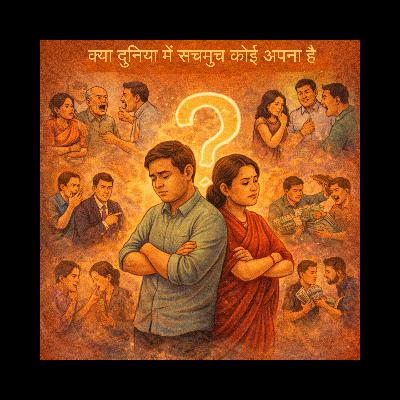
यह एपिसोड संप्रभु स्व की दार्शनिक और मनोवैज्ञानिक अवधारणा की पड़ताल करता है, यह सवाल उठाता है कि क्या स्वयं के अलावा किसी और व्यक्ति को वास्तव में अपना माना जा सकता है। यह तर्क देता है कि चूंकि मानवीय रिश्ते अक्सर अपेक्षाओं से प्रेरित होते हैं और क्षणभंगुर हो सकते हैं, इसलिए आत्म-जागरूकता विकसित करना ही स्थायी जुड़ाव पाने का एकमात्र तरीका है। लेखक व्यक्तिगत अंतर्दृष्टि में एक महत्वपूर्ण कमी को उजागर करते हुए कहते हैं कि बहुत कम लोग ही वास्तव में अपनी प्रेरणाओं और आवश्यकताओं को समझते हैं। आध्यात्मिक और यथार्थवादी दृष्टिकोण से जीवन को देखते हुए, यह कथा बताती है कि परिवार और साथी महत्वपूर्ण होते हुए भी परिवर्तनशील होते हैं। अंततः, यह निष्कर्ष निकलता है कि आत्म-देखभाल और ईमानदारी के माध्यम से स्वयं का सबसे अच्छा मित्र बनना ही पूर्णता का सबसे विश्वसनीय मार्ग है। अपने आंतरिक जगत पर महारत हासिल करने से आप बाहरी परिस्थितियों या दूसरों की अनुपस्थिति के बावजूद लचीलापन बनाए रख सकते हैं।

This episode examines the political and diplomatic motivations behind the Indian government's long-term decision to withhold classified documents regarding Subhash Chandra Bose. For decades, officials feared that releasing these records would damage international relations or spark domestic chaos by disproving the established theory of his death in a 1945 plane crash. The documentation suggests that keeping these files secret helped the state avoid legal complications regarding Bose's wartime alliances and hidden surveillance of his family members. Furthermore, the sources highlight how declassification eventually exposed contradictory evidence that challenged the official narrative of his disappearance. Ultimately, the material portrays a calculated effort by successive administrations to prioritize national stability over public transparency concerning a revolutionary leader’s fate.
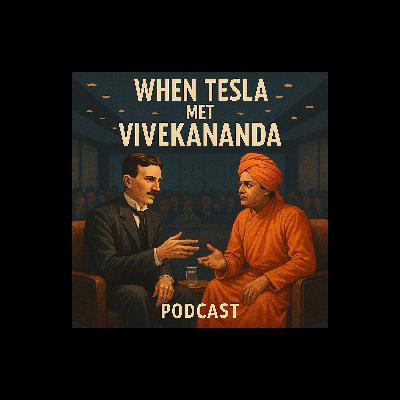
This episode analyzes the pivotal, non-technical discussion between Nikola Tesla and Swami Vivekananda in the mid-1890s, which centered on connecting Vedantic cosmology with advanced physics concepts. Vivekananda introduced Tesla to key ideas like Akasha (the subtle substrate) and Prana (the universal life force), which the inventor believed could mathematically frame his intuitions about energy, vibration, and the unification of physical forces. This exchange profoundly influenced Tesla’s philosophical language and strengthened Vivekananda's conviction that Vedantic principles could be expressed in scientific terms, elevating the global respect for India's philosophical heritage. However, the sources emphasize that Tesla never delivered the rigorous mathematical proof equating matter and energy, which was later formulated independently by Albert Einstein. Ultimately, their meeting is presented less as a technical collaboration and more as a profound symbol of synthesis between Eastern philosophy and Western science, continually inspiring modern research into unified field theory, quantum mechanics, and consciousness studies.
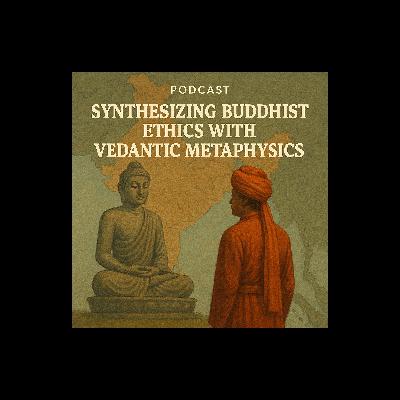
This episode offers an extensive analysis of Swami Vivekananda's complex relationship with Gautama Buddha and Buddhism, highlighting his profound admiration tempered by philosophical critiques. Vivekananda revered Buddha as "the one absolutely sane man" and a paramount historical figure known for his rationality, compassion, and emphasis on ethical living, viewing him as a "realization" rather than just a person. However, he maintained that Buddhism was a "rebel child" or fulfillment of Hinduism, arguing that Buddha built upon the philosophical foundations of the Vedas and that the two faiths are deeply interconnected, needing each other's strengths—the "heart of Buddha and the intellect of Sankaracharya." Vivekananda critiqued later, corrupted forms of Buddhism, specifically their monastic rigidity, nihilistic tendencies regarding the soul, and the negative consequences of strict ahimsa (non-violence) on India’s strength, which he sought to correct by synthesizing Buddhist ethics with the metaphysical depth of Vedantic thought.
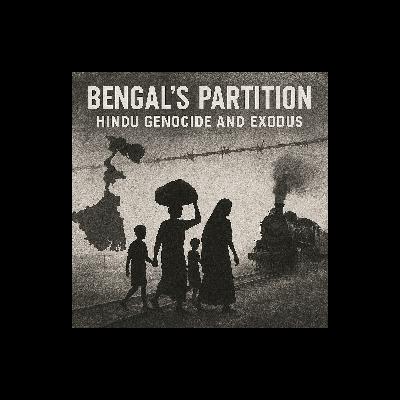
The sources provide an impassioned overview of the Hindu genocide and exodus that occurred in Bengal and East Pakistan following the 1947 partition of India. The text asserts that the systematic killing, rape, forced conversions, and displacement of Hindus in areas like Noakhali, Barisal, and Dhaka have been largely ignored by West Bengal's intellectual community and political figures. It details specific massacres and atrocities, such as the 1950 Dhaka violence and the Kalshira massacre, arguing that this history is crucial for understanding the widespread suffering and trauma experienced by Hindu refugees. Furthermore, the sources lament the lack of historical recognition for these events and question whether the violence and partition ultimately led to any positive development for the subcontinent.
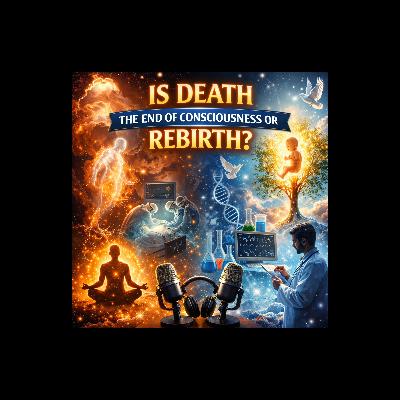
এই উৎসগুলি মৃত্যুর পরে চেতনার বেঁচে থাকার বিষয়ে বৈজ্ঞানিক সংশয়বাদ, আধ্যাত্মিক ঐতিহ্য এবং ভবিষ্যতের প্রযুক্তির ছেদ অন্বেষণ করে। মূলধারার বিজ্ঞান দাবি করে যে মস্তিষ্কের কার্যকলাপ বন্ধ হয়ে গেলে সচেতনতা শেষ হয়ে যায়, হিন্দুধর্ম এবং বৌদ্ধধর্মের মতো পূর্ব দর্শনগুলি একটি অমর আত্মা বা একটি অবিচ্ছিন্ন "মানসিক প্রবাহ" বর্ণনা করে যা কর্মশক্তির উপর ভিত্তি করে নতুন জীবনে রূপান্তরিত হয়।
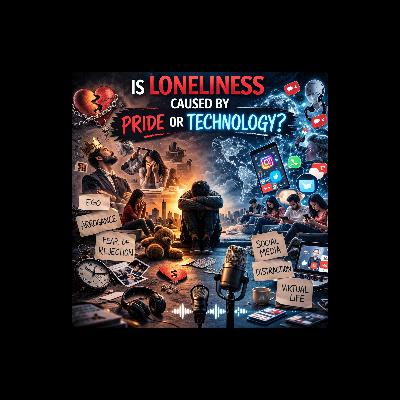
এই সূত্রগুলি সম্মিলিতভাবে ভারতীয় সমাজের মধ্যে চরম ব্যক্তিবাদ এবং অহং-কেন্দ্রিকতার ক্রমবর্ধমান সংকট পরীক্ষা করে, যেখানে যৌথ কল্যাণ থেকে আত্ম-আবেশে রূপান্তর লক্ষ্য করা গেছে। এই মানসিক পরিবর্তন নাগরিক সহানুভূতির হ্রাস হিসাবে প্রকাশিত হয়, যেখানে ব্যক্তিগত সুবিধা প্রায়শই সামাজিক নিয়ম এবং অন্যদের চাহিদার চেয়ে প্রাধান্য পায়। গ্রন্থগুলি যুক্তি দেয় যে এই "আমি-প্রথমে" মনোভাব সামাজিক বিচ্ছিন্নতা, দুর্বল পারিবারিক বন্ধন এবং বিভিন্ন দৃষ্টিভঙ্গির প্রতি সহনশীলতার অভাবের দিকে পরিচালিত করে। নগরায়ন এবং ডিজিটাল প্রযুক্তিকে মূল চালিকাশক্তি হিসাবে চিহ্নিত করা হয় যা নাগরিকদের বিচ্ছিন্ন ভোক্তাদের মধ্যে রূপান্তরিত করে, ঐতিহ্যবাহী সম্প্রদায় কাঠামোকে আরও ক্ষয় করে।
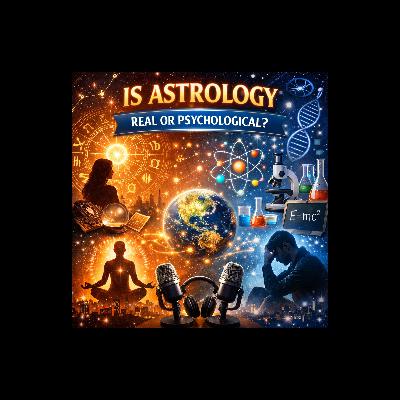
এই লেখাটি জ্যোতিষশাস্ত্র এবং বৈজ্ঞানিক পদ্ধতির মধ্যে পার্থক্য অনুসন্ধান করে, কেন স্বর্গীয় ভবিষ্যদ্বাণীকে একটি ছদ্মবিজ্ঞান হিসাবে শ্রেণীবদ্ধ করা হয়েছে তা স্পষ্ট করে। যদিও এই অনুশীলনটি গাণিতিক মানচিত্র ব্যবহার করে, এতে অভিজ্ঞতাগত তথ্য এবং গ্রহের গতিবিধি কীভাবে মানুষের আচরণকে নির্দেশ করতে পারে তার একটি ভৌত ব্যাখ্যার অভাব রয়েছে। লেখক ব্যাখ্যা করেছেন যে এর অনুভূত নির্ভুলতা প্রায়শই বাস্তব প্রমাণের চেয়ে জ্ঞানীয় পক্ষপাত থেকে উদ্ভূত হয়। এই ত্রুটিগুলি সত্ত্বেও, অনেক ব্যক্তি এটিকে প্রতীকী ভাষা বা ব্যক্তিগত নির্দেশনার জন্য একটি সাংস্কৃতিক ঐতিহ্য হিসাবে গ্রহণ করেন। পরিশেষে, উৎসটি উপসংহারে পৌঁছেছে যে জ্যোতিষশাস্ত্র ঐতিহাসিক জ্যোতির্বিদ্যায় ভূমিকা পালন করলেও, এটি একটি বিশ্বাস ব্যবস্থা যা আধুনিক একাডেমিক মান পূরণ করতে ব্যর্থ হয়।
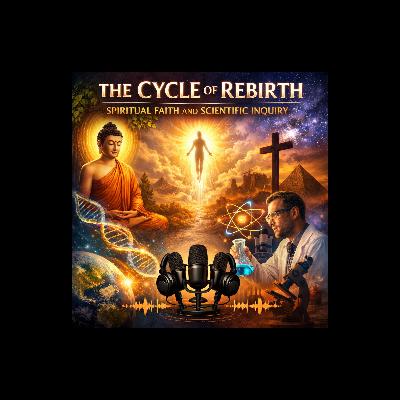
This episode explores the spiritual concept of reincarnation, which describes the soul’s journey into a new body based on past actions. It highlights the phenomenon of jati-smar, individuals who supposedly retain memories of their previous lives due to intense desires or specific karmic circumstances. While ancient scriptures like the Bhagavad Gita view this as a natural transition of the immortal soul, the text contrasts these beliefs with scientific skepticism. Modern science generally rejects these claims because memory is tied to brain function, though researchers like Dr. Ian Stevenson have investigated childhood accounts of past lives. Ultimately, the source frames reincarnation as a mysterious intersection of faith and psychology that lacks definitive objective proof.
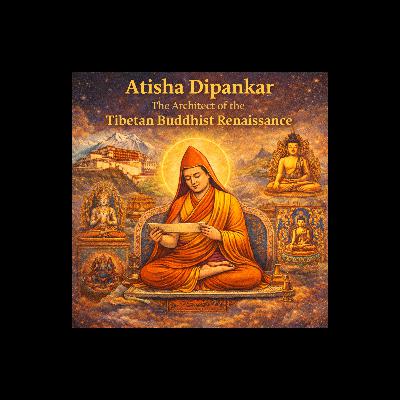
এই ঐতিহাসিক বিবরণগুলিতে একাদশ শতাব্দীর একজন বিখ্যাত বৌদ্ধ পণ্ডিত অতীশ দীপঙ্কর শ্রীজ্ঞানের জীবন এবং স্থায়ী উত্তরাধিকারের বিস্তারিত বর্ণনা রয়েছে, যিনি বর্তমান বাংলাদেশে জন্মগ্রহণ করেছিলেন। ভারত ও ইন্দোনেশিয়া জুড়ে কয়েক দশক ধরে কঠোর অধ্যয়নের পর, তিনি মহাযান দর্শনের একজন বিশেষজ্ঞ হয়ে ওঠেন এবং মর্যাদাপূর্ণ বিক্রমশীলা বিশ্ববিদ্যালয়ের মঠের দায়িত্ব পালন করেন। বৃদ্ধ বয়সে, অতীশ তিব্বতে একটি বিপজ্জনক যাত্রা করেন, যেখানে তিনি সফলভাবে একটি ক্ষয়িষ্ণু ধর্মীয় ঐতিহ্য সংস্কার করেন এবং কদম স্কুলের ভিত্তি স্থাপন করেন। তাঁর শিক্ষা বোধিচিত্ত বা "জ্ঞানের মন"-এর উপর জোর দেয়, যা কঠোর নীতিগত আচরণের সাথে গভীর আধ্যাত্মিক ধ্যানের মিশ্রণ ঘটায়। তাঁর ধর্মীয় সংস্কারের বাইরে, ১০৫৪ সালে তাঁর মৃত্যুর আগে এই অঞ্চলে প্রকৌশল ও চিকিৎসার অগ্রগতি প্রবর্তনের জন্য তাঁকে কৃতিত্ব দেওয়া হয়। আজ, তিনি "দ্বিতীয় বুদ্ধ" হিসেবে সম্মানিত, যিনি ভারতীয় উপমহাদেশ এবং বৃহত্তর এশীয় মহাদেশের মধ্যে একটি গুরুত্বপূর্ণ সাংস্কৃতিক সেতু হিসেবে কাজ করছেন।
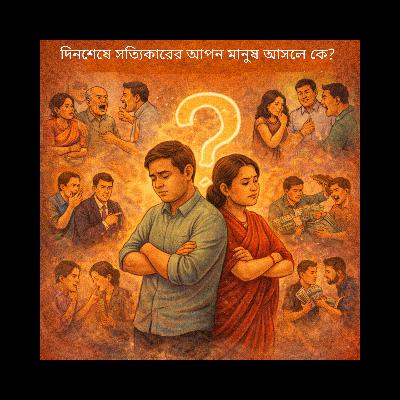
এই পর্বটি সার্বভৌম সত্ত্বার দার্শনিক এবং মনস্তাত্ত্বিক ধারণাটি অন্বেষণ করে, প্রশ্ন তোলে যে অন্য কোনও ব্যক্তিকে নিজের মতো করে বিবেচনা করা যেতে পারে কিনা। এটি দাবি করে যে যেহেতু মানব সম্পর্কগুলি প্রায়শই প্রত্যাশা দ্বারা পরিচালিত হয় এবং ক্ষণস্থায়ী হতে পারে, তাই আত্ম-সচেতনতা গড়ে তোলাই স্থায়ী স্বত্ব খুঁজে পাওয়ার একমাত্র উপায়। লেখক ব্যক্তিগত অন্তর্দৃষ্টিতে একটি উল্লেখযোগ্য ফাঁক তুলে ধরেছেন, উল্লেখ করেছেন যে খুব কম ব্যক্তিই তাদের নিজস্ব প্রেরণা এবং চাহিদাগুলি সত্যিই বোঝেন। আধ্যাত্মিক এবং বাস্তবসম্মত দৃষ্টিকোণ থেকে অস্তিত্বকে দেখে, আখ্যানটি পরামর্শ দেয় যে পরিবার এবং অংশীদাররা গুরুত্বপূর্ণ হলেও, তারা পরিবর্তনের বিষয়। পরিশেষে, উৎসটি উপসংহারে পৌঁছেছে যে আত্ম-যত্ন এবং সততার মাধ্যমে নিজের সেরা বন্ধু হওয়া হল পরিপূর্ণতার সবচেয়ে নির্ভরযোগ্য পথ। আপনার অভ্যন্তরীণ জগৎকে আয়ত্ত করা আপনাকে বাহ্যিক পরিস্থিতি বা অন্যদের অনুপস্থিতি নির্বিশেষে স্থিতিস্থাপকতা বজায় রাখতে সাহায্য করে।
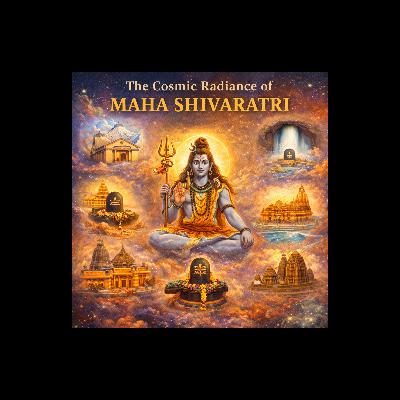
মহা শিবরাত্রি হল একটি গুরুত্বপূর্ণ হিন্দু উৎসব যা "মহান শিবের রাত্রি" হিসেবে পালিত হয়, যা সৃষ্টি, সংরক্ষণ এবং ধ্বংসে দেবতার মহাজাগতিক ভূমিকার সম্মানে পালিত হয়। প্রদত্ত গ্রন্থগুলি ব্যাখ্যা করে যে এই ছুটির দিনটি বেশ কয়েকটি ঐশ্বরিক মাইলফলক স্মরণ করে, যার মধ্যে রয়েছে শিব ও পার্বতীর বিবাহ, শিব লিঙ্গের আবির্ভাব এবং মহাবিশ্বকে রক্ষা করার জন্য শিব বিষ গ্রহণের মুহূর্ত। ভক্তরা কঠোর উপবাস, রাতব্যাপী জাগরণ এবং রাতের চারটি নির্দিষ্ট পর্যায়ে লিঙ্গের আনুষ্ঠানিক স্নানের মাধ্যমে এই উপলক্ষটি পালন করেন। শারীরিক আচার-অনুষ্ঠানের বাইরে, উৎসগুলি আধ্যাত্মিক জাগরণ এবং প্রাকৃতিক শক্তির উত্থানের উপর জোর দেয়, যা এটিকে ধ্যান এবং পবিত্র মন্ত্র জপের জন্য একটি আদর্শ সময় করে তোলে। ঐতিহাসিকভাবে, এই উৎসবটি ভারত জুড়ে বিশিষ্ট মন্দির স্থানগুলিতে ধ্রুপদী নৃত্য ঐতিহ্যের জন্য একটি প্রধান সাংস্কৃতিক সংযোগস্থল হিসেবেও কাজ করেছে। পরিশেষে, এই উৎসব অজ্ঞতার উপর জ্ঞানের বিজয়ের প্রতীক, অনুশীলনকারীদের অভ্যন্তরীণ শান্তি এবং মুক্তির দিকে পরিচালিত করে।
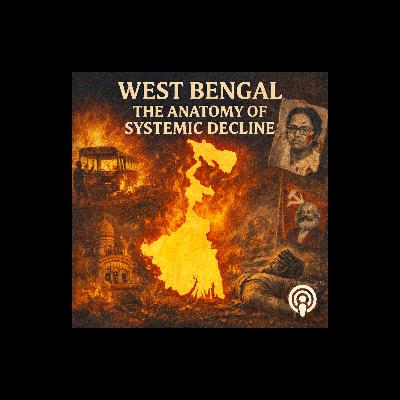
West Bengal faces systemic decline due to economic stagnation, job insecurity, and political violence. Key issues include educational gaps, healthcare disparities, and infrastructure failures. Rooted in historical policy and governance crises, these factors drive a perceived cultural erosion.
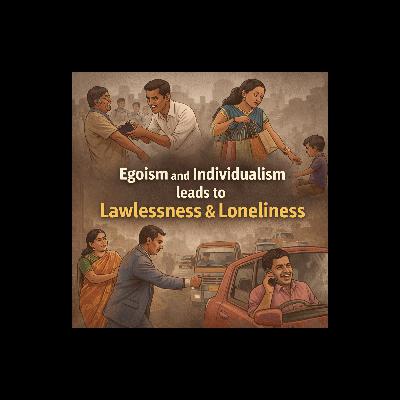
আজকের সমাজে “আমি আগে”—এই মানসিকতা ধীরে ধীরে “আমরা”-কে মুছে দিচ্ছে। নিজের লাভ, নিজের মত, নিজের সুবিধা—সবকিছুই যখন সবার ঊর্ধ্বে উঠে যায়, তখন সমাজ শুধু মানুষের ভিড় হয়ে থাকে, সমাজ আর থাকে না।আমিত্ব দরকার, আত্মসম্মান দরকার। কিন্তু অতিরিক্ত আমিত্ব মানুষকে একা করে দেয়—পরিবারে, পাড়ায়, সমাজে।একটু থেমে ভাবি— আমি কি শুধু “আমি”, নাকি “আমরা”-রও একজন?কারণ সুস্থ সমাজ গড়ে ওঠে “আমি + আমরা” দিয়ে, শুধু “আমি” দিয়ে নয়।

The text in this episode examines the political and diplomatic motivations behind the Indian government's long-term decision to withhold classified documents regarding Subhash Chandra Bose. For decades, officials feared that releasing these records would damage international relations or spark domestic chaos by disproving the established theory of his death in a 1945 plane crash. The documentation suggests that keeping these files secret helped the state avoid legal complications regarding Bose's wartime alliances and hidden surveillance of his family members. Furthermore, the sources highlight how declassification eventually exposed contradictory evidence that challenged the official narrative of his disappearance. Ultimately, the material portrays a calculated effort by successive administrations to prioritize national stability over public transparency concerning a revolutionary leader’s fate.
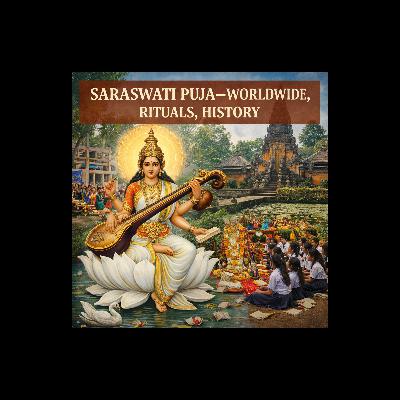
The Pura Taman Saraswati is a prominent spiritual and artistic landmark located in Ubud, Bali, which was completed in 1952 to honor the Hindu goddess of wisdom and art. Designed by the esteemed architect I Gusti Nyoman Lempad, the temple’s layout features a stunning lotus pond and intricate stone sculptures that lead visitors toward its sacred inner sanctums. Beyond its aesthetic beauty, the site incorporates traditional Balinese architectural elements like protective walls to ward off evil and shrines dedicated to the highest deities. The temple grounds also house ceremonial figures, such as the Barong, which play a vital role in local exorcism rituals and community traditions. Ultimately, the structure serves as a cultural hub that embodies the island's deep commitment to learning, creativity, and religious devotion.

A scientific, mythological, cultural, spiritual and social bridge.

This episode describes the historical and spiritual significance of the Shyamrupa Temple located within the dense Garh Jungle of West Bengal. Regarded as a foundational site for Durga Puja, the area is linked to ancient rulers like King Surath and King Lakshman Sen, as well as the legendary Medhas Muni. The texts highlight the temple's transition from a place of tantric rituals and human sacrifice to a site of peaceful devotion after the intervention of the poet Jayadeva. Visitors today encounter a complex housing multiple deities, including Mahakal Bhairav and the Tridevi, nestled in a landscape of red soil and thick forests. This sacred location serves as both a revolutionary hideout from the past and a modern pilgrimage destination that preserves centuries-old traditions. Additionally, the sources detail the unique festive customs and the natural beauty that define this thousand-year-old heritage site.
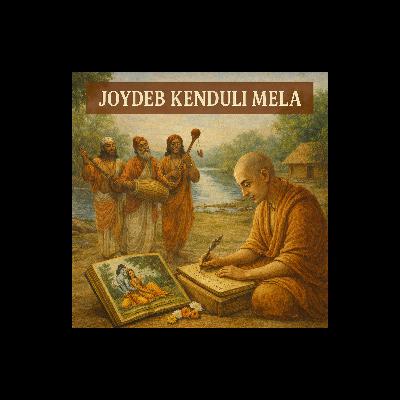
The village of Joydeb Kenduli serves as a vital spiritual hub and the reputed birthplace of the legendary poet Jayadeva. The provided text explores the Joydeb Mela; an annual festival held during Makar Sankranti that attracts a massive gathering of Bauls and Fakirs.
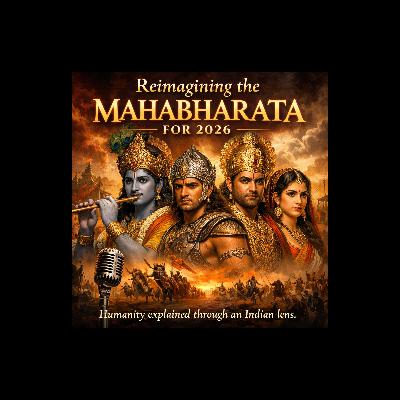
This episode presents the Mahabharata as a sophisticated user manual for being human, repositioning the ancient epic as a vital framework for navigating the complexities of the year 2026. Rather than a simple tale of good versus evil, the narrative explores humanity through an Indian lens, emphasizing that truth is often a collision of valid but incompatible perspectives. The text argues that individuals are defined by their situational roles and the karmic consequences of their actions within a circular view of time. Modern global challenges, such as burnout, systemic injustice, and AI ethics, are mirrored in the struggles of the epic’s characters, who find themselves trapped by duty, vows, or empathy. Ultimately, the sources suggest that the next version of this story is already unfolding in our modern digital and political landscapes, demanding a shift from seeking absolute victories to maintaining ethical vigilance amidst uncertainty.

Comments

Download from Google Play

Download from App Store
 United States