


 Claim Ownership
No Fear. No Favour. The SEEN in Journalism Podcast
Subscribed: 53Played: 1,151
Subscribe

© SEENinJournalism
Description
Journalism should be fearless - and free of favour. This podcast is about holding the line.
seeninjournalism.substack.com
seeninjournalism.substack.com
16 Episodes
Reverse
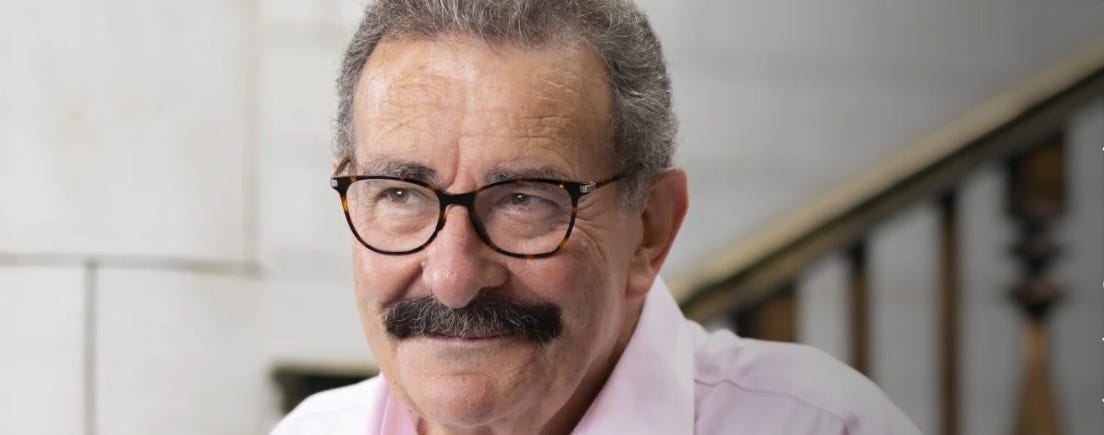
In this wide-ranging and candid conversation, we are joined by Professor Robert Winston — one of the UK’s most distinguished scientists and public communicators — to discuss what happens when scientific reality collides with ideology, institutional caution, and a post-truth media culture.Professor Winston reflects on the moment that effectively ended his regular BBC punditry: his 2021 appearance on Question Time, where he stated that biological sex cannot be changed. What followed, he argues, was not open debate but silence — and a sharp narrowing of who is considered “safe” to platform.The conversation expands into far broader territory: how science is communicated, how institutions respond to controversy, and where medicine risks losing public trust.Key themes discussed in this episodeSex, gender, and scientific realityProfessor Winston explains — calmly and rigorously — why biological sex is written into every cell of the body, why chromosomes matter, and why medicine must be rooted in diagnosis and evidence rather than belief. He also addresses the risks of medical intervention without long-term data, particularly for children.Free speech, media culture, and informal exclusionWe examine how dissenting voices can quietly disappear from mainstream platforms without any formal “ban,” and what that means for public discourse, scientific progress, and democratic accountability.Why Professor Winston now prioritises schools over studiosRather than broadcast media, Professor Winston now focuses much of his public engagement on visiting schools — often in disadvantaged areas — to demystify science, encourage curiosity, and show young people that scientists are not remote or elitist figures.👉 ‘Inspiring school visit from Professor Robert Winston’The failure of institutions to tolerate internal debateFrom universities to professional bodies, including the British Medical Association, Professor Winston argues that politicisation and absolutism have replaced inquiry — with serious consequences for medicine, ethics, and trust.👉 Professor Winston quits BMA over strikes’Fertility, IVF, and the commercialisation of hopeAs a pioneer of IVF, Professor Winston delivers a sobering assessment of modern fertility medicine — including egg freezing — warning that women are often sold unrealistic expectations. He explains why IVF success rates are frequently misunderstood and why long-term follow-up data is still lacking.Delayed motherhood and social consequencesWe explore how society has failed to adapt structurally to women’s changing lives — instead offering technological “fixes” that may create heartbreak later on.Assisted dying and evolving medical ethicsProfessor Winston reflects on how his own views have changed over decades, and why ethical medicine sometimes means acknowledging that not all suffering can — or should — be prolonged.On the BBC and “blacklisting”We asked the BBC directly whether Professor Winston had been blacklisted following his comments.The BBC Press Office responded:“We won’t be commenting but please be aware the BBC does not blacklist anyone. The BBC recently reported on Robert Winston visiting a school which would be odd for someone on a ‘blacklist’. Question Time regularly has discussions about gender identity, with views from a range of perspectives.’Why this conversation mattersThis episode is about what happens when evidence becomes negotiable, when institutions prioritise risk-avoidance over truth, and when those who ask inconvenient questions are quietly sidelined.As Professor Winston makes clear, science does not advance through silence — and medicine cannot function without trust, honesty, and humility.About our guestProfessor Robert Winston FMedSci FRSA FRCOG FREng is a pioneer of fertility science and IVF, and Professor of Science and Society, and Emeritus Professor of Fertility Studies at Imperial College London. He is also a familiar media face with landmark BBC series including The Human Body, The Human Mind and A Child of Our Time. None of these are currently available on iPlayer. Get full access to SEENinJournalism’s Substack at seeninjournalism.substack.com/subscribe
Children, and their parents and siblings, are at the heart of the story about the NHS-backed Pathways puberty-blocker experiment and the media round of Helen Webberley interviews which shocked so many people. In this week’s Seen in Journalism: No Fear, No Favour, Cath Leng and Shelley Charlesworth of Transgender Trend, speak to Nicole, a mother connected to the parent network Our Duty. She describes the real-world consequences of normalising the idea of the ‘trans child’, especially when schools facilitate social transition and keep parents at arm’s length.Nicole describes discovering that her daughter was being treated as a different identity at school, including a new name and pronouns and the use of a breast binder, without the family being told. She sets out what happened next: requests for answers, frustrations with records and processes, and why ‘affirmation-first’ practice can amount to a safeguarding failure, parents are sidelined and distress treated as identity. Shelley places Nicole’s experience in a broader pattern she says she’s seen repeatedly: policies that encourage secrecy, a culture in which speaking plainly about biological sex is treated as taboo, and an education system that moves too quickly to validate a child’s declaration. Thank you to Nicole for this detailed first-person account, and a clear case for why transparency, safeguarding and parental involvement should be non-negotiables.LinksParents’ groups and organisations* Transgender Trend* Our Duty (parent support network)* Bayswater Support (parent support groupPuberty blocker trial * UK puberty blocker trials media coverage: Telegraph Times Daily Mail Guardian * Judicial Review sought by Keira Bell and James Esses in attempt to stop the King’s College puberty blocker trial. Data / SARs * GOV.UK: Dealing with Subject Access Requests (SARs) in schools* ICO: Pupils’ information / education records guidanceFor more background* Julie in Genderland Podcast series by Julie Bindel* Helen Joyce: Fic and trans identities Legal / policy / NHS* NHS England: Children and young people’s gender services (Cass implementation updates)* Cass Review Final Report* DfE: Keeping children safe in education (KCSIE) landing page + 2025 PDF* DfE draft: Gender Questioning Children (non-statutory guidance PDF) Get full access to SEENinJournalism’s Substack at seeninjournalism.substack.com/subscribe
In this week’s episode of No Fear, No Favour, Sam and Cath sit down with two women who saw the safeguarding crisis around gender medicine long before the mainstream press dared touch it: Stephanie Davies-Arai, founder of Transgender Trend, and Shelley Charlesworth, former BBC journalist turned campaigner.Transgender Trend launched in 2015 at a time when the BBC, children’s TV, and the wider media were enthusiastically platforming the idea of ‘trans children’, presenting it as benign, progressive or inevitable.Stephanie and Shelley watched something very different happening: sharp rises in referrals, a surge in experimental medical interventions, and a media narrative that shut down scrutiny at the very moment scrutiny was most needed.Across this conversation, recorded just before the details were released of a new UK clinical trial - which it’s claimed will assess the risks and benefits of puberty-blocking drugs - they take us inside:🔹 What they heard in Helen Webberley’s Times Radio interview - and why it mattersStephanie explains why Webberley’s claims aren’t fringe outliers but the quiet part said out loud: that activists want children on cross-sex hormones early, that puberty blockers were never truly ‘reversible’, and that private providers continue to work around NHS restrictions.🔹 How Britain ended up medicalising distressed kidsWe walk back through the timeline: I Am Leo, Victoria Derbyshire’s 2016 interviews with two young boys being encouraged to “live as girls”, and Louis Theroux’s “Transgender Kids” documentary. In each case, Transgender Trend raised alarms long before the Tavistock clinic collapsed under scrutiny. Stephanie recalls that 2014–2015 media frenzy coinciding directly with the explosion in referrals to the Tavistock.🔹 The BBC’s unique responsibility and its failure to actShelley describes repeated attempts to warn senior BBC figures, including formal letters to Charlotte Moore, then the BBC’s Chief Content Officer, Jessica Schibli, head of creative diversity, and the corporation’s global safeguarding lead Kim Collins, which were brushed aside. Even after Newsnight exposed the crisis, children’s content continued promoting gender-identity ideology to young audiences.🔹 Why ‘Are you denying trans people exist?’ is a bad-faith questionThe guests dismantle this media trope, explaining the biological reality, the legal reality, and the psychological needs that drive such rhetorical ‘gotchas’.🔹 What needs to happen nextFrom removing outdated children’s content on iPlayer, to launching proper investigations into what’s happening in schools, to producing healthy, reality-based programming, they argue that the BBC must confront the full scale of the harm and rebuild trust with parents.Why this episode matters:Stephanie and Shelley have spent a decade trying - and failing - to get the UK’s most powerful broadcaster to face a safeguarding scandal unfolding in plain sight. As Stephanie puts it, children’s sense of reality itself was being reshaped. And as Shelley explains, failing to act wasn’t passive - it was a choice.Listen now, and please share widely. Get full access to SEENinJournalism’s Substack at seeninjournalism.substack.com/subscribe
In this follow-up special, Cath Leng is joined by barrister and Gay Men’s Network director Dennis Kavanagh for a frank, forensic look at what the BBC’s institutional capture by gender-identity activism has meant for lesbians, gay men, and children who would otherwise have grown up LGB.This isn’t just about editorial misjudgement - it’s about a decade of decisions that shaped public understanding, erased lesbian and gay perspectives, and failed to interrogate an ideology that was transforming safeguarding, healthcare, children’s media, and the law.Together, Cath and Dennis dig into:* How “forced teaming” of LGB with TQ+ at the BBC led to routine erasure of same-sex attraction* The missing stories: whistleblowers, the puberty blocker trial, Allison Bailey, homophobic parental pressure - all rejected or downplayed* Lesbian invisibility: from suppressed profiles to the treatment of lesbian interveners in the Supreme Court* Why BBC Pride became a gatekeeper for one side of a highly contested political debate* The homophobia baked into entertainment formats such as I Kissed a Boy - and why the BBC defended them* Political orthodoxy vs journalism: how the broadcaster abandoned scrutiny just when it was needed most* The consequences for young people - particularly gender-nonconforming kids who might simply have grown up gay* Why this matters now: the government’s proposed puberty-blockers trial, possible conversion-therapy legislation, and the need for urgent, reality-based reporting* What comes next — and why restoring trust requires more than quietly dropping “affirmative” content. It requires walking it back, openly.Dennis speaks powerfully about the impact of a decade in which gay men and lesbians were told - implicitly and explicitly —-that their boundaries, their language, even their sexual orientation were offensive. And both he and Cath reflect on how the BBC can only move forward by acknowledging what went wrong, not rewriting history as if this were a mere “historic” glitch.If you’ve been following the unfolding story, this episode helps you see the missing half: the impact on the LGB community - and the young people who should have been protected.📌 Listen, share, subscribeIf you find this episode useful, please share it widely, hit like, and make sure you’re subscribed so you never miss new reporting.All links, documents and referenced cases are available on our Substack. Get full access to SEENinJournalism’s Substack at seeninjournalism.substack.com/subscribe
In this powerful new episode, Cath and Julie Bindel revisit a forgotten moment in BBC history — the 2007 Hecklers debate — and ask whether such a programme could even be made today.Eighteen years before the Cass Review, Julie was already warning about the dangers of gender medicalisation, the erasure of women’s rights, and the capture of British institutions by an ideology that rejects evidence.Together, Cath and Julie explore:* The BBC’s recent editorial bias dossier on sex and gender* The rise of activist-journalism under figures like Megha Mohan and Ben Hunte* Why the BBC’s founding principles of accuracy and impartiality must be reclaimed* How “gender identity” became a journalistic taboo topic* The original Hecklers debate — when Julie faced four gender ideologues, a hostile audience, and even had a bottle thrown at her* What has (and hasn’t) changed in Britain’s cultural institutions since 2007* The making of Genderland — Julie’s groundbreaking podcast series about families and detransitioners* The untold emotional toll on parents and detransitioners — and why their stories could transform public understanding📎 Mentioned in this episode* BBC Hecklers (2007) — “Gender medicalisation is a mutilating act.” Listen to the recovered recording on Julie Bindel’s Substack* Julie Bindel’s column archive: The Guardian (2004) • UnHerd (2025)* Women’s Place UK: womensplaceuk.org* Maya Forstater v. CGD Europe: Employment Appeal Tribunal ruling* Helen Joyce: Trans: When Ideology Meets Reality* Kathleen Stock: Material Girls* The Cass Review: independent review of gender identity services* BBC Editorial Guidelines: bbc.co.uk/editorialguidelines🧩 Further listening* 🎧 Genderland – Series One* Julie’s long-form interviews with parents and detransitioners.* 🎙️ Seen in Journalism archive: All episodes here →💬 Quotes from the episode“Everything trans activism touches turns to dust — let’s hope the BBC isn’t next.”— Cath“If you told people the earth is flat, they’d stop asking questions. That’s what gender ideology has done to journalism.”— Julie Bindel📢 Join the conversationHave thoughts on this episode? Leave a comment below or email us at seeninjournalism@protonmail.com.Follow Julie’s work on Substack and Twitter/X.Follow Cath’s reporting at Seen in Journalism. Get full access to SEENinJournalism’s Substack at seeninjournalism.substack.com/subscribe
Host: Cath LengGuests: Sam Smith & Edwina Wolstencroft, both former BBC journalistsIn this special episode, Cath is joined by Sam Smith and Edwina Wolstencroft to unpack the shock resignations of BBC Director General Tim Davie and CEO of News Deborah Turness. The discussion centres on the leaked dossier to the BBC Editorial Standards Board which alleged serious editorial failings across three areas:* The “Trump edit” in Panorama,* Coverage of the Gaza conflict, and* The BBC’s handling of sex and gender reporting.Together, the panel explore the culture that led to these crises and the failures of leadership that followed including the role of independent editorial advisers such as Michael Prescott.Key themes discussed:* How the Serota Review and its follow-ups brought in external advisers to address editorial bias.* The BBC’s inability to act on evidence of bias in its coverage of sex and gender.* The internal fear and self-censorship among BBC journalists trying to raise legitimate editorial concerns.* The role of the “Learning and Identity Hub” in shaping newsroom narratives.* How the complaints process and style guide perpetuate institutional bias.* Why the BBC’s response - endless “reviews” instead of reform - has become part of the problem.* What a genuinely impartial editorial policy on sex and gender might look like.Notable quotes:“They’ve hopped out of the battle and here we are stuck in a doom loop of having to start all over again. It’s built into the bricks… like wall insulation. You can’t just scrape it out.” – CathWhy it matters:This episode offers an insider’s view of a broadcaster wrestling with its own values. It’s a candid look at how institutional culture, fear of activism, and risk-averse management can stifle editorial courage and what needs to change if trust in journalism is to be rebuilt.Listen now on:Apple Podcasts | Spotify | Substack | seeninjournalism.com Get full access to SEENinJournalism’s Substack at seeninjournalism.substack.com/subscribe
Seen in Journalism’s Cath Leng sits down with community-media pioneer Rob Watson, founder of Decentered Media, to unpack one of the most urgent questions in British journalism today: who actually regulates what we read, hear, and watch - and are they doing their job?From Ofcom’s broadcast code to IPSO’s newspaper oversight, Rob traces how our media watchdogs have become tangled in bureaucracy, jargon, and ideology. Once designed to protect the public interest, these systems now seem to protect institutions from public scrutiny. What happens when “due impartiality” becomes so elastic that accuracy itself is negotiable?Rob brings decades of experience training community reporters to understand the broadcast code, and he contrasts that hands-on civic accountability with the sealed bubbles of big media and government. Together, he and Cath explore how Ofcom’s internal culture, its reliance on outdated research, and the dominance of “kindness” narratives have created a regulatory fog - one where accuracy, the most basic principle of journalism, is quietly sidelined.They talk through the Supreme Court’s recent ruling affirming that sex means biological sex under the Equality Act, and ask why, months later, public broadcasters still hesitate to apply that clarity in their own reporting. What’s holding them back? Institutional inertia, fear of reputational harm, or a deeper cultural reluctance to admit error?The conversation also ranges wider: the collapse of local news, the hollowing-out of the middle ground between social media chaos and corporate consolidation, and why rebuilding public trust may depend on reviving community-led outlets that value accuracy before kindness.At heart, this episode is about the moral foundations of journalism - what it means to tell the truth when truth itself has become contested. It’s challenging, thoughtful, and full of practical insight for anyone who still believes in civic-minded media.“If you’re scared to walk the street because there’s a reported rapist in the area, you have to know it’s a man.Kindness can follow - but accuracy must come first.”— Rob WatsonListen on Substack or your preferred podcast platform, and join the discussion in the comments. How do you think our regulators should be held to account? Get full access to SEENinJournalism’s Substack at seeninjournalism.substack.com/subscribe
We teamed up with Julia Williams from Seen in Publishing to talk to Jo Bartosch about Pornocracy - the expose of the multi-billion-dollar pornography industry that she’s written with Rob Jessel, from LGB Alliance. Jo explains how widespread acceptance of male porn consumption is causing devastating harm and has - as the authors put it ‘gripped humanity in a chokehold’. We talk about the reluctance of men to acknowledge the harm caused by the normalisation of violent and transgressive porn, the ‘trans to porn’ pipeline, the view of women as a resource, to the literal rewiring of our brains by on demand sexual violence. Pornocracy, published at the weekend by Polity, hit the ground running and is already selling out. Seen in Publishing worked with Sex Matters earlier this year on a report exposing the capture of the publishing industry by gender activism. We discuss with Julia the impact of that capture, the bravery of the publishers who reject it, and whether changing cultural attitudes on gender may also have an impact on the acceptance of pornography. *******************Pornocracy is on sale with Amazon, Waterstones, Apple, Google Play, and all good bookshops. Get full access to SEENinJournalism’s Substack at seeninjournalism.substack.com/subscribe
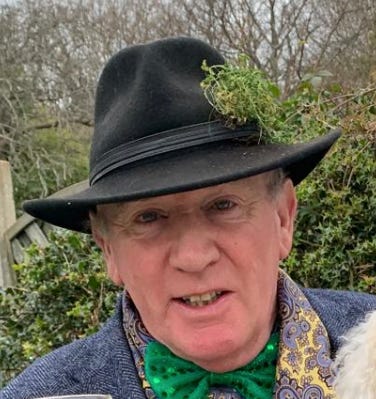
“The Story They Wouldn’t Touch”Veteran journalist Paddy Gorman joins us to discuss on Irish media silence, self-ID, and the corruption of language‘Since when did journalists avoid something because it was toxic?” - Paddy GormanIn this new episode of No Fear, No Favour, Seen in Journalism host Cath Leng speaks with broadcaster and reporter Paddy Gorman, whose forty-year career at RTÉ made him one of Ireland’s most recognisable journalistic voices.Gorman now writes for Gript Media and contributes to Genspect, exploring questions of free expression, public trust and the responsibilities of newsrooms. His recent work on Ireland’s Gender Recognition Act 2015 has stirred a national conversation about truth, evidence and how journalists use language.In this episode* Why one reporter chose to cover a story most outlets ignored — and what that reveals about fear inside modern newsrooms.* How the shift from factual to “affirmative” language changes the public’s understanding of crime, policy and data.* What happens when a public-service broadcaster forgets its duty to accuracy.* Why small independent outlets are taking on stories the legacy press won’t touch.‘Our job is to blurt out the facts of the matter’Links:* I met Barbie Kardashian on release from prison * Paddy O’Gorman’s interview with Barbie Kardashian - Gript Youtube * Paddy’s Podcast - Real Chats with Real People* Gript Media — gript.ie* Genspect — genspect.org* Gender Recognition Act 2015 (Ireland) — Irish Statute Book* Irish Prison Service – Limerick Prison — irishprisons.ie/prison/limerick-prison* RTE Verify — rte.ie/news/verify* Heather Humphreys’ remarks — Gript report, Oct 2025* John Boyne interview —Irish Independent Get full access to SEENinJournalism’s Substack at seeninjournalism.substack.com/subscribe
 1
1In this episode we talk to Faika el Nagashi, former Austrian Green MP and founder of Athena EU — a new think-tank and network of experts focused on safeguarding women’s, LGB and children’s rights across European law and policy.Faika has spent three decades inside the European NGO world, watching gender-identity ideology move quietly into EU and Council of Europe frameworks. Athena’s first report exposes how this happened — and how women’s voices have been sidelined in the process.We discuss:* The legal gap: there is no EU-level law on gender identity — everything is happening via data-protection, privacy and equality mechanisms.* How ideology took hold: anticipatory obedience inside media, politics and NGOs, and how “anti-gender” labelling silences dissent.* Follow the funding: why only one side of the debate gets EU grants, and how fear of losing money keeps major NGOs quiet.* Media complicity: liberal outlets aligning with activists, and the chilling effect on journalists across Europe.* Athena’s mission: creating a network of lawyers, researchers and advocates who can decode EU policy, translate it for national debates and rebuild space for honest discussion.* The new EU LGBTIQ+ Strategy: what it really contains — self-ID without age limits, conversion-therapy bans covering “gender identity”, and training programmes for police and judiciary — and why it matters for every member state.* The supranational effect: how Brussels-level decisions ripple into national law and public life.* Courage and hope: the new wave of women stepping forward across Europe to speak publicly despite professional risk.“What happens in Brussels doesn’t stay in Brussels,” Faika says. “It filters into every national context — and unless journalists start asking questions, this ideology will hard-wire itself into law.”Here’s the link to our article on Faika Bursting the bubble with Faika el NagashiHere is Faika’s Substack including the link to her speech: We Hardly Speak of Women Any MoreFaika is on a panel - Beyond TERF Island: Gender Identity Worldwide - at Battle of Ideas in London with Kara Dansky, Bev Jackson and Stella O’Malley on October 18.How Gender Identity Ideology is reshaping Europe by Athena EUHere's the BBC coverage of Michael o’Flaherty’s latest interventionHere's the European Commissions LGBTQ+ strategy urging self-identification including for childrenThank you Faika for a fascinating conversation! Get full access to SEENinJournalism’s Substack at seeninjournalism.substack.com/subscribe
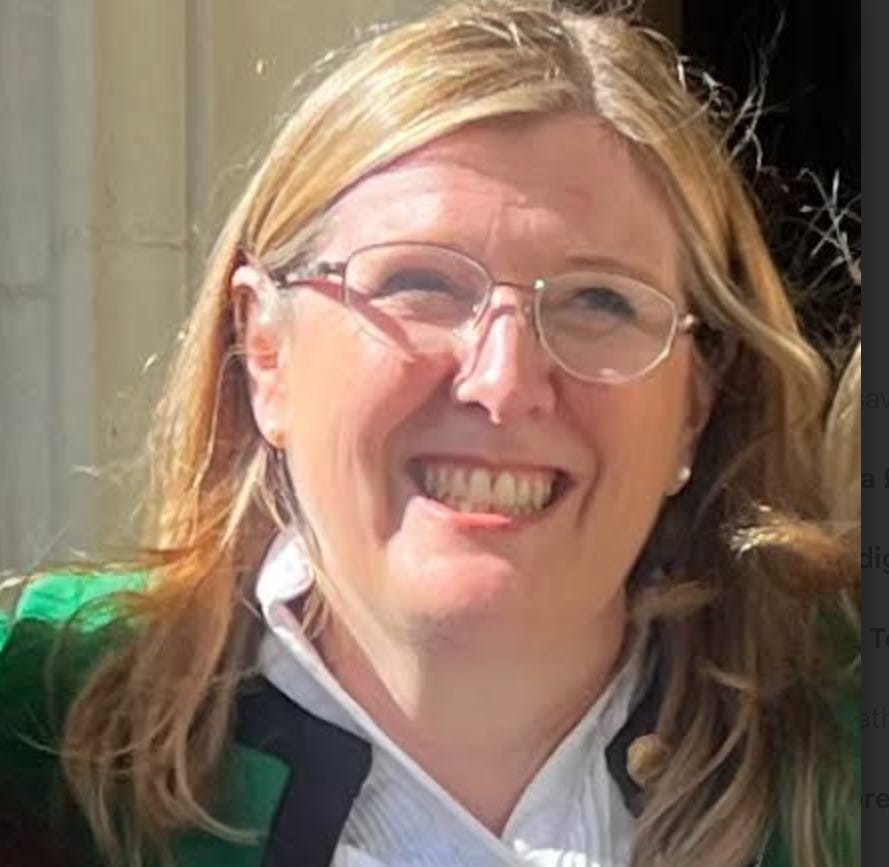
In this week’s episode of Seen in Journalism: No Fear, No Favour, we sit down with Susan Smith of For Women Scotland to discuss the long legal and media battle over sex‑based rights in the UK.Susan takes us through the extraordinary journey from kitchen‑table activism to the UK Supreme Court, explaining how a small group of unfunded campaigners challenged the Scottish Government’s policies on gender recognition. We explore:* The landmark Supreme Court judgment in April 2025, which clarified that “sex” in the Equality Act refers to biological sex.* How For Women Scotland’s earlier legal actions (2022 petitions and appeals) first established key principles about definitions of “woman”.* Why campaigners have returned to court repeatedly, despite prior rulings.* The role of the media: why coverage was often hesitant, selective, or framed as “both sides,” and how that influenced public understanding.* The influence of strategy documents (e.g. Dentons playbook) and internal memos (e.g. Transphylum) on embedding self‑ID policies.* Cultural flashpoints: from Hadley Freeman’s Guardian commentary and Magdalen Berns’ YouTube presence, to BBC Scotland’s coverage of Isla Bryson and the National Library exhibition controversy.* The political fallout in Scotland: institutional capture, civil service roles, and accountability amid elections.Below, we’ve gathered links to key cases, reports, articles, and cultural references mentioned in the episode.Court Cases & Rulings* Supreme Court judgment (For Women Scotland Ltd v The Scottish Ministers, 16 April 2025): Read here* Supreme Court case summary / docket: See details* Petition to Court of Session (13 December 2022): Read PDF* Judgment: For Women Scotland v the LA & Scottish Ministers (Feb 2022 appeal): Read judgment* Case P578/22 (Court of Session, Oct 2023): Case page / livestream archive* For Women Scotland: Judicial Review announcement (July 2022): Read more* Scottish Government legal costs FOI (2022): See FOIMedia & Analysis* AP News: “UK’s top court says definition of a ‘woman’ based on biological sex” — Read* Reuters: Landmark ruling & implications — Read* Watch the Supreme Court ruling footage here* BBC - The Supreme Court ruling gives clarity* BBC - Woman’s Hour with Susan Smith * Nolan Investigates: The Stonewall podcast* Magdalen Berns’ YouTube* Herald piece by Neil Mackay: I would not fight for trans rights if it hurt women* For Women Scotland right of reply: Blame Sturgeon's pig-headed refusal to listen for trans furore* The Spectator: Denton’s Playbook* Creative Scotland funds porn: Arts body defends decision to fund axed sex show* Scotsman: ‘For Women Scotland ‘compares sex-based rights' plight to Taliban in deleted tweet’* Law and Disorder podcast: Lord Mostyn, Helena Kennedy, Charlie Falconer* The Women Who Wouldn’t Wheesht* BBC The Social LGBTQI* BBC PM with Lord Sumption is not available. Here’s the Independent instead.* Gender Recognition Act consultation and outcome 2018* MSPs back amendment to replace gender with sex in new law supporting rape victims Get full access to SEENinJournalism’s Substack at seeninjournalism.substack.com/subscribe
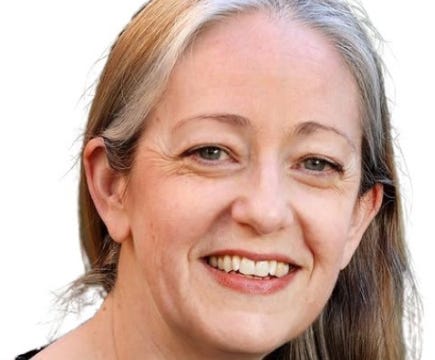
This week we had a fascinating conversation with Helen Joyce, a journalist and expert in media markets - and Director of Advocacy at the human rights charity Sex Matters. Formerly an editor at the Economist across a series of briefs, she wrote Trans: When Ideology Meets Reality in 2021 and has become one of the best-known and most articulate voices on the issue. In this week’s episode:* Helen’s own experience of becoming a media ‘untouchable’ after speaking out on the reality of sex * The reality of media tactics to reframe coverage of ‘gender’ and free speech * Why she thinks the BBC should have the licence fee removed (and you’ll be surprised at the response)Links to the stories we talked about in this episodeSupreme Court ruling brings clarity - BBC April 19 2025Susan Smith on Woman’s Hour April 23 2025BBC Newscast - The trans ex-judge challenging the Supreme Court rulingBeing targeted by Lynsay Watson - by Helen Joyce Why the BBC deserves to be defunded - by Helen JoyceHow Auntie excludes - The Critic June 2023Trans woman loses case over Brianna Ghey X posts - BBCTrans activist linked to Graham Linehan arrest is disgraced police officer sacked for branding free speech campaigner a woman beater and a Nazi - Daily Mail Media chaos in Brazil - LatAm Journalism ReviewHelen Joyce on Woman’s Hour May 14 2025Helen Joyce and Professor Sophie Scott on Woman’s Hour February 2020 Free-speech champion harassed by trans police officer is accused of hate crime - TelegraphJulie Bindel’s Substack Get full access to SEENinJournalism’s Substack at seeninjournalism.substack.com/subscribe
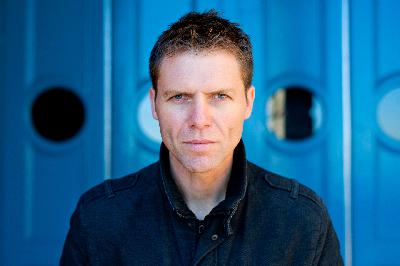
Listen to former BBC staffers Cath and Jo-Anne talk to investigative journalist Nick Wallis, the man who exposed the Post Office scandal. He’s now writing a follow up book to The Great Post Office Scandal - but has also turned his gimlet eye on the capture of global institutions by gender identity ideology.Find Nick’s whistle-blowing Genderblog here - including links to his live X coverage of the Graham Linehan trialEpisode highlights include:* Why he hesitated to speak publicly at first - and what finally pushed him to act* The role of the BBC and legacy media in shaping the debate* Why persistence is the defining quality of investigative reporting* What he tells younger journalists: “Keep buggering on.”Thank you for listening.Relevant links:The Post Office ScandalCharlie KirkRadio 4 1800 September 11 reporting Charlie Kirk listen at 14’45’’Jenni MurrayWPUK Journalism event Sonia Sodha Julie Bindel Susan Dalgety Susanna Rustin Helen LewisEmma Barnett interviews Mark Rowley R4 Today Sept 10 listen from 0745 GMTTickle vs GiggleTrade unions oppose Supreme CourtNUJ Code of ConductDarlington Nurses UnionFreedom in the ArtsThis Isn’t WorkingBBC Scotland - The Sandie Peggie TribunalSex Matters - intimidation and harassment of women Get full access to SEENinJournalism’s Substack at seeninjournalism.substack.com/subscribe
We’ve launched a new podcast: No Fear. No Favour. The SEEN in Journalism Podcast.In Episode One, former BBC journalists Jo-Anne, Cath and Sam reflect on what it means to cover sex and gender issues with impartiality - and what happens when stories are quietly shelved.Topics include safeguarding, the role of editorial policy, why trust in journalism is under strain and the big stories of the week. Get full access to SEENinJournalism’s Substack at seeninjournalism.substack.com/subscribe

Listen to former BBC staffers Cath and Jo-Anne talk to investigative journalist Nick Wallis, the man who exposed the Post Office scandal. He’s now writing a follow up book to The Great Post Office Scandal - but has also turned his gimlet eye on the capture of global institutions by gender identity ideology. Find Nick’s whistle-blowing Genderblog here - including links to his live X coverage of the Graham Linehan trial Thank you for listening.Relevant links: Charlie KirkRadio 4 1800 September 11 reporting Charlie Kirk listen at 14’45’’Jenni MurrayWPUK Journalism event Sonia Sodha Julie Bindel Susan Dalgety Susanna Rustin Helen LewisEmma Barnett interviews Mark Rowley R4 Today Sept 10 listen from 0745 GMTTickle vs GiggleTrade unions oppose Supreme CourtNUJ Code of ConductDarlington Nurses UnionFreedom in the ArtsThis Isn’t WorkingBBC Scotland - The Sandie Peggie Tribunal Get full access to SEENinJournalism’s Substack at seeninjournalism.substack.com/subscribe

We’ve launched a new podcast: No Fear. No Favour. The SEEN in Journalism Podcast.In Episode One, former BBC journalists Jo-Anne, Cath and Sam reflect on what it means to cover sex and gender issues with impartiality — and what happens when stories are quietly shelved.Topics today include safeguarding, the role of editorial policy, why trust in journalism is under strain and the big stories of the week. 🎧 Listen on Substack or your preferred podcast platform. Get full access to SEENinJournalism’s Substack at seeninjournalism.substack.com/subscribe
Comments

Download from Google Play

Download from App Store
 United States