


Behind the Book Cover
Subscribed: 283Played: 9,418
Subscribe


© Legacy Launch Pad
Description
You've heard the book publishing podcasts that give you tips for selling a lot of books and the ones that only interview world-famous authors. Now it's time for a book publishing show that reveals what actually goes on behind the cover.
Hosted by New York Times bestselling author Anna David, Behind the Book Cover features interviews with traditionally published authors, independently published entrepreneurs who have used their books too seven figures to their bottom line to build their businesses and more.
Anna David has had books published by HarperCollins and Simon & Schuster and is the founder of Legacy Launch Pad, a boutique book publishing company trusted by high-income entrepreneurs to build seven-figure authority. In other words, she knows both sides—and is willing to share it all.
Come find out what traditional publishers don't want you to know.
Hosted by New York Times bestselling author Anna David, Behind the Book Cover features interviews with traditionally published authors, independently published entrepreneurs who have used their books too seven figures to their bottom line to build their businesses and more.
Anna David has had books published by HarperCollins and Simon & Schuster and is the founder of Legacy Launch Pad, a boutique book publishing company trusted by high-income entrepreneurs to build seven-figure authority. In other words, she knows both sides—and is willing to share it all.
Come find out what traditional publishers don't want you to know.
521 Episodes
Reverse

Walter Clarke has spent more than 30 years advising wealthy families—and he’s seen firsthand how money can quietly destroy relationships, identity and mental health when people aren’t prepared for it. A former investment manager turned financial educator, Walter didn’t set out to write books to build a brand. He wrote them because he’d lived the consequences of not understanding risk.In this episode, Walter and I talk about what happens when success arrives before education—and how one catastrophic business failure reshaped his philosophy on wealth, parenting and legacy.We unpack his first book, The Big Risk, which chronicles a painful chapter involving regulatory action, bad advice and the moment Walter lost his firm—and why owning the narrative was the only way forward. He shares how writing the book transformed shame into authority and positioned him as someone who teaches from experience, not theory.We also dive into his second book, 401Kid, and the radical idea that financial education should start at birth—not adulthood. Walter explains why kids lose their parents’ influence around age eleven, how money is actually a byproduct of value creation and why avoiding “entitlement” conversations does far more harm than good.This conversation is part cautionary tale, part parenting guide and part roadmap for building wealth that lasts across generations. It’s about learning the hard way—and making sure the next generation doesn’t have to.Episode HighlightsWhy sudden wealth is more dangerous than lack of moneyHow writing The Big Risk helped Walter reclaim his storyThe moment that inspired 401Kid—and why the title just clickedWhy money conversations must happen before age elevenHow books elevated Walter’s authority and opened entirely new business doors
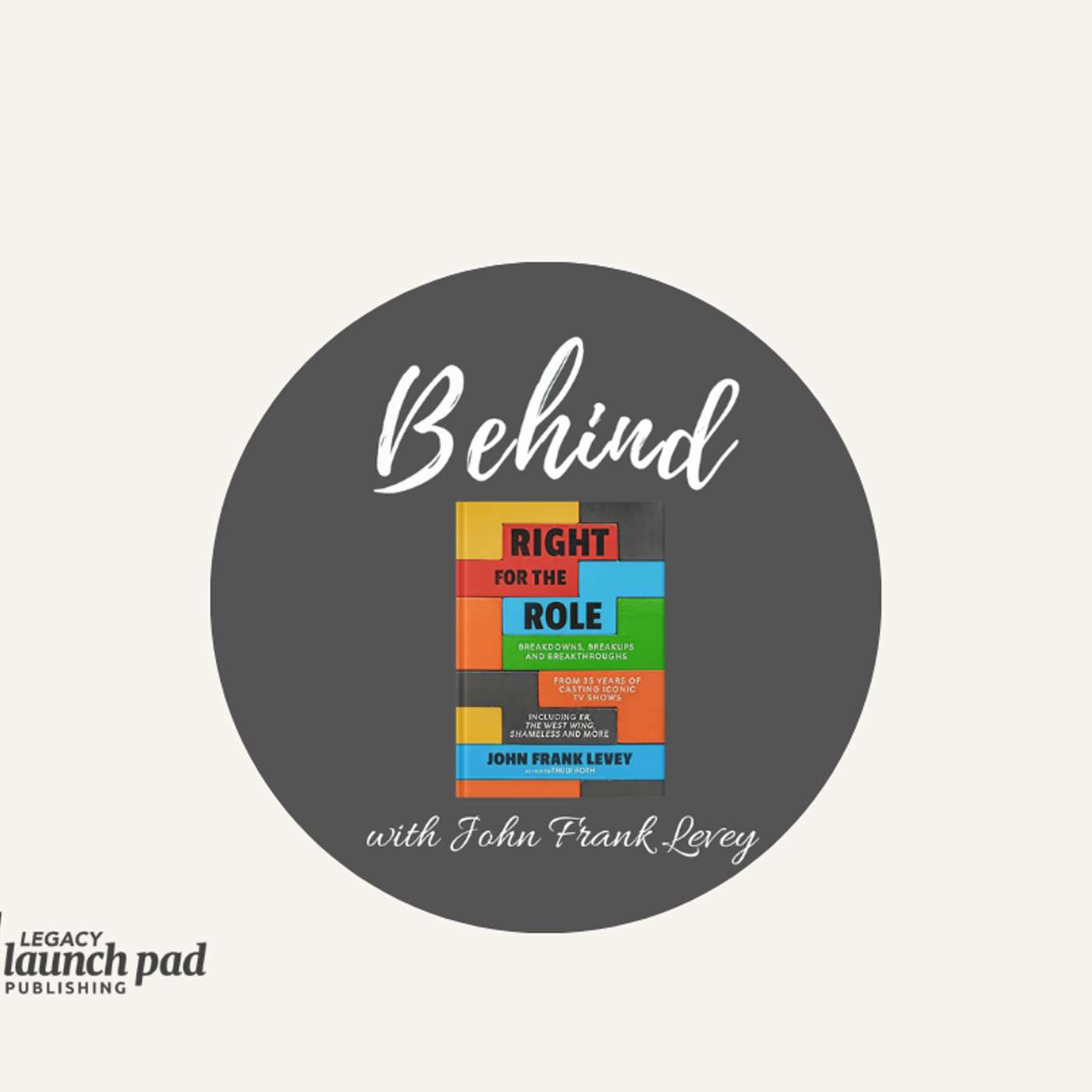
When we published Right for the Role, I figured John would sell a few books, make a couple of actors cry and call it a day. Instead, the four-time Emmy-winning casting legend turned it into a full-blown second act. His memoir didn’t just tell the story of his decades casting ER, The West Wing and Shameless—it completely rewired his creative life.After decades shaping other people’s performances, John finally stepped into the spotlight. The book sparked a podcast, packed acting schools, earned a spot in the Studio City Barnes & Noble window and somehow made him Instagram-famous (his words, not mine). At 78, he’s directing plays in New York, reconnecting with old collaborators and discovering that telling his own story was the most powerful casting choice of all.In our conversation, John opens up about how writing forced him to drop his trademark privacy, what it’s like to relive your life with a co-writer on Zoom and how Right for the Role became both a calling card and a creative revival. He says the book didn’t give him a new life—it gave him his old one back. Which, for someone who’s spent decades defining what it means to be “right for the role,” feels about as poetic as it gets.Episode HighlightsHow Right for the Role became a podcast, a tour and a rebirthWhy John swears he “discovered no one” (but, come on, he totally did)What it’s like to publish your first book in your seventies and go viral for itThe Smoke House signing that turned into an LA industry reunionWhy he believes creative people need to tell their own storiesHow a memoir turned a quiet retirement into a full creative renaissanceWhy he now feels right for every role—including grandfather
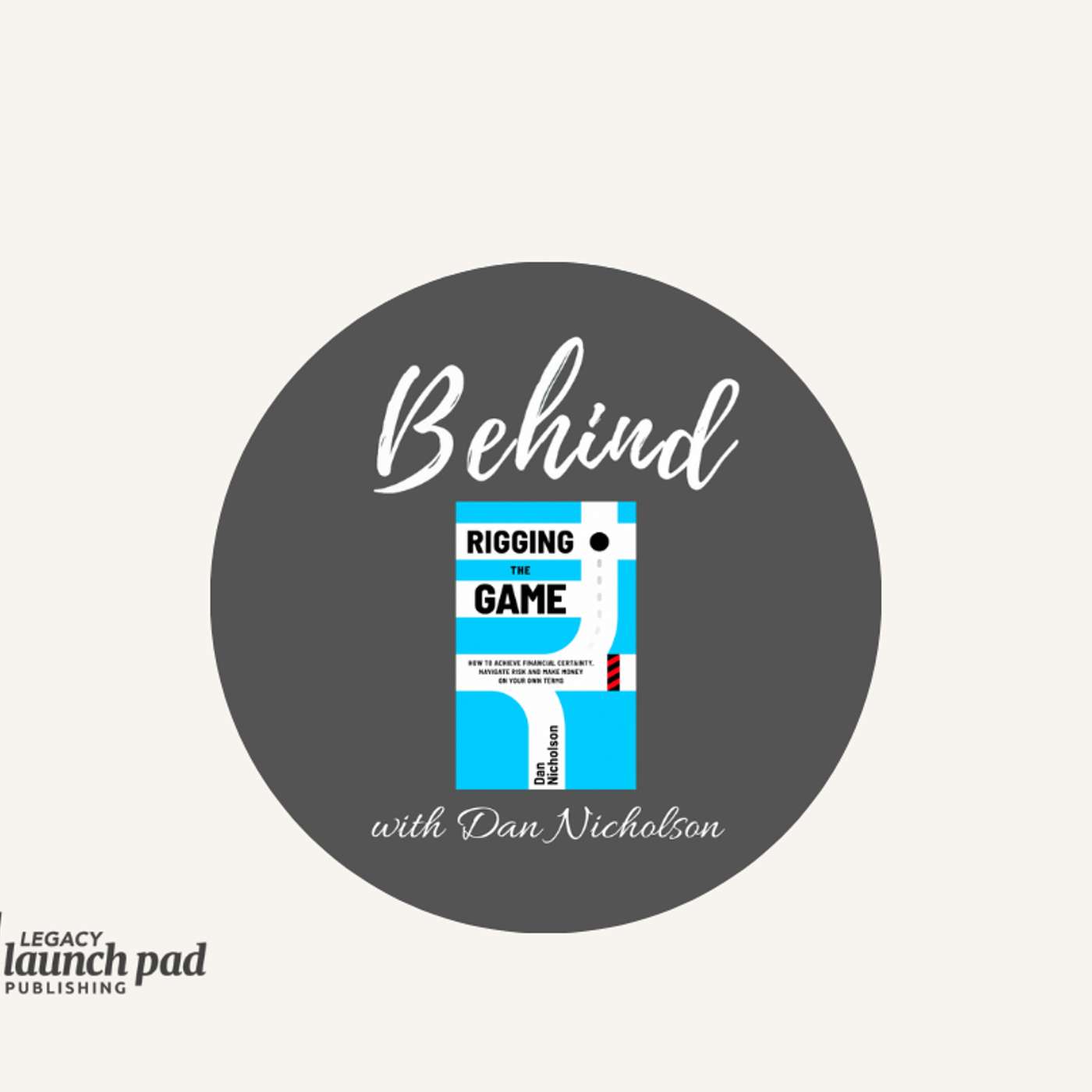
Dan Nicholson is just the founder and CEO of Nth Degree CPAs.He’s also one of my favorite Legacy Launch Pad clients.One of the reasons for this favoritism is that I had the privilege of watching him go from being just another CPA to becoming the Wall Street Journal and USA Today bestselling author of Rigging the Game. As a result of the book, he now commands up to $20,000 a speaking gig and has generated over seven figures in revenue from the ripple effects of authorship.How did he do it? Well, he had a system—and you could say he rigged it.First, he pre-sold hundreds of copies to his network before the manuscript was even complete, ensuring the project would be profitable before it launched. Then he started circulating the book with a focus on speaking and watched his speaking fees skyrocket. Masterminds and conferences have even built entire events around his book!Now prospects arrive at his CPA firm already pre-sold on hiring them, referrals flow in at record levels and his close rates have jumped significantly—even as he raised his prices by 30%. And that’s not all: thanks to his book, he's also doubled his media appearances, landed more podcast interviews and attracted new clients not only to Nth Degree CPAs but for his other ventures, including Certainty U and Certainty News.Listen in to find out why Dan’s system rigging leaves me in awe.Episode Highlights:How Dan pre-sold his book and turned it into a seven-figure revenue generatorThe challenges of writing authentically and why ghostwriters didn’t work for himWhy Rigging the Game resonates with entrepreneurs tired of cookie-cutter adviceHow speaking gigs, referrals and media appearances multiplied after publicationThe real difference between relationship-based and transactional businesses and how books impact eachThe systems Dan created to get 80% of his early readers to leave Amazon reviewsWhy giving away free copies can sometimes be more valuable than selling themThe philosophy of eliminating downside risk to guarantee upsideKey Takeaways:A book is not a lottery ticket—it’s a system and success requires planningReviews not vanity bulk sales are the most powerful long-term marketingFor service-based businesses credibility from a book allows you to raise rates and close more clientsMedia exposure and speaking opportunities don’t happen by accident—you must design the outcomes
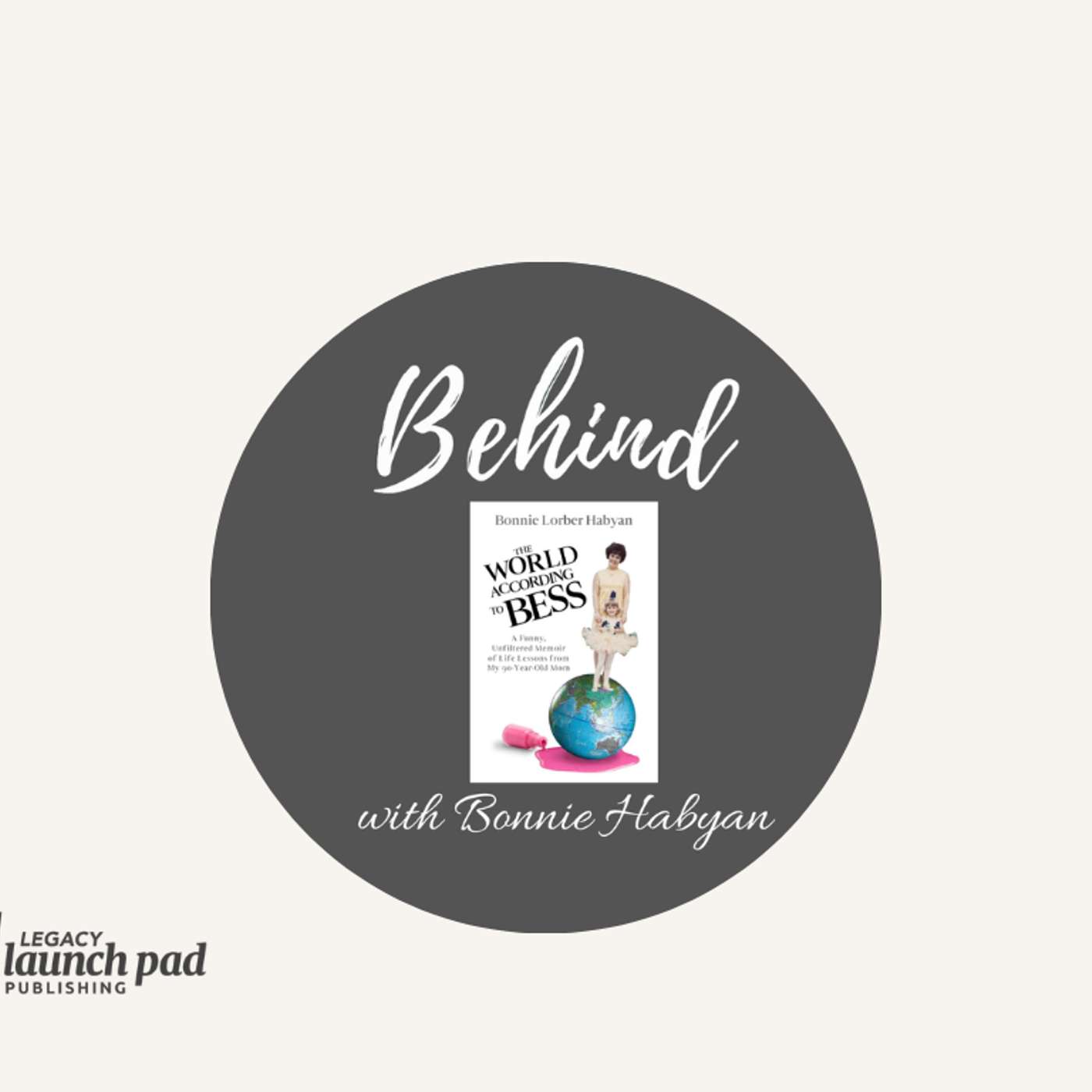
I had a front-row seat to Bonnie Habyan’s transformation. A seasoned CMO with over 20 years in financial services, Bonnie wrote The World According to Bess—a book about her mother's wisdom that we released on her mom's 91st birthday, just months before she passed.In our conversation, Bonnie walks me through all that the book opened up for her: she landed a TEDx talk that now has 350,000+ views, launched her podcast This Is How SHE Did It and became a keynote speaker on resilience and personal brand power. We dive into the unexpected wins—Barnes & Noble book signings, knowing her book is available at Target and having strangers sharing intimate stories about their own mothers after hearing her speak. She also reveals how the writing process helped her understand her relationship with her mom better. In the end, she explains how the book scratched an itch that no CMO title ever could—giving her something authentically hers that will outlive her while also teaching her that her superpower is tenacity.She opens up about being terrified at first—worried about her employer's reaction, about being vulnerable, about putting herself out there. But as she explains, pushing through that fear brought unquantifiable rewards: confidence, legacy and the fulfillment of bucket-list dreams she'd had since childhood.Topics Discussed:Why book sales don't matter: How the real value comes from credibility, platform, and opportunities—not revenue from copies soldFrom book to TEDx stage: How The World According to Bess became the foundation for Bonnie's TEDx talk, which garnered 350,000+ views and created deep connections with audiencesThe power of pre-launch marketing: Building a reader group to generate reviews before publication day, ensuring the book launches with social proof that stays on Amazon foreverOvercoming fear and self-doubt: Bonnie's journey from worrying about her employer's reaction and being vulnerable to embracing confidence and not caring about naysayersThe book as connection machine: How strangers approached Bonnie after her TEDx talk, sharing intimate stories about their own mothers and revealing the impact of her workUnderstanding family through writing: How the process of writing the book gave Bonnie deeper insight into her mother's love language, upbringing and their relationshipDiscovering your superpower: How the book-writing process revealed that Bonnie's superpower is tenacity and persistenceThe gift that keeps giving: Unexpected moments like seeing the book at Target, doing book club talks and receiving messages from readers on the beachFinding your tribe: The importance of surrounding yourself with supporters rather than naysayers during the creative processLegacy over career advancement: Why the book's impact on Bonnie's personal fulfillment and legacy mattered more than advancing her CMO careerVulnerability and authenticity: Putting personal stories into the world and learning to care less about criticismThe book cover moment: How seeing the final cover design was the "aha" moment that brought everything togetherBucket list achievements: Checking off childhood dreams of writing a book, creating a podcast and delivering a TED talk—all stemming from the book
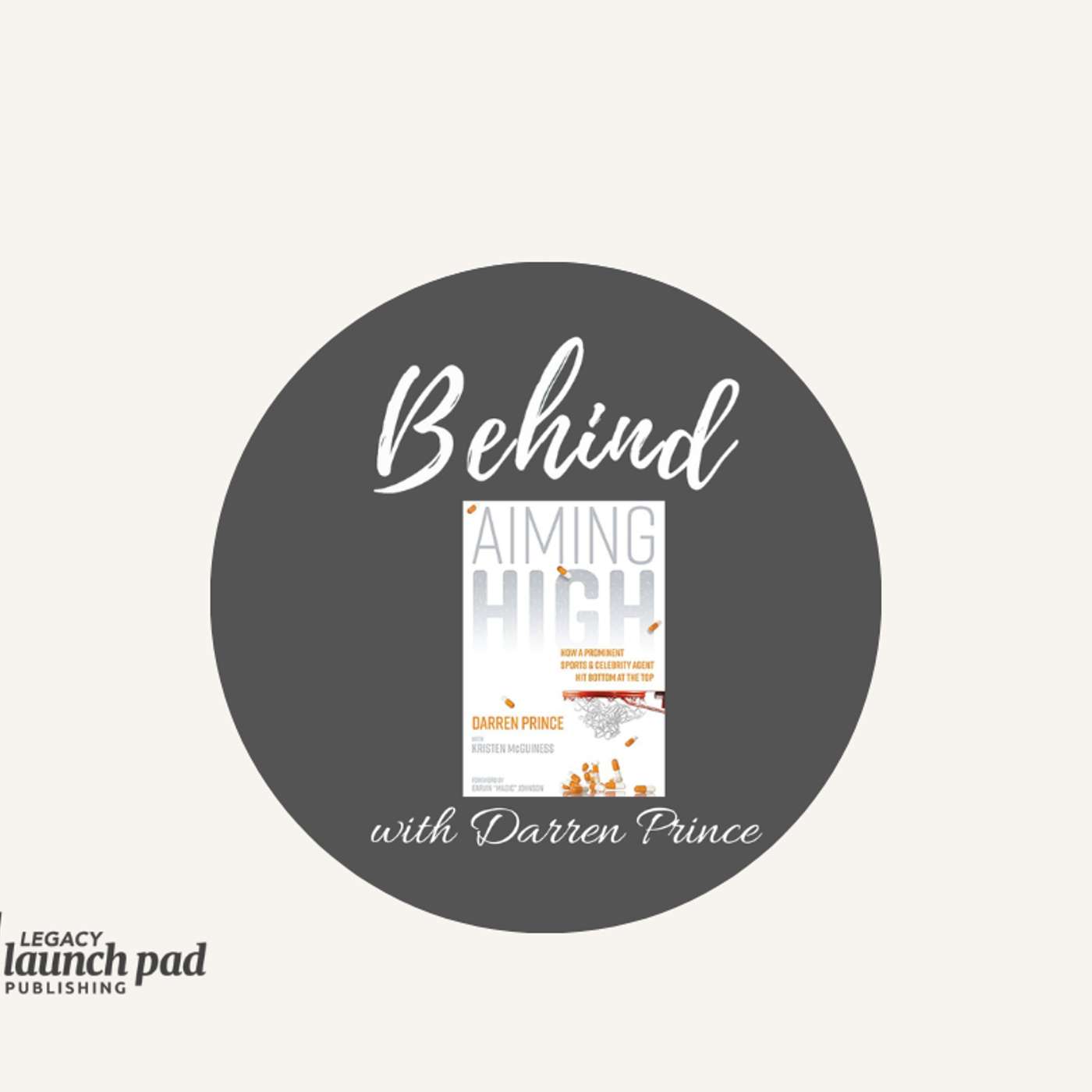
From the outside, it looked like Darren Prince had it all—a phenomenally successful sports and celebrity agent, his client roster overflowed with legendary names like Magic Johnson, Muhammad Ali and Charlie Sheen. But behind the scenes, he was battling an addiction that nearly cost him everything.When he finally shared his story in his memoir Aiming High, it didn’t just change his life—it created a movement. This book also had a massive impact on me because it was the first book I ever published and is in fact what made me start Legacy Launch Pad.In this conversation, Darren and I laugh, get a little teary and reflect on all that his book led to—from spokesperson deals and keynote speeches to appearances on shows hosted by Tucker Carlson and Jay Shetty to a non-profit that saves lives...and so much more.Episode HighlightsHow the loss of his father and a conversation with Magic Johnson inspired Darren to finally tell his storyThe moment I convinced him his addiction—not his celebrity roster—was the real story of Aiming HighWhy he released the book on the anniversary of Ali and Frazier’s “Thrilla in Manila” fightHow Aiming High transformed from a memoir into a mission to help others recoverThe behind-the-scenes story of Magic Johnson writing the book’s forewordHow a CNN interview with Chris Cuomo launched Darren’s global media tourThe massive ripple effect: appearances on Tucker Carlson, Dr. Oz, Fox & Friends and Jay Shetty’s On Purpose podcastHow Aiming High led to a six-figure spokesperson deal—and why Darren turned the money into a foundation insteadThe creation of the Aiming High Foundation, which has now sent over 200 people to treatmentWhy authenticity and vulnerability made him a stronger agent, speaker and human beingHow the book helped reconnect him with old mentors, world leaders and new opportunitiesThe surprising role Aiming High played in revitalizing his agency, Prince Marketing GroupWhy he believes the real wealth isn’t in fame or money—but in helping others find hope and purpose
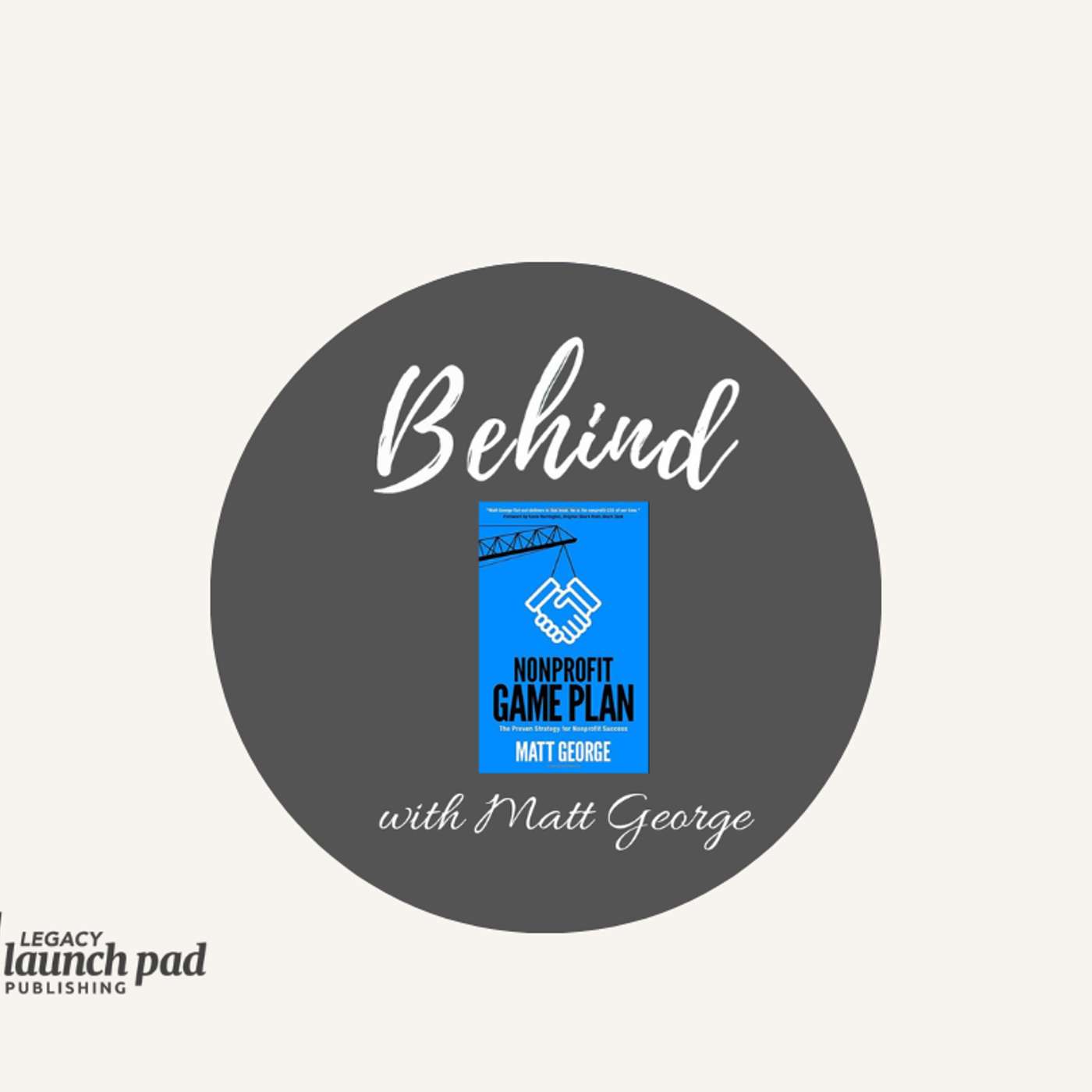
Matt George isn't just a Harvard Business School executive leadership coach.He's also one of my favorite Legacy Launch Pad clients. Yes, I say that a lot but I only have my favorites on this show.I've had the privilege of watching Matt go from being a longtime nonprofit CEO to becoming a three-time #1 bestselling author who leveraged his book into a multimillion-dollar portfolio of speaking, consulting, media and coaching opportunities. As a result of his books, he now works at Harvard Business School, hosted his own prime-time TV show for four years and has generated over a million dollars in revenue from the ripple effects of authorship.How did he do it? Well, he treated the book we published, Non-Profit Game Plan, like a "business card for life"—he never stopped networking with it.First, he carried copies everywhere, giving them out on flights, at conferences and to nonprofits across the country. He even packed a full suitcase with 50-60 books for a John Maxwell conference and refused to bring a single one home. Then he embarked on an epic 61-city, 67-day book tour across America, combining media appearances with grassroots nonprofit visits where he literally saw his book help save a young girl's life. (He and I also got to meet for a cup of hot chocolate when his tour took him to LA.)Today, his media appearances have multiplied 10-15x, his consulting fees have skyrocketed and his speaking invitations stretch from Ivy League alumni clubs to global conferences. And that's not all: thanks to his book, Matt was able to leave his 30-year nonprofit career, land a coveted position at Harvard Business School (coaching C-suite executives from around the world) and launch his own company.Listen in to find out why Matt's "business card for life" strategy shows why a book truly is the world’s best business card.Episode Highlights:How Matt turned his book into the catalyst for a career reinvention at Harvard Business SchoolThe intentional strategy of carrying and giving away books to build brand and revenueWhy books outperform business cards for authority and credibilityHow Business Forward and other media opportunities emerged directly from authorshipThe 61-city book tour that combined grassroots impact with national visibilityWhy reviews and relationships matter more than bulk salesHow Matt monetized his book into consulting, speaking and global coaching streamsKey Takeaways:A book is a lifelong business card when used strategicallyReviews, not sales rankings, drive long-term credibilitySpeaking, consulting, and media come from intentional design, not accidentAuthorship creates authority, self-confidence and new revenue streamsThe impact of a book goes beyond business—it can literally change lives
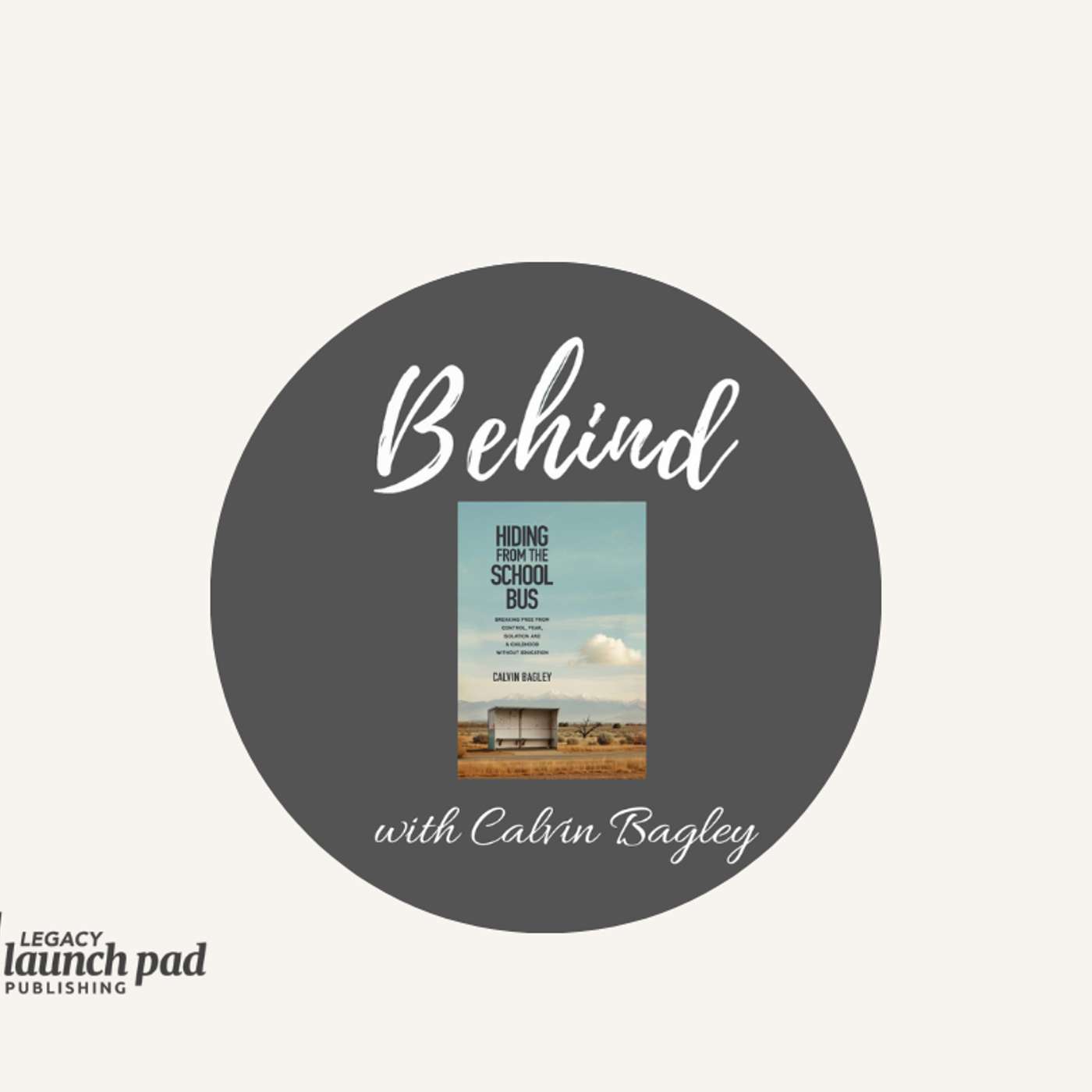
Calvin Bagley spent his childhood dodging the school bus and adulthood building business empires. The founder of multiple eight-figure Medicare companies and a self-proclaimed “big fish in a very specific pond,” Calvin went from growing up in rural isolation with nine siblings and no formal schooling to becoming one of the most respected names in his industry.His memoir Hiding from the School Bus doesn’t teach you how to scale a business—it shows you how to survive one hell of a childhood and still come out kind, successful and grateful.In this episode, Calvin and I cover everything from family feuds to Kirkus raves to what it’s like when people you barely know suddenly know all your darkest secrets. He talks about writing 1,000 pages during a bout of shingles (because of course he did), taking his co-writer back to the “scene of the crime” to really feel the trauma and throwing a Vegas book launch complete with goats, carrot cake and cocktails named after his childhood pain.It’s equal parts therapy session, comeback story and gratitude circle. Calvin somehow manages to turn abuse, neglect and educational deprivation into punchlines—and then pivots to heartfelt lessons on self-acceptance, fatherhood and what it means to finally stop running from your past.Episode HighlightsWhat happens when your mom doesn’t know you wrote a memoirHow a shingles outbreak became a literary blessing (seriously)The Vegas book party that doubled as emotional closureHow radical honesty can make your business strongerWhat happens when you tell your story and the world actually listens
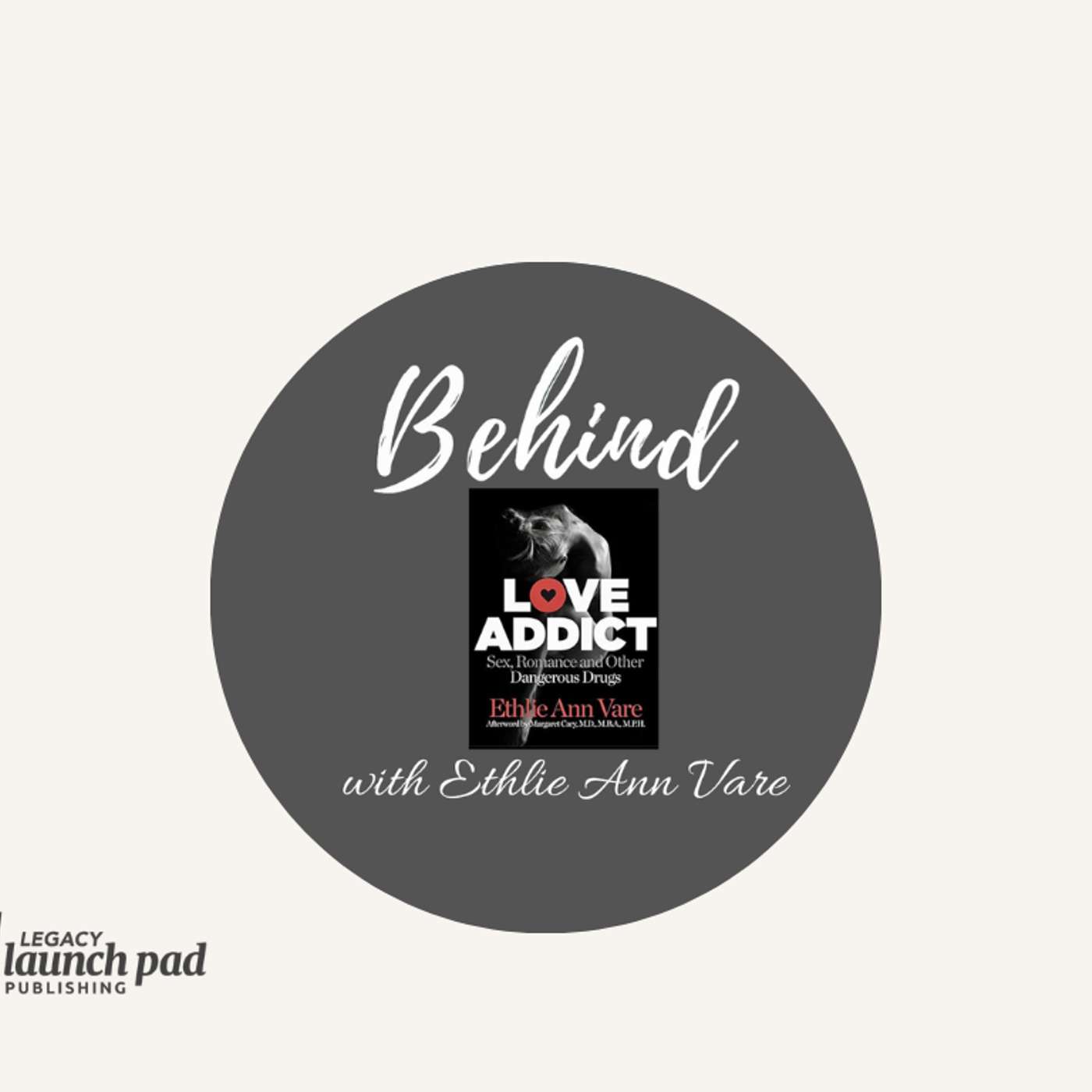
Ethlie Ann Vare has lived through every incarnation of the media machine—from the era when editors and agents were true gatekeepers to today’s age of algorithms and the “wisdom of the crowd.” A journalist, TV writer and author, Vare built a career on talent, timing and serendipity. She went from covering rock shows in 1980s Los Angeles to penning biographies of Stevie Nicks and Ozzy Osbourne then spent 15 years writing for television shows like Renegade, Silk Stalkings, Andromeda and CSI.In this episode, Vare reflects on how the publishing world she once knew—where publicists flew authors to The Today Show and books stayed in print for decades—has vanished, replaced by a firehose of content and a marketplace where visibility often trumps talent. She laments that authors are now the product, forced to become their own marketers and brands while readers drown in choice.A savvy observer of both life and the publishing industry, Vare has proven that good work finds its way. Her New York Times–noted Mothers of Invention and later Love Addict: Sex, Romance and Other Dangerous Drugs (which began as a Tumblr called Affection Deficit Disorder) both emerged from two respective subjects she cared deeply about—women inventors and the psychology of love addiction. Now through her Substack of the same name ,she continues to write “for fun and for free,” offering hard-earned wisdom without worrying about the clicks or sales.Episode Highlights:Ethlie recounts her early days in rock journalism where being “good and lucky” opened doors to Billboard, Rock Magazine and national TV appearances.The shift from gatekeepers to algorithms: how the fall of traditional publishing replaced discernment with popularity contests.Behind the making of her hit book Mothers of Invention and why its success led to a national lecture tour and lasting influence.Her perspective on today’s “firehose of content,” author branding and the exhaustion of self-promotion.The origin of Love Addict, her dive into sex and love addiction and how it evolved from personal exploration to public service.Reflections on age, authenticity and the strange liberation of being a “digital immigrant” in a youth-driven culture.Key Takeaways:The creative industry has shifted from talent being discovered to visibility being demanded.Writing remains a calling worth pursuing—for love not for money.Democratization has come at a cost: fewer filters more noise.The real reward of authorship isn’t fame but connection and survival through reinvention.
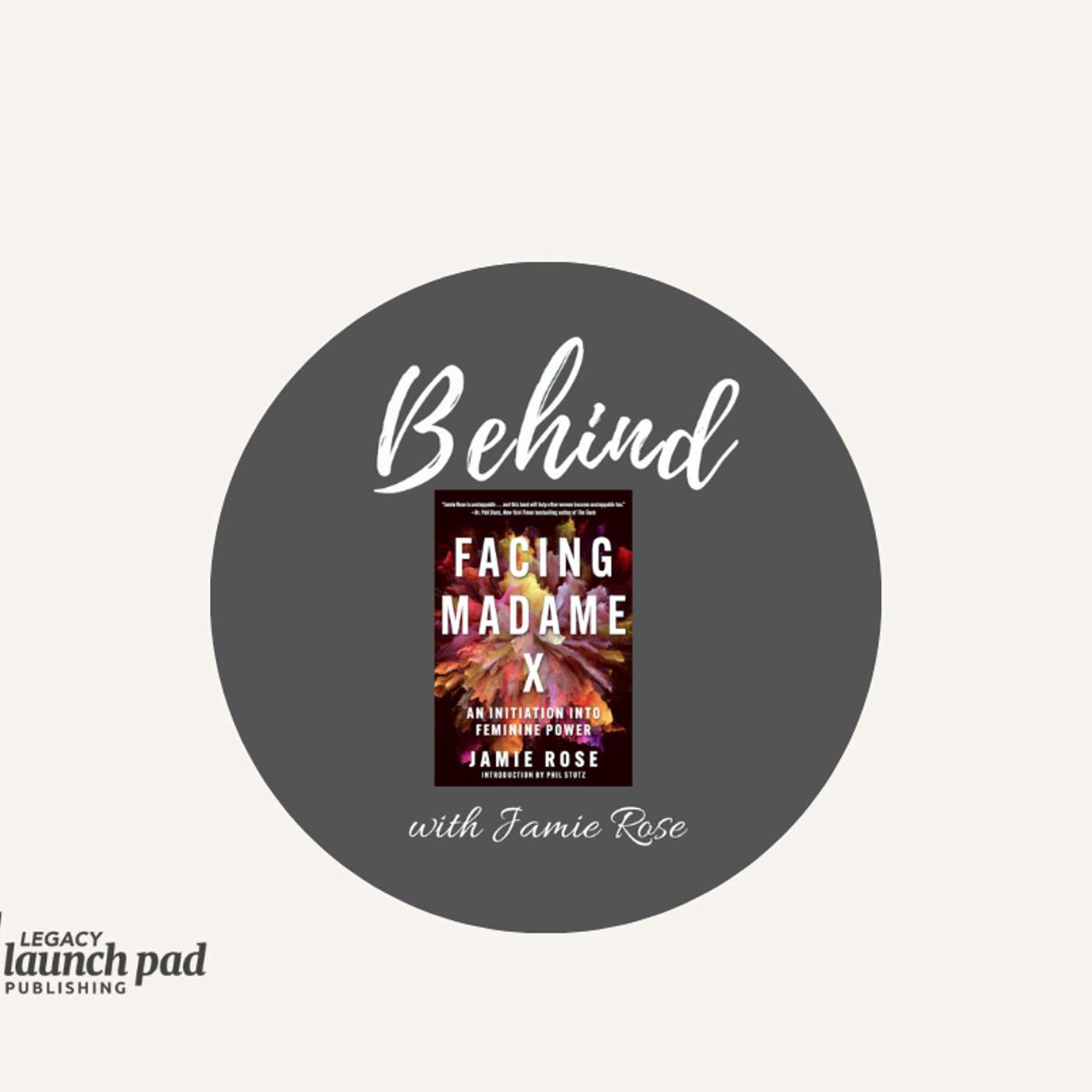
Jamie Rose is proof that reinvention can be a superpower. After decades as a working actress, she did what most in Hollywood never dare: she pivoted.First came writing. She landed a Penguin deal for her memoir Shut Up and Dance, diving headfirst into the brutal world of publishing. Then came coaching, where she transformed her 37 years of training with psychiatrist Phil Stutz (of The Tools and Jonah Hill’s Netflix doc Stutz) into a career helping others unlock their potential.Now she’s tackling her boldest project yet: Facing Madame X: An Initiation into Feminine Power (out March 2026). Part memoir, part self-help, the book distills Stutz’s groundbreaking tools through Jamie’s uniquely female perspective, weaving hard-won lessons of resilience, humor and creativity.Jamie had to figure out the system for herself. She rode the highs (landing a book deal with a major publisher) and the lows (refreshing Amazon rankings until she nearly lost her mind). She discovered that success wasn’t about fame or money alone—it was about emotional “f-you money,” joy in the process and leaving a legacy that makes people weep (in the best way).Episode HighlightsJamie’s leap from Hollywood (Falcon Crest, The Tonight Show) to published author and coachThe rollercoaster of her first book Shut Up and Dance—Penguin deal, PR mishaps, Amazon obsessionLessons from 37 years with mentor Phil Stutz, now shaping her new book Facing Madame X (2026)Redefining “f-you money” as emotional freedom, not just financial securityWhy reinvention, resilience, and joy matter more than chasing external validationKey TakeawaysTraditional publishing offers prestige but little control—authors must drive their own successSetbacks can spark reinvention and deeper purposeMentorship and long-term practice transform both work and lifeEmotional wealth and detachment create true powerBooks are about legacy and impact, not just sales numbers
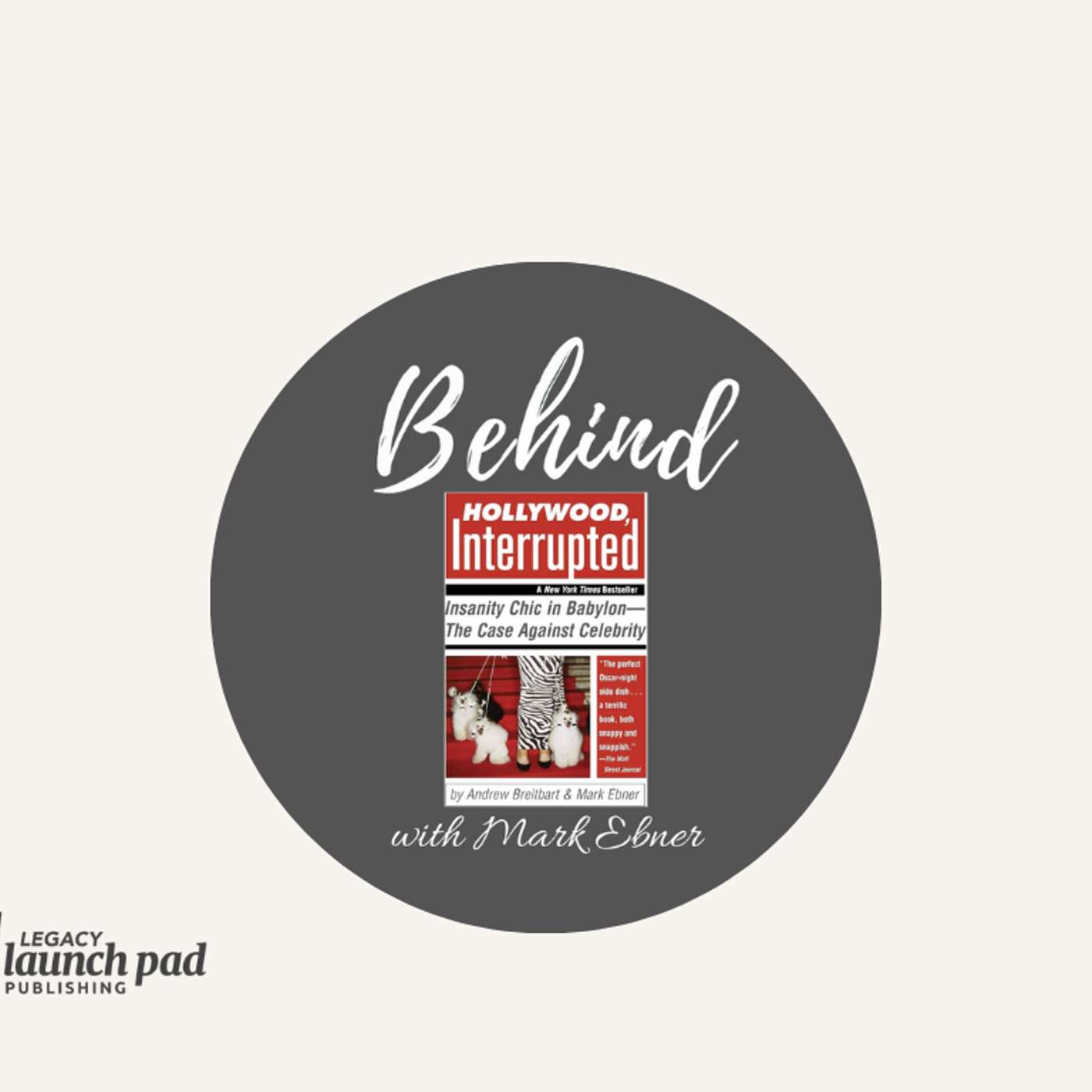
Mark Ebner has lived every journalist’s dream. He’s a New York Times bestselling author, Hollywood insider and the guy behind some of the most notorious exposés in entertainment history. But behind the bylines and book deals is a story about an industry that chews up even its most fearless voices—and a writer who found a way to keep telling the truth anyway.In this conversation, Mark and I talk about everything the publishing world doesn’t want you to know—from missing royalty checks and botched releases to what happens when AI starts scraping your life’s work. He opens up about his unlikely friendship with Andrew Breitbart, the chaos of the book business and how he went from bestselling author to private investigator—while somehow staying one of the funniest, most unflinchingly honest people I’ve ever met.Episode HighlightsThe truth about what it really means to hit the New York Times list (and why it doesn’t make you rich)How HarperCollins mishandled his biggest book deal—and what it taught him about the industry’s dysfunctionThe unexpected camaraderie between a radical leftist and a far-right pundit and how it produced Hollywood, InterruptedWhy bookstores literally killed one of his bestsellers by shelving it in the wrong sectionThe burnout and betrayal that pushed him to leave journalism and launch a private investigation firmHis take on AI, intellectual theft and the future (or end) of nonfiction writingThe celebrity scandals, lawsuits and cult investigations that defined his career—and why he’s done telling other people’s storiesThe strange parallels between chasing leads as a PI and chasing truth as a reporterThe book he still wants to write—and why he might call it Dirtbag
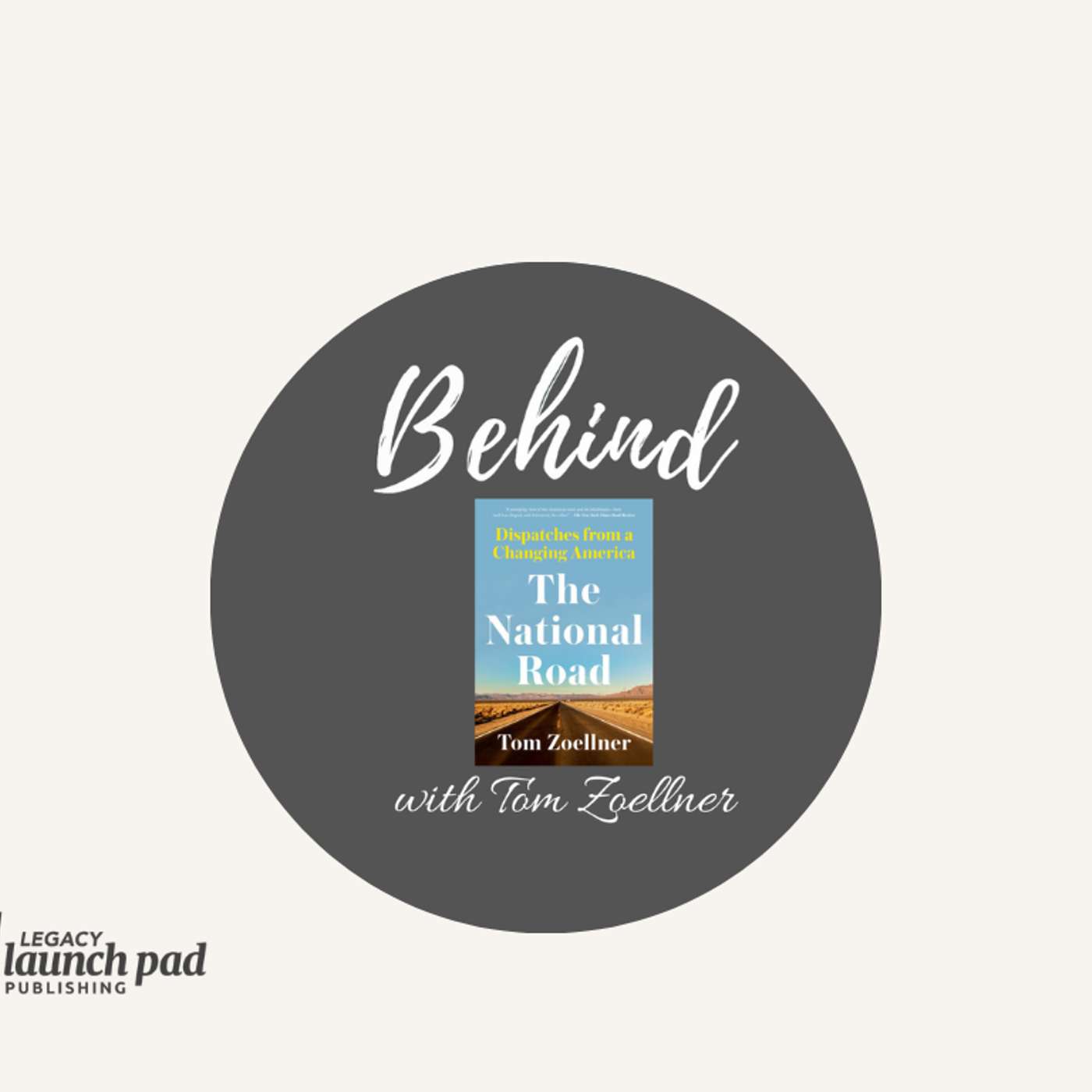
Tom Zoellner has no illusions about fame, sales or the myth of the “life-changing book.” A National Book Critics Circle Award winner and New York Times bestselling author, Zoellner has written nine acclaimed works of nonfiction including Island on Fire: The Revolt that Ended Slavery in the British Empire, which also became a finalist for the Bancroft Prize and the California Book Award. But despite the accolades, he’s learned to see writing not as a climb toward visibility but as a lifelong meditation on curiosity and craft.In this episode, he and I had a lively debate about such things as whether technology is the death knell of creativity or an amazing opportunity, if one should be writing to build authority or to simply to experience the satisfaction of delving deeply into a topic and even how to pronounce BISAC (not to mention his last name).We also talk about how I once said a sentence to him summarizing how I feel about book publishing that he quotes back to me all the time.Tom may be my polar opposite in terms of using a book to strategically advance but I do admire the way he writes, as he says, to add one small spark to the larger fire of human knowledge. Listen in to find where you may lie on the spectrum of creativity and commercialism (and where the two meet).Episode Highlights:Tom recounts his journey from local newspapers in Nebraska to national recognition as an award-winning author.The evolution of publishing from thoughtful gatekeeping to chaotic marketing—and why he prefers the old systems where “the rules were known.”The strange hazards of traditional publishing, from miscategorized books to tone-deaf cover designs and dismissive editors.How his first book, The Heartless Stone, grew out of a broken engagement and a trip to the Central African Republic to investigate the diamond trade.His growing frustration with publicity, branding and the myth that every author must be a marketer—and how rejecting that mindset changed his relationship to writing.His perspective on authorship as both isolation and immersion—solitary work that still requires a deep engagement with life.Key Takeaways:The best part of writing happens at the keyboard, not on the bestseller list.Traditional publishing has lost its certainty but the writer’s task remains the same: contribute something meaningful.There’s power in humility, patience and persistence in a field obsessed with visibility.A book’s true success isn’t measured in sales or awards but in the moment it adds light to the collective bonfire of ideas.
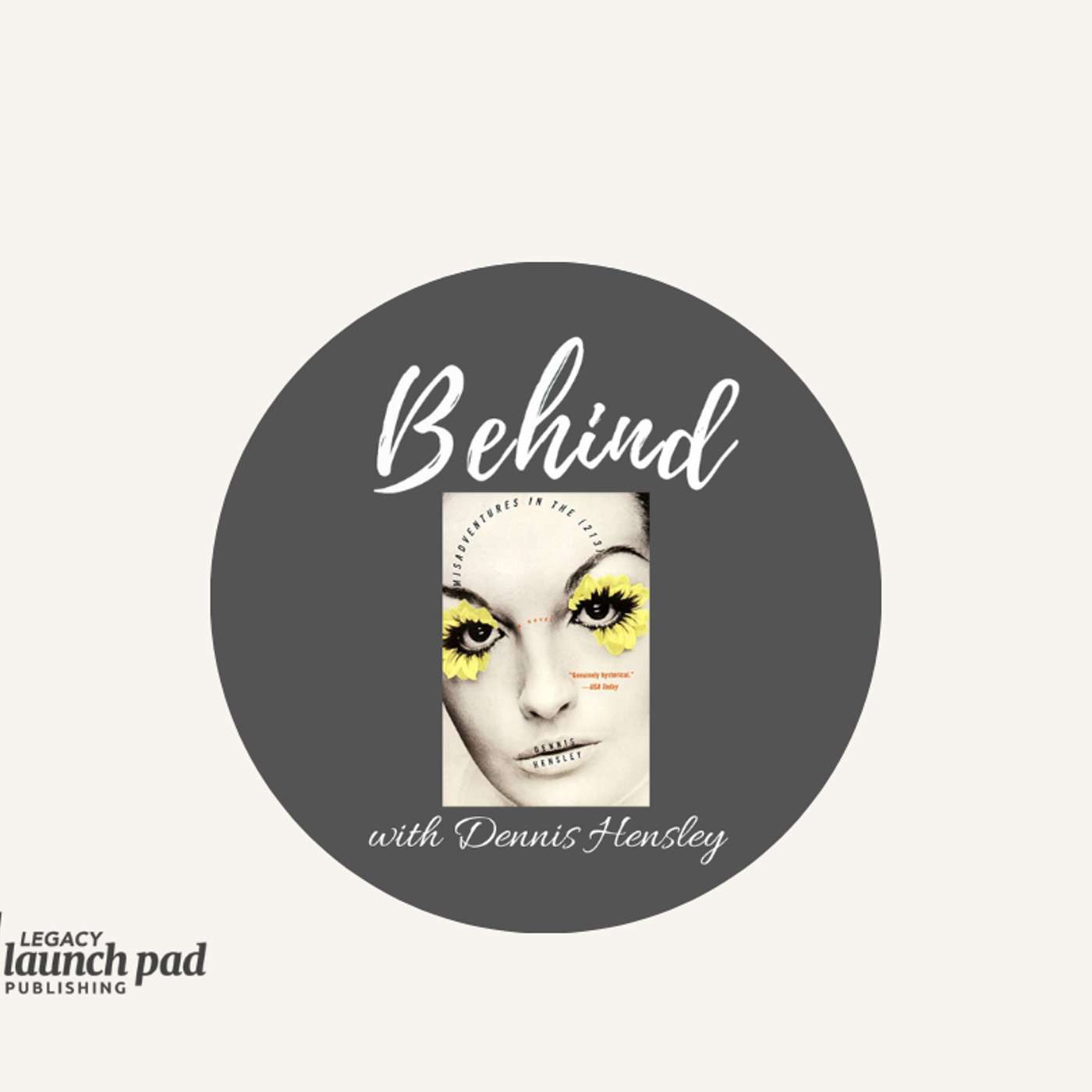
Dennis Hensley was the very first real writer I ever knew—back when getting a book published felt like spotting a unicorn in 1990s LA.His debut novel Misadventures in the (213) came out in 1998, and I thought it was the coolest thing imaginable.Years later, we'd find ourselves sweating through Ben Allen's dance classes together, proving that creative people really do wear all the hats.Dennis has written for everyone from Joan Rivers to Wondery podcasts, created party games and somehow made more money dancing in commercials than writing this year.Our conversation (recorded the day before his 61st birthday) goes deep on resilience, disappointment and figuring out how to keep creating when the scoreboard stops making sense.Topics Discussed:The 1990s writing gold rush: When Gen X believed you could actually make a living as a writer, gift bags overflowed at parties. and magazines paid $1 per wordBreaking in: How an audition rejection for Madonna's Blonde Ambition tour became Dennis's first published article, leading to gigs at Movieline, Detour and beyondWriting for free (for three years): The unglamorous hustle behind Misadventures in the (213), including interviewing Carrie Fisher in her bed and scoring a gym membership through barter The 2013 Fashion Police strike: How standing up for freelance writers' pay during the Writers Guild organizing effort traumatized Dennis, cost him his best friend/roommate and triggered a health crisis that changed everythingRehab for disappointment: Dennis's raw account of hospitalization, thinking he'd "die of disappointment" and the long road through somatic therapy, meditation and redefining successChanging how you keep score: Why tracking wins vs. losses will destroy you, and how Dennis learned to measure creative life by "who I'm being" rather than what he's gettingThe game that almost was: Pitching "You Don't Know My Life!" to Jason Bateman's production company, feeling good about the pitches, getting rejected—and being sad for only five seconds"Everything is impossible, so anything is possible": Life lessons from artist Stephanie Elizondo Griest and why trying matters more than outcomesDancing pays better than writing: How Dennis made more money this year from Vegas commercials than his writing career, and why he's okay with thatMentioned:Misadventures in the (213) and Screening Party booksRob Weisbach, Detour, Movieline, Fashion Police"You Don't Know My Life!" party gamePodcasts: Dennis, Anyone? and Dennis Hensley's Happy and GayBen Allen's Group Three dance class (RIP the Thriller flash mob)

Heather Wood Rudulph has done many things in the publishing world, including co-writing Sexy Feminism: A Girl's Guide to Love, Success and Style with Jennifer Keishin Armstrong (a title that very much captured a specific moment in feminist evolution but makes Rudulph give a tiny cringe now).We met back in the New York media heyday when things like "readings and rub downs" (yes, book readings with massages) seemed totally normal.Heather's spent over a decade writing about culture and entertainment for everyone from Cosmo to Rolling Stone and now wears many hats in the words world (including as an occasional editor for my company!) This conversation digs into the realities of traditional publishing: the battles you pick, the dreams that get dashed and why understanding business matters as much as loving words.Topics Discussed:Fighting for your title: How Heather and her co-author battled their publisher five times to keep Sexy Feminism as their title and why picking your battles matters when you have so little controlThe subtitle that aged: Why A Girl's Guide to Love, Success and Style captures a specific moment in feminist history that "wasn't quite there yet"Traditional publishing reality check: Self-funded book tours, throwing yourself parties in cities where you have friends and learning that you're essentially your own PR machineThe $0 royalty statement: Getting trolled by emails showing zero earnings, letters about books being destroyed in landfills and the occasional thrill of foreign translations"You're lucky to be publishing a book": Why authors have to make compromises to get to the finish line but also when to stand firmThe proposals that break your heart: Six months developing a Madonna book pitch, not getting the deal, watching someone else write basically the same bookWriters don't get paid for proposals: The reality that you don't earn anything for pitching articles, writing proposals or preparing to teach—only for the finished productWhen the golden curtain opens: Jennifer Keishin Armstrong's revelation that publishers only hold real marketing meetings after you've proven you're successful (her Seinfeld book hitting the NYT list)The advance is not vacation money: Why even six-figure book deals aren't what people think and how writers should already be thinking about the next book before the first one comes outFrom entertainment reporter to marketing: How Heather pivoted from writing fluffy celebrity profiles and traveling to spas worldwide to understanding that storytelling lives in business tooThe entrepreneurship of writing: Why understanding business isn't selling out—it's survival and how freelancers have to become their own marketing departmentsAmazon is the list that matters: Not the New York Times bestseller list but Amazon rankings and reviews from regular people that live forever"Anybody can write a book": But it's like running a marathon—you have to train, know what you're getting into, keep going when it hurts and want it for the right reasonsMentioned:Sexy Feminism: A Girl's Guide to Love, Success and StyleJennifer Keishin Armstrong (co-author and TV show book specialist)SexyFeminist.com (their website that became the book)The era of Feministing and Jezebel"Readings and Rub Downs" events at Birch CoffeeWork at Cosmo, DAYSPA magazine, LA Daily News and various digital media companiesThe sustainability startup that paid $2/word (briefly)Launch Pad Publishing (Anna's company where Heather now occasionally freelances)
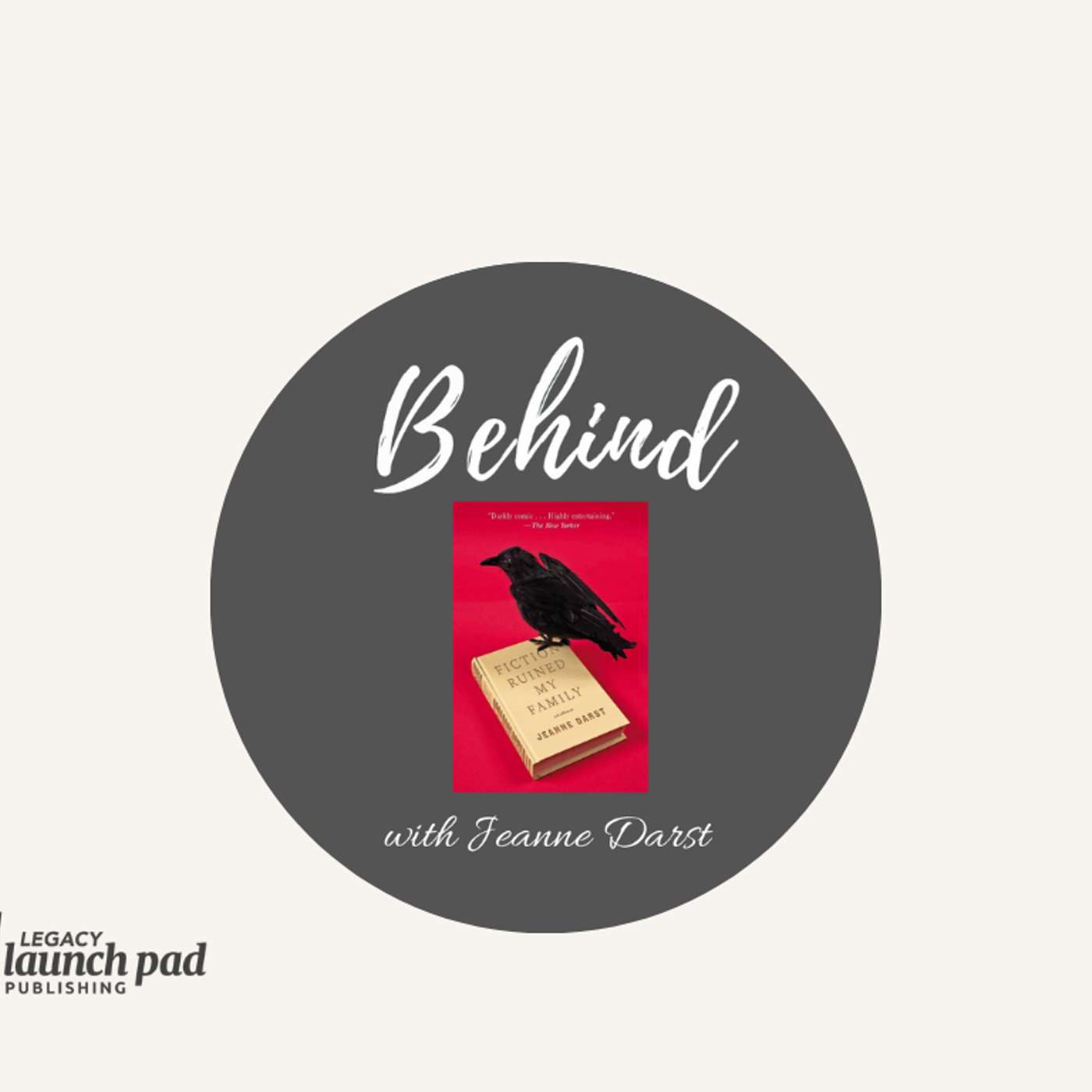
Jeanne Darst's story is what happens when everything goes right—and then you realize "right" is more complicated than you thought. After years of doing plays for 200 people in Vermont, she hit the publishing lottery: a bidding war sparked by a “This American Life” appearance that had publishers hunting her down by the next morning. Riverhead Books won with serious money, the New York Times loved it, Vogue excerpted it, HBO optioned it and she wrote the pilot. It was the full fantasy—except the show didn't get picked up (Girls was coming out), and she spent the next decade in the Hollywood machine. Her TV writing career was a success—she got a series of TV staff writing jobs—but her second book, Dad's Trying to Kill Me, couldn't find a publisher (despite glowing rejections). Now she's back to putting on shows while continuing to write, because sometimes the dream coming true teaches you what you actually want.Episode Highlights:How Jeanne's This American Life story triggered a massive publishing bidding war overnightThe strategic decision to write a proposal instead of submitting a completed manuscriptWhy Jeanne chose Riverhead and editor Sarah McGrath over the highest bidderThe simultaneous media blitz: book launch, Vogue excerpt, and This American Life featureHow HBO optioned the book before publication, leading to pilot writing opportunitiesThe reality of post-success hustle: why the dream is "just the beginning of heartbreak"Jeanne's second book rejection and the lesson about going to small pressesWhy she's returning to grassroots theater after a decade in HollywoodThe father-daughter dynamic when children outachieve their parents professionallyKey Takeaways:Two years of persistence can lead to overnight success Agents and gatekeepers are "smart secretaries" - you must drive your own careerWomen wait 8 months to resubmit after rejection; men wait 3 daysBig advances don't guarantee book tours or sustained marketing supportPublishers only invest real marketing dollars in books that are already succeedingHollywood packaging deals often benefit agencies more than the writers themselvesComplete projects teach more than abandoned ones - finish what you startTraditional publishing success requires constant self-advocacy and hustleFamily reactions to memoirs can be complicated, especially around professional jealousy
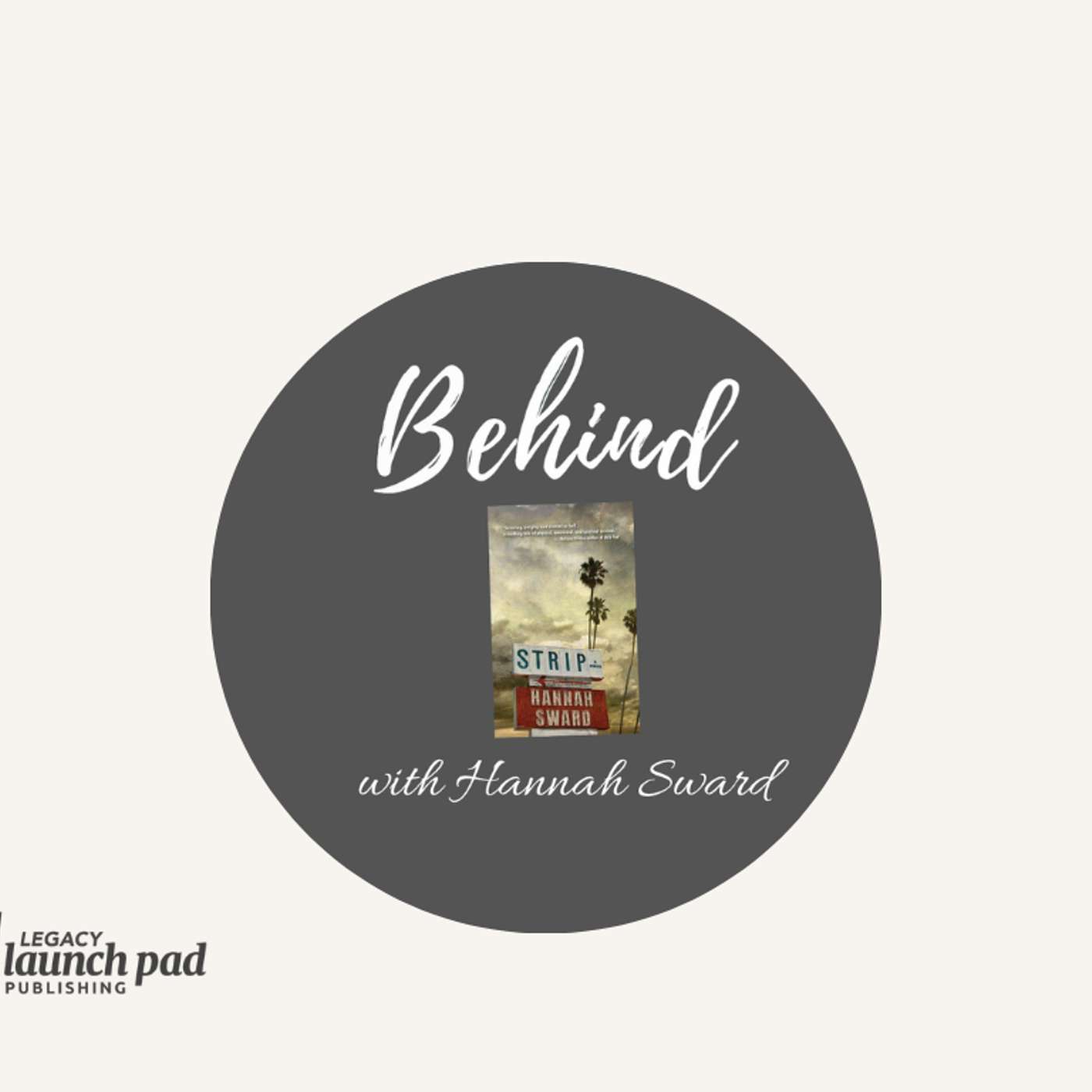
Hannah Sward’s publishing journey reads like a masterclass in persistence meets divine intervention.After years of writing short stories for underground literary journals, she stumbled into a free writer’s group at a library—complete with homeless people sleeping on the sidelines.That’s where she met Jill Sherry Robinson, an 80-year-old bestselling author who essentially kidnapped her and mentored her until she finished her book.Through a comedy of errors involving three different agents (one retired three months after signing her), Sward eventually sold her book for a whopping $500 advance.But here's the kicker: by the time her book Strip came out in 2022, Sward had built such authentic relationships in the recovery community that the book found its audience organically. No Instagram strategy needed—just good old-fashioned showing up. Now she's chronicling her sexual adventures after 50 on Substack, where she’s learned that—guess what?—vulnerability pays off when book deals may not.Episode Highlights:How Hannah's 14-year friendship with Anna led to confessing literary jealousy at an AA meetingThe serendipitous connection with 80-year-old mentor Jill Sherry Robinson at a free library writers groupHannah's unconventional memoir structure: 75 short chapters designed for non-readersThe grueling agent search: 100 rejections and three failed agent relationships before going soloPublishing with a small press for a $500 advance while her father was dying in hospiceHow building authentic community relationships over years created organic publicity opportunitiesThe launch of "Summer of Men" Substack about sex after 50 that had readers paying to find out what happens nextWhy Hannah refuses to repeat the traditional publishing process for her next bookKey Takeaways:Jealousy among writers is normal and can be processed healthily through honest conversationMentorship can appear unexpectedly - stay open to guidance from unlikely sourcesPersistence pays off: Hannah's father modeled being "the king of rejection" as a badge of honorCommunity building matters more than platform building for authentic book promotionThe publishing process can be an "integrated experience" when you work through disappointments internallySmall press publishing with low advances can still lead to meaningful success and readershipLeading with credentials (blurbs from Nobel Prize winners) gets manuscripts read, not just good writingWriting partnerships and accountability groups sustain creative work over yearsSuccess doesn't fill the internal "hole" - there will always be compare and despair momentsSometimes the journey to publication teaches more than the publication itself

if you’re a subscriber, hi! It’s been a minute. And by a minute I mean it’s been almost a year.That’s because one of the main reasons I do a podcast is so that I can educate myself and after hundreds of interviews, I felt like I’d learned everything I could about how to build authority with a book. I even used many of those interviews in the book I published in 2023, also called On Good Authority.I was surprised to discover that despite not posting any new episodes, this podcast has been kicking along—remaining in the top 1% of podcasts just because new people are finding the show, or some of you authority junkies are listening to episodes over and over?Anyway, lately, I’ve been feeling that podcast itch again: that craving for the mic. And I also started a Substack that I’ve loved writing. One day recently it occurred to me that the Substack could have an accompanying podcast and then it occurred to me, hey I already have a podcast – it’s just been lying dormant. And so I’ve renamed the show Behind the Book Cover, same name as my Substack.Now I’m going to be focusing less on how to build authority from a book and more on the past, present and future of book publishing, as I see it.The past is the traditional publishing model, which means I’m going to spend the first season talking to authors who come from that world. We’re going to dive into the things no one wants to talk about: the tough days that follow getting the book deal.Season two will focus on the present: entrepreneurs that are earning literal millions as a result of their books, and how they’re doing it.And season three will delve into where book publishing is going, with a special focus, of course on AI.So why am I passionate about this new direction now? I’m so glad you asked!The Penguin Random House trial in 2023 revealed a lot that had previously been secret—namely, that 85% of book advances never earn out and Random House got its name because, as the CEO said in the trial, they never know which books will succeed so it’s random!The reality is that most authors make less than minimum wage. And here's the kicker—the entrepreneurs who get caught up in these publishing fantasies often end up worse off than when they started. They're so focused on impressing agents and publishers that they forget their actual goal: growing their business.So I'm going to be talking to authors about why traditional publishing dreams often backfire for business owners. I'll introduce you to smart entrepreneurs who use books strategically—not as lottery tickets, but as lead generation machines and authority builders. And I'll expose what the publishing industry doesn't want you to know about how this business actually works.Think of this as the same as On Good Authority but with a sharper edge. Depending on when you’re hearing this, I’ve either already released or am weeks away from releasing the show you know and love but fine tuned for your success. Same juicy interviews, same truth-telling, just more focused on what actually moves the needle in your business instead of feeding publishing fantasies that lead to disappointment.Whether you're thinking about writing a book, struggling with your first one, or wondering if any of this makes business sense, these conversations will save you time, money and heartache.Because here's the thing: once you stop chasing publishing validation and start using books as the business tools they actually are, everything changes. And I can't wait to show you how.Welcome to Behind the Book Cover.
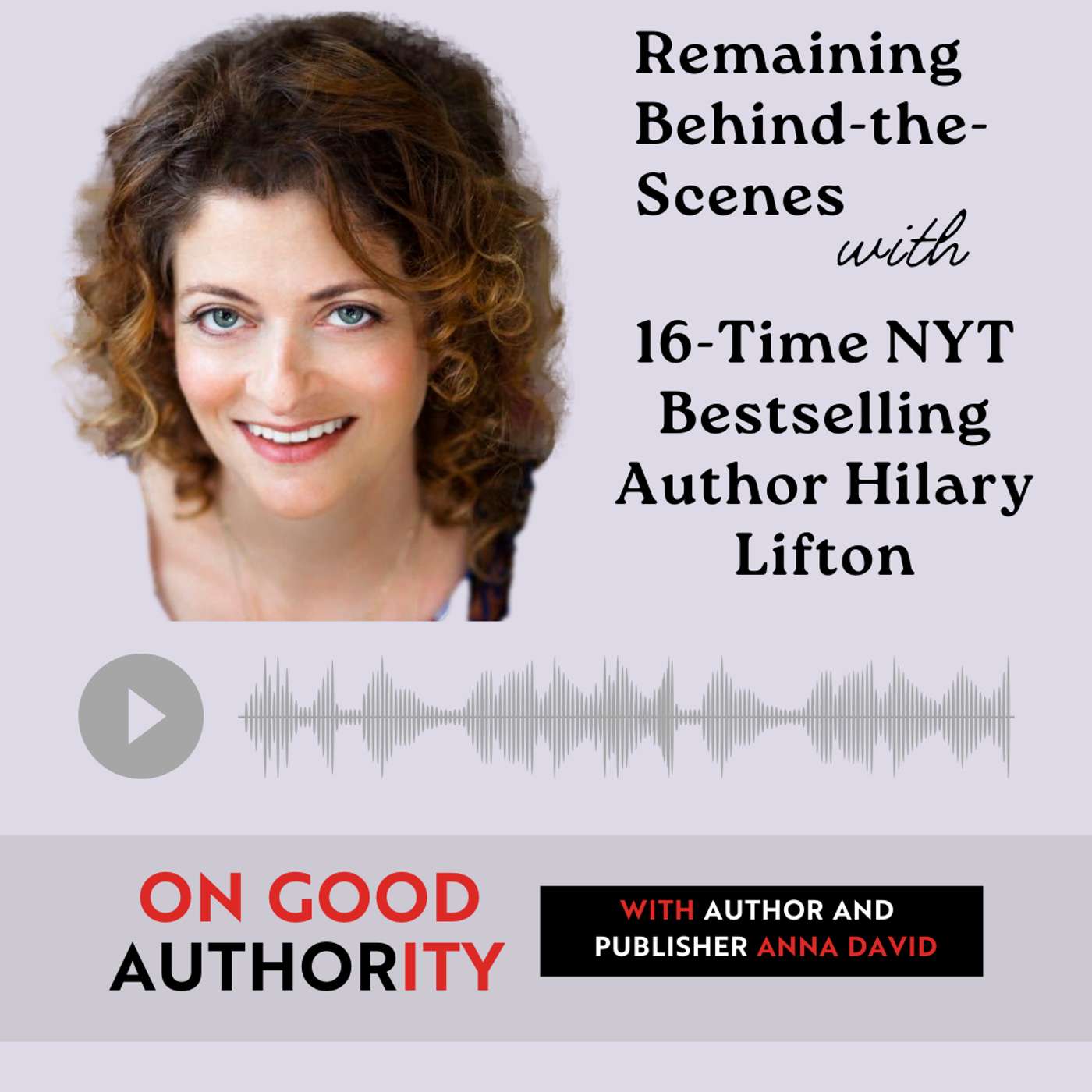
Hilary Lifton is not one to boast, and I write that with more understatement than you can imagine.I was introduced to her recently at a party by someone who said she was a big ghostwriter. When I asked her about her career, she mentioned working on a self-help book.It was only when I Googled her later that I learned she has written 16 New York Times bestsellers and is one of the most sought-after ghostwriters alive. (While she chooses not to name her bold-faced clients, you can find out who some of them are by going to her site.)I've never had such an interesting conversation about ghostwriting and I challenge you that you've probably not heard one. I know that's setting expectations quite high but I'm ready to meet them!

Arlina Allen is a force in the recovery movement. Sober for over 30 years, she's been releasing episodes of her top 1% podcast, ODAAT Chat, for over eight.She's also been working on a book for almost that long—and now it's finally here! The 12-Step Guide for Skeptics: Clearing Up Common Misconceptions of A path to Sobriety is out now and for it, she showed her book-in-progress to people who not only didn't agree with what she was writing but who actually disagreed.In this episode, we talked about her process, how she realized that her original idea for the book was more an article than a book and the way her podcast set her up for book sucess.
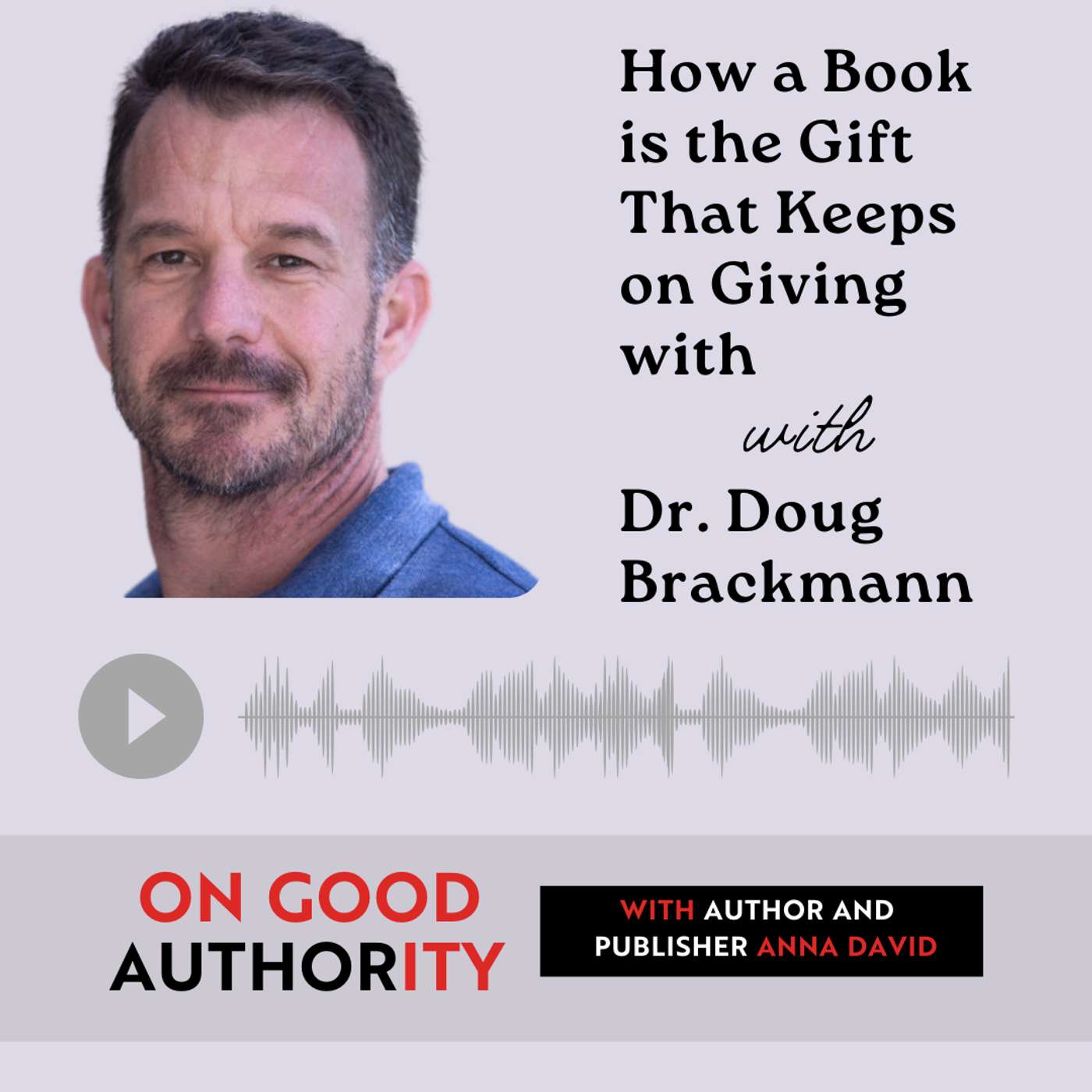
Dr. Douglas Brackmann isn't like anyone else you meet. He's far more intense and brilliant—the kind of person you find yourself telling your deepest and darkest secrets to when you had just planned to ask him about the weather.The author of Driven: Understanding and Harnessing the Genetic Gifts Shared by Entrepreneurs, Navy SEALs, Pro Athletes, and Maybe YOU, Brackmann is revered among top entrepreneurs. And while he admits that he already had "disciples" before publishing Driven, the book still radically transformed his practice, career and life.\Although the tips he provides about building authority with a book are priceless, I was even more intrigued. by how much credibility he says the book has given him (even though he already has two PhDs!) Listen and get inspired. And if you relate to what he says about being a driven person...A) I feel your pain and B) there are many ways to work with Brackmann on that. Find out what they are by going here.(BTW: I was on his podcast a few months ago. You can hear that here.)
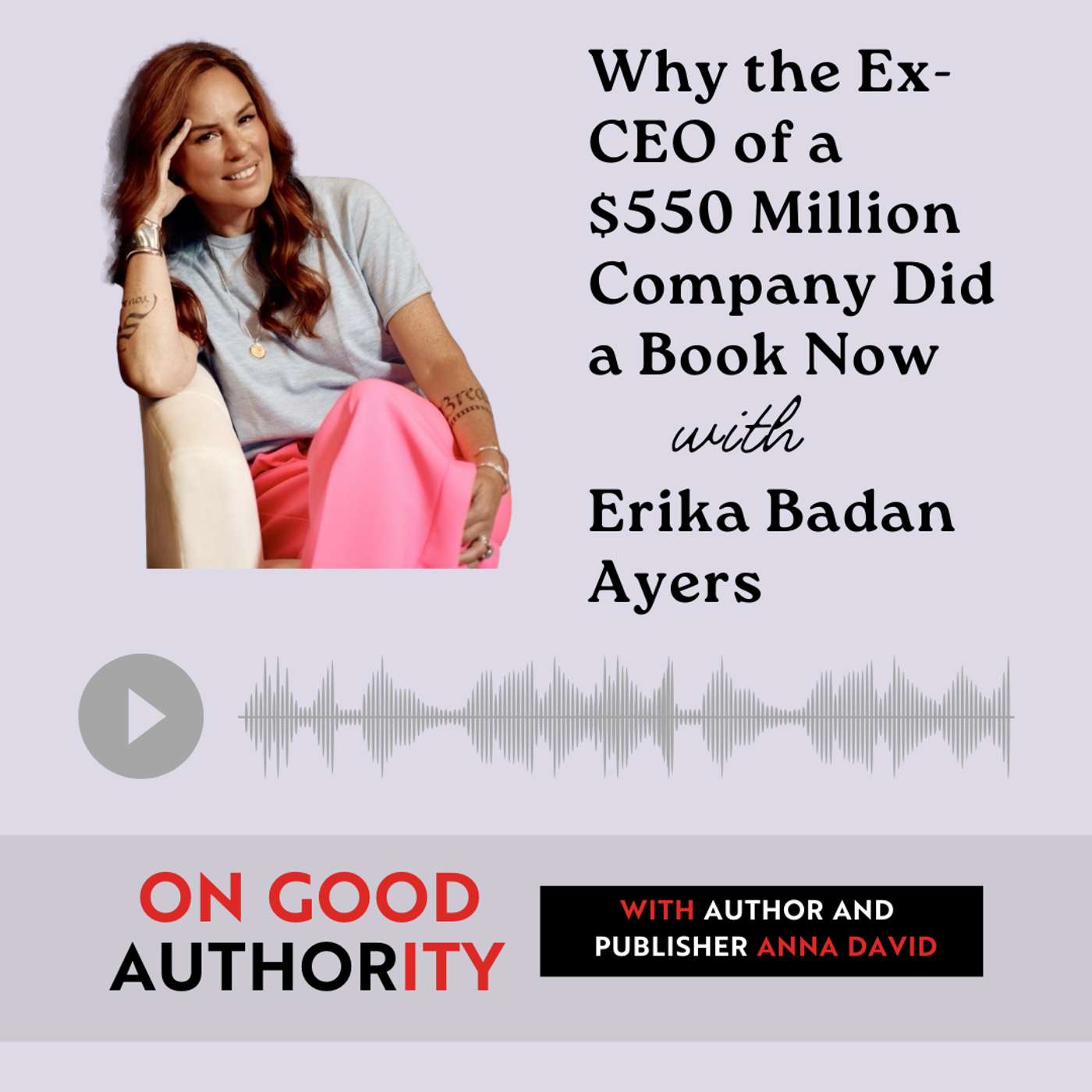
Erika Ayers Badan calls herself a “token CEO”, the rare female employee in the highest rank of a bro-roar sports and new media culture—specifically, at Barstool Sports, which she took from a rough-and-tumble sports and betting brand and turned it into a $550 million juggernaut with more than 5 billion monthly video views and 225 million followers. In her book, Nobody Cares About Your Career: Why Failure Is Good, The Great Ones Play Hurt, and Other Hard Truths, she talks about all that and more. And in this podcast episode, she discusses why she decided to do a book at this point in her career, how it serves as a “receipt” for what she’s done and how she truly doesn’t give an f what other people think.


Download from Google Play

Download from App Store
 United States
the guest talks SO FAST she's giving me anxiety.
Lauren's voice really annoys me. it creates this manic energy.
This is the most helpful recovery episode I've ever heard. Thanks so much for interviewing Brandon, I took so many notes!