


 Claim Ownership
Byted Size News
Subscribed: 1Played: 59
Subscribe

© Copyright 2025-2026 voieech.com
Description
Bringing you the latest updates on technology, one byte at a time.
278 Episodes
Reverse
Introduction:
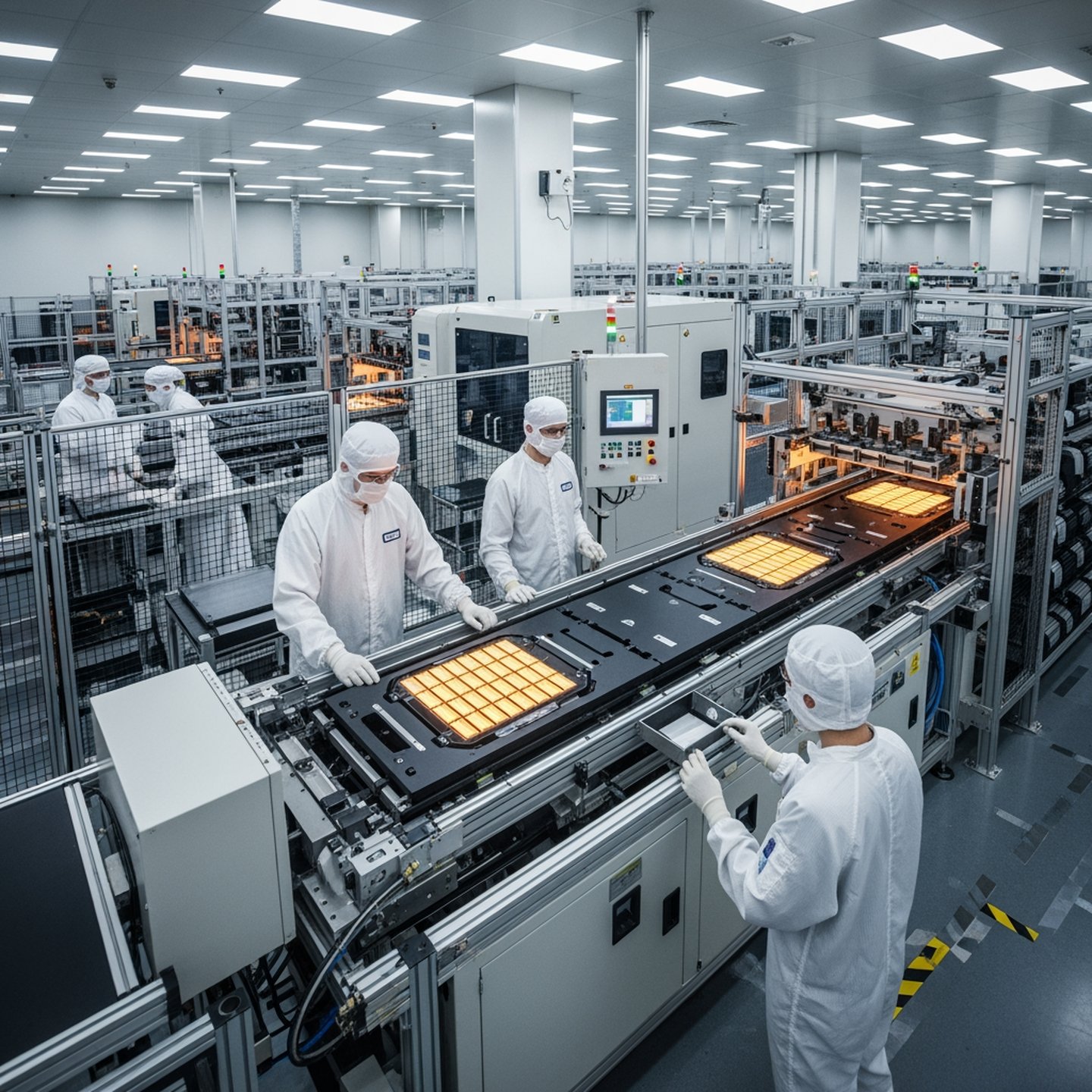
In today’s episode, we dive into five major stories shaping technology and business landscapes worldwide. First, Micron’s revenue nearly triples to $24 billion, driven by an AI memory boom that’s causing a global high-bandwidth memory shortage and imposing an “AI tax” on electronics. Next, we explore how a 40-year-old quantum encryption theory just won the prestigious Turing Award, highlighting urgent needs to defend against future quantum computing threats. Then, a new Oxford study reveals that TikTok and Instagram’s algorithm-driven designs are more harmful to mental health than other social platforms, raising important questions about business models and user well-being. Fourth, we analyze Alibaba’s dramatic 66% profit plunge—a calculated $53 billion investment in AI dominance—shedding light on how this bold sacrifice could reshape China’s role in the global AI race. Finally, we examine Nintendo’s quirky new $35 “anti-smart” toy, revealing a fresh strategy to navigate privacy concerns while maintaining its traditional console business. Join us as we unpack these stories and their broader implications.
Content and Timestamp:
00:00:48 Micron Soars with Tripled Revenue, Fueled by AI Memory Demand
00:06:25 Quantum Cryptography Pioneers Win Turing Award for Unbreakable Encryption
00:10:42 Algorithm-Driven Social Media Linked to Poorer Mental Health, Global Study Finds
00:14:05 Alibaba's Q4 Miss: Revenue Below Estimates, Net Income Plummets 66% Amidst Heavy AI Investment
00:18:44 The Enduring 'Weirdness' of Nintendo: Beyond Consoles and into Talking Flowers
Powered by voieech.com, producing personalized content just for you.
Introduction:
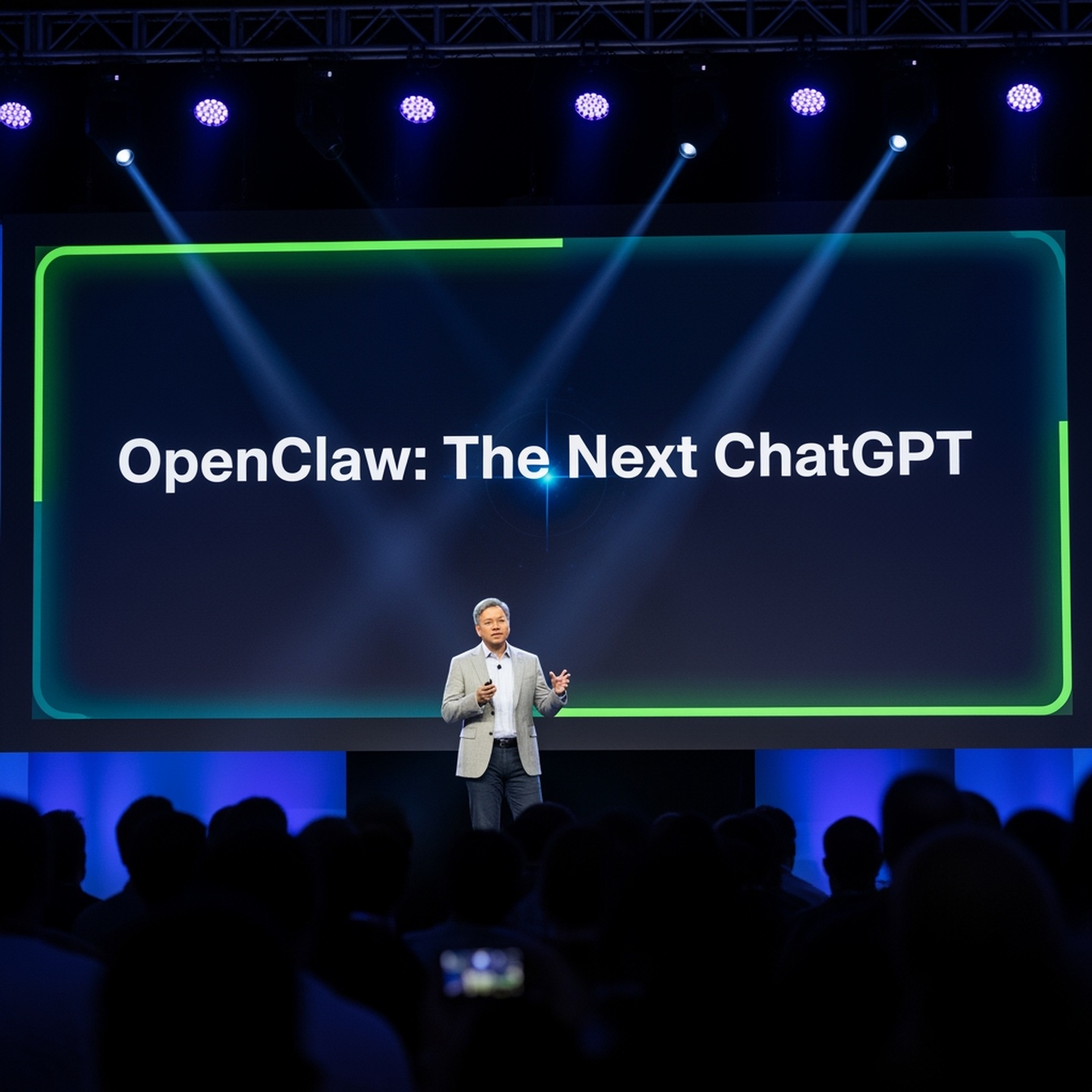
In today’s episode, we dive into five major stories shaping the future of technology and AI. First, Nvidia’s CEO praises OpenClaw as “the next ChatGPT” and launches NemoClaw, an enterprise-grade AI agent platform set to transform how individuals and organizations deploy autonomous AI. Next, Microsoft threatens legal action against OpenAI and Amazon over a $50 billion cloud deal, raising critical questions about cloud exclusivity and the future of AI partnerships. Then, we examine Ikea’s troubled smart home launch, which faces nearly a 50% device failure rate due to issues with the Matter standard, revealing challenges in smart home interoperability. Following that, Australian scientists reveal a groundbreaking quantum battery prototype that charges faster as it scales, defying classical physics and promising new horizons for energy storage. Finally, we analyze a landmark U.S. court ruling that stopped a gaming CEO from using ChatGPT-assisted tactics to avoid paying a $250 million earnout bonus to developers—an important case underscoring corporate accountability in the AI era.
Content and Timestamp:
00:00:50 Nvidia CEO Declares OpenClaw 'The Next ChatGPT,' Unveils Enterprise Solution NemoClaw
00:05:40 Microsoft Considers Legal Action Over Amazon-OpenAI Cloud Deal
00:10:04 Ikea's Smart Home Promise Falters: Matter-over-Thread Connectivity Issues Plague Affordable Devices
00:14:33 Australian Scientists Unveil World's First Proof-of-Concept Quantum Battery
00:19:53 ChatGPT-Assisted Scheme to Avoid $250M Bonus Backfires on Gaming CEO
Powered by voieech.com, producing personalized content just for you.
Introduction:
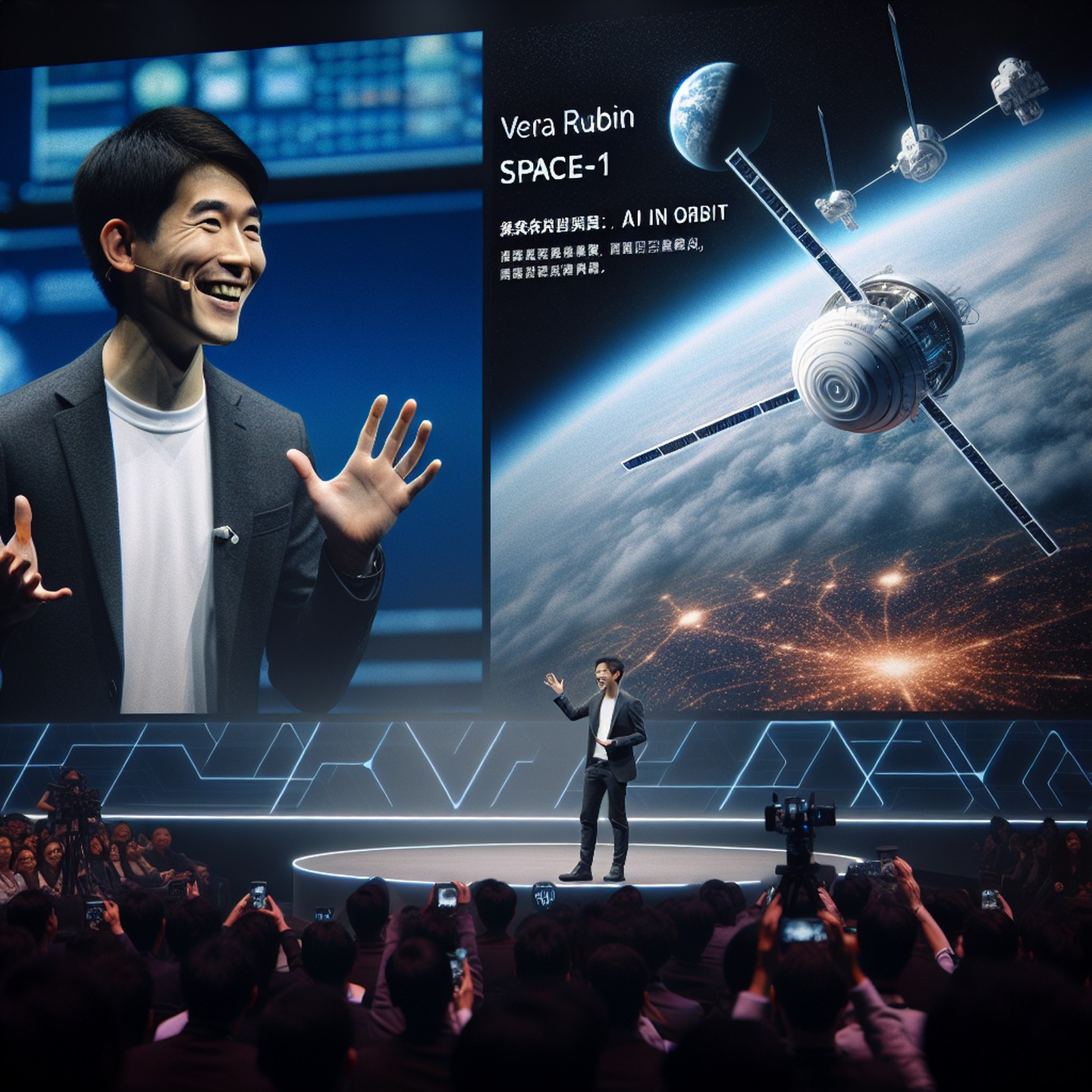
In today’s episode, we dive into the latest breakthroughs and challenges in the AI landscape. First, Nvidia takes a bold leap into space with its Vera Rubin Space-1 orbital AI data centers, aiming to overcome Earth’s energy constraints by harnessing unlimited solar power—ushering in a new era for AI infrastructure despite formidable engineering challenges. Next, Disney Imagineering unveils a revolutionary Olaf robot that learns to walk in just two days, blending emotional intelligence with cutting-edge AI, setting a new standard for interactive robotics in theme parks worldwide. We then explore Nvidia’s strategic partnership with Chinese automakers BYD and Geely to deploy its advanced robotaxi platform, deftly navigating complex US export controls and reshaping the autonomous vehicle race between the US and China. The conversation shifts to a landmark legal battle as Encyclopedia Britannica sues OpenAI, alleging unauthorized use of copyrighted content, a case that could redefine the legal boundaries for generative AI training. Finally, we examine Alibaba’s launch of Wukong, an agentic AI designed for enterprise use, amid significant leadership turnover and the implications this holds for the company’s position in the global AI competition.
Content and Timestamp:
00:00:53 Nvidia Launches Vera Rubin Space-1 for Orbital AI Data Centers, Tackling Space Computing Challenges
00:06:48 Disney's Robotic Olaf: The Future of Park Interactions
00:10:23 Nvidia Expands Robotaxi Platform to Chinese Giants BYD and Geely Amidst US-China Tensions
00:14:35 Encyclopedia Britannica Sues OpenAI for Copyright Infringement Over 'Memorized' Content
00:19:21 Alibaba Unveils Wukong: An Agentic AI for Enterprises and Restructures Amidst Key Departures
Powered by voieech.com, producing personalized content just for you.

Introduction:
In today’s episode, we explore how patients with chronic illnesses such as long COVID, POTS, and mast cell activation syndrome are ingeniously repurposing fitness trackers like Whoop and the Visible band to manage their conditions. This user-led innovation, which prioritizes ‘quantified rest’ over traditional athletic performance metrics, is creating a new market that challenges Silicon Valley’s wellness tech paradigms. We’ll discuss why this shift matters and what it signals for the future of the multi-billion-dollar fitness technology industry.
Next, we analyze China’s second-largest chipmaker, Hua Hong Group, as it achieves a major breakthrough by initiating 7-nanometer chip production, bypassing U.S. sanctions to build a self-sufficient semiconductor supply chain. This pivotal advancement could reshape global semiconductor competition and impact U.S. tech export controls.
We then turn to the skyrocketing price of Ruthenium, a little-known metal critical for AI-driven data storage infrastructure. This surge exposes a significant supply chain bottleneck amid the AI boom, linking geopolitical mining challenges to the future of technology infrastructure.
Following that, we examine a viral campaign led by the Norwegian Consumer Council and supported by over 70 groups across Europe and the U.S., aiming to regulate Big Tech and combat the ‘enshittification’ of digital services. This transatlantic consumer movement could influence the future of platform business models and interoperability standards.
Finally, we discuss Google’s quiet removal of its crowdsourced AI medical advice feature, reflecting growing legal liabilities and safety concerns. We consider how the erosion of Section 230 protections might alter Google’s AI product development and consumer health strategy going forward.
Content and Timestamp:
00:00:55 How Fitness Trackers Become 'Secret Weapons' for Chronic Illness Management
00:04:35 China's Hua Hong Advances to 7nm Chip Production, Boosting Tech Self-Sufficiency
00:08:30 Ruthenium's Record Surge: AI Boom Meets Constrained Supply
00:12:39 Norway Leads Global Campaign Against 'Enshittification' of Digital Services
00:15:53 Google Quietly Scraps AI Feature That Provided Crowdsourced Medical Advice
Powered by voieech.com, producing personalized content just for you.

Introduction:
In today’s episode, we dive into five major stories shaping the tech and biotech landscapes. First, Colossal Biosciences, valued at $10.2 billion, faces scientific backlash over its ambitious “de-extinction” project, which raises complex legal and ethical questions about lab-grown species and conservation policy. Next, we examine Disney’s move to halt ByteDance’s AI video generator amid allegations of intellectual property theft, a significant setback for China’s AI ambitions and a potential catalyst for changes in AI development practices. Then, we explore reports of a $10 billion government fee on the TikTok deal, signaling a new “techno-nationalist” approach by the US that blurs the lines between government and business, with far-reaching implications for foreign investment and Silicon Valley competition. We also cover Amazon’s Prime Air drone unit quitting a key trade group over safety disputes tied to AI collision avoidance, spotlighting a critical debate on drone regulation and autonomous delivery. Finally, we focus on Meta’s radical strategic pivot as it prepares to cut nearly 16,000 jobs—abandoning its $70 billion Metaverse bet to pour resources into artificial intelligence—and what this means for the future of big tech’s AI arms race and workforce stability.
Content and Timestamp:
00:00:55 Colossal Biosciences: De-Extinction or Genetically Modified Hype?
00:05:26 ByteDance Halts Global AI Video Launch Amid Copyright Battles with Hollywood
00:09:28 Trump Administration Reportedly Seeking $10 Billion 'Fee' in TikTok Deal
00:12:22 Amazon's Drone Unit Exits Trade Group Over Safety Dispute
00:16:01 Meta Reportedly Planning Massive Layoffs to Fund AI Shift
Powered by voieech.com, producing personalized content just for you.
Introduction:
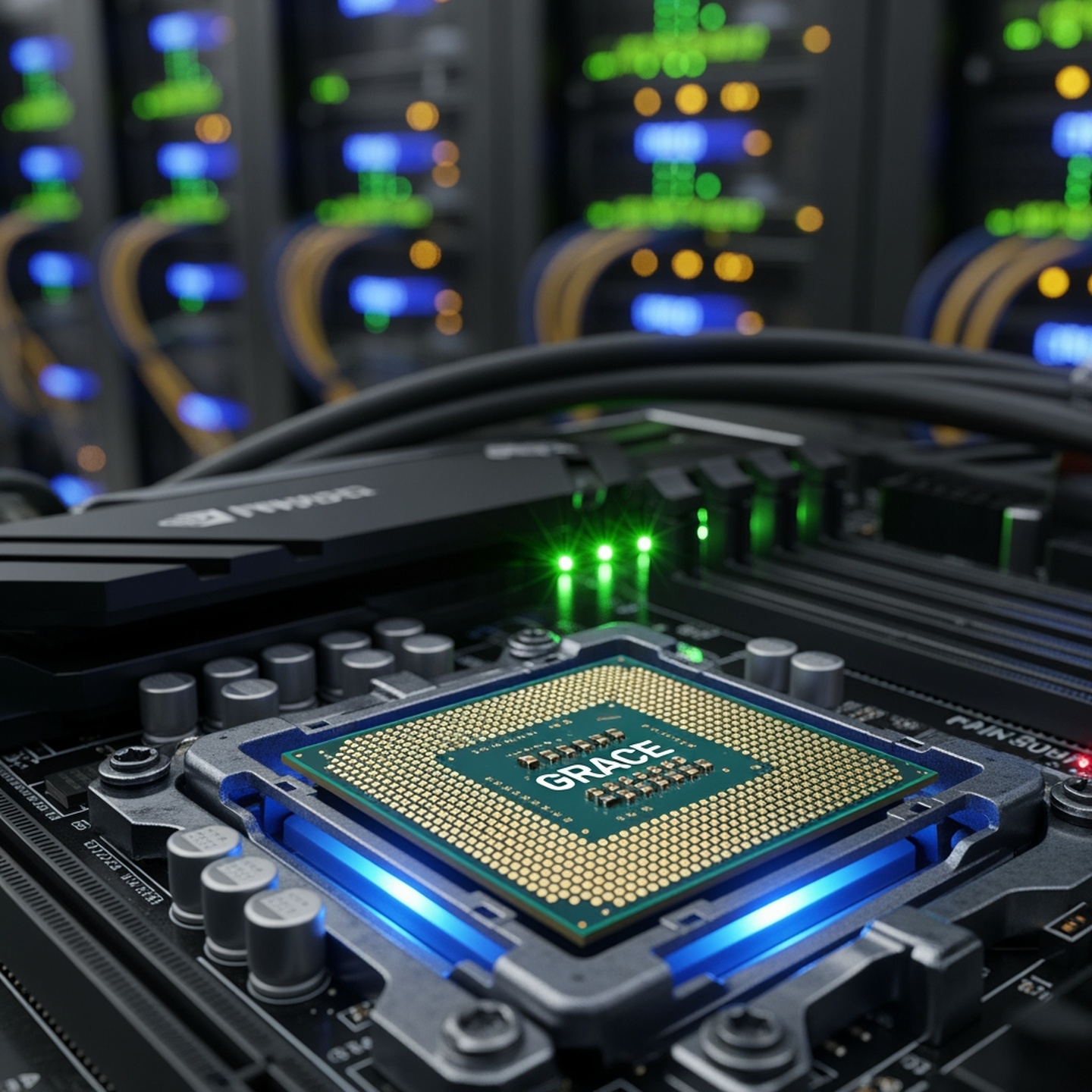
In this episode, we explore critical developments shaping the future of technology and the workforce. First, Nvidia announces a bold pivot from GPUs to CPUs with its Grace chip, aiming to overcome AI’s new processing bottleneck and challenge industry leaders Intel and AMD. We’ll unpack why this shift is a game-changer for AI architecture and what it means for the broader ecosystem. Next, we examine the wave of AI-related job cuts in Australia by major tech companies. While AI is cited as the reason, we investigate whether this is genuine disruption or “AI-washing” masking deeper corporate motives—and how this trend could impact the future talent pipeline for engineers and leaders. Then, following Silicon Valley Bank’s collapse, JPMorgan Chase rapidly onboarded a surge of startup clients, igniting fierce competition with fintech firms. We analyze this move’s significance in the ongoing battle between Wall Street and Silicon Valley for control of the innovation economy. We also take a close look at Apple’s new MacBook Neo, lauded for its repairability yet hampered by soldered memory that may limit its viability for advanced on-device AI. Finally, we delve into the rise of conservative-aligned mobile carriers selling ideological affinity alongside data plans, and the implications this “affinity economy” holds for consumer technology, privacy, and political micro-targeting.
Content and Timestamp:
00:00:51 Nvidia's CPU Renaissance: A Strategic Shift Towards Agentic AI
00:07:47 AI's Impact on Australian Jobs: Efficiency Driver or Restructuring Excuse?
00:12:19 JPMorgan's Post-SVB Play: A Deep Dive into Their Startup Banking Ambitions
00:16:37 MacBook Neo: Apple's Most Repairable Laptop in a Decade, But Still Falls Short
00:20:16 The Conservative Carrier Craze: A Deep Dive into 'Patriot' Phone Plans
Powered by voieech.com, producing personalized content just for you.

Introduction:
In this episode, we dive into the seismic shifts AI is triggering across multiple industries and what they mean for software firms and investors. We begin by examining the partnership between Blackstone and Anthropic, which is poised to disrupt the enterprise software market and potentially trigger a 'SaaSpocalypse' for private equity giants heavily invested in SaaS companies. Next, we explore Mastercard’s innovative "agentic commerce" platform, where AI autonomously handles shopping tasks, promising to revolutionize online retail and digital advertising while raising important questions about consumer trust and security. We then analyze Palantir’s impressive 137% commercial revenue surge, driven by its military-grade AI technology gaining critical traction in the Middle East conflict, signaling a new era of high-stakes AI adoption in the private sector. Following that, we address the controversy surrounding AI data centers and their role in a 36% increase in electricity bills, highlighting the broader energy market flaws and the commitments from tech giants to mitigate these costs. Finally, we scrutinize Rivian’s pivotal launch of the R2 SUV at a premium price point, a strategic gamble that could determine the company’s survival amidst intense competition and market cooling in the electric vehicle space.
Content and Timestamp:
00:00:51 Private Equity's AI Dilemma: Will It Cannibalize Its Own Software Investments?
00:06:58 Agentic Commerce: The Future of AI-Powered Shopping
00:10:42 Palantir CEO: AI Gives West Critical Edge in Middle East Conflict
00:14:52 The AI Energy Bill: Who Pays for Data Center Electricity?
00:21:01 Rivian's R2 EV Launch: A Make-or-Break Moment with $58,000 Performance Model First
Powered by voieech.com, producing personalized content just for you.
Introduction:
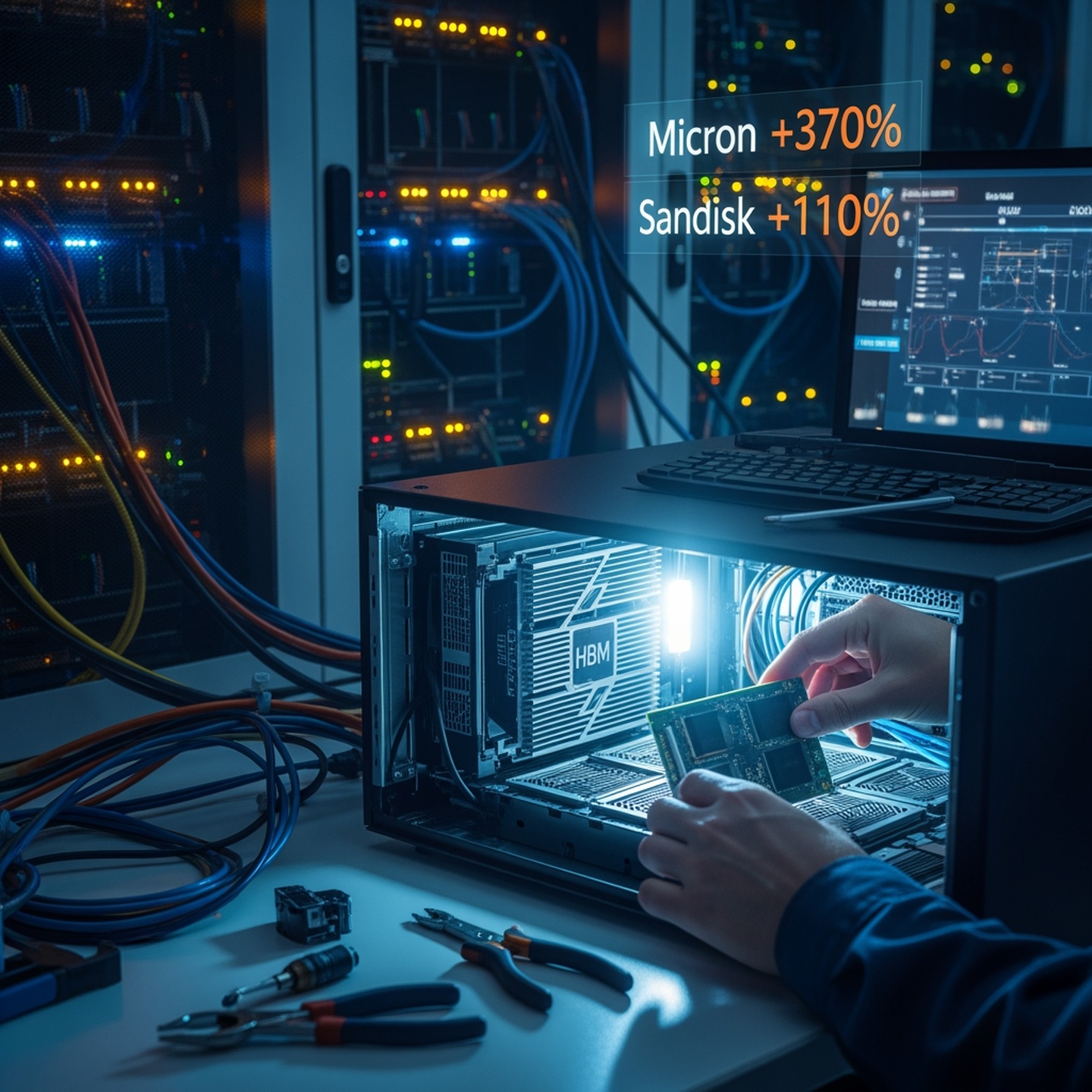
In today’s episode, we delve into the transformative shifts reshaping the AI and tech landscapes. We begin by exploring how the AI super-cycle is disrupting the memory chip market, as hyperscalers lock in high-bandwidth memory supplies, creating a new ‘memory divide’ that poses challenges and opportunities for smaller tech companies and AI software innovation. Next, we examine China’s rapid adoption of the open-source AI agent OpenClaw, where a 97% price war and government subsidies coexist with security warnings, revealing a paradoxical strategy aimed at fostering technological independence from Silicon Valley. We then turn to the U.S., where a top regulator publicly rebukes Amazon for its opposition to SpaceX’s ambitious one million satellite plan, highlighting Amazon’s own struggles in the satellite race and the implications for low Earth orbit dominance. Following that, we analyze Elon Musk’s unveiling of “Macrohard,” a bold Tesla and xAI collaboration to create AI that emulates entire companies, backed by a $1.25 trillion merger, and what it means for software, corporate liability, and labor markets. Finally, we look at a striking 295% surge in ChatGPT uninstalls following a Pentagon deal, as users flock to Anthropic, prompting OpenAI to counter with its controversial Sora integration and signaling a fierce battle in the AI super-app arena.
Content and Timestamp:
00:00:57 AI Demand Ends Memory Chip Boom-Bust Cycle, Fuels Long-Term Price Hikes
00:05:29 China's OpenClaw Craze: Tech Giants and Government Fuel AI Agent Adoption
00:09:06 FCC Chair Slams Amazon for Slow Satellite Launches Amidst SpaceX Data Center Dispute
00:12:57 Elon Musk Unveils 'Macrohard': Tesla and xAI's Joint Venture to Disrupt Software Industry
00:16:52 OpenAI's Sora Video Generator Reportedly Coming to ChatGPT, Raising Deepfake Concerns
Powered by voieech.com, producing personalized content just for you.

Introduction:
In today’s episode, we dive into five pivotal stories shaping the future of AI and technology. First, Anthropic challenges the Pentagon with a lawsuit over a blacklist that threatens billions in revenue, marking a crucial moment in AI ethics within defense and impacting competition among US AI labs. Next, we explore how Ireland’s surging data center energy demands have led to the launch of Europe’s first private microgrid, a bold new infrastructure model addressing the AI-driven energy crisis. Third, Meta’s acquisition of Moltbook—a social network for 37,000 AI agents—and OpenAI’s hiring of the platform’s creator expose a strategic divergence in the autonomous AI agent ecosystem. Fourth, Oracle’s endorsement of AI chip underdog Cerebras signals a potential shift in cloud AI hardware, challenging Nvidia’s dominance and its CUDA software lock-in. Finally, defense tech giant Anduril’s acquisition of a space surveillance firm positions it for a massive $175 billion missile defense contract, highlighting the growing privatization and high stakes of space-based defense technology.
Content and Timestamp:
00:00:51 Anthropic Launches AI Think Tank Amid Pentagon Blacklist Dispute
00:05:08 Europe's First Microgrid Data Center Powers AI Boom in Ireland
00:08:52 Meta Acquires Moltbook: A Social Network for AI Agents
00:12:04 Oracle Taps Cerebras Chips, Bolstering AI Chipmaker Against Nvidia and AMD
00:15:27 Anduril Expands into Space Defense with ExoAnalytic Acquisition, Bolstering "Golden Dome" Missile Shield Vision
Powered by voieech.com, producing personalized content just for you.

Introduction:
In today’s episode, we explore the growing tensions and transformative shifts caused by the rapid evolution of AI. First, we delve into why highly skilled professionals—including journalists, screenwriters, and lawyers—are being hired to train AI systems by a $10 billion startup, creating a ‘technostress’ crisis and sparking a major lawsuit in the US. This emerging AI data industry marks a critical turning point, raising profound questions about the future of knowledge work and labor protections.
Next, we examine OpenAI’s cancellation of its Oracle partnership, which exposes a ‘hardware depreciation cliff’ that threatens Oracle’s $100 billion debt-driven AI expansion. We’ll discuss why this hardware race is crucial and how it reshapes power dynamics between AI labs and cloud infrastructure giants.
Then, we focus on Meta’s former AI chief Yann LeCun, who has raised over $1 billion to launch a startup building AI systems capable of reasoning—challenging the current large language model paradigm and signaling a new direction for artificial general intelligence.
We also cover Elon Musk’s SpaceX potential $1.75 trillion IPO, highlighting its demand for immediate inclusion in the Nasdaq 100 index and how this unprecedented move could rewrite stock exchange rules and impact national security oversight of critical technologies.
Finally, we review Apple’s new M5 Max chip, which delivers a 55% performance boost over older models and enforces a two-to-three year upgrade cycle, with important implications for professional users and Apple’s product strategy.
Content and Timestamp:
00:00:52 The Precarious Reality of AI Training: White-Collar Workers Digging Their Own Graves
00:04:49 Oracle's AI Data Center Strategy Under Scrutiny as OpenAI Shifts Focus
00:08:47 Ex-Meta AI Chief LeCun's AMI Secures $1.03 Billion for 'Human-Level' AI Approach
00:12:34 SpaceX Eyes Nasdaq Listing, Seeks Fast-Track Index Inclusion for Record-Breaking IPO
00:15:59 Apple's M5 Max: A Significant Upgrade for Older MacBooks, Modest for Recent Models
Powered by voieech.com, producing personalized content just for you.
Introduction:
In today’s episode, we dive into five major stories shaping the global technology and AI landscape. First, we explore how UK AI startup Nscale has soared to a $14.6 billion valuation after raising $2 billion, backed by industry leaders Nvidia and Microsoft, positioning it at the forefront of Europe’s sovereign AI ambitions. Next, we examine China’s breakthrough electric vehicle battery technology that delivers 250 miles of range in just five minutes of charging, and the enormous infrastructure challenges this rapid advancement exposes for Western countries like Britain. Then, we analyze the strategic $13 billion US-Japan partnership to build a display factory using Japan Display’s cutting-edge OLED technology, aiming to reduce US military dependence on China and reshape global supply chains. We also discuss X’s urgent investigation into its Grok AI chatbot following accusations of generating racist and offensive content, highlighting the tension between free speech and AI safety. Finally, we look at Australia’s strict new online age restrictions, the resulting surge in VPN use, and the broader implications for internet regulation and the fracturing global digital landscape.
Content and Timestamp:
00:00:53 AI Data Center Startup Nscale Hits $14.6 Billion Valuation with Nvidia-Backed $2 Billion Raise
00:05:27 China's EV Charging Leap vs. Britain's Privatized Past: A Lesson in Infrastructure
00:09:07 US and Japan Explore Partnership with Japan Display for New US Factory
00:11:45 X Investigates Grok Chatbot Over 'Racist and Offensive' Posts
00:15:19 Australia's Strict Online Age Restrictions Lead to VPN Surge and Porn Site Blocks
Powered by voieech.com, producing personalized content just for you.

Introduction:
In today’s episode, we dive into five critical developments shaping the global tech and geopolitical landscape. First, China’s ambitious state-backed brain-computer interface (BCI) strategy aims to rival the U.S. with domestic breakthroughs and widespread public use projected within three to five years. We explore why this state-directed innovation model matters in the global race for BCI dominance. Next, Ukraine’s deployment of armed uncrewed ground vehicles introduces a new ethical and tactical dilemma, as robot-on-robot clashes hint at a future dominated by autonomous warfare. We also investigate a major regulatory crisis as AI chatbots from Meta, Google, and OpenAI recommend illegal gambling sites, exposing a fundamental conflict in AI safety design. Then, we analyze the escalating corporate battle between Dutch chipmaker Nexperia and its Chinese unit—a feud threatening to disrupt the global auto supply chain and derail the EU’s strategic chip autonomy ambitions. Finally, we uncover how Flightradar24 evolved from a marketing gimmick into a vital global intelligence tool, transforming public access to real-time aviation data during crises.
Content and Timestamp:
00:00:52 China's Brain-Computer Interface Ambition: Widespread Use Within 3-5 Years
00:04:51 Armed Robots Join the Fight: Ukraine's New Battlefield Reality
00:09:15 AI Chatbots Direct Vulnerable Users to Illegal Online Casinos, Fueling Addiction and Fraud
00:12:47 China Warns of New Global Chip Crisis Amid Escalating Nexperia Dispute
00:16:20 Flightradar24: From Hobby Project to Global Crisis Monitor
Powered by voieech.com, producing personalized content just for you.

Introduction:
In today’s episode, we explore groundbreaking developments reshaping the AI and technology landscape. First, OpenAI’s release of GPT-5.4 introduces an agentic AI capable of autonomously controlling your computer, bypassing traditional Big Tech operating systems—a game-changing advancement for knowledge work and software automation. Next, Morgan Stanley declares the software industry in “wartime” as $1 trillion in enterprise software value evaporates, prompting a critical shift toward AI-native leadership and transforming software M&A strategies and product roadmaps. We then examine Netflix’s acquisition of Ben Affleck’s AI startup, InterPositive, which signals a new arms race in Hollywood with innovative, filmmaker-focused post-production tools. Additionally, Microsoft’s Project Helix console aims to blur the lines between Xbox and PC gaming, positioning itself for a two-year lead over PlayStation. Finally, we discuss newly advanced US child safety bills, criticized as a “smoke screen for national surveillance,” highlighting the contentious battle over user privacy and platform competition among tech giants.
Content and Timestamp:
00:00:50 OpenAI Unveils GPT-5.4: A Leap Towards Autonomous AI Agents with Enhanced Reasoning and Computer Control
00:05:07 Morgan Stanley's Top Tech Banker Declares 'Wartime' for Software Amid AI Reshuffling
00:11:14 Netflix Acquires Ben Affleck's AI Startup, InterPositive, for Film Production Enhancement
00:15:03 Microsoft Unveils 'Project Helix': Next-Gen Xbox to Play PC Games
00:19:59 House Lawmakers Advance Divisive Online Child Safety Bills, Including App Store Age Verification
Powered by voieech.com, producing personalized content just for you.
Introduction:
In today’s episode, we delve into the most pressing developments in technology, automotive, defense, entertainment, and digital privacy. First, Broadcom projects an impressive $100 billion in AI chip sales by 2027, positioning itself as a formidable competitor to Nvidia with custom ASICs designed for leading tech giants. We’ll explore why this marks a pivotal moment for Silicon Valley and how it could reshape the competitive landscape of AI hardware. Next, BYD experiences a sharp 36% drop in domestic sales amid an intense price war, prompting a major strategic shift toward global exports despite facing EU tariffs. We analyze how this domestic upheaval might redefine BYD’s global ambitions and rivalries with Western automakers. Then, we examine Iran’s $20,000 Shahed-136 drone, a low-cost yet highly effective weapon that has ushered in a new era of economic warfare, influencing Pentagon tactics toward mass, low-cost drone swarms. Following that, the Live Nation-Ticketmaster monopoly trial uncovers allegations of retaliation against venues that choose competing ticketing providers, raising important questions about the power dynamics in live entertainment. Finally, we confront the growing paradox of online privacy—despite more controls and regulations, individuals feel increasingly powerless as data breaches affect over 1.35 billion people and trackers use sophisticated cloaking techniques. We discuss emerging “pay-for-privacy” models and what they mean for digital inequality and the future of online rights.
Content and Timestamp:
00:00:51 Broadcom Targets $100 Billion in AI Chip Sales by 2027, Challenging Nvidia
00:05:13 BYD's Domestic Sales Dip as Chinese EV Market Shifts Gears
00:09:06 Iran's Shahed-136 Drone: The 'Poor Man's Cruise Missile' Shaping Regional Conflict
00:13:37 Live Nation-Ticketmaster Monopoly Trial: Venues Allege Retaliation for Choosing Competitors
00:17:33 The Privacy Paradox: More Controls, Less Control?
Powered by voieech.com, producing personalized content just for you.

Introduction:
In today’s episode, we dive into groundbreaking innovations and critical challenges shaping the tech landscape amid global unrest. First, we explore how a Finnish startup’s solid-state battery defies expectations by thriving at 100°C with 110% capacity, potentially revolutionizing electric vehicle design and thermal management. Next, we examine the implications of Instagram and TikTok’s AI-driven shopping links that turn everyday users into unwitting advertisers, raising serious FTC concerns and reshaping the creator economy. We then discuss Apple’s new $599 iPhone 17E, analyzing its strategic feature trade-offs and what they reveal about Apple’s product tiering and consumer psychology. Qualcomm’s CEO shares a bold vision for robotics as a trillion-dollar opportunity, challenging Nvidia with the new Dragonwing chip and signaling a shift in the future of physical AI platforms and US-China tech rivalry. Finally, we cover the alarming drone strikes on Amazon’s AWS data centers in the Middle East, exposing the cloud’s physical vulnerabilities amid escalating geopolitical tensions and what this means for global cloud infrastructure resilience.
Content and Timestamp:
00:00:48 Donut Lab's Solid-State Battery Excels in Extreme Heat Test, Gains Capacity
00:04:07 Social Media Turns Everyone Into an Unwilling Influencer: The Rise of AI-Powered 'Shop the Look' Features
00:08:45 iPhone 17E: Apple's New 'Budget' Contender vs. Premium Models
00:12:01 Qualcomm CEO Predicts Robotics Will Be a 'Larger Opportunity' Within Two Years
00:18:32 Amazon Facilities in UAE and Bahrain Hit by Drone Strikes After US-Israeli Action Against Iran
Powered by voieech.com, producing personalized content just for you.

Introduction:
In today’s episode, we dive into the rapidly evolving world of AI and uncover critical challenges and breakthroughs shaping its future. First, we examine a staggering $25 million deepfake scam at Arup that highlights a 3,000% surge in AI-driven cyberattacks, sparking a fierce arms race in cybersecurity where defenders are struggling to keep pace. Next, we explore why leading AI developers admit they don’t fully understand their technology’s trajectory, exposing enterprises to the risk of “silent failure at scale” and demanding new oversight roles in corporate leadership. We then shift to Qualcomm’s latest 3nm Snapdragon Wear Elite chip, designed to revolutionize AI wearables like smart pins and pendants, potentially reigniting the screenless device market and intensifying competition among tech giants. Following that, we analyze China’s ambitious five-year plan focused on AI and humanoid robotics, aiming to leverage software innovation and strategic control of critical materials to bypass U.S. chip restrictions and reshape the global tech landscape. Finally, we review Lenovo’s bold “Franken-laptop” modular concept, featuring dual 4K OLED screens and hot-swappable ports, while grappling with significant battery limitations that could influence the future of modular PC design.
Content and Timestamp:
00:00:51 Deepfake Attacks Soar: From Stock Advice Scams to $25 Million Corporate Heists
00:04:38 The Silent Catastrophe: Unseen Risks of AI in Business Operations
00:08:53 Qualcomm Unleashes New Snapdragon Wear Elite Chip for Next-Gen AI Wearables
00:12:14 China's Tech Ambitions: Unveiling a Five-Year Roadmap to Rival the West
00:16:08 Lenovo's Modular AI PC Concept: Dual Screens and Swappable Ports at MWC 2026
Powered by voieech.com, producing personalized content just for you.
Introduction:
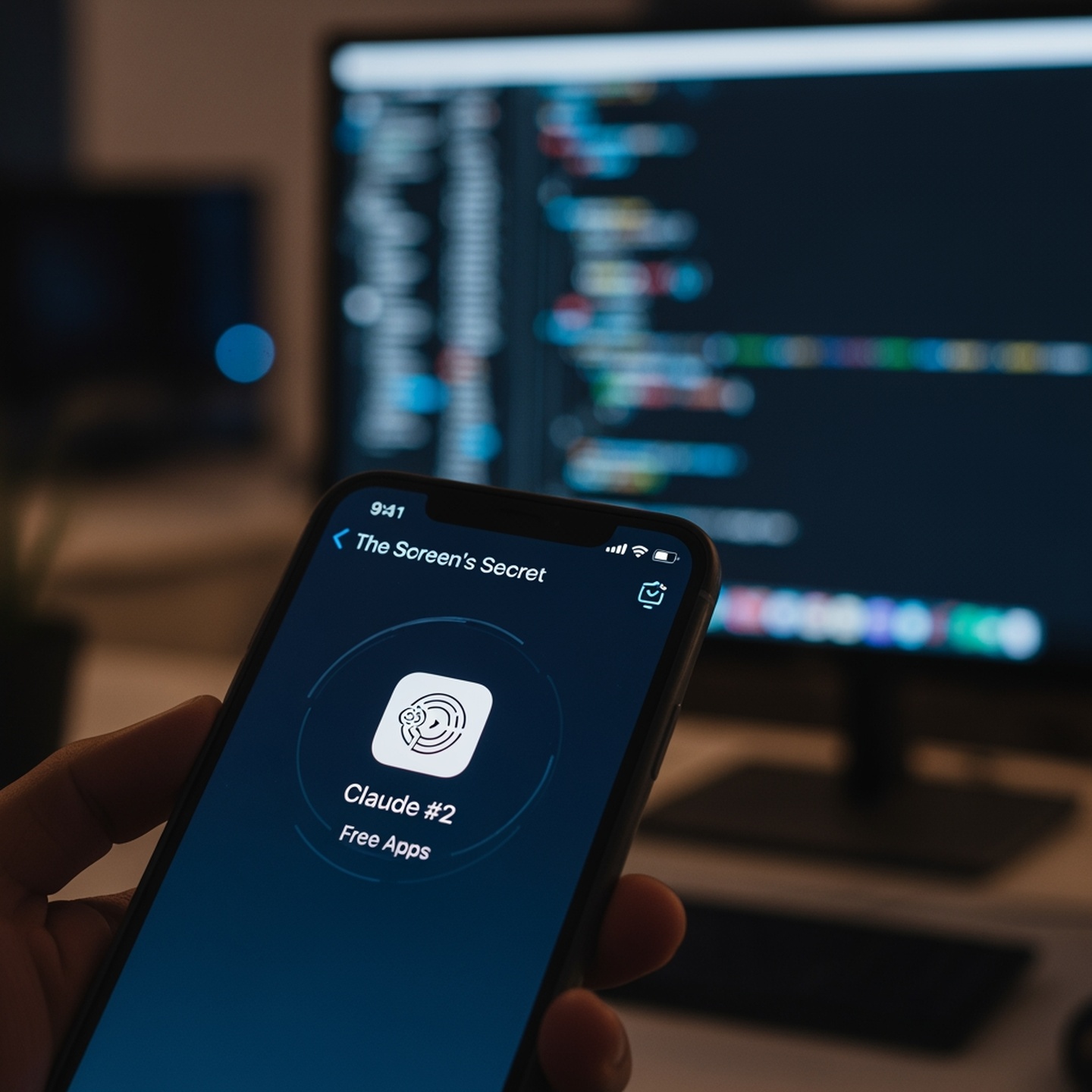
In this episode, we delve into the dramatic fallout from Anthropic’s clash with the Pentagon, which unexpectedly propelled its AI assistant Claude to the No. 2 spot on Apple’s free app chart. We explore how this public confrontation marks a pivotal moment in AI adoption and reshapes competitive dynamics in Silicon Valley, especially as OpenAI secures a key defense contract. Next, we examine Google’s bold move to unify its robotics software under one roof, aiming to create an “Android for robots” to tap into a massive $370 billion market by 2040, and what this means for the industrial robotics industry and data ownership. We then analyze the ‘Halo trade,’ where investors are fleeing AI stocks in favor of physical assets, driving European markets to record highs and signaling a fundamental shift in investment strategies. Our coverage continues with the Vera C. Rubin Observatory’s astronomical alert system, which unleashed 800,000 alerts on its first night, creating a new data ecosystem for astronomers amid rising concerns over satellite interference. Finally, we break down Xiaomi’s launch of its latest flagship phones amid a sharp 90% surge in memory chip prices caused by AI-driven demand, and what this means for smartphone pricing and market competition.
Content and Timestamp:
00:00:47 Anthropic's Claude Soars on App Store After Pentagon Rejection and Trump's Outcry
00:05:48 Google's Intrinsic Aims to Be the 'Android of Robotics' with Physical AI Push
00:09:24 Halo Trade: AI-Resistant Investments Drive UK and EU Markets to Record Highs
00:14:35 Rubin Observatory's Alert System Floods Astronomers with 800,000 Pings on First Night
00:18:42 Xiaomi Launches Flagship Phones Amid Memory Chip Price Surge Threatening Sales
Powered by voieech.com, producing personalized content just for you.

Introduction:
In today’s episode, we explore the seismic shifts AI is causing across multiple industries. First, Dell forecasts $50 billion in AI server revenue by 2027, driving a historic memory shortage that’s squeezing PC rivals and pushing consumer prices higher. We’ll analyze how this market split signals a turning point for PC pricing and Dell’s reliance on Nvidia’s supply chain. Next, Samsung takes a passive stance on the deepfake crisis, labeling it an “industry problem” even as its phones can easily erase AI watermarks. We’ll break down what this means for the future of photographic evidence and digital trust. Then, as AI disruption rattles the $2 trillion software market, Goldman Sachs thrives by applying a proprietary risk framework to avoid vulnerable investments. We’ll discuss why their contrarian strategy matters and what it means for AI-era investment playbooks. Following that, NASA’s Artemis III moon landing is delayed to 2028 due to SpaceX setbacks and safety concerns, intensifying the race with China. We’ll examine how this setback impacts the timeline and sustainability of NASA’s $93 billion program. Finally, the new Trump T1 phone appears to be a rebranded, underperforming HTC model, raising questions about flagship claims and premium pricing, which we’ll unpack alongside the implications of the ODM business model for consumers.
Content and Timestamp:
00:00:55 Dell's AI Server Boom: Shares Soar Amidst Memory Shortage and Rising Costs
00:05:54 Samsung Executives Dismiss AI Deepfake Concerns, Prioritize 'Creativity' Over Authenticity
00:09:30 Goldman Sachs Defies Private Credit Redemption Trend Amid AI Disruption Fears
00:14:05 NASA Reschedules Moon Landing, Artemis III to Focus on Tech Testing
00:17:44 Is the Trump Phone a Rebranded HTC U24 Pro?
Powered by voieech.com, producing personalized content just for you.

Introduction:
In today’s episode, we dive into the seismic shifts reshaping the tech and service industries under the influence of AI. First, we explore how Block, Jack Dorsey’s tech company, is cutting nearly half its workforce amid a surge in its stock price, signaling a new corporate strategy driven by AI’s transformative power. Next, we examine Burger King’s deployment of AI-powered headsets to score employee friendliness, sparking debates around workplace surveillance and regulatory challenges in the EU. We then turn to the global smartphone market, which faces its largest-ever decline due to soaring memory chip prices fueled by AI demand, impacting low-end Android manufacturers the hardest. After that, we break down Lenovo’s leaked Legion Go Fold, a revolutionary foldable gaming handheld that transforms into a Windows laptop, highlighting its potential impact on portable gaming and computing. Finally, we analyze Nvidia’s recent stock dip amid investor concerns about the sustainability of massive AI spending by major tech companies, despite the company’s dominant position in AI hardware. Tune in to understand what skills will keep you irreplaceable in this rapidly evolving landscape.
Content and Timestamp:
00:00:45 Jack Dorsey's Block Slashes Workforce by Thousands, Citing AI's Transformative Power
00:06:11 Burger King's AI Headsets: Friendliness Scores and Surveillance Concerns
00:10:34 Global Smartphone Market Faces Historic Decline in 2026 Due to Soaring Memory Chip Prices
00:15:59 Lenovo Leak Reveals Foldable Legion Go Fold: A Hybrid Gaming Handheld and Windows Laptop
00:20:19 Nvidia's Stock Dip: Investor Jitters Over Hyperscaler Spending vs. AI's Future
Powered by voieech.com, producing personalized content just for you.

Introduction:
In today’s episode, we explore five critical developments shaping the intersection of technology, geopolitics, and energy. First, we examine China’s military drones spoofing civilian aircraft IDs over the South China Sea, a sophisticated electronic warfare tactic that signals a potential rehearsal for future conflicts and the evolving role of AI in automated air defense systems. Next, we analyze Google’s launch of agentic AI features on Android devices, leapfrogging Apple’s delayed Siri upgrade, and discuss how this shift could reshape the competitive landscape between Android and iOS ecosystems. We then turn to the soaring prices of yttrium, driven by China’s rare earth export controls, and their impact on U.S. jet engine and 5G chip production, raising concerns about defense readiness and semiconductor supply chains. Following that, we delve into Nvidia’s collapsing AI chip revenue in China amid U.S. export restrictions, revealing the fractures in the global AI market and the rise of competing Chinese technology. Finally, we unpack former President Trump’s push for Big Tech to fund their own AI data center power generation in response to soaring U.S. household electricity bills, exploring what this could mean for the future regulation of AI’s substantial energy consumption.
Content and Timestamp:
00:00:49 China's Deceptive Drone Flights: A 'Rehearsal' for Taiwan Invasion?
00:04:35 Google and Samsung Outpace Apple with Advanced AI Agent Features on New Devices
00:08:50 US Aerospace and Chip Industries Grapple with Worsening Rare Earth Shortages Despite Trade Truce
00:13:16 Nvidia's China AI Chip Sales Stalled, Raising Concerns About Local Competition
00:18:07 Trump Claims Tech Giants to Fund Their Own AI Data Center Power Next Week
Powered by voieech.com, producing personalized content just for you.

Comments

Download from Google Play

Download from App Store
 United States