


InPrincipio Podcast
Subscribed: 4Played: 446
Subscribe

© InPrincipio
Description
Books, readings, and historical studies with a Catholic perspective
359 Episodes
Reverse
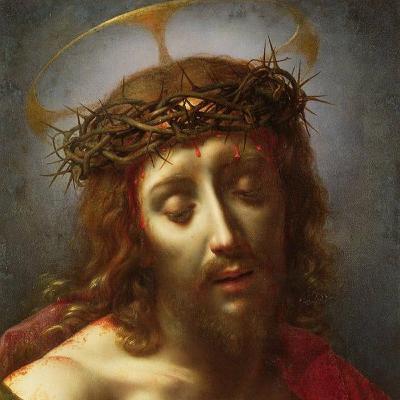
A meditation for Tuesday in Holy Week, from Dom Guéranger’s “The Liturgical Year”. Dom Prosper Guéranger's The Liturgical Year, a monumental fifteen-volume work, offers a comprehensive exploration of the Catholic Church’s liturgical calendar, guiding readers through the spiritual and historical richness of the Church’s worship. Written in the 19th century, the series provides daily meditations, historical context, and liturgical texts for the Mass and Divine Office, covering the entire cycle of seasons—Advent, Christmas, Lent, Passiontide, Easter, and the Time after Pentecost—as well as feast days of saints. Guéranger’s work, rooted in a deep contemplative spirit, aims to immerse the faithful in the Church’s prayerful life, emphasizing the unity of faith through the axiom lex orandi, lex credendi ("the law of prayer is the law of belief"), and remains a cherished resource for Catholics seeking to deepen their spiritual lives. Dom Prosper Guéranger (1805–1875) was a French Benedictine monk, liturgical scholar, and founder of the Solesmes Abbey, renowned for his pivotal role in reviving the Benedictine Order in France and restoring the Roman liturgy after the disruptions of the French Revolution. Born in Sablé-sur-Sarthe, he entered the priesthood in 1827 and, inspired by a vision to restore monastic life, reestablished the Benedictine community at Solesmes in 1833, becoming its first abbot. A staunch defender of ultramontanism and traditional Catholic worship, he also championed the revival of Gregorian chant, significantly influencing the liturgical renewal movement.Link to the Dom Guéranger's Liturgical Year playlist (updated daily): https://www.youtube.com/playlist?list=PLZKdyYnV_bkh7rH6piW0ShgsdcefFoOvJIf you would like to support this channel:Patreon: https://www.patreon.com/cw/InprincipioPodcastPayPal: https://www.paypal.com/donate/?hosted_button_id=U5EZ9X2CE2V7WMost sincere thanks to all who are able to contribute, by your prayers, your patronage, or otherwise. Your support sustains this work and helps make these readings available to others.Music: Ave Maria (Gregorian chant)From Vesperae de Confessore non Pontifice in honor of Saint Vincent PallottiPerformed by Schola Gregoriana, Pallottine Seminary (Ołtarzew, Poland)Conductor: Fr. Dariusz SmolarekLicense: CC BY-SA 3.0 — https://creativecommons.org/licenses/by-sa/3.0/Changes: noneExcept where otherwise noted, original content © InPrincipio Podcast.Chant audio used under CC BY-SA 3.0.
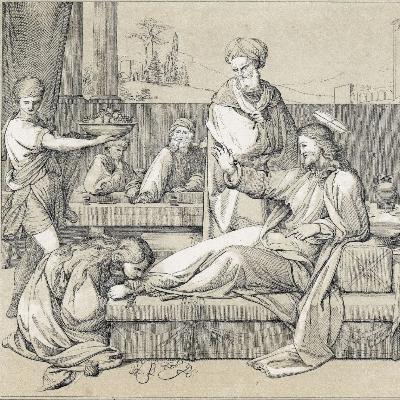
A meditation for Monday in Holy Week, from Dom Guéranger’s “The Liturgical Year”. Dom Prosper Guéranger's The Liturgical Year, a monumental fifteen-volume work, offers a comprehensive exploration of the Catholic Church’s liturgical calendar, guiding readers through the spiritual and historical richness of the Church’s worship. Written in the 19th century, the series provides daily meditations, historical context, and liturgical texts for the Mass and Divine Office, covering the entire cycle of seasons—Advent, Christmas, Lent, Passiontide, Easter, and the Time after Pentecost—as well as feast days of saints. Guéranger’s work, rooted in a deep contemplative spirit, aims to immerse the faithful in the Church’s prayerful life, emphasizing the unity of faith through the axiom lex orandi, lex credendi ("the law of prayer is the law of belief"), and remains a cherished resource for Catholics seeking to deepen their spiritual lives. Dom Prosper Guéranger (1805–1875) was a French Benedictine monk, liturgical scholar, and founder of the Solesmes Abbey, renowned for his pivotal role in reviving the Benedictine Order in France and restoring the Roman liturgy after the disruptions of the French Revolution. Born in Sablé-sur-Sarthe, he entered the priesthood in 1827 and, inspired by a vision to restore monastic life, reestablished the Benedictine community at Solesmes in 1833, becoming its first abbot. A staunch defender of ultramontanism and traditional Catholic worship, he also championed the revival of Gregorian chant, significantly influencing the liturgical renewal movement.Link to the Dom Guéranger's Liturgical Year playlist (updated daily): https://www.youtube.com/playlist?list=PLZKdyYnV_bkh7rH6piW0ShgsdcefFoOvJIf you would like to support this channel:Patreon: https://www.patreon.com/cw/InprincipioPodcastPayPal: https://www.paypal.com/donate/?hosted_button_id=U5EZ9X2CE2V7WMost sincere thanks to all who are able to contribute, by your prayers, your patronage, or otherwise. Your support sustains this work and helps make these readings available to others.Music: Ave Maria (Gregorian chant)From Vesperae de Confessore non Pontifice in honor of Saint Vincent PallottiPerformed by Schola Gregoriana, Pallottine Seminary (Ołtarzew, Poland)Conductor: Fr. Dariusz SmolarekLicense: CC BY-SA 3.0 — https://creativecommons.org/licenses/by-sa/3.0/Changes: noneExcept where otherwise noted, original content © InPrincipio Podcast.Chant audio used under CC BY-SA 3.0.
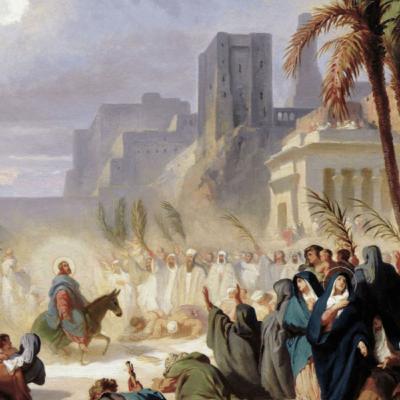
A meditation for Palm Sunday, from Dom Guéranger’s “The Liturgical Year”. The Feast of Palm Sunday commemorates the triumphant entry of Jesus Christ into Jerusalem, when crowds greeted Him with palm branches and cries of “Hosanna,” recognizing Him as the promised King while unknowingly ushering in the events of His suffering; it marks the solemn beginning of Holy Week and uniquely unites joy and sorrow, as the liturgy juxtaposes the exultant procession with the reading of the Passion of Christ, emphasizing the paradox of a kingship revealed through humility and sacrifice rather than earthly power. The blessing and distribution of palms serve not merely as historical remembrance but as a call to interior participation, inviting the faithful to follow Christ both in His glory and in His cross, recognizing that true discipleship entails a passage through suffering toward resurrection; thus, Palm Sunday encapsulates the mystery of redemption by foreshadowing the victory of life over death, urging a deeper conformity to Christ’s self-offering and a more profound entrance into the sacred drama that unfolds in the days leading to Easter.Dom Prosper Guéranger's The Liturgical Year, a monumental fifteen-volume work, offers a comprehensive exploration of the Catholic Church’s liturgical calendar, guiding readers through the spiritual and historical richness of the Church’s worship. Written in the 19th century, the series provides daily meditations, historical context, and liturgical texts for the Mass and Divine Office, covering the entire cycle of seasons—Advent, Christmas, Lent, Passiontide, Easter, and the Time after Pentecost—as well as feast days of saints. Guéranger’s work, rooted in a deep contemplative spirit, aims to immerse the faithful in the Church’s prayerful life, emphasizing the unity of faith through the axiom lex orandi, lex credendi ("the law of prayer is the law of belief"), and remains a cherished resource for Catholics seeking to deepen their spiritual lives. Dom Prosper Guéranger (1805–1875) was a French Benedictine monk, liturgical scholar, and founder of the Solesmes Abbey, renowned for his pivotal role in reviving the Benedictine Order in France and restoring the Roman liturgy after the disruptions of the French Revolution. Born in Sablé-sur-Sarthe, he entered the priesthood in 1827 and, inspired by a vision to restore monastic life, reestablished the Benedictine community at Solesmes in 1833, becoming its first abbot. A staunch defender of ultramontanism and traditional Catholic worship, he also championed the revival of Gregorian chant, significantly influencing the liturgical renewal movement.Link to the Dom Guéranger's Liturgical Year playlist (updated daily): https://www.youtube.com/playlist?list=PLZKdyYnV_bkh7rH6piW0ShgsdcefFoOvJIf you would like to support this channel:Patreon: https://www.patreon.com/cw/InprincipioPodcastPayPal: https://www.paypal.com/donate/?hosted_button_id=U5EZ9X2CE2V7WMost sincere thanks to all who are able to contribute, by your prayers, your patronage, or otherwise. Your support sustains this work and helps make these readings available to others.Music: Ave Maria (Gregorian chant)From Vesperae de Confessore non Pontifice in honor of Saint Vincent PallottiPerformed by Schola Gregoriana, Pallottine Seminary (Ołtarzew, Poland)Conductor: Fr. Dariusz SmolarekLicense: CC BY-SA 3.0 — https://creativecommons.org/licenses/by-sa/3.0/Changes: noneExcept where otherwise noted, original content © InPrincipio Podcast.Chant audio used under CC BY-SA 3.0.
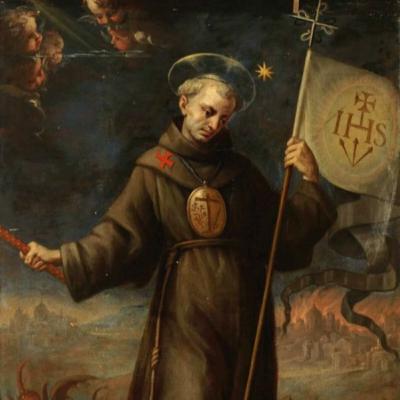
A meditation for the Feast of Saint John Capistran, from Dom Guéranger’s “The Liturgical Year”. John of Capistrano (1386–1456) was an Italian Franciscan friar, renowned preacher, and tireless reformer who worked to restore discipline within the Order of Friars Minor and to combat heresy throughout Europe. A former lawyer and civil magistrate, he entered religious life under the influence of Bernardino of Siena, becoming one of his most devoted disciples and carrying forward his mission of popular preaching. Capistran traveled widely, converting sinners, promoting devotion to the Holy Name of Jesus, and defending the Church during a time of turmoil. In his later years, he played a key role in rallying Christian forces against the Ottoman advance, notably inspiring troops at the siege of Siege of Belgrade, where victory was won shortly before his death. He is honored as a saint for his zeal, eloquence, and unwavering dedication to the faith, with his feast kept on March 28 in the traditional calendar.Dom Prosper Guéranger's The Liturgical Year, a monumental fifteen-volume work, offers a comprehensive exploration of the Catholic Church’s liturgical calendar, guiding readers through the spiritual and historical richness of the Church’s worship. Written in the 19th century, the series provides daily meditations, historical context, and liturgical texts for the Mass and Divine Office, covering the entire cycle of seasons—Advent, Christmas, Lent, Passiontide, Easter, and the Time after Pentecost—as well as feast days of saints. Guéranger’s work, rooted in a deep contemplative spirit, aims to immerse the faithful in the Church’s prayerful life, emphasizing the unity of faith through the axiom lex orandi, lex credendi ("the law of prayer is the law of belief"), and remains a cherished resource for Catholics seeking to deepen their spiritual lives. Dom Prosper Guéranger (1805–1875) was a French Benedictine monk, liturgical scholar, and founder of the Solesmes Abbey, renowned for his pivotal role in reviving the Benedictine Order in France and restoring the Roman liturgy after the disruptions of the French Revolution. Born in Sablé-sur-Sarthe, he entered the priesthood in 1827 and, inspired by a vision to restore monastic life, reestablished the Benedictine community at Solesmes in 1833, becoming its first abbot. A staunch defender of ultramontanism and traditional Catholic worship, he also championed the revival of Gregorian chant, significantly influencing the liturgical renewal movement.Link to the Dom Guéranger's Liturgical Year playlist (updated daily): https://www.youtube.com/playlist?list=PLZKdyYnV_bkh7rH6piW0ShgsdcefFoOvJIf you would like to support this channel:Patreon: https://www.patreon.com/cw/InprincipioPodcastPayPal: https://www.paypal.com/donate/?hosted_button_id=U5EZ9X2CE2V7WMost sincere thanks to all who are able to contribute, by your prayers, your patronage, or otherwise. Your support sustains this work and helps make these readings available to others.Music: Ave Maria (Gregorian chant)From Vesperae de Confessore non Pontifice in honor of Saint Vincent PallottiPerformed by Schola Gregoriana, Pallottine Seminary (Ołtarzew, Poland)Conductor: Fr. Dariusz SmolarekLicense: CC BY-SA 3.0 — https://creativecommons.org/licenses/by-sa/3.0/Changes: noneExcept where otherwise noted, original content © InPrincipio Podcast.Chant audio used under CC BY-SA 3.0.
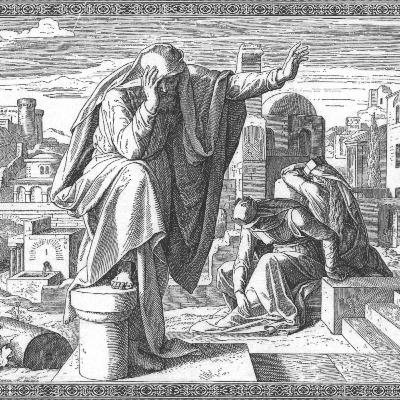
A meditation for Saturday in Passion Week, from Dom Guéranger’s “The Liturgical Year”. Dom Prosper Guéranger's The Liturgical Year, a monumental fifteen-volume work, offers a comprehensive exploration of the Catholic Church’s liturgical calendar, guiding readers through the spiritual and historical richness of the Church’s worship. Written in the 19th century, the series provides daily meditations, historical context, and liturgical texts for the Mass and Divine Office, covering the entire cycle of seasons—Advent, Christmas, Lent, Passiontide, Easter, and the Time after Pentecost—as well as feast days of saints. Guéranger’s work, rooted in a deep contemplative spirit, aims to immerse the faithful in the Church’s prayerful life, emphasizing the unity of faith through the axiom lex orandi, lex credendi ("the law of prayer is the law of belief"), and remains a cherished resource for Catholics seeking to deepen their spiritual lives. Dom Prosper Guéranger (1805–1875) was a French Benedictine monk, liturgical scholar, and founder of the Solesmes Abbey, renowned for his pivotal role in reviving the Benedictine Order in France and restoring the Roman liturgy after the disruptions of the French Revolution. Born in Sablé-sur-Sarthe, he entered the priesthood in 1827 and, inspired by a vision to restore monastic life, reestablished the Benedictine community at Solesmes in 1833, becoming its first abbot. A staunch defender of ultramontanism and traditional Catholic worship, he also championed the revival of Gregorian chant, significantly influencing the liturgical renewal movement.Link to the Dom Guéranger's Liturgical Year playlist (updated daily): https://www.youtube.com/playlist?list=PLZKdyYnV_bkh7rH6piW0ShgsdcefFoOvJIf you would like to support this channel:Patreon: https://www.patreon.com/cw/InprincipioPodcastPayPal: https://www.paypal.com/donate/?hosted_button_id=U5EZ9X2CE2V7WMost sincere thanks to all who are able to contribute, by your prayers, your patronage, or otherwise. Your support sustains this work and helps make these readings available to others.Music: Ave Maria (Gregorian chant)From Vesperae de Confessore non Pontifice in honor of Saint Vincent PallottiPerformed by Schola Gregoriana, Pallottine Seminary (Ołtarzew, Poland)Conductor: Fr. Dariusz SmolarekLicense: CC BY-SA 3.0 — https://creativecommons.org/licenses/by-sa/3.0/Changes: noneExcept where otherwise noted, original content © InPrincipio Podcast.Chant audio used under CC BY-SA 3.0.
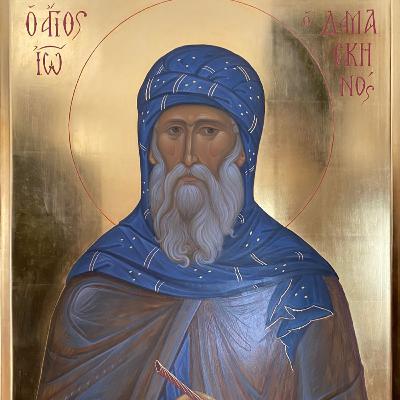
A meditation for the Feast of Saint John Damascene, from Dom Guéranger’s “The Liturgical Year”. John of Damascus, also known as St. John Damascene, was an 8th-century monk, priest, and Doctor of the Church, born in Damascus under Muslim rule, where he at first served in a civil office before embracing the monastic life at the monastery of St. Sabbas near Jerusalem. He is renowned for his vigorous defense of the veneration of sacred images during the Iconoclastic Controversy, arguing that honor given to images passes to their prototypes, and thus safeguarding orthodox Christology. A master theologian, he systematized the teachings of the Greek Fathers in his great work, the Fount of Knowledge, and composed many hymns still used in the Eastern liturgy. His life reflects both intellectual brilliance and deep devotion, and he is venerated as one of the last and greatest Fathers of the Eastern Church.Dom Prosper Guéranger's The Liturgical Year, a monumental fifteen-volume work, offers a comprehensive exploration of the Catholic Church’s liturgical calendar, guiding readers through the spiritual and historical richness of the Church’s worship. Written in the 19th century, the series provides daily meditations, historical context, and liturgical texts for the Mass and Divine Office, covering the entire cycle of seasons—Advent, Christmas, Lent, Passiontide, Easter, and the Time after Pentecost—as well as feast days of saints. Guéranger’s work, rooted in a deep contemplative spirit, aims to immerse the faithful in the Church’s prayerful life, emphasizing the unity of faith through the axiom lex orandi, lex credendi ("the law of prayer is the law of belief"), and remains a cherished resource for Catholics seeking to deepen their spiritual lives. Dom Prosper Guéranger (1805–1875) was a French Benedictine monk, liturgical scholar, and founder of the Solesmes Abbey, renowned for his pivotal role in reviving the Benedictine Order in France and restoring the Roman liturgy after the disruptions of the French Revolution. Born in Sablé-sur-Sarthe, he entered the priesthood in 1827 and, inspired by a vision to restore monastic life, reestablished the Benedictine community at Solesmes in 1833, becoming its first abbot. A staunch defender of ultramontanism and traditional Catholic worship, he also championed the revival of Gregorian chant, significantly influencing the liturgical renewal movement.Link to the Dom Guéranger's Liturgical Year playlist (updated daily): https://www.youtube.com/playlist?list=PLZKdyYnV_bkh7rH6piW0ShgsdcefFoOvJIf you would like to support this channel:Patreon: https://www.patreon.com/cw/InprincipioPodcastPayPal: https://www.paypal.com/donate/?hosted_button_id=U5EZ9X2CE2V7WMost sincere thanks to all who are able to contribute, by your prayers, your patronage, or otherwise. Your support sustains this work and helps make these readings available to others.Music: Ave Maria (Gregorian chant)From Vesperae de Confessore non Pontifice in honor of Saint Vincent PallottiPerformed by Schola Gregoriana, Pallottine Seminary (Ołtarzew, Poland)Conductor: Fr. Dariusz SmolarekLicense: CC BY-SA 3.0 — https://creativecommons.org/licenses/by-sa/3.0/Changes: noneExcept where otherwise noted, original content © InPrincipio Podcast.Chant audio used under CC BY-SA 3.0.

A meditation for the Feast of the Seven Sorrows, or Seven Dolors, of the Blessed Virgin Mary, from Dom Guéranger’s “The Liturgical Year”. The Feast of the Seven Sorrows, or Seven Dolors, of the Blessed Virgin Mary, kept on the Friday of Passion Week, contemplates the profound union of the Mother of God with the sufferings of her Son, especially as foretold by holy Simeon in the Temple, that a sword would pierce her soul. The Church meditates on her seven principal sorrows, culminating in her presence at the foot of the Cross, where she stood in steadfast faith as a co-sufferer with Christ in the work of redemption. This devotion, especially promoted by the Servite Order, invites the faithful to enter into a spirit of compassion, repentance, and gratitude, uniting their own trials to the Passion of Christ through the sorrowful Heart of His Mother, who is honored as Queen of Martyrs for the intensity of her interior suffering.Chapter 4 of the Introduction to Passiontide and Holy Week: Morning and Night Prayers for Passiontide and Holy Week, from Volume VI of "The Liturgical Year" by Dom Prosper Guéranger.Dom Prosper Guéranger's The Liturgical Year, a monumental fifteen-volume work, offers a comprehensive exploration of the Catholic Church’s liturgical calendar, guiding readers through the spiritual and historical richness of the Church’s worship. Written in the 19th century, the series provides daily meditations, historical context, and liturgical texts for the Mass and Divine Office, covering the entire cycle of seasons—Advent, Christmas, Lent, Passiontide, Easter, and the Time after Pentecost—as well as feast days of saints. Guéranger’s work, rooted in a deep contemplative spirit, aims to immerse the faithful in the Church’s prayerful life, emphasizing the unity of faith through the axiom lex orandi, lex credendi ("the law of prayer is the law of belief"), and remains a cherished resource for Catholics seeking to deepen their spiritual lives. Dom Prosper Guéranger (1805–1875) was a French Benedictine monk, liturgical scholar, and founder of the Solesmes Abbey, renowned for his pivotal role in reviving the Benedictine Order in France and restoring the Roman liturgy after the disruptions of the French Revolution. Born in Sablé-sur-Sarthe, he entered the priesthood in 1827 and, inspired by a vision to restore monastic life, reestablished the Benedictine community at Solesmes in 1833, becoming its first abbot. A staunch defender of ultramontanism and traditional Catholic worship, he also championed the revival of Gregorian chant, significantly influencing the liturgical renewal movement.Link to the Dom Guéranger's Liturgical Year playlist (updated daily): https://www.youtube.com/playlist?list=PLZKdyYnV_bkh7rH6piW0ShgsdcefFoOvJIf you would like to support this channel:Patreon: https://www.patreon.com/cw/InprincipioPodcastPayPal: https://www.paypal.com/donate/?hosted_button_id=U5EZ9X2CE2V7WMost sincere thanks to all who are able to contribute, by your prayers, your patronage, or otherwise. Your support sustains this work and helps make these readings available to others.Music: Ave Maria (Gregorian chant)From Vesperae de Confessore non Pontifice in honor of Saint Vincent PallottiPerformed by Schola Gregoriana, Pallottine Seminary (Ołtarzew, Poland)Conductor: Fr. Dariusz SmolarekLicense: CC BY-SA 3.0 — https://creativecommons.org/licenses/by-sa/3.0/Changes: noneExcept where otherwise noted, original content © InPrincipio Podcast.Chant audio used under CC BY-SA 3.0.
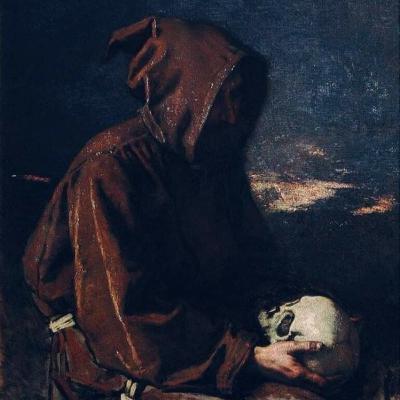
Chapter 4 of the Introduction to Passiontide and Holy Week: Morning and Night Prayers for Passiontide and Holy Week, from Volume VI of "The Liturgical Year" by Dom Prosper Guéranger.Dom Prosper Guéranger's The Liturgical Year, a monumental fifteen-volume work, offers a comprehensive exploration of the Catholic Church’s liturgical calendar, guiding readers through the spiritual and historical richness of the Church’s worship. Written in the 19th century, the series provides daily meditations, historical context, and liturgical texts for the Mass and Divine Office, covering the entire cycle of seasons—Advent, Christmas, Lent, Passiontide, Easter, and the Time after Pentecost—as well as feast days of saints. Guéranger’s work, rooted in a deep contemplative spirit, aims to immerse the faithful in the Church’s prayerful life, emphasizing the unity of faith through the axiom lex orandi, lex credendi ("the law of prayer is the law of belief"), and remains a cherished resource for Catholics seeking to deepen their spiritual lives. Dom Prosper Guéranger (1805–1875) was a French Benedictine monk, liturgical scholar, and founder of the Solesmes Abbey, renowned for his pivotal role in reviving the Benedictine Order in France and restoring the Roman liturgy after the disruptions of the French Revolution. Born in Sablé-sur-Sarthe, he entered the priesthood in 1827 and, inspired by a vision to restore monastic life, reestablished the Benedictine community at Solesmes in 1833, becoming its first abbot. A staunch defender of ultramontanism and traditional Catholic worship, he also championed the revival of Gregorian chant, significantly influencing the liturgical renewal movement.Link to the Dom Guéranger's Liturgical Year playlist (updated daily): https://www.youtube.com/playlist?list=PLZKdyYnV_bkh7rH6piW0ShgsdcefFoOvJIf you would like to support this channel:Patreon: https://www.patreon.com/cw/InprincipioPodcastPayPal: https://www.paypal.com/donate/?hosted_button_id=U5EZ9X2CE2V7WMost sincere thanks to all who are able to contribute, by your prayers, your patronage, or otherwise. Your support sustains this work and helps make these readings available to others.
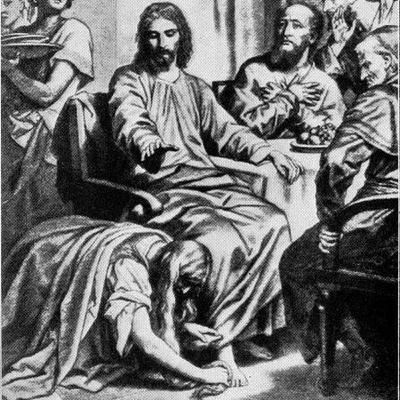
A meditation for Thursday in Passion Week, from Dom Guéranger’s “The Liturgical Year”. Dom Prosper Guéranger's The Liturgical Year, a monumental fifteen-volume work, offers a comprehensive exploration of the Catholic Church’s liturgical calendar, guiding readers through the spiritual and historical richness of the Church’s worship. Written in the 19th century, the series provides daily meditations, historical context, and liturgical texts for the Mass and Divine Office, covering the entire cycle of seasons—Advent, Christmas, Lent, Passiontide, Easter, and the Time after Pentecost—as well as feast days of saints. Guéranger’s work, rooted in a deep contemplative spirit, aims to immerse the faithful in the Church’s prayerful life, emphasizing the unity of faith through the axiom lex orandi, lex credendi ("the law of prayer is the law of belief"), and remains a cherished resource for Catholics seeking to deepen their spiritual lives. Dom Prosper Guéranger (1805–1875) was a French Benedictine monk, liturgical scholar, and founder of the Solesmes Abbey, renowned for his pivotal role in reviving the Benedictine Order in France and restoring the Roman liturgy after the disruptions of the French Revolution. Born in Sablé-sur-Sarthe, he entered the priesthood in 1827 and, inspired by a vision to restore monastic life, reestablished the Benedictine community at Solesmes in 1833, becoming its first abbot. A staunch defender of ultramontanism and traditional Catholic worship, he also championed the revival of Gregorian chant, significantly influencing the liturgical renewal movement.Link to the Dom Guéranger's Liturgical Year playlist (updated daily): https://www.youtube.com/playlist?list=PLZKdyYnV_bkh7rH6piW0ShgsdcefFoOvJIf you would like to support this channel:Patreon: https://www.patreon.com/cw/InprincipioPodcastPayPal: https://www.paypal.com/donate/?hosted_button_id=U5EZ9X2CE2V7WMost sincere thanks to all who are able to contribute, by your prayers, your patronage, or otherwise. Your support sustains this work and helps make these readings available to others.
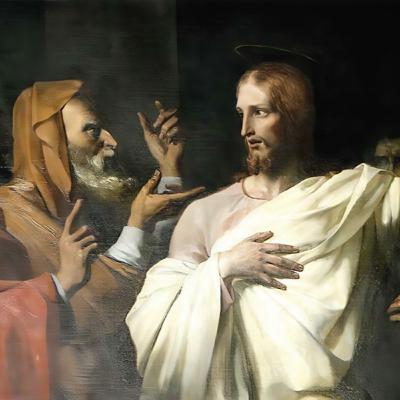
A meditation for Wednesday in Passion Week, from Dom Guéranger’s “The Liturgical Year”. Dom Prosper Guéranger's The Liturgical Year, a monumental fifteen-volume work, offers a comprehensive exploration of the Catholic Church’s liturgical calendar, guiding readers through the spiritual and historical richness of the Church’s worship. Written in the 19th century, the series provides daily meditations, historical context, and liturgical texts for the Mass and Divine Office, covering the entire cycle of seasons—Advent, Christmas, Lent, Passiontide, Easter, and the Time after Pentecost—as well as feast days of saints. Guéranger’s work, rooted in a deep contemplative spirit, aims to immerse the faithful in the Church’s prayerful life, emphasizing the unity of faith through the axiom lex orandi, lex credendi ("the law of prayer is the law of belief"), and remains a cherished resource for Catholics seeking to deepen their spiritual lives. Dom Prosper Guéranger (1805–1875) was a French Benedictine monk, liturgical scholar, and founder of the Solesmes Abbey, renowned for his pivotal role in reviving the Benedictine Order in France and restoring the Roman liturgy after the disruptions of the French Revolution. Born in Sablé-sur-Sarthe, he entered the priesthood in 1827 and, inspired by a vision to restore monastic life, reestablished the Benedictine community at Solesmes in 1833, becoming its first abbot. A staunch defender of ultramontanism and traditional Catholic worship, he also championed the revival of Gregorian chant, significantly influencing the liturgical renewal movement.Link to the Dom Guéranger's Liturgical Year playlist (updated daily): https://www.youtube.com/playlist?list=PLZKdyYnV_bkh7rH6piW0ShgsdcefFoOvJIf you would like to support this channel:Patreon: https://www.patreon.com/cw/InprincipioPodcastPayPal: https://www.paypal.com/donate/?hosted_button_id=U5EZ9X2CE2V7WMost sincere thanks to all who are able to contribute, by your prayers, your patronage, or otherwise. Your support sustains this work and helps make these readings available to others.
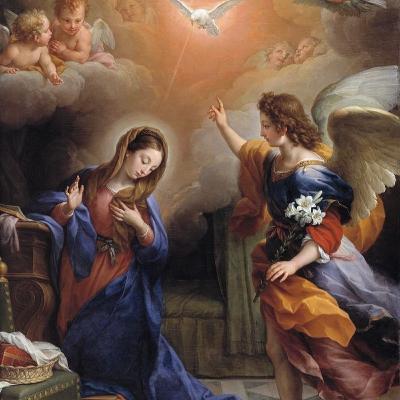
A meditation for the Feast of the Annunciation of the Ever Blessed Virgin, from Dom Guéranger’s “The Liturgical Year”. The Feast of the Annunciation, celebrated on March 25 in the traditional Catholic calendar, commemorates the moment when the Archangel Gabriel was sent by God to the Virgin Mary to announce that she would conceive and bear the Son of God, our Lord Jesus Christ. At Mary’s humble and obedient fiat, “Be it done unto me according to thy word,” the eternal Word was made flesh in her womb, marking the Incarnation and the beginning of mankind’s redemption. This feast stands as a profound mystery of divine condescension and human cooperation, uniting heaven and earth, and revealing Mary as the new Eve, whose obedience unties the disobedience of the first.Dom Prosper Guéranger's The Liturgical Year, a monumental fifteen-volume work, offers a comprehensive exploration of the Catholic Church’s liturgical calendar, guiding readers through the spiritual and historical richness of the Church’s worship. Written in the 19th century, the series provides daily meditations, historical context, and liturgical texts for the Mass and Divine Office, covering the entire cycle of seasons—Advent, Christmas, Lent, Passiontide, Easter, and the Time after Pentecost—as well as feast days of saints. Guéranger’s work, rooted in a deep contemplative spirit, aims to immerse the faithful in the Church’s prayerful life, emphasizing the unity of faith through the axiom lex orandi, lex credendi ("the law of prayer is the law of belief"), and remains a cherished resource for Catholics seeking to deepen their spiritual lives. Dom Prosper Guéranger (1805–1875) was a French Benedictine monk, liturgical scholar, and founder of the Solesmes Abbey, renowned for his pivotal role in reviving the Benedictine Order in France and restoring the Roman liturgy after the disruptions of the French Revolution. Born in Sablé-sur-Sarthe, he entered the priesthood in 1827 and, inspired by a vision to restore monastic life, reestablished the Benedictine community at Solesmes in 1833, becoming its first abbot. A staunch defender of ultramontanism and traditional Catholic worship, he also championed the revival of Gregorian chant, significantly influencing the liturgical renewal movement.Link to the Dom Guéranger's Liturgical Year playlist (updated daily): https://www.youtube.com/playlist?list=PLZKdyYnV_bkh7rH6piW0ShgsdcefFoOvJIf you would like to support this channel:Patreon: https://www.patreon.com/cw/InprincipioPodcastPayPal: https://www.paypal.com/donate/?hosted_button_id=U5EZ9X2CE2V7WMost sincere thanks to all who are able to contribute, by your prayers, your patronage, or otherwise. Your support sustains this work and helps make these readings available to others.
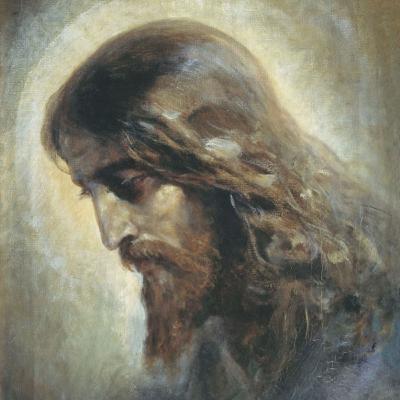
Chapter 3 of the Introduction to Passiontide and Holy Week: Practice During Passiontide and Holy Week, from Volume VI of "The Liturgical Year" by Dom Prosper Guéranger.Dom Prosper Guéranger's The Liturgical Year, a monumental fifteen-volume work, offers a comprehensive exploration of the Catholic Church’s liturgical calendar, guiding readers through the spiritual and historical richness of the Church’s worship. Written in the 19th century, the series provides daily meditations, historical context, and liturgical texts for the Mass and Divine Office, covering the entire cycle of seasons—Advent, Christmas, Lent, Passiontide, Easter, and the Time after Pentecost—as well as feast days of saints. Guéranger’s work, rooted in a deep contemplative spirit, aims to immerse the faithful in the Church’s prayerful life, emphasizing the unity of faith through the axiom lex orandi, lex credendi ("the law of prayer is the law of belief"), and remains a cherished resource for Catholics seeking to deepen their spiritual lives. Dom Prosper Guéranger (1805–1875) was a French Benedictine monk, liturgical scholar, and founder of the Solesmes Abbey, renowned for his pivotal role in reviving the Benedictine Order in France and restoring the Roman liturgy after the disruptions of the French Revolution. Born in Sablé-sur-Sarthe, he entered the priesthood in 1827 and, inspired by a vision to restore monastic life, reestablished the Benedictine community at Solesmes in 1833, becoming its first abbot. A staunch defender of ultramontanism and traditional Catholic worship, he also championed the revival of Gregorian chant, significantly influencing the liturgical renewal movement.Link to the Dom Guéranger's Liturgical Year playlist (updated daily): https://www.youtube.com/playlist?list=PLZKdyYnV_bkh7rH6piW0ShgsdcefFoOvJIf you would like to support this channel:Patreon: https://www.patreon.com/cw/InprincipioPodcastPayPal: https://www.paypal.com/donate/?hosted_button_id=U5EZ9X2CE2V7WMost sincere thanks to all who are able to contribute, by your prayers, your patronage, or otherwise. Your support sustains this work and helps make these readings available to others.
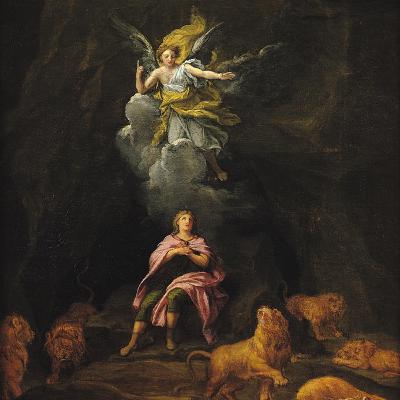
A meditation for Tuesday in Passion Week, from Dom Guéranger’s “The Liturgical Year”. Dom Prosper Guéranger's The Liturgical Year, a monumental fifteen-volume work, offers a comprehensive exploration of the Catholic Church’s liturgical calendar, guiding readers through the spiritual and historical richness of the Church’s worship. Written in the 19th century, the series provides daily meditations, historical context, and liturgical texts for the Mass and Divine Office, covering the entire cycle of seasons—Advent, Christmas, Lent, Passiontide, Easter, and the Time after Pentecost—as well as feast days of saints. Guéranger’s work, rooted in a deep contemplative spirit, aims to immerse the faithful in the Church’s prayerful life, emphasizing the unity of faith through the axiom lex orandi, lex credendi ("the law of prayer is the law of belief"), and remains a cherished resource for Catholics seeking to deepen their spiritual lives. Dom Prosper Guéranger (1805–1875) was a French Benedictine monk, liturgical scholar, and founder of the Solesmes Abbey, renowned for his pivotal role in reviving the Benedictine Order in France and restoring the Roman liturgy after the disruptions of the French Revolution. Born in Sablé-sur-Sarthe, he entered the priesthood in 1827 and, inspired by a vision to restore monastic life, reestablished the Benedictine community at Solesmes in 1833, becoming its first abbot. A staunch defender of ultramontanism and traditional Catholic worship, he also championed the revival of Gregorian chant, significantly influencing the liturgical renewal movement.Link to the Dom Guéranger's Liturgical Year playlist (updated daily): https://www.youtube.com/playlist?list=PLZKdyYnV_bkh7rH6piW0ShgsdcefFoOvJIf you would like to support this channel:Patreon: https://www.patreon.com/cw/InprincipioPodcastPayPal: https://www.paypal.com/donate/?hosted_button_id=U5EZ9X2CE2V7WMost sincere thanks to all who are able to contribute, by your prayers, your patronage, or otherwise. Your support sustains this work and helps make these readings available to others.
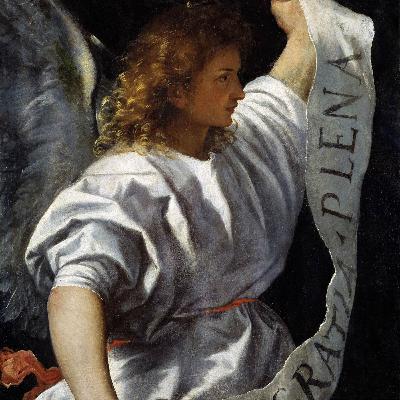
***Clarification on the date of the Feast of St. Gabriel: In Dom Guéranger’s time, the feast of St. Gabriel the Archangel was celebrated on March 18th. It was since changed, and the current date of the feast is March 24th in the traditional calendar. A meditation for the Feast of Saint Gabriel the Archangel, from Dom Guéranger’s “The Liturgical Year”. Gabriel the Archangel is one of the great messengers of God in Sacred Scripture, honored in the Church’s traditional calendar on March 18. His name means “God is my strength,” and he appears in the Bible as the bearer of divine revelations: he explains the prophetic visions to Daniel in the Old Testament and, in the Gospel, announces the coming of the Savior. Most notably, he is the heavenly messenger sent to the Blessed Virgin Mary, mother of Jesus at the Annunciation, proclaiming that she would conceive by the Holy Ghost and become the Mother of the Son of God. Because of this role as the herald of the Incarnation, St. Gabriel is venerated as the angel of divine messages and of the mystery of Christ’s coming into the world, reminding the faithful to listen with humility and readiness to the will of God.Dom Prosper Guéranger's The Liturgical Year, a monumental fifteen-volume work, offers a comprehensive exploration of the Catholic Church’s liturgical calendar, guiding readers through the spiritual and historical richness of the Church’s worship. Written in the 19th century, the series provides daily meditations, historical context, and liturgical texts for the Mass and Divine Office, covering the entire cycle of seasons—Advent, Christmas, Lent, Passiontide, Easter, and the Time after Pentecost—as well as feast days of saints. Guéranger’s work, rooted in a deep contemplative spirit, aims to immerse the faithful in the Church’s prayerful life, emphasizing the unity of faith through the axiom lex orandi, lex credendi ("the law of prayer is the law of belief"), and remains a cherished resource for Catholics seeking to deepen their spiritual lives. Dom Prosper Guéranger (1805–1875) was a French Benedictine monk, liturgical scholar, and founder of the Solesmes Abbey, renowned for his pivotal role in reviving the Benedictine Order in France and restoring the Roman liturgy after the disruptions of the French Revolution. Born in Sablé-sur-Sarthe, he entered the priesthood in 1827 and, inspired by a vision to restore monastic life, reestablished the Benedictine community at Solesmes in 1833, becoming its first abbot. A staunch defender of ultramontanism and traditional Catholic worship, he also championed the revival of Gregorian chant, significantly influencing the liturgical renewal movement.Link to the Dom Guéranger's Liturgical Year playlist (updated daily): https://www.youtube.com/playlist?list=PLZKdyYnV_bkh7rH6piW0ShgsdcefFoOvJIf you would like to support this channel:Patreon: https://www.patreon.com/cw/InprincipioPodcastPayPal: https://www.paypal.com/donate/?hosted_button_id=U5EZ9X2CE2V7WMost sincere thanks to all who are able to contribute, by your prayers, your patronage, or otherwise. Your support sustains this work and helps make these readings available to others.
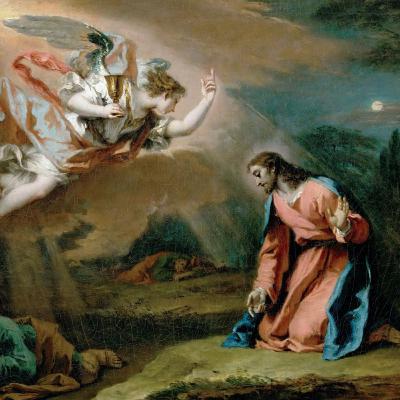
Chapter 2 of the Introduction to Passiontide and Holy Week: the Mystery of Passiontide and Holy Week, from Volume VI of "The Liturgical Year" by Dom Prosper Guéranger.Dom Prosper Guéranger's The Liturgical Year, a monumental fifteen-volume work, offers a comprehensive exploration of the Catholic Church’s liturgical calendar, guiding readers through the spiritual and historical richness of the Church’s worship. Written in the 19th century, the series provides daily meditations, historical context, and liturgical texts for the Mass and Divine Office, covering the entire cycle of seasons—Advent, Christmas, Lent, Passiontide, Easter, and the Time after Pentecost—as well as feast days of saints. Guéranger’s work, rooted in a deep contemplative spirit, aims to immerse the faithful in the Church’s prayerful life, emphasizing the unity of faith through the axiom lex orandi, lex credendi ("the law of prayer is the law of belief"), and remains a cherished resource for Catholics seeking to deepen their spiritual lives. Dom Prosper Guéranger (1805–1875) was a French Benedictine monk, liturgical scholar, and founder of the Solesmes Abbey, renowned for his pivotal role in reviving the Benedictine Order in France and restoring the Roman liturgy after the disruptions of the French Revolution. Born in Sablé-sur-Sarthe, he entered the priesthood in 1827 and, inspired by a vision to restore monastic life, reestablished the Benedictine community at Solesmes in 1833, becoming its first abbot. A staunch defender of ultramontanism and traditional Catholic worship, he also championed the revival of Gregorian chant, significantly influencing the liturgical renewal movement.Link to the Dom Guéranger's Liturgical Year playlist (updated daily): https://www.youtube.com/playlist?list=PLZKdyYnV_bkh7rH6piW0ShgsdcefFoOvJIf you would like to support this channel:Patreon: https://www.patreon.com/cw/InprincipioPodcastPayPal: https://www.paypal.com/donate/?hosted_button_id=U5EZ9X2CE2V7WMost sincere thanks to all who are able to contribute, by your prayers, your patronage, or otherwise. Your support sustains this work and helps make these readings available to others.
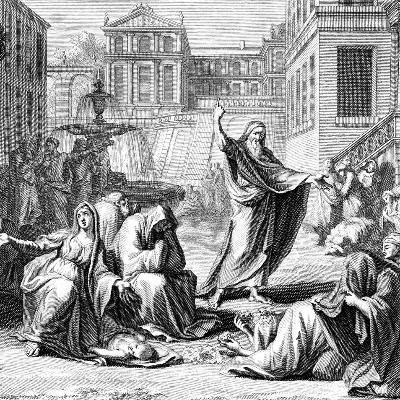
A meditation for Monday in Passion Week, from Dom Guéranger’s “The Liturgical Year”. Dom Prosper Guéranger's The Liturgical Year, a monumental fifteen-volume work, offers a comprehensive exploration of the Catholic Church’s liturgical calendar, guiding readers through the spiritual and historical richness of the Church’s worship. Written in the 19th century, the series provides daily meditations, historical context, and liturgical texts for the Mass and Divine Office, covering the entire cycle of seasons—Advent, Christmas, Lent, Passiontide, Easter, and the Time after Pentecost—as well as feast days of saints. Guéranger’s work, rooted in a deep contemplative spirit, aims to immerse the faithful in the Church’s prayerful life, emphasizing the unity of faith through the axiom lex orandi, lex credendi ("the law of prayer is the law of belief"), and remains a cherished resource for Catholics seeking to deepen their spiritual lives. Dom Prosper Guéranger (1805–1875) was a French Benedictine monk, liturgical scholar, and founder of the Solesmes Abbey, renowned for his pivotal role in reviving the Benedictine Order in France and restoring the Roman liturgy after the disruptions of the French Revolution. Born in Sablé-sur-Sarthe, he entered the priesthood in 1827 and, inspired by a vision to restore monastic life, reestablished the Benedictine community at Solesmes in 1833, becoming its first abbot. A staunch defender of ultramontanism and traditional Catholic worship, he also championed the revival of Gregorian chant, significantly influencing the liturgical renewal movement.Link to the Dom Guéranger's Liturgical Year playlist (updated daily): https://www.youtube.com/playlist?list=PLZKdyYnV_bkh7rH6piW0ShgsdcefFoOvJIf you would like to support this channel:Patreon: https://www.patreon.com/cw/InprincipioPodcastPayPal: https://www.paypal.com/donate/?hosted_button_id=U5EZ9X2CE2V7WMost sincere thanks to all who are able to contribute, by your prayers, your patronage, or otherwise. Your support sustains this work and helps make these readings available to others.
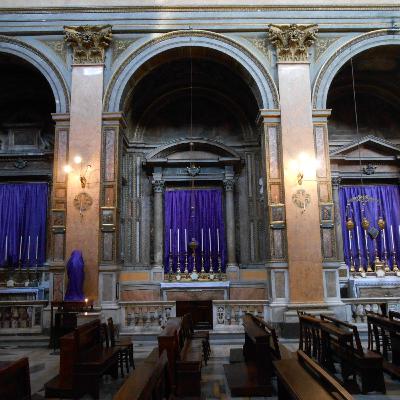
Chapter 1 of the Introduction to Passiontide and Holy Week: the History of Passiontide and Holy Week, from Volume VI of "The Liturgical Year" by Dom Prosper Guéranger.Dom Prosper Guéranger's The Liturgical Year, a monumental fifteen-volume work, offers a comprehensive exploration of the Catholic Church’s liturgical calendar, guiding readers through the spiritual and historical richness of the Church’s worship. Written in the 19th century, the series provides daily meditations, historical context, and liturgical texts for the Mass and Divine Office, covering the entire cycle of seasons—Advent, Christmas, Lent, Passiontide, Easter, and the Time after Pentecost—as well as feast days of saints. Guéranger’s work, rooted in a deep contemplative spirit, aims to immerse the faithful in the Church’s prayerful life, emphasizing the unity of faith through the axiom lex orandi, lex credendi ("the law of prayer is the law of belief"), and remains a cherished resource for Catholics seeking to deepen their spiritual lives. Dom Prosper Guéranger (1805–1875) was a French Benedictine monk, liturgical scholar, and founder of the Solesmes Abbey, renowned for his pivotal role in reviving the Benedictine Order in France and restoring the Roman liturgy after the disruptions of the French Revolution. Born in Sablé-sur-Sarthe, he entered the priesthood in 1827 and, inspired by a vision to restore monastic life, reestablished the Benedictine community at Solesmes in 1833, becoming its first abbot. A staunch defender of ultramontanism and traditional Catholic worship, he also championed the revival of Gregorian chant, significantly influencing the liturgical renewal movement.Link to the Dom Guéranger's Liturgical Year playlist (updated daily): https://www.youtube.com/playlist?list=PLZKdyYnV_bkh7rH6piW0ShgsdcefFoOvJIf you would like to support this channel:Patreon: https://www.patreon.com/cw/InprincipioPodcastPayPal: https://www.paypal.com/donate/?hosted_button_id=U5EZ9X2CE2V7WMost sincere thanks to all who are able to contribute, by your prayers, your patronage, or otherwise. Your support sustains this work and helps make these readings available to others.
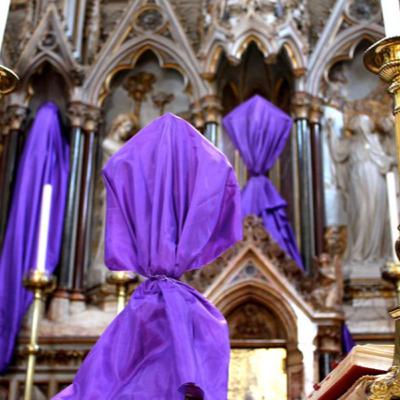
A meditation for Passion Sunday, from Dom Guéranger’s “The Liturgical Year”. Passion Sunday, the fifth Sunday of Lent in the traditional Roman calendar, marks the beginning of Passiontide, a more intense period of meditation on the sufferings of Christ as His crucifixion draws near. The liturgy takes on a somber and veiled character, with crosses and images often covered in violet cloth, symbolizing the hidden divinity of Christ during His Passion. The Gospel, typically drawn from St. John, shows the growing opposition to Our Lord and His withdrawal from public life, while the prayers and chants emphasize sorrow for sin and a deeper union with His redemptive suffering. The Church invites the faithful during this time to enter more fully into the mystery of the Cross through penance, recollection, and compassionate contemplation of Christ’s sacrifice.Dom Prosper Guéranger's The Liturgical Year, a monumental fifteen-volume work, offers a comprehensive exploration of the Catholic Church’s liturgical calendar, guiding readers through the spiritual and historical richness of the Church’s worship. Written in the 19th century, the series provides daily meditations, historical context, and liturgical texts for the Mass and Divine Office, covering the entire cycle of seasons—Advent, Christmas, Lent, Passiontide, Easter, and the Time after Pentecost—as well as feast days of saints. Guéranger’s work, rooted in a deep contemplative spirit, aims to immerse the faithful in the Church’s prayerful life, emphasizing the unity of faith through the axiom lex orandi, lex credendi ("the law of prayer is the law of belief"), and remains a cherished resource for Catholics seeking to deepen their spiritual lives. Dom Prosper Guéranger (1805–1875) was a French Benedictine monk, liturgical scholar, and founder of the Solesmes Abbey, renowned for his pivotal role in reviving the Benedictine Order in France and restoring the Roman liturgy after the disruptions of the French Revolution. Born in Sablé-sur-Sarthe, he entered the priesthood in 1827 and, inspired by a vision to restore monastic life, reestablished the Benedictine community at Solesmes in 1833, becoming its first abbot. A staunch defender of ultramontanism and traditional Catholic worship, he also championed the revival of Gregorian chant, significantly influencing the liturgical renewal movement.Link to the Dom Guéranger's Liturgical Year playlist (updated daily): https://www.youtube.com/playlist?list=PLZKdyYnV_bkh7rH6piW0ShgsdcefFoOvJIf you would like to support this channel:Patreon: https://www.patreon.com/cw/InprincipioPodcastPayPal: https://www.paypal.com/donate/?hosted_button_id=U5EZ9X2CE2V7WMost sincere thanks to all who are able to contribute, by your prayers, your patronage, or otherwise. Your support sustains this work and helps make these readings available to others.
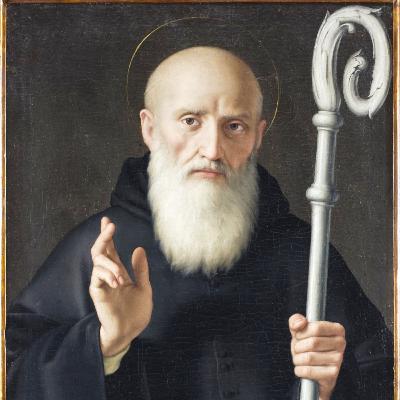
A meditation for the Feast of Saint Benedict, from Dom Guéranger’s “The Liturgical Year”. Saint Benedict of Nursia, born around 480 in Italy, is honored as the father of Western monasticism for his decisive role in shaping Christian communal life. After first embracing solitude as a hermit, he later founded the great monastery of Monte Cassino, where he composed his renowned Rule, a spiritual guide marked by balance, moderation, humility, and the harmonious union of prayer and work. This Rule became the foundation of monastic life throughout Europe, profoundly influencing the spiritual and cultural formation of the Christian West. Through his holiness, wisdom, and miracles, Benedict helped preserve and transmit Christian civilization during a time of upheaval, and his traditional feast is celebrated on March 21.Dom Prosper Guéranger's The Liturgical Year, a monumental fifteen-volume work, offers a comprehensive exploration of the Catholic Church’s liturgical calendar, guiding readers through the spiritual and historical richness of the Church’s worship. Written in the 19th century, the series provides daily meditations, historical context, and liturgical texts for the Mass and Divine Office, covering the entire cycle of seasons—Advent, Christmas, Lent, Passiontide, Easter, and the Time after Pentecost—as well as feast days of saints. Guéranger’s work, rooted in a deep contemplative spirit, aims to immerse the faithful in the Church’s prayerful life, emphasizing the unity of faith through the axiom lex orandi, lex credendi ("the law of prayer is the law of belief"), and remains a cherished resource for Catholics seeking to deepen their spiritual lives. Dom Prosper Guéranger (1805–1875) was a French Benedictine monk, liturgical scholar, and founder of the Solesmes Abbey, renowned for his pivotal role in reviving the Benedictine Order in France and restoring the Roman liturgy after the disruptions of the French Revolution. Born in Sablé-sur-Sarthe, he entered the priesthood in 1827 and, inspired by a vision to restore monastic life, reestablished the Benedictine community at Solesmes in 1833, becoming its first abbot. A staunch defender of ultramontanism and traditional Catholic worship, he also championed the revival of Gregorian chant, significantly influencing the liturgical renewal movement.Link to the Dom Guéranger's Liturgical Year playlist (updated daily): https://www.youtube.com/playlist?list=PLZKdyYnV_bkh7rH6piW0ShgsdcefFoOvJIf you would like to support this channel:Patreon: https://www.patreon.com/cw/InprincipioPodcastPayPal: https://www.paypal.com/donate/?hosted_button_id=U5EZ9X2CE2V7WMost sincere thanks to all who are able to contribute, by your prayers, your patronage, or otherwise. Your support sustains this work and helps make these readings available to others.
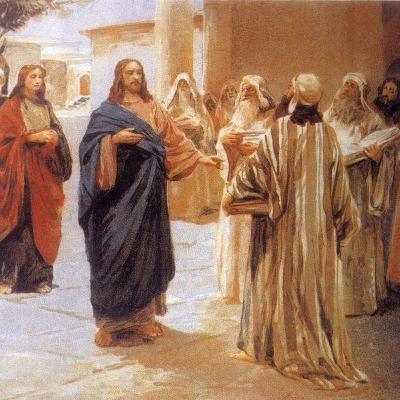
A meditation for Saturday of the Fourth Week of Lent, from Dom Guéranger’s “The Liturgical Year”. Dom Prosper Guéranger's The Liturgical Year, a monumental fifteen-volume work, offers a comprehensive exploration of the Catholic Church’s liturgical calendar, guiding readers through the spiritual and historical richness of the Church’s worship. Written in the 19th century, the series provides daily meditations, historical context, and liturgical texts for the Mass and Divine Office, covering the entire cycle of seasons—Advent, Christmas, Lent, Passiontide, Easter, and the Time after Pentecost—as well as feast days of saints. Guéranger’s work, rooted in a deep contemplative spirit, aims to immerse the faithful in the Church’s prayerful life, emphasizing the unity of faith through the axiom lex orandi, lex credendi ("the law of prayer is the law of belief"), and remains a cherished resource for Catholics seeking to deepen their spiritual lives. Dom Prosper Guéranger (1805–1875) was a French Benedictine monk, liturgical scholar, and founder of the Solesmes Abbey, renowned for his pivotal role in reviving the Benedictine Order in France and restoring the Roman liturgy after the disruptions of the French Revolution. Born in Sablé-sur-Sarthe, he entered the priesthood in 1827 and, inspired by a vision to restore monastic life, reestablished the Benedictine community at Solesmes in 1833, becoming its first abbot. A staunch defender of ultramontanism and traditional Catholic worship, he also championed the revival of Gregorian chant, significantly influencing the liturgical renewal movement.Link to the Dom Guéranger's Liturgical Year playlist (updated daily): https://www.youtube.com/playlist?list=PLZKdyYnV_bkh7rH6piW0ShgsdcefFoOvJIf you would like to support this channel:Patreon: https://www.patreon.com/cw/InprincipioPodcastPayPal: https://www.paypal.com/donate/?hosted_button_id=U5EZ9X2CE2V7WMost sincere thanks to all who are able to contribute, by your prayers, your patronage, or otherwise. Your support sustains this work and helps make these readings available to others.

Comments

Download from Google Play

Download from App Store
 United States