


 Claim Ownership
Market Snacks
Subscribed: 0Played: 3
Subscribe

© Copyright 2025-2026 voieech.com
Description
Help you cash up on the latest updates on Finance, Money and Interest-ing topics, one show at a time.
204 Episodes
Reverse

Introduction:
In today’s episode, we examine Senator Elizabeth Warren’s sharp criticism of Federal Reserve chair nominee Kevin Warsh, highlighting her concerns that Warsh’s past actions favored Wall Street over American families during the 2008 financial crisis. We analyze the growing political battle over control of the Federal Reserve and what it means for the institution’s independence and future monetary policy. Next, we explore the OECD’s decision to scrap its global growth upgrade due to the energy shock caused by the conflict in the Strait of Hormuz, resulting in a stagflationary environment that complicates policy decisions for both the Fed and the ECB. Finally, we discuss Russia’s deteriorating fiscal situation amid its war in Ukraine, as Vladimir Putin calls on oligarchs to contribute personally to fund the military effort, signaling a critical strain on Russia’s war funding and the ruble’s stability.
Content and Timestamp:
00:00:38 Sen. Warren Blasts Fed Chair Nominee Kevin Warsh: 'Learned Nothing From Your Failures'
00:05:36 Iran War Erases Global Growth Upgrade, Fuels Inflation, OECD Warns
00:12:44 Putin Appeals to Oligarchs as Russia's Defense Budget Falters Amid Ukraine War
Powered by voieech.com, producing personalized content just for you.
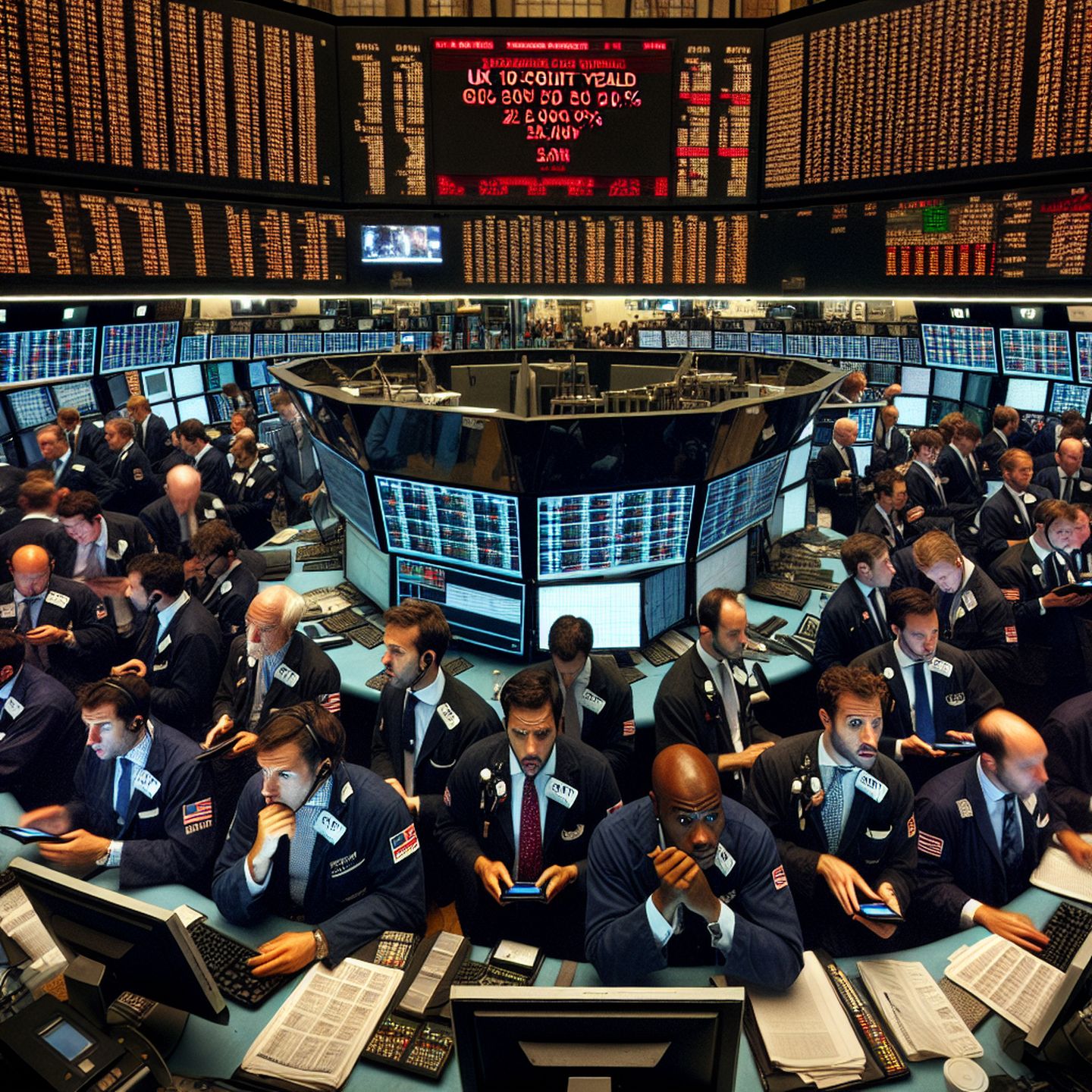
Introduction:
In today’s episode, we explore three critical developments shaking the financial landscape amid escalating tensions in the Middle East. First, UK 10-year bond yields have surged to 5%, their highest level since 2008, signaling the return of "bond vigilantes" who are challenging government spending. We analyze how this bond market revolt presents a stagflation dilemma for the Bank of England and what it means for the pound’s future.
Second, FedEx shares have jumped 10% driven by strong demand, creating a striking contrast with Wall Street’s growing skepticism about rate cuts, now pushed back to 2027 amid fears of stagflation. We break down this disconnect between a resilient company and broader macroeconomic concerns, offering insights for investors navigating volatile markets.
Third, the International Energy Agency has released a 10-point emergency plan recommending measures like working from home and reduced speed limits to curb soaring oil demand. We discuss why this shift from managing supply to actively suppressing demand suggests government stockpiles are running low, and what implications this holds for commercial real estate and future market instability.
Content and Timestamp:
00:00:38 UK Borrowing Costs Soar to 2008 High Amid Iran Conflict Fears, Rate Hike Expectations
00:05:15 Wall Street Futures Dip as Iran War Intensifies and Rate Cut Hopes Fade
00:10:47 Global Energy Watchdog Urges Emergency Measures Amid Soaring Oil Prices and Middle East Conflict
Powered by voieech.com, producing personalized content just for you.

Introduction:
In today’s episode, we dive into three critical developments shaking the global markets. First, with oil prices surging 50% to $100 per barrel, the U.S. has temporarily waived sanctions on Iranian crude—a high-stakes political move aimed at lowering gas prices ahead of the midterm elections. We’ll explore how this controversial waiver complicates the global oil market and may undermine the long-term effectiveness of U.S. economic sanctions.
Next, Federal Reserve Chair Jerome Powell faces a Department of Justice criminal probe, which he describes as an intimidation tactic amid a fierce battle to preserve the Fed’s independence. We examine this political showdown’s implications for the Federal Reserve’s autonomy, global currency stability, and the uncertainty surrounding future interest rate decisions.
Finally, a $55 billion disruption is hitting the food industry as GLP-1 weight-loss drugs are fundamentally changing American eating habits. This consumer shift is driving down calorie intake and grocery spending, forcing major players like PepsiCo to innovate with new product lines. We break down the deflationary impact on food prices and what this means for the Fed’s ongoing fight against inflation.
Content and Timestamp:
00:00:38 US Temporarily Lifts Sanctions on Iranian Oil Amid Soaring Prices and War Concerns
00:05:13 Powell Echoes Volcker's Stand: Defending Fed Independence Amid Political Pressure
00:08:50 GLP-1 Drugs Reshape American Diets: Food Industry Races to Adapt
Powered by voieech.com, producing personalized content just for you.

Introduction:
In today’s episode, we unpack three critical developments shaking global markets and political landscapes. First, Iran’s asymmetric assault on UAE financial hubs and an Amazon data center has pushed the UAE’s risk premium above Saudi Arabia’s, undermining its long-standing safe-haven status. We explore why this shift matters now and how it might trigger a credit crunch with far-reaching global contagion effects. Next, Australia faces a fuel supply shock that threatens to push inflation beyond 4.5%, forcing the Reserve Bank of Australia into a classic supply-shock dilemma. We take a closer look at the RBA’s tough decision on whether to hike rates amidst rising inflation and the looming risk of recession. Finally, we examine a dramatic 160-fold surge in billionaire political spending—now at $2.6 billion—which has fueled legal battles by SpaceX and Amazon aimed at dismantling the National Labor Relations Board. We analyze the potential consequences of this constitutional challenge on labor rights and long-term U.S. wage growth.
Content and Timestamp:
00:00:37 Why the UAE is a Prime Target for Iranian Aggression Amidst Rising Tensions
00:05:21 Australia Braces for Inflation Hike Amidst Middle East Conflict, Treasurer Rules Out Recession
00:08:48 The Billionaire Problem: How Extreme Wealth Threatens American Democracy and What Can Be Done
Powered by voieech.com, producing personalized content just for you.

Introduction:
In today’s episode, we delve into three critical developments shaking global markets. First, Japan and South Korea have issued a joint intervention threat as the yen nears 160 against the US dollar, setting the stage for a high-stakes battle amid escalating currency volatility. We examine the policy dilemma this creates for Asian central banks and the risks of a broader regional currency devaluation war. Next, Yara International’s CEO warns of a potential 50% drop in crop yields due to soaring urea prices, a looming crisis that could trigger a second wave of global food inflation and force central banks to reconsider expected interest rate cuts. Finally, we analyze the abrupt withdrawal of a planned US AI chip export rule, highlighting the policy uncertainty this creates for NVIDIA and global tech partners, and its broader implications for the AI supply chain and global tech investment.
Content and Timestamp:
00:00:37 Japan and South Korea Vow Action Against Currency Volatility Amid Global Tensions
00:05:26 Fertiliser Boss Warns of Catastrophic Global Food Crisis Amidst Iran Conflict
00:08:52 US Commerce Department Withdraws Proposed AI Chip Export Rule Amid Policy Shift
Powered by voieech.com, producing personalized content just for you.
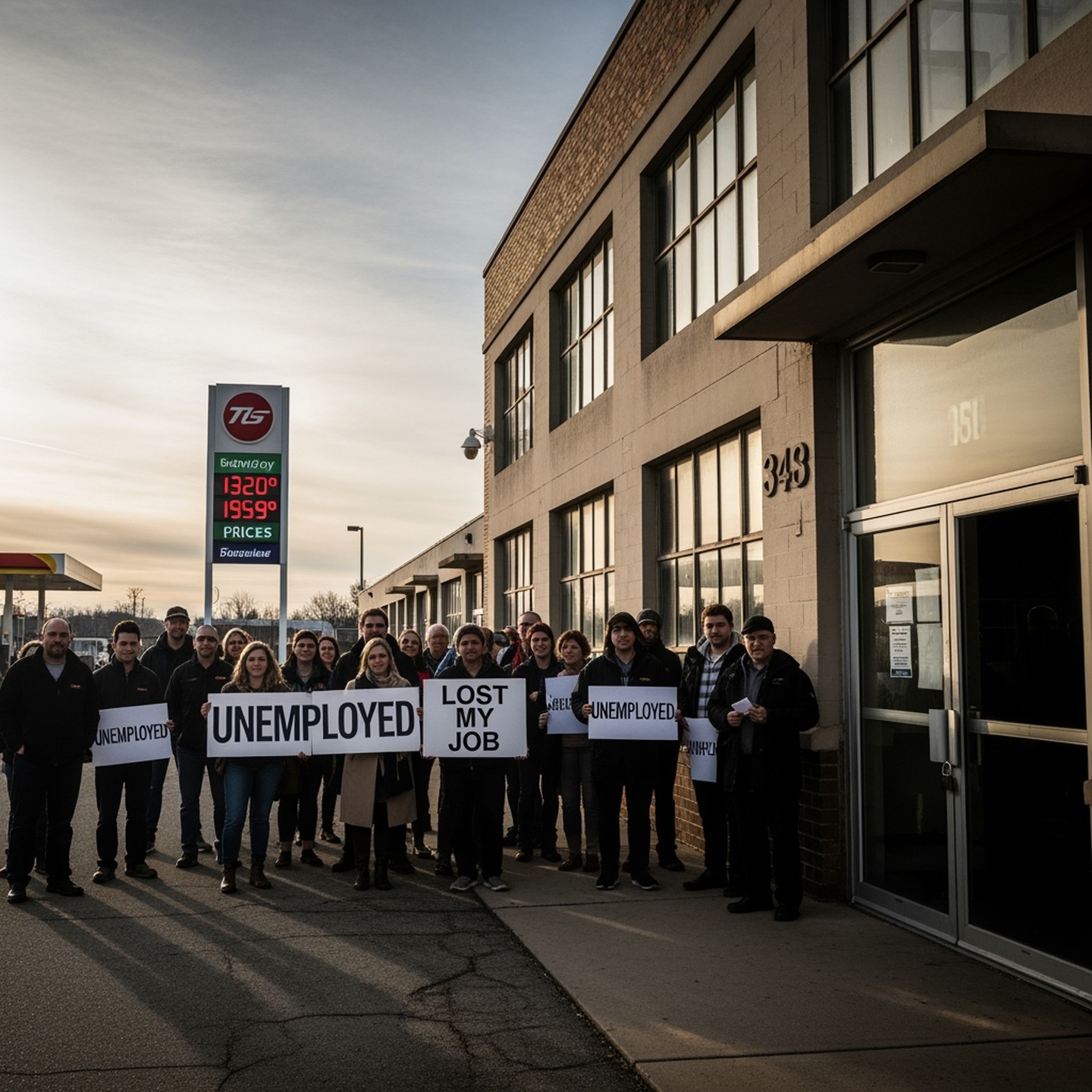
Introduction:
In today’s episode, we unpack the latest economic and geopolitical developments impacting your wallet and the global market. First, the U.S. economy unexpectedly shed 92,000 jobs in February, pushing unemployment higher and casting doubt on the Federal Reserve’s narrative of a stabilizing labor market. We’ll explore how this sharp downturn complicates the Fed’s fight against inflation and increases the likelihood of a rate cut in June. Next, we dive into the renewed trade tensions as high-level talks between Canada and the U.S. resume over the USMCA agreement, with Canada’s Prime Minister declaring the deal “effectively broken” and Japan warning that its auto investments depend on the outcome. Finally, we analyze the dramatic 80% surge in jet fuel prices driven by disruptions in the Gulf, which threatens summer airfare hikes and flight cancellations. Stay tuned as we break down what these developments mean for consumers and the economy at large.
Content and Timestamp:
00:00:36 US Labor Market Stumbles: Unexpected Job Losses and Rising Unemployment Fan Fed Doubts
00:05:18 US and Canada Resume Critical Trade Talks Amidst USMCA Review and Tariff Tensions
00:09:14 Jet Fuel Price Surge Threatens Summer Airfares and Flights Amid Gulf Disruptions
Powered by voieech.com, producing personalized content just for you.
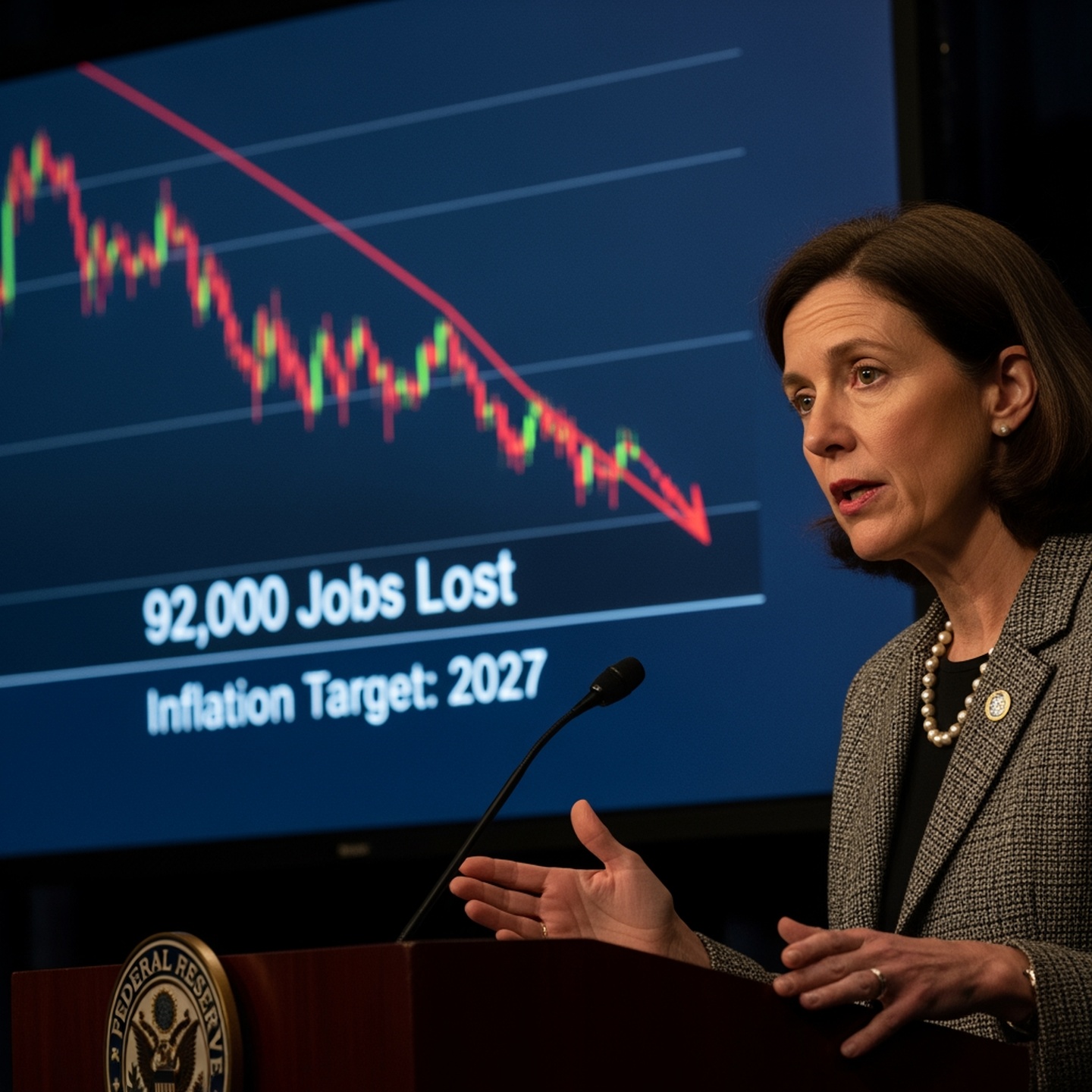
Introduction:
In this episode, we delve into the complex economic landscape shaped by recent job losses, surging oil prices, and geopolitical tensions. A surprising 92,000 job loss in the U.S. economy juxtaposed with a Federal Reserve official’s openness to further rate hikes creates a challenging policy dilemma, putting the Fed’s dual mandate to the test. Meanwhile, a 17% spike in oil prices triggered by disruptions in the Strait of Hormuz rattles global markets, yet the S&P 500’s calm reaction underscores a high-stakes bet on conflict de-escalation. Finally, we explore how Venezuela is emerging as a “coiled spring of opportunity” following political shifts, attracting U.S. investors eager to capitalize on oil assets and a significant $100 billion debt restructuring. Join us as we unpack these critical developments and their implications for the economy, inflation, and global investment strategies.
Content and Timestamp:
00:00:37 Fed's Hammack: Inflation Must Fall by 2027, Rate Hike Possible Amid Oil Shock & Job Market Woes
00:04:19 Middle East Conflict: Investors Bet on Trump Backdown Amidst Rising Oil Prices and Stagflation Fears
00:08:43 US Investors Eye Post-Maduro Venezuela for 'Coiled Spring of Opportunity'
Powered by voieech.com, producing personalized content just for you.
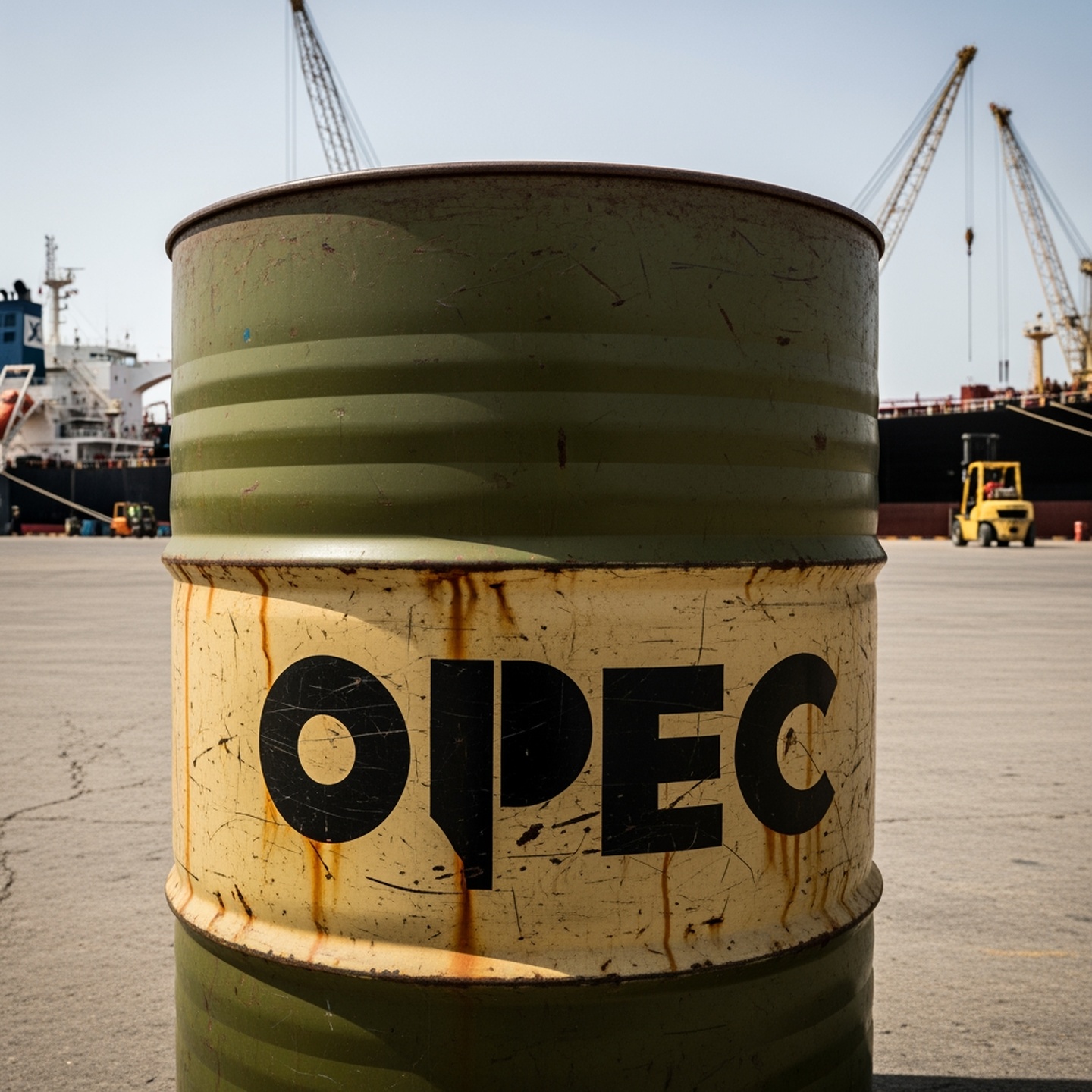
Introduction:
In today’s episode, we dive into three critical developments shaping the global financial landscape. First, oil prices are on the brink of surpassing $100 per barrel as disruptions caused by the Strait of Hormuz closure prompt an emergency OPEC+ meeting. Despite plans to increase production, limited spare capacity outside Saudi Arabia and the UAE may dampen the impact, raising concerns about a potential stagflationary shock and complicating the Federal Reserve’s battle against inflation.
Next, we examine the sharp decline in the dollar’s share of global reserves, which has fallen to a two-decade low of 57%. This shift reflects central banks’ growing resistance to the weaponization of finance, challenging the longstanding dominance of the US dollar and threatening America’s “exorbitant privilege.” We explore how this trend could increase US government borrowing costs and contribute to a more multipolar financial system.
Finally, we take a closer look at South Korea’s remarkable export surge, driven by a 160.9% increase in semiconductor shipments amid an AI-driven super-cycle. However, this booming sector faces uncertainty due to potential US tariffs, raising questions about the intersection of trade policy and global inflation dynamics.
Content and Timestamp:
00:00:35 OPEC+ Considers Major Oil Output Boost Amid Iran Conflict and Supply Disruptions
00:05:02 Trump's Iran Strikes and the Accelerating Decline of Dollar Dominance
00:09:21 South Korea's Export Boom: Ninth Consecutive Month of Growth Driven by Chip Sales
Powered by voieech.com, producing personalized content just for you.

Introduction:
In today’s episode, we unpack three critical developments shaping the global economy and markets. First, Iran’s closure of the Strait of Hormuz has halted 20% of global oil shipments, creating a stagflation dilemma for central banks like the Federal Reserve and the ECB. We’ll explain why this supply shock matters now, complicating efforts to combat inflation and threatening overall market stability. Next, we analyze the contrasting earnings reports from Life Time and Planet Fitness, revealing a 'K-shaped' economic recovery where affluent consumers continue to fuel growth while budget-conscious shoppers face spending limits. This divergence offers key insights into consumer behavior and implications for the Federal Reserve and consumer discretionary stocks. Finally, we explore the escalating battle over AI regulation after the Trump administration blacklisted Anthropic, an AI firm that abandoned its safety pledge. This conflict highlights the tension between market forces and safety concerns, with major consequences for the future of U.S. technology competitiveness against China.
Content and Timestamp:
00:00:35 Global Shipping Halts in Strait of Hormuz After US-Iran Conflict Escalates
00:04:16 Gym Earnings Reveal a 'K-Shaped' Economy: High-End Thrives, Budget-Conscious Squeeze
00:07:28 AI's Rapid Evolution: Executive Assistants, Safety Concerns, and Political Battlegrounds
Powered by voieech.com, producing personalized content just for you.
Introduction:
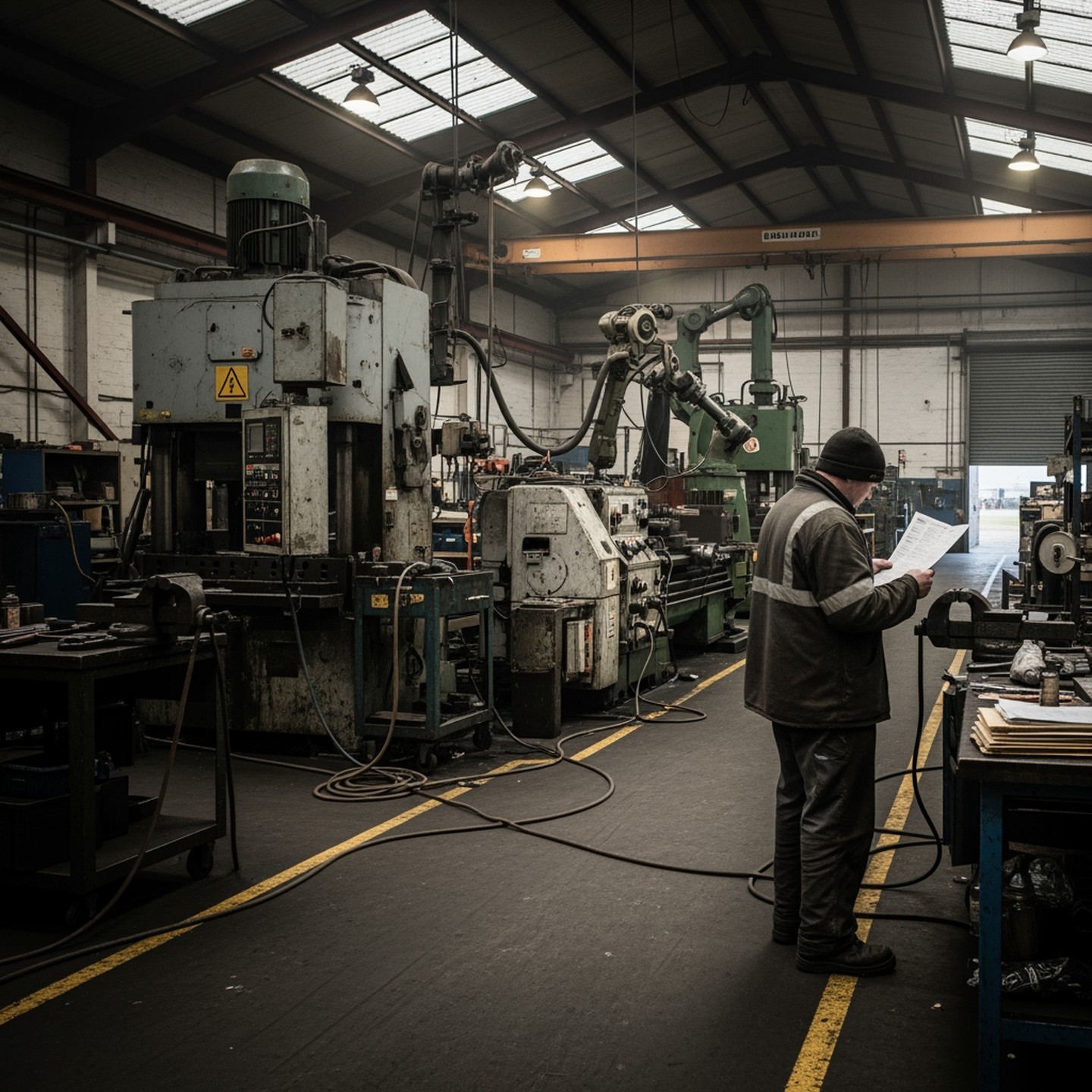
In today’s episode, we delve into three critical global economic stories shaping markets and geopolitics. First, the UK faces an energy crisis with the highest industrial power prices among G7 nations, sparking fears of deindustrialization and complicating the Bank of England’s efforts to control inflation while affecting the long-term outlook for the pound. Next, we examine how China has become Germany’s top trading partner, surpassing the US with €251 billion in bilateral trade. This shift highlights the tension between Germany’s industrial interests and the EU’s “derisking” strategy, raising questions about the future of transatlantic trade relations. Finally, amid a $10 oil risk premium, Iran presents a surprising investment offer to the US in ongoing nuclear talks, signaling potential shifts in global oil markets and US-China competition. Stay tuned as we unpack these stories and their far-reaching implications.
Content and Timestamp:
00:00:34 UK Manufacturing Power Threatened by Soaring Energy Costs, Business Groups Warn
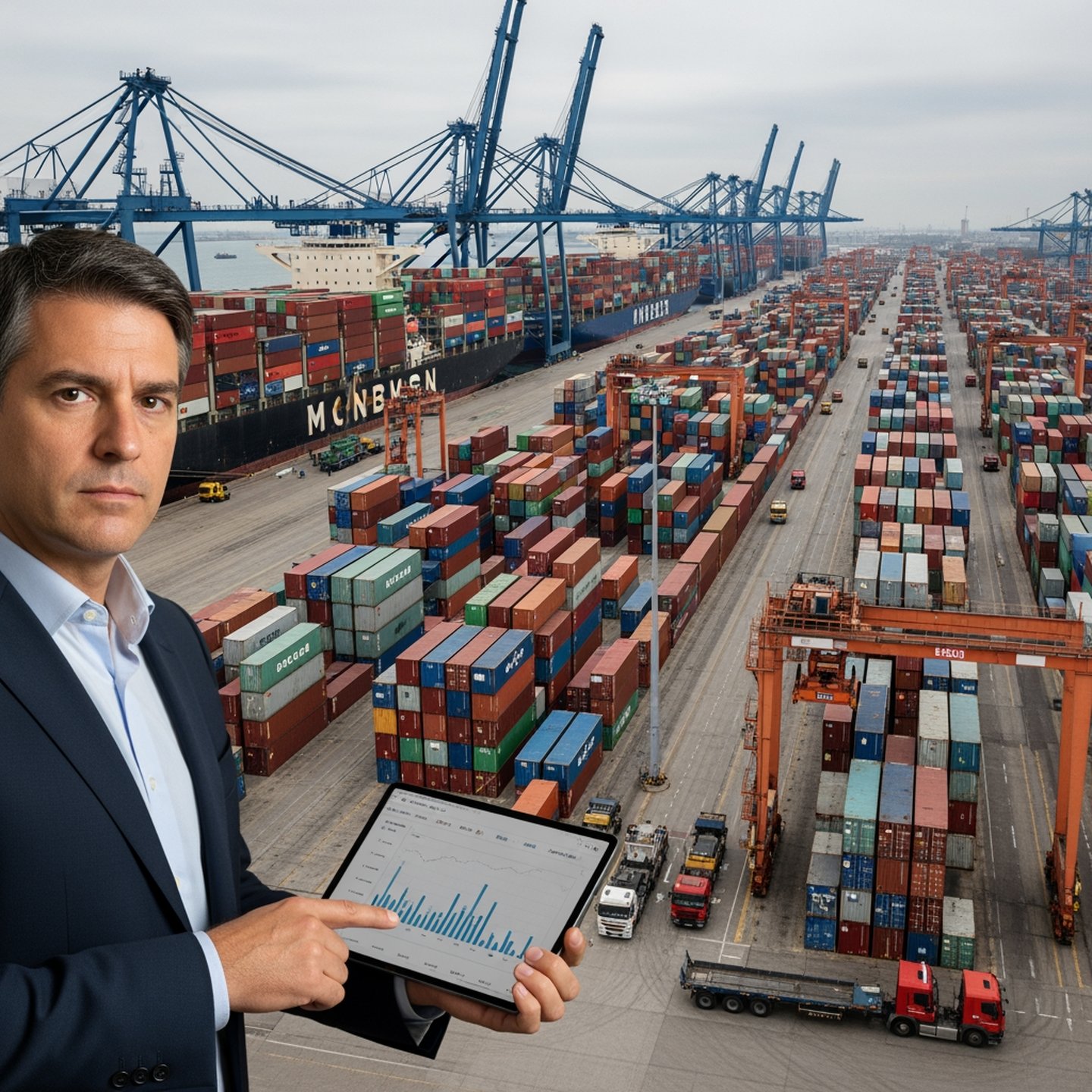
00:04:43 Germany's Trade Shift: China Overtakes US Amidst Complex Diplomatic Dance
00:10:29 Iran and U.S. at Odds Over Sanctions Relief Amid Nuclear Talks and Military Tensions
Powered by voieech.com, producing personalized content just for you.
Introduction:
In today’s episode, we delve into the complex economic forces shaping the global financial landscape. First, we examine how China’s 27% surge in exports to Europe has intensified deflationary pressures, posing a serious dilemma for the European Central Bank as it navigates conflicting inflation signals and policy challenges. Next, we explore the recent US Supreme Court decision that struck down $120 billion in tariffs imposed under national emergency claims, and the subsequent announcement of a new 10% global levy by former President Trump—moves that inject significant uncertainty into global trade and investment. Finally, we turn to the UK, where record tax revenues mask a staggering £130 billion borrowing surge and large unfunded spending commitments, creating a fiscal illusion that threatens market stability and could compel action from the Bank of England.
Content and Timestamp:
00:00:37 ECB Warns of 'Significant' Inflation Risks, Citing Chinese Imports as Key Factor
00:04:39 Supreme Court Strikes Down Trump's 'National Emergency' Tariffs, Reshaping Global Trade Landscape
00:09:08 UK Economy: "Good News" Hides Precarious State Amidst Spending Demands
Powered by voieech.com, producing personalized content just for you.
Introduction:
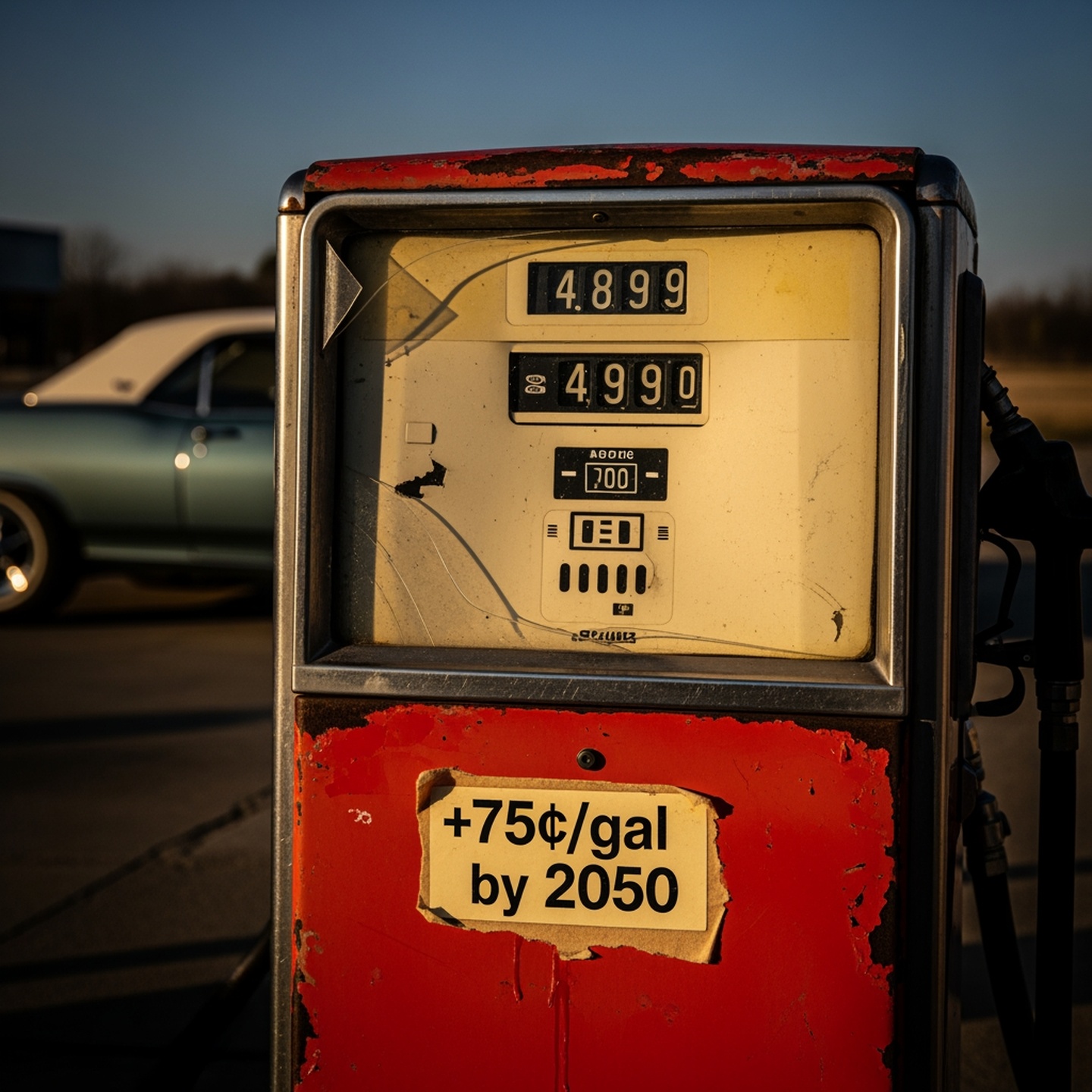
In this episode, we dive into the latest financial news shaping the markets today. First, we examine the Trump administration's claim of $1.3 trillion in savings from climate deregulation, which is contradicted by the EPA’s data showing a net loss and raising concerns about persistent inflation. We discuss what this means for U.S. automakers facing a significant investment challenge. Next, we explore a Bank of England policymaker’s assertion that a 46% hike in the UK minimum wage for young workers has contributed to soaring youth unemployment, potentially influencing the BoE’s interest rate decisions. Finally, we analyze the White House’s push for Big Tech companies to bear the costs of their booming AI energy consumption, creating a “Navarro Put” that could cap tech stock valuations and impact the competitive AI race with China.
Content and Timestamp:
00:00:35 Trump's Climate Deregulation: Savings Claimed, Costs Anticipated
00:05:07 Bank of England Policymaker Links UK Minimum Wage Hikes to Rising Youth Unemployment
00:09:33 Trump Administration Pushes Tech Giants to Cover Data Center Costs Amid Rising Utility Prices
Powered by voieech.com, producing personalized content just for you.
Introduction:
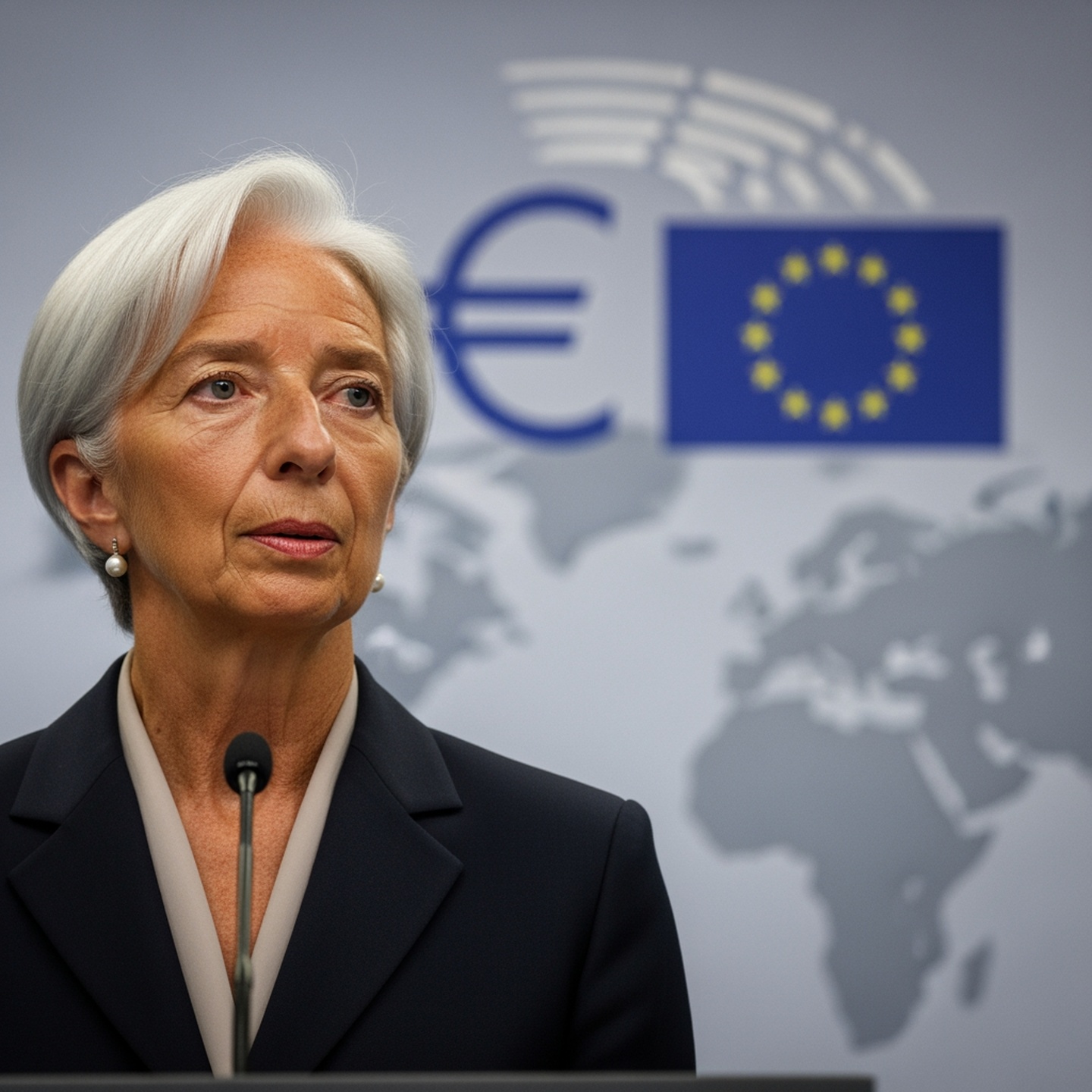
In today’s episode, we delve into three major financial stories shaping the global and domestic economic landscape. First, we explore the European Central Bank’s bold announcement to establish a permanent, global euro liquidity backstop—a strategic move challenging the dominance of the U.S. dollar and signaling a shift in the future of the global currency system. Next, we examine Australia's central bank decision to hike interest rates amid a surprising surge in consumer spending, driven largely by wealthy households, and discuss the implications this has for inflation and the broader Australian economy. Finally, we analyze the paused $3.2 billion U.S. plan to tax Chinese ships and revive American shipbuilding, a bipartisan effort now caught in high-stakes uncertainty, and consider its impact on U.S. industrial policy and long-term supply chain security.
Content and Timestamp:
00:00:35 ECB Expands Global Euro Backstop to Boost Currency's International Role
00:06:05 Coffee Machines and Couch Spending: How Australian Tax Refunds Fueled Interest Rate Hikes
00:10:09 Trump Administration Unveils Maritime Action Plan to Revitalize US Shipbuilding
Powered by voieech.com, producing personalized content just for you.
Introduction:
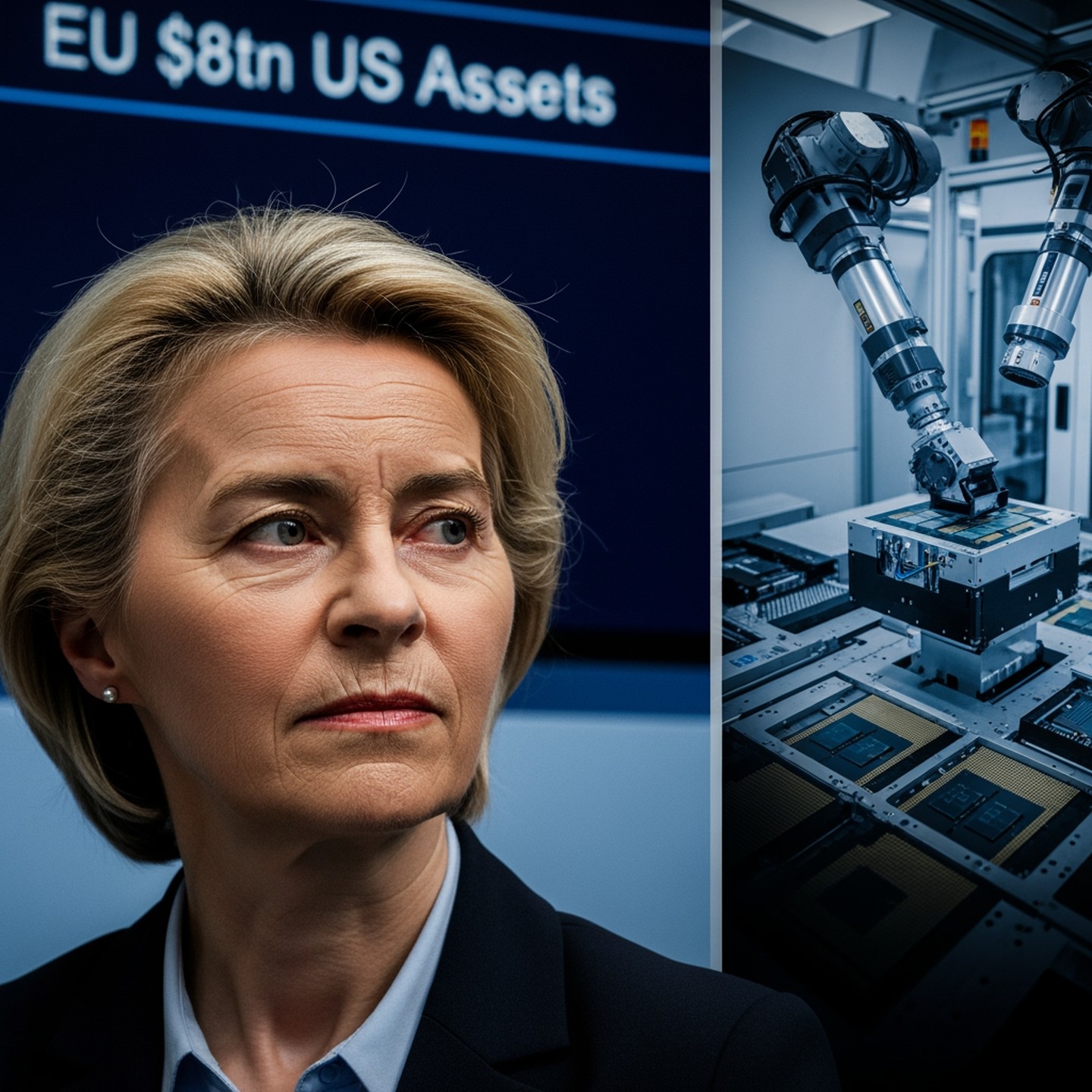
In today’s episode, we delve into three critical developments shaping the global economic and financial landscape. First, as China’s economic strategies demonstrate effectiveness, Europe is exploring its own leverage with $8 trillion in US assets and Dutch chip technology. We analyze why this strategic shift is significant now and how Europe’s potential retaliation could spark a surge in US Treasury yields and disrupt global tech supply chains. Next, Japan’s Prime Minister Sanae Takaichi’s snap election victory revives the so-called ‘Takaichi trade,’ pushing the Nikkei beyond 54,700 while weakening the yen and raising concerns of a UK-style bond market crisis. We examine the challenges this fiscal policy poses for Japan and its broader impact on global currency and bond market stability. Finally, the UK’s costly bailout of British Steel, at £1.2 million per day, serves as a test case of Western resolve on national security in the face of Chinese investment. We take a closer look at this industrial standoff and its implications for UK-China relations and the future of Western industrial policy.
Content and Timestamp:
00:00:35 Europe's Playbook Against Trump: Resolve, Resilience, and Retaliation
00:06:16 Japan's 'Takaichi Trade' Revived as PM Secures Landslide Victory
00:10:48 UK Government Grapples with British Steel Crisis: Mounting Costs and Unclear Future
Powered by voieech.com, producing personalized content just for you.
Introduction:
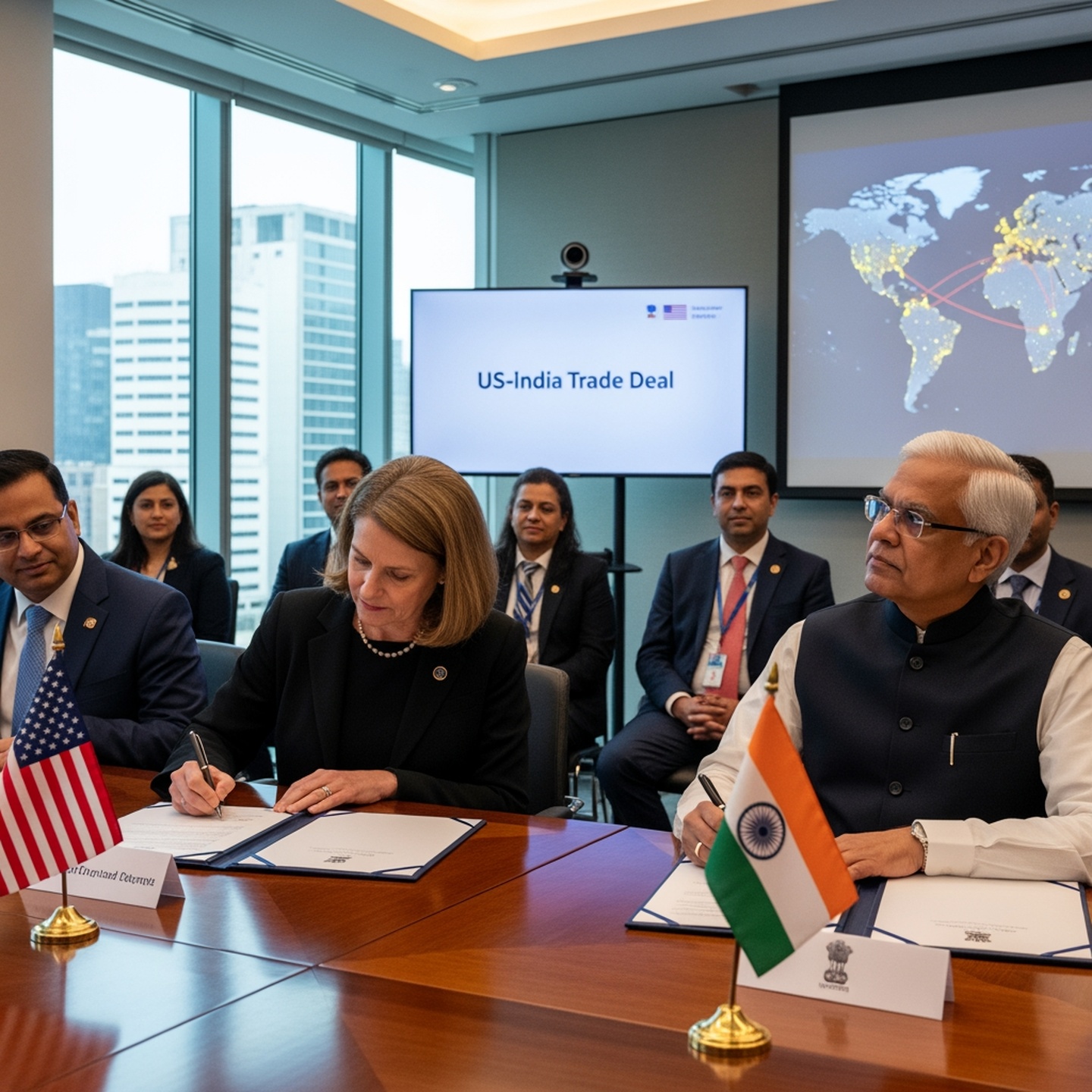
In today's episode, we delve into three major developments shaping the global economic and technological landscape. First, the United States and India have announced an interim trade framework aimed at a broader agreement by March. This deal significantly reduces U.S. tariffs on Indian goods and commits India to pivot away from Russian oil, increasing energy and goods purchases from the U.S. over the next five years. We’ll explore why this managed trade pact matters now, particularly its role in reshaping supply chains and countering China’s influence, as well as the potential complications its tariffs pose for the Federal Reserve’s inflation control efforts.
Next, we examine the unprecedented move by the U.S. government to take direct equity stakes in major companies like Intel and U.S. Steel. This shift toward state ownership sparks debate about the risks of political interference, distorted market competition, and new challenges in corporate governance. We analyze how this intervention could create barriers for new entrants and alter the business landscape.
Finally, we turn to the cryptocurrency world, where Bitcoin has plunged below $61,000, wiping out all gains made since Donald Trump’s election. This steep decline is driven by a severe liquidity crisis and record liquidations, intensifying market volatility. We’ll discuss the divided opinions on Wall Street regarding the crash and what it means for the Federal Reserve’s future monetary policy.
Content and Timestamp:
00:00:32 US and India Unveil Interim Trade Framework: Tariffs Cut, Energy Ties Reshaped, and China in Focus
00:06:13 Trump Administration's Equity Stakes: Unprecedented Intervention & Market Risks
00:10:51 Bitcoin Plunges, Erasing Trump-Era Gains Amidst Thin Liquidity and Market Uncertainty
Powered by voieech.com, producing personalized content just for you.
Introduction:
In today’s episode, we delve into three critical global financial developments shaping the markets and geopolitical landscape. First, the US dollar has plunged 3% in just one week, reaching a four-year low amid policy uncertainty and market fears surrounding the Trump administration’s approach. We examine why this sudden dollar decline matters now and its threat to the currency’s long-standing role as the world’s primary reserve. Next, we explore the United Nations’ looming financial collapse caused by significant US funding cuts, a crisis that risks leaving a geopolitical vacuum for China to fill and forcing investors to reconsider geopolitical risk premiums. Finally, we take an in-depth look at a $100 billion US-backed plan to rebuild Venezuela’s oil sector following Nicolás Maduro’s removal, analyzing the skepticism from major oil companies like ExxonMobil and what this means for unlocking Venezuela’s vast energy resources.
Content and Timestamp:
00:00:33 US Dollar Hits Four-Year Low: What's Driving the Decline and Its Impact?
00:06:04 UN on Brink of 'Imminent Financial Collapse' as Member States Withhold Dues
00:10:11 Venezuela's Oil Heartlands: A Glimmer of Hope for US-Backed Revival After Maduro's Removal
Powered by voieech.com, producing personalized content just for you.

Introduction:
In today’s episode, we explore three major stories shaping the global financial landscape. First, Panama’s Supreme Court has annulled the operating contracts held by Hong Kong-based CK Hutchison for key Panama Canal container ports, casting uncertainty over a $22.8 billion BlackRock-led deal and signaling potential shifts in global trade routes. We examine the legal ramifications of this ruling and its broader impact on supply chains and the ongoing US-China strategic rivalry. Next, former President Donald Trump has nominated Kevin Warsh, known for his hawkish stance on interest rates, to lead the Federal Reserve. This appointment presents a paradox, raising critical questions about the Fed’s political independence and the direction of US monetary policy. Finally, we delve into India’s economic paradox: despite a robust 7.3% growth rate and its ascent as Asia’s next economic powerhouse, there is a troubling collapse in foreign investment and a prolonged corporate investment strike. We analyze the disconnect between headline growth and underlying economic challenges, and what this means for India’s future as a ‘China+1’ alternative.
Content and Timestamp:
00:00:34 Panama Voids Hong Kong Firm's Canal Port Contracts Amid US-China Rivalry
00:05:30 Trump's Controversial Fed Pick: Kevin Warsh and the Future of US Monetary Policy
00:11:54 India's Economic Paradox: World-Beating Growth Masks Deep-Seated Challenges
Powered by voieech.com, producing personalized content just for you.
Introduction:
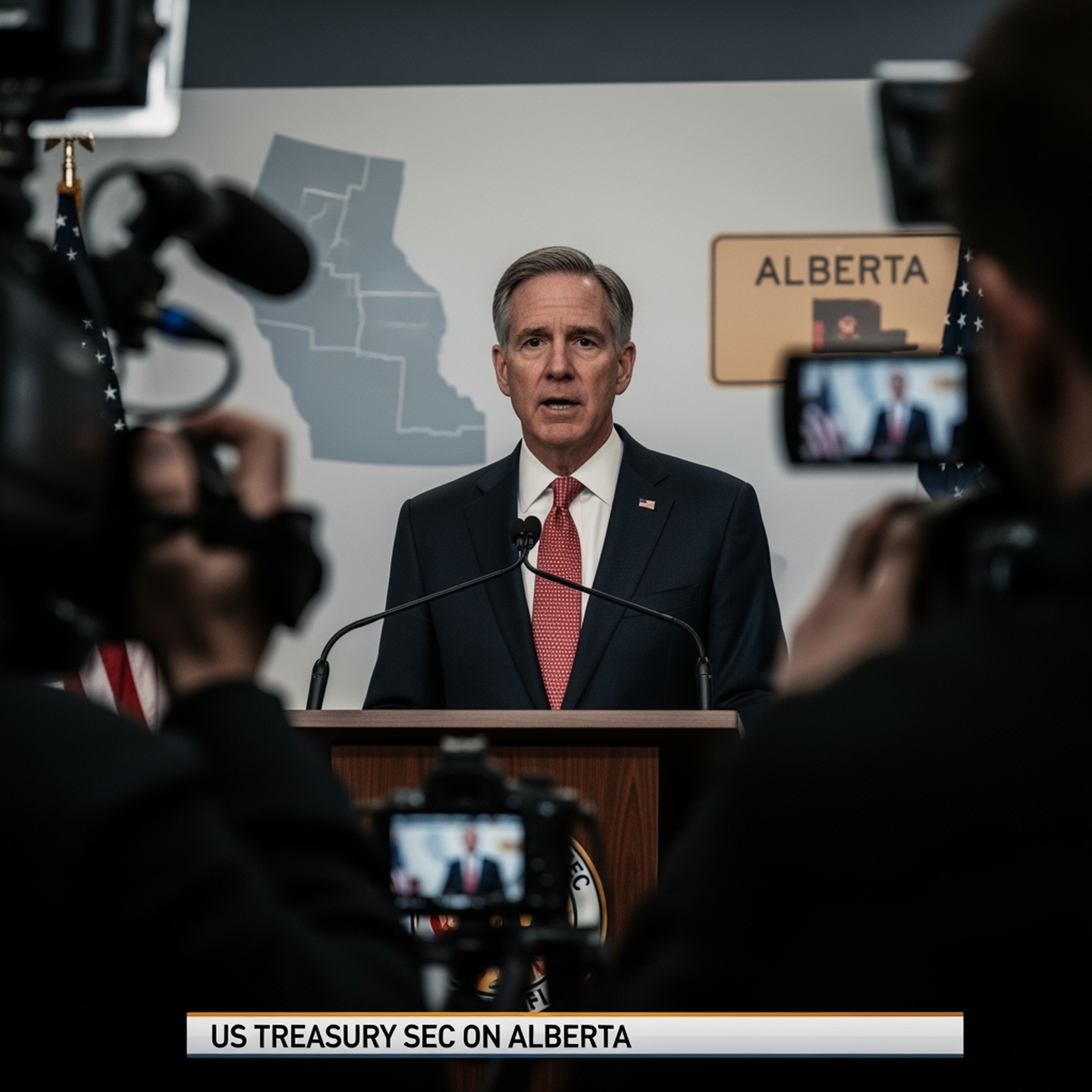
In today’s episode, we dive into three major stories shaping the financial landscape. First, the US Treasury Secretary’s unexpected endorsement of Alberta separatism has ignited a diplomatic firestorm, threatening the stability of the Canadian Dollar. We’ll unpack why this direct intervention is significant now and how it adds a ‘political risk premium’ to Canadian assets and currency.
Next, the IMF delivers a sobering warning: AI poses a ‘tsunami’ risk to the labor market, potentially impacting 60% of jobs in advanced economies and fueling concerns over youth unemployment. We discuss why the IMF uses this powerful metaphor and explore the complex inflationary effects this technological shift could have on central bank policies.
Finally, after years of struggling to outperform the S&P 500, investment giants like Pimco and State Street are shifting gears. They’re championing ‘craftsmanship alpha,’ a fresh approach to portfolio construction that looks beyond traditional stock-picking. We examine how this strategy could reshape investment flows, emphasizing real assets and small-cap opportunities in a volatile and divergent market environment.
Content and Timestamp:
00:00:36 US Treasury Secretary's 'Natural Partner' Comment Fuels Alberta Separatism Debate Amid US-Canada Tensions
00:06:21 IMF Warns AI 'Tsunami' to Hit Youth Employment Hardest
00:12:59 Beyond the S&P 500: Crafting 'Craftsmanship Alpha' in a Divergent Market
Powered by voieech.com, producing personalized content just for you.
Introduction:
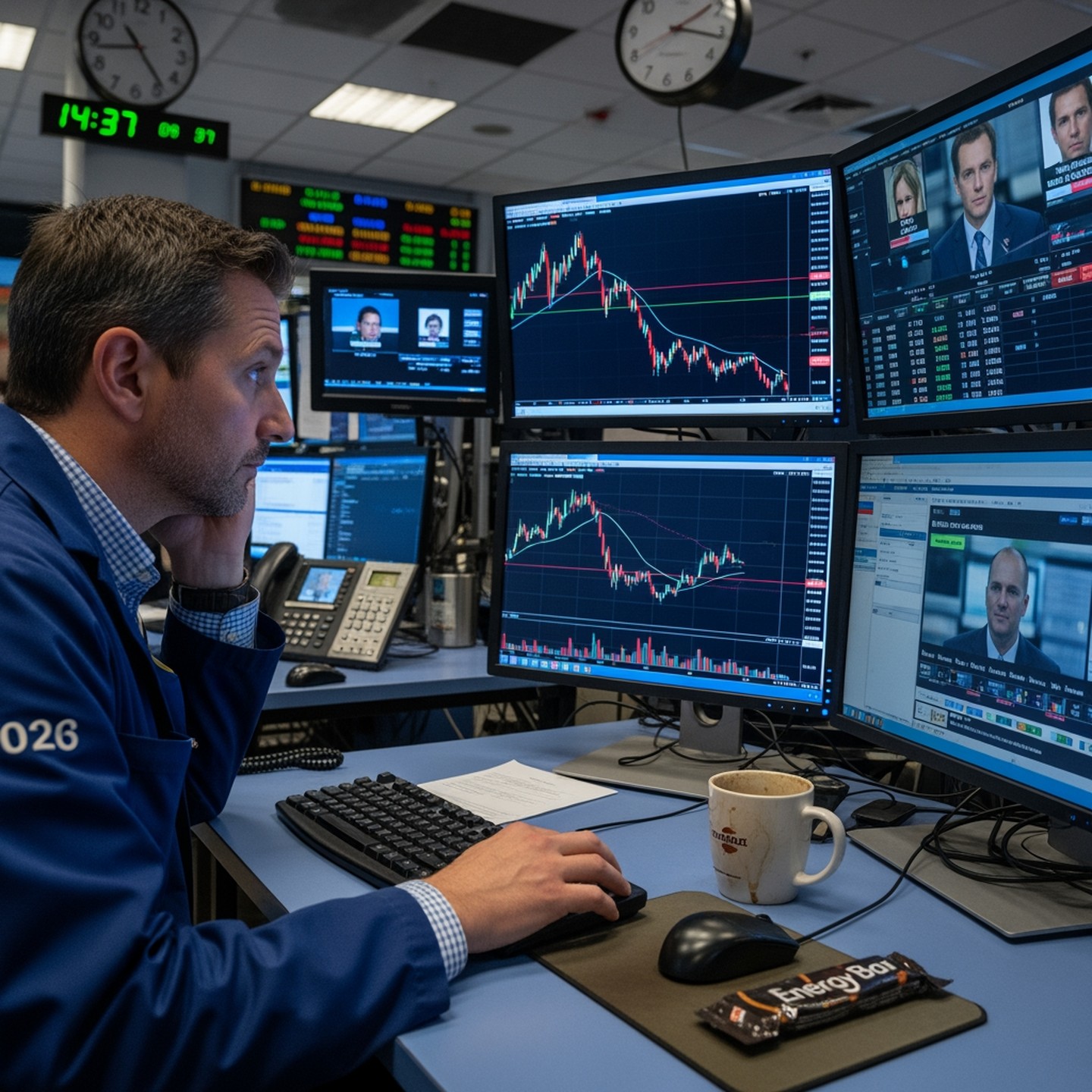
In today’s episode, we explore three critical developments shaping the global financial landscape. First, the New York Federal Reserve’s unexpected rate checks on the dollar/yen currency pair hint at a possible joint intervention with Japan, sparking concerns about the stability of the massive yen carry trade and its broader implications for global markets. Next, we examine the near-finalization of a historic trade agreement between the European Union and India, designed to counterbalance China’s growing influence. However, this promising deal faces challenges from a new EU carbon tax that could undermine benefits for key Indian industries, raising important questions about the balance between free trade and climate protectionism. Finally, we analyze former President Trump’s aggressive trade stance, threatening a 100% tariff on Canadian imports over its ties with China, alongside the unprecedented seizure of 50 million barrels of Venezuelan oil by the U.S. These moves set new precedents in international law and may disrupt North American supply chains and global energy markets.
Content and Timestamp:
00:00:36 NY Fed's Dollar/Yen Rate Checks Signal Potential Intervention
00:04:38 India and EU Pursue 'Mother of All Deals' Amidst US Tariff Uncertainty
00:07:49 Trump Threatens 100% Tariffs on Canada Over China Deal, Claims Seized Venezuelan Oil
Powered by voieech.com, producing personalized content just for you.
Introduction:
In today’s episode, we explore several pressing financial stories shaping the markets. First, we examine the early market rally fueled by easing tariff threats, while a sharp 13% drop in Intel’s after-hours trading raises concerns about a potential tech sector downturn. Next, we analyze the S&P 500’s valuation reaching levels not seen since 2002, signaling a historic warning as investors await tech giants’ earnings reports to justify these elevated prices or face a possible valuation correction. Finally, we delve into the conclusion of TikTok’s shadow war with a landmark $14 billion algorithm licensing deal, reshaping the social media landscape and setting the stage for a major shake-up in social media stocks.
Content and Timestamp:
00:04:32 Wall Street Navigates Geopolitical Tensions, Big Tech Earnings, and Fed Decisions Amidst AI Hopes
00:10:55 TikTok's US Deal: A New Blueprint for Chinese Tech Abroad?
Powered by voieech.com, producing personalized content just for you.

Comments

Download from Google Play

Download from App Store
 United States