


European Graduate School Podcast
Subscribed: 4Played: 160
Subscribe

© The European Graduate School - PACT
Description
The EGS Podcast provides a deep exploration into the world of contemporary theory and art, offering listeners exclusive insight into the always-evolving intellectual landscapes of leading thinkers and artists. Its aim is to become an invaluable resource for those seeking to stay informed about the latest developments in contemporary thought.
Hosted on Acast. See acast.com/privacy for more information.
21 Episodes
Reverse
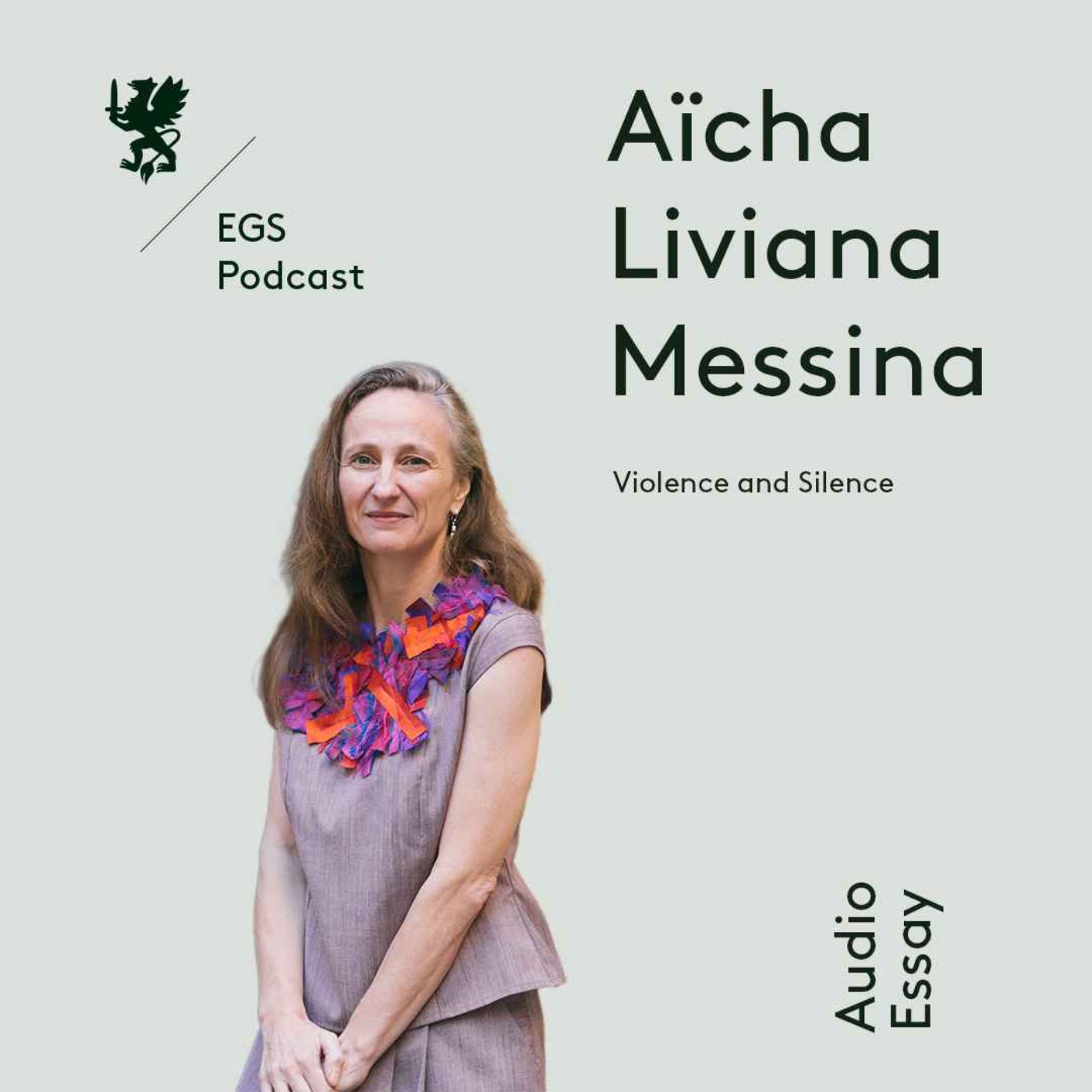
As the title of this essay says, its main theme is the relationship between violence and silence, but also between violence, language, and silence. Aïcha Liviana Messina will speak about why it is, for her, violence principally related to silence, and how? Also, what happened to her when she discovered that?The new EGS course by Aïcha Liviana Messina entitled Violence, Politics, and Philosophy in the Work of Jean-Luc Nancy will start on November 21. Hosted on Acast. See acast.com/privacy for more information.
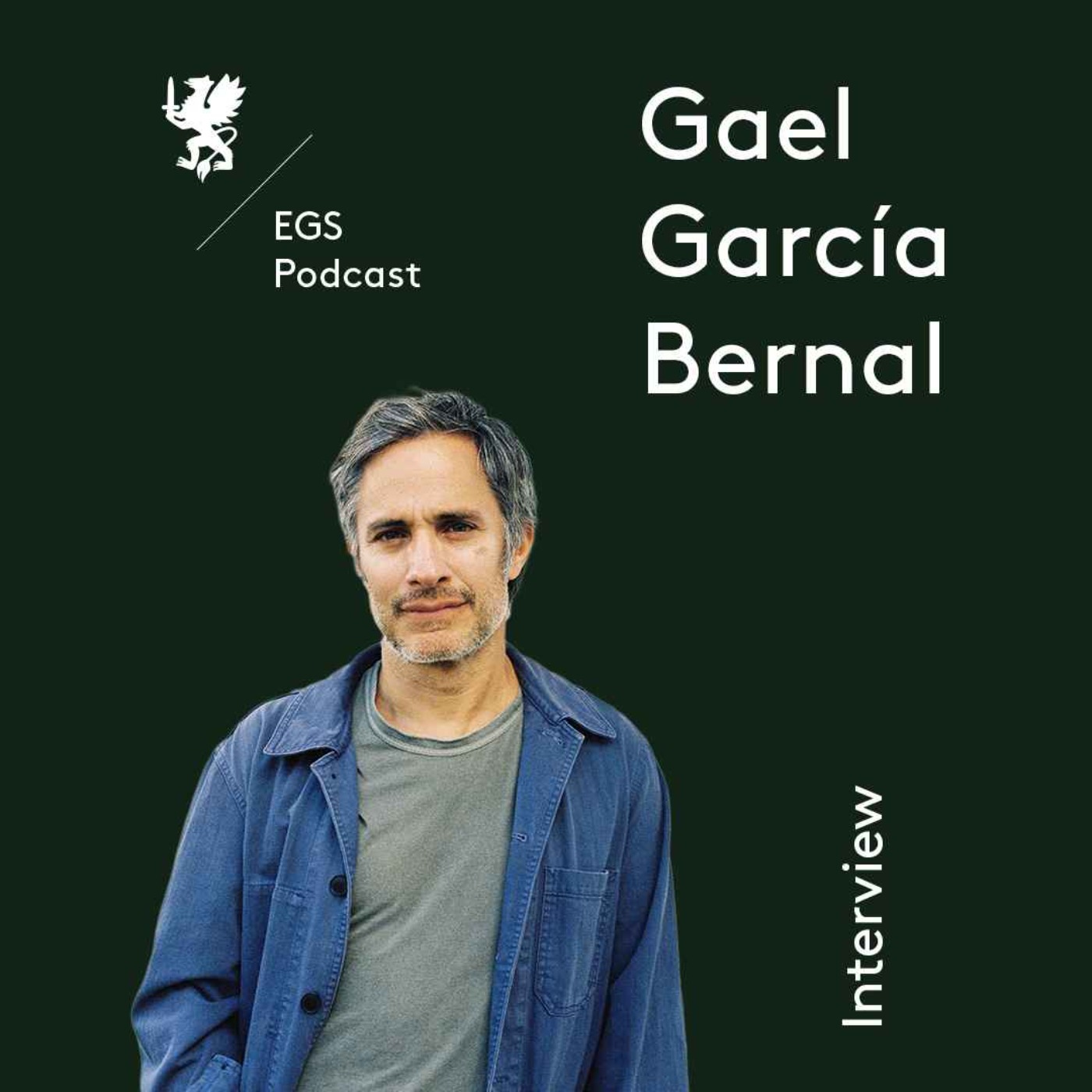
In August 2026, Gael García Bernal returned to the EGS to receive his honorary doctorate. During his stay, Nemanja Mitrović had a chance to speak with him about various topics: his discovery of the EGS, his work with Alfonso Cuarón, Alejandro González Iñárritu, Alonso Ruizpalacios, his TV projects, the difference between working for Marvel and arthouse productions, and many other things. Hosted on Acast. See acast.com/privacy for more information.

Engaging the burning issues of our time, Alenka Zupančič mobilizes philosophy to diagnose and theorize the antagonisms feeding our contemporary social symptoms. Her work has provided coordinates to work through our time of closure and catastrophe. ‘The apocalypse is still disappointing’, and, in this conversation with Christopher Zimmerman, Zupančič begins with the ‘end’. Our constant proclamation of the ‘end’—of art, of history, of ideology—coupled with the catastrophic thinking pervading the popular imagination, are symptomatic of the ‘fantasy of the end’. This fantasy is less about a future state of affairs than it is an ideological position that sustains the reality of the present. Before ‘ending’ with an expansive rumination on the task of thinking today, on the responsibilities of the theorist, and on the role of art in relation to truth, she discusses the most elaborate psychological defense mechanism: the concept of disavowal, which was the subject of her most recent book in English—Disavowal published in 2024 by Polity. Hosted on Acast. See acast.com/privacy for more information.

In this episode of the EGS podcast, Sreten Ugričić presents the alternative to the traditional understanding of how “forgiveness” operates. His first thesis is that initiative in the act of forgiving lies not with the victim, but with the perpetrator. His second thesis is that it is not the victim who is wronged and damaged, but the perpetrator. And, finally, his third assumption is that the victim cannot escape an obligation, an unavoidable moral obligation to forgive. In this audio essay, Ugričić will provide the justification of these theses. Hosted on Acast. See acast.com/privacy for more information.

In this episode of the EGS podcast, Christopher Fynsk presents his introduction to his latest work on Heidegger, the book entitled Heidegger's Turn to Art: The Uses of Rhythm. This essay functions also as a comprehensive introduction to Fynsk’s upcoming seminar on Heidegger that will be held from October 10 until October 15 during the EGS session in Malta. Hosted on Acast. See acast.com/privacy for more information.

Comments

Download from Google Play

Download from App Store
 United States