


 Claim Ownership
Photography Clips
Subscribed: 100Played: 2,834
Subscribe

© Will Moneymaker
Description
What is the point of these Photography Clips? This podcast includes snippets of my thoughts on various aspects of photography, art, and creativity. The goal of Photography Clips is to get you thinking about your own unique points of view.
215 Episodes
Reverse
Let’s explore the blend of AI and photography. As AI changes the way we capture and enhance images, does it add to or take away from the authenticity of our visual storytelling? Podcast Notes: https://www.moneymakerphotography.com/ai-photography/ #aiphotography #willmoneymaker #photographyclips
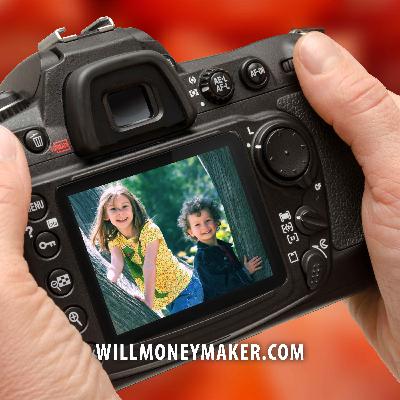
Digital photography, as we know it, has only been around for about two decades. In truth, however, its origins go much deeper than that. The 1990s saw the first commercially available digital cameras, but the technology that we so often take for granted – with its unlimited storage space, live view displays, and other conveniences – actually first came into being during the 1950s. It all started with the first videotape recorders that were developed in 1952. These were the first devices to use something other than film (a coded signal on tape) as a recording medium. With a tape player, people could convert the code into a picture... Podcast Notes: https://www.moneymakerphotography.com/history-digital-photography/ Photography Clips Podcast: https://www.moneymakerphotography.com/podcast/ Music From the Doctor's Office: https://www.moneymakerphotography.com/music-from-the-doctors-office/

When working with color photographs, it's easy to simply choose a dominant color or a color cast without thinking too much about why certain colors work and how they affect our perception of an image. However, when used skillfully, color can transform a dull image into something more dynamic. Color doesn't just set the mood. It creates a visually attractive image or makes certain elements within the image stand out more than others. Instead, when the right shades are chosen, a great color photograph is full of life and emotion. I'll show you three of the things that I consider as I create color images... Podcast Notes: https://www.moneymakerphotography.com/3-essential-principles-color-photography/ Photography Clips Podcast: https://www.moneymakerphotography.com/podcast/ Music From the Doctor's Office: https://www.moneymakerphotography.com/music-from-the-doctors-office/

In this day and age, digital photography is by far more popular than film. I must admit that I prefer digital photography for most of my work, too. However, that doesn't mean that film is without its advantages. I believe that every photographer should try film at least once. Here are the reasons why! Podcast Notes: https://www.moneymakerphotography.com/7-reasons-experiment-film-photography/ Photography Clips Podcast: https://www.moneymakerphotography.com/podcast/ Music From the Doctor's Office: https://www.moneymakerphotography.com/music-from-the-doctors-office/
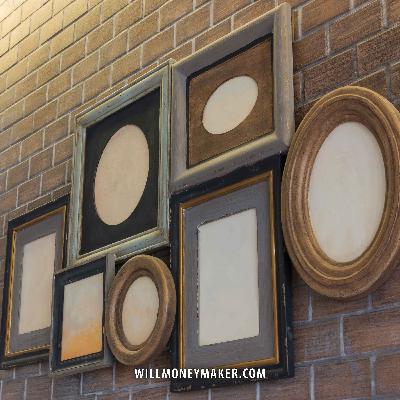
When you look around at photography, whether it is printed or digital, your work or someone else's, you'll see that most prints are one of the common standard sizes or aspect ratios, and nearly all of them are rectangular, either horizontal or vertical. Those certainly aren't shapes that we are limited to, so why is it that prints nearly always come in these sizes? Let's examine some of the reasons, starting with a brief lesson on how some of the most common print sizes or aspect ratios came to be... Podcast Notes: https://www.moneymakerphotography.com/must-photos-always-rectangular/ Photography Clips Podcast: https://www.moneymakerphotography.com/podcast/ Music From the Doctor's Office: https://www.moneymakerphotography.com/music-from-the-doctors-office/

As a photographer, you'll never stop learning. However, finding new places or people to learn from is sometimes challenging. That is doubly true if you're unsure where to find quality photographs. The Internet is filled with websites and galleries open to everyone – Flickr.com is one example. Because anyone can post images, you'll soon find it difficult to sift the snapshots and amateur images from the works of art. So, where do you turn to advance your knowledge of fine art photography? I'll show you a few of my favorite places! Podcast Notes: https://www.moneymakerphotography.com/learning-masters-look-fine-art-photographs/ Photography Clips Podcast: https://www.moneymakerphotography.com/podcast/ Music From the Doctor's Office: https://www.moneymakerphotography.com/music-from-the-doctors-office/
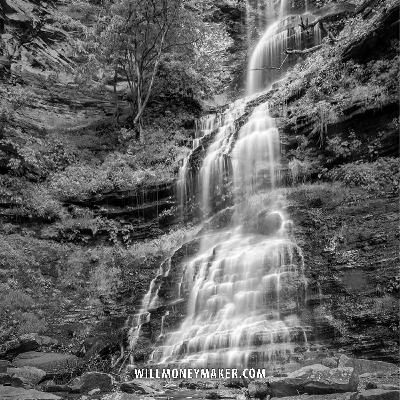
Last time, I talked about the idea that another revolution in photography is coming. This thought is based on my observations across the history of photography. Every few decades—sometimes sooner—some new thing comes out that completely revolutionizes the way we do things—everything from 35mm cameras to color film to the advent of digital photography. There's no doubt we've seen a lot of these shakeups, and that's why I think we're due for another... So what will it be? Podcast Notes: https://www.moneymakerphotography.com/what-is-the-next-revolution/ Photography Clips Podcast: https://www.moneymakerphotography.com/podcast/ Music From the Doctor's Office: https://www.moneymakerphotography.com/music-from-the-doctors-office/
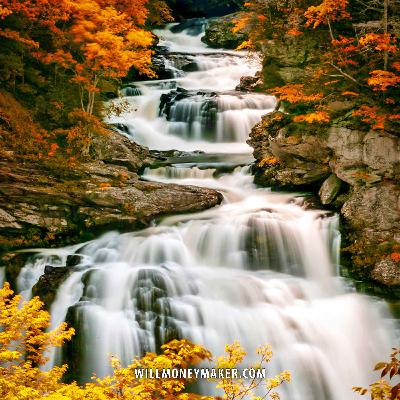
Photography is due for another revolution—and most likely, sooner rather than later. In fact, it may already be underway, and we don't quite see it yet. Why do I think that a revolution is coming? Well, the short answer is because history repeats itself. You see, if you look back over history, photography has gone through several very definitive growth stages. The first camera obscuras were made millennia ago, with the earliest historical mention of them dating to China around 500 BC. Leonardo da Vinci improved on the technology with designs for lenses. Early film creation began in the 17th century, and it was again revolutionized when Niepce created the first photograph using sheet metal and photographic chemicals in 1827... Podcast Notes: https://www.moneymakerphotography.com/when-is-the-next-revolution/ Photography Clips Podcast: https://www.moneymakerphotography.com/podcast/ Music From the Doctor's Office: https://www.moneymakerphotography.com/music-from-the-doctors-office/
In the beginning, photography was very scientific. Photographers and scientists came together, experimenting with light and chemistry in ways never before imagined. However, over time, creative thinkers adopted this new method of capturing light and turned it into one of history's greatest artistic media. There is no one photographer who is directly responsible for taking this science and turning it into an art form. There are, however, a few historical photographers whose work embodies the way photography evolved from a science to an art... Podcast Notes: https://www.moneymakerphotography.com/science-becomes-art-three-historic-photographers-show-photography-evolved/ Photography Clips Podcast: https://www.moneymakerphotography.com/podcast/ Music From the Doctor's Office: https://www.moneymakerphotography.com/music-from-the-doctors-office/
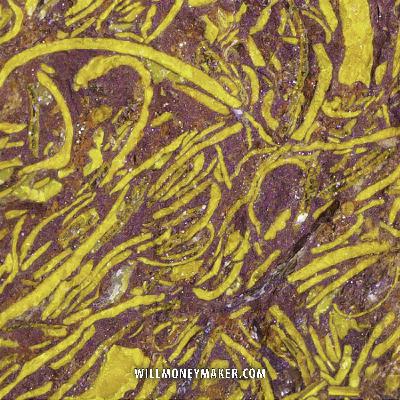
How does one define the abstract? That's a question that artists have struggled with for centuries. In its purest form, an abstract photograph's subject is often unrecognizable. The beauty derives not from the subject itself, but from its shapes, textures or colors. The work of Henry Holmes Smith is a great example of this – many of his images are mysterious studies in light. Others – like this image on the right – focus purely on lines, shapes, and patterns rather than portraying a subject as a whole... Podcast Notes: https://www.moneymakerphotography.com/beauty-abstract-photography/ Photography Clips Podcast: https://www.moneymakerphotography.com/podcast/ Music From the Doctor's Office: https://www.moneymakerphotography.com/music-from-the-doctors-office/
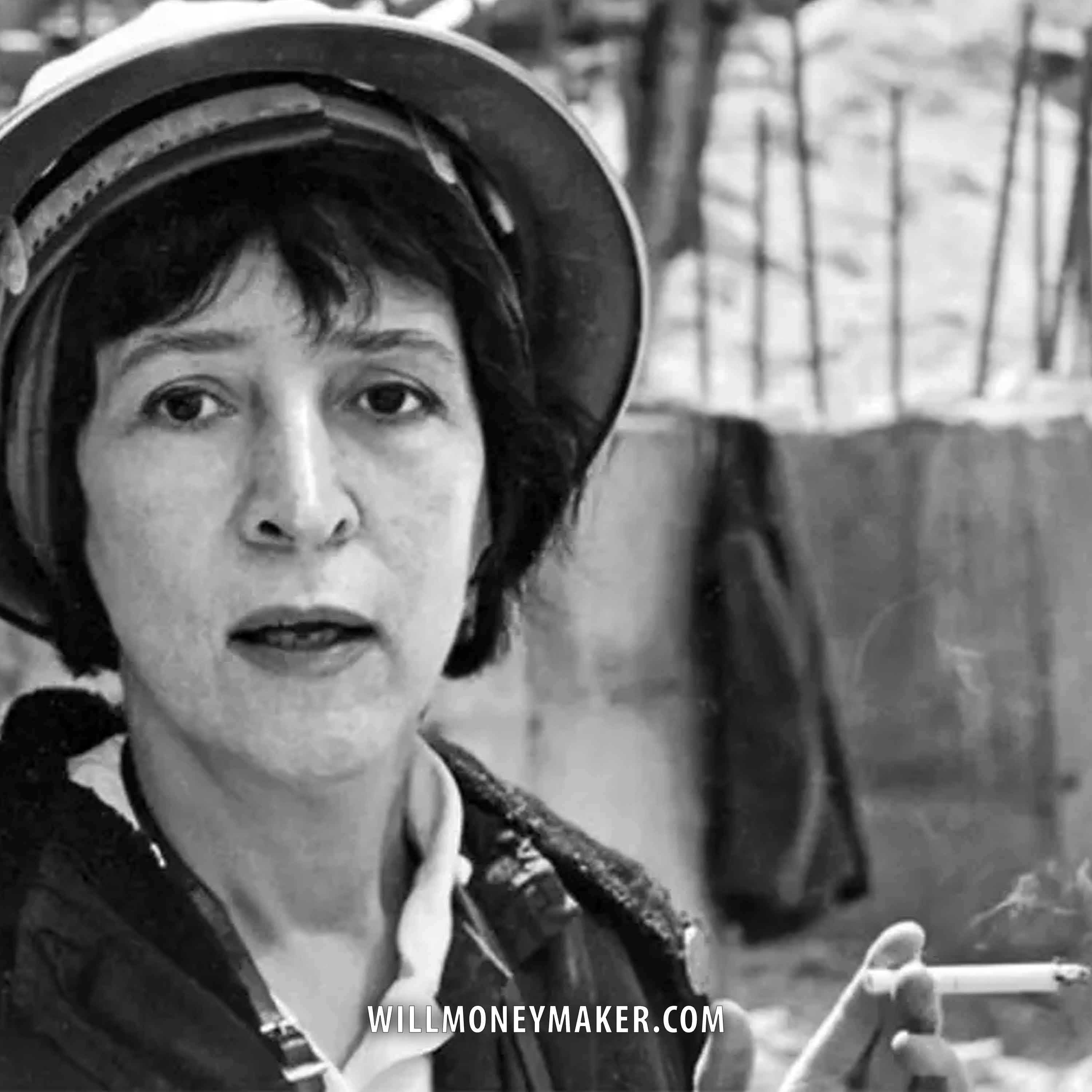
Helen Levitt is one of my favorite street photographers. As a pioneer in photography, she had a natural propensity for capturing the essence of her subjects. Wonder, grace, joy, anguish, hope, and love are inscribed on the faces of her subjects, as clearly as if penned on paper. This raw emotion is the inspiration that transforms a photograph from a mere snapshot to a work of art, and this is the lesson that every photographer should take from Levitt... Podcast Notes: https://www.moneymakerphotography.com/portraying-raw-emotion-photography-lesson-helen-levitt/ Photography Clips Podcast: https://www.moneymakerphotography.com/podcast/ Music From the Doctor's Office: https://www.moneymakerphotography.com/music-from-the-doctors-office/
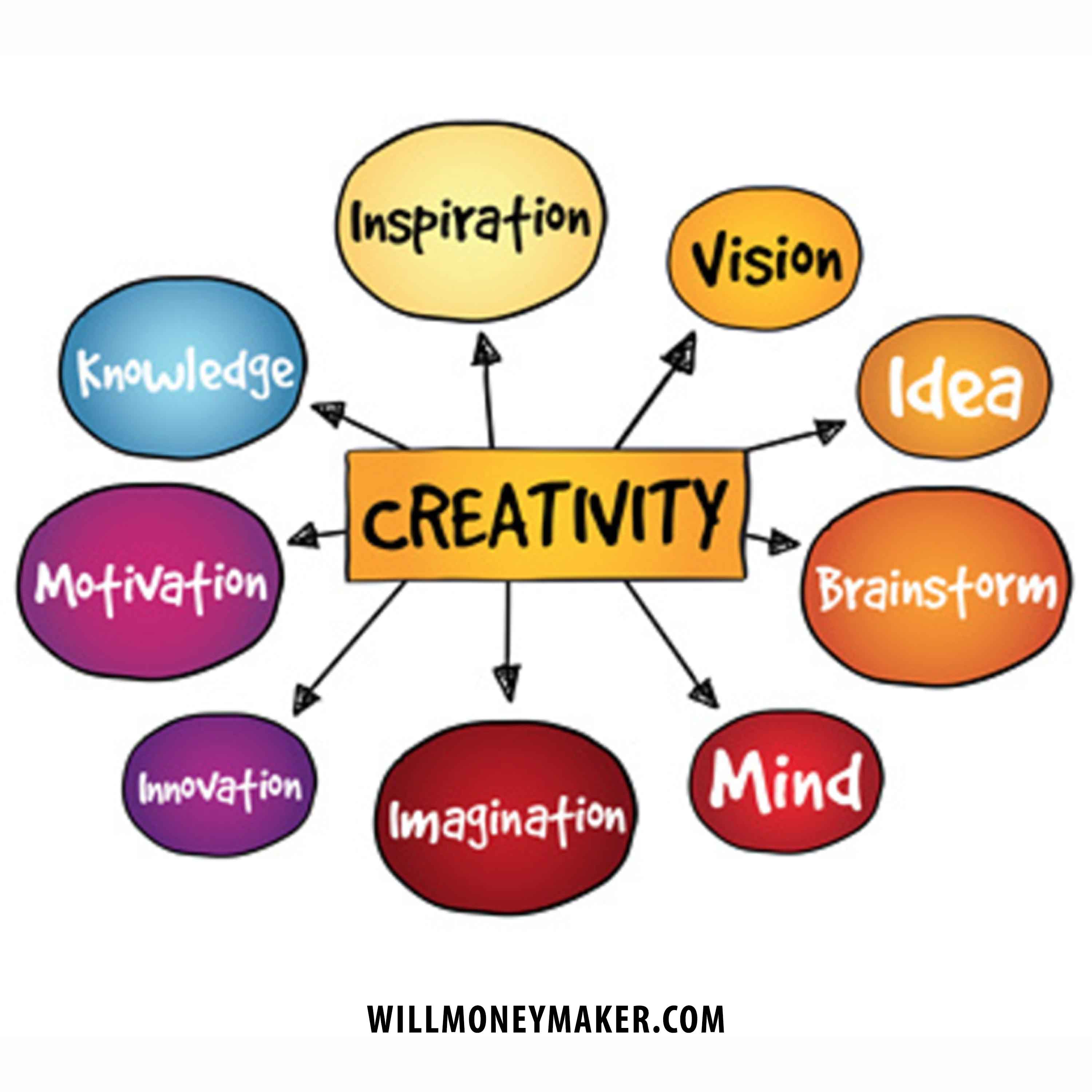
When you think of creativity, it feels like it should be something random and spontaneous, something that is born out of a moment's inspiration. And, there are times when random creativity leads to groundbreaking art. I would argue, however, that the majority of creativity comes not from spontaneity, but from structure. You see, a lack of structure leads to things like uncertainty, wasted time and other issues that are detrimental to productivity. Here's a brief list of the problems and questions that arise when you have not structured your art... Podcast Notes: https://www.moneymakerphotography.com/structure-necessary-creativity/ Photography Clips Podcast: https://www.moneymakerphotography.com/podcast/ Music From the Doctor's Office: https://www.moneymakerphotography.com/music-from-the-doctors-office/
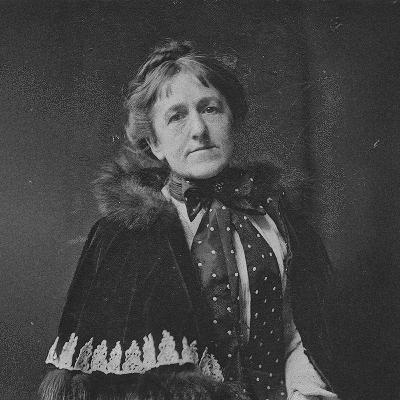
In the world of early American photography, few names carry the elegance and influence of Gertrude Käsebier (1852–1934). She is often hailed as one of the first American photographers to elevate portraiture to an art form. Her best-known works, particularly images of mothers and children, embody a tenderness and depth that was revolutionary for her time. Through her lens, she captured the emotional bond between her subjects with unique sensitivity, helping to pave the way for what would later be known as the pictorialist movement—a style focused on creating painterly, atmospheric photos. Her work is a reminder of the quiet power of the photograph to convey feelings that words might struggle to capture... Podcast Notes: https://www.moneymakerphotography.com/gertrude-kasebiers-tender-lens/ Photography Clips Podcast: https://www.moneymakerphotography.com/podcast/ Music From the Doctor's Office: https://www.moneymakerphotography.com/music-from-the-doctors-office/
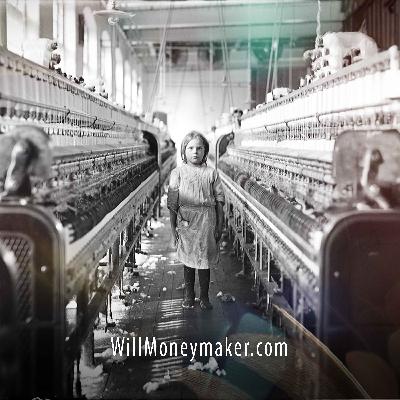
Photography has this rare ability to tell a story, to let us glimpse into worlds we might otherwise never see. And few photographers did that quite like Lewis W. Hine. For anyone who loves photography, Hine's work is a testament to how powerful an image can be. He wasn't just taking pictures; he was documenting history, sparking reform, and, most importantly, giving a voice to people who were often invisible in society. His images of immigrants, child laborers, and industrial workers helped change laws and inspired generations of photographers to use their craft for something greater... Podcast Notes: https://www.moneymakerphotography.com/lewis-w-hine-the-compassionate-lens-behind-change/ Photography Clips Podcast: https://www.moneymakerphotography.com/podcast/ Music From the Doctor's Office: https://www.moneymakerphotography.com/music-from-the-doctors-office/
When it comes to learning more about photography, the common wisdom is not only to take more photographs but also to read about photography, to take photography classes and workshops, and to speak with other photographers. And all of these things are great ways to learn—necessary, in fact. But there's a whole other world of art out there, some art forms far older than photography, and they each have their own wealth of knowledge that we can draw from to build our own skills. So let's take a look at some of these art forms and the reasons they are valuable avenues of study for photographers... Podcast Notes: https://www.moneymakerphotography.com/what-you-can-learn-from-other-art-forms/ Photography Clips Podcast: https://www.moneymakerphotography.com/podcast/ Music From the Doctor's Office: https://www.moneymakerphotography.com/music-from-the-doctors-office/
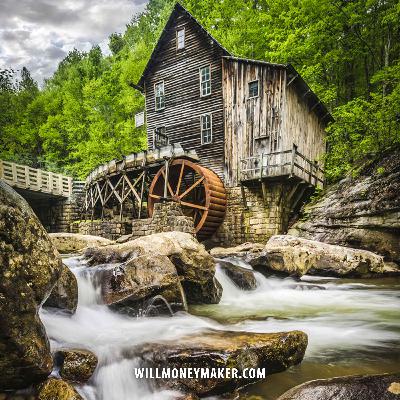
Photography can fill every corner of your life if you let it. Even when you are not shooting, you are thinking about shooting. You are noticing light in a window, framing scenes in your head, planning locations, sorting gear, editing, posting, and taking in other people's work. If photography is more than a casual hobby for you, it has a way of quietly becoming part of how you move through the day. For some people, it is also a job, which adds deadlines, client expectations, and the pressure to keep producing. There is nothing wrong with being devoted to it. The problem starts when the devotion becomes constant, and the rest of life gets squeezed into whatever is left over... Podcast Notes: https://www.moneymakerphotography.com/making_time_for_yourself_photography/ Photography Clips Podcast: https://www.moneymakerphotography.com/podcast/ Music From the Doctor's Office: https://www.moneymakerphotography.com/music-from-the-doctors-office/
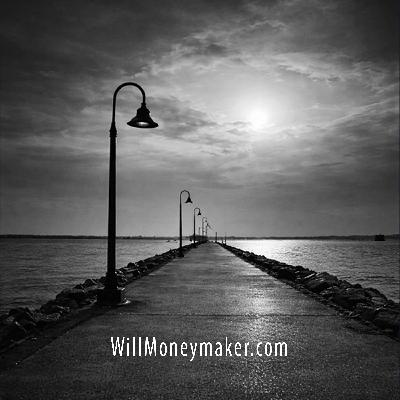
I have been noticing something more and more, and I do not think it is just me. People who once cared a lot about photography are walking away from it. Not just beginners who bought a camera, tried it for a month, and got bored. I mean, people who used to go out on purpose to shoot. People who used to talk about photos, plan trips around photos, and spend real time learning and improving. Now the camera sits. The bag stays closed. Months go by, and they do not miss it the way they thought they would. The idea of quitting photography feels strange because, for years, it was treated like a lifelong thing. You start, you keep building, you keep upgrading, you keep chasing better work. You are "a photographer," and that identity can stick to you even when the hobby has stopped fitting your life. So when someone starts thinking about calling it quits, it can feel heavy, as if they are quitting a part of themselves. A lot of the time, they are not quitting who they are. They are just being honest about what their days can hold now, and what their mind has room for now... Podcast Notes: https://www.moneymakerphotography.com/when-to-call-it-quits-photography/ Photography Clips Podcast: https://www.moneymakerphotography.com/podcast/ Music From the Doctor's Office: https://www.moneymakerphotography.com/music-from-the-doctors-office/
My brain does this thing where photography and sound keep borrowing ideas from each other. I will be setting up a shot, thinking about light and shadow, and suddenly I am thinking about microphones. Or I will be setting up a mic, and I start thinking about lenses. Both are about choosing what you want and choosing what you do not want. With a camera, you make decisions that shape what the viewer sees. You pick a lens. You choose an angle. You decide what is sharp and what is soft. You decide what stays in the frame and what gets cut out. With audio, it is the same kind of thinking. You still pick a tool. You still aim it. You still decide what matters most. The big difference is that sound is more complex to "see," so people sometimes forget it is a craft full of choices... Podcast Notes: https://www.moneymakerphotography.com/bridging-sound-and-vision-exploring-polar-patterns-in-creative-work/ Photography Clips Podcast: https://www.moneymakerphotography.com/podcast/ Follow me: https://www.facebook.com/Will.Moneymaker #PhotographyClips #WillMoneymaker #PhotographyPodcast
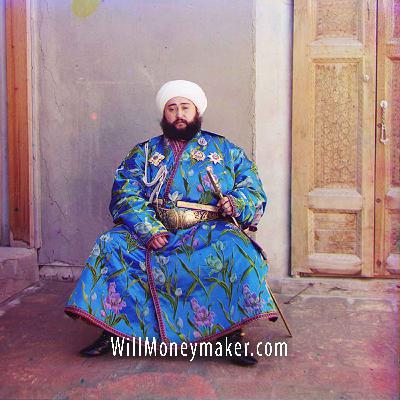
When we look at old photographs, we tend to expect them to be in black and white. We expect the past to feel distant, muted, and quiet, as if history were always supposed to be sepia-toned and far away. Sergei Prokudin-Gorsky did not accept that. He wanted people to see the world as it actually looked. Not in our time, but in his. Not as a ghost of history, but as something alive with color... Podcast Notes: https://www.moneymakerphotography.com/sergei-prokudin-gorsky-russia-color-photography/ Photography Clips Podcast: https://www.moneymakerphotography.com/podcast/ Follow me: https://www.facebook.com/Will.Moneymaker #PhotographyClips #WillMoneymaker #PhotographyPodcast
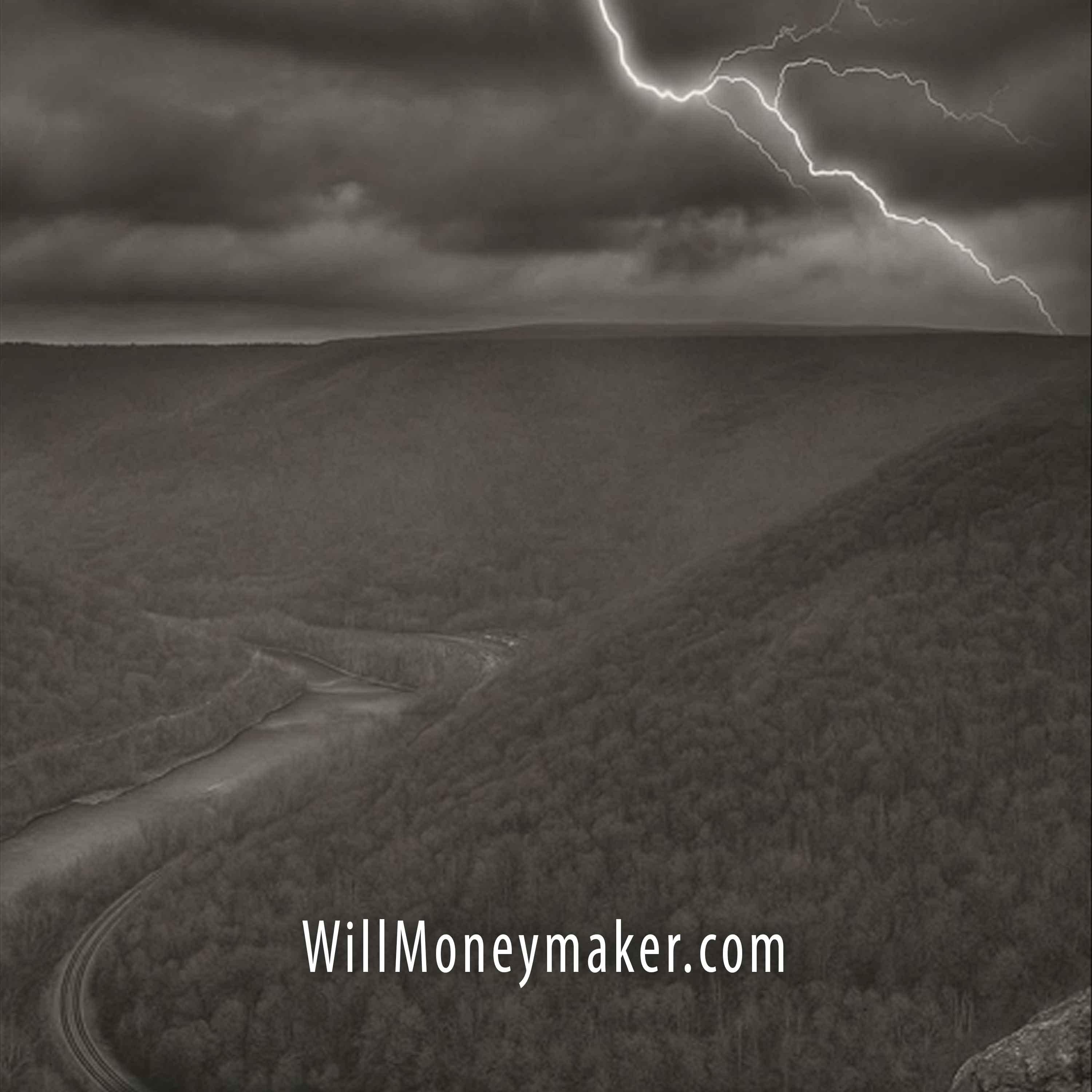
Photography looks ordinary now. A phone comes out, a tap happens, and an image appears. That ease can make photography seem like a simple act of collecting proof that something took place. Yet the real power of photography has never been about evidence alone. It has always been about attention, time, and meaning. A photograph can be a record, but it can also be a decision about what deserves to be noticed. It can be a way of saying, "This mattered to me," even when the subject is small, quiet, or gone a moment later. This essay argues three ideas. First, photography is a distinct way of seeing, not only a way of recording. Second, the emotional force of photography comes from its direct relationship to time and loss, plus the photographer's choices. Third, the phone era did not erase photography. It changed the social conditions around it, which makes intention and care more valuable, not less... Podcast Notes: https://www.moneymakerphotography.com/why-i-love-photography-and-why-you-might-too/ Photography Clips Podcast: https://www.moneymakerphotography.com/podcast/ Follow me: https://www.facebook.com/Will.Moneymaker #PhotographyClips #WillMoneymaker #PhotographyPodcast

Comments

Download from Google Play

Download from App Store
 United States