


ChaiNet: The Agentic Commerce Podcast
Subscribed: 1Played: 0
Subscribe

© Rachit Magon
Description
ChaiNet is a podcast where we talk about the future of AI and ecommerce with the founders, builders, experts and brands to understand how do agentic commerce services improve the shopping experience of tomorrow.
chainet.substack.com
chainet.substack.com
55 Episodes
Reverse

On this episode of ChaiNet, we sit down with Charles Roche, co-founder of The Roche Hair Experience. After 19 years in fuel logistics, Charles left a stable career to build a wig company built around one belief: losing your hair should not mean losing your confidence. He opens up about the moment he decided to start, the first six months of building while still working full-time, the hardest conversations he's had with clients, and what nineteen years of logistics taught him about running a deeply human business. If you've ever wondered whether your current skills could build something completely different, this conversation is for you.Listen to Charles Roche on ChaiNet now. This is a public episode. If you would like to discuss this with other subscribers or get access to bonus episodes, visit chainet.substack.com

On this episode of ChaiNet, we sit down with Seena and Reyana, co-founders of SheR HQ, a platform that helps health and wellness brands build online communities people actually want to be part of. Both founders have deep experience inside some of India’s most interesting health companies, Seena at Rocket Health, and Reyana leading content at Rocket Health and building community at Databeats in Singapore. In this conversation, they make the case for why brands need community before they need more customers, what separates a real community from a WhatsApp group nobody talks in, and where a D2C founder with thousands of customers but zero community should start on day one. They also unpack the most common mistakes brands make, how to keep spaces safe when people share personal struggles, and whether AI makes the community more valuable or less in an era of automated content. If you’ve ever wondered whether community is actually worth the effort, this one will change your mind. This is a public episode. If you would like to discuss this with other subscribers or get access to bonus episodes, visit chainet.substack.com
On this episode of ChaiNet, we sit down with Anant Bhat, Co-founder and CTO of Paperflite.After a decade at Cognizant, Anant left to build a content intelligence platform. But today, we’re talking about what happens when AI agents become the shoppers instead of humans.In this conversation, Anant breaks down:* What changes when AI agents shop on behalf of consumers?* Whether great creatives still matter when the buyer isn’t human.* What “AI-ready content” actually looks like for D2C brands.* How AI will reshape India’s D2C market.* Concrete steps founders should take to prepare for the AI agent era.* The biggest mistakes brands are making with AI right now.If you’re a D2C founder wondering what agentic commerce means for your business, this episode is for you.Listen to Anant Bhat on ChaiNet now. This is a public episode. If you would like to discuss this with other subscribers or get access to bonus episodes, visit chainet.substack.com
On this episode of ChaiNet, we sit down with Amit Singha, founder of Anuprerna.Amit left a high-stakes M&A career at Infosys to go back to his roots in West Bengal. Today, he works alongside artisans who carry 200-year-old traditions, connecting them to modern markets.In this conversation, Amit opens up about:* What made him walk away from corporate life to count handloom threads in a village?* The on-ground reality of working in weaver clusters that nobody talks about.* How he’s solving the brutal working capital gap in artisan commerce.* What “technology-enhanced” actually means when you’re working with handloom weavers.* The big question: What happens when AI agents start making purchase decisions for consumers?* Whether AI becomes the biggest advantage artisan brands have ever had or their biggest threat.* India’s China+1 moment and why global ethical fashion brands aren’t already calling.* The thing he built that he was confident about, and later realized he was completely wrong.* His advice to anyone wanting to build a sustainable artisan brand in India.If you’re wrestling with what AI means for human-centered businesses, this one’s for you.Listen to Amit Singha on ChaiNet now. This is a public episode. If you would like to discuss this with other subscribers or get access to bonus episodes, visit chainet.substack.com
On this episode of ChaiNet, we sit down with Matthew Taff, co-founder of Natch.Matthew landed in Mumbai from New York and saw something most locals had stopped noticing a gap in the market for honest, premium snacks. In 2017, he and his wife Meher took the leap.Eight years later, they’re still here.In this conversation, Matthew opens up about:* What jumped out at him when he first walked into an Indian supermarket was* The moment an observation became a business idea.* The hardest year in eight years of building.* Whether being an outsider was an advantage or a disadvantage.* What nobody tells you about building a premium brand in India.* His advice to founders with a small budget and a lot of conviction.If you’re building something in a market you didn’t grow up in or just need to hear what patience and clarity actually look like, this conversation is for you.Listen to Matthew Taff on ChaiNet now. This is a public episode. If you would like to discuss this with other subscribers or get access to bonus episodes, visit chainet.substack.com
On this episode of ChaiNet, we sit down with Manish Paul, founder of MoePuppy.After his dog Juno passed away because he couldn’t get a vet in time, Manish walked away from a 16-year trading career to build something that mattered. His first venture, Monkoodog, grew to real revenue and made it to Shark Tank India auditions, but eventually had to shut down.Most people would have stopped. He started again.Today, MoePuppy is competing against funded giants with zero external capital, all because his German Shepherd needed better skincare products.In this conversation, Manish opens up about:* The moment that made him leave finance forever.* Why Monkoodog looked successful but was breaking inside.* How a former trader learned to formulate pet products.* Competing against $50M+ brands as a bootstrapped founder.* What failure taught him about himself.* His advice for new founders.If you need to hear what persistence actually looks like, this one’s for you.Listen to Manish Paul on ChaiNet now. This is a public episode. If you would like to discuss this with other subscribers or get access to bonus episodes, visit chainet.substack.com

On this episode of ChaiNet, we sit down with Ravi Rathi, founder of BLEP Pet Food.After a decade in banking, defense tech, and political consulting, Ravi’s world shifted when his German Shepherd, Max, got sick from premium kibble. That personal crisis led him to question what actually belongs in a pet’s bowl. He left his career to find answers.Today, BLEP has delivered over a million meals to thousands of pet parents with just seven people on the team.In this conversation, Ravi opens up about:* The moment his dog got sick, and why it made him question everything.* What it took to build a pet food brand that earns an unusually high repeat purchase rate.* Treating customer education like a political campaign teaching pet parents how to read ingredient labels.* Navigating the brutal timing of finding product-market fit just as giants like Reliance and Godrej enter the category.* The operational reality of building in pet food: retort packaging, cold chain logistics, and manufacturing partnerships.* What selling across platforms like Shopify, Amazon, and quick commerce reveals about how people discover and buy.* India’s pet economy is growing fast, but is still largely untapped for commercial brands.If you’re building in consumer goods or navigating the messy middle of India’s startup ecosystem, Ravi’s story offers a rare look at what it actually takes to compete when the giants show up.Listen to the full conversation with Ravi Rathi on ChaiNet now. This is a public episode. If you would like to discuss this with other subscribers or get access to bonus episodes, visit chainet.substack.com

On this episode of ChaiNet, we sit down with Jigar Mehta, founder of Honey Twigs, India’s first squeezable honey brand.For 2.5 years, Jigar was a showcaller at Kingdom of Dreams, controlling every second of 250 performances and working with the biggest names in entertainment at the IIFA Awards. He had the kind of career most people in live entertainment dream about. Then he walked away.Years later, he stood on Shark Tank India pitching something completely different: honey in plastic sticks.In this conversation, Jigar breaks down:* Why he chose B2B distribution over the viral D2C playbook.* The real story of what happens after the Shark Tank cameras stop rolling.* How he got Starbucks as a customer with zero brand recognition.* What surprised him most about expanding internationally was* Building competitive moats in a commodity category like honey.* How he uses AI to improve efficiency across operations.Honey Twigs didn’t reinvent honey. They reinvented how people experience it.Tune in to hear Jigar Mehta’s full story on ChaiNet. This is a public episode. If you would like to discuss this with other subscribers or get access to bonus episodes, visit chainet.substack.com
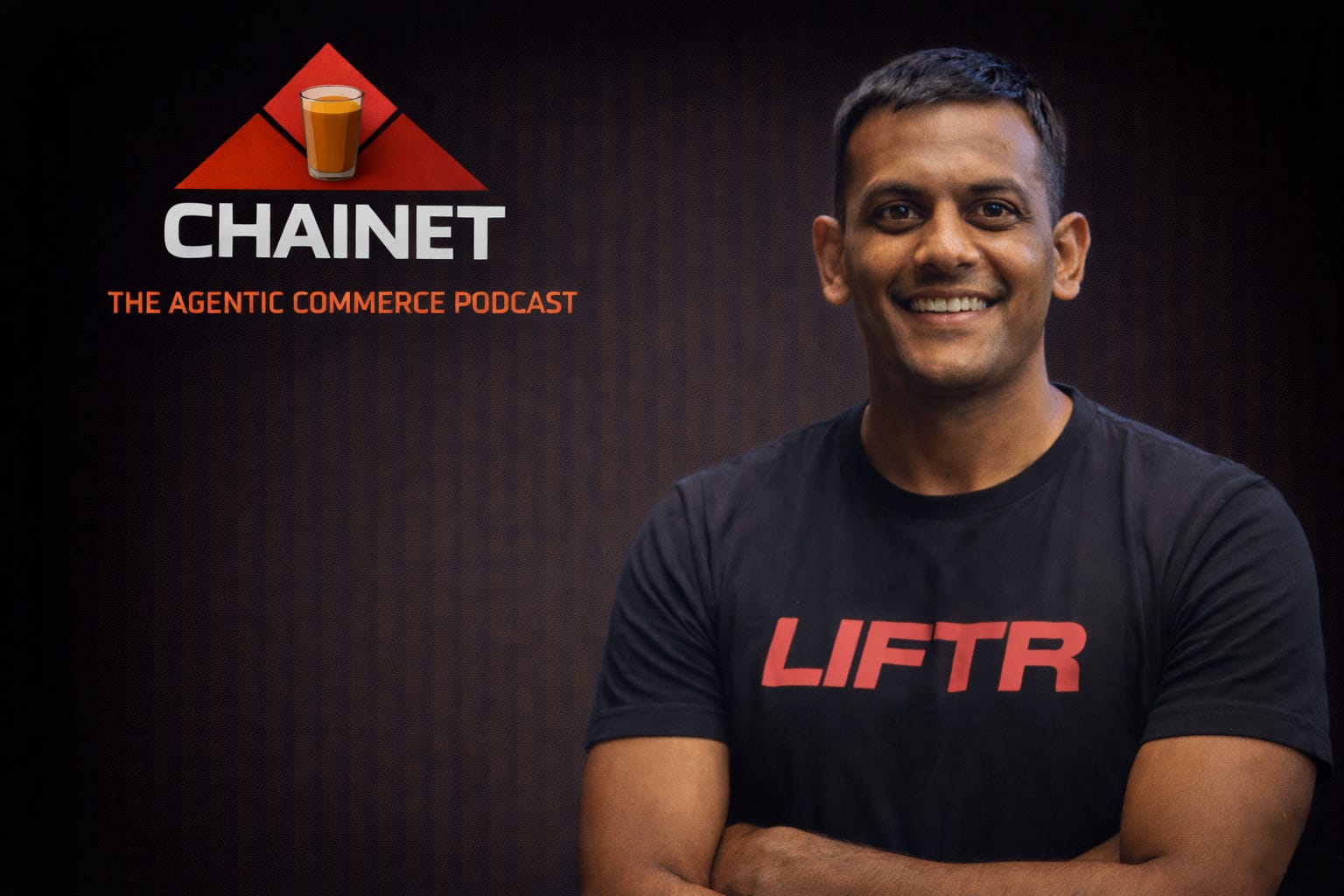
Most fitness brands make money when you quit. You sign up, stop showing up, and they keep charging. Anish Menon thinks that’s broken.He spent four years inside The OutFit Gym learning the business, watching what worked, what didn’t, and why most people never see results. Then he built LIFTR Strength and Conditioning on a simple bet: align the gym’s incentives with the members’ goals.Eight locations later across India, Sri Lanka, and Dubai, he’s proving it works. All without taking a rupee from investors.In this episode, we get into:* Why he left software engineering at Accenture to chase fitness.* The four years he spent learning before launching and why that mattered.* How traditional gyms are designed for member failure (and why they don’t even realize it).* The 6-week transformation model that flips the script.* Building community when most gyms feel like lonely treadmills in a row.* Expanding to three countries on zero funding and the partnership model that made it possible.* Competing against funded giants by being smaller, sharper, and more honest.If you’re building something, questioning your career, or just tired of paying for a membership you never use, this one’s for you.Listen to Anish Menon on ChaiNet. This is a public episode. If you would like to discuss this with other subscribers or get access to bonus episodes, visit chainet.substack.com
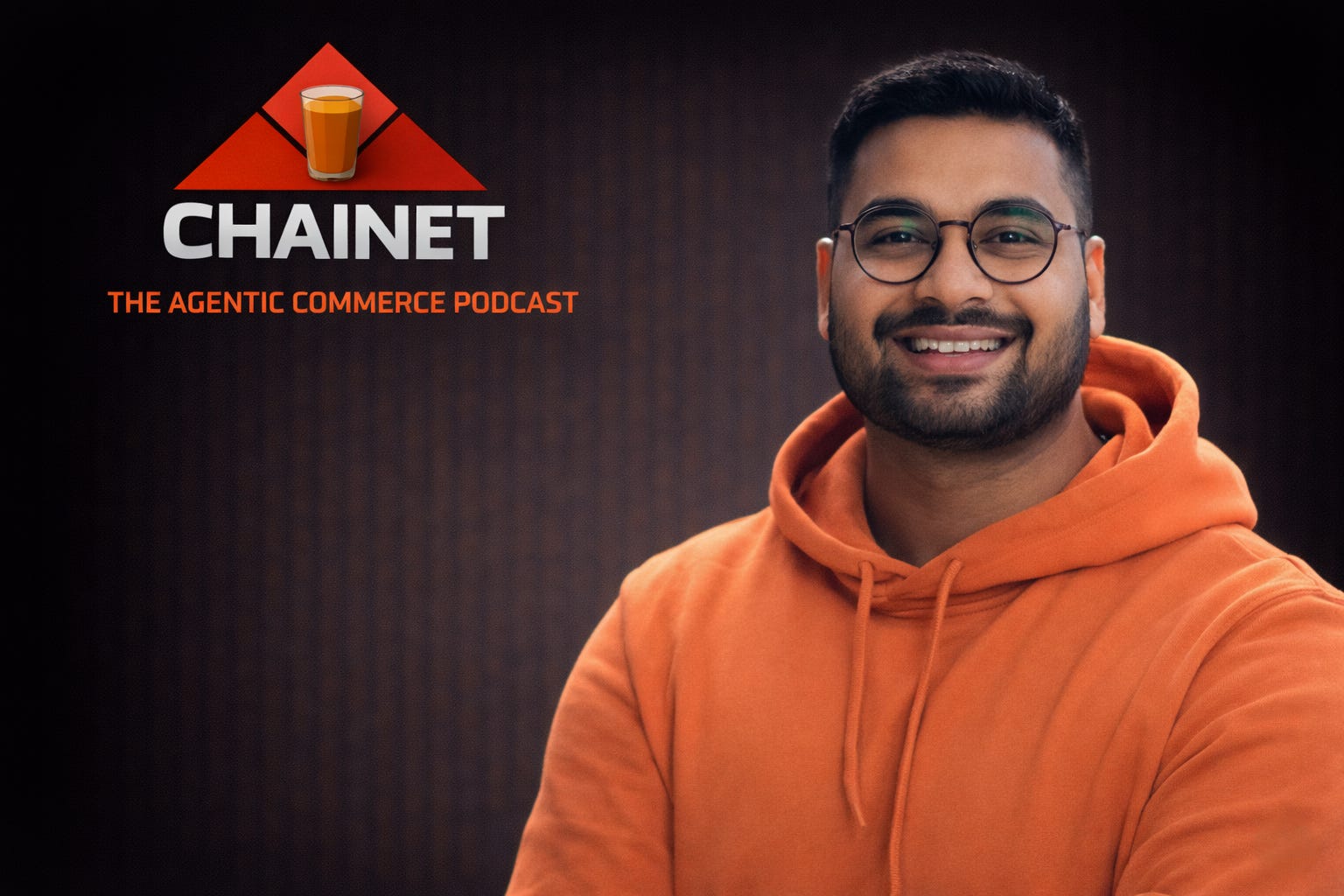
On this episode of ChaiNet, we sit down with Ravi Gupta, founder of Guugly Wuugly, a father who turned a frustrating shopping trip for his daughter into a D2C kidswear brand.With no fashion background, he couldn’t even tell cotton grades apart. Ravi left his IT job at Wipro to build something meaningful. He traveled thousands of kilometers across India, visiting manufacturers and learning textiles from scratch. Then came the hardest decision, mortgaging his family home to fund the dream.In this conversation, Ravi breaks down:* Why does he spend nine months learning before launching an anti-MVP approach in a world obsessed with speed?* The conversation with his wife before putting their home on the line.* What it actually takes to get into Shark Tank India.* Walking into the tank, facing the sharks, and hearing “no” on national television.* What happened after the episode aired was the reality of life post-Shark Tank.* Serving thousands of customers while figuring out sustainability.If you’re a founder, dreaming of leaving corporate, or just love stories of pure conviction, this conversation will stay with you.Catch the full episode with Ravi Gupta on ChaiNet now. This is a public episode. If you would like to discuss this with other subscribers or get access to bonus episodes, visit chainet.substack.com

On this episode of ChaiNet, we welcome Bella Vasta, a 20-year veteran of scaling service businesses, a former National Pet Sitting Business of the Year winner, and now an AI optimization strategist.Bella knows the struggle firsthand: the systems every growing business needs (hiring, onboarding, operations) rarely get built because creating them feels like work that pulls you away from the business. Her mission? To change that.We dive into:* Why operational systems are the missing piece in most service-based businesses.* How to build a hiring system using AI, not by replacing humans, but by creating structure.* The difference between using AI as a shortcut vs. using it as a foundation for scale.* What she learned from selling multiple businesses and how that shaped her AI philosophy.* A practical 101 on how AI systems actually get built by someone who’s done it.If you’re a founder, business owner, or operator stuck in hiring chaos or operational overwhelm, this episode gives you a blueprint for building systems that stick.Tune in to hear Bella Vasta on ChaiNet. This is a public episode. If you would like to discuss this with other subscribers or get access to bonus episodes, visit chainet.substack.com

On this episode of ChaiNet, we sit down with Apeksha Jain, Founder & CEO of The Gourmet Jar.In 2012, long before clean labels and D2C food were mainstream, Apeksha launched a gourmet condiments brand in India with zero preservatives, small batches, and premium pricing. Growth was painfully slow for years, but she stayed committed to quality when shortcuts could have accelerated everything.Today, The Gourmet Jar has sold 2.5 million jars and helped redefine Indian gourmet proving that conviction and patience can build something lasting.We explore:* Why did she start when no one believed Indians would pay a premium for local gourmet products?* The reality of painfully slow growth and the moment she almost quit.* Staying stubborn on clean ingredients, even when it hurts financially.* What building a slow business teaches you that fast growth cannot.* Her advice for founders who feel too early, too small, or too niche.If you’re building with patience, betting on quality over quick wins, or simply need a reminder that meaningful brands are built over years not months this episode is for you.Listen to Apeksha’s journey of conviction on ChaiNet. This is a public episode. If you would like to discuss this with other subscribers or get access to bonus episodes, visit chainet.substack.com
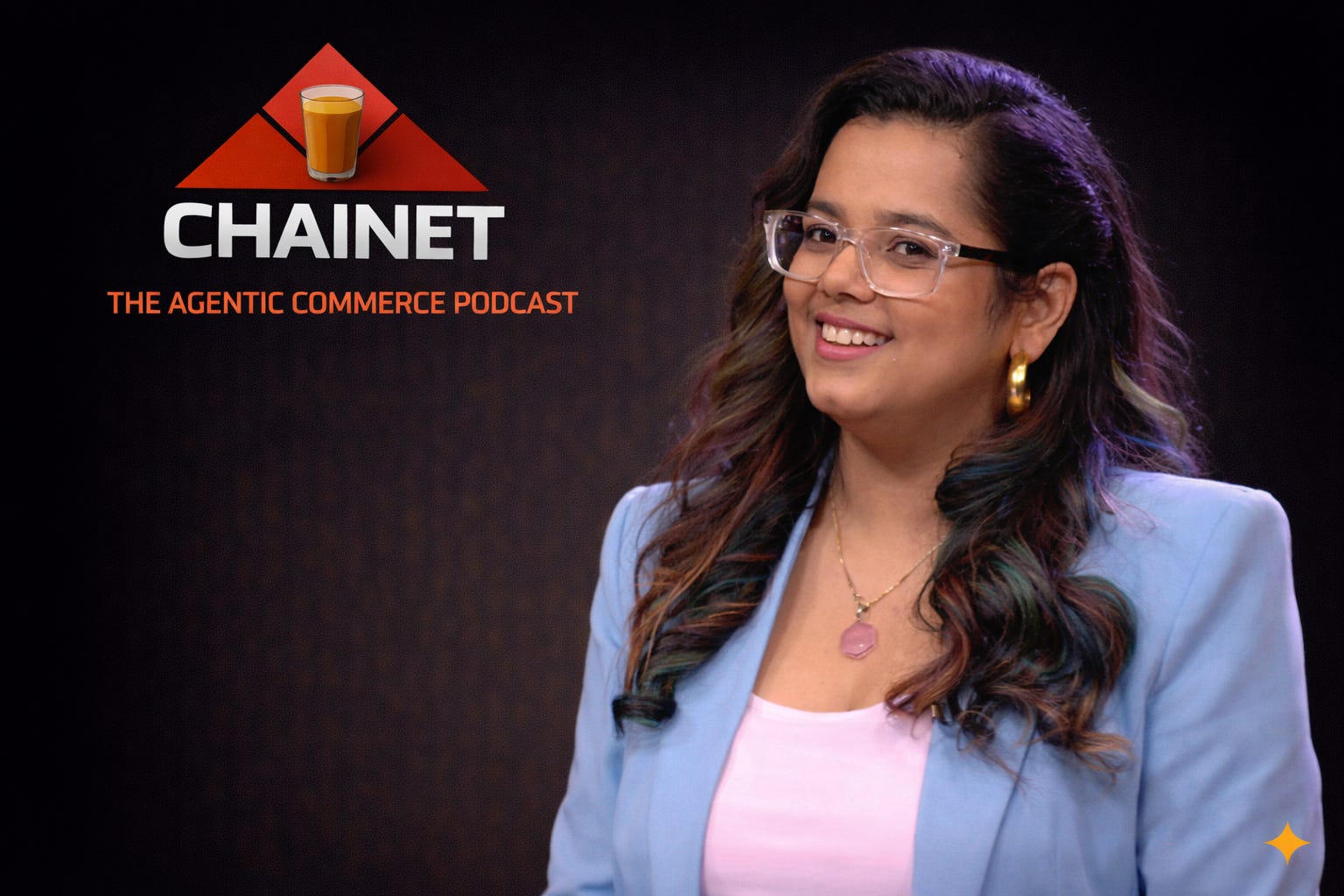
On this episode of ChaiNet, we sit down with Darshankaur Khalsa, co-founder of Pets of Paradise.After pitching dog ice cream brand Waggy Zone on Shark Tank India and receiving five “nos,” Darshankaur didn’t quit. Instead, she transformed her vision, merged into Pets of Paradise, and shifted focus to serving India’s massive first-time pet parent market.We dive into:* What she learned from scaling Waggy Zone to 200+ stores before Shark Tank* How hearing “no” on national television fueled a bigger, more resilient business model* Why an authentic, human-driven community beats AI-generated content even in a tech-first world* Competing as a bootstrapped brand in a category crowded with funded rivals* Building trust as a certified pet wellness coach in an industry driven by transactions* Her advice to women founders on resilience, category creation, and community as a core strategyIf you’re building in D2C, pet care, community-led commerce, or navigating life after a “no,” this episode is packed with real, relatable founder wisdom.Tune in to hear Darshankaur’s unfiltered journey on ChaiNet. This is a public episode. If you would like to discuss this with other subscribers or get access to bonus episodes, visit chainet.substack.com

On this episode of ChaiNet, meet Shweta Poddar, founder of CandidMen India’s only men’s-only rental fashion platform. A woman founder in the world of men’s formalwear, she built a profitable, bootstrapped brand by ignoring conventional startup wisdom.Shweta’s journey began when her own data revealed a clear mismatch her inventory was women’s, but her customers were men. Instead of following the crowded women’s fashion market, she doubled down on men’s formalwear, renting premium sherwanis and tuxedos at a fraction of retail price.We explore:* Building a men’s-only brand as a woman founder and how it became her advantage.* Why she pivoted from online-only to opening six physical stores, and where most sales actually happen.* How CandidMen stays profitable in an industry where funded competitors burn cash.* Her real Shark Tank experience before, during, and after the tank.* The unglamorous truths of running a rental business: fraud, perception, and unit economics.If you’re building a brand, thinking about rental, or just tired of the same old D2C playbook, this conversation is a refreshing lesson in building differently.Tune into ChaiNet to hear Shweta Poddar’s unfiltered founder story. This is a public episode. If you would like to discuss this with other subscribers or get access to bonus episodes, visit chainet.substack.com

On this episode of ChaiNet, we sit down with Aasis Katyal, founding member of GOAT Life, just seven days after their game-changing Shark Tank India appearance.While the spotlight showed five Sharks fighting to invest, the real story unfolded off-camera over 16,000 orders flooding in within a week, backend systems pushed to the limit, and a 15-person team operating under unprecedented pressure.In this raw, real-time conversation, Aasis pulls back the curtain on what viral growth truly looks like from the inside:✅ The first chaotic hour after the episode aired and the first order.✅ How “backend chaos” met “inside clarity” to keep operations running.✅ Why quick commerce (like Blinkit) drove nearly half of all sales.✅ The compressed lessons learned in 7 days that normally take startups years.✅ Managing team exhaustion while scaling production and maintaining quality.✅ The honest prep that worked, what didn’t, and what they wished they’d done.If you’re building a D2C brand, preparing for your own breakthrough moment, or simply want to understand the reality behind viral success, this episode is an unfiltered look at scaling under fire.Hear the full story with Aasis Katyal on ChaiNet. This is a public episode. If you would like to discuss this with other subscribers or get access to bonus episodes, visit chainet.substack.com
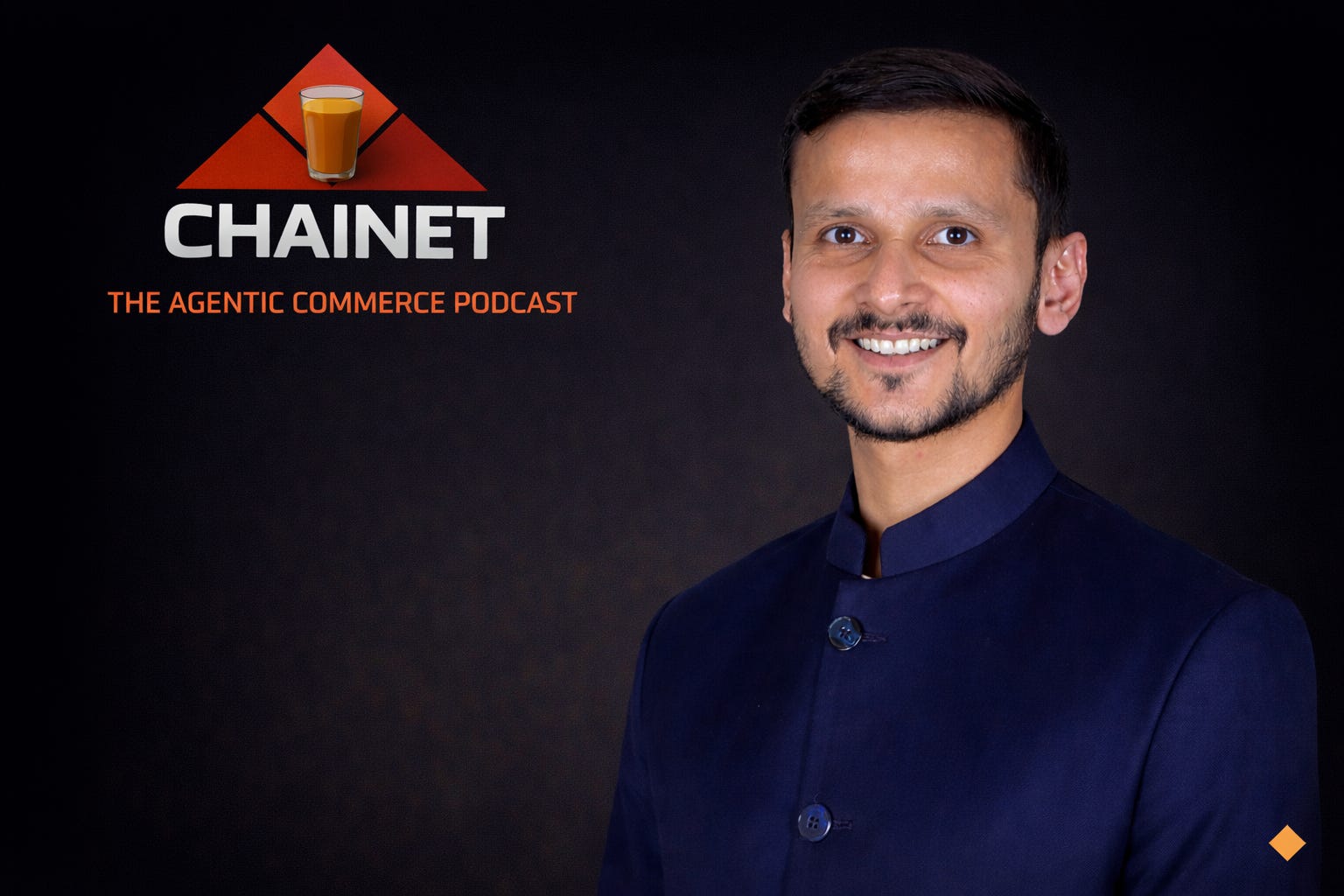
On this episode of ChaiNet, we speak with Denil Dedhia, founder and CEO of Bowlful Foods, a bootstrapped D2C brand bringing authentic, convenient Indian meals to the world through freeze-drying technology.Tired of bland ready-to-eat options while studying abroad, Denil returned to India and bet on an overlooked food-tech method to preserve taste, nutrients, and authenticity. Without outside funding, he has since scaled Bowlful into a global brand, offering a wide range of dishes that rehydrate in minutes.We dive into:✅ Why he chose freeze-drying over conventional ready-to-eat methods.✅ How he built and scaled a capital-efficient food brand from the ground up.✅ The unique challenges of competing against established giants without VC backing.✅ Navigating price sensitivity while maintaining a premium positioning.✅ Why did he develop a specialized product line for niche dietary needs?If you’re building in D2C, foodtech, or are curious about bootstrapping with patience and product belief this episode offers honest, actionable insights from a founder who’s done it.Listen to Denil Dedhia’s story on ChaiNet. This is a public episode. If you would like to discuss this with other subscribers or get access to bonus episodes, visit chainet.substack.com
On this episode of ChaiNet, we speak with Masroor Lodi, founder of Unlock Fit, a pioneering wellness platform that builds AI-powered health programs based on your DNA.After a successful career at Unilever, Sanofi, and founding The Entrepreneurship School, Masroor walked away at age 40 when genetic data revealed a truth he couldn’t ignore: most wellness plans are generic, but our bodies are not.We explore:✅ The genetic discovery that made him reset his entire career.✅ What your DNA reveals about diet, fitness, and health that wearables and trackers cannot.✅ Why he transitioned from teaching entrepreneurship to becoming a student again.✅ How combining genetic insights with AI creates truly personalized wellness.✅ The future of predictive health and what genetics can tell you about your well-being years in advance.If you’re in healthtech, interested in AI-driven personalization, or curious about building from a truly foundational insight, this episode is for you.Listen to the full conversation with Masroor Lodi on ChaiNet. This is a public episode. If you would like to discuss this with other subscribers or get access to bonus episodes, visit chainet.substack.com
On this episode of ChaiNet, a mechanical engineer turned operator shares how a semiconductor supply chain career became the launchpad for a D2C fashion brand in India serving 1 lakh+ customers and doing around $65,000 in monthly revenue.We discussed:* Moving from engineering and supply chain into fashion without formal fashion training, and scaling 5x by focusing on business fundamentals and complementary co-founder skills.* Finding an edge with bamboo-cotton essentials, prioritising comfort, fabric innovation, and repeat customers over chasing trends.* Using engineering rigor and AI tools for material research, quality control, demand and inventory planning, and AI-powered customer service in a SKU-heavy category.* The reality of D2C unit economics at $65K MRR in India and why the focus is on sustainable profitability, not vanity growth.The contrarian truth is that you don’t need fashion school if you bring operator discipline, systems thinking, and smart use of AI. Listen to this story on ChaiNet. This is a public episode. If you would like to discuss this with other subscribers or get access to bonus episodes, visit chainet.substack.com

On this episode of ChaiNet, Mahipal Singh, founder of Revaa, reveals how a father’s lockdown experience sparked a bold period care brand that rejects stigma and disposables.We discussed:* His pivot from 23 years in hospitality to building Revaa during the pandemic* The “wrong founder” problem: a man destigmatizing menstruation* Why the category’s soft, apologetic positioning fails—and Revaa’s unapologetic alternative* Reusables over disposables: the harder path for sustainability* AI’s role in brand-building, from design to customer touchpoints* Hospitality principles for operations and loyalty in long-lasting products* Measuring societal change beyond revenueMahipal shares the contrarian truth: bring an outsider’s lens to treat periods with dignity, like family care. Perfect for purpose-driven founders, femcare innovators, and mission-led builders.Listen to Mahipal Singh on ChaiNet. This is a public episode. If you would like to discuss this with other subscribers or get access to bonus episodes, visit chainet.substack.com
On this episode of ChaiNet, Karthik Koppula, founder of Islands of Loom, shares his journey from optimizing speed at Amazon and Zomato to creating anti-fast fashion with organic fabrics, natural dyes, and small-batch handwoven production.We discussed:* Why did he leave high-speed logistics for deliberately slower craftsmanship* Business model of products designed to last years, not months* How identical mall racks create opportunity for differentiated brands* Physical retail is the new battleground when products look the same* AI’s role in his low-tech artisanal approach vs fast fashion’s AI arms race* Website experience, ecommerce challenges, and customer support strategiesFrom supply chain expert to sustainable commerce founder, Karthik reveals how constraints become competitive advantages.Experience Islands of Loom’s contrarian approach on ChaiNet. This is a public episode. If you would like to discuss this with other subscribers or get access to bonus episodes, visit chainet.substack.com

Comments

Download from Google Play

Download from App Store
 United States