


 Claim Ownership
Mission Critical with Lance Chung
Subscribed: 7,413Played: 40,118
Subscribe

© Copyright 2021
Description
Behind every great company, every groundbreaking idea, and every game-changing innovation, there’s a leader on a mission. Welcome to Mission Critical with Lance Chung—the show where we break down the blueprints, the bold moves, and the battle-tested playbooks of today’s most impactful leaders. From CEOs and founders to artists, designers, and athletes, we’re talking to the visionaries who build, innovate, and lead.
139 Episodes
Reverse
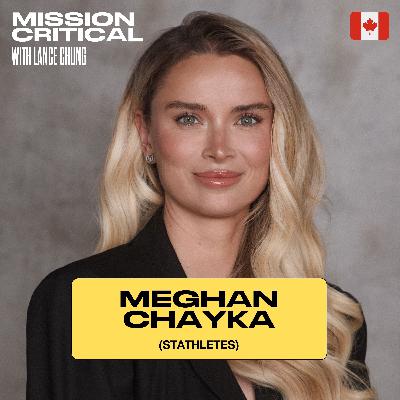
On this episode of Mission Critical, Lance Chung speaks with Meghan Chayka, co-founder of Stathletes, about the rise of sports analytics, the future of AI in hockey, and what it means to build a category-defining company in a rapidly changing industry.Chayka explains how Stathletes grew from a startup focused on hockey data into a major sports technology company powering teams, leagues, media, and betting platforms. She also shares her hot takes on AI, why most people underestimate how hard tech is to operationalize, and why the next chapter of sports may be shaped as much by emotion and storytelling as by data.From women’s sports and fan culture to scaling a Canadian tech business without chasing an exit, this is a candid conversation about innovation, resilience, and building what comes next.Key Takeaways:Meghan Chayka started early. Stathletes began before sports data was fashionable, when analytics in hockey still faced real skepticism.Tech is not magic. One of Chayka’s sharpest points is that AI and automation are much harder to operationalize than most people think.The future of sports analytics is more immersive. Data is no longer just tables and dashboards. It is becoming visual, interactive, and embedded into entertainment.The best organizations do not choose between instinct and information. They use data as an additive tool, not a replacement for human judgment.Sports fandom is changing. Fans are increasingly following players, personalities, and storylines, not just hometown teams.There may be a backlash to always-on AI. Chayka predicts a growing appetite for stripped-back, more human experiences with less algorithmic interference.Women’s sports are a major growth story. Better data, better storytelling, and better infrastructure could help accelerate that momentum even more.Scaling a tech company is relentless. Her view is refreshingly blunt: it does not get easier, you just get better.About the GuestMeghan Chayka is the co-founder of Stathletes, a Canadian sports technology and analytics company that provides data, insights, and software tools to teams, leagues, media companies, sportsbooks, and other partners across the sports ecosystem. A longtime leader in hockey analytics, Chayka has helped push the industry forward by turning data into actionable tools for player evaluation, development, storytelling, and fan engagement.In addition to her work as an entrepreneur, she is also a sports media analyst, appearing across major broadcast platforms including ESPN and TSN. Her work sits at the intersection of sport, technology, business, and culture.
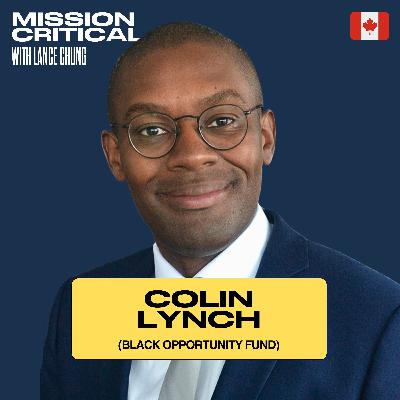
For decades, conversations about inequality have focused on income. But according to Colin Lynch, co-founder of the Black Opportunity Fund, the deeper issue is wealth (and who has access to capital.)In this episode of Mission Critical, we explore the economic infrastructure required to close Canada’s racial wealth gap. Colin shares how the Black Opportunity Fund was built to scale impact by directing capital into Black-led businesses, nonprofits, and community initiatives across the country.We also unpack the launch of BOF Capital, a new investment platform designed to support entrepreneurs and help more families access homeownership, one of the most powerful drivers of generational wealth.From venture capital and entrepreneurship to housing access and economic innovation, this conversation explores why expanding opportunity isn’t just a moral imperative, it’s an economic one.Key Highlights and Takeaways• Why wealth inequality (not just income inequality) drives opportunity gaps.• How the Black Opportunity Fund helps scale Black-led businesses and nonprofits across Canada. • Why access to capital is one of the biggest barriers facing Black entrepreneurs.• The statistic behind the problem: Black-led businesses receive less than 1% of venture capital in Canada.• How the launch of BOF Capital is helping fund startups and growing companies. • Why homeownership remains one of the most powerful tools for generational wealth creation.• How a shared-equity housing model can help more families enter the housing market. • Why diversity and economic inclusion can drive innovation, productivity, and long-term economic growth.About the GuestColin Lynch is the co-founder of the Black Opportunity Fund, a national initiative dedicated to advancing economic opportunity and wealth creation for Black Canadians.Through philanthropy and investment, the fund directs capital to Black-led businesses, nonprofits, and community organizations across the country.Lynch also helped launch BOF Capital, an investment platform supporting entrepreneurs and expanding access to homeownership through innovative financing models designed to build long-term generational wealth.

At 21 years old, Brandi Leifso was living in a women’s shelter in Vancouver with $15 and a laptop. Today, she is the founder and CEO of Evio Beauty and the author of Fearless Choices.In this episode of Mission Critical, Brandi shares the unfiltered story behind building Evio Beauty from a shelter safe house to building a booming beauty empire. But this conversation goes deeper than entrepreneurship.Together, Lance and Brandi explore the psychology of decision-making, the myth of fearless leadership, and why power is something you practice through choice.From "cringe" bootstrapping moments to landing a 215,000-unit purchase order she nearly fumbled, Brandi reflects on the messy reality behind resilience, and why rewriting your personal narrative can be more powerful than rewriting your résumé.She also opens up about:The stigma surrounding domestic violence shelters.How the beauty industry has evolved from rigid standards to inclusive innovation.Why resilience is romanticized, and why we’re collectively burnt out from it.The 35,000 decisions we make daily, and how that realization reframed her lifeThis is a conversation about agency, leadership, trauma, capitalism, authenticity, and the choices we make to become who we are.About the GuestBrandi Leifso is the founder and CEO of Evio Beauty, a purpose-driven beauty company focused on reducing the effects of stress on skin through hydration and science-backed formulations.She launched the brand at 21 while living in a domestic violence safe house in Vancouver, bootstrapping it with pre-sold product concepts and relentless determination.Today, Evio Beauty is carried by major retailers including Shoppers Drug Mart and has raised over $500,000 for shelters across Canada.Brandi is also the author of Fearless Choices, published by HarperCollins Canada, a memoir-driven self-help guide about reclaiming personal power through decision-making.
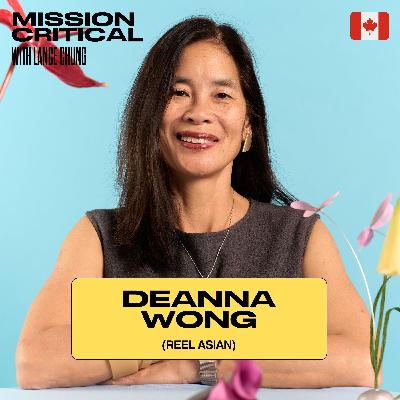
Toronto is known as a city of film festivals. But for nearly 30 years, the Toronto Reel Asian International Film Festival has done more than screen films. It has built a cultural home.In this episode of Mission Critical, Lance sits down with Deanna Wong, Executive Director of Reel Asian, to explore what it really means to steward a platform that shapes how Asian stories are told, funded, and remembered in Canada. From growing up searching for a single non-stereotypical Asian face on television, to witnessing the global impact of films like Crazy Rich Asians, Everything Everywhere All at Once, and Turning Red, Deanna reflects on the long arc of representation (and why progress still feels fragile.)This conversation is about how culture gets built, protected, and passed forward. It's about breaking the “model minority” narrative and trusting audiences to embrace nuance without explanation.And, ultimately, why the work is far from finished.Key HighlightsHow the Toronto Reel Asian International Film Festival evolved from a grassroots gathering into Canada’s largest pan-Asian film festival.Growing up in the ’70s and ’80s searching for dignified Asian representation on screen.Why films like The Joy Luck Club felt like breakthroughs (and why the doors didn’t immediately stay open.)The double standard Asian actors face in Hollywood (and why one “box office failure” can’t define an entire community).Why the real work happens behind the scenes: funding, mentorship, grant writing, and sustaining community year-round.Reel Asian’s Unsung Voices program and its role in launching emerging filmmakers (including early-career stories connected to Simu Liu).The importance of below-the-line representation: from hair and makeup to production design.Why the ultimate privilege in storytelling is being able to tell culturally specific stories without having to explain them.About the GuestDeanna Wong is the Executive Director of the Toronto Reel Asian International Film Festival, Canada’s largest pan-Asian film festival. Under her leadership, Reel Asian has expanded its year-round programming, mentorship initiatives, and community impact, celebrating nearly three decades of championing Asian and Asian diasporic filmmakers.As Reel Asian approaches its 30th anniversary, Deanna stands at the intersection of legacy and innovation — protecting the stories that shaped a generation while pushing the next wave of filmmakers forward.

Worth Knowing is your shortcut to the Canadian small businesses shaping culture and changing how we live.In this episode, we spotlight Hetta, the Vancouver-based furniture brand founded by the team behind Sundays. Grounded in tradition and designed for modern living, Hetta creates timeless pieces meant to grow with you—and eventually be passed down.Inspired by the old English name Etta, meaning “keeper of the hearth,” the brand is built around the idea that home is where connection happens across families, friendships, and generations.With decades of industry experience, the founders prioritize craftsmanship, high-quality materials, and comfort, designing furniture that looks to the past while functioning for today. Pieces range from sofas and chairs to tables, beds, and storage solutions, all created to bring people together and make furnishing a home feel effortless.As more consumers move toward buying fewer, better things, Hetta reflects a growing shift toward durability, heritage design, and future heirlooms. That is, furniture rooted in story rather than disposability.If you’re tracking design trends, thoughtful entrepreneurship, or standout Canadian brands redefining home, this is one business worth knowing.

At a time when immigration is dominating headlines across Canada and the United States, the real story often gets lost: immigrants aren’t a threat to the economy; they are a critical component of it. In this episode of Mission Critical, Lance sits down with Nouhaila Chelkhaoui, Founder and CEO of Scale Without Borders, the largest network for immigrant tech talent in North America. From arriving in Canada alone at 17 to building a platform that has supported more than 7,000 immigrants in tech, Nouhaila shares what resilience actually looks like.Together, they unpack the hidden barriers facing immigrant professionals, why “Canadian experience” is still quietly gatekeeping opportunity, and how networking (not skill sets) is often the real gap preventing newcomers from succeeding.Key Highlights:Why immigrants are often used as economic scapegoats (and who benefits from that narrative.)The “network gap” holding back highly skilled immigrant talent in Canada.Why “Canadian experience” still functions as an invisible barrier.How cultural nuances and code-switching impact immigrant entrepreneurs.The resilience advantage: what immigrant founders understand about risk.The disconnect between immigration policy and employer needs.Why immigrant entrepreneurs are statistically more likely to found high-growth companies.How Scale Without Borders is helping newcomers access jobs, capital, and community.About the GuestNouhaila Chelkhaoui is the Founder and CEO of Scale Without Borders, a North American platform connecting immigrant tech talent with employers, investors, and resources.Originally from Morocco, Nouhaila moved to Canada at 17 and later rebuilt her career as a newcomer navigating the Canadian tech ecosystem. After experiencing firsthand the systemic barriers facing immigrants (particularly around networking and access) she launched Scale Without Borders to close the gap.Since its founding, the organization has supported over 7,000 immigrants in tech, expanded partnerships across Canada, and is now entering the U.S. market. Nouhaila is a leading voice on immigrant entrepreneurship, workforce development, and the future of inclusive innovation.
Worth Knowing is your shortcut to the Canadian small businesses shaping culture and changing how we live.In this episode, we spotlight Alter, the Toronto-based sauna and ice bath studio at the center of the growing contrast therapy movement. Built on the belief that intentional discomfort builds resilience, Alter is redefining modern wellness through heat, cold, and community.As recovery culture continues to rise, Alter signals a broader shift toward ritualized self-care and connection — and why this centuries-old practice feels more relevant than ever.If you’re tracking wellness trends, emerging entrepreneurs, or standout Canadian brands, this is one business worth knowing.

In this episode of Mission Critical, Lance sits down with April Hicke, CEO and co-founder of Toast, the platform transforming how companies hire, retain, and empower women in tech and beyond. April shares her journey from a corporate career to launching a social enterprise that has helped women secure over $25 million in cumulative salary increases, proving that purpose-driven business and profitability can coexist.Together, Lance and April dive deep into the challenges women face in corporate environments, why traditional hiring practices often exclude talented candidates, and how Toast uses a combination of technology, human connection, and community to break barriers. From leveraging AI for bias reduction to building talent pipelines that reflect the communities companies serve, April shares actionable strategies for leaders committed to meaningful change.Key Highlights:The origin story of Toast and the problem it was created to solveHow companies can attract and retain women in male-dominated industriesWhy measuring impact through dollars and career growth mattersLessons on human-centered leadership and empathy in businessThe role of technology in reducing bias — and when it can backfireThe importance of diversity of thought, background, and experience in driving innovationPractical tips for CEOs and founders looking to create inclusive workplacesAbout the Guest: April Hicke is the CEO and co-founder of Toast, a tech platform that helps companies across North America hire, retain, and advance women in their organizations. A recovering corporate ladder climber with a passion for equity and impact, April has guided Toast to become a trailblazer in inclusive hiring, leveraging both technology and human connection to help women secure meaningful career opportunities. She is also an advocate for human-centered leadership, building communities, and creating workplaces that empower diverse talent to thrive.

What if the most powerful way to disrupt an industry isn’t by adding more, but by removing what doesn’t belong?In this episode of Mission Critical, Lance sits down with Jay Klein, founder and CEO of The PUR Company, to unpack how a single, “unsexy” decision (that is, eliminating aspartame from chewing gum) helped build one of the world’s leading better-for-you brands.Founded in Toronto in 2010, PUR set out to challenge a $20-billion global gum industry by focusing on simplicity, transparency, and trust. What began as a grassroots, door-to-door effort grew into a global brand available in over 50 countries, now the #1 best-selling gum brand on Amazon in both Canada and the US. Along the way, Klein navigated early skepticism, scaled without compromising taste or accessibility, and learned why listening to consumers can be more powerful than any marketing strategy.Jay also reflects on his full-circle journey with Dragon’s Den—from pitching PUR as a founder to now taking a seat as a Dragon—and shares what he looks for in entrepreneurs who are built for the long game.This conversation is a masterclass in building trust before scale, resisting trend-driven shortcuts, and proving that small, intentional changes can create outsized impact.Key TakeawaysWhy simplicity and subtraction can be more disruptive than constant innovationHow founder-led sales and early trust shaped PUR’s long-term growthWhat it really means to build a consumer-first brand—beyond the buzzwordsThe hidden trade-offs of scaling in mass retail and global marketsLessons Jay Klein learned from both pitching on Dragon’s Den and now judging foundersWhy trust, taste, and accessibility are non-negotiable in better-for-you productsHow entrepreneurs can protect their mission as their business growsAbout the GuestJay Klein is the Founder & CEO of The PUR Company, the globally recognized better-for-you gum and mints brand. Since launching PUR in 2010, Jay has led the company’s expansion into more than 50 countries, earning recognition from Deloitte’s Best Managed Companies, Profit 500, and Canada’s Most Admired Corporate Cultures. A former Dragon’s Den entrepreneur turned Dragon, Jay is passionate about mentoring founders and building brands that last.

Prenups aren’t just for the wealthy or planning for divorce—they’re tools for everyday couples to communicate, protect, and plan for the future. In this episode of Mission Critical, Lance sits down with Amanda Baron and Aimee Schalles, the lawyers and founders behind Jointly, a digital platform that makes relationship agreements accessible, practical, and approachable.Amanda and Aimee share how Jointly empowers couples to navigate prenups, cohabitation agreements, and post-nuptial agreements without intimidation. From step-by-step tutorials and worksheets to lawyer-drafted agreements approved by the Law Society of Ontario, they’ve built a platform that balances legal rigor with ease of use.Key takeaways and summary;How Jointly guides couples from the first conversation to building a legally sound agreement.Common myths about prenups—that they’re defensive, only for the wealthy, or planning for divorce—and why those assumptions are outdated.The practical benefits of relationship planning, from parenting and home purchases to business ownership and inheritances.How legal tech is bridging access gaps for couples in rural communities or with lower incomes.The cultural shift among Millennials and Gen Z toward financial transparency and proactive relationship planning.How these agreements can complement estate planning and help blended families safeguard their assets.Whether you’re starting a first relationship, entering a second marriage, or navigating complex family dynamics, this episode shows that legal agreements aren’t about mistrust—they’re about clarity, collaboration, and peace of mind.Visit Jointly to start for free, access tutorials, worksheets, and build your agreement (available in BC, Alberta, and Ontario): jointly.caDisclaimer: The content discussed in this episode is for informational purposes and does not constitute legal advice. Always consult a licensed lawyer for guidance tailored to your specific situation.
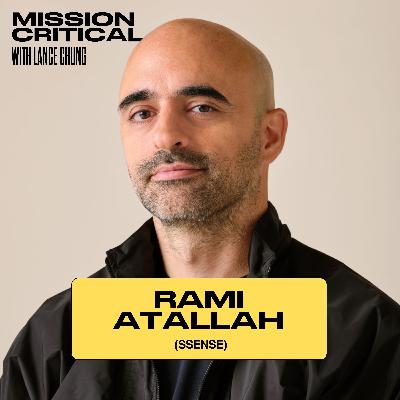
Rami Atallah is the CEO and co-founder of SSENSE, a technology platform that focuses on nurturing emerging talent while simultaneously championing today’s most powerful and established luxury brands.What started as part of his computer engineering graduate thesis, Rami founded SSENSE alongside his brothers, Firas and Bassel, to address the needs of the new generation of consumers. They wanted to build a platform that was, in his words, "interesting, pushed boundaries, and leveraged the internet to reach a global customer base."An immigrant from Syria, Rami’s journey is one that exemplifies the power of harnessing diverse perspectives and skill sets, and using your work as a springboard for talent in order to usher a new generation of leaders.Recorded live at the SSENSE headquarters in Montreal, revisit our episode with Rami, where we talk about his immigrant and entrepreneurial journey, how he uses his engineering background to solve problems, and the future of luxury, commerce, and culture.

Youth voter turnout has historically lagged behind older demographics, and trust in political institutions is at an all-time low. In an era of misinformation, democratic backsliding, and global instability, is democracy failing young people—or have young people lost faith in democracy?To help unpack these questions, we're revisiting Lance's chat with Samantha Reusch, Executive Director of Apathy is Boring—a national, non-partisan organization that has spent 20 years working to increase youth engagement in Canadian democracy. A leading voice on democratic reform and voter participation, Samantha has dedicated her career to ensuring young people feel heard in the political process. Under her leadership, Apathy is Boring has helped mobilize thousands of first-time voters.In this episode, we explore:✅ Why youth voter turnout remains low—and what’s keeping young Canadians from the polls.✅ How global politics is shaping youth perceptions of democracy.✅ The role of misinformation, social media, and tech algorithms in political disengagement.✅ What needs to change in Canada’s electoral system to better serve young voters.✅ Apathy is Boring’s innovative strategies to mobilize youth, including Count Us In and Table Topics.✅ Samantha’s call to action for young Canadians ahead of the 2024 Canadian federal election.🔗 Resources & Links:📌 Apathy is Boring: apathyisboring.com📌 Take the vote pledge: https://www.apathyisboring.com/votepledge📌 The Feed newsletter: https://www.apathyisboring.com/feed

What happens when influence isn’t just about followers—but about power, ownership, and rewriting the rules of an entire industry?In this re-released episode of Mission Critical, Lance chats with Susan Yara—content creator turned beauty entrepreneur, and the co-founder of Naturium, one of the fastest-growing skincare brands in the business.She started in front of the camera. Built trust. Built community. And then she flipped the script, turning her influence into infrastructure. Naturium scaled fast, stood out in a crowded market, and was acquired by e.l.f. Beauty for a reported $355 million. But behind the success story is a woman who’s navigated every tension: between personal brand and product brand, between representation and responsibility, between being taken seriously and staying true to where she came from.In this conversation, Lance and Susan talk about what it really means to have influence that lasts—not just in beauty, but in business.Episode highlights and takeaways:Why legacy brands are watching: Susan shares how indie beauty brands like Naturium are driving innovation and forcing legacy players to catch up.Representation done right: Susan talks about the responsibility (and strategy) of creating an inclusive brand without tokenism — and how her multicultural background shaped her vision.From startup to acquisition: What it really takes to scale fast, keep your soul, and partner with a company like e.l.f. to go global without losing your original mission.The power of analytics: She reveals how understanding her audience through content data gave her a roadmap for product development, retail strategy, and growth.Creating vs. scaling: The difference between building a personal brand and building a business—and why separating the two is essential if you want to exit.
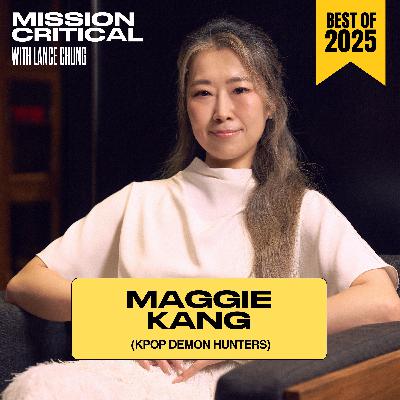
Filmmaker Maggie Kang has captured the world’s imagination with Kpop Demon Hunters, the animated blockbuster that has topped Netflix’s most-watched list and redefined what global audiences expect from K-pop storytelling. Blending the spectacle of superhero cinema with the infectious energy of Korean pop culture, Kang’s film has inspired entirely new audiences and generations to a story that is universal in its themes.In this re-released episode of Mission Critical, Maggie opens up about her journey from growing up without many Korean friends to becoming one of the most powerful voices shaping Asian representation in Hollywood. She shares what it means to break generational cycles, embrace cultural inheritance, and build worlds where young women can own their power — flaws and all.Together, Lance and Maggie talk about the universality of K-pop, how the film’s soundtrack became a cultural phenomenon, and what the future of Korean storytelling looks like in a world where “niche” no longer applies.Key TakeawaysHow Kpop Demon Hunters broke barriers in representation and global storytelling.The creative risks behind blending K-pop and the superhero genre.Maggie’s reflections on intergenerational identity, cultural inheritance, and belonging.Why authenticity (not translation) is the future of cultural storytelling.The lessons she’s taking forward into her next projects.HighlightsThe story behind Kpop Demon Hunters and who it was really made for.Why the characters’ flaws were essential to their power.The influence of her father’s filmmaking legacy.The future of Asian and diaspora narratives in mainstream media.Did you enjoy this episode? Make sure to like, subscribe, and leave a rating.

In this special live episode of Mission Critical, Lance sits down with Charles Khabouth, founder and CEO of INK Entertainment Group, for a candid, wide-ranging conversation on entrepreneurship, leadership, and building brands that endure.From immigrating to Canada at 15 to becoming one of the most influential figures in Toronto’s hospitality and cultural landscape, Khabouth reflects on the early risks that shaped his career, the losses behind every win, and why respect (not money) has always been his greatest driver. He shares how nightclubs once served as cultural incubators for fashion, music, and design, and why hospitality today is less about product and more about trust, people, and experience.The episode also dives into INK’s newest evolution: 30 Hazelton, the group’s expansion into the medispa and wellness space. Khabouth explains why health and wellness is a natural extension of hospitality, the importance of choosing the right partners, and how trust transfers from brand to experience—whether in dining, nightlife, or skincare.KEY TAKEAWAYS & HIGHLIGHTSEntrepreneurship is built on loss: There is no winning without losing—failure is a prerequisite for success.Hospitality is about trust, not product: People return because they feel cared for, not because they need another steak or cocktail.Culture beats everything: A strong internal culture is the foundation of any scalable hospitality brand.Leadership at scale is about people: With thousands of employees, every interaction matters—and every person represents the brand.Consistency is harder than growth: Maintaining status quo is more difficult than getting there.Hospitality is bigger than food and nightlife: Wellness, skincare, art, and design all fall under the umbrella of caring for people.Legacy is built through others: True success comes from helping people grow and creating opportunities beyond yourself.

In this episode of Mission Critical, Lance sits down with Kim Chi (the drag superstar and beauty entrepreneur behind KimChi Chic Beauty) for a candid conversation on creativity, cultural identity, and building one of the most inclusive beauty brands today.From the rise of drag as a global culture to the realities of growing a business through COVID, TikTok, and an unpredictable beauty landscape, Kim Chi shares how she stays resilient, innovative, and unapologetically herself. She opens up about navigating Korean and Western beauty standards, the pressure of representation, and the role drag continues to play as both art and protest.With humour and unfiltered honesty, Kim Chi offers a rare look at the mindset, mission, and cultural impact behind her work — and what the future of beauty, visibility, and creative entrepreneurship might look like.Key Highlights & TakeawaysRepresentation that matters: How growing up between cultures shaped her voice, vision, and leadership.Drag as cultural power: Why drag remains a vital artistic and political force.Inside KimChi Chic Beauty: Building an inclusive, community-led brand through creativity and resilience.The new beauty economy: TikTok reviews, indie brands, shifting consumer habits, and the rise of AI.Entrepreneurship in uncertainty: Lessons from launching a brand before COVID and navigating global volatility.Joy as strategy: How food, beauty, and community continue to inspire her craft.
DEI has become one of the most polarizing conversations in the corporate world, especially in the 2025 Trump era. Is it a critical business strategy, or just corporate virtue signaling? On this episode of Mission Critical with Lance Chung, Lance sits down with Laura McGee, CEO of Diversio, to cut through the noise and uncover what’s really happening behind the headlines.McGee shares how Diversio is using AI and data analytics to make workplaces more productive—and why the backlash against DEI is based more on perception than reality. She breaks down the myths surrounding diversity efforts, reveals the surprising truth about which companies are actually pulling back, and explains why leaders should embrace uncomfortable conversations instead of avoiding them.Key Takeaways:The media’s portrayal of DEI is misleading—most companies aren’t canceling it, they’re rebranding it.Why fear, not facts, is the biggest barrier to progress.The global differences in how companies approach inclusion—and what North America gets wrong.How to shift the DEI conversation from divisive to productive.It’s time to separate fact from fiction. Listen now to this re-released episode with Laura from March, 2025.
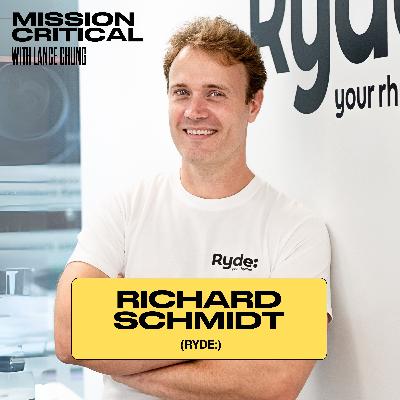
In this episode of Mission Critical (presented by Ryde:), CEO Richard Schmidt joins Lance to explore what modern wellbeing really looks like. Richard shares how his background leading major CPG brands shaped his approach to building Ryde, a fast-growing company focused on functional shots designed for the real rhythms of daily life.During their discussion, Richard breaks down his leadership philosophy (“team awesomeness-making”), the rise of wellness as a catchall buzzword, and how Ryde: aims to bring science, simplicity, and levity back into the conversation. From energy and focus to calm and clarity, Richard reveals why the smallest products can have the biggest impact on how we move through our day.Key TakeawaysLeadership with clarity: Why Richard believes a CEO’s job is to empower people, not micromanage.The wellness paradox: How “wellness” lost meaning—and how consumers are redefining what they actually need.Inside Ryde: Why ENERGIZE, FOCUS, and RELAX were chosen as the brand’s core mood states.Science made simple: A look at Ryplenish™ and the idea behind fast-acting, functional mood support.The modern professional: Why today’s busy, always-on lifestyle demands practical, pocket-sized solutions.Learn more about Ryde: https://ca-en.ryde.com/

What does it really take to become an owner in professional sports? For Brenda Ha, the answer is surprisingly simple: conviction, community, and the courage to raise your hand. In this inspiring episode of Mission Critical, Lance sits down with AFC Toronto co-owner and investor Brenda Ha to explore how a first-generation Korean Canadian, lifelong Torontonian, and self-described “soccer mom” stepped into the world of women’s sports ownership—without a billionaire’s bank account or a traditional sports background.Brenda opens up about the grassroots origins of AFC Toronto, the pivotal moment when her husband challenged her to see herself in the ownership conversation, and what it means to build a franchise rooted in gender equity, community impact, and opportunity for future generations of athletes. From the rise of the Northern Super League to the league-wide sisterhood forming between the PWHL, WNBA, and AFC Toronto, Brenda offers an intimate look at the movement reshaping professional women’s sports in Canada.She also shares powerful stories from AFC Toronto’s inaugural season—from the behind-the-scenes reality of match-day operations to the emotional impact of hosting Korea Night and rallying Toronto’s multicultural communities around the team.Whether you're a sports fan, entrepreneur, or someone curious about how everyday people can participate in shaping the future of women’s sports, this is a conversation you won’t want to miss.Key Highlights & Takeaways:How a “soccer mom” became a professional sports team owner—and why you don’t need to be a billionaire to invest in women’s sportsThe grassroots origins of AFC Toronto and the mission behind Project 8 and the Northern Super LeagueThe role of community, collaboration, and women supporting women across leagues like the PWHL and WNBABehind-the-scenes insights into game-day operations, volunteer culture, and what it takes to build a team from scratchThe impact of multicultural storytelling, including the success of AFC Toronto’s Korea NightBrenda’s personal journey through imposter syndrome, leadership, and learning to see herself in spaces traditionally reserved for “other people”The economic and cultural momentum behind women’s sports in Canada—and why this movement is just getting started

In this episode of Mission Critical, Lance sits down with Teresa Resch (President of the Toronto Tempo) on set of her GLORY 2025 Women of the Year cover shoot. Teresa walks us through her journey—from shaping the franchise’s identity to designing a brand that captures the heartbeat of Canada's basketball community. She shares how she’s navigating challenges in launching a major-league women’s sports team, establishing community infrastructure, and building a legacy that goes far beyond basketball.Key takeaways:How Teresa’s leadership is shaping the Tempo as Canada’s WNBA team, not just Toronto’s.The strategy and significance behind the “Tempo” name—balance, rhythm, control. The power of public engagement.Lessons in building from scratch: hiring, infrastructure, and cultivating a national fan base.The long game: why Teresa is focused on legacy, community, and a championship cadence.

Comments

Download from Google Play

Download from App Store
 United States