


 Claim Ownership
The Generations of Wealth
Subscribed: 7Played: 262
Subscribe

© 2025
Description
Welcome to "Generations Of Wealth," where wisdom meets wealth, hosted by the insightful Derek. Derek is not just a podcaster; he's a seasoned entrepreneur, astute investor, and strategic management expert with a passion for empowering others to build lasting legacies of prosperity.
Derek's journey is a testament to the transformative power of entrepreneurship. Having navigated the dynamic landscapes of business and investing, Derek brings a wealth of experience to the microphone. With each episode, he distills his insights, offering a unique blend of practical advice, inspiring stories, and expert interviews.
Derek's journey is a testament to the transformative power of entrepreneurship. Having navigated the dynamic landscapes of business and investing, Derek brings a wealth of experience to the microphone. With each episode, he distills his insights, offering a unique blend of practical advice, inspiring stories, and expert interviews.
97 Episodes
Reverse
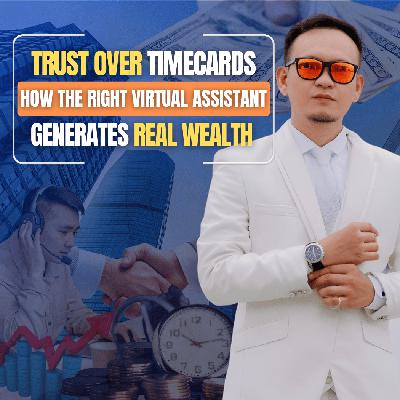
📄 Summary Derek interviews Jeff, his personal VA based in the Philippines, to answer the questions business owners ask most but rarely hear honest answers to. Jeff shares his background, experience working with U.S. clients, and how his role expanded from simple tasks into podcast management, CRM oversight, marketing funnels, real estate support, and operations. The episode dives deep into the human side of virtual teams: trust, communication, initiative, accountability, and mutual respect. Derek explains why he doesn't track screens or micromanage, while Jeff explains why treating VAs like family—not disposable labor—creates loyalty, productivity, and long-term success. They also discuss the realities of working across time zones, internet instability, cultural differences, cost of living, fair compensation, and why honesty matters on both sides. The episode closes with a powerful reminder: if you want to scale your business, you must learn to scale relationships, not just tasks. ⭐ Key Takeaways A business that scales cannot remain a one-person operation Hiring a VA is about trust and leadership, not surveillance Great VAs grow with the business — they don't just complete tasks Personality fit matters as much as technical skill Direct-hire vs. agency VAs both have pros and cons Clear expectations upfront prevent long-term frustration Time zone differences can be an advantage when structured properly Treating VAs as disposable leads to high turnover and poor results When clients succeed, VAs succeed — it's a shared outcome Long-term teams are built on respect, honesty, and growth 💬 Relevant Topics Discussed When a business is "ready" for a VA Where to find virtual assistants Part-time vs. full-time VA roles Hourly rates and cost of living realities Agency VAs vs. direct hires Training vs. hiring experienced talent Trust, accountability, and work ethic Internet, power outages, and contingency planning Time zone alignment and productivity Building culture with remote teams 🎧 Why Should You Listen? Listen to this episode if you: Are overwhelmed running everything yourself Have hired a VA before and it didn't work Want to scale but don't know where to start Struggle with delegation or trust Want honest insight from both sides of the VA relationship Care about building a sustainable, people-first business This episode doesn't just tell you how to hire a VA — it shows you how to lead one. #VirtualAssistants #BusinessScaling #RemoteTeams #EntrepreneurLife #GenerationsOfWealth #Leadership #HiringTips #OnlineBusiness #TeamBuilding #BusinessGrowth #WorkFromAnywhere #VACommunity #RealEstateEntrepreneur #PodcastBehindTheScenes
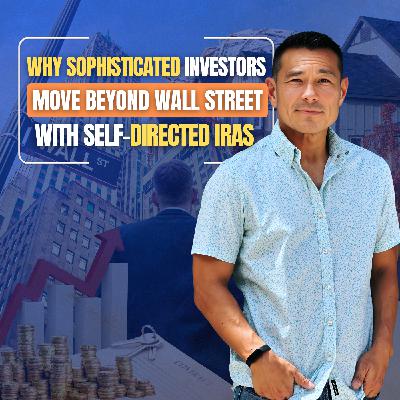
📘 Overview This episode of the Generations of Wealth Podcast explores one of the most misunderstood yet powerful tools available to investors: self-directed retirement accounts. Derek is joined by Henry Yoshida, founder and CEO of Rocket Dollar, a technology-enabled self-directed IRA custodian. Henry shares why most investors even sophisticated, high-net-worth ones—don't understand how self-directed IRAs work, why traditional custodians frustrate investors, and how real estate and alternative assets are quietly reshaping retirement investing. The conversation dives into control, velocity of capital, prohibited transactions, required minimum distributions, and why real estate inside retirement accounts is growing fast. This episode reframes retirement money not as "locked-up capital," but as deployable investment fuel when used correctly. ⭐ Key Takeaways Most investors don't know self-directed IRAs exist, even sophisticated ones. Traditional custodians slow deals down, causing missed closings and frustration. IRA-owned entities restore control and speed, allowing investors to wire funds themselves. Custodians should not judge deal quality, only IRA eligibility. Prohibited transactions are a real risk, especially for hands-on investors. Real estate inside IRAs is growing rapidly, especially passive and private credit deals. Required Minimum Distributions (RMDs) explain much of government retirement policy. Stocks and bonds no longer diversify each other—real estate fills that gap. Investors want control and understanding, not just higher returns. Private and alternative investments may surpass public markets within 10 years. 💬 Relevant Topics Discussed Self-directed IRAs explained simply Why most custodians frustrate real estate investors IRA-owned entities vs. checkbook control IRAs Velocity of capital and missed real estate closings Prohibited transactions and compliance risks Required Minimum Distributions (RMDs) Why retirement capital is underutilized Passive real estate, private credit, and syndications Crypto and other alternative investments in IRAs Control vs. convenience in investing 🎧 Why Should You Listen? Listen to this episode if you: Have old 401(k)s or IRAs sitting idle Raise capital from IRA investors Want faster, cleaner real estate closings Are frustrated with traditional IRA custodians Want to invest retirement funds outside Wall Street Care about long-term tax efficiency and control Want to understand retirement money at a deeper level This conversation gives investors clarity, confidence, and a practical framework for using retirement accounts as part of a real estate wealth strategy. ⏱️ Time Stamps 00:00 – 02:30 Episode intro, why IRAs and alternative investing matter 02:31 – 06:15 Henry Yoshida's background & Merrill Lynch years 06:16 – 10:45 Why most investors don't know about self-directed IRAs 10:46 – 15:30 Problems with traditional IRA custodians & slow closings 15:31 – 20:20 Rocket Dollar model & IRA-owned entities explained 20:21 – 25:10 Velocity of capital, wiring funds, and real estate timing 25:11 – 29:45 Prohibited transactions & real-world investor mistakes 29:46 – 34:20 Required Minimum Distributions (RMDs) & government incentives 34:21 – 38:40 Real estate, private credit & alternative investments inside IRAs 38:41 – 41:40 Future of private investing vs. public markets 41:41 – 43:27 Final insights, where to find Rocket Dollar & closing remarks #SelfDirectedIRA #RealEstateInvesting #AlternativeInvestments #GenerationsOfWealth #RetirementStrategy #PassiveIncome #PrivateCapital #FinancialFreedom #WealthBuilding #IRAInvesting #RealEstateWealth #TaxAdvantaged #PrivateEquity #InvestorEducation
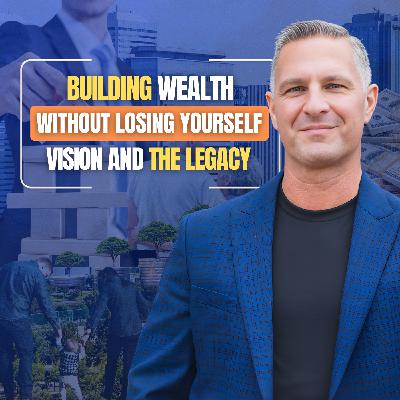
🧾 Summary Alan Underwood opens up about losing family members, walking away from a multimillion-dollar business, and rebuilding his life from the ground up. While many chase growth at all costs, Alan emphasizes that success without alignment leads to burnout, emptiness, and regret. This conversation goes far beyond business tactics. Derek and Alan dive into vision, gratitude, identity, legacy, and mindset—discussing why most people unknowingly live someone else's dream, why scaling doesn't always equal freedom, and how intentional reflection can realign your life and business. The episode challenges listeners to stop chasing numbers and start designing a life that actually feels meaningful. ⭐ Key Takeaways Success and happiness are not the same thing — financial wins can still leave you empty. Vision must come before scale — growth without alignment creates burnout. Identity drives results — you will never outperform who you believe you are. Legacy is about impact, not income — people remember how you showed up, not your net worth. Gratitude changes perspective instantly — most "problems" are really perspective issues. Self-love is foundational — learning to love and forgive yourself unlocks growth. Regular reflection is essential — vision should evolve intentionally, not accidentally. Celebrating wins matters — unacknowledged success leads to emotional exhaustion. What you consume shapes who you become — protect your mental inputs. Transformation requires action — clarity without movement changes nothing. 📚 Relevant Topics Discussed Vision vs. achievement Identity and mindset transformation Burnout and entrepreneurial pressure Coaching and personal growth Gratitude as a daily practice Legacy vs. income Scaling businesses without losing yourself Self-love and forgiveness Perspective and mental health Designing a life aligned with purpose Celebrating wins intentionally Protecting mental inputs and focus 🎧 Why Should You Listen? You should listen to this episode if you: Feel successful on paper but unfulfilled in life Are questioning whether your business supports your vision Struggle with burnout, pressure, or constant "more" Want clarity on purpose beyond money Are building wealth but don't want to lose yourself doing it Believe success should feel better than it does Want to live with intention, gratitude, and alignment This episode is raw, reflective, and deeply human—perfect for entrepreneurs, investors, and leaders who want more than just financial success. ⏱️ Time Stamps 00:00 – 03:30 | Introduction & Alan's background 03:31 – 07:45 | Loss, burnout, and walking away from success 07:46 – 12:30 | Coaching, identity, and discovering purpose 12:31 – 17:40 | Vision vs. scaling and fulfillment 17:41 – 22:30 | Legacy, gratitude, and perspective 22:31 – 27:20 | Identity, habits, and mental conditioning 27:21 – 31:50 | Self-love, forgiveness, and transformation 31:51 – 36:18 | Action, alignment, and living your vision #GenerationsOfWealth #LiveYourVision #EntrepreneurMindset #VisionDrivenLife #PersonalGrowth #LegacyOverIncome #HighPerformance #MindsetMatters #BusinessWithPurpose #GratitudePractice #WealthWithMeaning #AlanUnderwood #DerekDombeck
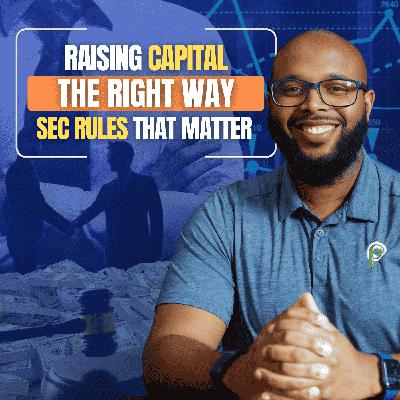
📘 Overview This episode of the Generations of Wealth Podcast takes a deep dive into one of the most misunderstood and risky areas of real estate investing: raising capital legally. Derek Dombeck is joined by SEC and syndication attorney Nic McGrue, founder of Polymath Legal, who has helped clients raise and acquire over $2.5 billion in assets. Together, they break down how syndications really work, the most common (and dangerous) mistakes investors make when raising money, how the SEC views joint ventures, social media marketing, finder's fees, and what investors must have in place to stay compliant while building generational wealth. ⭐ Key Takeaways Most capital-raising mistakes come from ignorance, not bad intent — but the penalties can be severe. Joint ventures are often misused and do not replace proper securities exemptions. Social media capital-raising is risky when returns, guarantees, or deal specifics are shared publicly. Syndications require specific legal documents, including operating agreements, PPMs, and SEC filings. PPMs protect operators as much as investors by clearly disclosing risks. 506(b) vs. 506(c) matters — pre-existing relationships and accreditation rules change everything. Second-position capital is extremely risky, especially in distressed markets. Market downturns expose weak operators and reward disciplined, compliant ones. 💬 Relevant Topics Discussed What legally defines a real estate syndication Syndications vs. funds — where investor money really goes Equity vs. debt structures and investor risk Common SEC violations investors don't realize they're committing Why posting returns on social media is dangerous PPMs, operating agreements, and SEC filings explained Accredited vs. sophisticated investors Finder's fees and why commissions are a legal landmine Market cycles, distressed assets, and future opportunities 🎧 Why Should You Listen? Listen to this episode if you: Plan to raise private money or capital for deals Want to avoid costly legal mistakes in syndications Are investing passively and want to understand your risks Use (or plan to use) social media to attract investors Want clarity on SEC rules without legal jargon Care about long-term credibility, trust, and generational wealth This episode could literally save you from a lawsuit, an SEC investigation, or losing investor trust. #RealEstateSyndication #RaisingCapital #PrivateMoney #GenerationsOfWealth #SECCompliance #PassiveInvesting #RealEstateLaw #AccreditedInvestor #WealthBuilding #CapitalRaising #InvestorEducation #RealEstatePodcast
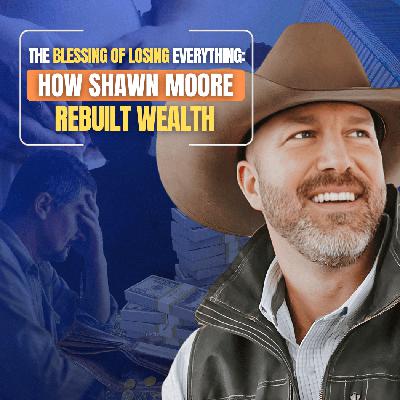
📘 Overview In this powerful 38-minute conversation, Derek and Shawn Moore dive deep into the real story behind a 25-year real estate journey filled with massive wins, devastating losses, personal challenges, and ultimate reinvention. Shawn shares how he survived losing everything twice, rebuilt from scratch, discovered the power of the short-term rental (STR) asset class, and shifted his business — and life — toward building generational impact. The episode blends real estate strategy, creative financing, mindset, failure, family, and the importance of understanding that STRs aren't just properties — they're experience-driven businesses. It's raw, honest, emotional, and full of actionable lessons for any investor navigating changing markets. ⭐ Key Takeaways STRs are an experience business, not just real estate — hospitality matters more than granite countertops. COVID-era performance was a blip, not a baseline; supply has now caught up, exposing poor underwriting. Demand for STRs is still strong, growing ~11% annually, but only well-run properties win today. Creative deal structuring is essential, not optional — lease options, subject-to, and seller financing saved Shawn early on and still create opportunities today. Losing everything can be a blessing when it forces humility, growth, and better decision-making. True legacy isn't assets — it's self-reliance, responsibility, and teaching your kids how to build their own path. Market downturns create opportunity for those who know how to underwrite, negotiate, and structure deals. 💬 Relevant Topics Discussed Shawn's real estate start in 2000 and the rise/fall of fix-and-flip success Losing everything twice — and rebuilding with purpose Emotional challenges of infertility and family-building Why STR investors failed after the COVID boom How to correctly underwrite STR deals today Supply vs. demand and the new realities of the STR market Using creative financing to acquire deals when you're not bankable Legacy, mindset, humility, and entrepreneurship 🎧 Why Should You Listen? This episode is for anyone who: Wants the real, unfiltered truth about long-term success in real estate Needs perspective on overcoming setbacks, both personal and financial Is considering investing in short-term rentals Wants to understand how to operate STRs profitably in today's market Values open, honest conversations about failure, family, legacy, and resilience Wants to sharpen negotiation and creative financing skills with real-world stories Shawn brings decades of wisdom — the kind you only earn by getting knocked down and choosing to stand back up. ⏱️ Time Stamps 00:00 – 02:30 Derek sets the stage & importance of creative deal structuring 02:31 – 07:00 Shawn's background & early years in real estate (2000–2006) 07:01 – 12:00 High-end development, big money… then losing everything 12:01 – 17:30 Rebuilding in 2009: selling homes, working with investors 17:31 – 23:00 The one property he didn't lose — his first STR 23:01 – 28:00 Family, infertility struggles & redefining legacy 28:01 – 32:30 The STR market today: supply, demand & post-COVID realities 32:31 – 35:30 Creative financing: lease options, subject-to & seller carries 35:31 – 38:00 Steak, bourbon, and final wisdom #RealEstatePodcast #ShortTermRentals #STRInvesting #VacationRentals #GenerationsOfWealth #MindsetMatters #RealEstateInvesting #CreativeFinancing #NegotiationSkills #FinancialFreedom #RealEstateJourney #OvercomingFailure #LegacyBuilding #WealthMindset #EntrepreneurLife
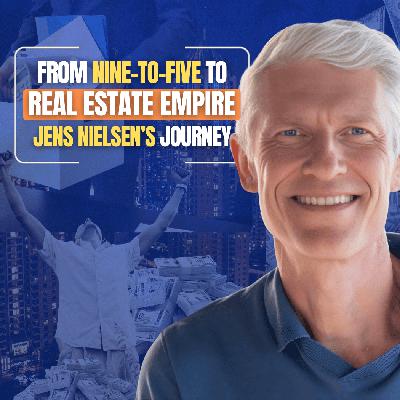
📄 Summary In this powerful conversation, Jens shares how he left a long IT career, discovered real estate in his 40s, and grew from small four-unit buildings to thousands of multifamily and industrial square footage. He breaks down current market conditions, the pressure syndicators are feeling, and where he sees opportunities going forward. The heart of the episode centers on personal transformation how mindset coaching helped him overcome fear, redefine success, and build a life around purpose instead of pressure. Derek and Jens discuss vision, fulfillment, the danger of chasing "someday," and why entrepreneurs must build businesses that support the life they want—not the other way around. ⭐ Key Takeaways It's never too late to start — Jens began investing in his mid-40s and has since built an impressive portfolio. Mindset is the real engine of success — limiting beliefs, fear, and lack of clarity stop more people than lack of money. Current multifamily markets are stressed — insurance, taxes, repairs, and interest rates are crushing many deals. Industrial and flex space are strong alternatives — stable tenants, triple-net structures, and strong demand. Build a business around your life vision — not the other way around. Coaching created Jens's breakthrough — clarity + confidence = action. Young entrepreneurs must bring value first — skills, time, creativity, and effort can open big doors. Happiness isn't found in achievement — it's cultivated daily through mindset and intentional living. 📚 Relevant Topics Discussed Leaving a W-2 career later in life Growing from small multifamily to syndications Market pressure: taxes, insurance, interest rates Industrial & flex space investing Raising private vs institutional capital Mindset transformation & limiting beliefs Vision-driven entrepreneurship Coaching and personal development Financial education gaps in America How young people can start without money Building partnerships by adding value Aligning business with personal life goals 🎧 Why Should You Listen? Listen to this episode if you want to understand: How to reinvent your life at any age How to break free from a W-2 mindset What real estate strategies are working right now How to overcome fear and step into entrepreneurship The mindset shifts that create true freedom Why vision matters more than units, deals, or cash flow How to bring value and attract mentors or partners The difference between building wealth and building fulfillment This episode blends tactical real estate wisdom with deep personal growth insights—making it valuable for new investors, seasoned entrepreneurs, and anyone looking to design a more intentional life. ⏱️ Time Stamps 00:00 – 01:20 | Derek introduces Jens and the theme of late-career reinvention 01:21 – 06:40 | Jens's journey: Denmark → London → U.S. → IT career 06:41 – 11:55 | Discovering real estate in his mid-40s & early multifamily deals 11:56 – 16:45 | 2,500 units, GP/LP roles & national market insights 16:46 – 21:10 | Market pressures: insurance, taxes, interest rates 21:11 – 24:50 | Opportunities in industrial and flex space 24:51 – 29:20 | Mindset, coaching, and shifting from technician to entrepreneur 29:21 – 32:00 | Vision, fulfillment & building a life-aligned business 32:01 – 33:52 | Advice to young investors & Jens's five-year vision #RealEstatePodcast #GenerationsOfWealth #MindsetMatters #RealEstateInvesting #EntrepreneurMindset #MultifamilyInvesting #IndustrialRealEstate #Syndication #PersonalGrowth #WealthBuilding #LifeByDesign #FinancialFreedom #CoachingForSuccess #DerekDombeck #JensNielsen
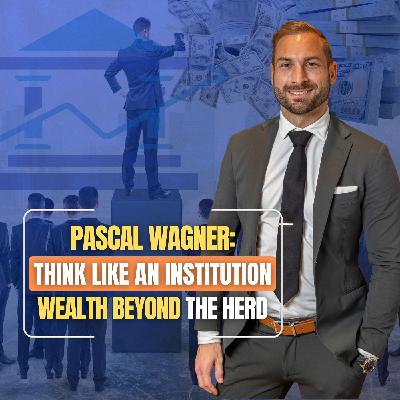
📌 Overview Derek and Pascal explore the world of passive investing, due diligence, long-term wealth strategy, and how everyday investors can model the same approach that major institutions use. Pascal explains how he vetted deals across 23+ investments, the role of understanding inevitabilities, and how his unique experience in venture capital shaped his investment philosophy. They also dive into macro trends affecting real estate, from industrial growth and medical facilities to low-income housing and why Airbnb might be a dangerous play. Key Takeaways Investing without a thesis is gambling — you must know why a deal will win over the long term. Fear holds people back — especially when managing family money; process and due diligence remove that fear. Venture capital is extremely high-risk — 9/10 investments fail and 80% of funds don't return capital. Think in 10-year inevitabilities — crypto adoption, automation, robotaxis, AI, decentralization. Institutional-style investing is accessible now thanks to democratized platforms. Real estate plays Pascal is bullish on: industrial, triple-net, medical/assisted living, mobile home parks, and low-income housing. Most investors lose by buying at the top—don't follow the herd. Your best investments will be the ones people told you were stupid. Relevant Topics Discussed How institutional investors perform due diligence Comparing stocks, VC, and real estate risk profiles Democratization of passive investing platforms How to build a diversified cash-flowing portfolio Long-term economic inevitabilities The "silver tsunami" and aging population trends Why Airbnb and multifamily may be in trouble Building an investment thesis with confidence Mistakes that cause investors to lose money Why Should You Listen? If you want to understand how wealthy families and major institutions build generational wealth, this episode gives you the roadmap. Pascal breaks down investing in a way that is simple, relatable, and actionable. Whether you're just getting started or already investing six figures, this conversation helps you think bigger, avoid common traps, and make smarter decisions with your money. Time Stamps 00:00 – Welcome & Guest Introduction 01:05 – Pascal's background: Germany → Florida → Colorado 02:00 – Selling his startup & joining Techstars VC fund 03:30 – Managing his mother's inheritance after his father passed 05:15 – Learning institutional due diligence 07:10 – Differences between stocks, VC, and real estate 09:20 – Vetting operators vs. vetting your own deals 11:00 – Investing based on 10-year inevitabilities 13:40 – Venture capital explained for real estate investors 16:00 – High-risk, high-reward dynamics of VC 18:15 – Democratizing passive investing platforms 20:00 – How to start investing like Pascal (step-by-step) 22:15 – Derek & Pascal on mentorship and avoiding mistakes 23:40 – Outlook for 2026 and beyond 26:10 – Big-picture trends: crypto, AI, EVs 28:05 – Real estate areas Pascal is bullish on 30:20 – The #1 mistake investors make 32:30 – Final thoughts, resources, and sign-off #GenerationsOfWealth #PassiveInvesting #AlternativeInvestments #RealEstateInvesting #VentureCapital #FinancialFreedom #WealthStrategy #CryptoInvesting #IndustrialRealEstate #LongTermInvesting #MoneyMindset #InvestorTips

Overview This episode maps a practical path from a professional W-2 to operator and capital raiser. Savannah explains how she identified accessible capital, learned hard lessons from early single-family turns, and pivoted to multifamily for scale. She details how to educate investors (especially healthcare peers), structure compliant raises, and maintain discipline during due diligence—even walking away when a deal breaks. Finally, she outlines an assisted-living strategy that leverages clinical operations, demographic tailwinds, and systemized team roles with her spouse. Key Takeaways Start with accessible capital (e.g., primary-home equity) to get into your first meaningful deal. Single-family teaches fast but scales slowly; multifamily systems and cash flow create durability. Relationship-first 506(b) syndications can attract peers from your industry; education is the flywheel. Underwrite conservatively; be ready to terminate and pivot investor capital when the thesis breaks. Clear roles (acquisitions/asset management vs. investor relations/marketing) accelerate execution. Assisted living can compound operational advantage for healthcare operators and investors. Relevant Topics Discussed W-2 to investor/operator progression Underwriting discipline and market selection (tertiary markets, occupancy resilience) 506(b) basics, investor education, and communication cadence Deal structures, splits, and using bank/agency debt with investor equity Due-diligence checkpoints and kill-criteria Assisted-living strategy: licensing, staffing, private-pay dynamics, and risk control Why Should You Listen If you're a busy professional aiming to scale beyond single-family or invest alongside an experienced operator, this episode offers a repeatable blueprint: where to find capital, how to structure and communicate deals, how to protect investors with disciplined underwriting, and how to leverage industry expertise—especially in healthcare—to create a true edge. Time Stamps 00:00 — From bedside nursing to first rentals 02:30 — Using home equity and early single-family lessons 06:00 — Pivot to multifamily and first syndications 10:30 — Underwriting during uncertainty; selecting resilient markets 15:00 — Investor education, 506(b) relationships, and communication 19:30 — Deal structures, splits, and debt choices 24:00 — Due-diligence discipline and when to walk away 28:30 — Assisted-living thesis and operational edge 33:00 — Working with a spouse, roles, and next steps #RealEstateInvesting #Multifamily #Syndications #AssistedLiving #Underwriting #CapitalRaising #PassiveInvesting #CreativeFinance #CashFlow #DerekDombeck
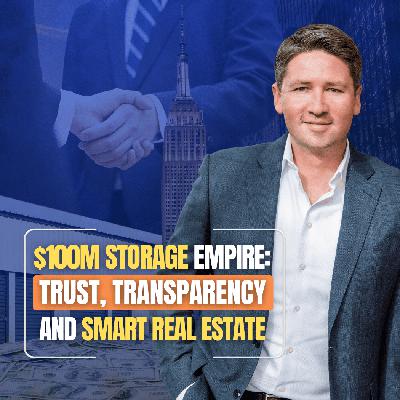
📘 Overview In this episode, Derek sits down with self-storage powerhouse Jacob Vanderslice, who went from flipping houses in the mid-2000s to owning 41 self-storage facilities, 21,000 units, and 3.5M+ sq ft across 15 states. Jacob breaks down: • How he survived multiple market cycles • Why self-storage is still strong despite economic uncertainty • How to raise capital the right way • What investors are doing wrong in today's market • Why transparency and discipline matter now more than ever This is a straight-talking conversation packed with real-world lessons on scaling, managing risk, surviving downturns, and building a durable real-estate business. ⭐ Key Takeaways Cycles Create Wealth — Experienced investors make their biggest gains during market dislocations, not booms. Self-Storage Thrives on Mobility — Demand is tied to people moving. As movement returns, storage demand will rise. The Biggest Issue in 2024–2025: Debt — Rising rates, floating loans, and debt maturities are crushing poorly structured deals. Transparency Wins Investors — Deliver bad news faster than good news. Investors value honesty over perfection. Don't Force Deals — In tight markets, the winners are the ones who wait for great deals, not "make the numbers work." Operational Excellence Matters — In today's environment, execution and downside protection matter more than projections. Take Action — The worst thing a new investor can do is nothing. There's no perfect deal, only well-structured ones. 📌 Relevant Topics Discussed Evolution from flips → development → commercial → self-storage Market cycles, interest rates, and macro pressures Investor relations, reporting, capital raising challenges Overpaying, rookie mistakes, and "selling the dream" deals Operational headaches (break-ins, staff, overhead, U-Haul damages) Sustainable business building vs. chasing scale Finding off-market deals vs. broker relationships Structuring investor equity, preferred returns, and K-1 benefits Risk management and avoiding unsustainable models Why action beats perfection for new investors 🎧 Why You Should Listen This episode is for you if: You're an investor who wants to survive — and thrive — in a shifting market. You want to understand the real economics behind self-storage. You're raising capital (or want to) and need to understand what LPs fear most right now. You've lost deals, money, momentum, or confidence — and want a roadmap forward. You want unfiltered truth from two investors who have been through the fire and came out stronger. ⏱️ Time Stamp 00:00 – Intro & Derek opens the show 01:10 – Jacob's background & early real estate lessons 03:30 – Transition into self-storage & scaling nationwide 05:45 – Market challenges in 2024–2025 07:20 – Macro trends, demand softening & economic uncertainty 10:50 – Why storage demand dropped 13:05 – Derek on "thinning of the herd" in real estate 15:40 – Investor mistakes & overpriced deals 18:20 – Raising capital in today's environment 19:40 – LP pain: equity wipes, capital calls, paused distributions 22:05 – Transparency & communicating with investors 26:15 – How Jacob sources deals (off-market + brokers) 28:20 – Ideal deal size & investment parameters 29:50 – How investor structures work (pref, equity, K-1s) 31:30 – Managing 427 investors & reporting systems 33:10 – Team size & operational setup 36:20 – Not forcing deals & staying disciplined 38:00 – Hard money lending parallels & risk cycles 39:20 – Reality of storage operations (not passive) 40:20 – Jacob's advice: take action, take smart risks 41:30 – Political uncertainty & market psychology 43:45 – Derek's final send-off 📄 Summary Derek and guest Jacob Vanderslice dive deep into the mindset and mechanics behind building a durable real-estate business — specifically self-storage. Jacob shares how he went from fighting fires to building a multi-state storage empire by surviving market cycles, raising capital responsibly, and developing systems that scale. They discuss the current market environment, rising rates, cracks in the economy, deal flow challenges, overpriced assets, and investor fear. Jacob explains why transparency and delivering bad news quickly is critical when managing investor capital, and why operational excellence matters more now than ever. The conversation also covers sourcing off-market deals, building long-term investor trust, managing a large operations team, navigating overhead, and avoiding the pitfalls that wipe out rookies. The episode ends with timeless advice: take action, take smart risks, and don't wait for the perfect deal. #RealEstateInvesting #SelfStorageInvesting #CommercialRealEstate #PassiveIncome #WealthBuilding #MarketCycles #RealEstateTips #InvestorMindset #CapitalRaising #RealEstatePodcast #GenerationsOfWealth #DerekDombeck
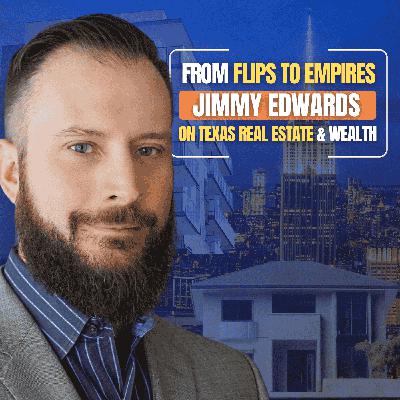
Overview In this episode of the Generations of Wealth Podcast, Derek Dombeck sits down with Jimmy Edwards, a Texas-based real estate investor who evolved from loan officer and house flipper to multifamily owner and syndicator. Jimmy shares his full-circle journey—from selling high-rise condos before the 2008 crash to navigating lending shifts, flipping foreclosures, and now managing large-scale multifamily properties in the Dallas–Fort Worth area. Together, Derek and Jimmy dig into market cycles, lessons learned from past downturns, and how to transition from single-family investing to multifamily ownership with confidence. They break down lending trends, rate expectations, government policy shifts, and the role of AI in real estate operations—all while emphasizing relationships, long-term strategy, and community-focused investing. Key Takeaways Adaptability is Everything: Market shifts aren't new. Success comes from learning, pivoting, and staying patient through corrections. Debt Discipline: Avoid short-term bridge loans—Jimmy stresses the importance of long-term fixed-rate financing and runway to weather downturns. Texas Resilience: Even as values dip 30% in commercial sectors, smart operators recognize new buying opportunities in stabilized markets like DFW. Relationships Drive Deals: Brokers, lenders, title reps, and city officials—every relationship is an investment in your next opportunity. From Houses to Apartments: Treat multifamily as a customer service business—build communities, not just cash flow. Operational vs. Physical Distress: The best value-add deals aren't always ugly properties—they're often poorly managed ones. AI & Efficiency: Technology helps, but nothing replaces real human connection and trust in real estate. Relevant Topics Discussed Transitioning from flipping houses to multifamily investing Lending cycles, variable-rate risks, and loan strategy post-2008 The Texas multifamily market and price corrections Government-backed loans (FHA, VA, USDA) and systemic risk The impact of insurance costs on affordability and investor returns Building strong community and police partnerships when improving neighborhoods Syndication and partnerships: structuring deals and scaling responsibly Using AI and automation without losing the human touch Why You Should Listen This episode is packed with real-world insights for investors navigating a shifting market. Whether you're flipping single-family homes or eyeing your first apartment deal, Jimmy's journey offers a blueprint for sustainable scaling, smart financing, and ethical growth. You'll learn how to build meaningful relationships, manage risk in unpredictable markets, and make the leap from residential to commercial investing without losing your foundation. ⏱️ Time Stamps 00:00 – Derek introduces Jimmy Edwards and his Texas real estate journey 03:30 – From banking to flipping to multifamily investing 08:00 – Surviving market crashes and lending shifts 15:00 – Understanding DFW's commercial correction and buying window 22:00 – Government-backed loans, insurance costs, and market risks 29:00 – From single-family flips to apartment ownership 34:00 – Community-driven investing & working with city officials 38:00 – Embracing AI and tech without losing authenticity 41:00 – Final thoughts on relationships, resilience, and scaling smart #GenerationsOfWealth #DerekDombeck #JimmyEdwards #RealEstatePodcast #MultifamilyInvesting #WealthBuilding #CreativeFinance #RealEstateStrategy #TexasRealEstate #GenerationsOfWealthPodcast #InvestorEducation #MarketCycles #FromFlipsToMultifamily
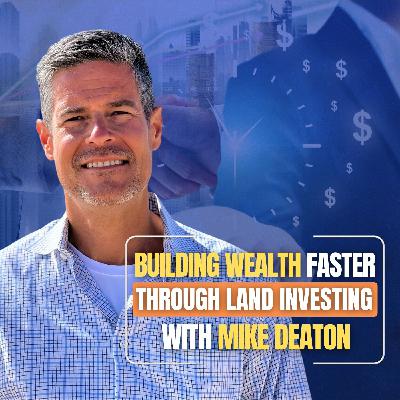
📋 Overview In this episode of The Generations of Wealth Podcast, Derek Dombeck sits down with Mike Deaton, a former tech executive who left corporate America after a double layoff and built a thriving land-investing business with his wife in the mountains of Colorado. Mike shares how they transitioned from W-2 jobs at Microsoft and Nokia into land flipping and owner financing, creating consistent cash flow and lifestyle freedom. Together, Derek and Mike unpack the mindset shift required to leave corporate comfort, the mechanics of land investing, creative deal structures like owner financing and purchase options, and how to build a resilient business through market shifts. 💡 Key Takeaways Turning Setbacks into Opportunity: Getting laid off became the catalyst for Mike's financial independence. Why Land Investing Wins: Lower competition, flexible strategies, and scalable margins make land one of real estate's best-kept secrets. Owner Financing Power: How stacking small notes creates predictable monthly income and long-term wealth. Creative Deal Structures: Using purchase options and seller financing to control assets with minimal capital. Scaling Smartly: How mentorship and community accelerate success and prevent costly mistakes. Tax Advantages: Leveraging passive investments and depreciation to minimize taxes and maximize returns. Market Resilience: Why land tends to stay stable through market cycles compared to other asset classes. 🎧 Why Should You Listen If you've ever dreamed of leaving your job, creating freedom through real estate, or wondered how to invest without tenants, toilets, or termites—this episode is your roadmap. Derek and Mike reveal the real numbers, strategies, and mindset behind building wealth through land. 🗣️ Relevant Topics Discussed Land flipping & investing models Owner financing & note stacking Creative real estate strategies (options, double closings) Tax advantages & depreciation strategies Transitioning from corporate life to entrepreneurship Building community & mentorship in real estate Market cycles and land resiliency ⏱️ Time Stamps 00:00 – 03:00 Derek's intro & Mike's backstory 03:01 – 09:30 From corporate layoffs to starting a land business 09:31 – 17:00 Early land deals, learning curves, and finding a niche 17:01 – 24:00 Owner financing and creating recurring income 24:01 – 30:30 Marketing and sourcing off-market land deals 30:31 – 36:00 Tax strategies and passive investing in syndications 36:01 – 41:00 Land's resilience in shifting markets 41:01 – 44:30 Final advice on mentorship, community, and action #GenerationsOfWealth #DerekDombeck #MikeDeaton #LandFlipping #RealEstateInvesting #FinancialFreedom #CreativeFinance #OwnerFinancing #WealthBuilding #EntrepreneurMindset #NoMeansNotYet
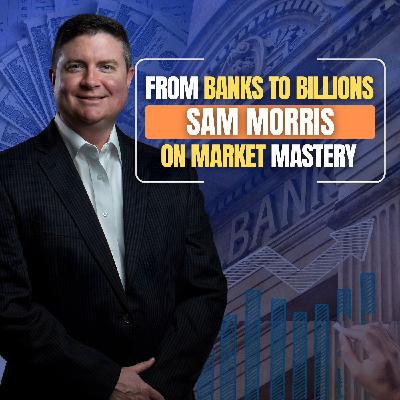
Overview In this insightful episode, Derek Dombeck sits down with Sam Morris, Partner at Lone Star Capital, to unpack his remarkable journey from corporate banking to managing over 5,000 multifamily units and nearly $750 million in assets under management. Sam reveals how mastering underwriting, surviving major setbacks, and focusing on operational excellence built the foundation for long-term success. Together, they explore lessons learned from past market cycles, the future of multifamily investing, and the mindset required to thrive in shifting economies. Key Takeaways Master the Fundamentals: Sam's early banking career gave him a deep understanding of deal structure, underwriting, and risk—skills that later powered his real estate success. Adapt and Learn from Adversity: His first property was hit by a hurricane, teaching him the value of resilience, insurance strategy, and team relationships. Operate with Agility: In uncertain markets, the best operators are nimble, vertically integrated, and quick to make data-driven decisions. Know Your Investment Thesis: Before investing, understand your goals, the sponsor, the structure, and then the deal itself. Cycles Create Opportunity: Tough markets reveal weak operators and open the door for disciplined, well-prepared investors. Invest in Yourself First: Education and due diligence are essential before risking capital—knowledge protects your wealth. Relevant Topics Discussed From corporate banking to multifamily syndication Lessons from Hurricane Ike and early real estate challenges The merger with Lone Star Capital and scaling to 5,000+ units Market insights for 2025–2026 in Texas multifamily Understanding investor psychology and managing expectations How interest rates, supply, and cap rates shape current opportunities Why cash flow and operational control matter more than ever Why You Should Listen If you're a real estate investor, operator, or aspiring syndicator, this episode delivers real-world lessons on scaling sustainably, mitigating risk, and spotting opportunities in challenging markets. Sam's story exemplifies the power of persistence, education, and strategic growth—and his perspective offers clarity for anyone navigating today's market shifts. ⏱️ Time Stamps 00:00 – Introduction: From banking to multifamily 03:45 – Learning the craft of underwriting 08:10 – Hurricane Ike: Lessons from crisis management 14:20 – Transitioning from banking to full-time real estate 19:15 – The Lone Star Capital merger and scaling strategies 23:40 – Market cycles and operational excellence 28:10 – Forecasting 2025–2026 multifamily trends 32:30 – Why investors must align thesis, sponsor, and structure 35:10 – Sam's best advice for new investors #GenerationsOfWealth #DerekDombeck #SamMorris #RealEstatePodcast #MultifamilyInvesting #WealthBuilding #CreativeFinance #RealEstateCycles #LoneStarCapital #InvestorEducation #RealEstateMindset #GenerationsOfWealthPodcast

📋 Overview In this powerful episode of the Generations of Wealth Podcast, Derek Dombeck sits down with fellow investor and mobile home park mogul Derek Vickers. What began as a door-to-door insurance hustle turned into a multimillion-dollar mobile home park portfolio spanning the Sunbelt. Vickers shares how he went from making $13,000 his first year in sales to now owning 44 parks and 2,100 lots, plus insights into perseverance, communication, and the art of negotiation. The two Dereks dive deep into raising private capital, structuring deals, managing teams, and maintaining integrity in the business — all while emphasizing mindset, accountability, and persistence. 💡 Key Takeaways Perseverance Pays Off: Long-term commitment to consistent action creates exponential results. Negotiation is a Superpower: Communication and mindset matter more than mechanics. Affordable Housing = Recession Resistance: Mobile home parks provide stability and strong demand. Raising Capital with Confidence: You're not asking for money—you're offering opportunity. Ownership Mindset: Take accountability for wins and losses to create lasting success. Scaling the Right Way: Team structure, systems, and reinvestment are essential for growth. 🏘️ Relevant Topics Discussed Building a mobile home park empire from scratch Affordable housing trends and market safety Sales psychology and persistence Negotiation frameworks ("No Means Not Yet") Raising private capital and investor relations Structuring funds and value-add models Managing 40+ parks with regional systems Mindset and personal accountability in entrepreneurship 🎧 Why You Should Listen If you're an entrepreneur, investor, or anyone tired of quitting too soon, this episode will reignite your belief in what's possible with consistency, communication, and courage. Learn how Derek Vickers turned adversity into acceleration — and why both Dereks believe persistence and integrity are the foundation of every lasting business. You'll walk away with real insights you can apply immediately in your next negotiation or deal. ⏱️ Timestamps 00:00–03:00 Intro & The Two Dereks 03:01–10:00 Vickers' Early Struggles & Door-to-Door Sales Lessons 10:01–16:00 Discovering Real Estate & First Mobile Home Park Deal 16:01–22:00 The Power of Persistence & Sales Mindset 22:01–28:00 Negotiation, Communication & Accountability 28:01–35:00 Scaling to 44 Parks & Managing the Team 35:01–41:00 Raising Capital the Right Way & Investor Mindset 41:01–45:00 Market Outlook, Advice & Final Thoughts #MobileHomeParkInvesting #RealEstateInvesting #AffordableHousing #PassiveIncome #Negotiation #NoMeansNotYet #GenerationsOfWealth #DerekDombeck #DerekVickers #EntrepreneurMindset #FinancialFreedom #PrivateLending #CapitalRaising #RealEstatePodcast #WealthBuilding
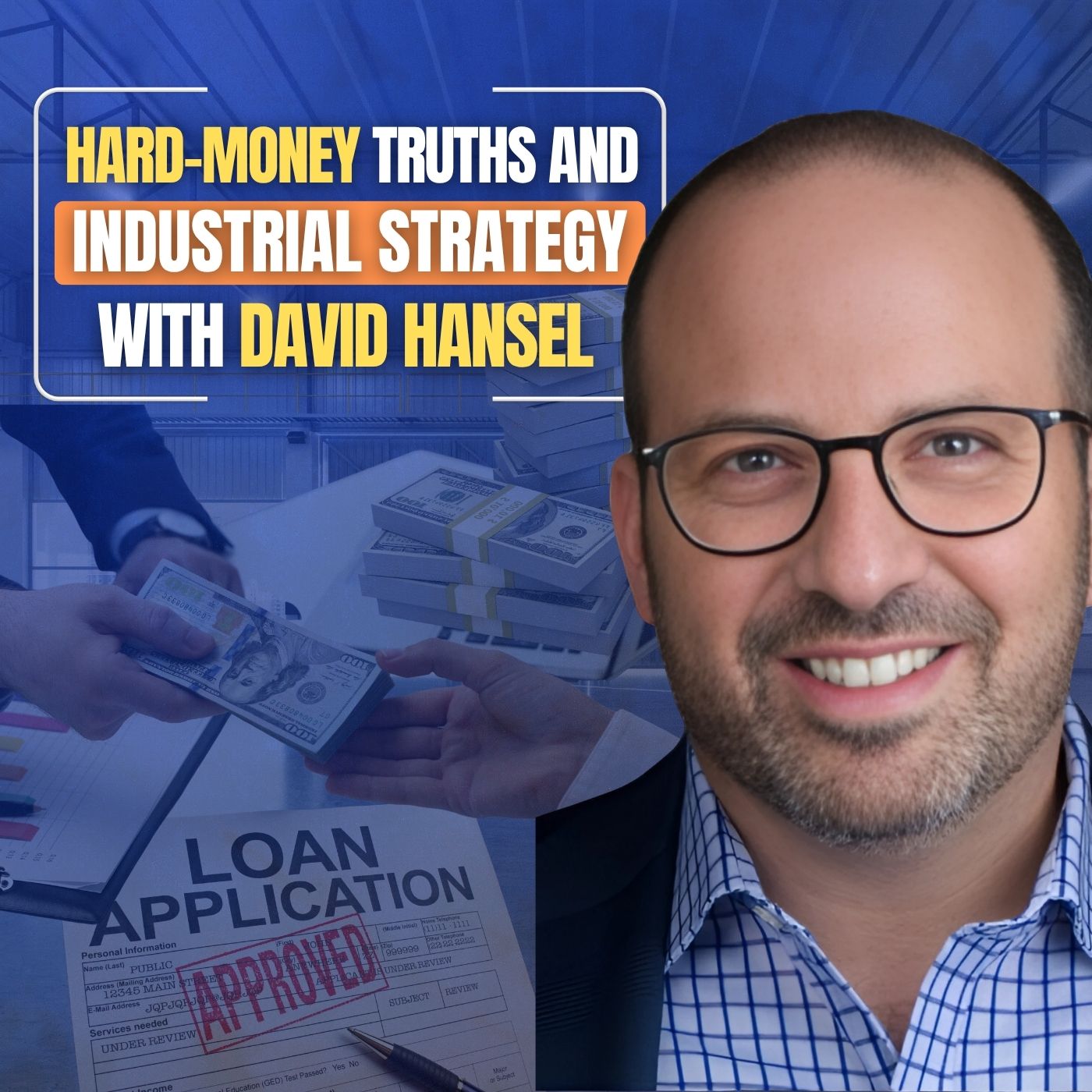
Overview In this 37-minute episode, Derek Dombeck sits down with David Hansel, founder of Alpha Funding and Lucerne Capital Partners, for a deep dive into the evolution from single-family flips to commercial and industrial real estate investing. David shares his journey through market cycles, how he built a thriving lending business during the 2008 crash, and how he transitioned into managing over $300M+ in assets through funds and syndications. You'll gain first-hand insights into hard money lending, fund management, and small-bay industrial investing — with actionable advice for both new and seasoned investors. Key Takeaways How David built a successful hard money lending company during one of the toughest markets. The evolution from retail lending to institutional partnerships and fund structures. Why small-bay industrial properties are a hidden gem in today's market. How to structure funds and syndications that attract serious capital. What every borrower should know about lender ethics, underwriting, and costs. The mindset shift from flipping $50K homes to handling $50M+ commercial portfolios. Lessons from competitive sports (yes, diving!) that translate directly to business perfection and growth. Relevant Topics Hard Money Lending vs. Private Money Raising Retail & Institutional Capital Risk Management and Underwriting in Changing Markets Fund Formation, Syndication, and Investor Relations Transitioning from Multifamily to Industrial Real Estate The Rise of Small-Bay Industrial Spaces Building Team Culture & Sustainable Growth Why You Should Listen If you've ever wondered how to scale from single deals to managing millions in capital, or how seasoned investors navigate lending, funds, and market shifts — this episode delivers pure gold. David's perspective combines financial discipline, creative strategy, and practical wisdom every investor needs in today's climate. ⏱️ Time Stamps 00:00 – Derek's intro and how David entered real estate 03:00 – Founding Alpha Funding during the 2008 crash 08:30 – Raising capital and managing private investor funds 12:45 – How lending evolved with institutional money 17:00 – Market insights: caution, leverage, and borrower education 22:00 – Transitioning into Lucerne Capital and commercial assets 27:30 – The opportunity in Small-Bay Industrial properties 31:00 – Building funds and syndications the right way 35:00 – Lessons from diving: perfection through small movements 36:30 – Derek's wrap-up and key mindset takeaways #RealEstateInvesting #HardMoneyLending #PrivateLending #Syndication #FundManagement #IndustrialRealEstate #CommercialInvesting #SmallBayIndustrial #PassiveIncome #GenerationsOfWealth #DerekDombeck #DavidHansel #WealthBuilding #CreativeFinance #EntrepreneurMindset #LiveYourVisionLoveYourLife
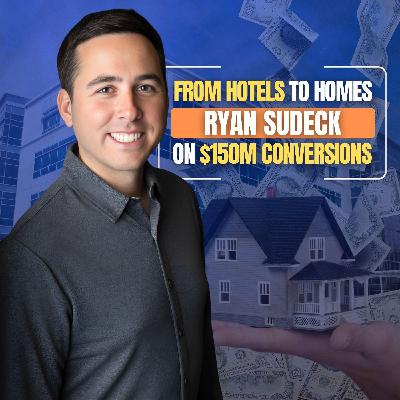
Overview Derek sits down with Ryan Sudek, CEO of Sage Investment Group, to unpack a repeatable system for converting underperforming hotels/motels into studio apartments—filling an affordability gap while targeting strong returns. They cover market selection, underwriting, construction (sprinklers, sub-panels, kitchens), property management at 100–200 unit scale, and the capital stack behind Sage's evergreen fund (quarterly distributions, 1031 within the fund, portfolio diversification). Expect practical detail on risk controls (change-of-use permits before closing, value engineering, local code strategy), tenant quality myths (longer average tenancy than market), and why exterior-corridor assets speed construction. The episode closes with goals (10–15 conversions/year, path to 15k units) and how deals actually reach the team (direct-to-seller, lenders, brokers, 60–70 LOIs out at any time). Key Takeaways Niche with low competition: Hotels are valued differently than apartments; conversion unlocks a step-up in value. Tenant reality ≠ myth: Converted assets showed longer average tenancy than national norms, supporting stable cash flow. Market selection > distress alone: Prioritize wage/employment growth; affordable rents still pencil outside "tier-1" cities. Speed & cost levers: Exterior corridors reduce build time (~20% faster); full kitchens + code upgrades (sprinklers, sub-panels) are standard. Operational scale matters: Staff on-site at 100–200 units; centralized construction/asset management drives consistency. Evergreen fund advantages: Diversification, quarterly distributions, 1031 recycling inside the fund, flexible exits. Risk mitigation: Don't close before change-of-use; collaborate with jurisdictions; tighten cost ranges via repeatability. Deal flow is proactive: Long nurture cycles (18–24 months), direct outreach plus lender/broker channels, many LOIs out concurrently. Why Should You Listen? You want a repeatable adaptive-reuse blueprint that works in multiple states. You're raising or placing capital and need a portfolio model (evergreen) that smooths cash flow and taxes. You're curious how to de-risk entitlement & construction on conversions (permits, code, staffing, vendors). Relevant Topics Discussed Hotel vs. apartment valuation spread and where the upside comes from Market/rent comps (Denver studios vs. Carolinas), affordability positioning Unit specs: typical SF, full kitchens, amenities, common-area repurposing Construction/code: sprinklers, electrical sub-panels, energy code, interior vs. exterior corridor Org design: acquisitions, construction mgmt, asset mgmt, on-site staffing Capital: evergreen fund mechanics, 506(b) → 506(c), distributions & 1031 inside the fund Risk controls: purchase terms tied to change-of-use, cost discipline, jurisdiction approach Pipeline & sourcing: off-market, brokers, lender calls, LOI volume and timelines Time Stamps 00:00–03:30 Intro & Ryan's background; mission and first conversion "light-bulb" moment 03:30–08:00 Why hotels → apartments work; valuation spread; market selection logic 08:00–12:00 Tenant quality myth-busting; occupancy and demand drivers 12:00–16:00 Exterior vs. interior corridors; schedule/cost impact; amenity strategies 16:00–21:00 Construction & code: sprinklers, sub-panels, full kitchens; working with jurisdictions 21:00–26:00 Ops at scale: team structure, on-site staffing, property management cadence 26:00–31:00 Evergreen fund model: diversification, distributions, 1031, 506(b)→506(c) shift 31:00–34:00 Risk mitigation & purchase terms (change-of-use before closing) 34:00–36:00 Goals (10–15/year; path to 15k units), deal sourcing & LOI pipeline; wrap-up #RealEstateInvesting #AdaptiveReuse #HotelToApartment #AffordableHousing #Multifamily #Syndication #EvergreenFund #1031Exchange #ValueAdd #ConstructionManagement #CreativeRealEstate #GenerationsOfWealth #DerekDombeck #SageInvestmentGroup #RyanSudek
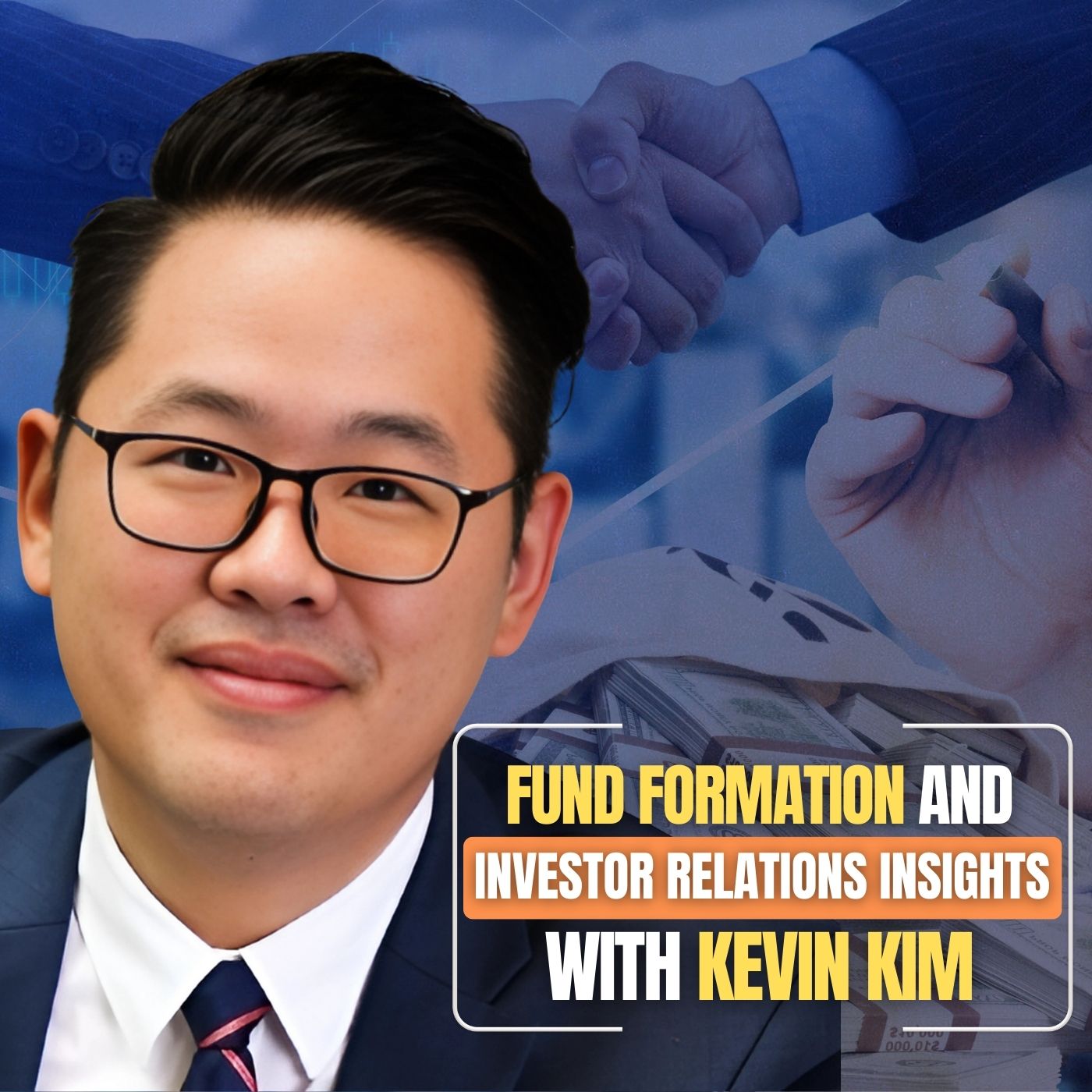
Overview Derek sits down with securities attorney Kevin Kim (Fortra Law) to demystify raising capital for real-estate deals—covering when to use a syndication vs. a fund, realistic startup costs, 506(b) vs. 506(c) advertising rules, what actually happens when regulators come knocking, and how note offerings compare to LP/GP fund structures. They also hit modern twists like series LLC funds, why most beginners should avoid tokenization, and a pragmatic outlook for late-2025 across SFR, small multifamily, and shaky commercial sectors. If you raise money (or plan to), this is your compliance-and-strategy cheat sheet straight from a former regulator. Key Takeaways Syndication ≠ Fund: A syndication is single-asset and generally cheaper; a fund is a multi-asset blind pool with different risks, control, and scalability. Realistic Legal Budgets: Typical legal setup for a basic syndication often ~$15k–$40k depending on complexity; funds cost more. Cutting corners is how sponsors get burned. Don't Advertise Illegally: Public "I'm raising money" posts can violate securities laws unless you're properly running Reg D 506(c) with verified accredited investors. Regulator "fishing expeditions" are broad and expensive to answer. Debt vs. Equity Capital: Note offerings are simple but create fixed debt-service and maturity risk; equity/fund structures can offer flexibility and potential tax advantages (e.g., REIT-style considerations) but add complexity. Modern Structures with Caution: Series LLC funds can isolate assets; avoid "investor cherry-picking" designs that smell like SMAs (adviser issues) and beware accounting nightmares. Tokenization is not for beginners. Investor Relations Reality: Small checks often require more hand-holding than large ones; plan your investor base accordingly. Market Outlook (late-2025): Opportunity pockets in SFR/small MF; be cautious on office/retail/industrial; private lending deal flow is uneven but capital availability is strong—only do deals you can underwrite. Why You Should Listen You'll learn exactly where sponsors get into trouble with the SEC—and how to avoid it. You'll understand which structure fits your strategy today and how to scale it without legal landmines. You'll get a practical 2025 lens on which RE sectors deserve your time right now. Relevant Topics Discussed Syndication vs. fund basics • True legal costs • 506(b) vs. 506(c) and advertising • Regulator subpoenas & "bad actor" disqualification risk • Debt funds vs. note programs vs. equity funds • REIT-style considerations • Series LLC funds • Tokenization pitfalls • Crowdfunding realities • Investor ticket-size strategy • 2025 macro outlook for lenders & operators. Time Stamps 00:00 – 02:30 Intro & Kevin's background (banking → SEC → securities law) 02:31 – 07:30 Syndications vs. funds—what they are, when each fits, realistic setup costs 07:31 – 15:00 Social-media money raising: why casual posts trigger securities violations; 506(b) vs. 506(c) 15:01 – 21:00 What regulators actually do: subpoenas, scope, legal cost, and bad-actor landmines 21:01 – 28:00 Debt (note) programs vs. LP/GP funds—control, leverage, tax angles, and scalability 28:01 – 33:00 Series LLC funds, "cherry-picking" traps, accounting headaches; tokenization—who should not do it 33:01 – 37:30 Crowdfunding lessons; small vs. large investor dynamics; running clean investor relations 37:31 – 40:00 2025 outlook: where opportunity lives; what to avoid; closing advice ("If you can't underwrite it, don't do it.") #RealEstateInvesting #Syndication #PrivateLending #RealEstateFunds #CapitalRaising #SecuritiesLaw #506b #506c #RegD #DebtFunds #EquityFunds #DueDiligence #Underwriting #GenerationsOfWealth #DerekDombeck #KevinKim
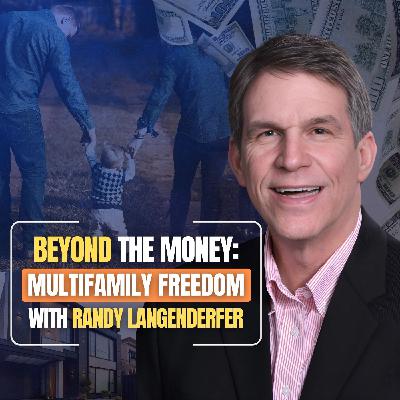
Overview Derek sits down with multifamily syndicator Randy Langenderfer to unpack his journey from corporate exec to full-time investor and coach. Randy shares the hard-won lessons from starting as an LP, moving into GP roles, structuring deals that align incentives, navigating the interest-rate shock, and where the next opportunities will likely appear. If you want specific questions to vet sponsors, a clear take on 70/30 PREF vs 80/20 "simple stack," and a realistic read on distressed deals ahead, this one's for you. Key Takeaways Sponsor > Property: Track record and character of the sponsorship team ultimately make or break deals—especially when things go sideways. Ask how much true skin they have in the game (beyond rolled acquisition fees). GOW Podcast - Randy Langenderfer LP → GP Path: Start as an LP to learn, then scale into GP roles via teams with complementary skills; own "a little of a lot" instead of "a lot of a little." GOW Podcast - Randy Langenderfer Capital Stack Clarity: Understand tradeoffs between 70/30 with PREF (priority to LPs) vs 80/20 simple split (keeps GPs incentivized in tough markets). GOW Podcast - Randy Langenderfer Rate Shock Reality: Many 2021–2022 bridge/variable-rate deals are strained; significant loan maturities create distressed opportunities for prepared operators. GOW Podcast - Randy Langenderfer Taxes That Matter: Depreciation can create paper losses against positive cash flow; learn how allocations flow to LPs/GPs and when REP status matters. GOW Podcast - Randy Langenderfer Partnerships Need Prenups: Treat partnerships like marriages—define the exit plan upfront to protect relationships and capital. GOW Podcast - Randy Langenderfer Private Capital Advantage: In choppy markets, aligned private lenders can be more flexible than institutions bound by regulators. GOW Podcast - Randy Langenderfer Stay in the Game: Cycles change; persistence, due diligence, and conservative structures win over time. Relevant Topics Discussed Vetting sponsors (character, capital at risk, track record) LP vs GP roles; raising capital ethically PREF returns vs simple splits; incentive alignment Bridge/variable debt risk and refi constraints Bank committees & regulatory pressure vs private lenders Distressed multifamily pipeline and how to access it Depreciation, bonus depreciation, and allocations to LPs/GPs Team building for those "long on energy, short on capital" Partnership structure & exit planning Randy's "why": purpose, giving back, staying active Why You Should Listen Actionable vetting questions you can use on your next deal. Clear, BS-free explanations of capital stacks and incentives. Current cycle insights to spot near-term distress and long-term opportunity. Real-world ethics and alignment from someone who's operated on both LP and GP sides. Time Stamps 0:00 – Intro & Randy's background: LP beginnings, first GP deal 6:20 – Lessons from early LP investments; why sponsor quality is paramount 11:45 – Transition to GP; building teams and roles that compound strengths 17:00 – "Skin in the game": what to ask sponsors (fees, at-risk capital) 22:30 – 70/30 PREF vs 80/20 splits: incentives, simplicity, and LP outcomes 31:15 – Market cycle update: rate shock, maturities, and distress window 35:10 – Banks, regulators, and the case for private capital relationships 38:00 – Randy's "why": purpose, philanthropy, and staying sharp 39:30 – Wrap & takeaways #RealEstateInvesting #Multifamily #Syndication #PassiveIncome #LPvsGP #CapitalStack #DueDiligence #CommercialRealEstate #DistressedAssets #WealthBuilding #CreativeFinancing #GenerationsOfWealth #DerekDombeck #RandyLangenderfer
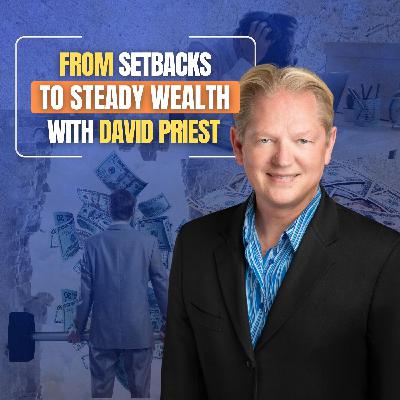
Overview Derek sits down with Houston-based investor and capital raiser David Priest to unpack two decades of lessons: surviving the 2008 crash, shifting from transactional work to passive/commercial deals, why operator track record and conservative underwriting beat flashy pro formas, and how to protect yourself in today's capital stacks (avoid bridge debt, prefer simple structures with LPs directly behind the bank). They also cover buying when others panic, the power of boots-on-the-ground, and a novel principal-protection approach for LPs. Key Takeaways Back the jockey: Prioritize operators with 10–15+ years and full deal cycles completed. Simple capital stacks win: Bank → LPs; be wary of mezzanine debt and complex pref stacks. Bridge debt = hidden risk: Favor long-term, fixed-rate agency loans on MF. Underwrite for durability, not sizzle: Think steady 15–20% targets vs. "home run" bets. Buy when it's ugly: Cyclical pain can create value—if the fundamentals make sense. Stick to your numbers: Conservative buy boxes outlast hot markets. Market matters & proximity helps: Leverage trusted boots-on-the-ground. Investor protection is evolving: Principal-protection style structures can trade a fee for downside cover. Relevant Topics Discussed Surviving 2008 and the thinning of the herd Transition from mortgages/single-family to syndications Capital stack 101: bank, mezzanine, preferred equity, LPs Bridge vs. fixed agency debt in multifamily Return structures (e.g., 8% pref, equity splits) and principal protection ideas Operator selection, conservative underwriting, and market selection (Texas/Midwest) Collaboration mindset: "Who Not How" Time Stamp Suggested chapter marks 00:00 — Intro & show setup 01:05 — David's background (Houston, mortgages, resilience) 04:30 — Lessons from 2008; staying when others quit 08:10 — From passive LP to capital raising; mindset shift 12:40 — Failed 90-unit, pivot to raising for proven operators 15:30 — Single-family resilience; sticking to buy boxes 19:20 — Buying when there's "blood in the streets" 23:10 — Capital stack basics; why mezz/pref can push LPs last 27:15 — Dangers of bridge debt; prefer long-term fixed 31:00 — 8% pref, returns, and principal-protection concept 34:20 — Boots-on-the-ground & market selection 36:20 — What makes David different; collaboration 38:20 — Close & CTA #GenerationsOfWealth #RealEstateInvesting #PassiveIncome #Multifamily #CapitalStack #Syndication #Underwriting #BridgeDebt #TexasRealEstate #OperatorTrackRecord #WhoNotHow #DerekDombeck

Overview Derek sits down with David "Dave" Seymour (A&E's Flipping Boston) for a blunt, no-fluff masterclass on thriving through market cycles. Dave shares his firefighter-to-investor story, the costly lessons behind refis and 2007, how TV fame and hard-money lending actually work, why control of capital beats "cheap" bank money, and the underwriting discipline needed now. They unpack Florida's boom-bust dynamics, pivoting plays (from land to pickleball to flex), building real networks (and a strict "no-a**hole policy"), and Dave's 2025–26 plan: scalable education + cherry-picked commercial deals—grounded in faith, family, and service. Key Takeaways Cycles reward discipline: It's not just rates—bad underwriting & speculation break deals. Buy right, model stress, and sleep at night. Control the capital: Private money and structure > "cheapest bank debt," because speed & certainty win. Pivot fast: Markets shift; winners repurpose assets (e.g., land → pickleball concept → flex/industrial). Scale smart: Bigger isn't always better—overhead, servicing, and defaults rise nonlinearly. Invest in accountability: Real mentorship beats "YouTube University." Pay to shortcut mistakes. Network is net worth: Podcasts and partnerships multiply deal flow—enforce a no-jerks rule. 2025–26 outlook: Massive reset = opportunity for trained buyers; focus on shelter demand (MF, student/elderly, sober living). Relevant Topics Discussed 2003–2008 lessons; refi traps & ARMs A&E Flipping Boston behind-the-scenes: ethics over drama Hard-money lending vs. non-QM shutdowns during COVID Syndication, waterfalls, accredited investors (Freedom Venture/Legacy Alliance) Conservative underwriting & deal triage Florida (Cape Coral/Fort Myers) cycle patterns: residential ↔ commercial Land strategies & adaptive reuse (pickleball → flex) Education stack: financial literacy, Inflation Nation (book/film), masterclasses Faith, family, and service as long-term drivers Time Stamps 00:00 Intro: why networks matter 01:15 Dave's path: firefighter → investor; 2007 wake-up call 05:20 Seminars, paying for accountability, and early wins/mistakes 09:30 Flipping Boston: getting the show, partner dynamics, and TV realities 14:20 Ethics on camera: refusing "manufactured drama" 16:30 Hard-money business model; COVID's hit vs. private-capital shops 20:45 Control of capital → syndication & fund structures 24:10 It wasn't rates—it was shaky underwriting and management 27:00 Florida focus: overbuilds, ghost listings, and where value still hides 30:10 Land pivots: pickleball plan, competition shock, flex solution 33:00 Scaling pitfalls: servicing, defaults, and team capacity 35:10 Mentors vs. "YouTube U": compressing the learning curve 37:30 Network building & the "no-a**hole policy" 39:20 2025–26: Legacy Alliance, Inflation Nation, and cherry-picking deals 42:10 Faith & family: the real why 44:10 Action steps + call to share #RealEstateInvesting #DavidSeymour #DerekDombeck #FlippingBoston #CommercialRealEstate #Multifamily #HardMoneyLending #RealEstateTips #Syndication #Underwriting #MarketCycles #Networking #FinancialLiteracy #Entrepreneurship #LegacyAlliance
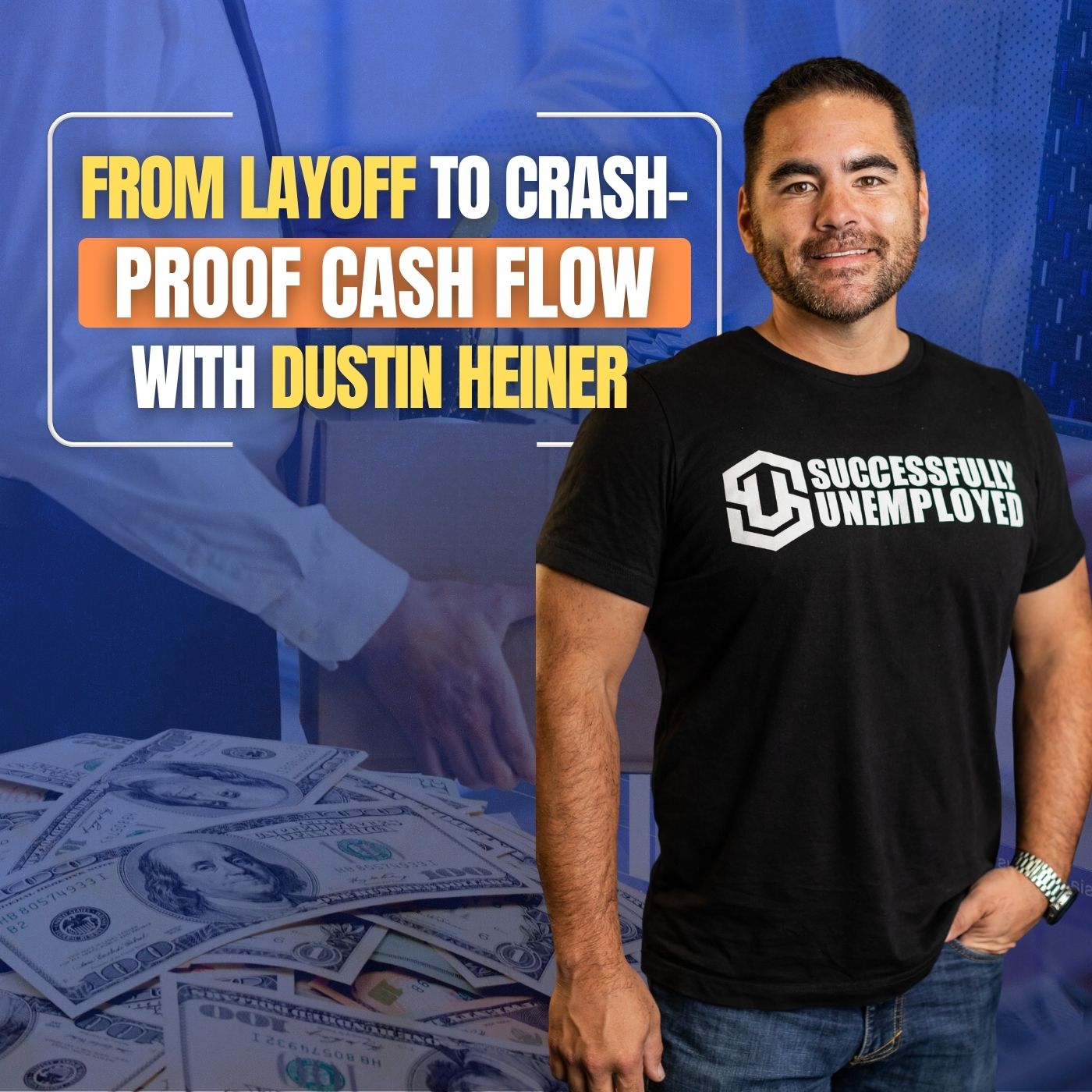
Overview Derek sits down with investor and podcaster Dustin Heiner to unpack how he went from a government IT job to becoming "successfully unemployed." Dustin shares the layoff story that sparked his pivot, why he invests strictly for monthly cash flow (not appreciation), and his "build the business first, then buy inventory" framework. They dive into systems, out-of-state teams, market cycles (including the short-term rental glut), and creative deals—plus Derek's zero-interest win and a live subject-to opportunity that emerged from a tenant call. Key Takeaways Cash flow over appreciation: Buy assets that pay you every month in all market cycles. Build the business first: Line up property managers, vendors, and processes before buying a property ("inventory"). Systems win: Clear policies (rent due, late fees, notices, evictions) let teams run the portfolio without you. Out-of-state is doable: Vet teams first; if a PM won't manage a property, don't buy it. Creative financing is booming: Subject-to/seller-finance terms can turn "full retail" into a cash-flowing win. STR caution: Oversupply and regulation are squeezing many short-term rentals—watch for opportunities. Relevant Topics Discussed Real estate cash flow, becoming "successfully unemployed," out-of-state teams, systems & KPIs (the simple way), market cycles (2008 lessons), STR oversupply, raising capital, subject-to & seller financing, lease-options, negotiation to solve seller pain, building generational wealth. Timestamps 00:00 – Derek intro, mission, how listeners can get help with deals. 01:05 – Meet Dustin: real estate investor; "successfully unemployed." 04:15 – The layoff story that changed everything; decision to become an investor. 09:30 – Why cash flow beat 2008; make money up, down, or sideways. 12:00 – Passive vs active income; four-hour month mindset; Dustin's 17-year-old's first deal. 15:10 – Framework: build the business, then buy inventory; systems & eviction policy. 18:50 – Out-of-state setup; the "wrong way" vs "right way". 22:40 – Guru era lessons; don't invest for appreciation. 24:30 – Books & KPIs made simple; expense line for cash flow; candy-bar analogy. 28:30 – Market cycle talk; STR oversupply (Airbnb); access to capital; big multifamily buys. 33:20 – Lambeau Field STR cautionary tale—don't buy on hype. 35:10 – Creative finance: sub-to, seller-finance, stale MLS leads. 37:50 – Derek's win: $265k house at $800/mo, 0% for 8 years + cash flow. 39:00 – Live pivot: tenant-buyer call reveals subject-to opportunity with ex-wife. 41:00 – Free course & resources (Master Passive Income, text "rental" to 33777). 42:40–43:40 – Wrap, networking, and Derek's sign-off: "Live your vision, love your life. #GenerationsOfWealth #MasterPassiveIncome #RealEstateInvesting #PassiveIncome #CreativeFinancing #SubjectTo #SellerFinancing #OutOfStateInvesting #FinancialFreedom #SuccessfullyUnemployed #BuildTheBusinessFirst #CashFlowNotAppreciation

Comments

Download from Google Play

Download from App Store
 United States