Discover
The Burnt Toast Podcast
Author: Virginia Sole-Smith
Subscribed: 247Played: 10,699Subscribe
Share
Description
Burnt Toast is your body liberation community. We're working to dismantle diet culture and anti-fat bias, and we have a lot of strong opinions about comfy pants.
Co-hosted by Virginia Sole-Smith (NYT-bestselling author of FAT TALK) and Corinne Fay (author of the popular plus size fashion newsletter Big Undies).
240 Episodes
Reverse
We are Virginia Sole-Smith and Corinne Fay and it’s time for your March Just Toast episode!Today we are talking about:⭐️ The new, skinny American Girl dolls⭐️ Does taking a GLP-1 make you a better parent?We're also answering listener questions about:⭐️ The diet culture voice in your head⭐️ Colonoscopy prep and the feelings it brings up⭐️ Virginia's review of the Heated Rivalry booksYou need to be a paid Just Toast subscriber to listen to this full conversation. Membership starts at just $5 per month! Learn more at https://www.patreon.com/virginiasolesmith/join.Sign up for just $5!Join Just Toast!🧈🧈🧈🧈🧈🧈🧈🧈🧈🧈🧈🧈🧈🧈Episode 238 TranscriptVirginiaToday we are catching up on some things we are mad about in March.CorinneSome people have been annoying us.VirginiaWe have a list, and you may or may not be on the list. First up is ...
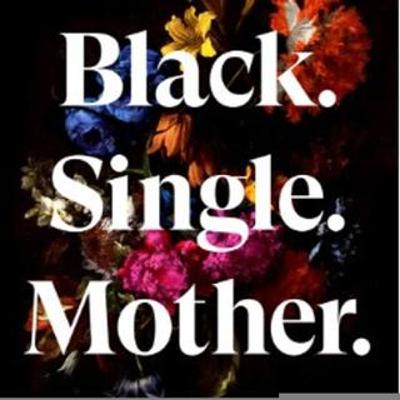
You're listening to Burnt Toast. I'm Virginia Sole-Smith. Today is the second part of my conversation with Savala Nolan.Savala is a writer, public speaker and professor at UC Berkeley. Her brand new book, Good Woman: A Reckoning is out now. Her first book, Don’t Let It Get You Down: Essays on Race, Gender and the Body, was shortlisted for the William Saroyan Prize and celebrated as a “standout collection” by the New York Times. Savala's writing has been featured in Vogue, Harper’s Magazine, the New York Times, NPR, TIME and more.Today is the second part of my conversation with Savala. In part one, we talked about bodies, race and gender. Today in part two, we're getting into sex, divorce and classy and trashy Butters. This conversation is for paid subscribers only, so go to patreon.com/virginiasolesmith to join us. Membership starts at just $5 per month. You're not going to want to miss this one.One last thing! If you order Good Woman from my local independent bookstore, Split Rock Books, you can take 10% off if you have also ordered a copy of my book Fat Talk from them. Go to Split Rock Books and use the code "fat talk" at checkout.Here's Savala.You need to be a paid Just Toast subscriber to listen to this full conversation. Membership starts at just $5 per month!Join Just Toast!🧈🧈🧈🧈🧈🧈🧈🧈🧈🧈🧈🧈🧈🧈Episode 237 TranscriptVirginia All right, we've got to talk about men a little bit.Savala Do we have to? No, I'm kidding. I love them.Virginia I really questioned whether we did. You write really well about men in this book. You articulate a lot about a certain kind of man that is going to be very familiar to a lot of our listeners. You call him the "voting booth feminist." Define voting booth feminist and tell us how that particular type of man, perhaps without realizing it, contributes to this narrative about what a "good woman" should be.Savala Well, the voting booth feminist is alive and well, Virginia. I was married to one.
You're listening to Burnt Toast. I'm Virginia Sole-Smith. Today my conversation is with none other than the beloved, the brilliant, Lindy West. Lindy is the author of four books, The New York Times bestselling memoir, Shrill, as well as the essay collections, The Witches Are Coming and Shit, Actually, and her brand new memoir Adult Braces, out now.Lindy is a former contributing opinion writer for The New York Times. Her work has appeared in This American Life, The Guardian, Cosmopolitan, GQ, Vulture, Jezebel and many others. She is the co-host of the comedy podcast, Text Me Back!!! and the author of the newsletter Butt News. Lindy was a writer and executive producer on Shrill, the Hulu comedy adapted from her memoir, and she co-wrote and produced the independent feature film, Thin Skin. She lives on the Olympic Peninsula in rural Washington state. Lindy joined me to chat about her brand new memoir, Adult Braces. We get into her relationship to fatness, having people comment rather relentlessly on her marriage, why more best friends should start podcasts and so much more—including a quesadilla she invents in real time while we recorded. You are going to love this one. This conversation with Lindy is so juicy that we're breaking it up into two episodes! In Part 1 we’re talking about her brand new memoir, Adult Braces, as well as her eating disorder therapy, being a public fat person and having people comment on her body and her marriage.In Part 2, we're getting into non-monogamy, the benefits of being in a throuple, podcasting and so much more! If you're already a paid subscriber, you've got both parts of the episode right here, right now in your inbox! Everyone else: Join Burnt Toast today to hear the whole thing! Membership starts at just $5 per month and also gets you commenting privileges.One last thing! You will want to read Adult Braces after hearing this conversation. If you order it from my local independent bookstore, Split Rock Books, you can take 10% off if you have also ordered a copy of my book Fat Talk from them. Go to Split Rock Books and use the code "fat talk" at checkout.Here's Lindy West.If you enjoy this conversation, a paid subscription is the best way to support our work!Join Burnt Toast🧈🧈🧈🧈🧈🧈🧈🧈🧈🧈🧈🧈🧈🧈Virginia We are here to talk about your new memoir, Adult Braces. My producer Kim and I both read it. We loved it. Like, crying laughing, full body experience reading this book. LindyThank you so much!VirginiaDo you want to give us a brief summary of what the book is about?Lindy The book is about a road trip that I took in 2021 from Seattle to Key West and back, which I decided to do when I was having a crisis in my life. I needed to get away from my house, and I needed to get away from my family and my responsibilities.I had found out a couple years earlier that my husband had a secret girlfriend, which was sort of illegal in our relationship, sort of not. That was quite a topic of conversation for several years, and we eventually figured it out. But then I was exhausted from a year of COVID and three years of non-stop couples therapy. I was like, I gotta get out of here. So I left and I drove to Florida in a van that I rented. I slept in the van. I just wanted to be out in the world and be brave and alive. The road trip stories are interspersed with chapters about my life before. A big message, at least for me, is that it's really easy to read my crisis as this monogamy/polyamory conversation, but when I think back on it, everything about my life was messed up before that. I had so many other problems, in my mental health, in the way that I managed my career, my life and my brain chemicals. I wanted to build a full picture of that, because I think the easy story is like, 'Oh, no good husband.' But it was a lot more complicated than that, and a lot of it stemmed from work that I had to do on myself, which is ultimately the only work that I can do. I can't do work on my husband.Virginia Nope. A lot of us learned that the hard way.Lindy Right! That was actually one of my problems. I was constantly waiting for my husband to transform into the person that I had imagined would be my husband, and that's not how people work.Virginia It's annoying, but true. Lindy It's very annoying. The book is about all of those figurative journeys happening at once, and also my literal journey. Virginia It's spectacular. The van alone. I'm obsessed with the van. There's a mural on the outside of the van. It's incredible.Lindy The van has a big, scary rabbit on one side and then a big, anxious sheep on the other side. The van was named BAAA, like the noise a sheep makes. I think I'm going to make some social media content out of this. I'm trying to be an influencer in order to promote this book. I want the van. I want that van. I want it in my possession.VirginiaI was sad when you gave it back. LindyI know! Me too, and now the company has gone out of business. I tried to rent the van for my book tour and they don't exist anymore. Someone has that van. I think I'm going to do a social media campaign called "Help me find my van," so that I can buy it.Virginia Burnt Toast listeners, if any of you have a van with a rabbit on one side and a sheep on the other, hit us up. Even if it's a different van with that art, I think Lindy would be interested.LindyYes. I will pay upwards of $1,000.Virginia To get that van back. It was a sad moment. It was like the end of those movies with a person on a journey with an animal, and they say goodbye. It was like the volleyball in that Tom Hanks movie.Lindy Oh, my God, yeah. I had to watch BAAA float away on the ocean. BAAA had really been there for me. BAAA is an old lady now. Maybe she doesn't exist anymore, because she already had 250,000 miles on her and then I drove her another 50,000.VirginiaShe was in her golden years. LindyShe was in her golden years. But I think those Ford Transit vans are built to last, so I think someone has her. It turns out all the van companies are going out of business because I had a really hard time finding a van. I called three different companies that had all recently gone out of business, because #vanlife is not that popular anymore now that people have #donthavetowearamasklife.Virginia They had a little Renaissance moment there.Lindy I called this other company that was going out of business, and I was like, "Well, what are you doing with your fleet?" I know the all the terms now. I was like, "What's happening to your fleet? Can I buy one of your vans?" And he was like, "Yeah, they're $90,000." Sorry, excuse me?Virginia It doesn't even have a rabbit on it, sir.Lindy This van is blank. I think that if there's any hope for me getting a van, it's got to be old lady BAAA. If you're listening and you know where BAAA ended up, please call me.Virginia I mean, I'm now picturing that BAAA probably has a new owner who also really loves her. There's going to be a complicated journey to restore BAAA to her rightful owner, which is you, but ...Lindy Ok, now that you said that I don't want to take BAAA away from her new family.Virginia Well, maybe it could be a joint custody situation, you know? Let's be open-minded to different family structures.Lindy That's true. You're so right. God, that was very regressive of me.Virginia But yes, I hope that you can be reunited. LindyThank you.VirginiaAlong with the story of BAAA, you talk about many vulnerable things in the book. One of them that I know our listeners will be really moved by is your exploration of having an eating disorder and starting treatment for that. It was just so relatable. Like when you wrote about reading through the list of nutritionists from your doctor, and only one doesn't mention weight loss. When you're looking for eating disorder treatment! Lindy It's a snapshot of what most people are going to the nutritionist for: weight loss. That's what everyone's looking for, in every direction. So, I get it, but it was very frustrating. Luckily, the one lady that wasn't weight loss focused is the best person I've ever met, so it all worked out.Virginia What was it like working with someone who was like, "Actually, you don't need to lose weight. You need to eat more food?"Lindy It's been amazing. I mean, it's frustrating, because you still have the diet culture voice inside your head, even if you've done as much healing as you thought was humanly possible. I realized once I started working with her that some tiny part of my brain had been like, Once you see the nutritionist, maybe you will lose weight. Not that that was my goal. But there's always this little, dee de dee dee, then your life will be perfect. It's really hard to deprogram that. Grace, my now therapist, just kept being like, "Your job is to eat whatever you want all the time." And I'd be like, "Yeah, but what if I want vegetables?" She was like, "That's fine, but you're not allowed to not eat candy." And I was like, "But don't you want to give me some kind of guideline for how to be perfect?" And she was like, "No, that's disordered."Virginia That’s the opposite of what we're doing now.Lindy I find myself still searching for someone to tell me how to live so that I don't have to figure it out. Unfortunately, the answer is listening to your body and learning how to know yourself. So I'm doing that instead. VirginiaShe said joyfully.LindyAgain, I'm not trying to lose weight. I'm not on a weight loss journey. I think after so many years of living untreated in diet culture, I don't have any kind of a natural relationship with food. And it is a lot of work to figure out how to listen to my body. So even from a non-diet culture perspective, I was hoping that some part of this therapy was going to be her handing me a worksheet. Even if the worksheet said "One piece of cake for breakfast, one piece of cake for lunch, one piece of cake for dinner." I just was like, Making the choices is triggering to me.Virginia The decision fatigue! It
You're listening to Burnt Toast. I'm Virginia Sole-Smith. Today my conversation is with the brilliant Savala Nolan. Savala is a writer, public speaker and professor at UC Berkeley. Her brand new book, Good Woman: A Reckoning is out now. Her first book, Don’t Let It Get You Down: Essays on Race, Gender and the Body, was shortlisted for the William Saroyan Prize and celebrated as a “standout collection” by the New York Times. Savala's writing has been featured in Vogue, Harper’s Magazine, the New York Times, NPR, TIME and more.I have a lot of conversations about bodies. I have a lot of conversations about gender. There is a lot that I thought I knew about race and bodies and gender in America. Reading Good Woman and talking to Savala blew my mind apart in ways that I'm still putting back together. This conversation is a must listen. This book is a must read.There was so much good stuff in this conversation, we are breaking it up into two episodes. Today in part one, we’re talking about bodies, race and gender. Part two will drop in two weeks, and that's when we're getting into sex, divorce and Savala’s classy and trashy butters. That conversation will be for paid subscribers only, so go to patreon.com/virginiasolesmith to join us. Membership starts at just $5 per month. You're not going to want to miss this one. One last thing! Trust me, you will want to read Good Woman after hearing this conversation. If you order it from my local independent bookstore, Split Rock Books, you can take 10% off if you have also ordered a copy of my book Fat Talk from them. Go to Split Rock Books and use the code "fat talk" at checkout. Here's Savala.If you enjoy this conversation, a paid subscription is the best way to support our work!Join Burnt Toast🧈🧈🧈🧈🧈🧈🧈🧈🧈🧈🧈🧈🧈🧈Episode 235 TranscriptVirginia Why don't we just start by having you tell listeners a little bit about who you are and what you do?Savala I'm a writer. I was thinking about this question quite a bit, actually, because my very first instinct is to say I'm a mom, which makes perfect sense. Motherhood is all consuming. But I thought I'll start with something that doesn't include my relationship with another human being, just in the interest of practicing my own wholeness. So, I'm a writer and a mom and a lawyer. I direct the social justice program at UC Berkeley's Law School, which is really a privilege and gives me a lot of hope, because I get to see hundreds of law students every day who want to change the world and make it better. I'm also a former dieter. Like a hardcore, former dieter, which is what initially brought me into your world and your work. I was put on my first diet when I was two or three, and rode those waves up and down until I was maybe 36 or 37, so I've got a few decades under my belt. I include that in my biography because that experience of going on and off diets for so long, and of being almost pre-verbal when I was indoctrinated into that world of dieting, informs a lot of what I do, including as a mom, including as a lawyer, including as a writer. Body liberation, gender and race, they fascinate me endlessly, how they play together and kind of co-create each other. Most of what I write about, and definitely what I write about in Good Woman, stems from that experience of dieting, and then breaking free from dieting in my thirties.Virginia That is the best intro I think anyone's ever given themselves on the podcast. SavalaOh, stop. VirginiaNo, really. I love that you are like, 'Let me own this part of my story. This is the origin point. And then now let's get into the conversation.' That's fantastic. We are here to talk about your exquisite new book Good Woman: A Reckoning. It is a collection of 12 essays about what it means to be a woman. It's this incredible blend of memoir, reporting and history. I would love you to read us the first paragraph, just to set the stage for everything we're going to talk about.SavalaI'll just take a quick second to set it up a little bit.I'm trying to take a critical and very skeptical eye to all the ways that women and girls are socialized to be good. Almost from birth, right? In our particular culture, good means agreeable, quiet, serving of others, all the things that probably would pop into any woman's head when she hears the idea of a "good woman" or a "good girl." I'm trying to unpack and destroy some of that socialization in my own life, and think about what lies beyond it. To kick the book off, there's this very short essay that's sort of a manifesto. I think of it as a huge bell that rings to open the book. Here's the first paragraph.I refuse to be good. This is a matter of survival, not inclination or mood. I refuse to be easy and I refuse others preferences. I refuse to be amicable and I refuse to appease. I refuse to go along and I refuse to agree. I refuse to do what I was trained to do. Instead, I choose whatever lies beyond my social conditioning, even if I'm still looking for it, still spurring it into being. This is work of the mind, cerebral and tough. This is work of new language, new concepts, new intonations and my thinking must expand to fit the scale of all existence. It is also body work, work that is nailed to my flesh. It is gestating of new bones, an anointing of muscle and fat. It is passing through the stomatous black opening of my own cervix to the bright field, waiting on the other side in the wilderness. It is a lot to take on. But I welcome the challenge and the mystery and the darkness. It was in darkness that the universe was made. It is in darkness that each day is made new.Virginia Thank you. That was incredible. Really, it was.SavalaThank you. Virginia I loved how you opened the book because it encapsulates so many of the themes that you then go deeper in in every chapter. One of the biggest themes of refusal in the book is around the body. You write about how Black women's bodies in particular are constrained, controlled and made not their own. I really, really want people to read this because we don't have time to talk about all the history you go through and it's so well done. You trace this narrative from Sarah Baartman and Sally Hemings all the way to Nicki Minaj, connecting so many dots. It's really powerful. What has and what hasn't changed when it comes to how Blackness and fatness are policed for women?Savala I love this question. We could probably write a doctoral thesis or dissertation on this question alone. So I'll just sort of share what comes to mind, a sort of smorgasbord of thoughts that come to mind when you ask this question. The first thing is, there's an overlap when we talk about Blackness and fatness in this culture. The very first point to make is that everything here is cultural. Not all cultures treat women's bodies, Blackness and fatness the way we do. That's the page on which everything else is written. It's interesting to me that when we talk about Blackness and fatness, the stereotypes overlap, right? Both fat people and Black people are viewed in this culture as out of control, lazy, kind of greedy, having a hyper appetite. Either being hyper-sexualized or de-sexualized. You either have the kind of va-va-voom, or the 'friend, never the leading lady' when it comes to fatness. With Blackness, it's the same thing. You either have the video vixen - this kind of hyper-sexual Black woman in a music video - or the mammy.It's interesting to me that the stereotypes overlap so much, and maybe the most powerful way they overlap is that they're both undesirable. They're both things in our culture that you should try to get away from if you can. You should try not to be too Black or too fat in our culture. So to me, as a woman who's fat and Black, it's kind of a one-two punch. They work together. The stereotypes overlapping tells you there's some relationship in our culture between these two things. And as you say, it goes way, way, way, way back in this country. It goes to chattel slavery, where Blackness and fatness started to be policed together and associated together, very literally. I talk about this in the book - there's a magazine called Godey's Lady's Book, which you might consider the Vogue or Good Housekeeping of today. Sort of fashion, but also home-y stuff. It was the biggest magazine in the antebellum country. And they talked all the time about how white women should stay thin or else they might start to be Black, like they might start to be looked on as if they're Black. There's another article from that magazine that says, "If a white woman gets fat, she might as well put herself in Black face."You can't see it if you're listening, but there's a lovely eye roll from Virginia. Our culture has long braided these things together. That's the history when you think about what hasn't changed. I think they are still braided together. When we think about what has changed, from my vantage point, there was maybe five or 10 years where it felt more ok to be fat, and more ok to be Black. It was the like ascendance of Lizzo, you know?VirginiaA brief shining moment. SavalaIt was a shining moment. There was also the George Floyd moment. There was a political reckoning with Blackness that was refreshing. I guess maybe it wasn't even five years. It was a brief window. Now it feels like we're in a backlash. It feels a little bit like the more things change, the more they stay the same. We had this moment of a collective leap towards something like liberation. Because of politics and because of the capitalistic nature of the pharmaceutical industry in this country and GLP-1s being so, for now anyway, profitable, we're seeing a real backlash to both fatness and Blackness. That lands on women really hard, because of how women are tied to our bodies in this culture in a particular way. So I guess I would say, the more things change, the more they stay the same. The silver lining being that because we did have these few years of something like enlightenment, the
We are Virginia Sole-Smith and Corinne Fay and it’s time for your February Indulgence Gospel!Today we are talking about influencers who show their expensive influencer grocery hauls, as well as people who spend A LOT OF MONEY on food delivery. (If you too had feelings about that ChrisLovesJulia reel...let's get into it!) We also talk about our own spending on groceries and food delivery....and our complicated feelings about both. 🥴You do need to be a paid Just Toast subscriber to listen to this full conversation. Membership starts at just $5 per month!Join Just Toast!🧈🧈🧈🧈🧈🧈🧈🧈🧈🧈🧈🧈🧈🧈
You're listening to Burnt Toast! We are Virginia Sole-Smith and Corinne Fay.Today our conversation is with Kim Baldwin, the newest member of the Burnt Toast team.Kim is the former digital editor for the Nashville Scene. Her culture writing can be found in places like the Nashville Scene, Parnassus Books’ Musings and on her Substack. Kim has interviewed folks like Sarah Sherman, Trixie Mattel, John Waters, Samantha Irby and Tess Holliday.Originally a blogger, Kim started The Blonde Mule in 2006 and later turned her popular interview series “These My Bitches” into a podcast called Ladyland. Kim writes a weekly newsletter about books and pop culture, teaches social media classes and is a frequent conversation partner for author events in Nashville.If you enjoy this conversation, a paid subscription is the best way to support our work!Join Burnt Toast🧈🧈🧈🧈🧈🧈🧈🧈🧈🧈🧈🧈🧈🧈Episode 233 TranscriptVirginiaWe have a very fun episode for you today. We are introducing to all the Burnt Toasties, many of whom may already know and love her, our new podcast producer Kim Baldwin. KimHi, hi, hi. VirginiaWe are really happy you're here. Kim is doing a lot of things to improve our workflow. Yesterday she taught Corinne and me how to use Slack. Corinne, I think you already knew how to use Slack, but I sure did not. So that was exciting.Kim is joining us not just to teach us Slack, but to help with podcast production and make everything run more smoothly and efficiently. We are really grateful to her and thought it would be fun to do an episode where you get to know her.Kim I'm excited to be on the Burnt Toast team, and excited to be here today despite harrowing conditions. VirginiaTruly harrowing.KimI'm coming to you live from a public library because my home does not have water or internet.Virginia Yes, Kim is surviving the Nashville ice apocalypse, where, what 130,000 people have been displaced?Kim230,000.Virginia230,000 people have been displaced. So she has been heroically working on Burnt Toast while literally being out of her home, back in her home, but now working from the library. Yay, public libraries! We love you. Let's dive in. Corinne, why don't we take turns asking our questions?Corinne My first question is, what is your fat radicalization story? How did you get interested in body liberation work?Kim When I turned 40 I had to get a biometric screening for health insurance because over 40, you have to qualify for insurance. It was a really stigmatizing appointment. In hindsight, it was traumatic. My therapist was like, Enough. You have to go see someone now. That was 2018. I started working with an anti-diet registered dietitian. I thought I was going for one or two appointments, just for someone to say, "It's fine, you're all good." It became evident I had a disordered relationship, primarily with exercise, but also with eating. I went into what I now call recovery. It wasn't called that in real-time. It was just a chill, "Well, why don't you come see me every week for a while?"So I did that. I worked with Katherine Fowler, a non-diet, registered dietitian nutritionist here in Nashville. She's great. I knew nothing before her. She introduced me to anti-diet and Health at Every Size. She gave me a bunch of resources, one of which was Christy Harrison and Food Psych. I went whole hog. I listened to the back catalog of Food Psych, I read a bunch of books. I think Christy's first book came out around that time. It was so radical to me to think, Hold on, I can be fat, or, Hold on, I don't have to exercise this much. I was an Iron Man, so I was at that level of exercise.Virginia Oh wow. Oh gosh, that's aggressive.Kim When you exercise that much, for me, restrictive eating is just part of it. They really do go hand in hand. You control your food to try to control your outcomes and races and stuff. That's a long answer: back in 2018 I started working with registered dietitian, and she blew my mind and saved my life.Virginia That's amazing. Yay, registered dietitians who do that work! Also, yay, Food Psych! That was a great podcast. Corinne, wasn't it one of your entry points, too? I feel like we've talked about this.Corinne Yeah. I was a regular listener.Virginia Just hearing people's stories over and over. The way Christy structured that was so healing and valuable for so many people.I've always been a fan of your culture writing. You always have amazing book recs, movie recs. Your newsletter The Blonde Mule is definitely one of my go to's for like, Ooh, what culture am I missing out on? Kim will know. So I would love to know who are some of your fat culture inspirations, icons, or just people you really love in that space?Kim For sure Aubrey Gordon. She was an original, and back then, she was anonymous. Her Instagram posts back in the day - she still sometimes reposts those old ones in her stories. She still means so much to me. I learned about her early on. And then, of course, Lindy West. I had read Shrill, and because I worked at an alt-weekly, she also worked at The Stranger in Seattle, which is their alt-weekly, and we had similar jobs, so I looked up to her. She had this great essay in The Stranger where she came out as fat. In real time, I wasn't there yet, but when I got into recovery and started learning, I realized how ahead of her time - ahead of all of us - she was. And then, Virginia, you and people I found through Food Psych and through Christy. Back then we were all still using social media with wild abandon. You could learn about people through Instagram stories. Christy Harrison would repost all these people to her Instagram stories and I would click through and follow who she reposted. She'd repost something of yours, or, I can't even remember all the people back then. Oh, Ragen Chastain. I've been reading her stuff this whole time. I hope everyone reads her and knows what amazing work she's doing in this space. I can't get a sense of how many people know how much she's doing.Virginia She does such deep dives into the research. She really is someone who is taking the time to take apart scientific papers, look at the methodology, look a what bias went into the research. I have learned so much from Ragen. I started following her back in probably the early 2000s when she was writing about being a fat dancer. I remember I interviewed her for a woman's magazine.KimOh right. I forgot about that, her original handle.VirginiaDances With Fat. Oh, you're making me nostalgic for this time. Now everyone's like, Body positivity is dead, and it was never really good, but there were these really good folks doing great work in the mix. Kim There was an organic way to find, I don't want to say community in the way we say it now, but I didn't know anybody in real life going through what I was going through, or who was learning what I was learning. All I had, truly, was Food Psych. So if someone was on Food Psych, I would look them up. I would follow them. And then that reposting thing, that's how I found so many people.Virginia Yeah, it's so true.Corinne Kim, where does the name The Blonde Mule come from? Kim Oh, this question.CorinneIf you want to skip it ...KimIt brings up a lot of embarrassment. I should address it. VirginiaIt's time. Kim, it's time. I don't know the backstory.KimIn 2006 I started a personal blog on blogspot because everyone was doing it. Back then it was the thing to have a cutesy name. No one used their government name online back then. Your email wasn't your name, your blog - none of that was your name. I'm a Taurus and I am actually stubborn, so "the mule" was kind of a nickname. There was this formula of a physical descriptor plus a nickname. All my friends had a version of this. I thought, Oh, I'll just do the blonde mule. I'll change it later, nobody cares. No one followed me. Then I had to buy my domain name and get handles on social media sites. So 2006 to 2026, how many years is that? Is that 20 years? So unfortunately, I'm locked in. Because now I own that name. I don't love it because I wish I hadn't self identified with my hair color. Especially because it's blonde and that means a lot of things that don't align with my values. Also, during the pandemic, I quit coloring my hair and so I'm not really blonde anymore.Virginia A blonde-ish mule.Corinne I would consider you blonde. Virginia I still would consider you blonde. CorinneAlso Virginia, aren't you also a Taurus?VirginiaI am also a Taurus. I am also pretty stubborn.CorinneThis is an earth sign podcast. I'm a Capricorn.KimJohn, my husband, is a Capricorn.Virginia I don't know what that means. KimWe're very compatible.Corinne Yes, I also have a Taurus Moon.Virginia Sure. I've been meaning to get one of those. I don't understand astrology. But I do relate to picking a name and sticking with it because now you're stuck with it. In many ways that is the backstory of Burnt Toast. So relatable. I named it on a whim. People are always like, What's that about? And I'm like, I mean, not a lot. But it is what it is. The Blonde Mule is sticky. It sticks with you.Kim There are people who make me feel better. One is Samantha Irby because she is still bitches gotta eat. She also is from, like, 2006. There are a few of us that are locked in. What are you going to do? I literally bought this name.Virginia I'm stuck with it. You might as well own it, for sure. Another part of your work life is that you work at the famous Parnassus Books, owned by best-selling author and icon Ann Patchett. I am a former bookstore girl. I love bookstores. Most authors, we love bookstores. So I really love talking about bookstores. I want to know, what's the most fun part of bookstore life? Also, does this bookstore have any pets?Kim The bookstore has so many pets. We have shop dogs. Ann famously has a dog, Nemo. He appears in most of the videos. Before Nemo she had a cute little guy named Sparky, who I loved so much. There's a back office staff and they a
Welcome to Indulgence Gospel After Dark! We are Virginia Sole-Smith and Corinne Fay, and it's time for your February Extra Butter episode! Listen to hear about:⭐️ Anti-diet GLP-1 life⭐️ Who gets left out when the tradwife aesthetic takes over influencer culture⭐️ Interrogating the ableism of not wanting to be on medication your whole lifePlus, serious stuff, like:⭐️ Corinne in a prairie dress⭐️ How long Virginia will last in a zombie apocalypse ⭐️ Why hot cheese is in for FebruaryTo hear the whole thing, read the full transcript, and join us in the comments, you do need to be an Extra Butter subscriber.Join Extra Butter!
You're listening to Burnt Toast. I'm Virginia Sole-Smith. Today my conversation is with Dr. Lauren Muhlheim. Lauren is a psychologist, a fellow of the Academy for Eating Disorders, a certified eating disorder specialist and approved consultant for the International Association of Eating Disorder Professionals. She's also a Certified Body Trust Provider and directs Eating Disorder Therapy LA, a group practice in Los Angeles. Lauren is the author of When Your Teen Has an Eating Disorder and a co-author of the brand new The Weight-Inclusive CBT Workbook for Eating Disorders. Lauren joined me to chat about how she and her colleagues have been working to make eating disorder treatment less fatphobic, because, yes, that really needed to happen. We also get into why it's feeling harder than ever to treat eating disorders, or live with one, in this era of RFK, Jr., MAHA and GLP-1s. Plus what to do if your child is hiding food, lying or otherwise showing signs of developing an eating disorder. When do you intervene? And how do you do so in the most supportive way possible?If you enjoy this conversation, a paid subscriiption is the best way to support our work!Join Burnt Toast🧈🧈🧈🧈🧈🧈🧈🧈🧈🧈🧈🧈🧈🧈Episode 231 TranscriptVirginiaI am really delighted. We have been, I guess I would say, colleagues in this space, or comrades in this space, for a long time.LaurenComrades, for sure. VirginiaI've interviewed you for articles over the years. We're both in the fat activism world in various ways. You're someone I learn so much from. I'm very excited to have you here today. We are going to talk about your new workbook that comes out this month, called The Weight-Inclusive CBT Workbook for Eating Disorders. Do you want to give us a little background on how this workbook came to be? Then we're going to dive into my list of questions.LaurenI should introduce CBT for eating disorders. CBT stands for cognitive behavioral therapy for eating disorders, which is one of the leading treatments. I was trained in it back in the 1990s by one of the two main researchers who's credited with developing the treatment. Cognitive behavioral therapy looks at what's maintaining a problem in the present. It looks at the relationship between thoughts, behaviors and feelings, and helps to sort out ways to solve problematic behaviors related to eating. Fast forward to present day, we've learned a lot more about eating disorders than back in the '90s when I was trained in the model. When I was trained, it was very weight-centric, focused on primarily low weight and "normal weight." You know, thin-ish white women, and that's who was largely studied. But now we know so much more - that eating disorders affect all people, all genders, all ethnicities and all body sizes. As I've evolved as a clinician over the last 20 years, I've really become influenced by the weight inclusive movement, Health At Every Size and listening to people with lived experience who have experienced harm from traditional weight-centric treatments. So I have evolved. And in my mind I had modified what I was doing, and when I went back to look at the manuals, I was horrified to remember what was still in there that was really weight-centric. This has been a passion project for the last eight years. I've collaborated and talked to different people about it. I ultimately teamed up with two colleagues who were as passionate as I am, and we came up with the idea of modifying CBT to be weight inclusive. We coined CBTWI to be weight inclusive, and we took the 30 year old manuals and updated them to be relevant to today and to speak to people in all size bodies. A lot of people come to us in bigger bodies and the old manuals were so harmful. You know, focusing on about being the right weight and other elements that were just not conducive to people in larger bodies when they go through this work.VirginiaCan you give a specific example? For folks who've never been in eating disorder treatment, or just don't know the world well, it's like, 'What do you mean eating disorder treatments are not weight inclusive? Isn't that where you go to feel better about your body?' Give an example of what CBT used to do that was harmful, and how you've updated it.LaurenWhen I was trained in CBT, I always thought it was a non-diet approach, because the focus is on regular eating and including all foods. So the center of the model is still good. But some of the fatphobic elements that were in the original treatment were - one was this insistence on regular weekly weighing and the client knowing their weight. And that if the therapist refused to weigh the client weekly, it was the therapist's own anxiety and avoidance of tolerating the client's distress over being weighed. But if you're in a bigger body, being weighed is more than just exposure. It can be traumatic. VirginiaYeah. LaurenWe don't need to put people through that, where every week they see their weight. So that's one of the first things that we eliminated. The other thing, there's behavioral experiments with a focus on challenging what they call the broken cognition. The broken cognition is this belief, and again, this was developed on primarily thin, white women who had the belief that if 'I eat a cupcake, I'll gain five pounds.' The behavioral experiment was to have them eat a cupcake, weigh them before and weigh them the following week, and prove that they didn't gain five pounds, but that's also hugely fatphobic. Because you're trying to prove to people that it's all in their heads, that weight stigma is not a thing.VirginiaWell, and you're saying, 'Look, the scary, terrible thing didn't happen.'LaurenWhich reinforces that that's the scariest thing.VirginiaEven what you're saying, weighing folks in bigger bodies can be traumatic, not because inherently it's bad to be in a bigger body, but because if you're in a bigger body and you've been weighed in medical settings, you've had that number weaponized against you for so long. That's the trauma you're alluding to. LaurenYes, exactly.VirginiaI see, so it was a lot of methodology around weight numbers meant to reassure thin women that 'Don't worry, you won't get fat.'LaurenExactly.VirginiaWhich really leaves out any fat person with an eating disorder, and doesn't really do the thin women any favors either.LaurenRight. Because it just reinforces this fear that weight gain is the worst thing that could happen to somebody.VirginiaThat's fascinating. It sounds like a lot of very much needed updates and a really terrific resource for folks. I saw in the back of the workbook under Resources, you listed Burnt Toast as one of the newsletters with an online community dialogue. It means a lot to have us spotlighted in this way. We do work hard to have our chat rooms and safe spaces in the comment section for folks coming for support. You also listed a lot of folks that we love and look to as leaders in this space: Christy Harrison, Ragen Chastain, Rachel Milner, Sabrina Strings, Bree Campos, Chrissy King, etc. How do you think about the importance of community in the work you do with your clients as you've been reframing CBT in this way?LaurenWe are big fans of yours and all the people you've named, and it was really important to us because here we are, three white women with privilege doing the updating of CBT and we wanted to take it further. It was really important to us that we learned from people with more marginalized identities. We negotiated with our editor to have sensitivity readers and we had people advising us on some of the things that we might not have been as aware of, like food insecurity, gender considerations, and the experience of people in larger bodies. As references, we tried to include some of the thought leaders that we've really learned from. Community is super important in this work because we're asking people to go against the grain of society. Many of the people that come to us for help with eating disorders are people in larger bodies who have been told by medical doctors and people in their lives to lose weight. And then they come to us and we say, 'Well, you're not eating enough.' And they think we're kind of crazy to say that. It really helps when you're asking people to do this work, which is so hard, to have other people in their lives who are supporting this. Many people don't have people in their personal lives who are anti-diet. Where do you find those people? A lot of it is online and in podcasts. I always tell people it helps, even if it's you and me and the person listening to the podcast. They're hearing the interviewer and the guest and there's two other people who are in this world with you. VirginiaThat's right.LaurenIt helps a lot. And I do think that is the missing piece for people in bigger bodies who experience disordered eating - they don't have the support.VirginiaEspecially right now. We're in a really dark cultural moment. You know, just like a swirling vortex of badness in a lot of ways. So it feels even harder, because what the federal government is telling us, what we're seeing in the news, etc, etc, is also running counter to what will actually promote healing. To that end, I'd love if we could talk a little bit about how you're thinking about your work in this dark time. We just had RFK’s latest USDA dietary guidelines come out. Lauren, how are you feeling about the new food pyramid?LaurenSadly, I feel like I am not going to be able to retire anytime soon. The culture just propagates and perpetuates disordered eating in so many ways. Obviously eating is so much more individualized than just following a guideline, but what I can say is that I have never seen a person with binge eating who was not restricting their carbs. VirginiaThat’s really interesting.LaurenCarbs are basically the building blocks of what we eat, and they should be. A lot of the people who complain of what has now been popularized as the term "food noise," are not eating enough, and especially no
We are Virginia Sole-Smith and Corinne Fay and it’s time for a BONUS January Indulgence Gospel!This episode is free for everyone. If you enjoy it, consider a paid subscription to Burnt Toast! It's the best way to support our work and keep this an ad- and sponsor-free space. You'll also get behind some of our most popular paywalled episodes like: 🧈 Why is Katie Sturino Working for Weight Watchers?🧈Don't Go On the Pete Wells Diet🧈The Mel Robbins Cult of High FivesAnd more! (Find every Indulgence Gospel episode here.) Never miss another episode! 🧈🧈🧈🧈🧈🧈🧈🧈🧈🧈🧈🧈🧈🧈This episode may contain affiliate links. Shopping our links is another great way to support Burnt Toast!Episode 230 TranscriptVirginiaSo today we are just catching you up on some general January news. These are things that are happening in our lives and the world. And then we're going to answer a few listener questions. CorinneThis is kind of my favorite type of episode, VirginiaSame. Do you want to go first? Do you have an update for us? Some news? CorinneOne thing that I've been dying to ask you, and I've kind of been holding back on is... have you watched Heated Rivalry. VirginiaI haven't watched it. CorinneOkay, but do you know what I'm talking about?VirginiaWell, I'm just going to Google it real quick.CorinneOh, my God. No! Don't even Google it. This is what you need to do this weekend. Wait, do you have a kid-free weekend because it's not kid-friendly.VirginiaOh come on, it’s a sports thing! CorinneThere is so little sports. Let me just tell you.VirginiaOkay...CorinneIf you're watching it for the sports, you will be disappointed. There' is no sports, okay? No sports. Basically, if the camera was one inch lower, it would be porn. VirginiaOh! Okay. CorinneIt's based on, like, gay romance novels.VirginiaOhhhhh it's the gay hockey players! Yes, alright. Watching. I am kid-free and I will be doing that this weekend. CorinneAnd I think Jack will like it as well. So I recommend you watch it together. VirginiaObviously.CorinneIt's very horny. Whoa. And I will say: I watched like, half of the first episode, and I was like, I don't think this is for me. And then it was, like, popping off on the Internet. So I was like, all right, I gotta give it another try. And now I'm, like, obsessed with Connor Storrie.VirginiaSo okay, is it like you're watching it because it's so absurd? Or are you invested in the characters? CorinneI'm invested. VirginiaYou're invested.CorinneIt's just like a romance novel. They're both different kinds of sports tropes. One of them's kind of like a tough guy from Russia, and the other one's a little softie Canadian. It's very sweet. And I think that the actors have a lot of chemistry. And you see their butts a lot.VirginiaWell, I'm in. We'll watch this this weekend. I mean, I have read many a hockey player romance novel. Some of them were gay. CorinneThen you've probably read the novels.VirginiaI may have read the novels. Although I don't like hockey, I have to say, I'm never going to be a pick me girl for hockey. It's a confusing sport to me. CorinneThere's like, basically no hockey. Having watched the whole thing I can tell you nothing about hockey.Virginia You have learned nothing.Corinne There's like, cup that you can win? That's all I know.VirginiaOh yes. Wait. I want to call it a Stanley Cup? But isn't that the water bottles? Or is there also a hockey Stanley Cup?CorinneI don't know, Virginia and I don't care. Gay hockey forever.VirginiaDelightful. This is an amazing update. We are actually watching the second season of Bad Sisters right now, on your recommendation. So we do have to finish that up. I didn't think that it could pull off a good second season, but they really are delivering. And then in my parenting life, I'm continuing to work through Buffy the Vampire Slayer with my 12 year old. It's a delight. I really do feel like you maybe need to consider a Buffy watch at some point.CorinneNext time I have 47 hours unscheduled weeks.VirginiaI mean, you can chip away at it too. It's on Disney Plus! Oh wait, you probably don't have Disney Plus. CorinneMy bad. VirginiaNo that's fair. Well, it's been very fun we're in season four now for the Buffy fans in the audience. And it's going to start getting a little more violent. I'll have to feel it out. But I think we're, at the point of no return. That's a good TV update. Have you been reading anything good? I read a book that I think you liked, and I don't think I liked it. But I think I'm in the minority. CorinneWhich book?VirginiaHeart The Lover by Lily King.CorinneOh, my God, you didn't like it?!VirginiaNo. What am I missing? CorinneWhat didn't you like? VirginiaI felt like they were all so annoying and pretentious. Is it because I was an English major, so I don't like English majors? We're just pretty annoying, with all the literary references. Okay, we get it. You are boys who read books. I was just like, why would you sleep with either one of them? I don't get it.CorinneOh, fascinating. I mean, I was just sobbing for the entire second half.VirginiaIt does get sad in the second half, but I didn't like him, so I didn't care?CorinneYou weren't invested.VirginiaAnd it's not hard to get me invested in a health journey of any sort! I'm not going to spoil it for anyone, but—okay, spoiler alert! We're going to talk about it with spoilers, so that we can really get into it. If you didn't read that book, you'll want to skip ahead about a minute and a half. 🧈🧈🧈🧈🧈🧈🧈🧈🧈🧈🧈🧈🧈🧈🧈🧈🧈SCROLL TO NEXT SET OF BUTTER EMOJIS TO AVOID SPOILERS!Okay, I thought it was real weird that she gave a kid up for adoption, and then was just like, "But I know she's fine. It's fine. It's all fine." And yet she was so worried about the kid she did have who had health issues. I mean, of course she was worried about him— but she had just mentally been like, that one's fine. I picked good people. They had a nice photo. So I know she's having a great childhood. That was really weird to me. CorinneI mean, I felt like that seemed like the decision of a young, stressed out person,VirginiaYeah, maybe. And how she keeps talking about it is meant to be a trauma response?CorinneIt was a questionable young person decision.VirginiaYes, definitely. But it felt weird that she would never reflect further upon it as she got into her own motherhood. I'm not saying she was wrong to give the baby up for her adoption. I also think abortion exists, and that would have made sense. But I'm not saying she should have kept the child. I just thought, don't you think you would have gotten any more nuanced in your feelings about it as the years went on?CorinneThe book is her getting more nuanced about it. Right?VirginiaNot really! Not about the baby. She's like, Yeah, she's fine. I mean, she finally tells him about it, but.CorinneI don't know. I think she was kind of in denial about it, or just avoiding it, and then the book is her coming to terms with it. 🧈🧈🧈🧈🧈🧈🧈🧈🧈🧈🧈🧈🧈🧈🧈🧈END OF SPOILERSVirginiaWell, I just felt like everyone was pretentious and unlikable. And it feels like everyone loves this book so much, and I don't know what I missed. CorinneHave you read her other books? VirginiaNo, this was my first Lily King, CorinneOkay, because there's also, like a connection to one of the other books. VirginiaWell, I'm not going to read it because I didn't like any of these people. But Corinne loved it, guys, so if you love it, if you've read it, let us know in the comments! I was just surprised. This is the first time I've ever not liked one of your book recs.CorinneI am a little surprised, but I think maybe I'm primed to like those college, academic group of kids books. That's a genre I really like. Virginia I think it's a genre I don't like. I think I actively dislike reading about people in college.CorinneYeah, it's interesting, because I'm not like, looking back fondly on my own experience at that time. Yeah. I think I just like, enjoy the dynamics. Did you read A Secret History? VirginiaNo, CorinneI love that book. So I feel like, this was maybe tapping into that.VirginiaI think I just think academia is very pretentious? CorinneIsn't one of your parents a professor? VirginiaYes I was raised by professors. CorinneSo maybe there's something there. VirginiaThree out of four of my parents have worked as professors. So yes. I grew up in academia. CorinneOkay, well, none of mine have. VirginiaWell, I am now reading The Stone Yard Devotional by Charlotte Wood. It's about this woman, who's sort of lost in her life and moves into a convent. And I keep thinking "Corinne would really like this book." CorinneIt does sound good to me. Virginia I don't know if I like it, but I do think you would really like it. Usually I'm a big do not finisher if I don't like a book. And I will say Heart The Lover was a snappy read. So I kept going. Because I was like, well, Corinne loved this book, so I'll keep reading to find out when I'll love it. And that was never, but it was a fast read, and this one is too. I'm moving through it quickly, but I think I do need to really root for the characters.CorinneThat's funny. I have a conversation like this a lot with my mom, because she doesn't like books where the characters are too flawed. We always say it like, if she doesn't like them, she, doesn't want to read it.VirginiaI am okay with flawed, but they have to be flawed and likable.CorinneThey have to have redeeming qualities,VirginiaAnd maybe some awareness of their flawedness in a interesting way?. I don't know. I don't need them to be good people, but I guess, endearing? And in these two books, I'm not finding anyone that endearing. But they are interesting, all right. CorinneWell I'm also extremely curious to hear about your 30 Day Strength Challenge.VirginiaOkay, yes! So despite the fact that in our New Year's Day episode, I was like, "We're not doing any January fitness challenges!" Three days later, I was like, Oh, I'm doing a fitness challenge. It's a challenge created
We are Virginia Sole-Smith and Corinne Fay and it’s time for your January Indulgence Gospel! Today we are talking about former restaurant critic turned diet crusader Pete Wells—and why the New York Times always spends January turning into a women's magazine from hell. CW for discussions of intentional weight loss and lazy fat jokes (from Pete), including some that are offensive to both humans and bassett hounds. You do need to be a paid Just Toast subscriber to listen to this full conversation. Membership starts at just $5 per month!Join Just Toast!Don't want an ongoing commitment? Click "buy for $4!" to listen to just this one.🧈🧈🧈🧈🧈🧈🧈🧈🧈🧈🧈🧈🧈🧈
You're listening to Burnt Toast! I'm Virginia Sole-Smith. Today, my conversation is with the one and only Melani Sanders. Melani is a digital creator and the fearless founder of the We Do Not Care movement. If you are a woman in your 40s, 50s and beyond, you are very likely already in this club. Melani's viral club meeting videos, where she runs down a list of everything "We just do not care about anymore," are the kind of thing that my friends are constantly sharing and dropping in our group chats, and I'm sure it's the same for you. Melani perfectly articulates the pressures we're under, and when she names it, it feels easier to let it go. So I loved this conversation. Welcome to the Burnt Toast chapter of the We Do Not Care Club. Let's get this meeting started.If you enjoy this conversation, a paid subscription is the best way to support our work!Join Burnt Toast!🧈🧈🧈🧈🧈🧈🧈🧈🧈🧈🧈🧈🧈🧈Episode 228 TranscriptMelaniHello and welcome to all members of the We Do Not Care Club. I started this club for all women in perimenopause, menopause and post menopause. We are putting the world on notice that we simply just do not care much anymore. This is a special body liberation edition. Yay.VirginiaI'm so thrilled to have you here. I just love your work, and I'm a huge fan. So thank you for doing this.MelaniThank you for having me. VirginiaWell, you just kind of exploded into all of our lives in the last year. Where did the We Do Not Care Club come from? What's the origin story?MelaniThis was something that happened by chance. I was at Whole Foods in the parking lot. I was waiting on Whole Foods to open up because I was out of ashwagandha. Ashwagandha has been a huge part of my perimenopause journey. It is my prerequisite to life, that and coffee and a few other things. I got to have that. It helps me to feel more stable. I realized I didn't have any more. I woke up, and I keep it on my nightstand, and I turned the bottle over to look for some. And I pulled the cotton stuff out, and I said, 'Oh, crap.' And it was about seven something in the morning. They weren't open until eight. I was in the parking lot when it opened. When I got back in the car, I popped open my ashwagandha. I took the ashwagandha, and I looked at myself in the mirror. I honestly just didn't care much anymore. I didn't comb my hair. Everything was unstructured. I had on a bra that was half the size of my boobs, and it was, it was all out of order. And I didn't care that I didn't care. And I thought, I'd been a creator for a while, for over four years. And I said, 'You know what? Maybe I could start a club called a We Do Not Care Club.' And I hit record and I asked, "Did anyone else out there feel the way that I did, and if so, join me. Join the club." And sure enough, by the time I got home from hitting that record button, my phone was blowing up. It was blowing up. The notifications: "Absolutely, I want to join, I want to join. I want to join." Yeah, I'm in it, I'm in it.And sure enough, my platform grew to maybe about 500,000. The WDNC is at 6 million now, across all platforms. VirginiaUnbelievable. MelaniI was gaining hundreds of thousands of followers per day. VirginiaOh, my God. How are you? Because that's a huge shift in your life.Melani Yes. In the beginning, I was very scared. I've freely shared emotionally what this is doing for me, mentally, all of it. I'm just openly sharing because I'm just a girl in perimenopause, and I hit record as it was happening. I didn't quite understand it, because when you get new followers, it's like, 'Oh, I got 100 new followers. Yay. That video did well.'But when you look and you're gaining hundreds of thousands of followers per day, it's like, 'What is going on?' I was trying to be sure, like, did something else come up besides this video? But then, typically, I'll post and I’ll post on several platforms at one time, and they were all going viral. They were just going. So it scared me. And honestly, in the beginning I ran because I wasn't the content creator that showed up every day doing a lot of content. Sometimes I don't post for a week or so. VirginiaYou're living your life. MelaniYeah, I'm living my life. I'm not stuck to my phone or to social media. I got very nervous, because look at me running my big mouth. I started a club and now I'm not even all there. I don't even know who I am most days. So how's this going to work out? I think I've migrated from scary to just a bit nervous. You know, this is the internet, and there are so many things that are so out of the box. It's very surreal. Very surreal.VirginiaWell, I feel like it blew up because you voiced something that so many of us are experiencing and didn't know how to voice. It's a good kind of blowing up. You're giving voice to this thing, women's experiences in our 40s and 50s and beyond are not talked about. It's not made visible at all. But I can imagine it's, yeah, coming with quite a cost to you personally. So thank you for your service on behalf of all of us.MelaniWell, thank you. The one thing I do want to add is that I feel as time has gone on, I've felt like I was meant to do this, if that makes sense. As I cry openly. I cut my computer off for a while. I really just examined everything that was going on in the sisterhood, all of the comments like, what do they see? What do they hear? And to your point, just being able to say things out loud. I'm getting stronger in that. But before this happened, balance was something that I really, really, really tried to master, if that makes sense. And just paying attention to Melani and what it is I need. I was on this journey before WDNC started. So now that I'm here, it's like I can apply all of those things that I have been trying to do to make my life better. I'm able to take that and put it into WDNC.VirginiaOne of the themes of your content that resonates with me really deeply, and I think with the Burnt Toast listeners, something we're always talking about is how to let go of perfectionism and these expectations that are put on us as women, as moms, especially around cooking and other domestic labor. One of my favorite entries on the list recently was 'We do not care if we said we were cooking dinner this morning. That was this morning's energy, and this afternoon is different.' And I was like, yes, that is how I feel today. Thank you. MelaniAbsolutely. That was when the coffee was hot.VirginiaDoes naming these specific things that you want to let go of, does that actually help you let go of those expectations for yourself?MelaniYes. The announcements are comprised of me and my thoughts, but also the sisterhood. I take a lot of the content from that. So collectively, if our sisters don't care about that, then we don't care about it either. And yes, it definitely does. What really helps is just we are all high fiving each other, and it's like, like you just said about the kitchen and cooking and all of that. Yeah, it feels good to know I'm not the only one.VirginiaWe're all not cooking dinner tonight.MelaniIf you're hungry, the kitchen's not locked. Figure it out. Figure it out. We got stuff to figure out.VirginiaThe main thing at Burnt Toast that we don't care about is diet culture. We are trying to make peace with the bodies we have now. We are trying not to keep chasing the dreams of the bodies we maybe used to have, or never had, but thought we should have. What are some of your favorite body related things to stop caring about?MelaniOne, and I speak about this in the book, in The Official We Do Not Care Club Handbook, is my arms. It's one thing that I have been so… I've kept my arms covered up, no tank tops, for years. I have a 24 year old, and when I when I got pregnant with him, my body stretched out a lot, and I got a ton of stretch marks on my arms, and then I ended up having surgery some years later, under my arm, so I just felt like it just looked bad. And I covered it up for a very long time. And after starting the We Do Not Care Club, I really just started to take inventory to be sure that I'm living up to what I'm saying. And I said, 'You know what? I'm about to go put on one of them tank tops, and I'm going to go to TJ Maxx.' And so I walked into TJ Maxx with my tank top on, and I looked around, and I'm trying to figure out who you know. I know they're looking, they're judging, and nobody really gave a damn about my arms. I'm the one that cared so much. So now it is what it is, darling.VirginiaEverybody deserves to not be hot and sweaty. Tank tops are great. MelaniEspecially in midlife, tank tops are life. You look at how many years--my son is, 24 years old, and I went through all of this time, and it was in that moment where it's like, 'Girl, don't nobody care. You better show your arms.'VirginiaYou have a right to show your arms. It’s just a body. MelaniIt sounds so easy, but mentally for many of us, it's not. We know we will judge ourselves. We're waiting to be judged. We're comparing ourselves, and it's like the hell with all of that. VirginiaIt's true that there are times body things do get commented on. One of mine is the way I gain weight. I get mistaken for pregnant quite often. I carry my weight in my midsection and it's this awkward moment that for years, I was like, 'Oh God, am I going to look pregnant in this dress? Someone's going to say something. It's going to be this weird conversation.' And then I was like, 'Well, that's on them for saying the rude thing to talk about.' If they feel uncomfortable in that moment that is not my problem to worry about. They're the ones commenting on someone's body when they shouldn't be. And that really turned that around for me.MelaniYeah, exactly. The one thing that I really focus on now as I study the sisterhood is empathy. I have this saying, and the saying is, 'If our sister's coochie is dry, then we all have dry coochie.' And it pretty much means that her story is our story, and not everyone has that quick confidence or that ability
Welcome to Indulgence Gospel After Dark!We are Virginia Sole-Smith and Corinne Fay, and it's time for our annual Ins & Outs Episode! This is what we do every New Year, instead of making resolutions or setting problematic body change goals. It's deeply unserious but still satisfies that urge to reflect and make some (fun) plans for the year to come! Listen to hear... ⭐️ The pants Virginia forgot she was wearing. ⭐️ The food trends Corinne is SO OVER. ⭐️ Virginia's new religion!!To hear the whole thing, read the full transcript, and join us in the comments, you do need to be an Extra Butter subscriber.Join Extra Butter!🧈🧈🧈🧈🧈🧈🧈🧈🧈🧈🧈🧈🧈🧈🧈🧈🧈🧈🧈🧈🧈🧈🧈🧈🧈🧈🧈🧈🧈🧈
You're listening to Burnt Toast! We are Virginia Sole-Smith and Corinne Fay.Happy 2026!!! To celebrate—and kick off the most diet-y month of the year!—we are here with a roundup of the very best anti-diet fitness advice in the Burnt Toast archives. If you find this useful, consider a paid Burnt Toast subscription! We're way cheaper than a gym or a diet app membership, and arguably better for your health too. And in addition to getting behind paywalled episodes and essays, Burnt Toasties get to join our awesome chat rooms like Team CPAP, Anti-Diet Ozempic Life and Fat Fashion! You'll find so much practical support, inspiration, and fat joy. Join us here! Don't diet, come hang with us! 🧈🧈🧈🧈🧈🧈🧈🧈🧈🧈🧈🧈🧈🧈This episode contains affiliate links. Thank you for supporting Burnt Toast when you shop our links!Episode 226 TranscriptVirginiaHappy 2026! We made it. It's a whole new year. CorinneThank God, honestly.VirginiaSee you later, 2025. Excited to be here in a new in a new chapter.CorinneTo celebrate, we're bringing you a helpful episode to kick off the most diet-y month of the year: A roundup of our favorite anti-diet fitness advice.VirginiaI'm excited for this. I hope this is grounding to people and helps prevent you spiraling off into some new thing that doesn't serve you. We're also holding space for the fact that a lot of people do like fresh start culture. We will be coming to you next week with our annual Ins and Outs episode. So don't think we are immune from resolution culture! That's the Burnt Toast version of it. It's coming. All right. First up, we have an excerpt from an episode called “We Have Only Recently Acknowledged That Female Athletes Need to Eat.” This episode aired October 19, 2023. It's an oldie, but a goldie. And the guest was Christine Yu, author of Up to Speed: The Groundbreaking Science of Women Athletes. And one of the main things Christine wanted us to understand was carbs are good for you.VirginiaI also want to spend some time on your very excellent chapter about diet and sports. This was so well done. It feels like nutritional science, athletic research— all of this research—has only just recently given women permission to eat as athletes, and to eat enough to support their sports. This feels really staggering to me, that there has been this underfeeding of women athletes for so long.ChristineConsistently. All the time. And I think it’s in part because of just general diet culture in our culture and society and these ridiculous expectations that we have or we place on girls and women in terms of what their bodies need to look like. And then you have the sports performance side, you have this idea that certain body types are the ideal athletic body types. It’s almost no wonder that we create this perfect storm and a way for disordered eating and eating disorders and all these other problematic behaviors to take root. Especially because bodies are so central, obviously, in sports and performance. And we focus so much on bodies and how they look, what their body composition is, and all of these different things, the shape of you, all of that.It’s wild to me that it’s only been recently that we do acknowledge the fact you just need to eat. We talked so much about nutrition and sports as this idea of fueling your body, which I think was at first kind of helpful in the way of reframing food within this context. Your body needs fuel to be able to do all this stuff, in order to start to give folks a little bit more permission to eat or feel like they could eat what they needed. But that, I think, even still creates this idea that there’s a certain kind of fuel that you need to be eating in order to be an athlete, in order to fuel your body correctly, if that makes sense.VirginiaIt’s, again, mind blowing, but makes sense that we had to first embrace the idea of eating, period, as opposed to eating being the enemy. You have so many heartbreaking stories from athletes in this chapter talking about feeling like they were so tapped out at the end of a practice that they couldn’t function and that when they started eating enough, they were like, wow.ChristineTurns out!Virginia“I can do a 90 minute workout without a problem!” The fact that they were performing at all when they were being asked to do it while starving is ridiculous. It’s ridiculous what they were being asked to do. Then seeing that immediate and logical shift that if you feed yourself, you can perform better. But then from there, this idea of food as fuel can also become very limiting because, of course, athletes are human beings, as well. And food is more than fuel for all of us.ChristineIt’s really easy within sports and athletics to look at food as almost a hack, in a way. Like, as a way to like fine tune your performance. Oh, I need more iron, or whatever other very specific thing that you need. And again, I think it dissociates food from what it actually is. I think that also just makes it really ripe to encourage a lot of these behaviors that aren’t always helpful or healthy.VirginiaYou also do some amazing work in this chapter dissecting a couple of the modern big diet trends: Intermittent fasting, keto, and you even look at some of the less extreme ones like the Mediterranean diet, and show how they underserve athletes and especially women athletes. I wondered if we could just spend a little time talking about your findings there, because that felt super important to me. ChristineIn the last several years, we’ve seen things like intermittent fasting and keto pop up within athletic communities as this way to make your body a better machine. Especially, I think, within endurance sports, it’s this idea that your body can run longer or you can somehow create these these efficiencies, if you will.But the body likes to be in homeostasis, it likes to be in balance. So anytime energy levels start to dip, your body starts to send out these flares that are like, “Wait a second, hold on. Are we going to be starving real soon?” Because if so, I need to make some adjustments, physiologically. So with a lot of these diets, you’re actually ended up with these long periods of under-fueling your body. With intermittent fasting, you’re not eating for anywhere between eight to many, many hours. So you’re leaving your body in this huge deficit of energy so it starts to freak out and starts to shut down these non essential systems.And the thing with women is that our bodies are much more sensitive to these downturns in nutrition. It starts to send up those flares a lot earlier, it starts to make those those physiological changes a lot earlier. That can have repercussions on things like your menstrual cycle and all the hormonal things that your body does. Similarly, with keto, this whole idea of eating a lot of fat and very few carbs might seem like, Oh, I’m really full, I don’t need to eat as much. But it’s the same idea that you end up inadvertently underfueling your body. But more importantly, especially for women, by not eating carbs, it sends up those same flares to the body. Women’s bodies, in particular, need carbohydrates in order to function well, in order to do all the things it does. And when we don’t have carbs, the body starts to send all these warning signs.We tend to see intermittent fasting or keto “work” in men because it seems like male bodies can get away with that under-fueling a little bit more than female bodies. But when women tend to try these diets they end up feeling, unsurprisingly, really flat, really fatigued, a lot of brain fog. They don’t see this performance boost and then they wonder what they’re doing wrong because all the podcasts, all the influencers, say I should be intermittent fasting. This is going to be how I’m going to lose weight. This is how I’m going to cut time on my race. This is how I’m going to improve performance, improve body composition, all the stuff. But I’m not seeing that. I’m feeling flat. I’m not seeing all these other positive benefits. It’s because your body is essentially saying, ah, this isn’t working for me.VirginiaJust because it works for Peter Attia does not mean—and question mark on if it even works for these guys? Thats the other thing I just want to interject. It might improve athletic performance, it doesn’t mean it’s not having other consequences on their mental health or their relationships with food and body. But that’s fascinating to realize specifically, if your goal is improving athletic performance—one of these diets is not going to deliver for you the way you’ve been told it might. ChristineEspecially the idea around carbs. I feel like carbs still have like a bad rap. People are still really afraid to eat carbs and I just want folks to know it’s not a bad thing. Your body actually needs it. It wants them. CorinneI mean, what can I say? Perennial wisdom.VirginiaPerennial wisdom. Really important. And it's just absolutely wild —the science she gets into about how little female athletes in particular, were allowed to eat for decades, and how much better everybody performs as a human being and an athlete when they eat carbs.CorinneYeah, this makes me sad. Okay, next we're going to hear a clip from an episode called It’s Time To Free The Jiggle. This one aired on December 14, 2023 and our guest was Jessie Diaz-Herrera. Jessie is a body affirming dancer, health and wellness influencer, and fitness enthusiast. You might know her on Instagram as curves with moves or from her Free The Jiggle classes. Jessie's advice is so helpful if you're thinking about starting about starting any new kind of workout or entering a new workout space, especially as a fat person.VirginiaThe first question is:Do you have any tips for focusing on how you’re feeling in your body versus imagining how your body could look? This feels especially hard with dance.JessieThis is a very honest and vulnerable question, but also very real. Especially in any group setting, whether it’s group fitness, group dance clas
You're listening to Burnt Toast! We are Virginia Sole-Smith and Corinne Fay.Happy Christmas if you celebrate! If you don't, happy Thursday where everything is closed! Either way, today we're taking a look back at your five favorite episodes of the year. If you enjoy the snippets you hear here, why not give yourself the gift of Burnt Toast? In addition to getting behind paywalled episodes and essays, Burnt Toasties get to join our awesome chat rooms like Team CPAP, Anti-Diet Ozempic Life and Fat Fashion! Join Burnt Toast for 2026! 🧈🧈🧈🧈🧈🧈🧈🧈🧈🧈🧈🧈🧈🧈This episode contains affiliate links. Thank you for supporting Burnt Toast when you shop our links!Episode 225 TranscriptCorinneSo we dropped an episode on Thanksgiving Day, and we're back with another holiday episode. This time we're going to be looking back at your five favorite episodes of the year.VirginiaThis is so fun for me to put together every year. I think this is our second or third time doing it, and it's just really satisfying. Plus the top episodes are not always what I would have predicted! Some are, but some aren't. So a little background before we start: Since we moved platforms—we went from Substack to Patreon-—it was actually incredibly difficult to compare all the usual stats. The way Substack tracks episodes and the way Patreon does it—it's not an apples to apples situation. So this isn't the most scientific ranking. But I tried to find the different metrics we're interested in as podcasters —and I found the most popular episode for each of those metrics. 1. The Episode You Shared Most: Dr. Mara Will Not Sell You A Weighted VestVirginiaSo this one got the most shares on Substack Notes, on Instagram, etc. This is the one that people sent to other people as much as possible. CorinneI was recently recalling this episode because one of my friends texted me to say "What do you think about weighted vests?" And I was like, weighted vests have not gone away. VirginiaDid you say I wear a weighted vest all the time? Because that's what I say.CorinneMy weighted vest is my body. Yeah, I feel like we had a little chat about it. it's one of those things people have got to try for themselves. if you're interested in weighted vest then me being like, "eff a weighted vest" isn't gonna deter you, necessarily.VirginiaNo, no. Well, and they're not harmful. Dr Mara, who is a weight-inclusive doctor and writes the excellent newsletter Your Doctor Friend, was definitely not saying they were harmful. It's just this idea that as a perimenopausal woman, can never be not strength training. it's okay to just go for a walk as well, right?CorinneWell, and also, just the thing of, you need to be at least as lean as possible, but put the weight on your body. Just not as part of your body,VirginiaYeah, only weight you can remove. That's the deep irony. Let's listen: VirginiaOkay, so now let’s get into some related weight questions.I was just told by my OB/GYN that excess abdominal weight can contribute to urinary incontinence in menopause. How true is this, and how much of a factor do you think weight is in this situation? And I think the you know, the unsaid question in this and in so many of these questions, is, so do I have to lose weight to solve this issue?MaraYes. So this is a very common refrain I hear from patients about the relationship between BMI and sort of different processes in the body, right? I think what the listeners’ OB/GYN is getting at is the idea that mass in the abdomen and torso might put pressure on the pelvic floor. And more mass in the torso, more pressure on the pelvic floor.But urinary incontinence is extremely complicated and it can be caused by lots of different things. So I think what the OB/GYN is alluding to is pelvic floor weakness, which is one common cause. The muscles in the pelvic floor, which is all those muscles that basically hold up your uterus, your bladder, your rectum—all of those muscles can get weak over time. But other things can cause urinary incontinence, too. Neurological changes, hormonal changes in menopause, can contribute.Part of my size inclusive approach to primary care is I often ask myself: How would I treat a thin person with this condition? Because we always have other treatment options other than weight loss, and thin people have urinary incontinence all the time.VirginiaA lot of skinny grandmas are buying Depends. No shame!MaraTotally, right? And so we have treatments for urinary incontinence. And urinary incontinence often requires a multifactorial treatment approach.I will often recommend my patients do pelvic floor physical therapy. What that does is strengthen the pelvic floor muscles particularly if the person has been pregnant and had a vaginal delivery, those muscles can really weaken, and people might be having what we call genitourinary symptoms of menopause. Basically, as estrogen declines in the tissue of the vulva, it can make the tissue what we call friable.VirginiaI don’t want a friable vulva! All of the language is bad.MaraI know, isn’t it? I just get so used to it. And then when I talk to non-medical people, I’m like, whoa. Where did we come up with this term? It just means sort of like irritable.VirginiaOk, I’m fine having an irritable vulva. I’m frequently irritable.MaraAnd so that can cause a sensation of having to pee all the time. And that we can treat with topical estrogen, which is an estrogen cream that goes inside the vagina and is an amazing, underutilized treatment that is extremely low risk. I just prescribe it with glee and abandon to all of my patients, because it can really help with urinary symptoms. It can help with discomfort during sex in the menopausal transition. It is great treatment.VirginiaItchiness, dryness…MaraExactly, yeah! So I was doing a list of causes of urinary incontinence: Another one is overactive bladder, which we often use oral medications to treat. That helps decrease bladder spasticity.So this is all to say that it’s multifactorial. It’s rare that there’s sort of one specific issue. And it is possible that for some people, weight loss might help decrease symptoms. If somebody loses weight in their abdomen, it might put less pressure on the pelvic floor, and that might ease up. But it’s not the only treatment. So since we know that weight loss can be really challenging to maintain over time for many, many reasons, I think it’s important to offer our patients other treatment options. But I don’t want to discount the idea that it’s inherently unrelated. It’s possible that it’s one factor of many that contributes to urinary incontinence.VirginiaThis is, like, the drumbeat I want us to keep coming back to with all these issues. As you said, how would I treat this in a thin person? It is much easier to start using an estrogen cream—like you said, low risk, easy to use—and see if that helps, before you put yourself through some draconian diet plan to try to lose weight.So for the doctor to start from this place of, “well, you’ve got excess abdominal fat, and that’s why you’re having this problem,” that’s such a shaming place to start when that’s very unlikely to be the full story or the full solution.MaraTotally. And pelvic PT is also underutilized and amazing. Everyone should get it after childbirth, but many people who’ve never had children might benefit from it, too.VirginiaSo the excerpt we just listened to is Dr. Mara talking about urinary incontinence. The listener's doctor was implying that it was because of their weight. And we were just getting into how many health issues, especially in perimenopause and menopause, you're gonna hear that explanation for. And that's just not always true, and even when weight is a factor, there are almost always other treatment options besides weight loss. CorinneIt also makes sense to me that this is the most shared epsiode, because I feel like menopause is such a hot topic right now.VirginiaOh, it is. And we will continue to see this theme as we talk about our most popular episodes.CorinneOh, interesting, yes, for sure.2. Episode With The Highest Open Rate: You Can Count Your Protein And Still Be Nice to PeopleVirginiaSo for folks who don't know: "Open rate" means the percentage of people on the Burnt Toast newsletter list who actually open the email each time. It's okay, we know you don't all open the emails all the time. But it's helpful for us to know which emails get more or less opens than average. This podcast episode, when it got emailed around, had the highest open rate all year. It was the Indulgence Gospel episode where Corinne and I both talked about the diet-y or diet-adjacent behaviors we still participate in: VirginiaDo you personally have any diet-y somethings, Corinne?CorinneI struggled a little bit to think of some, but I actually feel like I have so many!First of all: Right now, I am wearing a fitness tracker.VirginiaOh my God.CorinneI wear a Fitbit. I love wearing a Fitbit. I am not one of those people who gets into a certain type of headspace about steps. I almost never look at the steps. What I love it for is the sleep tracking. I like waking up and getting a grade on my sleep, which might be—VirginiaYou like being judged first thing in the morning?CorinneYeah! It’s like, good job I did great. Or I find it kind of validating sometimes, like, if you wake up feeling like shit and you’re like, Yeah I didn’t get enough REM last night.VirginiaThis is a big revelation, because I have written pieces critiquing Fitbits, which you have edited and never told me.CorinneI go in and out of it. I will wear it every day for months, and then sometime I’ll take it off and just not put it back on. And this is part of where, like, I’m not addicted to it.I like getting the grade on the sleep. I like the watch element. I’ve never been a watch wearer, but then when I started wearing it and was seeing the time on my wrist, I was like, “h this is actually helpful to not be pulling my cell phone out to look at the time.”VirginiaYes
You're listening to Burnt Toast! We are Virginia Sole-Smith and Corinne Fay.And it's time for the episode we look forward to all year long—ever since we made it a tradition exactly one year ago! It is time for... The Year In Butters, where we look back at everything we've recommended in the past year and tell you what's still buttery and what has...gone rancid. If you're new here: Butter is what we call the recommendation segment at the end of every episode. It might be a new favorite food, a great book, an experience, or a state of mind. But since we give recs every week, some Butters stand the test of time more than others! Find out if we still love...🧈 Tracking Virginia's hydration? 🧈 Corinne's new shower head? 🧈 The $16 sundress Virginia bought last summer! 🧈 And so many more! To get the full schmear, you’ll need to be a paid Burnt Toast subscriber. Membership starts at just $5 per month and is the best way to support our work! (Just want the Butter, no strings attached? Buy this episode for just $4.)
You’re listening to Burnt Toast! I’m Virginia Sole-Smith. Today, my conversation is with Rachel Cahill, a longtime anti-hunger policy advocate based in Ohio. Rachel and her team support national and state-level organizations fighting every day to end hunger and poverty in the United States. Most of her work focuses on making SNAP (the government's Supplemental Nutrition Assistance Program) the most effective, accessible and equitable program it can be in every community. JICYMI: When the federal government shut down this fall, it closed SNAP for the first time in the history of the program, pausing benefits for much of November. Benefits are up and running again in most places, but this has had major ripple effects on the state of hunger in our country right now. And it's led to a lot of long-term questions about what we do to prevent that ever happening again. Rachel knows more about the ins and outs of SNAP, and anti-hunger advocacy, than anyone I know, so I asked her to come on the podcast to explain what's happening, and what we can do to help fight hunger. We also talk quite a bit about how to give strategically because it is that time of year when a lot of us want to do charitable giving. Which is great! But there are good and less good ways to do that. Burnt Toast is a community of helpers, and I think this conversation will help us all be better at helping. If you enjoy this conversation, a paid subscription is the best way to support our work! Join Burnt Toast! 🧈🧈🧈🧈🧈🧈🧈🧈🧈🧈🧈🧈🧈🧈Episode 222 TranscriptRachelI am a SNAP advocate. That's how I think of myself. That's my identity. I live in Ohio, and I have been working on SNAP, and the food assistance programs that are connected to SNAP, for almost 20 years. I started working on it in Philly, and have now worked in a number of different states. My passion is to protect our food assistance programs that help families meet their basic needs. If we had something better than SNAP in this country, honestly, I would work on that. But because SNAP reaches 42 million Americans, and it's the best safety net we have, that's the program that I've committed to working on. I do policy, advocacy, administrative, legislative—wherever we can fight for the program, we are doing that.VirginiaIt's incredible. I should disclose that we have a personal connection. I first met you, I guess, 20 years ago? When you were in college, you were a student of my stepmother, Mary Summers, who has also been on the podcast.RachelActually, I was a fresh out of college working in the community at the Greater Philadelphia Coalition Against Hunger. And Mary had students who she placed with us in a service learning program. Mary was one of my first and still mentors, who has supported me in lots of different ways through this career. And I think you did some interviews with Witnesses to Hunger? I worked on that program many years ago. So yeah, we've evolved a lot, Virginia, since those days.VirginiaYes! When I was researching my first book, The Eating Instinct, you helped connect me with folks for interviews. Rachel and I go way back in a shared advocacy spirit, sort of way so I just wanted to give people that backstory. And so I emailed you a few weeks ago to say, Rachel, help! Please come on the podcast. This was when the government was shut down and it had triggered the freeze on November SNAP benefits. At that point, everybody was scrambling, and I knew you were doing the most scrambling. Of course, because of politics, the shutdown is now over. SNAP benefits are once again being distributed, for now anyway. But that is not to say that hunger has been solved in this country, or that the 42 million Americans who rely on that program are just totally okay now. You were like, "Do you still want to have this conversation?" And I was like, well, yes, because people are still going hungry! RachelYeah, thanks for the chance to talk about this! In the 20 years I've been working on food stamps, there has never been a moment I remember where SNAP dominated the headlines for two weeks straight. So on the one hand, I'm trying to see the silver lining in this massive drama to say it's a chance to educate everybody, including your listeners, about what the SNAP program is. It has been this quiet backbone program, running and feeding communities for almost 60, years. And during the shutdown, SNAP essentially got used as leverage for both parties to bludgeon each other with and blame each other for starving the citizens of the United States. It's unprecedented. I feel like that's an overused word these days, but this truly has never happened before. SNAP benefits stopped going out across the entire country. And the emergency food system—the food pantries, the soup kitchens, the food banks —was never meant, or equipped, to be able to overnight replace what SNAP is is doing in the community.Just in my home state of Ohio, we're talking about $263 million a month that goes out in SNAP benefits. No fundraiser for a food bank was ever going to come close to replacing that. It was a crisis. It was an absolute crisis that we were facing. So starting on November 1, people's benefits were frozen. They still had to complete renewal paperwork. They still had to comply with work requirements. But people weren't getting their benefits delivered. And then it turned into a Supreme Court battle. It went all the way up to the Supreme Court because the administration actually did have money available that they could have spent, and they were choosing not to spend it on the program that it was dedicated for. So finally, when the shutdown ended, the benefits slowly started flowing again. We're recording this on November 25 and in a few states, all the benefits still have not gone out. So there are still families who are supposed to get their benefits maybe the beginning of November, and are still waiting. The long-term harm of this is hard to overstate. The definition of food insecurity is not knowing where your next meal is going to come from. And we just traumatized 40 million people who did not know where their next meal was going to come from. 40 percent of SNAP recipients are children. Their bodies and brains are going to remember this trauma that they just went through, and it's going to be a long time before we can repair that harm. We need to make sure that this type of a crisis never happens again, and Congress is never in a position where they can hold SNAP benefits hostage, even in a future government shutdown. VirginiaI've been thinking about the juggling act that this triggered for so many families. If you relied on SNAP to cover groceries, that meant you could use other income to cover childcare or pay a utility bill. So we're also going to see folks having fallen behind on other bills. Maybe they're unable to make a car payment, which then impacts their ability to get to work, to get kids to school, so many different things.RachelThere's a saying that poverty charges interest. You might only have gotten $200 from that SNAP benefit, which supplements your work income. But if you're now having to put a bill on a short term loan or credit card and you're paying 20 or 30 percent interest on that because you waited three weeks...How long is it going to take families to dig out of that hole? We hear all the time about utility shut-offs, all the time about evictions that get connected to a small change in household income, including the loss of SNAP benefits. Now I will say, because we have made SNAP such a difficult system to navigate and renew benefits, even if the government never shuts down again, this uncertainty where your benefits disappear, you go to the grocery line to checkout and you find out that your benefits aren't there because of some paperwork mishap—that actually does happen a lot in families' lives. There's a lot we have to do longterm to make this a more stable program for everybody who's experiencing the instability of food insecurity. But this was certainly a crisis moment where it was hitting everybody at the same time.VirginiaSay a little more about that. Because for those of us who are mostly just seeing headlines, it's like, Okay, the government reopened. Okay, the SNAP benefits are back. But this is a system that was already not meeting the need. So what are some other ways SNAP struggles to support families?RachelFirst, let me just remind folks who don't know, if you've never been connected to the program: SNAP is a very modest food benefit. It is on an EBT card, like a little debit card, that is loaded every month with money for groceries. But it's the equivalent of, like, $6 a day on average. It is about as much as most people spend on a cup of coffee. It is not a generous benefit. There's a lot of misconceptions about what SNAP is. It's a very modest benefit you can only use for grocery items. The program—for as great as it is, and it's the best thing we have—has a history of exclusionary policy making. Certain groups have gotten excluded and carved out over time. And HR1, the big bill that passed July 4, really took a sledgehammer to SNAP, too. It cut almost $200 billion out of the program and did some additional exclusionary policy making, the impacts of which we're just starting to feel. So I put the barriers to SNAP in two buckets. There are eligibility barriers, meaning the people that policy makers intentionally exclude from the program. This includes groups like legally present immigrants. It includes people who are forced to prove that they are working over and over again, and if they can't provide the paperwork proving it, then they get kicked out of the program. So there is exclusionary policy making that has to be tackled at a legislative law making level. Then there's all this other stuff, which is most of what I've worked on for 20 years, and what I worked on with Mary twenty years ago. These are the kind of the administrative barriers that people face in tackling the progr
Welcome to Indulgence Gospel After Dark!We are Virginia Sole-Smith and Corinne Fay, and it's time for your December Extra Butter episode.Today we've got a couple of rants and answers to your listener questions. On the agenda: ⭐️ The tyranny of School Spirit Weeks — especially during the holiday season! ⭐️ How it feels to date another fat person 👀🔥⭐️ How we're surviving — even thriving? — this Ozempic Season. To hear the whole thing, read the full transcript, and join us in the comments, you do need to be an Extra Butter subscriber.Join us here!
We are Virginia Sole-Smith and Corinne Fay and it’s time for your Indulgence Gospel — Thanksgiving Edition! We often skip an episode drop on this day, but given how high pressure Thanksgiving can be for food, bodies and people, we thought...maybe you need a little Indulgence Gospel, a little Butter, and a little distraction from whatever your holiday weekend entails?We've got you: A Helen Rosner-inspired fashion epiphany. Thoughts and feelings about Black Friday. A very good Corinne clothing rant.Our secret shame places. And more! You do need to be a paid Just Toast subscriber to listen to this full conversation. Membership starts at just $5 per month! Join Just Toast! Don't want an ongoing commitment? Click "buy for $4!" to listen to just this one.
You’re listening to Burnt Toast! I’m Virginia Sole-Smith. Today, my conversation is with Debra Benfield, RDN.Deb is a registered dietitian/nutritionist with 40 years of experience helping people heal their relationship with food, movement and their bodies. Her work sits at the intersection of anti-ageism, body liberation and trauma-informed care, offering a radically compassionate alternative to diet and wellness culture—especially for those in midlife and beyond. After turning 60, Deb began questioning the dominant narratives around aging, vitality and beauty, and quickly realized the majority of resources still centered weight loss and youthful appearance as the ultimate goals. In response, she created what she couldn't find: A framework for nourishing the body that honors body respect, prioritizes liberation and embraces the full spectrum of aging. Deb is the author of the beautiful new book Unapologetic Aging: How to Mend and Nourish Your Relationship with Your Body. Deb came on the podcast back in 2023 and we had what was really the first, or certainly one of the first, conversations we've had on Burnt Toast about the intersection of ageism and anti-fat bias. That discussion helped lay the foundation for how we're continuing to talk about those issues. Deb is someone I always turn to for resources and wisdom as we're navigating those conversations here. I am so thrilled to have Deb back on the podcast today, to talk about her new book, how diet culture has hijacked the menopause discourse, and why peanut butter and jelly sandwiches are actually giving you all the protein you need. Unapologetic Aging comes out on December 16, so now is the perfect time to pre-order it as a holiday gift for yourself, your mom, or anyone you know in midlife and beyond! And don't forget that if you've bought Fat Talk from Split Rock Books, you can take 10% off your purchase of Unapologetic Aging there too — just use the code FATTALK at checkout.And if you value this conversation, a paid subscription is the best way to support our work!Join Burnt Toast! 🧈🧈🧈🧈🧈🧈🧈🧈🧈🧈🧈🧈🧈🧈Episode 220 TranscriptVirginiaWe are here to talk about your new book, Unapologetic Aging, which comes out on December 16. I loved the book. I think it's such a valuable contribution to this whole conversation. It's really a guide to living well in midlife and beyond without, as you put it, "the whole diet and wellness mess." It's also a very powerful reckoning with how our ageism and fatphobia prevent us from doing the things we really want to do at this time. DebI'm trying to create some awareness of our internalized ageism, because I think it goes unnoticed. If anybody is listening to your podcast, my hope is that they've already done quite a bit of work looking at their anti-fat bias. So then it's about looking at where those two meet, as you notice changes in your body. So I created a book that helps you with your awareness and with how you could look at making choices to support yourself and mending some of the body stories you carry about your aging and about changes. That includes being in a larger body, and some pieces around body image and intimacy. Body liberation as you age is such an important legacy for the generations to come. VirginiaI want to start with something I underlined right in the introduction. You wrote that we so often hear “You haven't aged a bit!” And this is considered a grand compliment, right? But you're immediately questioning why. Unpack that for us.DebAgain, hoping that your audience is already aware of how “you look great,” if you lost weight is a problematic thing for someone to hear. It's very similar. It's a very parallel compliment in that you just calcify this belief that looking older is bad and looking younger is always better. That very definite binary that we impose upon ourselves. It is very much like looking thinner is always a victory, and looking larger must mean you're failing in life. VirginiaIt's so interesting when you step back from it. Why do we not want to look like we've been living? Why would I want to look like a younger, less accomplished, less mature person? Not to criticize my younger self—but why wouldn't we want to own the aging that we've done, and the living that we've done? DebWe've just internalized all of this fear. And I get it. I understand that to pass as younger gives you more social collateral, and theoretically you lose relevance in our very ageist culture. So I get it. It's disempowering to say the very least. And it's a perpetual fight. I'm not a fan of fighting my body overall. And I think that's what's at the center of my book: What happens when you stop fighting, and instead befriend, and care for, and lean into the connection and relationship you can have with your body? How beautiful it is, especially at this time in life. There's so much liberation there that I'm very attracted to that for myself and anybody that wants to talk to me about it.Join Burnt Toast! VirginiaI have a kind of funny story to confess. As I was reading your book, a moment came up where I had to recognize, oh, this is my own internalized ageism showing up. The backstory is my boyfriend, Jack is nine years younger than me. So we have an age difference. And he was talking about a friend, and he referred to her as "an older woman." And I realized the person he was talking about was the same age as me, and I immediately was like, "What do you mean older woman? Why are we using the phrase older woman?" And he just looks at me and he's like, "Babe, it's a good thing. That's a neutral description. It's a neutral term." And I was like, oh, I need to reclaim "older" or "old," just like I've reclaimed fat. So now our joke is, if you say older women, you say, "parentheses complimentary," to clarify that it's meant as a good thing. DebWe're just socialized to think “older” is negative.VirginiaObviously you shouldn't even need that parentheses!DebWell, we all do. I do it too. We all do. It was just so deeply, deeply ingrained, just like all the stuff around anti-fat bias.VirginiaI remember last time we talked about language when you were on the podcast. And we were talking about how we like “elder,” but there are other terms that do feel more negatively imbued. So it's not necessarily that you have to reclaim every term around aging, but it is worth looking at why is this term hitting you this way?DebAnd we may be different in the way things land with us, too. I mean, clearly with you and Jack. VirginiaYeah, totally. I was like, Okay, called out for my own ageism. So something you write about quite a few places in the book is this phenomenon of what you call “super agers," which we see constantly on social media. They're always showing up on Good Morning America. Super agers are folks who are over 70 or 80 and still windsurfing or doing yoga or rock climbing. It's pretty much always some incredible physical feat that someone's doing in their later years. And we have such a tendency to celebrate that, but you're very clear that that's not necessarily a straightforward celebration of aging.DebWhen I was thinking about this, I was also watching the New York City Marathon. And all the celebrations tended to be focused on people with disabilities, older ages. It was very interesting to me. And larger bodies! All of them are grouped together as celebrations because they pushed through some sort of social limitation to accomplish this thing. And again, as always, there is some truth in that. I do have respect for people that work hard to accomplish things. And aging is fascinating in that we become more unique and heterogeneous the older we become. The longer we live, the more experiences we have, the more possible disease diagnosis and treatments, medications. I mean, so many things happen with each passing year. We're very unique. There are just as many ways to age as there are to live your life. I just want to put forward the fact that you don't have to be in a super human category to be aging well or successfully. It's not unlike when you say “Good Fatty." You're a “Good Fatty," if you work out right, and if you work really hard on your body and being healthy. All the healthism that starts to rise up. So it's very similar with pushing yourself despite your age.VirginiaThere are two layers to it. There's this thing where it's actually quite patronizing to the person doing the activity. Like, oh, good for you. You're doing this despite all the odds. Which you wouldn't say to a thin, able-bodied 25-year-old running a marathon. Then it's, wow, you've worked hard and have skills and experience. And then also it's contributing to this artificially high standard of what we need to aspire to. So now it's not enough to just try to preserve my mobility as I get older. I also need to be able to do a headstand.DebThe hard part is that, yeah, I do want to celebrate these accomplishments. Of course. I think that's amazing. I saw something about this woman who beat the world record and how long she could hold a plank. And she was about 10 years younger than me, so I immediately got on the floor, of course, to see what I could do. And there are so many little things on social media about tests of your capacity as you age. If you can get up from the floor in a certain way. If you can put on your socks and shoes without sitting down. And what happens, of course, is we judge ourselves, we compare ourselves. And I don't know how helpful that is. I mean, if it motivates you to see if you can shift and change some of your habits, to see if maybe you could work on balance, maybe that's uesful. It's very important to have healthy feet, for example, but to what end? That's what happens for a lot of people. It's like, hell no, I can't do that. I can't do this so why try? A lot of the research on ageism shows that this narrative about decline and fear mongering does not do us any favors when we believe those negative story lines. Fear doesn't moti
Welcome to Indulgence Gospel After Dark!We are Virginia Sole-Smith and Corinne Fay, and it's time for your November Extra Butter episode.Today we're talking about our problematic faves! These are shows, musicians, influencers and other pockets of culture that we want to enjoy without thinking much about them, even if there's discourse. We'll get into: Our favorite Bad Skinny Girl TV shows. The straight man who has Corinne's heart. Is Virginia a pick-me girl now? And so many more!!! To hear the whole thing, read the full transcript, and join us in the comments, you do need to be an Extra Butter subscriber. If you haven't joined us yet — we've extended your Burnt Toast gift access deadline! Check your email for "claim your free month by 11/20!" And do it TODAY! Join Extra Butter


![[PREVIEW] The Diet Culture Voice In Your Head [PREVIEW] The Diet Culture Voice In Your Head](https://s3.castbox.fm/14/88/b9/4e2ed73061613c2d59b021dd2ce690d1bd_scaled_v1_400.jpg)
![[PREVIEW] Get In Loser, We're Bringing Back Chivalry [PREVIEW] Get In Loser, We're Bringing Back Chivalry](https://s3.castbox.fm/63/82/24/f3a8c0a7ed07fb412bdeb6aa7febc98c49_scaled_v1_400.jpg)
![[PREVIEW] Lindy West Doesn’t Need Your Permission [PREVIEW] Lindy West Doesn’t Need Your Permission](https://s3.castbox.fm/73/d8/e7/f3b4026a1def5db2809f7ae1d052d43fb6_scaled_v1_400.jpg)

![[PREVIEW] Is It Normal to Spend $700 on Groceries? [PREVIEW] Is It Normal to Spend $700 on Groceries?](https://s3.castbox.fm/2f/cf/b9/7caa5eca55fb39ef23673b5cf19e15a5bf_scaled_v1_400.jpg)

![[PREVIEW] The State of GLP-1 Discourse [PREVIEW] The State of GLP-1 Discourse](https://s3.castbox.fm/bd/92/c3/4552ce5231632cdc1947ac1a3c0d41681e_scaled_v1_400.jpg)


![[PREVIEW] A White Man Thought He was Fat and Quit His Job. [PREVIEW] A White Man Thought He was Fat and Quit His Job.](https://s3.castbox.fm/11/a2/ce/a6e7d843903ad7de585a6b48b7ae6151e6_scaled_v1_400.jpg)

![[PREVIEW] Potato Girl Year [PREVIEW] Potato Girl Year](https://s3.castbox.fm/c5/6a/33/88e4b17605619964036005bb5dc2fb4631_scaled_v1_400.jpg)


![[PREVIEW] The Year in Butters: 2025 [PREVIEW] The Year in Butters: 2025](https://s3.castbox.fm/97/0e/ee/44e1a0b26f934e73cb55f46ed899d75a91_scaled_v1_400.jpg)

![[PREVIEW] Hot People Problems [PREVIEW] Hot People Problems](https://s3.castbox.fm/10/0c/c3/2c4186bb3ffaa958c5a4ee4d3888ceb6df_scaled_v1_400.jpg)
![[PREVIEW] Are Standing Pants Different from Sitting Pants? [PREVIEW] Are Standing Pants Different from Sitting Pants?](https://s3.castbox.fm/be/2c/0c/f737b964d5f27610acbbd373a16c29a78e_scaled_v1_400.jpg)

![[PREVIEW] How Much Did You Pay Your Pumpkin Stylist? [PREVIEW] How Much Did You Pay Your Pumpkin Stylist?](https://s3.castbox.fm/fe/3d/c0/dd8784a5450c5e085b6336501f2ac0f261_scaled_v1_400.jpg)


Truly interesting talk!