


 Claim Ownership
Talking Speech Apraxia
Subscribed: 1Played: 8
Subscribe

© RuthRowntree
Description
The Talking Speech Apraxia Podcast, hosted by Ruth Rowntree, Speech Apraxia UK, is a heartfelt and empowering show dedicated to illuminating the challenges and triumphs that come with speech apraxia (also known as verbal dyspraxia) through interviews with experts and inspiring personal accounts. We cover childhood apraxia of speech, acquired apraxia of speech and primary progressive apraxia of speech. With each episode, we connect families, speech and language therapists, researchers, and other professionals, sharing stories, wisdom, and evidence-based strategies that truly make a difference.
16 Episodes
Reverse
Listen to this inspiring podcast where I interview Mikey Akers. In his own words, Mikey describes his journey- I was diagnosed with verbal dyspraxia (now known as childhood apraxia of speech) when I was 2 and a half, the worst case my speech therapist had ever come across. I never met anyone who shared the same diagnosis, so at 13 I started a Facebook page to raise awareness. For the last 10 years I have actively been raising awareness through sharing my story. I noticed the struggle families like mine had to access the speech and language therapy that they so desperately need. The therapy that will ensure they have a voice. I wanted to help and through the work I have been doing, I’ve made great connections around the world.
I’m Gill, mum to two boys, Tomos (8) and Macsen (5). We live on Anglesey, and the boys are educated through the medium of Welsh, while hearing both Welsh and English at home.When Macsen was five years and four months old, he was diagnosed with Childhood Apraxia of Speech and Phonological Awareness Disorder. Childhood Apraxia of Speech can be an isolating experience, especially when so few people understand what it is or how it affects everyday family life, which is why I’m so glad I found Speech Apraxia UK.This podcast shares our family’s journey, navigating diagnosis, bilingualism, advocacy, and the small but meaningful wins along the way and I hope it helps others feel less alone
In this episode, Ruth is joined by Helen to explore childhood apraxia of speech through an evidence-based lens. Helen Stringer was the lead author on the RCSLT Position paper on Childhood Apraxia Of Speech (2024). The discussion focuses on why accurate terminology matters, how childhood apraxia differs from both “speech delay” and acquired apraxia, and why mislabelling can lead to inappropriate or ineffective intervention.Helen reflects on her work as lead author on a position paper on childhood apraxia of speech, explaining the need for cautious, research-led practice and the risks of adapting adult treatments for children without sufficient evidence. She also discusses the historical controversy around the diagnosis, the impact of the 2007 ASHA diagnostic markers, and how emerging genetic research is reshaping understanding of the condition.Together, Ruth and Helen consider the real-world consequences for children, including long-term effects on language, literacy, and confidence, and why early, targeted intervention is critical. The conversation highlights the importance of clinicians staying up to date with evolving research and being confident in using the diagnosis when appropriate, while remaining critical of unproven approaches.
In this episode, Ruth Rowntree interviewed by Libby Hall, takes a clear-eyed look at why speech apraxia remains so poorly understood within speech and language therapy. She examines the persistent gaps in university training, the limited exposure many clinicians have to apraxia in practice, and the consequences this has for diagnosis, confidence, and care.Ruth also speaks candidly about the often unspoken barriers faced by people entering the SLT profession with a speech difference. Drawing on lived experience and professional insight, she challenges assumptions about competence, communication, and credibility, and makes the case for a profession that better reflects the diversity of the people it serves.This is a thoughtful, uncompromising conversation about education, bias, and what needs to change if speech and language therapy is to truly understand and include speech apraxia.
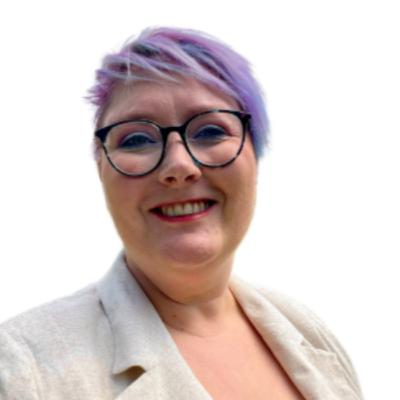
In this episode, Jodie Simpson, an autistic speech and language therapist, talks openly about her journey into the profession and her research on neurodiversity within speech and language therapy. Jodie explores the realities faced by neurodivergent therapists, including discrimination, ableism, and barriers within training and clinical practice. She challenges deficit-based thinking and makes a clear case for recognising and valuing neurodivergent differences rather than framing them as disorders.Jodie also discusses her research into professional identity and highlights the distinct strengths and perspectives neurodivergent therapists bring to their work with clients, families, and colleagues. We underline the urgent need for more inclusive education, workplaces, and professional cultures. The episode ends with a clear message: embracing difference strengthens the profession, and neurodivergent therapists deserve recognition, support, and equal opportunity to thrive.

Kimberley Williams explores the realities of working with acquired apraxia of speech, a rare motor speech disorder that most often presents alongside aphasia following stroke. Drawing on extensive clinical experience, Kimberley explains the specialist skills required, the challenges clinicians face, and what effective support looks like in practice. She also reflects on the personal and professional motivations that led her into this field, offering a grounded, honest perspective on why this work matters and what continues to drive her commitment to people living with acquired apraxia of speech.

Distinguished Assistant Professor Appas Saha joins us from India to discuss speech apraxia awareness, care, and diagnosis in his country. He explores how families navigate assessment and therapy for children with childhood apraxia of speech, highlighting both the challenges they face and the progress being made. He also shares his hopes for the future of support and understanding in this important field.
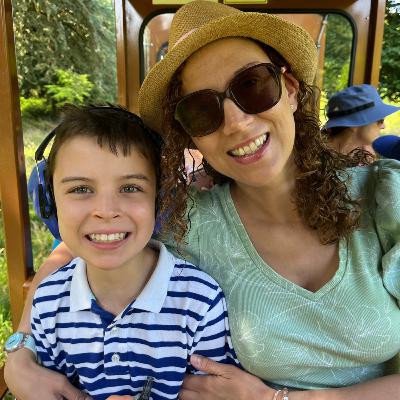
When Lottie Berry’s non-speaking autistic son Joshua didn’t follow the normal pathway for speech progression, she started to question why.Yes, he was autistic, but that didn’t explain why he couldn’t talk. Lottie talks about how she bravely pushed for a diagnosis for his speech disorder on the NHS and secured an adapted speech assessment, which resulted in a diagnosis of Suspected Childhood Apraxia of Speech (CAS).Josh now has intensive speech therapy sessions for CAS on the NHS that have helped unlock his voice alongside his trusty speech device Monty (Proloquo2Go).Lottie says, “I had given up hope that he was ever going to talk with his mouth - I just didn’t think it was ever going to happen…the fact he can now say mummy (and other words) with his mouth is the best thing ever for him and me.”Lottie Berry is the Founder of Tap Type Talk, an autism, apraxia, and AAC advocacy platform.
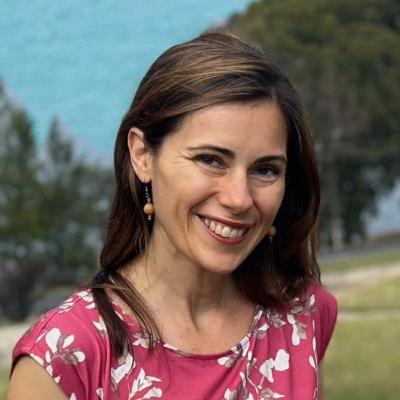
Olga Komadina talks about why she chose to work in speech apraxia and her route into the field. What are the challenges and how do you make decisions about children? Olga has years of experience working with childhood apraxia of speech.

In this episode, Jon Hunt discusses how apraxia affects people after a stroke and shares insights from his work supporting individuals with acquired apraxia of speech and aphasia. He explores the challenges of diagnosis, common misconceptions about treatment, and how these conditions often overlap more than many realise.Jon also talks about designing the Cuespeak therapy app, created to help people practice speech and communication more effectively. He explains how apraxia therapy tends to focus on the mechanics of speech, while aphasia therapy targets language processing—but in reality, speech and language are deeply connected, and both approaches can complement each other in therapy.
Liz Bedson runs the Stroke Survivors Speech and Language Support group. She explains the effects of stroke on speech and language, how her organisation supports individuals with apraxia of speech and is looking to also train their volunteers. The organisation supports Stroke Survivors in Cheshire, UK and surrounding areas with speech, language and communication difficulties with fun activities in a safe, person centered way.They empower stroke survivors to recover, reclaim and rebuild their lives after stroke through fun and engaging activities. Helping them become more motivated, they become more resilient and feel less isolated.
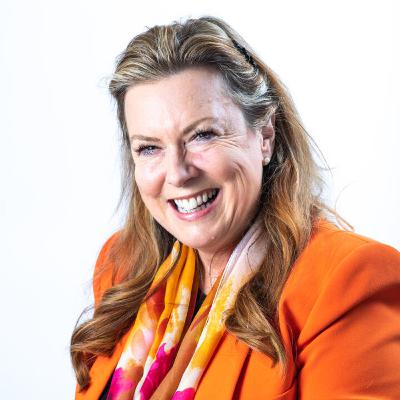
Libby hall discusses both childhood apraxia of speech and selective mutism. She answers questions around diagnosis, common misconceptions, and raising awareness. This unique podcast focuses on an area of speech and language that is often misunderstood and underrepresented, Libby sheds light on the challenges families face and the importance of early intervention. Whether you're a person living with one or both of these or a parent, educator, or speech-language professional, this episode offers valuable perspectives and practical advice to support children navigating these complex communication disorders.Libby is in her 40th year of being a speech and language therapist and remains as passionate about what she does as ever. Libby worked for the NHS in Aylesbury, Dudley and Sandwell before moving to the independent sector. She leads an independent team of therapists at Small Talk Speech & Language Therapy, working mainly with children with complex autism and selective mutism.
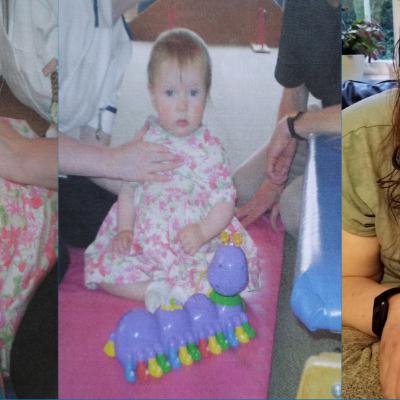
In this episode, I’m joined by Pam Slater, whose daughter was diagnosed with a FOXP2-related speech and language disorder in 2017. She shares her story with www.speechapraxia.co.uk That diagnosis helped piece together years of unanswered questions—hypotonia, poor eye contact, and unclear speech that even family struggled to understand. Pam shares her daughter’s remarkable journey, from early physiotherapy and years of intensive speech therapy for Childhood Apraxia of Speech, to finding ways to communicate through Makaton, communication books, and AAC. We also talk about the mental health impact, the determination her daughter shows every day, and how international research collaborations have supported her progress. This is a powerful story of resilience, advocacy, and hope for families navigating rare genetic speech conditions. #FOXP2 #FOXP2RelatedDisorder #ChildhoodApraxiaOfSpeech #CAS #ApraxiaOfSpeech #SpeechDisorder #GeneticSpeechDisorder #AAC #AugmentativeAndAlternativeCommunication #Makaton #SpeechTherapy #SLT #SpeechAndLanguageTherapy #RareDisease #RareDisorder #Hypotonia #NeurodevelopmentalDisorder #CommunicationDisorder #ApraxiaAwareness #ParentAdvocacy #FamilyAdvocacy #Resilience #Hope #MentalHealth #ResearchCollaboration #GeneticsAndSpeech #RareDiseaseCommunity #ApraxiaSupport #SpeechTherapyJourney #InclusiveCommunication
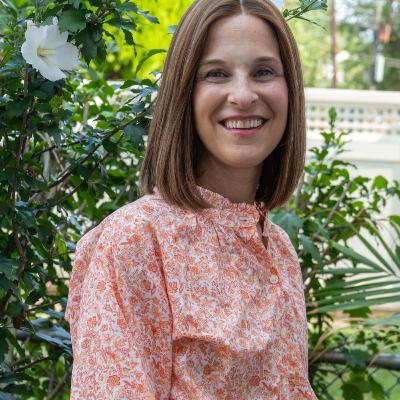
Alonna addresses the common questions asked when treating childhood apraxia of speech. Alonna is PROMPT certified and DTTC trained, and listed on the Apraxia Kids directory. She is a pediatric speech language pathologist with over 25 years of experience specializing in apraxia and other speech sound disorders.Alonna offers online courses on childhood apraxia of Alonna addresses the common questions asked when treating childhood apraxia of speech. Alonna is PROMPT certified and DTTC trained, and listed on the Apraxia Kids directory. She is a pediatric speech language pathologist with over 25 years of experience specializing in apraxia and other speech sound disorders.Alonna offers online courses on childhood apraxia of speech that give you practical strategies you can use right away in your therapy sessions. Her goal is to make CAS education easy to understand and speech that give you practical strategies you can use right away in your therapy sessions. Her goal is to make CAS education easy to understand and implement—so you can confidently start helping CAS clients immediately. #ChildhoodApraxiaOfSpeech #CAS #ApraxiaOfSpeech #SpeechTherapy #SLP #SLT #SpeechLanguagePathology #SpeechLanguageTherapy #SpeechSoundDisorders #ApraxiaAwareness #ApraxiaKids #PROMPTTherapy #DTTC #PROMPTCertified #DTTCTrained #SpeechTherapyEducation #PediatricSLP #SLPCommunity #ApraxiaSupport #CASStrategies #SpeechTherapyTips #ApraxiaTreatment #ApraxiaTherapy #ApraxiaResources #ProfessionalDevelopment #ContinuingEducation #SLPTraining #SLPOnlineCourses #SpeechTherapyOnline #SLPStrategies
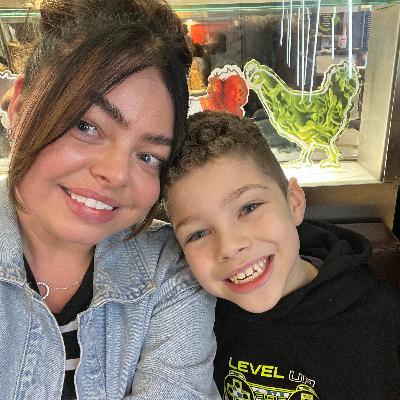
Today on the podcast, I’m joined by Chelsea, mum to Lucas. When Lucas was just two, Chelsea noticed he wasn’t talking at all. After years of frustration and limited progress with standard speech therapy, Lucas was finally diagnosed at six with Childhood Apraxia of Speech. Fast forward just over two years, and with the right specialist, intensive support, he’s making incredible progress. Chelsea has thrown herself into raising awareness—attending CAS family days, even doing a sponsored skydive in 2024 to fund assessments, and helping to create an official CAS pathway in her local area. In this episode, Chelsea shares the highs and lows of their journey so far, and her passion for making sure children like Lucas get the support they need to reach their potential.”#ChildhoodApraxiaOfSpeech #CAS #ApraxiaOfSpeech #ApraxiaAwareness #SpeechTherapy #SpeechAndLanguageTherapy #SLT #SLP #ParentAdvocacy #FamilyAdvocacy #CASJourney #ApraxiaSupport #SpeechDisorder #CommunicationDisorder #RareSpeechDisorder #ApraxiaParents #ApraxiaKids #Resilience #Hope #InclusiveCommunication #CASCommunity #ApraxiaPathway #CASFamily #ApraxiaFundraising #SkydiveForCAS #ApraxiaWarrior #ApraxiaStrong #MakingProgress #SupportForCAS #EveryChildDeservesAVoice
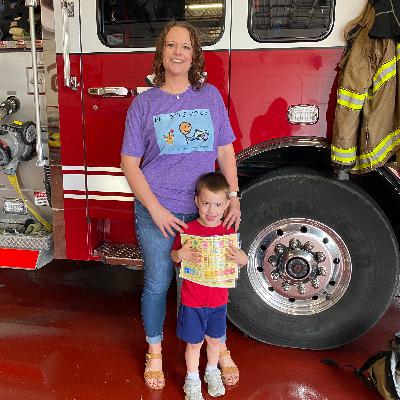
I intervew Kendra Frank, founder of 'Elliot's Voice' Elliot is four — bursting with energy, laughter, and curiosity. He understands the world around him, but childhood apraxia of speech makes it hard for him to get the words out. That’s why she created Elliott’s Voice: a nonprofit placing low-tech communication boards in parks, libraries, zoos, and even emergency services — so kids like Elliott can always be heard. In this episode, we share how a personal struggle grew into a mission to build inclusive communities where every child, every person, and every voice matters#ChildhoodApraxiaOfSpeech #CAS #ApraxiaOfSpeech #ApraxiaAwareness #AAC #AugmentativeAndAlternativeCommunication #CommunicationBoards #InclusiveCommunication #EveryVoiceMatters #ApraxiaSupport #ParentAdvocacy #FamilyAdvocacy #ElliottsVoice #SpeechDisorder #RareSpeechDisorder #SLP #SLT #SpeechTherapy #SpeechLanguagePathology #BuildingInclusion #AccessibilityMatters #InclusionForAll #ApraxiaCommunity #ApraxiaKids #CommunicationForAll #ApraxiaJourney #VoiceForAll #NonprofitAdvocacy #ApraxiaStrong #EveryChildDeservesAVoice
Comments

Download from Google Play

Download from App Store
 United States