


 Claim Ownership
The Business of Healthcare Podcast with Tara Humphrey
Subscribed: 82Played: 2,000
Subscribe

© 2026 THC Primary Care
Description
Tara Humphrey looks behind the scenes at the business side of healthcare by talking to NHS and private healthcare leaders. Throughout this podcast, she also shares her own leadership insights.
Tara has an MBA in Healthcare Leadership and Management and is the Founder and CEO of THC Primary Care, a leading healthcare consultancy.
Tara has an MBA in Healthcare Leadership and Management and is the Founder and CEO of THC Primary Care, a leading healthcare consultancy.
374 Episodes
Reverse

What happens when a physio drives 35 minutes to see one patient, drives 35 minutes back, and does it again the next day? That's how Pure Physiotherapy started in 2006, in a small room off the back of a gym in Rotherham. Twenty years later, Finn Robinson's company supports nearly 250 PCNs across England, seeing over 90,000 patients a month. In this episode, Tara sits down with Phin, returning guest, founder of Pure Physio, to talk about what two decades of building in primary care actually looks like. They cover the 2026/27 GP contract, the uncapping of GP salaries within ARRS, the real risk of roles never getting properly embedded, and why squeezing appointment slots from 20 to 10 minutes isn't the efficiency gain it looks like on paper. In this episode: Why the GP salary uncapping within ARRS is the biggest risk to additional roles and what PCNs should be thinking about now The clinical case for 20-minute FCP appointments, and what the evidence says about self-management and follow-up rates The difference between flexibility and instability, and how physio governance frameworks protect both patients and practitioners Neighbourhood health: genuine excitement, not enough money, and the networks that are making it work anyway Growth versus impact — why Finn measures success in patients reached, not revenue What it actually takes to set up a physio business: clinical excellence, passion, and a very long tolerance for doing everything yourself Key quotes: "Flexibility is a scale. Once you get to the point of unsustainability, it's unstable. You're just waiting for something to go wrong." "I'm not interested in growth for growth's sake. I'm thinking — what can we do to influence people in a more beneficial way?" Mentioned in this episode: Pure Physiotherapy / Pure Unity Health — pureunityhealth.co.uk Every Move Counts — the GoJoe movement challenge for health and care professionals The Lord Darzi report (October 2024) First Contact Physiotherapy (FCP) and the ARRS framework Connect with Tara here Connect with Phin Robinson via LinkedIn here, or via email here.
Returning to work after bereavement is one of the hardest things you will ever navigate — and almost nobody talks honestly about what it looks like from the inside. In this episode of The Business of Healthcare, Tara Humphrey shares her personal experience of working while grieving after losing her daughter. This is not a how-to guide. It is an honest, unfiltered account of what grief at work actually feels like — the contradictions, the cost of showing up, and what has genuinely helped. If you are currently working through bereavement, managing a team member who has experienced loss, or trying to understand what grief in the workplace really looks like, this episode is for you. Tara covers: Why professionalism at work is not the same as being okay The deliberate decision to keep work life and home life separate whilst grieving Why well-meaning messages during working hours can make things harder, not easier The difference between distraction and displacement — and why the language matters What hour-by-hour survival actually looks like on the worst days The role of therapy, trusted friendships, and small daily anchors in keeping going What managers and colleagues can do to genuinely support someone returning to work after bereavement Working whilst grieving is incredibly tough. If this reaches even one person who feels less alone because of it, that is enough.
In this episode of The Business of Healthcare Podcast, Tara is joined by Dr Steve Taylor, Steve had been a GP Partner in Manchester since 1994 before leaving his partnership in 2021 to work as a locum. He was also a GP trainer for 24 years and involved in training more than 60 GPs. He started advocating for GPs and the NHS more generally in 2021 having more time to look at the issues and potential solutions. This started with exploring the data available and sharing findings via social media. In January 2023 he joined DAUK. This is an honest and thought-provoking conversation that goes beyond headlines, exploring the realities of funding, workforce pressures, and what it will take to secure general practice for the long term. Together, Tara and Steve discuss: Why general practice funding has effectively decreased over the last decade The case for increasing funding by £40 per patient, and what that would mean in practice How current NHS spending may not always be the most cost-effective The role of the Doctors' Association UK and why independent advocacy matters The importance of continuity of care and why it improves patient outcomes Why primary care must have a stronger voice in shaping neighbourhood health Steve also shares his vision for what "good" general practice could look like, including a more proactive, patient-centred approach with annual reviews and improved continuity. Contact Steve using the links below; Twitter/X @drstevetaylor Facebook, NHS Facts and Stats LinkedIn @drstevetaylor Bluesky @drstevetaylor.bsky.social
In this episode of The Business of Healthcare Podcast, Tara is joined by Ben Gowland, Director and Principal Consultant at Ockham Healthcare, to discuss the future of primary care, the role of relationships in effective leadership, and what the latest GP contract signals for Primary Care Networks and neighbourhood working. Ben & Tara reflect on how leadership, collaboration and system dynamics have evolved over the last decade, exploring the shift from PCNs towards neighbourhood based working, how leaders can build meaningful relationships in a rapidly changing NHS landscape, and why taking action, even with imperfect information, is often better than waiting for certainty. Along the way, Tara and Ben also reflect on their own professional journeys, the importance of authenticity in leadership, and the realities of navigating complex healthcare systems. Key Takeaways Healthcare leadership rarely follows a simple formula. As Ben explains, success often comes down to relationships, adaptability, and the willingness to make decisions even when the path forward isn't entirely clear. Want to join Ben & Tara at PCN Plus LIVE 2026 on Wednesday 22nd April 2026? This year they'll explore how stronger collaborations, local solutions, and bold ideas can transform the future of healthcare delivery. To find out more, or purchase your ticket visit here.
We've reached the final episode of our How It Got Commissioned series, and this one takes a different perspective. This week, Tara is joined by Jim Gabriel, Chief Commercial Officer of CardMedic, bringing a rare secondary care and commercial lens to one of healthcare's biggest questions: How do you actually sell innovation into the NHS? While many conversations focus on ideas and innovation, Jim explores the reality behind commissioning, the strategy, relationships and science that turn good ideas into funded services. In this episode, we explore: Why innovation must solve a real problem, not just be a good idea The three essentials for commissioning success: need, funding, and authority to spend The hidden complexity of NHS decision-making and procurement Why sales in healthcare is really about relationships, not persuasion The SCOTSMAN methodology and how understanding competition shapes success How innovators can position solutions to survive in a financially pressured system One of the biggest takeaways? Innovation doesn't fail because the idea isn't good, it fails when funding, decision-makers and system priorities don't align. This episode closes the series with practical insight for anyone trying to move from concept to commissioned reality. Connect with Jim Gabriel via LinkedIn here or via email here.
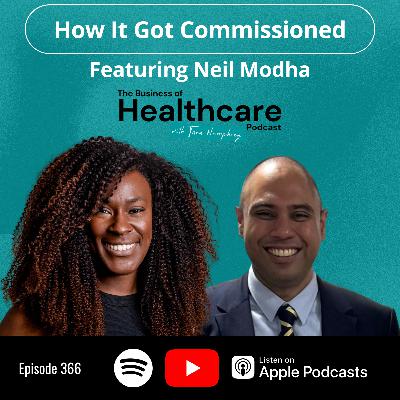
This week on The Business of Healthcare Podcast, we're joined by Dr Neil Modha from Thistlemoor Medical Centre. Neil shares his insights on how primary care practices can identify opportunities, innovate services, and work collaboratively with hospitals to create sustainable, patient-focused solutions. In this episode, we cover: Turning opportunities into action - How Neil transformed unused space into an endoscopy unit in partnership with a hospital. Stacking services for impact - Using one facility to support multiple services, including health & fitness, smoking cessation, and staff well-being. Workforce integration - Sharing staff between pharmacy and medical center to build community and enhance skills. Patient-focused innovation - Creating small group programs tailored to patient needs using a population health management approach. Networking and relationships - Why being active in your system and meeting the right people opens doors for new services. Neil also shares his personal approach to health and fitness, and how leading by example helps inspire both staff and patients. This episode is packed with actionable insights for anyone looking to innovate in primary care or create collaborative, community-focused healthcare solutions. Listen back to Neil Modha's previous features on The Business of Healthcare Podcast below; The key ingredients of General Practice Getting rid of the Us & Them from General Practice Tackling Health Inequalities and Transforming Patient Care Connect with Dr Neil Modha here.
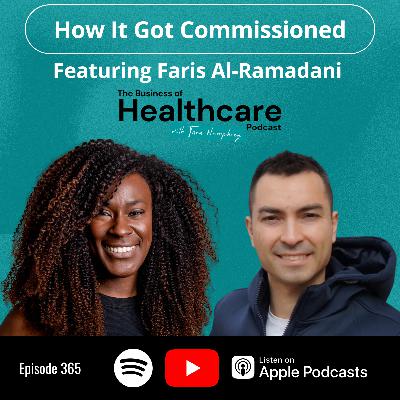
In the fifth episode of The Business of Healthcare Podcast – How It Got Commissioned series, Tara is joined by Dr Faris Al-Ramadani, GP Partner and former Primary Care Network Clinical Director, to explore how a locally developed mental health service moved from frontline problem to a working, commissionable model during the COVID-19 pandemic. As demand for mental health support rapidly increased, general practice teams were seeing patients struggle to access timely care, with long waiting lists and practical barriers preventing many from engaging with existing services. Rather than waiting for a traditional commissioning process, Faris and colleagues identified an opportunity to use the resources already available within primary care to design a new approach. The conversation explores how the PCN brought together trainee psychological therapists, digital tools and local partners to create a coordinated mental health hub, simplifying referral pathways and reducing friction for patients. By piloting solutions, learning through iteration and demonstrating measurable impact, the team developed a model that improved access while supporting wider system priorities. Tara and Faris also discuss the realities of developing services without guaranteed funding, the importance of collaboration and stakeholder alignment, and what this experience tells us about the future of integrated neighbourhood working. In this episode, they explore: Identifying unmet need through frontline clinical experience Developing services without traditional commissioning routes Using existing workforce and digital solutions to unlock capacity Building a coordinated hub model to simplify patient journeys The role of collaboration across primary care and system partners Learning through iteration and adapting when models don't work first time Demonstrating impact to support sustainability and future funding conversations Connect with Faris Al-Ramadani via LinkedIn here.
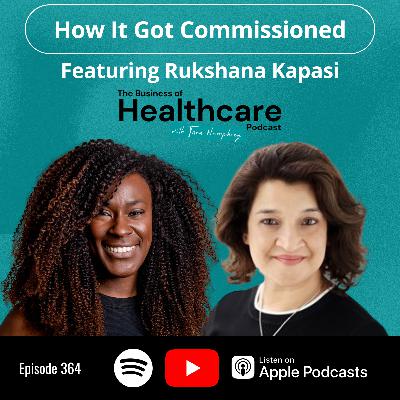
In this episode of The Business of Healthcare Podcast – How It Got Commissioned, Tara is joined by Rukshana Kapasi, Director of Health at Barnardo's, the UK's largest children's charity. Rukshana shares the story behind a short-term pilot that placed family support workers in A&E to reduce avoidable and repeat attendances by children and young people. What began as a three month, winter-pressures pilot went on to generate compelling evidence, and ultimately informed a national NHS England rollout across seven regions. This conversation is a practical, honest look at commissioning outside the usual tendering routes, the power of VCSE partnerships, and why looking beyond traditional NHS funding streams matters more than ever. In this episode, we explore: The risks and realities of short term pilots, and when they're worth taking Why evidence, outcomes, and confidence data mattered more than access alone The importance of commissioner relationships and senior sponsorship Why starting small, testing, and learning can lead to scalable change Rukshana also shares practical advice for anyone trying to get an idea commissioned that doesn't neatly fit an existing pathway, including why you shouldn't wait for "perfect" data before starting conversations. Connect with Rukshana Kapasi here.
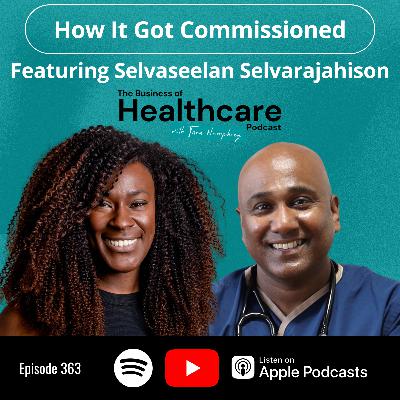
In the third episode of the 'How It Got Commissioned' series, Tara is joined by Dr Selvaseelan Selvarajah to explore how the Same Day Access service was commissioned and developed in Tower Hamlets. Selvaseelan shares the real story behind designing a service from scratch to address one of the biggest pressures in primary care: same day access. Together, they unpack how collaboration between PCNs, commissioners, and local GPs led to a model that works for patients, practices, and the wider system. This conversation goes beyond theory, offering practical insight into commissioning, piloting, workforce design, and the role of data in securing sustainable services. Key takeaways: The three core problems the service was designed to solve: How early involvement of commissioners shaped the business case The difference between Enhanced Access and Same Day Access Why employing local GPs was critical to continuity, quality, and workforce retention How data, utilisation, and patient feedback strengthened the case for ongoing funding Why access alone isn't enough, and how continuity of care fits into the model Top advice for leaders looking to commission similar services
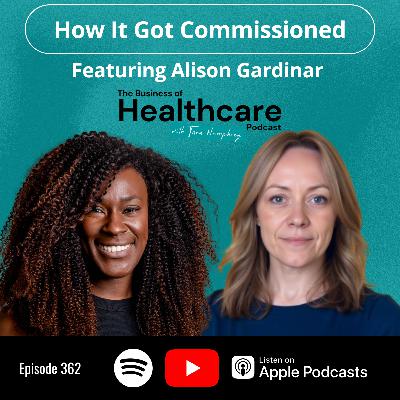
In this episode of The Business of Healthcare Podcast – How It Got Commissioned, Tara is joined by Alison Gardiner, Founder of Born Digital Health and Co-Founder & CEO of Sleepstation, a digital health service focused on improving sleep at scale across the NHS. Alison shares the real story behind how Sleepstation was commissioned, scaled, and sustained through major system change, offering practical insight into what commissioners look for, how digital services succeed at scale, and why understanding budgets and context is critical. This episode is about: How Sleepstation moved from a local project to national and regional commissioning Why digital does not automatically mean scalable Understanding NHS budgets and the percentage you're really asking for Working in partnership rather than relying solely on tenders Navigating system change, competition, and shifting commissioning structures The role of data, outcomes, and real-world impact beyond access Why many pilots fail to scale, and how to avoid getting stuck there Alison shares openly what worked, what didn't, and what she's learned from delivering digital services at significant scale within primary care and wider NHS systems. If you're building, commissioning, or supporting digital health innovation, this episode offers grounded, experience-led insight into how services really get commissioned, and sustained, in practice. Visit the Sleepstation website Connect with Alison Gardiner on LinkedIn
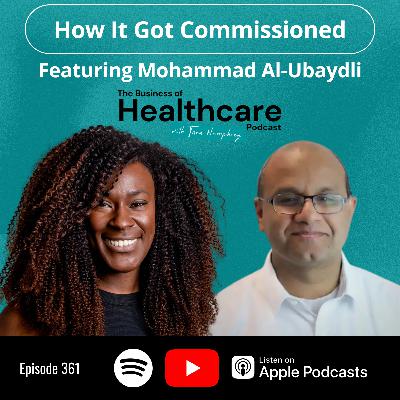
In this episode of The Business of Healthcare Podcast – How It Got Commissioned, we speak with Dr Mohammad Al-Ubaydli, CEO and Founder of Patients Know Best, about the commissioning and rollout of personal health records in Northwest London. Mohammad shares insights on the unique challenges of the tender process, the importance of patient consent, and navigating negotiations with key stakeholders. We also explore the role of G-Cloud as a procurement framework and the lessons learned from rapid growth and deployment in the healthcare sector, highlighting how innovation and collaboration drive meaningful change in healthcar In this episode, we explore: How a chance conversation led to a region-wide commissioning opportunity What the G-Cloud framework is, and why it can be a commissioning "superpower" The importance of price transparency The challenges of rapid growth, scale, and cash flow after winning a contract Common mistakes founders make, and what Mohammad would do differently Why understanding context and organisational culture matters as much as the contract itself Mohammad's top advice for leaders trying to get services commissioned outside traditional routes This conversation offers honest reflections, practical insights, and valuable lessons for anyone working in healthcare innovation, commissioning, primary care leadership, or system transformation. Visit the Patients Know Best Website here or connect with Mohammad Al-Ubaydli directly here.
In this episode of The Business of Healthcare Podcast, Tara explores the importance of understanding the context in which we work, and why context shapes how people think, act, and respond to change. Drawing on personal experience in leadership and consultancy, Tara reflects on why taking time to understand different perspectives has been central to her work for over a decade. She explains how policy, system-level decisions, organisational pressures, and personal experiences all influence behaviour, and why ignoring this context can make collaboration harder than it needs to be. This episode encourages listeners to approach their work with curiosity rather than judgement, to listen more deeply to opposing views, and to recognise that effective leadership is rooted in understanding people's realities, not just strategy or policy. Key Takeaways Why understanding context is critical to leadership and collaboration Why the same policy or programme lands differently in different places The importance of curiosity over judgement when working with others How understanding opposing views strengthens, rather than weakens, your own position Why context affects how people receive messages, priorities, and change agendas The risks of leading with fear rather than relevance How in-person relationships can deepen trust and understanding Questions to ask yourself as you move into 2026 about your own context and perspective What's coming next Tara introduces the upcoming podcast and YouTube series - How It Got Commissioned, featuring conversations with health and care leaders who successfully got services commissioned by doing things differently, often outside traditional procurement routes. The series explores: How services were commissioned within specific contexts What challenges leaders faced What lessons can be applied elsewhere, even when contexts differ
In this first episode of 2026, Tara opens the year with a very different kind of conversation, and marks the launch of The Business of Healthcare Podcast on YouTube. This episode is for anyone who isn't entering the new year with "New Year, New Me" energy, particularly those who have experienced loss, uncertainty, or significant change. Tara shares her own reflections and the tools that are helping her move into 2026 with steadiness, self compassion, and intention, rather than pressure or productivity goals. This is a personal episode, focused less on work and more on wellbeing, mindset, and navigating difficult seasons while continuing to show up in life and leadership. Key Takeaways How to organise your energy rather than chasing productivity How to use simple planning tools to reduce overwhelm Moving your body for mental wellbeing, not performance Being kind to yourself Focusing on setting emotional boundaries and protecting your peace The reminder that multiple things can be true at the same time Giving yourself permission to change your mind, pace, or priorities Watch Olivia Jenkins 'My Exact Framework to Crush Your 2026 Goals - The System I Use Every Year' here.
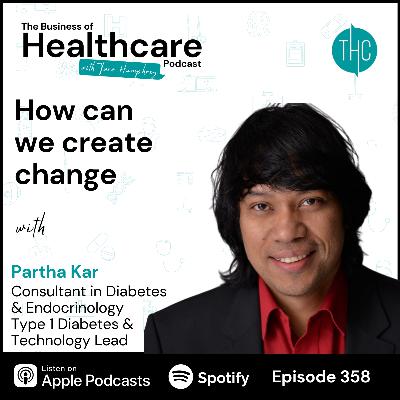
This November, in recognition of Diabetes Awareness Month, we are resharing a series of important episodes that explore the realities, challenges, and innovations surrounding diabetes care and management. This week's reshared episode features Partha Kar, Consultant in Diabetes and Endocrinology, among many other roles. Partha shares what inspired him to work in diabetes and reflects on an important question: how can we create change? This month carries a particularly deep meaning for us all at THC, as we remember Tahlia, daughter of our host Tara, who tragically passed away. Tahlia lived with type 1 diabetes, and her story is a powerful reminder of how complex and serious this condition can be. By revisiting these conversations we hope to raise awareness, and honour Tahlia's memory by helping others better grasp the life-threatening nature of diabetes and the importance of ongoing support for those living with the condition. If these episodes help even one person understand diabetes more deeply or take action to protect a loved one, then we know Tahlia's legacy continues to make a difference. 💙 In memory of Tahlia. If you'd like to support families affected by diabetes, please consider visiting our Just Giving Page.
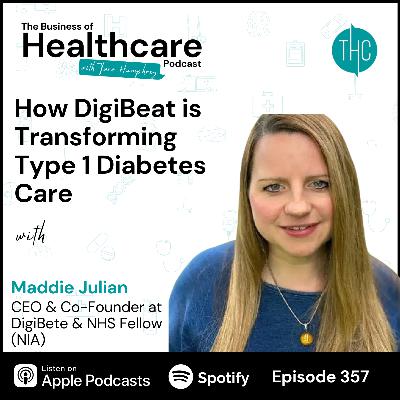
This November, in recognition of Diabetes Awareness Month, we are resharing a series of important episodes that explore the realities, challenges, and innovations surrounding diabetes care and management. This week's episode features Maddie Julian, CEO and Co-founder of DigiBete, an NHS-approved, patient-centred video platform and app created to support and empower children, young people, and families living with diabetes. Maddie shares how DigiBete is helping raise awareness and improve access to resources for those affected by type 1 diabetes. This month carries a particularly deep meaning for us all at THC, as we remember Tahlia, daughter of our host Tara, who tragically passed away. Tahlia lived with type 1 diabetes, and her story is a powerful reminder of how complex and serious this condition can be. By revisiting these conversations we hope to raise awareness, and honour Tahlia's memory by helping others better grasp the life threatening nature of diabetes and the importance of ongoing support for those living with the condition. If these episodes help even one person understand diabetes more deeply or take action to protect a loved one, then we know Tahlia's legacy continues to make a difference. 💙 In memory of Tahlia. If you'd like to support families affected by diabetes, please consider visiting our Just Giving Page.
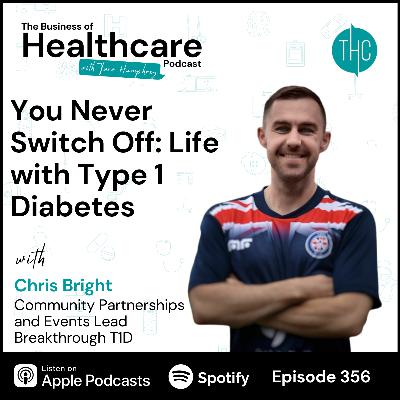
This November, in recognition of Diabetes Awareness Month, we are resharing a series of important episodes that explore the realities, challenges, and innovations surrounding diabetes care and management. This week's reshared episode features Chris Bright, a passionate advocate who is reshaping the narrative around diabetes. Chris highlights the importance of education and awareness, and discusses how collaboration between healthcare providers and organisations can lead to stronger support for families facing similar challenges. This month carries a particularly deep meaning for us all at THC, as we remember Tahlia, daughter of our host Tara, who tragically passed away. Tahlia lived with type 1 diabetes, and her story is a powerful reminder of how complex and serious this condition can be. By revisiting these conversations, we hope to raise awareness and honour Tahlia's memory by helping others better grasp the life-threatening nature of diabetes and the importance of ongoing support for those living with the condition. If these episodes help even one person understand diabetes more deeply or take action to protect a loved one, then we know Tahlia's legacy continues to make a difference. 💙 In memory of Tahlia. If you'd like to support families affected by diabetes, please consider visiting our Just Giving Page.
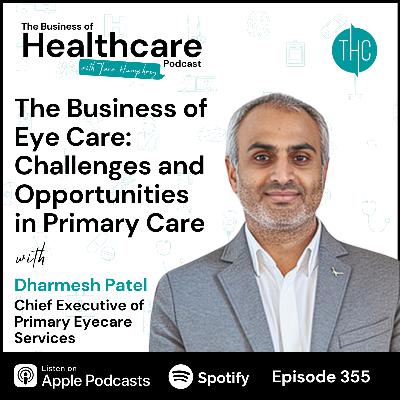
Dharmesh Patel, Chief Executive of Primary Eyecare Services, joins Tara to explore how optometry can transform the future of primary care. As the NHS shifts more services into the community, Dharmesh explains how local opticians can become a frontline defense, easing hospital pressure while improving access to essential eye care. Dharmesh shares his perspective on the financial, ethical, and structural challenges facing the sector, from underfunded NHS sight tests to the need for stronger collaboration within primary care networks. Takeaways: The NHS 10 year plan and what it means for community based eye care. How local optometrists can help relieve pressure on hospitals. Funding and ethical challenges within UK optometry. Groundbreaking initiatives such as hypertension case-finding in optometry. The importance of collaboration with GPs, dentists, and pharmacists. How integrated primary care can improve patient outcomes and local economies. Visit the Primary Eyecare website here. Visit the Primary Eyecare Services LinkedIn here. Work with me I'm Tara Humphrey and I'm the founder of THC Primary Care, a leading healthcare consultancy. I provide project and network management to Primary Care Networks and consulting support to clinical leads. To date, I've worked with 11 Training Hubs and supported over 120 Primary Care Networks and 3 GP Federations. I understand and appreciate the complexity of healthcare and what it takes to deliver projects across multiple practices. I have over 20 years of project management and business development experience across the private and public sector and have an MBA in Leadership and Management in Healthcare. I'm also published in the London Journal of Primary Care and the author of over 250 blogs. For more weekly insights and advice sign up to my newsletter. Improving the Business of Healthcare – One Episode at a Time Thanks for tuning into this week's episode of the Business of Healthcare Podcast. If you enjoyed this episode, head over to Apple Podcasts to subscribe, leave your honest review, and share.
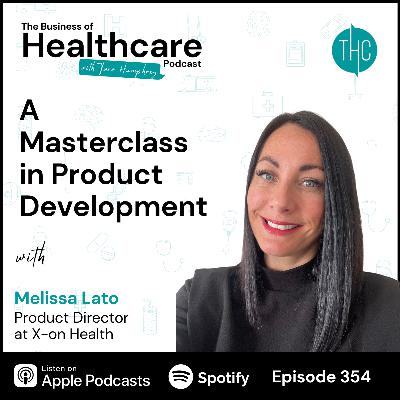
In this episode, Melissa Lato, Product Director at X-on Health, a leading provider of healthcare communication solutions, shares her inspiring journey from the finance sector to the forefront of healthcare innovation. From mentoring at hackathons to leading X-on Health's transformation into an intelligent care navigation system, Melissa discusses how AI technologies are reshaping patient engagement and redefining the healthcare experience. Melissa and Tara explore the art of product development, drawing on lessons from launching groundbreaking products such as the first over-the-counter contraceptive pill. The conversation dives into change management, innovation culture, and the challenges of balancing scalability, control, and patient choice in a competitive UK health tech landscape. Takeaways: Transitioning from finance to health tech: transferable skills and mindset shifts X-on Health's evolution from cloud telephony to intelligent care navigation The promise and pitfalls of AI in healthcare, including AI receptionists Aligning big ideas with precise business objectives The importance of transparent communication and structured change management How founders balance control with growth and scalability Advice for aspiring professionals: lead with passion, curiosity, and user empathy Visit the X-on Health Website here. Work with me I'm Tara Humphrey and I'm the founder of THC Primary Care, a leading healthcare consultancy. I provide project and network management to Primary Care Networks and consulting support to clinical leads. To date, I've worked with 11 Training Hubs and supported over 120 Primary Care Networks and 3 GP Federations. I understand and appreciate the complexity of healthcare and what it takes to deliver projects across multiple practices. I have over 20 years of project management and business development experience across the private and public sector and have an MBA in Leadership and Management in Healthcare. I'm also published in the London Journal of Primary Care and the author of over 250 blogs. For more weekly insights and advice sign up to my newsletter. Improving the Business of Healthcare – One Episode at a Time Thanks for tuning into this week's episode of the Business of Healthcare Podcast. If you enjoyed this episode, head over to Apple Podcasts to subscribe, leave your honest review, and share.

Can AI transform healthcare? Dr Dan Mullarkey, Medical Director at Skin Analytics and GP, joins Tara to discuss how AI is revolutionising skin cancer detection. Dan shares his journey from traditional GP training to leading digital health innovations focused on preventative care. We explore the challenges of adopting AI in dermatology, including clinical validation, regulation, and trust issues. Takeaways: Dans journey from NHS GP to digital health leader. How Skin Analytics uses AI for early skin cancer detection. Clinical validation, regulation, and trust issues in AI adoption. Addressing NHS workforce shortages with teledermatology and AI. Skin Analytics' European expansion plans and future healthcare vision. Visit Dan Mullarkey's LinkedIn here. Access the Skin Analytics Website here. Visit the Skin Analytics LinkedIn here. Work with me I'm Tara Humphrey and I'm the founder of THC Primary Care, a leading healthcare consultancy. I provide project and network management to Primary Care Networks and consulting support to clinical leads. To date, I've worked with 11 Training Hubs and supported over 120 Primary Care Networks and 3 GP Federations. I understand and appreciate the complexity of healthcare and what it takes to deliver projects across multiple practices. I have over 20 years of project management and business development experience across the private and public sector and have an MBA in Leadership and Management in Healthcare. I'm also published in the London Journal of Primary Care and the author of over 250 blogs. For more weekly insights and advice sign up to my newsletter. Improving the Business of Healthcare – One Episode at a Time Thanks for tuning into this week's episode of the Business of Healthcare Podcast. If you enjoyed this episode, head over to Apple Podcasts to subscribe, leave your honest review, and share.
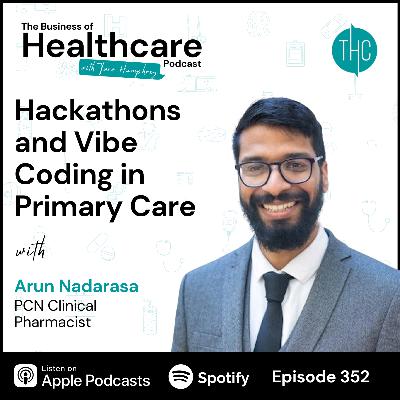
In this episode, Tara is joined by Arun Nadarasa, CEO of the International Social Prescribing Pharmacy Association (ISPPA), Chair of the Pharmacy Advisor Group at the World Health Innovation Summit, and NHS Clinical Entrepreneur. Arun discusses how hackathons, digital tools, and platforms like Lovable are transforming healthcare innovation, aligning with the NHS's 10 year plan, and inspiring the next generation of clinical entrepreneurs. Episode Highlights: How hackathons foster innovation, community, and NHS collaboration. The role of Lovable in turning ideas into prototypes without coding. Lessons from grassroots strategies to attract hackathon participants. Arun's latest ventures Access Aruns showcase of Lovable projects here. Visit the World Health Innovation Summit website here. International Social Prescribing Pharmacy Association website can be found here. Register your interest for the Clinical AI & Quantum Hackathon here. Access the Association for Clinical Quantum here. Work with me I'm Tara Humphrey and I'm the founder of THC Primary Care, a leading healthcare consultancy. I provide project and network management to Primary Care Networks and consulting support to clinical leads. To date, I've worked with 11 Training Hubs and supported over 120 Primary Care Networks and 3 GP Federations. I understand and appreciate the complexity of healthcare and what it takes to deliver projects across multiple practices. I have over 20 years of project management and business development experience across the private and public sector and have an MBA in Leadership and Management in Healthcare. I'm also published in the London Journal of Primary Care and the author of over 250 blogs. For more weekly insights and advice sign up to my newsletter. Improving the Business of Healthcare – One Episode at a Time Thanks for tuning into this week's episode of the Business of Healthcare Podcast. If you enjoyed this episode, head over to Apple Podcasts to subscribe, leave your honest review, and share.

Comments

Download from Google Play

Download from App Store
 United States