


 Claim Ownership
True Crime Culinary
Subscribed: 1Played: 5
Subscribe

© Leah Llach
Description
A podcast for people who love true crime and the strange details that make each story unforgettable. From beer steins tucked into a Hitler assassination attempt to poutine wrapped up in a drug bust, each episode blends history, humor, and crime through the lens of food, revealing how overlooked culinary details shape famous cases and survival stories. Hosted by Leah Llach, a true crime fan and culinary content creator, the show delivers short, fascinating episodes that explore culture, behavior, and the unexpected ways food shows up in crime. Bite-sized episodes drop every Thursday.
21 Episodes
Reverse
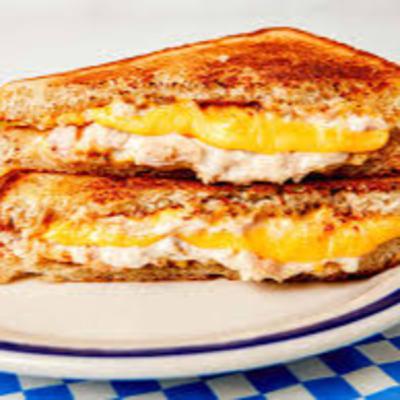
A tuna melt in Lake Tahoe sent me down a rabbit hole. How did a fish once harvested through ancient Mediterranean trap fisheries become a cheap pantry staple — and sometimes a luxury item worth thousands?In this episode, we trace tuna’s journey from seasonal coastal ritual to industrial global commodity, uncover a real corporate price-fixing scandal involving major canned tuna brands, and explore how one simple sandwich connects migration, manufacturing, and modern convenience.Your lunch didn’t get cheap by accident.References:Food and Agriculture Organization of the United Nations. (n.d.). Tuna fisheries and resources. https://www.fao.org/fishery/en/topic/14854International Commission for the Conservation of Atlantic Tunas. (n.d.). Stock assessments and conservation measures. https://www.iccat.int/en/assess.htmNational Oceanic and Atmospheric Administration Fisheries. (n.d.). Atlantic bluefin tuna (Thunnus thynnus). https://www.fisheries.noaa.gov/species/atlantic-bluefin-tunaNational Oceanic and Atmospheric Administration Fisheries. (n.d.). Pacific sardine (Sardinops sagax). https://www.fisheries.noaa.gov/species/pacific-sardineSmith, A. F. (Ed.). (2007). The Oxford companion to American food and drink. Oxford University Press.Smithsonian Ocean Portal. (n.d.). Purse seine fishing. https://ocean.si.edu/ocean-life/fish/purse-seine-fishingU.S. Department of Justice, Office of Public Affairs. (2017, May 8). Bumble Bee Foods LLC agrees to plead guilty to fixing prices of canned tuna. https://www.justice.gov/opa/pr/bumble-bee-foods-llc-agrees-plead-guilty-fixing-prices-canned-tunaU.S. Department of Justice, Office of Public Affairs. (2018, September 11). StarKist Co. ordered to pay $100 million criminal fine for participating in canned tuna price-fixing conspiracy. https://www.justice.gov/opa/pr/starkist-co-ordered-pay-100-million-criminal-fine-participating-canned-tuna-price
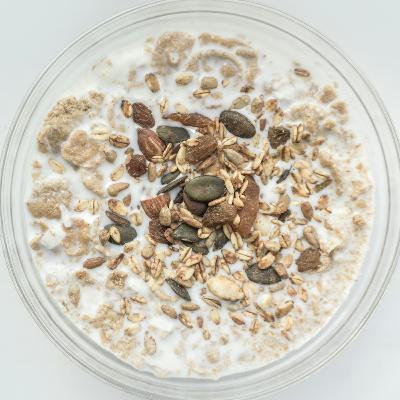
What do a collapsed gold mine in Tasmania and a Swiss breakfast classic have in common?A single muesli bar.In this episode of True Crime Culinary, we start nearly a kilometer underground at Beaconsfield Mine, where two trapped miners rationed one muesli bar while rescue crews drilled through unstable rock to reach them.From there, we rewind to early-1900s Switzerland, where physician Maximilian Bircher-Benner first created muesli as a medical food for his sanatorium patients — part of a broader health movement shaped by tuberculosis, industrialization, and changing diets.Along the way, we unpack:🥣 how muesli went from clinic mash to global snack bar⛏️ how modern mine rescues actually work🧠 why oats, nuts, and dried fruit make surprisingly effective emergency caloriesThis isn’t a story about miracles.It’s about engineering, nutrition, and continuity — and how a humble Swiss food quietly became survival fuel.If you’ve ever wondered how breakfast cereal ends up underground, this one’s for you.References:Beaconsfield Mine collapse — Wikipedia overviewProvides a timeline of the mine collapse, survival of Brant Webb and Todd Russell, and rescue.🔗 https://en.wikipedia.org/wiki/Beaconsfield_Mine_collapseABC News: Todd Russell survived 14 days undergroundFirst-hand account and detailed reporting on the 2006 collapse and rescue operation.🔗 https://www.abc.net.au/news/2024-08-21/beaconsfield-mine-disaster-todd-russell-i-was-actually-there/104245960Beaconsfield miners rescued recounting muesli bar survivalMentions that the two miners survived with water and a shared muesli bar as rescue efforts continued.🔗 https://www.amsj.com.au/beaconsfield-miners-rescued/History of muesli — WikipediaOutlines that muesli was introduced around 1900 by Swiss doctor Maximilian Bircher-Benner at his sanatorium as part of a health-focused diet.🔗 https://en.wikipedia.org/wiki/MuesliAbout Switzerland: Muesli the world-famous Swiss breakfast classicProvides context on Bircher-Benner’s original recipe and health philosophy behind muesli in Switzerland.🔗 https://www.aboutswitzerland.eda.admin.ch/en/muesli-the-world-famous-swiss-breakfast-classicBio-Familia history — Swiss commercial muesli producerDescribes the industrial production of Birchermüesli beginning in 1959 and how Swiss brands helped spread muesli internationally.🔗 https://bio-familia.com/en/bio-familia/company/our-history🔗 “Mine Rescue — an overview” (ScienceDirect Topics) — This overview explains how mine rescue teams are structured, trained, and equipped to respond to underground emergencies — exploring roles, procedures, and safety aims in real rescue operations.https://www.sciencedirect.com/topics/engineering/mine-rescue
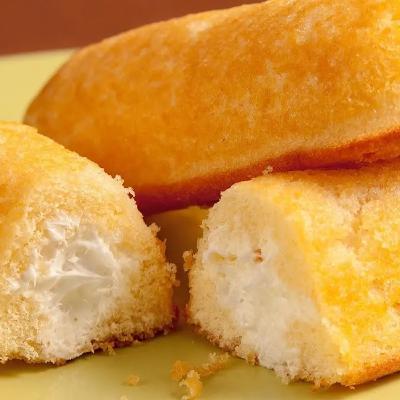
In this episode of True Crime Culinary, Leah unpacks one of the most misunderstood legal moments in American history: the so-called “Twinkie Defense.”In 1978, former San Francisco supervisor Dan White murdered Mayor George Moscone and civil rights icon Harvey Milk inside City Hall.At trial, White’s attorneys argued diminished capacity, pointing to severe depression and sudden changes in behavior — including a reliance on junk food like Twinkies — as evidence of mental collapse. The media flattened that nuance into a headline-friendly myth: The Twinkie Defense.But Twinkies didn’t cause murder.So what really happened?Leah explores the crime, the courtroom, the cultural fallout — and the surprising food history behind America’s most famous snack cake. Along the way, she reflects on mental health, adaptation, and why a soft yellow sponge cake became shorthand for something far heavier.This isn’t just a story about dessert.It’s about suffering, change, and what happens when we miss the point.Cornell Law School — Twinkie Defense (legal definition & context)https://www.law.cornell.edu/wex/twinkie_defenseFamous Trials — The Trial of Dan White (full case background + testimony)https://famous-trials.com/danwhiteFamous Trials — Dan White Chronology (timeline of events)https://www.famous-trials.com/danwhite/591-chronologyWikipedia — Twinkie Defense (media framing + public reaction)https://en.wikipedia.org/wiki/Twinkie_defenseThe Spruce Eats — History of the Twinkie (food origin story)https://www.thespruceeats.com/the-history-of-the-twinkie-1328770

In this episode of True Crime Culinary, Leah tells the story of Emily O’Brien, a young Canadian entrepreneur whose life took a dramatic turn after being caught carrying drugs across a border. What followed was incarceration — and an unexpected turning point.While serving time, Emily noticed how food became a rare point of connection inside prison. With limited resources and a small weekly allowance, she gravitated toward popcorn: inexpensive, customizable, and comforting. That simple snack sparked an idea that eventually became a gourmet popcorn business built around second chances and fair employment for formerly incarcerated people.But popcorn’s role in this story goes deeper.Popcorn itself has a long history as a survival food — cultivated for thousands of years and valued because it’s easy to store, simple to prepare, and transforms dramatically under heat. Long before movie theaters, people ate popcorn at home, sometimes even for breakfast, mixed with milk or sweeteners.Its modern association with cinema emerged in the early 20th century, when popcorn vendors began selling outside theaters. During the Great Depression, popcorn’s low cost and high profit margins helped struggling movie houses stay afloat. Eventually, theaters embraced it fully, turning popcorn into the defining movie snack we know today.This episode weaves Emily’s comeback story with popcorn’s cultural journey — from humble kernels to silver screens — exploring how pressure reshapes both people and food. It’s a story about consequences, resilience, and how something ordinary can become a pathway forward.References:Emily O’Brien’s story and founding of Comeback SnacksToronto Life — I Started My Popcorn Business From Behind Bars. It Gave Me a Second Chance at Lifehttps://torontolife.com/memoir/i-started-my-popcorn-business-from-behind-bars-it-gave-me-a-second-chance-at-life/Why popcorn became a movie theater stapleEncyclopaedia Britannica — Why Do Movie Theaters Serve Popcorn?https://www.britannica.com/story/why-do-movie-theaters-serve-popcornPopcorn and cinema cultureSmithsonian Magazine — Why Do We Eat Popcorn at the Movies?https://www.smithsonianmag.com/arts-culture/why-do-we-eat-popcorn-at-the-movies-475063/Overview of popcorn’s long historySeatUp — History of Popcornhttps://seatup.com/blog/history-of-popcorn/Early household uses of popcorn (including breakfast myths)History Myths — Revisited Myth #91: Popcorn Was the First Breakfast Cerealhttps://historymyths.wordpress.com/2016/07/02/revisited-myth-91-popcorn-was-the-first-breakfast-cereal/
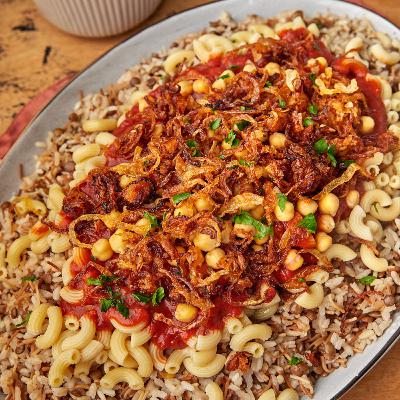
When police in New Jersey discovered more than 500 pounds of pasta dumped along a quiet creek, the case went viral — and nowhere. No charges. No answers.From that bizarre crime scene, this episode of True Crime Culinary travels to Egypt, where pasta becomes part of koshary, the nation’s beloved street food and a UNESCO-recognized cultural tradition.One story of waste. One story of survival.Because food is never just food — it’s history.SOURCE LIST Old Bridge Pasta Dump Coverage (News Report)“No charges filed against man who dumped 500 pounds of pasta in Old Bridge” — ABC 7 New York (Eyewitness News). Real reporting on the pasta dump, official statements, and aftermath. Pasta Dump Local Reporting (Detailed Account)“Hundreds of pounds of pasta dumped in New Jersey woods” — 6abc / WHYY. On-the-ground reporting about the discovery of the pasta piles and community reaction. UNESCO Lists Koshary as Intangible Cultural Heritage“Egyptian dish koshary added to UNESCO’s intangible cultural heritage list” — The New Arab. Highlights the official inscription in 2025 and cultural significance. UNESCO Official Entry for Koshary“Koshary, daily life dish and practices associated with it” — UNESCO Representatives List page. Details the dish’s ingredients, cultural practices, and heritage listing. Koshary History Overview (Wikipedia)“Koshary” — Wikipedia page. A neutral encyclopedic overview of what koshary is, its composition, and a broad history including heritage status in 2025. Origins & Cultural Context of Koshary“How Egypt’s National Dish, Koshary, Arrived In The Country” — Food Republic. Explores debated origins of koshary and influences from global cuisines. Extended UNESCO Cultural Context“UNESCO Intangible Cultural Heritage Lists” — Wikipedia. Provides placement of koshary among other heritage elements and explains what the list is.
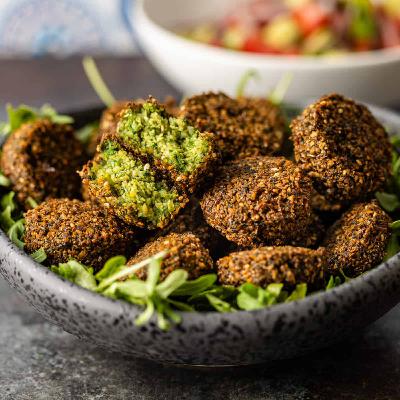
In January 2017, 20-year-old Birna Brjánsdóttir disappeared after a night out in Reykjavík. The last confirmed footage shows her walking alone down Laugavegur, eating a falafel pita. Within days, Iceland launched the largest search in its modern history.This episode of True Crime Culinary recounts the facts of Birna’s case and follows an unexpected thread: how falafel — a dish that began as fasting food in Egypt — became a common late-night meal in Iceland.From fava beans to chickpeas, from religious kitchens to street food, this is a story about how food travels, adapts, and becomes ordinary in places far from where it began.📚 ReferencesFalafel (Wikipedia). Overview of the dish’s ingredients, origins, variations, and cultural context. Wikipediahttps://en.wikipedia.org/wiki/FalafelFalafel: A Humble Vegetarian Staple in Middle Eastern Cuisine — Munchery. Article on falafel’s cultural role, classic preparation, and serving ideas. munchery.comhttps://www.munchery.com/blog/falafel-a-humble-staple-in-middle-eastern-cuisine/The History of Falafel (CultureMap). Notes on falafel’s likely origins, the fava bean → chickpea shift, and global spread. The Culture Maphttps://theculturemap.com/history-of-falafel-and-best-countries-to-taste-it/Murder of Birna Brjánsdóttir (Wikipedia). Factual timeline of the disappearance, search, and conviction. Wikipediahttps://en.wikipedia.org/wiki/Murder_of_Birna_Brj%C3%A1nsd%C3%B3ttirThe Murder That Devastated An Entire Country — True Crime Edition. Context and narrative details of Birna’s case. True Crime Editionhttps://www.truecrimeedition.com/post/birna-brjansdottir
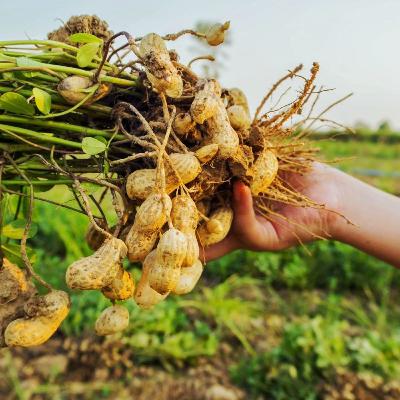
They drilled through concrete. They lined up multiple trucks. They stole more than 100 tons of something most people would never notice.In early 2022, one of the largest agricultural heists in Israeli history left investigators baffled. The target wasn’t gold, fuel, or electronics — but a food so ordinary it barely registers as valuable… until you understand its history.In this episode of True Crime Culinary, we follow the logistics of the theft, the suspects’ background, and the surprising reason this product was worth breaking through reinforced walls to steal. Then we trace its journey across continents — from ancient burial sites in South America, through West African kitchens, into American fields — and uncover how a quiet survival food became a global commodity hiding in plain sight.This isn’t a story about snacks. It’s a story about planning, scarcity, and the foods we stop seeing once they become everywhere.Sources:“That’s nuts!: 104-ton peanut heist leads to quick arrest” — Israel Hayom (2025) www.israelhayom.com“Suspect arrested for stealing over 104 tons of peanuts in Be’er Sheba” — Jerusalem Post (2025) Jerusalem PostPeanut plant origin and cultivation history — Wikipedia WikipediaPeanut domestication & ancient cultivation — ScienceDirect summary ScienceDirectPeanut origin & spread via European trade — Etymonline etymonline.comGeorge Washington Carver biography and bulletins — Wikipedia WikipediaCarver’s contributions to peanut agriculture — History.com HISTORYGeorge Washington Carver agricultural legacy — National Peanut Board National Peanut Board
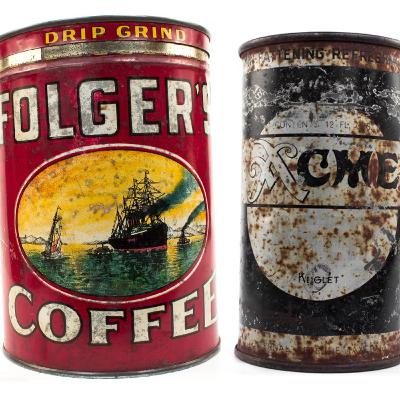
In 2002, Gwen Araujo, a 17-year-old transgender girl, was murdered in California for living openly as herself.In this episode of True Crime Culinary, host Leah Llach tells Gwen’s story with care, personal reflection, and historical context — examining how everyday cruelty escalates, how violence is excused, and how one case helped change the law.We follow Gwen’s life, the night of the attack, and the aftermath that led to the Gwen Araujo Justice for Victims Act, which limited the use of the so-called “trans panic” defense in court.Then, through the show’s culinary lens, we step back to examine the object at the center of the crime: a can of food.Invented to preserve life — to feed armies, families, and people facing scarcity — the can represents humanity’s long struggle to protect what matters. This episode asks what it means when something designed to sustain becomes a weapon instead.This is a story about memory, dignity, and the responsibility to see people as fully human — before harm is done.📚 References & Further ReadingWikipedia — Murder of Gwen Araujohttps://en.wikipedia.org/wiki/Murder_of_Gwen_Araujo(Chronology, trial details, and legal outcomes)ACLU of Northern California — Trans Panic Defense and Legal Reformhttps://www.aclunc.orgThe New York Times — Coverage of Gwen Araujo trial and aftermathSmithsonian National Museum of American History — The History of Canninghttps://americanhistory.si.edu/Encyclopaedia Britannica — Food Preservation / Canninghttps://www.britannica.com/topic/canning-food-processingNational WWII Museum — Canned Food and Military Rationshttps://www.nationalww2museum.org
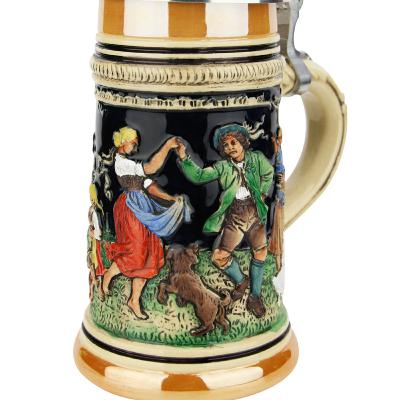
In November 1939, a lone German carpenter and clockmaker came within minutes of assassinating Adolf Hitler — inside a Munich beer hall.In this episode of True Crime Culinary, we explore the Beer Hall Bombing, one of the closest and least-known assassination attempts of World War II history, and the everyday objects that filled the room where it nearly happened.Beer halls weren’t just bars in early 20th-century Germany. They were political spaces — places where people gathered to eat, drink, listen, and belong. They were instrumental in the rise of Nazi ideology. And they were furnished with heavy stoneware beer steins, objects designed for comfort, ritual, and staying put.We tell the story of Georg Elser, a working-class German who acted alone, building a bomb hidden inside a pillar of the Bürgerbräukeller beer hall — and missing Hitler by just thirteen minutes.Then we step back to explore the deeper history:why beer halls mattered so much to political powerhow beer steins evolved from sanitary tools into cultural symbolsand how ordinary food spaces can quietly shape historyThis episode looks at true crime through material culture — where food, objects, and violence intersect — and asks what it means when history unfolds in places meant to feel safeReferencesGerman Resistance Memorial Center — Georg Elser: The Assassin Who Acted Alonehttps://www.gdw-berlin.de/en/research/biographies/biography/georg-elser/(Authoritative historical archive on German resistance movements)United States Holocaust Memorial Museum — Georg Elserhttps://encyclopedia.ushmm.org/content/en/article/georg-elser(Contextual biography and historical verification)BBC History — The Man Who Nearly Killed Hitlerhttps://www.bbc.com/news/world-europe-50367544(Accessible overview of the 1939 assassination attempt)Encyclopaedia Britannica — Beer Hall Putsch & Bürgerbräukellerhttps://www.britannica.com/event/Beer-Hall-Putsch(Background on the beer hall’s political significance)GermanSteins.com — History of German Beer Steinshttps://www.germansteins.com/about-german-beer-steins/(Overview of stein materials, lids, and cultural use)Wikipedia — Beer Steinhttps://en.wikipedia.org/wiki/Beer_stein(General reference; used for cross-checking dates and terminology)
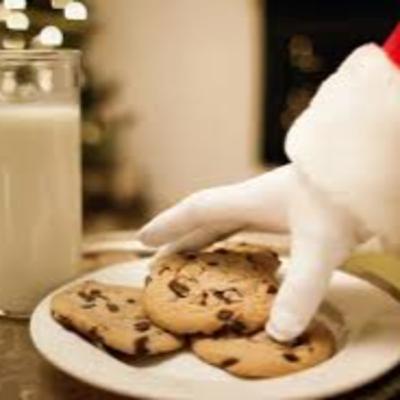
A man dressed as Santa walks into a bank… and no one hits the alarm right away.In this episode of True Crime Culinary, we start with a real holiday robbery and follow the trail all the way to a plate of cookies left out in the dark. Why does Santa work as a disguise? Why do we trust him so completely? And why, of all things, do we leave him cookies?From medieval European Christmas baking and spice-laden survival cookies, to Scandinavian hospitality rituals, to the Great Depression origins of milk and cookies in the U.S., this episode explores how food became a symbol of trust — and how that trust can be exploited.It turns out the cookies were never really for Santa.They were practice.Crime + Investigation — Criminals Who Were Dressed as Father Christmashttps://www.crimeandinvestigation.co.uk/articles/9-criminals-who-were-dressed-father-christmasHistory.com — The History of Leaving Cookies and Milk for Santahttps://www.history.com/articles/dont-forget-santas-cookies-and-milk-the-history-of-a-popular-christmas-traditionFood Republic — Why We Leave Cookies for Santahttps://www.foodrepublic.com/1445587/why-leave-cookies-for-santa-christmas-history/Tasting Table — The Feast-Inspired Tradition Behind Cookies for Santahttps://www.tastingtable.com/1445843/feast-inspired-tradition-leaving-cookies-santa/Smithsonian Magazine — The History of the Peanut (context on food rituals & trade; useful comparative reading)https://www.smithsonianmag.com/history/history-peanut-180974623/Wikipedia — Gingerbreadhttps://en.wikipedia.org/wiki/GingerbreadWikipedia — Pfeffernüssehttps://en.wikipedia.org/wiki/Pfeffern%C3%BCsseWikipedia — Sju sorters kakor (Swedish Christmas cookie tradition)https://en.wikipedia.org/wiki/Sju_sorters_kakorSmithsonian National Museum of the American Indian — Maple Sugaring Traditionshttps://americanindian.si.edu/nk360/infrastructure-gold/maple-sugaringLibrary of Congress — American Holiday Food Traditionshttps://www.loc.gov/classroom-materials/immigration/irish/holiday-traditions/
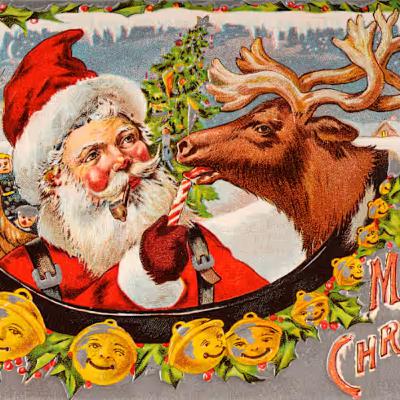
Candy canes feel harmless — festive, nostalgic, impossible to take seriously. But this episode asks a simple question: why do we trust sweet, familiar objects so easily?We start with a real-world reminder that even a cane can hide danger, then trace the history of sugar itself — from chewed sugarcane in Southeast Asia to hand-pulled sugar sticks in medieval Europe. By the 1600s, refined sugar had become a global luxury, produced almost entirely through enslaved labor on Caribbean and Brazilian plantations. Those early sugar sticks — the ancestors of candy canes — were symbols of wealth built on violence and exhaustion.As sugar became more refined, it also became more abstract. Stripped of its origins, shaped into sticks, bent into hooks, and flavored with peppermint, sugar slowly transformed into something decorative, innocent-seeming, and easy to forget.Candy canes didn’t just sweeten the holidays — they polished history smooth.History of candy canes & sugar sticksHistory.com — Who Invented Candy Canes?https://www.history.com/articles/candy-canes-invented-germanySugar’s role in slavery & global tradeSmithsonian Magazine — The Bitter Truth About Sugarhttps://www.smithsonianmag.com/history/bitter-truth-about-sugar-180953268/Sugarcane origins & early useEncyclopaedia Britannica — Sugarcanehttps://www.britannica.com/plant/sugarcaneSugar, refinement, and colonial economiesNational Museum of American History — Sugar and the Atlantic Worldhttps://americanhistory.si.edu/collections/object-groups/sugarModern reflections on sugar labor exploitationThe Guardian — How Sugar Fuels Exploitation Todayhttps://www.theguardian.com/global-development/2021/mar/07/sugar-slavery-modern-exploitationCandy cane evolution in American cultureSmithsonian National Museum of American History — The History of the Candy Canehttps://americanhistory.si.edu/blog/candy-cane-history
In this episode of True Crime Culinary, we unwrap the chilling story of Christiana Edmunds — the Victorian poisoner who slipped strychnine into chocolate creams — and trace chocolate’s own extraordinary journey across continents and centuries.We go way back: to the Indigenous origins of cacao in Central and South America, where chocolate was medicine, ritual, ceremony, and even currency. Then we follow cacao across the Atlantic, into colonial systems powered by enslaved labor, and into the hands of European confectioners.By the 19th century, Swiss innovators — Daniel Peter, Henri Nestlé, Rodolphe Lindt, Philippe Suchard, and Jean Tobler — transformed chocolate entirely. Milk chocolate, conching, mass production, global export: these breakthroughs turned chocolate from a sacred drink into an everyday treat.Their success made chocolate beloved.That love made it trusted.And that trust is exactly what Christiana Edmunds exploited.Join us for a story that blends crime, colonization, culinary innovation, and the surprisingly dark history behind something we all think of as sweet.References:“Christiana Edmunds.” Wikipedia.https://en.wikipedia.org/wiki/Christiana_Edmunds“Death by Chocolate: The Brighton Poisoner.” Brighton Museums.https://brightonmuseums.org.uk/discovery/history-stories/death-by-chocolate/Women’s History Network — “The Case of the Chocolate Cream Killer: The Poisonous Passion of Christiana Edmunds.”https://womenshistorynetwork.org/the-case-of-the-chocolate-cream-killer-the-poisonous-passion-of-christiana-edmunds/“The Chocolate Cream Poisoner, 1871.” Crimes Through Time.https://crimesthroughtime.co.uk/the-chocolate-cream-poisoner-1871/“A Lady Poisons – The Case of Christiana Edmunds.” History Women Brighton.https://historywomenbrighton.com/2015/03/10/a-lady-poisons-the-case-of-christiana-edmunds/Historian Andrew — “Christiana Edmunds: The Chocolate Cream Killer.”https://historianandrew.medium.com/christina-edmunds-the-chocolate-cream-killer-568b117a61e0“History of Chocolate.” Wikipedia.https://en.wikipedia.org/wiki/History_of_chocolate“History of Chocolate: Cocoa Beans & Xocolatl.” History.com.https://www.history.com/articles/history-of-chocolateFauchon Paris — “The History of Chocolate: Where Does It Come From?”https://www.fauchon.com/en/blogs/news/history-chocolate-origins“Chocolate and Switzerland: A Story That Goes Way Back.” House of Switzerland (2023).https://houseofswitzerland.org/swissstories/history/chocolate-and-switzerland-story-goes-way-back“Swiss Chocolate.” Wikipedia.https://en.wikipedia.org/wiki/Swiss_chocolate“The Sweet History of Chocolate.” History.com.(Covers Lindt, Nestlé, and industrialization context.)https://www.history.com/news/the-sweet-history-of-chocolate
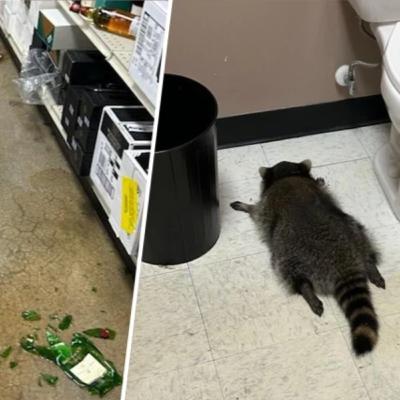
In this hilarious and surprisingly fascinating episode of True Crime Culinary, host Leah dives into the real-life story of a liquor-store break-in unlike anything you’ve heard before — featuring a very drunk raccoon, a bathroom floor, and a trail of shattered whiskey bottles that left employees wondering if they’d walked onto the set of The Hangover: Woodland Edition.From that chaotic crime scene, we follow the pawprints into a deeper look at the history of prison alcohol, better known as pruno, hooch, or jailhouse wine. Leah breaks down how prison-made alcohol works, why inmates started making it centuries ago, the surprisingly creative ingredients (including fruit, bread, candy, ketchup, and rice), and the science behind illegal fermentation.You’ll learn about:• the viral story of the drunk Virginia raccoon• why pruno became notorious in modern prisons• the evolution of prison alcohol from the 1700s to today• how inmates innovate with limited food supplies• the real dangers of jailhouse fermentation (including botulism!)• the strange-but-true world of candy wine, rice wine, buck, and “toilet wine”This episode blends wild animal antics, true crime storytelling, and food history in a way only True Crime Culinary can. If you like funny crime stories, weird food facts, or quirky prison history, this is the episode for you.ReferencesPunchDrink. A Handy Guide to Drinking in Prison. https://punchdrink.com/articles/a-handy-guide-to-drinking-in-prison/Eastern State Penitentiary Historic Site. History of Eastern State Penitentiary. https://easternstate.org/about/history-of-eastern-state-penitentiaryThe Atlantic. How Not to Die of Botulism. 2013. https://www.theatlantic.com/health/archive/2013/12/how-not-to-die-of-botulism/281649/Centers for Disease Control and Prevention / NIH. Outbreak of Botulism After Consumption of Illicit Prison-Brewed Alcohol in a Maximum Security Prison — Arizona, 2012. https://www.ncbi.nlm.nih.gov/pmc/articles/PMC7182035/The Guardian. Drunk raccoon found passed out in Virginia liquor store. 2025. https://www.theguardian.com/us-news/2025/dec/03/drunk-raccoon-virginia-liquor-store
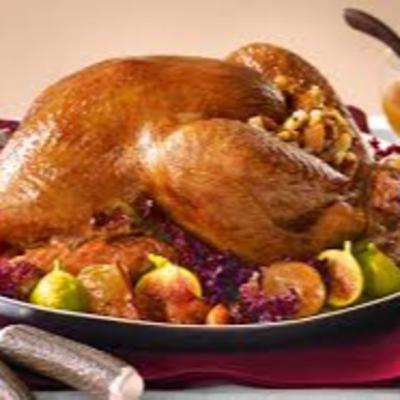
What really happened at the first Thanksgiving — and why do we center a turkey that wasn’t even on the table? In this episode, we peel back 400 years of myth, marketing, and cultural reinvention to explore the deeper story behind America’s most symbol-heavy holiday.We start with the Indigenous history that actually shaped the 1621 harvest gathering — the Wampanoag people, their agricultural expertise, and the political context that shaped their alliance with the English settlers. We look at what was really served (spoiler: likely waterfowl, venison, corn, and shellfish — not turkey), and how early colonial accounts transformed into the imagery we know today.Then, we trace how Thanksgiving shifted from a modest harvest event to a national holiday — thanks in part to Sarah Josepha Hale’s decades-long campaign — and how 19th-century advertising and 20th-century media turned the turkey into a cultural icon through cookbooks, women’s magazines, corporate food marketing, and later, TV and internet-driven “picture-perfect” holiday expectations.Finally, we bring the story into the present day, examining how Thanksgiving looks for families experiencing food insecurity. Millions of Americans rely on community dinners, food banks, church programs, and mutual aid networks to share a meal. We explore why the holiday’s themes of gratitude, survival, and collective care resonate differently — and often more deeply — for underserved communities.This episode blends history, cultural analysis, humor, and heart — reminding us that two things can be true: Thanksgiving is messy and mythologized and it’s a meaningful moment of connection for many. The point was never perfection — it was survival, sharing, and being together.References:Smithsonian Magazine — The Thanksgiving Myth and What We Should Be Teaching Kidshttps://www.smithsonianmag.com/history/thanksgiving-myth-and-what-we-should-be-teaching-kids-180973655/Wampanoag Tribe Official Site — Wampanoag Historyhttps://wampanoagtribe-nsn.gov/wampanoag-historyPilgrims (Plymouth Colony) — Overviewhttps://en.wikipedia.org/wiki/Pilgrims_(Plymouth_Colony)PBS — The Surprisingly Short History of the Thanksgiving Turkeyhttps://www.pbs.org/video/the-surprising-origin-of-thanksgiving-foods-0giltj/History.com — Why Do We Eat Turkey on Thanksgiving?https://www.history.com/videos/history-of-thanksgivingNational Archives — The Woman Who Helped Make Thanksgiving a Holidayhttps://www.archives.gov/publications/prologue/2015/fall/haleBritannica — Sarah Josepha Hale and the Creation of Thanksgivinghttps://www.britannica.com/topic/Sarah-Josepha-HaleFeeding America — Hunger & Holiday Season Reportshttps://www.feedingamerica.org/NPR / KOMO News — Many Families Can’t Afford a Traditional Thanksgiving Dinnerhttps://komonews.com/news/local/thanksgiving-dinner-costs-dip-but-local-families-still-face-strain-from-rising-expenses-holiday-shopping-tacoma-turkeyUSDA — Food Insecurity Datahttps://www.ers.usda.gov/topics/food-nutrition-assistance/food-security-in-the-u-s/
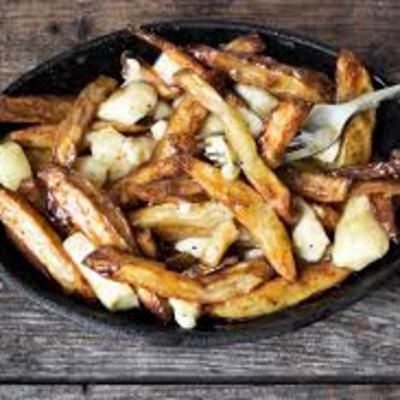
What do you do when your late-night poutine order shows up… with a handful of Viagra at the bottom of the bag?In this episode, we unpack one of the strangest food-adjacent crimes in Canadian history — a 2015 drug ring run out of an ordinary Québec poutine shop, where delivery drivers quietly offered cannabis, magic mushrooms, and pharmaceuticals alongside fries, gravy, and cheese curds.But the story doesn’t start with the drug bust. To understand why this crime became an instant legend, we trace the tale back centuries — to the Indigenous nations along the St. Lawrence River, the arrival of the French in the 1500s, and the birth of a new identity that still defines Québec today.We explore:how French settlers became “Québécois,”why Québec still sees itself as a nation within a nation,how Indigenous history shaped the region long before colonization,and how one messy comfort dish became a cultural symbol.Then we settle the biggest question of all:Where did poutine really come from?Hear the three famous origin stories — Warwick’s “damn mess,” Drummondville’s first menu listing, and Victoriaville’s DIY fries-and-curds ritual — and how gravy eventually joined the party.It’s crime, colonization, cuisine, and comfort food — all wrapped into one warm, chaotic bowl.Primary Keywordspoutine historyQuébec historyQuébec culturepoutine origin storiespoutine crimefood crimesCanadian true crimeCanadian history podcastIndigenous history CanadaNew France historyDrug ring poutine storyWarwick Québec poutineDrummondville poutineVictoriaville poutine originsFrench colonization Canadapoutine documentary podcastcomfort food history podcast(You can add all of these to Spotify/Apple show notes or hide them below a “More” fold.)Eater Montréal summary of the 2015 case:https://montreal.eater.com/2015/3/27/8300031/quebec-police-bust-restaurant-delivery-drug-ringOverview of New France:https://www.thecanadianencyclopedia.ca/en/article/new-franceBattle of the Plains of Abraham (1759):https://www.thecanadianencyclopedia.ca/en/article/plains-of-abrahamQuébec identity, culture, and history:https://www.thecanadianencyclopedia.ca/en/article/quebecIndigenous peoples of the St. Lawrence region:https://www.thecanadianencyclopedia.ca/en/article/indigenous-peoplesCBC history of poutine:https://www.cbc.ca/archives/entry/a-cheesy-history-of-poutineWarwick origin story / Fernand Lachance:https://www.lesproducteursdelaitduquebec.qc.ca/en/blog/history-poutine/Drummondville claim / Jean-Paul Roy:https://www.lapresse.ca/vivre/cuisine/201904/19/01-5222567-jean-paul-roy-pere-de-la-poutine.phpVictoriaville DIY roots (VICE article):https://www.vice.com/en/article/8q89aa/who-really-invented-poutine
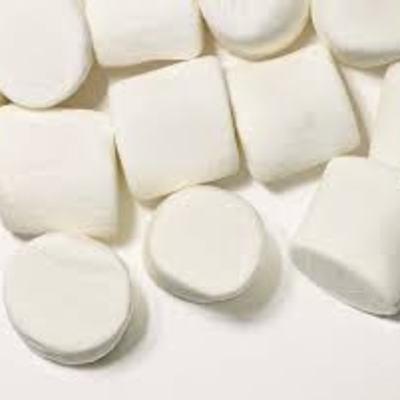
What do backyard mole hunters, fat squirrels, and Thanksgiving sweet potatoes have in common? Marshmallows.In this delightfully bizarre episode of True Crime Culinary, host Leah Llach uncovers a real-life backyard “mole war” sparked by an internet myth — and somehow connects it to the sweet, squishy history of marshmallows.From ancient Egyptian medicine to French confectioners and early 20th-century marketing magic, this story traces how a swamp plant called Althaea officinalis became the modern marshmallow — and how one 1917 ad campaign made it a Thanksgiving staple.Featuring “tactical marshmallow insertion failures,” conspiracy theories about squirrels, and a healthy dose of food history, this episode blends comedy, culture, and culinary storytelling in the sweetest possible way.Highlights:A three-month mole “battle” gone hilariously wrongThe ancient Egyptian origins of marshmallowsThe French reinvention that made them a delicacyHow marketing genius Janet McKenzie Hill turned marshmallows into a holiday traditionWhy sweet potato casserole became a symbol of 1950s convenienceReferences“Killing Moles with Marshmallows” — Moles.org“The History of Marshmallows” — Wikipedia“How Marshmallows Went from Medicine to Candy” — ThoughtCo“The Story of Campfire Marshmallows” — Campfire Marshmallows“How Marshmallows Took Over Thanksgiving” — The Kitchn“The Woman Who Put Marshmallows on Sweet Potatoes” — Saveur“A Sweet Thanksgiving Tradition” — Smithsonian Magazine“How Convenience Foods Took Over the 1950s Table” — Quartz

A murder mystery solved by… a sweet potato? In 2011, a bizarre clue at a Massachusetts crime scene went cold for over a decade — until DNA in 2023 cracked the case. We trace the sweet potato’s journey from Indigenous fields to Southern kitchens, exploring sweet potato pie, its pumpkin cousin, and even forgotten carrot pie along the way. Flavor, history, and true crime collide in the strangest ways.Sources & Further ReadingABC News — “Sweet potato helps solve Massachusetts cold case murder”Oxygen True Crime — “DNA on sweet potato silencer links man to Cape Cod cold case”Newsweek — “Devarus Hampton and the sweet-potato smoking gun”KPBS — “The Great Pie Debate: Pumpkin vs. Sweet Potato”Smithsonian Magazine — “A Brief History of Sweet Potatoes and Their Cultural Roots”Encyclopedia of Food and Culture — “Sweet Potato” entry (Charles Scribner’s Sons, 2003)

A knock at the door. A bowl of candy. And one Halloween night in 1957 that turned deadly. In this episode, we unwrap the story of Peter and Betty Fabiano, the so-called “Trick-or-Treat Murder”, and trace how the sugary ritual behind it evolved from ancient offerings to candy corn.Sources include:Los Angeles Times archives (1957–1958)True Crime Edition, “The Trick-or-Treat Murder”Medium / @CrimeBeatChronicles, “Halloween Homicide: The Story of Peter and Betty Fabiano”Rogers, Nicholas. Halloween: From Pagan Ritual to Party Night. Oxford University Press, 2002Santino, Jack. Halloween and Other Festivals of Death and Life. University of Tennessee Press, 1994Smithsonian Magazine, “How Trick-or-Treating Became a Halloween Tradition” (2021)History.com Editors, “Trick-or-Treating: How Halloween’s Sweet Tradition Evolved” (updated 2023)National Museum of Scotland, “Souling, Guising, and the Origins of Trick or Treat”
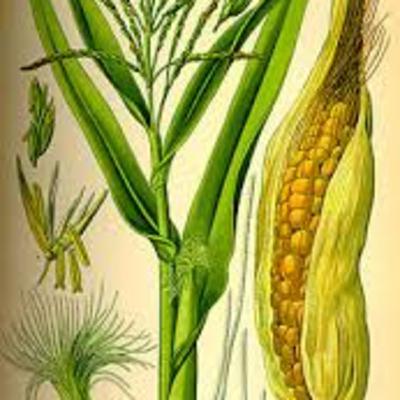
One man hiding from police in a California corn maze accidentally leads us down a different path—into the 9,000-year story of corn itself. Featuring Indigenous perspectives, culinary history, and a side of humor, this episode uncovers how one ancient grain shaped our plates, our past, and one very strange police report.Sources include:An interview from KTVUAn interview from ABC 7Ancient DNA Continues To Rewrite Corn’s 9,000-Year Society-Shaping History from the SmithsonianHistorical Indigenous Food Preparation Using Produce of the Three Sisters Intercropping System
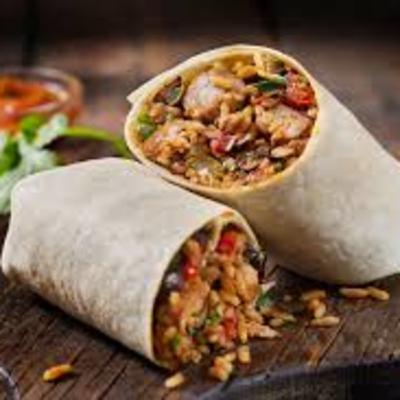
When Aron Ralston was trapped by a boulder in Utah’s Bluejohn Canyon, two burritos became his last link to life. This episode dives into his 127-hour fight for survival—and the fascinating history of the burrito, from Mesoamerica to modern-day.Sources include:Bluejohn CanyonOutside Online – “Between a Rock and the Hardest Place”The Guardian – “The Story Behind 127 Hours”All That’s Interesting – The True Story of Aron RalstonWikipedia: Aron RalstonNuestro StoriesDishHistory – Burrito Origins (YouTube)Wikipedia: Tex-Mex

Comments

Download from Google Play

Download from App Store
 United States