


 Claim Ownership
Grief Out Loud
Subscribed: 877Played: 25,062
Subscribe

Description
Remember the last time you tried to talk about grief and suddenly everyone left the room? Grief Out Loud is opening up this often avoided conversation because grief is hard enough without having to go through it alone. We bring you a mix of personal stories, tips for supporting children, teens, and yourself, and interviews with bereavement professionals. Platitude and cliché-free, we promise! Grief Out Loud is hosted by Jana DeCristofaro and produced by The Dougy Center for Grieving Children & Families in Portland, Oregon.
351 Episodes
Reverse
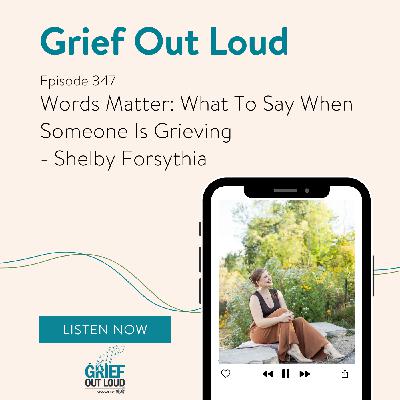
Shelby Forsythia is well acquainted with grief. After a series of losses that started in her late teens and culminated in the death of her mother from cancer, Shelby became an expert in avoiding and outrunning her grief. Then, an incident with a stolen wallet broke through that avoidance; in the aftermath of letting those feelings out, she realized she needed to give herself permission to grieve. Since then, Shelby's done so much in the realm of grief support—as a coach, author, and host of the Grief Grower podcast. Shelby's newest book, Of Course, I'm Here, Right Now, written for friends, family, and community members, provides answers to the ubiquitous question: "What do I say to someone who is grieving?" We discuss: The "four years of hell" when Shelby experienced multiple losses. The stolen wallet incident and the loud, messy grief eruption that followed. Why people fear falling into the abyss of grief if they start crying. Three stories people who are grieving tell themselves. The three phrases that help dismantle those unhelpful stories. What people said after Shelby's mom died vs. what they said after her best friend Tami died. How to start the conversation with someone who is grieving. Connect with Shelby Forsythia: https://www.shelbyforsythia.com/ Her latest book, Of Course, I'm Here, Right Now, is out on 3.31.26. Read transcript Want to learn more about supporting children and teens who are grieving? Sign up for our online courses here: https://classes.dougy.org/
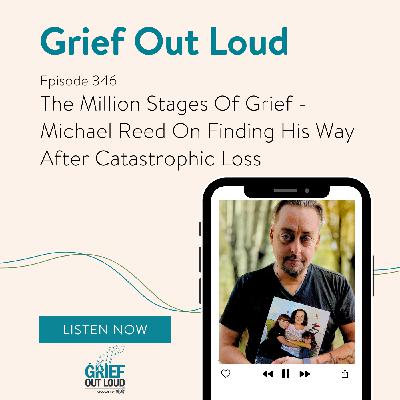
What does grief look like when you lose your wife, two daughters, your home, and nearly everything you own - all in a single night? In this episode we talk with Michael Reed, a husband, father, and author whose life was forever changed when a wildfire swept through his community, taking the lives of his wife Constance, his older daughter Chloe, his youngest, Lily, their pets, and reducing their home to ashes. Nearly a decade later, Michael shares about the darkness he fell into, who was there to hold him and his son up, the ways he stays connected to his wife and daughters, and how he's re-engaged with life through writing and helping others. Michael Reed is the author of The Million Stages of Grief, a self-published book born from years of middle-of-the-night writing as he tried to make sense of catastrophic loss. He also became an unexpected public face of his community's tragedy - a role he has since transformed into a mission of talking openly about grief, faith, and learning to live again. In this episode: Michael shares vivid memories of his daughters: Chloe's extraordinary compassion and Lily's unforgettable sass and spirit. What it's like to lose not only the people you love but every physical trace of them - and how Michael keeps their memory close without tangible reminders. How his son Nicholas became a teacher for Michael in how to grieve. His experience with EMDR therapy and what acceptance means to him. The origin of The Million Stages of Grief: how raw, unedited Facebook posts led to a blog, then to a self-published book. Why the five stages of grief didn't work for Michael - and how he came to understand that grief can move through a million stages in a single day. A raw, honest account of his anger at God after the fire. What it was like to become the unwilling public spokesperson for a community's tragedy, and how he has reclaimed that platform on his own terms. His core message: loss is loss, no matter who or what you've lost — and using your own hurt to help others is how we change the world. Connect with Michael: Website - https://themillionstages.com/ Books - https://themillionstages.com/books IG - https://www.instagram.com/reedstrong2020 Transcript Want to learn more about supporting children and teens who are grieving? Sign up for our online courses here: https://classes.dougy.org/
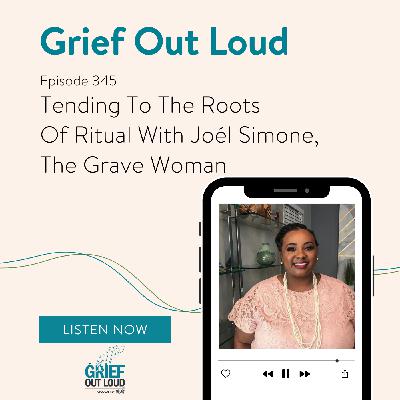
In this episode of Grief Out Loud, we talk with death & grief care professional, educator, and cultural advocate Joél Simone, also known as The Grave Woman. Joél shares the story behind a childhood drawing that declared her future as "the grave woman," and how that early curiosity about death grew into a lifelong vocation in funeral service, grief education, and cultural competency. Drawing from decades of experience, Joél reflects on the spiritual, cultural, and embodied dimensions of grief, including what she's learned by listening closely to families, children, and traditions that are too often overlooked. Joél also talks about her work as founder of the Multicultural Death & Grief Care Academy, including immersive learning experiences that center history, ritual, land, and lineage. Throughout the conversation, she invites us to rethink what ritual looks like and how tending to culture can provide grounding and support for grief. We discuss: How rituals - inherited and improvised - can be a form of medicine What the funeral industry still needs to understand about serving Black and African American families The importance of cultural humility, proactive learning, and not treating communities as monoliths How children experience death and mourning from their literal, physical perspective and what adults often miss The role of land, ancestry, and cultural preservation in grief, particularly within Gullah Geechee communities Why culture itself can be a powerful container for grief and remembrance Connect with Joél Simone: Website: www.thegravewoman.com The Multicultural Death & Grief Care Academy Workshops & Classes The Death & Grief Talk Podcast IG: https://www.instagram.com/thegravewoman Facebook: https://www.facebook.com/thegravewoman/
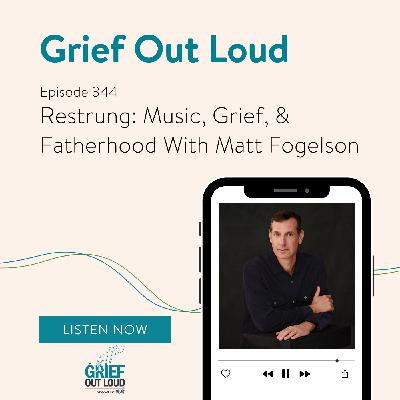
When Matt Fogelson's father died of lung cancer during his senior year of college, he turned to music to express what words couldn't - rage, self-loathing, and grief so profound he didn't know where to put it. In this conversation, Matt - author of the new memoir Restrung - talks about the silence that surrounded his father's terminal illness, the vacuum left by an absent but beloved parent, and how grunge music (especially Soundgarden and Pearl Jam) created space for him to feel what was hard to put into words. Matt shares how his Aunt Wendy became his unlikely guide, why he wore his father's suits to work for years trying to feel close to him, and the breakthrough moment when Pearl Jam's "Release" helped him shift his relationship with his father's memory and his grief. We also discuss how grief shaped his approach to parenting, why he sang a Grateful Dead song to his son every night for 14 years, and the three songs he wishes he could share with his father now. Resources Matt's memoir Restrung (released February 3, 2026) Matt's Substack and music blog (Fine Tuning) More at dougy.org Grief Out Loud is a production of Dougy Center, the National Grief Center for Children and Families.
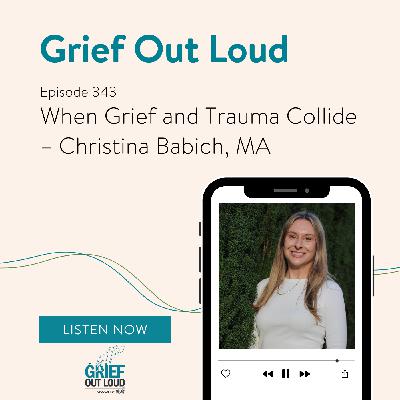
When Christina Babich's partner, Alex, died suddenly from a brain aneurysm while they were visiting his family in Italy, her world shattered in more ways than one. In addition to the grief of losing the person she loved and the future they were building together, Christina was also left to navigate the aftermath of a deeply traumatic event - one that profoundly impacted her nervous system, sense of safety, and identity. In this episode, Christina shares what it was like to grieve a sudden, "out-of-order" death while also navigating the derealization, hypervigilance, and other ways the trauma of his death affected her. She talks about how being a "quasi widow" shaped the care and recognition she received and why platitudes about resilience and post-traumatic growth can sometimes feel alienating rather than supportive. Christina also reflects on how her personal experience shaped her work as a psychologist specializing in grief and trauma, including the role of Cognitive Processing Therapy (CPT), the pressure placed on people who are grieving to "transform" their pain, and the importance of being witnessed by someone who truly understands. We discuss The difference between grief and trauma - and how they often coexist Derealization, PTSD, and nervous system responses after a sudden death What Christina means by "quasi-widow" Why platitudes about strength and growth can feel harmful How Cognitive Processing Therapy was helpful for her Grieving lost identities, futures, and imagined lives Finding connection with others who can relate Living day-to-day when the future feels overwhelming Connect with Christina Website: https://www.christinababich.com/ Substack: christinababich.substack.com
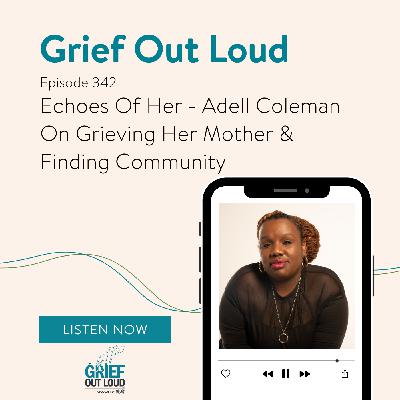
In this episode of Grief Out Loud, we talk with Adell Coleman about her mother who was killed when Adell was just 24 years old. Adell reflects on the closeness of their relationship and how her mom's death radically shifted her sense of safety in the world. She shares how the circumstances around her mother's death, including being the person who found her, has made it difficult to remember how her mom lived, without reliving how she died. Adell also talks about what it's been like raising two daughters who never met their grandmother, but somehow carry her presence in surprising and meaningful ways. She reflects on anniversaries 14 years later, the exhaustion of grief, and how becoming the family "grief expert" interrupted her capacity to engage with her own grief. The conversation closes with Adell describing how community, therapy, boundaries, and creative work - including her documentary and podcast, Echoes of Her: To Mom With Love - have helped her find language, connection, and space for her grief. We discuss Losing a mother in young adulthood and feeling "not ready" to be an adult How violent death and trauma impact grief and memory The challenge of accessing good memories when you are dealing with traumatic imagery Parenting while grieving and helping children connect with a grandparent they never met Anniversaries, emotional exhaustion, and grief over time Becoming the family "grief expert" and having to put off personal grief Finding community after loss and why the right support can take time Creating meaning through storytelling, connection, and creative projects Adell's documentary and her new podcast, Echoes of Her: To Mom With Love Connect with Adell Instagram: @iamadellcoleman Podcast: Echoes of Her Threads: @iamadellcoleman Documentary: Echoes of Her: To Mom With Love Substack: On My Momma
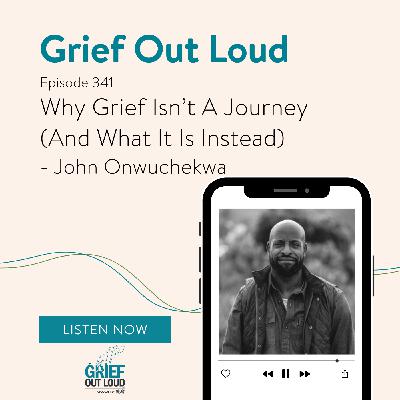
What if grief isn't a journey for us to eventually finish, but more a language we become fluent in? In this first episode of 2026, we talk with writer, storyteller, and social entrepreneur, John Onwuchekwa, whose life was profoundly shaped by the death of his brother Sam in 2015. John shares how Sam's death altered not just his relationships and priorities, but his understanding of grief itself. Rather than framing grief as a journey with an endpoint, John offers a different metaphor: grief as a language that we learn over time, one with past, present, and future tenses. He explores how grief comes through not just in our words, but our bodies, our reflexes, and our relationships, showing up in ways we often don't consciously choose. We discuss: The limitations - and harm - of common grief metaphors The shifts in John's priorities and perspective that occurred after Sam died How loneliness often sits at the center of grief The ways grief can show up in our bodies, before our minds understand what's happening Holding grief and hope at the same time Connect with John Website: https://www.johno.co/ Instagram: https://www.instagram.com/jawn_o/?hl=en We Go On: https://www.andwegoon.com/ Blog: https://www.johno.blog/ Podcast: Four In The Morning https://podcasts.apple.com/us/podcast... Portrait Coffee: https://www.johno.co/ventures#portrait
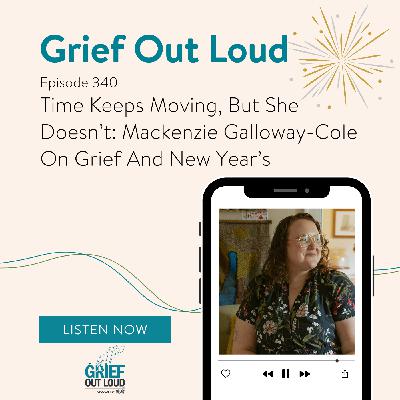
In the fall of 2023, Mackenzie Galloway-Cole was living out her rom-com-worthy love story with her wife Megan in New York City. Then, on an ordinary night in November, Megan collapsed and died a few hours later from a sudden cardiac event. In the aftermath, Mackenzie had to find her way in this newly shattered world without Megan, her anchor and biggest cheerleader. Mackenzie reflects on the shock of becoming a young widow, the added layers of grief that come with queer partner loss, and the painful realities of navigating death care systems that often default to heteronormative assumptions. Together, Jana and Mackenzie talk about the isolating nature of sudden and unexplained death, the importance of finding people who "get it," and the ways time itself becomes a particularly painful aspect of grief. Mackenzie also shares why New Year's can feel like a uniquely brutal grief milestone, how absence accumulates as life continues, and how Megan's love still shapes the way she takes care of herself today. This conversation holds space for heartbreak, dark humor, love stories, and the not-so-quiet ways grief rewires daily life - especially when the person you most want to turn to is the one who died. In this episode, we discuss: The story of how Megan and Mackenzie met and fell in love Sudden death and the trauma of an ordinary day turning catastrophic The intersection of being a young, gay widow Navigating hospitals, funeral homes, and death administration as a queer spouse Why the small, everyday moments can hurt more than the big ones How the second Christmas can feel even harder than the first New Year's as a "sneaky" grief holiday How the choices you make in life can reflect and honor your person who died Mackenzie Galloway-Cole writes about grief at Good Gay Grief on Substack and can also be found on Instagram at @deadwifeclub
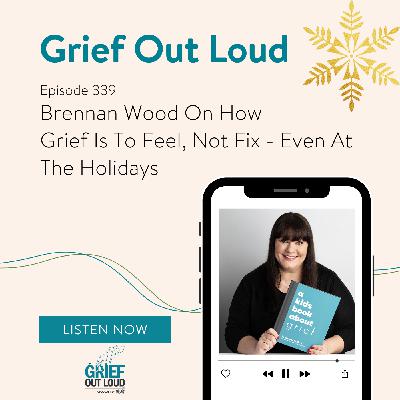
It's our annual holiday episode, this time with Dougy Center Executive Director and TEDx speaker Brennan Wood. Brennan first encountered Dougy Center after her mom, Doris, died of breast cancer three days after Brennan's 12th birthday. She has since navigated almost four decades of holiday seasons with grief along for the ride. She shares about the early years that were awful; the young-adult years she spent volunteering away from family; and how, as an adult, she's learned to hold both grief and joy while creating new traditions for her own family. Whether this is your first or 41st holiday season with grief, this conversation offers validation, tangible suggestions, and new ways to think about this time of year. We discuss: How attending a peer grief support group as a teen introduced Brennan to the idea that grief is to feel, not fix. Accepting that not everything has to be bright and shiny, especially during the holidays. Recalling the first Christmas after her mom died and why it felt awful. New traditions she's created as an adult with her own family. Grounding rituals Brennan uses, especially during the holidays. Why it's okay to be mad at holiday traditions you used to love. Need additional tips and suggestions for this time of year? Check out our past episodes and our Holiday Grief Tip Sheet & Worksheet It's Okay That It's Not the Same: Grief at the Holidays It Can Be So Awkward: Holidays & Grief The Not- Most Wonderful Time of the Year: Holidays & Grief Grief And The Holidays Under Pressure – Grief & December Holidays Watch Brennan's TEDxPortland Talk - https://www.youtube.com/watch?v=ZN4zP5baJrg Read her A Kid's Book About Grief - https://dougybookstore.org/products/a-kids-book-about-grief Learn more about Brennan - https://www.dougy.org/about/team-dougy/executive-director
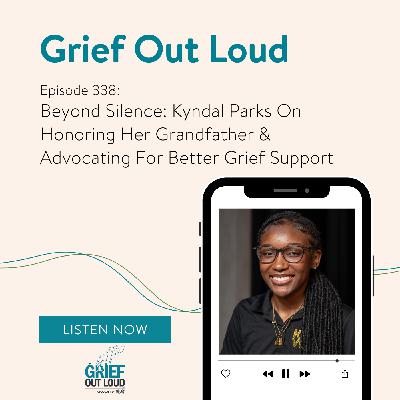
When Kyndal Parks' grandfather died on Black Friday - the day after Thanksgiving – she lost one of her biggest supporters and confidants. While navigating her grief, Kyndal was also navigating life as a college student where she often felt unseen in her grief by faculty and the wider institution. What began as a class assignment turned into a powerful audio piece about loss, legacy, and the urgent need for grief-informed spaces on college campuses, particularly at HBCUs where collective trauma, silence, and resilience intertwine. In this conversation, Kyndal shares about her grandfather's extraordinary life - from his childhood in the 1940s, to living with a disability, to his time as a Black Panther, a gardener, a traveler, and the steady source of love that shaped her into the person she is today. She talks about the traditions they built together, how her grief shows up even from 2,000 miles away, and why vulnerability and community care are essential if we want to build environments where students who are grieving feel supported. Kyndal also explores the cultural and historical patterns of grief in Black communities, the pressure to "push through," and her vision for a world where grief is met with connection, not silence. We discuss: What made Kyndal's grandfather such an influential figure How his death reshaped her understanding of family, holidays, and identity What grief looked like at her college, and within her family and community Why she created her audio piece and what she hopes listeners take from it The need for vulnerability, community support, and grief-informed care at HBCUs and beyond How her grandfather continues to guide her today Check out News Ambassadors, the program that helped connect us with Kyndal and her audio piece.
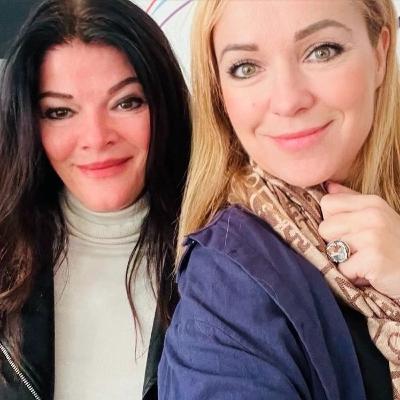
When Hilary was 18, her oldest sister, Kelly, died from a rare cancer called DSRCT (desmoplastic small round cell tumor). In the same year, Hilary left for college and her parents divorced - three life-altering events that reshaped her relationships, sense of stability, and the early years of adulthood. In this episode, we talk about: Growing up as the youngest of three sisters and the creative, nurturing bond she shared with Kelly Navigating Kelly's diagnosis, treatment, and death while still in high school Trying to appear "fine" in college while carrying immense grief The ways her family dynamics shifted after Kelly's death and her parents' divorce How grief continued to evolve across developmental stages, from early adulthood into her mid-30s The unexpected moments - like baking bread or bringing home a new pet – that bring new waves of grief How her experience shaped her work as a therapist supporting others in pain Hilary also shares what she wishes she had known about grief at 18, how exhausting it can be, and how she learned to make space for grief that shows up differently over time.

When Cassie arrived at Dougy Center for her first peer grief support group for young adults after her dad died, she sat in the parking lot wondering if she could even walk inside. When she did, she found people her age who understood what it meant to have a parent die - people who would end up shaping her life in ways she never imagined. In this episode, Cassie talks about how grief changed her, what it was like to find community in a peer support group, and how those friendships continue to support her years later. Now, as a volunteer facilitator in a peer grief support group for children, Cassie reflects on what it means to come full circle - turning the care she received into care she now offers others. We Discuss: The early days and weeks after her dad's death How grief can be physically painful Finding connection and laughter in a support group Building lifelong friendships with people who "get it" Learning to make space for grief on purpose The importance of rituals and traditions What it's like to return as a volunteer to support children who are grieving The unexpected gifts of friendship Cassie's discovered in grief Learn more about Dougy Center's peer grief support groups and resources for Young Adults ages 18-40.
When you're grieving, "Take care of yourself," might be the last thing you want to hear. So what does self-care actually look like for a parent or caregiver who is grieving? Rebecca Hobbs-Lawrence, MA, who coordinates the Pathways Program at Dougy Center for families facing an advanced serious illness, joins us to share practical tools for caregivers who are trying to balance taking care of others with tending to themselves, along with crucial advice for friends and family who want to provide truly meaningful support. We discuss: The many roles caregivers hold before and after a death Balancing others' needs while grieving yourself How adults and kids experience grief differently When the surviving parent had a complicated relationship with the person who died Simple, doable self-care for caregivers What real, helpful support looks like from friends and community Learning how to ask for and accept help Rebecca Hobbs-Lawrence, M.A., is the Pathways Program & Grief Services Coordinator at Dougy Center, The National Grief Center for Children & Families.
When Leena Magdi's younger brother, Hamoodi, was killed, her world shifted entirely. In her debut book Mourning Air, Leena explores how grief reshapes identity, faith, and love. In this conversation, Leena shares what it meant and means to be Hamoodi's sister, how sibling grief is often dismissed, and how writing helps her navigate the grief. Leena also shares about her family's forced displacement after war broke out in Sudan less than a year after Hamoodi's death - and how she's learning to grieve both her brother and her home. We discuss: What it means to be a sister after a sibling dies The invisibility of sibling grief Finding connection through spirituality and writing Grieving a home and a country - and the additional losses her family experienced in fleeing to Egypt from Sudan after war broke out How Leena stays connected to Hamoodi About Leena Magdi: Leena Magdi is a Sudanese-American writer and poet, author of Mourning Air, and mother of two. She was born in Sudan, raised in California, and currently lives in Egypt. You can find her on Instagram @xleenamagdix and TikTok @xleenamagdix.
When someone you know dies suddenly, everything changes in an instant. The world you once knew can feel unfamiliar and unsafe, and finding your way back to even the smallest sense of stability can feel impossible. In this episode, we talk with Dr. Jennifer Levin, therapist, educator, podcast host, and author of The Traumatic Loss Workbook: Powerful Skills for Navigating the Grief Caused by a Sudden or Unexpected Death. Jennifer specializes in supporting people grieving sudden or unexpected deaths that can completely upend how we see the world and shift our sense of safety. We discuss: The differences and overlap between the terms: sudden, unexpected, and traumatic How grief affects the body, mind, and nervous system What it means when the "assumptive world" - our sense of how life should work - is shattered Ways to support yourself when sensory memories of the death are overwhelming How schools and workplaces can better prepare and respond when a community member dies About the Guest: Dr. Jennifer Levin is a grief therapist, educator, and host of the Untethered podcast. She's the founder of Traumatic Grief Solutions and the creator of The Traumatic Loss Online Companion Course. Her new book, The Traumatic Loss Workbook, is available now from New Harbinger Publications. Resources Mentioned: The Traumatic Loss Workbook by Dr. Jennifer Levin The Grieving Brain by Mary-Frances O'Connor I Wasn't Ready to Say Goodbye by Brook Noel, Pamela D Blair PhD Dougy Center resources for supporting children, families, and schools: dougy.org
When Tiriq Rashad, artist, poet, and performer, sits down to write, he's not just telling his own story - he's carrying his daughter, his brother, and his mother with him. In this conversation, Tiriq shares the layered ways grief has shaped who he is: from the death of his first child before she was born, to growing up caring for his brother who lived with cerebral palsy and autism, to the sudden death of his mother. Through it all, Tiriq's foundation in caregiving, service, and community continues to guide him - both in his personal life and in his art. His new album, Kiss My Art, is woven through with grief, including themes of regret, forgiveness, and deep unwavering love. Each track on Kiss My Art reminds listeners that grief doesn't end, it evolves and we evolve with it. We talk about: How the death of his daughter shapes his life perspective – and his parenting. How caregiving for his brother as a child set him on the path to social work. The trauma and legacy of his mother's death in a car accident. Choosing to face grief without leaning on vices. Writing and performing as practices of healing. How the death of a public figure can impact those who never even met them. Connect with Tiriq Rashad: Website: tiriqrashad.com Instagram: @tiriq_rashad No Regrets Official Music Video
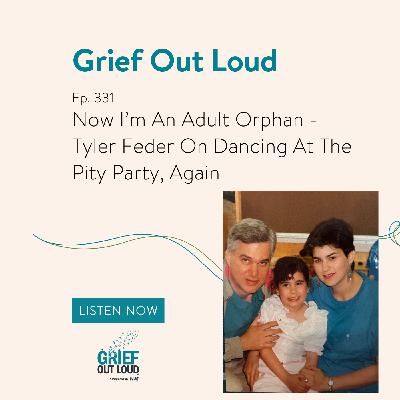
When Tyler Feder was 19, her mom died of cancer, an experience she captured years later in her bestselling graphic memoir Dancing at the Pity Party. In the years since, Tyler has described herself as a "dead mom person" - reflecting just how much of her life was shaped by the death of her mother. But this past winter, Tyler's dad also died, adding a new aspect to her identity, this time as an adult orphan. In this episode, we discuss: The contrast between her parents' personalities – mom (quiet, creative, cat-like), dad (gregarious, emotional, dog-like) - and which of those aspects Tyler carries forward in hers. How writing, art, and community help her process grief. One of Tyler's favorite questions about her parents. Why tangible keepsakes matter so much. The difference having a parent die when you're still a teenager vs an adult. How her family approached her father's illness and death compared to her mom's. Living with worry and fear about her own health and mortality. Follow Tyler's work on Instagram @tylerfeder.
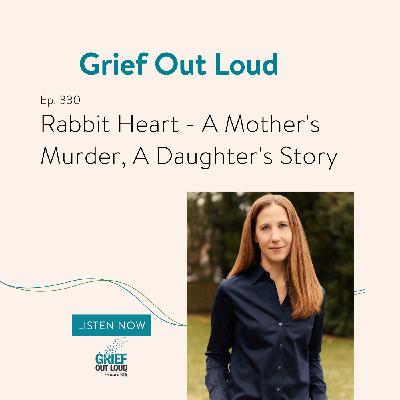
In 1986, when Kristine S. Ervin was eight years old, her mother was abducted, sexually assaulted, and murdered in Oklahoma. Decades later, Kristine tells her story in Rabbit Heart - A Mother's Murder, A Daughter's Story, a memoir weaves together her fragmented childhood memories, growing up with grief, and then as an adult, reckoning with the painful details of her mother's death. The course of the book shifts when there is a break in the cold case of her mother's murder, leading to a trial and eventual conviction of Kyle Eckhart, one of the men responsible. In this conversation Kristine reflects on what it means to grieve for her mother and for the violent way she died. She explores the power of imagination in grief, the struggle of piecing together memories shaped by others, and how writing became both an outlet and a way to preserve a connection to her mother. Together, Jana and Kristine talk about: What she remembers about her mother and which of those memories are shaped by what others remember. How Kristine reacted to media portrayals of her mother's life and death. What she remembers about learning her mother was abducted and then the day she found out she was murdered. What it was like to grow up not knowing who killed her mother. The story behind the title of her memoir, Rabbit Heart. The role of imagination and fantasy in both childhood and adult grief. The emotional impact of learning new, violent details about her mother's death, and how this knowledge changed Kristine's relationship with her grief over time. How the publication of Rabbit Heart allowed her to connect with her mother's memory in a new way. Content note: this episode includes details of violence, sexual assault, and murder, along with some adult language. Please listen with care. Kristine Ervin grew up in a small suburb of Oklahoma City and is now an associate professor at West Chester University, outside Philadelphia. She holds an MFA in Poetry from New York University and a Ph.D. in Creative Writing and Literature, with a focus in nonfiction, from the University of Houston. Her work has appeared or is forthcoming in Fourth Genre, Crimereads, Crab Orchard Review, Brevity, Passages North, and Silk Road. Her essay "Cleaving To," was named a notable essay in the Best American Essays 2013. Kristine's debut memoir Rabbit Heart is currently available from Counterpoint Press.
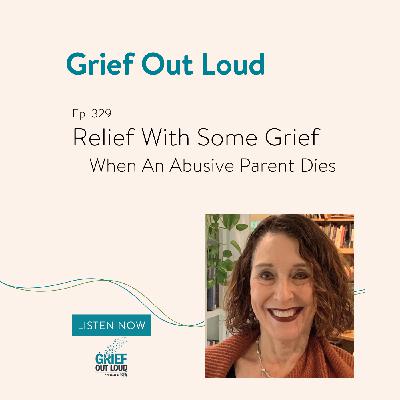
When someone dies, the story is often one of sadness, longing, and loss. But what happens when the person who died was also someone who caused great harm? For Kathy, who was sexually and emotionally abused by her father, his death when she was 11 brought more relief than grief. In this conversation, Kathy shares how her early experiences with grief and trauma shaped her path as a social worker and volunteer, including her current work with teens and tweens who are grieving. We explore: What it was like to have her dad die while carrying the painful secret about his abuse The mixed emotions of grieving someone who caused great harm How volunteering gave Kathy a sense of purpose and visibility at a young age The importance of creating space for young people - and adults - to share the full range of feelings about the person who died, including the hard and complicated ones What Kathy would want her 11-year-old self, and other kids in similar situations, to know Kathy's story broadens our understanding of grief, reminding us that it's never one-dimensional, and that sometimes, relief outweighs grief. Note: this episode includes references to childhood sexual and emotional abuse.
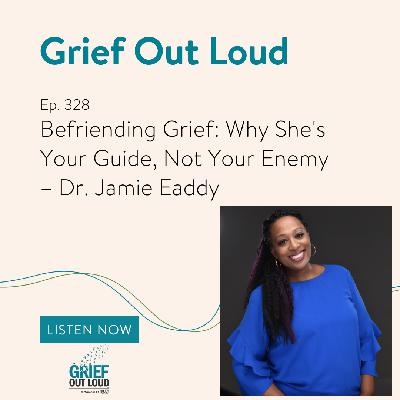
How do we move from seeing grief as something to fix or overcome, to understanding it as a lifelong companion and guide? In this conversation with Rev. Dr. Jamie Eaddy CT, CTP - educator, death doula, founder of Thoughtful Transitions, and creative force behind The Ratchet Grief Project® - she invites us to reimagine grief as a friend who helps us navigate loss, change, and transition. Drawing from her personal lineage of grief through the deaths of her grandmother, cousin, and uncle, Dr. J. shares how these experiences shaped her work supporting individuals and communities, especially those living at the intersections of marginalization and oppression. We explore: How personal experiences with family deaths shaped Dr. Eaddy's career path Redefining grief beyond death - as our natural response to loss, change, transition, unmet expectations, unrealized dreams, and shattered assumptions The concept of "befriending grief" - viewing grief as a companion and guide rather than something to overcome The Ratchet Grief Project® - creating space for marginalized communities to grieve authentically without conforming to restrictive societal expectations How racism, sexism, and systemic oppression create additional layers of grief for Black communities The harmful expectations of "acceptable" grief Current trends in grief work, including the rise of death doulas and increased awareness of non-death losses Unlearning narratives around strength, silence, and emotional suppression The importance of reclaiming parts of ourselves - like joy - that get left behind in survival To learn more: Follow Dr. J. @drjamieeaddy on IG. Visit Thoughtful Transitions Stay tuned for The Ratchet Grief Project coming Fall, 2025

Comments

Download from Google Play

Download from App Store
 United States