


 Claim Ownership
Love and Money Podcast
Subscribed: 10Played: 69
Subscribe

© 2026 Money Guide LLC
Description
Love and money impact every part of a woman's life, and you deserve to feel confident about both. On the Love and Money Podcast, forensic accountant and financial expert Tracy Coenen brings you real, relatable conversations about relationships, divorce, and all things money. From protecting your finances in love to building wealth on your own, you'll get the tools and advice you need to create lasting financial security at every stage of life.
148 Episodes
Reverse

Divorce is stressful enough without dragging your kids into financial worries. But what happens when your ex involves them in money conflicts, or they start picking up on financial stress? Therapist and divorce coach Jill Barnett Kaufman shares how to protect your kids from financial anxiety while managing your own post-divorce money struggles. Kids pick up on everything, including your stress about money. Jill shares expert insights on keeping kids out of financial drama, handling child support conversations, and ensuring they feel safe and secure no matter what's going on behind the scenes. What every parent needs to know: Why hiding money stress from kids isn't enough. They can still feel it. How to keep kids out of money battles even when your ex doesn't. How to respond when your child says, "Dad says you took all his money." What's okay and not okay to share with your children about money. The best ways to talk about money without making kids anxious How to handle "Disney Dad" situations when one parent spoils the kids while the other struggles. What to do if your ex is using money as a weapon in co-parenting Kids shouldn't feel responsible for, or caught between, financial disputes. Jill shares practical ways to help children feel secure regardless of what's happening behind the scenes. Get Jill's free resource, 8 Guidelines for Separated and Divorcing Parents: https://go.divorcecoachjill.com/8guidelines

Money isn't just numbers. It's energy, mindset, and identity. Meagan Norris, former attorney turned million-dollar business owner and financial coach, helps women ditch scarcity thinking and quantum leap their income, no matter where they're starting from. Most women are conditioned to feel guilt, fear, or anxiety around money. Meagan shares why mindset shifts, energetic alignment, and identity changes are the real keys to rapid financial success. Listen to Meagan on how to shift your money energy and grow wealth: Why money is more than just numbers. It's about mindset and identity. The biggest money mistake women make after divorce, and how to avoid it. How to rewire your brain for financial success. No complicated spreadsheets required. The sneaky ways scarcity thinking keeps women stuck in survival mode. What "money energetics" really means and how to shift your energy to attract more wealth. Powerful money shifts you can start today: Decide that more is possible for you before you even know how. Start thinking like your wealthier future self. How would she handle money? Stop making decisions from fear and scarcity. Play the long game. Reframe setbacks as opportunities. Every challenge has a lesson. Financial security starts inside you, not in your bank account. Listen now to learn how to quantum leap your income, your confidence, and your financial future! Meagan is helping women create wildly profitable businesses and financial independence, especially after divorce. Sit in on Meagan's FREE Make a Million masterclass: https://meagan-norris.mykajabi.com/make-a-million

Divorce is hard enough, but when your ex is out to punish you instead of just moving on, things can spiral into a legal and financial nightmare. If you've ever felt like your ex is using the legal system as a weapon, you're not imagining it. Lisa Johnson, a high-conflict divorce strategist and co-founder of Been There, Got Out, has lived the nightmare of a high-conflict divorce. She successfully represented herself through countless court appearances and now helps others navigate the legal system when an ex is weaponizing it against them. If you're dealing with legal abuse, false accusations, or endless court battles, this interview is a must-listen. Lisa breaks down the harsh realities of high-conflict divorce and the legal system traps that keep people stuck. From "Friday night bomb" court filings to financial abuse tactics, she shares what you must know to protect yourself and fight back strategically. You're going to learn: What makes a divorce high conflict and how to tell if yours is headed that way The truth about legal abuse: How exes use the court system to control and drain their former partners The most common dirty tactics high-conflict exes use Why some people will never stop fighting in court and how to protect yourself How to stop your ex from running up your legal bills with endless motions The biggest mistakes people make when dealing with a high-conflict ex in court How to shift from feeling powerless to taking back control If your ex is playing dirty, it's time to take back your power. Lisa shares critical strategies to fight back without letting the conflict consume your life. Some of the essential strategies Lisa recommends: Choose an attorney who understands high-conflict divorce. This isn't a normal case. Take strategic oversight of your case. Don't just rely on your lawyer to handle everything. Be mindful of legal costs. Every unnecessary email, call, or filing can drain your resources. Your ex is not your ally. Don't fall for "let's handle this amicably" without legal guidance. Documentation is everything. Keep records of all communication, threats, and financial abuse. Lisa specializes in guiding people through high-conflict divorce and custody battles with individual and group coaching options. Get Lisa's Legal Abuse tip sheet: https://beentheregotout.com/legal-abuse-tips/ Check out Lisa's book Been There Got Out: Toxic Relationships, High Conflict Divorce, And How To Stay Sane Under Insane Circumstances: https://amzn.to/4gHGrHc

Why is childcare so expensive, so unreliable, and so difficult to find? Childcare isn't just a family issue, it's an economic crisis. The rising cost, limited availability, and lack of societal support for working parents are forcing many women to make impossible choices between their careers and their families. Paige Connell, a working mom of four and content creator, is here to expose the cracks in the childcare system and how they disproportionately hold women back in their careers and financial growth. The rising cost of childcare is outpacing housing and grocery prices, forcing many women to scale back or leave the workforce altogether. Paige shares why this is a systemic issue, not just a personal problem, and what needs to change for families to truly thrive. We discuss the harsh realities of the childcare crisis: Why childcare costs more than rent or a mortgage in most states The hidden ways childcare struggles push women out of the workforce How society still treats childcare as a "mom's problem" instead of a family issue Why summer camps, before-and-after school care, and school closures create an endless cycle of stress How single and divorced moms face even greater challenges with childcare costs and scheduling What women can do to advocate for better solutions at home and in policy If you've ever felt like you're drowning in the logistics and cost of childcare, you're not alone. Paige is leading important conversations on equity in parenting, careers, and financial independence. Get Paige's free guide to help you start the conversation with your partner about the mental load: https://www.sheisapaigeturner.com/mental-load-guide

Reinvention isn't just something that happens, it's something you create. Whether it's after a divorce, a career shift, or a major life change, midlife is actually the perfect time to redefine yourself and step into a new chapter with confidence. Huge changes after 40 can feel overwhelming but they don't have to be. Karen Covy, divorce coach, lawyer, and host of the Off the Fence podcast, helps women reclaim their power, redefine success, and reinvent themselves at any age. Many women feel stuck in old identities, afraid to start over. Karen breaks down the three essential keys to reinvention and how to move forward with confidence and clarity. How to reinvent yourself at any stage, according to Karen: Keep in mind that reinvention isn't a one-time event, it's a lifelong process Why mindset is the #1 factor in successful reinvention The two types of reinvention, intentional vs. accidental (and why you want to choose the first one) Why midlife is the best time to make big changes The three keys to reinvention: mindset, vision, and action How to take action even when you feel lost or afraid Why it's never too late to build a life you love You don't have to stay stuck in a life that no longer fits you. Karen shares the exact steps to create a new future with confidence and purpose. Karen's coaching and online programs help women navigate divorce, career pivots, and major life changes with less stress and more confidence. Find out more about Karen's coaching services at her website: https://karencovy.com/decision-coach-2/

Money and relationships are deeply connected, yet most of us were never taught how to manage finances in a partnership. Whether you're dating, engaged, married, or recently divorced, having a clear money plan is the key to financial security and a strong, healthy relationship. In this solo session, Tracy Coenen is breaking down how to take control of your financial future within relationships so you can build both security and freedom. She tackles common money myths, the importance of financial independence, and how to have those tricky money conversations without damaging your relationship. How to build financial confidence in love: Why separate finances don't mean you don't trust each other The top financial myths keeping couples stuck and the truth behind them How to structure joint and individual accounts for a healthy balance The best way to talk about money with your partner, without fights or awkwardness The #1 mistake women make in relationships that leaves them financially vulnerable Creating a financial plan that supports both your individual and shared goals Love and money can coexist beautifully when you have the right financial boundaries and strategies in place. Five steps to a successful love and money plan: Know where you stand financially. Track your income, debts, assets, and credit score. Establish financial independence. Keep at least one bank account and credit card in your name. Master money conversations. Use structured "money dates" to talk about finances with your partner. Safeguard your assets. Prenups, postnups, estate planning, and legal protections matter. Plan for the future. Think beyond today and create a strategy for retirement, investments, and long-term security. Get your FREE Love and Money Plan here: https://loveandmoneyplan.com

Why are women still being told they have to choose between love, career, and financial success? Lisa Chastain, financial coach and author of Stop Budgeting, Start Living: Transform Your Money Mindset, Transform Your Life, is here to shatter that myth. Lisa has spent her career helping women break free from financial shame, own their power, and create wealth on their terms. She's here to help you ditch the guilt, embrace financial confidence, and claim the love, money, and success you deserve... without apology. Lisa teaches how to have it all: Why society still tells women they have to "choose" between love, money, and success The biggest myth about men and women's financial habits and why it's complete nonsense Why women apologize too much and how to stop How to build financial confidence and power in any relationship Why women are about to inherit more wealth than ever and what that means for our future Lisa's "Stop Budgeting" method: How to take control of your money without tracking every penny You don't have to shrink yourself to make others comfortable. Lisa shares how to own your financial power, create a partnership based on respect, and stop apologizing for wanting more. It's time to break free from outdated money beliefs. Take Lisa's free money personality quiz to better understand how you related to money: https://lisachastain.com/quiz/
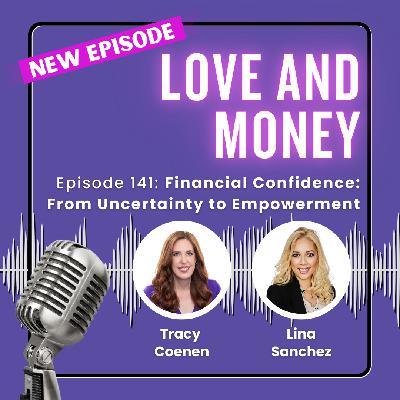
For many women, money can feel like a mystery or even a source of anxiety. But true financial confidence isn't about having a certain amount in the bank. It's about understanding, control, and empowerment. Lina Sanchez, senior wealth manager and certified divorce financial analyst, helps women turn financial fear into confidence. She specializes in guiding clients through major life transitions with clarity and strategic planning. In this interview, Lina explains how women can take charge of their finances post-divorce, avoid common pitfalls, and build long-term security. The goal is for women to make informed decisions about their future and their finances, and this requires understanding more about where you stand with your money right now. Listen in to hear Lina's advice on key financial strategies for success after your divorce: Why financial confidence isn't about how much you have, it's about how much you know The biggest reason women avoid finances and how to change that. How to take inventory of your money and track your cash flow with confidence. How to assess whether you can truly afford to keep the house How to prepare for unexpected financial disruptions: divorce, job loss, or major life changes Why financial planning is about long-term sustainability, not just survival How to work with a CDFA (Certified Divorce Financial Analyst) for smarter decisions Feeling financially empowered starts with knowledge and action. Lina breaks down exactly how to take control of your money, no matter where you're starting from. Connect with Lina: https://aspiriant.com/people/lina-sanchez/

Betrayal isn't just about relationships. It's about broken expectations in every area of life. Whether it's a failed marriage, a job loss, or an unexpected shift in your future, unhealed betrayal can sabotage your ability to move forward. So how do you break free from its grip? Lora Cheadle, betrayal recovery coach, attorney, and TEDx speaker, helps women heal from betrayal. Whether it's infidelity, financial deception, or even job loss, betrayal can create deep-seated fears that keep us stuck in unhealthy patterns. Lora explains why unhealed betrayal often hijacks major life transitions, making it harder to move forward. If you've ever struggled to trust again in relationships, finances, or career, this interview will help you break free from that cycle. What you'll learn from Lora: Betrayal isn't just about infidelity... it happens in careers, friendships, and even within yourself How unhealed betrayal manifests as self-doubt, fear, and playing small The key signs that past betrayals are holding you back from embracing new opportunities Why many people repeat toxic relationship patterns after being betrayed How to reframe expectations and prevent future disappointments The power of laughter and joy in re-regulating your nervous system after betrayal Betrayal doesn't have to define you. It can be the catalyst for growth and empowerment. Lora shares the mindset shifts and tools needed to heal and move forward with clarity. Lora's coaching programs and legal expertise provide a unique blend of emotional and practical guidance for healing after betrayal. Get Lora's Betrayal Recovery Tool Kit: Find Relief, Reclaim Yourself, and Rewrite Your Story: https://loracheadle.com/betrayal-recovery-took-kit/

Debt. Credit cards. Student loans. Unexpected expenses. At some point, we all face financial stress, but what if you knew that every financial problem had a solution? Nicole Stanley, founder of Arise Financial Coaching, is here to remind you: no matter how bad it seems, every financial problem can be fixed. Nicole has helped hundreds of women and couples break free from debt, build wealth, and gain financial confidence without shame or complicated money systems. If you're feeling stuck, overwhelmed, or just unsure of what to do next, this conversation will help you shift your mindset and take action. Whether you're drowning in debt, living paycheck to paycheck, or feeling financially lost after divorce, Nicole shares why your situation isn't hopeless, and how to create a realistic plan to turn things around. Nicole is telling us: The three biggest financial mistakes that keep people stuck Why stress about money doesn't mean you're bad at it How to identify your core financial issue so you stop wasting time on bad advice Why most budgets fail and what actually works instead How to create a plan that feels empowering instead of overwhelming The biggest money myths keeping women stuck and how to break free You don't need to be "good at money" to build wealth, you just have to be willing to learn. Avoidance of your money problems will just make them worse, which is why small steps forward are better than none. No matter where you are financially, you have options. Nicole shares practical steps to help you take control of your money and start creating a future you actually feel good about. She has helped hundreds of women break free from financial shame and anxiety. To talk to Nicole about her financial coaching, go to this link: https://form.jotform.com/240305424199050

Tired of being told to stop buying lattes in order to build wealth? Us too. In this episode, Tracy Coenen sits down with Shari Rash, financial advisor, podcast host, and creator of the Everyone's Talkin' Money Club, for a real conversation about money, relationships, and ditching outdated financial advice that doesn't speak to women. Shari believes women don't need lectures or judgment about their spending. What we need is a strategy that fits real life. Whether you're the primary breadwinner, a stay-at-home mom, or somewhere in between, Shari's approach helps you understand your money without shame and take smart steps toward financial independence. This episode is packed with practical, relatable advice to help you stop feeling behind and start feeling in control. What you'll learn in this episode: Why traditional budgeting fails and what actually works How to create a "spending strategy" instead of depriving yourself Why values-based budgeting helps you align your money with your life How to talk to your partner about finances... without the fight Smart ways to protect yourself financially in relationships and marriage You don't have to understand Wall Street to take control of your wallet. Shari breaks down the emotional side of money and shows how to create a system that supports your goals, your lifestyle, and your peace of mind. How to take back financial control: Understand your "money language" and find advisors who speak it too Use the 50/30/20 rule as guardrails, not handcuffs Know the difference between a need, a want, and a wish Set up money dates and start talking with your partner early and often Don't wait for a crisis to get involved in your household finances Tune in now to learn how to create a healthy, empowered relationship with your money on your terms. Check out Join Shari's Everyone's Talkin' Money Club: http://www.everyonestalkinmoney.com Listen to her podcast: Everyone's Talkin' Money Connect with Shari on LinkedIn: https://www.linkedin.com/in/shari-rash/

Divorce is already expensive, but making the wrong decisions can cost you thousands (or even hundreds of thousands) more. Whether it's choosing the wrong attorney, giving up critical financial assets, or assuming your ex will "play fair," mistakes in divorce can follow you for years. Mardi Winder-Adams, an expert divorce coach for high-achievers, shares the biggest (and most avoidable) financial mistakes people make in divorce. If you want to protect your wallet and your peace of mind, this interview is a must-listen. When you're going through a divorce, what you don't know can hurt you and cost you a fortune. Mardi reveals the common pitfalls, from agreeing to a settlement without understanding the long-term tax impact to underestimating hidden financial risks. This is the strategy session you wish you had before filing for divorce! What you'll take away from this episode: The #1 financial mistake almost everyone makes in divorce Why hiring an attorney first might not be the smartest move The financial consequences of fighting for the family home and why keeping it isn't always the smartest move Why so many women give up retirement funds and how to protect yourself from financial disaster The hidden dangers of "amicable" divorces, and why trusting your ex can backfire The sneaky ways your ex could be hiding money How to strategically prepare for divorce before you say a word Ready to take control of your divorce process? Mardi helps clients avoid financial disaster and build a confident, strategic approach to their split. Check out Mardi's book From I Do To I'm Done: A Woman's Guide To Preparing For Divorce: https://amzn.to/4hSAfNt Find out more about divorce coaching for women: https://www.divorcecoach4women.com/

We've all been there: Feeling stressed, overwhelmed, or just bored, and suddenly, an online shopping spree feels like the perfect pick-me-up. You may have told yourself, "This is the last time I'm impulse shopping!"… Only to do it again a few days later. But what happens when impulse shopping becomes a habit? Paige Pritchard, the creator of Overcoming Overspending, helps women break the cycle of emotional spending and take back control of their money. Paige knows from experience that willpower alone isn't enough to stop overspending. After struggling with impulse shopping in her 20s, Paige developed a proven framework to help women understand why they shop emotionally and break the cycle for good. If you've ever found yourself saying, "Just one more purchase won't hurt," this interview is for you! Hear Paige's insights on: The psychology behind shopping addiction and why it's not just about discipline The "Screw It" mentality... why we keep spending even when we know we shouldn't How retailers and social media fuel impulse shopping and how to fight back The dopamine trap.. why shopping feels so good in the moment but leads to regret later The real reason cutting up your credit cards doesn't work Paige's four-phase process for breaking free from overspending Overspending isn't just about willpower. It's about learning how to process emotions in a healthier way. Paige shares how to identify why you're shopping, take back control, and stop relying on shopping for comfort or validation. Here's how you can escape the emotional shopping cycle: Recognize your shopping triggers: stress, boredom, loneliness, or comparison. Pause before purchasing. Delay buying for 24 hours to see if you really want it. Create a "splurge fund" so you can spend guilt-free without sabotaging your finances. Celebrate small wins. Every time you resist impulse shopping, you're building a new habit. Find healthier coping mechanisms like journaling, movement, or deep breathing instead of shopping. Paige's coaching program, Overcoming Overspending, has helped thousands of women build healthier money habits. Check out her FREE masterclass, Escape Emotional Shopping here: https://overcomingoverspending.com/escape

Money isn't just about numbers. It's about security, confidence, and self-worth. But for so many women, especially those recovering from financial abuse or toxic relationships, money is a source of fear instead of empowerment. How do you go from financial anxiety to financial confidence? Tracy Malone, an international coach and founder of Narcissist Abuse Support, helps survivors of narcissistic relationships overcome financial fear and regain control of their money. Fear of money isn't just about numbers. It's about emotional trauma, self-worth, and past experiences. Tracy shares how financial anxiety often starts in childhood and grows stronger through toxic relationships. If money stress keeps you up at night, this conversation will help you break free. What you'll get from this interview: Why money fear isn't just about finances, it's about survival How childhood messages shape your financial confidence, and how to reframe them The connection between financial abuse and long-term money anxiety The three biggest financial traumas that keep people feeling powerless How to reprogram your beliefs about money and build confidence Steps to create a financial plan that feels safe and empowering Avoiding money doesn't make financial stress go away. It makes it worse. Tracy shares the mindset shifts and practical steps to help you break free from fear and start making empowered financial choices. Tracy's platform, Narcissist Abuse Support, offers tools for healing from financial abuse and rebuilding financial independence. If money has ever felt overwhelming, this interview is for you. Get Tracy's book, Divorcing Your Narcissist: You Can't Make This S**t Up!: https://amzn.to/42yjra3

Divorce can wreak havoc on your finances, and for many people, debt is the biggest financial burden they face post-divorce. Between legal fees, credit card debt, and splitting financial responsibilities, it's easy to feel overwhelmed. But there are ways to take control and get back on track. Natalia Brown, Chief Compliance and Consumer Affairs Officer at National Debt Relief, has helped thousands of people regain financial stability, and in this episode, she's here to share how to tackle debt strategically and confidently. Natalia is breaking down your options, clearing up misconceptions about debt relief, and helping you move forward financially after divorce. What you'll learn in this conversation: Why divorce often leaves women with a higher share of the debt, and how to navigate it The truth about debt settlement vs. debt consolidation Why a divorce decree does NOT protect you from creditors if your name is on the debt How to handle joint debt from your marriage without ruining your credit Why minimum payments keep you stuck and how to break free How debt settlement works, and when it's a better option than bankruptcy The first steps to creating a debt payoff plan that actually works You are NOT stuck in debt forever. Natalia shares the best strategies for taking control of your financial situation, even if you feel like you're drowning. How to tackle debt after divorce: Know your financial responsibilities. Creditors don't care about divorce decrees. Explore refinancing or balance transfers to get debt off your name where possible. Consider debt relief options like settlement or consolidation if payments are unmanageable. Take action sooner rather than later. Ignoring debt only makes it worse. Remember: There's NO shame in asking for help. Financial recovery is possible. If you feel overwhelmed by credit cards, loans, or divorce-related debt, there are solutions that don't require shame or struggle. Look at debt relief options, negotiation strategies, and smart financial planning to get you back on track. Natalia and her team at National Debt Relief specialize in helping people take back control of their finances. Learn more about their debt solutions and expert advice here: https://www.nationaldebtrelief.com/

Your relationship with money isn't just about budgeting, it's about understanding yourself. Shane Walker, co-founder and CEO of Qube Money, has spent 30 years in financial behavioral science, helping people master the psychology of money. He believes that how you spend is a window into who you are, and in this episode, he breaks down how to create a spending system you actually enjoy. From personal finance struggles to $100K in credit card debt, Shane shares his own money mistakes and how he turned it all around. If you've ever felt guilty, stressed, or overwhelmed by money, this episode will shift your mindset. How to develop a healthier relationship with money: The four major changes that have completely transformed how we interact with money Why most budgeting apps fail and how Qube Money fixes the problem How credit cards trick your brain into overspending and what to do instead How to create a spending system that aligns with your values The psychological power of cash envelope budgeting, now in a digital format The emotional side of money and why we overspend, hide money, or avoid finances Why mindful spending leads to more wealth (without extreme frugality) Spending money shouldn't feel like a guessing game. Shane shares his expert insights on how to spend with confidence, reduce financial stress, and actually love the way you use your money. Shane's company, Qube Money, is redefining personal finance by helping people spend intentionally. If you're ready to take control of your finances without feeling restricted, this interview is for you. Check out Qube Money: https://qubemoney.com/ Get a 60-day free trial to Qube Money with code: GETQUBED

Women are burning out at alarming rates, and it's not just from their careers, but from the constant invisible labor required to run a household and raise children. From managing schedules to remembering the little things no one else notices, the mental load can feel crushing. Paige Connell, a content creator and advocate for women's equity, breaks down the unseen burden of unpaid labor and how it's quietly wrecking marriages and damaging women's mental health. Join us to hear about: What the mental load really is and why it's not the same as household chores. The difference between "helping" and true partnership in a marriage. Why women's time is treated as endless, but men's time is protected. How the division of labor impacts women's mental health, confidence, and relationships. Why "just tell me what to do" is not the solution men think it is. The mental and invisible loads aren't just frustrating... they're ruining relationships. Paige shares practical insights on how to make this work visible, have productive conversations, and create a more equitable partnership. Key takeaways: A running to-do list in your head is still labor, even if no one sees it. "Helping out" at home isn't enough—it should be shared responsibility. Women shouldn't have to manage their partners like an employee. Resentment builds over time and without change, it can break a marriage. Paige's advocacy for affordable childcare, paid leave, and gender equity has sparked national conversations. Get Paige's free guide to help you start the conversation with your partner about the mental load: https://www.sheisapaigeturner.com/mental-load-guide

You've been told that fighting about money leads to divorce, but what if arguing (the right way) actually makes your relationship stronger? Shannah Game, the award-winning host of Everyone's Talkin' Money podcast and the author of Unraveling Your Relationship with Money: Ditch Your Money Trauma So You Can Live an Abundant Life, is flipping the script on financial conflicts. Money fights aren't really about money. They're about power, security, and hidden fears. In this episode, Shannah reveals why healthy arguments about money can actually lead to better communication, deeper intimacy, and smarter financial decisions. Hear Shannah's advice on how to make money arguments work for you: Why never fighting about money is actually a red flag How to turn financial disagreements into productive conversations Why keeping finances separate won't prevent disagreements, and what actually will The importance of "money dates" and weekly financial check-ins with your partner How to recognize and heal financial trauma so it doesn't sabotage your relationship The best way to talk about money with your partner without blame or shame A simple framework to improve financial communication in any relationship Avoiding money talks won't make problems go away. Honest, open communication will. Shannah shares practical tools for turning financial tension into meaningful connection. How to argue about money (the right way): Use "I" statements. "I feel anxious when…" instead of blaming your partner. Be transparent. Even if you have separate accounts, you still need full visibility. Check in weekly. Small, consistent conversations prevent financial surprises. Set shared financial goals. When you're both working toward something, it's easier to align. Get curious, not defensive. Understanding your partner's money story leads to better communication. Listen in now to learn how to stop avoiding financial conversations, and start using them to strengthen your relationship! Get Shannah's book, Unraveling Your Relationship with Money: Ditch Your Money Trauma So You Can Live an Abundant Life: https://amzn.to/4gX6UR8 Follow her on Instagram for no-BS financial advice that actually works: @shannahgame

Divorce is overwhelming. It's emotional, it's stressful, and it can feel impossible to navigate on your own. That's why having the right team in your corner makes all the difference. Dr. Barbara Provost and Maggie Nielsen are the powerhouse mother-daughter duo behind Purse Strings, a platform dedicated to empowering women with financial knowledge and giving them access to vetted professionals. Dr. Barb and Maggie are here to show you how to assemble a strong divorce team so you can make informed, confident decisions about your future. What you'll hear from them: Why the financial industry has failed women and how to find professionals who actually have your best interests at heart The biggest financial mistakes women make in divorce and how to avoid them. Why relying on just an attorney isn't enough and how to build a full divorce team. How to vet financial professionals so you don't get taken advantage of. The real cost of keeping the house and why it may not be the best decision. Divorce is a financial and legal process, not just an emotional one. If you don't have the right people on your team, you could be leaving money (and security) on the table. Key takeaways: A lawyer alone isn't enough. You need financial experts, too. Keeping the house may not be the smartest financial move. Not all financial professionals are created equal. Choose wisely. Rushing through divorce can cost you. Slow down and make informed choices. Listen now and learn how to build the right divorce team for your future! Get your free worksheet, Where Is My Money Going: https://pursestrings.co/where-is-your-money-going/

For so many women, weight loss has been a lifelong battle. We fight our hunger, we fight our cravings, we fight the scale, and yet, we never seem to win. What if the real problem isn't us, but the way we've been taught to approach food, dieting, and weight loss? If you've ever thought, "Why can't I just lose the weight and keep it off?"… Maggie Sterling has the answer, and it's not another diet. As a weight loss coach, she teaches women how to stop battling their bodies and start building a healthy relationship with food. Enough of counting calories and using extreme deprivation to drop some weight, only to see the weight come back sooner rather than later. Forget everything you've heard about dieting. Maggie reveals why willpower isn't the answer, how diet culture has set us up to fail, why restrictive diets don't work, and the surprising way to finally stop yo-yo dieting for good. In this interview, Maggie reveals the diet and nutrition secrets most weight loss coaches will never tell you: The real reason diets fail and what to do instead How diet culture has convinced women to obsess over food (and how to break free) Why emotional eating is the biggest roadblock to weight loss How social media and diet trends are making weight loss harder, not easier The one question to ask yourself when you catch yourself stress-eating Why you don't need more willpower... you need a different approach What it means to partner with your body instead of fighting against it Losing weight shouldn't feel like punishment. Maggie helps women break free from the binge-restrict cycle, rebuild trust with their bodies, and finally lose weight without obsession, guilt, or punishment. Get Maggie's podcast roadmap here: https://www.vibewithmaggie.com/podcast-roadmap-form Check out Maggie's VibeClub weight loss program: https://www.vibewithmaggie.com/

Comments

Download from Google Play

Download from App Store
 United States