


 Claim Ownership
Do What You Can Live With: Navigating Through Addiction and Recovery
Subscribed: 17Played: 223
Subscribe

© 2023
Description
Do what you can live with: Navigating Through Addiction and Recovery is a podcast that shares the struggles of loving someone with substance use disorder, and explores harm reduction and the lived experiences of those in recovery.
Hosted by Brandi Mac, a critical care nurse practitioner, and mother of an adult daughter with substance use disorder. Each episode provides raw and real lived experience and the struggles we face as loved ones of people who use drugs, the stigma surrounding addiction, harm reduction and the impact generational trauma has on each of us.
Hosted by Brandi Mac, a critical care nurse practitioner, and mother of an adult daughter with substance use disorder. Each episode provides raw and real lived experience and the struggles we face as loved ones of people who use drugs, the stigma surrounding addiction, harm reduction and the impact generational trauma has on each of us.
22 Episodes
Reverse
Overdoses are declining in the United States. That is worth celebrating. But what most families do not realize is this: the drug supply is changing fast. And in many ways, it is becoming more unpredictable and more dangerous. In this episode of Do What You Can Live With, Brandi Mac breaks down what is happening behind the headlines: • Why fentanyl purity is dropping and what that actually means • The rise of medetomidine and why Narcan does not reverse it • Nitazines, synthetic opioids that are far more potent than fentanyl • The methamphetamine surge and what makes today's supply different • Why prohibition history matters • What "safe supply" really means and why it is being debated • Why rock bottom in 2026 can mean death • How families can stay connected without shame Drawing from her experience as a critical care nurse practitioner and as a mother of a daughter in recovery, Brandi explains why old advice like "they have to hit bottom" is increasingly dangerous in today's unregulated drug market. This is not about politics. This is about survival. If you love someone in active addiction, this episode will help you understand: Why the drug your loved one used last week may not be the same this week Why Narcan still matters, even with tranquilizers in the supply Why connection is not enabling Why you have to decide what you can live with Addiction is not disappearing. The supply will keep shifting. The question is how you will show up. If this episode resonates, please follow, leave a review, and share it with someone who needs it. Families deserve information without shame. Follow Brandi on social media: the_original_brandi_mac Email: brandi@brandimac.com Website: http://www.brandimac.com Purchase Brandi's book "Do What You Can Live With: A Survival Guide for Families Navigating Addiction, Grief and Impossible Choices" on Amazon
Alcohol is the most normalized drug in America and one of the deadliest. In this episode of the Do What You Can Live With Podcast, critical care nurse practitioner and author Brandi Mac exposes how the trillion-dollar alcohol industry shaped the language we use around addiction, influenced federal policy, and helped keep alcohol socially acceptable while millions of families quietly suffer. Alcohol kills an average of 178,000 Americans every year, more than all drug overdoses combined. Yet it remains legal, advertised, and culturally protected. That did not happen by accident. In this episode, Brandi breaks down how corporate lobbying influenced federal agencies like the Center for Substance Abuse Prevention, why alcohol was intentionally separated from the word "drug," and how terms like substance abuse were shaped by profit, not families, clinicians, or people in recovery. Backed by peer-reviewed research and decades of frontline ICU experience, this episode connects the dots between policy, stigma, and the invisible grief of loving someone with alcohol use disorder. In this episode, we cover: Why alcohol is classified as a Group 1 carcinogen by the World Health Organization How alcohol kills more people than fentanyl, heroin, meth, and cocaine combined The role of corporate lobbying in changing federal addiction language Why alcohol harm receives a fraction of the funding compared to other diseases How the separation of "alcohol and drugs" shaped stigma and shame Why families affected by alcoholism are often dismissed and minimized What boundaries, love, and clarity look like when the system fails you Brandi also explores how lobbying dollars dwarfed public health funding, how Big alcohol companies profit off the sickest drinkers, and why harm reduction has worked for drug overdoses but remains taboo when applied to alcohol. This episode is for parents, partners, siblings, clinicians, and anyone who has been told "it's just alcohol" while watching someone they love disappear. Because your pain was not imagined. Your crisis was not invisible by accident. And you are not wrong for taking it seriously. 📘 Learn more at brandimac.com 📖 Author of Do What You Can Live With
What does "rock bottom" really mean when you love a child in active addiction? In this episode of the Do What You Can Live With podcast, I sit down with Melissa Ledesma, a mother who lost her daughter, Angel, to a cocaine overdose in 2023. Not fentanyl. Not opioids. Cocaine. Melissa shares the truth about grief that lingers years later, the shock of reading an autopsy report that did not match public assumptions, and what it actually looks like to love a child through addiction without abandoning them to shame or isolation. We talk about stimulant overdoses, harm reduction, sibling dynamics, trauma, and the painful myth that families must step away to force change. This is an honest conversation for parents, caregivers, and anyone carrying grief that does not move on a timeline. Content note: This episode discusses overdose, child loss, and grief. In this episode: What "rock bottom" really looks like for families Cocaine and stimulant overdoses without opioids Why Narcan does not reverse stimulant overdoses Harm reduction, MAT, and what Melissa wishes she knew sooner Loving your child without losing yourself Resources & Links: Melissa on TikTok: @the.real.melissa Melissa on Facebook: Melissa Ledesma Do What You Can Live With by Brandi Mac (Amazon) Family resources and support: brandimac.com If this episode resonated, consider subscribing and leaving a review. It helps other families find conversations like this when they need them most.
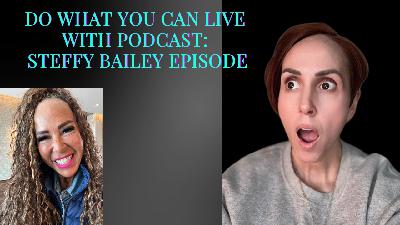
Brandi Mac sits down with fellow mom and truth-teller Steffy Bailey to talk about what it really means to love an adult child through addiction without abandoning yourself in the process. Steffy shares her decade-long journey of finding her voice, taking responsibility for her emotional and mental health, and learning how to tell the truth even when it costs comfort. Her son, is approaching six months in recovery, and this episode goes far beyond surface-level hope. Together, Brandi and Steffy unpack the realities families face when addiction enters the home: fractured marriages, strained relationships with other children, protecting grandchildren, and the exhausting pressure of carrying it all alone. They speak openly about boundaries, forgiveness, accountability, and why there is no single "right way" to love someone in recovery. What You'll Hear in This Episode What it means to speak your truth as a parent of a child with addiction The emotional cost of carrying family pain alone in marriage and motherhood How addiction impacts children and grandchildren in ways we rarely talk about Why boundaries are not abandonment, but protection and love The role of forgiveness, responsibility, and accountability in healing Breaking generational cycles instead of repeating them Ethical storytelling and sharing lived experience on social media Why there are many valid paths to recovery and family healing Holding hope without minimizing harm About the Guest Steffy Bailey is a mother, and creator who has spent years speaking openly about what it's like to love a child with substance use disorder. Known for her raw honesty and refusal to sugarcoat hard truths. Her son, Nehemiah, is currently approaching six months in recovery. You can find Steffi on TikTok at Steffi's TikTok. Her handle is steffy_u_r_not_alone About the Host Brandi Mac is a critical care nurse practitioner, author, and mother of a daughter in recovery. She is the creator of Do What You Can Live With, a trauma-informed, harm-reduction-aligned framework for families navigating addiction, grief, and impossible choices. Resource Mentioned Do What You Can Live With: A Survival Guide for Families Navigating Addiction, Grief, and Impossible Choices by Brandi Mac Available on Amazon. Link Here Brandi Mac Website
Happy New Year everyone! Brooke and I figured we would start 2024 off with part 2 of her interview. This episode goes more into what happened in Maryland especially concerning her medicated assisted treatment and much more. All of the questions came from followers on social media. The next episode we will be discussing sex trafficking. Email us @ collateraldamagesucks@gmail.com Resources and website https://www.brandimac.com/

This podcast is raw and real. My daughter came home one week ago to detox and together we made the decision to restart her medicated assisted treatment. This will likely be several parts and a great way to end 2023. Brooke and I want to wish each of you and your family's a very Happy Holiday. Thank you for sticking around. https://www.brandimac.com/

https://www.brandimac.com/ This episode I talk about what it was like having our daughter in active drug use home for Thanksgiving for the first time in 5 years. The day even included family pictures. Those who may be new here my daughter is 23 and struggles substance use disorder. She is an IV drug user and we have been raising our grandson since his first birthday. I also talk about the potential for opening a treatment facility. Thank you for listening and please download and leave a review so we can get this episode out to more people.

Many have seen the drama on social media when it comes to Sam and I. He not only made a 1 sided podcast but also went live last night sharing a 1 sided view. Hopefully this will answer some of the questions many of you have had. If you want to learn more about the story there is a playlist called "Sam Davis and Marc" on my Tiktok profile when this all started. Brandi Mac Tiktok TikTok Link

This week another mom who has shared her daughters struggles with addiction has experienced the call so many of us fear. Her 20 year old daughter lost her battle to addiction. Please pray for Melissa and the rest of her family grieving the loss of Angel. Melissa's TikTok: https://www.tiktok.com/@the.real.melissa Brandi Mac's TikTok https://www.tiktok.com/@the_original_brandi_mac Go fund me Go fund me for funeral expenses

This episode features an interview with Dr. Stacy Murphy who owns Navigating Addiction which provides family education for treatment centers. Stacy also know what its like love a child with substance use disorder. Her daughter has 11 years of sobriety and understands the struggles that many of us go through. If you love the podcast please leave a review and follow! Dr. Stacy Murphy Navigating Addiction Dr. Stacy Murphy TikTok If you are in need of resources check out The Apathetic Journey Sign up for our newsletter and to receive notification every time a new episode drops! Newsletter Sign up You can follow all of Brandi Mac's social media accounts at Brandi Mac's Website Recovery and Awareness shirts Stop The Stigma Apparel
This episode is going to discuss what a bodybroker is, kickbacks, how the affordable care act contributed to many rehab facilities becoming the new "pill mill" following the oxycontin epidemic. I am sure there are some amazing rehabs but sadly it's impossible to determine which ones those are. If you have been impacted by the "Florida Shuffle" or had an experience with a "body broker" I would love to hear your story!!! Article: https://www.justice.gov/usao-sdfl/pr/owner-sentenced-more-27-years-prison-multi-million-dollar-health-care-fraud-and-money PBS: https://www.pbs.org/video/sci-body-brokering-rampant-in-addiction-rehab-industry-1665520234/ Body Brokers Movie: Body Brokers Movie Join my email list for our monthly newsletter and notifications on new podcast release dates!!!! Newsletter sign up As always I appreciate all of your reviews which will start being shared in the monthly newsletter. Brandi Mac TikTok: Brandi Mac TikTok Email the podcast @ collateraldamagesucks@gmail.com Sponsor: The Apathetic Journey- All Things Addiction for families
How we got our grandson AA/NA online meetings: https://aa-intergroup.org/meetings/ Smart Recovery: https://meetings.smartrecovery.org/meetings/ Brandi Mac TikTok: https://www.tiktok.com/@the_original_brandi_mac Interested in being on the podcast? Email us @ collateraldamagesucks@gmail.com Join email list to be notified when a new episode drops @https://collateral-damage-podcast-with-brandi-mac.ck.page/f6a9af5a50
This is "Rambling with Brandi Mac." I am going to warn you now...there is background noise from the car, but my portable mic should arrive soon decreasing the background noise for future episodes. This episode includes some bread crumbs on the TikTok creator being interviewed for our first interview series. I talk about being naive in the beginning of this journey #motherofanaddict, when some in the harm reduction tried to cancel me. Also end the show with some honest and truthful advice. Thank you to each of you who have followed my podcast, we are in the top 100 on Apple for mental health in the US. Alanon link: Al-anon meetings What I am currently reading :How to Change your mind by Michael Pollan TikTok: https://www.tiktok.com/@the_original_brandi_mac If you are interested in being on the show please email the show at: collateraldamagesucks@gmail.com I am looking for those in recovery, loved ones, those in active use, therapists, rehab owners and any other area that involves addiction and recovery.
Have you ever loved someone with substance use disorder and felt alone? Are you currently using or in recovery and feel like your family lacks understanding? Yea well welcome to my f$cking life! I'm Brandi Mac and my daughter battles addiction and her family? Well we are collateral damage and frankly it sucks. This podcast will cover all aspects of addiction with interviews of those in recovery, active use and family members. We will explore the good and bad of the treatment industry, harm reduction, medicated assisted treatment (MAT) and boundaries. Follow me on TikTok: Brandi Mac's TikTok Instagram: Brandi Mac's Instagram
In this episode, I talk about the moment I finally let go of trying to control my daughter's addiction and what radical acceptance looked like in real life. I share how fear was running my parenting, how close I came to losing myself completely, and how surrendering shifted our entire relationship. I also share a story from yesterday that still feels unreal: taking my daughter — almost two years in recovery — and her children to the Magic Kingdom. Watching her run around with her son, sober and present, reminded me why letting go mattered more than forcing my plans onto her. If you are drowning right now, scared of losing your child, or feel like you can't survive another day of chaos, this episode is for you. What we talk about: Parenting from fear vs clarity The breaking point that forced me to surrender What radical acceptance actually looks like Why bringing up rehab every day made things worse How I stopped reacting and started listening Letting go of the fantasy timeline of recovery Why self-abandonment is so common in parents How I rebuilt trust with my daughter A real exercise you can do tonight to start shifting your own patterns Resources mentioned: My book: Do What You Can Live With Amazon link: https://a.co/d/1pnyKll Free resources for families: brandimac.com Share your story or ask a question: Email: brandi@brandimac.com YouTube video of this episode: Here If this episode helped you: Please leave a rating or review. It helps other families find this support when they're searching in the darkest moments.
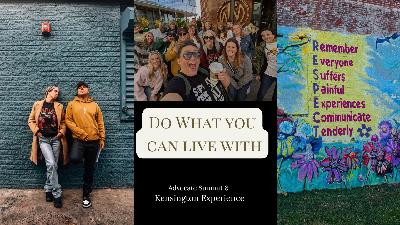
Keywords recovery, addiction, advocacy, community, personal growth, storytelling, resilience, Kensington, self-care, support Summary In this episode, Brandi Mac shares personal updates about her family, including her daughter's recovery journey and her own struggles with work-life balance. She discusses her advocacy efforts, including a recent event called Rise for Recovery, where she engaged with other advocates and learned about impactful stories of resilience. Brandi reflects on her experiences in Kensington, a community facing significant challenges due to addiction, and emphasizes the importance of community support and outreach. She concludes with a call to action for listeners to contribute to their communities and support those in need. Takeaways Brandi's daughter is nearing two years in recovery. She is focusing more on advocacy and less on hospital work. The Rise for Recovery event was a transformative experience. Storytelling is a powerful tool in advocacy. Kensington is a community deeply affected by addiction. Brandi emphasizes the importance of self-care. Community outreach is crucial in addressing addiction. Brandi's book aims to support families dealing with addiction. It's okay to find joy amidst pain and struggle. Everyone can contribute to their community in meaningful ways. Chapters 00:00 Welcome Back and Personal Updates 05:27 Advocacy and Community Engagement 11:32 Storytelling and Collaboration in Advocacy 16:36 Impactful Stories from the Summit 21:14 Kensington Experience and Observations 26:03 Navigating Advocacy and Community Challenges 31:41 Final Thoughts and Call to Action Brandi's Book "Do What You Can Live With: A Survival Guide for Families Navigating Addiction, Grief and Impossible Choices" HERE Please send emails that I can share. Send anything, but I really want to know whats the craziest thing you have done as loved one through their addiction? Email: brandi@brandimac.com
In this episode, Brandi Mac discusses the complexities of addiction and recovery, emphasizing the broken treatment system, the importance of sober homes, and the need for medicated assisted treatment. She shares personal experiences related to her daughter's recovery from addiction and highlights the significance of hope, compassion, and community support in the recovery process. Brandi advocates for better treatment options and the necessity of addressing housing and employment challenges faced by those in recovery. Takeaways The treatment system for addiction is fundamentally flawed. Sober homes often lack proper regulation and oversight. Medicated assisted treatment is crucial for recovery success. Housing stability is essential for individuals in recovery. Compassion and empathy are vital in supporting those struggling with addiction. There is a significant divide between harm reduction and abstinence-based models. Hope is a critical component of recovery. Community support programs are necessary for successful reintegration. Families need to be educated on alternative recovery methods. Ending conversations with love can provide peace in difficult situations. Chapters 00:00 Introduction to Addiction and Recovery 05:20 The Role of Sober Homes in Recovery 11:12 Medicated Assisted Treatment and Its Importance 17:00 The Need for Employment and Housing Support 22:32 Hope and Compassion in Recovery 28:35 Conclusion and Call to Action Here is the book link for Rehab: An American Scandal Brandi Mac's book is available Here Resources: brandimac.com Follow Brandi Mac on social media: Instagram the_original_brandi_mac TikTok the_original_brandi_mac YouTube

Summary In this episode, Brandi Mac discusses the complexities of loving someone struggling with addiction, focusing on the importance of setting and adjusting boundaries. She shares personal experiences and insights on how to navigate toxic relationships, the evolution of boundaries over time, and the significance of self-reflection and communication. Brandi emphasizes that while tough love is often advocated, it is not the only approach to support a loved one in recovery. The conversation highlights the need for protective boundaries, the role of love in setting limits, and practical ways to show care without compromising one's own well-being. Takeaways Loving someone with addiction is a painful journey. Boundaries are essential for protecting mental health. It's okay to adjust boundaries as situations change. Tough love can sometimes do more harm than good. Self-reflection is crucial in navigating relationships. You can show love without enabling harmful behaviors. Communicating boundaries clearly is vital. Consequences for violating boundaries must be established. Creating a safe space is a priority for families. Everyone deserves compassion, even those struggling with addiction. Chapters 00:00 Introduction to Boundaries in Family Dynamics 02:19 Understanding Boundaries in Addiction 05:06 Types of Boundaries: Controlling vs. Protective 07:50 The Pain of Setting Boundaries 10:28 Navigating Toxic Relationships 13:04 Consequences of Violating Boundaries 15:14 Creating Healthy Boundaries 17:38 The Role of Love in Setting Boundaries 20:31 Communicating Boundaries Effectively 23:05 Supporting Loved Ones in Addiction 25:19 The Impact of Addiction on Family Dynamics 28:02 Finding Peace Through Boundaries 30:20 Conclusion and Future Directions Purchase Book Here: Do What You Can Live: A Survival Guide for Families Navigating Addiction, Grief and Impossible Choices Resources: Here
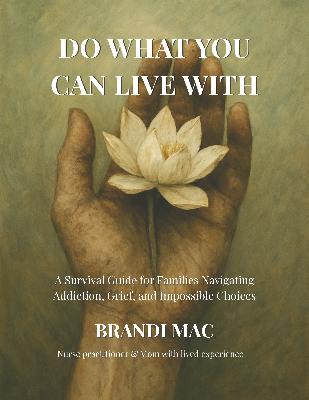
In this raw and personal episode, Brandi Mac shares what happened when she stopped following the "tough love" narrative and started doing what she could actually live with. From the heartbreak of watching her daughter struggle with addiction to the moment she shaved her head as an act of surrender, Brandi reflects on how peace came not from control, but from radical acceptance. This episode is for every parent, partner, or family member who's ever been told to let go with love... and then been left drowning in grief and guilt. She also introduces her new book, Doing What You Can Live With: A Survival Guide for Families Navigating Addiction, Grief, and Impossible Choices. A no-shame, deeply compassionate resource for families who need something real, not rehearsed. If you've ever loved someone in addiction and didn't know what to do… this one's for you. 🎧 Get the Book: 👉 *Doing What You Can Live With: A Survival Guide for Families Navigating Addiction* https://www.amazon.com/dp/B0FKNF7G2N 🌐 More Resources + Free Tools: Website: https://brandimac.com 📬 Subscribe for support, resources, and real talk: Substack: https://ogbrandimac.substack.com 📱 Follow Brandi: TikTok: https://www.tiktok.com/@the_original_brandi_mac Instagram: https://www.instagram.com/the_original_brandi_mac/ 🛠️ For professionals, bulk orders, or speaking inquiries: brandi@brandimac.com
Summary: In this episode, Brandi Mac discusses her daughter Brooke's journey to sobriety, reflecting on the challenges of addiction, the impact on family relationships, and the importance of appropriate treatment. They explore the nuances of drug use, the effectiveness of medicated assisted treatment, and the experiences within treatment facilities. The conversation emphasizes personal growth, healing, and the complexities of recovery. Takeaways Brooke is now 15 months sober, showcasing significant growth since her last podcast appearance. The pain of addiction affects both the individual and their loved ones. Fentanyl addiction can lead to severe physical and mental health issues. Medicated assisted treatment, like Suboxone, can be effective if dosed appropriately. Treatment facilities can vary greatly in their approach and effectiveness. Family dynamics are deeply impacted by addiction and recovery processes. Healing is possible, but it requires effort and alignment between individuals. The importance of understanding the dangers of drug use, especially with substances like fentanyl. Communication and support from family are crucial during recovery. Personal growth often comes from facing and overcoming past challenges. 55:52 Supporting Loved Ones Struggling with Addiction Prescribed Chaos Substack: https://ogbrandimac.substack.com Family Resources and More: https://www.brandimac.com Book Brandi Mac to Speak: https://www.brandimac.com/contact-brandi


Download from Google Play

Download from App Store
 United States
I've gone through this too with my daughter. I'm a shitty friend too. I was always outgoing, now I'm more reclusive. I feel like the life has been sucked out of me. Self isolated feels good and sucks too. I'm on this journey with you. Hang in there Mama.