


 Claim Ownership
Sound Matters with Chris Munro & Simon Hayes
Subscribed: 5Played: 6
Subscribe

© 2025 Simon Hayes
Description
A podcast with Academy Award winning Production Sound Mixers Chris Munro & Simon Hayes who discuss modern workflows and the future of film sound.
7 Episodes
Reverse
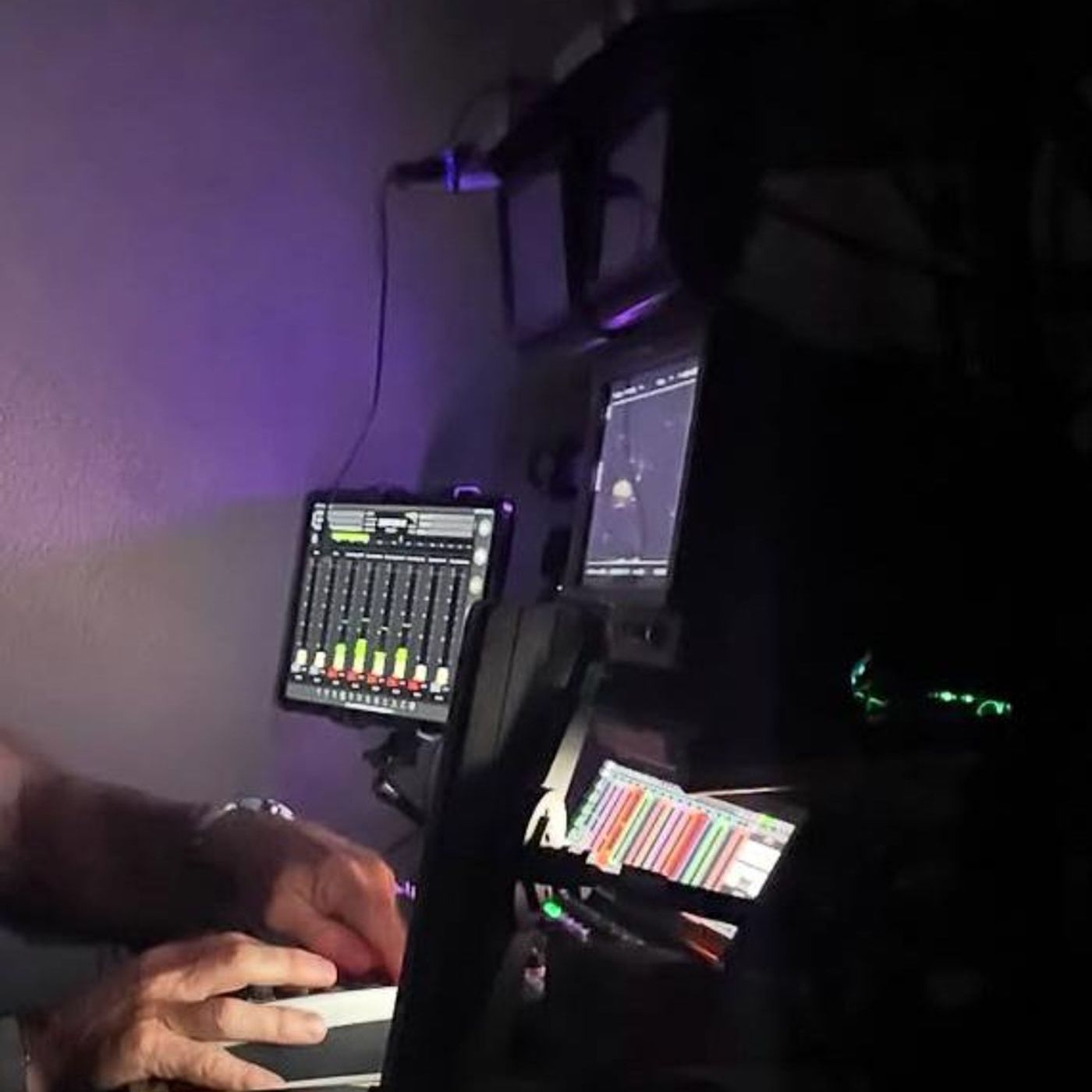
Johnnie Burn, an Academy Award-winning sound designer, shares insights into his early days, collaborative approach with directors, and the impact of production sound quality on sound design. He discusses his unique workflow, thoughts on performance and how much he values on-set dialogue. The conversation delves into the impact of authentic sound, challenges of camera noise, the significance of time delays, and the benefits of 32-bit float recording. It also explores the collaboration between production sound mixers and sound post teams, the use of two booms for sound capture, and the challenges with Avid and 32-bit float. The discussion emphasizes the importance of balancing sound elements, simplifying sound for authenticity, and rebuilding 1970s vehicle sounds for a more immersive experience.TakeawaysCollaborative approach with directorsImpact of production sound quality on sound design Authentic sound enhances the viewer's experience32-bit float recording offers greater processing flexibilityChapters00:00 Introduction to Johnnie Burn06:23 Influence of Directors on Sound Design13:29 Diverse Workflow and Feature Film Sound Post Workflow18:30 Unique Workflow and Creative Strategy26:33 Impact of Production Sound Quality on Sound Design32:43 Noise Reduction38:08 Debate on Noisy Cameras44:07 Simplifying Sound for Authenticity52:46 Benefits of 32-bit Float Recording
In this episode, Chris & Simon welcome their friend and colleague Production Sound Mixer Bea O'Sullivan for a deep dive into the intricacies of the Sound Devices Astral System, focusing on the ARX receiver and A20 transmitters. They discuss the necessity of onboard recording during the COVID-19 pandemic, the transition to digital RF systems, and the innovative workflows that have emerged. The conversation highlights the importance of remote control capabilities, battery management strategies, and the challenges of RF interference. Additionally, they explore the significance of bit depth and sample rates in audio quality, emphasizing the need to capture the dynamic range of performances in film production. The episode concludes with reflections on the evolving role of sound professionals in ensuring authentic audio experiences.
Chris & Simon welcome Dialogue Editor Tim Siddell onto this episode. The conversation covers the evolution of dialogue editing, the importance of recording offlines, phase alignment and workflow, the use of EQ and delays, microphone positioning and clothing rustle, sync and sinking challenges, and the benefits of using two booms for recording. Key takeaways include the shift to using both microphones, the importance of recording offlines, and the use of two booms for recording. The conversation delves into the challenges of ADR in filmmaking, emphasizing the difficulty of recreating on-set performances and the use of non-dialogue sounds to enhance storytelling. It also explores the importance of capturing breaths and efforts during fight scenes, the use of 32-bit float technology for sound recording, and the impact of restorative plugins and AI algorithms on dialogue intelligibility. Additionally, it discusses the impact of background noise on actor performances and the challenges in maintaining dialogue intelligibility.TakeawaysShift to Using Both MicrophonesImportance of Recording OfflinesUse of Two Booms for Recording ADR challengesUse of 32-bit float technologyChapters00:00 Evolution of Dialogue Editing07:12 Phase Alignment and Workflow13:41 Microphone Positioning and Clothing Rustle22:28 Benefits of Two Booms31:09 Challenges of ADR in Filmmaking45:34 Restorative Plugins and AI Algorithms53:50 Impact of Noise on Performances
We welcome guest contributor Associate Editor & Post Production Supervisor Angus Munro onto this episode of the Sound Matters Podcast. The conversation delves into the integration between production sound and picture editing, emphasising the importance of a great production mix and its impact on post-production. It also explores the challenges in managing sound levels and continuity, as well as the significance of sound in different viewing environments, including theaters and home entertainment. The role of sound in film production, the impact of listening environments on sound quality, and the importance of sound in different viewing environments are also discussed. The conversation covers the importance of sync tests, the role of Digislates, considerations for shooting at 48 frames per second, and the use of 32-bit float files in Avid. Sync tests are crucial for sound mixers, and the use of Digislates is emphasised for accurate syncing. Shooting at 48 frames per second presents technical challenges, and the potential use of 32-bit float files in Avid is discussed.TakeawaysImportance of a great production mixChallenges in managing sound levels and continuityThe significance of sound in different viewing environments Sync tests are crucialImportance of using DigislatesConsiderations for shooting at 48 frames per secondThe use of 32-bit float files in AvidChapters00:00 The Integration Between Production Sound and Picture Editing05:51 Managing Sound Levels and Continuity12:01 The Importance of Sound in Different Viewing Environments17:51 The Role of Sound in Film Production24:03 Listening Environments and Sound Quality30:04 The Significance of Sound in Different Viewing Environments36:07 The Role of Digislates59:47 The Use of 32-bit Float Files in Avid
As the landscape of film production continues to evolve, so too do the techniques and tools used by sound professionals. In this engaging podcast episode, Chris Munro and Simon Hayes discuss their recent work, emphasising the importance of sound quality in storytelling. They explore the technical nuances of recording methods, the role of artificial intelligence in audio processing, and the training of new sound professionals in the industry.
In this episode Chris and Simon chat about the advances in modern technology and how A.I. may be able to help filmmakers capture original performances.
Chris discusses the advances in technology that have allowed him to use 32 Bit Float on his last two films.
Comments


Download from Google Play

Download from App Store
 United States