


 Claim Ownership
Beyond the Paycheck
Subscribed: 0Played: 0
Subscribe

© Kelsey Willock Jones
Description
Beyond the Paycheck brings you candid conversations with CHROs and top people leaders who are rethinking how compensation and benefits impact more than just employee bank accounts. From the first paycheck to financial wellness programs, we explore how money shapes identity, equity, purpose, and power at work, and how forward-thinking companies are using pay and perks to transform lives, not just attract talent.
This podcast is sponsored by Aura Finance, the financial wellness platform designed to help employees feel confident, secure, and in control of their money.
See more at aurafinance.io
This podcast is sponsored by Aura Finance, the financial wellness platform designed to help employees feel confident, secure, and in control of their money.
See more at aurafinance.io
33 Episodes
Reverse
Trust-First Total Rewards: Pay Transparency, Manager Training, AI, and Frontline BenefitsSummaryIf employees don’t understand their pay and benefits, even great programs miss the mark. Kerry Seppala, a 25+ year executive in Total Rewards, HRIS, and Payroll across manufacturing, public/private, and government organizations, breaks down how to build trust-first compensation and benefits that people actually use. Drawing on experience with large frontline workforces and deep Workday expertise, Kerry explains where comp/benefits communication fails, how to train managers to discuss ranges, compression, and fairness, and why flexibility must extend to the shop floor—not just corporate roles. She explores the EU’s pay transparency ripple effects, the rise of employees as “benefits consumers,” and how personalized benefits allowances could reshape cost and choice. Kerry also shares where AI already adds value—bots for first-line HR questions and recruiting—and why consolidating tools inside core systems matters. Expect practical tactics: building HRIS to surface total rewards clearly, enabling on-the-clock biometric screenings to drive wellness and equity, and creating feedback loops through engagement surveys and town halls. She closes with a 30-day experiment to sharpen personal financial wellbeing.Timestamps[00:45] – Guest intro: 25+ years in Total Rewards/HRIS across manufacturing, public/private, and government[04:45] – Where comp/benefits break down: education gaps on benefits, paychecks, and program design[06:13] – Systems and transparency: Workday done right; manager training; Illinois pay ranges[08:14] – Manager mindset shifts: compression, equitable decisions, and bias-proof review cycles[09:44] – Frontline-first benefits: on-site flexibility and paid biometric screenings to boost wellness[15:59] – What’s next: EU pay transparency, employees as savvy consumers, and personalized benefits[18:25] – Practical AI in HR: bots for first-line questions and recruiting; fewer bolt-ons, more integration[21:18] – 30-day experiment: track every expense to reveal savings opportunities and habitsTakeaways- Train managers to talk pay with confidence—ranges, comp ratios, compression, and bias checks.- Build HRIS (e.g., Workday) to surface total rewards clearly; pair with ongoing employee education.- Extend flexibility to frontline teams; pay for wellness screenings on-the-clock to drive participation.- Prepare for pay transparency at scale—upgrade systems, craft clear talking points, and expect more questions.- Treat employees like consumers; pilot personalized benefits or stipends to align cost with actual usage.- Deploy AI bots for first-line HR and recruiting questions to speed responses and reduce ticket volume.SponsorAllVoices brings all your employee relations work together in one place. No more jumping between spreadsheets, emails, and legacy systems just one place to document and manage reports, cases, investigations, and performance conversations. It helps you run a more consistent process, takes busywork off your plate with AI, and makes it easier to spot trends early, so you can work proactively, not just put out fires.See a demo at https://www.allvoices.co/
Clear Pay, Real Trust: Dallas College’s Deputy CHRO on Employee Experience and AISummaryWhen compensation gets complex, trust erodes. Eric A. Rodriguez, Deputy CHRO at Dallas College, shares how he simplifies pay and benefits to reduce anxiety and build credibility—grounded in a personal money story that equates every paycheck with unseen effort, dignity, and stability. With oversight of HR operations, shared services, HRIS, and quality improvement, Eric explains how to move HR from programs to operational excellence: communicate early, remove jargon, and design for the day-to-day employee experience. He details a practical model for bridging leadership and employee needs, why “best practices” must be tailored to each organization, and how a culture of curiosity turns employees into co-creators. Eric also breaks down Dallas College’s HR transformation, from clearer ways of working across EX centers, COEs, and HRBPs to de-risking AI through hands-on training. Expect real examples—from a kid-run car wash to grocery-store tips that shaped his service mindset—and actionable guidance on role-based flexibility, development that employees actually want, and leading with the “why” behind work.Timestamps[00:18] – From sales to senior HR: Eric’s role and remit at Dallas College (HR ops, shared services, HRIS, QA)[02:23] – Money as sacrifice and dignity: how early lessons shape views on pay[04:19] – First jobs: entrepreneurship, tips, and the power of service[08:46] – Turning beliefs into practice: trust, stability, and plain-language pay/benefits[12:27] – Where comp/benefits break down: overcomplexity, late comms, copy-paste “best practices”[15:21] – Bridging the gap: the “why” behind work, autonomy, and modern leadership[19:51] – Beyond surveys: building a culture of curiosity and treating employees like customers[22:34] – Transforming HR: operating excellence, EX centers/COEs/HRBPs, and AI training to reduce fear[26:14] – What’s next: AI adoption, RTO nuance, and role-based flexibilityTakeaways- Simplify pay and benefits—strip jargon to build trust and reduce employee anxiety.- Communicate early and often; co-design solutions with leaders and employees.- Customize “best practices” to your culture, workforce mix, and stage of maturity.- Treat employees like customers—ask specific, frequent questions to uncover real needs.- Invest in development that matters (especially AI literacy) to drive engagement and retention.- Define flexibility by role and outcomes, pairing empathy with high-performance expectations.SponsorAllVoices brings all your employee relations work together in one place. No more jumping between spreadsheets, emails, and legacy systems just one place to document and manage reports, cases, investigations, and performance conversations. It helps you run a more consistent process, takes busywork off your plate with AI, and makes it easier to spot trends early, so you can work proactively, not just put out fires.See a demo at https://www.allvoices.co/
Beyond One-Size-Fits-All: BVI Medical’s CPO on Global Benefits, Pay Equity, and Employee CareSummaryDesigning fair, effective compensation and benefits across countries isn’t about finding a unicorn vendor—it’s about listening locally and leading with care. Andy Dawson, Chief People Officer and Head of Corporate Affairs at BVI Medical, brings two decades of global HR experience (UK, Switzerland, US; Novartis alum) to unpack how he builds programs that work for diverse markets, life stages, and frontline populations. He shares why BVI rejected a “perfect on paper” U.S. healthcare renewal after a disruption analysis, how pulse and onboarding data guide local benefit design, and why money alone delivers only short-term engagement. Andy dives into pay equity, transparent ranges, and hiring for potential (not years of experience), plus simple-but-powerful communication tactics—like a quarterly “B Well” newsletter—that help employees actually use their benefits. Expect a pragmatic blueprint for localizing global benefits, balancing costs with continuity of care, and empowering managers to make fair, human decisions.Timestamps[00:45] – Guest intro: global HR journey from UK/Switzerland to the U.S. and BVI Medical[01:51] – Early money lessons at McDonald’s: value exchange and frontline empathy[04:00] – Evolving views on pay: life stages, geography, and avoiding “race to the top”[06:56] – Global benefits without the unicorn: local tailoring, acquisitions, and demographics[09:57] – Listening loops: pulse surveys, revamped onboarding, TA insights to shape offerings[13:02] – Choosing a U.S. healthcare partner: disruption checks vs. “paper savings”[15:25] – Where comp breaks down: beyond pay, culture and meaningful work matter[20:14] – Pay equity in practice: internal fairness, manager trust, and hiring for potential[23:45] – Turning benefits into behavior: the “B Well” newsletter and showing up in crises[27:07] – Practical AI and life-stage education: college savings, retirement, and quick answersTakeaways- Localize benefits by market and demographic—define core tenets, then tailor country-by-country.- Build a continuous feedback engine: use pulse and onboarding surveys and TA data to guide decisions.- Prioritize continuity of care: run disruption analyses on providers, not just cost comparisons.- Treat pay as part of a total offer—optimize environment, recognition, and meaningful work.- Protect internal equity: trust managers, price to market, and avoid breaking bands for one hire.- Educate simply and often: newsletters and lunch-and-learns boost benefit usage across life stages.- Hire for potential, not just years of experience; embrace transparency with managerial courage.SponsorAura Finance helps you simplify compensation and benefits planning by bringing everything into one streamlined platform. No more juggling spreadsheets, disconnected tools, or manual calculationsAura gives you a single place to design, compare, and communicate total rewards packages with confidence.With AI-powered insights, it takes the guesswork and busywork out of comp decisions, helps you spot pay equity gaps early, and makes it easy to model scenarios that keep your teams engaged and your budgets on track.See a demo at https://www.aurafinance.com/
Pay Transparency, Total Rewards, and AI: Orion Innovation’s Rewards Leader on Building TrustSummaryIf employees don’t understand how they’re paid, trust erodes—and performance follows. Alana Gisleson, Senior Manager of Compensation and Benefits at Orion Innovation, shares how she turns “total rewards” from a spreadsheet into something people can feel: clarity, stability, and growth. With a background spanning HR generalist roles, Rutgers labor studies, and WorldatWork certifications, Alana explains why pay transparency is now table stakes and how to operationalize it with job architecture, governance, and manager enablement. She details what breaks down most—opaque decisions and under-communicated benefits—and how to fix it with education and total rewards statements. Alana also walks through building tangible wellness programs (from mothers’ rooms to decompression spaces), designing variable pay and sales incentives that drive revenue, and “managing up” with a business case that wins Finance and the executive team. She closes with practical ways to use AI as an augmentation—not a replacement—to make rewards data actionable and benefits choices simpler, plus a 30-day savings experiment listeners can try immediately.Timestamps[00:42] – Guest intro and career path: from HR generalist to rewards leader at Orion Innovation[01:42] – Early money lessons shaping a human, fairness-first approach to pay[05:34] – Where comp and benefits break down: transparency gaps and lack of education[08:00] – Pay transparency as table stakes: job architecture, governance, and manager enablement[10:59] – Tangible programs: wellness/mothers’ rooms and revenue-driving incentive design[12:19] – Managing up: building the business case, winning FP&A, and measuring ROI[15:46] – Practical AI: aggregating rewards data and improving benefits decision support[18:22] – A 30-day savings experiment to boost personal financial well-beingTakeaways- Make pay transparent with clear job architecture, ranges, and decision rules that employees can understand.- Show total rewards value year-round—use simple education and total rewards statements to close knowledge gaps.- Equip managers with talking points and tools to lead confident, consistent compensation conversations.- Build cross-functional governance with Finance/Tax/HR; bring a business case and track retention and post-bonus attrition.- Leverage AI to aggregate rewards data and support benefits decisions—augment human judgment, don’t replace it.- Run confidential, purpose-built wellness/benefits surveys and turn insights into visible programs (e.g., wellness and mothers’ rooms).SponsorAura Finance helps you simplify compensation and benefits planning by bringing everything into one streamlined platform. No more juggling spreadsheets, disconnected tools, or manual calculationsAura gives you a single place to design, compare, and communicate total rewards packages with confidence.With AI-powered insights, it takes the guesswork and busywork out of comp decisions, helps you spot pay equity gaps early, and makes it easy to model scenarios that keep your teams engaged and your budgets on track.See a demo at https://www.aurafinance.com/
Benefits That Actually Help: LEARN Behavioral’s CHRO on Financial Wellness and Student DebtSummaryMost employees don’t need more perks—they need benefits they can actually use. Maggie Ruvoldt, Chief Human Resources Officer at LEARN Behavioral, shares how her early money lessons (thanks, Grandma) shaped a people-first approach to total rewards for a largely hourly workforce. She breaks down where comp and benefits often fail—financial literacy gaps, one-size-fits-all design, and confusing communication—and how to fix them with clarity, segmentation, and vendor partnerships that go beyond retirement. Maggie details LEARN’s student loan support (including counseling via Summer), why HR should measure utilization and outcomes, and how listening tours revealed a childcare benefit no one actually used. She also offers timely guidance for leaders navigating rising medical costs, plus a simple 30-day habit employees can adopt to build money awareness today. If you’re rethinking financial wellness, pay transparency, and benefits equity, this episode gives you the playbook.Timestamps[00:10] – Maggie’s path to CHRO and LEARN Behavioral’s mission[01:02] – Money lessons from Grandma: “Respect your money” and early habits[04:22] – First paycheck: checking + savings, and “pay yourself first”[07:15] – Translating money lessons to HR: hourly vs. salaried needs[09:21] – Where benefits break down: literacy, communication, and one-size-fits-all[12:28] – Student loans and vendor partners: education beyond 401(k), plus Summer[16:44] – Measuring impact: utilization, surveys, and unsolicited employee stories[24:20] – What leaders should do now—and a 30-day daily money check-inTakeaways- Segment your workforce and tailor benefits by population; hourly, salaried, and clinical roles need different solutions.- Communicate total compensation simply and often; teach beyond base pay so employees see real value.- Demand more from vendors: budgeting, debt reduction, and student loan guidance—not just retirement talk.- Measure what matters: track utilization and contribution rates, then validate with qualitative feedback and stories.- Reallocate dollars from low-impact perks by listening in the field and replacing what employees don’t use.- Lead with empathy and transparency—especially in an employer’s market—to show employees they’re valued year-round.SponsorAura Finance helps you simplify compensation and benefits planning by bringing everything into one streamlined platform. No more juggling spreadsheets, disconnected tools, or manual calculationsAura gives you a single place to design, compare, and communicate total rewards packages with confidence.With AI-powered insights, it takes the guesswork and busywork out of comp decisions, helps you spot pay equity gaps early, and makes it easy to model scenarios that keep your teams engaged and your budgets on track.See a demo at https://www.aurafinance.com/

Rethinking Total Rewards: Dr. Jermaine King on Pay, Flexibility, and Custom BenefitsSummaryAre your pay practices and benefits keeping pace with what employees actually value? HR executive and leadership consultant Dr. Jermaine King—retired from the United States Air Force—breaks down how to modernize compensation and benefits with clarity, choice, and data. He explains the biggest gap he sees today: market pay is a living, moving target, while reviews are still annual. Dr. King shares why HR must teach the “how and why” of benefits (not just list them), how flexibility has become real currency alongside pay, and why recruitment marketing should spotlight all roles, not just headline ones. He offers concrete examples—from building a transportation program to reduce turnover to pairing Power BI dashboards with Qualtrics to capture the “why” behind the numbers. He closes with a 30-day listening experiment any leader can run to increase trust and take action fast.Timestamps[00:45] – Guest intro: USAF roots, HR leadership, and consulting focus[01:29] – Early money lessons and how they shape views on security and priorities[05:19] – From “what” to “why”: teaching employees how and when to use benefits[07:41] – The comp gap: living market data vs. annual reviews—and what to change[09:24] – Flexibility as currency: pay trade-offs, hybrid/remote, and total rewards clarity[12:16] – Case studies: recruiting beyond clinicians; transportation as a retention-driving perk[16:24] – Proving impact with data: Power BI dashboards + Qualtrics “voice of employee”[23:51] – 30-day experiment: 15-minute listening sessions and micro-actionsTakeaways- Educate employees on the how and why of benefits—when to use 401(k), PTO, and care options.- Recalibrate pay practices: align review frequency with real-time market data, not just annual cycles.- Treat flexibility as part of compensation; quantify and communicate total rewards trade-offs.- Broaden recruiting messages to highlight critical support roles and strengthen employer brand.- Combine quantitative dashboards (Power BI) with qualitative insights (Qualtrics) to guide decisions.- Pilot choice-based benefits so employees pick what fits their life—and negotiate options with carriers.SponsorAura Finance helps you simplify compensation and benefits planning by bringing everything into one streamlined platform. No more juggling spreadsheets, disconnected tools, or manual calculationsAura gives you a single place to design, compare, and communicate total rewards packages with confidence.With AI-powered insights, it takes the guesswork and busywork out of comp decisions, helps you spot pay equity gaps early, and makes it easy to model scenarios that keep your teams engaged and your budgets on track.See a demo at https://www.aurafinance.com/
Beyond the Paycheck: Total Rewards, Recognition, and Pay Transparency with Anthony RenellaSummaryIf employees only see a salary number, they undervalue what they receive—and engagement suffers. Anthony Renella, VP of Total Rewards with global experience across media, tech, retail, and real estate, shares how to turn compensation from a “black hole” into a clear, trusted system. He outlines how to publish personalized total rewards statements, automate them through your HRIS, payroll, and vendor data, and help employees understand employer contributions, incentives, and long-term value. Anthony also unpacks recognition as a culture driver—peer-to-peer and leader-led—using social feeds and on-the-spot tools that tie directly to company values. He explains how to measure impact through engagement, performance, and retention, and how to prepare leaders for pay transparency with practical coaching on ranges, midpoints, and comp ratios. Expect actionable steps to de-risk transparency, close inequities with ongoing analytics, and make recognition part of daily operations.Timestamps[00:15] – Guest intro: Anthony’s global total rewards leadership across multiple industries[03:57] – From money mindset to rewards philosophy: holistic, inclusive pay and benefits[05:53] – Where Comp & Ben breaks down: the transparency gap and “black hole” effect[07:35] – Building total rewards statements: HRIS, payroll, and vendor data automation[09:38] – Recognition that changes culture: peer-to-peer feeds, on-the-spot apps, thank-yous[12:49] – Measuring impact: engagement, performance linkage, and retention outcomes[14:12] – The year ahead: pay transparency, manager enablement on ranges and comp ratios[17:43] – Tools and cadence: pay equity analytics and continuous monitoringTakeaways- Publish personalized total rewards statements by integrating HRIS, payroll, and vendor data.- Train managers to explain salary structures—ranges, midpoints, comp ratios—and your pay philosophy.- Build a recognition system: peer-to-peer and leader-driven, with social feeds and on-the-spot nominations.- Tie recognition to company values and performance; track engagement, retention, and award patterns.- Treat pay transparency as ongoing: surface inequities, act with a plan, and communicate the “why” behind pay.- Invest in pay equity analytics and review continuously, not as a one-time audit.SponsorAura Finance helps you simplify compensation and benefits planning by bringing everything into one streamlined platform. No more juggling spreadsheets, disconnected tools, or manual calculationsAura gives you a single place to design, compare, and communicate total rewards packages with confidence.With AI-powered insights, it takes the guesswork and busywork out of comp decisions, helps you spot pay equity gaps early, and makes it easy to model scenarios that keep your teams engaged and your budgets on track.See a demo at https://www.aurafinance.com/
Flexibility Is the New Currency: Personalizing Benefits with Anthology’s Shannon NelsonSummaryBenefits are costly and complex—so how do you ensure employees actually understand, value, and use them? Shannon Nelson, Director of Global Benefits at Anthology (formerly Blackboard), shares how she designs programs that meet people where they are—balancing data, compliance, and real human needs. With a career spanning retail, nonprofit, and tech, Shannon explains why one-size-fits-all programs fall short, how misalignment and knowledge gaps derail value, and what leaders can do to communicate smarter. She details “life-centered” flexibility—from paid family leave to tuition support and caregiving benefits—plus a practical, multi-metric way to show ROI to executives. Shannon also breaks down the next wave in total rewards: personalization, financial wellness, and proactive pay equity analytics powered by AI. She closes with a 30-day experiment listeners can try to curb impulse spending by identifying triggers, not just cutting purchases.Timestamps[00:45] – Meet Shannon: global benefits at Anthology and a people-first rewards philosophy [02:01] – Early money memories: small-business lessons and the human impact of finances [04:50] – First paycheck to first choices: independence, taxes, and spending pride [06:54] – Funny fail: the pandemic garden that became a weed sanctuary [08:52] – From spreadsheet to human: how money stories shape benefits design [11:10] – Where total rewards breaks: misalignment and lack of employee knowledge [14:36] – Fixing the gap: know your population, time education to life events, invite feedback [17:19] – Life-centered flexibility: paid leave, tuition aid, and benefits that change lives [18:54] – Proving ROI: retention, time-to-fill, pulse scores, and benefit engagement [20:45] – What’s next: flexibility, personalization, LSAs, mental health, and financial wellness [24:10] – Tools that help: predictive pay equity analytics and real-time pulse surveys [26:30] – A 30-day experiment to improve financial wellness: spot and replace spending triggersTakeaways- Design benefits around life stages—avoid one-size-fits-all and meet employees where they are. - Close the knowledge gap: segment messaging, time education to milestones (e.g., Medicare at 65), and communicate just-in-time. - Prioritize life-centered flexibility: paid family leave, tuition reimbursement, caregiving support, and lifestyle spending accounts. - Prove value with a portfolio of metrics: retention, time-to-fill, pulse results, and program utilization—not just cost. - Use analytics and AI to spot pay equity issues, compression, and trends early; integrate performance data to act proactively. - Elevate financial wellness: offer student loan support, emergency savings tools, and encourage behavior-based habits (identify spending triggers).SponsorAura Finance helps you simplify compensation and benefits planning by bringing everything into one streamlined platform. No more juggling spreadsheets, disconnected tools, or manual calculationsAura gives you a single place to design, compare, and communicate total rewards packages with confidence.With AI-powered insights, it takes the guesswork and busywork out of comp decisions, helps you spot pay equity gaps early, and makes it easy to model scenarios that keep your teams engaged and your budgets on track.See a demo at https://www.aurafinance.com/
Making Pay Make Sense: NFP’s Megan Nail on Pay Transparency, Total Rewards, and Financial WellnessSummaryIf your merit budget is flat while healthcare costs climb, employees can feel like they got a pay cut—even with a raise. How do you fix that? Megan Nail, SVP of Total Rewards Practice at NFP and a 25-year HR leader, lays out a practical playbook to move compensation and benefits off autopilot and into a coherent strategy. She explains how to align comp and benefits decisions, time financial wellness support to raises and bonuses, and communicate pay with clarity and fairness. Megan demystifies 2026’s biggest shift—pay transparency—covering what to publish, how to explain it, and how to equip managers for better conversations. She also shares real-world pay equity approaches (from Excel regressions to software) and why root causes—not one-time fixes—matter. Expect concrete guidance on targeted increases vs. “peanut butter” budgets, sunsetting low-usage benefits, and a 30-day experiment any listener can use to get more value from their paycheck.Timestamps[00:21] – Guest intro: Megan’s path to compensation and NFP’s Total Rewards practice[01:48] – Early money lessons and a first job that foreshadowed “total rewards”[07:56] – Where comp/benefits break down: autopilot strategies and siloed comms[10:16] – What’s working: joint decision-making, reallocation, targeted increases, incentives[12:20] – Pairing financial wellness with raises; bringing comp into year-round benefits comms[15:58] – The 2026 shift: pay transparency laws, ranges, and explaining the why/how[18:27] – Pay equity in practice: analyses, tools, and fixing root causes[22:35] – A 30-day experiment: decode your paycheck and realign electionsTakeaways- Build a total rewards strategy—stop autopilot. Align comp and benefits decisions and messaging.- Reallocate for impact: sunset low-usage benefits, restructure high-cost areas (e.g., pharmacy), and target comp to market gaps over across-the-board increases.- Time financial wellness coaching to raises/bonuses so employees channel new dollars to their highest priorities.- Prepare for pay transparency now: publish ranges, explain how pay is determined, document processes, and train managers to talk about the “why” and “how.”- Run recurring pay equity analyses (Excel or software) and fix root causes by standardizing decision-making—not just one-time adjustments.- Equip managers with guardrails, FAQs, and career-path talking points so pay conversations build trust and momentum.SponsorAura Finance helps you simplify compensation and benefits planning by bringing everything into one streamlined platform. No more juggling spreadsheets, disconnected tools, or manual calculationsAura gives you a single place to design, compare, and communicate total rewards packages with confidence.With AI-powered insights, it takes the guesswork and busywork out of comp decisions, helps you spot pay equity gaps early, and makes it easy to model scenarios that keep your teams engaged and your budgets on track.See a demo at https://www.aurafinance.com/
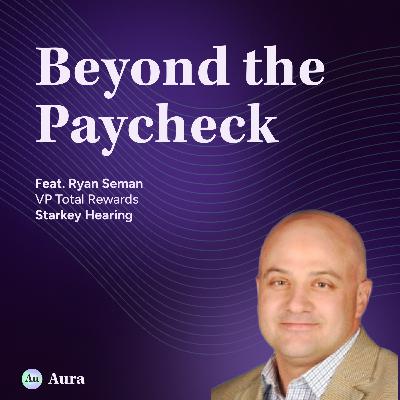
Designing Benefits People Actually Use: Starkey’s VP of Total Rewards on Global Mental Health, Onsite Care, and Financial WellbeingSummaryWith healthcare costs rising and five generations in the workforce, how do you build benefits that are clear, equitable, and actually used? Ryan J. Seman, VP of Total Rewards (Health & Wellbeing) at Starkey in Eden Prairie, MN, shares how his team pairs transparency with hands-on guidance so employees make smarter decisions in moments that matter. With three decades of experience across healthcare, manufacturing, and Goodyear, Ryan explains Starkey’s pillars of social, mental, financial, and medical wellbeing—and why “every dollar matters” from the front desk to the C‑suite. He details the company’s new global mental health program with Spring Health (and what real engagement should mean), how an onsite wellness center reduces avoidable ER visits, and why inviting spouses to financial sessions boosts outcomes. Expect practical, repeatable ideas: cross-promoting care options when employees need them, helping early-career talent choose between HSA and 401(k), and using peer stories to break stigma and drive adoption.Timestamps[00:20] – Ryan’s path to Starkey and four-industry view of Total Rewards[01:34] – Money memories: allowances, Lemonheads, and early lessons on value[02:50] – First job, layaway in retail, and saving a first paycheck for a bike[04:49] – “Every dollar matters”: affordability, flexibility, and coaching employees[07:00] – Navigating healthcare costs: onsite wellness center, urgent care vs. ER, and timely education[10:18] – Where benefits break down: clarity, early-career choices, HSA vs. 401(k), PPO vs. HDHP[15:55] – Launching a global mental wellbeing solution with Spring Health and aiming for >15% true engagement[22:38] – Tools that work: Spring Health; Beyond Medicare and the RAINN group’s Social Security/Medicare/“aging well” series[20:34] – Trends ahead: transparency, equity, and giving employees permission to pause and use resourcesTakeaways- Redefine engagement beyond account creation; target meaningful use and peer-driven adoption.- Equip employees to navigate care choices in the moment—promote onsite clinics, nurse lines, and urgent care to reduce ER overuse.- Coach early-career talent on HSA (triple tax advantage) vs. 401(k) and maximize the employer match.- Build a global mental health strategy with local language, local providers, and clear privacy assurances.- Treat wellbeing as multidimensional—social, mental, financial, and medical—and invite spouses to key financial sessions.- Normalize “set it and forget it”: automate contributions and nudge increases with each raise.SponsorAura Finance helps you simplify compensation and benefits planning by bringing everything into one streamlined platform. No more juggling spreadsheets, disconnected tools, or manual calculationsAura gives you a single place to design, compare, and communicate total rewards packages with confidence.With AI-powered insights, it takes the guesswork and busywork out of comp decisions, helps you spot pay equity gaps early, and makes it easy to model scenarios that keep your teams engaged and your budgets on track.See a demo at https://www.aurafinance.com/
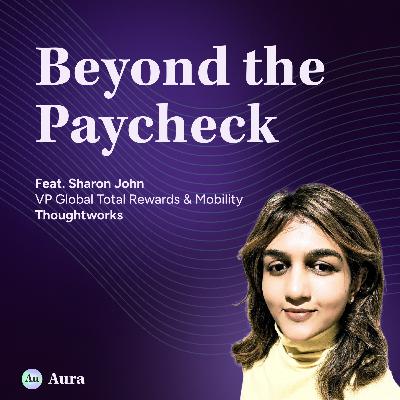
Building Trust in Compensation: Pay Transparency, Skills-Based Pay, and the Manager’s Role with ThoughtWorks’ Global Head of Total RewardsSummaryIf pay transparency is the destination, what foundations do you need to build first? Sharon John, Global Head of Total Rewards and Mobility at ThoughtWorks, shares a practical blueprint for designing fair, relatable rewards that employees actually understand. With two decades across tech, fintech, and financial services, Sharon blends the art and science of compensation grounded in governance, clear job architecture, and plain-language storytelling. She explains where rewards programs break down (skipping basics), how to equip managers to communicate decisions without jargon, and why skills-based pay is becoming the new currency. Sharon also details ThoughtWorks’ path to global transparency, how simulations can pinpoint inequities for targeted remediation, and the role of AI-era “hot skills” in retention. Expect clear guidance on lifecycle benefits, dual career paths (IC vs. manager), and a 30-day financial well-being experiment you can pilot immediately.Timestamps[00:45] – Guest intro: Sharon’s career journey and rewards philosophy (fair, relatable, data-backed)[02:08] – Early money lessons: intentionality, boundaries, and how values shape rewards design[03:24] – First paycheck story and the meaning behind money: experiences over transactions[05:35] – Where rewards break down: skipping basics, missing job architecture, rushed transparency[07:46] – Equipping managers: remove jargon, provide toolkits, and unify messaging across the lifecycle[10:31] – Designing for lives, not just jobs: lifecycle benefits and dual career paths (IC vs. manager)[13:31] – What to measure: retention, engagement, and clarity—plus the art and science of pay[15:02] – Operationalizing transparency: simulations, EU directives, and targeted pay equity remediation[16:36] – 12–24 month outlook: skills-based pay, expanded transparency, and personalized benefits[19:41] – Build, buy, or borrow: skills inventories, cross-pollination, and recognizing hot skills[22:58] – 30-day experiment: 50–30–20, emergency funds, and modern budgeting toolsTakeaways- Ground transparency in basics—job architecture, pay education, and clear methodology—before publishing ranges.- Equip managers with plain-language toolkits and narratives so they can explain decisions confidently and consistently.- Adopt skills-based pay: run skills inventories, define progression, and reward demonstrated capability (not just tenure).- Use modeling to detect pay inequities, plan remediation within budgets, and stay ahead of global regulations.- Design rewards that support whole careers: lifecycle benefits, visual communications, and both IC and manager growth paths.- Try a 30-day financial well-being sprint: apply the 50–30–20 rule, build a 3–6 month emergency fund, and use online planning tools.SponsorAura Finance helps you simplify compensation and benefits planning by bringing everything into one streamlined platform. No more juggling spreadsheets, disconnected tools, or manual calculationsAura gives you a single place to design, compare, and communicate total rewards packages with confidence.With AI-powered insights, it takes the guesswork and busywork out of comp decisions, helps you spot pay equity gaps early, and makes it easy to model scenarios that keep your teams engaged and your budgets on track.See a demo at https://www.aurafinance.com/
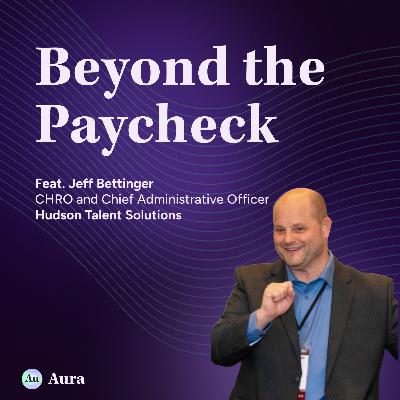
HSAs, AI, and Total Rewards: A CHRO’s Playbook for Employee Financial WellnessSummaryEmployees are overwhelmed by benefits choices—and it’s costing them real money. Jeff Bettinger, Chief Human Resources Officer at Hudson Talent Solutions, shares how he’s putting power back in employees’ hands with clearer total rewards, an HSA-first strategy, and early moves into AI-driven guidance. A former high school teacher and now a three-time CHRO, Jeff explains how living on low wages and watching premiums outpace raises shaped his people-first lens. He breaks down where benefits commonly fail (option overload, short-term thinking), why uptake of financial planning remains low, and how one employee used company-provided planning to fund a future restaurant. Jeff details Hudson’s shift to an HSA-compatible plan tailored to a young workforce—keeping rates flat while many employers saw 12–20% increases—and how employer contributions can help employees harness compounding. Looking ahead to 2026–27, he outlines how AI agents can personalize benefits decisions, the need for portability as job moves increase, and practical guardrails amid ACA noise and fast-changing rules. He closes with a simple readiness framework—Maslow’s hierarchy—to time education when it will actually stick.Timestamps[00:09] – Guest intro: from teacher to three-time CHRO at Hudson Talent Solutions[01:13] – Early money memory: saving, agency, and the “karate chop” piggy bank[03:26] – Costly mistake: buying a franchise and the due-diligence lesson[06:52] – Where benefits break down: option overload, empathy from lived experience, and planning that pays off[09:01] – Redesigning total rewards: HSA-first plan, employer seeding, and keeping rates flat[11:51] – 2026–27 trends: AI benefits agents for personalized decision support[14:09] – Guardrails and clarity: portability, ACA noise, and benchmarking to stay competitive[19:14] – Readiness to learn: applying Maslow to money and benefits educationTakeaways- Reframe open enrollment as a long-term strategy—nudge employees to use financial planning and revisit goals twice a year.- Introduce HSA-compatible plans where demographics fit; seed accounts and teach the triple-tax advantage to harness compounding.- Deploy AI decision-support agents to simplify choices, personalize recommendations, and boost benefits literacy.- Benchmark benefits to your industry to balance competitiveness and cost—and adjust as margins and markets shift.- Design for portability and clarity so employees can navigate job changes without losing continuity of coverage.- Teach to readiness: stabilize base needs first, then deliver benefits education at moments of high relevance.SponsorAura Finance helps you simplify compensation and benefits planning by bringing everything into one streamlined platform. No more juggling spreadsheets, disconnected tools, or manual calculationsAura gives you a single place to design, compare, and communicate total rewards packages with confidence.With AI-powered insights, it takes the guesswork and busywork out of comp decisions, helps you spot pay equity gaps early, and makes it easy to model scenarios that keep your teams engaged and your budgets on track.See a demo at https://www.aurafinance.com/
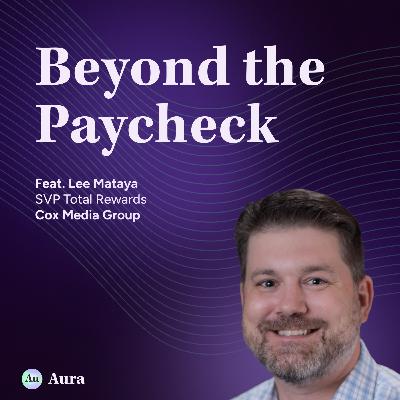
Beyond the Survey: Cox Media Group’s SVP of Total Rewards on Affordability, Pay Equity, and Vendor-Led HRSummaryHow do you keep pay and benefits fair, affordable, and truly usable when budgets are tight and roles are changing fast?Lee Mataya, Senior Vice President of Total Rewards at Cox Media Group, oversees compensation, benefits, payroll, HR operations, and HR tech for a nationwide TV and radio business—and he’s candid about what works. Lee shares why “data isn’t the answer—context is,” and how CMG blends quantitative inputs with qualitative listening to shape programs employees actually value. He unpacks the limits of salary surveys, the data rigor required for pay equity, and why AI can support analysis but won’t fix messy inputs. Lee also details CMG’s carve-out journey: rebuilding the HR stack on SAP SuccessFactors, outsourcing payroll and benefits, and achieving a 94% satisfaction score with an Ask HR model. He closes with pragmatic tactics to keep benefits affordable—repurposing dollars through attrition, partnering tightly with vendors, and building multi-year talent plans that anticipate change.Timestamps[00:18] – Guest intro: Lee’s role leading Total Rewards at Cox Media Group[01:25] – Career path to compensation and the mentor who spotted his strengths[03:29] – Early money lessons: responsibility, work ethic, and practical tradeoffs[07:59] – Pay and benefits philosophy: affordability, listening, and the limits of market surveys[11:08] – AI and pay equity: useful insights require strong, consistent data[15:57] – From carve-out to 94% CSAT: SuccessFactors, outsourcing, and a lean HR model[18:46] – Holding vendors accountable: pulse surveys, SLAs, and partnership cadences[23:48] – Making benefits affordable with flat budgets: repurposing dollars and multi-year plansTakeaways- Treat salary surveys as one input—pair them with internal equity, role impact, and qualitative feedback before making pay decisions.- Keep affordability front and center: design benefits people can actually use and avoid forcing tradeoffs between care and basic living costs.- Use AI to speed analysis, not to decide—pay equity and comp recommendations depend on clean, contextualized data.- Build a lean, scalable HR backbone: implement a robust HRIS (e.g., SuccessFactors), outsource where specialized, and track satisfaction relentlessly.- Instrument your operations: send pulse surveys for Ask HR and onboarding, review outcomes regularly, and bring data to vendor conversations.- Fund priorities creatively: repurpose dollars from attrition, restructure roles, and socialize multi-year talent plans to invest without inflating payroll.SponsorAura Finance helps you simplify compensation and benefits planning by bringing everything into one streamlined platform. No more juggling spreadsheets, disconnected tools, or manual calculationsAura gives you a single place to design, compare, and communicate total rewards packages with confidence.With AI-powered insights, it takes the guesswork and busywork out of comp decisions, helps you spot pay equity gaps early, and makes it easy to model scenarios that keep your teams engaged and your budgets on track.See a demo at https://www.aurafinance.com/
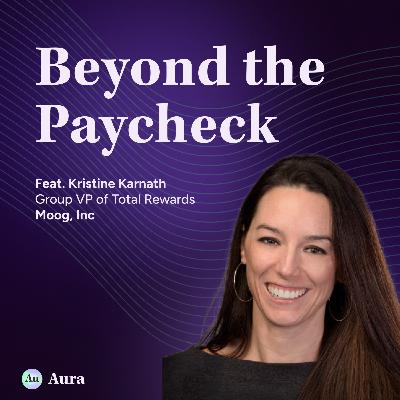
Root-Cause Benefits: Moog’s VP of Total Rewards on Onsite Care, Profit Sharing, and AI PersonalizationSummaryWhat if your benefits strategy could lower costs and improve health outcomes at the same time? Kristine Karnath, Vice President of Total Rewards at Moog—an aerospace and defense company headquartered outside Buffalo, NY—shares how a fiscally disciplined, data-led approach turns benefits into a real business advantage. With 20+ years at Moog, Kristine connects her own “needs vs. wants” money mindset to equitable pay practices and spending every company dollar like it’s her own. She breaks down Moog’s company-wide profit sharing (aligned to enterprise performance), why they solve root causes instead of shifting costs, and how onsite wellness centers—with primary care, labs, pharmacy, PT, dietitian, and vision—improve outcomes in care deserts. Kristine also looks ahead at AI-powered personalization to deliver just-in-time financial guidance, explains generational shifts shaping compensation and benefits, and offers pragmatic guardrails people leaders can use to keep pay both fair and empowering.Timestamps[00:45] – Guest intro and Moog at a glance[02:25] – Early money story: needs vs. wants and saving for college[08:30] – From frugal to fair: a philosophy for equitable pay and smart spend[12:30] – Company-wide profit sharing and why it beats siloed bonuses[14:50] – Solving access, not shifting costs: onsite clinics in rural NC[16:30] – Real outcomes: adherence, prevention, retention, and cost trend (GLP-1s)[22:40] – The next wave: AI-driven, just-in-time, personalized financial wellness[30:37] – Generational shifts and guardrails for keeping pay fair and empoweringTakeaways- Apply a root-cause lens to benefits—fix access and prevention instead of shifting costs to employees.- Align incentives with company-wide profit sharing to reinforce “we’re in this together.”- Treat company dollars like your own: design equitable pay and spend with intention and transparency.- Build onsite or near-site care to improve adherence, catch issues earlier, and reduce high-cost claims.- Personalize financial wellness with AI; deliver timely nudges before major life decisions.- Fit programs to your culture and back them with data to drive adoption and measurable outcomes.SponsorAura Finance helps you simplify compensation and benefits planning by bringing everything into one streamlined platform. No more juggling spreadsheets, disconnected tools, or manual calculationsAura gives you a single place to design, compare, and communicate total rewards packages with confidence.With AI-powered insights, it takes the guesswork and busywork out of comp decisions, helps you spot pay equity gaps early, and makes it easy to model scenarios that keep your teams engaged and your budgets on track.See a demo at https://www.aurafinance.com/
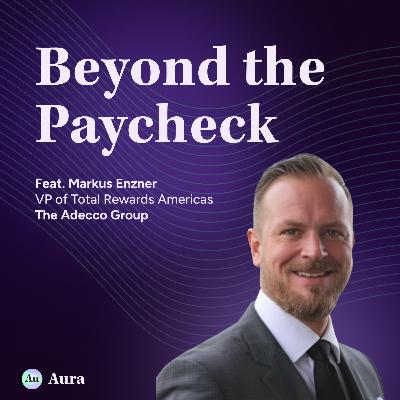
Beyond Salary: Adecco’s Total Rewards VP on TR Statements, Living Wage, and Inflation ReadinessSummaryIf employees only see their salary, you’re leaving value—and retention—on the table. Markus Enzner, VP of Total Rewards (Americas) at The Adecco Group, brings 18 years of experience and an economist’s lens to show how to turn compensation and benefits into clarity, confidence, and impact. Supporting ~10,000 employees and an ~$8B business across North and Latin America, Markus explains where rewards most often break down—affordability and poor communication—and how to fix it with consumer-grade simplicity and Total Rewards statements that quantify value. He shares a personal story of a promotion that helped an employee become debt-free, why personalization and living wage frameworks are the next frontier, and how leaders should prepare for AI-enabled communication and a likely return of inflation. He closes with a practical 30-day financial experiment any listener can try.Timestamps[00:13] – Role and scope: Adecco’s Americas Total Rewards across 3 GBUs, ~10k employees, ~$8B[02:26] – Early money lessons: independence, first jobs, and a lifelong investing mindset[08:39] – Why an economist chose Total Rewards: analytics meets human impact[12:09] – Where rewards break down: affordability, pay transparency, and weak communication[14:48] – Turning benefits into value: Total Rewards statements vs. 70-page guides[18:45] – Individual impact: the promotion that erased student debt[24:24] – Personalization and the rise of living wage frameworks[26:05] – 2026 outlook: AI in rewards communication, preparing for inflation, and a 30-day money experimentTakeaways- Quantify total rewards—use personalized TR statements to show the full value beyond base pay.- Design within affordability while increasing clarity: make pay and benefits communication simple, visual, and concise.- Replace dense benefits guides with consumer-grade experiences employees can grasp in minutes.- Personalize rewards using data and tech; explore living wage frameworks to align pay with real-life costs.- Prepare for inflation’s return with scenario planning, agile mid-year adjustments, and proactive employee messaging.- Empower managers to connect policy to people—promotions and bonuses can be truly life-changing.SponsorAura Finance helps you simplify compensation and benefits planning by bringing everything into one streamlined platform. No more juggling spreadsheets, disconnected tools, or manual calculationsAura gives you a single place to design, compare, and communicate total rewards packages with confidence.With AI-powered insights, it takes the guesswork and busywork out of comp decisions, helps you spot pay equity gaps early, and makes it easy to model scenarios that keep your teams engaged and your budgets on track.See a demo at https://www.aurafinance.com/

Beyond Base Pay: CCRC’s CHRO on Total Rewards, Pay Equity, and Financial WellnessSummaryIf employees only focus on base pay, they miss the true value of their compensation. Lisseth Zouhbi, Chief Human Resources Officer at Child Care Resource Center, breaks down how her team is demystifying total rewards for a large, fast-growing nonprofit. With 25 years in HR—including two decades in luxury hospitality—and as a co-author of Latinas Rising Up in Human Resources (Executive Edition) and United Latinas (Vol. 3), Lisseth shares a practical blueprint: build clear total reward statements, equip managers to communicate them, and design benefits through a multigenerational, life-stage lens. She details CCRC’s approach to competitive pay in nonprofits, maintaining internal equity through every hire and promotion, and pairing health benefits with financial wellness education. Expect actionable tactics—from leveraging Workday and broker partners to a simple 30-day money experiment—plus the metrics that matter: lower turnover, stronger equity, and broader talent attraction.Timestamps[00:45] – Lisseth’s 25-year HR journey: from luxury hospitality to CHRO at CCRC[01:51] – Writing and representation: Latinas Rising Up in HR and United Latinas[02:30] – Early money lessons: first paycheck, first checking account, and independence[05:13] – Convenience vs. cost: valuing time (the “ugly sweater” story)[06:57] – Designing total rewards by life stage and educating beyond base pay[09:45] – Building total rewards statements in Workday and training managers to explain them[13:06] – Competing for talent in a growing nonprofit; inflation and internal pay equity[15:00] – Health + financial wellness: webinars, education, and a 30-day money experimentTakeaways- Build and share total rewards statements so employees see employer-paid value (retirement match, insurance, and more).- Train managers with plain-language guides and FAQs to explain comp and benefits confidently.- Design benefits through a multigenerational lens—offer options that fit life stage, not one-size-fits-all.- Monitor equity continuously: analyze internal pay with every hire/promotion and benchmark against market data.- Pair health benefits with financial wellness education to reduce stress and boost benefit utilization.- Try a 30-day expense-tracking reflection to align spending with values and goals.SponsorAura Finance helps you simplify compensation and benefits planning by bringing everything into one streamlined platform. No more juggling spreadsheets, disconnected tools, or manual calculationsAura gives you a single place to design, compare, and communicate total rewards packages with confidence.With AI-powered insights, it takes the guesswork and busywork out of comp decisions, helps you spot pay equity gaps early, and makes it easy to model scenarios that keep your teams engaged and your budgets on track.See a demo at https://www.aurafinance.com/
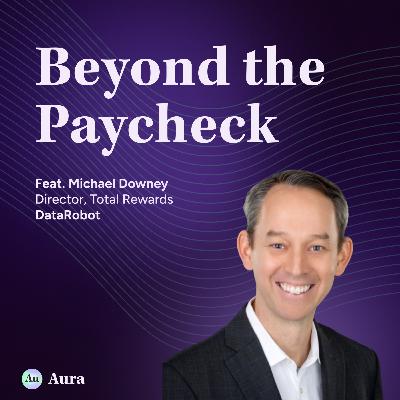
Pay Transparency & Total Rewards: DataRobot’s Director on Benchmarking, AI, and Paying for PerformanceSummaryCurious why employees mistrust comp decisions — even when they’re paid well? Michael Downey, Director of Total Rewards at DataRobot and a compensation leader with 15+ years of experience (and a former teacher), explains how clearer communication, practical benchmarking, and smarter use of AI can turn compensation from a source of confusion into a competitive advantage. Michael walks through "retro tech" benchmarking practices, why leaders must become educators on total rewards, how to shift from tweaks to true pay-for-performance, and the surprising ROI of simply telling employees when they’re paid above market. Listen for concrete steps to improve trust, retention, and manager conversations using tools like Workday, market data, and simple leader-led calibration exercises.Timestamps[00:19] – Guest intro: Michael Downey, Director of Total Rewards at DataRobot [01:21] – Earliest money memories and how childhood work shaped views on responsibility [07:37] – Teaching background → translating complex comp into education for employees [10:15] – Where comp and benefits breakdown most often: the total rewards understanding gap [12:12] – Moving from uniform raises to true pay-for-performance; eliminating undifferentiated bonuses [15:10] – Trend focus: why pay transparency will keep shaping hiring and retention [19:44] – Tools and approaches: AI, Workday, market data and the “retro tech” benchmarking routine [22:35] – 30-day experiment: one practical audit to boost financial well‑being and engagementTakeaways- Lead with data: run regular benchmarking conversations (anchors and outliers) to set a fair foundation for pay decisions. - Tell employees where they sit: proactively communicate when someone is paid above market to build trust and retention. - Shift pay design: replace undifferentiated bonuses with meaningful, differentiated increases to reward top performers. - Equip managers: train leaders to explain total rewards (salary, benefits, equity, perks) not just post ranges. - Use simple tech and routines: leverage Workday/AI and a retro-tech calibration every 6 months before broader comp changes. - Run a 30‑day pilot: identify employees paid above market, check whether they know it, and start those recognition conversations.SponsorAura Finance helps you simplify compensation and benefits planning by bringing everything into one streamlined platform. No more juggling spreadsheets, disconnected tools, or manual calculationsAura gives you a single place to design, compare, and communicate total rewards packages with confidence.With AI-powered insights, it takes the guesswork and busywork out of comp decisions, helps you spot pay equity gaps early, and makes it easy to model scenarios that keep your teams engaged and your budgets on track.See a demo at https://www.aurafinance.com/
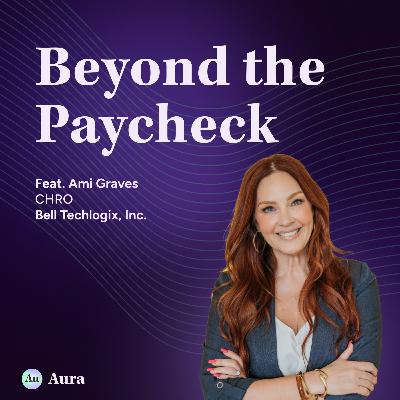
Skills Over Degrees: Bell TechLogix CHRO Amy Graves on Pay Equity, Benefits, and AISummaryIf employees don’t understand their total rewards, even fair pay can feel unfair. Amy Graves, Chief Human Resources Officer at Bell TechLogix, shares how she bridges the gap between intention and understanding in compensation and benefits. With 25+ years across nonprofit, manufacturing, life sciences, and IT, Amy brings a pragmatic lens shaped by small-business roots, a global workforce, and a bias for action. She explains why pay equity demands measurement and follow-through, how plain-language policies and total compensation statements change perceptions, and why wellness programs matter even when ROI isn’t easily quantifiable. Amy also unpacks the rise of personalized benefits (including lifestyle spending accounts), the shift to skills-based pay over degrees, and the internal compensation pressures that come with upskilling and AI. She closes with the simple 30-day habit—Mel Robbins’ Five-Second Rule—that boosts follow-through at work and at home, plus the AI tools she uses daily to work smarter.Timestamps[00:17] – Guest intro: Amy’s path to Bell TechLogix and lessons from a small-business family[01:49] – Earliest money memories: humility, titles vs. identity, and first jobs[05:25] – How those lessons shape leadership: grit, “can’t” as the four-letter word[07:38] – Pay equity in practice: measure disparities, then take action[09:25] – Where comp/benefits break down: communication, total rewards statements, plain language[12:38] – Educating employees: Illumination Sessions, life skills, and personalized benefits (LSAs, caregivers, pets)[16:20] – Wellness that matters: on-site biometrics, peace of mind, and impact beyond ROI[20:55] – What’s next: skills-based pay, internal comp pressures, AI tools (Copilot, ChatGPT), and the Five-Second RuleTakeaways- Measure pay equity rigorously—and fix gaps quickly with clear, data-backed actions.- Simplify compensation and benefits with plain-language policies and total rewards statements.- Build ongoing education: offer recurring sessions on market trends, technical skills, and life skills (e.g., money management).- Personalize benefits where possible: consider lifestyle spending accounts and caregiver support to meet diverse needs.- Treat wellness as people impact, not a spreadsheet line—make screenings convenient and accessible.- Shift hiring and promotion toward skills over degrees; upskill teams in AI and use tools like Copilot/ChatGPT—always verifying outputs.SponsorAura Finance helps you simplify compensation and benefits planning by bringing everything into one streamlined platform. No more juggling spreadsheets, disconnected tools, or manual calculationsAura gives you a single place to design, compare, and communicate total rewards packages with confidence.With AI-powered insights, it takes the guesswork and busywork out of comp decisions, helps you spot pay equity gaps early, and makes it easy to model scenarios that keep your teams engaged and your budgets on track.See a demo at https://www.aurafinance.com/
Designing Benefits That Actually Help: Vimeo’s VP of Total Rewards on Healthcare Costs, 401(k) Nudges, and AI in CompSummaryBenefits bloat, spiraling healthcare costs, and employees who still don’t understand what they’re getting—how should HR respond? David Wrangham, Vice President of Total Rewards at Vimeo, makes the case for fewer, better-funded programs that genuinely change behavior. Drawing on a global upbringing and a career in comp, David explains why not all dollars are equal (salary vs. commission vs. equity), how cultural context shapes how people experience pay, and why listening to frontline employees reveals root causes that often aren’t compensation problems at all.He unpacks the real driver of U.S. benefits strain—healthcare costs nearing 20% of GDP—and the implications for employers’ budgets and promises. David shares practical levers that work, like automatic 401(k) enrollment and annual auto-escalation, and where AI can help (job descriptions, benchmarks) and hurt (trust and explainability). He closes with a simple 30-day experiment: gamified micro-quizzes to boost financial literacy and uncover what your workforce doesn’t know but needs to.Timestamps[00:45] – Guest intro: global upbringing and how it shaped a comp lens[03:42] – Not all dollars are equal: salary vs. commission vs. equity and stability tradeoffs[07:44] – Culture and compensation: from Yap stones to localized benchmarks and listening[12:29] – Where benefits break: healthcare costs, GDP realities, and what’s sustainable[18:37] – Fewer, better benefits: avoid fragmentation and “discount” traps[21:50] – High-impact design: auto 401(k) enrollment and escalation to drive savings[24:44] – AI in comp: JDs, benchmarking, and the explainability/trust gap[27:51] – A 30-day experiment: daily micro-quizzes to raise financial literacyTakeaways- Simplify your benefits portfolio—fund fewer programs better, ensure real savings, and make them easy to use.- Educate leaders and employees on pay-mix tradeoffs; for some roles, shifting equity to cash stability can be worth “50 cents on the dollar.”- Listen for root causes—many “comp” complaints are actually staffing, manager, or org design issues.- Scenario-plan healthcare costs and set durable promises; push for policy and vendor partnerships to manage trend.- Auto-enroll and auto-escalate 401(k) contributions to nudge long-term financial well-being.- Use AI selectively; only deploy benchmarks and outputs you can explain and defend within your culture.SponsorAura Finance helps you simplify compensation and benefits planning by bringing everything into one streamlined platform. No more juggling spreadsheets, disconnected tools, or manual calculationsAura gives you a single place to design, compare, and communicate total rewards packages with confidence.With AI-powered insights, it takes the guesswork and busywork out of comp decisions, helps you spot pay equity gaps early, and makes it easy to model scenarios that keep your teams engaged and your budgets on track.See a demo at https://www.aurafinance.com/
Inside Lyft’s Benefits Playbook: Pay Philosophy, Human + AI Support, and Engagement That ScalesSummaryHow do you make pay and benefits feel clear, fair, and truly useful—at scale? Danric Vargas, Senior Benefits Program Manager at Lyft, shares the communication and service design choices that turn “total rewards” into everyday support. With a consulting background and a frontline focus, Danric breaks down Lyft’s cost-of-labor compensation philosophy (vs. cost of living) and why education beats speculation. He details how Lyft pairs consumer-grade access—Slack-first comms, AI people bots, and a high-touch care navigation partner (Rightway)—with old-fashioned human time: ongoing 1:1 benefits office hours that drive high utilization across mental health, fertility, and more. Danric also opens up about publishing pay equity results, making total rewards statements easy to find in Workday, and what he’s watching next: AI’s real impact on healthcare costs and GLP-1 spend. He closes with a 30-day engagement experiment any HR team can run to find the channels that actually move the needle.Timestamps[00:45] – Meet Danric: consulting roots, employer-side impact, and personal money values[01:07] – Early money lessons: allowance, work ethic, and the line between hustle and burnout[04:05] – First jobs and spending habits: from Legoland to supporting a family[06:43] – Translating money empathy into benefits: leave admin, pay timing, and urgency[08:20] – Where comp/benefits break down: cost of labor vs. cost of living, and true benefit costs[11:34] – Making money talk approachable: Slack culture, “Wealth Management” channel, and AI people bots[14:17] – The highest-impact shift: ongoing 1:1 benefits office hours (not just during open enrollment)[16:35] – Measuring what matters: utilization, ERG partnerships, and a benefits survey to deepen insights[19:25] – What’s next: AI in benefits, care navigation, and the GLP-1 cost curve[23:10] – Pay equity in practice: publishing third-party reviews and promoting total rewards statements[24:46] – A 30-day engagement experiment: audit channels, test, and partner cross-functionallyTakeaways- Explain compensation clearly: teach cost of labor vs. cost of living to reduce confusion and rebuild trust.- Show the real math: share employer benefit costs and why contributions change with healthcare inflation.- Offer ongoing 1:1 office hours so employees can choose the right plans year-round—not just at OE.- Meet employees where they are: prioritize Slack/mobile, add an AI people bot, and route to approved vendors.- Pair AI with humans: use high-touch care navigation for complex needs to boost confidence and outcomes.- Publish and promote transparency: annual pay equity results plus easy-to-find total rewards statements in Workday.Aura Finance helps you simplify compensation and benefits planning by bringing everything into one streamlined platform. No more juggling spreadsheets, disconnected tools, or manual calculationsAura gives you a single place to design, compare, and communicate total rewards packages with confidence.With AI-powered insights, it takes the guesswork and busywork out of comp decisions, helps you spot pay equity gaps early, and makes it easy to model scenarios that keep your teams engaged and your budgets on track.See a demo at https://www.aurafinance.com/

Comments

Download from Google Play

Download from App Store
 United States