


Lifeselfmastery's podcast I Startups I Venture Capital
Subscribed: 3,504Played: 51,758
Subscribe


© Rohit Malhotra
Description
Life Self Mastery Podcast is an interview based show where I interview online entrepreneurs who started their businesses and scaled up their businesses to improve their lifestyles.
Previous guests include Guy Kawasaki, Brad Feld, James Clear, Shu Nyatta, Ida Tin, Elizabeth Yin, Polina Pompliano, Evgenia Plotnikova, Anna Khan, Minnie Ingersoll, Sridhar Ramaswamy, Mac Conwell, Danielle Strachman, Jake Gibson, Wes Kao, Brian Requarth, Vivek Sodera, Eric Siu, Amit Garg, Nischal Shetty, Pranav Pai, Nir Eyal, Paul Shapiro, Nick Huber, Rob Walling, Andrew Dsouza, Fabrice Grinda, and 300+ incredible guests.
partnergrow.substack.com
Previous guests include Guy Kawasaki, Brad Feld, James Clear, Shu Nyatta, Ida Tin, Elizabeth Yin, Polina Pompliano, Evgenia Plotnikova, Anna Khan, Minnie Ingersoll, Sridhar Ramaswamy, Mac Conwell, Danielle Strachman, Jake Gibson, Wes Kao, Brian Requarth, Vivek Sodera, Eric Siu, Amit Garg, Nischal Shetty, Pranav Pai, Nir Eyal, Paul Shapiro, Nick Huber, Rob Walling, Andrew Dsouza, Fabrice Grinda, and 300+ incredible guests.
partnergrow.substack.com
143 Episodes
Reverse

I am thrilled to have Oliver Manojlovic, CRO at Dash0, the agentic observability platform that just acquired Lumigo and is supporting 600+ customers globally. In this conversation, Oliver Manojlovic, the CRO of Dash Zero, discusses his journey from Personio to Dash Zero, the challenges of hyper-growth, and the importance of a customer-centric approach in SaaS. Oliver shares insights on hiring, onboarding, and maintaining team dynamics in a fast-paced environment, as well as the role of AI in sales and the common mistakes founders make in their go-to-market strategies. Timestamps 00:00 Introduction to Oliver Manojlovic and His Journey 03:31 Transitioning from Personio to Dash Zero 06:19 The Vision Behind Dash Zero 09:21 Customer-Centric Approach in SaaS 12:31 Adapting Sales Strategies in a Changing Landscape 15:34 The Role of AI in Sales and Customer Experience 20:49 Mergers and Acquisitions: Strategic Insights 23:08 Understanding Burnout: The Importance of Purpose 27:03 Leadership Challenges: Navigating Team Dynamics 31:00 Sales Strategy: Building a Strong Pipeline 38:30 Product Development: Timing and Market Fit 41:31 Lessons from Experience: The Journey of Selling Oliver's Links LDN/ X – https://www.linkedin.com/in/olivermanojlovic/ Website – dash0.com My Links Podcast: https://lifeselfmastery.com/itunes Newsletter: https://partner-grow.beehiiv.com/subscribe YouTube: youtube.com/lifeselfmastery Twitter: https://twitter.com/rohitmal LinkedIn: https://www.linkedin.com/in/rohit857/

I am excited to have Stefan Bader, CEO and co-founder of Cello, a referral automation platform used by Typeform, Miro, and VEED. He's a 2x founder who spent a decade in B2B software, including as CRO at Shore. Stefan recently launched the GTM10 Awards, gathering insights from 800+ operators at companies like OpenAI, Stripe, and Gong. In this conversation, Stefan Bader, CEO and co-founder of Cello, a referral automation platform where he discusses his journey as a two-time founder, the challenges of managing sales talent, the evolution of go-to-market strategies, and the impact of AI on sales and marketing. Stefan shares insights on building successful referral programs, the importance of personal incentives, and the shift from co-marketing to co-products. He also emphasizes the need for companies to adapt to changing marketing channels and the significance of a strong product design in driving growth. Timestamps 00:00 Introduction to Stefan Bader and Cello 02:40 Lessons from Early Ventures 05:08 Identifying and Addressing B2B Referral Challenges 09:03 The Future of Cold Calling and Go-to-Market Strategies 12:10 Navigating Channel Collapse and New Opportunities 14:32 Successful Referral Programs: Key Variables 16:32 The Complexity of Referral Automation 18:04 Shifts in Sales Strategies and Customer Success 21:10 The Evolution of Co-Marketing to Co-Products 23:30 Developer Experience and Tools 24:30 The Role of AI in Sales and Business Development 26:26 Finding Design Partners: Startups vs. Enterprises 27:24 Subversive Marketing and Growth Loops 30:17 Advice for Future Professionals 32:13 Reflections on Starting Cello Stefan's Links LDN/ X – https://www.linkedin.com/in/stefan-bader/ Website - https://cello.so/ My Links Podcast: https://lifeselfmastery.com/itunes Newsletter: https://partner-grow.beehiiv.com/subscribe YouTube: youtube.com/lifeselfmastery Twitter: https://twitter.com/rohitmal LinkedIn: https://www.linkedin.com/in/rohit857/
I am thrilled to have Eric Jorgenson who is the author of The Almanack of Naval Ravikant, with over 2 million copies sold, and The Anthology of Balaji. His latest book is The Book of Elon. In this conversation, Eric Jorgenson discusses his latest book on Elon Musk, exploring the unique insights he gained while writing it. He delves into Musk's mindset, execution strategies, and the importance of purpose in achieving success. Jorgenson also addresses the challenges of writing about a figure as polarizing as Musk, the implications of AI on the future of work, and the tension between visionary thinking and conventional startup wisdom. Timestamps 00:00 Introduction to Eric Jorgensen and His Works 06:33 Navigating Political Dynamics: Framing Elon's Mindset 14:40 Managing Cognitive Load: Elon Musk's Multitasking Strategies 20:47 The Impact of AI on Jobs and Universal Basic Income 28:01 Separating Vision from Chaos: Elon's Decision-Making 36:25 Using AI in Writing and Distribution Strategies 41:55 Future Writing Aspirations: Exploring New Figures Eric's Links LDN/ X – https://www.linkedin.com/in/erjorgenson/ Book – https://www.elonmuskbook.org/ My Links Podcast: https://lifeselfmastery.com/itunes Newsletter: https://partner-grow.beehiiv.com/subscribe YouTube: youtube.com/lifeselfmastery Twitter: https://twitter.com/rohitmal LinkedIn: https://www.linkedin.com/in/rohit857/
I am excited to have Ali Moiz, co-founder of Streamlabs (acquired by Logitech for $170M) and Peanut Labs (acquired for $30M), and currently building Pilot GPT (formerly Stonks). In this conversation, Ali Moiz discusses his journey from selling stickers in first grade in Pakistan to building and exiting two companies worth a combined $200M+. He shares the raw, unfiltered reality of startup life — from doing mass layoffs and losing a co-founder overnight to nearly shutting down and finding product-market fit through sheer persistence. Ali breaks down his philosophy on pivoting (most founders don't pivot enough), why burnout isn't cured by vacation but by success, and how founder energy is a far scarcer resource than capital. Timestamps 00:00 Introduction to Ali Moiz and his exits 01:02 Growing up in Pakistan and the road to the US 02:10 Why he chose entrepreneurship over Big Tech 02:32 Selling stickers and trading cards — his first "businesses" 06:10 Why he wrote 3 Startups, 40 Pivots: How to Not F**king Give Up 09:10 Jensen Huang's Stanford speech on pain and suffering 10:15 The hardest chapter: mass layoffs, co-founder departure, health crisis 13:34 How to tell the difference between a pivot that saves you and one that delays the inevitable 15:38 Why the mental pivot is always harder than the product pivot 18:07 The burnout myth: why success cures it, not vacation 20:23 The consumer → SaaS → fintech founder lifecycle 22:00 How Peanut Labs was accidentally born (the "nudes for points" origin story) 23:41 How Streamlabs came from a DraftKings-for-eSports pivot gone wrong 25:25 Nine years and 4.5 years of failure before the $170M exit 27:18 Building three companies with his brother Murthy — what almost broke the partnership 29:27 The #1 mistake first-time founders make 32:28 What pivoting actually requires that nobody talks about 36:23 The League of Legends team he sold for $150K that became worth $300M 40:20 The OpenAI deal at a $20B valuation that blew up over a $10K investor 46:03 Why the Sandhill Markets model failed despite investors loving it Ali's Links LDN/ X – https://www.linkedin.com/in/alimoiz/ Book – https://www.amazon.com/Startups-40-Pivots-cking-Give-ebook/dp/B0GMKL5VXT Website - pilotgpt.com My Links Podcast: https://lifeselfmastery.com/itunes Newsletter: https://partner-grow.beehiiv.com/subscribe YouTube: youtube.com/lifeselfmastery Twitter: https://twitter.com/rohitmal LinkedIn: https://www.linkedin.com/in/rohit857/
I am excited to have Amos Bar-Joseph - CEO of Swan AI, two-time exited founder and ex-KPMG advisor. He's building in public toward $30M ARR with just three founders and an army of AI agents. In this conversation, Amos Bar-Joseph, CEO of Swan AI, discusses his entrepreneurial journey, the innovative use of AI in go-to-market strategies, and the evolving landscape of pricing models in the AI industry. Amos emphasizes the importance of leveraging AI as an amplification tool for human capabilities rather than a replacement. He shares insights on building a self-learning support system, ensuring GDPR compliance, and the significance of go-to-market innovation over product innovation. Timestamps 00:00 Introduction to Hiten Sonpal and Rice Robotics 03:06 Hiten's Journey into Technology and Robotics 05:27 Experience at iRobot and Transition to Entrepreneurship 07:06 Innovations at Rise Robotics: The Beltrolix Technology 08:13 Achieving the Guinness World Record for Robotic Arm 09:16 Crowdfunding Success and Retail Investor Engagement 13:41 Balancing Expectations from VCs and Retail Investors 15:10 Shipping Consumer Robots vs. Industrial Machinery 18:07 Future of Home Robots in the Western World 21:42 Supply Chain Dynamics: US vs. China 24:39 AI and Industrial Automation: Future Trends 26:34 Company Culture at Rice Robotics 27:42 Partnerships vs. Product Sales in Enterprise 29:59 Advice for Future Entrepreneurs Amos's Links LDN/ X – https://il.linkedin.com/in/amos-bar-joseph Website – My Links Podcast: https://lifeselfmastery.com/itunes Newsletter: https://partner-grow.beehiiv.com/subscribe YouTube: youtube.com/lifeselfmastery Twitter: https://twitter.com/rohitmal LinkedIn: https://www.linkedin.com/in/rohit857/

I am excited to have Hiten Sonpal, CEO of RISE Robotics, disrupting a $600B market by replacing century-old hydraulics with Beltdraulic technology—3X faster, 3X more efficient, zero emissions. In this conversation, Hiten Sonpal, CEO of Rise Robotics, shares his journey from childhood fascination with technology to leading a company that is revolutionizing the robotics industry. He discusses his extensive experience at iRobot, the innovative Beltrolix technology, and the successful crowdfunding campaign that engaged retail investors. He emphasizes the importance of partnerships, market entry strategies, and the need for resilience and risk-taking in entrepreneurship. Timestamps 00:00 Introduction to Hiten Sonpal and Rice Robotics 03:06 Hiten's Journey into Technology and Robotics 05:27 Experience at iRobot and Transition to Entrepreneurship 07:06 Innovations at Rise Robotics: The Beltrolix Technology 08:13 Achieving the Guinness World Record for Robotic Arm 09:16 Crowdfunding Success and Retail Investor Engagement 13:41 Balancing Expectations from VCs and Retail Investors 15:10 Shipping Consumer Robots vs. Industrial Machinery 18:07 Future of Home Robots in the Western World 21:42 Supply Chain Dynamics: US vs. China 24:39 AI and Industrial Automation: Future Trends 26:34 Company Culture at Rice Robotics 27:42 Partnerships vs. Product Sales in Enterprise 29:59 Advice for Future Entrepreneurs Hiten's Links LDN/ X – https://www.linkedin.com/in/hiten-sonpal/ Website –https://wefunder.com/riserobotics https://rise.riserobotics.com/invest My Links Podcast: https://lifeselfmastery.com/itunes Newsletter: https://partner-grow.beehiiv.com/subscribe YouTube: youtube.com/lifeselfmastery Twitter: https://twitter.com/rohitmal LinkedIn: https://www.linkedin.com/in/rohit857/

I am excited to have Ronan Chambers is the co-founder of etn., a technology show built for Europe. Previously, he was a founding team member at Convergence, which was acquired by Salesforce, where he worked on Agentforce. In this conversation, Ronan Chambers, co-founder of ETN, discusses his journey from tech startups to creating a technology show for Europe. He explores the European startup ecosystem, misconceptions, emerging tech hubs, and the future of media in venture capital. Ronan shares insights on building an audience, sponsorship strategies, and the importance of leadership in startups. Timestamps 00:00 Introduction to Ronan Chambers and ETN 01:12 Ronan's Journey into Tech Startups 02:53 Leaving Salesforce for ETN 04:42 Inspiration from US Media and the Need for European Coverage 06:52 The State of the European Startup Ecosystem 10:38 Misconceptions About European Startups 13:04 Underrated Tech Hubs in Europe 14:37 The Future of Media in Venture Capital 16:57 Advice for New Product Builders 19:04 Balancing Audience Building and Product Development 22:13 Reaching Out to Sponsors 25:25 Creating Content for Diverse European Audiences 27:04 Changing Mindsets in European Founders 29:30 Lessons from Convergence and Salesforce 32:22 Overcoming Fear in Podcasting 34:16 Highlighting Emerging European Founders 36:40 Future Goals for ETN Ronan's Links LDN/ X – https://www.linkedin.com/in/ronan-chambers-189118196/ X - https://x.com/ronanchamberss Website – https://www.etnshow.co/ My Links Podcast: https://lifeselfmastery.com/itunes Newsletter: https://partner-grow.beehiiv.com/subscribe YouTube: youtube.com/lifeselfmastery Twitter: https://twitter.com/rohitmal LinkedIn: https://www.linkedin.com/in/rohit857/
I am thrilled to have Akshat Mandloi, the co-founder of Smallest.ai, a voice AI startup recently named among Inc42's "30 Startups to Watch" for 2025. A former senior data scientist at Bosch and IIT Guwahati alum, he's building hyper-realistic voice agents that support 30+ languages with ultra-low latency for enterprises worldwide. In this conversation, Akshat Mandloi, co-founder of Smallest AI, discusses his journey from working at Bosch to starting his own company, the challenges of operating in different markets, and the intricacies of developing voice AI technology. Akshat shares insights on language prioritization, the competitive landscape, and what it means to create enterprise-ready solutions. The conversation also touches on funding, building a strong company culture, hiring practices, and the future of voice AI technology. Timestamps 00:00 The Journey to Smallest AI 02:11 Navigating Operational Challenges 05:12 Language Prioritization in Voice AI 06:57 Building a Competitive Edge in Voice AI 10:15 The Build vs. Buy Debate 12:11 Funding and Investor Insights 14:11 Cultivating a High-Ownership Culture 16:21 Designing for User Needs 18:17 Remote Work vs. In-Person Collaboration 19:11 The Future of Voice AI 21:07 Speed as a Competitive Advantage 22:57 Advice for Aspiring Entrepreneurs 25:01 Vision for the Future Akshat's Links LDN/ X – https://www.linkedin.com/in/akshat-2503/ Website - https://smallest.ai/ My Links Podcast: https://lifeselfmastery.com/itunes Newsletter: https://partner-grow.beehiiv.com/subscribe YouTube: youtube.com/lifeselfmastery Twitter: https://twitter.com/rohitmal LinkedIn: https://www.linkedin.com/in/rohit857/

I am excited to have Bani K Maini: an AI product leader who transforms complex enterprise operations into scalable solutions that actually get adopted. From cutting forecasting errors by 74% to scaling platforms across 600+ sites in seven countries, she's built AI products for Fortune 500 companies - and conducted 70+ executive interviews at Stanford on how GenAI is reshaping enterprises. In this conversation, Bani Maini, an AI product leader, shares her journey from early exposure to technology in Japan to her current role in transforming enterprise operations through AI. She discusses the challenges of AI adoption across different cultures and regions, emphasizing the importance of understanding local nuances. Bani highlights the non-obvious challenges in rolling out AI products, such as process variance and data issues, and stresses the need for a clear problem-solving approach. She also differentiates between traditional machine learning and generative AI, providing insights into their respective applications. Timestamps 03:22 Understanding Enterprise AI Adoption Challenges 06:22 Cultural and Regional Differences in AI Adoption 09:18 Non-Obvious Challenges in AI Rollout 11:58 Navigating Inflection Points in AI Integration 15:11 Misconceptions About Generative AI in Enterprises 18:19 Identifying AI Use Cases and Metrics for Success 21:06 Traditional ML vs. Generative AI: Decision Framework 24:19 Generative AI in Supply Chain Optimization 27:18 Turning Unstructured Data into Actionable Intelligence 30:05 Organizational Structure for Global AI Teams 33:25 Driving User Adoption Across Cultures 36:13 Shifts in Enterprise AI Thinking 39:22 Reflections on Scaling AI Products 42:14 Final Thoughts and Resources Bani's Links LDN/ X – https://www.linkedin.com/in/bani-k-maini-210b5b48/ My Links Podcast: https://lifeselfmastery.com/itunes Newsletter: https://partner-grow.beehiiv.com/subscribe YouTube: youtube.com/lifeselfmastery Twitter: https://twitter.com/rohitmal LinkedIn: https://www.linkedin.com/in/rohit857/

I am thrilled ot have Lars Leckie, a Partner at Aspenwood Ventures, bringing a rare founder-turned-investor perspective to early-stage investing. He co-founded AutoFarm (now Novariant), pioneering GPS and robotics in agriculture, where he built sales teams across three continents In this conversation, Lars Leckie shares his unique journey from coding and gaming to becoming a partner at AspenWood Ventures. He discusses the critical lessons learned from his early experiences in sales and strategy, emphasising the importance of understanding customer needs and the divide between engineering and sales cultures. Lars also delves into the evolving landscape of venture capital, the impact of AI on business models, and the significance of geographic proximity in tech innovation. Timestamps 00:00 From Gaming to Agriculture: Lars Läcki's Journey 03:23 Lessons from Sales and Strategy in Startups 06:12 The Investor's Perspective: Balancing Technology and Market 09:03 Navigating the Venture Capital Landscape 12:15 The Future of IPOs and Private Capital 15:23 AI's Impact on Revenue and Business Models 18:04 Consumer vs. Enterprise AI: The Competitive Landscape 25:47 The Dynamics of Disruption in AI 28:27 AI Agents: The Future of Sales 30:26 The Role of Geographic Proximity in Tech 36:48 Education in the Age of AI 41:21 The Future of Venture Capital Lars's Links LDN/ X – https://www.linkedin.com/in/larsleckie/ Website - https://aspenwoodvc.com/ My Links Podcast: https://lifeselfmastery.com/itunes Newsletter: https://partner-grow.beehiiv.com/subscribe YouTube: youtube.com/lifeselfmastery Twitter: https://twitter.com/rohitmal LinkedIn: https://www.linkedin.com/in/rohit857/

I am thrilled ot have Udi Ledergor, the Chief Evangelist at Gong, where he spent nine years helping build the company from zero to a multi-billion-dollar valuation. A five-time B2B marketing leader, bestselling author of Courageous Marketing, angel investor, and board member In this conversation, Udi Ledergor, Chief Evangelist at Gong, shares his journey from product management to leading marketing at a billion-dollar company. He emphasizes the importance of human-centric marketing, the need to challenge traditional best practices, and the significance of creating valuable content that resonates with audiences. Udi discusses the evolution of marketing strategies, the role of AI, and the importance of hiring passionate individuals for growth roles. He also highlights insights from his book, 'Courageous Marketing', offering practical advice for marketers and business leaders. Timestamps 00:00 Introduction to Udi Ledergor and His Journey 02:29 The Decision to Join Gong and Its Potential 04:57 Building a Human-Centric Brand in B2B SaaS 09:48 Risky Marketing Decisions That Paid Off 15:54 Courageous Marketing: Breaking Best Practices 19:37 Finding Channel Fit and Growth Strategies 21:35 SEO and Generative AI: Adapting to Change 24:28 Engaging the 95%: Marketing to Future Buyers 27:20 The Evolution of Marketing Touchpoints 31:07 Hiring for Growth: Skills vs. Potential 34:06 Transitioning from CMO to Chief Evangelist 37:51 Insights from 'Courageous Marketing' Udi's Links LDN/ X – https://www.linkedin.com/in/udiledergor/ Book - https://www.udiledergor.com/book My Links Podcast: https://lifeselfmastery.com/itunes Newsletter: https://partner-grow.beehiiv.com/subscribe YouTube: youtube.com/lifeselfmastery Twitter: https://twitter.com/rohitmal LinkedIn: https://www.linkedin.com/in/rohit857/
I am excited to have Sergiy Korolov, who is the Co-CEO of Railsware and co-founder of multiple products In this conversation, Sergiy Korolov, CEO of Railsware, discusses his journey from software developer to entrepreneur, the evolution of his products like Mailtrap and Coupler, and the challenges faced in the tech industry. Sergiy shares insights on transitioning from service to product, the importance of understanding user segments through surveys, and the role of AI in enhancing productivity. He also reflects on the complexities of email delivery and strategies for competing against larger companies. Timestamps 00:00 The Journey from Developer to CEO 05:24 Transitioning from Service to Product 10:42 Mailtrap's Evolution and Monetisation 14:57 Controversial Onboarding: The Sign-Up Survey 18:49 Launching Coupler: A New Era 21:56 Technical Challenges in Email Delivery 25:58 Differentiation Strategy Against Giants 29:51 Managing Multiple Products Effectively 33:29 AI's Role in Railsware 38:41 Sales Strategy and Product Growth 42:47 Reflections and Lessons Learned Sergiy's Links LDN/ X – https://www.linkedin.com/in/sergiykorolov/ Website – https://railsware.com/ My Links Podcast: https://lifeselfmastery.com/itunes Newsletter: https://partner-grow.beehiiv.com/subscribe YouTube: youtube.com/lifeselfmastery Twitter: https://twitter.com/rohitmal LinkedIn: https://www.linkedin.com/in/rohit857/
I am thrilled to have Brad Harrison, a former Army Ranger turned venture capitalist, and the founder and Managing Partner of Scout Ventures. Brad invests at the intersection of national security and critical technology innovation, backing companies like Unite Us, ID.me, Voyager Space, and Tomahawk Robotics — which was recently acquired by AeroVironment. In this conversation, Brad Harrison, a former Army Ranger turned venture capitalist, shares his journey into the world of venture capital and the founding of Scout Ventures. He discusses the importance of mission-driven investments, particularly in the intersection of national security and critical technology. Brad emphasises the value of both first-time and experienced founders, the significance of government contracts, and the evolving landscape of AI in defence tech. He also reflects on investment strategies, the importance of people in startups, and the metrics for evaluating fund performance. Timestamps 00:00 From Army Ranger to Venture Capitalist 03:17 The Birth of Scout Ventures 06:04 Mission-Driven Investment Focus 09:07 The Importance of Non-Dilutive Funding 12:10 Backing First-Time Founders 15:13 Case Studies: Unitas and ID.me 18:09 Navigating Government Contracts 21:17 Defensible AI in Defense Tech 24:05 B2B Startups and AI Integration 26:57 Evaluating Startups: People, Product, Market 30:09 Ownership Stakes in Early-Stage Investments 33:14 The Future of Liquidity in Venture Capital 35:57 Lessons Learned from Exits 39:16 Final Thoughts and Recommendations Brad's Links LDN/ X – https://www.linkedin.com/in/bradharrison/ Website – https://www.scout.vc/ My Links Podcast: https://lifeselfmastery.com/itunes Newsletter: https://partner-grow.beehiiv.com/subscribe YouTube: youtube.com/lifeselfmastery Twitter: https://twitter.com/rohitmal LinkedIn: https://www.linkedin.com/in/rohit857/
I am thrilled to have Elias Mufarech who is a Senior Associate at Collide Capital, a pre-seed to Series A venture fund investing in fintech, future of work, and supply chain software. In this conversation, Elias Mufarech, a senior associate at Collide Capital, shares his insights on venture capital, the importance of operational support for founders, and the evolving landscape of startup expectations. Elias discusses his journey from building fintech software in Latin America to investing in startups, highlighting the critical lessons learned along the way. He emphasizes the need for founders to have strong networks and the importance of understanding market dynamics, especially when competing against big tech companies. Timestamps 02:56 Lessons from Operating in Emerging Markets 06:20 Changing Expectations in Venture Capital 09:21 The Role of Capital and Networks in Founding 12:16 American vs. Emerging Market Founders 15:03 Operational Support in Venture Capital 18:21 Assessing Big Tech Risks in Startups Elias's Links LDN/ X – https://www.linkedin.com/in/elias-mufarech/ Website – https://www.collidecap.com/ My Links Podcast: https://lifeselfmastery.com/itunes Newsletter: https://partner-grow.beehiiv.com/subscribe YouTube: youtube.com/lifeselfmastery Twitter: https://twitter.com/rohitmal LinkedIn: https://www.linkedin.com/in/rohit857/
I am excited to have Ankur Patel who is the founder and CEO of Multimodal, where he's automating the most complex workflows in finance and insurance. He has 15+ years of work experience across companies like J.P. Morgan and Bridgewater In this conversation, Ankur Patel, founder and CEO of Multimodal, traces his path from JP Morgan and Bridgewater to building AI agents that automate complex workflows in finance and insurance. He explains how early exposure to data science and macro trading convinced him that AI would reshape enterprise work. He discusses why agentic AI is fundamentally different from chatbots, how enterprises evaluate risk, and why explainability is essential for adoption. Ankur breaks down pricing models for AI labor, the shift from seat-based SaaS to usage-based consumption, and the realities of selling to banks, insurers, and governments. Timestamps 00:01 – 01:46. Intro & journey from markets to ML 01:46 – 03:21. Why agentic AI is the next frontier 03:21 – 04:48. Multimodal's ambition vs prior startups 04:48 – 06:08. Judgment calls in lending workflows 06:08 – 07:47. Risk, unpredictability, and explainability 07:47 – 09:26. Compliance objections from financial institutions 09:26 – 11:46. Deploying AI in government 11:46 – 13:40. Pricing AI labor 13:40 – 15:34. Why seat-based SaaS breaks 15:34 – 17:44. ROI framing with banks and insurers 17:44 – 19:31. Common pricing mistakes 19:31 – 21:32. Usage pricing with budget predictability 21:32 – 23:51. Enterprise sales motion & channels 23:51 – 25:40. When to activate partnerships 25:40 – 27:32. Leadership lessons across domains 27:32 – 29:44. Content as a strategic advantage 29:44 – 32:39. Vertical AI will win 32:39 – 35:41. Future of agentic AI & student advice Ankur's Links LDN/ X – https://www.linkedin.com/in/ankurpatel9/ Website – https://www.multimodal.dev/ My Links Podcast: https://lifeselfmastery.com/itunes Newsletter: https://partner-grow.beehiiv.com/subscribe YouTube: youtube.com/lifeselfmastery Twitter: https://twitter.com/rohitmal LinkedIn: https://www.linkedin.com/in/rohit857/
I am thrilled to have Vivek Krishnamurthy, who is a Partner at Commerce Ventures, where he's spent over 8 years investing in commerce infrastructure and fintech. Before Venture, he was an Investment Banking Analyst at Financial Technology Partners. He's particularly bullish on AI's transformation of insurance, backing companies like Kin Insurance, Liberate, and Authentic. In this conversation, Vivek Krishnamurthy, a partner at Commerce Ventures, discusses his journey into venture capital, the evolution of investment strategies, and the intersection of commerce and fintech. Vivek shares insights on the impact of AI on business, the importance of understanding market dynamics, and the traits of successful founders. He also addresses the challenges of staying private and the role of VCs in the startup ecosystem. Timestamps 00:00 Journey into Venture Capital 03:08 Evolution of Investment Thesis 06:20 Commerce and Fintech Intersection 09:10 AI's Role in Modern Startups 12:01 Understanding Market Dynamics 15:23 Growth Metrics in Today's Market 18:09 The Impact of Staying Private 20:59 Traits of Successful Founders 24:20 The Role of VCs in Success 27:12 Sales Strategies in AI 30:03 Hiring Trends in AI Startups 33:13 Evaluating Investment Opportunities Vivek's Links LDN/ X – https://www.linkedin.com/in/vivekkri/ Website - https://commerce.vc/ My Links Podcast: https://lifeselfmastery.com/itunes Newsletter: https://partner-grow.beehiiv.com/subscribe YouTube: youtube.com/lifeselfmastery Twitter: https://twitter.com/rohitmal LinkedIn: https://www.linkedin.com/in/rohit857/
I am excited to have Dallas Price, a Venture Builder at Forum Ventures, where he helps launch and scale six B2B SaaS startups every year through their AI Studio. His work centres on turning early-stage concepts into real companies, guiding founders across product, go-to-market, and fundraising In this conversation, Dallas Price, a venture builder at Forum Ventures, discusses his journey into the startup world, the workings of a venture studio, and the current landscape of AI startups. Dallas shares insights on navigating chaos in startups, the importance of defensibility, new distribution channels, and evolving pricing models. He emphasizes the significance of customer traction and the need for founders to focus on their strengths when pitching to investors. The discussion also touches on the future of AI spending and the potential for full stack AI companies. Timestamps 00:00 Introduction to Dallas Price and His Journey 03:08 Transitioning to Venture Capital and Forum Ventures 06:10 Understanding the Venture Studio Model 09:18 Navigating the AI Landscape and Talent Wars 12:13 Defensibility in AI Startups 15:14 Emerging Distribution Channels in AI 18:07 Innovative Pricing Models for AI Startups 21:15 The Future of AI Native Companies 24:18 Spotlight on Startups: Credit Pulse and Scout Climate 26:52 Investor Signals and Customer Demand 30:07 The Importance of Founders in Startup Success 33:30 Current Trends in AI Spending and Future Outlook 36:21 Final Thoughts and Closing Remarks Dallas's Links LDN/ X – https://www.linkedin.com/in/dallascprice Website – https://www.forumvc.com/ My Links Podcast: https://lifeselfmastery.com/itunes Newsletter: https://partner-grow.beehiiv.com/subscribe YouTube: youtube.com/lifeselfmastery Twitter: https://twitter.com/rohitmal LinkedIn: https://www.linkedin.com/in/rohit857/
I am excited to have Seth Levine, venture capitalist and co-founder of Foundry, and Elizabeth MacBride, international business journalist and founder of Times of Entrepreneurship. Together, they co-authored The New Builders and now their latest book, Capital Evolution, explores how American capitalism is shifting—and why businesses, not government, may hold the keys to building a more inclusive and prosperous future. In this conversation, Seth Levine and Elizabeth McBride discuss their new book, 'Capital Evolution,' which explores the shifting landscape of American capitalism. They delve into the challenges posed by neoliberal capitalism, the consequences of prioritizing shareholder value, and the need for a more inclusive economic model. The authors advocate for 'dynamic capitalism,' which emphasizes the importance of meritocracy, economic mobility, and the role of businesses in society. They also touch on the impact of AI on the workforce and the necessity for government reform to restore balance in power dynamics. Timestamps 00:00 Introduction to Capital Evolution 03:14 The State of American Capitalism 04:54 Neoliberalism and Its Consequences 05:19 The Rise of Business Over Government 08:28 Meritocracy and Economic Mobility 11:40 Global Perspectives on Capitalism 14:22 The Future of American Democracy and Business 17:16 Comparative Economic Models 20:35 Conclusion and Reflections on Capitalism 25:41 The Dynamics of the American Economy 27:07 Understanding Dynamic Capitalism 30:09 Elements of Dynamic Capitalism 31:45 Success Stories in Employee Ownership 33:44 The Impact of AI on Employment 37:34 Universal Basic Income: A Controversial Solution 41:30 Reforming Government for a Sustainable Future 44:58 Advice for Young Entrepreneurs Seth and Elizabeth's Links LDN/ X – https://www.linkedin.com/in/sethjlevine LDN - linkedin.com/in/elizabeth-macbride-85a3806 Website – https://thecapitalevolution.com/ My Links Podcast: https://lifeselfmastery.com/itunes Newsletter: https://partner-grow.beehiiv.com/subscribe YouTube: youtube.com/lifeselfmastery Twitter: https://twitter.com/rohitmal LinkedIn: https://www.linkedin.com/in/rohit857/

I am thrilled to have Marcos Rivera, the founder and CEO of Pricing I/O, where he helps B2B SaaS companies capture the value they've built. Former Head of Pricing at Vista Equity Partners, he's priced over 400 SaaS products and has authored Street Pricing. In this conversation, Marcos Rivera, founder and CEO of Pricing.io, discusses the intricacies of pricing strategies in B2B SaaS. Marcos shares his journey from product management to pricing, highlighting common mistakes companies make, especially in underpricing their products. He emphasizes the importance of understanding customer needs, the blend of art and science in pricing, and the impact of AI on pricing strategies. The discussion also covers diagnosing churn, building a pricing team, essential metrics for pricing decisions, and aligning sales and marketing efforts. Timestamps 03:04 Common Pricing Mistakes in B2B SaaS 06:22 The Art and Science of Pricing 09:02 AI and the Future of Pricing Models 12:18 Diagnosing Pricing Problems and Churn 15:10 Counterintuitive Pricing Strategies for Success 20:10 Innovative Pricing Strategies 22:20 Building a Team and Company Culture 25:07 The Role of Data in Pricing Decisions 26:28 Key Metrics for SaaS Pricing 29:11 Aligning Teams for Effective Pricing 32:28 Integrating AI into Pricing Strategies 36:08 Advice for Founders on Pricing Marcos's Links LDN/ X – https://www.linkedin.com/in/marcoslrivera/ Website – https://www.pricingio.com/ My Links Podcast: https://lifeselfmastery.com/itunes Newsletter: https://partner-grow.beehiiv.com/subscribe YouTube: youtube.com/lifeselfmastery Twitter: https://twitter.com/rohitmal LinkedIn: https://www.linkedin.com/in/rohit857/
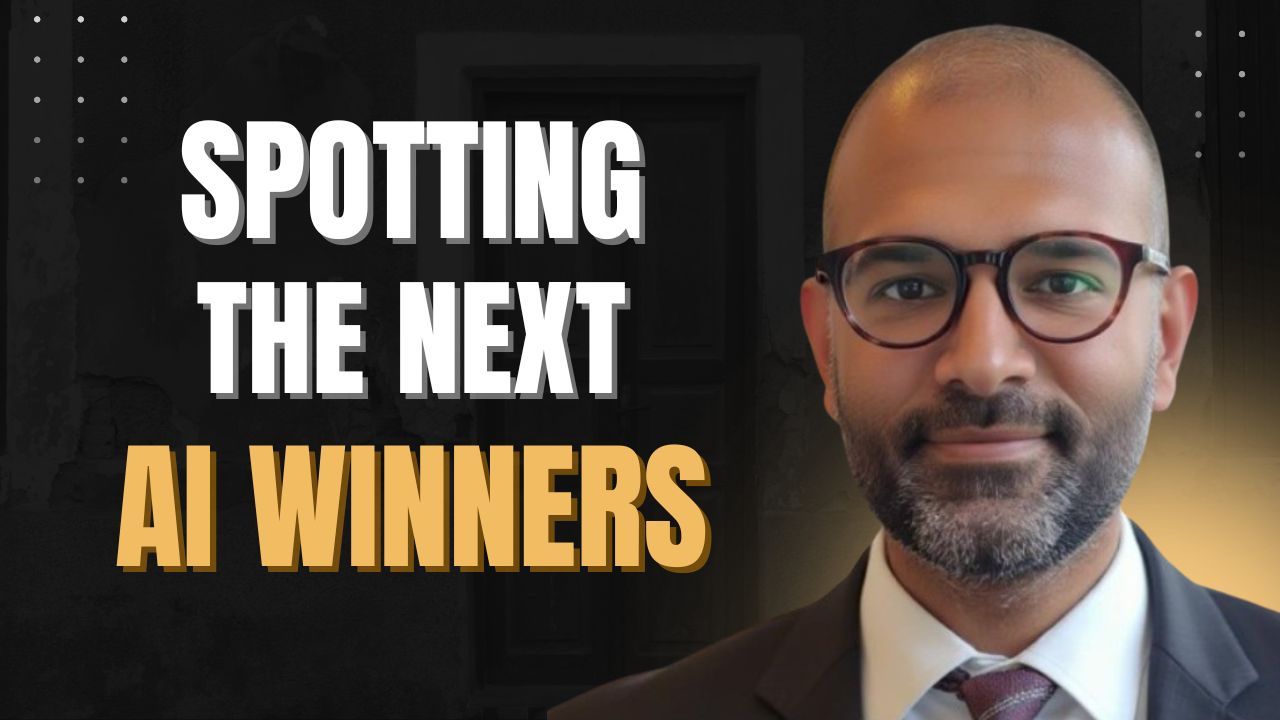
Aabhas Khanna, is General Partner at MyAsiaVC, a venture syndicate and fund with $125M AUM backing 250+ companies, including 5 unicorns. Previously at HSBC and Deloitte, he now invests in pre-seed and seed AI-native startups across enterprise growth, healthcare, fintech, and advanced manufacturing, focusing on obsessive founders tackling overlooked challenges. In this conversation, Aabhas Khanna, a general partner at MyAsia VC, discusses his journey from working in large corporations to venture capital. Aabhas shares insights on evaluating AI startups, the importance of founder quality, and the unique challenges and opportunities in different Asian markets. He emphasizes the need for adaptability in business models, the significance of understanding market dynamics, and the flow of capital in the Asian tech ecosystem. Timestamps 00:00 From Banking to Venture Capital: A Journey Begins 04:49 Navigating the AI Landscape: Signal vs. Noise 11:42 Regional Insights: Building in Hong Kong vs. Silicon Valley 17:31 Market Expansion: Local vs. Global Strategies 22:07 Investment Strategies: Reserves and Follow-On Investments 23:55 Identifying Future Unicorns: The Role of Founders 26:40 Navigating AI Disruption in Startups 28:29 The Role of Investors in Founder Decision-Making 30:56 Defining Good Growth in the AI Era 34:32 Capital Flows in the Asian Tech Ecosystem 38:20 Common Mistakes Founders Make 41:45 Reflections on Venture Capital and Personal Growth Aabhas's Links LDN/ X – https://www.linkedin.com/in/aabhaskhanna/ Website – https://www.myasiavc.com/ Sajid interview - https://lifeselfmastery.com/2020/05/30/ep-143-sajid-rahman-on-investing-in-emerging-markets/ My Links Podcast: https://lifeselfmastery.com/itunes Newsletter: https://partner-grow.beehiiv.com/subscribe YouTube: youtube.com/lifeselfmastery Twitter: https://twitter.com/rohitmal LinkedIn: https://www.linkedin.com/in/rohit857/


Download from Google Play

Download from App Store
 United States
The podcast is really interesting. I would encourage you to read the article here https://triare.net/insights/nfc-payment-solutionsvnmn/. I would also add that the most important reason why NFC is a popular solution is that you can pay contactless, even with a smartphone. NFC can also be used for security.
Cool podcast, well done the author, I heard a lot of useful information)