


 Claim Ownership
Environment & Nature . Storm Chasers
Subscribed: 0Played: 6
Subscribe

© Copyright Launchpod Studio
Description
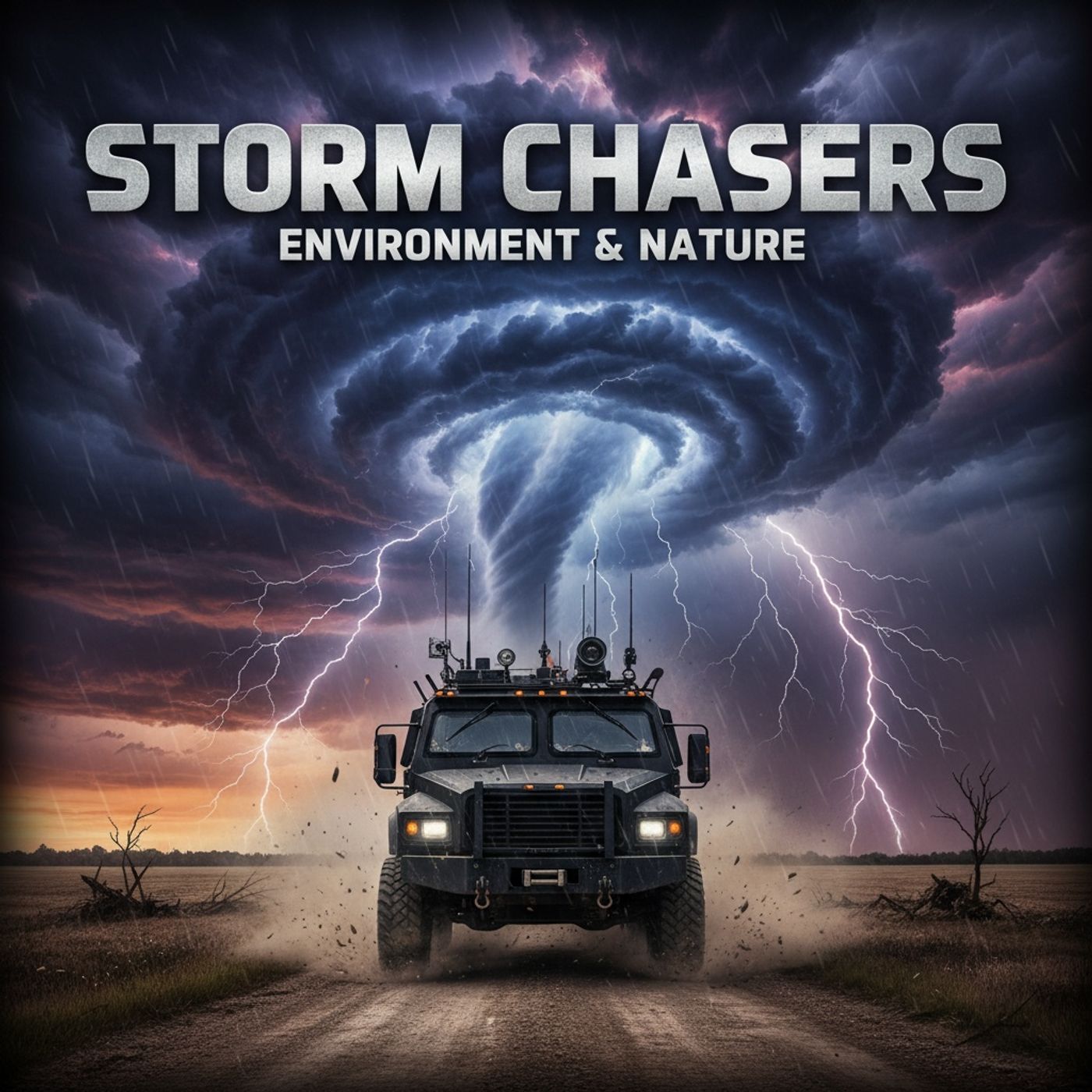
While most people flee from tornadoes and hurricanes, some drive straight toward them. This show follows those who pursue the planet's most violent weather, whether for scientific discovery or pure adrenaline. Inside their vehicles and minds, we discover what compels people to hunt the storms that terrify everyone else.
7 Episodes
Reverse
The final episode explores how climate change is affecting severe weather patterns and the future of storm chasing. We examine new research suggesting changes in tornado frequency and distribution, the potential expansion of traditional tornado alley, and how storm chasers are adapting their techniques. The episode concludes by looking at emerging technologies in weather tracking and prediction, including the use of drones and artificial intelligence in storm research.
Moving from ground-based to airborne storm chasing, this episode focuses on the elite NOAA and Air Force Hurricane Hunters who fly directly into tropical cyclones. We explore the specialized aircraft they use, the crucial data they collect, and how this information improves hurricane forecasting. The episode details the history of hurricane reconnaissance, the development of dropsondes technology, and the intense experience of penetrating a hurricane's eyewall.
This episode provides an in-depth look at the formation and structure of supercell thunderstorms, the most powerful and long-lived storm systems on Earth. We explore the specific atmospheric conditions required for supercell formation, the dynamics of mesocyclones, and how storm chasers use this knowledge to predict tornado development. The episode includes detailed analysis of wall clouds, rear flank downdrafts, and other key features that chasers look for when tracking potential tornado-producing storms.
This somber episode focuses on the 2013 El Reno tornado, the widest tornado ever recorded and a tragic turning point in storm chasing history. We examine the circumstances that led to the deaths of veteran storm chasers Tim Samaras, Paul Samaras, and Carl Young, and how this event changed storm chasing protocols forever. The episode includes detailed analysis of the unusual meteorological conditions that created this monster storm and the lessons learned about safety in extreme weather conditions.
Delving into the minds of storm chasers, this episode explores the psychological factors that drive individuals to pursue dangerous weather. Through interviews with veteran chasers and psychological experts, we examine the complex mix of scientific curiosity, adrenaline addiction, and professional dedication that motivates these weather warriors. The episode also addresses the impact of long-term exposure to disaster zones and the psychological toll of witnessing destruction, while exploring how chasers balance their passion with personal safety.
This episode examines the sophisticated technology that modern storm chasers use to track and intercept severe weather. From mobile Doppler radar systems to specialized weather stations and armored vehicles, we explore how technology has transformed storm chasing. The episode features detailed explanations of how chasers interpret radar signatures, use forecast models, and employ GPS tracking systems. Special attention is given to the development of the TIV (Tornado Intercept Vehicle) and its role in gathering unprecedented close-range tornado data.
The episode traces the evolution of storm chasing from its humble beginnings in the 1950s to its emergence as a scientific pursuit. We explore the groundbreaking work of David Hoadley, considered the first modern storm chaser, and the revolutionary NSSL (National Severe Storms Laboratory) Intercept Project that legitimized storm chasing as a scientific endeavor. The episode also delves into how early chasers developed their forecasting techniques without modern technology, and the critical role they played in advancing our understanding of severe weather phenomena.
Comments


Download from Google Play

Download from App Store
 United States